Antibióticos
Os antibióticos são compostos projetados para destruir ou inibir o crescimento de vários microrganismos, desempenhando um papel crucial no tratamento de infecções e na prevenção da disseminação de doenças. Esta categoria oferece uma ampla variedade de ingredientes ativos especificamente para pesquisa no campo bioquímico. Esses compostos são ferramentas essenciais no estudo dos mecanismos bacterianos, padrões de resistência e no desenvolvimento de novos agentes terapêuticos. Os pesquisadores podem explorar uma grande variedade de antibióticos para entender seus efeitos, otimizar seu uso e desenvolver novos tratamentos para combater ameaças microbianas emergentes. A disponibilidade de um espectro tão amplo de antibióticos apoia a pesquisa avançada e a inovação em microbiologia e ciências farmacêuticas.
Subcategorias de "Antibióticos"
- Antibióticos macrolídeos(26 produtos)
- Antibióticos Esteróides(31 produtos)
- Antibióticos de tetraciclina(20 produtos)
- Antibióticos β-Lactâmicos(11 produtos)
Foram encontrados 4083 produtos de "Antibióticos"
Ordenar por
Pureza (%)
0
100
|
0
|
50
|
90
|
95
|
100
D-Cycloserine
CAS:<p>D-Cycloserine is a antibiotic and NMDA receptor partial agonist with action on bacterial cell wall synthesis and modulation of NMDA receptors and is used for treating tuberculosis and studying neuropsychiatric disorders.</p>Fórmula:C3H6N2O2Pureza:Min. 98 Area-%Cor e Forma:PowderPeso molecular:102.09 g/molFaropenem sodium hemipentahydrate
CAS:<p>Faropenem sodium hemipentahydrate is a penem-class beta-lactam antibiotic with action on bacterial cell wall synthesis and is used for treating respiratory, skin, and urinary tract infections.</p>Fórmula:C12H15NO5S•(H2O)2•NaPureza:Min. 95%Cor e Forma:PowderPeso molecular:353.34 g/molOleandomycin phosphate
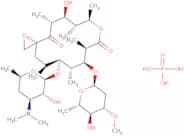
CAS:Produto Controlado<p>Oleandomycin phosphate is a macrolide antibiotic with action on bacterial protein synthesis inhibition and is used for treating respiratory tract infections and as a veterinary antibiotic.</p>Fórmula:C35H64NO16PPureza:(%) Reported (%)Cor e Forma:PowderPeso molecular:785.85 g/molDesfuroyl ceftiofur sodium
CAS:<p>Desfuroyl ceftiofur sodium is a veterinary cephalosporin antibiotic, which is derived from cephalosporin C, a beta-lactam antibiotic produced by the fungus Cephalosporium acremonium. Its mode of action involves the inhibition of bacterial cell wall synthesis by binding to and inactivating penicillin-binding proteins (PBPs). This prevents the cross-linking of peptidoglycan layers, leading to cell lysis and bacterial death, particularly effective against Gram-negative and some Gram-positive bacteria.</p>Fórmula:C14H15N5O5S3•NaPureza:Min. 95%Peso molecular:452.5 g/molValidoxylamine A
CAS:<p>Validoxylamine A is an antibiotic, which is a secondary metabolite produced by certain strains of the Actinomyces species. It functions as a potent inhibitor of the enzyme glucose isomerase, which plays a crucial role in the isomerization of glucose to fructose, an important biochemical reaction in various microbial and plant systems.</p>Fórmula:C14H25NO8Pureza:Min. 95%Peso molecular:335.35 g/molCiprofloxacin
CAS:<p>A fluoroquinolone antibiotic which inhibits nucleic acid synthesis by targeting the DNA gyrase and topoisomerase IV. This second-generation fluoroquinolone has a broad spectrum of action and is more effective against Gram-negative bacteria.</p>Fórmula:C17H18FN3O3Pureza:Min. 98 Area-%Cor e Forma:White PowderPeso molecular:331.34 g/molGamithromycin
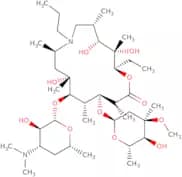
CAS:<p>Gamithromycin is a macrolide antibiotic with action on bacterial protein synthesis and is used for treating respiratory infections in cattle, pigs, and sheep.</p>Fórmula:C40H76N2O12Pureza:Min. 95%Cor e Forma:PowderPeso molecular:777.04 g/molLincomycin 2-phosphate
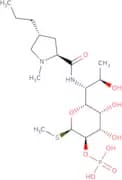
CAS:<p>Lincomycin 2-Phosphate is a lincosamide antibiotic derivative with a mode of action that inhibits bacterial protein synthesis by binding to the 50S ribosomal subunit. It is used for treating bacterial infections.</p>Fórmula:C18H35N2O9PSPureza:Min. 90 Area-%Cor e Forma:PowderPeso molecular:486.52 g/mol26-Hydroxyfusidic acid
<p>26-Hydroxyfusidic acid is a steroid antibiotic, which is derived from the Fusidium coccineum fungus. It exhibits its antibacterial effects by inhibiting bacterial protein synthesis. Specifically, it targets the bacterial elongation factor G (EF-G), a critical component in the translocation step during protein elongation, ultimately stalling bacterial growth.</p>Fórmula:C31H48O7Pureza:Min. 95%Peso molecular:532.71 g/molCiprofloxacin HCl monohydrate
CAS:<p>A fluoroquinolone antibiotic which inhibits nucleic acid synthesis by targeting the DNA gyrase and topoisomerase IV. This second-generation fluoroquinolone has a broad spectrum of action and is more effective against Gram-negative bacteria.</p>Fórmula:C17H18FN3O3·H2O·HClPureza:(Hplc) 98.0 To 102.0%Cor e Forma:White PowderPeso molecular:385.82 g/molFinafloxacin hydrochloride
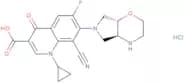
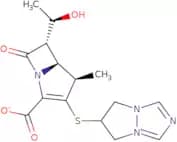
CAS:<p>Finafloxacin hydrochloride is an antibiotic, which is a synthetic compound derived from the fluoroquinolone class. Its source is a chemically engineered structure, specifically designed to combat bacterial infections effectively. The mode of action of Finafloxacin hydrochloride involves the inhibition of bacterial DNA gyrase and topoisomerase IV, essential enzymes responsible for DNA replication, transcription, and repair in bacteria. By inhibiting these enzymes, it disrupts bacterial DNA processes, ultimately leading to cell death and resolution of the infection.</p>Fórmula:C20H20ClFN4O4Pureza:Min. 95%Peso molecular:434.85 g/molMeropenem trihydrate
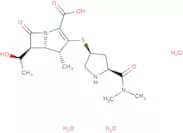
CAS:<p>Inhibitor of cell-wall synthesis; carbapenem class</p>Fórmula:C17H25N3O5S·3H2OPureza:Min. 95 Area-%Cor e Forma:PowderPeso molecular:437.51 g/molNosiheptide
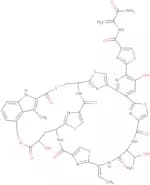
CAS:<p>A thiopeptide antibiotic produced by the bacterium Streptomyces actuosus. In addition, nosiheptide inhibits bacterial protein biosynthesis by acting during the elongation of the protein.</p>Fórmula:C51H43N13O12S6Pureza:Min. 95%Cor e Forma:PowderPeso molecular:1,222.36 g/molCycloheximide - Antibiotic for Culture Media Use Only
CAS:<p>Cycloheximide is produced by the bacteria Streptomyces griseus. In eukaryotic organisms, it acts as an inhibitor of protein biosynthesis, interfering with protein elongation by binding to the E-site of ribosomes after two elongation cycles. It has many in vitro applications, with the most popular being to determine a proteins half-life. It is used as an antifungal in VTM. It does not appear to inhibit cell culture or viral replication at a concentration of 10ug/ml.</p>Fórmula:C15H23NO4Pureza:Min. 95%Cor e Forma:PowderPeso molecular:281.35 g/molOritavancin
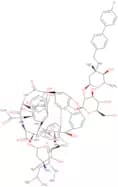
CAS:<p>Oritavancin is a semi-synthetic lipoglycopeptide antibiotic that inhibits bacterial cell wall synthesis by binding to the D-alanyl-D-alanine moiety of peptidoglycan precursors. It has been shown to be active against methicillin-resistant Staphylococcus aureus (MRSA) and Clostridium perfringens. Oritavancin also inhibits the growth of thp-1 cells in vitro and has been shown to be effective against endocarditis caused by MRSA.</p>Fórmula:C86H97Cl3N10O26Pureza:Min. 95%Cor e Forma:PowderPeso molecular:1,793.1 g/molGentamicin C2a sulfate
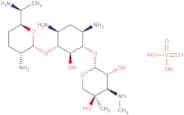
CAS:<p>Gentamicin C2a sulfate is one epimeric form of the aminoglycoside antibiotic gentamicin (a.k.a. gentamycin). Gentamicin interferes with the correct protein production in bacterial cells, by binding to the 16s rRNA at the 30s ribosomal subunit. Gentamicin is a natural mixture of four congeners, one of which is gentamicin C2a. Gentamicin is active against clinically relevant aerobic gram-negative bacteria. Gentamicin C2a has been shown to be biodegradable in the environment, to some extent.</p>Fórmula:C20H41N5O7·xH2SO4Pureza:Min. 95%Dihydrostreptomycin B
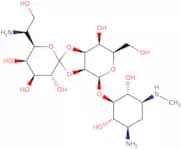
CAS:<p>Dihydrostreptomycin B is an aminoglycoside antibiotic, which is derived from the bacterium Streptomyces griseus. This antibiotic operates by binding to the 30S subunit of the bacterial ribosome, leading to the inhibition of protein synthesis. The binding disrupts the decoding site, causing misreading of mRNA and ultimately resulting in bactericidal activity.</p>Fórmula:C27H51N7O17Pureza:Min. 95%Peso molecular:745.33414Spectinomycin dihydrochloride pentahydrate
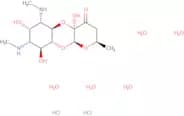
CAS:<p>Inhibitor of protein synthesis; aminocyclitol class</p>Fórmula:C14H24N2O7•(HCl)2•(H2O)5Pureza:Min 93%Cor e Forma:PowderPeso molecular:495.35 g/molVirginiamycin S1
CAS:<p>Inhibitor of protein synthesis; streptogramin</p>Fórmula:C43H49N7O10Pureza:Min. 95%Cor e Forma:PowderPeso molecular:823.89 g/molSangivamycin
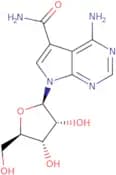
CAS:<p>Sangivamycin is a nucleoside analog with action as a protein kinase C inhibitor and is used for research on antiviral and anticancer therapies.</p>Fórmula:C12H15N5O5Pureza:Min. 97 Area-%Cor e Forma:PowderPeso molecular:309.28 g/molOritavancin diphosphate
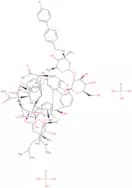
CAS:Produto Controlado<p>Oritavancin diphosphate is a lipoglycopeptide antibiotic with action on bacterial cell wall synthesis and is used for treating acute bacterial skin and skin structure infections.</p>Fórmula:C86H97Cl3N10O26·2H3O4PPureza:Min. 95%Cor e Forma:PowderPeso molecular:1,989.09 g/molCerulenin
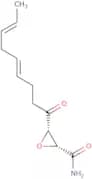
CAS:<p>Cerulenin is an antifungal antibiotic with action on fatty acid and steroid biosynthesis inhibition and is used for studying lipid metabolism and cancer research.</p>Fórmula:C12H17NO3Pureza:Min. 95%Peso molecular:223.27 g/molGentamicin C1a pentaacetate
CAS:<p>Gentamicin C1a pentaacetate is an aminoglycoside antibiotic derivative, which is synthesized through the acetylation of the hydroxyl groups in gentamicin C1a. This compound is derived from the fermentation products of Micromonospora species, a genus of actinobacteria. Its mode of action is similar to that of standard aminoglycosides, primarily involving the binding to bacterial 30S ribosomal subunits. This binding interferes with protein synthesis by causing misreading of mRNA, ultimately leading to the inhibition of protein production and bacterial cell death.</p>Fórmula:C29H59N5O17Pureza:Min. 95%Cor e Forma:Off-White PowderPeso molecular:749.8 g/molErtapenem sodium
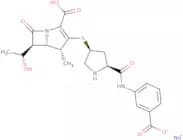
CAS:<p>Ertapenem sodium is a carbapenem antibiotic with action on bacterial cell wall synthesis and is used for treating severe bacterial infections like intra-abdominal infections and pneumonia.</p>Fórmula:C22H24N3NaO7SPureza:Min. 85 Area-%Cor e Forma:PowderPeso molecular:497.5 g/molChloroeremomycin
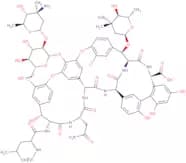
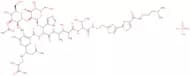
CAS:<p>Fementation intermediate of Oritavancin</p>Fórmula:C73H88Cl2N10O26Pureza:Min. 95%Cor e Forma:White PowderPeso molecular:1,592.44 g/molBleomycin sulfate - mixture of Bleomycin A2, B2
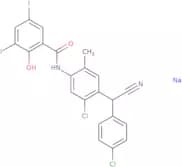
CAS:<p>Inducer of DNA strand breaks; glycopeptide antibiotic, anti-neoplastic</p>Fórmula:C55H84N17O21S3·xH2SO4Pureza:Min. 77 Area-%Cor e Forma:PowderPeso molecular:1,415.56 g/molClosantel sodium dihydrate
CAS:<p>Closantel sodium dihydrate is a salicylanilide antiparasitic agent with action on flukes, nematodes, and arthropods and is used for veterinary treatment of parasitic infections.</p>Fórmula:C22H14Cl2I2N2O2·Na·2H2OPureza:Min. 95%Peso molecular:722.09 g/molNatamycin
CAS:<p>Natamycin is a polyene macrolide antifungal agent with action on fungal cell membranes by binding to sterols and is used for treating fungal infections and as a food preservative.</p>Fórmula:C33H47NO13Pureza:Min. 95 Area-%Cor e Forma:PowderPeso molecular:665.73 g/molGemifloxacin mesylate
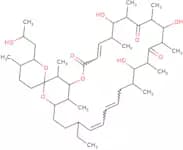
CAS:<p>Inhibits DNA gyrase and topoisomerase IV</p>Fórmula:C19H24FN5O7SPureza:Min. 95%Cor e Forma:White Beige PowderPeso molecular:485.49 g/molOligomycin C 97%
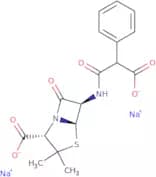
CAS:<p>Oligomycin C 97% is a macrolide antibiotic with action on mitochondrial ATP synthase inhibition and is used for research on oxidative phosphorylation and cellular metabolism.</p>Fórmula:C45H72O12Pureza:Min. 95%Cor e Forma:PowderPeso molecular:805.05 g/molCarbenicillin disodium salt
CAS:<p>Inhibitor of bacterial cell wall biogenesis; penicillin class</p>Fórmula:C17H16N2Na2O6SPureza:Min. 90 Area-%Cor e Forma:White Slightly Yellow PowderPeso molecular:422.37 g/molAvibactam sodium
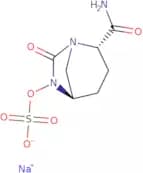
CAS:<p>Avibactam sodium is a β-lactamase inhibitor and is used for the treatment of complicated intra-abdominal and urinary tract infections in combination with ceftazidime. Its mode of action is similar to avibactam free acid</p>Fórmula:C7H10N3O6S·NaPureza:Min. 97 Area-%Cor e Forma:White PowderPeso molecular:287.23 g/molTiamulin fumarate
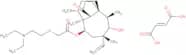
CAS:<p>Tiamulin fumarate is a pleuromutilin antibiotic with action on bacterial protein synthesis by targeting the 50S ribosomal subunit and is used for treating swine dysentery and respiratory infections in livestock.</p>Fórmula:C32H51NO8SPureza:Min. 95%Cor e Forma:White PowderPeso molecular:609.82 g/molGeneticin sulfate
CAS:<p>Geneticin is very efficient against gram-negative bacteria, however it is not applied for treating infections due to high renal toxicity. Geneticin and its resistance genes found application in the selection of transgenic cell lines including yeasts such as P. pastoris and S. serevisiae, other eukaryotic cell lines such as CHO or HEK293, but also plant cells and bacterial cells.</p>Fórmula:C20H40N4O10·2H2SO4Pureza:Min. 98 Area-%Cor e Forma:White PowderPeso molecular:692.71 g/molDifloxacin
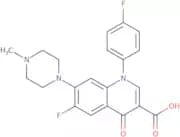
CAS:<p>Difloxacin is a fluoroquinolone antibiotic, which is a synthetic compound derived from chemical synthesis methods. Its source involves complex organic chemistry that modifies the quinolone backbone to enhance its antibacterial properties. Difloxacin functions by inhibiting bacterial DNA gyrase and topoisomerase IV, which are critical enzymes involved in DNA replication, transcription, and repair. This inhibition leads to the prevention of cellular division and ultimately results in bacterial cell death.</p>Fórmula:C21H19F2N3O3Pureza:Min. 95%Peso molecular:399.39 g/molArbekacin
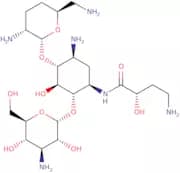
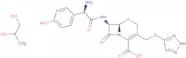
CAS:<p>Inhibitor of DNA replication; aminoglycoside class</p>Fórmula:C22H44N6O10Pureza:Min. 95%Peso molecular:552.62 g/molCefatrizine propylene glycol
CAS:<p>Cefatrizine propylene glycol is a cephalosporin antibiotic with action against gram-positive and gram-negative bacteria and is used for treating respiratory and skin infections.</p>Fórmula:C21H26N6O7S2Pureza:Min. 95%Cor e Forma:PowderPeso molecular:538.6 g/molDoxorubicin Impurity B
CAS:<p>Doxorubicin Impurity B is a chemical impurity of doxorubicin with no direct therapeutic action but used in research and quality control.</p>Fórmula:C29H34BrNO11Pureza:Min. 95%Cor e Forma:Red PowderPeso molecular:652.48 g/molCarumonam disodium
CAS:<p>Carumonam disodium is a monobactam antibiotic, which is derived from microbial fermentation processes. Its mode of action involves binding to penicillin-binding proteins (PBPs) of susceptible Gram-negative bacteria. This binding inhibits the final transpeptidation step of peptidoglycan synthesis in the bacterial cell wall, leading to cell lysis and death.</p>Fórmula:C12H14N6Na2O10S2Pureza:Min. 95%Peso molecular:512.39 g/molPosizolid
CAS:<p>Posizolid is an oxazolidinone antibiotic, which is a synthetic compound derived from chemical synthesis. It acts by inhibiting bacterial protein synthesis through binding to the 50S subunit of the bacterial ribosome, thereby interfering with the translation process essential for bacterial growth and reproduction.</p>Fórmula:C21H21F2N3O7Pureza:Min. 95%Cor e Forma:SolidPeso molecular:465.4 g/molGrepafloxacin hydrochloride
CAS:<p>Broad-spectrum fluoroquinolone antibacterial agent</p>Fórmula:C19H22FN3O3•(HCl)xPureza:Min. 95%Peso molecular:395.86 g/molFosfomycin disodium salt, Antibiotic for Culture Media Use Only
CAS:<p>Broad-spectrum antibiotic; bacterial cell wall biogenesis inhibitor</p>Fórmula:C3H5Na2O4PPeso molecular:182.02 g/molMaduramicin ammonium
CAS:<p>Maduramicin ammonium is an anticoccidial agent with action on protozoal parasites by disrupting ion gradients and is used for preventing coccidiosis in poultry.</p>Fórmula:C47H83NO17Pureza:Min. 95%Cor e Forma:PowderPeso molecular:934.16 g/molTosufloxacin toluenesulfonate hydrate - Bio-X ™
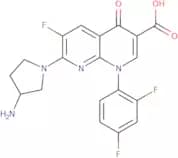
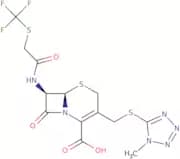
CAS:<p>Tosufloxacin is a fluoroquinolone antibiotic that inhibits DNA gyrase and topoisomerase IV, which are enzymes that maintain the integrity of bacterial DNA. It binds to bacterial 16S ribosomal RNA and inhibits protein synthesis, leading to cell death by inhibiting the production of proteins vital for cell division. Tosufloxacin has been shown to be effective against a variety of bacterial infections.</p>Fórmula:C19H15F3N4O3·C7H8O3S·H2OPureza:Min. 95%Cor e Forma:PowderPeso molecular:594.56 g/molCefazaflur
CAS:<p>Cefazaflur is a semisynthetic cephalosporin antibiotic, which is derived from the mold Acremonium (formerly known as Cephalosporium). Its mode of action involves inhibiting bacterial cell wall synthesis by targeting penicillin-binding proteins (PBPs). This interference prevents the cross-linking of peptidoglycan chains, which is essential for bacterial cell wall structural integrity, ultimately leading to cell lysis and death.</p>Fórmula:C13H13F3N6O4S3Pureza:Min. 95%Peso molecular:470.47 g/molNetropsin dihydrochloride
CAS:<p>Netropsin dihydrochloride is a pyrrole-amidine antibiotic with action on AT-rich sequences of DNA to inhibit replication and is used for research on DNA-binding properties and antiviral activity.</p>Fórmula:C18H28N10O3Cl2Pureza:Min. 98 Area-%Cor e Forma:PowderPeso molecular:503.39 g/molTigecycline hydrochloride
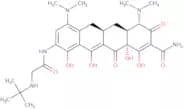
CAS:<p>Inhibitor of protein synthesis; glycylcycline class</p>Fórmula:C29H39N5O8·HClPureza:Min. 95%Peso molecular:622.11 g/molMoxalactam Sodium Salt (Mixture of diastereomers)
CAS:<p>Moxalactam Sodium Salt (Mixture of diastereomers) is an oxacephem antibiotic with action on bacterial cell wall synthesis and is used for treating infections caused by gram-negative bacteria like Escherichia coli and Pseudomonas aeruginosa</p>Fórmula:C20H18N6Na2O9SPureza:Min. 95 Area-%Cor e Forma:PowderPeso molecular:564.44 g/molGriselimycin
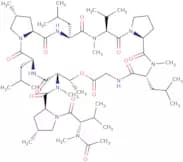
CAS:<p>Griselimycin is an antibiotic, which is derived from the bacterial genus *Streptomyces*. This compound exhibits its mode of action by targeting bacterial protein synthesis, specifically binding to the DNA polymerase sliding clamp, thereby inhibiting replication and cell division in a range of bacterial pathogens. Griselimycin has been the focus of renewed scientific interest due to its potent activity against Mycobacterium tuberculosis, including multi-drug-resistant strains. The compound’s unique mode of action makes it a promising candidate for further development in the treatment of tuberculosis and potentially other bacterial infections that have developed resistance to more commonly used antibiotics. Advances in understanding its biosynthesis have facilitated semi-synthetic modifications, potentially enhancing its pharmacokinetic properties and antimicrobial spectrum. The applications of Griselimycin extend to research contexts where understanding resistance mechanisms and novel antibiotic development are critical. Continued exploration of this compound may contribute significantly to addressing the global challenge of antibiotic resistance.</p>Fórmula:C57H96N10O12Pureza:Min. 95%Peso molecular:1112.720922,4-Diacetylphloroglucinol
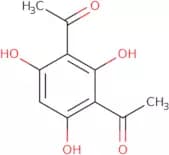
CAS:<p>2,4-Diacetylphloroglucinol is a natural phenol produced by certain bacteria, used for its biocontrol properties against plant pathogens.</p>Fórmula:C10H10O5Pureza:Min. 95%Cor e Forma:Beige PowderPeso molecular:210.18 g/molTicarcillin/Clavulanate (15/1)
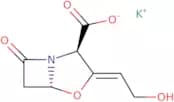
CAS:<p>Ticarcillin is a beta-lactam antibiotic that inhibits the synthesis of peptidoglycan, which is an essential component of bacterial cell walls. Ticarcillin is used for the treatment of infections caused by susceptible bacteria, such as those in the respiratory tract, urinary tract, skin and soft tissues. It can also be used to treat sepsis and meningitis. Ticarcillin has a broad spectrum of activity against Gram-positive and Gram-negative bacteria, including Enterobacteriaceae (e.g., Escherichia coli) and Pseudomonas aeruginosa. Ticarcillin is not active against methicillin-resistant Staphylococcus aureus (MRSA).</p>Fórmula:C15H14N2Na2O6S2•C8H8KNO5Pureza:(Ticarcillin Disodium) Min. 75%Cor e Forma:White PowderPeso molecular:665.64 g/molNigericin sodium - from Streptomyces hygroscopicus
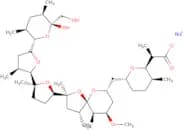
CAS:<p>Membrane pore-forming agent; H+, K+, Pb2+ ionophore; polyether antibiotic</p>Fórmula:C40H67O11NaPureza:Min. 95%Cor e Forma:White PowderPeso molecular:746.94 g/molBesifloxacin hydrochloride
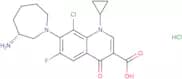
CAS:<p>Antibiotic of fluoroquinolone class; DNA replication inhibitor</p>Fórmula:C19H22Cl2FN3O3Pureza:Min. 98 Area-%Cor e Forma:PowderPeso molecular:430.3 g/molTosufloxacin
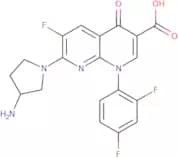
CAS:<p>Inhibitor of DNA replication; inhibitor of theophylline and caffeine metabolism</p>Fórmula:C19H15F3N4O3Pureza:Min. 95%Peso molecular:404.34 g/molValrubicin
CAS:<p>Chemotherapy for bladder cancer; semi-synthetic analog of doxorubicin</p>Fórmula:C34H36F3NO13Pureza:Min. 95 Area-%Cor e Forma:PowderPeso molecular:723.64 g/molTotarol
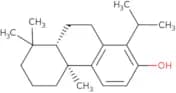
CAS:<p>Natural diterpene; anti-microbial</p>Fórmula:C20H30OPureza:Min. 60%Cor e Forma:PowderPeso molecular:286.45 g/molEnrofloxacin lactate
CAS:<p>Enrofloxacin lactate is a synthetic antimicrobial agent, which is derived from the fluoroquinolone class of antibiotics. It is sourced through chemical synthesis, wherein the base compound, enrofloxacin, is combined with lactate to enhance its pharmacokinetic properties, particularly solubility and bioavailability. Its mode of action is the inhibition of bacterial DNA gyrase and topoisomerase IV, enzymes crucial for DNA replication, transcription, and repair in susceptible bacteria. This interference ultimately leads to bacterial cell death, making enrofloxacin lactate a bactericidal agent.</p>Pureza:Min. 95%Cinoxacin
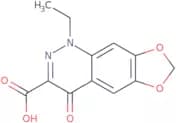
CAS:<p>Cinoxacin is a quinolone antibiotic with action on bacterial DNA synthesis inhibition and is used for treating urinary tract infections.</p>Fórmula:C12H10N2O5Pureza:Min. 98 Area-%Cor e Forma:PowderPeso molecular:262.22 g/molb-Apo-oxytetracycline
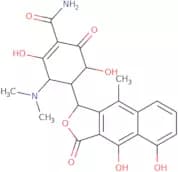
CAS:<p>b-Apo-oxytetracycline is a tetracycline antibiotic and is used for the treatment of bacterial infections. It binds to the 30S ribosomal subunit, inhibiting protein synthesis.</p>Fórmula:C22H22N2O8Pureza:Min. 95%Cor e Forma:Brown Yellow PowderPeso molecular:442.42 g/molAmrubicin hydrochloride
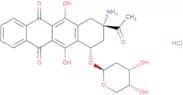
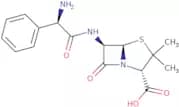
CAS:<p>Amrubicin hydrochloride is an anthracycline chemotherapeutic agent, which is a synthetic anthracycline derivative derived from reductive amination. It functions primarily by intercalating into DNA and inhibiting topoisomerase II, an enzyme crucial to DNA replication. This mode of action disrupts DNA synthesis, leading to apoptosis in rapidly proliferating cancer cells.</p>Fórmula:C25H25NO9•HClPureza:Min. 95%Peso molecular:519.93 g/molAmpicillin
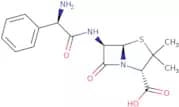
CAS:<p>Antibiotic of penicillin class; inhibits bacterial cell wall biogenesis</p>Fórmula:C16H19N3O4SPureza:Min. 98%Cor e Forma:PowderPeso molecular:349.41 g/molMithramycin A
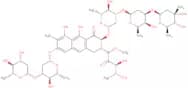
CAS:<p>Antineoplastic antibiotic; RNA synthesis inhibitor</p>Fórmula:C52H76O24Pureza:Min. 95%Cor e Forma:Yellow PowderPeso molecular:1,085.15 g/molAvermectin B1a (>85%)
CAS:<p>Avermectin B1a (>85%) is a macrolide anthelmintic and is used for the treatment of parasitic infections. It enhances the effects of glutamate at the glutamate-gated chloride channels, causing paralysis and death of the parasite</p>Fórmula:C48H72O14Pureza:>85% B1ACor e Forma:White PowderPeso molecular:873.08 g/molCeftibuten dihydrate
CAS:<p>Ceftibuten dihydrate is a third-generation cephalosporin antibiotic with action on bacterial cell wall synthesis and is used for treating respiratory tract infections, otitis media, and urinary tract infections.</p>Fórmula:C15H14N4O6S2•(H2O)2Pureza:Min. 95%Cor e Forma:PowderPeso molecular:446.46 g/molCeftriaxone disodium hemiheptahydrate
CAS:<p>Ceftriaxone disodium hemiheptahydrate is a third-generation cephalosporin antibiotic, which is a semisynthetic derivative of cephalosporin C. This compound is sourced from the fungus Acremonium, which is known for its role in deriving crucial β-lactam antibiotics. Ceftriaxone acts by inhibiting bacterial cell wall synthesis, specifically targeting the penicillin-binding proteins (PBPs). This action disrupts peptidoglycan cross-linking, leading to bacterial cell lysis and death.</p>Fórmula:(C18H18N8Na2O7S3)2•(H2O)7Pureza:Min. 94 Area-%Cor e Forma:White Yellow PowderPeso molecular:1,327.23 g/molIsochlortetracycline
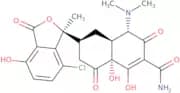
CAS:<p>Isochlortetracycline is a tetracycline antibiotic with a mode of action that inhibits bacterial protein synthesis by binding to the 30S ribosomal subunit. It is used for treating bacterial infections in both humans and animals.</p>Fórmula:C22H23ClN2O8Pureza:Min. 95%Cor e Forma:Off-White PowderPeso molecular:478.88 g/molOrbifloxacin
CAS:<p>Orbifloxacin is a fluoroquinolone antibiotic with action on bacterial DNA gyrase and topoisomerase IV and is used for treating bacterial infections in veterinary medicine.</p>Fórmula:C19H20F3N3O3Pureza:Min. 95%Cor e Forma:PowderPeso molecular:395.38 g/molVancomycin hydrochloride, Antibiotic for Culture Media Use Only
CAS:<p>Vancomycin hydrochloride is an antibiotic that is used against Gram-positive bacteria, including Staphylococcus aureus. It has been shown to inhibit the growth of bacteria by binding the D-alanyl-D-alanine moiety of the peptidoglycan cell wall precursor, inhibiting the peptidoglycan synthesis and disrupting its cross linking. It also inhibits particle formation when it reacts with human plasma, which can lead to hemolysis and hemagglutination. The absorption spectrum for vancomycin hydrochloride shows maxima at 230, 260, 290, and 320 nm, which are characteristic for this compound. Vancomycin has been used in several studies for treatment of methicillin-resistant Staphylococcus aureus infections.</p>Fórmula:C66H76Cl3N9O24Peso molecular:1,485.71 g/molRef: 3D-Q-201920
25gA consultar50gA consultar100gA consultar250gA consultar500gA consultar-Unit-ggA consultarIsomitomycin A
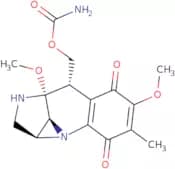
CAS:<p>Isomitomycin A is a naturally occurring microbial metabolite, which is isolated from certain strains of actinomycetes. It exhibits a unique mode of action by interfering with viral replication processes, effectively inhibiting the proliferation of various viral pathogens. The alkaloidal structure of Isomitomycin A allows it to integrate into nucleic acid processing pathways, eventually disrupting the function and synthesis of viral genomes.</p>Fórmula:C16H19N3O6Pureza:Min. 95%Peso molecular:349.34 g/mollsoniazid
CAS:<p>Lysostaphin is an antimicrobial enzyme with a mode of action that cleaves the cell wall of Staphylococcus aureus. It is used for treating staphylococcal infections and in research applications.</p>Fórmula:C6H7N3OPureza:Min. 95%Cor e Forma:White PowderPeso molecular:137.14 g/molPazufloxacin hydrochloride
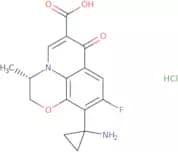
CAS:<p>Pazufloxacin hydrochloride is a synthetic antibacterial agent, which is derived from the fluoroquinolone class of antibiotics with a broad-spectrum activity against various bacterial pathogens. This compound, sourced through chemical synthesis, functions primarily by inhibiting bacterial DNA gyrase and topoisomerase IV, which are critical enzymes for DNA replication, transcription, repair, and recombination. The inhibition of these enzymes leads to the disruption of bacterial DNA processes, ultimately resulting in bacterial cell death.</p>Fórmula:C16H15FN2O4•HClPureza:Min. 95%Peso molecular:354.76 g/molBoromycin
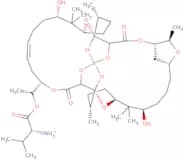
CAS:<p>Boromycin is a macrolide antibiotic, which is derived from the fermentation of certain strains of Streptomyces bacteria. It operates as an ionophore with the ability to transport ions across lipid membranes, effectively disrupting ionic gradients. This mechanism of action compromises essential cellular processes in target organisms, thereby exerting its antimicrobial effects.</p>Fórmula:C45H74BNO15Pureza:Min. 95%Peso molecular:879.88 g/molPiromidic acid
CAS:<p>Quinolone antibiotic; antimalarial</p>Fórmula:C14H16N4O3Pureza:Min. 95%Cor e Forma:Off-White PowderPeso molecular:288.3 g/molCeftazidime pentahydrate
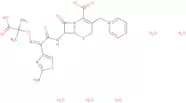
CAS:<p>A broad-spectrum antibiotic of cephalosporin class, which inhibits bacterial cell wall synthesis by targeting the penicillin-binding protein, involved in peptidoglycan synthesis. This third-generation cephalosporin is very active against Pseudomonas species and can also be used to treat bacterial meningitis as it penetrates in the cerebrospinal fluid.</p>Fórmula:C22H32N6O12S2Pureza:Min. 98 Area-%Cor e Forma:White PowderPeso molecular:636.65 g/molHerbicidin C
CAS:<p>Herbicidin C is an antibiotic, which is derived from a microbial source, specifically from certain strains of actinobacteria. This compound functions as an inhibitor, interfering with specific metabolic pathways within target organisms. Its mode of action involves disrupting the synthesis of critical proteins, which are essential for cell survival and growth.</p>Fórmula:C17H21N5O9Pureza:Min. 95%Peso molecular:439.38 g/molLomefloxacin
CAS:<p>Lomefloxacin is a fluoroquinolone antibiotic with a mode of action that inhibits bacterial DNA gyrase and topoisomerase IV. It is used for treating bacterial infections like bronchitis and urinary tract infections.</p>Fórmula:C17H19F2N3O3Pureza:Min. 98 Area-%Cor e Forma:PowderPeso molecular:351.35 g/molCefpodoxime acid
CAS:<p>Cefpodoxime acid is a third-generation cephalosporin antibiotic with action on bacterial cell wall synthesis and is used for treating respiratory tract infections, skin infections, and urinary tract infections.</p>Fórmula:C15H17N5O6S2Pureza:Min. 95 Area-%Cor e Forma:Off-White PowderPeso molecular:427.46 g/molIsepamicin sulphate
CAS:<p>Isepamicin Sulphate is an aminoglycoside antibiotic with a mode of action that inhibits bacterial protein synthesis by binding to the 30S ribosomal subunit. It is used for treating infections caused by gram-negative bacteria.</p>Fórmula:C22H43N5O12•H2SO4Pureza:Min. 95%Cor e Forma:White PowderPeso molecular:667.68 g/molDaptomycin
CAS:<p>Daptomycin is a cyclic lipopeptide that disrupts cell membrane potential and causes leakage from the cell. The antibacterial effects are limited to gram-positive bacteria since daptomycin cant reach the outer membrane of gram-negative species. It is often used for infections cause by vancomycin-resistant enterococci and staphylococci.</p>Fórmula:C72H101N17O26Pureza:Min. 93 Area-%Cor e Forma:Brown White PowderPeso molecular:1,620.67 g/molBiapenem
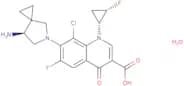
CAS:<p>Biapenem is a carbapenem antibiotic and is used for the treatment of bacterial infections. It inhibits bacterial cell wall synthesis by binding to penicillin-binding proteins.</p>Fórmula:C15H18N4O4SPureza:Min. 95%Cor e Forma:White PowderPeso molecular:350.39 g/molSitafloxacin sesquihydrate
CAS:<p>Sitafloxacin sesquihydrate is a fourth-generation fluoroquinolone antibiotic with action on bacterial DNA gyrase and topoisomerase IV and is used for treating respiratory, urinary, and gastrointestinal infections.</p>Fórmula:C19H18ClF2N3O3•(H2O)1Pureza:Min. 98 Area-%Cor e Forma:PowderPeso molecular:436.84 g/molKanamycin
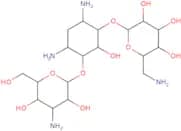
CAS:<p>Kanamycin is a broad spectrum antibiotic active against both gram-positive and gram-negative bacteria. It is used to treat severe infections including sepsis and tuberculosis. It is another selection agent commonly used to screen bacteria, such as, E. coli, but also suitable for yeast specie,s such as, P. pastoris and plastid transformation of tobacco.</p>Fórmula:C18H36N4O11Pureza:Min. 95%Cor e Forma:PowderPeso molecular:484.5 g/molCarbomycin
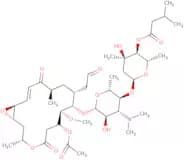
CAS:<p>Carbomycin is a macrolide antibiotic, which is derived from the bacterium Streptomyces halstedii. This antibiotic functions by binding to the 50S ribosomal subunit, thereby inhibiting bacterial protein synthesis. Through this mechanism, carbomycin effectively disrupts the growth and replication of susceptible bacterial strains, making it a potent tool in combating bacterial infections.</p>Fórmula:C42H67NO16Pureza:Min. 95%Peso molecular:841.98 g/molCefiderocol
CAS:<p>Cefiderocol is a siderophore cephalosporin antibiotic with action on bacterial cell wall synthesis, particularly targeting multidrug-resistant gram-negative bacteria and is used for treating complicated urinary tract infections and hospital-acquired pneumonia.</p>Fórmula:C30H34CLN7O10S2Pureza:Min. 95%Cor e Forma:PowderPeso molecular:752.2 g/molTulathromycin B - 5% (mixture with Tulathromycin A)
CAS:<p>Inhibitor of protein synthesis; macrolide class</p>Fórmula:C41H79N3O12Pureza:Min. 95%Cor e Forma:Off-White PowderPeso molecular:806.08 g/molAmpicillin sodium salt - Bio-X ™
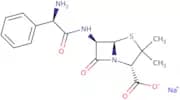
CAS:<p>Ampicillin is a β-lactam antibiotic with a broad spectrum of activity against Gram-positive and Gram-negative bacteria. It is used in the treatment of bacterial infections, including those caused by methicillin-resistant Staphylococcus aureus (MRSA), Streptococcus pneumoniae, and Listeria monocytogenes. Ampicillin binds to penicillin-binding proteins in the bacterial cell wall by competitive inhibition. It prevents the formation of an antibiotic-inhibitor complex with the enzyme cell wall synthesis that is required for cell wall biosynthesis, inhibiting protein synthesis and cell division.</p>Fórmula:C16H19N3O4S·NaPureza:Min. 85 Area-%Cor e Forma:PowderPeso molecular:372.4 g/mol25-Desacetylrifampin
CAS:<p>25-Desacetylrifampin is the main metabolite of rifampicin, used in the treatment of tuberculosis. 25-Desacetylrifampin has partial actvity.</p>Fórmula:C41H56N4O11Pureza:Min. 94 Area-%Cor e Forma:PowderPeso molecular:780.9 g/molCeftazidime
CAS:<p>Ceftazidime is a third-generation cephalosporin antibiotic with action on bacterial cell wall synthesis and is used for treating severe bacterial infections like pneumonia, meningitis, and sepsis.</p>Fórmula:C22H22N6O7S2Pureza:Min. 95.0 Area-%Cor e Forma:PowderPeso molecular:546.58 g/molCephalothin sodium
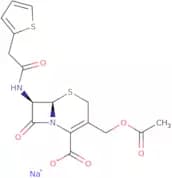
CAS:<p>Cephalothin sodium is a first-generation cephalosporin antibiotic with action on bacterial cell wall synthesis and is used for treating bacterial infections such as respiratory tract infections and skin infections.</p>Fórmula:C16H15N2NaO6S2Pureza:Min. 97 Area-%Cor e Forma:White Yellow PowderPeso molecular:418.42 g/molCefditoren acid sodium
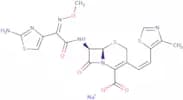
CAS:<p>Cefditoren acid sodium is an antibacterial agent that belongs to the class of third-generation cephalosporins, which is derived from Acremonium fungus and produced through chemical synthesis. This compound acts by inhibiting bacterial cell wall synthesis, leading to cell lysis and death. It achieves this by binding to specific penicillin-binding proteins (PBPs) located inside the bacterial cell wall. The interruption of peptidoglycan synthesis in the cell wall is crucial for maintaining bacterial cell integrity, and its inhibition results in the bactericidal activity of cefditoren acid sodium. It is effective against a range of Gram-positive and Gram-negative bacteria. The key applications of this compound include the treatment of bacterial infections such as respiratory tract infections, skin infections, and other conditions caused by susceptible bacteria. Its spectrum of activity and pharmacokinetic properties make it suitable for situations where third-generation cephalosporins are indicated. Understanding the specific interaction with PBPs and the resistance mechanisms is crucial for optimizing its clinical use and managing antibiotic resistance.</p>Fórmula:C19H17N6NaO5S3Pureza:94%MinPeso molecular:528.56 g/molTetracycline hydrochloride
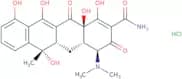
CAS:<p>Antibiotic of tetracycline class; protein synthesis inhibitor</p>Fórmula:C22H25ClN2O8Cor e Forma:Yellow PowderPeso molecular:480.9 g/molAmpicillin - Bio-X ™
CAS:<p>Ampicillin is a β-lactam antibiotic with a broad spectrum of activity against Gram-positive and Gram-negative bacteria. It is used in the treatment of bacterial infections, including those caused by methicillin-resistant Staphylococcus aureus (MRSA), Streptococcus pneumoniae, and Listeria monocytogenes. Ampicillin binds to penicillin-binding proteins in the bacterial cell wall by competitive inhibition. It prevents the formation of an antibiotic-inhibitor complex with the enzyme cell wall synthesis that is required for cell wall biosynthesis, inhibiting protein synthesis and cell division.</p>Fórmula:C16H19N3O4SPureza:Min. 95%Cor e Forma:PowderPeso molecular:349.41 g/molHygromycin B - min 90%
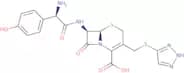
CAS:<p>Inhibitor of protein synthesis; aminoglycoside</p>Fórmula:C20H37N3O13Pureza:Min. 90 Area-%Cor e Forma:PowderPeso molecular:527.52 g/molCefatrizine
CAS:<p>Cefatrizine is a broad-spectrum antibiotic, which is a semisynthetic cephalosporin derived from cephalosporin C, a natural product originating from the fungus Acremonium chrysogenum. It exerts its mode of action through the inhibition of bacterial cell wall synthesis, a critical component for bacterial growth and replication. Specifically, cefatrizine targets and binds to penicillin-binding proteins (PBPs) located inside the bacterial cell wall, leading to the inhibition of peptidoglycan synthesis. This disruption results in cell lysis and ultimately bacterial cell death.</p>Fórmula:C18H18N6O5S2Pureza:Min. 95%Peso molecular:462.5 g/molMeropenem trihydrate, Antibiotic for Culture Media Use Only
CAS:<p>Meropenem trihydrate has broad spectrum activity against Gram-positive and Gram-negative bacteria, as well as, some mycoplasma species. It inhibits cell wall synthesis by binding to bacterial penicillin-binding proteins (PBP), which impairs cell wall integrity, induces the formation of reactive oxygen species, and inhibits macromolecular synthesis in bacteria. It can be used to prevent bacterial growth after being exposed to meropenem through fluorescence imaging of human blood plasma. Meropenem trihydrate research studies showed a reduction of the allergen levels in patients with respiratory allergies or asthma, specifically dust mites, cockroaches, animal dander, pollen grains, etc. by inhibit allergen-induced sensitization of mast cells.</p>Fórmula:C17H31N3O8SPureza:Min. 98.0 Area-%Peso molecular:437.51 g/molRef: 3D-M-2780
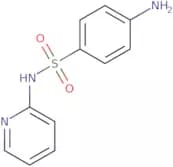
10gA consultar25gA consultar50gA consultar100gA consultar250gA consultar-Unit-ggA consultarSulfapyridine
CAS:<p>A sulfanilide anti-bacterial agent used to treat various skin diseases</p>Fórmula:C11H11N3O2SPureza:Min. 98.0 Area-%Cor e Forma:PowderPeso molecular:249.29 g/molDequalinium chloride
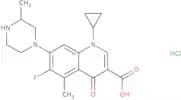
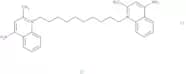
CAS:<p>Dequalinium chloride is a quaternary ammonium compound that has been discovered to be an inhibitor of the cytopathic effects of some syndrome viruses. It is able to inhibit the replication of the virus in various clinical isolates and in cell culture models. Dequalinium chloride also inhibits acetylcholine receptor-mediated endocytosis, which is one of the mechanisms by which cells resist infection. The mechanism by which dequalinium chloride inhibits acetylcholine receptor-mediated endocytosis is not yet known, but it has been suggested that it might be due to its inhibitory activity on mitochondrial uncoupler proteins. This property may make dequalinium chloride an effective treatment against bacterial infections and respiratory diseases such as cystic fibrosis and asthma.</p>Fórmula:C30H40Cl2N4Pureza:Min. 95%Cor e Forma:PowderPeso molecular:527.57 g/molClinafloxacin HCl
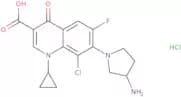
CAS:<p>Inhibits bacterial regulatory enzyme DNA gyrase</p>Fórmula:C17H17ClFN3O3·HClPureza:Min. 95 Area-%Cor e Forma:SolidPeso molecular:402.25 g/molCapastat sulfate
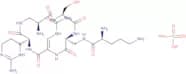
CAS:<p>Capastat sulfate is an antibiotic with action against Mycobacterium tuberculosis by inhibiting protein synthesis and is used for treating tuberculosis.</p>Fórmula:C24H42N14O8·H2O4SPureza:Min. 95%Cor e Forma:PowderPeso molecular:752.76 g/molAmphotericin B - Bio-X ™
CAS:<p>Amphotericin B is a macrocycle antibiotic with very potent antifungal effects and resistance very rarely occurs. Amphotericin B is a polyene antifungal that binds to fungal cell membrane, i.e., ergosterol disrupts the membrane permeability leading to leakage of intracellular components. It is often used as an alternative therapy for leishmaniasis and to treat severe mycoses including: systemic Candida, Cryptococcus, blastomycosis, and histoplasmosis.</p>Fórmula:C47H73NO17Pureza:Min. 75.0%Cor e Forma:PowderPeso molecular:924.08 g/mol