Heterociclos com Nitrogénio (N)
Nesta categoria, você encontrará uma grande variedade de heterociclos contendo nitrogênio. Heterociclos são cadeias de carbono que formam um ciclo em que pelo menos uma posição é ocupada por um heteroátomo, neste caso, o nitrogênio. Esses compostos são essenciais na síntese de produtos farmacêuticos, agroquímicos e corantes, oferecendo reatividade e estabilidade únicas. Na CymitQuimica, oferecemos uma seleção abrangente de heterociclos contendo nitrogênio de alta qualidade para apoiar suas pesquisas e aplicações industriais.
Subcategorias de "Heterociclos com Nitrogénio (N)"
- Azepano(434 produtos)
- Benzotriazóis(436 produtos)
- Diazepinas(331 produtos)
- Imidazóis(4.006 produtos)
- Imidazolinas(385 produtos)
- Isoxazol(1.077 produtos)
- Piperazinas(3.735 produtos)
- Piperidinas(8.398 produtos)
- Pirazinas(1.299 produtos)
- Pirazol(5.919 produtos)
- Pirazolidina(21 produtos)
- Pirazolina(142 produtos)
- Piridazina(856 produtos)
- Piridinas(21.911 produtos)
- Pirimidina(6.038 produtos)
- Pirróis(2.440 produtos)
- Pirrolidinas(5.814 produtos)
- Pirrolina(48 produtos)
- Pirrolo[1,2-b]piridazina(10 produtos)
- Tetrazola(510 produtos)
- Triazinas(462 produtos)
- Triazolas(1.679 produtos)
Exibir 14 mais subcategorias
Foram encontrados 17855 produtos de "Heterociclos com Nitrogénio (N)"
Ordenar por
Pureza (%)
0
100
|
0
|
50
|
90
|
95
|
100
Dodecylpyridinium bromide
CAS:<p>Dodecylpyridinium bromide is a glycol ether surfactant that is used as an inhibitor molecule. It inhibits multidrug efflux pumps, which are proteins in the membrane of cells that pump drugs out of the cell. Dodecylpyridinium bromide is also used as a surfactant in water-based paints and coatings, as well as in printing ink formulations. This chemical has been shown to have amoebicidal activity by interacting with the phospholipids on the surface of the amoeba, causing it to go into spore formation. Dodecylpyridinium bromide is also used for its ability to inhibit the growth of bacteria such as Staphylococcus epidermidis and Pseudomonas aeruginosa, which can cause infection in burn patients.<br>Dodecylpyridinium bromide can be synthesized from benzalkon</p>Fórmula:C17H30BrNPureza:Min. 95%Cor e Forma:PowderPeso molecular:328.33 g/mol2-Chloro-5-nitropyrimidine
CAS:<p>2-Chloro-5-nitropyrimidine is a molecule that can be used as a model system for studying hydrogen bonds. It has been shown to react with methoxy groups and amines. The reaction mechanism is thought to involve nucleophilic attack by the hydroxyl group of the pyrimidine, which leads to a stepwise reaction. 2-Chloro-5-nitropyrimidine has also been shown to inhibit 5HT2c receptors in vitro, suggesting it may be useful for the treatment of schizophrenia.</p>Fórmula:C4H2ClN3O2Pureza:Min. 95%Cor e Forma:Yellow PowderPeso molecular:159.53 g/molHypoxanthine
CAS:<p>Hypoxanthine is a nucleoside that is found in human cells. It is synthesized from guanine by the enzyme, xanthine oxidoreductase. Hypoxanthine is also produced from xanthine by adenosine deaminase and converted back to xanthine, which can then be reused for DNA synthesis. Hypoxanthine has been shown to inhibit the growth of photosynthetic bacteria, such as Rhodopseudomonas viridis and Rhodobacter sphaeroides. This inhibition may be due to an equilibrative nucleotide effect on the folate receptor. The x-ray diffraction data collected from the chrysanthemum flower (a source of hypoxanthine) showed that hypoxanthine has a calcium salt structure.</p>Fórmula:C5H4N4OPureza:Min. 95%Cor e Forma:White PowderPeso molecular:136.11 g/mol1-Butyl-4-methylpyridinium chloride
CAS:<p>1-Butyl-4-methylpyridinium chloride is a pyridine salt that is used for the treatment of osteoporosis. It has been shown to increase the rate of mineralization and reduce the viscosity of beta-amyloid peptide solutions. The biological activity of 1-butyl-4-methylpyridinium chloride has been demonstrated in animal studies, where it was shown to have a significant effect on calcium assays, hydrophilic interaction chromatography, and beta amyloid peptide. This drug also has pharmacokinetic properties that are similar to those of other pyridinium salts. Molecular modeling studies show that 1-butyl-4-methylpyridinium chloride binds well to calcium ions, which may be due to functional groups such as chlorides. This drug also has photocatalytic activity and can be used as a homogeneous catalyst in chromatographic science.</p>Fórmula:C10H16ClNPureza:Area-% Min. 95 Area-%Cor e Forma:PowderPeso molecular:185.69 g/mol8-Bromoadenine
CAS:<p>8-Bromoadenine is a nucleophile that reacts with electrophiles to form adducts. 8-Bromoadenine has been shown to induce DNA strand breaks and oxidative damage in vitro, which may be due to its ability to react with DNA bases and form intramolecular hydrogen bonds. 8-Bromoadenine has also been shown to cause inflammatory bowel disease in mice by increasing the production of proinflammatory cytokines. 8-Bromoadenine induces Toll-like receptor 4 (TLR4) signaling, which leads to enhancement of radiation response. This drug can also be used as the monosodium salt for treating cancer, although it only has a limited number of sequences that can be synthesized.</p>Fórmula:C5H4BrN5Pureza:Min. 95%Cor e Forma:White PowderPeso molecular:214.02 g/mol4-Amino-5-chloro-2,3-dihydro-N-[1-(3-methoxypropyl)-4-piperidinyl]-7-benzofurancarboxamide
CAS:<p>The drug 4-Amino-5-chloro-2,3-dihydro-N-[1-(3-methoxypropyl)-4-piperidinyl]-7-benzofurancarboxamide (BZP) is a histamine H2 receptor antagonist. It binds to the histamine H2 receptor in the stomach and duodenum, thereby blocking stomach acid production. BZP has been shown to be effective for treating symptoms of constipation or diarrhoea caused by inflammatory bowel disease or abdominal surgery. BZP also reduces the risk of relapse after surgery but does not affect long term efficacy. This drug is not available in the United States and has significant interactions with other drugs and symptoms including constipation, bowel disease, long term efficacy, and analytical method.</p>Fórmula:C18H26ClN3O3Pureza:Min. 95%Cor e Forma:White PowderPeso molecular:367.87 g/mol1,3-Dimethyl-2,4,6(1H,3H,5H)-pyrimidinetrione
CAS:Produto Controlado<p>1,3-Dimethyl-2,4,6(1H,3H,5H)-pyrimidinetrione is a heterocyclic organic compound, which is synthesized via established chemical procedures involving catalytic methods or direct condensation reactions. This compound is well-known for its role in the biochemical field as a urease inhibitor. Urease, an enzyme that catalyzes the hydrolysis of urea, is targeted by this compound to potentially mitigate issues related to excessive ammonia production in agricultural and medical settings.In addition to its enzymatic inhibition properties, 1,3-Dimethyl-2,4,6(1H,3H,5H)-pyrimidinetrione serves as a pivotal intermediate in barbiturate synthesis. Barbiturates are psychoactive compounds used historically in medicine for their sedative and anesthetic properties. The compound's structure allows it to participate in the Knoevenagel condensation, facilitating the formation of complex molecules essential in pharmaceutical development. These multifunctional applications make it a valuable tool in various scientific research contexts, exploring both inhibitory mechanisms and synthetic pathways for drug discovery and development.</p>Fórmula:C6H8N2O3Pureza:Min. 98 Area-%Cor e Forma:PowderPeso molecular:156.14 g/molIndole-2-carboxylic acid ethyl ester
CAS:<p>Indole-2-carboxylic acid ethyl ester is a synthetic compound that binds to cancer cells. It has been shown to inhibit the growth of leukemia cells and breast cancer cells in vitro. Indole-2-carboxylic acid ethyl ester inhibits the binding of collagen to cells, which may be due to its ability to bind to β-carboline alkaloids on collagen. The binding of indole-2-carboxylic acid ethyl ester with these alkaloids prevents them from binding to collagen, thereby preventing the formation of new collagen fibers. This drug also inhibits aldehyde production, which is important for DNA synthesis in cancer cells.</p>Fórmula:C11H11NO2Pureza:Min. 95%Cor e Forma:PowderPeso molecular:189.21 g/mol1H-Indazole-3-carboxylic acid
CAS:<p>1H-Indazole-3-carboxylic acid is an organic compound with a molecular formula of C9H6N2O2. It is a colorless solid, but appears yellow in solution. This compound has been shown to inhibit protein synthesis by binding to the apical site of the ribosome, preventing the peptide bond from forming between amino acids. It also inhibits carboxylate metabolism and cellular glycolysis by inhibiting ATP production. 1H-Indazole-3-carboxylic acid has been shown to be effective against cancer cells and can be used as a potential anti-cancer drug.</p>Fórmula:C8H6N2O2Pureza:Min. 98 Area-%Cor e Forma:PowderPeso molecular:162.15 g/molN,N'-4,4'-Bis(benzyl-2-boronic acid)-bipyridinium dibromide
CAS:<p>N,N'-4,4'-Bis(benzyl-2-boronic acid)-bipyridinium dibromide is a high quality reagent that can be used as an intermediate for the synthesis of complex organic compounds. It is a complex compound that contains boronic acid and bipyridinium moieties. N,N'-4,4'-Bis(benzyl-2-boronic acid)-bipyridinium dibromide is useful in the synthesis of fine chemicals and speciality chemicals. It has versatile building block properties and can be used as a reaction component in many chemical reactions.</p>Fórmula:C24H24B2N2O4Br2Pureza:Min. 95%Cor e Forma:PowderPeso molecular:585.89 g/mol6-Iodopurine
CAS:<p>6-Iodopurine is a biologically active substance that belongs to the group of carbinols. It is biosynthesized from 6-chloropurine and an iridoid glucoside, and has been shown to have biochemical properties. 6-Iodopurine can be converted into 6-iodoindoxyl by oxidation with halogens or transfer mechanism with palladium-catalyzed cross-coupling. A high efficiency method for the synthesis of this substance has been developed using a strain of bacteria. The reaction requires an activation energy of 150 kJ/mol.br><br>6-Iodopurine inhibits tumor growth by inhibiting DNA synthesis. It also possesses anti-inflammatory activity, which may be due to its inhibitory effects on prostaglandin synthesis.</p>Fórmula:C5H3IN4Pureza:Min. 95%Cor e Forma:White PowderPeso molecular:246.01 g/molN-(1,4-Benzodioxan-2-carbonyl)-piperazine hydrochloride
CAS:<p>Please enquire for more information about N-(1,4-Benzodioxan-2-carbonyl)-piperazine hydrochloride including the price, delivery time and more detailed product information at the technical inquiry form on this page</p>Fórmula:C13H16N2O3•HClPureza:Min. 95%Cor e Forma:PowderPeso molecular:284.74 g/mol3-Amino-2-piperidinone
CAS:<p>3-Amino-2-piperidinone is a metabolite of ornithine, which is a nonessential amino acid. It is produced by the metabolism of arginine and lysine, both of which are essential amino acids. 3-Amino-2-piperidinone has been found in urine samples from patients with bladder cancer and hyperornithinemia. It has also been detected in saccharomyces cerevisiae strain during energy metabolism experiments. This metabolite can be identified using chromatographic techniques such as gas chromatography and mass spectrometry.<br>3-Amino-2-piperidinone can be used to identify the presence of cancer or metabolic disorders such as hyperornithinemia by measuring its concentration in urine samples or reaction solutions.</p>Fórmula:C5H10N2OPureza:Min. 95%Cor e Forma:PowderPeso molecular:114.15 g/molEthyl 5-chloropyrazolo[1,5-a]pyrimidine-3-carboxylate
CAS:<p>Please enquire for more information about Ethyl 5-chloropyrazolo[1,5-a]pyrimidine-3-carboxylate including the price, delivery time and more detailed product information at the technical inquiry form on this page</p>Fórmula:C9H8ClN3O2Pureza:Min. 95%Cor e Forma:PowderPeso molecular:225.63 g/mol3-Chloro-N-methyl-5-(trifluoromethyl)-2-pyridinamine
CAS:<p>3-Chloro-N-methyl-5-(trifluoromethyl)-2-pyridinamine is a fine chemical that is used as a versatile building block for the synthesis of other chemical compounds. 3-Chloro-N-methyl-5-(trifluoromethyl)-2-pyridinamine is also useful as an intermediate in research and development, and can be used to produce speciality chemicals. This compound has shown to be a useful reagent and is of high quality.</p>Fórmula:C7H6ClF3N2Pureza:Min. 95%Peso molecular:210.58 g/molN10-(Trifluoroacetyl)pteroic acid
CAS:<p>Pteroic acid is a ligand that binds to cholanic receptors in the cell membrane and induces the uptake of ethylene. This process is receptor-mediated and can be inhibited by folic and hydrophobic molecules, such as N10-(Trifluoroacetyl)pteroic acid. Pteroic acid is an important precursor of folic acid, which plays an important role in DNA synthesis and amino acid metabolism. Pteroic acid also has a hydrophobic nature that facilitates its binding to cells through hydrophobic interactions.</p>Fórmula:C16H11F3N6O4Pureza:Min. 95 Area-%Cor e Forma:White PowderPeso molecular:408.29 g/mol3-Nitro-6-pyridinecarboxaldehyde
CAS:<p>3-Nitro-6-pyridinecarboxaldehyde is a colorless liquid that is soluble in water. It has a boiling point of 155 degrees Celsius, and it has a density of 1.03 grams per milliliter. This chemical reacts with metal ions to form nitro compounds. 3-Nitro-6-pyridinecarboxaldehyde has been used as an analytical reagent for the determination of benzenes and pyridines in organic solvents and gas chromatography calibration. The reactivity of this chemical is due to its pyridine ring, which can be used as a ligand or reagent.</p>Fórmula:C6H4N2O3Pureza:Min. 98%Cor e Forma:PowderPeso molecular:152.11 g/mol(1-Isopropylpiperidin-4-yl)acetic acid
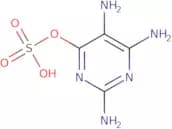
CAS:<p>(1-Isopropylpiperidin-4-yl)acetic acid is a fine chemical that has a versatile scaffold and can be used as a building block in the synthesis of complex compounds. It is also useful as a reaction component or reagent in the synthesis of new speciality chemicals. This chemical is available in high quality and purity grades.</p>Fórmula:C10H19NO2Pureza:Min. 95%Cor e Forma:PowderPeso molecular:185.26 g/mol2,4,5-Triamino-6-hydroxypyrimidine sulfate
CAS:<p>2,4,5-Triamino-6-hydroxypyrimidine sulfate is a chemical compound that is a metabolite of the amino acid lysine. It is produced when lysine undergoes hydrolysis by enzymes and is converted to 2,4,5-triamino-6-hydroxypyrimidine sulfate by the addition of sulfate ions. This metabolite has been shown to have reactive properties and may play a role in mitochondrial dysfunction. 2,4,5-Triamino-6-hydroxypyrimidine sulfate has been used in binding experiments to measure the strength of protein interactions with other proteins or molecules. For example, it was used in experiments with dimethylformamide (DMF) to study the binding affinity of DMF with proteins such as cytochrome c oxidase. In these experiments, 2,4,5-triamino-6-hydroxypyrimidine sulfate was found to</p>Fórmula:C4H7N5O•H2SO4Pureza:Min. 95%Cor e Forma:PowderPeso molecular:239.21 g/mol2-Pyridinepropanol
CAS:<p>2-Pyridinepropanol is a tetranuclear compound that contains two nitrogen atoms and two silver ions. It has been shown to be an inhibitor of arthropoda development in the laboratory. 2-Pyridinepropanol also has potent inhibitory activity against the growth of bacteria, including Staphylococcus aureus and Pseudomonas aeruginosa. This compound was synthesized from 2-benzoylbenzoic acid, which is a product of the plant metabolism. The structure of this molecule was determined by X-ray crystallography and electrochemical studies.<br>2-Pyridinepropanol binds to the bacterial enzyme hydrogenase, which catalyzes the production of hydrogen gas, thereby inhibiting its activity (hydrogenase is an enzyme that catalyses the reduction of protons to hydrogen gas).</p>Fórmula:C8H11NOPureza:Min. 95%Cor e Forma:Colorless PowderPeso molecular:137.18 g/mol2,6-Dichloropyridine
CAS:<p>2,6-Dichloropyridine is an organohalide used as a reagent for asymmetric catalysis. It is use as a precursor for the synthesis of antibacterial agents, for example the synthesis of the antibiotic enoxacin.</p>Fórmula:C5H3Cl2NPureza:Min. 98%Cor e Forma:White To Yellowish To Pink To Grey To Light Brown SolidPeso molecular:147.99 g/mol2-(Boc-amino)-3-methylpyridine
CAS:<p>2-(Boc-amino)-3-methylpyridine is a cytotoxic agent that has been shown to inhibit the proliferation of cancer cells. It is a potent cytotoxic agent that can be used to treat cancer. 2-(Boc-amino)-3-methylpyridine inhibits the growth of cancer cells by inhibiting the activity of B-Raf, a protein involved in cell proliferation and apoptosis. The anticancer properties are due to its ability to inhibit protein synthesis in cells by inhibiting the enzyme carbinolamine N-methyltransferase, which is required for the synthesis of methionine. 2-(Boc-amino)-3-methylpyridine also inhibits DNA and RNA synthesis in cells. This drug has been shown to have antiangiogenic effects, which may be due to its ability to inhibit vascular endothelial growth factor (VEGF) production.<br>END></p>Fórmula:C11H16N2O2Pureza:Min. 95%Cor e Forma:PowderPeso molecular:208.26 g/mol2-Methyl-5-nitroimidazole
CAS:<p>2-Methyl-5-nitroimidazole, also known as menidazole, is an impurity of metronidazole, which is used as an antibacterial and antiprotozoal medication in the treatment of infections, including rosacea. 2-Methyl-5-nitroimidazole is a derivative of nitroimidazole and has potential antimicrobial and antitrichomonal activities. Its synthesis can be achieved using various methods, including nucleophilic reaction, ester derivatives, reaction with metronidazole, and substitution reactions. Several derivatives of 2-Methyl-5-nitroimidazole have been synthesized and tested for their antibacterial, antifungal, and antitrichomonal activities. Both 2-Methyl-5-nitroimidazole and its derivatives have potential applications as antimicrobial and antitrichomonal agents.</p>Fórmula:C4H5N3O2Pureza:Min. 95%Cor e Forma:PowderPeso molecular:127.1 g/mol1-(4-Methoxyphenyl)piperazine hydrochloride
CAS:Produto Controlado<p>1-(4-Methoxyphenyl)piperazine hydrochloride is a high-potency inhibitor of the K+ channels. It has been shown to inhibit the activity of these channels in lead compound screening and optimization. The modification of potassium channels by 1-(4-Methoxyphenyl)piperazine hydrochloride has been evaluated using a patch clamp technique on rat erythrocytes. This inhibitory activity was found to be concentration dependent and voltage sensitive. 1-(4-Methoxyphenyl)piperazine hydrochloride was also shown to have pharmacological effects, such as analgesia, sedation and muscle relaxation.</p>Fórmula:C11H16N2O•HClPureza:Min. 95%Peso molecular:228.72 g/mol2-Amino-4,6-dichloropyrimidine
CAS:<p>2-Amino-4,6-dichloropyrimidine is a chemical compound that can be used as an intermediate in the synthesis of other compounds. It is usually prepared by chlorinating 2-amino-pyrimidine with sodium hypochlorite. 2-Amino-4,6-dichloropyrimidine has been shown to inhibit the growth of herpes simplex virus and influenza virus when it is added to cell cultures. This compound also inhibits the replication of protonated nucleic acids by reacting with the amide group of nucleophilic amino acids in DNA or RNA. The reaction between 2-amino-4,6-dichloropyrimidine and amines gives pyridinium salts, which are useful intermediates in organic chemistry reactions.</p>Fórmula:C4H3Cl2N3Pureza:90%Cor e Forma:Off-White PowderPeso molecular:163.99 g/mol(S,E)-3-(6-Bromopyridin-2-yl)-2-cyano-N-(1-phenylethyl)acrylamide
CAS:<p>(S,E)-3-(6-Bromopyridin-2-yl)-2-cyano-N-(1-phenylethyl)acrylamide (MBI-23) is a potential antineoplastic agent that has been shown to induce regression of bladder cancer in mice. MBI-23 induces apoptosis by inhibiting the proliferation of cancer cells and inducing differentiation of cancer stem cells. It is also shown to inhibit tumor growth and progression in glioma and prostate cancer models. MBI-23 binds to the KDR receptor subtype, which is activated by organic acids and inhibited by inorganic compounds. This binding leads to constitutive activation of the KDR receptor, thereby inducing apoptosis. The tautomers and stereoisomers of MBI-23 have not been fully elucidated yet.</p>Fórmula:C17H14ON3BrPureza:Min. 98 Area-%Cor e Forma:White PowderPeso molecular:356.22 g/molN-(5-Amino-2-methylphenyl)-4-(3-pyridyl)-2-pyrimidineamine
CAS:<p>Imatinib is an anticancer drug that belongs to the class of trimethyls. It is a potent inhibitor of tyrosine-specific protein kinases, including Bcr-Abl and Src family kinases. It has been shown to have antineoplastic properties in human cells in vitro. Imatinib is structurally similar to the anticancer agent lapatinib and inhibits G1 phase cell cycle progression by preventing phosphorylation of retinoblastoma protein (Rb). Imatinib is also genotoxic due to its structural similarity to other known genotoxic compounds such as bromo-2′-deoxyuridine and 2-chloroimidazole.</p>Fórmula:C16H15N5Pureza:Min. 95%Cor e Forma:PowderPeso molecular:277.32 g/mol4-Chloropyridine-3-carboxaldehyde
CAS:<p>4-Chloropyridine-3-carboxaldehyde (4CPCA) is a potent inhibitor of the enzyme, formylation. 4CPCA is synthesized in an experimental method involving reaction of 4-chloropyridine and 3-bromoformaldehyde with a base, followed by hydrolysis to produce the desired product. This compound has been shown to inhibit formylation in vitro with inhibition potentials as high as 5000 μM. The IC 50 value for 4CPCA was found to be 0.6 mM. Formylation activity was inhibited in cell free systems and in cells from rat liver and human erythrocytes. The pharmacokinetic profile of 4CPCA is dose dependent and it is metabolized into inactive compounds by oxidation or conjugation with glucuronic acid.</p>Fórmula:C6H4ClNOPureza:Min. 95%Cor e Forma:Yellow SolidPeso molecular:141.55 g/mol4,6-Dihydroxy-2-methylpyrimidine
CAS:<p>4,6-Dihydroxy-2-methylpyrimidine is an organic compound that is synthesized by the reaction of 2-chloroethanol with ethyl chloroformate and nitroethane in the presence of a magnesium salt. The synthesis can be done systematically or by chance. 4,6-Dihydroxy-2-methylpyrimidine can be formed by the hydrolysis of ethyl esters with a metallacycle. Its acidic properties are due to its electron withdrawing groups. The systematic synthesis is carried out in two steps: 1) formation of the monomers from ethyl chloroformate and nitroethane; 2) condensation of the monomers to form 4,6-dihydroxy-2-methylpyrimidine. This synthesis requires hydroxide solution and chloroformate as well as a base such as sodium hydroxide or potassium hydroxide. The chemical reaction mechanism is based</p>Fórmula:C5H6N2O2Pureza:Min. 95%Peso molecular:126.11 g/mol5-Chloro-2-mercaptobenzimidazole
CAS:<p>5-Chloro-2-mercaptobenzimidazole is an inorganic base that is used as a microscopy reagent. It has been shown to have a transfer mechanism that is similar to the hydrogen ion transfer mechanism. 5-Chloro-2-mercaptobenzimidazole has been used in vivo assays and has functional groups that are important for its use in coatings and aluminum oxide. The molecule also contains chlorine atoms, which are important for its use in chlorination reactions. 5-Chloro-2-mercaptobenzimidazole can be used in voltammetry to test samples of organic compounds (e.g., casein) and has been shown to be effective against the Gram positive bacterium Staphylococcus aureus.</p>Fórmula:C7H5ClN2SPureza:Min. 98.5 Area-%Cor e Forma:Off-White PowderPeso molecular:184.65 g/mol3H-Spiro[Isobenzofuran-1,4'-piperidine] hydrochloride
CAS:<p>3H-Spiro[Isobenzofuran-1,4'-piperidine] hydrochloride is a high quality reagent that is used as a complex compound for the synthesis of various fine chemicals. It has been shown to be an excellent building block for drug discovery and development. 3H-Spiro[Isobenzofuran-1,4'-piperidine] hydrochloride is available in bulk quantities and can be shipped worldwide. This chemical is also used as a reaction component in the synthesis of various speciality chemicals. 3H-Spiro[Isobenzofuran-1,4'-piperidine] hydrochloride is versatile and can be used in reactions with different functional groups.</p>Fórmula:C12H15NO·HClPureza:Min. 95%Cor e Forma:PowderPeso molecular:225.71 g/mol5-Fluoro-2-(trifluoromethyl)pyridin-4-amine
CAS:<p>5-Fluoro-2-(trifluoromethyl)pyridin-4-amine is a fine chemical that is used to create other organic compounds. This compound is an intermediate in the production of pharmaceuticals, pesticides, and herbicides. It can also be used as a reagent or a speciality chemical in research. 5-Fluoro-2-(trifluoromethyl)pyridin-4-amine can be used as a reaction component to synthesize other compounds and has been shown to have versatile functions as a building block for complex molecules. This compound is not classified by the Chemical Abstract Service (CAS) and does not have any reported toxic effects on humans.</p>Fórmula:C6H4F4N2Pureza:Min. 95 Area-%Cor e Forma:PowderPeso molecular:180.1 g/mol2-Bromo-4-methylpyridine
CAS:<p>2-Bromo-4-methylpyridine is an organic compound that is used in the synthesis of other compounds. It has been shown to be a potent anticancer agent, inhibiting cell function and inducing apoptosis. 2-Bromo-4-methylpyridine can be used to detect autofluorescent cells by photoreceptor cell fluorescence. This compound also induces lipofuscin accumulation in red blood cells as a result of its protonation, which leads to decreased membrane fluidity and oxidative stress.</p>Fórmula:C6H6BrNPureza:Min. 95%Cor e Forma:PowderPeso molecular:172.02 g/molMethyl indole-5-carboxylate
CAS:<p>Methyl indole-5-carboxylate is a hdac inhibitor that has been shown to have anticancer activity. It has been shown to inhibit the growth of hCT116 cells and xenograft tumors in mice. Methyl indole-5-carboxylate is also an active analog for other anticancer agents, such as 5-azacytidine and 5-aza-2'-deoxycytidine. The drug is cytotoxic to L6 cells and increases the expression of p21 protein, which inhibits tumor cell proliferation. This compound is metabolized by cytochrome P450 enzymes into methyl indole carboxylate, which can be further converted into a reactive intermediate that binds DNA.</p>Fórmula:C10H9NO2Cor e Forma:PowderPeso molecular:175.18 g/mol2,2'-Bipyridine-6,6'-dicarboxylic acid
CAS:<p>2,2'-Bipyridine-6,6'-dicarboxylic acid is a molecule that has an acidic functional group. It has been found to have a molecular weight of 220.2 g/mol and is soluble in water at elevated temperatures. 2,2'-Bipyridine-6,6'-dicarboxylic acid has been shown to be photoprocessable in the presence of sodium carbonate as a catalyst. The reaction rate can be increased by adding a diluent to the solution or by using linear models.</p>Fórmula:C12H8N2O4Pureza:Min. 95%Cor e Forma:Off-White PowderPeso molecular:244.21 g/mol1-Benzyl-4-(chloromethyl)piperidine hydrochloride
CAS:<p>1-Benzyl-4-(chloromethyl)piperidine hydrochloride is a research chemical that is a versatile building block for the synthesis of complex compounds. It is an intermediate in the preparation of other useful compounds, and has been used as a reagent for organic synthesis. 1-Benzyl-4-(chloromethyl)piperidine hydrochloride has shown to be a useful scaffold for the synthesis of fine chemicals, and can be used as a speciality chemical in many different reactions.</p>Fórmula:C13H18ClN·HClPureza:Min. 95 Area-%Cor e Forma:White PowderPeso molecular:260.2 g/mol2-[N-[(3,5-Difluorophenyl)carbamoylamino]-C-methylcarbonimidoyl]pyridine-3-carboxylic acid
CAS:<p>2-[N-[(3,5-Difluorophenyl)carbamoylamino]-C-methylcarbonimidoyl]pyridine-3-carboxylic acid (2FPC) is a potent herbicide that inhibits the fatty acid synthase enzyme and blocks cellular energy production. Fatty acid synthase is an important enzyme in the synthesis of essential fatty acids and this inhibition can lead to a number of health complications. 2FPC also inhibits epidermal growth factor receptor (EGFR) and glucocorticoid receptors, which can lead to autoimmune diseases. The compound has been shown to produce neurotoxic effects in animals and humans, including optical sensor activation and cation channel modulation.<br>2FPC is used as a herbicide to control weeds such as knapweed. It is also used as an anti-inflammatory agent in the treatment of rheumatoid arthritis.</p>Fórmula:C15H12F2N4O3Pureza:Min. 97 Area-%Cor e Forma:PowderPeso molecular:334.28 g/mol4,5-Dichloro-3-hydroxypyridazine
CAS:<p>4,5-Dichloro-3-hydroxypyridazine is an organic compound that is used as a precursor to other compounds. It has been shown to be genotoxic and mutagenic in a number of assays with mammalian cells. 4,5-Dichloro-3-hydroxypyridazine reacts with phenols in the presence of Friedel-Crafts catalysts to form pyridine derivatives. It has also been shown to regulate transcriptional activity by binding to the prostacyclin receptor and α2-adrenergic receptor. This compound has been studied for its potential diagnostic value in the diagnosis of triticum aestivum (wheat) sensitivity.</p>Fórmula:C4H2Cl2N2OPureza:Min. 95%Cor e Forma:PowderPeso molecular:164.98 g/mol4,6-Dichloropyrimidine
CAS:<p>4,6-Dichloropyrimidine is an intermediate in the production of malonic acid. It is also used as a process optimization agent in the synthesis of hydrochloric acid and water vapor. 4,6-Dichloropyrimidine reacts with hydrogen chloride to form a chlorinating agent that can be used for the chlorination of amines and alcohols. The reaction product is hydrochloric acid and dichloropyrimidine. This intermediate can also be used to synthesize amides through a Suzuki coupling reaction with hydroxyl groups, amines, and n-dimethyl formamide.</p>Fórmula:C4H2Cl2N2Pureza:Min. 95%Cor e Forma:White PowderPeso molecular:148.98 g/mol2-Amino-4,6-dichloro-s-triazine
CAS:<p>2-Amino-4,6-dichloro-s-triazine is a chemical compound that is used as an antimicrobial agent in wastewater treatment. It inhibits the growth of bacteria by binding to cell walls and disrupting the formation of crosslinks between peptidoglycan strands, thereby inhibiting the synthesis of proteins necessary for bacterial growth and reproduction. 2-Amino-4,6-dichloro-s-triazine has been shown to be effective against group p2 bacteria in cell culture experiments. This drug also displays antiinflammatory properties and has been shown to inhibit HIV infection in vitro.</p>Fórmula:C3H2Cl2N4Pureza:Min. 95%Cor e Forma:White To Light (Or Pale) Yellow SolidPeso molecular:163.96565Benzenesulfonic acid, 4-methyl-2-(3-pyridinylmethylene)hydrazide
CAS:<p>Please enquire for more information about Benzenesulfonic acid, 4-methyl-2-(3-pyridinylmethylene)hydrazide including the price, delivery time and more detailed product information at the technical inquiry form on this page</p>Pureza:Min. 95%2-(3-Hydroxypropyl)benzimidazole
CAS:<p>2-(3-Hydroxypropyl)benzimidazole is a chloroform extract of the bark of the tree, Pongamia pinnata. It has been shown to have antibacterial and antitumor activity. 2-(3-Hydroxypropyl)benzimidazole has been found to be active against methicillin-resistant Staphylococcus aureus (MRSA), showing strong inhibitory effects on bacterial cell growth in vitro. The mechanism of action may be due to its ability to bind to DNA and RNA, preventing transcription and replication. 2-(3-Hydroxypropyl)benzimidazole also inhibits protein synthesis by binding to ribosomes and interfering with the function of enzymes that are involved in this process such as cytochrome c reductase, glutathione reductase, and 3-ketoacyl coenzyme A thiolase.</p>Fórmula:C10H12N2OPureza:Min. 95%Cor e Forma:White PowderPeso molecular:176.22 g/mol5-Bromo-2,4-dichloropyrimidine
CAS:<p>5-Bromo-2,4-dichloropyrimidine is an aryl halide compound that is synthesized from 2,4-dichloropyrimidine and bromine. It has been shown to have inhibitory activities against cancer cells in vitro. 5-Bromo-2,4-dichloropyrimidine is used in the synthesis of the drug palbociclib (also known as PLX4720), which prevents mitotic progression by binding to the mitotic checkpoint protein (e.g., cyclin B). The reaction yield for this compound is low and its absorption enhancer properties are not well understood. 5-Bromo-2,4-dichloropyrimidine has also been used in conjunction with crotonic acid as a potential anticancer agent.</p>Fórmula:C4HBrCl2N2Pureza:Min. 95%Cor e Forma:Off-White Clear LiquidPeso molecular:227.87 g/mol6-Hydrazino-3-pyridinecarboxylic acid
CAS:<p>6-Hydrazino-3-pyridinecarboxylic acid is a potent inhibitor of angiogenesis. It inhibits the activity of vascular endothelial growth factor, which is a potent pro-angiogenic factor. 6HPCA has been shown to inhibit the growth of prostate cancer cells in vitro and tumor growth in vivo. The mechanism for this inhibition may be due to its ability to decrease levels of all-trans retinoic acid (RA), a potent pro-angiogenic molecule. 6HPCA also inhibits the proliferation of human serum, monoclonal antibody, and polymer drug uptake in cell culture systems. In addition, 6HPCA has low toxicity and low pharmacokinetic properties that have been demonstrated by several studies using radiolabeled analogues and autoradiography.</p>Fórmula:C6H7N3O2Pureza:Min. 97 Area-%Cor e Forma:PowderPeso molecular:153.14 g/mol5-Formylindole
CAS:<p>5-Formylindole is a non-selective and irreversible inhibitor of protein α, which is the catalytic subunit of the enzyme AMP-activated protein kinase. It binds to the hydroxyl group at position Cys177 in the ATP binding pocket of protein α, thereby inhibiting its activity. 5-Formylindole has been shown to inhibit tumor growth in xenografts and also inhibits fat accumulation in 3T3-L1 preadipocytes by inhibition of fatty acid synthesis. This compound has also been used to study molecular modeling in order to understand hydrogen bond interactions between aldehyde groups and intramolecular hydrogen. The genus that this compound belongs to is stilbene derivatives.</p>Fórmula:C9H7NOPureza:Min. 95%Cor e Forma:PowderPeso molecular:145.16 g/mol4-Aminoindole
CAS:<p>4-Aminoindole is a heterocycle with a carboxy group and four nitrogen atoms. It can be synthesized by reacting hydrochloric acid with nitrobenzene. 4-Aminoindole has shown potential as a drug target, which may be due to its ability to inhibit the enzyme carboxamidase. The compound is also acidic in water, making it an ideal candidate for use as an acid catalyst. Electropolymerization of 4-aminoindole has been achieved using Pt electrodes in the presence of an acidic environment. This reaction results in the formation of functional groups on the metal surface that are not found in most other electropolymerization reactions.</p>Fórmula:C8H8N2Cor e Forma:PowderPeso molecular:132.16 g/mol6-Carboxyindole
CAS:<p>6-Carboxyindole is an indole that binds to the IL-17A receptor, which leads to the production of pro-inflammatory cytokines. It has been shown to be involved in autoimmune diseases and other inflammatory conditions. 6-Carboxyindole can be used as a probe for studying the biology of IL-17A, by binding to it and inhibiting its effects. The chemical structure of 6-carboxyindole is also useful for diagnostic purposes, as it can bind to antibodies and antigens for detecting infectious diseases or other biological processes. 6-Carboxyindole can be used in the treatment of heart tissue by binding with monoclonal antibodies that are specific for cardiac proteins such as myosin light chain kinase.</p>Fórmula:C9H7NO2Pureza:Min. 95%Peso molecular:161.16 g/mol1,3-Diacetylindole
CAS:<p>1,3-Diacetylindole is an alkene that belongs to the class of organic compounds. It can be prepared by Friedel-Crafts acylation of cyclopentenone with formaldehyde and hydrogen chloride gas. The molecule has a molecular electrostatic potential of -0.8 eV and a molecular weight of 126.1 g/mol. 1,3-Diacetylindole has been shown to react with Grignard reagent in an electrochemical study. Additionally, it has been used as a starting material for the synthesis of other molecules such as 2-methylquinoline and 1,2-dihydroquinoline. The vibrational and spectral data for 1,3-diacetylindole have been obtained using both experimental and computational methods. These data are useful for understanding the structure and reactivity of this compound at the molecular level.br>br> br>br></p>Fórmula:C12H11NO2Pureza:Min. 95%Peso molecular:201.22 g/mol2-Chloromethyl-3,5-dimethyl-4-methoxypyridine
CAS:<p>2-Chloromethyl-3,5-dimethyl-4-methoxypyridine is a drug substance that is used as a pump inhibitor. The optimal reaction conditions for the synthesis of this molecule are a Grignard reagent, chlorinating agent, and magnesium salt. Impurities may arise during the synthetic process due to chloride or inorganic acid catalyst. This drug substance is not soluble in water but can be dissolved in organic solvents such as ethers, chloroform, or benzene. It reacts with magnesium to form a chelate ring with an organic molecule.</p>Fórmula:C9H12ClNOPureza:Min. 95%Cor e Forma:PowderPeso molecular:185.65 g/mol1-Aminopyridinium iodide
CAS:<p>1-Aminopyridinium iodide is a reactive compound that can bind to receptors, including the epidermal growth factor receptor. It is also a pyridinium salt and a type of chlorine. The compound has been shown to be effective in inhibiting cancer cell growth and has been used in chemotherapy treatments. 1-Aminopyridinium iodide binds to the glycogen synthase kinase 3 enzyme, which regulates cellular processes such as cell division, and inhibits its activity. This causes the process of glycogen synthesis to stop and leads to cell death by apoptosis. 1-Aminopyridinium iodide is most commonly used in cancer research because of its ability to inhibit tumor growth.</p>Fórmula:C5H7IN2Pureza:Min. 95%Cor e Forma:PowderPeso molecular:222.03 g/mol7-Fluoro-1H-indole
CAS:<p>7-Fluoro-1H-indole is a molecule that belongs to the class of antimicrobial agents. It has been shown to be effective against human pathogens such as P. aeruginosa and S. aureus, and has also shown hemolytic activity against erythrocytes. 7-Fluoro-1H-indole inhibits bacterial growth by binding to siderophores, which are molecules produced by bacteria in response to iron starvation, thereby blocking their uptake of iron from the environment. It has also been shown to have protease activity against Gram negative bacteria. This compound can be synthesized using an in vivo model, where it was shown that 7-fluoro-1H-indole was able to bind to the cytoplasmic membrane and inhibit protein synthesis in Gram negative bacteria cells.</p>Fórmula:C8H6FNPureza:Min. 95%Cor e Forma:PowderPeso molecular:135.14 g/mol4,6-Diaminopyrimidine
CAS:<p>4,6-Diaminopyrimidine is a potent inhibitor of epidermal growth factor receptor. It has been shown to inhibit the production of soluble guanylate cyclase and cGMP in vitro and in vivo. This drug has also been shown to inhibit cancer cell growth in vitro and in vivo. 4,6-Diaminopyrimidine has potential clinical relevance as an anticancer agent due to its ability to inhibit the kinases necessary for cancer proliferation. This drug also has pharmacokinetic properties that are favorable for anticancer drugs, including low plasma protein binding, high clearance rate, and short half-life. The activity of this drug was tested on hepg2 cells (human hepatoma) with an inhibitory effect on growth factor receptors such as EGFR and PDGFRs</p>Fórmula:C4H6N4Pureza:Min. 95%Peso molecular:110.12 g/mol(4-(2-Fluorophenyl)piperazinyl)-N-propylformamide
CAS:Produto Controlado<p>Please enquire for more information about (4-(2-Fluorophenyl)piperazinyl)-N-propylformamide including the price, delivery time and more detailed product information at the technical inquiry form on this page</p>Fórmula:C14H20FN3OPureza:Min. 95%Cor e Forma:PowderPeso molecular:265.33 g/molFerene disodium salt
CAS:<p>Ferene is an iron chelate that has been shown to have a number of beneficial effects on iron homeostasis. Ferene has been used in the treatment of chronic viral hepatitis, and it has also been shown to be effective against galleria mellonella. Ferene is a metal chelate, which means that it is a type of molecule that contains two metal ions. The metal ions are usually connected by a central atom, such as oxygen or nitrogen. Ferene disodium salt can be synthesized in the lab using the chemiluminescence method and polymerase chain reaction (PCR). It is also possible to isolate ferene from human serum or from a model system.</p>Fórmula:C16H8N4Na2O8S2Pureza:Min. 95 Area-%Cor e Forma:Yellow PowderPeso molecular:494.37 g/molDimethylolurea
CAS:<p>Dimethylolurea is a formaldehyde releaser that has clinical relevance as a nutrient solution. Dimethylolurea has been shown to release formaldehyde, which may be used to treat bowel diseases and inflammatory bowel disease. Dimethylolurea can also induce an immune response in the human body. This chemical is not soluble in water but it is soluble in ethanol and methanol, which are often used as solvents for this drug. The reaction mechanism of dimethylurea is unclear. It may be due to intramolecular hydrogen transfer or metal hydroxides. As with other drugs, the surface methodology of dimethylurea depends on the size of the microcapsules.</p>Fórmula:C3H8N2O3Pureza:Min. 95%Cor e Forma:White PowderPeso molecular:120.11 g/mol1-Acetyl-3-indolecarboxaldehyde
CAS:<p>1-Acetyl-3-indolecarboxaldehyde is a ligand that binds to the cannabinoid receptor 1 (CB1). It has been shown to bind to the CB1 receptor with high affinity and selectivity. In addition, it has been demonstrated to inhibit the proliferation of human breast cancer cells in vitro. The compound is used as a fluorescent probe for cb1 receptor binding. Data obtained from molecular modelling studies have suggested that the hydroxyl group might be involved in binding to the CB1 receptor. 1-Acetyl-3-indolecarboxaldehyde also binds carotenoids, which are molecules responsible for giving plants and other photosynthetic organisms their coloration. This compound can be found in many different plants, such as carrots and bananas, where it acts as an antioxidant.</p>Fórmula:C11H9NO2Pureza:Min. 95%Cor e Forma:PowderPeso molecular:187.19 g/mol2,3-Diaminopyridine
CAS:<p>2,3-Diaminopyridine is a synthetic compound that is used in the treatment of liver disease. It is an effective agent for the elimination of toxic substances from the body. 2,3-Diaminopyridine has been shown to be a potent inhibitor of oxidative stress and lipid peroxidation. This drug also shows high resistance to hydrolysis by rat liver microsomes. The pharmacokinetic properties of 2,3-diaminopyridine have been studied in rats and humans.<br>2,3-Diaminopyridine has been shown to be stable when complexed with human serum albumin or polyethylene glycol in solution and can be used as a reference standard for quantifying human serum albumin concentration by measuring the optical density at 280 nm.</p>Fórmula:C5H7N3Pureza:Min. 98 Area-%Cor e Forma:PowderPeso molecular:109.13 g/mol4-Oxo-4-(4-benzylpiperazinyl)but-2-enoic acid
CAS:Produto Controlado<p>Please enquire for more information about 4-Oxo-4-(4-benzylpiperazinyl)but-2-enoic acid including the price, delivery time and more detailed product information at the technical inquiry form on this page</p>Fórmula:C15H18N2O3Pureza:Min. 95%Cor e Forma:PowderPeso molecular:274.32 g/mol5-Methoxyindole-3-acetic acid
CAS:<p>5-Methoxyindole-3-acetic acid is a chemical that can be used to synthesize a variety of compounds. It is a versatile building block that has been used in the synthesis of complex compounds, as well as an intermediate for the production of other chemicals. 5-Methoxyindole-3-acetic acid is also an important reaction component and reagent for organic synthesis. This substance is not currently on the list of speciality chemicals, but it has shown high quality and usefulness in research.</p>Fórmula:C11H11NO3Peso molecular:205.22 g/molRef: 3D-M-3474
5gA consultar10gA consultar25gA consultar50gA consultar2500mgA consultar-Unit-ggA consultarN-(3,5-Dichloro-4-Pyridinyl)-2-[1-(4-Fluorobenzyl)-5-Hydroxy-1H-Indol-3-Yl]-2-Oxoacetamide
CAS:Produto Controlado<p>N-(3,5-Dichloro-4-Pyridinyl)-2-[1-(4-Fluorobenzyl)-5-Hydroxy-1H-Indol-3-Yl]-2-Oxoacetamide is a prodrug that is metabolized to the active form in vivo. It inhibits the activity of cyclic nucleotide phosphodiesterase (PDE), an enzyme that catalyzes the conversion of cAMP to AMP and PDE, which catalyzes the conversion of cGMP to GMP. This drug has been shown to have a potent inhibitory effect on inflammatory cytokines such as IL-6 and TNFα. N-(3,5-Dichloro-4-pyridinyl)-2-[1-(4 fluorobenzyl)-5 hydroxy 1H indol 3 yl]-2 oxoacetamide has been shown to be effective for treatment of inflammatory diseases such as bronch</p>Fórmula:C22H14Cl2FN3O3Pureza:Min. 95%Peso molecular:458.27 g/molNα-Nim-Bis-Z-L-histidine ethanol
CAS:<p>Please enquire for more information about Nα-Nim-Bis-Z-L-histidine ethanol including the price, delivery time and more detailed product information at the technical inquiry form on this page</p>Fórmula:C22H21N3O6•C2H6OPureza:Min. 95%Cor e Forma:PowderPeso molecular:469.49 g/mol3-Butylpyridine
CAS:<p>3-Butylpyridine is a molecule that belongs to the class of organic compounds. The chemical structure of 3-butylpyridine is CH3C6H5N, which has been shown to be a potent inhibitor of bacterial efflux pumps. It binds reversibly to the pump protein and blocks the efflux of antimicrobial agents from the bacterial cell. 3-Butylpyridine is used as a model system for studying molybdenum cofactor biosynthesis in mitochondria. It has been shown to cause cancer in animal models and it also affects mitochondrial membrane potential in cells.</p>Fórmula:C9H13NPureza:Min. 95%Cor e Forma:Clear LiquidPeso molecular:135.21 g/mol5-Benzylthio-1H-tetrazole
CAS:<p>5-Benzylthio-1H-tetrazole is a tetrazole derivative that is used as a reactant in bioconjugate chemistry. This compound reacts with nucleophiles to form covalent bonds and can be immobilized on solid supports for use in stepwise synthesis of peptides or other molecules. 5-Benzylthio-1H-tetrazole also has the ability to bind to DNA and RNA, which makes it useful in the study of hydrogen bonding interactions. In addition, this molecule has been shown to enhance the sensitivity of uv absorption measurements. Other uses include the development of model systems for chemical biology and the study of cellular processes.</p>Fórmula:C8H8N4SPureza:Min. 98 Area-%Cor e Forma:White PowderPeso molecular:192.24 g/mol1-(Phenylsulfonyl)piperidine
CAS:<p>1-(Phenylsulfonyl)piperidine is an activated diphenyl sulfoxide that can be used as a glycosidic bond donor in the solid-phase synthesis of peptides. It reacts with chloride ions to form a sulfonium ion, which undergoes electrophilic substitution. 1-(Phenylsulfonyl)piperidine has been used in the synthesis of the blood group A antigen and the hydroxy group is used for the synthesis of glycosides and amino acids. This compound also has stereoselective properties for sulfoxides, carbon tetrachloride, hydroxyl groups, dodecyl groups, and acceptors.</p>Fórmula:C11H15NOSPureza:Min. 95%Cor e Forma:PowderPeso molecular:209.31 g/molPyrazine-2-carbaldehyde
CAS:<p>Pyrazine-2-carbaldehyde is a synthetic compound that has been shown to have reactive properties. It is used as a model system in x-ray crystallography and structural studies of heart disease. Pyrazine-2-carbaldehyde can be prepared from an ethylbenzimidazole derivative substituted with substituents such as C1-6 alkyl, N, or NH groups. The nitrogen atoms in this molecule form hydrogen bonds with the carbonyl group and the C=O bond in its structure. This compound also has metabolic disorders including neurosis and benzimidazole derivatives. It reacts with alkynyl groups with the loss of HCl to form dihydropyridine derivatives.</p>Fórmula:C5H4N2OPureza:Min. 95%Cor e Forma:PowderPeso molecular:108.1 g/mol5-Fluoroorotic acid potassium salt
CAS:<p>Please enquire for more information about 5-Fluoroorotic acid potassium salt including the price, delivery time and more detailed product information at the technical inquiry form on this page</p>Fórmula:C5H2FN2O4KPureza:(Free Base) Min. 98.0 Area-%Cor e Forma:White PowderPeso molecular:212.18 g/mol5-Chloro-2-methylindole
CAS:<p>5-Chloro-2-methylindole is an antimicrobial agent that is used to treat bacterial infections. It binds to the enzyme acetylacetone hydrazide, which prevents it from forming acetoacetate and 5-chloroindole. This leads to a decrease in the formation of serotonin, which may contribute to the alleviation of symptoms in patients with cerebral escherichia coli infection. 5-Chloro-2-methylindole has been shown to have antimicrobial effects against a number of bacteria, including E. coli and Staphylococcus aureus. The drug is injected intraperitoneally as a magnetic resonance imaging contrast agent for myelography, angiography, and other medical imaging procedures.</p>Fórmula:C9H8ClNPureza:Min. 95%Peso molecular:165.62 g/mol1,3,5-Triazine
CAS:<p>1,3,5-Triazine is a nitrogen-containing heterocyclic compound that is used as a precursor for the synthesis of other compounds. It has been shown to inhibit the polymerase chain reaction and to bind to the enzyme DNA polymerase. This binding prevents the formation of an enzyme-substrate complex required for DNA replication. 1,3,5-Triazine also inhibits oxidative injury in experimental models and inhibits cellular physiology by decreasing the production of growth factor-β1. 1,3,5-Triazine has been shown to be a natural compound with inhibitory properties against growth factors and cell proliferation. This chemical also exhibits antioxidant effects by scavenging reactive oxygen species or inhibiting lipid peroxidation.END></p>Fórmula:C3H3N3Pureza:Min. 95%Cor e Forma:White PowderPeso molecular:81.08 g/molDiethyl 2,6-pyridinedicarboxylate
CAS:<p>Diethyl 2,6-pyridinedicarboxylate is a methyl ketone with an unsymmetrical structure. It is used in the synthesis of fatty acids and optical properties. Diethyl 2,6-pyridinedicarboxylate reacts with trifluoroacetic acid and chlorine to form an active methylene. The presence of this active methylene allows for the synthesis of new molecules that are not possible with other reagents. Magnetic resonance spectroscopy has been used to identify the binding constants for diethyl 2,6-pyridinedicarboxylate and fatty acids. This molecule can be studied using MALDI-TOF mass spectrometry, which generates a molecular weight spectrum from 1,000 to 100,000 Da. Diethyl 2,6-pyridinedicarboxylate has been shown to react with water molecules to form hydrogen peroxide.</p>Fórmula:C11H13NO4Pureza:Min. 95%Peso molecular:223.23 g/mol20-Deoxo-23-deoxy-5-O-[3,6-dideoxy-3-(dimethylamino)-β-D-glucopyranosyl]-20,23-di-1-piperidinyltylonolide
CAS:<p>20-Deoxo-23-deoxy-5-O-[3,6-dideoxy-3-(dimethylamino)-beta-D-glucopyranosyl]-20,23-di-1-piperidinyltylonolide is an antimicrobial agent that belongs to the group of chemotherapeutic agents. It is a fluorinated analog of tilmicosin. The low dose group was treated with this drug for five days, and the high dose group received 20 times the amount of drug. Fluorescence spectrometry showed that there was no significant difference in the fluorescence intensity between these two groups after 24 hours. This drug has been shown to have pharmacokinetic properties in rats and mice, but further optimization may be required to improve its process.</p>Fórmula:C41H71N3O8Pureza:Min. 95%Cor e Forma:Off-White PowderPeso molecular:734.02 g/molDihydro-5-methoxy-2,4(1H,3H)-pyrimidinedione
CAS:<p>Dihydro-5-methoxy-2,4(1H,3H)-pyrimidinedione is a high quality chemical and useful building block. It is a fine chemical and research chemicals as well as a versatile building block that can be used in synthesis of various compounds. Dihydro-5-methoxy-2,4(1H,3H)-pyrimidinedione has been shown to have activity against methicillin resistant Staphylococcus aureus (MRSA) and Clostridium perfringens.</p>Fórmula:C5H8N2O3Pureza:Min. 95%Cor e Forma:PowderPeso molecular:144.13 g/molN-4-Boc-2-piperazine carboxylic acid
CAS:<p>N-4-Boc-2-piperazine carboxylic acid is an organic acid that functions in the metabolism of purine and bile acids. It is also involved in the metabolic pathway of the kidney, which is important for the elimination of waste products from the body. N-4-Boc-2-piperazine carboxylic acid has been shown to be useful as a marker for distinguishing between different types of kidney disease. It is a metabolite found in urine and can be used as an analytical tool for detecting renal function. This compound has also been shown to have long term effects on bile acid metabolism.</p>Fórmula:C10H18N2O4Pureza:Min. 95%Cor e Forma:White PowderPeso molecular:230.26 g/molN-Boc-4-piperidinemethanol
CAS:<p>N-Boc-4-piperidinemethanol is a curcumin analogue that binds to the epidermal growth factor receptor (EGFR) and prevents the binding of ligands. In vitro studies have shown that N-Boc-4-piperidinemethanol can inhibit tumor growth and induce apoptosis in cancer cells. The drug is also capable of inhibiting the proliferation of normal cells, which may be due to its ability to recruit EGFR from outside the cell membrane. This process triggers signaling events that lead to cell death.</p>Fórmula:C11H21NO3Pureza:Min. 98 Area-%Cor e Forma:PowderPeso molecular:215.29 g/mol6-Methyl-2,2':6',2''-terpyridine
CAS:<p>6-Methyl-2,2':6',2''-terpyridine is a versatile building block that can be used in the synthesis of complex compounds. It is a fine chemical and is sold for research purposes only. 6-Methyl-2,2':6',2''-terpyridine has been used as a reagent or speciality chemical in the manufacture of pharmaceuticals, agrochemicals, and other organic compounds. This compound also has potential use as an intermediate in the synthesis of other useful compounds or scaffolds.</p>Fórmula:C16H13N3Pureza:Min. 85 Area-%Cor e Forma:PowderPeso molecular:247.29 g/mol1-(2,5-Dichlorophenyl)piperazine hydrochloride
CAS:Produto Controlado<p>1-(2,5-Dichlorophenyl)piperazine hydrochloride is a versatile building block that can be used for the synthesis of complex compounds. It is a research chemical, reagent and speciality chemical useful for the synthesis of high-quality useful intermediates. This compound is also a reaction component and useful scaffold in organic synthesis. 1-(2,5-Dichlorophenyl)piperazine hydrochloride is an important intermediate in the production of pharmaceuticals, agrochemicals and dyes. It has been used to produce antihistamines, opioid receptor antagonists, antihypertensives and antipsychotics.</p>Fórmula:C10H12Cl2N2·HClPureza:Min. 95%Cor e Forma:PowderPeso molecular:267.58 g/molMethyl 3-amino-6-methylthieno[2,3-b]pyridine-2-carboxylate
CAS:<p>Please enquire for more information about Methyl 3-amino-6-methylthieno[2,3-b]pyridine-2-carboxylate including the price, delivery time and more detailed product information at the technical inquiry form on this page</p>Fórmula:C10H10N2O2SPureza:Min. 95%Peso molecular:222.27 g/mol4'-(4-Methylphenyl)-2,2':6',2''-terpyridine
CAS:<p>4'-(4-Methylphenyl)-2,2':6',2''-terpyridine (TPEN) is a chemical compound with anti-cancer properties that has been shown to induce apoptosis in cancer cells. TPEN also inhibits the growth of tumor cells by interacting with mitochondria and inducing mitochondrial dysfunction. TPEN synergistically induces death in neuronal cells when combined with other agents that are known to cause neuronal cell death. In vivo studies have shown that TPEN produces neuroprotective effects at normoxic temperatures, but can be toxic at hyperthermic temperatures.</p>Fórmula:C22H17N3Pureza:Min. 95%Cor e Forma:PowderPeso molecular:323.39 g/molNicotinoylazide
CAS:<p>Nicotinoylazide is a skin condition medication that has nitrogen atoms in its structure. It is an inhibitor of the enzyme protease, which breaks down proteins and helps regulate inflammation. Nicotinoylazide also inhibits the activity of other enzymes, such as those involved in fatty acid metabolism. <br>Nicotinoylazide has been shown to be effective in the treatment of diabetic neuropathy and bladder dysfunction caused by interstitial cystitis, although it has not been approved for use in children. The drug may be used for other conditions where protease inhibitors are beneficial, such as pediatric inflammatory bowel disease.</p>Fórmula:C6H4N4OPureza:Min. 95%Cor e Forma:PowderPeso molecular:148.12 g/mol1H-Pyrazole
CAS:<p>1H-Pyrazole is a pharmacological agent that has been shown to have anti-cancer properties. It is a hydrogen-bonding compound that forms 1:1 complexes with coumarin derivatives, which are found in plants and other natural sources. The 1H-pyrazole ring has been shown to bind to the x-ray crystal structures of mitochondrial membranes and induce changes in their potential. This drug also inhibits the growth of solid tumours in vitro by inhibiting the synthesis of DNA and proteins. In addition, 1H-pyrazole has been shown to be an analytical method for measuring the concentration of natural compounds in water samples.</p>Fórmula:C3H4N2Pureza:Min. 95%Cor e Forma:PowderPeso molecular:68.08 g/mol4-Nitroindole
CAS:<p>4-Nitroindole is a chemical compound that is used to synthesize 5-hydroxytryptamine (5-HT) and also has been used as a substitute for tryptophan in the synthesis of serotonin. It can be prepared by reacting sodium nitrite with an organic acid such as acetic acid or propionic acid. The reaction proceeds through a diazonium salt intermediate, which is hydrolyzed with hydrochloric acid to give 4-nitroindole. 4-Nitroindole can also be prepared by the Friedel-Crafts reaction between an aromatic nitro compound and an alkyl halide. The hydrogen bond between the hydroxyl group and nitrogen atom in the molecule makes it soluble in organic solvents. In addition, the constant boiling point of the compound allows it to be analyzed using gas chromatography.</p>Fórmula:C8H6N2O2Pureza:Min. 95%Cor e Forma:PowderPeso molecular:162.15 g/mol(4-Benzylpiperazinyl)-N-propylformamide
CAS:Produto Controlado<p>Please enquire for more information about (4-Benzylpiperazinyl)-N-propylformamide including the price, delivery time and more detailed product information at the technical inquiry form on this page</p>Fórmula:C15H23N3OPureza:Min. 95%Cor e Forma:PowderPeso molecular:261.36 g/mol(1R)-(1S,2S,3R,5S)-Pinanediol-N-(N-pyrazinylphenylalaninoyl)-1-amino-3-methyl-butane-1-boronate
CAS:<p>(1R)-(1S,2S,3R,5S)-Pinanediol-N-(N-pyrazinylphenylalaninoyl)-1-amino-3-methyl-butane-1-boronate is a boronic acid derivative that has been shown to have an antiproliferative effect on cancer cells. It is a biodegradable, water soluble drug with a low toxicity profile. The maximum tolerated dose has been established in vivo studies and it can be used as an imaging agent for diagnosis. (1R)-(1S,2S,3R,5S)-Pinanediol-N-(N-pyrazinylphenylalaninoyl)-1-amino-3-methyl-butane-1-boronate may be used to treat cancers such as breast cancer or leukemia. This drug targets the proteasome and inhibits its activity by binding to the active site of the 20s</p>Fórmula:C29H39BN4O4Pureza:Min. 95%Cor e Forma:SolidPeso molecular:518.46 g/mol4-Chloroindole
CAS:<p>Please enquire for more information about 4-Chloroindole including the price, delivery time and more detailed product information at the technical inquiry form on this page</p>Fórmula:C8H6ClNPureza:Min. 99.0 Area-%Peso molecular:151.60 g/mol2-Bromo-5-acetylpyridine
CAS:<p>2-Bromo-5-acetylpyridine is a chemical compound that belongs to the amide class. It has been shown to have an inhibitory effect on amines, which are compounds that are important in the production of urea and other substances. 2-Bromo-5-acetylpyridine can be used as an analog for imatinib, a kinase inhibitor. This compound may also be used as a chloride ion scavenger, which could be useful in the treatment of cancer. 2-Bromo-5-acetylpyridine has been shown to have anticancer activity in molecular modeling studies, but further research needs to be done to see if it is effective against cancer cells.</p>Fórmula:C7H6BrNOPureza:Min. 95%Cor e Forma:PowderPeso molecular:200.03 g/mol2-Methylpyridine-4-boronic acid pinacol ester
CAS:<p>Please enquire for more information about 2-Methylpyridine-4-boronic acid pinacol ester including the price, delivery time and more detailed product information at the technical inquiry form on this page</p>Fórmula:C12H18BNO2Pureza:Min. 95%Peso molecular:219.09 g/mol1-Hydroxyisoquinoline
CAS:<p>1-Hydroxyisoquinoline is a molecule with a carbonyl group and is found in heart tissue. It has been proposed as a treatment for herpes simplex virus, but no studies have been done to confirm this. 1-Hydroxyisoquinoline can be prepared by reacting hydrochloric acid with sodium salts. This molecule also has the ability to inhibit cancer cells and may have potential as an anticancer agent. It also has anti-inflammatory properties, which may be due to its inhibition of prostaglandin synthesis. The mechanism of action for 1-hydroxyisoquinoline is not yet fully understood, but it inhibits the replication of DNA and RNA in cancer cells.</p>Fórmula:C9H7NOPureza:Min. 98 Area-%Cor e Forma:White PowderPeso molecular:145.16 g/mol4,4'-Dicyano-2,2'-bipyridine
CAS:<p>4,4'-Dicyano-2,2'-bipyridine is a ligand that binds to molybdenum and has been used in the diagnosis of mitochondrial DNA. It has been shown to be an effective treatment for tropical diseases such as malaria. This drug binds to the molybdenum cofactor in the enzyme ribonucleotide reductase, thereby inhibiting the production of ATP. 4,4'-Dicyano-2,2'-bipyridine also reacts with formic acid and ruthenium to produce a redshifted product that can be detected by electron paramagnetic resonance spectroscopy.</p>Fórmula:C12H6N4Pureza:Min. 98 Area-%Cor e Forma:PowderPeso molecular:206.2 g/mol2-Chloro-1-methylpyridinium iodide
CAS:<p>2-Chloro-1-methylpyridinium iodide (2CMPI) is a water-soluble, colorless, and odorless substance that is used as an analytical reagent. 2CMPI reacts with amines and pyridines to form chloromethylpyridine and hydroxymethylpyridine respectively, which can be analyzed by FTIR spectroscopy. The sensitivity of this reaction is affected by the matrix, but can be increased by adding dibutyltin oxide or amide. 2CMPI has been shown to have physiological activities in some animal models of metabolic disorders such as diabetes mellitus.</p>Fórmula:C6H7ClINPureza:Min. 97 Area-%Cor e Forma:Yellow PowderPeso molecular:255.48 g/mol1-[2-[(2,4-Dimethylphenyl)thio]phenyl]piperazine hydrobromide
CAS:Produto Controlado<p>1-[2-[(2,4-Dimethylphenyl)thio]phenyl]piperazine hydrobromide is an atypical antidepressant that is used for the treatment of major depressive disorder. It has been shown to be effective in animal models of depression and in clinical trials with humans. 1-[2-[(2,4-Dimethylphenyl)thio]phenyl]piperazine hydrobromide blocks the serotonin 5HT1B receptor subtype, which is responsible for regulating mood and emotional response. This drug does not block the 5HT1A or 5HT2 receptors, so it does not cause some of the side effects associated with selective serotonin reuptake inhibitors (SSRIs). In addition, 1-[2-[(2,4-Dimethylphenyl)thio]phenyl]piperazine hydrobromide has a chemical stability that lasts longer than other drugs in its class.</p>Fórmula:C18H22N2S·HBrPureza:Min. 98 Area-%Cor e Forma:PowderPeso molecular:379.36 g/mol3-(3-Piperidinopropoxy)-1-[3-(Trifluoromethyl)Phenyl]-1H-Indazole
CAS:Produto Controlado<p>3-(3-Piperidinopropoxy)-1-[3-(Trifluoromethyl)Phenyl]-1H-Indazole is a compound that functions as an actuator. It can be used to implement force, such as controlling a change in the position of a control or actuation, and it can also be used to shift control. 3-(3-Piperidinopropoxy)-1-[3-(Trifluoromethyl)Phenyl]-1H-Indazole is an actuation method that can be controlled by implementing force.</p>Fórmula:C22H24F3N3OPureza:Min. 95%Peso molecular:403.44 g/mol2,5-Diiodopyridine
CAS:<p>2,5-Diiodopyridine is regiospecific and has been shown to have a high affinity for the nicotinic acetylcholine receptor. It has been synthesised by cross-coupling reactions of boronic acids with halides. 2,5-Diiodopyridine can also be used as a precursor for epibatidine. Epibatidine is a drug that binds to nicotinic acetylcholine receptors and activates them, which in turn leads to activation of voltage-gated calcium channels. This process leads to an increase in the release of dopamine, serotonin and norepinephrine from neurons. The uptake of 2,5-diiodopyridine was found at the level of 0.7% after 3 hours and 1% after 12 hours in mesoporous silica nanoparticles.<br>2,5-Diiodopyridine can be used as a precursor for epibatidine which is a drug that</p>Fórmula:C5H3I2NPureza:Min. 95 Area-%Cor e Forma:PowderPeso molecular:330.89 g/mol6-Methylpyridine-2-carboxylic acid
CAS:<p>6-Methylpyridine-2-carboxylic acid is a human metabolite that can be found in the serum matrix. It is part of a ternary complex formation with picolinic acid and fatty acid, which may result in an intramolecular hydrogen transfer from the methyl group to the oxygen atom of the carboxylic acid group. 6-Methylpyridine-2-carboxylic acid has been shown to react with hydroxyl groups to form n-oxides and redox potentials. These reactions are catalyzed by detergents.</p>Fórmula:C7H7NO2Pureza:Min. 97 Area-%Cor e Forma:PowderPeso molecular:137.14 g/mol1-(3-Methoxybenzoyl)piperidine-4-carboxylic acid
CAS:<p>1-(3-Methoxybenzoyl)piperidine-4-carboxylic acid is a fine chemical that can be used as a building block in organic synthesis. It has CAS No. 353465-22-2 and is also known as P1. This compound is useful in the preparation of a variety of complex compounds, including pharmaceuticals, agrochemicals, and other specialty chemicals. The compound can be used as a reagent or intermediate for reactions such as Friedel-Crafts acylation, carbonylation, and sulfonylation. 1-(3-Methoxybenzoyl)piperidine-4-carboxylic acid is also an excellent scaffold for the synthesis of complex molecules with versatile functional groups.</p>Fórmula:C14H17NO4Pureza:Min. 98 Area-%Cor e Forma:PowderPeso molecular:263.29 g/mol1-(4-Iodobenzyl)-4-methylpiperazine
CAS:Produto Controlado<p>1-(4-Iodobenzyl)-4-methylpiperazine is a chemical compound that is used as a building block for the synthesis of other organic compounds. It is also a reagent for organic synthesis and can be used to prepare high-quality research chemicals. 1-(4-Iodobenzyl)-4-methylpiperazine has many applications, including use as a versatile building block and a reaction component in the preparation of complex compounds. This chemical compound has CAS No. 102294-97-3 and can be found under the name <br>"1-(4-iodobenzyl)piperazine".</p>Fórmula:C12H17IN2Pureza:Min. 95%Cor e Forma:PowderPeso molecular:316.18 g/mol4-Chloroindole-3-acetic acid
CAS:<p>4-Chloroindole-3-acetic acid is a fine chemical that is used as a building block in the synthesis of complex compounds. It is also used as a reagent and speciality chemical. The compound is versatile and can be used as a reaction component or as an intermediate to produce useful scaffolds. 4-Chloroindole-3-acetic acid has been shown to be effective in the synthesis of certain pharmaceuticals, such as antipsychotics, antidepressants, and antihistamines. It has also been shown to have antiviral properties against HIV and HSV viruses.</p>Fórmula:C10H8ClNO2Pureza:Min. 95.0 Area-%Peso molecular:209.63 g/mol5-Methylpyrimidin-2-ol
CAS:<p>5-Methylpyrimidin-2-ol is a photophysical, hydroxy group, and hydroxyl group. It has been shown to have an inhibitory effect on DNA methylation by glycosidic bond with the sugar moiety of the nucleotide. 5-Methylpyrimidin-2-ol reacts with the base moiety of the nucleotide to form an analog that inhibits RNA synthesis and is competitive against pyrimidine nucleosides. 5-Methylpyrimidin-2-ol also has a hydrogen bonding property that can react with other molecules such as proteins or sugars to form hydrogen bonds. This reaction rate is increased by fluorescence resonance energy transfer (FRET).</p>Fórmula:C5H6N2OPureza:Min. 95%Cor e Forma:PowderPeso molecular:110.11 g/moltert-Butyl-4-(2-bromoethyl)piperidine-1-carboxylate
CAS:<p>tert-Butyl-4-(2-bromoethyl)piperidine-1-carboxylate is a white solid with a molecular weight of 215.07. It is soluble in organic solvents such as dichloromethane, ethanol, acetone and ether. The CAS number for this chemical is 169457-73-2. This product can be used as a reagent or complex compound to synthesize other fine chemicals, useful scaffolds and building blocks, speciality chemicals and research chemicals. It has many versatile uses due to its wide range of functional groups that are easily modified by various synthetic reactions.</p>Fórmula:C12H22BrNO2Pureza:Min. 97 Area-%Cor e Forma:PowderPeso molecular:292.21 g/mol2-Ethylpyridine
CAS:<p>2-Ethylpyridine is a chemical compound that can be derived from sodium succinate, 2-ethylpyridine, and trifluoroacetic acid. It has been shown to have biological properties such as the inhibition of mitochondrial membrane potential, which is the driving force for ATP synthesis in mitochondria. This drug also inhibits the production of hydrogen peroxide and nitric oxide by reacting with hydrochloric acid or nitrogen atoms. 2-Ethylpyridine can be used as a solid catalyst for reactions involving hydrogen bond formation or intermolecular hydrogen bond formation. 2-Ethylpyridine reacts with protocatechuic acid to form an intramolecular hydrogen bond and a group p2 type of reaction mechanism.</p>Fórmula:C7H9NPureza:Min. 95%Cor e Forma:Colorless Clear LiquidPeso molecular:107.15 g/mol5-Ethylthio-1H-tetrazole - Conductivity >30 uS/cm
CAS:<p>5-Ethylthio-1H-tetrazole is a chloroformate that is used as an inhibitor of the cell membrane permeability. It can be prepared by the reaction of thiourea and ethyl bromoacetate in chloroform. This compound has been shown to inhibit the acidification of cells, which is caused by hydrogen ions leaking through the cell membrane. 5-Ethylthio-1H-tetrazole is also an inhibitor of RNA synthesis, which may be due to its ability to bind with nucleoside triphosphates and competitively inhibit ATPase activity. This product also has a luminescent property, which may be due to its ability to produce light upon oxidation in air or water.</p>Fórmula:C3H6N4SCor e Forma:PowderPeso molecular:130.17 g/mol5-Hydroxyindole-3-acetic acid
CAS:<p>Reduces brain amyloid plaques; induces neprilysin expression</p>Fórmula:C10H9NO3Pureza:Min. 95%Cor e Forma:Off-White PowderPeso molecular:191.18 g/mol3-((2-Fluorophenyl)piperazinylcarbamoyl)prop-2-enoic acid
CAS:Produto Controlado<p>Please enquire for more information about 3-((2-Fluorophenyl)piperazinylcarbamoyl)prop-2-enoic acid including the price, delivery time and more detailed product information at the technical inquiry form on this page</p>Fórmula:C14H15Fn2O3Pureza:Min. 80%Cor e Forma:PowderPeso molecular:278.29 g/mol4-Hydroxy-3-nitropyridine
CAS:<p>4-Hydroxy-3-nitropyridine is an organic chemical compound with the molecular formula CHNO. It has a structure that is composed of a nitro group bonded to a pyridine ring. 4-Hydroxy-3-nitropyridine can be found in wastewater and as a byproduct of the production of dyes, drugs, and explosives. It has been shown to react with primary amines to form nitrosamines. In its tautomeric form, 4-hydroxy-3-nitropyridine is more reactive and will react with chloride ions to form hydroxylamine. This reaction is used commercially for the synthesis of hydrazine and other products.</p>Fórmula:C5H4N2O3Pureza:Min. 95%Cor e Forma:PowderPeso molecular:140.1 g/mol6-Chloropyridazine-3-thiol
CAS:<p>6-Chloropyridazine-3-thiol is a potent inhibitor of platelet aggregation. This drug binds to the active site of the enzyme ADP-thrombin, thereby blocking the conversion of ADP to thrombin. 6-Chloropyridazine-3-thiol has been shown to have a high affinity for human liver microsomes, and is metabolized by conjugation with glutathione or glucuronide. 6CpT also inhibits the activation of factor V and factor VIII, which are involved in blood clotting. It is hypothesized that this inhibition may be due to its ability to bind to reactive chlorine atoms found on these proteins. 6-Chloropyridazine-3-thiol is a potent inhibitor of platelet aggregation, but it does not show any antiplatelet activity when used at low doses.</p>Fórmula:C4H3ClN2SPureza:Min. 95%Cor e Forma:White PowderPeso molecular:146.6 g/mol5-Bromo-2-hydrazinopyrimidine
CAS:<p>5-Bromo-2-hydrazinopyrimidine is a heterocyclic compound with the chemical formula C5H4N3Br. It is used as reagent, high quality, and complex intermediate in fine chemicals, research chemicals, and speciality chemicals. It is also a versatile building block for many reactions in synthesis of other compounds.</p>Fórmula:C4H5BrN4Pureza:Min. 98 Area-%Peso molecular:189.01 g/mol2-Bromo-6-methylpyridine
CAS:<p>2-Bromo-6-methylpyridine (2BMPy) is an organic compound that belongs to the group of pyridinium halides. It is soluble in common solvents such as water, ethanol, and acetone. 2BMPy has been shown to act as a glutamate receptor antagonist and has been used in the study of glutamate receptors, including their subtypes. This chemical has also been shown to have antioxidant properties and can be used in the prevention of atherosclerosis.</p>Fórmula:C6H6BrNPureza:Min. 95%Cor e Forma:Clear LiquidPeso molecular:172.02 g/mol1-trans-Cinnamyl-4-diphenylmethylpiperazine
CAS:<p>Calcium channel blocker; piperazine derivative</p>Fórmula:C26H28N2Pureza:Min. 95%Cor e Forma:White PowderPeso molecular:368.51 g/mol5-Chloro-3-pyridinamine
CAS:<p>5-Chloro-3-pyridinamine is a catalyst that is used in the synthesis of polymers. It can be used in ring-opening polymerization reactions and is reactive with a variety of functional groups, including aliphatic and aromatic rings. 5-Chloro-3-pyridinamine also has high activity for ring opening polymerizations, which makes it an ideal choice for the synthesis of polymers. This catalyst can be used to control the molecular weight of polymers by dilution or by altering the amount of catalyst used. 5-Chloro-3-pyridinamine has been shown to be biocompatible and biodegradable, making it a good choice for biomedical applications.</p>Fórmula:C5H5ClN2Pureza:Min. 95%Cor e Forma:PowderPeso molecular:128.56 g/mol2,6-Di-tert-butyl-4-methylpyridine
CAS:<p>2,6-Di-tert-butyl-4-methylpyridine (2,6-DBMP) is a thianthrene derivative that has been used in asymmetric synthesis and transfer reactions. 2,6-DBMP is synthesized by reacting the appropriate carbonyl chloride with the corresponding 2,6-di-tert butylpyridine. It can also be prepared by the palladium catalyzed coupling of a benzyl halide and an allyl bromide. The compound's stereoselectivity depends on the reactants' configuration at C2. This property makes it useful for the preparation of chiral molecule such as oligosaccharides and methyl glycosides. 2,6-DBMP has shown to have immunomodulatory activity against mutant strains of human erythrocytes in vitro.</p>Fórmula:C14H23NPureza:Min. 97%Cor e Forma:Solidified MassPeso molecular:205.34 g/mol4-Amino-1-benzylpiperidine
CAS:Produto Controlado<p>4-Amino-1-benzylpiperidine is a molecule that has potent inhibitory activity against bladder cancer cells. It also has inhibitory effects on tyrosinase and histone lysine methyltransferase activities, which are enzymes important in the production of melanin and amyloid proteins. 4-Amino-1-benzylpiperidine is a benzyl derivative with radical scavenging activities, which may be due to its ability to react with free radicals. This drug is being researched for its potential use as a therapeutic agent for the treatment of bladder cancer, Alzheimer's disease, and other conditions.</p>Fórmula:C12H18N2Pureza:Min. 97.5 Area-%Cor e Forma:Clear LiquidPeso molecular:190.28 g/mol6-Aminoquinolyl-N-hydroxysuccinimidyl carbamate, particle size < 0.25 mm
CAS:<p>6-Aminoquinolyl-N-hydroxysuccinimidylcarbamate reacts rapidly with amino acids to form stable urea derivatives. The use of fluorescence detection techniques allows quantification of amines at pmol levels. 6-Aminoquinolyl-N-hydroxysuccinimidylcarbamate was used in a study to derivatize glycated amino acids with the purpose of developing chromatographic assays for their quantification. Glycation of proteins initially gives rise to early glycation adducts, then progresses to advanced glycation end-products, which are markers for conditions such as diabetes, cataracts, uraemia and Alzheimer's disease. We also offer the product FA36291.</p>Fórmula:C14H11N3O4Cor e Forma:PowderPeso molecular:285.25 g/mol4-Bromoindole
CAS:<p>4-Bromoindole is a model compound that serves as a building block for the synthesis of pharmaceutically important compounds. 4-Bromoindole has been shown to have high catalytic rates for the oxidative coupling of zirconium oxide. This compound can also be used in asymmetric synthesis because it is able to form both R and S enantiomers in moderate yield. The reaction mechanism is thought to involve a nucleophilic attack by bromide on the carbonyl group, followed by elimination of hydrogen bromide from this intermediate. 4-Bromoindole can be synthesized in three ways: (1) via an oxidative coupling reaction with ZrOCl2 and H2O2; (2) via an oxidative coupling reaction with ZrOCl2 and HBr; or (3) by reacting 4-bromoaniline with CuSO4 and Mn(NO3)2.</p>Fórmula:C8H6BrNPureza:Min. 95%Cor e Forma:Brown Yellow Clear LiquidPeso molecular:196.04 g/mol4-Vinylpyridine, stabilized with 100ppm Hydroquinone
CAS:<p>4-Vinylpyridine, stabilized with 100ppm Hydroquinone is a chemical compound that belongs to the class of pyridines. It has been shown to be stable in aqueous solution and to have a high water permeability. The reaction mechanism is not known, but it is thought that the quaternization of the vinyl group may be involved. 4-Vinylpyridine has been used as a component for the synthesis of polymers and can also be used in palladium-catalyzed coupling reactions.</p>Fórmula:C7H7NPureza:Min. 97 Area-%Cor e Forma:Colorless Clear LiquidPeso molecular:105.14 g/molH-Imidazoleacetic acid
CAS:<p>H-Imidazoleacetic acid is a synthetic compound that can be used to produce other compounds. It is soluble in water and has a hydrophilic interaction with calcium carbonate. H-Imidazoleacetic acid may be recycled, as it is easily synthesized from ethyl bromoacetate by reaction with hydrochloric acid. This substance has shown anticancer activity and may be used to treat blood pressure. The chromatographic method for H-Imidazoleacetic acid involves the use of extracellular medium to remove the organic solvent, followed by reversed phase chromatography on an ion exchange column. H-Imidazoleacetic acid is soluble in water and has a hydrophilic interaction with calcium carbonate. It may be recycled, as it is easily synthesized from ethyl bromoacetate by reaction with hydrochloric acid. This substance has shown anticancer activity and may be used to treat blood pressure. The</p>Fórmula:C5H6N2O2Pureza:Min. 95%Cor e Forma:PowderPeso molecular:126.11 g/mol2,6-Pyridinediyldimethanamine
CAS:<p>2,6-Pyridinediyldimethanamine is a reactive molecule that can be used in clinical studies. It has been shown to have an effect on mammalian cells, and it can also be used for structural studies of the molecule. This compound is mainly used as a chelate ligand in hydrogen bonding reactions. The kinetic of the reaction between 2,6-pyridinediyldimethanamine and chloride has been studied experimentally and found to follow second-order kinetics. X-ray crystal structures show that this compound forms a hydrogen bond with chloride ions.</p>Fórmula:C7H11N3Pureza:Min. 95%Cor e Forma:Clear LiquidPeso molecular:137.18 g/mol2-(Methylamino)pyridine-3-methanol
CAS:<p>2-(Methylamino)pyridine-3-methanol is an industrial chemical that is used as a solvent and in the production of potassium sulfate. It has a high boiling point, which makes it a good choice for large-scale industrial processes. 2-(Methylamino)pyridine-3-methanol is also an organic solvent, which can be used to dissolve many other molecules. This product can be used as a conditioner or tertiary butylating agent in the production of organic compounds. Its product yield is high, with only 10 grams needed to produce 1 kilogram.</p>Fórmula:C7H10N2OPureza:Min. 95%Cor e Forma:Off-White PowderPeso molecular:138.17 g/mol[2,2':6',2''- Terpyridine]-4'-methanol
CAS:<p>2,2':6',2''- Terpyridine-4'-methanol is a high quality reagent that is used as an intermediate in the synthesis of other fine chemicals. It has been shown to be a useful scaffold for synthesis of complex compounds with interesting biological and chemical properties. 2,2':6',2''- Terpyridine-4'-methanol has also been found to be a versatile building block for the preparation of new speciality chemicals. This compound can be used as a reaction component in many organic reactions.</p>Fórmula:C16H13N3OPureza:Min. 95%Cor e Forma:PowderPeso molecular:263.29 g/mol2-Quinolinecarboxylic acid
CAS:<p>2-Quinolinecarboxylic acid is an antibiotic that is used in the treatment of bacterial infections and has inhibitory properties. It has been shown to be a competitive inhibitor of the enzyme quinolinate phosphoribosyltransferase, which catalyzes the conversion of quinolinic acid to nicotinic acid. 2-Quinolinecarboxylic acid binds to the active site of the enzyme and prevents substrate binding, thereby blocking the production of nicotinic acid. This drug also inhibits bacterial growth by binding to DNA-dependent RNA polymerase, thereby preventing transcription and replication. The high frequency of human activity has been shown using a patch-clamp technique on human erythrocytes. This active form is metabolized through a number of metabolic transformations, including hydrolysis by esterases or glucuronidases, oxidation by cytochrome P450 enzymes, reduction by glutathione reductase, or conjugation with glucur</p>Fórmula:C10H7NO2Pureza:Min. 98 Area-%Cor e Forma:PowderPeso molecular:173.17 g/mol6-Chloro-5-fluoroindole
CAS:<p>6-Chloro-5-fluoroindole is a chemical compound that belongs to the class of fine chemicals. It can be used as a versatile building block for the synthesis of complex compounds.</p>Fórmula:C8H5ClFNPeso molecular:169.59 g/mol3,5-Dimethyl-4-nitropyridine 1-oxide
CAS:<p>3,5-Dimethyl-4-nitropyridine 1-oxide is a nitro compound with the chemical formula CHNO. It is an organic compound that has been shown to be carcinogenic in animal studies and has caused cancer in humans. 3,5-Dimethyl-4-nitropyridine 1-oxide can be found in the environment as a result of industrial accidents or environmental pollution. It is found in building materials such as acetonitrile and organic solvents. This compound is not soluble in water, which limits its potential for environmental transport.</p>Fórmula:C7H8N2O3Pureza:Min. 95%Cor e Forma:PowderPeso molecular:168.15 g/mol6-Bromoindole
CAS:<p>6-Bromoindole is a synthetic compound that has been shown to have significant anticancer activity in animals. 6-Bromoindole shows cytotoxicity against cervical cancer cells and has been shown to be active against leukemia cells, with the potential for use as a therapeutic agent for both solid tumor cancers and hematological malignancies. The synthesis of 6-bromoindole is based on an asymmetric Friedel-Crafts reaction, which uses hydrochloric acid as a catalyst. This product also shows significant antibacterial activity and has been found to be effective against LPS-stimulated RAW264.7 cells.</p>Fórmula:C8H6BrNPureza:Min. 95%Cor e Forma:PowderPeso molecular:196.04 g/molBoc-4-hydroxypiperidine-2-carboxylic acid
CAS:<p>Boc-4-hydroxypiperidine-2-carboxylic acid is a high quality, reagent, and complex compound. It has CAS No. 917835-93-9 and can be used as an intermediate or building block in synthesis of other chemicals. In addition, Boc-4-hydroxypiperidine-2-carboxylic acid is a versatile building block that is used in the manufacture of speciality chemicals and research chemicals.</p>Fórmula:C11H19NO5Pureza:Min. 95%Cor e Forma:PowderPeso molecular:245.27 g/molCyclo-Val-Pro-diketopiperazine
CAS:<p>Cyclo-Val-Pro-diketopiperazine is a drug that inhibits the growth of colon cancer cells by inducing apoptosis. It has been shown to have an inhibitory effect on the proliferation of p. aeruginosa and other bacteria, which may be due to its ability to interfere with DNA replication. Cyclo-Val-Pro-diketopiperazine also induces tumor cell apoptosis in vitro. The mechanism for this is not yet known, but it may involve interference with mitochondrial membrane potential or inhibition of acetate extraction from colonic cells. In addition, this drug has been shown to induce apoptosis in colorectal adenocarcinoma cells by causing an increase in reactive oxygen species and a decrease in mitochondrial membrane potential. Cyclo-Val-Pro-diketopiperazine can cause an increase in the levels of acetate extractable from caco2 cells as well as a decrease in mitochondrial membrane potential, which are both</p>Fórmula:C10H16N2O2Pureza:Min. 95%Cor e Forma:PowderPeso molecular:196.25 g/mol2,4,6-Tri(4-pyridyl)-1,3,5-triazine (purified by sublimation)
CAS:<p>2,4,6-Tri(4-pyridyl)-1,3,5-triazine (TPTZ) is a diamagnetic molecule. It has been shown to have anticancer activity in vitro and in vivo. TPTZ is luminescent when exposed to UV light and its emission spectrum is dependent on the environment. TPTZ has been synthesized by organic solution chemistry and by transfer from inorganic materials. The organic solution synthesis involves the formation of TPTZ from an organic ligand and triazine. The transfer mechanism occurs when an azo compound reacts with an amine precursor to form an iminium salt intermediate that reacts with triazine to form TPTZ.</p>Fórmula:C18H12N6Pureza:Min. 95%Cor e Forma:PowderPeso molecular:312.33 g/molEthyl (1,3,6-trimethyl-2,4-dioxo-2,3,4,7-tetrahydro-1H-pyrrolo[2,3-d]pyrimidin-5-yl)acetate
CAS:Produto Controlado<p>Please enquire for more information about Ethyl (1,3,6-trimethyl-2,4-dioxo-2,3,4,7-tetrahydro-1H-pyrrolo[2,3-d]pyrimidin-5-yl)acetate including the price, delivery time and more detailed product information at the technical inquiry form on this page</p>Fórmula:C13H17N3O4Pureza:Min. 95%Peso molecular:279.29 g/mol2-Chloro-3-nitropyridine
CAS:<p>2-Chloro-3-nitropyridine is a reagent, which is used as a building block for the synthesis of other chemicals. It is a complex compound that can be used to synthesize pharmaceuticals and pesticides. 2-Chloro-3-nitropyridine is also an intermediate that can be used in the synthesis of pesticides, pharmaceuticals, and specialty chemicals. It has been shown to have useful activity as a building block in the synthesis of antibacterial agents and antiviral drugs. This product has been identified by the US Drug Enforcement Administration (DEA) as a chemical of interest.</p>Fórmula:C5H3ClN2O2Peso molecular:158.54 g/mol5-Aminoindole
CAS:<p>5-Aminoindole is a hydrogen bond acid. It has been shown to have an optimum concentration of 0.1 mM in the presence of 0.2 mM potassium chloride and 2 mM magnesium chloride, which is similar to the pH range for biological systems. 5-Aminoindole also acts as a competitive inhibitor of quinoline derivatives, such as chloroquine and hydroxychloroquine, which are used in the treatment of malaria and rheumatoid arthritis. The compound has been shown to be active against primary cells grown in culture, including mouse erythrocytes and human hepatocytes. When used with agarose gel electrophoresis or electrochemical impedance spectroscopy, 5-aminoindole shows excellent selectivity for kinases over other enzymes. 5-Aminoindole is not reactive under physiological conditions because it does not have any redox potentials that can be measured by Langmuir adsorption isother</p>Fórmula:C8H8N2Pureza:Min. 97%Cor e Forma:Brown PowderPeso molecular:132.16 g/mol7,8,9,10-Tetrahydro-8-(trifluoroacetyl)-6,10-methano-6H-pyrazino[2,3-h][3]benzazepine
CAS:<p>7,8,9,10-Tetrahydro-8-(trifluoroacetyl)-6,10-methano-6H-pyrazino[2,3-h][3]benzazepine is a chemical compound that is used as a reagent in the synthesis of other compounds. It is an intermediate for the production of fine chemicals and useful scaffolds. This compound has been shown to be a versatile building block for a variety of reactions. 7,8,9,10-Tetrahydro-8-(trifluoroacetyl)-6,10-methano-6H-pyrazino[2,3-h][3]benzazepine also has CAS number 230615-70-0 and can be found on the Chemical Abstracts Service Registry Number.</p>Fórmula:C15H12F3N3OPureza:Min. 98 Area-%Cor e Forma:Slightly Yellow PowderPeso molecular:307.27 g/molN-Cyanopiperidine
CAS:<p>N-Cyanopiperidine is a cyclohexane ring with a trifluoroacetic acid group. It is used in the synthesis of pharmaceutical preparations and has been shown to be stable in low-energy environments, such as when mixed with glycol ethers or chlorides. N-Cyanopiperidine is also used as an intermediate for the preparation of other compounds, such as metal carbonyl complexes and derivatives. N-Cyanopiperidine can be synthesized by reacting anhydrous hydrogen cyanide with piperidinium chloride in the presence of metal hydroxides. This reaction mechanism is known to produce two products: 1) a stable complex with a metal ion, and 2) a reaction product that contains the desired product and hydrogen cyanide.</p>Fórmula:C6H10N2Pureza:Min. 95%Cor e Forma:PowderPeso molecular:110.16 g/mol2-Amino-4,6-dimethylpyridine
CAS:<p>2-Amino-4,6-dimethylpyridine is a nonsteroidal anti-inflammatory drug that inhibits the production of prostaglandins and leukotrienes. 2-Amino-4,6-dimethylpyridine binds to the cyclooxygenase enzyme and blocks its conversion of arachidonic acid to prostaglandin H2. This compound has been shown to have potent inhibitory effects against Leishmania, with high values in reactive compounds. The molecular modeling of this compound shows that it has an unpaired amino function and an amide.</p>Fórmula:C7H10N2Pureza:Min. 97%Cor e Forma:PowderPeso molecular:122.17 g/mol6-Azaindole
CAS:<p>6-Azaindole is a drug that inhibits the activity of the enzyme aromatase, which is responsible for the conversion of testosterone to estrogen. 6-Azaindole has shown potent inhibitory activity against cancer cells in vitro and in vivo. It also has an inhibitory effect on pain relief mechanisms at low doses, but not at high doses. The mechanism of action is complex and multifactorial; it may involve inhibition of proton transfer, receptor activity, and/or inhibition of nitrogen atoms. The synthesis of 6-azaindoles can be carried out using a variety of methods and starting materials, including asymmetric synthesis or reduction of an n-oxide moiety.</p>Fórmula:C7H6N2Pureza:Min. 95%Cor e Forma:PowderPeso molecular:118.14 g/mol2-Ethoxy-5-fluoro-1H-pyrimidin-4-one
CAS:<p>2-Ethoxy-5-fluoro-1H-pyrimidin-4-one is a chemical compound that can be synthesized in ethanol, ether, and ethyl formate. It is a white crystalline solid with a melting point of 164°C. The impurities are filtered out using filtration. This compound reacts with substance to produce crystallization. 2-Ethoxy-5-fluoro-1H-pyrimidin-4-one can also be synthesized by reacting trimethylamine and isourea.</p>Fórmula:C6H7FN2O2Pureza:Min. 95%Cor e Forma:PowderPeso molecular:158.13 g/molDisopyramid
CAS:Produto Controlado<p>a-[2-(Diisopropylamino)ethyl]-a-phenyl-2-pyridineacetamide is a hydrogen bond donor. It has been shown to have cytotoxicity in vitro, with parameters that can be used for accurate prediction of descriptors. These descriptors are informative and insightful, which can be used for regression analyses and linear regression methods. The pharmacokinetic properties of a-[2-(Diisopropylamino)ethyl]-a-phenyl-2-pyridineacetamide have been studied in humans and have shown linearity between dose and plasma concentration.</p>Fórmula:C21H29N3OCor e Forma:White PowderPeso molecular:339.47 g/mol4,6-Dihydroxypyrimidine
CAS:<p>4,6-Dihydroxypyrimidine is a competitive inhibitor of the bacterial enzyme DNA gyrase. It binds to the ATP-binding site and blocks the conversion of ATP to ADP. This leads to inhibition of the DNA replication process. 4,6-Dihydroxypyrimidine has shown inhibition constants against various bacterial strains. The kinetic data indicate that this compound is a noncompetitive inhibitor for DNA gyrase. 4,6-Dihydroxypyrimidine also binds to sodium hydroxide solution and forms a Langmuir adsorption isotherm that can be described by an equation with a single binding site. The chemical structure of 4,6-dihydroxypyrimidine consists of three atoms: two hydrogen atoms and one oxygen atom. This molecule has been found in electrochemical impedance spectroscopy experiments using methanol solvent as an electrolyte and monosodium salt as a supporting electrolyte.</p>Fórmula:C4H4N2O2Pureza:Min. 95%Cor e Forma:Yellow PowderPeso molecular:112.09 g/mol4,5-Dicyanoimidazole
CAS:<p>Please enquire for more information about 4,5-Dicyanoimidazole including the price, delivery time and more detailed product information at the technical inquiry form on this page</p>Fórmula:C5H2N4Pureza:Min. 98 Area-%Cor e Forma:White Off-White PowderPeso molecular:118.1 g/mol2-Methoxy-3-nitropyridine
CAS:<p>2-Methoxy-3-nitropyridine is a chemical compound with the molecular formula CHNO. It is classified as an amine and has a molecular weight of 140.24 g/mol. 2-Methoxy-3-nitropyridine is a colorless liquid that can be used to make other compounds, such as nitroarenes, boronic acids, and dyes. The molecule consists of a central carbon atom with four nitrogen atoms at the corners of a tetrahedron. The electron configuration for this molecule is 1s22s22p4. This means that the outer shell electrons are in orbitals with principal quantum numbers s=1 and p=2. These orbitals are located near the middle of the molecule rather than on the periphery as in ethane (CH3CH2). This orientation provides more space for other atoms to attach to the central carbon atom, which increases its affinity for nucleophilic attack. 2-M</p>Fórmula:C6H6N2O3Pureza:Min. 95%Cor e Forma:PowderPeso molecular:154.12 g/mol7-Cyanoindole
CAS:<p>7-Cyanoindole is a synthetic compound that can be synthesized from amino-acids. The synthesis of 7-cyanoindole starts with the hydration of cyanamide, which yields cyanogen chloride. This reaction is followed by the dehydration of this molecule to produce 7-cyanoindole. The fluorescence properties and lifetimes are dependent on the hydration and dehydrations states. Synthetically, 7-cyanoindole is used as a fluorescent probe for amino acids in solution. This probe has been shown to bind to amino acids at acidic pHs and fluoresce brightly at wavelengths around 400 nm. Industrialized methods for synthesis include reacting cyanoacetylene with ammonia or methylamine in the presence of silicane or silicon dioxide as a catalyst. Reaction yield is dependent on the method used and ranges from 10% to 100%.</p>Fórmula:C9H6N2Pureza:Min. 95%Cor e Forma:Off-White PowderPeso molecular:142.16 g/mol4-[3-[2-(Trifluoromethyl)-9H-thioxanthen-9-ylidene]propyl]-1-piperazineethanol dihydrochloride
CAS:Produto Controlado<p>4-[3-[2-(Trifluoromethyl)-9H-thioxanthen-9-ylidene]propyl]-1-piperazineethanol dihydrochloride is a potent antagonist of the 5-HT2A receptor. It has been shown to reduce body weight and food intake in animal models. The compound has also been shown to decrease motor activity and increase grooming behavior, which are symptoms of Parkinson's disease. 4-[3-[2-(Trifluoromethyl)-9H-thioxanthen-9-ylidene]propyl]-1-piperazineethanol dihydrochloride is a Pgp substrate and can be used to measure the activity of this transporter in human serum, as well as determining its effect on renal function in rats.</p>Fórmula:C23H27Cl2F3N2OSPureza:Min. 95%Cor e Forma:PowderPeso molecular:507.44 g/mol2-Amino-3,5-dichloropyridine
CAS:<p>2-Amino-3,5-dichloropyridine is a molecule that is synthesized by the reaction of hydrochloric acid with copper chloride. The synthesis of 2-amino-3,5-dichloropyridine is a two step process. In the first step 2-chloroethanol reacts with an excess of hydrochloric acid to produce chloroethane and hydrogen chloride gas. In the second step, chloroethane reacts with an excess of copper chloride to produce 2-amino-3,5-dichloropyridine. 2-Amino-3,5-dichloropyridine can be used in organic synthesis for a number of reactions including as a substrate molecule for enzymes that require chloride ions as cofactors. 2-Amino-3,5-dichloropyridine has been shown to inhibit cancer cells by inhibiting DNA and protein synthesis.</p>Fórmula:C5H4Cl2N2Pureza:Min. 95%Cor e Forma:PowderPeso molecular:163 g/mol2-Bromo-4-iodopyridine
CAS:<p>2-Bromo-4-iodopyridine is a coordination compound that inhibits bacterial enzyme catechol-O-methyltransferase (COMT). It is also an inhibitor of methicillin-resistant Staphylococcus aureus (MRSA) and other bacteria. 2-Bromo-4-iodopyridine binds to the active site of COMT, which is located in the bacterial cell wall, and prevents methylamine from binding to the enzyme. This prevents methylation of the catechol ring, which is required for bacterial growth. 2-Bromo-4-iodopyridine has been shown to have antimicrobial activity against Escherichia coli, Enterococcus faecalis, Bacillus subtilis, and Candida albicans.</p>Fórmula:C5H3BrINPureza:Min. 95%Cor e Forma:PowderPeso molecular:283.88 g/mol5-Bromo-2-fluoro-3-methylpyridine
CAS:<p>5-Bromo-2-fluoro-3-methylpyridine is a fine chemical that is used as a scaffold for building more complex compounds. This chemical can be used in the synthesis of sulfonamides, thiocarbamates, and other organic compounds. 5-Bromo-2-fluoro-3-methylpyridine is also a versatile intermediate that can be used in the production of research chemicals and speciality chemicals. The purity of this compound is high and it has been shown to be a useful reagent in various reactions.</p>Fórmula:C6H5BrFNPureza:Min. 95%Peso molecular:190.02 g/mol4-[8-[(2,6-Diethoxy-4′-fluoro[1,1′-biphenyl]-4-yl)methyl]-3-oxo-2,8-diazaspiro[4.5]dec-2-yl]benzoic acid hydrochloride
<p>Please enquire for more information about 4-[8-[(2,6-Diethoxy-4′-fluoro[1,1′-biphenyl]-4-yl)methyl]-3-oxo-2,8-diazaspiro[4.5]dec-2-yl]benzoic acid hydrochloride including the price, delivery time and more detailed product information at the technical inquiry form on this page</p>Fórmula:C32H35FN2O5•(HCl)xPureza:Min. 95%Cor e Forma:Powder2,6-Dichloro-3-deazapurine
CAS:<p>2,6-Dichloro-3-deazapurine is an isomer of the nucleoside guanosine. It has been shown to inhibit the synthesis of viruses in cell cultures and may be useful in the treatment of leukemia. The synthesis of 2,6-dichloro-3-deazapurine can be achieved through a solid-phase synthesis that uses synthons as starting materials. The molecular modelling studies have shown that this molecule has a potential to bind to adenosine receptor subtypes A2a, A2b, and A3.</p>Fórmula:C6H3Cl2N3Pureza:Min. 95%Cor e Forma:Off-White PowderPeso molecular:188.02 g/mol4-Hydroxypiperidine-4-carboxylic acid hydrochloride
CAS:<p>4-Hydroxypiperidine-4-carboxylic acid hydrochloride (HPCA) is a versatile building block, which can be used as a starting material for the synthesis of complex compounds. It is also a useful intermediate in the synthesis of pharmaceuticals, agrochemicals and other fine chemicals. HPCA has been shown to react with various reagents, such as amines and alcohols. This compound is widely used in research and industrial applications. 4-Hydroxypiperidine-4-carboxylic acid hydrochloride is a white crystalline solid that can be synthesized from piperidone through oxidation with hydrogen peroxide in the presence of sulfuric acid.</p>Fórmula:C6H11NO3·HClPureza:Min. 95 Area-%Cor e Forma:White PowderPeso molecular:181.62 g/molPyridine-3-acetonitrile
CAS:<p>Pyridine-3-acetonitrile is a coordination complex that can be used for the treatment of diabetes. It has been shown to have a high affinity for plasma glucose and to be selective for biological samples containing amino acids, such as proteins. The molecule is able to bind with carbon disulphide in order to form the active methylene, which has been shown to be an effective bifunctional ligand. The compound has also been shown to have a ph optimum of 9.8 - 10.2 and exhibits an atomic orbital with a molecular electrostatic potential of 0.5 eV. Pyridine-3-acetonitrile binds strongly to nucleophilic groups, such as amines and hydroxyls, making it suitable for use as a ligand in metal complexes. This compound may also have some interesting properties related to its morphology, which can be further investigated using functional theory and molecular electrostatic potential.br>br> br>br></p>Fórmula:C7H6N2Pureza:Min. 95%Cor e Forma:Clear LiquidPeso molecular:118.14 g/mol1-(1-(3-Methoxyphenyl)cyclohexyl)piperidine
CAS:Produto Controlado<p>1-(1-(3-Methoxyphenyl)cyclohexyl)piperidine is an analog of fentanyl that has been shown to be a potent analgesic. It binds to the μ-opioid receptor in the central nervous system and inhibits the reuptake of neurotransmitters, such as serotonin, norepinephrine, and dopamine. This drug has also been found to cause hypotension by inhibiting noradrenaline release from sympathetic nerve terminals. 1-(1-(3-Methoxyphenyl)cyclohexyl)piperidine may also have clinical relevance for treating drug addiction because it has a high affinity for binding ligands that are involved in this process. The sample preparation for 1-(1-(3-Methoxyphenyl)cyclohexyl)piperidine is not required because it can be measured directly in the urine.</p>Fórmula:C18H27NOPureza:Min. 95%Cor e Forma:White To Off-White SolidPeso molecular:273.41 g/mol5-Amino-(3,4'-bipyridin)-6(1H)-one
CAS:<p>Phosphodiesterase type 3 inhibitor; positive inotropic agent; vasodilatory</p>Fórmula:C10H9N3OPureza:Min. 95%Cor e Forma:PowderPeso molecular:187.2 g/mol1-Piperidineethanol
CAS:<p>1-Piperidineethanol is an active analogue of 1-piperidinepropanol. It has been shown to be a 5-HT4 receptor agonist that can inhibit the enzyme matrix polymerase, which is involved in the production of brain infarctions. The reaction mechanism for 1-piperidineethanol is not well understood, but it has been shown to react with hydrogen ions and amines to form a ternary complex. This complex reacts with hydrogen bond donors such as water or alcohols to form a reaction rate. The reaction rate depends on the concentration of hydrogen ions and amines in the solution.</p>Fórmula:C7H15NOPureza:Min. 99%Cor e Forma:Colorless Clear LiquidPeso molecular:129.2 g/mol1-(1-(5-(2'-Fluoroethyl)-2-Thienyl)-Cyclohexyl)Piperidine
CAS:Produto Controlado<p>1-(1-(5-((2'-fluoroethyl)cyclohexyl)-piperidin-1-yl)cyclohexane-1,2,3,4-tetraol is a magnetic nanoparticle that has high specificity and can be used to detect hydroxyapatite. It is synthesized by the reaction of 2-fluoroethanol with 1,3-bis(diphenylphosphino)-propane (dppp) in the presence of potassium carbonate. The reaction solution spontaneously forms a monolayer on a surface such as ceramics or glass. This monolayer shows potential use in detecting hydroxyapatite and other calcium compounds in bone lesions, as well as for desorption and optical properties.</p>Fórmula:C17H26FNSPureza:Min. 95%Peso molecular:295.46 g/molmethyl 1-[(4-methylphenyl)sulfonyl]-4-piperidinecarboxylate
CAS:<p>Please enquire for more information about methyl 1-[(4-methylphenyl)sulfonyl]-4-piperidinecarboxylate including the price, delivery time and more detailed product information at the technical inquiry form on this page</p>Fórmula:C14H19NO4SPureza:Min. 95%Cor e Forma:PowderPeso molecular:297.37 g/molL-5-Methyltetrahydrofolate calcium
CAS:<p>L-5-Methyltetrahydrofolate calcium is also known as calcium levomefolate; N-[4-[[(2-amino-1,4,5,6,7,8-hexahydro-5-methyl-4-oxo-6-pteridinyl)methyl]amino]benzoyl]-L-glutamic acid, calcium salt; and L-5-MTHF. L-5-Methyltetrahydrofolate calcium is the calcium salt of L-5-methyltetrahydrofolic acid, and a member of the folate group of vitamins (Vitamin B9). It is the coenzymated and most active form of folic acid, which performs many vital cellular functions, including DNA reproduction, cysteine cycle and homocysteine regulation. L-5-Methyltetrahydrofolate calcium is used as in dietary supplements and has been proposed for treatment of cardiovascular disease.</p>Fórmula:C20H23CaN7O6Pureza:Min. 95 Area-%Cor e Forma:White PowderPeso molecular:497.52 g/mol4-Pyridylhydrazine hydrochlorid
CAS:<p>4-Pyridylhydrazine HCl is a bactericidal antibiotic that has been shown to be effective against a wide range of bacteria, including staphylococcus, escherichia, and candida. 4-Pyridylhydrazine HCl inhibits the synthesis of proteins in bacteria by blocking amino acid synthesis at the ribosome level. This antibiotic also has an antimicrobial effect on yeast and fungi. 4-Pyridylhydrazine HCl blocks cross-coupling reaction in bacterial cells by competing with benzyl for the cyano group in the reaction and preventing formation of the pyridinium salt intermediate. The drug is not active against Gram-negative bacteria such as E. coli or Pseudomonas aeruginosa due to its inability to penetrate these cells.</p>Fórmula:C5H7N3•HClPureza:Min. 95%Cor e Forma:PowderPeso molecular:145.59 g/mol2-Amino-4-isopropylamino-6-chlorotriazine
CAS:<p>Atrazine metabolite; herbicide</p>Fórmula:C6H10ClN5Pureza:Min. 95%Cor e Forma:White PowderPeso molecular:187.63 g/molIndole-4-carboxylic acid methyl ester
CAS:<p>Indole-4-carboxylic acid methyl ester is a fine chemical that is used as a building block in the synthesis of complex compounds. It can be used as a reagent, speciality chemical, or intermediate, and it has versatile applications in the synthesis of pharmaceuticals and dyes. Indole-4-carboxylic acid methyl ester has been shown to react with alcohols to form ketones, which are useful scaffolds for organic chemistry. It can also be used as a reaction component for the synthesis of other compounds.</p>Fórmula:C10H9NO2Peso molecular:175.19 g/molRef: 3D-I-2510
1kgA consultar50gA consultar100gA consultar250gA consultar500gA consultar-Unit-ggA consultar2,3-Dihydroxypyridine
CAS:<p>2,3-Dihydroxypyridine is a chemical compound that is a metabolite of the amino acid histidine. It is an important hydrogen bond donor in biological systems. 2,3-Dihydroxypyridine has been shown to have anti-pandemic influenza activity against influenza A (H1N1) and B. The mechanism of this activity may be due to its ability to inhibit the synthesis and release of proinflammatory cytokines such as IL-6 and TNF-α. 2,3-Dihydroxypyridine also has potent anti-fungal activity against Candida albicans. This activity is due to its ability to bind to amine groups on proteins and disrupt hydrogen bonding interactions within the cell membrane. 2,3-Dihydroxypyridine has been shown to have transcriptional regulatory properties in vitro by binding to DNA at specific sequences near promoters or enhancers and inhibiting binding of other transcription factors</p>Fórmula:C5H5NO2Pureza:Min. 95%Cor e Forma:White PowderPeso molecular:111.1 g/mol5-Phenyl-1,2,3-triazine
CAS:<p>5-Phenyl-1,2,3-triazine is an isomer of the 1,2,3-triazine class of heterocyclic compounds. It has been experimentally shown to exist in four conformations: two dihedral and two conformational. The dihedral isomers have a planar conformation with a plane of symmetry through the five-membered ring. The conformational isomers are nonplanar and possess a boat or chair conformation. These different conformations can lead to different optical properties. 5-Phenyl-1,2,3-triazine has a dipole moment due to its nitrogen atoms. This molecule also exhibits optical activity due to its asymmetric carbon atoms and the presence of hydroxyl groups on one side of the molecule. The relative orientation of these groups can also create anisotropy in the molecule's optical properties.</p>Fórmula:C9H7N3Pureza:Min. 95%Cor e Forma:PowderPeso molecular:157.17 g/mol7-[4-(4-Fluorophenyl)-6-(1-methylethyl)-2-(N-methyl-N-methylsulfonyl-amino)-pyrimidin-5-yl]-3,5-dihydroxy-hept-6-enoic acid ethyl es ter
CAS:<p>Rosuvastatin is a statin drug that inhibits cholesterol synthesis by inhibiting the enzyme HMG-CoA reductase. Rosuvastatin has been shown to reduce high-sensitivity C-reactive protein (hsCRP) and low-density lipoprotein cholesterol (LDL-C), which are risk factors for cardiovascular disease, in patients with hypercholesterolemia. Rosuvastatin also has a high degree of potency and specificity for the HMG-CoA reductase enzyme and shows no significant cross-reactivity with other HMG-CoA reductase inhibitors. Rosuvastatin is metabolized by CYP3A4 and CYP2C9. Drugs that inhibit these enzymes may increase the plasma levels of rosuvastatin, while drugs that induce these enzymes may decrease the plasma levels of rosuvastatin.</p>Fórmula:C24H32FN3O6SPureza:Min. 95%Cor e Forma:PowderPeso molecular:509.59 g/mol6-Chloro-imidazo[1,2-b]pyridazine
CAS:<p>6-Chloro-imidazo[1,2-b]pyridazine (6CI) is a potent inhibitor of the VEGF pathway. It inhibits the production of TNF-α and other inflammatory mediators by targeting the tumor necrosis factor receptor type 1 (TNFR1). 6CI has been shown to inhibit factor receptor activation in vitro, suggesting that it may also have an inhibitory effect on other receptors. These results suggest that 6CI can be used to treat inflammatory diseases such as rheumatoid arthritis.<br>6CI has been shown to bind to various halides, which may be due to the presence of hydrogen bonds. The molecular modeling studies show that the hydrogen bond stabilizes the binding between 6CI and TNFR1 and prevents this interaction from occurring with its natural ligand, VEGF.</p>Fórmula:C6H4ClN3Pureza:Min. 95%Cor e Forma:White to off white crystalline powderPeso molecular:153.57 g/mol4-Amino-5-aminomethyl-2-methylpyrimidine dihydrochloride
CAS:<p>4-Amino-5-aminomethyl-2-methylpyrimidine dihydrochloride is a vitamin B1 derivative that is biosynthesized by marine algal cells. It is active at high concentrations, and has been shown to have an interaction with the active site residues of hydrogen chloride. This analog has been used in genomic analyses and can be detected by mass spectrometry. It also has the ability to inhibit the growth of phytoplankton, which are microscopic plants living near the surface of water. The concentration of 4-amino-5-aminomethyl-2-methylpyrimidine dihydrochloride in seawater can be determined using a constant scaling factor based on plankton biomass.</p>Fórmula:C6H10N4•(HCl)2Pureza:Min. 95%Cor e Forma:Slightly Yellow PowderPeso molecular:211.09 g/mol3-Benzoylpyridine
CAS:<p>3-Benzoylpyridine is a c1-c4 haloalkyl that absorbs UV light. It is a weak base and can be prepared by the reaction of 3-nitrobenzoyl chloride with benzene, amines, or ammonia. 3-Benzoylpyridine reacts with hydroxide to form the hydroxy derivative. The molecule has nitrogen atoms on the ring and a hydrogen bond between the two benzene rings. The hydroxy group is attached to an oxygen atom. Preparative high performance liquid chromatography (HPLC) can be used to separate 3-benzoylpyridine from other compounds in a mixture. The structural analysis of 3-benzoylpyridine was done using photoreduction followed by mass spectrometry. This compound is used in pharmaceuticals and as a solvent for dyes and oils.</p>Fórmula:C12H9NOPureza:Min. 95%Cor e Forma:Slightly Yellow Clear LiquidPeso molecular:183.21 g/mol5-Methylindole
CAS:<p>5-Methylindole is a molecule that has been found to be active against Staphylococcus aureus. This drug interferes with the synthesis of glycogen, which is an important energy storage molecule in animals. 5-Methylindole inhibits glycogen synthase kinase 3 (GSK-3) activity and thereby reduces the production of proinflammatory cytokines. This drug has also been shown to have cardiac effects, such as tachycardia and arrhythmias in mice. The optical properties of 5-methylindole are characterized by fluorescence and absorbance spectra, as well as its chemical reactions. 5-Methylindole is detectable at concentrations of 10 µg/mL and reacts with aminoglycosides by forming an adduct that can be detected using chromatographic methods.</p>Fórmula:C9H9NPureza:Min. 95%Cor e Forma:PowderPeso molecular:131.17 g/mol4-[(Pyridine-3-carbonyl)amino]butyric acid
CAS:<p>4-[(Pyridine-3-carbonyl)amino]butyric acid (4-PBA) is a non-proteinogenic amino acid that has been found in food and has been shown to have therapeutic effects on a number of diseases. 4-PBA is converted to gamma-aminobutyric acid (GABA) by the enzyme GABA transaminase. It also has a synergistic effect with sodium succinate, which is another precursor in the production of GABA. This synergistic effect increases the amount of GABA produced from 4-PBA and sodium succinate when they are consumed together. 4-PBA also binds to receptors for dopamine, which may be why it is effective for treating diabetic neuropathy and Parkinson's disease.</p>Fórmula:C10H12N2O3Pureza:Min. 95%Cor e Forma:White PowderPeso molecular:208.21 g/mol4-(Bromomethyl)pyridine hydrobromide
CAS:<p>4-Bromomethylpyridine hydrobromide is a carboxylate that has the molecular formula C5H6BrN. It has been shown to be a potent inhibitor of Leishmania, the protozoan parasite that causes leishmaniasis. The molecular structure of 4-bromomethylpyridine hydrobromide may be derived from pyridinium or phosphate groups. This molecule has been synthesized using electrochemical methods in which the oxidation catalyst is protonated on a platinum electrode and reacts with methylpyridine to form 4-bromomethylpyridine. This synthetic pathway also produces nucleobases such as thymine, cytosine, and uracil, which are used for DNA synthesis and repair.</p>Fórmula:C6H6BrN•HBrPureza:(%) Min. 85%Cor e Forma:PowderPeso molecular:252.93 g/mol3-Aminopiperidine-2,6-dione hydrochloride salt
CAS:<p>3-Aminopiperidine-2,6-dione hydrochloride salt (3AP) is a synthetic agent that has been shown to inhibit prostate cancer cell growth. 3AP inhibits the synthesis of DNA by inhibiting the enzyme benzoate and potently inhibits the enzyme pomalidomide synthetase. This drug also has antiangiogenic properties and has been shown to reduce expression of TNF-α in human myeloid leukemia cells. 3AP is not active against HL60 cells, which are a type of white blood cell. It can be used as an alternative treatment for cancer in patients who have failed to respond to other therapies or who cannot tolerate them.</p>Fórmula:C5H8N2O2·HClPureza:Min 97.0%Cor e Forma:Off-White Slightly Yellow PowderPeso molecular:164.59 g/mol1-Ethyl-3-methylpyridinium Ethyl Sulfate
CAS:<p>1-Ethyl-3-methylpyridinium ethyl sulfate is a viscometric technique that can be used to measure the viscosity of liquids. This method is based on the principle that as the concentration of a liquid increases, its viscosity will also increase. This method is typically used for measurements in xylene, ternary phase, and sensor surface methodology. The viscosity of solids and liquids can be determined using this technique. Viscosity measurements are important in determining the flow properties of materials and their suitability for various industrial processes. 1-Ethyl-3-methylpyridinium ethyl sulfate has been shown to have an osmotic pressure effect on pyrrole, n-hexane, and oleic acid solutions. It has also been shown to have an aromatic hydrocarbon dispersive effect on benzene and other aliphatic hydrocarbons.</p>Fórmula:C10H17NO4SPureza:Area-% Min. 95 Area-%Cor e Forma:Clear LiquidPeso molecular:247.31 g/mol4-Hydroxyindole
CAS:<p>4-Hydroxyindole is an inorganic acid that is produced by the oxidation of 4-hydroxyphenylacetic acid. It is a metabolite of the synthetic cannabinoids, JWH-018 and JWH-073. The production of 4-hydroxyindole has been shown to be dependent on the presence of a nucleophilic attack on the diazonium salt, which leads to protonation. The fluorescence properties of this molecule are dependent on its hydroxyl group, which allows for detection using magnetic resonance spectroscopy. Hydrochloric acid can be used as an alternate solvent to produce 4-hydroxyindole from 4-hydroxyphenylacetic acid. 4-Hydroxyindole has been shown to have pharmacokinetic properties that are similar to those of THC, but it does not bind well to cannabinoid receptors or activate them.br> br> The structure of this molecule can be seen below</p>Fórmula:C8H7NOCor e Forma:White PowderPeso molecular:133.15 g/mol(5-Pyridin-2-yl-2H-tetrazol-2-yl)acetic acid
CAS:<p>5-Pyridin-2-yl-2H-tetrazol-2-yl)acetic acid is a chemical compound that can be used as a research chemical, reagent, or speciality chemical in the synthesis of pharmaceuticals, pesticides, and other organic compounds. It is also an intermediate for the production of other compounds and has been shown to have antioxidant properties. 5-(pyridin-2-yl)-2H tetrazole is a useful building block in the synthesis of complex compounds and scaffolds.</p>Fórmula:C8H7N5O2Pureza:Min. 95%Cor e Forma:PowderPeso molecular:205.17 g/molL-4,5,6,7-Tetrahydro-1H-imidazo[4,5-c]pyridine-6-carboxylic acid
CAS:<p>L-4,5,6,7-Tetrahydro-1H-imidazo[4,5-c]pyridine-6-carboxylic acid is a protonated form of a neurotransmitter. It is used to treat cervical cancer and has been shown to inhibit the replication of viruses such as Epstein Barr virus. L-4,5,6,7-Tetrahydro-1H-imidazo[4,5-c]pyridine-6-carboxylic acid also has been shown to have antihypertensive activity in animals. The chemical interactions of this compound are not well studied and it is unknown if dietary concentrations affect its toxicity. L-4,5,6,7 tetrahydro -1H imidazo[4,5 c] pyridine 6 carboxylic acid has been shown to be toxic in animal studies with high doses leading to death. This</p>Fórmula:C7H9N3O2Pureza:Min. 95%Cor e Forma:PowderPeso molecular:167.17 g/mol4,6-Diamino-2-thiopyrimidine
CAS:<p>4,6-Diamino-2-thiopyrimidine is a glycosidic bond that has been shown to inhibit the growth of bacteria in cell culture. It has also been shown to have an anticoagulant effect on human serum. The molecular weight of heparin is typically between 5000 and 15000 Da. In this study 4,6-Diamino-2-thiopyrimidine was found to be the most potent inhibitor of heparinase I activity with an IC50 of 1.5 mM. This compound is a trifluoroacetate salt that has a neutral pH and low solubility in water. It can be detected by electrochemical impedance spectroscopy (EIS). Hydrolysis by hydrochloric acid yields 4,6-diamino-2-thiopyrimidine trifluoroacetic acid as the only product. The chemical name for this substance is 4,6 diamino 2 thiop</p>Fórmula:C4H6N4SPureza:Min. 95%Cor e Forma:PowderPeso molecular:142.18 g/mol2,6-Dichloro-3-fluoropyridine
CAS:<p>2,6-Dichloro-3-fluoropyridine is a synthetic organic chemical that can be used as a diazo compound in the synthesis of heterocycles. It is used in industrial applications for the production of nitrobenzene, an intermediate for the synthesis of pharmaceuticals. The reaction time and yield are high, and the selectivity is good. 2,6-Dichloro-3-fluoropyridine can be synthesized by reacting sodium nitrite with piperidine and acidifying with hydrochloric acid. This chemical is mainly used as an industrial intermediate to produce nitrobenzene.</p>Fórmula:C5H2Cl2FNPureza:(%) Min. 95%Cor e Forma:PowderPeso molecular:165.98 g/molN-[1-[2-(4-Ethyl-5-Oxotetrazol-1-Yl)Ethyl]-4-Phenylpiperidin-4-Yl]-N-(2-Fluorophenyl)Propanamide
CAS:Produto Controlado<p>N-[1-[2-(4-Ethyl-5-Oxotetrazol-1-Yl)Ethyl]-4-Phenylpiperidin-4-Yl]-N-(2-Fluorophenyl)Propanamide is a drug that is used clinically for the treatment of depression. It is an analog of amitriptyline, an antidepressant and a tricyclic compound. N-[1-[2-(4-Ethyl-5-Oxotetrazol-1-Yl)Ethyl]-4-Phenylpiperidin-4-Yl]-N-(2-Fluorophenyl)Propanamide has been shown to increase the concentration of plasma drug levels by increasing transporter gene expression in muscle tissue. This drug also has clinical pharmacology and thermal expansion properties.</p>Fórmula:C25H31FN6O2Pureza:Min. 95%Peso molecular:466.55 g/mol2-Hydroxyisoquinoline-1,3(2H,4H)-dione
CAS:<p>2-Hydroxyisoquinoline-1,3(2H,4H)-dione (2HIQ) is a potent anti-viral agent that has been shown to inhibit the replication of viruses in cell cultures. 2HIQ inhibits viral replication by binding to the enzyme reverse transcriptase and inhibiting its ability to synthesize DNA from RNA. This drug also has inhibitory properties against human immunodeficiency virus type 1 (HIV-1) and hepatitis C virus (HCV). 2HIQ binds to the active site of the enzyme HIV reverse transcriptase, which is a key enzyme in viral replication. It also binds to HCV NS5B polymerase, which is an essential protein in HCV replication. These interactions lead to inhibition of viral replication and thus prevention of disease progression.</p>Fórmula:C9H7NO3Pureza:Min. 95%Cor e Forma:Off-White To Brown SolidPeso molecular:177.16 g/mol2,6-Dichloro-7-deazapurine
CAS:<p>Intermediate in the synthesis of tofacitinib</p>Fórmula:C6H3Cl2N3Pureza:Min. 95%Cor e Forma:Off-White PowderPeso molecular:188.02 g/mol1H-Pyrrolo[3,2-b]pyridin-7-amine
CAS:<p>1H-Pyrrolo[3,2-b]pyridin-7-amine is a potent inhibitor of cyclization catalysed by 7-azaindole. It was synthesized as a modification of the 7-azaindole synthesis and has been shown to be a lipophilic heterocycle. This compound is not readily soluble in water and can be used for the synthesis of other heterocycles with similar properties. The yields are high and the modifications are easy to make, making this compound an excellent candidate for use in research.</p>Pureza:Min. 95%Cor e Forma:PowderPeso molecular:133.15 g/molDMDM hydantoin, 50% min aqueous solution
CAS:<p>DMDM Hydantoin is a preservative that is used in the production of many products, including personal care products and pharmaceuticals. DMDM Hydantoin is an antimicrobial agent that inhibits microbial growth by interfering with the microorganism's cell membrane. This chemical also has a low toxicity to humans and other mammals. It has been shown to inhibit the growth of bacteria in wastewater treatment plants and can be used to prevent the spread of infectious diseases. It also has antibacterial properties against some strains of Staphylococcus aureus, such as methicillin-resistant strains (MRSA). DMDM Hydantoin is often found in hair conditioners, shampoos, and other cosmetic products. It can be absorbed through the skin or ingested orally. Although it is not classified as carcinogenic, it may cause contact dermatitis or alopecia areata because of its ability to inhibit prostaglandin synthesis in animal studies.</p>Fórmula:C7H12N2O4Pureza:(%) Min. 50%Cor e Forma:Clear LiquidPeso molecular:188.18 g/mol2,4-Dimethylpyrrole
CAS:<p>2,4-dimethylpyrrole (DMP) is a N-heterocycle with two methyl groups. It is used as a dopant in jet fuels to promote oxidative degradation and is converted into a reactive fuel (Kabana, 2011). To a lesser extent, 2,4-dimethylpyrrole has shown antifungal properties and has been used as an active agent against pathogens causing head blight and root rot in some cereals (Sefer, 2017).</p>Fórmula:C6H9NPureza:Min. 96%Cor e Forma:Brown Colorless Clear LiquidPeso molecular:95.14 g/mol4'-Amino-2,2':6',2''-terpyridine
CAS:<p>4'-Amino-2,2':6',2''-terpyridine is a fine chemical that can be used as a versatile building block in the synthesis of complex compounds. It has been shown to be useful in the synthesis of various research chemicals and reaction components, including pharmaceuticals and agrochemicals. 4'-Amino-2,2':6',2''-terpyridine is also a reagent for organic synthesis and can be used as a high-quality laboratory chemical.</p>Fórmula:C15H12N4Pureza:Min. 80%Cor e Forma:PowderPeso molecular:248.28 g/mol1-Methyl-5-nitro-1H-imidazole-2-methanol 2-carbamate
CAS:<p>1-Methyl-5-nitro-1H-imidazole-2-methanol 2-carbamate is an antimicrobial agent that has been shown to be active against a number of bacteria, including Gram negative and Gram positive bacteria. It was shown to have a matrix effect in vivo and its kinetic energy was found to be reactive. The 1NIMC has been shown to inhibit the growth of bacteria by interfering with DNA replication and RNA synthesis. This drug has also been shown to have an analytical method that is linear in calibrations curves, which makes it suitable for quantitative analysis. It also has chemical stability, as it decomposes slowly at room temperature.</p>Fórmula:C6H8N4O4Pureza:Min. 98.5%Cor e Forma:White PowderPeso molecular:200.15 g/mol5-Azaindole
CAS:<p>5-Azaindole is a heterocyclic compound that has been studied for its biological properties. It is a prodrug of trifluoroacetic acid, which can be used to treat metabolic disorders and autoimmune diseases. 5-Azaindole has also been shown to increase the expression of growth factor in cells, which may be useful in treating pain or bowel disease. This drug is metabolized by hydroxylation followed by conjugation with glucuronic acid and excretion in the urine. 5-Azaindole is also converted to an active form by enzymatic oxidation of a hydroxyl group and protonation on the nitrogen atom, as well as conversion to sorafenib (a drug used to inhibit tumor growth).</p>Fórmula:C7H6N2Pureza:Min. 95%Cor e Forma:PowderPeso molecular:118.14 g/molMaleimide
CAS:<p>Maleimide is a chemical compound that can be synthesized from maleic anhydride and hydrogen fluoride. It has been used as a fluorescent probe for the measurement of electrochemical impedance spectroscopy (EIS) in biological systems. Maleimide is also used to study the interaction with mouse monoclonal antibody, which can be used to detect the presence of specific proteins or antigens in blood. Maleimides are covalently linked to proteins and other macromolecules through their thiol groups, forming a stable linkage. Maleimide reacts with hydrogen gas at high temperatures, leading to a decrease in its redox potentials. The reaction solution can be analyzed by plasma mass spectrometry, which determines the concentration of maleimide and its reactants by measuring ions produced by ionization or fragmentation reactions.</p>Fórmula:C4H3NO2Pureza:Min. 95%Cor e Forma:Off-White PowderPeso molecular:97.07 g/molIndole-3-acetic acid
CAS:<p>Plant growth hormone. Regulates cell membrane electron transport and proton flux, plays important roles in a number of plant activities, including: development of the embryo, leafformation, phototropism, gravitropism, apical dominance, fruit development, abscission, root initiation.</p>Fórmula:C10H9NO2Pureza:Min. 99 Area-%Peso molecular:175.19 g/mol1-[1-[4-(4-Fluorophenyl)-4-Oxobutyl]Piperidin-4-Yl]-3-Methylbenzimidazol-2-One
CAS:Produto Controlado<p>1-[1-[4-(4-Fluorophenyl)-4-Oxobutyl]Piperidin-4-Yl]-3-Methylbenzimidazol-2-One is a novel dopamine agonist that has been shown to be an alerting agent with potential therapeutic use in the treatment of ADHD and other sleep disorders. Studies have also shown that it has a stimulatory effect on dopamine receptors, which are located in the striatum. 1-[1-[4-(4-Fluorophenyl)-4-Oxobutyl]Piperidin-4-Yl]-3-Methylbenzimidazol-2-One binds to both D2 and D3 dopamine receptors with high affinity and selectivity. It has been shown that 1-[1-[4-(4-Fluorophenyl)-4-Oxobutyl]Piperidin-4-Yl]-3-Methyl</p>Fórmula:C23H26FN3O2Pureza:Min. 95%Peso molecular:395.47 g/mol4-Benzylpiperazine-1-carboximidamide sulfate
CAS:<p>4-Benzylpiperazine-1-carboximidamide sulfate is a versatile building block that can be used in the synthesis of complex compounds. It is a useful intermediate that can be used in the production of research chemicals and speciality chemicals. 4-Benzylpiperazine-1-carboximidamide sulfate is also an excellent reagent for reactions involving complex substrates, such as high quality and useful scaffolds.</p>Fórmula:C12H20N4O4SPureza:Min. 95%Cor e Forma:PowderPeso molecular:316.4 g/mol1-Methyl-4-pyrrolidin-3-ylpiperazine
CAS:<p>1-Methyl-4-pyrrolidin-3-ylpiperazine is a versatile building block that has been used as a reagent, speciality chemical, and intermediate. It is a complex compound that has been shown to be useful in the synthesis of other compounds. 1-Methyl-4-pyrrolidin-3-ylpiperazine is also a precursor to many pharmaceuticals. The National Institute for Occupational Safety and Health (NIOSH) lists this chemical as "reasonably anticipated to be a human carcinogen."</p>Fórmula:C9H19N3Pureza:Min. 95%Cor e Forma:Clear LiquidPeso molecular:169.27 g/molDeoxypyridinoline chloride 3HCl
CAS:<p>Deoxypyridinoline chloride 3HCl is a fine chemical that is used as a building block in the synthesis of organic compounds. Deoxypyridinoline chloride 3HCl can be used as a reagent and speciality chemical in research laboratories, as well as in the manufacture of pharmaceuticals and other organic molecules. Deoxypyridinoline chloride 3HCl is also versatile, serving as an intermediate to produce other chemicals, or as a reaction component to produce complex products with specialized properties. The compound has been registered by the Chemical Abstracts Service (CAS) under CAS No. 204074-56-6.</p>Fórmula:C18H32Cl4N4O7Pureza:Min. 95%Cor e Forma:PowderPeso molecular:558.28 g/mol6-Aminoindole
CAS:<p>6-Aminoindole is a model complex that can be used for studying the interactions of primary amines with acidic molecules in bioinorganic chemistry. The molecule was synthesized by electropolymerization, which involves the oxidation of aniline with bifunctional oxidases. 6-Aminoindole has been shown to have protonation and salicylaldehyde properties. It reacts with metal surfaces to form a molecular target.</p>Fórmula:C8H8N2Pureza:Min. 97 Area-%Cor e Forma:PowderPeso molecular:132.16 g/mol6-Chloro-3-aminopyridine-2-carboxamide
CAS:<p>6-Chloro-3-aminopyridine-2-carboxamide is a small molecule that inhibits tumor growth in human prostate cancer cells. It binds to a pharmacophore, which is a three dimensional arrangement of atoms that is responsible for the biological activity of the drug. This compound has been shown to inhibit tumor cell proliferation and induce apoptosis. 6-Chloro-3-aminopyridine-2-carboxamide also inhibits the oncogenic signaling pathways, including the PI3K/Akt and MAPK pathways, leading to antiproliferative activity in cancer cell lines. 6-Chloro-3-aminopyridine-2-carboxamide also inhibits phosphorylation of Akt and Erk1/2, which are downstream targets of PI3K/Akt pathway activation. The compound was found to have no significant effects on noncancerous cells or normal prostate tissue.</p>Fórmula:C6H6ClN3OPureza:Min. 95%Cor e Forma:PowderPeso molecular:171.58 g/mol5-Hydroxyindole-3-acetic acid
CAS:<p>5-Hydroxyindole-3-acetic acid is a versatile building block that is useful as a reagent, speciality chemical, and reaction component. It has been used in the synthesis of complex compounds with various applications. The compound can be distilled to produce high-purity 5-hydroxyindole-3-acetic acid for research purposes.</p>Fórmula:C10H9NO3Pureza:Min. 98.0 Area-%Peso molecular:191.19 g/mol2,4-Dichloro-5-iodopyrimidine
CAS:<p>2,4-Dichloro-5-iodopyrimidine is a nucleophilic chemical reagent that can be used to synthesize uracil. It is made by the hydrolysis of 2,4-dichloro-5-iodopyrimidine with sodium hydroxide in water. The reaction yields two isomers which are separated by chromatography. The chemical is used in the synthesis of alkoxides and pyrroles, as well as the synthesis of furans and benzene derivatives. 2,4-Dichloro-5-iodopyrimidine reacts with phosphorus oxychloride to form acetonitrile and oxychloride.</p>Fórmula:C4HCl2IN2Cor e Forma:PowderPeso molecular:274.87 g/mol[3-Chloro-4-(4-isobutyrylpiperazin-1-yl)phenyl]amine
CAS:<p>3-Chloro-4-(4-isobutyrylpiperazin-1-yl)phenyl]amine is a fine chemical that can be used in the production of medicines, research chemicals, and other speciality chemicals. It has been shown to be a versatile building block with a wide range of uses. 3-Chloro-4-(4-isobutyrylpiperazin-1-yl)phenyl]amine can be used as an intermediate in organic synthesis or as a reagent to generate other chemicals. This compound is also useful as a reaction component for the production of new compounds.</p>Fórmula:C14H20ClN3OPureza:Min. 95%Cor e Forma:PowderPeso molecular:281.78 g/molPiperacillin
CAS:<p>Piperacillin is a β-lactam antibiotic that inhibits the synthesis of bacterial cell walls by binding to penicillin-binding proteins. It is used for the treatment of serious infections caused by gram-negative organisms such as Aerogenes, Enterobacter, and Klebsiella. Piperacillin has a high MIC90 value against Staphylococcus and other gram-positive bacteria, but it is not active against β-lactamase producing strains of bacteria such as E. coli or Klebsiella pneumoniae. The MIC90 values are determined through an analytical method on different strains of bacteria and validated with a sample preparation before use in clinical trials.</p>Fórmula:C23H27N5O7SPureza:Min. 95 Area-%Cor e Forma:White PowderPeso molecular:517.56 g/mol4-Aminopyridine
CAS:<p>4-Aminopyridine, sometimes abbreviated as 4-AP, is an organic compound and one of the three isomeric amines of pyridine. It is an ion channel modulator used as a research tool in characterizing subtypes of the potassium channel (K channel), which is associated with multiple sclerosis disease. 4-Aminopyridine (4AP) acts a K channel blocker that is useful clinically. It is reported that the use of 4-AP can potentially improve cognitive functions. 4-aminopyridine has shown strong evidence as potent neurotransmitter modulator with the capacity to target the damaged nervous system through blockage of voltage-gated potassium channels. This fact widen the spectrum for new therapies for another related diseases such as Parkinson.</p>Fórmula:C5H6N2Pureza:Min. 95%Cor e Forma:PowderPeso molecular:94.11 g/mol4,4'-Dinonyl-2,2'-bipyridine
CAS:<p>4,4'-Dinonyl-2,2'-bipyridine is a high-yield transfer reagent that is used in organic synthesis. It can be used to transfer aryl or alkyl groups from ancillary to the functional group on the substrate. 4,4'-Dinonyl-2,2'-bipyridine is also used for the production of polymers and organic semiconductors. In addition, this compound has been shown to be useful in the production of silicon solar cells and as a catalyst for photovoltaic devices. 4,4'-Dinonyl-2,2'-bipyridine has been shown to be thermostable and can be used in temperatures up to 200°C. This compound is also a ligand with ruthenium complex properties and can be used as an electron acceptor in radiation therapy procedures.</p>Fórmula:C28H44N2Pureza:Min. 98 Area-%Cor e Forma:White PowderPeso molecular:408.68 g/mol1-Boc-2-[4-(2-pyridinyl)benzylidene]hydrazine
CAS:<p>1-Boc-2-[4-(2-pyridinyl)benzylidene]hydrazine is a compound that is used in the recycling of organic compounds. The sodium formate, which is a byproduct of biodiesel production, can be recycled using this compound. It can also be used to recycle tert-butyl carbazate, which is an intermediate in the synthesis of pharmaceuticals and agrochemicals. 1-Boc-2-[4-(2-pyridinyl)benzylidene]hydrazine has been shown to be effective at high pressures and temperatures, which make it useful for synchrotron experiments on cell parameters. This compound has been shown to have anisotropic properties due to its coordination with magnesium.</p>Fórmula:C17H21N3O2Pureza:Min. 95%Cor e Forma:White PowderPeso molecular:299.37 g/mol2,5,6-Triaminopyrimidin-4-ol sulphate
CAS:<p>2,5,6-Triaminopyrimidin-4-ol sulphate is a fine chemical that is used as a reagent in the synthesis of other compounds. It can be used as a building block for research chemicals and speciality chemicals such as pesticides. This compound is also useful in the manufacture of pharmaceuticals and agrochemicals. 2,5,6-Triaminopyrimidin-4-ol sulphate has been shown to react with aniline derivatives to produce a variety of products including pyrrolidine and piperidine derivatives. This versatile compound can also be used as a scaffold in the synthesis of complex molecules.</p>Fórmula:C4H7N5O4SPureza:Min. 95%Cor e Forma:Yellow PowderPeso molecular:221.2 g/mol6-Chloro-2-fluoropyridine-3-boronic acid
CAS:<p>6-Chloro-2-fluoropyridine-3-boronic acid is a versatile building block for the synthesis of complex compounds, which can be used as a reagent in research or as a speciality chemical. This compound can be used as an intermediate, reaction component, or scaffold to synthesize other more complex structures. 6-Chloro-2-fluoropyridine-3-boronic acid is available in high quality and has CAS No. 1256345-66-0.</p>Fórmula:C5H4BClFNO2Pureza:Min. 95%Cor e Forma:Light (Or Pale) Orange SolidPeso molecular:175.35 g/mol3-Chloro-6-hydrazinopyridazine
CAS:<p>3-Chloro-6-hydrazinopyridazine is a redox potential probe that has high cytotoxicity. It is used in the detection of the redox potential of hydrogen peroxide and nitric oxide by a turbidimetric method. 3-Chloro-6-hydrazinopyridazine can be used as a fluorogenic probe for the detection of chlorine atoms in biological systems. 3-Chloro-6-hydrazinopyridazine has been shown to enhance cancer cell growth and inhibit matrix metalloproteinase (MMP) activity. The biological properties of this compound are due to its ability to form intermolecular hydrogen bonds with nitrogen atoms, which leads to a dihedral angle that favors its binding to proteins.</p>Fórmula:C4H5ClN4Pureza:Min. 95%Cor e Forma:Brown PowderPeso molecular:144.56 g/mol1-(4-Bromophenyl)-4-methylpiperazine
CAS:Produto Controlado<p>Please enquire for more information about 1-(4-Bromophenyl)-4-methylpiperazine including the price, delivery time and more detailed product information at the technical inquiry form on this page</p>Fórmula:C11H15BrN2Pureza:Min. 95%Cor e Forma:PowderPeso molecular:255.15 g/molDiacylglycerol kinase inhibitor II
CAS:<p>Diacylglycerol kinase inhibitor II is a transcriptional regulator that inhibits diacylglycerol kinase. This inhibitor blocks the signaling pathways for growth factor-β1 by inhibiting the enzyme phosphatidic acid phosphatase, which plays an important role in cellular proliferation and migration. Diacylglycerol Kinase Inhibitor II has also been shown to inhibit cation channels and calcium release from intracellular stores. Diacylglycerol Kinase Inhibitor II binds to both cytosolic and nuclear proteins. It has been shown to inhibit cell proliferation and induce apoptosis in breast cancer cells.</p>Fórmula:C28H25F2N3OSPureza:Min. 97 Area-%Cor e Forma:PowderPeso molecular:489.58 g/mol2,3-Pyridinedicarboxylic acid
CAS:<p>2,3-Pyridinedicarboxylic acid is a metabolite of glutamate and quinolinate. It has been shown to inhibit mitochondrial membrane potential, which may lead to neuronal death. 2,3-Pyridinedicarboxylic acid is also an inhibitor of the enzyme activities of the group P2 synthetases. The compound can act as a pharmacological agent against infectious diseases such as malaria and tuberculosis.</p>Fórmula:C7H5NO4Pureza:Min. 98 Area-%Cor e Forma:White PowderPeso molecular:167.12 g/mol6-Amino-2-methylthio-4(3H)pyrimidinone
CAS:<p>6-Amino-2-methylthio-4(3H)pyrimidinone is a potential antitumor drug with a radical mechanism of action. It inhibits the activity of the NS5B polymerase, an enzyme in the virus's RNA replication complex. The drug has been shown to inhibit proliferation of cancer cells in vitro and to have antiviral effects against a number of viruses, including influenza A and B. 6-Amino-2-methylthio-4(3H)pyrimidinone inhibits tyrosine kinases and also inhibits erythrocyte progenitors from differentiating into megakaryocytes. This drug is not metabolized by cytochrome P450 enzymes and does not bind to plasma proteins.</p>Fórmula:C5H7N3OSPureza:Min. 95%Cor e Forma:White PowderPeso molecular:157.19 g/mol


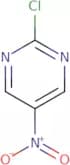
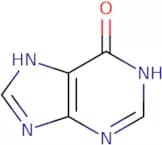
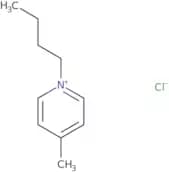

![4-Amino-5-chloro-2,3-dihydro-N-[1-(3-methoxypropyl)-4-piperidinyl]-7-benzofurancarboxamide](/_next/image/?url=https%3A%2Fstatic.cymitquimica.com%2Fproducts%2F3D%2Fthumb-webp%2FFA27248.webp&w=3840&q=75)
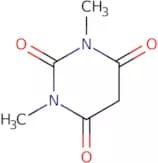
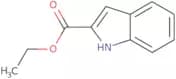
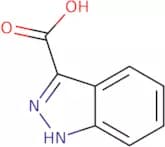
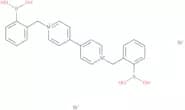
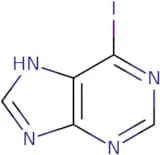
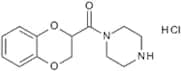
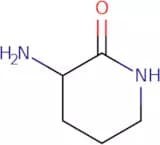
![Ethyl 5-chloropyrazolo[1,5-a]pyrimidine-3-carboxylate](/_next/image/?url=https%3A%2Fstatic.cymitquimica.com%2Fproducts%2F3D%2Fthumb-webp%2FFE44325.webp&w=3840&q=75)
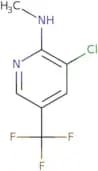
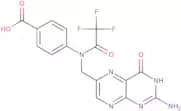
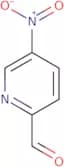
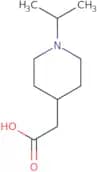
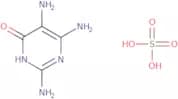
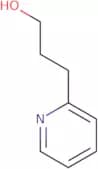
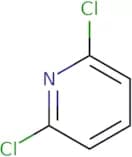
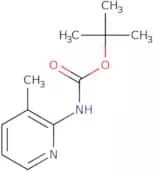
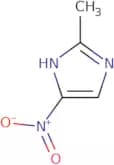
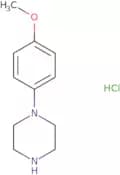
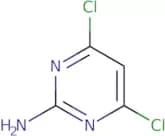
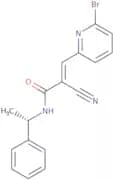


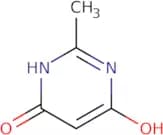
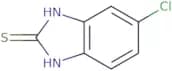
![3H-Spiro[Isobenzofuran-1,4'-piperidine] hydrochloride](/_next/image/?url=https%3A%2Fstatic.cymitquimica.com%2Fproducts%2F3D%2Fthumb-webp%2FFS53076.webp&w=3840&q=75)

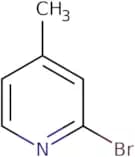
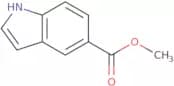
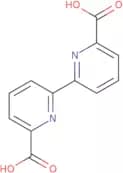
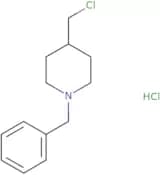
![2-[N-[(3,5-Difluorophenyl)carbamoylamino]-C-methylcarbonimidoyl]pyridine-3-carboxylic acid](/_next/image/?url=https%3A%2Fstatic.cymitquimica.com%2Fproducts%2F3D%2Fthumb-webp%2FFD101726.webp&w=3840&q=75)
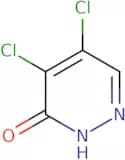
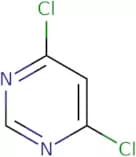
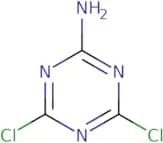
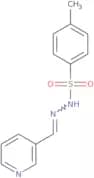
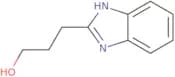
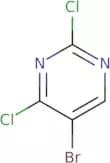

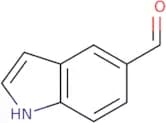
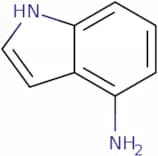
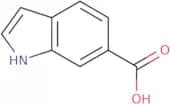
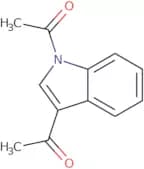
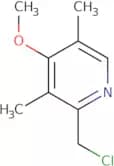
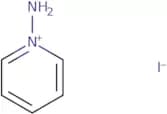
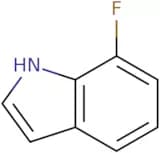
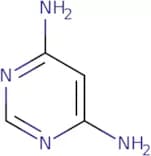
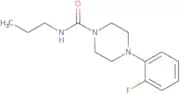
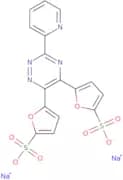
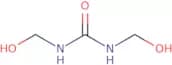

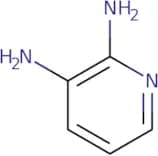
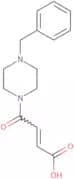

![N-(3,5-Dichloro-4-Pyridinyl)-2-[1-(4-Fluorobenzyl)-5-Hydroxy-1H-Indol-3-Yl]-2-Oxoacetamide](/_next/image/?url=https%3A%2Fstatic.cymitquimica.com%2Fproducts%2F3D%2Fthumb-webp%2FFD101748.webp&w=3840&q=75)

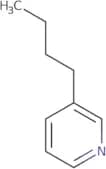
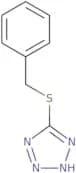
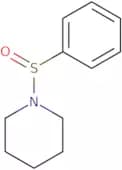
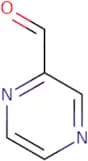

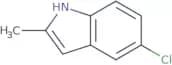
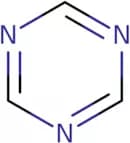
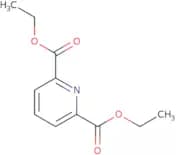
![20-Deoxo-23-deoxy-5-O-[3,6-dideoxy-3-(dimethylamino)-β-D-glucopyranosyl]-20,23-di-1-piperidinyltyl…](/_next/image/?url=https%3A%2Fstatic.cymitquimica.com%2Fproducts%2F3D%2Fthumb-webp%2FFT137728.webp&w=3840&q=75)
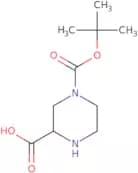
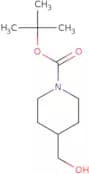
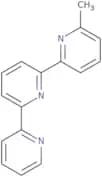
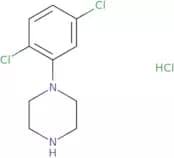
![Methyl 3-amino-6-methylthieno[2,3-b]pyridine-2-carboxylate](/_next/image/?url=https%3A%2Fstatic.cymitquimica.com%2Fproducts%2F3D%2Fthumb-webp%2FFM142163.webp&w=3840&q=75)
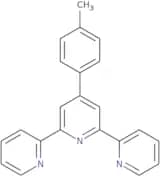
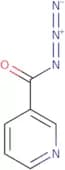
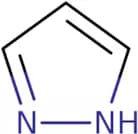
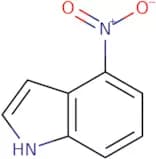
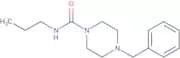
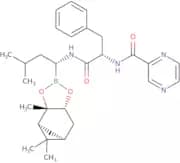

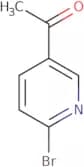


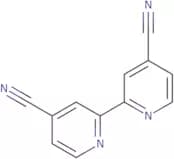
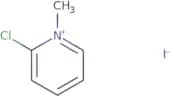
![1-[2-[(2,4-Dimethylphenyl)thio]phenyl]piperazine hydrobromide](/_next/image/?url=https%3A%2Fstatic.cymitquimica.com%2Fproducts%2F3D%2Fthumb-webp%2FFD157097.webp&w=3840&q=75)
![3-(3-Piperidinopropoxy)-1-[3-(Trifluoromethyl)Phenyl]-1H-Indazole](/_next/image/?url=https%3A%2Fstatic.cymitquimica.com%2Fproducts%2F3D%2Fthumb-webp%2FFP97740.webp&w=3840&q=75)
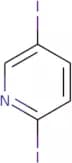
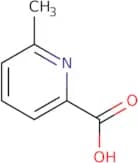
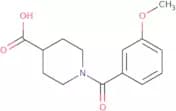
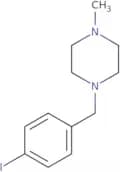
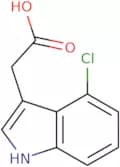
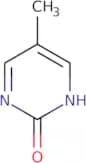
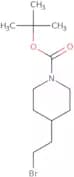
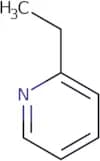
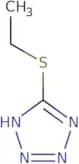
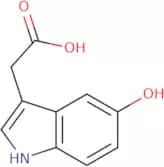
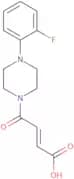
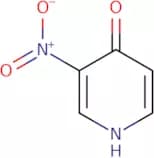
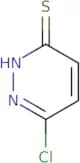

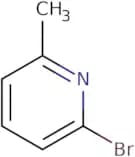
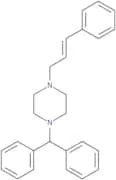
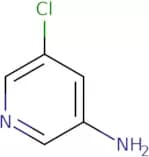
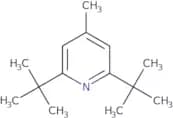
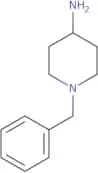
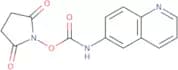
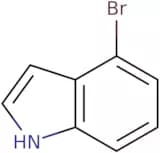

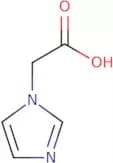
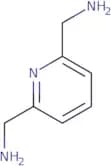
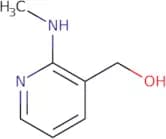
![[2,2':6',2''- Terpyridine]-4'-methanol](/_next/image/?url=https%3A%2Fstatic.cymitquimica.com%2Fproducts%2F3D%2Fthumb-webp%2FFT171190.webp&w=3840&q=75)
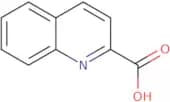
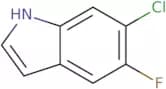
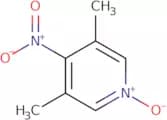
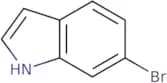
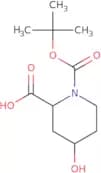
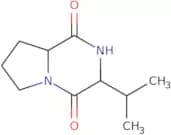
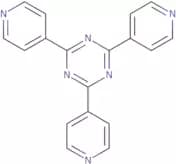
![Ethyl (1,3,6-trimethyl-2,4-dioxo-2,3,4,7-tetrahydro-1H-pyrrolo[2,3-d]pyrimidin-5-yl)acetate](/_next/image/?url=https%3A%2Fstatic.cymitquimica.com%2Fproducts%2F3D%2Fthumb-webp%2FFE128012.webp&w=3840&q=75)

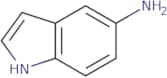
![7,8,9,10-Tetrahydro-8-(trifluoroacetyl)-6,10-methano-6H-pyrazino[2,3-h][3]benzazepine](/_next/image/?url=https%3A%2Fstatic.cymitquimica.com%2Fproducts%2F3D%2Fthumb-webp%2FFT11986.webp&w=3840&q=75)
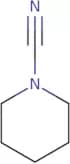
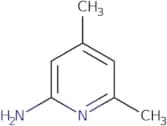

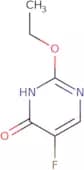
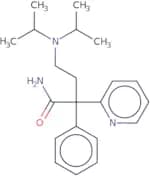
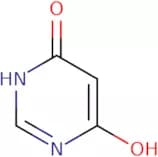
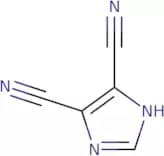
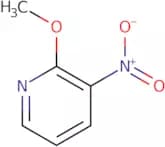
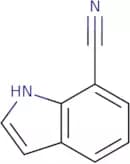
![4-[3-[2-(Trifluoromethyl)-9H-thioxanthen-9-ylidene]propyl]-1-piperazineethanol dihydrochloride](/_next/image/?url=https%3A%2Fstatic.cymitquimica.com%2Fproducts%2F3D%2Fthumb-webp%2FFT23498.webp&w=3840&q=75)
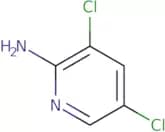

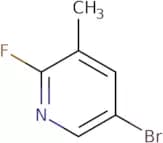
![4-[8-[(2,6-Diethoxy-4′-fluoro[1,1′-biphenyl]-4-yl)methyl]-3-oxo-2,8-diazaspiro[4.5]dec-2-yl]benzoi…](/_next/image/?url=https%3A%2Fstatic.cymitquimica.com%2Fproducts%2F3D%2Fthumb-webp%2FFD183056.webp&w=3840&q=75)
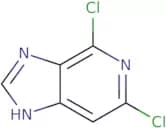
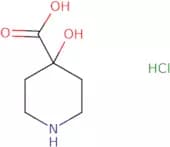
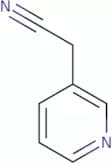

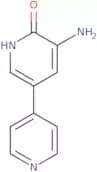
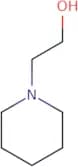
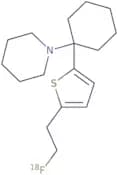
![methyl 1-[(4-methylphenyl)sulfonyl]-4-piperidinecarboxylate](/_next/image/?url=https%3A%2Fstatic.cymitquimica.com%2Fproducts%2F3D%2Fthumb-webp%2FFM168868.webp&w=3840&q=75)

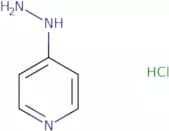
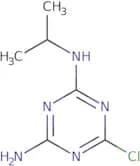


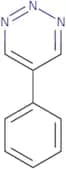
![7-[4-(4-Fluorophenyl)-6-(1-methylethyl)-2-(N-methyl-N-methylsulfonyl-amino)-pyrimidin-5-yl]-3,5-di…](/_next/image/?url=https%3A%2Fstatic.cymitquimica.com%2Fproducts%2F3D%2Fthumb-webp%2FFF35383.webp&w=3840&q=75)
![6-Chloro-imidazo[1,2-b]pyridazine](/_next/image/?url=https%3A%2Fstatic.cymitquimica.com%2Fproducts%2F3D%2Fthumb-webp%2FFC11286.webp&w=3840&q=75)
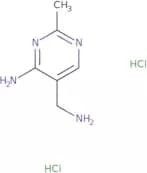
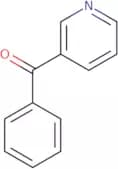
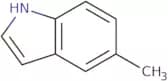
![4-[(Pyridine-3-carbonyl)amino]butyric acid](/_next/image/?url=https%3A%2Fstatic.cymitquimica.com%2Fproducts%2F3D%2Fthumb-webp%2FFP15522.webp&w=3840&q=75)
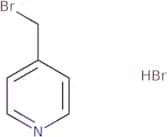
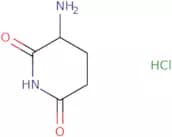
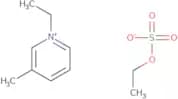
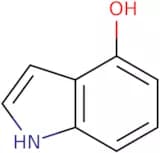
![L-4,5,6,7-Tetrahydro-1H-imidazo[4,5-c]pyridine-6-carboxylic acid](/_next/image/?url=https%3A%2Fstatic.cymitquimica.com%2Fproducts%2F3D%2Fthumb-webp%2FFT56086.webp&w=3840&q=75)
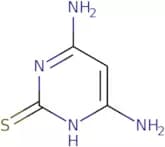
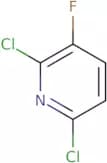
![N-[1-[2-(4-Ethyl-5-Oxotetrazol-1-Yl)Ethyl]-4-Phenylpiperidin-4-Yl]-N-(2-Fluorophenyl)Propanamide](/_next/image/?url=https%3A%2Fstatic.cymitquimica.com%2Fproducts%2F3D%2Fthumb-webp%2FFE102162.webp&w=3840&q=75)
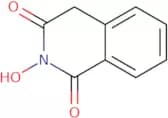
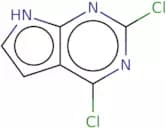
![1H-Pyrrolo[3,2-b]pyridin-7-amine](/_next/image/?url=https%3A%2Fstatic.cymitquimica.com%2Fproducts%2F3D%2Fthumb-webp%2FFP142011.webp&w=3840&q=75)
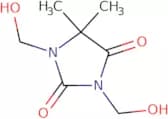
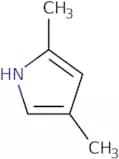
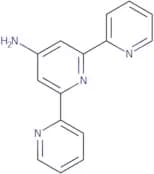
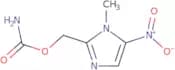
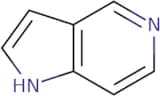
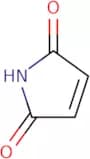

![1-[1-[4-(4-Fluorophenyl)-4-Oxobutyl]Piperidin-4-Yl]-3-Methylbenzimidazol-2-One](/_next/image/?url=https%3A%2Fstatic.cymitquimica.com%2Fproducts%2F3D%2Fthumb-webp%2FFF100333.webp&w=3840&q=75)
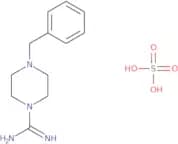

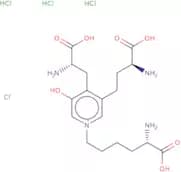
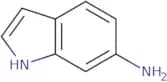


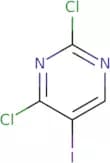
![[3-Chloro-4-(4-isobutyrylpiperazin-1-yl)phenyl]amine](/_next/image/?url=https%3A%2Fstatic.cymitquimica.com%2Fproducts%2F3D%2Fthumb-webp%2FFC134207.webp&w=3840&q=75)
![1-Boc-2-[4-(2-pyridinyl)benzylidene]hydrazine](/_next/image/?url=https%3A%2Fstatic.cymitquimica.com%2Fproducts%2F3D%2Fthumb-webp%2FFB18876.webp&w=3840&q=75)