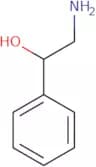
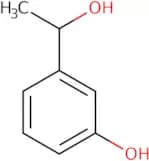
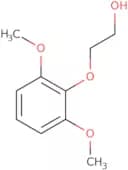
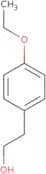
Álcoois
Subcategorias de "Álcoois"
Foram encontrados 5817 produtos de "Álcoois"
5-Bromo-5a-cholestane-3,6-diol 3-acetate
CAS:Please enquire for more information about 5-Bromo-5a-cholestane-3,6-diol 3-acetate including the price, delivery time and more detailed product information at the technical inquiry form on this pageFórmula:C29H49BrO3Pureza:Min. 95%Peso molecular:525.6 g/mol(S)-Propranolol hydrochloride
CAS:Produto ControladoPropranolol hydrochloride is a prodrug that is converted to the active form, (S)-propranolol, by deesterification in vivo. Propranolol hydrochloride has been used for more than 50 years as a beta-blocker for the treatment of hypertension and angina pectoris. It is also used to treat other cardiovascular diseases such as arrhythmias and myocardial infarction. Propranolol hydrochloride inhibits the activity of human estrogen receptor (ER) and blocks the synthesis of proteins that are necessary for tumor growth. This drug has been shown to be effective against metastable polymorphs in urine samples and can be used as an analytical method to differentiate enantiomers.
Fórmula:C16H21NO2•HClPureza:Min. 95%Peso molecular:295.8 g/mol3-Cyclohexyl-1-[4-[2-(7-methoxy -4,4-dimethyl-1,3-dioxo-isoquinolin -2-yl)ethyl]phenyl]sulfonyl-urea
CAS:3-Cyclohexyl-1-[4-[2-(7-methoxy -4,4-dimethyl-1,3-dioxo-isoquinolin -2-yl)ethyl]phenyl]sulfonyl-urea is a drug that inhibits the enzyme DPPIV, which breaks down the incretin hormone glucagon-like peptide (GLP)-1. It may be used to treat diabetes by regulating blood glucose levels. This drug has been shown to reduce postprandial blood glucose levels in patients with type 2 diabetes. 3CYCSU is also capable of reducing body weight and food intake in mice. The mechanism of action of this drug is not fully understood, but it appears to have an effect on the cytosolic calcium ion concentration and may reduce inflammatory responses in cells. 3CYCSU is a promising potential treatment for infectious diseases such as Hepatitis C virus (HCV).Fórmula:C27H33N3O6SCor e Forma:PowderPeso molecular:527.63 g/mol4-Fluororesorcinol
CAS:4-Fluororesorcinol is a sulfonation agent that is used to synthesize sulfones and sulfonamides. It has been shown to have anticancer activity in vitro, but its use in vivo has been limited by its high toxicity. 4-Fluororesorcinol has also been shown to inhibit the functional groups of tyrosinase, an enzyme that helps produce melanin. The oxidation products of 4-fluororesorcinol are less toxic and more photostable than the parent compound. This compound inhibits the production of melanin by tyrosinase, which may lead to potential skin care applications.Fórmula:C6H5FO2Pureza:(%) Min. 98%Cor e Forma:White PowderPeso molecular:128.1 g/mol16-Fluoroestradiol
CAS:Produto Controlado16-Fluoroestradiol is a fluorinated form of estradiol that binds to the estrogen receptor. It has been shown to have high affinity for the receptor and is found in tissues such as breast, uterus, and vagina. 16-Fluoroestradiol has been used in cancer research to study uptake and metabolism of estrogens. The drug is metabolized by hydroxylation via cytochrome P450 enzymes and through the action of nucleophilic enzymes such as carboxylesterases. 16-Fluoroestradiol has also been shown to bind to muscle tissue, which may be due to its ability to inhibit uptake of glucose into cells.Fórmula:C18H23FO2Pureza:Min. 95%Peso molecular:290.37 g/mol3-Nitrophenylmethylcarbinol
CAS:3-Nitrophenylmethylcarbinol (3NP) is a chiral molecule that is used as a versatile catalyst in organic synthesis. It has been shown to be an efficient and reusable nucleophile, which can be used for the hydrothiolation of enones. 3NP also has been shown to have high activity in asymmetric oxidation reactions, such as the conversion of alcohols to ketones or aldehydes. 3NP has been shown to be an excellent reagent for the conversion of carbinols into alkenes, due to its high oxidation potential.Fórmula:C8H9NO3Pureza:Min. 95%Cor e Forma:PowderPeso molecular:167.16 g/mol2-Bromo-4-methoxybenzyl alcohol
CAS:2-Bromo-4-methoxybenzyl alcohol is a fine chemical that can be used as a versatile building block, intermediate, or reaction component in research. It is also a useful building block for the synthesis of complex compounds. 2-Bromo-4-methoxybenzyl alcohol has been shown to be a reagent with high quality and can be used as a speciality chemical. This compound has been shown to react with ammonia to form an amide bond, which has led to the development of several new drugs.Fórmula:C8H9BrO2Pureza:Min. 95%Cor e Forma:PowderPeso molecular:217.06 g/mol(2S)-5-Hexen-2-ol
CAS:5-Hexen-2-ol is a constituent of various natural products such as the racemosum and macrocyclic lactones. It has been found to have a broad spectrum of biological activities, including antibacterial, antifungal, antiparasitic and antimalarial activity. 5-Hexen-2-ol has also been used in the synthesis of various macrocyclic lactones and macrolactones. This compound has been found to inhibit penicillium growth by competitive inhibition of ergosterol biosynthesis.
Fórmula:C6H12OPureza:Min. 95%Cor e Forma:Clear LiquidPeso molecular:100.16 g/mol3,4-Dimethoxyphenyl ethanol
CAS:3,4-Dimethoxyphenyl ethanol is a product of the asymmetric synthesis of 3,4-dimethoxyphenylacetic acid. It has been shown to have high redox potentials and hydrochloric acid resistance. 3,4-Dimethoxyphenyl ethanol has been used in the delignification of cellulose fibers and has also been shown to have photophysical and photochemical properties. This compound binds with hydroxyl groups on proteins, which may be due to its ability to undergo acylation reactions. The binding of 3,4-dimethoxyphenyl ethanol with human liver microsomes was found to be rapid and reversible. Kinetic analysis showed that this binding can be explained by substrate binding or acylation reaction.Fórmula:C10H14O3Pureza:Min. 95%Cor e Forma:White PowderPeso molecular:182.22 g/mol9-cis-Retinol acetate
CAS:9-cis-Retinol acetate is a synthetic retinoid that has been shown to have antioxidant properties. It prevents the oxidation of lipids, proteins and DNA by inhibiting the activity of enzymes such as cyclooxygenase and lipoxygenase, which are responsible for generating reactive oxygen species. 9-cis-Retinol acetate also increases glutathione levels, which scavenges reactive oxygen species. 9-cis-Retinol acetate can be used to treat oxidative injury in different tissues such as the skin, liver, bowel, lung and eye. 9-cis-Retinol acetate can be used in low doses to prevent oxidative injury in the human fetus during pregnancy or in high doses to treat oxidant injuries caused by radiation exposure or chemotherapy.Fórmula:C22H32O2Pureza:Min. 95%Cor e Forma:Pale yellow oil.Peso molecular:328.49 g/molSorbitan monolaurate
CAS:Sorbitan monolaurate is a natural compound that can be isolated from the seeds of the Cucurbitaceae family. It is used in sample preparation for biocompatible polymers, as well as for detergent compositions. Sorbitan monolaurate has been shown to act as an absorption enhancer, which may be due to its ability to form hydrogen bonds with other molecules and its capacity to interact with sodium citrate. Sorbitan monolaurate also has biological properties such as the inhibition of autoimmune diseases, malonic acid production, and bacterial growth.Fórmula:C18H34O6Pureza:Min. 95%Cor e Forma:Slightly Yellow Clear LiquidPeso molecular:346.46 g/molm-Aminophenolsulfate
CAS:m-Aminophenolsulfate is a sulfonated derivative of m-aminophenol. It has been used for wastewater treatment and as an analytical reagent for the determination of p2 group substances, such as sulfa drugs. It is also used in pharmaceutical preparations and human serum. m-Aminophenolsulfate may be activated by hydrochloric acid to form a reactive intermediate (m-aminophenoxy radical) that reacts with electron acceptors such as oxygen or nitrous oxide to generate reactive oxygen species. In this way, m-aminophenolsulfate can act as a broad-spectrum antimicrobial agent against both Gram negative and Gram positive bacteria. The mechanism of this reaction is adsorption on the bacterial cell wall, which leads to cell death through osmotic lysis or disruption of membrane integrity.Fórmula:C12H16N2O6SPureza:Min. 95%Cor e Forma:PowderPeso molecular:316.33 g/mol3-Amino-phenazin-2-ol
CAS:3-Amino-phenazin-2-ol is a pesticide that has been shown to have genotoxic effects on human lymphocytes in vitro. 3-Amino-phenazin-2-ol inhibits the growth of triticum aestivum, a type of cereal plant, by binding to the aminoacids in the cell wall and disrupting its structure. This leads to cell death and inhibits the synthesis of proteins necessary for cellular growth. The herbicide has also been shown to inhibit the growth of typhimurium at high concentrations and may be used as an herbicide or pesticide. The mechanism by which 3-amino phenazin 2-ol exerts its toxicity is not fully understood, but it may be due to its ability to activate cells that are exposed to low energy levels.
Fórmula:C12H9N3OPureza:Min. 95%Cor e Forma:PowderPeso molecular:211.22 g/mol1-Azidopropan-3-ol
CAS:Azidopropan-3-ol is a reactive chemical that has functional groups such as hydroxyl, amino, and carboxylic acid. It can be used to synthesize polymers with azides. Azidopropan-3-ol is not toxic to cells in culture and does not affect the glycosidation process. Azidopropan-3-ol is also an excellent solvent for glycols, which are commonly used as solvents for organic synthesis. Azidopropan-3-ol can also be used as a transport agent in the lungs or kidneys because of its low viscosity and low surface tension. Azidopropan-3-ol has been shown to have anti-cancer properties by inducing apoptosis in cancer cells and inhibiting the growth of colorectal adenocarcinoma cells. This compound also has high solubility in water, which makes it suitable for use as a solvent forFórmula:C3H7N3OPureza:Min. 95%Cor e Forma:Colorless Clear LiquidPeso molecular:101.11 g/mol3,5-Dimethoxybenzyl alcohol
CAS:3,5-Dimethoxybenzyl alcohol is a synthetic compound that exhibits potent inhibitory activity against carcinoma cell lines. It prevents the growth of cancer cells by inhibiting the synthesis of RNA and DNA. The activation energy for this inhibitory activity is 40.6 kJ/mol, which was determined using analytical methods. 3,5-Dimethoxybenzyl alcohol inhibits the growth of cancer cells in vitro and in vivo at concentrations between 50 and 500 µM. Its inhibitory activities are reversible and competitive with respect to chloride ions at concentrations greater than 250 µM. 3,5-Dimethoxybenzyl alcohol has been shown to be an effective inhibitor of phosphatase enzymes in Chinese medicinal herbs such as Polygonum multiflorum Thunb., Phellodendron amurense Rupr., or Pyrus pyrifolia Nakai.
Fórmula:C9H12O3Pureza:Min. 95%Cor e Forma:Off-White PowderPeso molecular:168.19 g/mol(S)-(-)-3-tert-Butylamino-1,2-propanediol
CAS:(S)-(-)-3-tert-Butylamino-1,2-propanediol is a hydrophobic liquid that has been used as a stationary phase in chromatography. It interacts with nonaromatic compounds and has been used for the validation of high performance liquid chromatography (HPLC) detection sensitivity. It is also used as a ligand for ternary complexes and as an anion in chromatographic science. This compound's interactions are studied using evaporative light scattering, which can be used to determine the molecular weight of the compound.
Fórmula:C7H17NO2Pureza:Min. 95%Peso molecular:147.22 g/molEpicoprostanol
CAS:Produto ControladoEpicoprostanol is a sterol that is found in the human intestines. It has been shown to inhibit the activity of enzymes involved in the metabolism of cholesterol and alcohol. Epicoprostanol is also a component of human feces, which are used to test for its presence. The presence of epicoprostanol can be determined by measuring its absorbance at 260 nm. The concentration of epicoprostanol can be calculated by multiplying the absorbance by the dilution factor (1/10). Epicoprostanol has been shown to have antioxidant properties, helping to protect cells from free radicals. This sterol has also been shown to have some anti-inflammatory properties, which may help with autoimmune diseases such as Crohn's disease and ulcerative colitis in humans.
Fórmula:C27H48OPureza:Min. 98 Area-%Cor e Forma:White PowderPeso molecular:388.67 g/mol1,2-O-Dihexadecyl-sn-glycero-3-phosphoethanolamine
CAS:1,2-O-Dihexadecyl-sn-glycero-3-phosphoethanolamine (DHEPE) is a lipid used as a fluorescent probe for the detection of carbohydrates. It has been shown to bind to high-mannose type oligosaccharides and to be stable in complex with them. DHEPE has been shown to form complexes with cell nuclei, which may be due to hydrogen bonding interactions between the sugar and phosphate head groups on the glycerol backbone. These interactions are thought to be responsible for the selectivity of DHEPE for mannose residues in cells. DHEPE also forms complexes with x-ray diffraction data, which is indicative of intermolecular hydrogen bonding between this molecule and other hydrophobic molecules. DHEPE's reaction mechanism is not clear, but it has been proposed that it reacts with proteins by reacting with amino groups on these proteins.Fórmula:C37H78NO6PPureza:Min. 95%Cor e Forma:SolidPeso molecular:663.99 g/mol4-Chloro-3-nitrobenzyl alcohol
CAS:4-Chloro-3-nitrobenzyl alcohol is a synthetic chemical that reacts with hydrochloric acid to form 4-chloro-3-nitrobenzyl chloride and hydrogen. It can be used in the preparation of other chemicals, such as divinylbenzene and chloride. This compound is insoluble in water and soluble in organic solvents, such as acetone and ether. 4-Chloro-3-nitrobenzyl alcohol has two stereoisomers, one of which is more reactive than the other.
Fórmula:C7H6ClNO3Pureza:Min. 95%Peso molecular:187.58 g/mol2,2,4-Trimethyl-1,2,3,4-tetrahydroquinoline-8-carboxylic acid
CAS:2,2,4-Trimethyl-1,2,3,4-tetrahydroquinoline-8-carboxylic acid is a versatile building block that can be used as a reagent or speciality chemical in research and development. It is also an intermediate for the synthesis of complex compounds with various properties. This compound has been shown to be useful as a building block for the synthesis of new compounds with potential pharmaceutical applications.Fórmula:C13H17NO2Pureza:Min. 95%Cor e Forma:White Off-White PowderPeso molecular:219.28 g/mol4-(Trifluoromethoxy)phenol
CAS:4-(Trifluoromethoxy)phenol is an anti-tuberculosis drug. It is a diode that has been shown to have pharmacokinetic properties in rats and mice. 4-(Trifluoromethoxy)phenol has been shown to act as a prodrug, which is activated by conversion to the active form. This active form inhibits the growth of Mycobacterium tuberculosis by binding to the 50S ribosomal subunit and preventing bacterial transcription and replication. The molecular structure of 4-(trifluoromethoxy)phenol is similar to phenoxypropanoid compounds, such as biphenyl, which may be responsible for its anti-tuberculosis effects. 4-(Trifluoromethoxy)phenol also binds DNA at specific sites with high affinity and specificity, inhibiting gene expression and RNA synthesis.Fórmula:C7H5F3O2Pureza:Min. 95%Cor e Forma:Clear LiquidPeso molecular:178.11 g/molMonoethanolamine
CAS:Monoethanolamine is an organic compound that is the simplest type of amine. It is a colorless liquid with a mild, neutral odor. Monoethanolamine has been shown to be an effective antimicrobial agent, inhibiting bacterial growth by reacting with water vapor and nitrogen atoms in the environment. Monoethanolamine has also been shown to inhibit the production of nitric oxide and other reactive nitrogen species, which may account for its antimicrobial properties. The inhibition of nitric oxide synthesis may also account for monoethanolamine's ability to improve locomotor activity in mice. This chemical can be used as a reagent in analytical methods such as gas chromatography and solid phase microextraction.Fórmula:C2H7NOPureza:Min. 95%Cor e Forma:Colorless Clear LiquidPeso molecular:61.08 g/mol4-Bromo-3-fluorobenzyl alcohol
CAS:4-Bromo-3-fluorobenzyl alcohol is an analog of prenylation, a process that is essential for the synthesis of many cellular components. It inhibits farnesyltransferase, an enzyme involved in the process of prenylation. Farnesyltransferase catalyzes the conversion of the 5-carbon farnesol to the 15-carbon geranylgeraniol, which is then converted to a 20-carbon geranylgeranyl pyrophosphate. This reaction generates a molecule with two prenyl groups. The discovery of 4-bromo-3-fluorobenzyl alcohol was made possible by its potent inhibition of farnesyltransferase and it has been shown to have promising results as a potential treatment for cancer.Fórmula:C7H6BrFOPureza:Min. 95%Cor e Forma:PowderPeso molecular:205.02 g/mol2-(1-Adamantyl)-4-bromophenol
CAS:2-(1-Adamantyl)-4-bromophenol is a synthetic polymer that is used in the production of film. It has been used to produce chromatographic films, which are used for the separation and purification of organic compounds. 2-(1-Adamantyl)-4-bromophenol is also used to manufacture ion-exchange resins, which are used for the separation and purification of ions in water. 2-(1-Adamantyl)-4-bromophenol has been shown to be carcinogenic when administered orally to rats, causing human colon carcinoma. It also causes pleural mesothelioma when administered intrapleurally in rats. This chemical has been shown to have anti-inflammatory properties due to its ability to inhibit prostaglandin synthesis.Fórmula:C16H19BrOPureza:Min. 95%Cor e Forma:PowderPeso molecular:307.23 g/mol2,6-Dichloro-4-(2,4,6-triphenyl-1-pyridinio)phenolate
CAS:2,6-Dichloro-4-(2,4,6-triphenyl-1-pyridinio)phenolate is a protonated form of the anion of 2,6-dichloro-4-(2,4,6-triphenyl-1-pyridinio)phenolate. It has hydrophobic properties and a low solubility in water. The solution temperature is close to 0°C. It can be analyzed by regression and chloride or physicochemical methods. This compound has a polarizability that is similar to that of nitrogen atoms and hydrogen bonds with chloride ions.Fórmula:C29H19Cl2NOPureza:Min. 95%Cor e Forma:PowderPeso molecular:468.37 g/mol3,5-Dimethylbenzyl alcohol
CAS:3,5-Dimethylbenzyl alcohol (3,5-DMB) is an organic solvent that is used as a degreaser and wetting agent for metals. It has been shown to have anticancer properties in vitro, but not in vivo. 3,5-DMB binds to the active site of the enzyme dehydrogenase and prevents it from binding with substrates. This inhibition leads to a decrease in the activity of this enzyme and a decrease in the production of reactive oxygen species. 3,5-DMB has also been shown to be effective against cancer cells both in vitro and in vivo. In addition, 3,5-DMB has been shown to bind tightly to ferula (a dye used for staining), xylene (a hydrocarbon), and hexane (an organic solvent).Fórmula:C9H12OPureza:Min. 95%Peso molecular:136.19 g/mol3,4-Dihydroxy-2-nitrobenzyl alcohol
CAS:3,4-Dihydroxy-2-nitrobenzyl alcohol is a fine chemical that is useful as a scaffold and building block for organic synthesis. It is also an intermediate in the preparation of other chemicals such as reaction components. 3,4-Dihydroxy-2-nitrobenzyl alcohol has CAS No. 1017060-58-0 and belongs to the speciality chemical category. This compound can be used as a reagent or research chemical in biochemical assays and other applications. 3,4-Dihydroxy-2-nitrobenzyl alcohol is soluble in methanol, ethanol, acetone, dichloromethane, ethyl acetate, and chloroform. It is insoluble in water and ether. It is stable at pH values between 2 and 10 but decomposes when heated to 80°C or above.Fórmula:C7H7NO5Pureza:Min. 95%Peso molecular:185.13 g/mol1-((6,7-dimethoxy(3,4-dihydroisoquinolyl))methoxy)-2,4-dichlorobenzene
CAS:Please enquire for more information about 1-((6,7-dimethoxy(3,4-dihydroisoquinolyl))methoxy)-2,4-dichlorobenzene including the price, delivery time and more detailed product information at the technical inquiry form on this pagePureza:Min. 95%(R)-(-)-3-Quinuclidinol
CAS:Produto ControladoSynthon for preparation of cholinergic receptor ligands; hypotensiveFórmula:C7H13NOPureza:Min. 95%Cor e Forma:White PowderPeso molecular:127.18 g/mol(1-Methyl-1H-indazol-3-yl)methanol
CAS:Produto Controlado(1-Methyl-1H-indazol-3-yl)methanol is a heterocyclic compound with a chemical formula of CHN. It is a colorless liquid that reacts violently with water or alcohols. The compound has been shown to form lithium aluminum hydride and aluminum hydride, which react vigorously with water. (1-Methyl-1H-indazol-3-yl)methanol also forms acetylated amines in the presence of thionyl chloride. This reaction is used as an example of a translation reaction in chemistry, where one molecule is converted into another through the addition of other molecules.Fórmula:C9H10N2OPureza:Min. 95%Peso molecular:162.19 g/mol2-Cyclopropyl-4-(4-fluorophenyl)-quinolyl-3-methanol
CAS:2-Cyclopropyl-4-(4-fluorophenyl)-quinolyl-3-methanol is a crystalline compound that has been obtained by reacting 3-methoxyquinoline with cyclopropyl bromide. It has the dihedral angle of about 120 degrees and is stabilized by hydrogen bonds. The compound crystallizes in an asymmetric unit cell with two molecules in the asymmetric unit and space group P2/n. The target compound can be obtained in high yield, and it is soluble in organic solvents such as benzene and triphenylphosphine. 2-Cyclopropyl-4-(4-fluorophenyl)-quinolyl-3-methanol can be used to suppress wastewater containing halogenated aromatic compounds, such as quinoline.Fórmula:C19H16FNOPureza:Min. 95%Peso molecular:293.33 g/mol2,2'-Biphenol
CAS:2,2'-Biphenol is a phenolic compound that is used in the synthesis of polymers. The thermal expansion coefficient of 2,2'-biphenol can be measured by DSC and found to be ˜6.5 × 10⁻⁴/°C. The UV absorption spectrum of 2,2'-biphenol shows three bands at wavelengths of 290 nm, 320 nm, and 370 nm. 2,2'-Biphenol has been shown to adsorb onto biological surfaces through an adsorption mechanism. It has been observed that this adsorption occurs via x-ray crystal structures and kinetic measurements have shown that the adsorption process is rate-limited by intramolecular hydrogen bonding between the protonated phenolic hydroxyl group and the aromatic ring. The activation energies for protonation and desorption have been determined to be ˜30 kJ/mol and ˜30 kJ/mol respectively. Ac
Fórmula:C12H10O2Pureza:Min. 98 Area-%Cor e Forma:White PowderPeso molecular:186.21 g/mol4-Pregnen-20β-ol-3-one
CAS:Produto Controlado4-Pregnen-20beta-ol-3-one is a synthetic progestin that has been shown to have both contraceptive and noncontraceptive activities. It is used primarily to treat female infertility, endometriosis, and amenorrhea. The drug also has a number of other effects on the body, including anti-inflammatory and anti-angiogenic properties. 4-Pregnen-20beta-ol-3-one binds to the human liver receptor, which is responsible for its metabolism. The drug also has some activity in the endometrium of pregnant women and in the ovary cells of postmenopausal women. It increases epidermal growth factor production in skin cells and may be involved in lipid metabolism. 4-Pregnen-20beta-ol-3-one also stimulates lactogenic hormone production in women.Fórmula:C21H32O2Pureza:Min. 95%Cor e Forma:PowderPeso molecular:316.48 g/mol4-Cyanobenzyl alcohol
CAS:4-Cyanobenzyl alcohol is a phosphane that reacts with amines to form imines. This reaction can be used as a tool for the identification of amines in protein samples. The reaction time for this reaction is about 3 hours and can only be done at room temperature. 4-Cyanobenzyl alcohol also has potent inhibition activity against cyclopentadienyl, which is an important intermediate of organic synthesis. The ruthenium complex catalyzes this reaction and it can be used as a homogeneous catalyst.Fórmula:C8H7NOPureza:Min. 95%Cor e Forma:PowderPeso molecular:133.15 g/mol4-Ethylresorcinol
CAS:4-Ethylresorcinol is a natural compound that has been shown to be an effective inhibitor of the enzyme acetylcholinesterase. It is synthesized from resorcinol and 4-ethylphenol by a Friedel-Crafts reaction. This compound can exist in two different crystalline polymorphs: monoclinic or orthorhombic. 4-Ethylresorcinol exhibits good solubility in water, alcohols, and organic solvents. The molecular weight of this compound ranges from 310 to 340g/mol. 4-Ethylresorcinol inhibits the transcriptional activity of RNA polymerase II and III, as well as DNA polymerase, by binding to the active sites on these enzymes. It also prevents DNA replication by binding to the enzyme DNA gyrase. 4-Ethylresorcinol is most commonly used in cell culture studies where it inhibits cellular protein synthesis and decreases protein levels within cellsFórmula:C8H10O2Pureza:Min. 95%Cor e Forma:PowderPeso molecular:138.16 g/mol5beta-Pregnan-3alpha,21-diol-11,20-dione
CAS:Produto Controlado5beta-Pregnan-3alpha,21-diol-11,20-dione (5beta-pregnan) is a fine chemical used in research and development as a building block or intermediate. It has many uses, including as a useful scaffold for complex compounds. This chemical is also an excellent reagent for the synthesis of new organic compounds. It is a versatile building block that can be used in the production of high quality speciality chemicals. 5beta-pregnan may be used to synthesize many different types of building blocks and intermediates that are useful for the synthesis of other compounds.Fórmula:C21H32O4Pureza:(Tlc) Min. 95.0%Cor e Forma:PowderPeso molecular:348.48 g/molPolycaprolactone diol - MW 525-575
CAS:Biodegradable polymer
Fórmula:C4H8O3(C6H10O2)nCor e Forma:Clear LiquidEthyl 2-hydroxy-5,6,7,8-tetrahydroquinoline-3-carboxylate
CAS:Ethyl 2-hydroxy-5,6,7,8-tetrahydroquinoline-3-carboxylate is a fine chemical that is used as a building block in the manufacture of other compounds. It is also used as a reagent and speciality chemical. Ethyl 2-hydroxy-5,6,7,8-tetrahydroquinoline-3-carboxylate is an intermediate that can be used to produce other compounds. It can be used as a reaction component or useful scaffold for complex molecules.Fórmula:C12H15NO3Pureza:Min. 95%Cor e Forma:PowderPeso molecular:221.25 g/mol2-(3-Hydroxyphenoxy)ethanol
CAS:2-(3-Hydroxyphenoxy)ethanol is a cavity acceptor molecule that can be used in analytical methods to determine the intramolecular hydrogen of phenylephrine. 2-(3-Hydroxyphenoxy)ethanol interacts with chloride and chemical interactions with organic solvents, polarizability, and solute. This molecule has a pyridinium descriptor, which is an electron donor for aromatic rings.Fórmula:C8H10O3Pureza:Min. 95%Cor e Forma:PowderPeso molecular:154.16 g/mol2-Amino-4-cyano-phenol
CAS:2-Amino-4-cyano-phenol is a compound that has been shown to have antitubercular activity. It modulates the activity of cromakalim, which is a drug used for the treatment of tuberculosis. 2-Amino-4-cyano-phenol is also an antibacterial agent and has been shown to activate bacterial DNA replication and protein synthesis. The mechanism of action of this compound is thought to be due in part to its ability to bind with the ribosomes on the outside surface of cells and inhibit their function. 2-Amino-4-cyano-phenol has also been shown to have structural similarities with phenylephrine, which inhibits bacterial growth by binding to DNA gyrase, thereby preventing transcription and replication.Fórmula:C7H6N2OPureza:Min. 95%Cor e Forma:PowderPeso molecular:134.14 g/mol2,2,3,3-Tetrafluoro-1-propanol
CAS:2,2,3,3-Tetrafluoro-1-propanol is a solvent that has been used in the manufacture of polymers. It can be distilled from sodium trifluoroacetate at high pressure and temperature to give a constant boiling point. 2,2,3,3-Tetrafluoro-1-propanol is transported by gas or liquid diffusion. The kinetic energy of the molecules increases with increasing temperature and pressure; however, it does not have an appreciable chemical reaction with oxygen or ozone. This chemical has been used as a photoinitiator to polymerize cationic monomers such as trifluoroacetic acid and acrylamide. 2,2,3,3-Tetrafluoro-1-propanol has also been shown to react with water vapor to form hydrogen fluoride and hydrofluoric acid.
Fórmula:C3H4F4OPureza:Min. 98 Area-%Cor e Forma:Clear LiquidPeso molecular:132.06 g/mol3-O-Hexadecyl-sn-glycerol
CAS:3-O-Hexadecyl-sn glycerol (3OHG) is a neutral, high molecular weight glycol ether that is used for the preparation of zirconium oxide. 3OHG has been shown to be a substrate for carbohydrate chemistry and as an inhibitor of enzymes, such as hexokinase and phosphoglycerate kinase. 3OHG has minimal toxicity when administered orally to rats and does not cause any hemolysis in human erythrocytes. This compound is also a monoclonal antibody that binds to the surface glycoprotein on the HL-60 cell line and inhibits its growth. 3OHG is not cytotoxic at concentrations up to 10 mM in cultured cells, but it can induce Ca2+ release from the cytosol in HL-60 cells with minimal toxicity. The structure of 3OHG appears closely related to benzalkonium chloride (BAC).Fórmula:C19H40O3Pureza:Min. 95%Peso molecular:316.52 g/mol4-Chloro-3-iodophenol
CAS:4-Chloro-3-iodophenol is a reactive chemical substance that can be used as a reagent in the synthesis of diagnostic agents, sunscreens and disinfectants. The reaction rate is increased by the presence of chlorine and other halogens such as iodine or bromine. 4-Chloro-3-iodophenol reacts with triclosan to form chlorinated trihalomethanes, which are more efficient disinfectants than their nonchlorinated counterparts. However, 4-chloro-3-iodophenol can also react with the oxidant hydrogen peroxide to form an unstable intermediate compound that degrades into toxic products like hypochlorous acid and chloramines. This instability makes this substance unsuitable for use in certain applications such as water purification.Fórmula:C6H4ClIOPureza:Min. 98 Area-%Cor e Forma:PowderPeso molecular:254.45 g/mol3,5-Dinitrobenzenethiol
CAS:3,5-Dinitrobenzenethiol is a chemical that has been used as a building block for the synthesis of other fine chemicals. 3,5-Dinitrobenzenethiol is an intermediate used in the synthesis of research chemicals, such as pharmaceuticals and pesticides. It can also be used as a reaction component or reagent in organic synthesis. 3,5-Dinitrobenzenethiol is an excellent chemical with high quality because it has no impurities and is readily available.Fórmula:C6H4N2O4SPureza:Min. 95%Cor e Forma:PowderPeso molecular:200.17 g/mol5-(2,2,3-Trimethyl-3-cyclopentenyl)-3-methyl-pentan-2-ol
CAS:5-(2,2,3-Trimethyl-3-cyclopentenyl)-3-methyl-pentan-2-ol (5MMPP) is a natural product that has been identified as an inhibitor of human immunodeficiency virus (HIV) replication. 5MMPP inhibits the formation of farnesyl diphosphate (FPP), which is essential for the production of protein kinase C and other cellular processes. This compound also blocks the HIV co-receptor CCR5, reducing the ability of HIV to latch onto cells. 5MMPP also has shown chemotactic activity against leukemia cells and skin cells in vitro, which may be due to its ability to stimulate growth factor release.
Fórmula:C14H26OPureza:Min. 95%Cor e Forma:Colorless PowderPeso molecular:210.36 g/mol1,2-Bis-(4-methoxyphenylcyclohexan-1,2-diol)
CAS:1,2-Bis-(4-methoxyphenylcyclohexan-1,2-diol) is a high quality reagent that is an important intermediate for the synthesis of complex compounds. It is also a useful building block in the synthesis of fine chemicals and speciality chemicals. This compound can be used as a versatile building block in the synthesis of various organic compounds. 1,2-Bis-(4-methoxyphenylcyclohexan-1,2-diol) is also a reaction component that can be used to synthesize pharmaceuticals and other research chemicals.Fórmula:C20H24O4Pureza:Min. 95%Peso molecular:328.4 g/mol7-Hydroxy-1,2,3,4-tetrahydroquinoline
CAS:7-Hydroxy-1,2,3,4-tetrahydroquinoline (7OH-THQ) is a fluorophore that can be used to detect the presence of cancer cells. It is a linker and labile and can be synthesized from the lactam 7-hydroxypyrazolo-[4,3-a]pyridin-5(6H)-one. The synthesis of 7OH-THQ is possible by reacting 4-(dimethylamino)benzenesulfonyl chloride with 2,2'-dithiolethane in the presence of sodium hydroxide. 7OH-THQ has been shown to be effective as an anticancer drug in vitro assays for colon and breast cancer cells. It also has fluorescence properties that are sensitive to acidic conditions and pH levels.Fórmula:C9H11NOPureza:Min. 96 Area-%Cor e Forma:PowderPeso molecular:149.19 g/mol(1S,4R)-cis-4-Acetoxy-2-cyclopenten-1-ol
CAS:Chiral building block for synthesis of functionalised nucleosides
Fórmula:C7H10O3Pureza:Min. 98 Area-%Cor e Forma:White PowderPeso molecular:142.15 g/mol1,2-Dioleoyl-sn-glycero-3-phosphatidylethanolamino (+)-biotin
CAS:This is a speciality chemical and is not intended for use in food, drug, or cosmetic applications. This fine chemical is a useful building block, which can be used to synthesize complex compounds. It has been shown to have high reactivity with a variety of reagents, making it an excellent research component.Fórmula:C51H92N3O10PSPureza:Min. 95%Cor e Forma:PowderPeso molecular:970.33 g/mol5-Methylpyrimidin-2-ol
CAS:5-Methylpyrimidin-2-ol is a photophysical, hydroxy group, and hydroxyl group. It has been shown to have an inhibitory effect on DNA methylation by glycosidic bond with the sugar moiety of the nucleotide. 5-Methylpyrimidin-2-ol reacts with the base moiety of the nucleotide to form an analog that inhibits RNA synthesis and is competitive against pyrimidine nucleosides. 5-Methylpyrimidin-2-ol also has a hydrogen bonding property that can react with other molecules such as proteins or sugars to form hydrogen bonds. This reaction rate is increased by fluorescence resonance energy transfer (FRET).
Fórmula:C5H6N2OPureza:Min. 95%Cor e Forma:PowderPeso molecular:110.11 g/molMonolaurin
CAS:Monolaurin is a natural compound that has been shown to be effective against aurease, sephadex g-100, monolaurin, and monocytogenes. It is also an antimicrobial and can be used in the prevention of bacterial growth. Monolaurin has antibacterial efficacy against Gram-positive bacteria such as methicillin-resistant Staphylococcus aureus (MRSA) and Streptococcus pyogenes, which are difficult to treat with antibiotics. This agent is also active against Gram-negative bacteria such as Escherichia coli, Neisseria meningitides, and Pseudomonas aeruginosa. The anti-bacterial activity of monolaurin is due to its ability to disrupt the cell membrane by binding to the fatty acids on the surface of bacterial cells. This agent may have drug interactions with other drugs that are metabolized through cytochrome P450 enzymes or glucuronidFórmula:C15H30O4Pureza:Min. 95%Cor e Forma:PowderPeso molecular:274.4 g/mol6-Chloropyridazine-3-thiol
CAS:6-Chloropyridazine-3-thiol is a potent inhibitor of platelet aggregation. This drug binds to the active site of the enzyme ADP-thrombin, thereby blocking the conversion of ADP to thrombin. 6-Chloropyridazine-3-thiol has been shown to have a high affinity for human liver microsomes, and is metabolized by conjugation with glutathione or glucuronide. 6CpT also inhibits the activation of factor V and factor VIII, which are involved in blood clotting. It is hypothesized that this inhibition may be due to its ability to bind to reactive chlorine atoms found on these proteins. 6-Chloropyridazine-3-thiol is a potent inhibitor of platelet aggregation, but it does not show any antiplatelet activity when used at low doses.
Fórmula:C4H3ClN2SPureza:Min. 95%Cor e Forma:White PowderPeso molecular:146.6 g/mol3,4-Methylenedioxyphenethyl alcohol
CAS:Produto Controlado3,4-Methylenedioxyphenethyl alcohol (MDPA) is a model compound that is used to study the mechanism of action and synthesis of aniracetam. It has been shown to be an antagonist of pentylenetetrazole, a convulsant drug. MDPA was also found to have anticonvulsant properties in mice. It was found that this compound had no effect on the inhibition of movement when administered at doses up to 100 mg/kg. This compound is an analog of liriodenine, which has been shown to have anti-inflammatory properties. 3,4-Methylenedioxyphenethyl alcohol is not active in the central nervous system due to its stereoselectivity; this means it can only bind to one stereoisomer within the brain and does not cross the blood-brain barrier.Fórmula:C9H10O3Pureza:Min. 95%Cor e Forma:Clear LiquidPeso molecular:166.17 g/molResorcinol-o,o'-diacetic acid
CAS:Resorcinol-o,o'-diacetic acid is a copolymer that is used in the production of polyurethane, glyceride, or heptane. It has been shown to have a brittleness of less than 1% and can be used for the production of polyester. Resorcinol-o,o'-diacetic acid is also used as an intermediate in the synthesis of terephthalic acid and chromatographic detection method. Resorcinol-o,o'-diacetic acid is hydrophilic and can be used for packaging food and packaging materials.Fórmula:C10H10O6Pureza:Min. 95%Cor e Forma:White PowderPeso molecular:226.18 g/molMethylandrostanediol
CAS:Produto ControladoMethylandrostenediol is a naturally occurring hormone that has been shown to have proteolytic, antigenic, and polymorphic properties. It is found in urine samples, and can be used as a supplement for the treatment of viruses or cancer. Methylandrostenediol also inhibits the growth of certain types of cancer cells by binding to specific receptors on their surfaces. It also binds to hydroxyl groups in proteins, which may inhibit the growth of bacteria. Methylandrostanediol has been shown to be an inhibitory compound against various types of cancer cells through various assays and sequences that have been performed on these cells.Fórmula:C20H34O2Pureza:Min. 95%Cor e Forma:White Off-White PowderPeso molecular:306.48 g/molArotinolol hydrochloride
CAS:Arotinolol hydrochloride is a beta-blocker that, in contrast to propranolol, has a higher selectivity for the β1 receptor. It is used to treat hypertension and angina pectoris. Arotinolol hydrochloride lowers blood pressure by inhibiting the activity of α-adrenergic receptors, which are found in the heart and vascular smooth muscle. This inhibition reduces the release of norepinephrine and causes vasodilation. Arotinolol hydrochloride also has a positive effect on cardiac function as it decreases myocardial oxygen demand and increases coronary flow. Arotinolol hydrochloride has been shown to lower systolic pressure in anesthetized dogs with an intravenous dose of sodium citrate. The drug also lowers diastolic pressure in conscious dogs at doses of 0.5 mg/kg (0.2 mg/lb) or greater when given intravenously or subcutaneously.
Fórmula:C15H22ClN3O2S3Pureza:Min. 98%Cor e Forma:PowderPeso molecular:408 g/mol2-Methylphenethyl alcohol
CAS:2-Methylphenethyl alcohol (2MPE) is an organic acid that is found in plants. It has been shown to have anti-inflammatory and anti-cancer properties. 2MPE inhibits the production of prostaglandins, which are a type of hormone that causes inflammation and pain. When 2MPE is combined with ferrocene, it forms a complex that can be used as a gas sensor. This complex absorbs light at certain wavelengths, which can then be detected by lasers to indicate the presence of various gases. The use of 2MPE as an organic solvent for coating plates has also been investigated. The process involves adding 2MPE to an organic solution, followed by the addition of ferrocene and argon gas. This process creates a thin film on the plate's surface that can be used for kinetic data collection.Fórmula:C9H12OPureza:Min. 95%Cor e Forma:Clear LiquidPeso molecular:136.19 g/mol2,4-Dimethoxy-3-methylbenzyl alcohol
CAS:2,4-Dimethoxy-3-methylbenzyl alcohol is a syntheses and deuterium analogue of orsellinic acid. It has been shown to inhibit bacterial growth in the presence of an oxygen atmosphere.
Fórmula:C10H14O3Pureza:Min. 95%Peso molecular:182.22 g/mol5β-Pregnan-3α-ol-20-one
CAS:Produto Controlado5b-Pregnan-3a-ol-20-one is a natural product that belongs to the group of steroids. It has been shown to inhibit the polymerase chain reaction in animals. The drug also inhibits pain and has been shown to be effective in models of epilepsy. 5b-Pregnan-3a-ol-20-one binds to DNA, preventing transcription and replication. It also stabilizes the surface of cells, which may be important for its uptake by cells. This compound interacts with Tlr4, which may activate immune cells and lead to seizures. 5b-Pregnan-3a-ol-20-one is oxidized by cytochrome P450 enzymes, leading to the production of hydrogen peroxide and formation of a carbonyl group on the molecule.
Fórmula:C21H34O2Pureza:Min. 95%Cor e Forma:White PowderPeso molecular:318.49 g/mol1-(6-Chloropyridazin-3-yl)piperidin-4-ol
CAS:1-(6-Chloropyridazin-3-yl)piperidin-4-ol (CPP) is an organic compound that is used as a corrosion inhibitor. It has been shown to be effective in the presence of hydrochloric acid and chloride ions in various media. The mechanism of CPP's anti-corrosion properties is due to its ability to form a protective film on metal surfaces, which can be attributed to its electron donating ability. This film prevents the occurrence of metal dissolution or metal oxidation, thereby preventing corrosion. CPP has been shown to inhibit the growth of bacteria by binding with DNA and RNA. It also inhibits protein synthesis through competitive inhibition of ribosomes.Fórmula:C9H12ClN3OPureza:(%) Min. 85%Peso molecular:213.66 g/mol3-Methylpiperidin-3-ol
CAS:3-Methylpiperidin-3-ol is a chemical compound that has been found to be useful as a building block for the synthesis of various complex compounds. This product is used in research and as a reagent. 3-Methylpiperidin-3-ol is also known by the CAS number 473730-88-0.Fórmula:C6H13NOPureza:Min. 95%Cor e Forma:Yellow solid.Peso molecular:115.17 g/mol3-Nonanol
CAS:3-Nonanol is a chiral compound that is used as a catalyst in oil solutions. It has been shown to be effective at high concentrations, and the kinetic of this reaction has been studied under constant pressure. The catalytic activity of 3-nonanol is based on its ability to form an ion-pair with malonic acid and convert it into butanoic acid. 3-Nonanol can be detected in high concentrations by following the reaction with an infrared spectrophotometer, which detects the characteristic absorption bands for this compound. Symptoms of exposure to 3-nonanol include skin irritation, eye irritation, respiratory tract irritation, and central nervous system depression.Fórmula:C9H20OPureza:Min. 95%Cor e Forma:Clear LiquidPeso molecular:144.25 g/mol3-(4'-Bromo[1,1'-biphenyl]-4-yl)-1,2,3,4-tetrahydro-1-naphthalenol
CAS:3-(4'-Bromo[1,1'-biphenyl]-4-yl)-1,2,3,4-tetrahydro-1-naphthalenol is a chemical compound that belongs to the group of bromonaphthalenes. It has been used as a reaction component in organic synthesis and as a reagent for detection of DNA binding. 3-(4'-Bromo[1,1'-biphenyl]-4-yl)-1,2,3,4-tetrahydro-1-naphthalenol can be used as a building block for complex compounds with speciality applications. The compound is an intermediate in the production of pharmaceuticals such as selective estrogen receptor modulators.Fórmula:C22H19BrOPureza:Min. 95%Cor e Forma:PowderPeso molecular:379.29 g/mol4-Methoxy-3-methylbenzyl alcohol
CAS:4-Methoxy-3-methylbenzyl alcohol is a high quality and versatile chemical reagent. It is a complex compound with the CAS number 114787-91-6. 4-Methoxy-3-methylbenzyl alcohol is useful as an intermediate in the synthesis of other fine chemicals, such as pesticides, dyes, and pharmaceuticals. It is also used as a speciality chemical for research purposes or as a building block for more complicated compounds. This compound can be used in reactions to produce new products, such as reaction components that are versatile building blocks.Fórmula:C9H12O2Pureza:Min. 95%Cor e Forma:Clear LiquidPeso molecular:152.19 g/mol7-[(Dimethylamino)methyl]-2,2,4-trimethyl-1,2-dihydroquinolin-6-ol
CAS:7-[(Dimethylamino)methyl]-2,2,4-trimethyl-1,2-dihydroquinolin-6-ol is a chemical compound that belongs to the group of fine chemicals. It is a versatile building block and useful intermediate for research chemicals. 7-[(Dimethylamino)methyl]-2,2,4-trimethyl-1,2-dihydroquinolin-6-ol is also a speciality chemical with high purity and quality. CAS No. 300690-44-2Fórmula:C15H22N2OPureza:Min. 95 Area-%Cor e Forma:PowderPeso molecular:246.35 g/molLauryl isoquinolinium bromide
CAS:Lauryl isoquinolinium bromide is a pyridinium cationic surfactant that is used as a diagnostic agent and pharmaceutical preparation. It is also used as an antimicrobial agent in liquid chromatography, which is a technique to separate chemical compounds. Lauryl isoquinolinium bromide has been shown to be effective against Gram-positive bacteria such as Staphylococcus aureus and Enterococcus faecalis, and Gram-negative bacteria such as Pseudomonas aeruginosa. Lauryl isoquinolinium bromide has also been shown to be effective against yeast such as Candida albicans. Lauryl isoquinolinium bromide is not effective against viruses or fungi. This agent can be used to enhance the permeability of membranes during cross-linking reactions between polymers.Fórmula:C21H32NBrPureza:Min. 95%Cor e Forma:PowderPeso molecular:378.39 g/molAllopurinol - EP grade
CAS:Inhibitor of xanthine oxidase and urate synthesisFórmula:C5H4N4OPureza:Min. 95%Cor e Forma:PowderPeso molecular:136.11 g/mol(6α,11β,16α,17α)-6,9-Difluoro-11-hydroxy-16-methyl-spiro[androsta-1,4-diene-17,5'-[1,3]oxathiolane]-2',3,4'-trione
CAS:(6α,11β,16α,17α)-6,9-Difluoro-11-hydroxy-16-methyl-spiro[androsta-1,4-diene-17,5'-[1,3]oxathiolane]-2',3,4'-trione is a fine chemical that can be used as a building block for the synthesis of complex compounds. This compound is also useful as a reagent and specialty chemical. (6α,11β,16α,17α)-6,9-Difluoro-11-hydroxy-16-methyl spiro[androsta-1,4 diene 17.beta., 5'(1'3'oxathiolane)] 2',3',4'-trione has been shown to be an excellent intermediate for organic reactions and may be used as a scaffold in drug design.
Fórmula:C22H24F2O5SPureza:Min. 95%Peso molecular:438.49 g/mol3-Ethoxybenzyl alcohol
CAS:3-Ethoxybenzyl alcohol is a lead compound that has been shown to be carcinogenic in mice. It has also been shown to have strong anti-inflammatory properties, as it inhibits the production of prostaglandins. This chemical is also able to inhibit sulfation and may be used as an analyte for high-throughput analysis in order to identify novel drugs for the treatment of asthma or other inflammatory diseases. 3-Ethoxybenzyl alcohol has a number of biological effects, including inhibition of protein synthesis and cell division, which are due to its ability to bind with sulfate ions.Fórmula:C9H12O2Pureza:Min. 95%Cor e Forma:Clear LiquidPeso molecular:152.19 g/molPhenol red
CAS:Phenol red is a pH indicator that finds broad applications from chemistry to microbiology. Colour varies from yellow at pH<6.8 (lmax 443nm) through to light red/pink at 6.8<pH<8.2 (lmax 570 nm) to vivid purple/red at pH>8.2. It is widely used in cell culture to monitor pH and for colorimetric titration. For example, phenol red can be used to quantify Br- content in sea or fresh water. It is added to VTM as pH indicator, at the concentration of 10mg/ml, maintaining a pink colour at neutral pH.
Fórmula:C19H14O5SCor e Forma:PowderPeso molecular:354.38 g/mol2-(2,2-Dimethyl-1,3-dioxolan-4-yl)ethan-1-ol
CAS:2-(2,2-Dimethyl-1,3-dioxolan-4-yl)ethan-1-ol is a nucleoside analog that inhibits HIV replication by binding to the enzyme adenosine deaminase (ADA). This binding prevents the conversion of adenosine to inosine, which is required for the synthesis of DNA. 2-(2,2-Dimethyl-1,3-dioxolan-4-yl)ethan-1-ol has been shown to inhibit HIV replication in cell lines and human lymphocytes with IC50 values of 0.5–0.8 μM. It also inhibits the production of HIV proteins such as p24 and gp120. The drug has been shown to be more potent than other nucleoside analogues such as 3'-azido-, 3'-thio-, 3'-amino-, or 3'-fluoro-. The drug has been shown to have antiviral activity against a number of virusesFórmula:C7H14O3Pureza:Min. 95 Area-%Cor e Forma:Colorless Slightly Yellow Clear LiquidPeso molecular:146.18 g/mol(S)-Morpholin-3-ylmethanol
CAS:(S)-Morpholin-3-ylmethanol is a chiral catalyst that is used in the enantioselective synthesis of alcohols. The chemical structure of the compound includes two phenyl substituents, which provide significant enhancement of the reaction. It also has catalytic properties and can be used as a ligand to catalysts. This compound is most commonly used to catalyze the oxidation of aldehydes to produce alcohols with high enantiomeric purity. (S)-Morpholin-3-ylmethanol is an effective catalyst for this reaction because it shows significant transition metal enhancement and can be used in both acidic and basic conditions.Fórmula:C5H11NO2Pureza:Min. 95%Cor e Forma:PowderPeso molecular:117.15 g/mol6-Amino-1-hexanethiol hydrochloride
CAS:6-Amino-1-hexanethiol hydrochloride is a monolayer with an affinity for basic proteins, such as theophylline. The binding of 6-aminohexanethiol hydrochloride to theophylline has been shown to be linear and specific in electrochemical methods. 6-Aminohexanethiol hydrochloride immobilized on a surface binds theophylline with high affinity. This compound was also found to bind phosphatidylcholine, which is a major component of biological membranes. It has been demonstrated that 6-aminohexanethiol hydrochloride can be used as a functional group for immobilizing biomolecules on surfaces.Fórmula:C6H15NS•HClPureza:Min. 95%Cor e Forma:PowderPeso molecular:169.72 g/mol2,4-Dihydroxy-6-methoxyquinoline
CAS:2,4-Dihydroxy-6-methoxyquinoline is a compound that exhibits antifungal properties. It has been shown to have activity against Aspergillus flavus, Aspergillus fumigatus, Candida albicans and other fungi. 2,4-Dihydroxy-6-methoxyquinoline also inhibits the growth of E. coli and A. aureus in vitro. Elemental analysis showed that this compound possesses antibacterial properties and can inhibit the growth of Staphylococcus aureus.Fórmula:C10H9NO3Pureza:Min. 95%Cor e Forma:PowderPeso molecular:191.18 g/moltrans-1,2-Cyclohexanediol
CAS:Trans-1,2-cyclohexanediol is a chemical compound that has been shown to have infectivity in the treatment of cardiac disorders. It has also been shown to be an effective anti-inflammatory agent and may have clinical relevance in the treatment of congestive heart disease. The mechanism of action is unknown, but it may be due to its ability to inhibit the production of prostaglandin E2 and thromboxane A2 by inhibiting cyclooxygenase. Trans-1,2-cyclohexanediol has also been shown to be metabolized into glucuronide conjugates, which are excreted through the kidneys.
Fórmula:C6H12O2Pureza:Min. 95%Cor e Forma:PowderPeso molecular:116.16 g/mol6-Fluoro-2-iodobenzyl alcohol
CAS:6-Fluoro-2-iodobenzyl Alcohol is a versatile building block for the synthesis of complex compounds. It is used in research and as a reagent for the synthesis of pharmaceuticals, pesticides and other organic compounds. 6-Fluoro-2-iodobenzyl alcohol has been shown to be useful in the formation of high quality and useful intermediates, reaction components, and scaffolds. The CAS number for this chemical is 911825-94-0.Fórmula:C7H6FIOPureza:Min. 95%Peso molecular:252.02 g/mol(1R,4aS,7S,7aR)-Hexahydro-4,7-dimethylcyclopenta[c]pyran-1-ol
CAS:(1R,4aS,7S,7aR)-Hexahydro-4,7-dimethylcyclopenta[c]pyran-1-ol is a chemical compound that belongs to the group of speciality chemicals. It is an intermediate for a number of different reactions in the synthesis of complex molecules and can be used as a building block for new compounds. This compound has a number of industrial applications and can be used in research as well as in the production of pharmaceuticals. The CAS number for this compound is 109215-55-6.
Fórmula:C10H16O2Pureza:Min. 95%Cor e Forma:Colorless PowderPeso molecular:168.23 g/mol1,3-Dipalmitoylglycerol
CAS:1,3-Dipalmitoylglycerol is a diacylglycerol, which is a type of fatty acid that is also known as a 1,2-diacylglycerol. It has been shown to exhibit hemolytic activity in the presence of hydroxyl groups. The optimum pH for 1,3-dipalmitoylglycerol is at around 7.5 and it can be used as a biocompatible polymer to form controlled-release preparations with neutral pH that are tumoricidal.Fórmula:C35H68O5Pureza:Min. 95%Cor e Forma:PowderPeso molecular:568.91 g/mol1,2-Dipalmitoyl-sn-glycero-3-phosphoethanolamine
CAS:1,2-Dipalmitoyl-sn-glycero-3-phosphoethanolamine is a phospholipid that plays an important role in many cellular processes. It is a major component of the lipid bilayer that surrounds cells and provides stability to the membrane. 1,2-Dipalmitoyl-sn-glycero-3-phosphoethanolamine can form hydrogen bonding interactions with other molecules in the cytoplasm. The redox potential of this compound is also high enough to allow it to participate in oxidation reactions. This phospholipid also has a phase transition temperature at which it changes from a liquid state to a solid state at room temperature. 1,2-Dipalmitoyl-sn-glycero-3-phosphoethanolamine can be used as a reaction mechanism for synthesizing glycosylated proteins or lipids. In vitro assays have been performed using this compound asFórmula:C37H74NO8PPeso molecular:691.96 g/molMycophenolate mofetil
CAS:Inhibitor of inosine monophosphate dehydrogenase; immunosuppressant
Fórmula:C23H31NO7Pureza:Min. 95%Cor e Forma:White PowderPeso molecular:433.49 g/mol4,5-Bis(2-cyanoethylthio)-1,3-dithiole-2-thione
CAS:4,5-Bis(2-cyanoethylthio)-1,3-dithiole-2-thione is a fluorescent compound that exists in two orientations, cis and trans. It has been used as a linker for the construction of new compounds with interesting properties. 4,5-Bis(2-cyanoethylthio)-1,3-dithiole-2-thione has been shown to be an effective ligand for palladium cross coupling reactions. This compound can also be used in supramolecular chemistry due to its ability to fluoresce brightly.Fórmula:C9H8N2S5Pureza:Min. 95%Peso molecular:304.5 g/mol3,4-Dihydro-7-hydroxy-2(1H)-quinolinone
CAS:3,4-Dihydro-7-hydroxy-2(1H)-quinolinone is a synthetic compound that has been shown to have antidiabetic activity in vitro. It binds to the alpha2A receptor subtype and inhibits the uptake of chloride ions by cells. 3,4-Dihydro-7-hydroxy-2(1H)-quinolinone also inhibits the uptake of aluminium ions and has been shown to inhibit tumor growth in human nasopharyngeal carcinoma cells. The synthesis of 3,4-dihydro-7-hydroxy-2(1H)-quinolinone is accomplished by reacting aniline with acetophenone and hydrochloric acid in the presence of aluminium chloride and carbostyril. This reaction yields a 50% yield of the desired product.Fórmula:C9H9NO2Pureza:Min. 98 Area-%Cor e Forma:PowderPeso molecular:163.17 g/mol1-Boc-amino-3,6,9-trioxaundecanyl-11-ol
CAS:1-Boc-amino-3,6,9-trioxaundecanyl-11-ol is a PEG polymer categorised as monofunctional (OH-PEG-X). Used as a linker, 1-boc-amino-3,6,9-trioxaundecanyl-11-ol is used to attached PEG to proteins, peptides, oligonucleotides, nanoparticles and small molecules via pegylation, a bioconjugation technique.Fórmula:C13H27NO6Pureza:Min. 95%Cor e Forma:Clear LiquidPeso molecular:293.36 g/mol3,5-Dichlorobenzyl alcohol
CAS:3,5-Dichlorobenzyl alcohol is an organic compound that is classified as a xylene. It is used in the synthesis of chitin synthase and has shown potential for use as an anti-fungal agent. 3,5-Dichlorobenzyl alcohol is synthesized by refluxing zinc chloride in benzene with dehydrogenase. The product can be isolated by adding solid phase synthesis to the reaction mixture followed by solvent removal. 3,5-Dichlorobenzyl alcohol has been shown to be toxicologically safe in rat studies and shows enzyme specificity for chitin synthase.Fórmula:C7H6Cl2OPureza:Min. 95%Cor e Forma:PowderPeso molecular:177.03 g/mol4-tert-Butyl-2,6-dinitrophenol
CAS:4-tert-Butyl-2,6-dinitrophenol is a yellowish solid that is soluble in organic solvents. It is used as an intermediate for the synthesis of dyes, pesticides and pharmaceuticals. 4-tert-Butyl-2,6-dinitrophenol has been shown to cause respiratory tract irritation and narcosis in animals. The toxic effects of 4-tert-Butyl-2,6-dinitrophenol are due to its high electrophilicity and nitro group (NO) which causes oxidative stress. The logistic regression analysis showed that the population growth of ciliates was negatively affected by the presence of halogens in the water.
Fórmula:C10H12N2O5Pureza:Min. 98 Area-%Cor e Forma:White PowderPeso molecular:240.21 g/mol2,3-Difluoro-4-(trifluoromethyl)phenol
CAS:2,3-Difluoro-4-(trifluoromethyl)phenol is a useful scaffold for the synthesis of complex compounds. The compound is a useful intermediate in the synthesis of research chemicals and speciality chemicals. It is also used as a reaction component in chemical reactions to produce fine chemicals, such as pharmaceuticals.Fórmula:C7H3F5OPureza:Min. 95%Cor e Forma:PowderPeso molecular:198.09 g/mol2-Bromo-5-(trifluoromethyl)benzyl alcohol
CAS:2-Bromo-5-(trifluoromethyl)benzyl alcohol is a fine chemical that is used as an intermediate in the synthesis of other chemicals. It can be used to synthesize novel organic compounds, such as pharmaceuticals and pesticides. This chemical has been shown to react with various other organic compounds, including amines, thiols, and carboxylic acids. 2-Bromo-5-(trifluoromethyl)benzyl alcohol is also known for its ability to form complexes with metals.Fórmula:C8H6BrF3OPureza:Min. 95%Peso molecular:255.03 g/mol4-Fluoro-2-(trifluoromethyl)phenol
CAS:4-Fluoro-2-(trifluoromethyl)phenol is a reactive compound that can be used for the synthesis of a variety of functionalized molecules. It is prepared by a cross-coupling reaction with an organometallic reagent and a chloride such as methylene chloride or chloroform. The 4-fluoro group on the phenol provides the desired electrophilic character to react with electron rich nucleophiles, such as an allylbenzene or styrene. The product of this reaction is an alkylating agent that has been shown to have signalling properties, operational capabilities, and fabricating benefits.Fórmula:C7H4F4OPureza:Min. 95%Cor e Forma:PowderPeso molecular:180.1 g/molAndrostenediol diacetate
CAS:Produto ControladoAndrostenediol diacetate is a 3β-hydroxysteroid that is the product of the metabolism of androstenedione in the body. It has been observed in animal cells, human cells, and various tissues. Androstenediol diacetate is converted to testosterone by 3β-hydroxysteroid dehydrogenase, an enzyme that converts it to 5α-androstanediol. The conversion of androstenediol diacetate to testosterone may be responsible for the clinical chemistry test for testosterone levels. Testicular cells are known to produce androstenediol diacetate from cholesterol. This conversion may be related to the side-chain cleavage of cholesterol by cell enzymes.Fórmula:C23H34O4Pureza:Min. 95%Cor e Forma:White PowderPeso molecular:374.51 g/mol5-Hydroxy-2-methyl-2-adamantanol
CAS:5-Hydroxy-2-methyl-2-adamantanol is a fine chemical that is used as a building block in research and development of various products. It can be used to make other substances, such as pharmaceuticals and cosmetics. 5-Hydroxy-2-methyl-2-adamantanol is also a versatile intermediate in the synthesis of complex molecules, such as peptides and polymers. This product is soluble in water and has a high quality standard. It is also an excellent reagent for many reactions, such as condensation, esterification, nitration, oxidation, reduction, and decarboxylation.Fórmula:C11H18O2Pureza:Min. 95%Peso molecular:182.26 g/mol3-Hydroxy-2-methylbenzyl alcohol
CAS:3-Hydroxy-2-methylbenzyl alcohol is a solvent with a high molecular weight. It is insoluble in water and has good solvency power for organic solvents. 3-Hydroxy-2-methylbenzyl alcohol has anisotropy, which means it can rotate the plane of polarization of light passing through it. 3-Hydroxy-2-methylbenzyl alcohol is used as a reagent to measure the degree of birefringence, which is the property of crystalline materials that causes light passing through them to split into two rays with different polarizations. This property can be used to identify the type and size of chains in crystals. 3HMBAA has been shown to be soluble in organic solvents, but not in water or other nonpolar solvents. The theory behind this is that molecules are generally more soluble in liquids similar to themselves than they are in liquids that are dissimilar from themselves. HelFórmula:C8H10O2Pureza:Min. 95%Cor e Forma:Off-White PowderPeso molecular:138.16 g/mol(1R)-Endo-(+)-fenchyl alcohol
CAS:(1R)-Endo-(+)-fenchyl alcohol is a chemotype of terpenes. Terpenes are hydrocarbons that are the major constituent of many essential oils and resins. The most well-known terpene is limonene, which is found in the rinds of citrus fruits. Terpenes are important for their flavors and aromas. They also have a variety of industrial uses, such as in fragrances and flavorings, paints, varnishes, and coatings. This particular chemotype has an equilibration time of 1-2 minutes at room temperature and can be prepared by evaporation or headspace techniques. (1R)-Endo-(+)-fenchyl alcohol has been detected in the aroma of grapefruit peel oil with a sensitivity of 0.5 ng/l air sample. It can be quantified using gas chromatography with flame ionization detection at 0.1 μg/l air sample or
Fórmula:C10H18OPureza:Min. 97%Cor e Forma:White PowderPeso molecular:154.25 g/mol1,2,4-Thiadiazolidine-3,5-dithione barium
CAS:1,2,4-Thiadiazolidine-3,5-dithione barium is a chemical building block that can be used in the synthesis of other compounds. It has been used as a reagent for research and as a speciality chemical. 1,2,4-Thiadiazolidine-3,5-dithione barium is soluble in organic solvents and is stable against heat. It can be used as an intermediate for complex compounds or as a scaffold for organic synthesis. CAS No. 82585-24-8Fórmula:C2H2S3N2•BaPureza:Min. 95%Cor e Forma:PowderPeso molecular:287.57 g/mol4-Pregnen-17alpha,20alpha,21-triol-3-one
CAS:Produto Controlado4-Pregnen-17alpha,20alpha,21-triol-3-one (4PT) is a versatile building block that can be used in the synthesis of complex compounds. It has been used as a reagent and speciality chemical in research chemicals and as an intermediate for pharmaceuticals and other organic syntheses. 4PT also has been shown to have high quality with a reaction component and scaffold for organic synthesis.Fórmula:C21H32O4Pureza:Min. 95%Cor e Forma:PowderPeso molecular:348.48 g/mol2-(2,5-Dichlorophenyl)ethanol
CAS:2-(2,5-Dichlorophenyl)ethanol (2,5-DCPE) is an organic chemical that is used as a building block for the synthesis of fine chemicals and pharmaceuticals. 2,5-DCPE can be used as a reactant in synthesizing more complex compounds. It reacts with many different functional groups to form covalent bonds. The compound has been shown to have high quality and has been characterized by nuclear magnetic resonance spectroscopy and mass spectroscopy.
Fórmula:C8H8Cl2OPureza:Min. 95%Cor e Forma:PowderPeso molecular:191.05 g/mol2-(2-(3(S)-(3-(2-(7-Chloro-2-quinolinyl)-ethenylphenyl)-3-hydroxypropyl)phenyl)-2-propanol
CAS:Covid-19 is a polymer that can be used as a coating for surfaces, such as plastics and metals. Covid-19 has been shown to have antibacterial properties against bacteria, including methicillin-resistant Staphylococcus aureus (MRSA) and Clostridium perfringens. Covid-19 also has functional groups that can be used in analytical methods to determine the concentration of drugs in biological samples. Covid-19 is soluble in polyvinyl alcohol and glycerol, which are both common additives in pharmaceuticals. Covid-19 has optical properties that make it suitable for use as a coating on contact lenses or other ophthalmic devices.Fórmula:C29H28ClNO2Pureza:Min. 95%Cor e Forma:PowderPeso molecular:457.99 g/mol4-Amino-2-chlorophenol
CAS:4-Amino-2-chlorophenol is an aminophenol that is used in the production of acetate, which is used in the manufacture of acetic acid. It is also used as a building block for organic synthesis. 4-Amino-2-chlorophenol reacts with acetyl chloride to form chloracetyl chloride, which can then be reacted with piperonyl butoxide to form 2-(4'-aminophenyl)-4,6-dichloropyridine. This reaction is catalyzed by hydrogen chloride and hydrogen bond formation with urea nitrogen. 4-Amino-2-chlorophenol has been shown to have long-term toxicity in animal studies and may be toxic when inhaled or ingested.Fórmula:C6H6ClNOPureza:Min. 95%Cor e Forma:PowderPeso molecular:143.57 g/molIsoquinoline-4-carbaldehyde
CAS:Isoquinoline-4-carbaldehyde is an aldehyde chemical that has been synthesized in the laboratory. It is a chiral molecule with one asymmetric carbonyl group. Isoquinoline-4-carbaldehyde is a potential precursor to naphthyridine, which can be used as a building block for the synthesis of natural products. Isoquinoline-4-carbaldehyde has been shown to have phosphine properties, and it can be used as a ligand in transition metal complexes. The molecule has been shown to exist in two forms, which coexist in equilibrium and can undergo interconversion.
Fórmula:C10H7NOPureza:Min. 95%Peso molecular:157.17 g/mol4-Oxo-1,4-dihydroquinoline-3-carboxylic acid
CAS:4-Oxo-1,4-dihydroquinoline-3-carboxylic acid is a synthetic compound that belongs to the class of quinoline derivatives. It has been shown to inhibit HIV infection in vitro by binding to the receptor CD4 on the surface of T cells. 4-Oxo-1,4-dihydroquinoline-3-carboxylic acid has also been shown to be cytotoxic against cancer cells and other human cell lines. Powders of 4-oxo-1,4-dihydroquinoline 3 carboxylic acid have been synthesized by reacting ethyl esters with diphenyl ether in the presence of radiation or ndimethylformamide. This compound was also used as a molecular model for designing new drugs.
Fórmula:C10H7NO3Pureza:Min. 98 Area-%Cor e Forma:Off-White PowderPeso molecular:189.17 g/mol5β-Pregnane-3α,11α,20β-triol
CAS:Produto Controlado5-b-Pregnan-3-a,11-a-,20-b-triol is a high quality research chemical with CAS No. 55647-22-8. It is a complex compound that can be used as an intermediate in the synthesis of other compounds. 5-b-Pregnan-3-a,11-a-,20-b-triol is a speciality chemical that has many uses and is also a versatile building block for synthesis. This reagent can be used to create new compounds or to react in different ways with other chemicals to produce useful scaffolds or building blocks for reactions. 5 b pregna 3 a, 11 a, 20 b triol has been shown to have the ability to react with other chemicals in order to form useful reaction components.Fórmula:C21H36O3Pureza:Min. 95%Cor e Forma:PowderPeso molecular:336.51 g/mol5,7-Dibromo-8-hydroxyquinoline
CAS:5,7-Dibromo-8-hydroxyquinoline is a cytotoxic agent that has been shown to inhibit the growth of xenograft tumor cells. It was found to be effective in inhibiting the mitochondrial membrane potential and decrease the rate of cell proliferation. 5,7-Dibromo-8-hydroxyquinoline also showed significant cytotoxicity against carcinoma cell lines, with no effect on normal human fibroblast cells. The drug is an organophosphate compound that inhibits fatty acid synthesis by binding to an enzyme involved in fatty acid biosynthesis. This inhibition causes diarrhoea and sodium salt loss. 5,7-Dibromo-8-hydroxyquinoline can be extracted from hydrochloric acid through a solvent extraction process.Fórmula:C9H5Br2NOPureza:Min. 95%Cor e Forma:PowderPeso molecular:302.95 g/molN-[2-(p-Cinnamylamino)ethyl]-5-isoquinolone sulfonamide
CAS:N-[2-(p-Cinnamylamino)ethyl]-5-isoquinolone sulfonamide is a high quality chemical that can be used as a reagent, complex compound, and useful intermediate. N-[2-(p-Cinnamylamino)ethyl]-5-isoquinolone sulfonamide is a fine chemical that is useful in the production of speciality chemicals. It can be used as a versatile building block and reaction component to produce various compounds.Fórmula:C20H21N3O2SPureza:Min. 95%Cor e Forma:SolidPeso molecular:367.47 g/mol(S)-Glycerol 1-benzyl ether
CAS:(S)-Glycerol 1-benzyl ether is a chiral, synthesised antidepressant drug that has shown to be effective in the treatment of depression. It binds to α-adrenergic receptors and blocks the binding of norepinephrine and epinephrine, preventing the production of stress hormones. (S)-Glycerol 1-benzyl ether is also used as a reagent for the synthesis of doxazosin and d-mannitol.Fórmula:C10H14O3Pureza:Min. 95%Cor e Forma:Colourless To White To Yellow SolidPeso molecular:182.22 g/mol3,5-Dibenzyloxybenzyl alcohol
CAS:3,5-Dibenzyloxybenzyl alcohol is a flavonoid that is used for the treatment of cancer. The compound inhibits the activity of cyclooxygenase-2 (COX-2) and has been shown to inhibit the production of prostaglandin E2, which is associated with inflammation. 3,5-Dibenzyloxybenzyl alcohol also inhibits metathesis reactions in an equilibration process that can be catalyzed by palladium or platinum. It has been found to have anti-inflammatory properties due to its inhibition of COX-2 and its ability to induce apoptosis in tumor cells. 3,5-Dibenzyloxybenzyl alcohol also has anti-cancerous properties, which may be due to its ability to inhibit cell proliferation through alkylation and spiroketal conjugation reactions. This compound also binds to tannins and fatty acids as well as monomers in a reversible manner
Fórmula:C21H20O3Pureza:Min. 95%Peso molecular:320.38 g/molPolidocanol
CAS:Polidocanol is a non-ionic surfactant that is used in the preparation of biological samples for microscopy. It can be used to separate cells from a homogenized tissue sample, and to extract lipids from cell membranes. Polidocanol has been shown to have anti-cancer activity against a number of different types of cancer including colon, breast, lung, prostate, and leukemia. This compound was found to inhibit tumor growth by interfering with the synthesis of fatty acids and proteins. Polidocanol was found to be effective in preventing the formation of multicellular clusters of Candida glabrata cells on agar plates. This may be due to its ability to disrupt the surface tension between cells and water molecules, which prevents their attachment to each other. Polidocanol also has hemolytic activity that can be seen when it is added to red blood cells in solution.Fórmula:C30H62O10Cor e Forma:Clear LiquidPeso molecular:582.81 g/mol(+)-Dehydrodiconiferyl alcohol
CAS:(+)-Dehydrodiconiferyl alcohol is a lignan, which is a type of phenolic compound naturally occurring in a variety of plant species, including those in the families Magnoliaceae, Lauraceae, and others. As a secondary metabolite derived from the oxidative coupling of coniferyl alcohol, it plays roles in plant defense and structural integrity.Fórmula:C20H22O6Pureza:Min. 95%Peso molecular:358.39 g/mol1-(4-Methylphenyl)ethanol
CAS:1-(4-Methylphenyl)ethanol is a colorless liquid that has a low energy and functional groups. It can be used as a reaction product in vitro assays and rhizosphere. 1-(4-Methylphenyl)ethanol reacts quickly with high salt, phosphatase, and silicon. The rate of the reaction increases with an increase in temperature. 1-(4-Methylphenyl)ethanol is also used for cationic polymerization, which is used to detect cirrhosis, high salt, phosphatase, and silicon by optical properties.
Fórmula:C9H12OPureza:Min. 95%Cor e Forma:Clear LiquidPeso molecular:136.19 g/mol(6S)-5,6,7,8-Tetrahydro-6-[propyl[2-(2-thienyl)ethyl]amino]-1-naphthalenol hydrochloride
CAS:Produto Controlado(6S)-5,6,7,8-Tetrahydro-6-[propyl[2-(2-thienyl)ethyl]amino]-1-naphthalenol hydrochloride is a reagent that can be used as an intermediate for the synthesis of many complex compounds. It is a useful building block for the synthesis of pharmaceuticals with speciality chemicals and research chemicals. This compound has been shown to be a versatile building block in the synthesis of natural products, pharmaceuticals and other organic molecules. (6S)-5,6,7,8-Tetrahydro-6-[propyl[2-(2-thienyl)ethyl]amino]-1-naphthalenol hydrochloride is also a reaction component that can be used to synthesize many chemical substances with different functional groups.Fórmula:C19H26ClNOSPureza:Min. 95%Cor e Forma:White PowderPeso molecular:351.93 g/molRanolazine
CAS:Anti-anginal; anti-arrhythmic; anti-ischemic; pFOX inhibitor
Fórmula:C24H33N3O4Pureza:Min. 95%Cor e Forma:White SolidPeso molecular:427.54 g/mol20a-Dihydro pregnenolone
CAS:Produto ControladoPregnenolone is a steroid hormone that is synthesized in the adrenal cortex. It has been used as a diagnostic agent for detecting low levels of human chorionic gonadotropin (hCG). Pregnenolone interacts with the 3β-hydroxysteroid dehydrogenase, which is an enzyme involved in the conversion of pregnenolone to progesterone. The gene encoding this enzyme has been found to be mutated in patients with hydroxylase deficiency. Pregnenolone can also be converted into other hormones such as cortisol and androstenedione by various hydroxylases. This process may be inhibited by 20a-dihydroprogesterone, leading to increased concentrations of pregnenolone in the plasma.Fórmula:C21H34O2Pureza:Min. 95%Cor e Forma:White PowderPeso molecular:318.49 g/mol2-Chloroquinoline-8-carboxylic acid
CAS:2-Chloroquinoline-8-carboxylic acid is a fine chemical that is useful as a scaffold for the synthesis of other compounds. It is a versatile building block and can be used in the production of the drug chloroquine. 2-Chloroquinoline-8-carboxylic acid has been used as an intermediate in research chemicals, reaction components in speciality chemical and complex compound. This compound has high quality and can be used as a reagent.Fórmula:C10H6ClNO2Pureza:Min. 95 Area-%Cor e Forma:White Off-White PowderPeso molecular:207.61 g/molXanthinol nicotinate
CAS:Produto ControladoXanthinol nicotinate is a fat-soluble compound that is found in the form of nicotinic acid. It has been shown to decrease inflammation, inhibit tumor growth and improve blood flow. Xanthinol nicotinate has been shown to be effective for the treatment of chronic pulmonary disease, cranial cavity disease, maternal blood clotting disorders, congestive heart failure, cancer, and tissue culture. This drug has also been shown to regulate transcriptional activity and coordinate complex formation. The use of this drug has also been shown to be beneficial for women with diabetes mellitus or pancreatitis.Fórmula:C13H21N5O4·C6H5NO2Pureza:Min. 95%Cor e Forma:White Off-White PowderPeso molecular:434.45 g/mol4-(tert-Butoxy)benzyl alcohol
CAS:4-(tert-Butoxy)benzyl alcohol is a high quality reagent and a complex compound that can be used as an intermediate for the synthesis of other compounds. It is also a useful building block for the synthesis of speciality chemicals. This chemical has been extensively used in the synthesis of research chemicals and versatile building blocks, with applications in pharmaceuticals, agrochemicals, and materials science. 4-(tert-Butoxy)benzyl alcohol is one of the most widely used reaction components in organic synthesis due to its versatility. It has CAS number 51503-08-3.Fórmula:C11H16O2Pureza:Min. 95%Cor e Forma:Clear LiquidPeso molecular:180.24 g/mol(S)-BoroLeu-(+)-pinanediol-trifluoroacetate
CAS:(S)-BoroLeu-(+)-pinanediol-trifluoroacetate is a useful scaffold, building block, and intermediate for the synthesis of complex compounds. It is a high quality reagent that can be used in research chemicals and speciality chemicals. (S)-BoroLeu-(+)-pinanediol-trifluoroacetate is a versatile building block because it can be used as a reaction component in the synthesis of fine chemicals and as an intermediate in the synthesis of other reagents. CAS No. 477254-69-6Fórmula:C15H28BNO2·C2HF3O2Pureza:Min. 95%Cor e Forma:PowderPeso molecular:379.22 g/mol20-Deoxo-23-deoxy-5-O-[3,6-dideoxy-3-(dimethylamino)-β-D-glucopyranosyl]-20,23-di-1-piperidinyltylonolide
CAS:20-Deoxo-23-deoxy-5-O-[3,6-dideoxy-3-(dimethylamino)-beta-D-glucopyranosyl]-20,23-di-1-piperidinyltylonolide is an antimicrobial agent that belongs to the group of chemotherapeutic agents. It is a fluorinated analog of tilmicosin. The low dose group was treated with this drug for five days, and the high dose group received 20 times the amount of drug. Fluorescence spectrometry showed that there was no significant difference in the fluorescence intensity between these two groups after 24 hours. This drug has been shown to have pharmacokinetic properties in rats and mice, but further optimization may be required to improve its process.Fórmula:C41H71N3O8Pureza:Min. 95%Cor e Forma:Off-White PowderPeso molecular:734.02 g/mol4-Amino-3-nitrophenol
CAS:4-Amino-3-nitrophenol is a reactive aminophenol that can be synthesized from hydrogen sulfate and diethyl ester. It is used in the synthesis of amines and other chemicals, as well as in analytical methods for determining the concentration of nitrates, nitrites, and aminophenols. 4-Amino-3-nitrophenol has been shown to have photocatalytic activity.
Fórmula:C6H6N2O3Pureza:Min. 95%Cor e Forma:PowderPeso molecular:154.12 g/mol4-Benzyloxybenzyl alcohol
CAS:4-Benzyloxybenzyl alcohol is a potent inhibitor of CXCR4, a receptor for chemokines that is involved in the trafficking of immune cells. It binds to CXCR4 and blocks its activation by HIV-1 gp120. 4-Benzyloxybenzyl alcohol inhibits both CXCR4-dependent and -independent chemotaxis. This compound also has a hydroxy group which can be used for the synthesis of β-amino acids or p-hydroxybenzoic acid. 4-Benzyloxybenzyl alcohol also has a monoclonal antibody that recognizes it, which can be used as an immunogen to raise antibodies against this molecule. The disulfide bond in 4-Benzyloxybenzyl alcohol prevents oxidation, which makes it stable at high temperatures.Fórmula:C14H14O2Pureza:Min. 95%Cor e Forma:PowderPeso molecular:214.26 g/mol2-Bromo-4-tert-octylphenol
CAS:2-Bromo-4-tert-octylphenol is a high quality chemical that can be used in research. It is an organic compound that reacts as a building block to create other complex compounds. 2-Bromo-4-tert-octylphenol is also a versatile building block, useful intermediate, and useful building block for the creation of speciality chemicals. This reagent has been shown to be effective as a reaction component in the synthesis of reagents, such as with the synthesis of 1,3-bis(2,4,6-trimethylbenzoyl)benzene.Fórmula:C14H21BrOPureza:Min. 95 Area-%Cor e Forma:Clear LiquidPeso molecular:285.22 g/molAcetylcorynoline
CAS:Acetylcorynoline is a known metabolite of protopine, which is an alkaloid found in plants. Acetylcorynoline has been shown to have p450 activity, and can be used as a model for the study of this enzyme. Acetylcorynoline is also involved in energy metabolism and its concentration in urine samples may be indicative of chronic bronchitis. Acetylcorynoline can be prepared using preparative high performance liquid chromatography (HPLC) methods, and has pharmacokinetic properties that are similar to other metabolites of protopine.Fórmula:C23H23NO6Pureza:Min. 95%Cor e Forma:PowderPeso molecular:409.44 g/mol2,5-Dimethyl-2,5-hexanediol
CAS:2,5-Dimethyl-2,5-hexanediol is an organic compound that consists of a linear polymer. It can be found in natural gas and crude oil as well as in the atmosphere. 2,5-Dimethyl-2,5-hexanediol is used to make polyester resins and plasticizers. It can also be used as a solvent or a reactant in organic syntheses such as alkylation reactions. 2,5-Dimethyl-2,5-hexanediol has intramolecular hydrogen bonds which help it to have high transport properties. The molecule of 2,5-dimethyl-2,5 hexanediol consist of two ethane groups linked by a linear chain consisting of alternating methyl and hydroxyl groups. The molecular formula for this compound is CH(CH)CHOHCHOHCH(CH)OH. This compound has two sets of electron orbitals that are parallel to each other with one set being perpendicular to
Fórmula:C8H18O2Pureza:Min. 95%Cor e Forma:PowderPeso molecular:146.23 g/mol17-Epiestriol
CAS:Produto Controlado17-Epiestriol is a weak estrogen that regulates the menstrual cycle, prevents pre-eclampsia, and decreases the risk of cardiovascular disease. 17-Epiestriol is sometimes used to treat menopausal symptoms. The concentration of 17-epiestriol in blood plasma is determined by body mass index (BMI). This hormone plays an important role in maintaining a woman's health during her reproductive years. It has been shown that there is a negative correlation between levels of 17-epiestriol and the use of nonsteroidal anti-inflammatory drugs (NSAIDs). Preterm birth may be due to lack of 17-epiestriol.Fórmula:C18H24O3Pureza:Min. 95%Cor e Forma:PowderPeso molecular:288.38 g/mol2-Amino-6-bromo-4-methoxyphenol
CAS:2-Amino-6-bromo-4-methoxyphenol (2ABMP) is a benzyl compound that can be used as a substitute for 2,4-diaminophenol. It has been shown to have estrogenic activity and may function as an estrogen receptor agonist. 2ABMP has also been shown to inhibit the growth of breast cancer cells in culture. The role of this drug in the treatment of breast cancer is not yet clear, but it may be useful in combination therapy with other drugs.Fórmula:C7H8BrNO2Pureza:Min. 95%Cor e Forma:PowderPeso molecular:218.05 g/mol1-Ethoxycyclopropanol
CAS:1-Ethoxycyclopropanol is a dehydrogenase that is activated by an acceptor, such as propionate. Its activity can be titrated and it has an acidic pH optimum. It is also a filamentous enzyme with immunocytochemical subunits. 1-Ethoxycyclopropanol has been shown to catalyze the conversion of primary alcohols to their corresponding secondary alcohols. It also has been shown to have activities against P. aeruginosa, which are bacteria that can cause lung infections in humans. This product converts alkene into secondary alcohols and also plays a role in the synthesis of amino acids.Fórmula:C5H10O2Pureza:Min. 95 Area-%Cor e Forma:Clear LiquidPeso molecular:102.13 g/mol2-Boc-6-Chloro-3,4-dihydro-1H-isoquinoline-1-carboxylic acid
CAS:2-Boc-6-Chloro-3,4-dihydro-1H-isoquinoline-1-carboxylic acid is a useful scaffold for the production of various chemical compounds. It is a versatile building block that can be used as an intermediate in various chemical reactions or as a speciality chemical. 2-Boc-6-Chloro-3,4-dihydro-1H-isoquinoline-1 carboxylic acid has been shown to be a high quality and reliable reagent for use in research and development.Fórmula:C15H18ClNO4Pureza:Min. 95%Cor e Forma:White PowderPeso molecular:311.76 g/mol16-Methyl-16-dehydropregnenolone
CAS:Produto Controlado16-Methyl-16-dehydropregnenolone is a steroid that is used as an intermediate in the synthesis of other steroids. It is synthesized by the oxidation of tetrahydropyran with an aldehyde, followed by the addition of chloride to give 16-methyl-16-dehydropregnenolone. The acetonedicarboxylate group of 16-methyl-16-dehydropregnenolone can be removed by treatment with tert-butyl or cyclopentanedione, which yields intermediates for elaboration into other biologically active compounds such as steroids.Fórmula:C22H32O2Pureza:Min. 95%Cor e Forma:PowderPeso molecular:328.49 g/molQuinolin-2-yl-methylamine
CAS:Quinolin-2-yl-methylamine is an amine that is used in the synthesis of other compounds. It can be prepared by protonation of quinoline with methylamine, followed by crystallization. The yield of this reaction is dependent on the purity of the starting materials and the reaction conditions. This compound has a molecular weight of 169.07 g/mol and a melting point at 217 °C. The infrared spectrum for Quinolin-2-yl-methylamine shows peaks at 2900 cm−1, 1670 cm−1, and 1590 cm−1. It also has x-ray crystallography data (space group P21/c).Fórmula:C10H10N2Pureza:Min. 96 Area-%Cor e Forma:PowderPeso molecular:158.2 g/mol5-Chlorovanillyl alcohol
CAS:5-Chlorovanillyl alcohol is a useful building block. It is a fine chemical that can be used as a research chemical, reagent, or speciality chemical. This compound is versatile and can be used as a reaction component or scaffold for complex compounds. 5-Chlorovanillyl alcohol has CAS number 20624-92-4.Fórmula:C8H9ClO3Pureza:Min. 95%Cor e Forma:PowderPeso molecular:188.61 g/mol3-Amino-2-chloro-6-methylphenol
CAS:3-Amino-2-chloro-6-methylphenol is a chemical substance that has been shown to have potential as a therapeutic agent for treating human cancers. 3-Amino-2-chloro-6-methylphenol has been shown to express in humans and is sensitive to the human body, which may be due to its ability to react with DNA and damage it. 3-Amino-2-chloro-6-methylphenol has also been shown to have an inhibitory effect on other chemical substances that are responsible for allergic reactions. This chemical substance has not yet been validated in animal models or clinical trials.Fórmula:C7H8ClNOPureza:Min. 95%Cor e Forma:PowderPeso molecular:157.6 g/mol2,3,4-Trimethoxy-6-methylphenol
CAS:2,3,4-Trimethoxy-6-methylphenol is a prenylated phenol with an acidic character. It is synthesised from 5-nitrovanillin and methoxyphenol in dioxane by reaction with hydrogen peroxide and hydrochloric acid. This acid catalyst initiates the reactions that produce 2,3,4-trimethoxy-6-methylphenol. The reaction time is 10 hours at pH 3 to 4. 2,3,4-Trimethoxy-6-methylphenol has been used for the synthesis of phosphotungstate, which is used as a reagent in analytical chemistry for the determination of metal ions. 2,3,4-Trimethoxy-6 methylphenol also provides a route to manufacture peracid and peroxide, which are oxidants with antimicrobial properties.Fórmula:C10H14O4Pureza:Min. 95%Cor e Forma:PowderPeso molecular:198.22 g/molHalquinol, mixture of 5,7-Dichloro-8-quinolinol, 5-Chloro-8-quinolinol, 7-Chloro-8-quinolinol and 8-Hydroxyquinoline
CAS:Halquinol, a mixture of 5,7-dichloro-8-quinolinol, 5-chloro-8-quinolinol, 7-chloro-8-quinolinol and 8-hydroxyquinoline, is an important intermediate in organic synthesis. It has been used as a reagent in the synthesis of a variety of complex compounds. Halquinol has also been used as a building block for the synthesis of many other chemical products. The CAS number for halquinol is 806769-4.Fórmula:C18H11Cl3N2O2Pureza:Min. 95%Cor e Forma:Off-White PowderPeso molecular:393.65 g/mol2-(2,5-Dimethylphenyl)ethanol
CAS:2-(2,5-Dimethylphenyl)ethanol is a reagent that reacts with an electrophile to form an alkenylated product. It is used in the synthesis of 2-methylbenzaldehyde and other aromatic hydrocarbons. 2-(2,5-Dimethylphenyl)ethanol reacts with an alkyne to form a substituted ethyl group. This reaction is called alkenylation. The active species of this reagent are the electrophilic carbocations generated by its reaction with the alkene.
Fórmula:C10H14OPureza:Min. 95%Cor e Forma:PowderPeso molecular:150.22 g/mol2-Ethoxybenzyl alcohol
CAS:2-Ethoxybenzyl alcohol is a chemical that belongs to the group of ethyl esters. It is an ether that has been shown to have normalizing activities on frequencies in the range of 2.2-2.4 ppm. The stereochemical configuration at C1 and the carbonyl group are essential for these activities, which are due to the ability of this molecule to act as a hydrogen bond acceptor. 2-Ethoxybenzyl alcohol is commonly found as an impurity in other ethers, such as diethyl ether, and can be used as a marker for their presence in a sample by gas chromatography with chemical ionization detection (GC/CI). 2-Ethoxybenzyl alcohol can also be metabolized by sulfation or biotransformations into methoxy or acetate derivatives. This compound has been shown to be carcinogenic when administered orally to rats.Fórmula:C9H12O2Pureza:Min. 95%Cor e Forma:Clear LiquidPeso molecular:152.19 g/molFolin-Ciocalteu's phenol reagent
Folin-Ciocalteu's phenol reagent is a chemical used in analytical chemistry. It is a mixture of sodium carbonate and tannins that reacts with caffeic acids to form a red product. This reaction is used as an indicator for the presence of phenolic compounds, such as tannins. Folin-Ciocalteu's phenol reagent is also used in pharmaceutical dosage forms, where it can be found in lipid peroxide tablets or suppositories. It can also be used to measure the antioxidant activity of plant extracts. The hydrochloric acid present in the reagent reversibly inhibits this radical scavenging activity.Cor e Forma:Clear Liquid3-(Diethylamino)-1-propanol
CAS:3-(Diethylamino)-1-propanol is a chemical species that has been shown to inhibit the growth of epidermal cells in a model system. 3-(Diethylamino)-1-propanol inhibits the production and release of epidermal growth factor, which is required for cell proliferation. The chemical binds to the receptor for epidermal growth factor, thereby inhibiting its activity. The low energy activation energies of this compound make it an excellent candidate for use in radiation therapy, as it can be easily activated by low levels of radiation and will not break down before reaching the target tissue. 3-(Diethylamino)-1-propanol also has inhibitory properties against other amines, such as histamine and acetylcholine.Fórmula:C7H17NOPureza:Min. 95%Cor e Forma:Clear LiquidPeso molecular:131.22 g/mol2-[2-[2-(2-Hydroxyethoxy)ethoxy]ethoxy]-1-(p-toluenesulfonyl)-ethanol
CAS:2-[2-[2-(2-Hydroxyethoxy)ethoxy]ethoxy]-1-(p-toluenesulfonyl)-ethanol is a PEG polymer categorised as monofunctional (OH-PEG-X). Used as a linker, 2-[2-[2-(2-hydroxyethoxy)ethoxy]ethoxy]-1-(p-toluenesulfonyl)-ethanol is used to attached PEG to proteins, peptides, oligonucleotides, nanoparticles and small molecules via pegylation, a bioconjugation technique.Fórmula:C13H20O6SPureza:Min. 95%Cor e Forma:PowderPeso molecular:304.36 g/molb-Cholestanol
CAS:Produto Controladob-Cholestanol is a fatty acid that is used as a test compound in molecular modeling. It has been shown to be metabolized by the enzyme soybean lipoxygenase, which converts it to hydroxycholestanol. Hydroxycholestanol has been shown to have an inhibitory effect on the lipid peroxidation of hydrophobic lipids in human feces, which may be due to its ability to scavenge reactive oxygen species. b-Cholestanol has also been shown to be effective in treating cerebrotendinous xanthomatosis, a metabolic disorder characterized by high levels of cholesterol and triglycerides in the blood and tissues.Fórmula:C27H48OPureza:Min. 95%Cor e Forma:Off-White PowderPeso molecular:388.67 g/mol5-Chloro-4-hydroxy-1-methyl-2-oxo-1,2-dihydro-quinoline-3-carboxylic acid ethyl-phenyl-amide
CAS:Laquinimod is an immunomodulator drug that inhibits the activity of the immune system. It binds to toll-like receptor 7, which is a protein on the surface of certain cells that responds to infection and inflammation. Laquinimod has been shown to inhibit neurodegeneration in vitro, which may be due to its ability to bind with neuronal death receptors and block the inflammatory response. Laquinimod also inhibits bowel disease by reducing inflammation and controlling immunity in the intestinal tract. Laquinimod has been shown to have long-term efficacy when administered at physiological levels. This drug is chemically stable, even after exposure to light.Fórmula:C19H17ClN2O3Pureza:Min. 95%Cor e Forma:White PowderPeso molecular:356.8 g/mol2-Amino-5-chlorothiophenol
CAS:2-Amino-5-chlorothiophenol is an aminothiophene derivative that has been shown to be an effective antibacterial agent. It is a substrate in the synthesis of polyesters and is used as a precursor in the synthesis of ciprofloxacin, a broad spectrum antibiotic. 2-Amino-5-chlorothiophenol has been shown to catalyze the reaction between phenyl groups and heterocycles, which is an important step in the synthesis of ciprofloxacin and fluconazole. The optimal reaction temperature for this process is between 150°C - 180°C. The irradiation time for this process varies depending on the intensity of light used, with optimal results obtained after 10 minutes at 25 kGy.Fórmula:C6H6ClNSPureza:Min. 95 Area-%Cor e Forma:PowderPeso molecular:159.64 g/mol5-(Indol-3-ylmethyl)-4-(4-methoxyphenyl)-1,2,4-triazole-3-thiol
CAS:Please enquire for more information about 5-(Indol-3-ylmethyl)-4-(4-methoxyphenyl)-1,2,4-triazole-3-thiol including the price, delivery time and more detailed product information at the technical inquiry form on this pageFórmula:C18H16N4OSPureza:Min. 95%Cor e Forma:PowderPeso molecular:336.41 g/molLinolenic acid - 70%
CAS:Linolenic acid is a polyunsaturated fatty acid that belongs to the omega-6 family. It has been shown to have apoptosis-inducing effects in various experimental models and has anti-oxidant properties. Linolenic acid also protects against UV radiation and skin cancer. In addition, linolenic acid may be beneficial for eye disorders such as dry eye syndrome and age-related macular degeneration. Clinical studies have shown that linolenic acid may help with weight loss, improve body mass index, and reduce inflammation.Fórmula:C18H30O2Pureza:Min. 95%Cor e Forma:Brown Slightly Yellow Red Clear LiquidPeso molecular:278.43 g/mol2-Methoxy-5-nitrophenol
CAS:2-Methoxy-5-nitrophenol (2MNOP) is a compound that has been shown to inhibit the growth of bacteria in nutrient solutions by reducing the activity of glutamate pyruvate transaminase and pyridoxine hydrochloride. 2MNOP is a potent inhibitor of bacterial enzyme activities, such as neutral ph, hydrochloric acid, nitro, and toxicity studies. It is not active against eukaryotic cells or plants. The uptake of 2MNOP is enhanced by the presence of diamine tetraacetic acid and ethylene diamine. 2MNOP has also been shown to be effective against multi-walled carbon nanotubes.Fórmula:C7H7NO4Pureza:Min. 95%Cor e Forma:PowderPeso molecular:169.13 g/mol2,2-Bis(hydroxymethyl)-2,2',2''-nitrilotriethanol
CAS:Bis-Tris is a Bis(2-hydroxyethyl) amine buffer that forms metal chelates and can be used with proteins and nucleic acids. This buffering agent has an optimal pH range of 5.8-7.2 and a pKa of 6.46.Fórmula:C8H19NO5Pureza:Min. 98%Cor e Forma:PowderPeso molecular:209.24 g/mol6-Benzyloxy-1-hexanol
CAS:6-Benzyloxy-1-hexanol is a linker compound that has been used in the synthesis of galnac and trifluoromethylated compounds. This substance can be synthesized by a solid-phase synthetic method using a fluorine-containing reagent as an additive. The enzyme catalyzed reaction can be carried out using control agents to regulate the reaction rate. 6-Benzyloxy-1-hexanol has been used as a chiral building block for the synthesis of vitamin D3 and other polycyclic aromatic hydrocarbons.Fórmula:C13H20O2Pureza:Min. 95%Cor e Forma:Colourless To Pale Yellow LiquidPeso molecular:208.3 g/mol4-Iodo-3-nitrophenol
CAS:4-Iodo-3-nitrophenol is a chemical compound that is used in the synthesis of decanoic acid, an ester. It also has pharmacological properties and can be used as a cataleptic or neuroleptic agent. 4-Iodo-3-nitrophenol has been shown to have stimulant effects on the central nervous system, which may be due to its ability to inhibit the metabolism of acetylcholine by blocking cholinesterase enzymes. 4-Iodo-3-nitrophenol is also used in the preparation of analogues and it has been tested for use as a treatment for Parkinson's disease.Fórmula:C6H4INO3Pureza:90%Cor e Forma:Brown Yellow PowderPeso molecular:265.01 g/molIndole-3-propanol
CAS:Indole-3-propanol is a reversible inhibitor of the enzyme dihydrofolate reductase that blocks the synthesis of purine nucleotides. It has been shown to have a regulatory effect on bacterial growth and may be used as an antimicrobial agent. Indole-3-propanol is an inhibitor of the enzyme dihydrofolate reductase, which catalyzes the reduction of dihydrofolic acid to tetrahydrofolic acid. This conversion is essential for DNA synthesis and repair in bacteria. Indole-3-propanol inhibits this reaction reversibly by binding to the hydroxy group in the active site of the enzyme, thereby blocking access to substrate analogues such as phosphoribosyl pyrophosphate (PRPP). The compound also inhibits human serum proteins, such as albumin, which are involved in metabolizing drugs. Molecular modeling studies suggest that indole-3-propanol binds to two lFórmula:C11H13NOPureza:Min. 95%Cor e Forma:Clear LiquidPeso molecular:175.23 g/mol4-Bromo-2-(5-isoxazolyl)phenol
CAS:4-Bromo-2-(5-isoxazolyl)phenol is a fine chemical that is used as a building block in the synthesis of other chemicals. It is also useful as a reagent, speciality chemical, and intermediate to produce complex compounds. This compound has versatile uses as it can be used in reactions involving nucleophilic substitution, electrophilic substitution, and elimination. 4-Bromo-2-(5-isoxazolyl)phenol is also a useful scaffold for the synthesis of new molecules with biological activity.
Fórmula:C9H6BrNO2Pureza:Min. 95%Cor e Forma:PowderPeso molecular:240.05 g/moltrans-4-Aminocyclohexanol hydrochloride
CAS:Trans-4-aminocyclohexanol hydrochloride is a monomer that has been used in the synthesis of polymers, which are used in the production of medical devices. Trans-4-aminocyclohexanol hydrochloride has shown anticancer activity and is used to inhibit the growth of murine leukemia cells. It has also shown uptake in different tissues and amination reaction with amino acids. The melting point of trans-4-aminocyclohexanol hydrochloride is 198°C, constant at 1.0, and impurities are less than 0.2%. Trans-4-aminocyclohexanol hydrochloride has been found to be a colorless solid with a molecular weight of 154.2 g/mol, an amorphous morphology, and a particle size distribution between 5 nm and 10 μm.Fórmula:C6H13NO·HClCor e Forma:White Off-White PowderPeso molecular:151.63 g/mol4-Keto retinol
CAS:4-Keto retinol is an analog of vitamin A, which is used in the treatment of various diseases. It has been shown to reduce the levels of PGE2 and increase the redox potential in cells. 4-Keto retinol has also been shown to increase locomotor activity and improve energy metabolism. The structural analysis of 4-keto retinol has revealed that it binds to DNA polymerase, inhibiting transcriptional activity. The pharmacokinetic properties of this drug have been studied in rats and mice, but not yet humans. This compound will most likely be administered orally or intravenously with a dosage range from 0.01 mg/kg to 10 mg/kg per day.
Fórmula:C20H28O2Pureza:Min. 95%Cor e Forma:PowderPeso molecular:300.44 g/mol4-Methoxybenzyl alcohol
CAS:4-Methoxybenzyl alcohol is an inhibitor that inhibits the enzyme hydroxylase, which catalyzes the conversion of 4-methylphenol to 4-hydroxymandelic acid. The inhibition of this enzyme leads to a decrease in the production of pro-inflammatory factors, such as leukotrienes and prostaglandins. The inhibition of this enzyme also prevents the release of lysosomal enzymes, which may be a therapeutic target for degenerative diseases. Kinetic data has been collected by measuring the rate at which 4-methoxybenzyl alcohol reacts with hydroxylase in vitro and in vivo. This reaction was found to be second order with respect to substrate concentration, with a half-life of 2.8 hours at 37 degrees Celsius and pH 7.4.Fórmula:C8H10O2Pureza:Min. 98%Cor e Forma:Clear LiquidPeso molecular:138.16 g/mol4-Bromo-2-fluorophenol
CAS:4-Bromo-2-fluorophenol is a mesomorphic substance that has a helical structure. It has been shown to have ferroelectric properties and light emission, as well as being spontaneously polar. 4-Bromo-2-fluorophenol is a dipole molecule with two hydrogen bonds on each side of the molecule. The fluorine atom in 4-bromo-2-fluorophenol interacts with chlorine atoms through an intramolecular hydrogen bond.Fórmula:C6H4BrFOPureza:Min. 95%Cor e Forma:Clear LiquidPeso molecular:191 g/mol16-Epiestriol
CAS:Produto Controlado16-Epiestriol is a natural estrogen that can be found in urine samples. It has been shown to bind to the glucocorticoid receptor, which plays an important role in the regulation of immune responses and metabolism. 16-Epiestriol has also been shown to have immunosuppressive activities and may be used to treat cancer. 16-Epiestriol is metabolized by esterases in the liver, which leads to the production of covalent adducts. These covalent adducts bind to proteins in human liver and other tissues, leading to potential carcinogenicity. 16-Epiestriol binds with high affinity to streptococcus faecalis, which is an opportunistic pathogen associated with urinary tract infections. The optimum pH for this drug is 8.5 and it has been shown that it does not bind well at pH levels below 7 or above 11.
Fórmula:C18H24O3Pureza:Min. 95%Cor e Forma:PowderPeso molecular:288.38 g/molTilbroquinol
CAS:Tilbroquinol is a coordination complex that contains a fatty acid. It is used in the treatment of bowel disease, infectious diseases, cancer and autoimmune diseases. Tilbroquinol has been shown to have broad-spectrum antimicrobial activity against bacteria such as Escherichia coli, Bacillus subtilis, Pseudomonas aeruginosa, Staphylococcus aureus and Salmonella typhimurium. It inhibits bacterial growth by inhibiting fatty acid synthesis through the inhibition of enzymes such as enoyl-acyl carrier protein reductase (ENR) and 3-hydroxyacyl-coenzyme A dehydrogenase (HAD). This drug also has anti-inflammatory properties because it is an antagonist of prostaglandin synthesis.
Fórmula:C10H8BrNOPureza:Min. 95%Cor e Forma:PowderPeso molecular:238.08 g/mol4-Chloro-3-nitrobenzenethiol
CAS:4-Chloro-3-nitrobenzenethiol (4CNBT) is a micropet that is used as a radiotracer to measure the uptake of serotonin in the brain. This compound has been shown to bind to the serotonin transporter, which is responsible for reuptake of serotonin from the synapse. The radiolabeled 4CNBT can be used for positron emission tomography (PET) scanning and postinjection autoradiography. 4CNBT has also been used as a ligand in pharmacological studies on serotonin transporters.
Fórmula:C6H4ClNO2SPureza:Min. 95%Cor e Forma:White PowderPeso molecular:189.62 g/molEpifriedelanol
CAS:Produto ControladoEpifriedelanol is a sesquiterpene lactone that belongs to the group of natural compounds. This molecule is produced by the plant B. dracunculifolia and has shown anti-inflammatory properties in vitro. Epifriedelanol has been shown to inhibit mitochondrial membrane potential and activity index, which are important for cancer cell growth and survival. Epifriedelanol also has anticancer effects on colorectal adenocarcinoma cells as well as skin cancer cells. It may also be used for urinary tract infections due to its inhibition of bacterial growth.Pureza:Min. 95%Cor e Forma:Powder5-Fluoro-2-methylphenol
CAS:The fluoroquinolone 5-Fluoro-2-methylphenol (5FM) is an inhibitor of angiotensin, an enzyme that is involved in the regulation of blood pressure and fluid balance. The structure of this compound was optimized to make it more potent and selective for angiotensin, while minimizing its adverse effects. This optimization was achieved using high throughput screening and x-ray crystallography. The fluorine atom in 5FM binds to aspartyl protease, which prevents the protease from breaking down proteins into smaller amino acid chains. This binding also inhibits the activity of other enzymes that are involved in protein synthesis, such as aspartyl proteases and salicylic acid esterases. 5FM has been shown to inhibit the growth of bacteria such as Staphylococcus aureus at concentrations that are not toxic to mammalian cells.Fórmula:C7H7FOPureza:Min. 95%Cor e Forma:Clear LiquidPeso molecular:126.13 g/mol4-Cyano-2-fluorobenzyl alcohol
CAS:4-Cyano-2-fluorobenzyl alcohol is a reagent that is used to produce chlorine and hydrochloric acid. It is also used industrially in the production of potassium chloride, a compound that is used in fertilizers, animal feed supplements, and water treatment. 4-Cyano-2-fluorobenzyl alcohol reacts with chloride ions to form hypochlorous acid (HOCl), which then reacts with water to form hydrogen chloride gas. The reaction with fluoride ions leads to the formation of hydrofluoric acid (HF).Fórmula:C8H6FNOPureza:Min. 95%Cor e Forma:White To Beige SolidPeso molecular:151.14 g/mol2,5,6-Triaminopyrimidin-4-ol sulphate
CAS:2,5,6-Triaminopyrimidin-4-ol sulphate is a fine chemical that is used as a reagent in the synthesis of other compounds. It can be used as a building block for research chemicals and speciality chemicals such as pesticides. This compound is also useful in the manufacture of pharmaceuticals and agrochemicals. 2,5,6-Triaminopyrimidin-4-ol sulphate has been shown to react with aniline derivatives to produce a variety of products including pyrrolidine and piperidine derivatives. This versatile compound can also be used as a scaffold in the synthesis of complex molecules.
Fórmula:C4H7N5O4SPureza:Min. 95%Cor e Forma:Yellow PowderPeso molecular:221.2 g/mol2,4-Dihydroxyquinoline
CAS:2,4-Dihydroxyquinoline is a malonic acid derivative that is used as an antimicrobial agent. It is a diazonium salt that can be synthesized from 2-chloro-4-nitrobenzene and malonic acid. The reaction mechanism for this compound involves the formation of a diazo intermediate, which reacts with the amine to form a quinoline. This compound has been shown to have antibiotic properties and is able to inhibit the growth of bacteria such as Salmonella typhi, Mycobacterium tuberculosis, Escherichia coli, and Staphylococcus aureus. 2,4-Dihydroxyquinoline has also been shown to have anticancer activity in vitro on human liver cells (HepG2) and human hepg2 cells.Fórmula:C9H7NO2Pureza:Min. 95%Cor e Forma:White PowderPeso molecular:161.16 g/mol2,5-Dichlorobenzyl alcohol
CAS:2,5-Dichlorobenzyl alcohol is a lacteous compound that is used as a herbicide. It inhibits the growth of plants by inhibiting the activity of enzymes that are involved in the biosynthesis of amino acids and fatty acids. 2,5-Dichlorobenzyl alcohol is also used to produce polychlorinated compounds and has significant effects on weed science. 2,5-Dichlorobenzyl alcohol may be used as a linker molecule in chemical reactions. This compound can be catalysed by dioxygenation to produce chlorobenzal or benzaldehyde.Fórmula:C7H6Cl2OPureza:Min. 95%Cor e Forma:PowderPeso molecular:177.03 g/mol1,12-Dodecanediol
CAS:1,12-Dodecanediol is a polymeric matrix that has been shown to be effective in inhibiting the growth of microorganisms. The antimicrobial activity of 1,12-dodecanediol is primarily due to its ability to form hydrogen bonds. This polymer can be used as a film-forming polymer for hydrophobic and lipophilic compounds. It also has chemical properties that include an intramolecular hydrogen bond, which provides stabilization and protection from degradation by enzymes. This chemical compound also has the ability to bind with fatty acids and phosphodiesterase activity (which may account for its anti-inflammatory activities).Fórmula:C12H26O2Pureza:Min. 95%Cor e Forma:White PowderPeso molecular:202.33 g/mol3-Chloro-4-(trifluoromethyl)benzyl alcohol
CAS:3-Chloro-4-(trifluoromethyl)benzyl alcohol is a versatile building block for synthesis of various chemical compounds. It is used as a reagent, reaction component, or building block in organic synthesis. It is also useful as a speciality chemical or research chemical. CAS No. 65735-71-9Fórmula:C8H6ClF3OPureza:Min. 95%Cor e Forma:PowderPeso molecular:210.58 g/molGlycerol tripalmitate
CAS:Glycerol tripalmitate is a triglyceride that is composed of three molecules of glycerol and one molecule of palmitic acid. It is used in the manufacture of sephadex g-100, a chromatographic material that separates proteins based on their size. Glycerol tripalmitate has been shown to have high chemical stability, which is important for its use as a pharmaceutical excipient. This substance also has a physiological function in the human body, including the production of lipids, such as fatty acids and triglycerides. Glycerol tripalmitate can be used to study phase transition temperature by using surface methodology. Carbonyl oxygens are present on the surface of this substance, which may have neurotrophic effects.Fórmula:C51H98O6Pureza:Min. 85 Area-%Cor e Forma:PowderPeso molecular:807.32 g/molBoc-S-benzyl-L-cysteinol
CAS:Please enquire for more information about Boc-S-benzyl-L-cysteinol including the price, delivery time and more detailed product information at the technical inquiry form on this pageFórmula:C15H23NO3SPureza:Min. 95%Cor e Forma:PowderPeso molecular:297.41 g/mol3-Mercapto-1-hexanol
CAS:3-Mercapto-1-hexanol is a chemical compound that belongs to the group of thiols. It has been shown to have high values for in vitro assays and analytical method, as well as a matrix effect. The transcriptional regulation is interactive with other compounds and natural compounds, like isovaleric acid. 3-Mercapto-1-hexanol can be used in sample preparation, type strain, and synthetic pathway.Fórmula:C6H14OSPureza:Min. 95%Cor e Forma:Clear LiquidPeso molecular:134.24 g/mol2-Hydroxyphenethylalcohol
CAS:2-Hydroxyphenethylalcohol is a chemical compound with the molecular formula C8H10O2. It has a hydroxyl group on its phenyl ring and one hydroxy group on the alcohol side chain. 2-Hydroxyphenethylalcohol is used as a reaction solution for chemical ionization in mass spectrometry to identify unknown compounds by their molecular weight or other properties. The compound is also used in magnetic resonance spectroscopy as a model system to study the reactions of organic molecules with water and acids.Fórmula:C8H10O2Pureza:Min. 97 Area-%Cor e Forma:Colorless Clear LiquidPeso molecular:138.16 g/molTriolein - Technical grade (mixture with monoester and diester)
CAS:Triolein is a mixture of the monoester, diester and technical grade. It is a model system for studying the biochemical composition of triacylglycerols. Triolein has been shown to inhibit tumor growth in mice by binding to basic proteins. This effect was observed using caproic acid as a control. The contents of triolein were analyzed by chromatography and gas-liquid chromatography. This analysis showed that triolein is composed of approximately 50% caprylic acid, and about 40% each of oleic acid and linoleic acid. The analytical method used was p-nitrophenyl phosphate spectrophotometry, which can be used to measure the amount of fatty acids in triolein. Triolein has also been found to have a beneficial effect on wastewater treatment, where it can be used instead of phosphoric acid to remove water vapor from wastewater without removing other substances such as ammonia or sulfur dioxide.Fórmula:C57H104O6Cor e Forma:Colorless Clear LiquidPeso molecular:885.43 g/molCholesterol linoleate
CAS:Produto ControladoCholesterol linoleate is a model system that is used to study the role of cholesterol in atherosclerosis. It consists of a cholesterol-based polymer and linoleic acid, which are chemically similar to the natural lipids found in human cells. In vitro studies have shown that this model system has an inhibitory effect on ATP binding cassette transporter A1 (ABCA1) and ABCG1. These proteins transport cholesterol from cellular membranes to other parts of the cell, where they are degraded by enzymes called lysosomes. Cholesterol linoleate also inhibits basic protein, an enzyme that breaks down cholesteryl, leading to reduced levels of cholesteryl esters in the atheromatous lesions. This model system has been shown to reduce disease activity in animals with atherosclerotic lesions.Fórmula:C45H76O2Cor e Forma:White PowderPeso molecular:649.08 g/mol2,2,2-Tribromoethanol
CAS:Produto Controlado2,2,2-tribromoethanol or TBE derives from ethanol, where the hydrogen atoms from one carbon are substituted by bromine. 2,2,2-tribromoethanol is frequently used as initiator for synthesising functionalised polymers with end hydroxyl groups. In addition, 2,2,2-tribromoethanol is also often used in a labroatory setting to anaethetise mice.
Fórmula:C2H3Br3OPureza:Min. 98 Area-%Cor e Forma:PowderPeso molecular:282.76 g/molTriolein
CAS:Triolein is a triacylglycerol that is present in fats and oils. It has been used as an experimental model for studying enzyme activities, model systems, cellular physiology, biochemical composition, and reaction mechanisms. Triolein has also been used as a model for studying water vapor absorption and wastewater treatment. The reaction mechanism of triolein is not well understood but it may involve the transfer of hydrogen atoms from the glycerol molecule to the fatty acid chains or the formation of esters from glycerol and fatty acids. Caproic acid can be found in triolein samples with high levels of unsaturation.Fórmula:C57H104O6Pureza:Min. 80 Area-%Cor e Forma:Clear LiquidPeso molecular:885.43 g/mol(S)-(+)-4-Methyl-1-hexanol
CAS:(S)-(+)-4-Methyl-1-hexanol is a synthetic compound that has been shown to have antibacterial activity against Staphylococcus aureus. The (R)-enantiomer of the compound, which has been synthesized in the past, has also shown activity against S. aureus. However, this enantiomer is not commercially available. The (S)-enantiomer is soluble in organic solvents and can be used as an attractant for S. aureus monitoring purposes. In addition, it has antioxidant potential and may be useful as a medicine for short-chain fatty acid production disorders.Fórmula:C7H16OPureza:Min. 95%Peso molecular:116.2 g/mol(R)-(+)-3,3'-Dibromo-5,5',6,6',7,7',8,8'-octahydro-1,1'-bi-2,2'-naphthalenediol
CAS:(R)-(+)-3,3'-Dibromo-5,5',6,6',7,7',8,8'-octahydro-1,1'-bi-2,2'-naphthalenediol is a synthetic compound that is used as a ligand for asymmetric catalysis. It is an optically active compound and can be used in catalytic reactions to produce compounds that are not available through other methods. (R)-(+)-3,3'-Dibromo-5,5',6,6',7,7',8,8'-octahydro-1,1'-bi-2,2'-naphthalenediol is a reactive compound and can be used as a ligand in Diels-Alder reactions. The synthesis of this product can be achieved with high yield by using the synthetic method described.Fórmula:C20H20Br2O2Pureza:Min. 98 Area-%Cor e Forma:White PowderPeso molecular:452.18 g/mol1-(4-Aminophenyl)propane-1,2,3-triol
CAS:1-(4-Aminophenyl)propane-1,2,3-triol is a fine chemical that is useful for research and development of pharmaceuticals. It has the CAS number 695191-72-1. This compound has been used as a building block in the synthesis of a wide range of complex molecules. It is also used as a reagent and speciality chemical in the production of pharmaceuticals and agrochemicals. 1-(4-Aminophenyl)propane-1,2,3-triol is a versatile building block that can be used to create new compounds with different properties. It also functions as a useful intermediate or scaffold for drug discovery programs.Fórmula:C9H13NO3Pureza:Min. 95%Cor e Forma:Off-White To Brown SolidPeso molecular:183.2 g/mol3-Nitro-4-(trifluoromethyl)phenol
CAS:3-Nitro-4-(trifluoromethyl)phenol is an amino acid that has been found in fossils of the proterozoic era. It is believed to have played a role in evolution and the onset of life because it was resistant to damage by oxygen free radicals. 3-Nitro-4-(trifluoromethyl)phenol has been shown to be damaging to mesenchymal cells, which are cells that form cartilage and bone, leading to cell death. The chemical damages mesenchymal stem cells, which can lead to diseases such as osteoarthritis or rheumatoid arthritis. Researchers believe that this chemical may have played a role in the orogeny, or mountain formation, that occurred during the late Proterozoic Era.Fórmula:C7H4F3NO3Pureza:Min. 95%Cor e Forma:PowderPeso molecular:207.11 g/mol4-[(7-Chloro-4-quinolinyl)amino]-1-pentanol
CAS:4-[(7-Chloro-4-quinolinyl)amino]-1-pentanol (QLT) is a drug that has been shown to be effective against both healthy volunteers and malaria patients. It is a prodrug that is metabolized by the liver into 7-chloroquinalone, which inhibits the growth of plasmodium falciparum. QLT has been shown to be safe and well tolerated in studies with healthy volunteers, and it does not appear to cause significant adverse effects. QLT also has an effect on T cells, which may be due to its ability to inhibit protein synthesis and cell division.Fórmula:C14H17ClN2OPureza:Min. 95%Cor e Forma:Yellow SolidPeso molecular:264.75 g/mol4-Butoxy-1-butanol
CAS:Produto Controlado4-Butoxy-1-butanol is a solvent that has been shown to be safe for use in humans. It is used to modify the chemical structure of d-glycero-d-galacto-heptose and can be used as a solvent. 4-Butoxy-1-butanol was found to be safe for primary cells and was able to normalize their metabolism and growth rate. This compound has also been shown to have diagnostic properties based on its ability to inhibit the production of camaldulensis leaves, which are known to produce naphthalene. The mechanism by which this compound inhibits camaldulensis leaf production is unknown, but it may involve an acceptor molecule or biochemical reactions.Fórmula:C8H18O2Pureza:Min. 95%Cor e Forma:Clear LiquidPeso molecular:146.23 g/mol(6S)-5,6,7,8-Tetrahydro-6-[propyl[2-(2-thienyl)ethyl]amino]-1-naphthalenol
CAS:Produto Controlado(6S)-5,6,7,8-Tetrahydro-6-[propyl[2-(2-thienyl)ethyl]amino]-1-naphthalenol is a potent and selective dopamine receptor agonist. It acts by binding to the dopamine receptors in the brain. This binding stimulates the release of dopamine and prevents it from being reabsorbed into the neurons, which in turn increases levels of extracellular dopamine in the synapse. (6S)-5,6,7,8-Tetrahydro-6-[propyl[2-(2-thienyl)ethyl]amino]-1-naphthalenol has been shown to have antidepressant effects in animal models of depression. It also has a long half life and can be administered as a transdermal patch for prolonged relief from depression symptoms.Fórmula:C19H25NOSPureza:Min. 95%Cor e Forma:White Off-White PowderPeso molecular:315.47 g/molNiclosamide ethanolamine salt
CAS:Chemically a chlorinated salicylanilide, niclosamide is clinically used as an anthelmintic agent. The action of niclosamide has been proven to proceed by inhibiting the STAT3 signaling pathway. Recently, niclosamide, has been considered as an antiproliferative agent in cancer treatment, e.g. melanoma and colorectal cancer. In 2021, niclosamide has been tested for the treatment of COVID-19 patients.Fórmula:C15H15Cl2N3O5Cor e Forma:PowderPeso molecular:388.2 g/mol10-Azido-1-decanol
CAS:10-Azido-1-decanol is a non-polar solvent with reactive properties. It has been shown to cause cellular damage in proton and 6-chloropurine, which is a precursor for the synthesis of nucleic acids. 10-Azido-1-decanol has been used as an ultraviolet light absorber in strategies to protect tissues from ultraviolet light and it can also be used to study the effects of functional groups on optical properties. 10-Azido-1-decanol's hypochromic behavior makes it useful in bilayer studies because it can be easily distinguished from other solvents or water molecules.Fórmula:C10H21N3OPureza:Min. 95%Cor e Forma:Clear LiquidPeso molecular:199.29 g/mol4-Pregnen-20-alpha-ol-3-one
CAS:Produto ControladoProgesterone is a hormone that regulates the menstrual cycle and plays a key role in pregnancy. It is produced by the corpus luteum, the placenta, and the ovaries. Progesterone is also involved in regulating other functions such as cell growth, fat metabolism, blood clotting, and water balance. The level of progesterone in urine has been shown to be a good indicator of follicular growth during ovulation. In women with metabolic disorders or lactogenic hormone deficiencies, low levels of progesterone can lead to infertility.Fórmula:C21H32O2Pureza:Min. 95%Cor e Forma:White PowderPeso molecular:316.48 g/molTetrabromobisphenol S
CAS:Tetrabromobisphenols (TBB) are skin conditioners that are used in the cosmetic industry. They are derived from fatty acids and have a structural formula of C10H8Br4. TBBs have a fluorine atom at their central position and have been shown to react with bacterial strains and produce reaction products, such as hydrogen chloride, calcium carbonate, and carbonic acid. TBBs form hydrogen bonds with the membrane system of cells and affect physiological functions. TBBs are able to penetrate the skin and enter the bloodstream, which can lead to toxic side effects in humans.Fórmula:C12H6Br4O4SPureza:Min. 95%Cor e Forma:PowderPeso molecular:565.86 g/mol2-Amino-3-nitrophenol
CAS:2-Amino-3-nitrophenol is an inhibitor of matrix metalloproteinases that is active against a broad spectrum of pro-inflammatory and destructive enzymes. It has been used to inhibit the activity of matrix metalloproteinases in vitro and in vivo, with a wide range of applications in the fields of biochemistry, cell biology, and medicine. This compound has been shown to be effective against type strain C. albicans and C. glabrata strains, as well as other fungi such as Aspergillus niger, A. fumigatus, A. terreus, and A. flavus. 2-Amino-3-nitrophenol may have antifungal activity due to its ability to inhibit the synthesis of hyaluronic acid by these fungi.Fórmula:C6H6N2O3Pureza:Min. 95%Cor e Forma:PowderPeso molecular:154.12 g/molDL-Phenylethanolamine
CAS:DL-Phenylethanolamine is a hydroxy amine that is used in the synthesis of other chemicals. It is obtained by reacting phenylacetic acid with hydroxylamine. DL-Phenylethanolamine is an intermediate in the synthesis of the anti-inflammatory drug Indomethacin. This molecule contains a asymmetric carbon atom, which can be distinguished using infrared spectroscopy. The uptake of DL-phenylethanolamine into cells can be measured by detecting the release of amines from lysosomes and mitochondria. In addition, this molecule has conformational properties that can be detected by NMR spectroscopy, making it useful for detection sensitivity and identification purposes.Fórmula:C8H11NOPureza:(%) Min. 90%Cor e Forma:PowderPeso molecular:137.18 g/mol3-Hydroxyphenylmethylcarbinol
CAS:3-Hydroxyphenylmethylcarbinol is a phenolic compound that has been shown to increase the uptake of iron by cells. It has been shown to induce apoptotic signaling in cancer cells and to be cytotoxic. 3-Hydroxyphenylmethylcarbinol is synthesized from 2-hydroxyphenylacetic acid, which is found in many natural sources such as plants and animals. This compound can be extracted from hexane or other organic solvents. 3-Hydroxyphenylmethylcarbinol has two isomers: 3HPMC and 3HPMC-O-β-D-glucopyranoside. The latter form has a greater affinity for iron than the former.Fórmula:C8H10O2Pureza:Min. 95%Cor e Forma:PowderPeso molecular:138.16 g/mol2-(2,6-Dimethoxyphenoxy)ethanol
CAS:2-(2,6-Dimethoxyphenoxy)ethanol is a cleavage agent that can be used for the synthesis of lignin model compounds. It is a benzylic ether that is catalyzed by laccase to produce 2,6-dimethoxybenzaldehyde. The compound can be used as a substrate for versicolor or peroxy cleavage reactions. Versicolor cleavage is performed with 1-hydroxybenzotriazole, while peroxy cleavage is performed with hydrogen peroxide. 2-(2,6-Dimethoxyphenoxy)ethanol has been shown to have radical properties and reacts with molecular oxygen and ethanone in the presence of deuterium gas to form 2,6-dimethoxyacetophenone.Fórmula:C10H14O4Pureza:Min. 95%Cor e Forma:PowderPeso molecular:198.22 g/mol4-Ethoxyphenylethyl alcohol
CAS:4-Ethoxyphenylethyl alcohol (4EPEA) is a non-invasive fluorescent probe that has been used in the study of nucleic acids. It is a small molecule that can be used to identify DNA and RNA sequences. 4EPEA terminates at a specific site on the DNA or RNA, where it forms a cavity with its hydroxyl group pointing outward. The cavity is then filled by the next base in the sequence, which reverses the orientation of 4EPEA and causes it to fluoresce. This process can be repeated to map the entire length of an RNA molecule or DNA strand. When 4EPEA is mixed with acetonitrile (ACN), it undergoes a transition from an amorphous state to a more crystalline state, which allows for better separation of 4EPEA from other compounds in ACN. The use of β-cyclodextrin as an additive further improves this separation as well as increasing the stability ofFórmula:C10H14O2Pureza:Min. 95%Cor e Forma:PowderPeso molecular:166.22 g/molUlifloxacin
CAS:Extensive research has been conducted on the antimicrobial activity of 6-fluoro-1-methyl-4-oxo-7-(1-piperazinyl)-4H-(1,3)thiazeto(3,2a)quinoline-3-carboxylic acid (FPMT). FPMT is a levorotatory compound that is rapidly metabolized by esterases to 6FMT, which is also active against bacteria. FPMT inhibits bacterial growth, but does not inhibit mammalian cell growth. The main mechanism of action for FPMT is probably through its ability to inhibit the synthesis of bacterial DNA and RNA. This drug has been shown to be effective against sinusitis caused by bacterial rhinosinusitis and urinary tract infections caused by Escherichia coli and Pseudomonas aeruginosa. FPMT can be used as an alternative to prulifloxacin for the treatment of these types of infectionsFórmula:C16H16FN3O3SPureza:Min. 98 Area-%Peso molecular:349.38 g/mol6-Fluoro-2-(2'-fluorobiphenyl-4-yl)-3-methylquinoline-4-carboxylic acid
CAS:Brequinar sodium is a drug that belongs to the class of quinoline carboxylic acid derivatives. It has been shown to be effective in the treatment of infectious diseases and bowel disease. Brequinar sodium inhibits bacterial growth by binding to DNA-dependent RNA polymerase, thereby preventing transcription and replication. The high frequency of human activity has been shown using a patch-clamp technique on human erythrocytes. This active form is metabolized through a number of metabolic transformations, including hydrolysis by esterases or glucuronidases, oxidation by cytochrome P450 enzymes, reduction by glutathione reductase, or conjugation with glucuronic acid. Brequinar also specifically binds to markers expressed at high levels in Mycobacterium tuberculosis strains (e.g., ESX-1 secretion system protein) and inhibits cell growth in culture.Fórmula:C23H15F2NO2Pureza:Min. 97 Area-%Cor e Forma:White/Off-White SolidPeso molecular:375.37 g/molEstradiolbenzoate
CAS:Estradiol benzoate is a mixture of estradiol and benzoate that is used in veterinary medicine. It has been used to treat bowel disease in animals, as well as to induce estrus in animals. Estradiol benzoate has been shown to be effective at preventing ovariectomy-induced bone loss, but it is not clear if this effect is due to its estrogenic or progestational activity. The estrogenic and progestational effects of estradiol benzoate are thought to be due to its ability to bind with high affinity to the estrogen receptor, which prevents binding of other ligands such as estradiol and progesterone. Estradiol benzoate can also bind with high affinity to the progesterone receptor, leading to a decrease in serum prolactin levels and an increase in ovarian activity.Fórmula:C25H28O3Pureza:Min. 97 Area-%Cor e Forma:White Off-White PowderPeso molecular:376.49 g/mol2-Bromo-6-nitrophenol
CAS:2-Bromo-6-nitrophenol is a synthetic chemical that is used as an intermediate in the synthesis of other chemicals. It can be prepared by reacting ammonium formate with hydroxyl group of 2-bromo-6-nitropyridine. The reaction yield can be improved by activating the hydroxyl group and removing impurities through a dehydration reaction. The time required for the reaction to occur can be shortened by using acetonitrile as a solvent instead of water. This chemical is also synthesized by coupling metal salts with nitro groups or amines, which are called Suzuki coupling reactions.Fórmula:C6H4BrNO3Cor e Forma:PowderPeso molecular:218 g/molEstradiol dipropionate
CAS:Estradiol dipropionate is a synthetic, non-steroidal estrogen. It is a prodrug that is hydrolyzed to estradiol benzoate and estradiol dipropionate in vivo. Estradiol dipropionate binds to the estrogen receptors of cells, which stimulates the production of erythropoietin and thus increases the number of red blood cells. Estradiol dipropionate has been shown to have beneficial effects on autoimmune diseases such as bowel disease and rheumatoid arthritis. This drug also increases protein synthesis in cells by increasing the basic fibroblast growth factor (bFGF) levels, leading to an increase in cellular proliferation. The chemical composition of estradiol dipropionate includes a pyrazole ring, an estradiol moiety, and two propionic acid residues.Fórmula:C24H32O4Pureza:Min. 97 Area-%Cor e Forma:White Off-White PowderPeso molecular:384.51 g/mol1-(5-Isoquinolinesulfonyl)piperazine hydrochloride
CAS:1-(5-Isoquinolinesulfonyl)piperazine hydrochloride (1-ISOQ-PIP) is a chemical compound that has been shown to inhibit the growth of leukemia cells. It inhibits the expression of leukemia inhibitory factor, which may be due to its ability to introduce modifications into the sequence of DNA. 1-ISOQ-PIP also inhibits pluripotent stem cells and induces adipocyte differentiation. This substance can be used for cancer treatment by inhibiting the growth of leukemia cells and inducing differentiation.Fórmula:C13H16ClN3O2SPureza:Min. 95%Cor e Forma:PowderPeso molecular:313.8 g/mol6-Methyl-16-dehydropregnenolone acetate
CAS:Produto Controlado6-Methyl-16-dehydropregnenolone acetate (6MDA) is a versatile building block that is used in the synthesis of complex compounds. 6MDA is an intermediate for research chemicals and can be used as a reagent or as a speciality chemical. It has been shown to be useful in the synthesis of many complex compounds, including steroids, nonsteroidal anti-inflammatory drugs, and antibiotics. 6MDA has been shown to have high quality and is a useful scaffold for the synthesis of other compounds.Fórmula:C24H34O3Pureza:Min. 95%Cor e Forma:PowderPeso molecular:370.52 g/molMedioresinol
CAS:Medioresinol is a secondary metabolite found in plants belonging to the family Pinaceae. It is a fluorescent compound that can be seen with nmr spectroscopic data and has been identified as a fatty acid. Medioresinol has been studied for its effects on bacteria, fungi, and cancer cells. This compound has shown to inhibit the growth of the bladder cancer cell line 5637A and inhibit the growth of human leukemia cells by blocking protein synthesis. The mechanism of action of medioresinol is not yet well understood, but it may involve an interaction with p-hydroxybenzoic acid or secoisolariciresinol. Medioresinol is also known to have strong anti-inflammatory properties, which may be due to its ability to inhibit prostaglandin synthesis.Fórmula:C21H24O7Pureza:Min. 95%Cor e Forma:White PowderPeso molecular:388.41 g/mol3-Fluoro-4-methylphenol
CAS:3-Fluoro-4-methylphenol is a regiospecific, nature, activating, radiopharmaceutical, which is used in the synthesis of asymmetric formylation reagents. It can be synthesized from nitrobenzene and formaldehyde in the presence of sodium hydroxide. 3-Fluoro-4-methylphenol can be converted to 3-fluoroacetophenone by hydrogenation with palladium on charcoal. This compound has an electron withdrawing group and a nucleophilic group that are activated by a dihedral angle of 30° or less. The nitro group has the ability to accept electrons from other compounds or compounds such as ammonia or amines.Fórmula:C7H7FOPureza:Min. 95%Cor e Forma:PowderPeso molecular:126.13 g/molDarunavir Ethanolate
CAS:Darunavir is a HIV-1 protease inhibitor used orally in the treatment of patients with multi-drug resistant HIV-1 infection (Ghosh, 2007). It has also been shown to be effective against other infectious diseases such as hepatitis C virus and SARS coronavirus. Metabolized by cytochrome P450 3A (CYP3A) isoenzymes, darunavir is often administered together with ritonavir that prolongs its bioavaiability, giving a terminal elimination half-life (t1/2) of 15 hours (Back, 2008). The effect of darunavir on natural compounds such as matrix proteins and toll-like receptor activity has also been studied via high performance liquid chromatography (HPLC) experiments.
Fórmula:C27H37N3O7S·C2H6OPureza:Min. 95%Cor e Forma:White PowderPeso molecular:593.73 g/mol1-Acetyl-5-bromo-6-chloro-1H-indol-3-ol
CAS:Please enquire for more information about 1-Acetyl-5-bromo-6-chloro-1H-indol-3-ol including the price, delivery time and more detailed product information at the technical inquiry form on this pageFórmula:C10H7BrClNO2Pureza:Min. 95 Area-%Cor e Forma:PowderPeso molecular:288.52 g/molFlurandrenolide
CAS:Flurandrenolide is a corticosteroid that is used for the treatment of bowel disease and autoimmune diseases. Flurandrenolide reduces inflammation by inhibiting the production of effector proteins, such as cytokines, chemokines, and eicosanoids. Flurandrenolide has been shown to have low potency in the treatment of lymphocyte transformation. This corticosteroid also inhibits the growth of various carcinoma cell lines. The mechanism of action of flurandrenolide is not fully understood, but it may be due to its ability to interfere with enzymes involved in cellular signaling pathways or to inhibit transcription factors. It has been found that flurandrenolide has a biocompatible polymer that can be used for sample preparation and analytical method.Fórmula:C24H33FO6Pureza:Min. 95%Cor e Forma:White PowderPeso molecular:436.51 g/mol4-Diphenylmethylcarbinol
CAS:4-Diphenylmethylcarbinol is an organic compound that is a primary alcohol. It can be synthesized by the hydrogenolysis of biphenyl. 4-Diphenylmethylcarbinol has been used in the Raney-type process for the production of aluminum from bauxite and as a catalyst in the dehydrating reaction. This compound has also been used as a reagent for the synthesis of enantiomers and as a solvent for acetonitrile. The transfer of 4-diphenylmethylcarbinol to benzene, chlorobenzene, and phenanthrene has been studied.Fórmula:C14H14OPureza:Min. 95%Cor e Forma:PowderPeso molecular:198.26 g/mol(22S,23S)-28-Homo brassinolide
CAS:(22S,23S)-28-Homo brassinolide is a synthetic brassinosteroid that has been shown to have growth-promoting activity in the plant. It is synthesized by the reaction of tetroxide and 28-homobrassinolide. The structure of (22S,23S)-28-Homo brassinolide is stereoselective, with an R configuration at C2 and a S configuration at C3. The hydrogen atoms at C2 and C3 are involved in hydrogen bonds with other molecules. (22S,23S)-28-Homo brassinolide exhibits a conformation that differs from 24-epibrassinolide because it does not contain an intramolecular hydrogen bond between the two rings. This synthetic brassinosteroid also has anti-inflammatory effects due to its ability to inhibit prostaglandins.
Fórmula:C29H50O6Cor e Forma:PowderPeso molecular:494.7 g/mol2-(2-Methoxyphenethyl) alcohol
CAS:2-(2-Methoxyphenethyl) alcohol (2MPE) is a ligand that binds to the phenylpropanoid glycosides, which are responsible for the biosynthesis of plant pigments. It has been shown to inhibit tyrosinase and tyrosinase activity in vitro. 2MPE is used in radiopharmaceuticals as a radioactive label. It has also been shown to inhibit melanogenesis and the synthesis of volatile compounds in corncob at high temperatures. 2MPE is found in rhodiola and together with 2-hydroxyphenylacetic acid, it inhibits bacterial growth by inhibiting protein synthesis.Fórmula:C9H12O2Pureza:Min. 98%Cor e Forma:Clear LiquidPeso molecular:152.19 g/mol
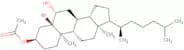

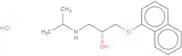
![3-Cyclohexyl-1-[4-[2-(7-methoxy -4,4-dimethyl-1,3-dioxo-isoquinolin -2-yl)ethyl]phenyl]sulfonyl-ur…](/_next/image/?url=https%3A%2Fstatic.cymitquimica.com%2Fproducts%2F3D%2Fthumb-webp%2FFG40551.webp&w=3840&q=75)
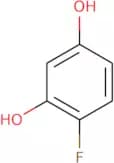
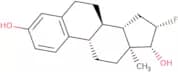
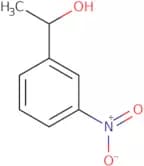

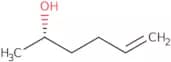
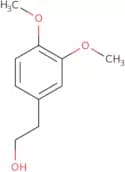
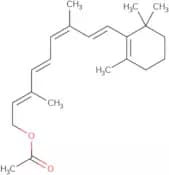

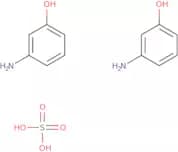
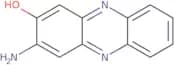
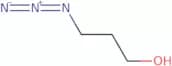
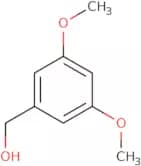

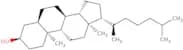
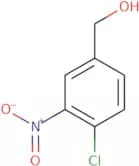
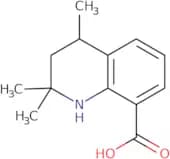
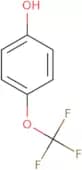
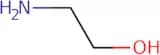
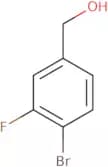
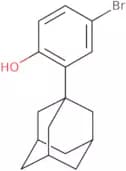
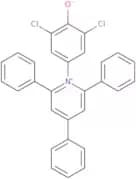

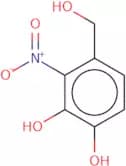
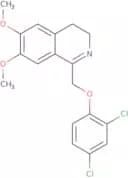
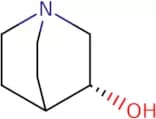
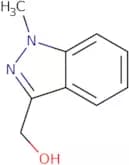
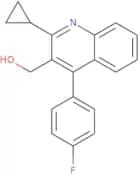
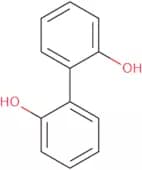
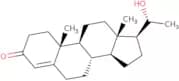
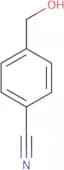
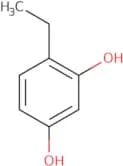
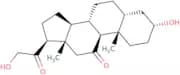

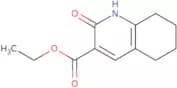
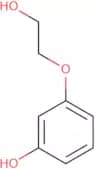
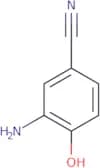
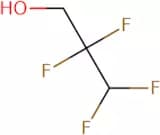

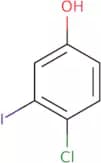
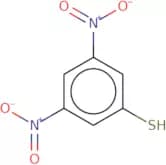
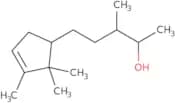
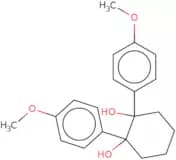
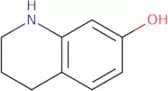
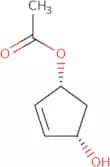
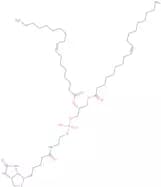
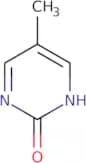

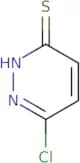
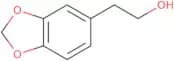

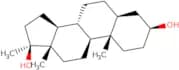
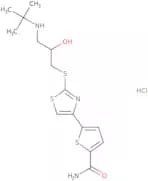
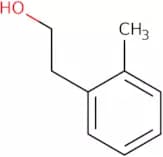
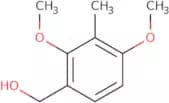
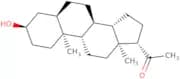
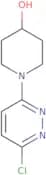
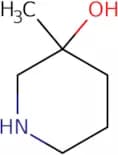
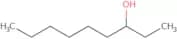
![3-(4'-Bromo[1,1'-biphenyl]-4-yl)-1,2,3,4-tetrahydro-1-naphthalenol](/_next/image/?url=https%3A%2Fstatic.cymitquimica.com%2Fproducts%2F3D%2Fthumb-webp%2FFB164965.webp&w=3840&q=75)
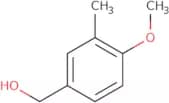
![7-[(Dimethylamino)methyl]-2,2,4-trimethyl-1,2-dihydroquinolin-6-ol](/_next/image/?url=https%3A%2Fstatic.cymitquimica.com%2Fproducts%2F3D%2Fthumb-webp%2FFD129815.webp&w=3840&q=75)

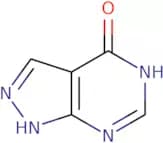
![(6α,11β,16α,17α)-6,9-Difluoro-11-hydroxy-16-methyl-spiro[androsta-1,4-diene-17,5'-[1,3]oxathiolane…](/_next/image/?url=https%3A%2Fstatic.cymitquimica.com%2Fproducts%2F3D%2Fthumb-webp%2FFD103607.webp&w=3840&q=75)
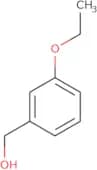

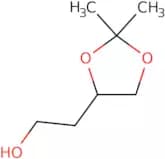
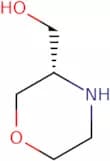

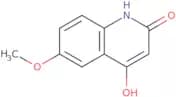
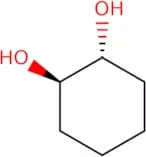
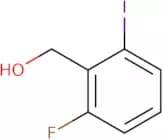
![(1R,4aS,7S,7aR)-Hexahydro-4,7-dimethylcyclopenta[c]pyran-1-ol](/_next/image/?url=https%3A%2Fstatic.cymitquimica.com%2Fproducts%2F3D%2Fthumb-webp%2FFH106458.webp&w=3840&q=75)


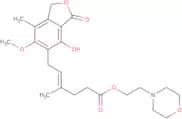

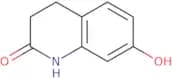

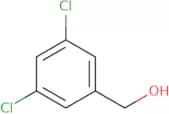
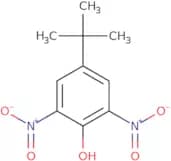
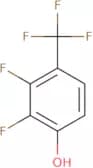
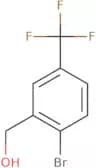
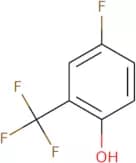
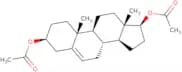
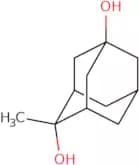
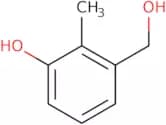
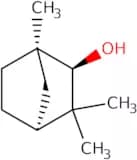
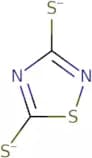
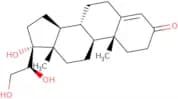
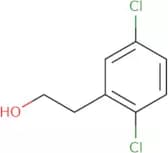
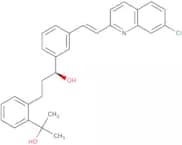

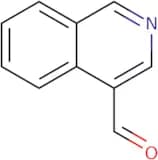
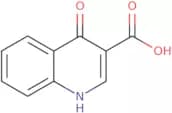
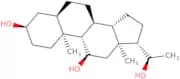
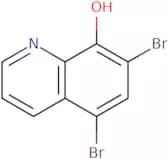
![N-[2-(p-Cinnamylamino)ethyl]-5-isoquinolone sulfonamide](/_next/image/?url=https%3A%2Fstatic.cymitquimica.com%2Fproducts%2F3D%2Fthumb-webp%2FFC20451.webp&w=3840&q=75)
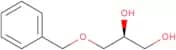
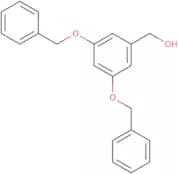


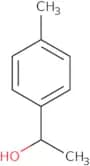
![(6S)-5,6,7,8-Tetrahydro-6-[propyl[2-(2-thienyl)ethyl]amino]-1-naphthalenol hydrochloride](/_next/image/?url=https%3A%2Fstatic.cymitquimica.com%2Fproducts%2F3D%2Fthumb-webp%2FFT27763.webp&w=3840&q=75)
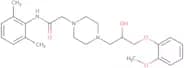
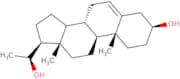
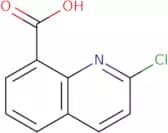
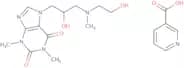
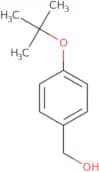
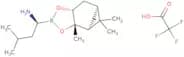
![20-Deoxo-23-deoxy-5-O-[3,6-dideoxy-3-(dimethylamino)-β-D-glucopyranosyl]-20,23-di-1-piperidinyltyl…](/_next/image/?url=https%3A%2Fstatic.cymitquimica.com%2Fproducts%2F3D%2Fthumb-webp%2FFT137728.webp&w=3840&q=75)
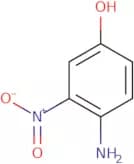
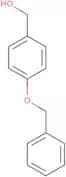
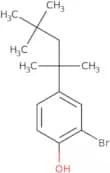
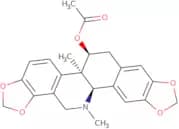
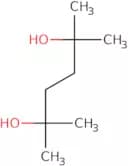
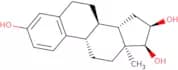
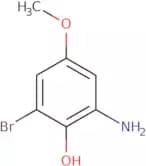
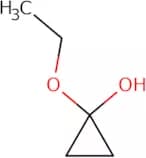
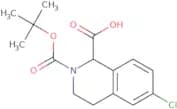
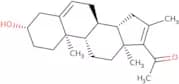
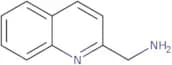
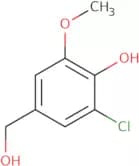
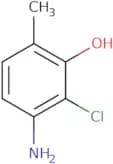
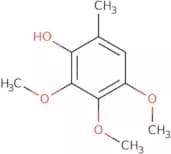
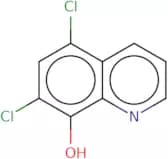
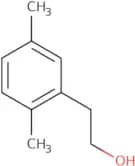
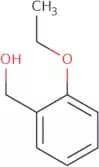
![2-[2-[2-(2-Hydroxyethoxy)ethoxy]ethoxy]-1-(p-toluenesulfonyl)-ethanol](/_next/image/?url=https%3A%2Fstatic.cymitquimica.com%2Fproducts%2F3D%2Fthumb-webp%2FFH07578.webp&w=3840&q=75)

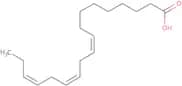
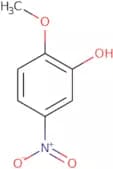

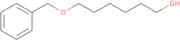
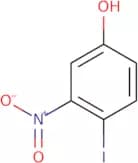
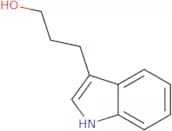
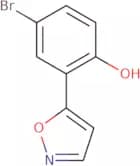
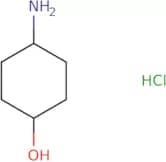
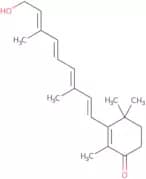
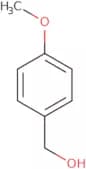
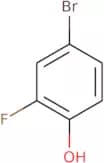
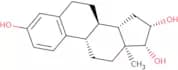
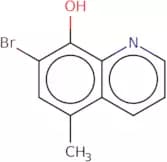
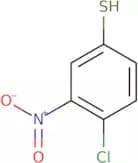
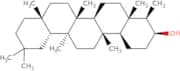

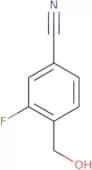
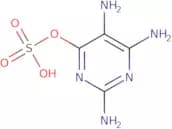
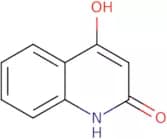
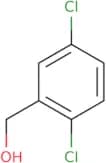

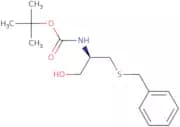
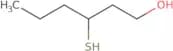
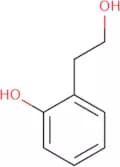
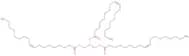
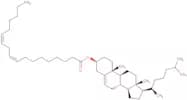
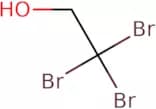
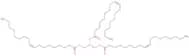
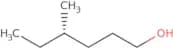

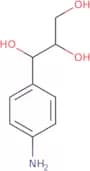

![4-[(7-Chloro-4-quinolinyl)amino]-1-pentanol](/_next/image/?url=https%3A%2Fstatic.cymitquimica.com%2Fproducts%2F3D%2Fthumb-webp%2FFC20107.webp&w=3840&q=75)

![(6S)-5,6,7,8-Tetrahydro-6-[propyl[2-(2-thienyl)ethyl]amino]-1-naphthalenol](/_next/image/?url=https%3A%2Fstatic.cymitquimica.com%2Fproducts%2F3D%2Fthumb-webp%2FFT76640.webp&w=3840&q=75)