Padrões Farmacêuticas
Os padrões farmacêuticos são um conjunto abrangente de materiais de referência essenciais para garantir a segurança, eficácia e qualidade dos produtos farmacêuticos. Esta categoria inclui padrões para ingredientes farmacêuticos ativos (APIs), que são os componentes principais responsáveis pelos efeitos terapêuticos. Além disso, abrange compostos e metabólitos relevantes tanto para a indústria farmacêutica quanto veterinária, fornecendo referências para a medição e análise precisa dessas substâncias. Padrões de controle de nitrosaminas são cruciais para detectar e mitigar nitrosaminas potencialmente prejudiciais em formulações de medicamentos. Padrões de toxicologia ajudam a avaliar a segurança e os potenciais efeitos adversos de compostos farmacêuticos. Além disso, padrões de ativadores e inibidores de enzimas são vitais para pesquisa e desenvolvimento, permitindo estudos precisos de vias bioquímicas e mecanismos de ação de medicamentos. Esses padrões farmacêuticos são ferramentas indispensáveis para conformidade regulatória, controle de qualidade e pesquisa, garantindo que os produtos farmacêuticos atendam a rigorosos critérios de segurança e eficácia.
Subcategorias de "Padrões Farmacêuticas"
- APIs para pesquisa e impurezas(273.774 produtos)
- Activadores e Inibidores de Enzimas(2.827 produtos)
- Nitrosaminas(2.606 produtos)
- Compostos e metabolitos farmacêuticos e veterinários(2.613 produtos)
- Toxicologia(13.652 produtos)
Foram encontrados 7836 produtos de "Padrões Farmacêuticas"
Ordenar por
Pureza (%)
0
100
|
0
|
50
|
90
|
95
|
100
4'-(2-Chloroethyl)acetophenone
CAS:<p>4'-(2-Chloroethyl)acetophenone is a reagent that is used in organic synthesis. It is an essential building block for the synthesis of many other compounds and has been used to synthesize a variety of useful compounds, such as the pharmaceuticals erythromycin and penicillin. 4'-(2-Chloroethyl)acetophenone can be obtained from various suppliers, with high quality guaranteed. This chemical has been classified by CAS No. 69614-95-5 and has a molecular weight of 166.3 g/mol.</p>Fórmula:C10H11ClOPureza:Min. 95%Peso molecular:182.65 g/mol7,8-Dihydroxy-4-phenylcoumarin
CAS:<p>7,8-Dihydroxy-4-phenylcoumarin (7,8-DPC) is a coumarin derivative that inhibits human cytochrome P450 enzymes. It binds to the heme group of the enzyme and is reversible by hydroxylation. 7,8-DPC has been shown to inhibit catalytic activity in rat liver microsomes and recombinant human cytochrome P450 enzymes. This molecule has also been shown to be an irreversible inhibitor of human cytochrome P450 2C9. The carbonyl group found on the 7,8-DPC molecule's structure is responsible for its inhibitory activities.</p>Fórmula:C15H10O4Pureza:Min. 95%Cor e Forma:PowderPeso molecular:254.24 g/mol4-Chlorosulfonylbenzoic acid methyl ester
CAS:<p>4-Chlorosulfonylbenzoic acid methyl ester is a reagent that is used in glycan biosynthesis. It is a deuterated analogue of uridine and can be used to screen for 4-epimerase enzymes. The 4-chlorosulfonylbenzoic acid methyl ester can be synthesized by the deuteration of uridine, which is then reacted with methanol and chlorosulfonic acid. This reagent can be used to study glycan biosynthesis by labeling the sugar moiety of glycans with carbon-13 atoms. The use of this reagent has been problematic because it cannot be reversibly converted back to uridine, so it cannot serve as a substrate for further synthetic reactions.</p>Fórmula:C8H7ClO4SPureza:Min. 95 Area-%Cor e Forma:PowderPeso molecular:234.66 g/mol2-Oxo-2H-pyran-5-carboxylic acid methyl ester
CAS:<p>2-Oxo-2H-pyran-5-carboxylic acid methyl ester is an activated form of 2-oxopyran. It reacts with nucleophiles, such as malic acid, to form ethyl esters. This reaction is an example of the Friedel-Crafts reaction, which is a type of electrophilic aromatic substitution. The rate of this reaction depends on the activation energies and fluorescence properties of the reactants. The mechanism for this reaction is that the double bond in the carbonyl group is ruptured by attacking nucleophiles, resulting in a release of hydrogen gas and formation of carboxylic acid derivatives. The product can be isolated using a solvent extraction technique or purified using column chromatography.</p>Fórmula:C7H6O4Pureza:Min. 98 Area-%Cor e Forma:PowderPeso molecular:154.12 g/mol17α-Methyl-19-nortestosterone
CAS:Produto Controlado<p>17alpha-Methyl-19-nortestosterone (17MT) is an anti-cancer agent that has been used as a contraceptive. It inhibits the conversion of testosterone to dihydrotestosterone by competitive inhibition of the enzyme 3beta-hydroxysteroid dehydrogenase, which is responsible for the first step in the biosynthesis of androgens. 17MT has also been shown to inhibit angiotensin II formation, thereby reducing blood pressure. This drug acts as a structural analogue of progesterone and binds to progesterone receptors, as well as other steroid receptors, with high affinity. 17MT also inhibits fatty acid synthesis in cancer cells, leading to decreased tumor growth.</p>Fórmula:C19H28O2Pureza:Min. 95%Cor e Forma:PowderPeso molecular:288.42 g/mol1-(2'-Bromophenyl)-1-hydroxyethane
CAS:<p>1-(2'-Bromophenyl)-1-hydroxyethane is a biomolecule that has been shown to inhibit the growth of corynebacterium. This inhibition is stereoselective, with the (S) form being more effective than the (R) form. The oxidation products of this compound are produced by catalytic dehydration of formate and ethyl group elimination, which produce ferrocene and hydroxymethylferrocene respectively. These products are stereogenic, giving rise to chiral molecules that can be used in efficient methods for organic synthesis.</p>Fórmula:C8H9BrOPureza:Min. 95%Cor e Forma:PowderPeso molecular:201.06 g/mol(+)-Biotin-(PEO)3-amine
CAS:<p>(+)-Biotin-(PEO)3-amine is a PEG compound with two different functional groups (also known as heterobifunctional). Unlike homobifunctional PEG compounds (same functional group on both ends), this type of compounds are more versatile as have two different anchor points. (+)-Biotin-(PEO)3-amine is used as a linker and spacer to add a PEG moiety, via pegylation (a bioconjugation technique) to proteins, peptides, oligonucleotides, small molecules and nanoparticles.</p>Fórmula:C16H30N4SO4Pureza:Min. 95 Area-%Cor e Forma:White Off-White PowderPeso molecular:374.5 g/molL-Alanosine
CAS:<p>L-Alanosine is a nucleotide that is synthesized from adenosine and alanine. It is the first substrate in the synthetic pathway of l-alanosine. L-Alanosine has been shown to have antibiotic properties against gram negative bacteria, such as Escherichia coli and Klebsiella pneumoniae. L-Alanosine inhibits synthesis of bacterial cell walls by interfering with the enzymatic activity of bacterial ribonucleotide reductase, which converts ribonucleotides to deoxyribonucleotides. The molecule also inhibits protein synthesis by binding to the 30S subunit of bacterial ribosomes, preventing elongation of polypeptide chains. In vivo treatment with L-alanosine significantly reduced tumor size and increased levels of ATP in colorectal adenocarcinoma cells.<br>br>br></p>Fórmula:C3H7N3O4Pureza:Min. 95%Cor e Forma:Off-White PowderPeso molecular:149.11 g/mol4'-Methoxy-α-naphthoflavone
CAS:<p>4'-Methoxy-alpha-naphthoflavone is a flavonoid that has been shown to have inhibitory effects on the metabolism of 3-methylcholanthrene and other xenobiotics. The compound inhibits the oxidation of these compounds by both the cytochrome P450 and NADPH-dependent oxidases. 4'-Methoxy-alpha-naphthoflavone also inhibits the activation of these compounds by hepatic tissues, as well as the metabolism of phenobarbital by rat liver microsomes. The compound may be metabolized in vivo to 4'-hydroxy-alpha-naphthoflavone, which is more potent than 4'-methoxy-alpha-naphthoflavone.</p>Fórmula:C20H14O3Pureza:Min. 95%Peso molecular:302.32 g/molNα-Acetyl-D-asparagine
CAS:<p>Nalpha-Acetyl-D-asparagine is a chiral amino acid that has been used to study the synthesis of peptides. It is soluble in water and can be used as a substrate for the enzymatic reaction of glyoxylate with ammonium sulfate. The Nalpha-acetyl group increases the affinity of this amino acid for sephadex g-100, a chromatographic material. This product can be prepared using a preparative column packed with silica gel and an eluent containing ammonium sulfate. It also has optical properties that make it useful for determining concentration and purity.</p>Fórmula:C6H10N2O4Pureza:Min. 95%Peso molecular:174.15 g/molH-D-allo-Threonine methyl ester hydrochloride
CAS:<p>H-D-allo-Threonine methyl ester hydrochloride is a speciality chemical that is used in research and development. It is an intermediate for the synthesis of other compounds, such as pharmaceuticals, pesticides, and fragrances. H-D-allo-Threonine methyl ester hydrochloride has been shown to be useful in the production of methanol and ethanol. This compound also has high quality and can be used as a reagent for other reactions.</p>Fórmula:C5H11NO3•HClPureza:Min. 95%Cor e Forma:PowderPeso molecular:169.61 g/mol2',4'-Dimethylacetophenone
CAS:<p>2',4'-Dimethylacetophenone is an acetylating agent that can be used in organic synthesis. It is a chiral compound, which means it has two enantiomers with different properties. The racemic mixture of 2',4'-dimethylacetophenone degrades to form 2-chloro-2',4'-dimethoxybenzene and 2,4-dimethoxybenzoic acid. The reaction time for the formation of these products depends on the concentration of the reactants as well as the acid catalyst used. The Friedel-Crafts acylation occurs when an acetylated phenol reacts with an alkyl halide in the presence of an acid catalyst. This reaction produces a diketone and an alkyl halide, which can then undergo a second Friedel-Crafts acylation with another acetylated phenol. Acetylation also methylates ketones to produce methyl ketones.ref</p>Fórmula:C10H12OPureza:Min. 95%Cor e Forma:Colorless Clear LiquidPeso molecular:148.2 g/mol1,2-Dioleoyl-sn-glycero-3-phosphatidylethanolamino (+)-biotin
CAS:<p>This is a speciality chemical and is not intended for use in food, drug, or cosmetic applications. This fine chemical is a useful building block, which can be used to synthesize complex compounds. It has been shown to have high reactivity with a variety of reagents, making it an excellent research component.</p>Fórmula:C51H92N3O10PSPureza:Min. 95%Cor e Forma:PowderPeso molecular:970.33 g/mol1-(4-(Methylthio)phenyl)-2-nitropropene
CAS:<p>Please enquire for more information about 1-(4-(Methylthio)phenyl)-2-nitropropene including the price, delivery time and more detailed product information at the technical inquiry form on this page</p>Fórmula:C10H11NO2SPureza:Min. 95%Cor e Forma:PowderPeso molecular:209.27 g/molFmoc-3-(3'-pyridyl)-D-alanine
CAS:<p>Fmoc-3-(3'-pyridyl)-D-alanine is a building block for the synthesis of a wide variety of compounds. This compound has been shown to be an excellent and versatile starting material for the synthesis of complex compounds. Fmoc-3-(3'-pyridyl)-D-alanine is also a useful intermediate in organic synthesis and can be used as a reagent or in research. It has CAS number 142994-45-4.</p>Fórmula:C23H20N2O4Pureza:Min. 95%Cor e Forma:PowderPeso molecular:388.42 g/mol3-Methylnaphth[2,1-d]isoxazole
CAS:<p>Naphth[4,5-A]isoxazole is a chemical compound that has been shown to react with other organic compounds and is used as a reagent in organic synthesis. Naphth[4,5-A]isoxazole can be used as a building block for the synthesis of complex compounds, such as heterocycles. This chemical is also useful for the production of fine chemicals and pharmaceuticals.</p>Fórmula:C12H9NOPureza:Min. 95%Cor e Forma:PowderPeso molecular:183.21 g/mol2-Naphthylhydrazine
CAS:<p>2-Naphthylhydrazine is a synthetic chemical that has an affinity for substrate binding sites. It is used as an inhibitor of monoamine oxidase (MAO) and can be used to study the function of MAO. 2-Naphthylhydrazine binds to the enzyme MAO, preventing it from breaking down amines, an important class of neurotransmitters. 2-Naphthylhydrazine also inhibits the activity of cytochrome P450 reductase, which is involved in drug metabolism. This chemical can be used in the synthesis of indocyanine green and methylbenzene. The reactivity of hydrazines with carbonyl groups in amines and anhydrous sodium phosphate leads to bond cleavage and release of ammonia gas.</p>Fórmula:C10H10N2Pureza:Min. 95%Cor e Forma:PowderPeso molecular:158.20 g/molO-tert-Butyl-L-tyrosine
CAS:<p>O-tert-Butyl-L-tyrosine is a biostable, low molecular weight, hydrophobic, and diffraction active compound. It can be used as a solvent for chiral and non-chiral compounds. O-tert-Butyl-L-tyrosine has been shown to have biological function in the synthesis of peptides, proteins, and amides. This compound also has an effect on gelation and is often used in organic solvents.</p>Fórmula:C13H19NO3Pureza:Min. 95%Cor e Forma:SolidPeso molecular:237.29 g/molPerylene
CAS:<p>Perylene is a polycyclic aromatic hydrocarbon that is used in the synthesis of cationic polymers. It has excellent photochemical properties and a high value for the phase transition temperature (150 °C). Perylene is also chemically stable, with a polymerization chain length of at least 12. The molecule is composed of an acyl chain and an unsaturated group. It reacts with nucleophiles to form adducts and it can be cross-linked by intermolecular hydrogen bonding. Perylene can be synthesized from acetylene, benzene, and formaldehyde in the presence of nitric acid or peroxide. The molecule absorbs light at wavelengths below 300 nm and undergoes transfer reactions to release electrons when exposed to light.</p>Fórmula:C20H12Cor e Forma:Yellow PowderPeso molecular:252.31 g/molParoxetine HCl (hemihydrate)
CAS:Produto Controlado<p>A serotonin reuptake inhibitor with anticholinergic activity and mild inhibitory activity on noradrenaline reuptake. Paroxetine has been used for the treatment of depression, anxiety disorders, post-traumatic stress disorder, premenstrual dysphoric disorder and obsessive-compulsive disorder. Also inhibits nitric oxide synthase and cytochrome isoenzyme P450 2D6.</p>Fórmula:C19H20FNO3•HCl•(H2O)0Pureza:Min. 98 Area-%Cor e Forma:White PowderPeso molecular:374.83 g/molHederasaponin B
CAS:<p>Hederasaponin B is a triterpenoid saponin found in Chinese herbs, such as Radix Astragali. The compound has been shown to have anti-inflammatory and anti-leishmanial activities in vitro and in vivo. Hederasaponin B also has neuroprotective properties, which may be due to its ability to inhibit the production of proinflammatory cytokines such as tumor necrosis factor-α (TNF-α) and nitric oxide (NO).<br>Hederasaponin B has low bioavailability and must be administered orally for maximum effect.</p>Fórmula:C59H96O25Pureza:Min. 95%Cor e Forma:White PowderPeso molecular:1,205.38 g/mol7-Methoxycoumarin-4-acetic acid N-succinimidyl ester
CAS:<p>7-Methoxycoumarin-4-acetic acid N-succinimidyl ester is a fluorescent probe for the detection of metalloproteinases. It has been used in assays to measure matrix metalloproteinase activity and to study the kinetics of these enzymes. This compound can be used as a fluorescence focus for the study of extracellular matrix regulation. 7-Methoxycoumarin-4-acetic acid N-succinimidyl ester inhibits matrix metalloproteinases by binding to their active site and blocking access to substrates, preventing the breakdown of extracellular matrix proteins.</p>Fórmula:C16H13NO7Pureza:Min. 97 Area-%Cor e Forma:Off-White PowderPeso molecular:331.28 g/molDiosmetinidin chloride
CAS:<p>Diosmetinidin chloride is a fine chemical that can be used as a versatile building block for the synthesis of complex compounds. Diosmetinidin chloride has been shown to have useful scaffolding properties and is useful as a reaction component in research chemicals and speciality chemicals. It reacts with alcohols, phenols, amines, thiols, sulfides, and carboxylic acid derivatives to form new compounds. This compound is also used as a reagent in organic synthesis.</p>Fórmula:C16H13ClO5Pureza:Min. 95%Cor e Forma:PowderPeso molecular:320.72 g/mol5-Chloro-2-methoxyacetophenone
CAS:<p>5-Chloro-2-methoxyacetophenone is a byproduct of the synthesis of 2-hydroxybenzofuran. It is also used in the synthesis of tetracyclic benzopyrans, which are known to be potent analgesics and have been found to have anti-inflammatory properties. 5-Chloro-2-methoxyacetophenone can be obtained by decarbonylation (loss of carbon) or elimination reactions.</p>Fórmula:C9H9ClO2Pureza:Min. 95%Cor e Forma:Clear LiquidPeso molecular:184.62 g/molTimosaponin B II
CAS:<p>Timosaponin B II is a natural compound that inhibits the activity of cytochrome P450 enzymes. It has been shown to induce autophagy in a dopamine-dependent manner, which may be due to its ability to decrease mitochondrial membrane potential and increase phase transition temperature. Timosaponin B II also induces neurotrophic factors and matrix effects, which are beneficial for the treatment of inflammatory conditions, neurodegenerative diseases, and metabolic disorders. The drug has been shown to have pharmacokinetic properties that are similar to those of timosaponin I. The molecular weight of the molecule was determined by LC-MS/MS analysis as 527.2 amu. Timosaponin B II is not metabolized by cytochrome P450 enzymes or glucuronidases, but it is hydrolyzed by esterases or glutathione reductase.</p>Fórmula:C45H76O19Pureza:Min. 95%Cor e Forma:White PowderPeso molecular:921.07 g/mol2,2-Bis(hydroxymethyl)-2,2',2''-nitrilotriethanol
CAS:<p>Bis-Tris is a Bis(2-hydroxyethyl) amine buffer that forms metal chelates and can be used with proteins and nucleic acids. This buffering agent has an optimal pH range of 5.8-7.2 and a pKa of 6.46.</p>Fórmula:C8H19NO5Pureza:Min. 98%Cor e Forma:PowderPeso molecular:209.24 g/mol3',5'-Dinitroacetophenone
CAS:<p>3',5'-Dinitroacetophenone is a chemical compound that is used as an intermediate in the synthesis of other organic compounds. This chemical is highly toxic and can be fatal if ingested. 3',5'-Dinitroacetophenone has a high solubility in water, but reacts quickly with air, so it should be stored in an airtight container. It has been shown to produce foramen ovale-type lesions when applied to the maxillary sinus. This chemical also has an electron deficient profile and produces frequencies at about 350 MHz and chloride ions at about 250 MHz.</p>Fórmula:C8H6N2O5Pureza:Min. 95%Cor e Forma:PowderPeso molecular:210.14 g/molβ-Naphthylacetate
CAS:<p>Beta-naphthylacetate is a chemical that is used in the synthesis of pharmaceuticals and pesticides. It is an ester of naphthalene and acetic acid. Beta-naphthylacetate has been shown to inhibit the enzyme activity of hydrogen fluoride, which is used in the production of polyester fibers. Beta-naphthylacetate has also been shown to have anti-inflammatory properties by inhibiting prostaglandin synthesis. This chemical also has epoxidase activity, which makes it useful in the conversion of dl-alpha-tocopherol to vitamin E. Beta-naphthylacetate is soluble in water and can be made into solid dispersions or cationic surfactant solutions with high concentrations of beta-naphthylacetate, making it useful for tissue culture. The optimum pH for beta-naphthylacetate is between 7 and 8, while the optimum temperature range is between 25</p>Fórmula:C12H10O2Pureza:Min. 95%Cor e Forma:White PowderPeso molecular:186.21 g/mol2-Hydroxy-6-methylbenzoic acid methyl ester
CAS:<p>Methyl anthranilate is a bioactive molecule that belongs to the group of methyl 2-hydroxybenzoates. It has been shown to be effective against formicidae and other insects in bioassays. The chemical composition of methyl anthranilate includes a hydroxyl group and an aromatic ring, which may allow for a diverse range of chemical structures. Methyl anthranilate is synthesized by the non-enzymatic condensation of formaldehyde with 2-hydroxybenzoic acid. This molecule has been used as an insecticide in model organisms such as Drosophila melanogaster and Caenorhabditis elegans.</p>Fórmula:C9H10O3Pureza:Min. 95%Cor e Forma:PowderPeso molecular:166.17 g/molBiotin-PEG3-azide
CAS:<p>Biotin-PEG3-azide is a PEG compound with two different functional groups (also known as heterobifunctional). Unlike homobifunctional PEG compounds (same functional group on both ends), this type of compounds are more versatile as have two different anchor points. Biotin-PEG3-azide is used as a linker and spacer to add a PEG moiety, via pegylation (a bioconjugation technique) to proteins, peptides, oligonucleotides, small molecules and nanoparticles.</p>Fórmula:C18H32N6O5SPureza:(¹H-Nmr) Min. 95 Area-%Cor e Forma:PowderPeso molecular:444.55 g/molN4-Acetylcytosine
CAS:<p>N4-Acetylcytosine is an inhibitor of serine proteases, glycosidases and nucleosidases. It has been shown to inhibit the replication of a wide range of viruses including HIV, herpes simplex virus type 1, and adenovirus. N4-Acetylcytosine also inhibits the proliferation of cervical cancer cells.</p>Fórmula:C6H7N3O2Pureza:Min. 95%Cor e Forma:White PowderPeso molecular:153.14 g/molSarcosine
CAS:<p>Sarcosine is a naturally occurring amino acid that can be found in the body and in many foods. It has been shown to inhibit the activity of the enzyme adenylate cyclase, which is involved in cell signaling. This inhibition leads to a decrease in intracellular calcium levels, which results in reduced proliferation and apoptosis of HL-60 cells. The sarcosine concentration required for this effect is dependent on the type of cell being treated, with optimum concentrations ranging from 10-100 mM. Sarcosine also binds to nuclear DNA and may have an inhibitory effect on transcriptional activity. In addition, it has been shown to be an effective inhibitor of protein synthesis by binding to ribosomes and preventing peptide bond formation between amino acids at the ribosomal active site.</p>Fórmula:C3H7NO2Cor e Forma:White PowderPeso molecular:89.09 g/mola-Ketoglutaric acid
CAS:<p>a-Ketoglutaric acid is a naturally occurring organic compound that is found in the body as well as in plants. It belongs to the group of organic acids and is produced from the breakdown of amino acids, such as leucine and valine. a-Ketoglutaric acid has been shown to have physiological effects on cells and tissues by inhibiting enzymes involved in energy metabolism. In vitro assays have shown that a-ketoglutaric acid has inhibitory properties against plant metabolism. This drug also inhibits the transcriptional regulation of genes for fatty acid synthesis in human erythrocytes.<br>A-ketoglutaric acid has also been shown to inhibit glucose production in rat liver cells, which may be due to its ability to bind covalently with proteins or lipids, changing their structures and functions.</p>Fórmula:C5H6O5Cor e Forma:White Off-White PowderPeso molecular:146.1 g/mol4-N-Butoxycinnamic acid
CAS:<p>4-N-Butoxycinnamic acid is a chemical compound with the molecular formula CH3(CH2)7COCH=CH(COOH). It belongs to the group of cinnamic acid derivatives, which are organic compounds that may be synthesized by condensation of malonic acid and benzene. 4-N-Butoxycinnamic acid has been shown to have anti-inflammatory properties in animal models. This compound inhibits inflammatory cytokines and their signaling pathways, thereby preventing the translocation of neutrophils into inflamed tissues.</p>Fórmula:C13H16O3Pureza:Min. 95%Peso molecular:220.26 g/molNelotanserin
CAS:<p>1-[3-(4-Bromo-1-methyl-1H-pyrazol-5-yl)-4-methoxyphenyl]-3-(2,4-difluorophenyl)urea is the active ingredient in a drug that is used to treat chronic schizophrenia. It has been shown to have both antipsychotic and antidepressant properties. The drug works by blocking the 5HT2A receptor, which inhibits the effects of serotonin on heterocyclic amines at the postsynaptic membrane. This causes hyperpolarization of the membrane, which blocks neurotransmitter release and prevents further transmission of signals. It also blocks the H1 receptor, which decreases histamine release and reduces inflammation in the brain.</p>Fórmula:C18H15BrF2N4O2Pureza:Min. 95%Cor e Forma:PowderPeso molecular:437.24 g/mol2,4,5,6-Tetramethoxyacetophenone
CAS:<p>2,4,5,6-Tetramethoxyacetophenone is a versatile building block that can be used as an intermediate in the production of complex compounds and speciality chemicals. This compound is a useful scaffold for research chemicals and reaction components. It has CAS No. 7508-05-6 and a high quality.</p>Fórmula:C12H16O5Pureza:Min. 95%Peso molecular:240.25 g/molCinnamamide
CAS:<p>Cinnamamide is a natural compound that is structurally related to the amino acid lysine and has been shown to regulate skin cell proliferation. Cinnamamide has also been found to be an effective inhibitor of the mitochondrial membrane potential in human erythrocytes. It has been shown to inhibit the production of reactive oxygen species (ROS) and reverse oxidative damage in cells, which may reduce the risk of developing autoimmune diseases. Cinnamamide is also able to prevent cell death caused by epidermal growth factor (EGF) withdrawal and induce apoptosis in HL-60 cells.</p>Fórmula:C9H9NOPureza:Min. 95%Cor e Forma:White Off-White PowderPeso molecular:147.17 g/molα-Methylene-γ-butyrolactone
CAS:<p>Alpha-methylene-gamma-butyrolactone (AMGBL) is a naturally occurring sesquiterpene lactone. It has been shown to have anticancer effects on solid tumours, such as those of the liver and lung. AMGBL is also used in the treatment of tuliposide-induced skin lesions. The biological activity of AMGBL is due to its ability to inhibit matrix metalloproteinase (MMP)-1 and -2 and to enhance the production of epidermal growth factor receptor (EGFR). AMGBL also binds to DNA at the hydroxyl group and can be used as an anti-aging agent.</p>Fórmula:C5H6O2Pureza:Min. 95%Cor e Forma:Clear LiquidPeso molecular:98.1 g/molL-Asparagine anhydrous
CAS:<p>L-Asparagine anhydrous is a guanine nucleotide-binding protein that binds to the response element of the human serum albumin gene. It has been shown to stimulate liver enzymes and increase the synthesis of low-density lipoprotein (LDL) cholesterol, which may lead to atherosclerosis. L-Asparagine anhydrous has been used in wastewater treatment as a nitrogen source for nitrification and denitrification. The enzyme activity of L-asparagine anhydrous has been shown to be high in tumour cells and is also present in solid tumours. This protein can be used as a model system for studying oligosaccharides because it is able to produce these molecules from glucose. L-Asparagine anhydrous is not active against carcinoma cell lines, but it does have some activity against solid tumours.</p>Fórmula:C4H8N2O3Cor e Forma:White Off-White PowderPeso molecular:132.12 g/mol3',5'-Dichloro-2'-hydroxyacetophenone
CAS:<p>3',5'-Dichloro-2'-hydroxyacetophenone is a hydrogen bond donor and has a crystal system of orthorhombic. It is soluble in water and insoluble in organic solvents. 3',5'-Dichloro-2'-hydroxyacetophenone binds to the progesterone receptor, which is a nuclear hormone receptor that regulates gene transcription by binding to specific DNA sequences called hormone response elements. There are two cleavage products of progesterone receptor, Malondialdehyde (MDA) and estradiol (E2). 3',5'-Dichloro-2'-hydroxyacetophenone also binds to estrogen receptors, which are proteins located inside or on the surface of cells that bind to hormones and regulate the activity of certain genes. The biochemical function of 3',5'-dichloro-2' hydroxyacetophenone is not well understood but it has been shown to have antioxidant properties.</p>Fórmula:C8H6Cl2O2Pureza:Min. 95%Peso molecular:205.04 g/molMonomethyl auristatin E
CAS:<p>Synthetic analog of dolastatin 10; cytotoxic; inhibits tubulin polymerization</p>Fórmula:C39H67N5O7Pureza:Min. 98 Area-%Cor e Forma:White Off-White PowderPeso molecular:717.98 g/molThionin acetate
CAS:<p>Thionin acetate is a chemical compound that has been used as an antiseptic and disinfectant. It is the acetate salt of thionin, which is a protein that binds to DNA, RNA, and proteins. Thionin acetate has been shown to have anti-inflammatory effects in mice. It also inhibits the production of antibodies in response to foreign antigens and reduces the severity of allergic reactions. Thionin acetate also inhibits neutrophil adhesion by binding to neutrophils and preventing their activation. This compound has been used in pharmaceutical preparations for treating wounds or burns. Thionin acetate is soluble in water and alcohols but insoluble in ethers or oils. It can be prepared by reaction between ethylene diamine and hydrogen peroxide with a photoelectron generator.br>br><br>Thionin acetate is a dark brown powder that turns purple on exposure to light because it contains ferric iron ions, which react with oxygen</p>Fórmula:C12H9N3S•C2H4O2Pureza:Min. 95%Cor e Forma:PowderPeso molecular:287.34 g/molAmino(naphthalen-2-yl)acetic acid
CAS:<p>Amino(naphthalen-2-yl)acetic acid is a versatile chemical building block that can be used in research, industry and as a high quality reagent. It is a useful scaffold for the synthesis of complex compounds. Amino(naphthalen-2-yl)acetic acid has been shown to be an excellent reactant for the production of fine chemicals and is high quality, with a purity of 99%. This product is also used as a speciality chemical for the production of pharmaceuticals, pesticides, and other chemical products.</p>Fórmula:C12H11NO2Pureza:Min. 95%Cor e Forma:PowderPeso molecular:201.22 g/mol2,2'-Dianisoyl-diphenyl
CAS:<p>2,2'-Dianisoyl-diphenyl is a chemical compound with the molecular formula C6H5C6H5. It has been used as a reagent in organic synthesis, and is useful in the preparation of various complexes. 2,2'-Dianisoyl-diphenyl is highly reactive and can be used as a scaffold for other reactions. This material can be used to make fine chemicals like dyes, pharmaceuticals, fragrances, and polymers. The CAS number for this compound is 20837-34-7.</p>Fórmula:C28H22O4Pureza:Min. 95%Peso molecular:422.47 g/mol4-Isobutylcinnamic acid
CAS:<p>4-Isobutylcinnamic acid is an organic compound that is a derivative of the organic compound acrylic acid. It is an organic ester, which means it is formed by the reaction of an alcohol and an acid. Acrylic acid can be reacted with either ethyl alcohol or isobutyl alcohol to produce 4-isobutylcinnamic acid. The resulting product can be used in the production of polymers and plastics.</p>Fórmula:C13H16O2Pureza:Min. 95%Cor e Forma:PowderPeso molecular:204.26 g/mol4,4',6,6'-Tetramethyl-2,2'-bipyridine
CAS:<p>4,4',6,6'-Tetramethyl-2,2'-bipyridine (TMTB) is a small molecule that can be used as an efficient and cost-effective catalyst for the production of hydrogen from water. TMTB is able to transform solar energy into chemical energy by converting light absorbed in a semiconductor material to an electric current. TMTB has been shown to improve the efficiency of solar cells by boosting the performance of the catalysts that drive chemical reactions in the devices. This effect was found to be synergistic with other materials such as graphene oxide and tungsten disulfide. In addition, TMTB nanoparticles were shown to have a normalizing effect on the charge density in photoelectrochemical cells, which may lead to improved stability and durability.</p>Fórmula:C14H16N2Pureza:Min. 95 Area-%Cor e Forma:PowderPeso molecular:212.30 g/mol(R)-(+)-3,3'-Dibromo-5,5',6,6',7,7',8,8'-octahydro-1,1'-bi-2,2'-naphthalenediol
CAS:<p>(R)-(+)-3,3'-Dibromo-5,5',6,6',7,7',8,8'-octahydro-1,1'-bi-2,2'-naphthalenediol is a synthetic compound that is used as a ligand for asymmetric catalysis. It is an optically active compound and can be used in catalytic reactions to produce compounds that are not available through other methods. (R)-(+)-3,3'-Dibromo-5,5',6,6',7,7',8,8'-octahydro-1,1'-bi-2,2'-naphthalenediol is a reactive compound and can be used as a ligand in Diels-Alder reactions. The synthesis of this product can be achieved with high yield by using the synthetic method described.</p>Fórmula:C20H20Br2O2Pureza:Min. 98 Area-%Cor e Forma:White PowderPeso molecular:452.18 g/molL-Threonine benzyl ester hydrochloride
CAS:<p>L-Threonine benzyl ester hydrochloride is a glycopeptide that is used as a precursor to L-threonine. It is synthesized from cycloserine, which contains a phenyl group, and D-serine, which contains an amino acid with two threonine molecules. The synthesis starts with the activation of the benzyl ester by treatment with hydrazoic acid. This activated compound reacts with D-serine in the presence of an organic base to form the benzyl ester of D-serine. The reaction can be carried out in one pot without isolation steps. The final step is an oxidative cleavage of the benzyl group by irradiation with ultraviolet light or exposure to hydrogen peroxide, yielding L-threonine benzyl ester hydrochloride as a white solid.</p>Fórmula:C11H15NO3•HClPureza:Min. 95%Cor e Forma:White To Off-White SolidPeso molecular:245.7 g/mol3,5-Di-tert-butyl-4'-hydroxyacetophenone
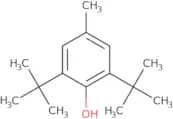
CAS:<p>3,5-Di-tert-butyl-4'-hydroxyacetophenone is a phenol that is used in the synthesis of pharmaceuticals and other compounds. It has been shown to promote angiogenesis by stimulating vascular endothelial cells. The stereoisomers of 3,5-Di-tert-butyl-4'-hydroxyphenylacetic acid have been shown to inhibit tumour growth and induce apoptosis. This compound also has antiangiogenic effects, which may be due to its ability to inhibit vascular endothelial cell proliferation and migration. 3,5-Di-tert-butyl-4'-hydroxyacetophenone is metabolized through a number of metabolic transformations including tautomerization and hydration reactions.</p>Fórmula:C16H24O2Pureza:Min. 95%Cor e Forma:White PowderPeso molecular:248.36 g/mol6-Bromo-2-naphthol
CAS:<p>6-Bromo-2-naphthol is a hydroxylated aromatic compound that is used as a reagent in organic chemistry. It has shown to be an excellent substrate for the cavity test and can be used to detect the presence of a hydroxyl group in other molecules. The nmr spectra of 6-bromo-2-naphthol shows two peaks at 5.1 ppm and 7.5 ppm with a broad peak at 2.6 ppm, which is characteristic of 3-bromoquinoline. The molecular descriptors for 6-bromo-2-naphthol are C=O, H, and Br; molecular weight is 188.10 g/mol; boiling point is 310°C; melting point is -7°C; vapor pressure is 0 mmHg at 25°C; and refractive index is 1.6333 (20°C). The reaction solution of 6-brom</p>Fórmula:C10H7BrOPureza:Min. 95%Cor e Forma:PowderPeso molecular:223.07 g/mol3,5-Di-tert-Butyl-4-hydroxybenzoic acid methyl ester
CAS:<p>3,5-Di-tert-Butyl-4-hydroxybenzoic acid methyl ester is a chemical that belongs to the group of low molecular weight solvents. It is used as an intermediate in organic synthesis and as a solvent for paints, lacquers, and varnishes. 3,5-Di-tert-Butyl-4-hydroxybenzoic acid methyl ester has been found to be resistant to radiation and ultraviolet light. This chemical has also been shown to have no mutagenic effects on calf thymus DNA.</p>Fórmula:C16H24O3Pureza:Min. 95%Cor e Forma:PowderPeso molecular:264.36 g/molMesalamine impurity P
CAS:<p>Please enquire for more information about Mesalamine impurity P including the price, delivery time and more detailed product information at the technical inquiry form on this page</p>Fórmula:C13H11NO6SPureza:Min. 95%Cor e Forma:Yellow SolidPeso molecular:309.3 g/mol5-Aminovaleric acid
CAS:<p>5-Aminovaleric acid is a cyclic peptide that is an antagonist of the enzyme 5-aminovaleric acid hydrolase that catalyzes the conversion of 5-aminovaleric acid to succinic semialdehyde. The physiological function of 5-aminovaleric acid hydrolase is not known, but it has been implicated in a number of neurological disorders, such as Alzheimer's disease, Parkinson's disease, and amyotrophic lateral sclerosis. The reaction solution contains 5-aminovaleric acid (5AVA), hydrogen fluoride (HF), and l-lysine (Lys). Upon addition of HF to the solution, it reacts with Lys to form a dinucleotide phosphate intermediate. This intermediate then reacts with 5AVA to form an intramolecular hydrogen bond with the amino group of Lys and release hydrogen gas. The detection sensitivity for this reaction can be increased by using a cyclic peptide inhibitor.</p>Fórmula:C5H11NO2Pureza:Min. 95%Cor e Forma:Off-White PowderPeso molecular:117.15 g/mol4-(4-Formyl-3-methoxyphenoxy)butanoic acid
CAS:Produto Controlado<p>4-(4'-Formyl-3'-methoxyphenoxy)butanoic acid is a carboxylate that can be used as a preloaded reagent for the synthesis of peptides, proteins, and other organic molecules. 4-(4'-Formyl-3'-methoxyphenoxy)butanoic acid has been shown to be an efficient linker for solid-phase peptide synthesis. 4-(4'-Formyl-3'-methoxyphenoxy)butanoic acid is labile to hydrolysis and so should be stored in an organic solvent such as dimethylsulfoxide. The carboxylate group is readily available in the form of its sodium salt, which can be synthesized by reacting sodium acetate with formaldehyde.</p>Fórmula:C12H14O5Pureza:Min. 95%Cor e Forma:PowderPeso molecular:238.24 g/molLopinavir metabolite M-1
CAS:<p>Lopinavir M-1 is a metabolite of lopinavir, which is an HIV protease inhibitor. Lopinavir M-1 has been shown to have antiviral activity against HIV-1 and other retroviruses. It is a versatile building block that can be used as a reagent or a complex compound in the synthesis of other compounds. Lopinavir M-1 also has antiviral activity against HIV-2 and SIV, but not against the influenza virus.</p>Fórmula:C37H46N4O6Pureza:Min. 95%Peso molecular:642.78 g/mol4-Bromo-2-nitrocinnamic acid
CAS:<p>4-Bromo-2-nitrocinnamic acid is a naturally occurring amino acid that is a component of wheat, carrots, and cereals. It is an enzyme inhibitor and has been found to be stable under heat treatment. 4-Bromo-2-nitrocinnamic acid has been shown to inhibit the activity of 3 lysine hydrolase enzymes (LysE1, LysE2, LysE3) in vitro. This inhibition decreases lysine levels and may have health implications for infants fed with 4-bromo-2-nitrocinnamic acid treated wheat flour. The efficiency of 4-bromo-2 nitrocinnamic acid as an enzymatic inhibitor for these enzymes was determined by measuring the release of free lysine from various substrates at different concentrations of the inhibitor. These parameters were then used to calculate the theoretical inhibition percentage for each substrate at a given concentration.</p>Fórmula:C9H6BrNO4Pureza:Min. 95%Peso molecular:272.05 g/molRitonavir
CAS:<p>Ritonavir has an anti-retroviral activity as it inhibits the protease enzymes specific of both HIV-1 and HIV-2. As an added functionality, ritonavir also inactivates significantly the cytochrome P4503A4 (CYP3A4) thus increasing the bioavailability or half-life of other co-administered drugs.</p>Fórmula:C37H48N6O5S2Pureza:Min. 95%Cor e Forma:White Off-White PowderPeso molecular:720.95 g/mol2-Amino-N-[2-(2-chlorobenzoyl)-4-nitrophenyl]acetamide
CAS:<p>2-Amino-N-[2-(2-chlorobenzoyl)-4-nitrophenyl]acetamide is a fine chemical that is used as a building block in organic synthesis. It is a versatile intermediate for the synthesis of other compounds and can be used to make a variety of useful scaffolds. 2-Amino-N-[2-(2-chlorobenzoyl)-4-nitrophenyl]acetamide has been used in research and development of pharmaceuticals, agrochemicals, herbicides, and other compounds.</p>Fórmula:C15H12ClN3O4Pureza:Min. 95%Cor e Forma:Slightly Yellow PowderPeso molecular:333.73 g/molD-glucosyl-β-1,1'-N-nervonoyl-D-erythro-sphingosine
CAS:<p>D-glucosyl-β-1,1'-N-nervonoyl-D-erythro-sphingosine is a mouse metabolite that was found to be an acyl group. This metabolite was shown to be a mouse metabolite.</p>Fórmula:C48H91NO8Pureza:Min. 98 Area-%Cor e Forma:PowderPeso molecular:810.24 g/molDimethyl 4-nitrophthalate
CAS:<p>Dimethyl 4-nitrophthalate is a bioactive molecule that has been found to be effective in inhibiting the growth of bacteria, including methicillin-resistant Staphylococcus aureus and Mycobacterium tuberculosis. Dimethyl 4-nitrophthalate binds to calcium ions in the bacterial cell wall, leading to inhibition of cell division. The biological activity of dimethyl 4-nitrophthalate can be measured by measuring the redox potential and calculating the constant, which is between -0.5 and -1.5 volts. This molecule also has strong anti-inflammatory properties due to its ability to reduce nitric oxide levels in macrophages.</p>Fórmula:C10H9NO6Pureza:Min. 95%Cor e Forma:PowderPeso molecular:239.18 g/mol4-(2-Hydroxyethylamino)-3-nitrophenol
CAS:<p>4-(2-Hydroxyethylamino)-3-nitrophenol is a nitrophenol that can cause toxicity in humans. It has been investigated for its potential use as a treatment for erectile dysfunction. The compound was found to have a long half-life of over 24 hours, which may be due to its slow metabolism by esterases and glucuronidases. 4-(2-Hydroxyethylamino)-3-nitrophenol has been shown to be an allergen and is toxic to the skin, lungs, and muscles. This chemical can cause cancer when it is irradiated or mixed with other chemicals such as 4-amino-2-nitrophenol (ANP).</p>Fórmula:C8H10N2O4Pureza:Min. 95%Cor e Forma:PowderPeso molecular:198.18 g/molPoly(3-hydroxybutyric acid-co-3-hydroxyvaleric acid)
CAS:<p>Poly(3-hydroxybutyric acid-co-3-hydroxyvaleric acid) is a biodegradable polymer that has been shown to have high water vapor permeability and low values for water uptake and swelling. The polymer is also biocompatible, with no cytotoxicity or hemolysis. Poly(3-hydroxybutyric acid-co-3-hydroxyvaleric acid) was synthesized by ring opening polymerization of 3-hydroxybutyric acid and 3-hydroxyvaleric acid. The polymer has shown synergistic effects when used in combination with other polymers, such as polyvinyl alcohol. Poly(3-hydroxybutyric acid-co-3-hydroxyvaleric acid) can be used in tissue culture as a scaffold for the growth of animal cells.</p>Cor e Forma:PowderCytisine
CAS:<p>Cytisine is an alkaloid found in plants of the Cytisus genus of the family Fabaceae. It is a partial agonist to α4β2 nicotinic acetylcholine receptors, which are implicated in the nicotine dependence. In Eastern Europe, it has been used for 50 years to aid smoking cessation.</p>Fórmula:C11H14N2OPureza:Min. 95%Cor e Forma:White PowderPeso molecular:190.24 g/molTiotropium bromide
CAS:<p>Muscarinic antagonist; bronchodilator</p>Fórmula:C19H22BrNO4S2Pureza:Min. 95%Cor e Forma:PowderPeso molecular:472.42 g/mol3-Cyanocinnamic acid
CAS:<p>3-Cyanocinnamic acid is a reactive, unreactive, and stepwise cycloaddition compound. It can participate in photochemical reactions with other compounds to form photodimers. 3-Cyanocinnamic acid has an optimal reaction temperature of 100°C and a reaction time of 5 minutes. The diradical nature of 3-cyanocinnamic acid makes it sensitive to UV light, and the photochemical reactions are simulated by quantum mechanics calculations. Photodimerisation simulations show that 3-cyanocinnamic acid is capable of forming photodimers with 2-cyanocinnamic acid or 4-cyanocinnamic acid at room temperature.</p>Fórmula:C10H7NO2Pureza:Min. 95%Cor e Forma:PowderPeso molecular:173.17 g/molRosuvastatin triphenylphosphonium bromide
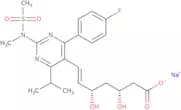
CAS:<p>Rosuvastatin is a high-quality reagent for organic synthesis. It has a CAS number of 885477-83-8 and is used as an intermediate in the production of fine chemicals, research chemicals, and speciality chemicals. Rosuvastatin is also a versatile building block for organic synthesis because it can be used to make many different chemical compounds. It is also used as a reaction component in the production of other chemical compounds.</p>Fórmula:C34H34BrFN3O2PSPureza:Min. 95%Cor e Forma:White PowderPeso molecular:678.59 g/mol2-Methoxy-5-nitropyridine
CAS:<p>2-Methoxy-5-nitropyridine is an experimental model for the study of nucleophilic substitution reactions. It has been shown to catalyze a variety of nucleophilic substitutions, such as the reaction between dimethylformamide and methoxide. The uptake of 2-methoxy-5-nitropyridine in human cells has been studied using the mitochondrial cytochrome P450 (mt2) receptors, where it has been found that this compound binds to mt2 receptors with high affinity. The optical properties of 2-methoxy-5-nitropyridine have been determined by spectroscopic analysis and found to be similar to those of nitro compounds. Toxicity studies have also demonstrated that 2-methoxy-5-nitropyridine can cause liver damage at high doses, but there is no evidence that it causes cancer or causes reproductive toxicity.</p>Fórmula:C6H6N2O3Pureza:Min. 95%Cor e Forma:PowderPeso molecular:154.12 g/mol25-Fluorocholesterol
CAS:Produto Controlado<p>25-Fluorocholesterol is a hydroxylated form of cholesterol that was originally synthesized in vitro. It has been found to inhibit cholesterol synthesis and is used to study the role of cholesterol in mitochondrial function. 25-Fluorocholesterol has also been shown to possess anti-carcinogenic properties, as it inhibits adrenocortical carcinoma cells by inhibiting the production of desmosterol, which is required for their growth. This compound is also able to inhibit cho-k1 cells by side-chain cleavage. 25-Fluorocholesterol has the ability to cross cell membranes and can be detected in non-steroidal anti-inflammatory drug studies using chromatography.</p>Fórmula:C27H45FOPureza:Min. 95%Peso molecular:404.64 g/mol6-Fluoroserotonin
CAS:Produto Controlado<p>The 6-Fluoroserotonin is a selective serotonin uptake inhibitor that has been used to study the serotonin transporter. It has been shown to inhibit the uptake of 5-hydroxyindoleacetic acid and 5-hydroxytryptamine, which is mediated by the serotonin transporter. The 6-Fluoroserotonin is also able to bind to clomipramine and zimelidine with high affinity. Analysis of the chromatographic profile of this compound revealed two peaks, one at 3.2 minutes and another at 4.7 minutes, corresponding to the two diastereoisomers of 6-fluoroserotonin.</p>Fórmula:C10H11FN2OPureza:Min. 95%Peso molecular:194.21 g/molO-Methyl-L-threonine
CAS:<p>O-Methyl-L-threonine is an analog of L-threonine. O-Methyl-L-threonine inhibits the production of fatty acids in resistant mutants, which are activated by the addition of a hydroxy group to their amino acid backbone. This analog has been shown to be effective at suppressing the growth of animal health bacteria and fungi, and has been used as a treatment for protein synthesis disorders in animals. O-Methyl-L-threonine is also used as a precursor for nicotinic acetylcholine synthesis. In vivo tests have shown that it has no toxic effects on mammalian cells, but does not inhibit photosynthesis in plants.</p>Fórmula:C5H11NO3Pureza:Min. 95%Cor e Forma:PowderPeso molecular:133.15 g/mol3,3',5,5'-Tetramethylbenzidine dihydrochloride dihydrate
CAS:<p>3,3',5,5'-Tetramethylbenzidine dihydrochloride dihydrate is a hydrophilic, non-fluorescent, and water-soluble chemical that is used as an enzyme-linked immunosorbent assay (ELISA) substrate. It has been shown to be reactive with peroxide and hydrogen peroxide in vitro and in vivo. 3,3',5,5'-Tetramethylbenzidine dihydrochloride dihydrate also has peroxidase-like activity when interacting with monomers to form polymers. The monomers are recombinantly human proteins that have been modified to increase the molecule's solubility. This increased solubility increases the interaction of the monomers with oxidants such as hydrogen peroxide or peroxides.</p>Fórmula:C16H20N2·2HCl·2H2OPureza:Min. 95%Cor e Forma:PowderPeso molecular:349.3 g/mol3-Hydroxy-6,2',4',5'-tetramethoxychalcone
CAS:<p>3-Hydroxy-6,2',4',5'-tetramethoxychalcone (3HTMC) is a fine chemical that is used as a versatile building block in the synthesis of various organic compounds. 3HTMC is soluble in most organic solvents and can be used as an intermediate for the preparation of other organic compounds. This chemical has been shown to be effective in the formation of complex compounds with high quality. 3HTMC is available in bulk quantities at competitive prices.</p>Fórmula:C19H20O6Pureza:Min. 95%Peso molecular:344.36 g/mol3-Amino-4-methylbenzoic acid methyl ester
CAS:<p>3-Amino-4-methylbenzoic acid methyl ester (3AMB) is an organic compound that is used as a reagent in the synthesis of amides. It can also be used to synthesize various heterocycles by reacting with aldehydes and ketones. 3AMB has been used as a substrate in assays for amines, yielding high yields. The compound's unsymmetrical structure can be attributed to the presence of different substituents on either side of the central carbon atom. 3AMB has been shown to inhibit metal ion enzymes such as dioxygenases and nitric oxide synthases, which are involved in the metabolism of nitric oxide and oxygen respectively. In addition, 3AMB has been shown to have anti-inflammatory properties and may be a potential candidate for use as an anticoagulant or antiplatelet drug.br>br><br>br>br><br>3AMB is</p>Fórmula:C9H11NO2Pureza:Min. 95%Cor e Forma:PowderPeso molecular:165.19 g/molL-Thyronine
CAS:<p>L-Thyronine is a hormone that is synthesized in the thyroid gland and has a variety of biological functions. It is used to treat congestive heart failure, atherosclerosis, and other types of heart disease. L-Thyronine binds to receptors on cells and activates them, which stimulates production of energy for the cell. L-Thyronine also increases the number of mitochondria in cells and regulates the production of nitric oxide, which plays an important role in vascular relaxation. L-Thyronine can be administered orally or intravenously as a solution. The clinical response to treatment is evaluated by measurement of serum thyroxin levels before and after administration of L-Thyronine.</p>Fórmula:C15H15NO4Pureza:Min. 95%Cor e Forma:PowderPeso molecular:273.28 g/mol4-Chloro-3-nitrobenzoic acid methyl ester
CAS:<p>4-Chloro-3-nitrobenzoic acid methyl ester is a chemical compound that inhibits the synthesis of nucleic acids. It binds to the functional groups of DNA, preventing replication and transcription. 4-Chloro-3-nitrobenzoic acid methyl ester also inhibits protein synthesis by inhibiting ribosomal RNA which is required for translation. This agent has been shown to induce apoptotic cell death in leukemia cells, HL60 cells, and other types of cancer cells in vitro. 4-Chloro-3-nitrobenzoic acid methyl ester has a potent inhibitory activity against replicons in vitro and is a synthetic molecule with two sulfoxide functional groups.</p>Fórmula:C8H6ClNO4Pureza:Min. 95%Cor e Forma:PowderPeso molecular:215.59 g/molCholesterol formate
CAS:Produto Controlado<p>Cholesterol formate is a chemical that belongs to the group of organic compounds and is classified as an ester. It can be used in research, where it is a reagent for the synthesis of other chemicals. Cholesterol formate can be used in the production of pharmaceuticals, pesticides, fragrances, and other products. Cholesterol formate is also used as a building block in complex chemical reactions because it can act as a versatile scaffold.</p>Fórmula:C28H46O2Pureza:Min. 95%Cor e Forma:White PowderPeso molecular:414.66 g/mol(4-Nitrophenyl)acetone
CAS:<p>4-Nitrophenylacetone is a hypoglycemic agent that is used for the treatment of diabetes mellitus. It has been shown to be effective in vivo and in vitro studies at low concentrations. The mechanism of action is not well understood, but it may have effects on insulin sensitivity and the release of insulin from pancreatic beta cells, as well as an effect on the liver. 4-Nitrophenylacetone has been shown to have organocatalytic properties that allow it to catalyze acylation reactions with acetanilides or amides. This reaction produces iminium ion intermediates that can be hydrolyzed by water to form a variety of products, including carboxylic acids, amides, and nitriles.</p>Fórmula:C9H9NO3Pureza:Min. 95%Cor e Forma:PowderPeso molecular:179.17 g/mol2-Benzyloxy-6-methoxyacetophenone
CAS:<p>2-Benzyloxy-6-methoxyacetophenone is a high quality and versatile chemical that can be used as a reagent or building block in organic synthesis. It is an important intermediate in the synthesis of fine chemicals, pharmaceuticals, and other complex compounds. 2-Benzyloxy-6-methoxyacetophenone has been shown to be useful as a scaffold for the synthesis of novel complex molecules, such as speciality chemicals. The compound also has potential applications in research and development of new drugs.</p>Fórmula:C16H16O3Pureza:Min. 95%Cor e Forma:PowderPeso molecular:256.3 g/mol2-Amino-4,8-naphthalenedisulfonic acid
CAS:<p>2-Amino-4,8-naphthalenedisulfonic acid is a structural analog of the natural amino acid phenylalanine. It is an inhibitor of the enzyme tyrosinase, which participates in the oxidation of dopamine to DOPA and subsequent conversion to melanin. 2-Amino-4,8-naphthalenedisulfonic acid has been shown to inhibit the growth of probiotic bacteria and can be used as a food additive. The compound also inhibits the oxidation catalyst that is required for some analytical chemistry tests. 2-Amino-4,8-naphthalenedisulfonic acid has been shown to have toxicological properties in animal studies and this toxicity is exacerbated by its ability to bind with pyridine nucleotides found in cells. The toxicological effects are thought to be related to the inhibition of protein synthesis that leads to cell death.</p>Fórmula:C10H9NO6S2Pureza:Min. 95%Cor e Forma:PowderPeso molecular:303.31 g/mol4-Nitrocinnamaldehyde
CAS:<p>4-Nitrocinnamaldehyde is a diazonium salt that is used as an efficient method for the synthesis of nitro compounds. Nitro compounds are used in the production of explosives, insecticides, and herbicides. 4-Nitrocinnamaldehyde reacts with hydrochloric acid to produce trifluoroacetic acid, which is then reacted with an organic compound to produce a nitro compound. This reaction has been shown to be irreversible and not sensitive to functional groups. 4-Nitrocinnamaldehyde binds to the enzyme cytochrome P450 reductase, inhibiting its function. The binding of 4-nitrocinnamaldehyde to enzymes such as pyruvate kinase and acetylcholinesterase has also been observed in binding experiments.</p>Fórmula:C9H7NO3Pureza:Min. 95%Cor e Forma:PowderPeso molecular:177.16 g/mol3,3'-Dimethylazoxybenzene
CAS:<p>3,3'-Dimethylazoxybenzene is a methylating agent that reacts with an amine to form a triflate. The reactivity of the methylating agent is determined by the electron-donating ability of the methyl group. 3,3'-Dimethylazoxybenzene reacts with electron-poor amines such as aromatic amines to form alkyltriflates. This reaction is not reversible and can lead to DNA damage in cells, which may contribute to cancer formation.</p>Fórmula:C14H14N2OPureza:Min. 95%Peso molecular:226.27 g/mol3,3',4,4'-Benzophenonetetracarboxylic dianhydride
CAS:<p>3,3',4,4'-Benzophenonetetracarboxylic dianhydride (BPTA) is a reactive dianhydride that contains a hydroxyl group and is a nitrogen-containing compound. It has good transport properties and chemical stability. It can be used to synthesize polyimides with high resistance, color, and thermal expansion. BPTA is used as the starting material for the synthesis of diphenyl ethers. In addition, it can be used to produce polymers with good thermal stability by reacting it with diphenylmethane diisocyanate. The reaction mechanism of BPTA is similar to that of benzophenone tetracarboxylic acid (BPTCA).</p>Fórmula:C17H6O7Pureza:Min. 95%Cor e Forma:PowderPeso molecular:322.23 g/mol4'-Hydroxy-2'-methylacetophenone
CAS:<p>4'-Hydroxy-2'-methylacetophenone is a synthetic sesquiterpene lactone that is used in cosmetics and as an active ingredient in skin care products. This compound has been shown to have medicinal values, with the ability to inhibit the growth of bacteria, fungi, and viruses. It also has carbon tetrachloride (CCl) solubilizing properties and can be used for fatty acid analysis. 4'-Hydroxy-2'-methylacetophenone is available as a sample preparation reagent for gas chromatography. The chemical composition of this compound includes a hydroxy group, which may be important for its biological activity. A linear regression analysis on the inhibitory concentration values showed that this compound has an IC50 value of 2.6 µg/mL.</p>Fórmula:C9H10O2Pureza:Min. 95%Cor e Forma:Off-White Clear LiquidPeso molecular:150.17 g/mol4,8-Dichloro-1,5-dinitronaphthalene
CAS:<p>4,8-Dichloro-1,5-dinitronaphthalene is a versatile building block that can be used in the synthesis of complex compounds. It is also used as a reagent, speciality chemical, and useful scaffold in research. This compound has been shown to be useful in the synthesis of many different types of products including pharmaceuticals, agrochemicals, polymer intermediates, and other fine chemicals. 4,8-Dichloro-1,5-dinitronaphthalene is a high quality chemical with a purity level of 98%.</p>Fórmula:C10H4Cl2N2O4Pureza:Min. 95%Cor e Forma:Yellow PowderPeso molecular:287.06 g/molSodium nitroprusside dihydrate
CAS:Produto Controlado<p>Sodium nitroprusside dihydrate is an oxygen transport agent that works by inhibiting the enzyme cyclase. This inhibits the production of tnf-α and other inflammatory mediators, which reduces inflammation and pain. Sodium nitroprusside dihydrate is used to lower blood pressure in emergency situations, such as shock. It has been shown to be effective for treating pulmonary hypertension, chronic obstructive pulmonary disease, and other conditions related to oxygen transport. Sodium nitroprusside dihydrate is a metastable molecule that can be converted into a stable form (sodium nitroprusside) by ester hydrochloride or fatty acid esters.</p>Fórmula:C5FeN6O•(H2O)2•Na2Pureza:Min. 98.0%Cor e Forma:Red PowderPeso molecular:297.95 g/mol5-(2-Fluorovinyl)-2'-Deoxyuridine
CAS:<p>5-(2-Fluorovinyl)-2'-Deoxyuridine is a hydrophobic analogue of acyclovir that has potent activity against herpes simplex virus type 1. It inhibits the synthesis of viral DNA, and thus prevents the formation of plaques in tissue culture. This drug also inhibits cell proliferation and viral production by l1210 cells as well as lung fibroblasts. 5-(2-Fluorovinyl)-2'-Deoxyuridine has shown inhibitory effects against uninfected cells, but not against cells infected with herpes simplex virus type 2.</p>Fórmula:C11H13FN2O5Pureza:Min. 95%Peso molecular:272.23 g/molD-erythro-Sphingosine (sulfate)
CAS:<p>Protein kinase C inhibitor in platelets</p>Fórmula:C18H37NO2H2SO4Pureza:Min. 95%Cor e Forma:White To Off-White SolidPeso molecular:348.53 g/molCholesterol oleyl carbonate
CAS:Produto Controlado<p>Cholesterol oleyl carbonate is a triazine compound with an asymmetric carbon atom. It has been shown to be effective in inhibiting the proliferation of human osteosarcoma cells and myeloid leukemia cells, as well as other cell lines. Cholesterol oleyl carbonate also has anti-inflammatory properties, which may be due to its inhibition of prostaglandin synthesis.</p>Fórmula:C46H80O3Pureza:Min. 95%Cor e Forma:PowderPeso molecular:681.13 g/molb-Propiolactone
CAS:Produto Controlado<p>b-Propiolactone is a plant extract that is found in soybeans. It has been shown to have antiviral properties and can inhibit the growth of certain viruses. b-Propiolactone binds to the active site of an enzyme called RNA polymerase, which blocks RNA synthesis and inhibits viral replication. This compound has also been shown to inhibit virus replication in vitro assays as well as antibody response against hepatitis B. The biological effects of b-propiolactone are thought to be due to its ability to bind with group p2 protein monoclonal antibodies, which may have implications for the prevention of pandemic influenza.</p>Fórmula:C3H4O2Pureza:Min. 95%Cor e Forma:Clear LiquidPeso molecular:72.06 g/mol3-Iodo-L-thyronine
CAS:<p>3-Iodo-L-thyronine is a thyroid hormone that is synthesized from thyroxine. It has a high maximal response in humans and it may be useful for the treatment of hypothyroidism. 3-Iodo-L-thyronine is not active against rat liver microsomes because it is a noncompetitive inhibitor. The clinical relevance of this drug needs to be evaluated before it can be used as a therapeutic agent, but its analytical methods are similar to those used for other thyroid hormones, such as T3, T4, and 3,5,3'-triiodothyronine. This molecule has been successfully detected in human serum and tissues by using an analytical method based on iodoacetic acid.</p>Fórmula:C15H14INO4Pureza:Min. 95%Cor e Forma:PowderPeso molecular:399.18 g/molPerinaphthenone
CAS:<p>Perinaphthenone is a potent inducer of the benzalkonium chloride-resistant (BAR) phenotype. It is an antimicrobial agent that acts by inhibiting the polymerase chain reaction (PCR), which is essential for DNA replication. The mechanism of action of perinaphthenone involves hydroxyl group transfer reactions, which are responsible for its potent inducers of BAR. In addition, perinaphthenone has been shown to inhibit mitochondrial membrane potential and reactive oxygen species generation in human neutrophils, making it a promising drug candidate for infectious diseases. <br>The high values achieved by this molecule suggest that it may be useful as a model system to study the molecular basis of antimicrobial resistance.</p>Fórmula:C13H8OPureza:Min. 95%Peso molecular:180.2 g/mol6-Chloro-7-hydroxycoumarin
CAS:<p>6-Chloro-7-hydroxycoumarin is a fluorescent molecule that can be used for the diagnosis of bacterial infections. It has been shown to bind to the β-lactamase enzyme and show a fluorescence resonance with the acceptor molecule in biological studies. 6-Chloro-7-hydroxycoumarin has also been shown to have an inhibitory effect on the growth of organisms such as fungi, bacteria, and viruses, which may be due to its ability to inhibit protein synthesis and cell division through chemoenzymatic reactions. 6-Chloro-7-hydroxycoumarin also has antifungal activity against polygonum persulfate.</p>Fórmula:C9H5ClO3Pureza:Min. 95%Cor e Forma:White To Off-White SolidPeso molecular:196.59 g/mol4-Ethoxycinnamic acid
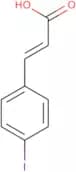
CAS:<p>4-Ethoxycinnamic acid is a phenolic compound that is found in many plants and fruits. It has been shown to have bioactivities such as anti-inflammatory, anti-allergic, and anticancer activities. 4-Ethoxycinnamic acid has been shown to inhibit tyrosinase activity by interacting with the enzyme's active site. This inhibition reduces the production of melanin, which may be due to its ability to inhibit dopamine oxidation or the conversion of dopachrome into dopaquinone. 4-Ethoxycinnamic acid also inhibits prolyl hydroxylase activity, which can lead to increased collagen synthesis and reduced inflammation.</p>Fórmula:C11H12O3Pureza:Min. 95%Cor e Forma:PowderPeso molecular:192.21 g/mol1-(2-Naphthyl)ethanol
CAS:<p>1-Naphthyl ethanol is a chromatographic solvent that is used in the reaction rate of lipase. It consists of two hydroxyl groups, one on each naphthalene ring. The hydroxyl groups are separated by a carbonyl group and a sterically hindered boron nitride. This compound is synthesized using triflic acid in methanol and reacts with carbinols to form functional groups. 1-Naphthyl ethanol has been shown to have stereoselective reactions with alkenes and alkynes, which may be due to its ability to form hydrogen bonds.</p>Fórmula:C12H12OPureza:Min. 95%Cor e Forma:PowderPeso molecular:172.22 g/molDapoxetine HCl
CAS:Produto Controlado<p>Serotonin uptake inhibitor; used to treat premature ejaculation</p>Fórmula:C21H24ClNOPureza:Min. 95%Cor e Forma:White PowderPeso molecular:341.87 g/mol2-Bromo-6-nitrophenol
CAS:<p>2-Bromo-6-nitrophenol is a synthetic chemical that is used as an intermediate in the synthesis of other chemicals. It can be prepared by reacting ammonium formate with hydroxyl group of 2-bromo-6-nitropyridine. The reaction yield can be improved by activating the hydroxyl group and removing impurities through a dehydration reaction. The time required for the reaction to occur can be shortened by using acetonitrile as a solvent instead of water. This chemical is also synthesized by coupling metal salts with nitro groups or amines, which are called Suzuki coupling reactions.</p>Fórmula:C6H4BrNO3Cor e Forma:PowderPeso molecular:218 g/mol4'-(4-Methylphenyl)-2,2':6',2''-terpyridine
CAS:<p>4'-(4-Methylphenyl)-2,2':6',2''-terpyridine (TPEN) is a chemical compound with anti-cancer properties that has been shown to induce apoptosis in cancer cells. TPEN also inhibits the growth of tumor cells by interacting with mitochondria and inducing mitochondrial dysfunction. TPEN synergistically induces death in neuronal cells when combined with other agents that are known to cause neuronal cell death. In vivo studies have shown that TPEN produces neuroprotective effects at normoxic temperatures, but can be toxic at hyperthermic temperatures.</p>Fórmula:C22H17N3Pureza:Min. 95%Cor e Forma:PowderPeso molecular:323.39 g/mol4,4'-Diaminostilbene-2,2'-disulfonic acid
CAS:<p>4,4'-Diaminostilbene-2,2'-disulfonic acid (DAIDS) is a fluorescent dye that can be used to measure the activity of mitochondrial enzymes. It is a substrate for polymerase chain reaction and can be used as a cell viability assay. DAIDS has been shown to cause mitochondrial membrane depolarization and cytosolic calcium release in prostate cancer cells. This compound also inhibits the proliferation of human liver cells and has been proposed as a potential analytical method for wastewater samples. The anhydrous sodium form of DAIDS has been shown to increase the rate of metabolism by up to 30% in rats with body mass index greater than 25 kg/m^2.</p>Fórmula:C14H14N2O6S2Pureza:Min. 95%Cor e Forma:SolidPeso molecular:370.4 g/molBiotin-PEG4-NHS-propionate
CAS:<p>Biotin-PEG4-NHS-propionate is a PEG compound with two different functional groups (also known as heterobifunctional). Unlike homobifunctional PEG compounds (same functional group on both ends), this type of compounds are more versatile as have two different anchor points. Biotin-PEG4-NHS-propionate is used as a linker and spacer to add a PEG moiety, via pegylation (a bioconjugation technique) to proteins, peptides, oligonucleotides, small molecules and nanoparticles.</p>Fórmula:C25H40N4SO10Pureza:Min. 95%Cor e Forma:PowderPeso molecular:588.67 g/molL-Pyroglutamic acid-β-naphthylamide
CAS:<p>L-Pyroglutamic acid-beta-naphthylamide is a cell nucleus pressor that has been shown to stimulate locomotor activity in rats. It is a highly selective agonist at the 5-HT2 receptor, which is involved in the regulation of energy metabolism and feeding behaviour. L-Pyroglutamic acid-beta-naphthylamide also stimulates cholinergic and serotonergic systems. This drug also inhibits bacterial growth by binding to the receptor site on bacterial cell nuclei, thereby preventing DNA synthesis and locomotor activity. L-Pyroglutamic acid-beta-naphthylamide is an antimicrobial agent that can be used to treat infections caused by bacteria resistant to erythromycin. The antimicrobial effect of this drug is due to its ability to bind to the receptor site on bacterial cell nuclei, thereby preventing DNA synthesis and locomotor activity.</p>Fórmula:C15H14N2O2Pureza:Min. 98 Area-%Cor e Forma:White PowderPeso molecular:254.28 g/mol4-Hydroxy-3-nitrophenylethylamine nitrate
CAS:Produto Controlado<p>4-Hydroxy-3-nitrophenylethylamine nitrate is a chemical that has been used as a reagent and reaction component. It can be used in the synthesis of complex compounds such as pharmaceuticals, agrochemicals, and high quality specialty chemicals. 4-Hydroxy-3-nitrophenylethylamine nitrate is an intermediate or building block for many organic syntheses due to its versatility. This compound has been shown to have a variety of useful applications including the production of antihistamines, anticonvulsants, antidepressants, antipsychotics, appetite suppressants, and decongestants.</p>Fórmula:C8H10N2O3•HNO3Pureza:Min. 95%Cor e Forma:PowderPeso molecular:245.19 g/molL-Tryptophan-7-amido-4-methylcoumarin
CAS:<p>Please enquire for more information about L-Tryptophan-7-amido-4-methylcoumarin including the price, delivery time and more detailed product information at the technical inquiry form on this page</p>Fórmula:C21H19N3O3Pureza:Min. 95%Cor e Forma:PowderPeso molecular:361.39 g/mol3'-Hydroxydiclofenac
CAS:<p>3'-Hydroxydiclofenac is a dichlorinated derivative of the nonsteroidal anti-inflammatory drug diclofenac. 3'-Hydroxydiclofenac inhibits the production of cytokines that are responsible for inflammation, and it has been shown to be effective in reducing pain and inflammation in patients with chronic hepatitis. In vitro tests have shown that 3'-hydroxydiclofenac does not have carcinogenic potential, but its safety profile has not been determined. 3'-Hydroxydiclofenac is metabolized by humans into monohydroxylated metabolites, which can be detected in urine samples. The metabolism of 3'-hydroxydiclofenac is similar to that of other drugs that are metabolized by humans into monohydroxylated metabolites.</p>Fórmula:C14H11Cl2NO3Pureza:Min. 95%Cor e Forma:PowderPeso molecular:312.15 g/mol4-Methylphenylnitropropene
CAS:<p>4-Methylphenylnitropropene is a psychostimulant drug that has been shown to have a high binding affinity for dopamine transporters. It is also known to increase the level of dopamine in the synaptic cleft and can be used as a research tool for understanding the function of dopamine in neuronal synapses. 4-Methylphenylnitropropene has been shown to cause an increase in locomotor activity and is able to induce euphoria when administered to rats. This drug is not thought to cause any physical dependence, although it may lead to psychological dependence.</p>Fórmula:C10H11NO2Pureza:Min. 95%Cor e Forma:PowderPeso molecular:177.2 g/mol3,4-Dimethoxy-2-hydroxyacetophenone
CAS:<p>3,4-Dimethoxy-2-hydroxyacetophenone is a natural product that has been shown to have significant activity against epidermoid carcinoma. The mechanism of action of 3,4-dimethoxy-2-hydroxyacetophenone is not fully understood but it has been shown to inhibit the growth of cancer cells through an unknown mechanism. This compound can be synthesized from coumarin derivatives and its fluorescence and cellular uptake are due to its flavonoid structure. 3,4-Dimethoxy-2-hydroxyacetophenone has also been shown to increase cisplatin sensitivity in nerve cells and has been used as a fluorescent probe for microscopy and magnetic resonance imaging (MRI).</p>Fórmula:C10H12O4Pureza:Min. 98 Area-%Cor e Forma:PowderPeso molecular:196.2 g/mol3'-Amino-2'-hydroxyacetophenone
CAS:<p>3'-Amino-2'-hydroxyacetophenone is a synthetic compound that reacts with salicylaldehyde and hydrochloric acid to form an aromatic hydrocarbon. The reaction vessel used is made of glass and contains potassium dichromate, copper complex, and nitro. This product can be produced in acidic conditions with the addition of phosphotungstic acid and chloride. 3'-Amino-2'-hydroxyacetophenone can also be produced by reacting mercuric chloride, which is an oxidizing agent, with an aromatic hydrocarbon. This product has a rotator.</p>Fórmula:C8H9NO2Pureza:Min. 95%Cor e Forma:PowderPeso molecular:151.16 g/molBis(trimethylsilyl)cytosine
CAS:<p>Bis(trimethylsilyl)cytosine is an immunosuppressive agent that binds to the immunodeficient acceptor. It has been shown to be active against a number of viruses, including HIV-1 and HSV-1. Bis(trimethylsilyl)cytosine also inhibits the activity of purine and pyrimidine nucleotide synthesis, although it does not inhibit the activity of adenosine deaminase or ribonucleotide reductase. This compound has been shown to stimulate the immune system in mice with a deficiency in T cells by reducing the expression of genes that are responsible for cytokines such as IL-4 and IL-10.</p>Fórmula:C10H21N3OSi2Pureza:Min. 90%Cor e Forma:PowderPeso molecular:255.46 g/mol1,2'-Dinaphthylamine
CAS:<p>1,2'-Dinaphthylamine is a β-lactam antibiotic that can be used as a substitute for ciprofloxacin. It inhibits the production of an enzyme called β-lactamase, which breaks down the antibiotic and makes it ineffective. 1,2'-Dinaphthylamine has been shown to be active against aerogenes and nitrocefin. This drug binds to periplasmic proteins in bacteria by means of an analogy with ciprofloxacin. The conjugates are resistant to efflux pumps and use of efflux inhibitors such as bafilomycin A1 can increase their efficacy.</p>Fórmula:C20H15NPureza:Min. 95%Cor e Forma:PowderPeso molecular:269.34 g/molPhytosterols
CAS:Produto Controlado<p>Phytosterols are a group of plant-derived sterols that have been shown to have cholesterol-lowering activity in humans. The cholesterol-lowering effect is due to the ability of phytosterols to bind with cholesterol receptors and inhibit the absorption of dietary cholesterol. Phytosterols are absorbed from the small intestine into the blood, where they are converted into bile acids and eliminated in stool. Phytosterols also have anti-inflammatory properties, which is thought to be due to their ability to inhibit prostaglandin synthesis. Phytosterols may also protect against atherosclerosis by inhibiting LDL oxidation and reducing inflammatory cell recruitment. The following products are designed for use as pharmaceuticals:</p>Fórmula:C29H50OPureza:Min. 95 Area-%Cor e Forma:White PowderPeso molecular:414.71α-Naphthyl butyrate
CAS:<p>Alpha-naphthyl butyrate is a monomer of polybutyrate and is used as an intermediate in the production of polybutylene terephthalate. This product is also used for biological studies and has been shown to have acute toxicities. Alpha-naphthyl butyrate has been shown to inhibit esterase and enzyme activities, and it is more toxic than butyric acid. Alpha-naphthyl butyrate can be used for the diagnosis of certain types of chronic viral hepatitis, such as hepatitis B virus or hepatitis C virus, by detecting human immunoglobulin G (IgG) antibodies against this compound.</p>Fórmula:C14H14O2Pureza:Min. 95%Cor e Forma:Clear LiquidPeso molecular:214.26 g/molDihydro ferulic acid 4-O-sulfate sodium salt
CAS:<p>Dihydroferulic acid is a chlorogenic acid that has been shown to have anti-inflammatory properties in vitro and in vivo. Dihydroferulic acid has been shown to inhibit the production of pro-inflammatory cytokines, such as tumor necrosis factor alpha (TNF-α) and interleukin 10 (IL-10), in monocytic cells. This compound also inhibits the activation of toll-like receptor 4 (TLR4) and TLR2, which are receptors on immune cells that bind to bacterial lipopolysaccharides. Dihydroferulic acid has been found to be present in human urine samples, suggesting it is absorbed from dietary sources. It can also be found in wine and tea, where it may contribute to the positive health effects seen with these beverages. Protocatechuic acid is a phenolic compound with similar activity as dihydroferulic acid.</p>Fórmula:C10H10Na2O7SPureza:Min. 95%Cor e Forma:PowderPeso molecular:320.23 g/molDirect Red 16
CAS:<p>Direct Red 16 is a dye that reacts with acids to form an intensely red compound. It is used in research and as a reagent for the production of other dyes. Direct Red 16 is also used as a building block in the synthesis of complex molecules, such as pharmaceuticals and dyes.</p>Fórmula:C26H17N5Na2O8S2Pureza:Min. 95%Peso molecular:639.57 g/mol2-Dicyclohexylphosphino-2',6'-dimethoxybiphenyl
CAS:<p>2-Dicyclohexylphosphino-2',6'-dimethoxybiphenyl is a fluorescent chemical that has been used to study interactions of fatty acids and halides. It is also used in the synthesis of palladium complexes, which have been shown to be effective for hydrogenation reactions. 2-Dicyclohexylphosphino-2',6'-dimethoxybiphenyl can be synthesized from 2,6-dichlorobenzaldehyde and dicyclohexylphosphine by the addition of trifluoroacetic acid. The synthesis proceeds via a substitution reaction with methoxy groups on the aromatic ring. This product fluoresces under ultraviolet light at 351 nm.</p>Fórmula:C26H35O2PPureza:Min. 95%Cor e Forma:PowderPeso molecular:410.53 g/molDisodium 4,4'-diazidostilbene-2,2'-disulfonate tetrahydrate
CAS:<p>Please enquire for more information about Disodium 4,4'-diazidostilbene-2,2'-disulfonate tetrahydrate including the price, delivery time and more detailed product information at the technical inquiry form on this page</p>Fórmula:C14H8N6Na2O6S2·4H2OPureza:Min. 95%Cor e Forma:PowderPeso molecular:538.42 g/mol2,4,5-Trimethoxyacetophenone
CAS:<p>2,4,5-Trimethoxyacetophenone (2,4,5-TMA) is a phenolic compound that exists as a colorless liquid. It has been shown to interact with the carboxyl group of the amino acid lysine in proteins and sterically hinder the formation of peptide bonds. 2,4,5-TMA also inhibits the production of leukocytes and causes leukemia cells to undergo apoptosis. The molecular weight of 2,4,5-TMA is 236.2 g/mol and it has a melting point of 45°C. The chemical structure is C9H10O3 and its homologues are 2-hydroxyacetophenone and 3-hydroxyacetophenone. Isolated yield was found to be 83%. The nmr spectra for 2,4,5-TMA are: δ=7.31 ppm (1H), δ=6.87 ppm (1</p>Fórmula:C11H14O4Pureza:Min. 95%Cor e Forma:White PowderPeso molecular:210.23 g/mol1,8-Naphthalic anhydride
CAS:<p>1,8-Naphthalic anhydride is a potent inducer of dinucleotide phosphate (NADPH), which is important for the biosynthesis of fatty acids, proteins and carbohydrates. It also inhibits the enzyme activities of both antimicrobial agents and infectious diseases. 1,8-Naphthalic anhydride has been shown to be effective against solid tumours in treatment trials. This drug may lead to neuronal death by inhibiting ATP production in the mitochondria. The x-ray crystal structure shows that this drug binds to NADPH and water molecules in the active site of the enzyme, forming a covalent bond with NADPH. 1,8-Naphthalic anhydride has also been shown to have anti-inflammatory properties due to its ability to inhibit toll-like receptor 4 signaling pathways.</p>Fórmula:C12H6O3Pureza:Min. 98 Area-%Cor e Forma:Off-White PowderPeso molecular:198.17 g/mol2N-Boc-2',2''-triaminotriethylamine-bis(chloroacetamide)
CAS:<p>2N-Boc-2',2''-triaminotriethylamine-bis(chloroacetamide) is a fine chemical and reagent for the synthesis of pharmaceuticals. It is also a useful building block for the synthesis of complex compounds. This product can be used as a reaction component in organic chemistry, or it can be used as a reagent in research or development laboratories.</p>Fórmula:C15H28Cl2N4O4Pureza:Min. 95%Peso molecular:399.31 g/molThevetiaflavone
CAS:<p>Thevetiaflavone is a bioactive phytochemical that is found in Thevetia peruviana, a plant native to South America. This compound inhibits the activity of P-glycoprotein, which is an important protein for the transport of many drugs. Thevetiaflavone has been shown to increase mitochondrial membrane potential and inhibit neuronal death in fetal bovine brain cells, as well as protect against oxidative damage in rat brains. It also has anti-inflammatory properties and can reduce the uptake of acetate by inhibiting carthamus tinctorius (a type of yeast). Thevetiaflavone may be useful for treating ischemic brain damage.</p>Fórmula:C16H12O5Pureza:Min. 95%Cor e Forma:PowderPeso molecular:284.26 g/mol1-(4-Bromophenyl)ethanone
CAS:<p>4'-Bromoacetophenone is an organic molecule with the chemical formula C6H4BrO. It can be synthesized by a variety of methods, including the reaction of benzene and trifluoroacetic acid in the presence of palladium catalysts, or by coupling acetophenone with phosphorus pentachloride. This compound has a high melting point (87-88 °C) and boiling point (280 °F). 4'-Bromoacetophenone has been shown to react with hydrogen fluoride to produce 4-bromoaniline. The molecular structure of this compound consists of a phenyl ring attached to two carbon atoms and one bromine atom. The molecular formula for 4'-bromoacetophenone is C6H3BrO. The nmr spectrum shows that this molecule contains three different types of protons: methyl, methoxy, and hydroxyl groups.</p>Fórmula:C8H7BrOPureza:Min. 95%Cor e Forma:PowderPeso molecular:199.04 g/mol2,2'-Dithiobisbenzoic acid
CAS:<p>2,2'-Dithiobisbenzoic acid (DTBA) is a chemical compound that has been used as a cross-linking agent for proteins and nucleic acids. DTBA is an aromatic hydrocarbon that can be synthesized from the reaction of sodium carbonate and hydrogen chloride. DTBA's stability in organic solvents makes it a useful reagent for protein cross-linking studies. It can also be used to measure hydrogen bond strengths between two molecules.</p>Fórmula:C14H10O4S2Pureza:Min. 95%Peso molecular:306.36 g/mol(6α,11β,16α,17α)-6,9-Difluoro-11-hydroxy-16-methyl-spiro[androsta-1,4-diene-17,5'-[1,3]oxathiolane]-2',3,4'-trione
CAS:<p>(6α,11β,16α,17α)-6,9-Difluoro-11-hydroxy-16-methyl-spiro[androsta-1,4-diene-17,5'-[1,3]oxathiolane]-2',3,4'-trione is a fine chemical that can be used as a building block for the synthesis of complex compounds. This compound is also useful as a reagent and specialty chemical. (6α,11β,16α,17α)-6,9-Difluoro-11-hydroxy-16-methyl spiro[androsta-1,4 diene 17.beta., 5'(1'3'oxathiolane)] 2',3',4'-trione has been shown to be an excellent intermediate for organic reactions and may be used as a scaffold in drug design.</p>Fórmula:C22H24F2O5SPureza:Min. 95%Peso molecular:438.49 g/molIlexsaponin B3
CAS:<p>Ilexsaponin B3 is a triterpenoid saponin, which is a bioactive compound derived from plants of the Ilex genus, particularly Ilex aquifolium and related species. These plants are known for their rich content of saponins, which are glycosides comprising a sugar moiety bonded to a triterpene or steroid aglycone. The mode of action of Ilexsaponin B3 involves modulating various biological pathways, including anti-inflammatory, antioxidant, and potential anticancer activities. This is attributed to its ability to interact with cell membranes, affecting permeability and signaling pathways.</p>Pureza:Min. 95%N-Butyroyl phytosphingosine
CAS:<p>N-Butyroyl phytosphingosine is a versatile building block that is used in fine chemicals, cosmetics, and research. It is a complex compound with a variety of applications. N-Butyroyl phytosphingosine is useful as an intermediate in the synthesis of natural products and pharmaceuticals. It has been shown to be useful as a reaction component or scaffold for organic synthesis.</p>Fórmula:C22H45NO4Pureza:Min. 95%Cor e Forma:White PowderPeso molecular:387.6 g/molL-Aspartic acid
CAS:<p>L-Aspartic acid is an amino acid that plays a role in the biochemical reactions of energy metabolism. This amino acid is also important for the synthesis of proteins, such as enzymes and structural proteins. L-Aspartic acid is synthesized from oxaloacetate by transamination. It can also be synthesized from glutamate by the action of aspartate aminotransferase using pyridoxal phosphate as a cofactor. L-Aspartic acid has been shown to play a role in neuronal death, particularly in primary sclerosing cholangitis, and may have potential therapeutic use for this condition. L-Aspartic acid has been used as a model system to study polymerase chain reaction (PCR) methods and analytical methods in biochemistry research.</p>Fórmula:C4H7NO4Pureza:Min. 95%Cor e Forma:White Off-White PowderPeso molecular:133.1 g/molAcetylsalicylic acid
CAS:<p>Acetylsalicylic acid is a nonsteroidal anti-inflammatory drug that inhibits the production of prostaglandins, which are involved in the inflammatory response. Acetylsalicylic acid is used to prevent heart attacks or strokes. It has been shown to inhibit the migration of neutrophils and monocytes, with minimal toxicity. Acetylsalicylic acid also inhibits the binding of integrin receptors to their ligands on endothelial cells, which prevents platelet aggregation. The drug can cause drug interactions with other drugs such as clopidogrel and acetylsalicylic acid, which may lead to increased bleeding. Acetylsalicylic acid is a natural compound found in plants such as willow bark and meadowsweet. It has been shown to have analgesic and anti-inflammatory properties in mice studies, but there is not enough evidence for its effectiveness in humans.</p>Fórmula:C9H8O4Pureza:Min. 95%Cor e Forma:White PowderPeso molecular:180.16 g/mol4-Iodo-3-nitrophenol
CAS:<p>4-Iodo-3-nitrophenol is a chemical compound that is used in the synthesis of decanoic acid, an ester. It also has pharmacological properties and can be used as a cataleptic or neuroleptic agent. 4-Iodo-3-nitrophenol has been shown to have stimulant effects on the central nervous system, which may be due to its ability to inhibit the metabolism of acetylcholine by blocking cholinesterase enzymes. 4-Iodo-3-nitrophenol is also used in the preparation of analogues and it has been tested for use as a treatment for Parkinson's disease.</p>Fórmula:C6H4INO3Pureza:90%Cor e Forma:Brown Yellow PowderPeso molecular:265.01 g/mol1,3-Bis(4-fluorophenyl)urea
CAS:<p>1,3-Bis(4-fluorophenyl)urea is a crystalline solid that is soluble in organic solvents. It has been used as an intermediate in the synthesis of other compounds. 1,3-Bis(4-fluorophenyl)urea is an electron acceptor and can be used to produce diphenyl ethers. This compound has been synthesized using ethyl acetoacetate and anilines. It can be used to treat infectious diseases such as tuberculosis, where it inhibits protein synthesis and cell growth by disrupting the formation of bacterial DNA.</p>Fórmula:C13H10F2N2OPureza:Min. 98 Area-%Cor e Forma:White Off-White PowderPeso molecular:248.23 g/mol9,10-Dichloroanthracene
CAS:<p>9,10-Dichloroanthracene is an organic compound with the molecular formula Cl2C=CC=CCl2. It is a chlorinated aromatic hydrocarbon with two adjacent chlorine atoms. The electronic excitations of 9,10-dichloroanthracene are dominated by a triplet state that has a lifetime of about 1 nanosecond. This species exhibits fluorescence at room temperature and emits light in the visible region of the electromagnetic spectrum. The molecule can undergo reactions with amines to form benzenediamine derivatives, which are useful in supramolecular chemistry. 9,10-Dichloroanthracene also reacts with hydrochloric acid to produce hydrogen chloride gas and fluoresces under ultraviolet radiation or when exposed to longwave ultraviolet light.<br>9,10-Dichloroanthracene crystallizes as white needles that melt at 169 °C and boil at 291 °C.</p>Fórmula:C14H8Cl2Pureza:Min. 95%Peso molecular:247.12 g/mol1,2-Benzanthracene
CAS:<p>1,2-Benzanthracene is a model system for the study of the biological properties of benzenes. It has been shown to have mitochondrial membrane potential and inhibitory effects on the activities of enzymes such as sodium carbonate transferase and phosphofructokinase. 1,2-Benzanthracene also inhibits the growth of mouse tumor cells in culture through interference with protein synthesis. 1,2-Benzanthracene has been shown to be a skin carcinogen in animals. It can be used as a fluorescent probe for detection of benzenes in environmental samples, including wastewater treatment plants.</p>Fórmula:C18H12Pureza:Min. 95%Cor e Forma:PowderPeso molecular:228.29 g/mol2,5-Dimethylbenzoic acid methyl ester
CAS:<p>2,5-Dimethylbenzoic acid methyl ester is an organic compound that belongs to the class of diketones. It is a crystalline solid with a melting point of about 120 °C. The compound is used for the synthesis of other chemicals and as a precursor to pharmaceuticals. 2,5-Dimethylbenzoic acid methyl ester can be produced by photocycloaddition, which involves uv irradiation and heat. This reaction produces two isomers: trans-2,5-dimethylbenzoic acid methyl ester and cis-2,5-dimethylbenzoic acid methyl ester. Trans-2,5-dimethylbenzoic acid methyl ester has been shown to undergo conformational change when heated to 120 °C, while cis-2,5-dimethylbenzoic acid methyl ester does not show this effect.</p>Fórmula:C10H12O2Pureza:Min. 95 Area-%Cor e Forma:PowderPeso molecular:164.2 g/mol(R)-(+)-2,2'-Diamino-1,1'-binaphthalene
CAS:<p>(R)-(+)-2,2'-Diamino-1,1'-binaphthalene is a diammonium salt that is synthesized from fatty acids. This molecule is used in the detection of cancer cells in tissue samples. (R)-(+)-2,2'-Diamino-1,1'-binaphthalene has been shown to be an effective agent against cancer cells and can be used as a diagnostic tool for tissues with cancer cells. The mechanism of action of (R)-(+)-2,2'-Diamino-1,1'-binaphthalene is not yet clear; however it may involve intramolecular hydrogen transfer reactions or coordination chemistry.</p>Fórmula:C20H16N2Pureza:Min. 98 Area-%Cor e Forma:White PowderPeso molecular:284.35 g/mol1-(2,4,5-Trimethoxyphenyl)-2-nitropropene
CAS:<p>1-(2,4,5-Trimethoxyphenyl)-2-nitropropene is a fine chemical that can be used as a building block in organic synthesis. It is also an intermediate or scaffold for the preparation of other compounds. 1-(2,4,5-Trimethoxyphenyl)-2-nitropropene has been used in the synthesis of many pharmaceuticals and natural products. The compound has high purity and quality.</p>Fórmula:C12H15NO5Pureza:Min. 95%Cor e Forma:PowderPeso molecular:253.25 g/molDeltonin
CAS:<p>Deltonin is a natural product with anti-cancer properties. Deltonin induces autophagy in K562 cells and HL-60 cells. It also inhibits the growth of squamous carcinoma cells in mice. Deltonin can induce apoptosis by reducing mitochondrial membrane potential, which leads to the activation of caspase-9, -8, and -3. In addition to inducing autophagy, deltonin can inhibit cell proliferation and migration by attenuating the signal pathways that are responsible for these processes. The mechanism of action for deltonin is not well understood but it may be due to its reactive or activated nature as a chemical structure.</p>Fórmula:C45H72O17Pureza:Min. 95%Cor e Forma:White PowderPeso molecular:885.04 g/molN-[2-(p-Cinnamylamino)ethyl]-5-isoquinolone sulfonamide
CAS:<p>N-[2-(p-Cinnamylamino)ethyl]-5-isoquinolone sulfonamide is a high quality chemical that can be used as a reagent, complex compound, and useful intermediate. N-[2-(p-Cinnamylamino)ethyl]-5-isoquinolone sulfonamide is a fine chemical that is useful in the production of speciality chemicals. It can be used as a versatile building block and reaction component to produce various compounds.</p>Fórmula:C20H21N3O2SPureza:Min. 95%Cor e Forma:SolidPeso molecular:367.47 g/mol1-[[5-(p-Nitrophenyl)furfurylidene]amino]-hydantoin sodium
CAS:<p>Dantrolene sodium is a muscle relaxant that belongs to the group of pharmacological agents. It is used to treat muscle spasms and hyperactivity in patients with neuromuscular disorders. Dantrolene sodium inhibits calcium release by blocking the activity of the enzyme ryanodine receptor in skeletal muscle cells. This inhibition prevents uncontrolled contraction of muscles and reduces their energy consumption. The drug also has an effect on malignant hyperthermia, which is caused by an increase in the production of adenosine triphosphate (ATP) due to increased cellular metabolism. Dantrolene sodium can inhibit ATP synthesis, thus reducing energy production and stabilizing cell membranes, thereby preventing cell death in neurons and other tissues.</p>Fórmula:C14H10N4O5•NaPureza:Min. 95%Cor e Forma:Yellow PowderPeso molecular:337.24 g/mol2'-Cyano-4-(dibromomethyl)biphenyl
CAS:<p>2'-Cyano-4-(dibromomethyl)biphenyl is a reactive component that belongs to the group of speciality chemicals. It can be used as a building block in organic synthesis and as an intermediate in the production of fine chemicals. 2'-Cyano-4-(dibromomethyl)biphenyl has been used for the synthesis of various complex compounds, such as an anti-inflammatory drug, an anti-diabetic drug, and a chemotherapeutic agent.</p>Fórmula:C14H9Br2NPureza:Min. 97 Area-%Cor e Forma:Off-White PowderPeso molecular:351.04 g/molCalcitonin (8-32) (salmon I) trifluoroacetate salt
CAS:<p>Please enquire for more information about Calcitonin (8-32) (salmon I) trifluoroacetate salt including the price, delivery time and more detailed product information at the technical inquiry form on this page</p>Fórmula:C119H198N36O37·C2HF3O2Pureza:Min. 98 Area-%Cor e Forma:PowderPeso molecular:2,725.07 g/mol2,3-Difluoro-6-methoxybenzoic acid methyl ester
CAS:<p>2,3-Difluoro-6-methoxybenzoic acid methyl ester is a versatile building block that can be used in the production of fine chemicals and research chemicals. It is an intermediate for the synthesis of complex compounds and can be used as a reagent or speciality chemical in research. 2,3-Difluoro-6-methoxybenzoic acid methyl ester is also a useful building block for the synthesis of drugs.</p>Fórmula:C9H8F2O3Pureza:Min. 95%Peso molecular:202.15 g/mol5-Chloroindole-2-carboxylic acid methyl ester
CAS:<p>5-Chloroindole-2-carboxylic acid methyl ester is a potent inhibitor of the enzyme tyrosine kinase in cell culture, with an IC50 value of 0.5 nM. It has been shown to inhibit the growth of cancer cells (e.g., MDA-MB231, MCF-7) in vitro and in vivo. The IC50 values for inhibition of MDA-MB231 and MCF-7 cells are 0.1 and 10 nM, respectively. 5-Chloroindole-2-carboxylic acid methyl ester binds to the ATP binding site on tyrosine kinase, preventing ATP from binding and inhibiting phosphorylation of the receptor protein. This allows the receptor's downstream signaling pathways to be blocked, which leads to cell growth inhibition by arresting cell cycle progression at G0/G1 phase or inducing apoptosis.</p>Fórmula:C10H8ClNO2Pureza:Min. 95%Peso molecular:209.63 g/mol2-Acetamido-5-bromobenzoic acid methyl ester
CAS:<p>2-Acetamido-5-bromobenzoic acid methyl ester is a mixture of compounds that is used as a pharmaceutical ingredient. It has been shown to be effective in treating diarrhea and dysentery, as well as being effective against certain bacteria such as Clostridium difficile. 2-Acetamido-5-bromobenzoic acid methyl ester was developed from the systematic study of a series of mixed compounds. The elution profile of this compound can be correlated with the elution profile of other compounds to determine whether the compound is present in the sample. The solvent system for this compound is heptane</p>Fórmula:C10H10BrNO3Pureza:Min. 95%Cor e Forma:PowderPeso molecular:272.1 g/mol(6S)-5,6,7,8-Tetrahydro-6-[propyl[2-(2-thienyl)ethyl]amino]-1-naphthalenol hydrochloride
CAS:Produto Controlado<p>(6S)-5,6,7,8-Tetrahydro-6-[propyl[2-(2-thienyl)ethyl]amino]-1-naphthalenol hydrochloride is a reagent that can be used as an intermediate for the synthesis of many complex compounds. It is a useful building block for the synthesis of pharmaceuticals with speciality chemicals and research chemicals. This compound has been shown to be a versatile building block in the synthesis of natural products, pharmaceuticals and other organic molecules. (6S)-5,6,7,8-Tetrahydro-6-[propyl[2-(2-thienyl)ethyl]amino]-1-naphthalenol hydrochloride is also a reaction component that can be used to synthesize many chemical substances with different functional groups.</p>Fórmula:C19H26ClNOSPureza:Min. 95%Cor e Forma:White PowderPeso molecular:351.93 g/molDeoxyshikonin
CAS:<p>Deoxyshikonin is an analytical method for determining the amount of shikonin in a sample. It is used in vitro to determine the biological properties of shikonin. Deoxyshikonin has been shown to have synergic effects with other drugs, such as basic structure, skin cancer, and natural compounds. Deoxyshikonin also has in vitro antifungal activity against Candida glabrata.</p>Fórmula:C16H16O4Pureza:Min. 98 Area-%Cor e Forma:PowderPeso molecular:272.3 g/mol4,4'-Bis(4-amino-1-naphthylazo)-2,2'-stilbenedisulfonic acid - 70%
CAS:<p>4,4'-Bis(4-amino-1-naphthylazo)-2,2'-stilbenedisulfonic acid - 70% (DABS) is a chemical compound that has been used in biochemical research. It is an azo dye and was originally synthesized by reacting 1-naphthol with 4-aminodiphenylamine. The color of DABS varies according to the pH. It can be obtained as either a red or blue compound at pH > 7 and as a yellow compound at pH 7. DABS interacts with human recombinant proteins, such as collagen and endoplasmic reticulum, and is capable of binding to the surface of cells. This dye also shows biological properties that are similar to those of phenothiazines when it is used in biochemical experiments involving recombinant human proteins.</p>Fórmula:C34H26N6O6S2Pureza:Min. 95%Cor e Forma:Purple PowderPeso molecular:678.74 g/mol2,4-Dichloro-3-nitrophenol
CAS:<p>2,4-Dichloro-3-nitrophenol is a synthetic chemical that is used as an intermediate in the synthesis of chloroamines. It is a derivative of phenol and has a chlorine atom on the 2 position. The alcohol group on the 4 position and the chlorine atom on the 3 position are both substituted with chlorine atoms. 2,4-Dichloro-3-nitrophenol has been shown to be effective for the synthesis of chloroamines resistant to nitro groups. This chemical has been shown to be resistant to amines and thus can be used for immobilization purposes. Furthermore, it can be used as an intermediate for chemists who work with organic chemistry due to its ability to undergo reactions with alcohols and phenols.</p>Fórmula:C6H3Cl2NO3Pureza:Min. 95%Cor e Forma:White Clear LiquidPeso molecular:208 g/mol3-(Trifluoromethyl)cinnamic acid methyl ester
CAS:<p>3-(Trifluoromethyl)cinnamic acid methyl ester is a high quality chemical that can be used as a reagent, intermediate, or building block. It is also a speciality chemical that can be used in research. 3-(Trifluoromethyl)cinnamic acid methyl ester has been shown to be useful for the synthesis of various complex compounds. This compound is also versatile, and can serve as a reaction component for different reactions.</p>Fórmula:C11H9F3O2Pureza:Min. 95%Cor e Forma:PowderPeso molecular:230.18 g/mol2-Hydroxychalcone
CAS:<p>2-Hydroxychalcone is a chemical compound that has been shown to have hypoglycemic effects in mice and rats. It also inhibits the efflux pump of cancer cells, which prevents the drug from being pumped out of the cell, and thus increases its concentration inside the cell. 2-Hydroxychalcone is structurally similar to epidermal growth factor (EGF). The nitrogen atoms are important for its activity as they can form hydrogen bonds with water molecules and help stabilize the protein's conformation. 2-Hydroxychalcone has been shown to have anti-cancer properties in vitro and in vivo, with a particular effect on prostate cancer cells. It also inhibits tumor growth by reducing the production of insulin-like growth factor 1 (IGF1) levels.</p>Fórmula:C15H12O2Pureza:Min. 95%Cor e Forma:PowderPeso molecular:224.25 g/mol2-(1-Naphthoxy)-acetic acid
CAS:<p>2-(1-Naphthoxy)-acetic acid is a natural product that is found in urine samples. It has been found to have various biological effects, such as inhibiting sugar transport and root formation. 2-(1-Naphthoxy)-acetic acid can also be used to inhibit the transcription of certain genes by interacting with the response elements for these genes. 2-(1-Naphthoxy)-acetic acid binds to monoclonal antibodies and can be used in immunoprecipitation experiments.</p>Fórmula:C12H10O3Pureza:Min. 95%Cor e Forma:PowderPeso molecular:202.21 g/molDuloxetine hydrochloride
CAS:Produto Controlado<p>Serotonin and norepinehrine reuptake inhibitor</p>Fórmula:C18H19NOS•HClPureza:Min. 95%Cor e Forma:White PowderPeso molecular:333.88 g/mol1-(2-Hydroxy-1-naphthyl)ethan-1-one
CAS:<p>1-(2-Hydroxy-1-naphthyl)ethan-1-one is a carbonyl compound that can be used as a fluorescent probe for the determination of copper(II) ions. It has been shown to have selective binding properties and fluorescence properties with cancer cells, which may be due to its ability to bind to the active methylene group of the cancer cell's protein. Crystallographic studies have shown that 1-(2-Hydroxy-1-naphthyl)ethan-1-one binds to hydrogen bonds and hydroxide solution in water.</p>Fórmula:C12H10O2Pureza:Min. 95%Cor e Forma:Yellow PowderPeso molecular:186.21 g/molD-Allocystathionine
CAS:<p>D-Allocystathionine is a natural organic compound that contains a sulfur atom and two thiol groups. It is an intermediate in the synthesis of cysteine from methionine. D-Allocystathionine is also an inhibitor of fibrinogen, which can be used as a therapeutic agent for the treatment of cardiovascular disease. D-Allocystathionine binds to the active site of enzymes that contain disulfide bonds, such as phaeochromogenes and lysosomal enzymes. This binding prevents the oxidation of sulfhydryl groups to form disulfides, thereby inhibiting their activity.</p>Fórmula:C7H14N2O4SPureza:Min. 95%Cor e Forma:PowderPeso molecular:222.26 g/mol4-Nitropyrene
CAS:<p>4-Nitropyrene is a potent carcinogen that binds to the heme of cytochrome P450 and inhibits its activity. This chemical has been shown to inhibit the metabolism of nitroarenes, which are compounds that have been shown to cause cancer in animals. 4-Nitropyrene also produces genotoxic effects on cells in culture by causing DNA damage, including strand breaks, adduct formation, and the formation of pyrimidine dimers. 4-Nitropyrene acts as a tumor promoter in animal models by inducing lung tumors and inhibiting cell differentiation. This chemical is metabolized extensively with metabolic profiles being dependent on the tissue type examined. The analytical methods for this chemical include gas chromatography/mass spectrometry or liquid chromatography/mass spectrometry. Nitrite ion (NO2) is an important metabolite that can be measured using a colorimetric assay.</p>Fórmula:C16H9NO2Pureza:Min. 95%Cor e Forma:Slightly Yellow PowderPeso molecular:247.25 g/molEthyl (4-nitrophenyl)acetate
CAS:<p>Ethyl (4-nitrophenyl)acetate is a molecule that has been used in biological studies as an active substance for its antibacterial properties. It has been shown to have minimal inhibitory concentration (MIC) of 0.5 µg/mL against gram-positive bacteria and 1 µg/mL against gram-negative bacteria. The molecule is also the main active methylene in the ethyl ester. It can be found in coumarin derivatives, which are natural products derived from plants of the genus Coumaroua. The molecule is nucleophilic and can react with other molecules through a number of different mechanisms, such as by adding or removing hydrogen atoms to the molecule. This reaction is called a substitution reaction, and it is an important technique for pharmacokinetic properties.</p>Fórmula:C10H11NO4Pureza:Min. 95%Cor e Forma:PowderPeso molecular:209.2 g/molL-Aspartic acid potassium
CAS:<p>L-Aspartic acid potassium salt is a pyrazinoic acid derivative that is used for the treatment of bowel disease. L-Aspartic acid potassium salt prevents the formation of toxic metabolites by inhibiting the enzyme aspartate aminotransferase, which converts aspartate to oxaloacetate. This compound also has an inhibitory effect on cell factor and energy metabolism in cells. L-Aspartic acid potassium salt has been shown to have low potency against malignant cells in culture. !--END--></p>Fórmula:C4H7NO4•KPureza:Min. 95%Cor e Forma:PowderPeso molecular:172.2 g/mol3,5-Dichlorophenylthiourea
CAS:<p>3,5-Dichlorophenylthiourea is an inorganic compound that can be used as a corrosion inhibitor. It is an acidic compound with a magnetic resonance spectrum that contains amide peaks. This substance is also bifunctional and reacts with potassium dichromate to form an ammonium salt. 3,5-Dichlorophenylthiourea has been shown to inhibit the growth of C. neoformans in human serum and may be useful as a chemotherapy agent for this type of infection. The substance has also been shown to have some effect on chloride ions and may be useful as an environmental pollution control agent or as a chemical substance. 3,5-Dichlorophenylthiourea may react with alkanolamines or polyvinyls in order to form new compounds.</p>Pureza:Min. 95%3'-Aminopropionanilide
CAS:<p>3'-Aminopropionanilide is a synthetic chemical that belongs to the group of aminopropionates. It has been used as a reaction component and reagent in organic synthesis. 3'-Aminopropionanilide is a versatile building block, which can be used to synthesize complex compounds with different functions. This compound is also an intermediate in the synthesis of other chemicals, such as pharmaceuticals or agrochemicals. 3'-Aminopropionanilide has a CAS number of 22987-10-6.</p>Fórmula:C9H12N2OPureza:Min. 95%Cor e Forma:PowderPeso molecular:164.2 g/molFmoc-O-phospho-L-tyrosine
CAS:<p>Fmoc-O-phospho-L-tyrosine is a synthetic compound that belongs to the class of phosphatase inhibitors. It is a potent inhibitor of tyrosine phosphatases, which are enzymes that regulate cellular signaling. Fmoc-O-phospho-L-tyrosine has been shown to inhibit phosphorylation of the insulin receptor and may have an inhibitory effect on other tyrosine kinases. Inhibition of these enzymes results in increased levels of intracellular tyrosine, which can lead to inhibition of protein synthesis and cell proliferation. Fmoc-O-phospho-L-tyrosine has been shown to be effective against growth in cell culture, although more research is needed.</p>Fórmula:C24H22NO8PPureza:Min. 95%Cor e Forma:White PowderPeso molecular:483.41 g/molMaytansinoid DM 4
CAS:<p>N2'-Deacetyl-N2'-(4-mercapto-4-methyl-1-oxopentyl)-maytansine (DMAP) is a structural analogue of maytansinoids that has potent antitumor activity against renal cell cancer. DMAP binds to the active site of wild type enzyme, and inhibits its activity. DMAP also inhibits the activities of other enzymes that are involved in the synthesis of proteins and other cellular components. The inhibition of these enzymes by DMAP leads to tumor cell death. This drug was found to be more cytotoxic at higher doses than the parent compound, maytansinol, which indicates that DMAP has a higher affinity for its target enzyme. The cytotoxicity of this drug is not affected by platinum resistance in ovarian cancer cells or by P-glycoprotein (Pgp) inhibitors such as verapamil and cyclosporin A.</p>Fórmula:C38H54ClN3O10SPureza:Min. 95%Cor e Forma:Off-White PowderPeso molecular:780.37 g/mol(2',4',5'-Trimethyl)acetophenone
CAS:<p>2,4,5-Trimethylacetophenone is a versatile building block used in the synthesis of complex compounds and research chemicals. It is a high quality chemical that can be used as a reagent or speciality chemical. 2,4,5-Trimethylacetophenone is also an intermediate for the synthesis of other useful compounds. This compound can be used as a reaction component to synthesize various types of scaffolds.</p>Fórmula:C11H14OPureza:Min. 95%Cor e Forma:Clear LiquidPeso molecular:162.23 g/mol4-Dimethylaminocinnamic acid
CAS:<p>4-Dimethylaminocinnamic acid (DMA) is a natural organic compound found in plants and animals. This compound has been studied for its potential use as a drug, but it is not currently used in medicine. 4-Dimethylaminocinnamic acid can inhibit the activity of certain enzymes by binding to them, including the enzyme polymerase chain that synthesizes DNA. It also can bind to other proteins, such as carbonyl groups and cinnamic acid derivatives, which are found in human liver cells. 4-Dimethylaminocinnamic acid can form hydrogen bonds with other molecules due to its hydroxyl group and carboxylic acid group. It also has a high viscosity due to its long hydrocarbon chain.</p>Fórmula:C11H13NO2Pureza:Min. 95%Cor e Forma:PowderPeso molecular:191.23 g/molTyrosinase
CAS:<p>Copper-containing enzyme that catalyzes the first step in the synthesis of melanin</p>Cor e Forma:Powder6-(3-(Adamantan-1-yl)-4-methoxyphenyl)-2-naphthoic acid
CAS:Produto Controlado<p>Agonist of retinoic acid receptors (RAR-? and RAR-?); pro-apoptotic</p>Fórmula:C28H28O3Pureza:Min. 95%Cor e Forma:PowderPeso molecular:412.52 g/mol4-(1-Adamantyl)-2-nitrophenol
CAS:<p>4-(1-Adamantyl)-2-nitrophenol is a versatile building block that can be used to construct complex compounds. It is a research chemical that can be used as a reagent, as well as in the synthesis of pharmaceuticals and other chemicals. 4-(1-Adamantyl)-2-nitrophenol is soluble in water and ethanol, and has an odorless and colorless appearance. This chemical can be found under the CAS number 32599-84-1.</p>Fórmula:C16H19NO3Pureza:Min. 95%Peso molecular:273.33 g/mol2-Fluoro-3-methylbenzoic acid methyl ester
CAS:<p>2-Fluoro-3-methylbenzoic acid methyl ester is a small molecule that has been shown to possess 5-HT3 receptor antagonist activity in the range of nanomolar potencies. This drug has also been shown to be orally active in mice. The physicochemical properties of 2-fluoro-3-methylbenzoic acid methyl ester include a melting point of 155.5° C, solubility in methanol and acetone, and a molecular weight of 168.2 g/mol.<br>2-Fluoro-3-methylbenzoic acid methyl ester is being developed as a targeted agent for the treatment of bowel syndrome, which is characterized by abdominal pain, nausea and diarrhea.</p>Fórmula:C9H9FO2Pureza:Min. 95%Cor e Forma:Clear LiquidPeso molecular:168.16 g/mol(3-Hydroxyphenyl)acetic acid methyl ester
CAS:<p>(3-Hydroxyphenyl)acetic acid methyl ester is an allosteric inhibitor of the serotonin transporter (SERT), which is a target enzyme for many drugs. It has inhibitory activity against 5-HT1A receptors, and other targets that have not yet been elucidated. This compound has been shown to react with coumarin derivatives to form reaction products. The molecular modelling of this drug shows that its uptake is inhibited by the presence of acids, such as hydrochloric acid, in the environment. The rate of reaction between (3-hydroxyphenyl)acetic acid methyl ester and serotonin has been determined experimentally using kinetic data. Molecular modeling predicts that this compound will bind tightly to the SERT protein via hydrogen bonding interactions with amino acids in the binding site.</p>Fórmula:C9H10O3Pureza:Min. 95%Cor e Forma:Colorless PowderPeso molecular:166.17 g/molFmoc-3-chloro-L-tyrosine
CAS:<p>Fmoc-3-chloro-L-tyrosine is a fine chemical that belongs to the class of versatile building blocks. It is a reagent and speciality chemical that is used in the synthesis of complex compounds. Fmoc-3-chloro-L-tyrosine can be used as a useful scaffold to produce high quality and versatile building blocks, which are useful for research purposes. Fmoc-3-chloro-L-tyrosine has CAS No. 478183-58-3, which shows its high quality and usefulness.</p>Fórmula:C24H20ClNO5Pureza:Min. 95%Cor e Forma:White PowderPeso molecular:437.87 g/molL-Threonine
CAS:<p>L-Threonine is an amino acid that is classified as a non-essential amino acid. It is a precursor for the synthesis of proteins and other important compounds in the body, such as neurotransmitters. L-Threonine has been shown to be necessary for the function of enzymes that catalyze reactions in cells. This amino acid also plays a role in protein synthesis and can help regulate transcriptional regulation of genes. L-Threonine has been shown to have antioxidant properties, which may be due to its ability to scavenge anion radicals and inhibit lipid peroxidation.</p>Fórmula:C4H9NO3Pureza:(Titration)Cor e Forma:White PowderPeso molecular:119.12 g/mol(S)-Fluoxetine hydrochloride
CAS:Produto Controlado<p>Selective serotonin reuptake inhibitor; anti-depressant</p>Fórmula:C17H19ClF3NOPureza:Min. 98 Area-%Cor e Forma:PowderPeso molecular:345.79 g/molCitronellyl nitrile
CAS:<p>Synthetic aroma providing fresh citrus fragrance</p>Fórmula:C10H17NPureza:Min. 95%Cor e Forma:Colorless Clear LiquidPeso molecular:151.25 g/molL-Aspartic acid di-tert-butyl ester HCl
CAS:<p>L-Aspartic acid di-tert-butyl ester HCl is a water-soluble drug with an acidic pH. It is used in the form of its hydrochloride, tartrate, and L-aspartic acid derivative. The drug is used to treat bone tumor diseases and has been shown to inhibit the production of necrosis factor.</p>Fórmula:C12H23NO4·HClPureza:Min. 95%Cor e Forma:White PowderPeso molecular:281.78 g/molTropine
CAS:<p>Tropine is a natural alkaloid that is derived from plants in the Solanaceae family including Atropa belladonna and Hyoscyamus niger. Tropine has been shown to have a number of physiological effects, including receptor binding, enzyme activities, and physiological effects. It has been used as an analytical method for determining sodium citrate, nitrogen atoms, and ester linkages. Tropine also has a ph optimum of 9-10 which means it should be dissolved in acidic solutions or diluted with a buffer solution before use. The reaction mechanism of tropine is not yet known, but it has been shown to contain fatty acid groups that are intramolecularly hydrogenated.</p>Fórmula:C8H15NOPureza:Min. 95%Cor e Forma:White PowderPeso molecular:141.21 g/molD,L-Cystathionine
CAS:<p>Cystathionine is a sulfur-containing amino acid that is the precursor of cysteine. Cystathionine synthase, the enzyme that catalyzes the formation of cystathionine, is inhibited by L-cysteine and glutathione. Cystathionine has been shown to be an important growth factor for fibroblasts and osteoblasts in culture as well as a regulator of gene expression. It also has been shown to be essential for iron homeostasis, as it increases iron absorption from the gut and reduces iron excretion in bile. Cystathionine is a highly reactive molecule with a high redox potential and can cause oxidative injury to cells, which may contribute to bowel disease. Cystathionine has been shown to have receptor activity in neurons, and its physiological effects are similar to those of glutamate.</p>Fórmula:C7H14N2O4SPureza:Min. 95%Cor e Forma:PowderPeso molecular:222.26 g/mol5,6,7,8-Tetrahydro-[1,8]naphthyridine-2-carboxylic acid
CAS:<p>5,6,7,8-Tetrahydro-[1,8]naphthyridine-2-carboxylic acid is a chemical compound with CAS No. 885278-22-8. It is a high quality reagent that can be used as a building block for the synthesis of complex compounds. 5,6,7,8-Tetrahydro-[1,8]naphthyridine-2-carboxylic acid can also be used as a reaction component in chemical synthesis and as an intermediate in the production of various fine chemicals and speciality chemicals.</p>Fórmula:C9H10N2O2Pureza:Min. 98 Area-%Cor e Forma:PowderPeso molecular:178.19 g/mol2-Naphthaldehyde oxime
CAS:<p>2-Naphthaldehyde oxime is a reactive aldoxime that can be used as an oxidant in organic chemistry. It is able to increase the rate of hydrolysis by acid catalysts, and has been shown to cause biomolecular damage due to its ability to react with functional groups such as amines and alcohols. 2-Naphthaldehyde oxime reacts with silicon, styrene, and polystyrene. The reaction produces carbon dioxide, hydrogen, and water. This product also has the capability of solvating organic compounds through the use of water molecules. Hypervalent oxidation reactions may occur with 2-naphthaldehyde oxime due to its ability to form multiple bonds with oxygen atoms.</p>Fórmula:C11H9NOPureza:Min. 95%Cor e Forma:PowderPeso molecular:171.2 g/molDL-Homocysteine thiolactone hydrochloride
CAS:<p>DL-Homocysteine thiolactone hydrochloride is a compound that has been found in human serum and urine. It is used to measure the concentration of homocysteine in the blood, which may be an indicator of coronary heart disease. DL-Homocysteine thiolactone hydrochloride is used to synthesize the amino acid cysteine, which is vital for cell growth and protein synthesis. DL-Homocysteine thiolactone hydrochloride also has optical properties that make it suitable as a photochromic material. The compound has been shown to be a hydrogen bond donor, which makes it useful for stabilizing proteins in mammalian cells.</p>Fórmula:C4H8ClNOSPureza:Min. 95%Cor e Forma:White PowderPeso molecular:153.63 g/molL-Histidine β-naphthylamide
CAS:<p>L-Histidine beta-naphthylamide is an allosteric activator of the imidazole group of histidine. It has been shown to regulate sequences and functional groups in subtilisin. L-Histidine beta-naphthylamide binds to the benzyl ester and regulatory allosteric site on the enzyme, which is located between the active site and the substrate binding site. The binding of this molecule stabilizes a transition state intermediate that would otherwise be too reactive to form products.</p>Fórmula:C16H16N4OPureza:Min. 95%Cor e Forma:PowderPeso molecular:280.32 g/mol4-Carboxycinnamic acid
CAS:<p>4-Carboxycinnamic acid is an organic compound that is a derivative of cinnamic acid. It is a colorless solid that is soluble in organic solvents and has high resistance to environmental pollution. 4-Carboxycinnamic acid has been shown to have photocatalytic activity in the presence of UV radiation, with a quantum yield of 0.2% at 365 nm. It also exhibits fluorescence properties, but these are not as strong as the parent compound, cinnamic acid. 4-Carboxycinnamic acid has functional groups that can be activated by hydrogen bonding interactions and uptake into cells. This compound also reacts with sulfonic acids to form sulfinic acids and hydrochloric acid to form chlorocinnamic acids. Chronic pulmonary effects were observed in animals after inhalation of this substance for 30 minutes per day for 10 days. X-ray crystal structures have been determined for 4-carboxycinnamic acid and its</p>Fórmula:C10H8O4Pureza:Min. 95%Cor e Forma:PowderPeso molecular:192.17 g/mol(5-Methyl-2-oxo-1,3-dioxol-4-yl)methyl 4-nitrophenyl carbonate
CAS:<p>(5-Methyl-2-oxo-1,3-dioxol-4-yl)methyl 4-nitrophenyl carbonate is a fine chemical that is used as a building block for the synthesis of complex compounds. It is an intermediate in the synthesis of 3,4-Dihydroquinazolinone. This compound has been reported to have useful pharmacological activity and has been used as a research chemical and in the synthesis of pharmaceuticals. (5-Methyl-2-oxo-1,3-dioxol-4-yl)methyl 4 nitrophenyl carbonate also has potential as a reagent and can be used in organic synthesis.</p>Fórmula:C12H9NO8Pureza:Min. 95%Cor e Forma:White PowderPeso molecular:295.2 g/mol(2-methoxyethyl)((2-nitrophenyl)sulfonyl)amine
CAS:<p>Please enquire for more information about (2-methoxyethyl)((2-nitrophenyl)sulfonyl)amine including the price, delivery time and more detailed product information at the technical inquiry form on this page</p>Pureza:Min. 95%17-Hydroxy-6-methylpregna-4,6-diene-3,20-dione
CAS:Produto Controlado<p>17-Hydroxy-6-methylpregna-4,6-diene-3,20-dione is a progestin that is used as an antiretroviral agent in the treatment of HIV. It has been shown to be effective for chronic cough and cancer. 17-Hydroxy-6-methylpregna-4,6-diene-3,20-dione can be used for the treatment of infectious diseases such as HIV by inhibiting viral replication and reducing the amount of virus in the blood. This drug can also be used to treat some cancers and solid tumours. It has been shown to have long term efficacy in these conditions due to its ability to block cell division. 17 hydroxy pregnane 4,6 diene 3,20 dione is also used in the treatment of geriatric patients with chronic illnesses or who are immunocompromised due to its ability to stimulate appetite.</p>Fórmula:C22H30O3Pureza:Min. 98 Area-%Cor e Forma:White Off-White PowderPeso molecular:342.47 g/mol3-Benzyloxyacetophenone
CAS:<p>3-Benzyloxyacetophenone is an organocatalytic agent that has been shown to have anticancer activity. It induces apoptosis in staphylococcus cells, which may be due to the inhibition of protein synthesis by blocking the catalytic domains and preventing the translocation of proteins into the mitochondria. 3-Benzyloxyacetophenone also inhibits hydrogen chloride production in staphylococcus cells, which may be due to its ability to affect membrane potential and mitochondrial membrane potential. 3-Benzyloxyacetophenone binds to oxacillin, a substrate for penicillinase, and blocks the action of this enzyme. This leads to drug resistance in bacteria such as Staphylococcus aureus and methicillin resistant Staphylococcus aureus (MRSA).</p>Fórmula:C15H14O2Pureza:Min. 95%Cor e Forma:PowderPeso molecular:226.27 g/mol2,6-Di-tert-butyl-p-cresol
CAS:<p>2,6-Di-tert-butyl-p-cresol (BPC) is a phenolic compound that has been shown to scavenge anion radicals. It has also been shown to be nontoxic in acute toxicity studies using rats and mice. BPC is used as a model system for the study of polymerase chain reactions, as well as for the study of other biological processes. The rate constant for the reaction between BPC and squamous cell carcinoma cells is 0.0029 min−1, which is much higher than the rate constant for hydrogen peroxide (0.0004 min−1).</p>Fórmula:C15H24OPureza:Min. 95%Cor e Forma:White PowderPeso molecular:220.35 g/molBis(2,2'-bipyridine)-4'-methyl-4-carboxybipyridine-ruthenium N-succinimidyl ester-bis(hexafluorophosphate)
CAS:<p>Bis(2,2'-bipyridine)-4'-methyl-4-carboxybipyridine-ruthenium N-succinimidyl ester-bis(hexafluorophosphate) is a molecule that inhibits the activity of matrix metalloproteinases. It binds to the active site of the enzyme and blocks its activity. This drug has been shown to be effective in inhibiting the activity of MMPs in cells, but not in tissue culture because it does not cross cell membranes. Bis(2,2'-bipyridine)-4'-methyl-4-carboxybipyridine-ruthenium N-succinimidyl ester-bis(hexafluorophosphate) has also been shown to have a low detection limit and can detect low levels of matrix metalloproteinase activity in cells.</p>Fórmula:C36H29F12N7O4P2RuPureza:Min. 95%Cor e Forma:PowderPeso molecular:1,014.66 g/mol2-Fluoro-5-iodobenzoic acid methyl ester
CAS:<p>2-Fluoro-5-iodobenzoic acid methyl ester is a fine chemical that is useful as a building block for the synthesis of complex compounds. It is also used as an intermediate in organic syntheses, and in research and development as a reaction component or speciality chemical. 2-Fluoro-5-iodobenzoic acid methyl ester has been shown to be effective in the synthesis of high quality reagents.</p>Fórmula:C8H6FIO2Pureza:Min. 95%Cor e Forma:Off-White To Yellow SolidPeso molecular:280.03 g/molRosuvastatin sodium
CAS:<p>Rosuvastatin sodium salt is a statin drug that inhibits the enzyme HMG-CoA reductase. It is used to lower cholesterol and triglyceride levels in the blood, and to prevent heart attacks and strokes. Rosuvastatin sodium salt has been shown to have anti-inflammatory activity in human liver cells, which may be due to its ability to suppress the release of proinflammatory cytokines. Rosuvastatin sodium salt has also been shown to have synergistic effects with other drugs such as desipramine hydrochloride in primary cells, which may be due to its ability to inhibit the activity of cytochrome P450 enzymes. This drug is metabolized by alkali hydrolysis into rosuvastatin acid, which is then converted into an active form by polymorphic esterases in the liver. The active form can then be hydrolyzed by plasma esterases into inactive metabolites.<br>Rosuvastatin sodium salt is a crystalline powder</p>Fórmula:C22H28FN3O6S•NaPureza:Min. 96 Area-%Cor e Forma:White PowderPeso molecular:504.53 g/mol2'-Hydroxy-3-nitrochalcone
CAS:<p>2'-Hydroxy-3-nitrochalcone is a yellow crystalline solid that has been shown to have an antiviral effect against HIV and herpes simplex virus. The crystal structure of 2'-hydroxy-3-nitrochalcone has been determined using x-ray crystallography. The compound is structurally similar to other antiviral agents, such as acyclovir, valacyclovir, and penciclovir.<br>2'-Hydroxy-3-nitrochalcone inhibits the viral DNA polymerase by competing with the nucleotide cofactor at the enzyme active site. This leads to a reduction in viral DNA synthesis and an inhibition of cell proliferation.</p>Fórmula:C15H11NO4Pureza:Min. 95%Cor e Forma:PowderPeso molecular:269.25 g/molβ-Pinene
CAS:<p>β-Pinene is a monoterpene that is found in many essential oils and has a variety of uses. It can be isolated from the acetate extract of pine needles or synthesized from pinene oxide. β-Pinene can also be synthesized by reacting caproic acid with sodium carbonate and phosphotungstic acid in the presence of cationic polymerization initiators, such as polyethylenimine, to form polymers. β-Pinene is used in the production of various chemical substances including particle boards, adhesives, varnishes, paints, lacquers, and resins. It has also been shown to have antiviral properties against herpes simplex virus.</p>Fórmula:C10H16Pureza:Min. 95%Cor e Forma:Clear LiquidPeso molecular:136.23 g/molEdoxaban impurity I
CAS:<p>Edoxaban impurity I is a fine chemical that is a useful building block, reagent, and speciality chemical. It is a complex compound that can be used as a reaction component or as an intermediate in the synthesis of other compounds. Edoxaban impurity I has CAS number 1255529-23-7, which identifies it as a high quality and versatile building block.</p>Fórmula:C24H30ClN7O4SPureza:Min. 95%Peso molecular:548.06 g/mol2-Amino-5-chloro-2'-fluorobenzophenone
CAS:<p>2-Amino-5-chloro-2'-fluorobenzophenone is a phenoxazine that has been used as an analytical reagent. It is also a fluorescent compound and an anxiolytic drug. 2-Amino-5-chloro-2'-fluorobenzophenone can be found in urine samples, where it may be the result of biotransformation by bacteria in the intestine or chemical reactions with nicotine or hydrochloric acid. The molecular electrostatic potentials for 2-amino-5-chloro-2'-fluorobenzophenone are calculated from vibrational spectra and the crystal x-ray diffraction pattern of its crystals. The chromatographic conditions for 2-amino-5-chloro-2'-fluorobenzophenone are determined by clinical chemistry and biodegradability, which is assessed using nmr spectra.</p>Fórmula:C13H9ClFNOPureza:Min. 95%Cor e Forma:PowderPeso molecular:249.67 g/molCinnamaldehyde
CAS:<p>Cinnamaldehyde is an aldehyde that occurs naturally in plants such as cinnamon, apples, and cumin. It is used as a flavoring agent for foods and beverages, as well as in perfumes. Cinnamaldehyde has been shown to have minimal toxicity and minimal mutagenic or carcinogenic potential. This compound has been shown to exhibit antimicrobial activity against bacteria by inhibition of bacterial cell growth through inhibition of the synthesis of proteins essential for cell division. Cinnamaldehyde also exhibits anti-inflammatory properties by inhibiting prostaglandin synthesis. The antimicrobial effects of cinnamaldehyde are due to its ability to bind to the enzyme alcohol dehydrogenase, which prevents the conversion of alcohols into aldehydes. Cinnamaldehyde can be found in many natural compounds such as cinnamic acid and eugenol.</p>Fórmula:C6H5CHCHCHOPureza:Min. 95%Cor e Forma:Colorless Clear LiquidPeso molecular:132.16 g/mol4-Isopropyl-4'-methylchalcone
CAS:<p>4-Isopropyl-4'-methylchalcone (4'MCH) is a versatile building block that can be used for the synthesis of complex compounds. 4'MCH is an intermediate in the synthesis of various pharmaceuticals and research chemicals, such as cholesterol esters, sterols, and steroids. It also has been used to produce speciality chemicals including herbicides, pesticides, and fungicides. 4-Isopropyl-4'-methylchalcone is a high quality chemical with CAS No. 205688-50-2 that has a wide range of applications.</p>Fórmula:C19H20OPureza:Min. 95%Cor e Forma:PowderPeso molecular:264.36 g/mol5(6)-Carboxyfluorescein diacetate N-succinimidyl ester
CAS:<p>5(6)-Carboxyfluorescein diacetate N-succinimidyl ester is a high quality chemical that is used as an intermediate in the synthesis of fluorescein, a complex compound. It is also useful as a reagent and building block in the synthesis of other compounds. 5(6)-Carboxyfluorescein diacetate N-succinimidyl ester is soluble in water and can be used to make fine chemicals, such as speciality chemicals and research chemicals. The chemical is also versatile and can be used as a reaction component for synthesizing other compounds.</p>Fórmula:C29H19NO11Pureza:Min. 95%Cor e Forma:White PowderPeso molecular:557.46 g/molAtazanavir sulfate
CAS:<p>Anti-viral; HIV protease inhibitor</p>Fórmula:C38H52N6O7·H2SO4Pureza:Min. 95%Cor e Forma:PowderPeso molecular:802.94 g/mol4-Iodocinnamic acid
CAS:<p>4-Iodocinnamic acid is a mesomorphic, supramolecular organic acid that has potent cytotoxicity against cancer cells. It is also an analogue of the natural product cinnamic acid. 4-Iodocinnamic acid binds to the active site of the enzyme DNA polymerase and inhibits DNA synthesis by preventing the incorporation of deoxynucleotide triphosphates into synthesized DNA chains. The compound has been shown to have strong antimicrobial activity against Gram-positive bacteria such as Staphylococcus aureus, Enterococcus faecalis, and Bacillus cereus. 4-Iodocinnamic acid is also an effective inhibitor of cancer cell proliferation and induces apoptosis in these cells.</p>Fórmula:C9H7IO2Pureza:Min. 95%Cor e Forma:PowderPeso molecular:274.06 g/mol3-(2-Naphthyl)acrylic acid
CAS:<p>3-(2-Naphthyl)acrylic acid is a compound that inhibits the enzymatic activity of benzylpiperidine N-acetyltransferase, which is an enzyme that catalyzes the conversion of benzylamine to benzylpiperidine. This inhibition prevents the production of dopamine and norepinephrine, with a consequent neuroprotective effect. 3-(2-Naphthyl)acrylic acid has been shown to be effective in reducing oxidative stress in intestinal fluids, thereby protecting against the damaging effects of free radicals. It also has antioxidant properties due to its ability to form hydrogen bonds. 3-(2-Naphthyl)acrylic acid can also be used as a cross-coupling agent in organic synthesis, due to its functional groups.</p>Fórmula:C13H10O2Pureza:Min. 95%Peso molecular:198.22 g/mol2,2'-Dipyridyl diselenide
CAS:<p>2,2'-dipyridyl diselenide is a chemical compound with the formula (CH)SeS. It is an organoselenium compound with a disulfide bond, which is a functional group consisting of two sulfur atoms bridged by two carbon atoms. 2,2'-Dipyridyl diselenide has been used to study the mechanism of cancer cell locomotion. This chemical can be prepared as an organic solution in trifluoroacetic acid and minimal toxicity was observed when it was tested on mice. FT-IR spectroscopy confirmed that this chemical has an amido group and a phosphite group. The structure of this chemical was determined by xerography and x-ray crystallography experiments, revealing that it is a polymeric material that contains hydroxyl groups and polycarboxylic acid groups.</p>Fórmula:C10H8N2Se2Pureza:Min. 95%Cor e Forma:Red PowderPeso molecular:314.1 g/mol2,6-Difluoro-4-hydroxybenzoic acid methyl ester
CAS:<p>2,6-Difluoro-4-hydroxybenzoic acid methyl ester is an inhibitor of monoamine oxidase (MAO). It inhibits the oxidation of monoamines such as norepinephrine and serotonin. The inhibition of MAO leads to increase in norepinephrine levels and decrease in serotonin levels. 2,6-Difluoro-4-hydroxybenzoic acid methyl ester has been shown to have antidepressant effects. This drug has also been shown to be effective for treating intraocular hypertension, by inhibiting the formation rate of aqueous humor and lowering intraocular pressure.</p>Fórmula:C8H6F2O3Pureza:Min. 95%Cor e Forma:PowderPeso molecular:188.13 g/mol3-Carboxycinnamic acid
CAS:<p>3-Carboxycinnamic acid is a metabolite of cinnamic acid and belongs to the group of phenols. It is a potent inducer of apoptosis in human carcinoma cell lines, with potency comparable to all-trans retinoic acid. 3-Carboxycinnamic acid has been shown to induce apoptosis by increasing the expression of proapoptotic proteins such as Bax and decreasing the expression of antiapoptotic proteins such as Bcl-2. 3-Carboxycinnamic acid also interacts with other transcriptional regulators, including all-trans retinoic acid, which may explain its potent cytotoxic effects. This compound has been shown to inhibit cell cycle progression at G2/M phase by inhibiting DNA synthesis. In addition, 3-carboxycinnamic acid can increase protein synthesis in liver cells, but inhibits it in cardiac cells.</p>Fórmula:C10H8O4Pureza:Min. 95%Cor e Forma:PowderPeso molecular:192.17 g/molD-(+)-Camphoric acid
CAS:<p>D-(+)-Camphoric acid is a chiral compound that has been synthesized and studied for its anticancer activity. It was found to be effective against cancer cells in the presence of metal cations, such as copper, nickel, and zinc. D-(+)-Camphoric acid can be used as a test compound to investigate the mechanism of action of drugs that target the lysosomal membrane. It is also useful in determining homochirality by x-ray diffraction studies. This compound has been shown to have an adsorption kinetic behaviour that is dependent on pH and ionic strength, which can be determined by luminescence experiments. D-(+)-Camphoric acid is an enantiopure chemical with a reaction time of 5 minutes at room temperature and is available in crystalline form. The crystal x-ray diffraction data for this compound has been published and it exhibits anticancer activity.</p>Fórmula:C10H16O4Cor e Forma:White PowderPeso molecular:200.23 g/mol4'-(Trifluoromethyl)acetophenone
CAS:<p>4'-(Trifluoromethyl)acetophenone is a phosphatase inhibitor that has been shown to have inhibitory activity against chemokines. Chemokines are a type of cytokine that are secreted by immune cells and play an important role in inflammation. 4'-(Trifluoromethyl)acetophenone has also been shown to have an effect on the cell membrane permeability of amines and 2-aminobenzyl alcohol, which are substrates for the enzyme. 4'-(Trifluoromethyl)acetophenone reacts with imidazole derivatives, such as trifluoride, forming hydrogen bonds between the two molecules. Kinetic studies have demonstrated that this reaction is reversible in solution at room temperature.</p>Fórmula:C9H7F3OPureza:Min. 95%Cor e Forma:PowderPeso molecular:188.15 g/molO-(2,4-Dinitrophenyl)hydroxylamine
CAS:<p>O-(2,4-dinitrophenyl)hydroxylamine is a synthetic compound that binds to the enzyme bound site of the cap-dependent endonuclease. It is an inhibitor of influenza virus replication in vitro and has shown inhibitory activity against murine leukemia virus. O-(2,4-dinitrophenyl)hydroxylamine is also a model for the study of aminoglycoside antibiotics. The compound inhibits aminoglycoside-induced protein synthesis in eukaryotic cells and may be useful in understanding the mechanism of action and resistance to these antibiotics.</p>Fórmula:C6H5N3O5Pureza:Min. 98 Area-%Cor e Forma:Yellow PowderPeso molecular:199.12 g/mol
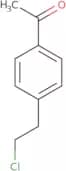

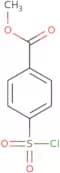
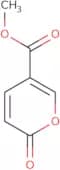
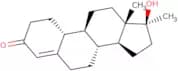
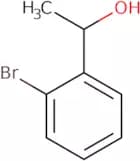

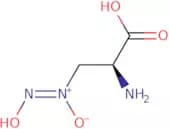
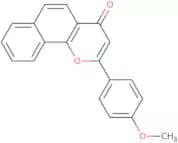
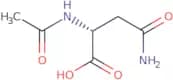
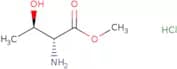
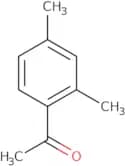
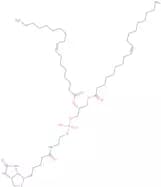
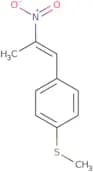
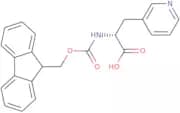
![3-Methylnaphth[2,1-d]isoxazole](/_next/image/?url=https%3A%2Fstatic.cymitquimica.com%2Fproducts%2F3D%2Fthumb-webp%2FFN66641.webp&w=3840&q=75)
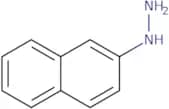
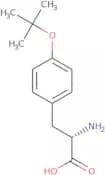
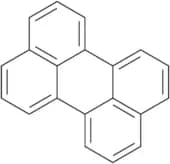
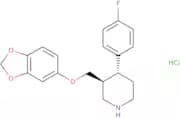
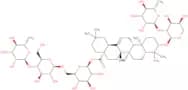
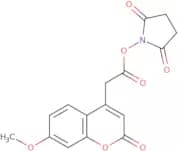
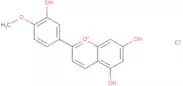


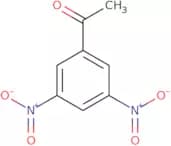
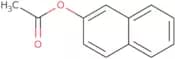
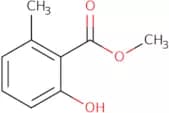
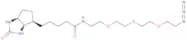
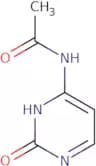
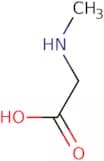
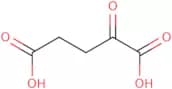
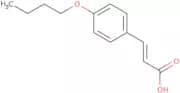
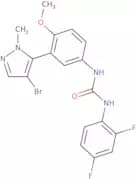
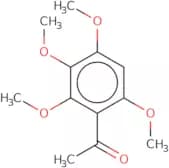
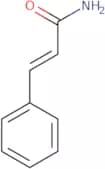
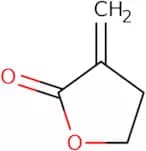
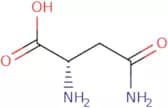

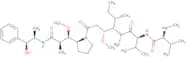

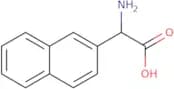
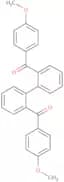
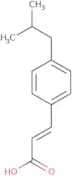
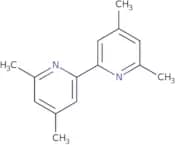


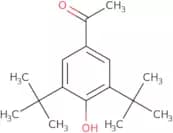
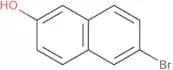
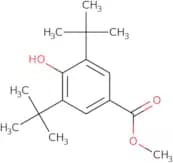
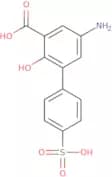
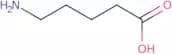
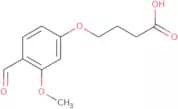
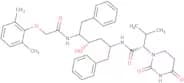

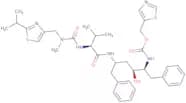
![2-Amino-N-[2-(2-chlorobenzoyl)-4-nitrophenyl]acetamide](/_next/image/?url=https%3A%2Fstatic.cymitquimica.com%2Fproducts%2F3D%2Fthumb-webp%2FFA17795.webp&w=3840&q=75)
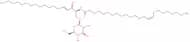
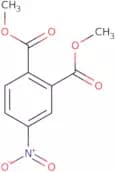
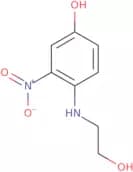
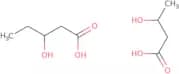
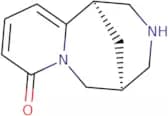
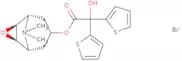
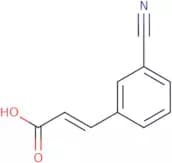
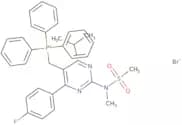

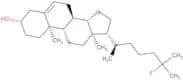
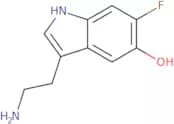
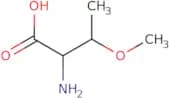
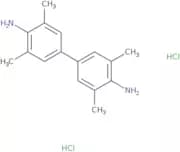
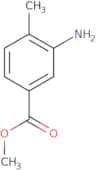
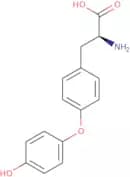
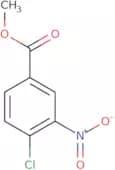

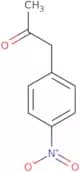
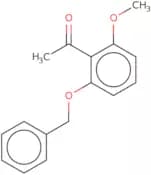
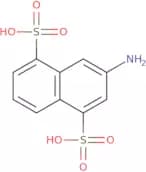
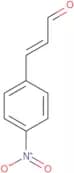

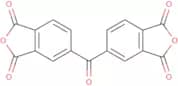
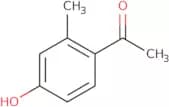
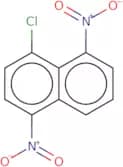
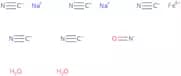

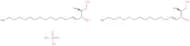
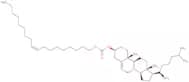
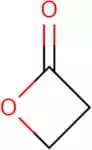
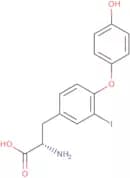
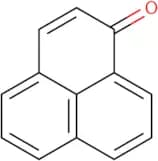
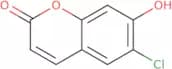
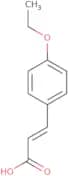
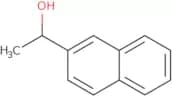
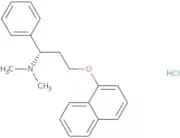
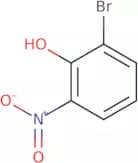
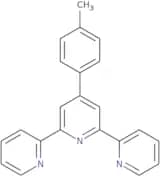
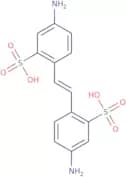

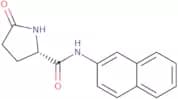
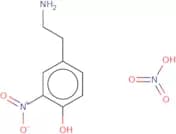
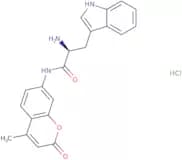
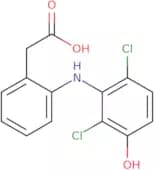
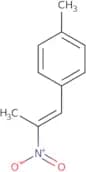
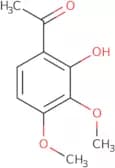
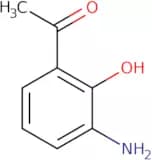

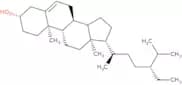

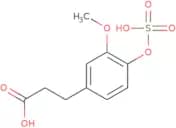

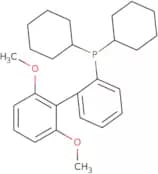
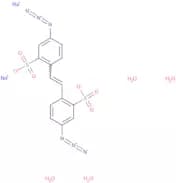
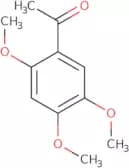
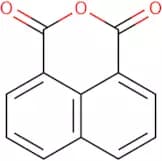
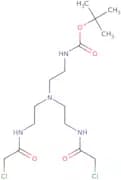
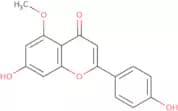
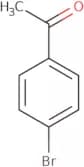
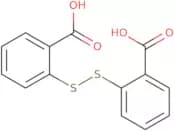
![(6α,11β,16α,17α)-6,9-Difluoro-11-hydroxy-16-methyl-spiro[androsta-1,4-diene-17,5'-[1,3]oxathiolane…](/_next/image/?url=https%3A%2Fstatic.cymitquimica.com%2Fproducts%2F3D%2Fthumb-webp%2FFD103607.webp&w=3840&q=75)
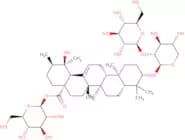

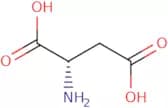
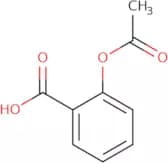
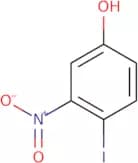
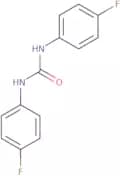
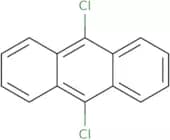
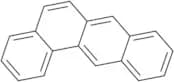
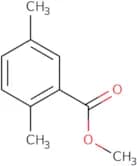
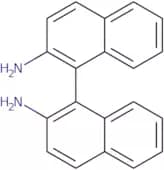
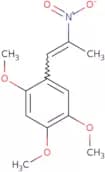
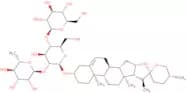
![N-[2-(p-Cinnamylamino)ethyl]-5-isoquinolone sulfonamide](/_next/image/?url=https%3A%2Fstatic.cymitquimica.com%2Fproducts%2F3D%2Fthumb-webp%2FFC20451.webp&w=3840&q=75)
![1-[[5-(p-Nitrophenyl)furfurylidene]amino]-hydantoin sodium](/_next/image/?url=https%3A%2Fstatic.cymitquimica.com%2Fproducts%2F3D%2Fthumb-webp%2FFN44999.webp&w=3840&q=75)

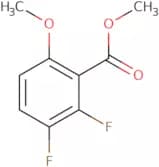
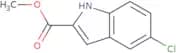
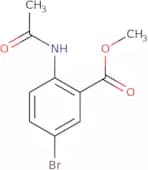
![(6S)-5,6,7,8-Tetrahydro-6-[propyl[2-(2-thienyl)ethyl]amino]-1-naphthalenol hydrochloride](/_next/image/?url=https%3A%2Fstatic.cymitquimica.com%2Fproducts%2F3D%2Fthumb-webp%2FFT27763.webp&w=3840&q=75)
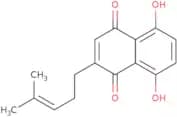
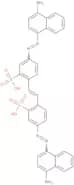
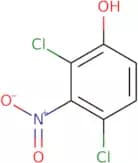
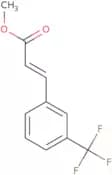
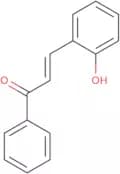

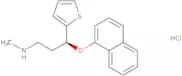
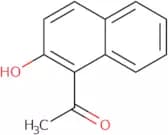
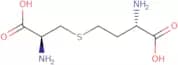
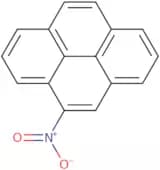
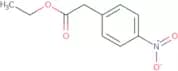
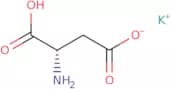
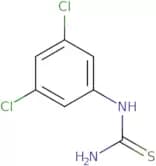
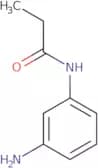
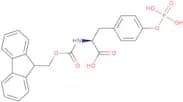
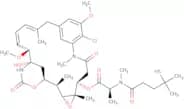
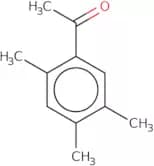
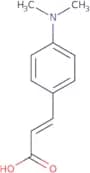


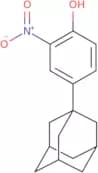

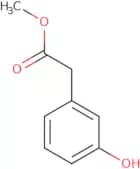


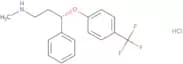
![5,6,7,8-Tetrahydro-[1,8]naphthyridine-2-carboxylic acid](/_next/image/?url=https%3A%2Fstatic.cymitquimica.com%2Fproducts%2F3D%2Fthumb-webp%2FFT56542.webp&w=3840&q=75)