Glicociência
Subcategorias de "Glicociência"
- Amino açúcares(108 produtos)
- Anticorpos Glico-Relacionados(282 produtos)
- Glicolípidos(46 produtos)
- Glicosaminoglicanos (GAGs)(55 produtos)
- Glicosídeos(419 produtos)
- Monossacáridos(6.624 produtos)
- Oligossacarídeos(3.682 produtos)
- Polissacáridos(504 produtos)
Foram encontrados 11047 produtos de "Glicociência"
UDP-D-glucose disodium salt
CAS:UDP-D-glucose disodium salt is a sugar-nucleotide substrate of glucosyltransferases. It’s used as the donor of glucose in the biosyntheses of glycoproteins, glycolipids and polysaccharides. It’s also used with its membrane receptor, P2RY14, to investigate innate mucosal immune responses in preventing infection in the female reproductive tract (FRT).Fórmula:C15H22N2Na2O17P2Pureza:Min. 85 Area-%Cor e Forma:White PowderPeso molecular:610.27 g/mol5-O-Acetyl-a-L-arabinofuranose
CAS:5-O-Acetyl-a-L-arabinofuranose (5OAA) is an acetylated aldonic acid. It is a custom synthesized, high purity, complex carbohydrate that has been modified by fluorination, monosaccharide modification, and glycosylation. This compound can be used to modify proteins and nucleic acids. 5OAA can be used in the synthesis of oligosaccharides and polysaccharides. 5OAA has been shown to have click chemistry modifications with methyl groups and sugars.Fórmula:C7H12O6Pureza:Min. 95%Peso molecular:192.17 g/molDextran 60, MW: 54,000 to 66,000
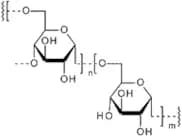
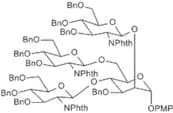
CAS:Complex glucan (a 1-6) from Leuconostoc spp.; extender in blood transfusionsFórmula:(C6H10O5)nCor e Forma:White Powder4-Methoxyphenyl 2,4,6-tri-O-(3,4,6-tri-O-benzyl-2-deoxy-2-phthalimido-β-D-glucopyranosyl)-3-O-benzyl-α-D-mannopyranoside
4-Methoxyphenyl 2,4,6-tri-O-(3,4,6-tri-O-benzyl-2-deoxy-2-phthalimido-b-D-glucopyranosyl)-3-O-(benzyl)aDmannopyranoside is a custom synthesis of an oligosaccharide. It is an acetal derivative of 4methoxyphenyl 2,4,6tri O-(3,4,6tri Obenzyl 2deoxy2 phthalimido b D glucopyranosyl) 3 O (benzyl) ad mannopyranoside with a methoxymethyl group at the C5 position and a benzyl ether moiety at the C6 position. The molecule contains a methylated sugar as well as fluorine modification on the ring oxygen atom. This molecule has a high purity and is offered in both monosFórmula:C125H117N3O25Pureza:Min. 95%Peso molecular:2,061.27 g/mol1,2,3,4-Tetra-O-pivaloyl-6-O-(tert-butyldimethylsilyl)-a-D-mannopyranose
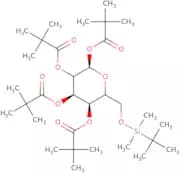
1,2,3,4-Tetra-O-pivaloyl-6-O-(tert-butyldimethylsilyl)-a-D-mannopyranose is a synthetic compound that can be used as a fluorinated monosaccharide. It is synthesized from 1,2,3,4-tetra-O-pivaloyl-6-[(tert-butyldimethylsilyl)oxy]-aD mannopyranose. This product is also known as Tetra O Pivalate Mannose (TPM). This product has been shown to be effective in the synthesis of carbohydrates and complex carbohydrates.Fórmula:C32H58O10SiPureza:Min. 95%Peso molecular:630.88 g/mol3’-O-Acetyl-1,2,5-tri-O-benzoyl-4-a-C-vinyl-D-ribofuranose
3’-O-Acetyl-1,2,5-tri-O-benzoyl-4-a-C-vinyl-D-ribofuranose is a modified sugar that is synthesized by the click chemistry method. It has been fluorinated and methylated on the 2’ and 3’ positions of the ribose ring. The compound is also glycosylated with a CDP chitosan to increase stability in plasma. This product has high purity and can be custom synthesized to customer specifications.Pureza:Min. 95%Phenyl 3,4-O-isopropylidene-b-D-thiogalactopyranoside
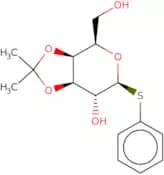
CAS:Phenyl 3,4-O-isopropylidene-b-D-thiogalactopyranoside is a custom synthesis of the complex carbohydrate Oligosaccharide, Polysaccharide. It belongs to Modification, saccharide, Methylation, Glycosylation, Carbohydrate. Phenyl 3,4-O-isopropylidene-b-D-thiogalactopyranoside can be used for Click modification, sugar and High purity. This compound is Fluorinated and Synthetic.
Fórmula:C15H20O5SPureza:Min. 95%Cor e Forma:PowderPeso molecular:312.38 g/molD-Galactose-6-O-sulphate sodium
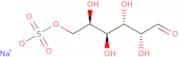
CAS:D-Galactose-6-O-sulphate sodium salt is used as a diagnostic agent to measure the level of galactose in blood and tissues. The enzyme that hydrolyzes D-galactose-6-O-sulphate, galactose oxidase, is present in leukocytes and chorionic villi. The enzymatic assay for this chemical is based on the reaction between D-galactose and sulfite to form D-galactosulfonic acid. This reaction is catalysed by a sulphatase enzyme. A fluorimetric method can be used to measure the formation of D-galactosulfonic acid.Fórmula:C6H11O9SNaPureza:Min. 95%Cor e Forma:White PowderPeso molecular:282.2 g/mol1,2,3,4-Tetra-O-pivaloyl-6-O-trityl-b-D-glucopyranose
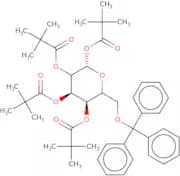
CAS:1,2,3,4-Tetra-O-pivaloyl-6-O-trityl-b-D-glucopyranose is a trityl derivative of glucose that can be used as a diagnostic agent for the assessment of cancer. When labeled with radioactive iodine, 1,2,3,4-Tetra-O-pivaloyl-6-O-trityl-b-D-glucopyranose has been shown to accumulate in bile and esophageal cancer cells. Magnetic resonance imaging (MRI) was used to evaluate the distribution of 1,2,3,4 tetra O pivaloyl 6 O trityl b D glucopyranose in patients with cirrhosis. The results suggest that this compound can be used as an indicator for the diagnosis of liver disease.Fórmula:C45H58O10Pureza:Min. 95%Peso molecular:758.94 g/mol6-Deoxy-6-fluoro-D-glucose
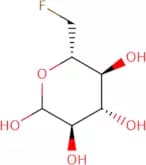
CAS:6-Deoxy-6-fluoro-D-glucose is a molecule that belongs to the group of glucose analogs. It has been shown that 6-deoxy-6-fluoro-D-glucose, or dF6G, induces apoptosis in MCF7 cells through inhibition of glut1, the rate limiting enzyme for glycolysis. The structural analysis of the compound showed that it contains a fluorine atom at C2 and an oxygen atom at C3. The kinetic studies revealed that dF6G reacts with H2O in a 1:1 stoichiometric ratio to form hydrogen fluoride and 6-deoxyhexoate. 6dF6G has been shown to have pharmacokinetic properties similar to glucose and it can be used as an alternative source of energy by many organisms including aerobacter aerogenes.
Fórmula:C6H11FO5Pureza:Min. 95%Cor e Forma:White PowderPeso molecular:182.15 g/mol3,5-Dideoxy-3,5-imino-L-arabinopentitol
3,5-Dideoxy-3,5-imino-L-arabinopentitol is a compound that belongs to the group of methylated polysaccharides. It is a custom synthesis with high purity and modification. This product has been fluorinated and saccharide modified. It has been synthesized from an oligosaccharide and polysaccharide by Click chemistry. 3,5-Dideoxy-3,5-imino-L-arabinopentitol is a complex carbohydrate that contains a sugar at its end. The sugar can be either monosaccharide or polysaccharide. This product can be used in the study of protein methylation and glycosylation and as an anti-inflammatory agent.Pureza:Min. 95%2-O-Benzyl-1-C-(1-butyl)-3,4-di-O-isopropylidene-2,4-di-C-methyl-L-arabinopyranose
2-O-Benzyl-1-C-(1-butyl)-3,4-di-O-isopropylidene-2,4-di-C-methyl-L-arabinopyranose is a fluorinated monosaccharide that has been synthesized by the glycosylation of 2,3,6,7,8,-pentaoxaheptane with 2,4,6,-triacetoxybenzaldehyde. The molecule is a complex carbohydrate and contains 10 identical units of D-(+)-glycero 1,2:5,6:8--octahydroquinoline. This compound is also known as 1-(2'-carboxyethyl)piperidine. The molecular weight of this compound is 476.11 and the CAS number is 324965-70-0. This compound was modified with methylation and click chemistry reactions to produce an amine group at the CPureza:Min. 95%Monofucosyl (1-2)-iso-lacto-N-octaose II
Monofucosyl (1-2)-iso-lacto-N-octaose II is an oligosaccharide that is found in human milkPureza:Min. 95%Hydroxypropylmethylcellulose acetate succinate
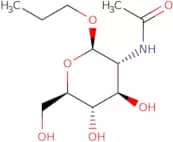
CAS:Produto ControladoHydroxypropylmethylcellulose acetate succinate is a polymer that has been shown to be effective in the treatment of autoimmune diseases. Hydroxypropylmethylcellulose acetate succinate is used as a model system for studying the interactions between polymers and proteins. The structure of this polymer consists of hydroxypropyl, succinate, and hypromellose acetate. This polymer forms hydrogen bonds with other polymers and proteins due to its anhydrous sodium content and amorphous nature.Fórmula:C10H22O9Cor e Forma:White PowderPeso molecular:286.28Propyl 2-acetamido-2-deoxy-β-D-glucopyranoside
CAS:Propyl 2-acetamido-2-deoxy-b-D-glucopyranoside is a synthetic monosaccharide that has been fluorinated and methylated. It is a custom synthesis and can be modified to suit your needs. This compound has been glycosylated and click modified. The purity of this product is high and it's molecular weight is 798 Da.Fórmula:C11H21NO6Pureza:Min. 95%Cor e Forma:White to off-white solid.Peso molecular:263.3 g/mol2’-(N-Hexadecanoylamino)-4’-nitrophenyl-β-D-galactopyranoside
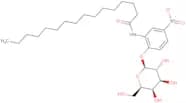
CAS:2’-(N-Hexadecanoylamino)-4’-nitrophenyl-b-D-galactopyranoside is a synthetic substrate that is used to diagnose and monitor brain diseases. It can be used in the diagnosis of Alzheimer's disease by measuring the amount of amniotic fluid that leaks into the brain. The rate of hydrolysis of this substrate has been shown to be higher in patients with Alzheimer's disease than in healthy controls. This synthetic substrate is also useful for monitoring the activity of taurocholate galactohydrolase, which is an enzyme that breaks down bile salts and plays a role in cholesterol metabolism. The rate of hydrolysis has been found to be increased in patients with Parkinson's disease, but not in those with Alzheimer's disease or healthy controls. 2’-(N-Hexadecanoylamino)-4’-nitrophenyl-b-D-galactop
Fórmula:C28H46N2O9Pureza:Min. 95%Cor e Forma:PowderPeso molecular:554.67 g/mol3-Deoxy-3-fluoro-D-galactitol
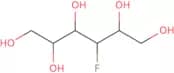
CAS:3-Deoxy-3-fluoro-D-galactitol is a fluorinated sugar that is synthesized through the use of glycosylation and fluorination. This product can be used as a raw material for the production of oligosaccharides, polysaccharides, and other complex carbohydrates. It can also be used in custom synthesis and click modification. The CAS number for this product is 1241800-31-6.Fórmula:C6H13FO5Pureza:Min. 95%Peso molecular:184.16 g/mol2-Azido-((R)-3,5-O-benzylidene)-2,6-dideoxy-1,4-di-O-tert.butyldimethylsilyl- L-manno-hexitol
2-Azido-((R)-3,5-O-benzylidene)-2,6-dideoxy-1,4-di-O-tert.butyldimethylsilyl--L--mannopentose is a carbohydrate that is used in the synthesis of oligosaccharides and polysaccharides. It can be custom synthesized with high purity and desired modifications to suit your needs. This product has been fluorinated and glycosylated for increased stability and solubility in organic solvents. This product's CAS number is 617072-75-0.Pureza:Min. 95%1,2,3,4-Tetra-O-benzoyl-6-O-triisopropylsilyl-b-D-glucopyranose
1,2,3,4-Tetra-O-benzoyl-6-O-triisopropylsilyl-b-D-glucopyranose is a synthetic compound that belongs to the class of carbohydrates. It is a high purity custom synthesis that can be modified with fluorination, glycosylation, methylation, and modification. This product has CAS number 541087-49-0. 1,2,3,4-Tetra-O-benzoyl-6-O-triisopropylsilyl-b -D -glucopyranose is used in the synthesis of oligosaccharides and monosaccharides.Fórmula:C46H54O10SiPureza:Min. 95%Peso molecular:795.02 g/molD-Lactal
CAS:D-Lactal is a dibutyltin oxide that is used in the synthesis of n-acetyllactosamine, disaccharides and trisaccharides. D-Lactal has been shown to have high resistance to chloride ion, which is one of the most common reagents for cleavage. It can also be used as a synthetic precursor for other glycoside derivatives by reacting with triflic acid or trisaccharide. Triflic acid and trisaccharide react with chloride to form a stereoselective glycosidic bond. D-Lactal is also able to bind lectins, carbohydrate chemistry and carbohydrate chemistry reagents.Fórmula:C12H20O9Pureza:Min. 95%Cor e Forma:White/Off-White SolidPeso molecular:308.28 g/mol1,3-O-Benzylidene-D-arabitol
CAS:1,3-O-Benzylidene-D-arabitol is a methylated sugar that is used in the synthesis of complex carbohydrates. It is produced by the modification of a 1,3-O-benzylidene-D-ribitol. It has a CAS number of 70831-50-4 and can be custom synthesized to meet your needs. This product is available in high purity with a 99% yield.Fórmula:C12H16O5Pureza:Min. 95%Cor e Forma:White/Off-White SolidPeso molecular:240.25 g/mol1,3-O-Benzylidene-4-O-t-butyl-dimethylsilyl-D-threitol
CAS:1,3-O-Benzylidene-4-O-t-butyl-dimethylsilyl-D-threitol is a synthetic carbohydrate that is structurally similar to D-threitol. It has a molecular weight of 323.07 and it has a melting point of 210°C. The CAS number for this compound is 652979-92-5. This compound has been modified with fluorination, methylation, and click chemistry. 1,3-O-Benzylidene-4-O-t -butyl dimethylsilyl D threitol has been used as a substrate for glycosylation reactions with oligosaccharides and polysaccharides in order to produce complex carbohydrates.Fórmula:C17H28O4SiPureza:Min. 95%Peso molecular:324.49 g/mol3-Deoxy-2-keto-6-phospho-D-gluconate lithium
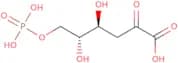
CAS:3-Deoxy-2-keto-6-phospho-D-gluconate lithium is a high purity, custom synthesis material. It is a sugar with a molecular weight of 280.27 g/mol and the chemical formula C6H8O7P. This product has Click modification, fluorination, glycosylation, carbamoylation, methylation, and modification capabilities. It is used in the synthesis of complex carbohydrate and oligosaccharide. 3-Deoxy-2-keto-6-phospho-D-gluconate lithium is also known as CAS No. 27244-54-8.Fórmula:C6H11O9P·xLiPureza:Min. 95 Area-%Peso molecular:258.12 g/molN-Acetylmuramyl-L-alanyl-D-isoglutamine hydrate
CAS:Muramyl dipeptide is a component of the bacterial cell wall and is found in mycobacteria, mycoplasmas, spirochetes, and gram-positive bacteria. Muramyl dipeptide has been shown to induce the activation of macrophages and other cells by stimulating toll-like receptor 4. It also has significant cytotoxicity against various cancer cells, as well as potent inducers of ubiquitin ligases. The use of muramyl dipeptide in vitro was shown to inhibit replication of HIV-1 virus in human lymphocytes. This agent has also been used for the treatment of bowel disease.Fórmula:C19H32N4O11·xH2OPureza:Min. 96 Area-%Cor e Forma:PowderPeso molecular:492.48 g/mol3,4,6-Tri-O-acetyl-2-deoxy-2-fluoro-b-D-glucopyranosyl azide
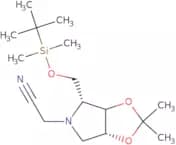
3,4,6-Tri-O-acetyl-2-deoxy-2-fluoro-b-D-glucopyranosyl azide is a fluorinated sugar that is used in the synthesis of glycosides and polysaccharides. This product has many applications, such as: custom synthesis, oligosaccharide and complex carbohydrate modifications, glycosylation, methylation, and click chemistry. 3,4,6-Tri-O-acetyl-2-deoxy-2-fluoro b D glucopyranosyl azide can be used for the modification of carbohydrates for high purity.Pureza:Min. 95%5-O-tert-Butyldimethylsilyl-N-cyanomethyl-1,4-dideoxy-1,4-imino-2,3-O-isopropylidene-D-ribitol
CAS:5-O-tert-Butyldimethylsilyl-N-cyanomethyl-1,4-dideoxy-1,4-imino-2,3-O-isopropylidene--D ribitol is a fluorinated glycosylation product of 5-(O-(tertbutyldimethylsilyl)cyanomethyl)-1,4 dihydroxy imino 2,3 O isopropylidene D ribitol. It is a high purity complex carbohydrate that can be synthesized by click modification of 5-(O-(tertbutyldimethylsilyl)cyanomethyl)-1,4 dihydroxy imino 2,3 O isopropylidene D ribitol with ethynyltrifluoroborate and osmium tetroxide. This compound has CAS No. 577978-59-7.Fórmula:C16H30N2O3SiPureza:Min. 95%Peso molecular:326.51 g/molL-Ribulose
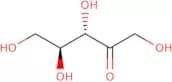
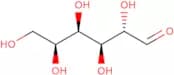
CAS:Valuable chiral building block; rare sugar applied in wood preservation
Fórmula:C5H10O5Pureza:Min. 97 Area-%Cor e Forma:Slightly Yellow Clear LiquidPeso molecular:150.13 g/molHepta-O-acetylrutinose
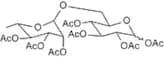
CAS:Hepta-O-acetylrutinose is a synthetic monosaccharide that is fluorinated. It can be used in the synthesis of oligosaccharides, polysaccharides, and glycosylations. Hepta-O-acetylrutinose has been shown to be useful in click chemistry and other modifications due to its reactive groups. The CAS number for this compound is 29202-64-0.
Fórmula:C26H36O17Pureza:(%) Min. 95%Cor e Forma:White PowderPeso molecular:620.57 g/molGM2-Oligosaccharide
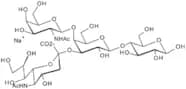
GM2-oligosaccharide (sodium salt) is a trisaccharide (GalNAcβ1,4Galβ1,4Glc) with sialic acid linked α2,3 to the central galactose residue (Ledeen, 2009). The parent GM2 ganglioside is present on neuronal cells and plays a key role in the regulation of dendritogenesis in cortical pyramidal neurons. In lysosomal storage disorders, such as, Tay-Sachs and Sandhoff disease, where hexosaminases A and B are deficient, GM2 ganglioside accumulates in the nervous system (Cachon-Gonzalez, 2018). GM2 ganglioside is also overexpressed in melanomas and other tumours of neuro-ecto origin (Yoshida, 2020). Moreover, the sugar moiety of GM2 ganglioside is a receptor allowing viral infection of cells with reovirus and rotavirus (Zhu, 2018).Fórmula:C31H51N2O24NaPureza:Min. 95%Cor e Forma:PowderPeso molecular:858.73 g/mol2'-O-Fucosyllactulose
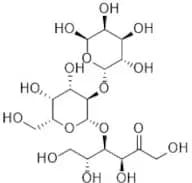
CAS:2'-O-Fucosyllactulose is a modified carbohydrate that has been synthesized from a natural source. It is an oligosaccharide that contains the monosaccharide, fucose. This product can be used in the synthesis of polysaccharides and glycosylation reactions. 2'-O-Fucosyllactulose has been methylated, fluorinated, and glycosylated, which makes it suitable for use as a sugar in biotechnology applications.
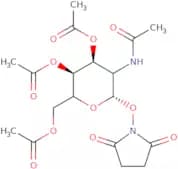
Fórmula:C18H32O15Pureza:Min. 90 Area-%Cor e Forma:PowderPeso molecular:488.44 g/molO-(2-Acetamido-3,4,6-tri-O-acetyl-2-deoxy-b-D-glucopyranosyl)-N-hydroxysuccinimide
CAS:O-(2-Acetamido-3,4,6-tri-O-acetyl-2-deoxy-b-D-glucopyranosyl)-N-hydroxysuccinimide is a glycosylation agent that can be used in the synthesis of glycoproteins and polysaccharides. It has been shown to be effective for the synthesis of oligosaccharides, polysaccharides and complex carbohydrates. The compound has a CAS number of 170590-84-8 and is classified as an intermediate organic chemical. O-(2-Acetamido-3,4,6-tri-O-acetyl-2 -deoxy--b--D--glucopyranosyl)-N--hydroxysuccinimide reacts with primary alcohols to form acetal derivatives. This reaction can also be used for Click chemistry and fluorination in order to modify saccharide structures.Fórmula:C18H23NO12Pureza:Min. 95%Peso molecular:445.37 g/molD-Fructose-¹³C6
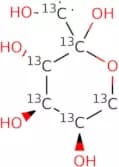
CAS:D-Fructose-¹³C6 is a liquid chromatograph that can be used for the analysis of alditols. It can also be used as a cavity, dissolvable, or quadrupole mass spectrometer. The chemical diversity of D-fructose-¹³C6 makes it an important research tool that can be used to study different products. Its use in tobacco and humectant production is also quite common. The quadrupole mass spectrometer has been shown to have a global reach in its applications.Fórmula:C6H12O6Pureza:Min. 95%Cor e Forma:White PowderPeso molecular:186.11 g/molBlood Group H type III trisaccharide-PAA-biotin
Blood group antigen conjugated to spacer and biotinPureza:Min. 95%Cor e Forma:White Off-White PowderPeso molecular:586.6 g/molUrsodeoxycholic acid acyl-β-D-glucuronide
CAS:Ursodeoxycholic acid acyl-b-D-glucuronide (UDCA) is a synthetic bile acid that is used to treat liver diseases such as cirrhosis, primary biliary cirrhosis and cholelithiasis. UDCA inhibits the enzyme 7α-hydroxylase in the liver, which converts cholesterol into bile acids. This prevents the formation of lithocholic acid from cholesterol and the accumulation of lipids in the liver. UDCA also suppresses inflammatory cytokines and oxidative stress by inhibiting NF-κB activation.Supplied as the sodium saltFórmula:C30H48O10Pureza:Min. 95%Cor e Forma:PowderPeso molecular:568.7 g/mol3-Azido-3-deoxy-1,2:5,6-di-O-isopropylidene-a-D-glucofuranose
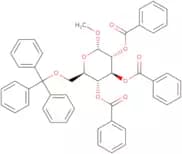
CAS:3-Azido-3-deoxy-1,2:5,6-di-O-isopropylidene-a-D-glucofuranose is a synthetic sugar that has been modified by Fluorination, Monosaccharide, Synthetic, Oligosaccharide, complex carbohydrate, CAS No. 13964-23-3 and Glycosylation. It is also a Polysaccharide with modifications of Click modification and Methylation. 3A3DG can be used to modify the sugar content of glycoproteins and glycolipids in order to study their role in cellular processes such as transcriptional regulation and apoptosis. This product is available for custom synthesis in quantities from milligrams to kilograms.Fórmula:C12H19N3O5Pureza:Min. 95%Cor e Forma:Yellow PowderPeso molecular:285.3 g/molMethyl 2,3,4-tri-O-benzoyl-6-O-trityl-a-D-glucopyranoside
CAS:Methyl 2,3,4-tri-O-benzoyl-6-O-trityl-a-D-glucopyranoside is a synthetic compound that has been modified. This modification includes the addition of fluorine at the 6th carbon on the right side of the molecule. The methylation and tritylation of the molecule have also been performed to create a new product with a better stability. Methyl 2,3,4-tri-O-benzoyl-6-O-trityl-aDglucopyranoside can be used as a monosaccharide or oligosaccharide in glycosylation reactions. It can also be used as an intermediate in the synthesis of complex carbohydrate molecules.Fórmula:C47H40O9Pureza:Min. 95%Peso molecular:748.84 g/mol1-Octen-3-ol glucoside
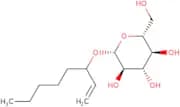
CAS:1-Octen-3-ol glucoside is a synthetic, fluorinated sugar that is modified with glycosylation, methylation, and click chemistry. It contains a high degree of purity and is custom synthesized to order. This product can be used as a substitute for other sugars in the production of oligosaccharides, saccharides, and polysaccharides.
1-Octen-3-ol glucoside has been shown to have various modifications including glycosylation, methylation, and click chemistry. It is often used when there are restrictions on the types of sugars that can be used in the synthesis of complex carbohydrates.Fórmula:C14H26O6Pureza:Min. 95%Cor e Forma:PowderPeso molecular:290.35 g/mol5-O-β-D-Glucopyranosyl-D-xylitol
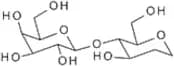
CAS:5-O-β-D-Glucopyranosyl-D-xylitol is a disaccharide that is synthesized for use in research.Fórmula:C11H22O10Pureza:Min. 95%Cor e Forma:PowderPeso molecular:314.29 g/molN-Methyl-D-glucosamine
CAS:N-Methyl-D-glucosamine is a nucleotide that is found in the adenine nucleotide pool. It can be synthesized from glucose, which is converted to glucosamine-6-phosphate by the enzyme glucosamine synthetase. This compound can also be obtained from dietary sources. N-Methyl-D-glucosamine has been shown to have cytotoxic activity against mouse tumor cells and inhibit skin cancer in mice. It binds with DNA and inhibits cell growth through a glycosidic bond with terminal residues of DNA, preventing transcription and replication. N-Methyl-D-glucosamine has also been shown to inhibit the growth of resistant microorganisms such as C. glabrata, including antibiotic resistant strains, and bacteria such as E. coli and P. aeruginosa when used in combination with an experimental model of biocompatible polymers.
NMTG has been shown toFórmula:C7H15NO5Pureza:Min. 95%Cor e Forma:PowderPeso molecular:193.2 g/molMethyl 1-O-acetyl-2,3-di-O-benzyl-4-O-methyl-β-D-glucopyranuronate
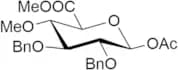
CAS:A useful glucuronide building block.Fórmula:C24H28O8Pureza:Min. 95%Cor e Forma:PowderPeso molecular:444.47 g/mol2-Acetamido-2-deoxy-3-O-(a-L-fucopyranosyl)-D-glucopyranose
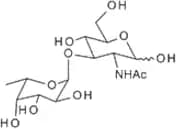
CAS:2-Acetamido-2-deoxy-3-O-(a-L-fucopyranosyl)-D-glucopyranose is a carbohydrate that has been found in leaves of camellia plants. It can be used as a marker for the identification of camellia plants. 2-Acetamido-2-deoxy-3-O-(a-L-fucopyranosyl)-D-glucopyranose is also thought to be involved in the developmental and metabolic mechanisms of camellia plants, which are still being studied. This carbohydrate is synthesized from l -glutamine and epigallocatechin in the presence of d -proline.Fórmula:C14H25NO10Pureza:Min. 96 Area-%Cor e Forma:White PowderPeso molecular:367.35 g/molGlucosylceramide
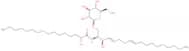
CAS:Glucosylceramide (Glc-Cer) is the common precursor in the biosynthesis of most glycosphingolipids, with exception of some Gal-Cer derivatives, such as, GM4. Glucosylceramide consists of a glucosyl moiety which is β-O-glycosydically linked to ceramide, which itself, consists of the long-chain aminoalcohol sphingosine and a fatty acid. Glucosylceramide (also called glucocerebroside) is synthesised enzymatically, by the glucosylceramide synthase-catalysed with the addition of a glucose residue to ceramide. Glucosylceramide is involved in the regulation of various cellular events and also serves as a main constituent in liposome formulations.
Fórmula:C40H75NO9Pureza:Min. 98 Area-%Cor e Forma:White Off-White PowderPeso molecular:714.02 g/molFucoidan, fucus serratus
CAS:A fucan sulphate found in brown marine algae (Phaeophyta-typically Fucus serratus, Ascophyllum nodosum (illustrated), Laminaria japonica and Macrocystis pyrifyra) and has been shown to have anticoagulant activity. The main constituents are α-1,4 and α-1,2 linked L-fucose sulphates although galactose also occurs and there are many variations of the basic structure found in different species of Phaeophyta.
The image was kindly provided by Prof Mike Guiry from Cork who runs ‘The Seaweed Site’.Pureza:Min. 95%Cor e Forma:White Powder1,2,3,4,6-Penta-O-acetyl-b-D-glucopyranose
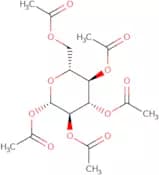
CAS:1,2,3,4,6-Penta-O-acetyl-b-D-glucopyranose, also known as beta-D-glucose pentaacetate, has high chemical stability and long shelf life. This protected form of glucose is a key building block of any chemical synthesis of glucose-containing oligosaccharides or glycoconjugates. In the presence of Lewis acids it can be used as a glycosyl donor to make simple glycosides. In order to perform more complex glycosylations, it can be converted into more reactive donors, such as glycosyl halides or thioglycosides. Beta-D-glucose pentaacetate is also used as a food additive and flavouring agent.Fórmula:C16H22O11Pureza:Min. 97.5 Area-%Cor e Forma:White PowderPeso molecular:390.34 g/mol2,4-Di-O-methyl-D-glucose
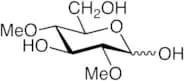
CAS:2,4-Di-O-methyl-D-glucose is a partially O-methylated glucose sugar.Fórmula:C8H16O6Pureza:Min. 95%Cor e Forma:PowderPeso molecular:208.21 g/molHyaluronic acid hexasaccharide
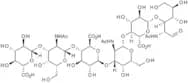
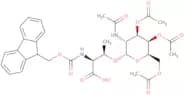
CAS:Hyaluronic acid is a polysaccharide containing repeating disaccharide units of β-1,3-N-acetyl glucosamine and β-1, 4-glucuronicâ¯acid. A series of unsaturated oligosaccharides (oligouronic acids) are released from hyaluronic acid by the action of hyaluronidase on umbilical cord (Weissman, 1954). This hexasaccharide and other enzymatically produced polymer homologs have been of value in the study of hyaluronic acid metabolism in healthy and diseased tissues (Hascall, 2019).Fórmula:C42H65N3O34Pureza:Min. 95%Cor e Forma:PowderPeso molecular:1,155.97 g/mol2-Acetamido-3,4,6-tri-O-acetyl-2-deoxy-α-D-galactopyranosyl-Fmoc threonine
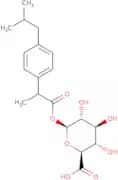
CAS:2-Acetamido-3,4,6-tri-O-acetyl-2-deoxy-α-D-galactopyranosyl-Fmoc threonine is a glycoside that has been synthesized on a solid phase. The synthesis of this compound has been accomplished by the stepwise addition of Fmoc protected amino acids to the growing peptide chain. Cleavage from the resin and deprotection of the side chains are followed by purification by RP HPLC.Fórmula:C33H38N2O13Pureza:Min. 95 Area-%Peso molecular:670.67 g/molIbuprofen acyl-b-D-glucuronide
CAS:Ibuprofen acyl-b-D-glucuronide is a biologically active molecule. It is metabolized in humans by first being hydrolyzed to ibuprofen and then glucuronidated. The enzyme that catalyzes this reaction is uridine 5'-diphosphate glucuronosyltransferase 1A1 (UGT1A1). Ibuprofen acyl-b-D-glucuronide has been shown to have an inhibitory effect on inflammation in vitro assays, such as the rat paw edema assay. This drug also has a reactive and chromatographic profile that allows it to be used in wastewater treatment.Fórmula:C19H26O8Pureza:Min. 95%Cor e Forma:White PowderPeso molecular:382.4 g/mol3-O-(b-D-Mannopyranosyl)-D-mannopyranose
CAS:Synthesized by the 4,6-O-benzylidene acetal-controlled method of CrichFórmula:C12H22O11Pureza:Min. 95%Cor e Forma:PowderPeso molecular:342.3 g/molMethyl 2,4-di-O-methyl-β-D-glucopyranoside
CAS:Methyl 2,4-di-O-methyl-b-D-glucopyranoside is a selectively protected glucose glycosideFórmula:C9H18O6Pureza:Min. 95%Peso molecular:222.24 g/molL-Altrose
CAS:L-Altrose is a carbohydrate that is used as a nutrient and sweetener. It is a dextrose monomer with an L-arabinose side chain. L-Altrose has been shown to be a stereoselective carbon source that can be used in the synthesis of various biologically active compounds, such as antibiotics. L-Altrose has also been shown to stimulate growth of yeast cells in the absence of oxygen by providing an extracellular carbon source. This compound can be hydrolyzed by ring-opening or benzoylation reactions to yield dextrose.
Fórmula:C6H12O6Pureza:Min. 99 Area-%Cor e Forma:White PowderPeso molecular:180.16 g/mol6-Deoxy-L-allitol
6-Deoxy-L-allitol is a white crystalline solid that melts at 122°C. It has an amorphous character and may be present as a mixture of rotations, form, and crystalline polymorphs. 6-Deoxy-L-allitol can be oxidized to its diol derivative by hydrogen peroxide or sodium periodate. This compound is soluble in water, methanol, and acetone. The molecular weight of this compound is 179.06 g/mol.
Pureza:Min. 95%5-O-tert-Butyldimethylsilyl-2,3-O-isopropylidene-L-lyxono-1,4-lactone
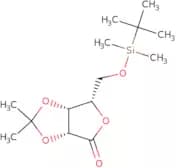
CAS:5-O-tert-Butyldimethylsilyl-2,3-O-isopropylidene-L-lyxono-1,4-lactone is an oligosaccharide that is used as a building block for the synthesis of complex carbohydrates. It can be customized to suit your needs. 5-O-tert-Butyldimethylsilyl-2,3-O-isopropylidene-L-lyxono-1,4--lactone has been modified with fluorine atom and methyl group to form a glycosylation product. It is available in CAS No. 1044813 -00 -4 and can be synthesized in purity of > 95%.
Fórmula:C13H24O5SiPureza:Min. 95%Peso molecular:288.42 g/mol1,3,5-O-Methylidyne-myo-inositol
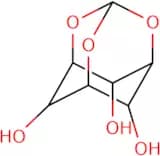
CAS:1,3,5-O-Methylidyne-myo-inositol is a cyclic sugar alcohol, which is naturally derived from various plant sources, including certain fruits and grains. As a stereoisomer of inositol, it represents a specific structural form that contributes to its unique properties and potential biological activities. The compound operates through modulating cellular signaling pathways, particularly those related to phosphoinositide metabolism, influencing intracellular calcium levels, and affecting lipid signaling cascades.This compound is primarily explored for its potential role in neurological health and its capacity to influence insulin signaling pathways. It has been investigated for applications in managing conditions such as polycystic ovary syndrome (PCOS), mood disorders, and neurodegenerative diseases. Due to its intricate involvement in cellular signaling networks, 1,3,5-O-Methylidyne-myo-inositol holds promise in furthering understanding of complex biological processes and for therapeutic development in metabolic and neurological disorders. Research continues to explore its efficacy and mechanisms of action to better establish its role in health and disease.Fórmula:C7H10O6Pureza:Min. 95%Cor e Forma:PowderPeso molecular:190.15 g/mola-Lactose monohydrate
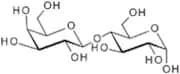
CAS:An α-anomer, obtained by crystallization at low temperature, can be dehydrated to stable form above 130°C or an unstable (hygroscopic) form at lower temperatures. An example of the applications for α-Lactose monohydrate is in dry powder inhalers. These are devices that deliver medication to the lung in the form of a dry powder generating an aerosol directly from the drug powder or mixture, using an excipient such as lactose monohydrate.
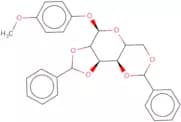
Fórmula:C12H22O11·H2OPureza:(%) Min. 95%Cor e Forma:PowderPeso molecular:360.31 g/mol4-Methoxyphenyl 2,3:4,6-di-O-benzylidene-α-D-mannopyranoside
CAS:4-Methoxyphenyl 2,3:4,6-di-O-benzylidene-a-D-mannopyranoside is a water soluble polysaccharide that is a methylated derivative of mannose. It has been fluorinated at the 4 position and modified with benzyl groups at the 2, 3, and 6 positions. This compound is used in custom synthesis to synthesize oligosaccharides or polysaccharides.Fórmula:C27H26O7Pureza:Min. 95%Peso molecular:462.49 g/molL-Gulose
CAS:L-Gulose is a carbohydrate that is used in biochemical research. It can be found in plant sources such as sugar cane, sugar beet, and fruit, but it is not naturally present in mammals. L-Gulose has antioxidant properties and can act as an antiviral agent. It also has some structural similarities to vitamin C. L-Gulose can be synthesized from D-glucose by oxidation of the hydroxyl group with sodium hypochlorite or hydrogen peroxide. L-Gulose is a structural analog of D-mannitol, which has been shown to have transcriptional regulation activity. L-Gulose has been shown to inhibit the growth of tumor cells and induce apoptosis in vitro by increasing intracellular reactive oxygen species (ROS) levels.Fórmula:C6H12O6Pureza:Min. 98 Area-%Cor e Forma:PowderPeso molecular:180.16 g/molHeparin sodium salt
CAS:Heparin is a glycosaminoglycan which occurs in many mammalian tissues and has important anticoagulant and thrombolytic properties. The chemical structure is composed mainly of two disaccharide repeating units A and B. A is L-iduronic acid 2-suplhate linked α-(1,4) to 2-deoxy-2-sulfamido-D-galactose 6-sulphate while B is D-glucuronic acid β-(1,4) linked to 2-deoxy-2-sulfamido-D-glucose 6-sulphate.Cor e Forma:White Powder4-Aminophenyl 2-O-(a-D-mannopyranosyl)-a-D-mannopyranoside
4-Aminophenyl 2-O-(a-D-mannopyranosyl)-a-D-mannopyranoside is a fluorinated mannoside that is modified with methyl and glycosyl groups. It is used as a fluorescent probe for the detection of saccharides in organic solvents. The molecular weight of this compound is 687.Pureza:Min. 95%4-O-(2-Acetamido-2-deoxy-D-[UL-13C6]glucopyranosyl)-D-ribitol
4-O-(2-Acetamido-2-deoxy-[UL-13C6]glucopyranosyl)-D-ribitol is a custom synthesis of an oligosaccharide, monosaccharide, and polysaccharide. It is a high purity and CAS No. custom synthesis with a high degree of modification. This product has been synthesized by methylation and glycosylation for use in the study of the structure and function of complex carbohydrates. The fluorination was done to the saccharide to give it the desired properties for use in various applications.
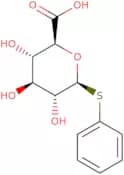
Fórmula:C713C6H25NO10Pureza:Min. 95%Peso molecular:361.29 g/molPhenyl b-D-thioglucuronide
CAS:Phenyl b-D-thioglucuronide is a synthetic molecule that has been used in studies of the carotid, abdominal and symmetric techniques. It can be used to study water absorption and squamous cell growth. Phenyl b-D-thioglucuronide has been used as a crosslinking agent for optical imaging techniques, such as fluorescence microscopy and confocal microscopy. The basic protein form of phenyl b-D-thioglucuronide is found in the human brain and spinal cord. There have been reports that phenyl b-D-thioglucuronide causes death and teratomas in mice when injected into the sigmoid colon or teratoma. Phenyl b-D-thioglucuronide also causes neuroinflammation, which may be due to its ability to induce matrix metalloproteinase production.
Fórmula:C12H14O6SPureza:(%) Min. 95%Peso molecular:286.3 g/mol1,2:3,4-Diacetone-β-D-glucopyranoside
CAS:1,2:3,4-Diacetone-b-D-glucopyranoside is a glycosylation agent that is used in the synthesis of polysaccharides. It reacts with the hydroxyl groups of saccharide molecules to form glycosidic bonds. 1,2:3,4-Diacetone-b-D-glucopyranoside can be modified by methylation and fluorination reactions to produce different derivatives. This product is CAS No. 496879-67-5 and has a purity of >98%.Fórmula:C12H20O6Pureza:Min. 97 Area-%Cor e Forma:PowderPeso molecular:260.29 g/molCalcium-D-arabonate
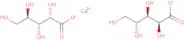
CAS:Calcium-D-arabonate is a fatty acid that is used as a functional ingredient in the food industry. It has been shown to increase the rate of reactions, such as glycosidic bond cleavage and polymerization, by acting as an oxidation catalyst. This product also has a high molecular weight and can be used to modify the structure of polymers. Calcium-D-arabonate is often used in model systems because it reacts with other substances at a pH optimum of 6.0-7.5.
Fórmula:C5H9O6CaPureza:Min. 98%Cor e Forma:White PowderPeso molecular:185.16 g/molHexahydro- 1, 2, 8- tris-acetoxy- [1S- (1a, 2a, 8a, 8ab) ]-5(1H) -indolizinone
CAS:Hexahydro-1,2,8-tris-acetoxy-[1S-(1a,2a,8a, 8ab)]-5(1H)-indolizinone is a custom synthesis of a complex carbohydrate. It has been modified by fluorination and methylation. The CAS number for this chemical is 107741-72-0. Hexahydro-1,2,8-tris-acetoxy-[1S-(1a,2a,8a, 8ab)]-5(1H)-indolizinone is soluble in water and ethanol and insoluble in ether. This product can be used as an intermediate for the preparation of oligosaccharides and polysaccharides.Fórmula:C14H19NO7Pureza:Min. 95%Peso molecular:313.3 g/mol3-C-Methyl-allonolactone
3-C-Methyl-allonolactone is an oligosaccharide that is modified by methylation, glycosylation, and polysaccharide. It is a custom synthesis and has a high purity. 3-C-Methyl-allonolactone may be used as a precursor to 3-carbon sugars.Pureza:Min. 95%6-Deoxy-2,3:4,5-di-O-isopropylidene-D-gulonic acid methyl ester
6-Deoxy-2,3:4,5-di-O-isopropylidene-D-gulonic acid methyl ester is a monosaccharide that can be used as a glycosylation and methylation reagent. It's also an important building block in the synthesis of complex carbohydrate polymers. This product is custom synthesized to meet your requirements.Pureza:Min. 95%1,3,4,6-Tetra-O-acetyl-2-O-trifluoromethanesulfonyl-b-D-mannopyranose
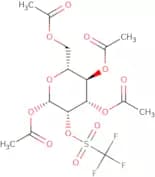
CAS:1,3,4,6-Tetra-O-acetyl-2-O-trifluoromethanesulfonyl-b-D-mannopyranose is a chemical compound that belongs to the group of fatty acids. It is a product of chemical reactions and has been shown to be able to react with positrons in an organic solution. This compound can also react with potassium ions in water vapor. The reaction solution is suitable for testing samples and cell culture.Fórmula:C15H19F3O12SPureza:Min. 98 Area-%Cor e Forma:PowderPeso molecular:480.37 g/molMaltohexaose eicosaacetate
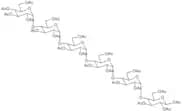
CAS:CO2-philic compound; used in pharmaceuticals and CO2-based processes
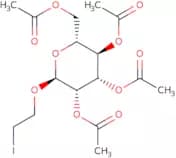
Fórmula:C76H102O51Pureza:Min. 90.0 Area-%Cor e Forma:White PowderPeso molecular:1,831.59 g/mol2-Iodoethyl 2,3,4,6-tetra-O-acetyl-α-D-mannopyranoside
CAS:2-Iodoethyl 2,3,4,6-tetra-O-acetyl-a-D-mannopyranoside is a high purity custom synthesis that can be modified with Click chemistry. It can be synthesized by modification of methylated glycosides and saccharides. This product has been shown to have a wide range of applications in the areas of fluorination, glycosylation, and methylation. The sugar moiety is an oligosaccharide made up of one or more monosaccharides (simple sugars) joined together by glycosidic bonds. This product is often found in complex carbohydrates such as glycogen and starch.
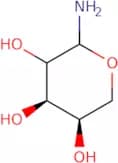
Fórmula:C16H23IO10Pureza:Min. 95%Cor e Forma:White to off-white solid.Peso molecular:502.25 g/molD-Lyxosylamine
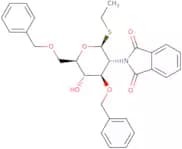
CAS:D-Lyxosylamine is a drug that has been shown to have anticancer activity against leishmania species. It inhibits the growth of the parasite by binding to the lectin, sialic, and glycoconjugates on the surface of cells. This inhibition leads to a blockage in the transport of glucose and amino acids, which are essential for cell growth and replication. D-Lyxosylamine has also been shown to have anti-leukemic effects, which may be due to its ability to kill lymphocytic leukemia cells. The drug was administered orally in a clinical trial with human volunteers in order to test its effectiveness against Leishmania major infections. D-Lyxosylamine administered at 50mg/kg/day for 28 days had no significant effect on Leishmania major infection rates.Fórmula:C5H11NO4Pureza:Min. 95%Cor e Forma:White PowderPeso molecular:149.1 g/molEthyl 3,6-di-O-benzyl-2-deoxy-2-N-phthalamido-β-D-thioglucopyranoside
CAS:Ethyl 3,6-di-O-benzyl-2-deoxy-2-N-phthalamido-β-D-thioglucopyranoside is a modification of 2,6 anhydro sugar. It is a white crystalline powder with a melting point of 142°C. This compound has been synthesized by the custom synthesis method and has been shown to be high purity. It has also been methylated and glycosylated. The molecular weight of this compound is 572.81 g/mol.Fórmula:C30H31NO6SPureza:Min. 95%Peso molecular:533.64 g/molD-Ribose-5-phosphate disodium salt hydrate
CAS:Precursor for the synthesis of nucleotides;Fórmula:C5H9Na2O8PCor e Forma:White Yellow PowderPeso molecular:274.07 g/mol1-O-Acetyl-2-azido-2-deoxy-3,4-di-O-benzyl-6-O-benzoyl-D-glucopyranose
This compound is a custom synthesis of 1-O-acetyl-2-azido-2-deoxy-3,4-di-O-benzyl-6-O-benzoylglucopyranose. It is a synthetic carbohydrate that is used in the modification of saccharides and oligosaccharides. This product has been fluorinated to allow for fluorescence detection and click chemistry applications. It is a white solid with a melting point of 105 degrees Celsius. The CAS number for this compound is 15148344.
Fórmula:C29H29N3O7Pureza:Min. 95%Peso molecular:531.56 g/mol(5R, 8S, 9R) -8- [(4R) - 2, 2- Dimethyl- 1, 3- dioxolan- 4- yl] - 9- hydroxy- 2, 2- dimethyl- 1, 3, 7- trioxaspiro[4.4] nonan- 6- on e
(5R, 8S, 9R) -8- [(4R) - 2, 2- Dimethyl- 1, 3- dioxolan- 4- yl] - 9- hydroxy- 2, 2- dimethyl- 1, 3, 7- trioxaspiro[4.4] nonan- 6- on e is a synthetic and fluorinated glycosylation product of an oligosaccharide with a methyl group at the C5 position. It has been shown to have excellent purity and stability in the presence of water.Pureza:Min. 95%6-Deoxy-L-altritol
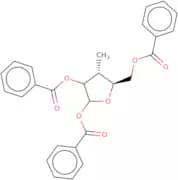
6-Deoxy-L-altritol is a carbohydrate that belongs to the class of saccharides. It is a synthetic carbohydrate, and its structure is similar to that of D-mannitol. 6-Deoxy-L-altritol can be used for medical purposes as it inhibits bacterial growth and is an anti-inflammatory agent. 6-Deoxy-L-altritol has been modified with fluorine atoms to give it potent antibacterial activity against Gram negative bacteria, such as Salmonella typhi, Escherichia coli, and Pseudomonas aeruginosa. This modification also makes 6-deoxy L-altritol stable at high temperatures and resistant to acid hydrolysis.Pureza:Min. 95%1,2,5-Tri-O-benzoyl-3-methyl-D-xylofuranose
CAS:1,2,5-Tri-O-benzoyl-3-methyl-D-xylofuranose is a triol that is a methyl glycoside of 3,4,6-trihydroxybenzoic acid. It is an important building block in the synthesis of various saccharides and oligosaccharides. This product is often used as a precursor in the modification of saccharides to produce new products with different properties. This molecule has been shown to be resistant to degradation by enzymes such as glycosidases and oxidases. 1,2,5-Tri-O-benzoyl-3-methyl-D-xylofuranose can also be fluorinated or modified with other chemical groups. 1,2,5-Tri -O -benzoyl -3 -methyl -D -xylofuranose may be available from one or more custom synthesis providers.Fórmula:C27H24O7Pureza:Min. 95%Peso molecular:460.48 g/molMethyl 4,6-O-(4-methoxybenzylidene)-2,3-di-O-pivaloyl-a-D-glucopyranoside
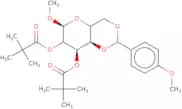
Methyl 4,6-O-(4-methoxybenzylidene)-2,3-di-O-pivaloyl-a-D-glucopyranoside is a methylated saccharide that is used as an intermediate in the synthesis of other saccharides. It is a custom synthesis that can be synthesized to high purity and with low cost. Methyl 4,6-O-(4-methoxybenzylidene)-2,3-di-O-pivaloyl-a-D-glucopyranoside has been modified with click chemistry to provide a variety of functional groups. This modification allows for the production of complex carbohydrates such as oligosaccharides and glycosylation products.Fórmula:C25H36O9Pureza:Min. 95%Peso molecular:480.56 g/molBlood Group A trisaccharide, N-aminoethyl nonanamide
CAS:Blood group antigen derivative for biochemical researchFórmula:C31H57N3O16Pureza:Min. 95 Area-%Cor e Forma:PowderPeso molecular:727.79 g/molGhatti gum
CAS:Gum ghatti is an exudate gum from the tree Anogeissus latifolia found in India and Sri Lanka. Applications are similar to Gum arabic in the food and pharmaceutical industries, where it is used as an emulsifier. The polysaccharide is reported to have an extremely complex structure which contains both oligosaccharides and polysaccharide elements. The polysaccharide contains Ara, Gal, Man, GlcA and Rha in a molar ratio of 61:39:6:10:6, a backbone of (1,6)-linked β-D-galactopyranosyl units and side chains of L-arabinofuranose units with some (1,4)-D-glucopyranosyluronic acid units, some joining (1,2)-D-mannopyranosyl units.Cor e Forma:Off-White PowderGalacturonan DP7/DP8 sodium
Mixed DP 7/8 Na galacturonans (α-1,4 galacturonoheptoses and octaoses), are derived from pectin or pectic acid, by enzymatic or partial acid hydrolysis. They are used in galacturonic acid metabolism research as a substrate to identify, differentiate, and characterized endo- and exopolygalacturonase(s), and gluconase(s). The addition of very short fragments of homogalacturonan oligosaccharides, restores development in dark-grown, de-etiolated seedling mutants, suggesting that they are unable to generate de-methylesterified pectin fragments. A model of spatiotemporally separated photoreceptive and signal-responsive cell types has been proposed, that contains overlapping subsets of the regulatory network of light-dependent seedling development.Pureza:Min. 95%Cor e Forma:Powder2-(2,3,6-Tri-O-acetyl-4-O-[(2,3,4,6-tetra-O-acetyl-a-D-glucopyranosyl)]-b-D-glucopyranosyl) thiopseudourea
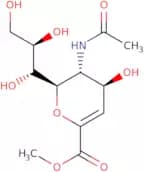
2-(2,3,6-Tri-O-acetyl-4-O-[(2,3,4,6-tetra-O-acetyl-a-D-glucopyranosyl)]-b-D-glucopyranosyl) thiopseudourea is a glycosylated oligosaccharide that has been modified using methylation and click chemistry. This compound has been used in the synthesis of various complex carbohydrates. The CAS number for this compound is 905835-79-8 and it can be custom synthesized to meet your needs.Fórmula:C27H38N2O17SPureza:Min. 95%Peso molecular:694.66 g/molN-Acetyl-2,3-dehydro-2-deoxyneuraminic acid methyl ester
CAS:N-Acetyl-2,3-dehydro-2-deoxyneuraminic acid methyl ester (NAD) is a natural product that is produced by the human body. NAD has been shown to induce apoptosis in cancer cells and modulate gene expression. This compound also plays a role in the development of stem cells, which are important for tissue regeneration. NAD has been shown to have therapeutic effects on paraplegia and angiogenesis. It also has anti-inflammatory properties that may be related to its ability to regulate mesenchymal stem cells.Fórmula:C12H19NO8Pureza:Min. 95%Cor e Forma:PowderPeso molecular:305.29 g/mol4'-O-(2-Acetamido-2-deoxy-3-O-(b-D-galactopyranosyl)-b-D-galactopyanosyl)-b-D-lactose
4'-O-(2-Acetamido-2-deoxy-3-O-(b-D-galactopyranosyl)-b-D-galactopyanosyl) -b-D-lactose is a modified saccharide that belongs to the group of polysaccharides. It has a CAS number and can be custom synthesized by our company. This product is classified as a carbohydrate, sugar, or synthetic. It can be used in click modification, modification, or glycosylation reactions. 4'-O-(2-Acetamido-2-deoxy-3-O-(b-D-galactopyranosyl)-b -D -galactopyanosyl) -b -D -lactose is also fluorinated with trifluoromethanesulfonic acid and can be used for complex carbohydrate synthesis.Fórmula:C26H45NO21Pureza:Min. 95%Cor e Forma:White PowderPeso molecular:707.63 g/molGlycyl-lacto-N-neodifucohexaose I
Glycyl-lacto-N-neodifucohexaose I is a synthetic carbohydrate that has been modified to include a fluorine atom. Glycyl-lacto-N-neodifucohexaose I is an oligosaccharide that belongs to the class of carbohydrates and is composed of glycosylated and methylated monosaccharides. This product can be custom synthesized for your specific needs.Fórmula:C40H69N3O29Pureza:Min. 95%Peso molecular:1,055.98 g/molLumiracoxib acyl-β-D-glucuronide
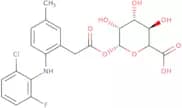
CAS:Produto ControladoLumiracoxib acyl-b-D-glucuronide is a synthetic compound that is a derivative of the nonsteroidal anti-inflammatory drug lumiracoxib. It has been shown to be effective as an inhibitor of inflammation and pain in animal models, with no significant toxic effects on the liver or kidney. Lumiracoxib acyl-b-D-glucuronide is a white powder that can be synthesized by glycosylation and modification of lumiracoxib. This compound is soluble in water and ethanol, but insoluble in ether.Fórmula:C21H21ClFNO8Pureza:Min. 95%Cor e Forma:White To Yellow SolidPeso molecular:469.84 g/mol4-Methoxyphenyl 3,6-di-O-benzyl-4-O-{2-O-acetyl-3-O-[3,6-di-O-benzyl-2,4-di-O-(3,4,6-tri-O-acetyl-2-deoxy-2-phthalimido-β-D-glucopyr anosyl)-α-D-mannopyranosyl]-6-O-[3,4-di-O-acetyl-2,6-di-O-(3,4,6-tri-O-acetyl-2-deoxy-2-phthalimido-β-D-glucopyranosyl
This product is a custom synthesis of an oligosaccharide. It is a complex carbohydrate that has been modified with methylation, glycosylation, and fluorination. It is synthesized from monosaccharides and saccharides. The CAS number for this product is _________________.Fórmula:C153H157N5O62Pureza:Min. 95%Peso molecular:3,057.88 g/mol(Z)-3-Hexen-1-yl b-D-glucopyranoside
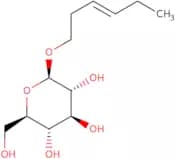
CAS:The chemical profile of the methyl ester (Z)-3-hexen-1-yl b-D-glucopyranoside has been determined using high performance liquid chromatography. The compound is an anti-fungal agent and its main pharmacological effects are related to radical scavenging activity. It shows possible neuropharmacological activity, but further studies are required to confirm this. The chemical profile of Z)-3-hexen-1-yl b-D-glucopyranoside was found to be different from that of other compounds in the genus. This compound belongs to a group of compounds called aldehydes, which is characterized by methoxy and dimethoxy substitutions on the benzene ring. The compound is used in traditional Chinese medicine for the treatment of scopolin or codonopsis radix, which are two types of chinese medicinal herbs.Fórmula:C12H22O6Pureza:Min. 95%Cor e Forma:PowderPeso molecular:262.30 g/molMuramic acid hydrate
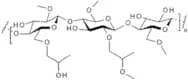
CAS:Muramic acid hydrate as an amino sugar with a carboxylic acid group. It occurs in nature as N-acetylmuramic acid which is typically found in cell wall of bacterial.Fórmula:C9H17NO7•(H2O)xPureza:Min. 95%Cor e Forma:White PowderPeso molecular:269.25 g/molHydroxypropyl cellulose - Average MW 370,000
CAS:In water, hydroxypropyl cellulose forms liquid crystals with many mesophases depending on concentration. These mesophases include isotropic, anisotropic, nematic and cholesteric, the latter resulting in many colors such as violet, green and red. Pharmaceutical applications include treatments for medical conditions such as dry eye syndrome (keratoconjunctivitis sicca), recurrent corneal erosions, decreased corneal sensitivity, exposure and neuroparalytic keratitis. It is also used as a binder in tablets. Hydroxypropylcellulose is also used as a thickener, a binder and emulsion stabiliser in foods with E number E463. HPC is used as a support matrix for DNA separations by capillary and microchip electrophoresis.Pureza:Min. 95%Cor e Forma:Powderb-D-Galactopyranosyl azide
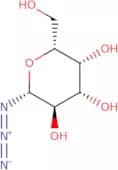
CAS:b-D-Galactopyranosyl azide is a fluorescent probe that can be used to identify the presence of beta-glucosidase in muscle tissue. This compound is hydrolyzed by alpha-galactosidase and it is detectable under UV light, yielding a green fluorescence. The b-D-Galactopyranosyl azide has been shown to be able to differentiate between alpha-galactosidase and beta-glucosidase, which are both glycosidases, by measuring the rate of hydrolysis of the probe. This chemical can also be used as an indicator for detecting muscle glycogen in homogenates.Fórmula:C6H11N3O5Pureza:Min. 95%Cor e Forma:PowderPeso molecular:205.17 g/mol(S)-3,5-O-Benzylidene-D-xylono-1.4-lactone
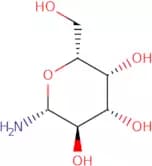
(S)-3,5-O-Benzylidene-D-xylono-1.4-lactone is a Custom synthesis, Modification, Fluorination, Methylation, Monosaccharide, Synthetic, Click modification of the polysaccharide glucuronic acid and a carbonyl group. It is also known as 3-(2-benzyloxyethoxy)propanoic acid or 3-(2-benzyloxyethoxy)propionic acid. The CAS number for this chemical is 63912-71-0. This chemical has been used in the preparation of oligosaccharides and saccharides with glycosylations. (S)-3,5-O-Benzylidene-D-xylono-1.4-lactone is an organic compound that belongs to the class of monosaccharides and polysaccharides. It has been shownPureza:Min. 95%β-D-Galactopyranosyl amine
CAS:Inhibitor of β-galactosidase
Fórmula:C6H13NO5Pureza:(¹H-Nmr) Min. 95 Area-%Cor e Forma:White PowderPeso molecular:179.17 g/mol1,2,3,4-Tetra-O-acetyl-D-galacturonic acid
CAS:1,2,3,4-Tetra-O-acetyl-D-galacturonic acid is a carbohydrate that belongs to the group of oligosaccharides and sugars. It is used as a synthetic intermediate in the production of complex carbohydrates and glycosylations. 1,2,3,4-Tetra-O-acetyl-D-galacturonic acid is also used as an active ingredient in some topical medications. The fluorination of this product leads to increased solubility and stability. It has been shown to be resistant to degradation by enzymes such as alpha amylase or beta amylase. This product can be customized for customers requirements with high purity and custom synthesis services.Fórmula:C14H18O11Pureza:Min. 95%Cor e Forma:PowderPeso molecular:362.29 g/mol6-Deoxy- 3, 5- O- [(R) - benzylidene] -L- mannonic acid g- lactone
6-Deoxy- 3, 5- O- [(R) - benzylidene] -L- mannonic acid g- lactone is an intermediate in the synthesis of a polysaccharide. It is also used as a click modification agent and can be used to synthesize oligosaccharides with custom modifications. This compound has been shown to be stable under high temperatures and gives high purity products after synthesis. The synthesis of this product can be done using only two steps and can be modified for glycosylation or fluorination.Pureza:Min. 95%Maltotetraose
CAS:Maltotetraose is the shortest chain oligosaccharide that can be classified as a maltodextrin. It’s a component of liquid glucose (a commercial sweetener composed of glucose, maltose, maltotriose and maltotetraose), used in bread-making industry.
Fórmula:C24H42O21Pureza:Min. 95 Area-%Cor e Forma:White PowderPeso molecular:666.58 g/mol3,4,6-Tri-O-acetyl-2-deoxy-D-glucopyranose
CAS:3,4,6-Tri-O-acetyl-2-deoxy-D-glucopyranose is a naturally occurring carbohydrate that is found in many plants. It can be used as a chiral building block for the synthesis of other compounds, such as atropisomers. The compound has two different stereoisomers that are related by rotation around the central C2' carbon. This stereoisomerism can be explained by the structural features of the molecule, including a phenyl ring and an atropisomeric relationship between the three hydroxyl groups on the glucose moiety. 3,4,6-Tri-O-acetyl-2-deoxyglucopyranose is stable to heat and acid treatment, but is hydrolyzed by esterases.Fórmula:C12H18O8Pureza:Min. 95%Cor e Forma:White PowderPeso molecular:290.27 g/molTrehalulose
CAS:Trehalulose is a sugar that is found in plants, animals, and fungi. It is a reaction product of glucose with the enzyme trehalase, which cleaves off two molecules of water to form one molecule of glucose and one molecule of trehalulose. Trehalulose has been shown to be an inhibitor of phosphofructokinase, an enzyme involved in glycolysis. This inhibition can be reversed by the addition of ATP or pyruvate kinase. Trehalulose also has been shown to inhibit the growth of cells by interfering with protein synthesis. Trehalulose may have biological functions including dietary uses as a replacement for sucrose or lactose due to its low calorie content and high level of sweetness.br>br> Trehalulose is structurally similar to sucrose because it has both a glucose part and a fructose part and it will react with hydrogen fluoride (HF) in dry weight reactions, forming trehalo-sFórmula:C12H22O11Pureza:Min. 90 Area-%Cor e Forma:Clear Viscous LiquidPeso molecular:342.3 g/mol3,6-Di-tert-butylmethylsilyl-γ-cyclodextrin
This gamma-cyclodextrin (γ-CD) derivative is a modified cyclic oligosaccharide composed of eight glucose units, featuring a larger cavity size than α- and β-cyclodextrins. This structural characteristic allows γ-CDs to form inclusion complexes with a wider range of guest molecules, making it particularly versatile in various industries. In the food sector, it is used as a carrier and stabilizer for flavors, fat-soluble vitamins, and polyunsaturated fatty acids, protecting volatile compounds from evaporation. In pharmaceuticals, it enhances the solubility and bioavailability of poorly water-soluble drugs and, thanks to its larger ring size, allows for the encapsulation of larger molecules or even entire drug molecules. γ-CDs and derivatives are also used for environmental remediation and, in analytical chemistry, for the extraction and concentration of target substances.Fórmula:C144H304O40SI16Pureza:Min. 95%Peso molecular:4,738.47 g/mol1,4-b-D-Mannotriose
CAS:Isolated from the partial acid and enzymic hydrolysates of several of the mannans, galactomannans and glucomannans. While the trisaccharide has been isolated from all of these sources the tetrasaccharide has only been isolated from ivory-nut mannan, white spruce (Picea glauca) and Pinus strobus glucomannans. Crystalline penta- and hexa-saccharides have been isolated from ivory-nut mannan hydrolysates.
Fórmula:C18H32O16Pureza:Min. 95 Area-%Cor e Forma:White PowderPeso molecular:504.44 g/mol3,5-Dimethyl-D-fructose
3,5-Dimethyl-D-fructose is a glycosylation product of 3,5-dimethoxy-4-hydroxybenzoic acid and D-glucose. It can be synthesized by the reaction of 3,5-dimethoxy-4-hydroxybenzoic acid with D-glucose in the presence of sodium cyanoborohydride. This product has been used as a reactant in click chemistry and as a fluorinating agent for saccharides. 3,5-Dimethyl-D-fructose is a custom synthesis that can be ordered in high purity at CAS No. 52674-57-6.br>br>
3,5 - Dimethyl - D - fructose
is an oligosaccharide that is used as an intermediate in the synthesis of other sugars. This product has been shown to have antiinflammatory properties due to its inhibition of prostaglandin synthesis.brPureza:Min. 95%
















![4-O-(2-Acetamido-2-deoxy-D-[UL-13C6]glucopyranosyl)-D-ribitol](/_next/image/?url=https%3A%2Fstatic.cymitquimica.com%2Fproducts%2F3D%2Fthumb-webp%2FOA44753.webp&w=3840&q=75)

![Hexahydro- 1, 2, 8- tris-acetoxy- [1S- (1a, 2a, 8a, 8ab) ]-5(1H) -indolizinone](/_next/image/?url=https%3A%2Fstatic.cymitquimica.com%2Fproducts%2F3D%2Fthumb-webp%2FMH163921.webp&w=3840&q=75)

![(5R, 8S, 9R) -8- [(4R) - 2, 2- Dimethyl- 1, 3- dioxolan- 4- yl] - 9- hydroxy- 2, 2- dimethyl- 1, 3…](/_next/image/?url=https%3A%2Fstatic.cymitquimica.com%2Fproducts%2F3D%2Fthumb-webp%2FMD170676.webp&w=3840&q=75)



![2-(2,3,6-Tri-O-acetyl-4-O-[(2,3,4,6-tetra-O-acetyl-a-D-glucopyranosyl)]-b-D-glucopyranosyl) thiops…](/_next/image/?url=https%3A%2Fstatic.cymitquimica.com%2Fproducts%2F3D%2Fthumb-webp%2FOT10963.webp&w=3840&q=75)



![6-Deoxy- 3, 5- O- [(R) - benzylidene] -L- mannonic acid g- lactone](/_next/image/?url=https%3A%2Fstatic.cymitquimica.com%2Fproducts%2F3D%2Fthumb-webp%2FMD163979.webp&w=3840&q=75)