Glicociência
Subcategorias de "Glicociência"
- Amino açúcares(108 produtos)
- Anticorpos Glico-Relacionados(282 produtos)
- Glicolípidos(46 produtos)
- Glicosaminoglicanos (GAGs)(55 produtos)
- Glicosídeos(419 produtos)
- Monossacáridos(6.624 produtos)
- Oligossacarídeos(3.682 produtos)
- Polissacáridos(504 produtos)
Foram encontrados 11047 produtos de "Glicociência"
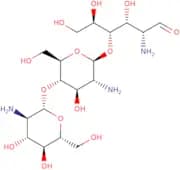
Chitotriose trihydrochloride
CAS:Chitotriose trihydrochloride is a modification of chitin, an oligosaccharide. Chitotriose trihydrochloride is a synthetic carbohydrate which is used as a raw material for the production of fibers, films, and adhesives. It can be used in the synthesis of complex carbohydrates such as starch and glycogen. Chitotriose trihydrochloride is a high purity carbohydrate with CAS No. 41708-93-4 that can be used to produce glycosylated proteins or polysaccharides.Fórmula:C18H35N3O13·3HClPureza:Min. 95 Area-%Cor e Forma:PowderPeso molecular:610.87 g/mol5-Azido-5-deoxy-1,2-O-isopropylidene-a-D-galactofuranose
5-Azido-5-deoxy-1,2-O-isopropylidene-a-D-galactofuranose is a synthetic sugar that can be modified to create oligosaccharide and polysaccharides. It has been used in click chemistry to modify proteins and other biomolecules. This product is used for fluorination of sugars, methylation of monosaccharides, and modification of saccharides with a variety of functional groups. 5-Azido-5-deoxy-1,2-O-isopropylidene-a-D galactofuranose is also used for the synthesis of complex carbohydrates. This product can be purchased in large quantities for custom synthesis orders.Pureza:Min. 95%D-Glucal
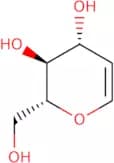
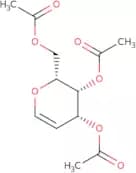
CAS:D-Glucal is a protonated d-glucal, which is a simple sugar. It reacts with the electron acceptor oxygen to form an oxidized product. This product can be reduced back to the original molecule by using a reducing agent, such as sodium borohydride or sodium dithionite. D-Glucal has been shown to inhibit the growth of tumor cells in mice that are resistant to other anticancer drugs. D-Glucal inhibits transcription and replication of DNA by binding to the DNA-dependent RNA polymerase and blocking its ability to transcribe messenger RNA (mRNA). The enzyme is also inhibited by glycosidic bond architectures that prevent it from binding to the DNA template strand. D-Glucal also has an effect on protein synthesis because it binds to proteins and prevents them from performing their normal functions. D-Glucal has been used as a model system for studying cellular processes in mammalian cells, such as oxidationFórmula:C6H10O4Pureza:Min. 98 Area-%Cor e Forma:White Off-White PowderPeso molecular:146.14 g/mol1,2,3,4-Tetra-O-acetyl-6-O-(2,3,4,6-tetra-O-acetyl-a-D-galactopyranosyl)-b-D-thioglucopyranose
CAS:A tetra-O-acetyl-6-O-(2,3,4,6-tetra-O-acetyl-a-D-galactopyranosyl)-b-D-thioglucopyranose is a 1,2,3,4 tetraol. It is synthesized by the modification of a disaccharide that has been modified with fluorine and methyl groups on the C1 and C4 positions of the sugar. The complex carbohydrate is a glycosylated sugar that is composed of one monosaccharide and one oligosaccharide. This product is CAS No. 1820574-50-2.Fórmula:C28H38O18SPureza:Min. 95%Peso molecular:694.66 g/molPhenyl 4,6-O-benzylidene-β-D-glucopyranoside
CAS:Phenyl 4,6-O-benzylidene-b-D-glucopyranoside is a white crystalline powder that belongs to the group of glycoconjugates. It has been made by the modification of glycosides and saccharides. This product can be used as a fluorination agent in organic synthesis, or as a click modification in carbohydrate chemistry. Phenyl 4,6-O-benzylidene-b-D-glucopyranoside can also be used for glycosylation reactions and methylation reactions.Fórmula:C19H20O6Pureza:Min. 95%Cor e Forma:White to off-white solid.Peso molecular:344.36 g/mol1,3-O-Benzylidene-4-O-trityl-D-threitol
CAS:1,3-O-Benzylidene-4-O-trityl-D-threitol is a carbohydrate that is modified with fluorine and contains a trityl group. It is used as a reagent in oligosaccharide synthesis, sugar modification, and glycosylation reactions. The compound can be custom synthesized to meet the desired specifications, such as high purity and low cost. The compound can also be methylated or glycosylated for custom synthesis.
Fórmula:C30H28O4Pureza:Min. 95%Peso molecular:452.54 g/mol1-O-Benzyl-2N, 3-O-carbonyl-α-L-sorbofuranosylamine
CAS:Apigenin is a flavone, which is a type of phenolic compound. It is one of the most widely distributed plant flavonoids found in nature. Apigenin has been shown to inhibit glucose uptake and intestinal transport in mice. Apigenin also has been shown to have anti-inflammatory properties, as well as the ability to suppress the growth of cancer cells in vitro. The expression of apigenin was observed after incubation with caco-2 cells and was upregulated when maltose was added to the media. Apigenin can be used as an additive for food products that are high in sugar content, such as cakes and cookies.Fórmula:C14H17NO6Pureza:Min. 95%Cor e Forma:Colourless LiquidPeso molecular:295.29 g/mol(1S) -1- [(2S, 3R,4R) -4-Hydroxymethyl-3- hydroxy- 1- azetidinyl] -1, 2- ethanediol
(1S) -1- [(2S, 3R,4R) -4-Hydroxymethyl-3- hydroxy- 1- azetidinyl] -1, 2- ethanediol is a synthetic sugar that can be used as a glycosylation or click modification agent. It is also used in the synthesis of complex carbohydrates. This product has been shown to have high purity and is available for custom synthesis.Pureza:Min. 95%2-Azido-2-deoxy-3,5-O-isopropylidene-D-xylono-1,4-lactone
2-Azido-2-deoxy-3,5-O-isopropylidene-D-xylono-1,4-lactone is a methylated saccharide that has been synthesized from D-xylonolactone. It has a CAS Number of 122758-81-6 and is available for custom synthesis. This molecule is a modified form of the natural product xyloglucan. It can be used as a glycosylation or fluorination reagent to create more complex carbohydrates. 2-Azido -2 deoxy -3,5 O -isopropylidene -D -xylono -1,4 lactone is prepared by the reaction of 2 moles of nitrous acid with 1 mole of D -xylonolactone in an organic solvent such as ethanol or acetone at room temperature. The product can then be purified by recrystallization from a mixture ofPureza:Min. 95%3,4,6-Tri-O-benzyl-D-galactal
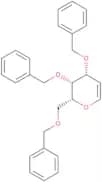
CAS:3,4,6-Tri-O-benzyl-D-galactal is a hydrogen bond donor and has been shown to have physiological activities. It was found to increase the number of lymphocytes in unimmunized mice. It also inhibits the growth of psoralea virus. The glycosidic bond between 3,4,6-tri-O-benzyl-D-galactal and glucose produces a product with an acetylated hydroxyl group and an aldehyde group. This type of bond is stereoselective and benzofuran derivatives are formed from the reaction. 3,4,6-Tri-O-benzyl-D-galactal has been shown to have anticancer activity against cancer cells in laboratory experiments.Fórmula:C27H28O4Pureza:Min. 95%Cor e Forma:White PowderPeso molecular:416.51 g/mol1-Amino-D-butane-2,3,4-triol
1-Amino-D-butane-2,3,4-triol is a custom synthesis of 1,2,3,4-1-amino butane. It has been modified with fluorination and methylation. This product has a CAS number of 20897-16-0. The molecular weight is 152.17 g/mol and the molecular formula is C6H11NO3. This product is a synthetic compound that consists of monosaccharides and oligosaccharides. The glycosylation is Oligosaccharide and saccharide. It can be found in the carbohydrate category as it contains complex carbohydrates.
Pureza:Min. 95%2-Acetamido-2-deoxy-D-lyxojirimycin
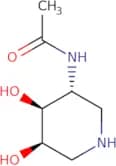
CAS:2-Acetamido-2-deoxy-D-lyxojirimycin is a carbohydrate that is modified by fluorination, methylation, glycosylation, and click modification. The compound is a synthetic monosaccharide that is used in the synthesis of complex carbohydrates. 2-Acetamido-2-deoxy-D-lyxojirimycin has CAS number 1207673-74-2 and can be custom synthesized to meet your requirements for purity and quality.Fórmula:C7H14N2O3Pureza:Min. 95%Peso molecular:174.2 g/mol3,4,6-Tri-O-acetyl-D-galactal - non-animal origin
CAS:Building block for synthesis of oligosaccharidesFórmula:C12H16O7Pureza:Min. 98 Area-%Cor e Forma:White PowderPeso molecular:272.25 g/mol1,3,4,6-Tetra-O-acetyl-2-azido-2-deoxy-b-D-galactopyranose
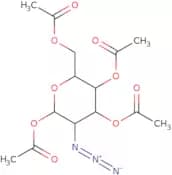
CAS:1,3,4,6-Tetra-O-acetyl-2-azido-2-deoxy-b-D-galactopyranose (TAZ) is an aromatic heterocyclic sugar compound that is used in pharmaceutical formulations. It has low toxicity and can be synthesized using a number of methods. TAZ has been shown to have antifungal effects against Candida albicans and antitumor effects against cancer cells. TAZ also inhibits the activity of teniposide, which is a drug used for the treatment of leukemia. TAZ may be effective against cancer cells by acting as an amido donor and changing the conformation of the cyclic peptide.Fórmula:C14H19N3O9Pureza:Min. 95%Cor e Forma:PowderPeso molecular:373.32 g/mol2,3:4,6-Di-O-isopropylidene-α-L-sorbofuranose
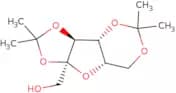
CAS:2,3:4,6-Di-O-isopropylidene-α-L-sorbofuranose is a furanose sugar that is structurally similar to sorbose. It is a five membered ring with two stereocenters. The conformation of this molecule encompasses the techniques of dialkyl and furanose synthesis. This compound can be used as a vitamin and can be degraded by ozonation in water. 2,3:4,6-Di-O-isopropylidene-α-L-sorbofuranose is biodegradable and has been shown to have antiinflammatory properties.Fórmula:C12H20O6Pureza:Min. 95%Cor e Forma:White PowderPeso molecular:260.28 g/molIsomaltitol
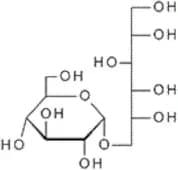
CAS:Bulk sweetener; viscosity/bodying agent; humectant; cryoprotectant
Fórmula:C12H24O11Pureza:Min. 95%Cor e Forma:White SolidPeso molecular:344.31 g/molD-Maltose monohydrate
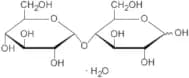
CAS:Maltose (or malt sugar) is produced by the action of α-and β-amylase on starch. Maltose is an intermediate in the intestinal digestion (i.e. hydrolysis) of glycogen and starch and is found in germinating grains (and other plants and vegetables). Maltose-containing syrups are used in the brewing, baking, soft drink, canning, confectionery, and other food industries (Collins, 2006). Maltose is also used in affinity purification of proteins using MBP-fused protein constructs. Herein, maltose is added to an elution buffer causing release of the MBP-fused protein from the resin.Fórmula:C12H24O12Peso molecular:360.32 g/molGala1-3Galb1-4GlcNAc-O-L-serine
Gala1-3Galb1-4GlcNAc-O-L-serine is a Custom synthesis, Modification, Fluorination, Methylation, Monosaccharide, Synthetic, Click modification, Oligosaccharide, saccharide. The CAS number for this product is . It has been created by the process of Glycosylation. This product is a Carbohydrate and a Polysaccharide. The molecular weight of this product is .Pureza:Min. 95%Deferiprone 3-O-β-D-glucuronide
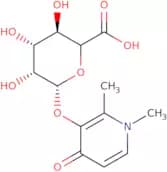
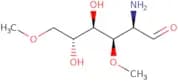
CAS:Deferiprone 3-O-b-D-glucuronide is a modification of deferiprone. It is synthesized by methylation, glycosylation, and polysaccharide modification with fluorine. Deferiprone 3-O-b-D-glucuronide is monosaccharide in nature and has high purity and custom synthesis.Fórmula:C13H17NO8Pureza:Min. 95%Cor e Forma:Light (Or Pale) Yellow SolidPeso molecular:315.28 g/mol2-Amino- 2- deoxy- 3, 6- di- O- methyl-D- glucose
CAS:2-Amino- 2-deoxy-3,6-di-O-methyl-D-glucose is a modified saccharide that is synthesized by the coupling of two amino acids: an alpha amino group and a beta hydroxyl group. It is also known as N-[2,6-bis(1,1-dimethylethyl)amino]-2,3,4,5,6 tetrahydrobenzofuran with the CAS number 25521-11-3. This compound can be custom synthesized to meet specific requirements. It has been used in research on glycosylation reactions and methylation reactions.Fórmula:C8H17NO5Pureza:Min. 95%Peso molecular:207.22 g/molGlobo-N-tetraose GEL
Immobilised on Fractogel with glycosylamine formation of the monosaccharidePureza:Min. 95%(2S,3S,4R)-2,4-bis(hydroxymethyl)pyrrolidine-3,4-diol
CAS:(2S,3S,4R)-2,4-bis(hydroxymethyl)pyrrolidine-3,4-diol is a synthetic glycosylation product with a purity of 99% or higher. It is a white powder that can be used in the synthesis of complex carbohydrates and polysaccharides. (2S,3S,4R)-2,4-bis(hydroxymethyl)pyrrolidine-3,4-diol has been modified to include fluorination and saccharide modification. Its CAS number is 1322748-90-2. This product can be custom synthesized to meet your specifications.Fórmula:C6H13NO4Pureza:Min. 95%Peso molecular:163.17 g/mol2-Azido-2-deoxy-3,4:5,6-di-O-isopropylidene-D-idonic acid methyl ester
2-Azido-2-deoxy-3,4:5,6-di-O-isopropylidene-D-idonic acid methyl ester is an oligosaccharide that is synthesized by the click reaction. It is a fluorinated carbohydrate and can be modified for glycosylation. The compound has high purity and is suitable for modification with azido groups. CAS Number: 570181-97-8
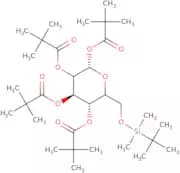
Pureza:Min. 95%6-O-tert-Butyldimethylsilyl-1,2,3,4-tetra-O-pivaloyl-b-D-galactopyranose
6-O-tert-Butyldimethylsilyl-1,2,3,4-tetra-O-pivaloyl-b-D-galactopyranose is an oligosaccharide that is synthesized through a complex carbohydrate. This product has a CAS No. and is not natural. It is a modification of the sugar galactose and can be methylated or glycosylated. This product has high purity and can be used as a custom synthesis.Fórmula:C32H58O10SiPureza:Min. 95%Peso molecular:630.9 g/mol2-Allyloxycarbonylamino-1,6-anhydro-2-deoxy-b-D-glucopyranose
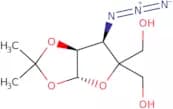
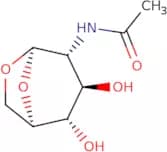
2-Allyloxycarbonylamino-1,6-anhydro-2-deoxy-b-D-glucopyranose is a synthetic saccharide that has been modified with 2,5-difluoroacetophenone. This modification generates a fluorine atom at the C2 position of the glucose ring. The synthesis of this compound is performed by custom synthesis for Click chemistry. The desired reaction product is obtained in high purity and with good yield. The chemical formula for 2,5-difluoroacetophenone is C8H7F3O2 and the molecular weight is 191.19 g/mol. 2,5-Difluoroacetophenone has been shown to be an efficient reagent in glycosylation reactions because it can react selectively with primary alcohols and amines without affecting other functional groups present in the molecule. In addition, 2,5-difluoroacetophenonePureza:Min. 95%3-Azido-3-deoxy-4-hydroxymethyl-1,2-O-isopropylidene-a-D-ribofuranose
CAS:Carbohydrate building blockFórmula:C9H15N3O5Pureza:Min. 95%Cor e Forma:PowderPeso molecular:245.23 g/molα-Chloralose (max. 20% β-anomer)
CAS:Alpha-Chloralose (max. 20% beta-anomer) is a chemical compound primarily used as a sedative and for rodent control. It is synthesized through a chemical reaction involving glucose and chloral, creating a substance with unique physiological properties. Its mode of action primarily involves depressing the central nervous system, leading to reduced responsiveness and hypothermia in targeted organisms. Alpha-Chloralose induces symptoms that facilitate its application as a tranquilizer, particularly in small mammals and birds during scientific research. Additionally, due to its efficacy in lowering metabolic rates, it is utilized as a rodenticide. Within this context, it serves to humanely control rodent populations by inducing hypothermic conditions, leading to a humane death. Its dual functionality—both as a sedative and a rodenticide—makes it a versatile tool in scientific research and pest management. The specification of a maximum 20% beta-anomer content ensures a standardized formulation, enhancing its reliability and consistency for experimental and practical applications.
Fórmula:C8H11Cl3O6Peso molecular:309.53 g/molRef: 3D-C-3305
1kgA consultar5kgA consultar10kgA consultar25kgA consultar2500gA consultar-Unit-kgkgA consultarL-Allose
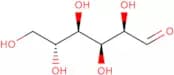
CAS:L-Allose is a monosaccharide that has the chemical formula HOCH(OH)CH(OH)CHO. L-Allose is a stereoisomer of D-allose, which differs in the orientation of the hydroxyl group on its asymmetric carbon atom. L-Allose can be produced by condensation of glucose and galactose, or by hydrogenation of allulose. The enzyme immobilized on alumina catalyzes the synthesis in high yield. L-Allose has been used as a carbon source for molecular modeling studies and as an enzymatic reaction substrate in sugar alcohols production.Fórmula:C6H12O6Pureza:Min. 95%Cor e Forma:White PowderPeso molecular:180.16 g/molFucoidan, macrocystis pyrifera
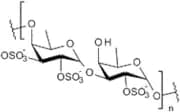
CAS:A fucan sulphate found in brown marine algae (Phaeophyta-typically Fucus vesiculotus, Ascophyllum nodosum, Alaria and Macrocystis pyrifyra (illustrated) and has been shown to have anticoagulant activity. The main constituents are α-1,4 and α-1,2 linked L-fucose sulphates, although galactose also occurs and there are many variations of the basic structure found in different species of Phaeophyta.
The fucose content of this fucan is approx. 31% and it also contains galactose (approx. 2.2%), uronic acid (approx. 12.4%) and sulfate (approx. 32.5%).
The image was kindly provided by Prof Mike Guiry from Cork who runs ‘The Seaweed Site’.Pureza:Min. 95%Cor e Forma:White PowderD-Mannose
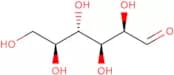
CAS:Used to differentiate microorganisms based on their metabolic properties.Fórmula:C6H12O6Pureza:Min. 99.5 Area-%Peso molecular:180.16 g/molRef: 3D-M-1000
1kgA consultar50gA consultar5kgA consultar500gA consultar2500gA consultar-Unit-kgkgA consultarα-D-Galactopyranosyl phenylisothiocyanate
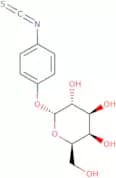
CAS:a-D-Galactopyranosyl phenylisothiocyanate is a compound that is used in the synthesis of saccharides and oligosaccharides. It reacts with a variety of sugars, including glucose, sucrose, maltose and lactose, to produce methylated derivatives. This reagent is also useful for the synthesis of glycosides. The product can be used in custom synthesis or as a fluorinated carbohydrate.
Fórmula:C13H15NO6SPureza:Min. 95%Cor e Forma:Off-White SolidPeso molecular:313.33 g/mol2-Acetamido-3,4,6-tri-O-acetyl-2-deoxy-β-D-glucopyranosyl azide
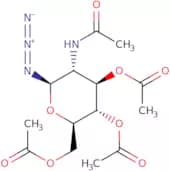
CAS:2-Acetamido-3,4,6-tri-O-acetyl-2-deoxy-β-D-glucopyranosyl azide is a custom synthesis that is a complex carbohydrate. It is a glycosylation product of 2,3,4,6-tetraacetyl α--D--glucose and 2,3,6 -tri--O--acetyl--2--deoxy--β--D--glucopyranose. This compound has been modified by Click chemistry with 4-(dimethylamino)pyridine (DMAP). The modification has produced an acetamido group at the C2 position of the glucopyranoside moiety. The compound is available in high purity for research purposes.Fórmula:C14H20N4O8Pureza:Min. 95%Cor e Forma:White PowderPeso molecular:372.33 g/molSialyl Lewis A (Slea)-BSA
Sialyl Lewis A (Slea)-BSA is a glycoprotein that has been modified with fluorination and methylation. These modifications have been shown to enhance the binding of Sialyl Lewis A (Slea)-BSA to CD22, a cell-surface protein that is expressed on B cells. In addition, the modification of Slea-BSA with Click chemistry has been shown to increase its stability in plasma. This product may be custom synthesized to suit your needs.Cor e Forma:PowderVerbascose
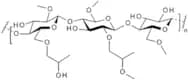
CAS:Immunomodulatory pentasaccharide; prebioticFórmula:C30H52O26Pureza:Min. 95 Area-%Cor e Forma:White PowderPeso molecular:828.72 g/molMethyl cellulose - viscosity ca 15cP
CAS:Methyl cellulose is a water-soluble polymer that is used as a binder or thickener in pharmaceutical, food, and ceramic processing applications. Methylcellulose has an unusual lower critical solution temperature (LCST) between 40 °C and 50 °C. At temperatures below the LCST it is readily soluble in water; above the LCST it is not soluble, which has a paradoxical effect that heating a saturated solution of methylcellulose will turn it solid, because methylcellulose will precipitate out. The temperature at which this occurs depends on DS-value, with higher DS-values giving lower solubility and lower precipitation temperatures because the polar hydroxyl groups are masked.
Cor e Forma:White Powder6-O-Trityl-D-mannopyranose
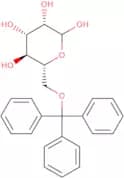
CAS:6-O-Trityl-D-mannopyranose is a modified sugar that has been synthesized for use as a glycosylation agent. It is an O-glycoside of mannose and is usually used in the synthesis of complex carbohydrates. 6-O-Trityl-D-mannopyranose can be fluorinated, methylated, or click modified to produce desired derivatives. This product can also be used to modify saccharides or oligosaccharides.Fórmula:C25H26O6Pureza:Min. 95%Cor e Forma:PowderPeso molecular:422.47 g/mol2a,3b,19a-trihydroxyurs-12-en-28-oic acid 28-b-D-glucopyranosyl ester
2a,3b,19a-trihydroxyurs-12-en-28-oic acid 28-b-D-glucopyranosyl ester is a glycosylated complex carbohydrate that can be methylated, fluorinated, or custom synthesized. It is typically used as an intermediate in the synthesis of polysaccharides, saccharides and oligosaccharides.Pureza:Min. 95%(Piperidine-2,6-dione-4-yl) b-D-ribofuranoside
Methylation of a saccharide is the covalent addition of a methyl group to one of the hydroxyl groups. This process may be achieved through an electrophilic substitution reaction with a methylating agent such as dimethyl sulfate. In the case of polysaccharides, this process can be carried out in vitro using enzymes called glycosyltransferases. The mechanism for glycosyltransferase-mediated methylation was elucidated by Michaelis and Menten in 1913.Pureza:Min. 95%Glycogen, ex oyster
CAS:Please enquire for more information about Glycogen, ex oyster including the price, delivery time and more detailed product information at the technical inquiry form on this pageFórmula:(C6H10O5)n2-Acetamido-6-O-(a-2-N-acetylneuraminyl)-2-deoxy-a-D-galactopyranosyl serine
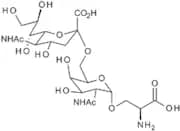
CAS:2-Acetamido-6-O-(a-2-N-acetylneuraminyl)-2-deoxy-a-D-galactopyranosyl serine is a monosaccharide sugar that is the terminal sugar at the nonreducing end of the glycosidic linkage in gangliosides. It has been shown to be a marker for colorectal adenocarcinoma and may be used as a prognostic marker. 2-Acetamido-6-O-(a-2-N-acetylneuraminyl)-2-deoxy--aDgalactopyranosyl serine, along with other gangliosides, has been found to be elevated in maternal blood and human serum during bowel diseases such as ulcerative colitis. This molecule has also been shown to have structural similarities to antigens that are associated with infectious diseases such as malaria.Fórmula:C22H37N3O16Pureza:Min. 95 Area-%Cor e Forma:White PowderPeso molecular:599.54 g/molHyaluronic acid potassium, from bacteria
CAS:Please enquire for more information about Hyaluronic acid potassium, from bacteria including the price, delivery time and more detailed product information at the technical inquiry form on this pageMonoacetyl-a-cyclodextrin
Alpha-cyclodextrin (α-CD) derivative with a hydrophilic exterior and lipophilic cavity (smaller than β-CDs and γ-CDs) to allocate certain guest molecules. This structural characteristic enables applications in molecular encapsulation, solubility enhancement, and stabilization across multiple industries. In pharmaceuticals, it serves as a drug delivery vehicle, enhancing the bioavailability and stability of active ingredients. The food industry utilizes it as a stabilizer for flavors, colors, and nutrients, as well as a functional ingredient for its effects on lipid metabolism. In cosmetics, it acts as a complex agent for fragrances and active components. Its applications extend to analytical chemistry for chiral separation and to materials science for developing smart materials and nanosystems.Fórmula:C48H72O36Pureza:Min. 95%Peso molecular:1,225.06 g/mol5-Keto-D-gluconic acid potassium salt
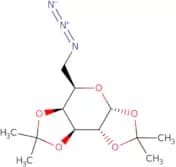
CAS:5-Keto-D-gluconic acid potassium salt is a custom synthesis of 5-keto-D-gluconic acid, which is a monosaccharide. It is modified with fluorination and methylation at the C5 position. The chemical formula for 5-keto-D-gluconic acid potassium salt is C6H7O6K2. This compound has been used in the synthesis of oligosaccharides, saccharides, and polysaccharides.Fórmula:C6H9KO7Pureza:Min. 99.0%Peso molecular:232.23 g/mol6-Azido-6-deoxy-1,2:3,4-di-O-isopropylidene-a-D-galactopyranose
CAS:6-Azido-6-deoxy-1,2:3,4-di-O-isopropylidene-a-D-galactopyranose is a copper complex that is soluble in water. It is used as an initiator for the polymerization of galactose monomers. 6AIDOGAL reacts with azide or diazo compounds to form a cycloaddition reaction and can be used to prepare copolymers by reacting with other monomers such as D-glucose. The temperature range for this reaction is between 20°C and 100°C. This compound has been shown to form stable complexes with Cu(II) ions at temperatures below 0°C.Fórmula:C12H19N3O5Pureza:Min. 98 Area-%Cor e Forma:Colorless Clear LiquidPeso molecular:285.3 g/molN-Butyl-1-deoxy-2-fluoronojirimycin
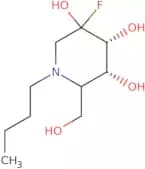
CAS:N-Butyl-1-deoxy-2-fluoronojirimycin is a high purity, custom synthesis, sugar modified, fluorination and glycosylation compound. It is a synthetic compound that has been shown to have potential as a cancer therapeutic agent. It is also used as a reagent in the synthesis of glycosides and oligosaccharides. N-Butyl-1-deoxy-2-fluoronojirimycin's CAS number is 2200278-70-0.Fórmula:C10H20FNO4Pureza:Min. 95%Cor e Forma:PowderPeso molecular:237.27 g/molCarboxymethyl-dextran sodium salt 20-30% COOH - Average molecular weight 40000
CAS:Drug carrier for cancer therapy & imaging, biocompatible, soluble, biodegradableCor e Forma:Powder1,2,3,4-Tetra-O-acetyl-6-O-triisopropylsilyl-b-D-galactopyranose
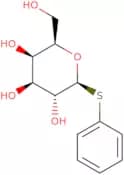
1,2,3,4-Tetra-O-acetyl-6-O-triisopropylsilyl-b-D-galactopyranose is a carbohydrate modified with fluorine and is a member of the saccharide family. It is a synthetic sugar that can be custom synthesized to produce high purity and high quality products. This product has been used in glycosylation reactions and click chemistry modifications.Fórmula:C23H40O10SiPureza:Min. 95%Peso molecular:504.66 g/molPhenyl β-D-thiogalactopyranoside
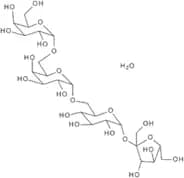
CAS:Phenyl β-D-thiogalactopyranoside is a selective inhibitor of galectin-3, which mediates the growth and metastasis of cancer cells. Phenyl β-D-thiogalactopyranoside has been shown to inhibit the binding of galectin-3 to its receptor on cancer cells, thereby blocking the activation of signaling pathways that promote cell proliferation and survival. The crystalline form can be used as a reagent for the determination of glucose in aqueous solutions.Fórmula:C12H16O5SPureza:Min. 95%Cor e Forma:White Off-White PowderPeso molecular:272.32 g/molStachyose hydrate - 80%
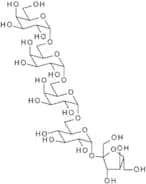
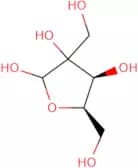
CAS:Non-reducing storage and transport sugar in woody plants; used as a sweetenerFórmula:C24H42O21•(H2O)xPureza:Min. 80 Area-%Cor e Forma:PowderPeso molecular:684.59 g/mol2-C-Hydroxymethyl-D-ribose
CAS:2-C-Hydroxymethyl-D-ribose is a sugar that has been found in the cell wall of Mycobacterium tuberculosis. It is also found in some other bacteria, such as Streptomyces coelicolor. 2-C-Hydroxymethyl-D-ribose may be involved in the synthesis of glycan and may have a role in the molybdenum cofactor biosynthesis pathway. This molecule has been shown to have acidic properties, which are most likely due to its hydroxyl groups. The 13C NMR spectrum for this compound shows three peaks at δ H = 138.2, 144.3, and 154.5 ppm corresponding to the ribofuranoside moiety. The skeleton of this molecule was rationalized by attaching an acetaldehyde group to the 2'-hydroxyl group on position C2 of ribose, which is consistent with the observed 13C NMR spectrum. This molecule has
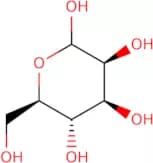
Fórmula:C6H12O6Pureza:(Hplc) Min. 98%Cor e Forma:White PowderPeso molecular:180.16 g/molHydroxypropyl cellulose - Average MW 50,000 - 1250,000
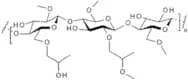
CAS:In water, hydroxypropyl cellulose forms liquid crystals with many mesophases depending on concentration. These mesophases include isotropic, anisotropic, nematic and cholesteric, the latter resulting in many colors such as violet, green and red. Pharmaceutical applications include treatments for medical conditions such as dry eye syndrome (keratoconjunctivitis sicca), recurrent corneal erosions, decreased corneal sensitivity, exposure and neuroparalytic keratitis. It is also used as a binder in tablets. Hydroxypropylcellulose is also used as a thickener, a binder and emulsion stabiliser in foods with E number E463. HPC is used as a support matrix for DNA separations by capillary and microchip electrophoresis.Pureza:Min. 95%Cor e Forma:Clear LiquidD-Cellotetraose tetradecaacetate
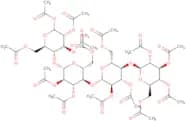
CAS:D-Cellotetraose tetradecaacetate is a complex carbohydrate that consists of a single sugar, D-cellotetraose. It is made up of four glucose molecules attached to each other by glycosidic bonds. The modification of this carbohydrate can be done by methylation and glycosylation. The synthesis of this molecule can be custom-made, as it is not found in nature. This product is high purity and has a CAS number: 83058-25-7.Fórmula:C52H70O35Pureza:Min. 98 Area-%Cor e Forma:PowderPeso molecular:1,255.09 g/mol1,3,4,6-Tetra-O-acetyl-N-azidoacetylgalactosamine
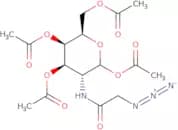
CAS:1,3,4,6-Tetra-O-acetyl-N-azidoacetylgalactosamine is an azido-tagged analogue of N-acetylgalactosamine. It features azide functionality on the N-acyl side chain and is acetylated to aid in cell membrane permeation. It is metabolised by mammalian cells and incorporated into mucin-type-O-linked glycoproteins. The azide functionality is exploited as a biorthogonal functional group that can be reacted with phosphine probes by the Staudinger ligation.Fórmula:C16H22N4O10Pureza:Min. 95 Area-%Cor e Forma:White Off-White PowderPeso molecular:430.37 g/mol1-Cyano-1-methylethyl b-D-glucopyranosiduronic acid
CAS:1-Cyano-1-methylethyl b-D-glucopyranosiduronic acid (1CMEG) is a synthetic monosaccharide that has been modified with fluorination. It is an oligosaccharide, which is a complex carbohydrate made up of many sugar molecules. The CAS number for 1CMEG is 78662-58-5. This product can be custom synthesized to meet customer specifications and needs. It has been shown to have glycosylation and polysaccharide properties, and it can be modified with methylation or sugar binding. This product's purity level is high, making it ideal for use in pharmaceuticals or other applications where purity matters.Fórmula:C10H15NO7Pureza:Min. 98 Area-%Cor e Forma:PowderPeso molecular:261.23 g/mol2-Acetamido-1,3,4,6-tetra-O-acetyl-2-deoxy-a-D-glucopyranose
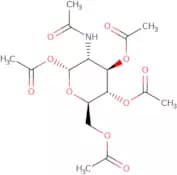
CAS:2-Acetamido-1,3,4,6-tetra-O-acetyl-2-deoxy-a-D-glucopyranose (2AAT) is a synthetic nucleoside that binds to the same sequence of n-acetylgalactosamine in the cell wall of Gram positive bacteria. It was found to be effective against bacterial strains that produce beta lactamase enzymes. 2AAT has been shown to inhibit the growth of Gram positive bacteria and is able to penetrate tissues. It also prevents bacterial DNA gyrase and topoisomerase IV from binding with their respective substrates. 2AAT is made up of four parts: two ribose molecules, one deoxyribose molecule and one acetamido group. This last part is what makes it bind to the bacterial cell wall and inhibits protein synthesis by preventing mRNA from being translated into proteins.Fórmula:C16H23NO10Pureza:Min. 98 Area-%Cor e Forma:White PowderPeso molecular:389.36 g/molCarboxymethyl-β-cyclodextrin
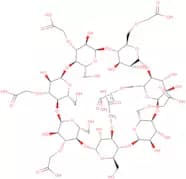
CAS:This beta-cyclodextrin (β-CD) derivative is a functionalized cyclic oligosaccharide composed of seven glucose units, characterized by a hydrophilic exterior and a lipophilic cavity (bigger than α-CD and smaller than γ-CDs), which allows it to encapsulate various guest molecules. This structural feature facilitates its use in multiple applications, including pharmaceuticals, food enhancement, and cosmetics. In the pharmaceutical industry, it enhances the solubility and stability of poorly water-soluble drugs, improving their bioavailability and efficacy while also masking unpleasant tastes. The food sector utilizes it as a stabilizer for flavors, colors, and nutrients, extending shelf life by protecting sensitive ingredients from degradation. In cosmetics, it serves as a complexing agent for fragrances and active components, ensuring their stability and controlled release. Its use expands to many other fields, including nanotechnology for drug delivery systems, environmental remediation for extracting organic pollutants, textiles for slow-release fragrances, and analytical chemistry for chiral separation.Fórmula:C56H84O49Pureza:Min. 95%Peso molecular:1,541.24 g/molHyaluronate rhodamine - Molecular Weight - 10kDa
Hyaluronate rhodamine is a fluorescent dye that is used in molecular biology to visualize the distribution of intracellular glycoconjugates. It is a water-soluble, cationic dye that binds to negatively charged saccharides and glycosaminoglycans. The dye fluoresces when bound to these molecules, making it useful for detecting the distribution of glycoproteins in cells. Hyaluronate rhodamine can be used as a marker for carbohydrate-rich tissues such as cartilage, synovial fluid, and vitreous humor. This dye can also be used to detect glycoconjugates on the surface of cells and in extracellular spaces.Pureza:Min. 95%Lactosylsphingosine
CAS:Intermediate degradation product of lyso-GM3Fórmula:C30H57NO12Pureza:Min. 95%Cor e Forma:PowderPeso molecular:623.77 g/mol1-Amino-2,4-O-benzylidene-D-butane-2,3,4-triol
1-Amino-2,4-O-benzylidene-D-butane-2,3,4-triol is a custom synthesis. This compound is an oligosaccharide that has been modified with methylation, glycosylation, and click modification. Carbohydrate molecules are saccharides that have a sugar as their backbone. Saccharides can be classified as monosaccharides (simple sugars) or polysaccharides (complex carbohydrates). This compound is a high purity synthetic that has been fluorinated and has undergone glycose chemistry to produce a desired product.Pureza:Min. 95%1,2,3,4,6-Penta-O-acetyl-b-D-glucopyranose
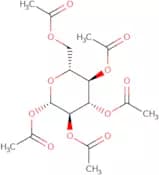
CAS:1,2,3,4,6-Penta-O-acetyl-b-D-glucopyranose, also known as beta-D-glucose pentaacetate, has high chemical stability and long shelf life. This protected form of glucose is a key building block of any chemical synthesis of glucose-containing oligosaccharides or glycoconjugates. In the presence of Lewis acids it can be used as a glycosyl donor to make simple glycosides. In order to perform more complex glycosylations, it can be converted into more reactive donors, such as glycosyl halides or thioglycosides. Beta-D-glucose pentaacetate is also used as a food additive and flavouring agent.Fórmula:C16H22O11Pureza:Min. 97.5 Area-%Cor e Forma:White PowderPeso molecular:390.34 g/molGloboisotetraose
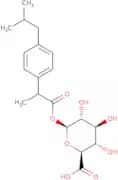
CAS:a1-3 linked isomer of globotetraoseFórmula:C26H45NO21Pureza:Min. 90%Cor e Forma:PowderPeso molecular:707.63 g/molIbuprofen acyl-b-D-glucuronide
CAS:Ibuprofen acyl-b-D-glucuronide is a biologically active molecule. It is metabolized in humans by first being hydrolyzed to ibuprofen and then glucuronidated. The enzyme that catalyzes this reaction is uridine 5'-diphosphate glucuronosyltransferase 1A1 (UGT1A1). Ibuprofen acyl-b-D-glucuronide has been shown to have an inhibitory effect on inflammation in vitro assays, such as the rat paw edema assay. This drug also has a reactive and chromatographic profile that allows it to be used in wastewater treatment.Fórmula:C19H26O8Pureza:Min. 95%Cor e Forma:White PowderPeso molecular:382.4 g/mol2-Acetamido-1,6-anhydro-2-deoxy-β-D-glucopyranose
CAS:2-Acetamido-1,6-anhydro-2-deoxy-b-D-glucopyranose is widely used in carbohydrate chemistry. It is used as reagent for the synthesis of oligosaccharides and also as a precursor in the synthesis of oligopeptides. 2-Acetamido-1,6-anhydro-2-deoxy-b-D-glucopyranose is an analog of levoglucosan, a compound that is often used to trace for biomass burning in enviromental chemistry studies.
Fórmula:C8H13NO5Pureza:Min. 95%Cor e Forma:PowderPeso molecular:203.19 g/mol4-Methoxyphenyl 2-acetamido-4-O-(2,3,4,6-tri-O-acetyl-b-D-glucopyranosyl)-3,6-di-O-benzyl-2-deoxy-b-D-glucopyranoside
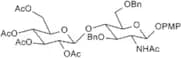
4-Methoxyphenyl 2-acetamido-4-O-(2,3,4,6-tri-O-acetyl-b-D-glucopyranosyl)-3,6-di-O-benzyl-2,3′:6′,4′:5″,6′″:5″′:3″″:4″″′:5″″′:6′″′-[1]benzothiadiazole (MTBT) is a synthetic monosaccharide sugar that is modified to have a 1,2,3,4,5 and 6 benzothiadiazole group. MTBT is a complex carbohydrate that is synthesized through methylation of the sugar followed by a click modification. It has been used in the synthesis of oligosaccharides and polysaccharides.
Fórmula:C43H51NO16Pureza:Min. 95%Peso molecular:837.86 g/molL-Altrose
CAS:L-Altrose is a carbohydrate that is used as a nutrient and sweetener. It is a dextrose monomer with an L-arabinose side chain. L-Altrose has been shown to be a stereoselective carbon source that can be used in the synthesis of various biologically active compounds, such as antibiotics. L-Altrose has also been shown to stimulate growth of yeast cells in the absence of oxygen by providing an extracellular carbon source. This compound can be hydrolyzed by ring-opening or benzoylation reactions to yield dextrose.
Fórmula:C6H12O6Pureza:Min. 99 Area-%Cor e Forma:White PowderPeso molecular:180.16 g/mol4-(b-D-Mannopyranosyl)-D-rhamnose
4-(b-D-Mannopyranosyl)-D-rhamnose is a glycosylation agent that can be methylated and fluorinated. It is also capable of being modified with the Click reaction to add polysaccharide or oligosaccharide moieties. 4-(b-D-Mannopyranosyl)-D-rhamnose is an important building block for complex carbohydrates, which are important in many aspects of life. This product is available in custom synthesis, high purity, and CAS No.
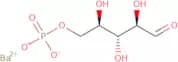
Pureza:Min. 95%D-Ribose-5-phosphate barium salt hexahydrate
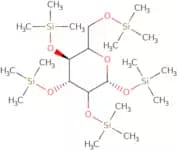
CAS:D-Ribose-5-phosphate barium salt hexahydrate is a Modification, Oligosaccharide, Carbohydrate, complex carbohydrate. It is a Custom synthesis, Synthetic, High purity, Monosaccharide, Methylation, Glycosylation and Polysaccharide. D-Ribose-5-phosphate barium salt hexahydrate has CAS No. 15673-79-7 and Fluorination. It is an saccharide sugar.Fórmula:C5H9BaO8P·6H2OPureza:Min. 95%Cor e Forma:White PowderPeso molecular:473.51 g/mol1,2,3,4,6-Penta-O-trimethylsilyl-a-D-galactopyranose
CAS:1,2,3,4,6-Penta-O-trimethylsilyl-a-D-galactopyranose is a modification of the sugar galactose. It is a complex carbohydrate and an oligosaccharide that has been custom synthesized. The molecular weight of 1,2,3,4,6-Penta-O-trimethylsilyl-a-D-galactopyranose is 592.77 g/mol. The purity of this compound is >99%. This compound has been fluorinated and saccharide methylated.Fórmula:C21H52O6Si5Pureza:Min. 95%Peso molecular:541.07 g/molD-Glucose - anhydrous
CAS:Glucose (Glu) is the most common carbohydrate on the planet, found in all living organisms and is the major source of metabolic energy for plants and animals. Glucose is a building block in numerous oligosaccharides and polysaccharides. It is present in blood and milk, in gangliosides and in N- and O-linked glycans (Collins, 2006). Glucose is wrongly called a simple sugar because in solution it exists in five forms: two six membered rings (α/β), two five membered rings (α/β) and a straight chain form, a system known as mutarotation (Robyt, 2012). The proportions of different glucose forms are dictated by temperature and pH. D-Glucose is optically active (dextrorotary) and L-Glucose is its enantiomer (Levorotary). Its hydroxyl groups are all equatorial, providing maximum stability, according to Hudsons rules (Hudson, 1948).Fórmula:C6H12O6Pureza:Min. 96 Area-%Cor e Forma:White PowderPeso molecular:180.16 g/mol4-Aminophenyl 2-O-(a-D-mannopyranosyl)-a-D-mannopyranoside
4-Aminophenyl 2-O-(a-D-mannopyranosyl)-a-D-mannopyranoside is a fluorinated mannoside that is modified with methyl and glycosyl groups. It is used as a fluorescent probe for the detection of saccharides in organic solvents. The molecular weight of this compound is 687.Pureza:Min. 95%Cerebroside sulfate
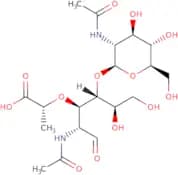
CAS:Myelin component; opioid receptorFórmula:C42H80NNaO11SPureza:Min. 95%Cor e Forma:White PowderPeso molecular:830.14 g/mol2-Acetamido-4-O-(2-acetamido-2-deoxy-β-D-glucopyranosyl)-2-deoxy-D-muramic acid
CAS:A MurNAc disaccharideFórmula:C19H32N2O13Pureza:Min. 95 Area-%Cor e Forma:PowderPeso molecular:496.46 g/mol1,2:3,4-Diacetone-β-D-glucopyranoside
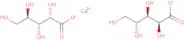
CAS:1,2:3,4-Diacetone-b-D-glucopyranoside is a glycosylation agent that is used in the synthesis of polysaccharides. It reacts with the hydroxyl groups of saccharide molecules to form glycosidic bonds. 1,2:3,4-Diacetone-b-D-glucopyranoside can be modified by methylation and fluorination reactions to produce different derivatives. This product is CAS No. 496879-67-5 and has a purity of >98%.Fórmula:C12H20O6Pureza:Min. 97 Area-%Cor e Forma:PowderPeso molecular:260.29 g/molCalcium-D-arabonate
CAS:Calcium-D-arabonate is a fatty acid that is used as a functional ingredient in the food industry. It has been shown to increase the rate of reactions, such as glycosidic bond cleavage and polymerization, by acting as an oxidation catalyst. This product also has a high molecular weight and can be used to modify the structure of polymers. Calcium-D-arabonate is often used in model systems because it reacts with other substances at a pH optimum of 6.0-7.5.
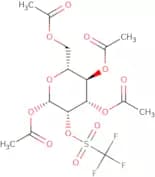
Fórmula:C5H9O6CaPureza:Min. 98%Cor e Forma:White PowderPeso molecular:185.16 g/mol1,3,4,6-Tetra-O-acetyl-2-O-trifluoromethanesulfonyl-b-D-mannopyranose
CAS:1,3,4,6-Tetra-O-acetyl-2-O-trifluoromethanesulfonyl-b-D-mannopyranose is a chemical compound that belongs to the group of fatty acids. It is a product of chemical reactions and has been shown to be able to react with positrons in an organic solution. This compound can also react with potassium ions in water vapor. The reaction solution is suitable for testing samples and cell culture.Fórmula:C15H19F3O12SPureza:Min. 98 Area-%Cor e Forma:PowderPeso molecular:480.37 g/mol2-Iodoethyl 2,3,4,6-tetra-O-acetyl-α-D-mannopyranoside
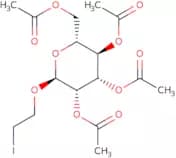
CAS:2-Iodoethyl 2,3,4,6-tetra-O-acetyl-a-D-mannopyranoside is a high purity custom synthesis that can be modified with Click chemistry. It can be synthesized by modification of methylated glycosides and saccharides. This product has been shown to have a wide range of applications in the areas of fluorination, glycosylation, and methylation. The sugar moiety is an oligosaccharide made up of one or more monosaccharides (simple sugars) joined together by glycosidic bonds. This product is often found in complex carbohydrates such as glycogen and starch.
Fórmula:C16H23IO10Pureza:Min. 95%Cor e Forma:White to off-white solid.Peso molecular:502.25 g/mol1-O-Acetyl-2-azido-2-deoxy-3,4-di-O-benzyl-6-O-benzoyl-D-glucopyranose
This compound is a custom synthesis of 1-O-acetyl-2-azido-2-deoxy-3,4-di-O-benzyl-6-O-benzoylglucopyranose. It is a synthetic carbohydrate that is used in the modification of saccharides and oligosaccharides. This product has been fluorinated to allow for fluorescence detection and click chemistry applications. It is a white solid with a melting point of 105 degrees Celsius. The CAS number for this compound is 15148344.Fórmula:C29H29N3O7Pureza:Min. 95%Peso molecular:531.56 g/molMethyl 2,6-dideoxy-a-D-glucopyranoside
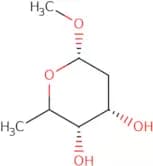
Methyl 2,6-dideoxy-a-D-glucopyranoside is a custom synthesis of an oligosaccharide that is modified with fluorination. It is a saccharide, or carbohydrate, that has been methylated and glycosylated. The modification of this complex carbohydrate has been achieved through the use of the Click reaction. This product has been purified to high purity and is ready for use in research and development.
Fórmula:C7H14O4Pureza:Min. 95%Peso molecular:162.18 g/mol6-Deoxy-L-altritol
6-Deoxy-L-altritol is a carbohydrate that belongs to the class of saccharides. It is a synthetic carbohydrate, and its structure is similar to that of D-mannitol. 6-Deoxy-L-altritol can be used for medical purposes as it inhibits bacterial growth and is an anti-inflammatory agent. 6-Deoxy-L-altritol has been modified with fluorine atoms to give it potent antibacterial activity against Gram negative bacteria, such as Salmonella typhi, Escherichia coli, and Pseudomonas aeruginosa. This modification also makes 6-deoxy L-altritol stable at high temperatures and resistant to acid hydrolysis.Pureza:Min. 95%1,2,5-Tri-O-benzoyl-3-methyl-D-xylofuranose
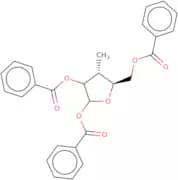
CAS:1,2,5-Tri-O-benzoyl-3-methyl-D-xylofuranose is a triol that is a methyl glycoside of 3,4,6-trihydroxybenzoic acid. It is an important building block in the synthesis of various saccharides and oligosaccharides. This product is often used as a precursor in the modification of saccharides to produce new products with different properties. This molecule has been shown to be resistant to degradation by enzymes such as glycosidases and oxidases. 1,2,5-Tri-O-benzoyl-3-methyl-D-xylofuranose can also be fluorinated or modified with other chemical groups. 1,2,5-Tri -O -benzoyl -3 -methyl -D -xylofuranose may be available from one or more custom synthesis providers.Fórmula:C27H24O7Pureza:Min. 95%Peso molecular:460.48 g/molMethyl 4,6-O-(4-methoxybenzylidene)-2,3-di-O-pivaloyl-a-D-glucopyranoside
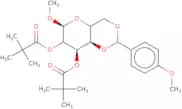
Methyl 4,6-O-(4-methoxybenzylidene)-2,3-di-O-pivaloyl-a-D-glucopyranoside is a methylated saccharide that is used as an intermediate in the synthesis of other saccharides. It is a custom synthesis that can be synthesized to high purity and with low cost. Methyl 4,6-O-(4-methoxybenzylidene)-2,3-di-O-pivaloyl-a-D-glucopyranoside has been modified with click chemistry to provide a variety of functional groups. This modification allows for the production of complex carbohydrates such as oligosaccharides and glycosylation products.Fórmula:C25H36O9Pureza:Min. 95%Peso molecular:480.56 g/molD-Cellotetraose
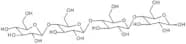
CAS:Substrate for cellulasesFórmula:C24H42O21Pureza:Min. 95 Area-%Cor e Forma:White Off-White PowderPeso molecular:666.58 g/mol2,3-O-Isopropylidene-D-lyxonic acid-1,4-lactone
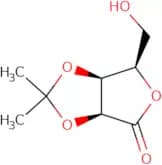
CAS:2,3-O-Isopropylidene-D-lyxonic acid-1,4-lactone (2,3-OIPDL) is a fluorinated polysaccharide that is synthesized from glycosylation of 1,4-lactone with 2,3-O-isopropylidene D-lyxonic acid. This compound has been shown to have high purity and is used in the modification of carbohydrates.Fórmula:C8H12O5Pureza:Min. 98 Area-%Cor e Forma:White Off-White PowderPeso molecular:188.18 g/mol2-(2,3,6-Tri-O-acetyl-4-O-[(2,3,4,6-tetra-O-acetyl-a-D-glucopyranosyl)]-b-D-glucopyranosyl) thiopseudourea
2-(2,3,6-Tri-O-acetyl-4-O-[(2,3,4,6-tetra-O-acetyl-a-D-glucopyranosyl)]-b-D-glucopyranosyl) thiopseudourea is a glycosylated oligosaccharide that has been modified using methylation and click chemistry. This compound has been used in the synthesis of various complex carbohydrates. The CAS number for this compound is 905835-79-8 and it can be custom synthesized to meet your needs.Fórmula:C27H38N2O17SPureza:Min. 95%Peso molecular:694.66 g/mol1,6:2,3-Dianhydro-b-D-mannopyranose
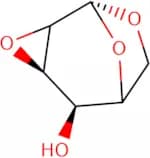
CAS:1,6:2,3-Dianhydro-b-D-mannopyranose is a high purity sugar used in the synthesis of complex carbohydrates. This compound is an oligosaccharide that has been modified by methylation and glycosylation. It can be found in the CAS registry number 3868-03-9.
Fórmula:C6H8O4Pureza:Min. 95%Cor e Forma:PowderPeso molecular:144.13 g/molMuramic acid hydrate
CAS:Muramic acid hydrate as an amino sugar with a carboxylic acid group. It occurs in nature as N-acetylmuramic acid which is typically found in cell wall of bacterial.Fórmula:C9H17NO7•(H2O)xPureza:Min. 95%Cor e Forma:White PowderPeso molecular:269.25 g/molHydroxypropyl cellulose - Average MW 370,000
CAS:In water, hydroxypropyl cellulose forms liquid crystals with many mesophases depending on concentration. These mesophases include isotropic, anisotropic, nematic and cholesteric, the latter resulting in many colors such as violet, green and red. Pharmaceutical applications include treatments for medical conditions such as dry eye syndrome (keratoconjunctivitis sicca), recurrent corneal erosions, decreased corneal sensitivity, exposure and neuroparalytic keratitis. It is also used as a binder in tablets. Hydroxypropylcellulose is also used as a thickener, a binder and emulsion stabiliser in foods with E number E463. HPC is used as a support matrix for DNA separations by capillary and microchip electrophoresis.Pureza:Min. 95%Cor e Forma:Powder(S)-3,5-O-Benzylidene-D-xylono-1.4-lactone
(S)-3,5-O-Benzylidene-D-xylono-1.4-lactone is a Custom synthesis, Modification, Fluorination, Methylation, Monosaccharide, Synthetic, Click modification of the polysaccharide glucuronic acid and a carbonyl group. It is also known as 3-(2-benzyloxyethoxy)propanoic acid or 3-(2-benzyloxyethoxy)propionic acid. The CAS number for this chemical is 63912-71-0. This chemical has been used in the preparation of oligosaccharides and saccharides with glycosylations. (S)-3,5-O-Benzylidene-D-xylono-1.4-lactone is an organic compound that belongs to the class of monosaccharides and polysaccharides. It has been shownPureza:Min. 95%Curdlan
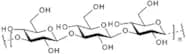
CAS:Curdlan is a microbial polysaccharide produced by a mutant strain of Alcaligenes faecalis var. myxogenes which was first shown to produce succinoglucan prior to mutation. Curdlan is a β-1,3 glucan forming clear solutions at about 55 °C which then gels (“low-set”) when cooled. Suspensions of curdlan at higher temperatures form firm resilient gels (“high set”) that melt at 140 - 160 °C.
The image was kindly provided by Dr. Chris Lawson.Pureza:Min. 95%Cor e Forma:White Powder3-Deoxy-3,3-difluoro-1,2-O-Di-O-isopropylidene-a-D-glucofuranose
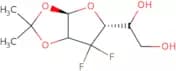
3-Deoxy-3,3-difluoro-1,2-O-Di-O-isopropylidene-a-D-glucofuranose is an alpha, beta unsaturated carbonyl sugar. It can be used as a building block to synthesize oligosaccharides or glycosylations. It has been shown that 3DG reacts with the amino group of proteins and peptides leading to the formation of methylated sugars. This compound can also be used to modify saccharides such as by converting them into click or substitution derivatives. 3DG is readily available in high purity and is stable under a variety of conditions.Fórmula:C9H14F2O5Pureza:Min. 95%Peso molecular:240.2 g/mol2-Acetamido-2-deoxy-L-lyxojirimycin
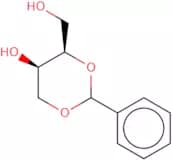
CAS:2-Acetamido-2-deoxy-L-lyxojirimycin is a custom synthesis of a complex carbohydrate. It is an Oligosaccharide and Polysaccharide. This compound is modification, saccharide, Methylation, Glycosylation, Carbohydrate, Click modification, sugar, High purity, Fluorination, Synthetic.Fórmula:C7H14N2O3Pureza:Min. 95%Peso molecular:174.2 g/mol4, 6- O- [(R) - Phenylmethylene] -a- D-glucopyranose
CAS:4,6-O- (R)- Phenylmethylene -a- D-glucopyranose is a modification of the sugar glycoside glucose. This compound is synthesized from glucose by methylation and fluorination. The synthesis process begins with the addition of sodium borohydride to a solution of glucose in methanol. The next step involves the treatment of this mixture with phenylmagnesium bromide followed by phenylmethylene bromine. The final step involves heating the reaction mixture at reflux for 10 hours. 4,6-O- (R)- Phenylmethylene -a- D-glucopyranose is extremely pure and offers a wide range of applications in the fields of biochemistry, medicinal chemistry, and polymer science.Fórmula:C13H16O6Pureza:Min. 95%Peso molecular:268.26 g/molSialylglycopeptide
CAS:Starting material for semi-synthesis of N-glycansFórmula:C112H189N15O70Pureza:(Hplc) Min. 95%Cor e Forma:White PowderPeso molecular:2,865.76 g/molMethyl 6-O-tert-butyldiphenylsilyl-2,3,4-tri-O-pivaloyl-a-D-glucopyranoside
Methyl 6-O-tert-butyldiphenylsilyl-2,3,4-tri-O-pivaloyl-a-D-glucopyranoside is an Oligosaccharide that is a complex carbohydrate. It has CAS number and it is synthesized using the Modification and Glycosylation techniques. This product is highly pure, fluorinated, and synthetic.Fórmula:C38H56O9SiPureza:Min. 95%Peso molecular:684.95 g/mol1,4-b-D-Mannotriose
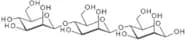
CAS:Isolated from the partial acid and enzymic hydrolysates of several of the mannans, galactomannans and glucomannans. While the trisaccharide has been isolated from all of these sources the tetrasaccharide has only been isolated from ivory-nut mannan, white spruce (Picea glauca) and Pinus strobus glucomannans. Crystalline penta- and hexa-saccharides have been isolated from ivory-nut mannan hydrolysates.
Fórmula:C18H32O16Pureza:Min. 95 Area-%Cor e Forma:White PowderPeso molecular:504.44 g/molXylitol
CAS:Xylitol is a sugar alcohol that has been shown to have antimicrobial properties. It is also used as a sweetener in chewing gum and toothpaste. Xylitol inhibits the growth of bacteria by binding to the enzyme adenosine triphosphate (ATP) synthase, which is required for energy metabolism. The binding of xylitol to ATP synthase prevents the formation of ATP and blocks bacterial growth, leading to cell death. Xylitol can be produced from xylose, a sugar found in plants and animals, through biochemical reactions that are catalyzed by enzymes such as xylitol dehydrogenase and xylulokinase. This process is anaerobic and does not require oxygen or organic nutrients. Xylitol has been shown to have physiological effects on wild-type strain bacteria such as Aerobacter aerogenes.Fórmula:C5H12O5Pureza:Min. 95%Cor e Forma:White PowderPeso molecular:152.15 g/mol4,6-Di-O-methyl-D-glucose
CAS:A partially methylated glucose with the anomeric position freeFórmula:C8H16O6Pureza:Min. 95%Cor e Forma:PowderPeso molecular:208.21 g/molBenzyl 2-acetamido-2-deoxy-3-O-(b-D-galactopyranosyl)-a-D-glucopyranoside
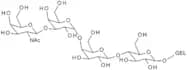
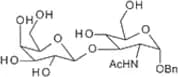
CAS:Benzyl 2-acetamido-2-deoxy-3-O-(b-D-galactopyranosyl)-a-D-glucopyranoside is a synthetic substrate that is used in the synthesis of disaccharides. It is catalytic and has an efficient method for the preparation of acetonitrile, which can be eluted with acetic acid. It is a reagent that reacts with halides to form equimolar acetates. Acetylated benzyl 2-acetamido-2 deoxy 3 O-(b D galactopyranosyl) a D glucopyranoside can be obtained by reacting benzyl 2 acetamido 2 deoxy 3 O-(b D galactopyranosyl) a D glucopyranoside with acetic anhydride.Fórmula:C21H31NO11Pureza:Min. 95%Cor e Forma:PowderPeso molecular:473.47 g/mol(3b,14a)-3-O-b-D-glucopyranosyl-(1,2)-[b-D-xylopyranosyl-(1,3)]-b-D-glucopyranosyl-(1,4)-b-D-galacopyranosyl-(25S)-spirost-5-ene
A custom synthesis of a complex carbohydrate. It is a synthetic, modified and fluorinated saccharide with a methylated monosaccharide.
Pureza:Min. 95%D-Arabinose-5-phosphate disodium salt
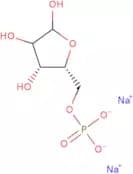
CAS:D-Arabinose-5-phosphate disodium salt is an inorganic compound that is a substrate for the enzyme, sedoheptulose-7-phosphate (S7P) reductase. D-Arabinose-5-phosphate disodium salt is converted to sedoheptulose 7 phosphate by this enzyme, which participates in the pentose phosphate pathway. This reaction takes place at pH 5.6 and 30°C, with Mn2+ ions as cofactors and a constant of 0.001 M. The time it takes for the reaction to reach equilibrium is about 10 minutes, and the kinetic constant for this reaction is 0.0004 s−1 M−1. D-Arabinose-5-phosphate disodium salt can be prepared through a number of different techniques including ion exchange chromatography or extraction from corn starch using phosphoric acid and hydrochloric acid. It also requires various metal
Fórmula:C5H9Na2O8PPureza:Min. 95 Area-%Cor e Forma:PowderPeso molecular:274.07 g/mol



![(1S) -1- [(2S, 3R,4R) -4-Hydroxymethyl-3- hydroxy- 1- azetidinyl] -1, 2- ethanediol](/_next/image/?url=https%3A%2Fstatic.cymitquimica.com%2Fproducts%2F3D%2Fthumb-webp%2FMH163401.webp&w=3840&q=75)














![2-(2,3,6-Tri-O-acetyl-4-O-[(2,3,4,6-tetra-O-acetyl-a-D-glucopyranosyl)]-b-D-glucopyranosyl) thiops…](/_next/image/?url=https%3A%2Fstatic.cymitquimica.com%2Fproducts%2F3D%2Fthumb-webp%2FOT10963.webp&w=3840&q=75)

![4, 6- O- [(R) - Phenylmethylene] -a- D-glucopyranose](/_next/image/?url=https%3A%2Fstatic.cymitquimica.com%2Fproducts%2F3D%2Fthumb-webp%2FMP163945.webp&w=3840&q=75)



![(3b,14a)-3-O-b-D-glucopyranosyl-(1,2)-[b-D-xylopyranosyl-(1,3)]-b-D-glucopyranosyl-(1,4)-b-D-galac…](/_next/image/?url=https%3A%2Fstatic.cymitquimica.com%2Fproducts%2F3D%2Fthumb-webp%2FOG74568.webp&w=3840&q=75)