Glicociência
A glicociência é o estudo dos carboidratos e seus derivados, bem como das interações e funções biológicas em que participam. Este campo de pesquisa é crucial para compreender uma ampla variedade de processos biológicos, incluindo o reconhecimento celular, a sinalização, a resposta imune e o desenvolvimento de doenças. A glicociência tem aplicações importantes na biotecnologia, na medicina e no desenvolvimento de novos medicamentos e terapias. Na CymitQuimica, oferecemos uma ampla seleção de produtos de alta qualidade e pureza para pesquisa em glicociência. Nosso catálogo inclui monossacarídeos, oligossacarídeos, polissacarídeos, glicoconjugados e reagentes específicos, projetados para apoiar os pesquisadores em seus estudos sobre a estrutura, função e aplicações dos carboidratos em sistemas biológicos. Esses recursos são destinados a facilitar descobertas científicas e aplicações práticas em diversas áreas das biociências e da medicina.
Subcategorias de "Glicociência"
- Amino açúcares(108 produtos)
- Anticorpos Glico-Relacionados(282 produtos)
- Glicolípidos(46 produtos)
- Glicosaminoglicanos (GAGs)(55 produtos)
- Glicosídeos(419 produtos)
- Monossacáridos(6.624 produtos)
- Oligossacarídeos(3.682 produtos)
- Polissacáridos(503 produtos)
Foram encontrados 11046 produtos de "Glicociência"
Ordenar por
Pureza (%)
0
100
|
0
|
50
|
90
|
95
|
100
Deferiprone 3-O-β-D-glucuronide
CAS:Deferiprone 3-O-b-D-glucuronide is a modification of deferiprone. It is synthesized by methylation, glycosylation, and polysaccharide modification with fluorine. Deferiprone 3-O-b-D-glucuronide is monosaccharide in nature and has high purity and custom synthesis.Fórmula:C13H17NO8Pureza:Min. 95%Cor e Forma:Light (Or Pale) Yellow SolidPeso molecular:315.28 g/molD-Mannose
CAS:<p>Used to differentiate microorganisms based on their metabolic properties.</p>Fórmula:C6H12O6Pureza:Min. 99.5 Area-%Peso molecular:180.16 g/molRef: 3D-M-1000
1kgA consultar50gA consultar5kgA consultar500gA consultar2500gA consultar-Unit-kgkgA consultarD-Xylose
CAS:<p>Xylose (Xyl) is an aldopentose also known as wood sugar (Collins, 2006). The main sources of xylose are hemicelluloses found in hardwood and perennial plants, such as, grasses, cereals, and herbs (Petzold-Welcke, 2014) and some algae. Xylose is used in the production of xylitol, a low calory sugar substitute. Xylose is used in glycosaminoglycan (GAG) biosynthesis, which is initiated by peptide O-xylosyltransferases, which transfer xylose onto selected serine residues in the core proteins. The first enzyme in the pathway, peptide O-xylosyltransferase, catalyzes the transfer of xylose from uridine diphosphate (UDP)-α-D-xylose onto serine and thus determines the site(s) of GAG attachment on the core protein (Briggs, 2018).</p>Fórmula:C5H10O5Pureza:Min. 98.0 Area-%Cor e Forma:White PowderPeso molecular:150.13 g/mol4,6-O-Isopropylidene-D-mannopyranose
<p>4,6-O-Isopropylidene-D-mannopyranose is a custom synthesis of a polysaccharide that has been modified with fluorination, methylation, and click modification. This product can be used in the synthesis of oligosaccharides or saccharides. It may also be used in glycosylation reactions to produce complex carbohydrates.</p>Pureza:Min. 95%Methyl a-D-mannopyranoside
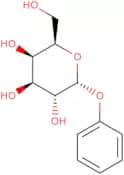
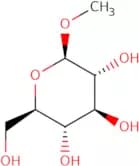
CAS:<p>Methyl alpha-D-mannopyranoside is a methylated sugar used as an inhibitor of lectin-conjugate binding. It is commonly used in protein purification for eluting glycoproteins and other glycoconjugates from affinity chromatography columns of agarose lectin. In addition, Methyl alpha-D-mannopyranoside can be used in the mannosylation of lipid nanoparticles (LNPs) for vaccine or drug delivery which targets Antigen Presenting Cells (APCs) through mannose receptors. Methyl alpha-D-mannopyranoside is also known as Methyl alpha-D-mannoside or alpha-Methyl-D-mannoside.</p>Fórmula:C7H14O6Pureza:Min. 99 Area-%Cor e Forma:White PowderPeso molecular:194.18 g/molPhenyl 3,4,6-tri-O-acetyl-2-deoxy-2-phthalimido-b-D-selenoglucopyranoside
CAS:<p>Phenyl 3,4,6-tri-O-acetyl-2-deoxy-2-phthalimido b-D-selenoglucopyranoside is a chemical compound that is used in the synthesis of saccharides and oligosaccharides. It has been modified with the Click reaction to give it a reactive group. This modification can be used for glycosylation or for incorporation into polysaccharides such as starch. Phenyl 3,4,6-tri-O-acetyl-2-deoxy b -D selenoglucopyranoside is a high purity synthetic compound that is available in custom synthesis quantities.</p>Fórmula:C26H25NO9SePureza:Min. 95%Peso molecular:574.44 g/molN1-β-D-Arabinopyranosylamino-guanidine hydrochloride
CAS:<p>N1-b-D-arabinopyranosylamino-guanidine HCl is a modified carbohydrate. It is a synthetic monosaccharide that is custom synthesized by methylation and glycosylation. This product has high purity and can be used for modification of saccharides or oligosaccharides to create new carbohydrates with desired properties.</p>Fórmula:C6H14N4O4•HClPureza:Min. 95%Cor e Forma:White to light beige solid.Peso molecular:242.66 g/molMethyl a-L-fucopyranoside
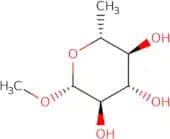
CAS:<p>Methyl a-L-fucopyranoside is a natural product that has been shown to have many biological effects, including antioxidant and anti-inflammatory properties. It has been shown to inhibit the growth of bacteria by binding to the ribosome, preventing protein synthesis and cell division. The compound has also been shown to have anti-inflammatory effects in mice with inflammatory bowel disease. Methyl a-L-fucopyranoside inhibits the production of pro-inflammatory cytokines, such as interferon alfa-2b (IFNα2β), which is induced by IFNγ. This inhibition of IFNα2β activity may be due to methyl a-L-fucopyranoside's ability to bind to cytosolic calcium and inhibit its transport into the nucleus. Methyl a-L-fucopyranoside also blocks the production of antimicrobial peptides, such as defensins or cathelicidins.</p>Fórmula:C7H14O5Pureza:Min. 98 Area-%Cor e Forma:White PowderPeso molecular:178.18 g/molCarboxymethyl-β-cyclodextrin
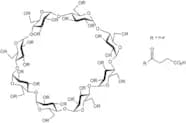
CAS:<p>This beta-cyclodextrin (β-CD) derivative is a functionalized cyclic oligosaccharide composed of seven glucose units, characterized by a hydrophilic exterior and a lipophilic cavity (bigger than α-CD and smaller than γ-CDs), which allows it to encapsulate various guest molecules. This structural feature facilitates its use in multiple applications, including pharmaceuticals, food enhancement, and cosmetics. In the pharmaceutical industry, it enhances the solubility and stability of poorly water-soluble drugs, improving their bioavailability and efficacy while also masking unpleasant tastes. The food sector utilizes it as a stabilizer for flavors, colors, and nutrients, extending shelf life by protecting sensitive ingredients from degradation. In cosmetics, it serves as a complexing agent for fragrances and active components, ensuring their stability and controlled release. Its use expands to many other fields, including nanotechnology for drug delivery systems, environmental remediation for extracting organic pollutants, textiles for slow-release fragrances, and analytical chemistry for chiral separation.</p>Fórmula:C56H84O49Pureza:Min. 95%Peso molecular:1,541.24 g/molLactosylsphingosine
CAS:<p>Intermediate degradation product of lyso-GM3</p>Fórmula:C30H57NO12Pureza:Min. 95%Cor e Forma:PowderPeso molecular:623.77 g/mol1-Amino-2,4-O-benzylidene-D-butane-2,3,4-triol
<p>1-Amino-2,4-O-benzylidene-D-butane-2,3,4-triol is a custom synthesis. This compound is an oligosaccharide that has been modified with methylation, glycosylation, and click modification. Carbohydrate molecules are saccharides that have a sugar as their backbone. Saccharides can be classified as monosaccharides (simple sugars) or polysaccharides (complex carbohydrates). This compound is a high purity synthetic that has been fluorinated and has undergone glycose chemistry to produce a desired product.</p>Pureza:Min. 95%2-O-Acetamido-1,6-di-O-acetyl-2-deoxy-4-O-(2-acetamido-3,4,6-tri-O-acetyl-2-deoxy-D-glucopyranosyl)muramic acid methyl ester
<p>The acetylation of the 2-O-acetamido-1,6-di-O-acetyl-2-deoxy-4-O-(2-acetamido-3,4,6-tri-O-acetyl)-2,3,4,5,6 tetra-, O-(2 acetamido 3,4,6 tri O acetyl) glucopyranoside in the presence of methyl iodide and potassium carbonate yields 2 O -Acetamido 1 6 di O acetyl 2 deoxy 4 0-(2 acetylamino 3 4 6 tri 0 acetyl) glucopyranoside methyl ester. The product is a modification of an oligosaccharide or complex carbohydrate.</p>Fórmula:C30H44O18N2Pureza:Min. 95%Cor e Forma:PowderPeso molecular:720.67 g/molGD3-Ganglioside sodium
CAS:<p>GD3 (shown as sodium salt) has a core disaccharide structure (Galβ1,4Glc) with two sialic acids linked α2,3/α2,8 to the non-reducing galactose residue and ceramide linked β to position 1 on the reducing terminal glucose residue (Ledeen, 2009). GD3 is a minor ganglioside in most normal tissues but plays a crucial role in the development of the brain; it is significantly reduced in adults. However, expression of GD3 is increased in pathological conditions, such as, cancers and neurodegenerative disorders (Malisan, 2002). GD3 was the first cancer-associated ganglioside discovered that promotes adhesion and invasion of cancers. GD3 and GD2 are highly expressed in a various malignant tumours and have become potential targets for next-generation cancer therapy (Liu, 2018).</p>Fórmula:C70H125N3O29·xNaPureza:One SpotCor e Forma:White/Off-White SolidPeso molecular:1,472.74 g/molHyaluronic acid sodium salt - Low molecular weight 40,000 - 50,000
CAS:Gycosaminoglycan in many organs; joint lubricant and shock absorberFórmula:(C14H20NO11Na)nPureza:Min. 90 Area-%Cor e Forma:Powder3-Deoxy-3,3-difluoro-1,2-O-Di-O-isopropylidene-a-D-glucofuranose
3-Deoxy-3,3-difluoro-1,2-O-Di-O-isopropylidene-a-D-glucofuranose is an alpha, beta unsaturated carbonyl sugar. It can be used as a building block to synthesize oligosaccharides or glycosylations. It has been shown that 3DG reacts with the amino group of proteins and peptides leading to the formation of methylated sugars. This compound can also be used to modify saccharides such as by converting them into click or substitution derivatives. 3DG is readily available in high purity and is stable under a variety of conditions.Fórmula:C9H14F2O5Pureza:Min. 95%Peso molecular:240.2 g/molSialylglycopeptide
CAS:<p>Starting material for semi-synthesis of N-glycans</p>Fórmula:C112H189N15O70Pureza:(Hplc) Min. 95%Cor e Forma:White PowderPeso molecular:2,865.76 g/mol3,4-O-(1',1',3',3'-Tetraisopropyl-1,3-disiloxanediyl)-L-rhamnal
CAS:3,4-O-(1',1',3',3'-Tetraisopropyl-1,3-disiloxanediyl)-L-rhamnal is a synthetic sugar that is used as a building block for the synthesis of glycoproteins and other polymers. It can be methylated to give 3,4-O-(1',1',3',3'-tetramethyl-1,3-disiloxanediyl)-L-rhamnal, which is an inhibitor of protein glycosylation. 3,4-O-(1',1',3',3'-Tetraisopropyl-1,3-disiloxanediyl)-L-rhamnal has been fluorinated to give 3,4-O-(2'-fluoroethylidene) -L-rhamnal and used in Click chemistry reactions.Fórmula:C18H36O4Si2Pureza:Min. 95%Peso molecular:372.65 g/molD-Erythrono-1.4-lactone
<p>D-Erythrono-1.4-lactone is a carbohydrate that belongs to the group of oligosaccharides. It is a synthetic sugar with the CAS number 687-83-0. This carbohydrate is a monosaccharide with an oxygen atom in the alpha position, which has been fluorinated and methylated. The methylation on this sugar can be accomplished by either a glycosylation or click chemistry modification. This sugar can be used as an anti-tumor agent or as an adjuvant for chemotherapy treatments.</p>Pureza:Min. 95%D-Allose
CAS:Anti-proliferative in cancer cellsFórmula:C6H12O6Pureza:Min. 95%Cor e Forma:White PowderPeso molecular:180.16 g/molD-Threitol
CAS:<p>D-Threitol is a carbohydrate that has been shown to have anti-microbial activity against a number of microbes, including E. coli, Klebsiella pneumoniae, Bacillus subtilis, and Staphylococcus aureus. It may also be useful in the treatment of microbial infections in the respiratory tract. D-Threitol is an analogue of threitol with an acyl chain at the 4 position instead of the 5 position. The allyl carbonate moiety can be cleaved by acid to form an acid complex, which is more stable than D-threitol. D-Threitol binds to antibody response sites on cells, thereby preventing cells from responding to pathogens or other foreign bodies by initiating appropriate immune responses. This binding also prevents bacteria from attaching themselves to cell walls.</p>Fórmula:C4H10O4Pureza:Min. 98 Area-%Cor e Forma:PowderPeso molecular:122.12 g/molGeranyl b-D-glucoside
CAS:<p>Geranyl b-D-glucoside is a supramolecular amphiphile that can be used as a biofuel. It is made up of two molecules: geranyl and glucose. Geranyl b-D-glucoside has been shown to form micelles in water with the help of ions, which are complex aggregates of many molecules that have a hydrophobic interior and hydrophilic exterior. The micelles are able to stabilize the fuel and protect it from degradation by sunlight or other environmental factors. The thermodynamics of the system can be quantified through the parameters of this supramolecular amphiphile, which will allow for predictive modelling.</p>Fórmula:C16H28O6Pureza:Min. 95 Area-%Cor e Forma:White PowderPeso molecular:316.39 g/molAgaroheptaose
CAS:<p>Agarose is a polysaccharide found in red algae, typically Gelidium and Gracilaria. It is a strictly alternating polysaccharide of α-1,3 linked D-galactose and β-1,4 linked L-3,6 anhydrogalactose with occasional sulfation at position 6 of the anhydrogalactose residue. Agaro-oligosaccharides result from cleavage at galactose residues and neoagaro-oligosaccharides from cleavage at 3,6-anhydro residues. A number of publications have suggested that agaroheptaose has properties that include: anti-microbial, antiviral, prebiotic, anti-tumoral, immunomodulatory, anti-inflammatory, glucosidase inhibitory, and hepatoprotective properties.</p>Fórmula:C42H66O33Pureza:Min. 97 Area-%Cor e Forma:White Off-White PowderPeso molecular:1,098.95 g/mol1,3,4,6-Tetra-O-acetyl-a-D-galactopyranose
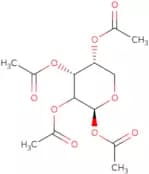
CAS:<p>1,3,4,6-Tetra-O-acetyl-a-D-galactopyranose is a custom synthesis of 1,3,4,6-tetra-O-acetyl-a-D-galactopyranose. It is used in the modification of saccharides and polysaccharides. The modification is done by Click chemistry with the incorporation of fluorine in the sugar ring. This product is available as a white powder and has a CAS number of 19186-40-4.</p>Fórmula:C14H20O10Pureza:Min. 95%Cor e Forma:White PowderPeso molecular:348.3 g/mol3'-Sialylgalactose sodium salt
CAS:<p>Sialylated oligosaccharide with the ability to inhibit angiogenesis and tumour development by binding to the vascular endothelial growth factor receptor VEGFR-2. Moreover, sialylated N-glycans in intestinal epithelium of chickens were found to carry terminal sialylgalactose, which interacts with influenza viruses during early stages of infection.</p>Fórmula:C17H28NO14·NaPureza:Min. 95%Cor e Forma:White PowderPeso molecular:493.39 g/mol2,3-Di-O-benzyl-a-cyclodextrin
<p>Alpha-cyclodextrin (α-CD) derivative with a hydrophilic exterior and lipophilic cavity (smaller than β-CDs and γ-CDs) to allocate certain guest molecules. This structural characteristic enables applications in molecular encapsulation, solubility enhancement, and stabilization across multiple industries. In pharmaceuticals, it serves as a drug delivery vehicle, enhancing the bioavailability and stability of active ingredients. The food industry utilizes it as a stabilizer for flavors, colors, and nutrients, as well as a functional ingredient for its effects on lipid metabolism. In cosmetics, it acts as a complex agent for fragrances and active components. Its applications extend to analytical chemistry for chiral separation and to materials science for developing smart materials and nanosystems.</p>Fórmula:C120H132O30Pureza:Min. 95%Peso molecular:2,054.31 g/molPhenyl 4,6-O-benzylidene-2-O-levulinoyl-3-O-(2-naphthylmethyl)-b-D-thioglucopyranoside
<p>Phenyl 4,6-O-benzylidene-2-O-levulinoyl-3-O-(2-naphthylmethyl)-b-D-thioglucopyranoside is a fluorinated monosaccharide. It can be synthesized in a custom synthesis and is available with high purity. This product is an oligosaccharide, which has glycosylation and polysaccharide properties. Phenyl 4,6-O-benzylidene-2-O-levulinoyl-3-O-(2-naphthylmethyl)-b-D -thioglucopyranoside is also a complex carbohydrate that has been modified by methylation and acetalization.</p>Pureza:Min. 95%Methyl 2,3-di-O-acetyl-4,6-O-benzylidene-a-D-mannopyranoside
CAS:<p>Methyl 2,3-di-O-acetyl-4,6-O-benzylidene-a-D-mannopyranoside is a synthetic compound that has not been studied in vivo or in vitro. Methyl 2,3-di-O-acetyl-4,6-O-benzylidene-aDmannopyranoside is an oligosaccharide that can be modified with fluorination and methylation. It is synthesized by glycosylation of a Dmannopyranose using an acetate as the acyl donor. The acetate is then selectively benzylated to form the desired product.</p>Fórmula:C18H22O8Pureza:Min. 95%Peso molecular:366.37 g/molChitoheptaose 7HCl
CAS:<p>Chitoheptaose 7HCl is a synthetic, complex carbohydrate with a CAS number of 68232-35-9. This product is custom synthesized to order and can be modified according to your specifications. It is available in high purity.</p>Fórmula:C42H79N7O29·7HClPureza:Min. 95 Area-%Cor e Forma:PowderPeso molecular:1,401.34 g/molMycophenolic acid acyl-b-D-glucuronide
CAS:<p>Mycophenolic acid acyl-b-D-glucuronide is a prodrug of mycophenolic acid that is metabolized by esterases to its active form. This compound has been shown to inhibit the activity of drug receptors, including those for immunosuppressants and anticonvulsants. Mycophenolic acid acyl-b-D-glucuronide has also been found to have a matrix effect on the concentration–time curve of other drugs in human serum. This drug is used for the treatment of bowel disease, autoimmune diseases, and for the prevention of organ transplant rejection. It can be administered orally or intravenously and has been shown to be well tolerated with few adverse effects.</p>Fórmula:C23H28O12Pureza:Min. 90%Cor e Forma:PowderPeso molecular:496.47 g/mol2,3,4,6-Tetra-O-pivaloyl-D-glucopyranosyl amine
CAS:2,3,4,6-Tetra-O-pivaloyl-D-glucopyranosyl amine is a monosaccharide that is custom synthesized and modified with fluorination. It also has saccharide properties such as methylation and glycosylation. This product can be used in the synthesis of complex carbohydrates or polysaccharides. It is a high purity compound with CAS No. 888963-33-5.Fórmula:C26H45NO9Pureza:Min. 95%Peso molecular:515.64 g/mol4-Methoxyphenyl 3-O-allyl-4,6-O-benzylidene-β-D-galactopyranoside
CAS:4-Methoxyphenyl 3-O-allyl-4,6-O-benzylidene-b-D-galactopyranoside is a galactoside that is commonly found in plants. The biosynthesis of this molecule has been studied in the bacteria N. meningitidis and it has been shown that it can be synthesized from fatty acids. 4-Methoxyphenyl 3-O-allyl-4,6-O-benzylidene b -D -galactopyranoside can be used as a HIV drug, as it inhibits the growth of HIV cells by inhibiting protein synthesis and RNA transcription. This molecule is also able to inhibit cancer cell proliferation in vitro.Fórmula:C23H26O7Pureza:Min. 95%Cor e Forma:White Off-White PowderPeso molecular:414.45 g/mol1,2,3,4-Tetra-O-benzyl-β-D-glucopyranoside
CAS:1,2,3,4-Tetra-O-benzyl-β-D-glucopyranoside is a prodrug that becomes active after acetylation. It is an endogenous compound that has been shown to inhibit the synthesis of myelin and lipid peroxidation in rat brains. This drug has also been found to be effective in the treatment of amyotrophic lateral sclerosis (ALS). 1,2,3,4-Tetra-O-benzyl-β-D-glucopyranoside is unmodified and does not have any side effects on the nervous system. It can be used for the treatment of Parkinson's disease when combined with levodopa.Fórmula:C34H36O6Pureza:Min. 95%Cor e Forma:White Off-White PowderPeso molecular:540.65 g/mol2-Acetamido-3-O-(2-acetamido-2-deoxy-a-D-galactopyranosyl)-2-deoxy-D-galactopyranose
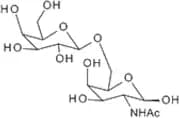
CAS:2-Acetamido-3-O-(2-acetamido-2-deoxy-a-D-galactopyranosyl)-2-deoxy-D-galactopyranose is a glycan that is found in human serum and maternal blood. The wild type strain of 2,3,4,6,7,8 diacetylgalactosaminyltransferase (GnTIII) gene has been shown to be essential for the synthesis of this glycan. This glycan is also found in the carcinoma cell lines HT1080 and SW480. Structural analysis of the glycan has revealed that it contains a hydroxyl group on the C1 position and an acetamido group on the C2 position. Glycans are polymers that play roles in many biological functions such as cell recognition, immune responses, and carbohydrate metabolism. The structure of this glycan was studied using titration calorimFórmula:C16H28N2O11Pureza:Min. 95%Cor e Forma:PowderPeso molecular:424.40 g/molPolymannuronic acid sodium salt - Average MW > 5000 Da
CAS:Sodium polymannuronate is produced from alginates by partial hydrolysis and chromatography of brown algae such as Laminaria digitata, Ascophyllum nodosum and Fucus spp. The image was kindly provided by Prof Mike Guiry from Cork who runs ‘The Seaweed Site’.Pureza:Min. 85%Cor e Forma:Powder6-Deoxy-L-psicose
CAS:<p>6-Deoxy-L-psicose is a d-arabinose analog that can be used as a substrate in the enzymatic synthesis of L-arabinose. It has been shown to inhibit the activity of phosphatase and glutamicum enzymes in vitro. 6-Deoxy-L-psicose binds to the active site of the enzyme through its phosphate group, which prevents access by an incoming substrate. The phosphate group also acts as an electron donor for the enzyme, stabilizing it through hydrogen bonding interactions. X-ray structures of 6-deoxy-L-psicose bound to corynebacterium glutamicum have revealed a ternary complex with two molecules of corynebacterium glutamicum and one molecule of 6-deoxy-L-psicose.</p>Fórmula:C6H12O5Pureza:Min. 95%Peso molecular:164.16 g/molDermatan sulphate tetrasaccharide ammonium salt
<p>Dermatan sulphate tetrasaccharide ammonium salt is a synthetic, high purity oligosaccharide that is also known as Dermatan sulfate. Dermatan sulfate is a complex carbohydrate that is composed of a repeating sequence of three monosaccharides: glucuronic acid, N-acetylgalactosamine and N-acetylglucosamine. Dermatan sulfate has been shown to have an inhibitory effect on the growth of bacteria such as Staphylococcus aureus and Mycobacterium tuberculosis. This molecule can be modified to include fluorination or methylation for custom synthesis.</p>Pureza:Min. 95%3'-Sialyl Lewis A-PAA-biotin
<p>3'-Sialyl Lewis A-PAA-biotin is a carbohydrate that is used as a research tool for investigating the structure and function of glycoproteins, glycolipids, and glycosaminoglycans. It contains 3'-sialic acid linked to the terminal β-D-galactopyranosyl residue of a poly(amino acid) backbone. This product has been synthesized by custom synthesis and contains high purity with a custom synthesis.</p>Pureza:(¹H-Nmr) Min. 95 Area-%Cor e Forma:Powder(2S, 3R, 4S) -N-Benzyl-2- [(1S) - 1- hydroxyethyl] - 3, 4- pyrrolidinediol
<p>(2S, 3R, 4S) -N-Benzyl-2-[(1S)-1-hydroxyethyl]--3,4-pyrrolidinediol is a fluorinated monosaccharide. It is synthesized by the glycosylation of 2,3,4-trihydroxybenzaldehyde with 1,2-dihydroxyethylene glycol and catalyzed by an acid catalyst. (2S, 3R, 4S) -N-Benzyl--2-[(1S)-1-hydroxyethyl]--3,4-pyrrolidinediol has been modified for use in click chemistry with a methyl group at the C5 position. The compound is soluble in water and has a CAS number of 70521-14-6.</p>Pureza:Min. 95%(2E) -2, 3- Dideoxy- 3- methyl- 4, 5- O- isopropylidene - D- erythro- Hex- 2- enonic acid methyl ester
<p>(2E) -2, 3- Dideoxy- 3- methyl- 4, 5- O- isopropylidene - D- erythro- Hex- 2- enonic acid methyl ester is a custom synthesis sugar that can be fluorinated and glycosylated. It is a monosaccharide or saccharide carbohydrate that has the CAS No. of 91428-07-3. This sugar can be modified with methylation, modification, and Click modification to create new sugars for use in biotechnology and pharmaceuticals.</p>Pureza:Min. 95%5-Cyclohexylpentyl-4-O-(a-D-glucopyranosyl)-b-D-glucopyranoside
CAS:The glycosylation process is a chemical reaction in which an organic molecule is attached to a sugar or other carbohydrate. The product of this process is known as a glycoside. Glycosylations are important in the synthesis of complex carbohydrates and glycoconjugates. The most common glycosidic bond that is formed is between the hydroxyl group of a saccharide (such as glucose) and the amino group of another saccharide (such as N-acetylglucosamine). The most common type of glycosylation reaction is the formation of an O-glycosidic bond between two sugars, such as glucose and N-acetylgalactosamine, to form the disaccharide lactose. There are many different types of glycosylations, including methylation, Click modification, fluorination, saccharide modification, and custom synthesis. Methylation: Methylation is a chemical reaction where one or more hydFórmula:C23H42O11Pureza:Min. 95%Cor e Forma:PowderPeso molecular:494.57 g/molN-Acetyl-2,3-dehydro-2-deoxyneuraminic acid sodium
CAS:<p>Inhibitor of viral, bacterial and animal sialidase</p>Fórmula:C11H16NNaO8Pureza:Min. 95%Cor e Forma:White PowderPeso molecular:313.24 g/mol1,2,3,4-Tetra-O-acetyl-6-O-trityl-b-D-mannopyranose
CAS:1,2,3,4-Tetra-O-acetyl-6-O-trityl-b-D-mannopyranose is a synthetic sugar that can be used as a building block for the synthesis of oligosaccharides. It is also used to alter the properties of sugars and polysaccharides by modifying their glycosidic linkages. The product is insoluble in water and organic solvents. It is stable under acidic conditions and can be hydrolyzed with acids or alkalis. It is also soluble in methanol and methylene chloride. The CAS number for this product is 92621-31-3.End>Pureza:Min. 95%Blood group B trisaccharide
CAS:Core antigen fragment in ABO blood group systemFórmula:C18H32O15Pureza:Min. 95%Cor e Forma:White PowderPeso molecular:488.44 g/molPrednisolone succinate b-cyclodextrin conjugate
<p>The prednisolone succinate cyclodextrin beta conjugate represents a specific class of cyclodextrin derivatives where the drug molecule (prednisolone succinate) is covalently bound to β-cyclodextrin. The conjugate is designed to combine the beneficial properties of cyclodextrins with the therapeutic effects of prednisolone. Prednisolone succinate cyclodextrin beta conjugate aims to improve the solubility, stability, and bioavailability of prednisolone while potentially offering controlled release properties.</p>Pureza:Min. 95%Methyl 6-amino-6-deoxy-a-D-glucopyranoside
CAS:Methyl 6-amino-6-deoxy-a-D-glucopyranoside is a saccharide with a molecular weight of 362.4 g/mol. This carbohydrate is fluorinated and modified with an amine group on the C1 position, which makes it a complex carbohydrate. It can be custom synthesized to order and has high purity. CAS No. 5155-47-5Fórmula:C7H15NO5Pureza:Min. 98 Area-%Cor e Forma:Clear LiquidPeso molecular:193.2 g/molCyclohexylmethyl-4-O-(a-D-glucopyranosyl)-b-D-glucopyranoside
CAS:Detergent used for the solubilization of membrane proteins. Important for the solubilization is the detergent-to-protein ratio. At low ratios (1:10) the membranes are lysed and large complexes of are formed containing protein, detergent, and membrane lipids. With progressively larger ratios smaller complexes are obtained. Finally, at ratios of 10:1 to 20:1 individual detergent-protein complexes are formed free of membrane lipids. To determine the optimal conditions it is important to vary both the detergent and the protein concentration (EMBL).Fórmula:C19H34O11Pureza:Min. 95%Cor e Forma:PowderPeso molecular:438.47 g/molCanagliflozin hemihydrate
CAS:Canagliflozin is an oral diabetes drug that belongs to the class of sodium-glucose cotransporter 2 (SGLT2) inhibitors. It works by blocking reabsorption of glucose in the kidney, thereby lowering blood sugar levels. Canagliflozin has been shown to be a potent inhibitor of insulin resistance and has been used clinically in combination with metformin hydrochloride. The chemical stability of canagliflozin is dependent on its particle size, which can range from 10 micrometres to 100 micrometres. A number of analytical methods have been developed for canagliflozin, including high performance liquid chromatography with ultraviolet detection, gas chromatography with mass spectrometry detection, and dihedral angle analysis. Canagliflozin is an example of a polymorphic compound: it exists as two enantiomers due to chiral symmetry.Fórmula:(C24H25FO5S)2•H2OPureza:Min. 95%Cor e Forma:PowderPeso molecular:907.05 g/mol2-Acetamido-3-O-(2,3,4,6-tetra-O-acetyl-b-D-galactopyranosyl)-4,6-di-O-acetyl-2-deoxy-a-D-galactopyranosyl-Fmoc-L-threonine tert-but yl ester
<p>2-Acetamido-3-O-(2,3,4,6-tetra-O-acetyl-b-D-galactopyranosyl)-4,6-di-O-acetyl-2,6 -deoxy--a-,D-,galactopyranosyl--Fmoc--L--threonine tert--but yl ester is a synthetic carbohydrate that contains 2 acetamido groups and 3 O-(2,3,4,6 tetra O acetyl b D galactopyranosyl) groups. The chemical name for this compound is 2 Acetamido 3 O (2 3 4 6 tetra O acetyl b D galactopyranosyl) 4 6 di O acetyl 2 deoxy a D galactopyranosyl Fmoc L threonine tert but yl ester. It has been synthesized by the Click modification reaction of an oligos</p>Fórmula:C49H62N2O21Pureza:Min. 95%Peso molecular:1,015.02 g/molN-Acetyl-D-mannosamine - low endotoxin grade
CAS:<p>Please enquire for more information about N-Acetyl-D-mannosamine - low endotoxin grade including the price, delivery time and more detailed product information at the technical inquiry form on this page</p>Fórmula:C8H15NO6Peso molecular:221.21 g/mola-L-Galactose-1-phosphate dipotassium salt
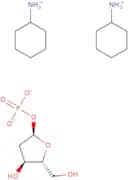
CAS:<p>a-L-Galactose-1-phosphate dipotassium salt is an oligosaccharide that can be prepared by the methylation of a galactose molecule. It is a synthetic compound that has been shown to have antiviral properties. The modification of the sugar structure with fluorine atoms increases the stability of the molecule and prevents its degradation. This product is soluble in water and can be used as a pharmaceutical intermediate for other compounds.</p>Fórmula:C6H11K2O9PPureza:Min. 95%Cor e Forma:PowderPeso molecular:336.33 g/mol2,3,4-Tri-O-acetyl-1-O-azido-1-deoxy-b-D-arabinopyranoside
CAS:<p>2,3,4-Tri-O-acetyl-1-O-azido-1-deoxy-b-D-arabinopyranoside is a methylated sugar that can be used to modify oligosaccharides. It has an acetyl functional group on the 2' position of the ribose moiety. This product is a white crystalline powder and it is soluble in water and methanol.</p>Fórmula:C11H15N3O7Pureza:Min. 95%Peso molecular:301.25 g/mol6-O-Malonylglycitin
CAS:<p>6-O-Malonylglycitin is a glycosylated flavonoid that belongs to the group of isoflavones. It is found in a variety of plants, including soybeans and fava beans. 6-O-Malonylglycitin has been shown to be an effective inhibitor of β-glucosidase activity at temperatures below 37°C, which overlaps with the range of temperatures where it inhibits glycitein production. This inhibition may be due to its pleiotropic effects on various treatments, such as its ability to inhibit cancer cell growth by inhibiting protein synthesis and inducing apoptosis. 6-O-Malonylglycitin also has synergistic effects when used concomitantly with chromatographic markers, such as high performance liquid chromatography (HPLC), which can be used to analyze the levels of endogenous compounds in human blood samples.</p>Fórmula:C25H24O13Pureza:Min. 95%Cor e Forma:PowderPeso molecular:532.45 g/mol(5R, 6R, 7S, 8R) -5, 6, 7, 8-Tetrahydro- 5- methyl- tetrazolo[1, 5- a] pyridine- 6, 7, 8- triol
CAS:<p>Tetrahydro-5-methyl-tetrazolo[1,5-a]pyridine-6,7,8-triol is an organic compound that has been synthesized from a sugar. Tetrahydro-5-methyl-tetrazolo[1,5-a]pyridine-6,7,8-triol is soluble in water and formic acid. It is used as a synthetic intermediate for the production of oligosaccharides and saccharides. Tetrahydro-5-methyl-tetrazolo[1,5-a]pyridine-6,7,8-triol can be used to produce glycosylation or methylation in the laboratory. It is also used as a chemical reagent in complex carbohydrate synthesis.</p>Fórmula:C6H10N4O3Pureza:Min. 95%Peso molecular:186.17 g/molXanthan gum
CAS:<p>Xanthan gum is a polysaccharide produced by the Gram negative bacteria Xanthomonas campestris. It has unique rheological and gel forming properties and finds many applications particularly in the food and oil industries. Recently, it has been shown that ternary mixtures of konjac glucomannan, xanthan gum and sodium alginate can form a non-covalently linked complex which exhibits enhanced rheological properties of value in, for example, functional foods. The structure of xanthan is based on a cellulosic backbone of β-(1,4)-linked glucose units which have a trisaccharide side chain of mannose-glucuronic acid-mannose linked to every second glucose unit in the main chain. Some terminal mannose units are pyruvylated and some of the inner mannose units are acetylated.</p>Pureza:Min. 95%Cor e Forma:PowderSialyllacto-N-fucopentaose I
<p>Sialyllacto-N-fucopentaose I is a high purity, custom synthesis, fluorinated carbohydrate that has been modified by methylation and click chemistry. This oligosaccharide is composed of a saccharide with a molecular weight of 908.5 g/mol and an enantiomeric purity of 99%. Sialyllacto-N-fucopentaose I is an Oligosaccharide with a CAS number of 61497-04-8. It is used in the synthesis of polysaccharides or as a monosaccharide or sugar substitute to produce high purity products.</p>Fórmula:C43H72N2O33Pureza:Min. 95%Peso molecular:1,145.03 g/molKifunensine
CAS:<p>Kifunensine is a potent and specific inhibitor of plant and animal α-mannosidase I with IC50 in nanomolar range. It inhibits the enzyme isoforms in Golgi apparatus (GMI) and endoplasmatic reticulum (ERMI). The compound prevents mannose trimming on glycoproteins and shifts the glycoform content from complex to oligomannose type. It's used for the production of recombinant therapeutic glycoproteins with mannose rich N-linked glycans.</p>Fórmula:C8H12N2O6Pureza:Min. 99 Area-%Cor e Forma:PowderPeso molecular:232.19 g/mol4-Aminobutyl 6-O-(a-D-mannopyranosyl)-a-D-mannopyranoside
<p>4-Aminobutyl 6-O-(a-D-mannopyranosyl)-a-D-mannopyranoside is a synthetic saccharide that can be used as a substituent in the synthesis of complex carbohydrates. It is an aminobutyric acid methyl ester derivative of D-mannose with a pyranose ring. 4-Aminobutyl 6-O-(a-D-mannopyranosyl)-a-D-mannopyranoside has been shown to react with acetic anhydride and diazomethane to yield methylated derivatives of D-glucal, D-sorbitol, and DMPG. It is also used for the synthesis of oligosaccharides, glycosylations, and fluorinations.</p>Pureza:Min. 95%Anthrose - ethylene diamine-N6-hydroxylhexanoic acid - biotin linker
<p>Anthrose is a custom synthesis chemical that is used as a methylation reagent. It can be used in the synthesis of oligosaccharides and polysaccharides, which are complex carbohydrates. Anthrose has been shown to be effective for fluorination and saccharide modification. The chemical structure of anthrose consists of an ethylene diamine-N6-hydroxylhexanoic acid linker with biotin at one end and a hexose at the other.</p>Pureza:Min. 95%Benzyl 2-acetamido-4-O-{2-acetamido-4-O-[[2,4-Di-O-acetyl-3-O-[2,4-di-O-(2-acetamido-3,4,6-tri-O-acetyl-2-deoxy-b-D-glucopyranosyl)- 3,6-di-O-benzyl-a-D-mannopyranosyl]-6-O-[3,4-di-O-acetyl-2,6-di-O-(2-acetamido-3,4,6-tri-O-acetyl-2-deoxy-b-D-glucopyr
CAS:<p>The carbohydrate is a saccharide that is a modification of the monosaccharide. It is synthesized from D-mannose and D-glucose and has a fluorination at the C4 position. The carbohydrate has been custom synthesized for high purity, methylation, glycosylation, and click modification.</p>Fórmula:C167H206N6O65SPureza:Min. 95%Peso molecular:3,369.49 g/molHeparan sulfate sodium salt
CAS:<p>Heparin is a glycosaminoglycan which occurs in many mammalian tissues and has important anticoagulant and thrombolytic properties. The chemical structure is composed mainly of two disaccharide repeating units A and B. A is L-iduronic acid 2-suplhate linked α-(1,4) to 2-deoxy-2-sulfamido-D-galactose 6-sulphate while B is D-glucuronic acid β-(1,4) linked to 2-deoxy-2-sulfamido-D-glucose 6-sulphate.</p>Cor e Forma:White PowderMaltotetraitol
CAS:<p>Bulk sweetener; viscosity/bodying agent; humectant; cryoprotectant</p>Fórmula:C24H44O21Pureza:Min. 95%Cor e Forma:White PowderPeso molecular:668.59 g/molN-Acetyl-D-galactosamine-6-O-sulphate sodium
CAS:<p>N-Acetyl-D-galactosamine-6-O-sulphate sodium is a carbohydrate that is used in the synthesis of oligosaccharides. The saccharide is fluorinated, methylated, and glycosylated. It also has a click modification at the reducing end. N-Acetyl-D-galactosamine-6-O-sulphate sodium is synthesized by custom synthesis and has high purity.</p>Fórmula:C8H14NO9SNaPureza:Min. 95%Cor e Forma:PowderPeso molecular:323.25 g/molLactose octaisobutyrate
<p>Synthetic building block for oligosaccharide synthesis</p>Fórmula:C44H70O19Pureza:Min. 95%Cor e Forma:PowderPeso molecular:903.02 g/mol2-Amino-2-deoxy-3,4-O-isopropylidene-6-O-toluenesulfonyl-L-idonic acid methyl ester
<p>2-Amino-2-deoxy-3,4-O-isopropylidene-6-O-toluenesulfonyl-L-idonic acid methyl ester is a synthetic monosaccharide that has been fluorinated and glycosylated. It is under CAS number 126959-30-1 and can be used as a building block for the synthesis of complex carbohydrates. This compound is available for custom synthesis to meet your specifications.</p>Pureza:Min. 95%Xylan - from corncob, MW 300-900
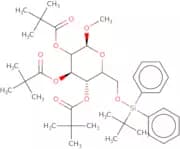
CAS:<p>In their simplest forms, xylans are linear homopolymers of β-1,4-xylose residues. In nature they are partially substituted by acetyl, 4-O-methyl-D-glucuronosyl and α-1,3 L-arabinofuranosyl residues, forming complex heterogenous and polydispersed glycans. An example of this is in the L-arabino (methyl-D-glucurono) xylan from corn cob.</p>Pureza:Min. 95 Area-%Cor e Forma:White Yellow PowderMethyl 2,3,4-tri-O-benzoyl-6-O-triisopropylsilyl-a-D-galactopyranoside
CAS:Methyl 2,3,4-tri-O-benzoyl-6-O-triisopropylsilyl-a-D-galactopyranoside is a custom synthesis with CAS No. 356060-82-7. It is a high purity Glycosylation and Carbohydrate that has been modified with fluorination and synthesized using the Click modification. This product is a complex carbohydrate with an Oligosaccharide and Polysaccharide structure. Methyl 2,3,4-tri-O-benzoyl-6-O-triisopropylsilyl -a -D -galactopyranoside has been methylated and glycosylated.Fórmula:C37H46O9SiPureza:Min. 95%Peso molecular:662.84 g/mol(2R, 3R, 4R) -3, 4- Dihydroxy- 2- (hydroxymethyl) - 1- pyrrolidineacetic acid
CAS:<p>(2R, 3R, 4R) -3, 4- Dihydroxy- 2- (hydroxymethyl) - 1- pyrrolidineacetic acid is a synthetic monosaccharide that can be modified with fluorine and methylation. This compound is a carbohydrate that can be used for the synthesis of oligosaccharides and polysaccharides. It has been shown to be useful for glycosylation reactions and in the synthesis of complex carbohydrates.</p>Pureza:Min. 95%(3aR,SR,6S,7R,7aR)-5-(Acetoxymethyl)-2-(ethylamino)-5,6,7,7atetrahydro-3aH-pyrano[3,2-d]thiazole-6,7-diyl diacetate
CAS:(3aR,SR,6S,7R,7aR)-5-(Acetoxymethyl)-2-(ethylamino)-5,6,7,7atetrahydro-3aH-pyrano[3,2-d]thiazole-6,7-diyl diacetate is a synthetic sugar that has a high purity and can be custom synthesized. It is the product of the Click modification and contains fluorination and glycosylation. This compound has been shown to have methylation and modification capabilities as well as oligosaccharide and monosaccharide capabilities. It also has complex carbohydrate properties.Fórmula:C15H22N2O7SPureza:Min. 95%Cor e Forma:Off-White PowderPeso molecular:374.41 g/mol1,6-Anhydro-b-D-cellobiose
CAS:<p>Produced by the fast pyrolysis of cellulose</p>Fórmula:C12H20O10Pureza:Min. 95 Area-%Cor e Forma:White PowderPeso molecular:324.28 g/mol2,5-Anhydro-L-iditol
CAS:<p>2,5-Anhydro-L-iditol is a kinetic product of transglycosylation. It has been shown to be stereoselective and can be used as an acid catalyst in the synthesis of furanic compounds. 2,5-Anhydro-L-iditol is also a nucleophilic reagent that can participate in reactions with hydrogen chloride and tetraose chloride. This compound is useful for the production of polyols and glycols via dehydration reactions. 2,5-Anhydro-L-iditol has been used in carbohydrate chemistry techniques.</p>Fórmula:C6H12O5Pureza:Min. 95%Cor e Forma:PowderPeso molecular:164.16 g/molEthyl 2-O-benzoyl-3-O-benzyl-4-O-Fmoc-b-D-thioglucopyranoside
<p>Ethyl 2-O-benzoyl-3-O-benzyl-4-O-Fmoc-b-D-thioglucopyranoside is a sugar that belongs to the class of carbohydrates. It is a synthetic compound and can be used as a building block for oligosaccharides, monosaccharides, and saccharides. This product has been shown to have high purity, custom synthesis, and fluoroquinolone resistance.</p>Pureza:Min. 95%Sialyllacto-N-fucopentaose V
CAS:<p>Sialyllacto-N-fucopentaose V is a complex carbohydrate with the CAS No. 89458-13-9. The molecular weight of this compound is 597.07 g/mol, and it has the following chemical structure:</p>Fórmula:C43H72N2O33Pureza:Min. 95%Peso molecular:1,145.03 g/mol3-O-Benzyl-1,2-O-isopropylidene-6-O-pivaloyl-α-D-glucofuranose
CAS:<p>3-O-Benzyl-1,2-O-isopropylidene-6-O-pivaloyl-a-D-glucofuranose is a modification of the natural oligosaccharide. It is a complex carbohydrate that has been synthesized and modified by methylation, fluorination and glycosylation. This product is a monosaccharide with one free hydroxyl group at C3 position and is soluble in water. It has CAS No: 321380-09-0 and can be used as an intermediate for the synthesis of polysaccharides with different saccharide units.</p>Fórmula:C21H30O7Pureza:Min. 95%Cor e Forma:White to off-white solid.Peso molecular:394.46 g/mol(1S) -1- [(2S, 3S,4R) -4-Hydroxymethyl-3- hydroxy-1- azetidinyl] -1, 2- ethanediol hydrochloride
<p>This is a modification of an oligosaccharide, a carbohydrate that is composed of more than one sugar. This custom synthesis can be synthesized with high purity and in large quantities. The CAS number is 67767-44-0 and the molecular weight is 528.</p>Pureza:Min. 95%3-Cyano-(1H)-1,2,4-triazine
<p>3-Cyano-(1H)-1,2,4-triazine is a synthetic compound that belongs to the group of complex carbohydrates. It is a monosaccharide and an oligosaccharide that can be custom synthesized and modified. 3-Cyano-(1H)-1,2,4-triazine is used as a glycosylation or polysaccharide modification agent in the synthesis of sugar molecules. It has been shown to have high purity and low toxicity.</p>Pureza:Min. 95%4-Anhydro-2-O-(2,4-dimethoxybenzoyl)-3,5-O-(1,1,3,3- tetraisopropyldisiloxane-1,3-diyl)-4-thio-D-ribitol
CAS:<p>4-Anhydro-2-O-(2,4-dimethoxybenzoyl)-3,5-O-(1,1,3,3- tetraisopropyldisiloxane-1,3-diyl)-4-thio-D-ribitol is a fluorinated monosaccharide. It is a synthetic oligosaccharide that contains an asymmetric carbon atom. This product can be used in glycosylation reactions and click chemistry. 4A2OBDMTOS is a high purity sugar that has been modified with methyl groups.</p>Pureza:Min. 95%Heparin disaccharide II-A disodium salt
CAS:Heparin Disaccharide II-A Disodium Salt is a modification of heparin. It is an oligosaccharide with a molecular weight of about 2,000 Daltons. This product can be custom synthesized as per the requirement of the customer. The purity level of this product is very high and it has been shown to have antiviral, anticoagulant, anti-inflammatory, and anticlotting properties.Fórmula:C14H19NO14SNa2Pureza:Min. 95 Area-%Cor e Forma:White Off-White PowderPeso molecular:503.34 g/mol2,3,4-Tri-O-acetyl-a-D-glucuronide methyl ester trichloroacetimidate
CAS:<p>2,3,4-Tri-O-acetyl-a-D-glucuronide methyl ester trichloroacetimidate (TOG) is a synthetic glycosylation reagent that has been used for the synthesis of complex carbohydrates. It is an O-glycosidase inhibitor and is used in the preparation of saccharides with a high degree of substitution. TOG can be used to modify saccharides, oligosaccharides, and polysaccharides.</p>Fórmula:C15H18Cl3NO10Pureza:Min. 98 Area-%Cor e Forma:White PowderPeso molecular:478.66 g/mol3-OBenzyl-1, 2- O-isopropylidene-a- D- glucofuranose cyclic 5, 6- carbonate
<p>3-OBenzyl-1, 2-O-isopropylidene-a-D-glucofuranose cyclic 5, 6-carbonate is a synthetic monosaccharide. It is a complex carbohydrate that has been modified with fluorination and methylation. This product can be custom synthesized to meet your needs. The CAS No. for this product is 109414-65-3.</p>Pureza:Min. 95%2-C-(tert.Butyldimethylsilyloxy)methyl-2,3:5,6-di-O-isopropylidene-D-allono-1.4-lactone
<p>2-C-(tert.Butyldimethylsilyloxy)methyl-2,3:5,6-di-O-isopropylidene-D-allono-1.4-lactone is a custom synthesis that is a complex carbohydrate with the molecular formula C24H42O8 and molecular weight of 432. It has a CAS number of 71026-13-2 and can be found in the Polysaccharide category. The chemical modification of this compound includes methylation, glycosylation, and fluorination. This product is high purity and has been synthesized by Click chemistry.</p>Pureza:Min. 95%4- β- D-Ribofuranosyl-2, 6- piperidinedione
CAS:<p>4-beta-D-Ribofuranosyl-2,6-piperidinedione is a sugar that can be used as a building block in the synthesis of saccharides and oligosaccharides. It has been shown to be useful for glycosylation reactions and click reactions. 4-beta-D-Ribofuranosyl-2,6-piperidinedione is also used in the synthesis of complex carbohydrates.</p>Fórmula:C10H15NO6Pureza:Min. 95%Peso molecular:245.23 g/mol4,6-O-Benzylidene-1,2,3-tri-O-pivaloyl-b-D-galactopyranose
<p>4,6-O-Benzylidene-1,2,3-tri-O-pivaloyl-b-D-galactopyranose is a custom synthesized glycosylation product. It is an oligosaccharide sugar with a molecular weight of 586. The structure has been modified by fluorination and methylation. 4,6-O-Benzylidene-1,2,3-tri-O-pivaloyl -b -D -galactopyranose can be used in the synthesis of saccharides and polysaccharides as well as in click chemistry modification.</p>Fórmula:C28H40O9Pureza:Min. 95%Peso molecular:520.63 g/mol2,3:4,6-Di-O-cyclohexylidene-a-D-mannopyranose
CAS:<p>2,3:4,6-Di-O-cyclohexylidene-a-D-mannopyranose is a custom synthesis product. It can be modified with fluorination, methylation or monosaccharide substitution. The synthesis of 2,3:4,6-Di-O-cyclohexylidene-a-D-mannopyranose involves an oxidative coupling of glycerol and acetone to the corresponding 1,1,2,2 tetraacetate. The latter is then converted to the desired product by means of an acid catalyzed cyclization reaction. This compound is also synthetically derived from the sugar mannose via a series of reactions including methylation and glycosylation.</p>Fórmula:C18H28O6Pureza:Min. 95%Cor e Forma:PowderPeso molecular:340.41 g/mol2-Azidomethyl-2-deoxy-3,4-O-isopropylidene-D-ribono-1.5-lactone
<p>2-Azidomethyl-2-deoxy-3,4-O-isopropylidene-D-ribono-1.5-lactone (AIMDOL) is a custom synthesis carbohydrate that has a complex structure of oligosaccharide and polysaccharide. It is an organic compound with CAS number 129814-29-6 and molecular weight of 534.8. AIMDOL can be modified by methylation, glycosylation, or click modification. The chemical name is 2-(azidomethyl)-2-deoxy-[3,4]-O-(isopropylidene)-D-[ribo] -1,5-[lactone]. AIMDOL has fluorination properties and it's synthesized with high purity. It is used in the modification of saccharides or sugar molecules to produce glycosylated products such as monosaccharides, dis</p>Pureza:Min. 95%1-Deoxy-D-sorbose
<p>D-sorbose is a diastereomer of D-xylose. It inhibits the glycolysis pathway, which stops the production of energy and leads to cell death. D-sorbose is synthesized from D-xylose by enzymatic conversion with 1,4-dihydroxybenzene. The crystalline form of D-sorbose is polymorphic and can be identified using X-ray diffraction. It has been shown to have cytotoxic effects on C. elegans and A. actinomycetes, but not on E. coli or other Gram negative bacteria. The imbalance in the ratio of these organisms may lead to an increased risk for cancer in humans.</p>Pureza:Min. 95%5-Deoxy-L-arabonic acid 1,4-lactone
CAS:<p>5-Deoxy-L-arabonic acid 1,4-lactone is a phytochemical present in the flowers of some plants. It has been shown to have anti-cancer properties in lung cancer cells by inhibiting the growth of these cells. 5-Deoxy-L-arabonic acid 1,4-lactone inhibits cell division and induces apoptosis by binding to DNA, preventing replication. This compound also inhibits the production of prostaglandins that promote inflammation, which may be related to its anti-cancer effects. 5-Deoxy-L-arabonic acid 1,4-lactone has been shown to inhibit the production of phenolic compounds such as vanillic acid and apigenin in lung cancer cell lines. These compounds have been shown to have chemopreventive activities against various cancers including breast cancer and colon cancer.</p>Fórmula:C5H8O4Pureza:Min. 95%Cor e Forma:PowderPeso molecular:132.12 g/mol2-Azido- 2- deoxy- 5, 6- O- isopropylidene -L- gulonic acid g- lactone
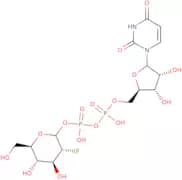
<p>2-Azido-2-deoxy-5,6-O-isopropylidene-L-gulonic acid g-lactone is a synthetic compound that is used as a building block in the synthesis of various saccharides. It can be modified to form glycosylation products and complex carbohydrates. The chemical name for this compound is 2-azido-2,3,4,5,6 -pentafluoroethane sulfonic acid. This molecule has a molecular weight of 162.14 and a molecular formula of C9H9F7O4S. It has an empirical formula of C8H12FO5S. 2-Azido-2,3,4,5,6 -pentafluoroethane sulfonic acid is soluble in water and ethanol and can be stored at room temperature for up to one year without decomposing.</p>Pureza:Min. 95%5'-O-(2-Azido-2-deoxy-D-mannopyranosyl)-uridine
CAS:<p>5'-O-(2-Azido-2-deoxy-D-mannopyranosyl)-uridine is a complex carbohydrate that is used in the synthesis of oligosaccharides, polysaccharides, and other glycosylated molecules. This compound can be modified with methylation, click modification, fluorination, or saccharide moieties. It is a synthetic molecule that has CAS 635293-07-1 and has been custom synthesized to achieve high purity.</p>Fórmula:C15H21N5O10Pureza:Min. 95%Peso molecular:431.35 g/molθ-Cyclodextrins
Theta-cyclodextrin (θ-CD) contains 13 glucose units. This cyclodextrin has potential applications in host-guest chemistry, particularly for large molecules or assemblies.Pureza:Min. 95%3,4-O-Benzylidene-D- ribonic acid γ-lactone
3,4-O-Benzylidene-D-ribonic acid gamma-lactone is a synthetic sugar that has been modified with fluorination and methylation. It is a complex carbohydrate that has been shown to have antiviral activity against influenza A virus. 3,4-O-Benzylidene-D- ribonic acid gamma-lactone has been synthesized using custom synthesis and high purity. The chemical structure of this product is O-(1,2:3,4:6,7:8,9) benzylidene D-ribonolactone.Pureza:Min. 95%2,3,5-Tri-O-benzyl-L-xylofuranose
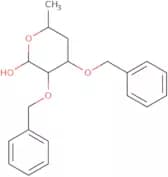
CAS:<p>2,3,5-Tri-O-benzyl-L-xylofuranose is a sugar molecule that has been modified to inhibit glycosidases. 2,3,5-Tri-O-benzyl-L-xylofuranose is an iminosugar that inhibits the enzyme β-glucosidase and α-galactosidase. The compound is not metabolized and it binds to the enzyme's active site. 2,3,5-Tri-O-benzyl L xylofuranose has been shown to be effective at inhibiting all of the glycosidases tested in this study with inhibition potencies ranging from 0.1 mM to 10 mM. This compound also inhibits epoxides and cyclic enzymes such as azido reductase and dihydropyrimidine dehydrogenase.</p>Fórmula:C26H28O5Pureza:Min. 95%Cor e Forma:PowderPeso molecular:420.5 g/mol(Hydroxypropyl)methyl cellulose - Viscocity 2600-5600 cP
CAS:<p>Hydroxypropyl methylcellulose (HPMC or hypromellose) is a semisynthetic, inert and viscoelastic polymer that is used as eye drops and as semi-synthetic substitute for tear-films. When applied, a hypromellose solution acts to swell and absorb water, by increasing the thickness of the tear-film, resulting in decreased eye irritation. In addition to its use in ophthalmic liquids, hypromellose has been used as an excipient in oral tablet and capsule formulations, where, depending on the grade, it functions as controlled-release agent. It is also used as a binder and as a component of tablet coatings. Hypromellose in aqueous solution, unlike methylcellulose, exhibits thermal gelation properties. HPMC is approved as a food additive, emulsifier, thickening and suspending agent, and as an alternative to animal gelatin (Codex Alimentarius code (E number) is E464).</p>Cor e Forma:White Powder1,2,3,4,6-Penta-O-acetyl-5-thio-b-D-galactopyranoside
<p>The 1,2,3,4,6-Penta-O-acetyl-5-thio-b-D-galactopyranoside is a custom synthesis. The compound is a complex carbohydrate that belongs to the group of Oligosaccharides. It is a saccharide with six hydroxyl groups and one acetate ester group. The CAS number for this compound is CID:270145-25-0. This compound has been modified by methylation and glycosylation. The 1,2,3,4,6-Penta-O-acetyl-5-thio-b-D-galactopyranoside can be used as an intermediate in the synthesis of other compounds with similar structures.</p>Pureza:Min. 95%1,3,4,6-Tetra-O-acetyl-2-deoxy-2-fluoro-D-galactopyranose
CAS:1,3,4,6-Tetra-O-acetyl-2-deoxy-2-fluoro-D-galactopyranose is a fluorinated sugar that is used in the synthesis of glycosides. It is a synthetic compound that is prepared by reacting 1,3,4,6-tetraacetyl galactose with potassium bifluoride and diethyl oxalate in presence of anhydrous sodium sulfate. The product obtained has the following structural formula: The chemical name for this compound is 1,3,4,6-Tetraacetyl -2-[(1R)-1-(ethoxycarbonyl)propyl]-2-(fluorooxymethyl) -D-galactopyranose. The CAS number for this compound is 83697–45–4.Fórmula:C14H19FO9Pureza:(As Sum Of Anomers) Min. 98 Area-%Cor e Forma:White PowderPeso molecular:350.3 g/molMethyl 2,3,4,6-tetra-O-benzyl-D-glucopyranoside
CAS:<p>Methyl 2,3,4,6-tetra-O-benzyl-D-glucopyranoside is a glucopyranoside that has been chemically modified with an allyl group and an azide group. It is also the anomeric form of methyl 2,3,4,6-tetra-O-benzyl-β-D-glucopyranoside. The modification of the sugar moiety offers a new approach to synthesize β-linked D-, L-, or D/L-(2,3,4,6)-linked glycosides. This chemical modification is unambiguously determined by nmr analysis and alkene formation.</p>Fórmula:C35H38O6Pureza:Min. 95%Cor e Forma:Clear LiquidPeso molecular:554.67 g/mol3-Deoxy-3-fluoro-D-allose
CAS:<p>3-Deoxy-3-fluoro-D-allose is a chemical compound with the molecular formula CHNO. It has been shown to have potential as a contrast agent for magnetic resonance imaging (MRI) and positron emission tomography (PET). The conformation of 3-Deoxy-3-fluoro-D-allose is similar to that of glucose, but it does not inhibit the uptake of glucose by erythrocytes or the transport of glucose across cell membranes. 3DFA has been shown to be taken up by cells in the brain, kidney, and liver. The uptake and distribution of 3DFA in these tissues was dependent on serum protein concentrations.</p>Fórmula:C6H11FO5Cor e Forma:PowderPeso molecular:182.15 g/mol6’-Sulfated-N-acetyllactosamine
<p>6’-Sulfated-N-acetyllactosamine (6SA) is a complex carbohydrate that is a glycosylation product of lactose. It is methylated at the hydroxyl group and then click-modified by the addition of sulfate groups. 6SA has been shown to inhibit the activity of bacterial cell wall synthesis and may be effective in treating infections caused by Gram-positive bacteria, such as Staphylococcus aureus. 6SA also has antifungal properties and is effective against Candida albicans, including drug-resistant strains. This compound can be custom synthesized or purchased from commercial suppliers.</p>Fórmula:C14H25NO14SPureza:Min. 95%Cor e Forma:PowderPeso molecular:463.41 g/mol2-Azido-((R)-3,5-O-benzylidene)-2,6-dideoxy-L-glucono-1.4-lactone
<p>2-Azido-((R)-3,5-O-benzylidene)-2,6-dideoxy-L-glucono-1.4-lactone is a sugar and sugar derivative. It is a synthetic product that has been modified with methylation, fluorination and click chemistry. 2-Azido-(R)-3,5-O-benzylidene)-2,6-dideoxy--L--glucono--1.4--lactone is a carbohydrate with a saccharide at the end of its chain. This product is synthesized in high purity and without any contaminants, as it has been custom synthesized for your company's needs.</p>Pureza:Min. 95%LS-tetrasaccharide b
CAS:<p>Sialylated tetrasaccharide found in human milk, possible health benefits for the neonate by supporting resistance to pathogens, gut maturation, immune function, and cognitive development.</p>Fórmula:C37H61N2O29•NH4Pureza:Min. 95 Area-%Cor e Forma:White PowderPeso molecular:1,015.92 g/molL-Rhamnose monohydrate
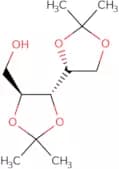
CAS:<p>L-rhamnose (Rha, 6-deoxy-L-mannose) (Collins, 2006) is normally bound to other sugars as a glycoside in many plant oligosaccharides and in polysaccharides. Rhamnose is also a component of the cell wall of Mycobacterium. In plants, rhamnose is found in the polysaccharide rhamnogalacturonan I, a branched pectic polysaccharide that accounts for 7â14% of the primary wall (Oomen, 2002). Rhamnose is also found in rhamnogalacturonan II, a complex polysaccharide that accounts for âŒ4% of the wall in dicots (Vidal, 2000). Rhamnose is also found in chacotriose and solatriose, the glycan components of solamargine and solasonine, two glycoalkaloids with anticancer properties (Al Sinani, 2017). An understanding of the rhamnose-containing polysaccharides of the gram positive cell wall has identified the biosynthetic pathway as an attractive therapeutic target for antimicrobial drug development (Mistou, 2016).</p>Fórmula:C6H12O5•H2OPureza:Min. 98 Area-%Cor e Forma:Off-White PowderPeso molecular:182.17 g/mol(5R, 8R, 9S) -8- [(4R) - 2, 2-Dimethyl- 1, 3- dioxolan- 4- yl] - 9- hydroxy- 2, 2- dimethyl- 1, 3, 7- trioxaspiro[4.4] nonan- 6- one
<p>5,8-Dihydroxy-6-fluoro-2,2-dimethyl-1,3,7-trioxaspiro[4.4]nonane - 8-[(4R)-2,2-dimethyl-1,3-dioxolan-4-yl]-9-(hydroxymethyl) - 2,2-dimethyl - 1,3,7 - trioxaspiro[4.4]nonane is a synthetic glycosylated fluorinated octahydropyrrole (5R)-8-(hydroxymethyl)-9-(hydroxymethyl)-6-[(methyloxy)methyl]-2,2,- dimethylpiperidine that is used as an intermediate in the synthesis of oligosaccharides and polysaccharides. It is also used to modify complex carbohydrates for click chemistry applications. This product has a CAS number of 9248411–67–0 and a purity of ></p>Pureza:Min. 95%Ganglioside GM1
CAS:<p>Ganglioside GM1 has a core tetrasaccharide structure (Galβ1,3GalNAcβ1,4Galβ1,4Glc) with sialic acid linked α2,3 to the inner galactose residue, ceramide linked β to position 1 on the reducing terminal glucose residue (Ledeen, 2009), and is abundant in all mammalian brains, where it covers 10%-20% of the total ganglioside mixture. Ganglioside GM1 is found in epithelial membranes and is a key element for the detection of bacterial toxicity and viral infection. It is the intestinal receptor for cholera toxin, the B-subunits of heat-labile toxin (LTB) from E.coli, for rotavirus, and simian virus 40. GM1 functions as a neurotrophic and neuroprotective compound and has been used therapeutically for diabetic and peripheral neuropathies. It also has the ability to bind amyloid-β proteins and is involved in Alzheimer’s pathogenesis (Chiricozzi, 2020).</p>Fórmula:C73H131N3O31·xNaPureza:Min. 95 Area-%Cor e Forma:White PowderPeso molecular:1,546.82 g/mol1-O-Methyl-β-D-xylopyranoside
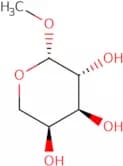
CAS:<p>1-O-Methyl-beta-D-xylopyranoside is a glycoside that consists of a glucose molecule linked to the hydroxyl group of p-hydroxybenzoic acid through an alpha glycosidic bond. It is found in many plants, such as in the leaves of the common bay tree (Laurus nobilis) and in the bark of the cinnamon tree (Cinnamomum verum). 1-O-Methyl-beta-D-xylopyranoside is used as a sweetener and flavoring agent. It is also used in some pharmaceutical drugs, including antiulcer agents and antidiarrheal agents. This compound has been shown to have an effective dose of 5 mg/kg when given orally to humans.</p>Fórmula:C6H12O5Pureza:Min. 98.0 Area-%Peso molecular:164.16 g/molMurNAc-6-phosphate-GlcNAc
<p>MurNAc-6-phosphate-GlcNAc is a complex carbohydrate that is composed of a glycosylation, methylation, and fluorination. It is an important component in polysaccharides and oligosaccharides. This compound has been modified with Click chemistry to form a reactive site for incorporation of a variety of molecules such as fluorophores, biotin, or other small molecules. This compound can be synthesized using custom synthesis methods and has CAS number 106579-01-4. MurNAc-6-phosphate-GlcNAc is available in high purity and can be custom synthesized to specific needs.</p>Pureza:Min. 95%Lactobionic acid
CAS:<p>Lactobionic acid is produced by oxidation of lactose. It is widely used in the food and in pharmaceutical field, due to its excellent biocompatibility, biodegradability, nontoxicity, chelating, amphiphilic and antioxidant properties. Lactobionic acid is produced as a white solid powder, freely soluble in water and slightly soluble in anhydrous ethanol and methanol.</p>Fórmula:C12H22O12Cor e Forma:White PowderPeso molecular:358.3 g/molD-Sorbitol hexaacetate
CAS:<p>Sorbitol hexaacetate is a low-energy compound that has a hydroxyl group and a phenolic acid. It is used as an intermediate in the production of detergents, surfactants, and other industrial chemicals. In addition to this, sorbitol hexaacetate can be used as a radiation shield and an effective dose for radiation therapy. Sorbitol hexaacetate is also used as an ingredient in lipolytic enzymes. It has been shown to inhibit the activity of lipolytic enzymes by forming hydrogen bonds with the enzyme active site. Magnetic resonance spectroscopy studies have revealed that sorbitol hexaacetate has a cavity that can be filled with water molecules, which may explain its ability to act as an optical polarizer.</p>Fórmula:C18H26O12Pureza:Min. 97 Area-%Cor e Forma:White PowderPeso molecular:434.39 g/mol3-O-Benzyl-4,6-O-benzylidene-a-D-glucopyranose
<p>3-O-Benzyl-4,6-O-benzylidene-a-D-glucopyranose is a custom synthesis of a complex carbohydrate. This product has CAS No. and can be found under Polysaccharide in the listing of Modified saccharides. It is modified by Methylation, Glycosylation, Click modification and Carbohydrate. The product is synthesized using Fluorination and Synthetic methods. It is high purity, with a purity level of 99%.</p>Pureza:Min. 95%Isomaltotetraose
CAS:<p>Produced from high maltose syrup by treatment with transglucosidase</p>Fórmula:C24H42O21Pureza:Min. 95%Cor e Forma:White PowderPeso molecular:666.58 g/mol1,6-b-Galactotriose
CAS:<p>1,6-b-Galactotriose is a glycosylation product of 1,6-galactose. It is a complex carbohydrate that is found in nature and can be used for modification of saccharides, sugar, oligosaccharides, or other monosaccharides. The product is also used as a building block for the synthesis of custom polysaccharides. It can be fluorinated or methylated and click modified to produce a desired saccharide structure.</p>Fórmula:C18H32O16Pureza:Min. 95%Peso molecular:504.44 g/molCarboxymethyl-dextran sodium 20-30% COOH, average molecular weight 150000
CAS:<p>Drug carrier for cancer therapy & imaging, biocompatible, soluble, biodegradable</p>Cor e Forma:Powdera-D-Mannose-1-phosphate 3-LINKER-FITC
<p>a-D-Mannose-1-phosphate 3-LINKER-FITC is a custom synthesis, modification, and fluorination of the natural a-D-mannose monosaccharide. It is synthesized from a mixture of D-mannitol (1) and pyridine hydrochloride in the presence of triphenylphosphine (2). The methylation of 2,4,6 trichloroacetophenone with sodium methoxide in methanol yields the desired product 3. This product is then reacted with an excess of N-(3-dimethylaminopropyl)-N'-ethylcarbodiimide hydrochloride to yield 4. The reaction between 4 and 5 results in 6 which is then converted to 7 by treatment with diazomethane. 7 is then reacted with 8 to produce 9. The final product 10 is obtained by reacting 9 with three equivalents of N-(7-azab</p>Pureza:Min. 95%Man-3a N-Glycan
CAS:<p>Man-3a N-Glycan is a N-linked oligosaccharide with a trimannosyl core</p>Fórmula:C34H58N2O26Pureza:Min. 95%Cor e Forma:PowderPeso molecular:910.82 g/molPhenyl 4,6-O-benzylidene-2-deoxy-2-N-(2,2,2-trichloroethyl)-b-D-thioglucopyranoside
<p>Phenyl 4,6-O-benzylidene-2-deoxy-2-N-(2,2,2-trichloroethyl)-b-D-thioglucopyranoside is an oligosaccharide that has been synthesized by the glycosylation of a benzylidene glycosylamine with a sugar. It is a custom synthesis which has been fluorinated and methylated. This compound is an important intermediate in the synthesis of complex carbohydrates. Phenyl 4,6-O-benzylidene-2-deoxy-2-N-(2,2,2 trichloroethyl)-b -D thioglucopyranoside is not toxic and has a high purity.</p>Pureza:Min. 95%Benzyl 2-acetamido-4,6-O-benzylidene-2-deoxy-α-D-glucopyranoside
CAS:<p>Please enquire for more information about Benzyl 2-acetamido-4,6-O-benzylidene-2-deoxy-α-D-glucopyranoside including the price, delivery time and more detailed product information at the technical inquiry form on this page</p>Fórmula:C22H25NO6Pureza:Min. 98 Area-%Cor e Forma:White PowderPeso molecular:399.44 g/mol3,4-Di-O-benzyl-D-glucose
<p>3,4-Di-O-benzyl-D-glucose is a monosaccharide that is synthetically modified with an O-benzyl group at the 3' and 4' positions. It is a custom synthesis and has a CAS number. This sugar can be used as a building block for polysaccharides or oligosaccharides with the addition of other sugars. 3,4-Di-O-benzyl-D-glucose is highly pure and can be modified with fluorine to make it more stable for use in click chemistry reactions. This sugar is soluble in water, ethanol, DMSO, DMF, and acetonitrile. It has been shown to inhibit the growth of bacteria such as Staphylococcus aureus and Mycobacterium tuberculosis.</p>Pureza:Min. 95%(2R,3S,4R)-4-C-((2R,3S)-N-Benzyl-3-tert.butylsilyloxy-2-azetidinyl)-3-O-tert.butyldimethylsilyl-2,3,4-trihydroxybutanoic acid
<p>(2R,3S,4R)-4-C-((2R,3S)-N-Benzyl-3-tert.butylsilyloxy-2-azetidinyl)-3-O-tert.butyldimethylsilyl-2,3,4-trihydroxybutanoic acid is a methylated and fluorinated oligosaccharide with a high purity. It is a complex carbohydrate that can be modified to include saccharides and monosaccharides. This product is synthesized using Click chemistry and has been shown to have antiallergic activities.</p>Pureza:Min. 95%Ethyl 6-azido-6-deoxy-a-D-thiomannopyranoside
Ethyl 6-azido-6-deoxy-a-D-thiomannopyranoside is a custom synthesis of a complex carbohydrate that is used in the modification of saccharides and glycosylations. It can be modified with methylation, fluorination, or click chemistry to create new derivatives. The chemical name for this product is Ethyl 6-azido-6-deoxymannopyranoside. This product has CAS Number 141459-18-4 and molecular weight of 308.86 g/mol. It is available in high purity with 98% yield.Fórmula:C8H15N3O4SPureza:Min. 95%Peso molecular:249.29 g/molLewis B tetrasaccharide
CAS:<p>Lewis B tetrasaccharide (LBT) is a glycosylated oligosaccharide that is found in the outer membrane of human pathogens, such as Helicobacter pylori. LBT has been shown to inhibit the growth of cancer cells and may be used as a potential therapeutic agent for cancer treatment. It has also been shown to have structural features similar to those found in inflammatory bowel disease patients, suggesting that it may play a role in regulating bowel inflammation. LBT is recognized by monoclonal antibodies and can be used to detect H. pylori in biological samples. Lewis B tetrasaccharide binds with methyl glycosides on human erythrocytes, which inhibits the polymerase chain reaction (PCR). This inhibition leads to reduced DNA synthesis and a decrease in bacterial replication, making it an effective antimicrobial agent.</p>Fórmula:C26H45NO19Pureza:Min. 90%Cor e Forma:White PowderPeso molecular:675.63 g/mol(2R, 3S, 4S) -3-Fluoro- 4- (fluoromethyl])- 1- (phenylmethyl) -2- azetidinecarboxylic acid methyl ester
<p>(2R, 3S, 4S) -3-Fluoro-4-(fluoromethyl)-1-(phenylmethyl)-2-azetidinecarboxylic acid methyl ester is a synthetic compound that is used in the preparation of modified saccharides and oligosaccharides. These compounds are used in the synthesis of complex carbohydrates. This product also has fluoroquinolone resistance and has been shown to be an inhibitor of RNA polymerase II transcription and DNA topoisomerase I.</p>Pureza:Min. 95%1-Deoxy- 3, 4- O- isopropylidene-D- erythro- 2- pentulofuranose
<p>1-Deoxy- 3, 4- O- isopropylidene-D-erythro-2 pentulofuranose is a mannitol derivative. It is a carbohydrate that has been modified by fluorination and methylation and glycosylation. It can be synthesized from erythritol and 2,3,4-trihydroxybenzaldehyde. This product can be custom synthesized to order with high purity in quantities of 10 grams or more.</p>Pureza:Min. 95%4-Methoxyphenyl 6-O-tert-butyldimethylsilyl-2-deoxy-2-(2,2,2-trichloroethoxyformamido)-b-D-glucopyranoside
<p>4-Methoxyphenyl 6-O-tert-butyldimethylsilyl-2-deoxy-2-(2,2,2-trichloroethoxyformamido)-b-D-glucopyranoside is a synthetic oligosaccharide that is used as an intermediate in the synthesis of glycosylation products. This product can be custom synthesized and is provided with high purity. The CAS number for this product is 56874-06-1.</p>Pureza:Min. 95%Diethylgalactarate
CAS:<p>Diethylgalactarate is a polymer that is solid at room temperature. It has a yield value of 10%. Diethylgalactarate is soluble in organic solvents, but insoluble in water. This polymer has been shown to have good thermal stability and microstructure when used as a monomer with other polymers. Diethylgalactarate has also been shown to have high permeability, which makes it an ideal candidate for use in drug delivery systems.</p>Fórmula:C10H18O8Pureza:Min. 95%Peso molecular:266.25 g/molMan-5 Glycan, 2-AB labelled
<p>Man-5 Glycan, 2-AB labelled is a synthetic oligosaccharide that contains a mannose and a galactose moiety. It has been synthesized by click chemistry with the use of 2-aminobenzaldehyde and glycosylation with methylated and fluorinated mannose. This compound is used as a standard for the detection of carbohydrate binding proteins.</p>Pureza:Min. 95%Lactose octaacetate
CAS:<p>The acetates of lactose are useful starting points and intermediates in the synthesis of oligosaccharides based on lactose, particularly in the synthesis of the important oligosaccharides that occur in human milk.</p>Fórmula:C28H38O19Pureza:Min. 98 Area-%Cor e Forma:White PowderPeso molecular:678.59 g/molD-Gulonic acid-1,4-lactone
CAS:<p>D-Gulonic acid-1,4-lactone is a naturally occurring compound that is formed from L-gulonic acid and a 1,4-lactone ring. It has been shown to have inhibitory properties against the matrix metalloproteinases MMP-2 and MMP-9. It also has an effect on dehydroascorbic acid, which plays an important role in the regulation of bioavailability of vitamin C. D-Gulonic acid-1,4-lactone has been found to stimulate collagen synthesis in human skin cells, which may be due to its ability to increase the activity of enzymes such as pyruvate kinase and lactate dehydrogenase. The structural analysis of this compound reveals a pyrazole ring with two hydroxyl groups (OH).</p>Fórmula:C6H10O6Pureza:Min. 98 Area-%Cor e Forma:White PowderPeso molecular:178.14 g/moln-Octyl-β-D-thiogalactopyranoside
CAS:<p>n-Octyl-beta-D-thiogalactopyranoside is a modification of the sugar Galactose. It is a mono saccharide that can be found in the form of an oligosaccharide or polysaccharide. The modification of the sugar is done by methylation, glycosylation and fluorination. n-Octyl-beta-D-thiogalactopyranoside has CAS No. 42891-16-7 and can be found on PubChem CID: 5135624.</p>Fórmula:C14H28O5SPeso molecular:308.44 g/molRef: 3D-O-2700
5gA consultar10gA consultar25gA consultar50gA consultar100gA consultar-Unit-ggA consultarMethyl 6-deoxy-α-D-glucopyranoside
CAS:Methyl 6-deoxy-α-D-glucopyranoside is a synthetic monosaccharide. It is an important building block in the synthesis of glycosides, polysaccharides, and oligosaccharides. The product also has many applications in click chemistry, fluorination, and polysaccharide modification. Methyl 6-deoxy-α-D-glucopyranoside is available for custom synthesis to suit your specifications.Fórmula:C7H14O5Pureza:Min. 98 Area-%Cor e Forma:White PowderPeso molecular:178.18 g/molLactobionic acid ethyl ester
<p>Lactobionic acid ethyl ester is a custom synthesis of an oligosaccharide that is modified by fluorination, methylation, and click modification. Lactobionic acid ethyl ester is synthesized from the sugar D-glucose and the monosaccharide D-galactose. This product can be used as a substitute for sucrose in food products as it has similar taste, texture and sweetness. It also has many other applications such as being used in the manufacture of polysaccharides and complex carbohydrates.</p>Pureza:Min. 95%a-Cyclodextrin octadecaacetate
CAS:<p>Alpha-cyclodextrin (α-CD) derivative with a hydrophilic exterior and lipophilic cavity (smaller than β-CDs and γ-CDs) to allocate certain guest molecules. This structural characteristic enables applications in molecular encapsulation, solubility enhancement, and stabilization across multiple industries. In pharmaceuticals, it serves as a drug delivery vehicle, enhancing the bioavailability and stability of active ingredients. The food industry utilizes it as a stabilizer for flavors, colors, and nutrients, as well as a functional ingredient for its effects on lipid metabolism. In cosmetics, it acts as a complex agent for fragrances and active components. Its applications extend to analytical chemistry for chiral separation and to materials science for developing smart materials and nanosystems.</p>Fórmula:C72H96O48Pureza:Min. 95%Peso molecular:1,729.5 g/mol(1R) -1- [(2S, 3S) - 3- Hydroxy- 1- azetidinyl] -1, 2- ethanediol
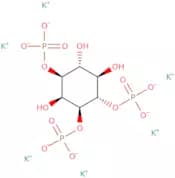
<p>(1R) -1- [(2S, 3S) - 3- Hydroxy- 1- azetidinyl] -1, 2- ethanediol is a glycoside that can be used as a fluorination agent. It reacts with the hydroxyl group of carbohydrates to form a covalent bond between the oxygen atom and fluorine atom. This product is custom synthesized and has high purity. The CAS number for this product is 53872-68-9.</p>Pureza:Min. 95%D-myo-Inositol-1,3,4-triphosphate
CAS:<p>D-myo-Inositol-1,3,4-triphosphate is a custom synthesis that has been modified with a methyl group at the 1 position and fluorinated at the 3 and 4 positions. This compound is an oligosaccharide that contains three monosaccharides linked by glycosidic bonds. It is a complex carbohydrate with a molecular weight of 576.06 g/mol and CAS No. 140385-74-6. D-myo-Inositol-1,3,4-triphosphate is used in glycobiology as a substrate for glycosylation reactions. The polymerization of this compound leads to the formation of polysaccharides such as cellulose, which can be used in tissue engineering applications.</p>Fórmula:C6H12O15P3Pureza:Min. 95%Peso molecular:417.07 g/mol4-Aminophenyl 6-O-(a-D-mannopyranosyl)-a-D-mannopyranoside
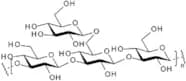
<p>4-Aminophenyl 6-O-(a-D-mannopyranosyl)-a-D-mannopyranoside is a custom synthesized carbohydrate that belongs to the group of oligosaccharides. It is a saccharide with a mannose, glucose, and mannose backbone structure. This compound has been modified by methylation at the C4 position, glycosylation at the C3 position, and fluorination at the C6 position. The 4-aminophenyl 6-O-(a-D-mannopyranosyl)-a-D-mannopyranoside is available in high purity and can be used for research purposes.</p>Pureza:Min. 95%Lichenan - from Cetraria islandica
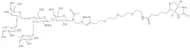
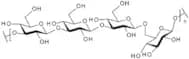
CAS:<p>Lichenin, the poly β-D-Glucan of Cetraria islandica (Iceland moss), is found by enzymic degradation to differ in fine structure from the poly β-D-glucans of cereal grains. Thus, the basic structure of lichenin is a tetrameric unit in which two adjacent 1,4 linkages alternate with an isolated 1,3 linkage; occasionally four consecutive monomers are linked by 1,4 bonds. The immunomodulatory activity of isolichenan was tested in in vitro phagocytosis and anti-complementary assays, and proved to be active in both cases.<br>The image was kindly provided by Prof Mike Guiry from Cork who runs ‘The Seaweed Site’.</p>Fórmula:C6H10O5Pureza:(Β-Linked Polysaccharide. 1H-Nmr) Min. 85%Cor e Forma:White PowderPeso molecular:162.14Lewis Y pentasaccharide-sp-biotin
<p>Lewis Y pentasaccharide-sp-biotin is a custom synthesis of an oligosaccharide with a complex carbohydrate. It can be produced by Click modification, fluorination, glycosylation, or methylation and has CAS No. 447-19-1. Lewis Y pentasaccharide-sp-biotin is a high purity product that can be used in research applications such as the study of Lewis Y antigen and its role in human immunity and cancer.</p>Fórmula:C55H92N8O29SPureza:Min. 95%Cor e Forma:PowderPeso molecular:1,361.42 g/molSchizophyllan
CAS:<p>Schizophyllan is a neutral extracellular polysaccharide produced by the fungus Schyizophyllum commune. Schizophyllan is a β-1,3 beta glucan with β-1,6 branches and a molecular weight of around 450 kDa. It is reported that this polysaccharide can stimulate the immune system, chelate metals, act as an adjuvant in delivering drugs and aid in the production of nanofibres.<br>The image was kindly provided by Dr. Chris Lawson.</p>Cor e Forma:White PowderFucoidan, laminaria digitata
CAS:<p>A fucan sulphate found in brown marine algae (Phaeophyta-typically Fucus serratus, Ascophyllum nodosum, Laminaria digitata (illustrated) and Macrocystis pyrifyra) and has been shown to have anticoagulant activity. The main constituents are α-1,4 and α-1,2 linked L-fucose sulphates although galactose also occurs and there are many variations of the basic structure found in different species of Phaeophyta.<br>The image was kindly provided by Prof Mike Guiry from Cork who runs ‘The Seaweed Site’.</p>Cor e Forma:Powder2,4-Methanoglutamic acid
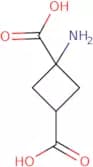
CAS:<p>2,4-Methanoglutamic acid is an amino acid that has been shown to have neuroprotective effects in animal models of excitotoxicity. It has been shown to reduce neuronal death at low concentrations and inhibit the uptake of glutamate into the brain cells. 2,4-Methanoglutamic acid binds to calcium ions and prevents the release of calcium from intracellular stores, thereby protecting against neuronal death. This compound has also been shown to be toxic in mammalian cell culture, but it is not yet known if this toxicity will occur in humans.</p>Fórmula:C6H9NO4Pureza:Min. 95%Peso molecular:159.14 g/mol3-Epialexine
CAS:<p>3-Epialexine is a novel small molecule that inhibits sucrase, the enzyme responsible for cleaving glucose from sucrose. 3-Epialexine binds to the active site of this enzyme, preventing d-glucose from binding and being broken down. This leads to an accumulation of d-glucose in the intestinal lumen and could be used as a lead compound for the development of drugs to treat diabetes. The diversity of microorganisms can be screened for sucrase activity by using 3-epialexine as a lead compound.</p>Pureza:Min. 95%Blood Group A pentasaccharide type I
<p>A antigen pentasaccharide Type I, possible use in antiviral development</p>Fórmula:C34H58N2O25Pureza:Min. 85%Cor e Forma:PowderPeso molecular:894.82 g/mol6-Deoxy-6-fluoro-D-lactosylamine
<p>6-Deoxy-6-fluoro-D-lactosylamine (6DFDLA) is a Custom synthesis, Modification, Fluorination, Methylation, Monosaccharide, Synthetic, Click modification, Oligosaccharide, saccharide. It is a polysaccharide that contains a glycosyl linkage between two or more monosaccharides. The carbons of 6DFDLA are derived from glucose and galactose. 6DFDLA is a carbohydrate that can be classified as either simple or complex carbohydrates.</p>Pureza:Min. 95%Mitiglinide-acyl-b-D-glucuronide
<p>Mitiglinide-acyl-b-D-glucuronide is a custom synthesis of an oligosaccharide and polysaccharide that has been fluorinated, modified and then acylated. This reagent is available in high purity and with a modification of methylation. It is a complex carbohydrate with high purity that is obtained by modifying the sugar monomer. Mitiglinide-acyl-b-D-glucuronide is a synthetic monosaccharide that has been modified with polysaccharides and saccharides to produce a product with high purity.</p>Fórmula:C25H33NO9Pureza:Min. 95%Peso molecular:491.53 g/mol3, 5- O-Isopropylidene - D- lyxonic acid γ-lactone
3,5-O-Isopropylidene-D-lyxonic acid gamma-lactone is a sugar that belongs to the group of carbohydrates. It is synthesized by the chemical modification of D-lyxonic acid and has been shown to inhibit the growth of bacteria. 3,5-O-Isopropylidene - D-lyxonic acid gamma-lactone inhibits bacterial growth by binding to the enzyme beta - galactosidase, which is involved in glycosylation and glycosyltransferase activity. This compound also inhibits protein synthesis in bacteria and has been shown to have antiinflammatory properties. 3,5-O-Isopropylidene - D-lyxonic acid gamma-lactone may be used as an alternative sweetener or food additive.Pureza:Min. 95%1,2,3,4-Tetra-O-acetyl-D-lyxopyranose
CAS:<p>1,2,3,4-Tetra-O-acetyl-D-lyxopyranose (LXT) is a human lymphocyte growth factor that stimulates the proliferation of human lymphocytes. It also exhibits antiviral activity against murine leukemia and murine viruses in cell culture. LXT has been shown to inhibit the replication of the virus that causes human breast carcinoma. This compound also exhibits anti-inflammatory effects on murine leukemia cells and can stimulate the production of interferon from mouse spleen cells.</p>Fórmula:C13H18O9Pureza:Min. 95%Peso molecular:318.3 g/molGDP-L-fucose diammonium salt
CAS:<p>GDP-L-fucose diammonium salt is a synthetase inhibitor that has been shown to inhibit the synthesis of GDP-L-fucose. This compound is also known as 5,6-dichloro-1,2,3,4-tetrahydroisoquinoline and is a secondary metabolite of the bacterium Aerobacter aerogenes. The enzyme kinetic assay was used to determine the inhibition constant for this compound. It has been shown to be active against E. coli K-12 and S. subtilis in cell culture experiments. Inhibition of GDP-L-fucose synthesis by this compound leads to reduced bacterial growth, which may be due to its interference with cell surface carbohydrate attachment or its effects on other metabolic pathways such as glycolysis and nucleotide synthesis.</p>Fórmula:C15H23N5O15P2·N2H8Pureza:Min. 95%Peso molecular:623.41 g/molN-Boc-1,5-imino-1,5-dideoxy-D-glucitol
CAS:N-Boc-1,5-imino-1,5-dideoxy-D-glucitol is a custom synthesis product that is synthesized by methylation and click chemistry. The chemical name of N-Boc-1,5-imino-1,5-dideoxyglucitol is 1,5-(N′-(tertiary butyloxycarbonyl)-L-serine)-1,5-dideoxyglucitol. It has a CAS number of 1305391207 and molecular weight of 478.18 g/mol. It is a modified carbohydrate with the molecular formula C14H27NO8 and molecular weight of 478.18 g/mol. It has an Oligosaccharide with the molecular formula C14H27NO8 and molecular weight of 478.18 g/mol. It has a Polysaccharide with the molecular formula C14H27NO8 andFórmula:C11H21NO6Pureza:Min. 95%Cor e Forma:Beige solid.Peso molecular:263.29 g/mol5-Deoxy-L-ribose phenylhydrazone
CAS:<p>Intermediate in the synthesis of L-Primapterin</p>Fórmula:C11H16N2O3Pureza:Min. 95%Peso molecular:224.26 g/mol1,2,3,4,6-Penta-O-galloyl-a-D-glucopyranose
CAS:1,2,3,4,6-Penta-O-galloyl-a-D-glucopyranose is a natural compound that inhibits the Cox-2 enzyme and has anti-cancer properties. It induces cell death by increasing oxidative injury and suppressing autophagy. 1,2,3,4,6-Penta-O-galloyl-a-D-glucopyranose has been shown to reduce xenograft tumor growth in mice while causing no observable toxic effects on normal tissues. This compound also inhibits the proapoptotic protein Bax and promotes the expression of Bcl2 in 3T3L1 preadipocytes. The mechanism of action may be related to its ability to inhibit basic fibroblast proliferation and induce apoptosis in k562 cells.Fórmula:C41H32O26Pureza:Min. 95%Cor e Forma:Off-White PowderPeso molecular:940.68 g/mol4-Deoxy-4-fluoro-D-glucose
CAS:<p>4-Deoxy-4-fluoro-D-glucose is a biochemical compound that is used to bind to the carbon source in target tissues. It has a fluorine atom and two hydroxy groups, which are responsible for its biological properties. 4-Deoxy-4-fluoro-D-glucose binds to the 6 phosphate in bacterial enzymes and inhibits their activity, leading to cell death. It also binds to the hydroxyl group of proteins and alters their function. 4-Deoxy-4-fluoro-D-glucose is an inhibitor of bacterial enzymes, but has no effect on eukaryotic cells due to its inability to bind with these types of enzymes.</p>Fórmula:C6H11FO5Pureza:Min. 95%Cor e Forma:PowderPeso molecular:182.15 g/mol5,6-O-Isopropylidene-D-mannofurano-1,4-lactone
<p>5,6-O-Isopropylidene-D-mannofurano-1,4-lactone (5,6-OI) is a synthetic monosaccharide that is used in the synthesis of oligosaccharides and complex carbohydrates. This compound can be fluorinated to 5,6-OI(F) and methylated to 5,6-OMe. It also has a glycosylation site at C2. The CAS number for this compound is 218070-07-5.</p>Pureza:Min. 95%2-Azido-2-deoxy-3,5:6,7-di-O-isopropylidene-D-glycero-D-ido-heptono-1.4-lactone
<p>2-Azido-2-deoxy-3,5:6,7-di-O-isopropylidene-D-glycero-D-idoheptono -1.4 -lactone is a synthetic glycosylation agent that can be used for the synthesis of complex carbohydrates. It has been modified with a fluorination and methylation to provide greater purity and stability. 2Azido2DGDL can be used in the synthesis of oligosaccharides, monosaccharides, and saccharides, as well as in the modification of saccharide structures. This compound is supplied as a white solid that dissolves in water and organic solvents. The CAS number is 79743-72-8.</p>Pureza:Min. 95%Phenyl α-D-galactopyranoside
CAS:<p>Phenyl a-D-galactopyranoside is a pesticide that is used to control the growth of endophytic fungi. It has been shown to have an antibacterial effect against Gram-positive bacteria and can be used as a fungicide. Phenyl a-D-galactopyranoside can be synthesized from the corresponding synthons, which are 3-hydroxybenzoic acid and 4-methylphenol. This compound contains a carbonyl group and hydroxyl group that are reactive with enzymes such as esterases, glucuronidases, and glutathione reductase, which hydrolyzes it into its inactive form.</p>Fórmula:C12H16O6Pureza:Min. 95%Cor e Forma:PowderPeso molecular:256.25 g/molPhenylethyl-beta-D-glucopyranoside
CAS:<p>Phenylethyl-beta-D-glucopyranoside is a phenolic compound that is found in plants such as Echinacea. Phenylethyl-beta-D-glucopyranoside has been shown to inhibit tumor cell proliferation by increasing the levels of enzyme catalysis and enzyme activity, and decreasing the levels of protocatechuic acid. This compound also inhibits fatty acid synthesis, which may be due to its ability to inhibit the production of 4-hydroxycinnamic acid via inhibition of the enzyme acyl coenzyme A:cholesterol acyltransferase. The cyanobacterial strain Synechococcus elongatus PCC 7942 was found to produce phenylethyl glucoside, an iridoid glucoside with high cytotoxic activity against human tumor cells.</p>Fórmula:C14H20O6Pureza:Min. 95%Cor e Forma:PowderPeso molecular:284.31 g/molLacto-N-fucopentaose I
CAS:<p>Milk oligosaccharide; expressed on human induced pluripotent cells</p>Fórmula:C32H55NO25Pureza:Min. 95%Cor e Forma:White PowderPeso molecular:853.77 g/mol7-Deoxy-1,2:3,4:5,6-tri-O-isopropylidene-D-glycero-L-ido-heptitol
<p>The 7-Deoxy-1,2:3,4:5,6-tri-O-isopropylidene-D-glycero-L-ido-heptitol is a synthetic oligosaccharide that can be custom synthesized for research purposes. It is composed of the sugar monomers 6,7-dideoxyglucose and 1,2:3,4:5,6-tetraisopropyldecaonol. The 7DG and 1,2:3,4:5,6TIDCA are linked together via an alpha(1→4) glycosidic linkage. This product has been fluorinated to increase its stability in aqueous solutions.<br>br>br><br>The 7DG and 1,2:3,4:5,6TIDCA monomers are connected by an alpha(1→4) glycosidic linkage. The structural</p>Pureza:Min. 95%2-Azidomethyl-2-deoxy-3,4-O-isopropylidene-4-C-methyl-L-ribono-1.5-lactone
<p>2-Azidomethyl-2-deoxy-3,4-O-isopropylidene-4-C-methyl-L-ribono-1.5-lactone is a modification of the sugar molecule ribose. It is synthesized by the methylation of 2,6 anhydroglucose with formaldehyde and sodium azide in methanol. This modification prevents the formation of cyclic hemiacetals and epimerization reactions that may occur during glycosylation or polysaccharide formation. 2A diol has been used as a model for oligosaccharides, carbohydrates, and complex carbohydrates. It is highly purified, has a CAS number, and can be used in custom synthesis projects.</p>Pureza:Min. 95%Methyl β-L-arabinopyranoside
CAS:<p>Methyl β-L-arabinopyranoside is a stereochemically pure monosaccharide that has been used to calibrate and quantify the conformational, stereochemical, and spectrometric methods. Methyl β-L-arabinopyranoside has a conformation that is restricted by the presence of an α-hydroxyl group at C2. The chloride ion can be used to monitor this conformation. The diameter of methyl β-L-arabinopyranoside can be measured with a micropipette and monitored using an aerosol detector. Methyl β-L-arabinopyranoside can also be quantified by mass spectrometry or spectrophotometry. The conformational, stereochemical, and spectrometric methods have been calibrated using methyl β-L-arabinopyranoside as a standard to determine their accuracy in measuring the size of other molecules.</p>Fórmula:C6H12O5Pureza:Min. 95%Cor e Forma:White Off-White PowderPeso molecular:164.16 g/molMaltodextrin, dextrose equivalent 10-15
CAS:<p>Ex starch-partial hydrolysis,food ingredient, moderatly sweet, easily digested</p>Cor e Forma:PowderMethyl 2-deoxy-3,5-di-O-toluoyl-L-ribofuranoside
CAS:<p>Methyl 2-deoxy-3,5-di-O-toluoyl-L-ribofuranoside is a custom synthesis that is a complex carbohydrate that is used in the modification of saccharides. It has been shown to be able to methylate and glycosylate carbohydrates and can be fluorinated for use in click chemistry experiments. Methyl 2-deoxy-3,5-di-O-toluoyl-L-ribofuranoside is highly pure and can be synthesized with high yield.</p>Fórmula:C22H24O6Pureza:Min. 95%Cor e Forma:Brown oil.Peso molecular:384.43 g/molOctyl beta-D-thioglucopyranoside
CAS:<p>Non-denaturing, non-ionic detergent for membrane protein solubilisation. Previously under code O-2710 and DO06354.</p>Fórmula:C14H28O5SPureza:Min. 98 Area-%Peso molecular:308.44 g/mol1,3:1,4-b-Glucotetraose (B)
CAS:<p>1,3:1,4-b-Glucotetraose (B) is a high purity, custom synthesis sugar. It can be modified with a click modification, fluorination, glycosylation, or methylation. This compound has CAS No. 58484-02-9 and is a Modification of the carbohydrate saccharide group. 1,3:1,4-b-Glucotetraose (B) is an Oligosaccharide that consists of Monosaccharides and Carbohydrates. It is a complex carbohydrate that can be used as a medicine for diabetes mellitus type 2.</p>Fórmula:C24H42O21Pureza:Min. 95%Cor e Forma:White PowderPeso molecular:666.58 g/molUDP-2-deoxy-2-fluoro-D-glucose sodium salt
CAS:UDP-2-deoxy-2-fluoro-D-glucose sodium salt (UDPFG) is a fluorinated analog of the sugar donor, UDP-glucose. It is an acceptor for the enzyme, glycosylation protein glucosyltransferase, which catalyzes the transfer of glucose to proteins. This compound has been shown to be an activating sugar donor in vitro and in vivo. In addition, it was found that UDFG can bind to the active site of glucosyltransferase in a hydrogen bond interaction that may be important for catalysis.Fórmula:C15H21FN2O16P2·2NaPureza:Min. 95%Cor e Forma:PowderPeso molecular:568.29 g/mol2,3:4,5-Di-O-isopropylidene-D-xylitol
CAS:<p>2,3:4,5-Di-O-isopropylidene-D-xylitol is an acceptor for the Stannic Chloride Reaction. It is a lacto-n-biose derivative of D-xylitol that has been shown to have antibiotic activity against Streptococcus section A and B. The temporary protection of the hydroxyl group in 2,3:4,5diOisopropylidene-Dxylitol with methyl glycosides provides a convenient method for glycosylations. The chloride ion can be replaced by hexaacetate to yield 1amino1deoxyDxylitol hydrochloride, which is a benzyl derivative. This reaction allows for research into the transfer of 2,3:4,5diOisopropylideneDxylitol.</p>Fórmula:C11H20O5Pureza:Min. 95%Cor e Forma:Solidified MassPeso molecular:232.27 g/mol2-Azido-2,6-dideoxy-3,5-((R)-benzylidene-L-mannofuranose
<p>2-Azido-2,6-dideoxy-3,5-((R)-benzylidene-L-mannofuranose) is a synthetic, fluorinated carbohydrate that can be used to modify saccharides, oligosaccharides, or polysaccharides with click chemistry. This product has been modified by the addition of an azido group at the 2 position and a fluoride atom at the 6 position. The CAS number for this product is 52765-69-0.</p>Pureza:Min. 95%D-Glucose - monohydrate
CAS:<p>D-Glucose - monohydrate is a glucose molecule that is found in the blood stream. It is the preferred source of energy for the brain and has been shown to enhance brain function. Glucose is also used to maintain the water balance of cells and tissues, as well as to prevent or treat hypoglycemia. This molecule can be found in many foods, such as honey, corn syrup, molasses, fruits and fruit juices. D-Glucose - monohydrate has antibacterial efficacy against a number of bacteria including staphylococcus aureus, Escherichia coli, Pseudomonas aeruginosa and Bacillus subtilis. It can also inhibit squamous cell carcinoma growth in vivo by preventing the proliferation of cancer cells. D-Glucose - monohydrate is structurally similar to adenosine diphosphate (ADP), which binds to dinucleotide phosphate (DP) enzymes that are involved in energy metabolism</p>Fórmula:C6H12O6·H2OPureza:(%) Min. 95%Cor e Forma:White PowderPeso molecular:198.17 g/molα-D-Glucose-1-phosphate disodium salt hydrate
CAS:Alpha-D-glucose-1-phosphate disodium salt hydrate is a sugar that is used to provide the carbohydrate in the diet. It is an important monosaccharide and can be found in many fruits, vegetables, and dairy products. The optimum pH for alpha-D-glucose-1-phosphate disodium salt hydrate is 7.5. Alpha-D-glucose-1-phosphate disodium salt hydrate has been shown to have antifungal properties, which are due to its ability to inhibit the growth of fungi by interfering with their metabolism. Alpha D glucose 1 phosphate disodium salt hydrate also inhibits the growth of bacteria such as E coli K 12 and C coli K 12, which are microorganisms that can cause food poisoning in humans. This compound also has been shown to have antihypertensive properties, which may be due to its ability to stimulate nitric oxide synthesis.Fórmula:C6H11O9PNa2(anhydrousbasis)Peso molecular:304.1 g/mol2N-Boc-amino-2- deoxy- b- D- glucopyranosylamine
CAS:<p>2N-Boc-amino-2-deoxy-b-D-glucopyranosylamine is a Glycosylation, complex carbohydrate that can be modified with Methylation, Click modification, Polysaccharide, Fluorination, saccharide, Modification, sugar and Oligosaccharide. The CAS No. for 2N-Boc-amino-2-deoxy-b-D-glucopyranosylamine is 494201-09-1 and it can be custom synthesized to your specifications.</p>Fórmula:C11H22N2O6Pureza:Min. 95%Peso molecular:278.3 g/mol2,3,5-Tri-O-(p-toluoyl)-1-O-acetyl-4-thio-D-ribofuranose
<p>2,3,5-Tri-O-(p-toluoyl)-1-O-acetyl-4-thio-D-ribofuranose is a custom synthesis of a complex carbohydrate. It is an Oligosaccharide with CAS No. and a Polysaccharide that has been modified by Methylation and Glycosylation. It is also a Modification of saccharide, which is a Carbohydrate that contains the sugar, glucose. The purity of 2,3,5-Tri-O-(p-toluoyl)-1-O-acetyl-4-thio--D--ribofuranose is high and it has been Fluorinated for Synthetic purposes.</p>Pureza:Min. 95%3,5-Dideoxy-N-(1-hexyl)-3,5-imino-D-xylopentitol
<p>3,5-Dideoxy-N-(1-hexyl)-3,5-imino-D-xylopentitol is a synthetic monosaccharide that is used in the production of complex carbohydrates. It can be modified with fluorination and methylation to produce 3,5-dideoxy-N-(1-hexyl)-3,5-[(2-[(2,6-difluoro phenoxy)methyl]phenyl]imino)D-xylopentitol. The compound has been shown to have antiviral properties and has been used in the synthesis of glycosaminoglycans.</p>Pureza:Min. 95%Succinyl-gamma-cyclodextrin
<p>This gamma-cyclodextrin (γ-CD) derivative (Suc-γ-CD) is a modified cyclic oligosaccharide composed of eight glucose units, featuring a larger cavity size than α- and β-cyclodextrins. This structural characteristic allows γ-CDs to form inclusion complexes with a wider range of guest molecules, making it particularly versatile in various industries. In the food sector, it is used as a carrier and stabilizer for flavors, fat-soluble vitamins, and polyunsaturated fatty acids, protecting volatile compounds from evaporation. In pharmaceuticals, it enhances the solubility and bioavailability of poorly water-soluble drugs and, thanks to its larger ring size, allows for the encapsulation of larger molecules or even entire drug molecules. γ-CDs and derivatives are also used for environmental remediation and, in analytical chemistry, for the extraction and concentration of target substances.</p>Fórmula:C48H80nO40•(C4H5O3)nPureza:Min. 95%Cor e Forma:PowderPeso molecular:1,297.2 g/molLaminaran - from Eisenia bicyclis
CAS:<p>Laminaran is a polysaccharide that co-occurs with fucoidan and alginate in brown seaweeds such as Laminaria digitata, Laminaria cloustoni, Eisenia bicyclis and Thallus laminariae. It is a β-1,3-linked glucan which it is claimed stimulates the immune system in mammals and fish.<br>The image was kindly provided by Prof Mike Guiry from Cork who runs ‘The Seaweed Site’.</p>Cor e Forma:White Off-White Powder4-Methoxyphenyl 3-O-benzyl-a-D-mannopyranoside
CAS:<p>4-Methoxyphenyl 3-O-benzyl-a-D-mannopyranoside is a synthetic carbohydrate that has been modified with a click reaction. It is an Oligosaccharide, which is a type of Carbohydrate, and has a saccharide sequence. This product is used in the synthesis of complex carbohydrates. The product has high purity and custom synthesis capabilities.</p>Fórmula:C20H24O7Pureza:Min. 95%Peso molecular:376.4 g/mol2-O-Methyl-D-glucose
CAS:2-O-Methyl-D-glucose is an aldohexose that is used in the synthesis of a number of biological compounds. It has been shown to inhibit the growth of cancer cells by interfering with the synthesis of fatty acids and proteins.Fórmula:C7H14O6Pureza:Min. 95%Cor e Forma:PowderPeso molecular:194.18 g/molMethyl 2,3,6-tri-O-benzoyl-4-deoxy-4-fluoro-a-D-glucopyranoside
CAS:Methyl 2,3,6-tri-O-benzoyl-4-deoxy-4-fluoro-a-D-glucopyranoside is a sugar that is synthetically modified. This product has been fluorinated and glycosylated with a benzoyl group at C2 position. It contains methyl groups attached to the ring carbons at C1 and C6 positions. The product is also an oligosaccharide that contains two monosaccharides (sugar units) linked by an alpha (1→4) glycosidic bond. Methyl 2,3,6-tri-O-benzoyl-4-deoxy-4-fluoro-a-Dglucopyranoside can be used as a synthetic building block for the synthesis of complex carbohydrate structures.Fórmula:C28H25FO8Pureza:Min. 95%Cor e Forma:White PowderPeso molecular:508.49 g/molN-Dodecyldeoxynojirimycin
CAS:<p>Dodecyldeoxynojirimycin is a polyketide natural product that has been shown to be a potent inhibitor of the synthesis of mannose-containing glycoproteins, including glucans and chitooligosaccharides. It binds to the active site of glucan synthetase and prevents the formation of glucose residues, which blocks glucan biosynthesis. Dodecyldeoxynojirimycin has also been shown to have anti-inflammatory properties.</p>Fórmula:C18H37NO4Pureza:Min. 95 Area-%Cor e Forma:White PowderPeso molecular:331.49 g/molPhenyl 2-O-benzoyl-3-O-benzyl-4-O-levulinoyl-b-D-thioglucuronide methyl ester
<p>Phenyl 2-O-benzoyl-3-O-benzyl-4-O-levulinoyl-b-D-thioglucuronide methyl ester is a high purity, custom synthesis, sugar that has been click modified with fluorination. It can be used in glycosylation and synthetic modification. The CAS number for this compound is 123456. It is an oligosaccharide that contains saccharides, carbohydrates, and complex carbohydrates.</p>Pureza:Min. 95%D-Ribose, 99.0%+
CAS:D-Ribose is a pentose sugar that is the ribose sugar of D-arabinose. It is an inhibitor of bacterial growth and has been shown to inhibit binding of adenine nucleotides to their receptors in the human erythrocyte membrane. Ribose plays a vital role in energy metabolism, as it is a component of ATP and NADH. It also participates in the synthesis of DNA and RNA. Ribose can be found in many foods, such as pears, apples, potatoes, and rice. D-ribose has been shown to have significant cytotoxicity against cancer cells that are dependent on glycolysis for their energy needs. D-Ribose may also be used as a polymerase chain reaction (PCR) substrate to determine the presence of infectious diseases such as HIV or hepatitis C virus in human serum samples.Fórmula:C5H10O5Pureza:Min. 99.0 Area-%Peso molecular:150.13 g/molRef: 3D-R-5495
1kgA consultar100gA consultar250gA consultar500gA consultar2500gA consultar-Unit-kgkgA consultar2,3-Diaza-1,1,4,4-tetraphenyl-trans- butadiene
<p>2,3-Diaza-1,1,4,4-tetraphenyl-trans-butadiene is a synthetic compound that can be used as a methylating agent. This compound has been shown to be an effective sugar donor for the synthesis of complex carbohydrates with high purity. 2,3-Diaza-1,1,4,4-tetraphenyl-trans-butadiene is also useful for click modification and glycosylation.</p>Pureza:Min. 95%Methyl 6-deoxy-β-D-glucopyranoside
CAS:<p>Methyl 6-deoxy-b-D-glucopyranoside is a custom synthesis that produces methylated sugars. It is a high purity, complex carbohydrate with a molecular weight of 312.06 g/mol and CAS No. 6340-52-9. Methyl 6-deoxy-b-D-glucopyranoside is produced by the click modification of glucose, which is an oligosaccharide composed of six molecules of glucose linked together. This product has been used in the synthesis of polysaccharides and saccharides.</p>Fórmula:C7H14O5Pureza:Min. 95%Cor e Forma:PowderPeso molecular:178.18 g/mol1,3,4,6-Tetra-O-acetyl-2-deoxy-2-iodo-β-D-galactopyranose
CAS:Synthetic carbohydrate building blockFórmula:C14H19IO9Pureza:Min. 95%Peso molecular:458.2 g/molUDP-3-O-(R-3-hydroxydecanoyl)-GlcNAc sodium salt
CAS:<p>Substrate for UDP-3-O-acyl-GlcNAc deacetylase</p>Fórmula:C27H43N3O19P2·xNaPureza:Min. 90 Area-%Cor e Forma:White Off-White Solidified MassPeso molecular:777.6 g/mol3-O-(a-D-Galactopyranosyl)-D-glucopyranose
CAS:3-O-(a-D-Galactopyranosyl)-D-glucopyranose is a custom synthesis that can be fluorinated, methylated, and modified with click chemistry. 3-O-(a-D-Galactopyranosyl)-D-glucopyranose is a sugar that can be used in the synthesis of oligosaccharide or polysaccharide. It also has saccharide binding properties. 3-O-(a-D-Galactopyranosyl)-D-glucopyranose is soluble in water and does not react with strong acids such as HCl.Fórmula:C12H22O11Pureza:Min. 95%Cor e Forma:PowderPeso molecular:342.3 g/mol2,3:5,6-Di-O-isopropylidene-α-D-mannofuranose
CAS:<p>2,3:5,6-Di-O-isopropylidene-a-D-mannofuranose is a nutrient solution that can be used in tissue culture. It is a complex sugar with an active hydroxyl group and a hydrogen bond. This compound has been shown to have antiviral activity against HIV in the laboratory. 2,3:5,6-Di-O-isopropylidene-a-D-mannofuranose is also able to inhibit the growth of liver cells and can be used for diagnostic purposes.</p>Fórmula:C12H20O6Pureza:Min. 95%Cor e Forma:PowderPeso molecular:260.28 g/mol4-Formylphenyl b-D-allopyranoside
CAS:<p>4-Formylphenyl b-D-allopyranoside is a natural drug that has been shown to have biological properties. It has shown to inhibit the transcriptional regulation of genes via the matrix effect and p-hydroxybenzoic acid, which may be due to its ability to form stable complexes with DNA. The stability of these complexes may be due in part to their interaction with the surface methodology. 4-Formylphenyl b-D-allopyranoside has also been shown to increase locomotor activity in mice, as well as inducing secretion from gland cells in human serum.</p>Fórmula:C13H16O7Pureza:Min. 95%Cor e Forma:PowderPeso molecular:284.26 g/molThiocellotetraose
<p>Thiocellotetraose is a glycosylation product of cellulose. It is a complex carbohydrate that is similar to other saccharides. Thiocellotetraose can be obtained by methylation, click modification, and fluorination. The monosaccharide units in thiocellotetraose are glucose and mannose. This product can be custom synthesized to meet your specific requirements for purity and CAS number.</p>Fórmula:C24H42O18S3Pureza:Min. 95%Peso molecular:714.78 g/mol3,4:5,6-Di-O-Isopropylidene-2-O-tert.butyldimethylsilyl-L-idose
<p>3,4:5,6-Di-O-isopropylidene-2-O-tert.butyldimethylsilyl-L-idose is a custom synthesis that is used in the synthesis of oligosaccharides and polysaccharides. It is also used for glycosylation reactions and click chemistry modifications. 3,4:5,6-Di-O-isopropylidene-2-O-tert.butyldimethylsilyl L -idose has CAS No. 53762–04–2 and a sugar type of carbohydrate. This product is a high purity with 98% or greater purity.</p>Pureza:Min. 95%2-Acetamido-1,3,6-tri-O-acetyl-6-azido-2,6-dideoxy-D-galactopyranose
CAS:<p>The 2-Acetamido-1,3,6-tri-O-acetyl-6-azido-2,6-dideoxy-D-galactopyranose is a complex carbohydrate which is synthesized through the modification of the sugar. The synthesis of this compound starts with the methylation and glycosylation of D-galactose, followed by the fluorination of the acetamido group. This process leads to a custom synthesis that has a high purity and good stability in most solvents. The CAS Number for this compound is 657363-19-4.</p>Pureza:Min. 95%(2S, 3S, 4S, 5R) -3,4-Dihydroxy-2, 5- pyrrolidinedimethano l
CAS:<p>Disrupting agents are compounds that inhibit the function of a protein. These agents are able to bind to proteins and disrupt their normal function, leading to cell death. Picolinic acid is one such agent, which binds to proteins that contain an active site with a metal ion. It has been shown to be effective in reducing tumor cells and drug efficacy. Disrupting agents have also been shown to induce apoptosis by activating caspases, which are proteases that process proteins in cells. Research on these agents has shown anticancer potential in drug research and cancer treatment.</p>Pureza:Min. 95%4-Methoxyphenyl 3-O-(2,3,4,6-Tetra-O-acetyl-b-D-galactopyranosyl)-2-azido-4,6-O-benzylidene-2-deoxy-b-D-galactopyranoside
<p>4-Methoxyphenyl 3-O-(2,3,4,6-Tetra-O-acetyl-b-D-galactopyranosyl)-2-azido-4,6-O-benzylidene-2-deoxy-b -D -galactopyranoside is a sugar that can be methylated or modified with other saccharides. It has CAS No. 91485 and can be synthesized by Click chemistry. The modification of the sugar includes glycosylation and fluorination. This compound is a complex carbohydrate that is used in synthetic chemistry.</p>Pureza:Min. 95%2-Aminophenyl 2,3,4-tri-O-acetyl-β-D-glucuronide methyl ester
CAS:2-Aminophenyl 2,3,4-tri-O-acetyl-b-D-glucuronide methyl ester is a glycosylation reagent and can be used in synthesis of oligosaccharides and sugar. This chemical has been modified with fluorination, methylation and monosaccharide modification to provide a high purity product. It is also available in complex carbohydrate form.Fórmula:C19H23NO10Pureza:Min. 95%Cor e Forma:White to off-white solid.Peso molecular:425.39 g/mol2,3,4,6-Tetra-O-acetyl-α-D-mannopyranose
CAS:<p>2,3,4,6-Tetra-O-acetyl-a-D-mannopyranose is a phosphorylated glycolipid that inhibits the activity of transferases and endoplasmic reticulum enzymes. This compound has been shown to inhibit the activity of mannosyltransferase and glycosyltransferase in the endoplasmic reticulum. This inhibition may be due to steric hindrance by the acetyl group. The diastereoselectivity of this compound is also notable. It is one of a few compounds that have shown to be chiral phosphoramidites, which are used in the synthesis of DNA.</p>Fórmula:C14H20O10Pureza:Min. 95%Cor e Forma:PowderPeso molecular:348.3 g/mol2,3,6,2',3',4',6'-Hepta-O-acetyl-a-D-lactosyl bromide
CAS:<p>2,3,6,2',3',4',6'-Hepta-O-acetyl-a-D-lactosyl bromide is a chemical substance that absorbs infrared radiation and reflects light. It is used as an infrared reflector in India to improve the efficiency of solar panels.</p>Fórmula:C26H35BrO17Cor e Forma:White Off-White PowderPeso molecular:699.45 g/molTara gum
CAS:Tara gum is a galactomannan that is obtained from the seeds of the tara shrub Caesalpinia spinosa which is a native of the northern regions of Africa and South America. The gum is described as having a backbone of (1,4)-linked β-D-mannopyranosyl units one third of which possess a single unit side chain of (1,6)-linked α-D-galactopyranose. The gum forms gels with carrageenan and xanthan in a similar manner to guar and locust bean gum. Currently, only small quantities of tara gum are sold for use as food thickeners and stabilisers.Pureza:Min. 95%Cor e Forma:PowderMethyl 6-O-tert-butyldiphenylsilyl-2,3,4-tri-O-pivaloyl-a-D-galactopyranoside
Methyl 6-O-tert-butyldiphenylsilyl-2,3,4-tri-O-pivaloyl-a-D-galactopyranoside is a high purity custom synthesis sugar. The methyl group on the sugar prevents it from being hydrolyzed by esterases and glucuronidases. This product can be used in glycosylation and sialylation reactions to create saccharides with a modified oligosaccharide. This product is synthesized in lab conditions, which includes fluorination, glycosylation, methylation, and modification steps. It has CAS number 1314897-28-5 and molecular weight of 454. Methyl 6-O-tert-butyldiphenylsilyl -2,3,4 -tri - O -pivaloyl -a - D -galactopyranoside is an oligosaccharFórmula:C38H56O9SiPureza:Min. 95%Peso molecular:684.95 g/mol2,3-Di-O-benzyl-4-deoxy-L-fucose
CAS:<p>2,3-Di-O-benzyl-4-deoxy--L-fucose is a methylated derivative of the fucose monosaccharide. It is synthesized through a click reaction that involves the use of an azide group on the sugar and an alkyne group on a thiol reagent. The synthesis utilizes one step, yielding 2,3-Di-O-benzyl-4-deoxy--L-fucose in high purity with low residual starting material. The product has been modified for glycosylation and can be used in oligosaccharides or polysaccharides.</p>Fórmula:C20H24O4Pureza:Min. 95%Cor e Forma:Clear Colourless LiquidPeso molecular:328.4 g/mol2-Deoxy-α-D-ribose-1-phosphate bis(cyclohexylammonium)
CAS:<p>2-Deoxy-a-D-ribose-1-phosphate bis(cyclohexylammonium) salt is a modification of the 2-deoxy-a-D-ribose 1 phosphate. It is an oligosaccharide that synthesized by custom synthesis and is high purity. It has CAS No. 102783-28-8, which is a polysaccharide that is a sugar and has methylation and glycosylation. This product can be used in pharmaceuticals, diagnostic agents, or other applications where it is necessary to modify the carbohydrate chain or add glycosylations and methylations.</p>Fórmula:C5H11O7P•(C6H13N)2Pureza:(%) Min. 97%Cor e Forma:White PowderPeso molecular:412.46 g/mol2-Azido-2-deoxy-3,4-O-isopropylidene-6-O-toluenesulfonyl-L-idonic acid methyl ester
<p>2-Azido-2-deoxy-3,4-O-isopropylidene-6-O-toluenesulfonyl-L-idonic acid methyl ester is a synthetic sugar that has the CAS number of 2147690. It is a modified saccharide that can be used for glycosylation and click chemistry. This product is also available in custom synthesis, high purity, and fluorination.</p>Pureza:Min. 95%2-Acetamido-2-deoxy-6-O-(b-D-galactopyranosyl)-D-galactopyranose
CAS:<p>2-Acetamido-2-deoxy-6-O-(b-D-galactopyranosyl)-D-galactopyranose is a model organism that is used in the study of virus replication. It is a substrate for viral glycosylation and has been shown to be involved in mammalian cell growth. 2-Acetamido-2-deoxy-6-O-(b-D-galactopyranosyl)-D-galactopyranose is an iron oxide and it can be used as a contrast agent for magnetic resonance imaging (MRI) or computed tomography (CT). The gene product has not yet been identified, but it has been shown to be involved in fatty acid metabolism and cancer. This molecule also plays a role in the life cycle of some infectious diseases, such as influenza A virus.</p>Fórmula:C14H25NO11Pureza:Min. 95%Cor e Forma:White PowderPeso molecular:383.35 g/mol(3S, 4S, 5R) -Dihydro- 4, 5- bis(phenylmethoxy) -2(3H) - furanone
<p>This product is a modification of the natural compound (3S, 4S, 5R) -Dihydro-4,5-bis(phenylmethoxy)-2(3H)-furanone. It is an oligosaccharide that is composed of three monosaccharides. This product has been synthesized and modified to have high purity and no detectable contaminants. The CAS number for this product is 120548-06-1.<br>This product can be used in the synthesis of complex carbohydrates. It also can be methylated, glycosylated, or polysaccharided with other sugars such as galactose, glucose, or maltose. This product has been fluorinated to increase its solubility in organic solvents. It is a saccharide that contains one carbon atom and five hydrogen atoms per molecule.</p>Pureza:Min. 95%Methyl b-D-glucopyranoside
CAS:<p>Inhibitor of Man/Glc-dependent lectin binding; used for synthesis of glucoses</p>Fórmula:C7H14O6Pureza:Min. 99.0 Area-%Cor e Forma:White Off-White PowderPeso molecular:194.18 g/molN-(Benzyloxycarbonyl)-2,3-5,6-di-O-isopropylidene-L-gulofuranosylamine
<p>N-(Benzyloxycarbonyl)-2,3-5,6-di-O-isopropylidene-L-gulofuranosylamine is a glycosylation reagent that was custom synthesized for the synthesis of oligosaccharides and polysaccharides. It has been fluorinated at the 2 position of the benzyloxycarbonyl group to provide protection against oxidation. The methyl group in this compound is used for Click chemistry, which is a modification that adds a reactive vinyl or allyl moiety to an organic molecule. This compound can be used for the synthesis of complex carbohydrates with high purity.</p>Pureza:Min. 95%
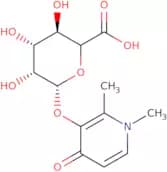

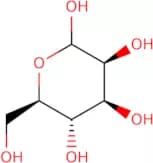
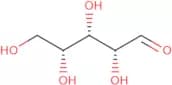
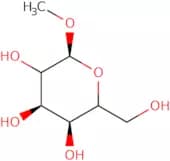
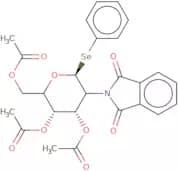
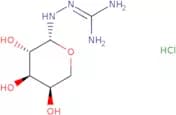
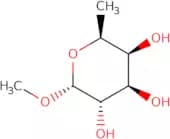
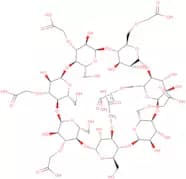



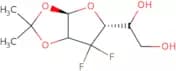

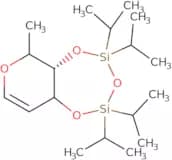


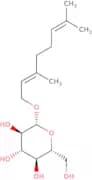
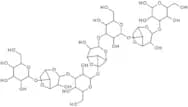
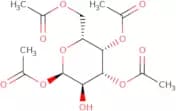
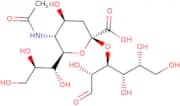

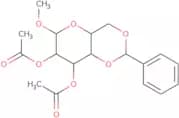

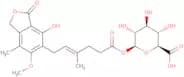
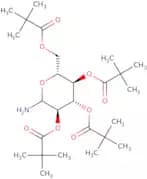
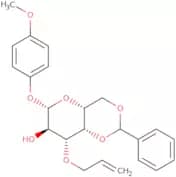
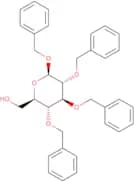
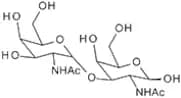
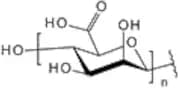

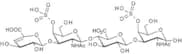
![(2S, 3R, 4S) -N-Benzyl-2- [(1S) - 1- hydroxyethyl] - 3, 4- pyrrolidinediol](/_next/image/?url=https%3A%2Fstatic.cymitquimica.com%2Fproducts%2F3D%2Fthumb-webp%2FMB163320.webp&w=3840&q=75)

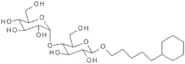
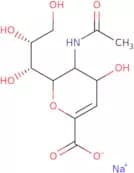
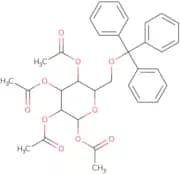
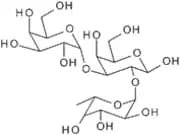

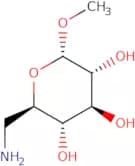
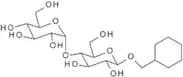
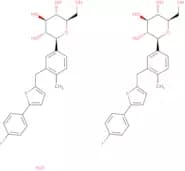
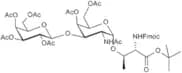

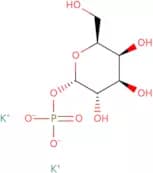

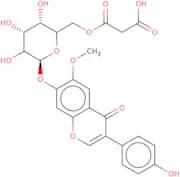
![(5R, 6R, 7S, 8R) -5, 6, 7, 8-Tetrahydro- 5- methyl- tetrazolo[1, 5- a] pyridine- 6, 7, 8- triol](/_next/image/?url=https%3A%2Fstatic.cymitquimica.com%2Fproducts%2F3D%2Fthumb-webp%2FMT163943.webp&w=3840&q=75)
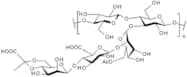
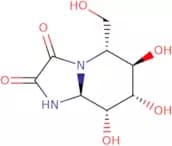

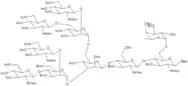
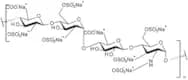
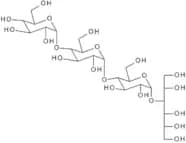
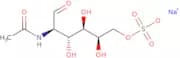

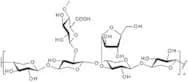


![(3aR,SR,6S,7R,7aR)-5-(Acetoxymethyl)-2-(ethylamino)-5,6,7,7atetrahydro-3aH-pyrano[3,2-d]thiazole-6…](/_next/image/?url=https%3A%2Fstatic.cymitquimica.com%2Fproducts%2F3D%2Fthumb-webp%2FMA159713.webp&w=3840&q=75)
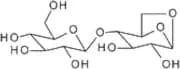
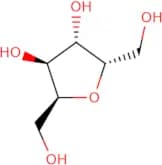
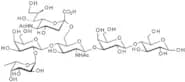
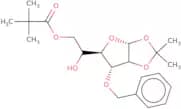
![(1S) -1- [(2S, 3S,4R) -4-Hydroxymethyl-3- hydroxy-1- azetidinyl] -1, 2- ethanediol hydrochloride](/_next/image/?url=https%3A%2Fstatic.cymitquimica.com%2Fproducts%2F3D%2Fthumb-webp%2FMH163375.webp&w=3840&q=75)
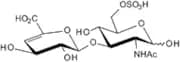
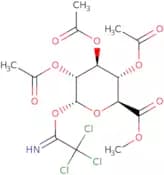


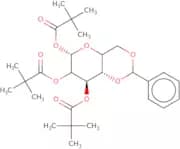
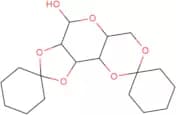

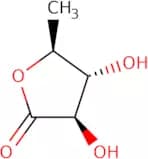
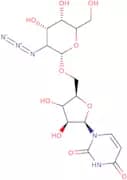
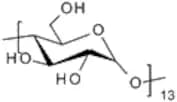


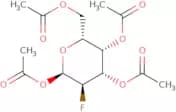

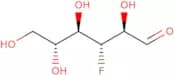
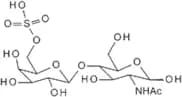
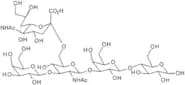

![(5R, 8R, 9S) -8- [(4R) - 2, 2-Dimethyl- 1, 3- dioxolan- 4- yl] - 9- hydroxy- 2, 2- dimethyl- 1, 3,…](/_next/image/?url=https%3A%2Fstatic.cymitquimica.com%2Fproducts%2F3D%2Fthumb-webp%2FMD170665.webp&w=3840&q=75)
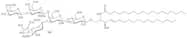
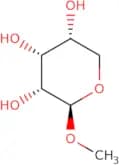
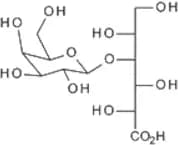
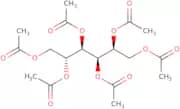

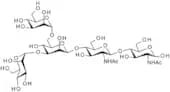


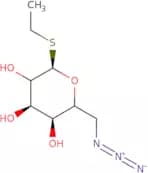
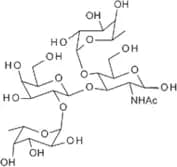
![(2R, 3S, 4S) -3-Fluoro- 4- (fluoromethyl])- 1- (phenylmethyl) -2- azetidinecarboxylic acid methyl …](/_next/image/?url=https%3A%2Fstatic.cymitquimica.com%2Fproducts%2F3D%2Fthumb-webp%2FMF163470.webp&w=3840&q=75)

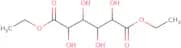
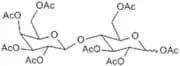
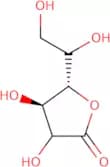

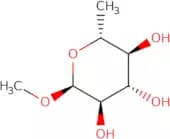

![(1R) -1- [(2S, 3S) - 3- Hydroxy- 1- azetidinyl] -1, 2- ethanediol](/_next/image/?url=https%3A%2Fstatic.cymitquimica.com%2Fproducts%2F3D%2Fthumb-webp%2FMH163405.webp&w=3840&q=75)