Vitaminas
As vitaminas são compostos orgânicos necessários em pequenas quantidades para funções fisiológicas essenciais e para a saúde geral. Desempenham papéis cruciais no metabolismo, na função imunológica e na manutenção celular. Nesta categoria, encontrará uma ampla gama de vitaminas, incluindo tipos solúveis em água e em gordura, necessários para a pesquisa em nutrição, bioquímica e ciências da saúde. Na CymitQuimica, oferecemos vitaminas de alta qualidade para apoiar seus esforços de pesquisa e desenvolvimento, garantindo a precisão e eficácia de seus estudos sobre as funções e deficiências das vitaminas.
Foram encontrados 1123 produtos de "Vitaminas"
Ordenar por
Pureza (%)
0
100
|
0
|
50
|
90
|
95
|
100
Choline dihydrogen citrate
CAS:Fórmula:C11H21NO8Cor e Forma:White to almost white powder or crystalsPeso molecular:295.29Calcitroic Acid
CAS:Produto Controlado<p>Stability Light Sensitive<br>Applications Calcitroic Acid is a major metabolite of Calcitriol (C144500).<br> Not a dangerous good if item is equal to or less than 1g/ml and there is less than 100g/ml in the package<br>References Esvelt, R.P. et al.: Arch. Biochem. Biophys., 206, 403 (1981); Onisko, B.L. et al.: Biochemistry, 19, 4124 (1980); Reddy, G.S. et al.: Biochemistry, 28, 1763 (1989);<br></p>Fórmula:C23H34O4Pureza:>85%Cor e Forma:NeatPeso molecular:374.51Icariin
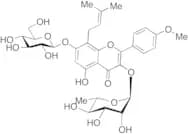
CAS:Produto Controlado<p>Stability Light Sensitive<br>Applications Icariin inhibits the ROS-dependent JNK and p38 pathways.<br>References Zhou, H., et al.: Exp. Ther. Med., 7, 1116 (2014)<br></p>Fórmula:C33H40O15Cor e Forma:NeatPeso molecular:676.66Perhydrofarnesyl Acetone
CAS:Produto Controlado<p>Applications Perhydrofarnesyl Acetone is used as a flavor and fragrance agent, it is often used in jasmine compositions.<br>References Toda, H. et al.: Dev. Food Sci., 17, 181 (1988); Maggi, F. et al.: Food Chem., 113, 216 (2009); Maggi, F. et al.: Chem. Biodiv., 8, 2057 (2011);<br></p>Fórmula:C18H36OCor e Forma:ColourlessPeso molecular:268.4813-cis-Vitamin A Palmitate
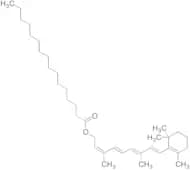
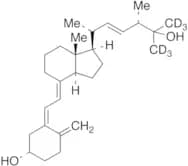
CAS:Fórmula:C36H60O2Cor e Forma:Colourless To YellowPeso molecular:524.8604Secalciferol-d6
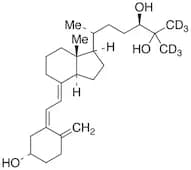
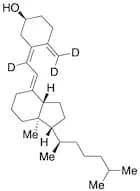
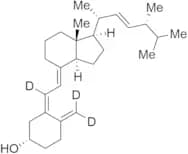
CAS:Produto Controlado<p>Stability Light Sensitive, Temperature Sensitive<br>Applications A labelled metabolite of Vitamin D, a possible anti-inflammatory steroid.<br> Not a dangerous good if item is equal to or less than 1g/ml and there is less than 100g/ml in the package<br>References Boyan, B., et al.: Steroids, 66, 363 (2001), Holick, M., et al.: J. Cell Biochem., 88, 296 (2003), Vogeser, M., et al.: Clin. Chem., 50, 1415 (2004), Singh, R., et al.: J. Clin. Endocrinol. Metab., 91, 3055 (2006),<br></p>Fórmula:C272H6H38O3Cor e Forma:NeatPeso molecular:422.67Tachysterol (>90%)
CAS:<p>Stability Light Sensitive, Temperature Sensitive<br>Applications Bioactive, synthetic vitamin D3 analog; exhibits antiproliferative effect on keratinocytes. Antipsoriatic.<br> Not a dangerous good if item is equal to or less than 1g/ml and there is less than 100g/ml in the package<br>References Matsunaga, T., et al.: J. Dermatol., 17, 135 (1990), Gerritsen, M.J.P., et al.: Br. J. Dermatol., 131, 57 (1994),<br></p>Fórmula:C28H44OPureza:>90%Cor e Forma:NeatPeso molecular:396.65(2RS,4R,8R)-δ-Tocopherol-d4 (Mixture of Diastereomers)
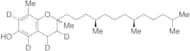
CAS:Produto Controlado<p>Applications Labelled δ-Tocopherol. One of the naturally occurring forms of Vitamin E. Isolated from soybean oil.<br>References Emerson, et al.: Science, 83, 421 (1936), Bieri, J.G., et al.: J. Nutr., 104, 850 (1974), Jiang, Q., et al.: Am. J. Clin. Nutr., 74, 714 (2001),<br></p>Fórmula:C27H42D4O2Cor e Forma:NeatPeso molecular:406.68all-trans-Anhydro Retinol (90%)
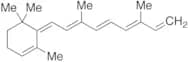
CAS:<p>Stability Light Sensitive, Temperature Sensitive<br>Applications A metabolite of vitamin A (Retinol) (R252000).<br>References Allo, S., et al.: J. Biol. Chem., 266, 22003 (1991), Brancolini, C., et al.: J. Cell Biol., 139, 759 (1997), Bubb, M., et al.: J. Biol .Chem., 269, 14869 (1994),<br></p>Fórmula:C20H28Pureza:90%Cor e Forma:Yellow-OrangePeso molecular:268.44α-Tocopherol Acetate
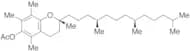
CAS:<p>Applications α-Tocopherol acetate is the most bioactive of the naturally occurring forms of Vitamin E. Richest sources are green vegetables, grains, and oils, particularly palm, safflower and sunflower oils.<br>References Bianchi, G., et al.: Eur. J. Lipid Sci. Technology, 105, 229 (2003), Sakouhi, F., et al.: Food Chem., 108, 833 (2008),<br></p>Fórmula:C31H52O3Cor e Forma:Off-WhitePeso molecular:472.74all-trans-Retinal
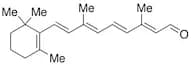
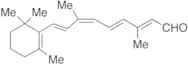
CAS:Produto Controlado<p>Stability Hygroscopic<br>Applications Corotenoid component of the visual pigments. All-trans retinal is converted to retinoic acid in vivo by the action of retinal dehydrogenase.<br>References Ball, et al.: Biochem. J., 42, 516 (1948), O’Brien, D.F., et al.: Science, 218, 961 (1982),<br></p>Fórmula:C20H28OCor e Forma:Yellow To Dark OrangePeso molecular:284.44β-Tocopherol (Racemic Mixture)
CAS:Produto Controlado<p>Stability Hygroscopic<br>Applications β-Tocopherol (Racemic Mixture) is one of the naturally occurring forms of Vitamin E. Is biologically less active than α-Tocopherol. This is the racemic mixture of all stereoisomers.<br> Not a dangerous good if item is equal to or less than 1g/ml and there is less than 100g/ml in the package<br>References Bianchi, G., et al.: Eur. J. Lipid Sci. Technology, 105, 229 (2003), Sakouhi, F., et al.: Food Chem., 108, 833 (2008),<br></p>Fórmula:C28H48O2Cor e Forma:Colourless To BeigePeso molecular:416.6825-Hydroxy Vitamin D3 3-Sulfate Sodium Salt (90%)
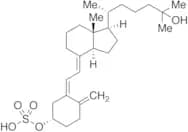
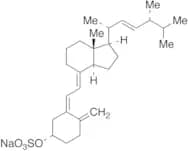
CAS:Produto Controlado<p>Stability Light Sensitive, Temperature Sensitive<br>Applications 25-Hydroxyvitamin D3 3-Sulfate is a metabolite of 24,25-Dihydroxyvitamin D3 and 25-Hydroxyvitamin D3 (C125700).<br>References Higashi, T. et al.: Steroids, 65, 281 (2000); Higashi, T. et al.: Ann. Clin. Biochem., 36, 43 (1999);<br></p>Fórmula:C27H43NaO5SPureza:90%Cor e Forma:NeatPeso molecular:502.68Vitamin K1 2,3-Epoxide
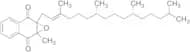
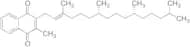
CAS:Produto Controlado<p>Applications Vitamin K1 2,3-Epoxide is a metabolite of Vitamin K1 (V676080), which is occurs widely in green plants, algae, and photosynthetic bacteria.<br>References Smee, D.F., et al.: Antimicrob. Agents Chemother., 23, 676 (1983), Miyamoto, T., et al.: Biochem. Pharmacol., 35, 839 (1986); Hassan, M.M.A., et al.: Anal. Profiles Drug Subs., 17, 449 (1988), Breton, J., et al.: Biochemistry, 33, 12405 (1994), Dowd, P., et al.: Science, 269, 1684 (1995);<br></p>Fórmula:C31H46O3Cor e Forma:Light YellowPeso molecular:466.7013-cis-Retinyl Acetate (85%)
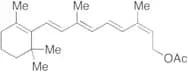
CAS:Produto Controlado<p>Applications 13-cis-Retinyl Acetate is a derivative of 13-Cis-Retinol (R252110), an active metabolite of vitamin A.<br>References Shantz, E., et al.: J. Biol. Chem., 183, A61 (1950), Barua, A., et al.: Biochem. J., 164, 133 (1977), Brouwer, I., et al.: Nutr. Res. Rev., 14, 267 (2001), Grillenberger, M., et al.: Br. J. Nutr., 95, 379 (2006),<br></p>Fórmula:C22H32O2Pureza:85%Cor e Forma:NeatPeso molecular:328.49(+)-Biotin 4-Amidobenzoic Acid, Sodium Salt
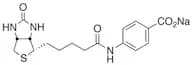
CAS:<p>Applications (+)-Biotin 4-Amidobenzoic Acid, Sodium Salt is a fluorigenic substrate for the determination of Biotinidase activity.<br></p>Fórmula:C17H20N3O4S·NaCor e Forma:White To Light YellowPeso molecular:385.41α-Tocopherol
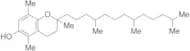
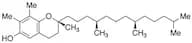
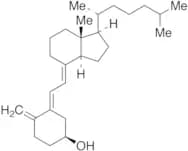
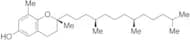
CAS:<p>Stability Light Sensitive<br>Applications α-Tocopherol is the most bioactive of the naturally occurring forms of Vitamin E. Richest sources are green vegetables, grains, and oils, particularly palm, safflower and sunflower oils.<br>References Bianchi, G., et al.: Eur. J. Lipid Sci. Technology, 105, 229 (2003), Sakouhi, F., et al.: Food Chem., 108, 833 (2008),<br></p>Fórmula:C29H50O2Cor e Forma:NeatPeso molecular:430.71Isovitamin D3 (90%)
CAS:Produto Controlado<p>Stability Light Sensitive<br>Applications Isovitamin D3 is a metabolite of Vitamin D. Studies show that Isovitamin D3 is biologically active in normal rats but inactive in anephric rats.<br>References Holick, M.F. et al.: Science, 180, 964 (1973); Wilczek, H. et al.: Prak. Lek., 59, 794 (1979);<br></p>Fórmula:C27H44OPureza:90%Cor e Forma:NeatPeso molecular:384.64Lumiflavin
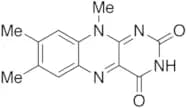
CAS:Produto Controlado<p>Applications Lumiflavin is a toxic photolysis product of vitamin B2 (R415000).<br>References Zhao, X. et al.: Chemosphere, 63, 1116 (2006); Litke, S.V. et al.: Khim. Fiz., 10, 48 (1991); Ye, W. et al.: Guang. Yaox. Xueb., 12, 175 (1996);<br></p>Fórmula:C13H12N4O2Cor e Forma:Dark YellowPeso molecular:256.26Saikosaponin A
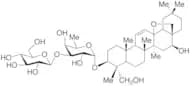
CAS:Produto Controlado<p>Stability Hygroscopic<br>Applications Saikosaponin A was shown to exhibit anti-inflammatory activities by suppressing activation of NF-kB signaling pathway.<br>References Wu, S.J., et al.: Am. J. Chin. Med., 38, 99 (2010); Wu. S.J., et al.: J. Med. Food., 11, 224 (2008); Yoon, S.S., et al.: Neurosci. Lett., 529, 97 (2012); Lu, C.N., et al.: Int. Immunopharmacol., 14, 121 (2012);<br></p>Fórmula:C42H68O13Cor e Forma:NeatPeso molecular:780.984-Deoxy Pyridoxine Hydrochloride
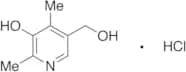
CAS:Produto Controlado<p>Stability Hygroscopic<br>Applications 4-Deoxypyridoxine is the deoxy analogue of Pyridoxine (P991735). 4-Deoxypyridoxine is a vitamin B6 antimetabolite; 4-Deoxypyridoxine can induce a deficient status that alters the function and ultrastructure of EC similar to vascular disease.<br>References La Pesa, M. et al.: Pathologia, 62, 907 (1970); Chang, S..: J. Nutrit. Sci. Vitaminol., 46, 149 (2000); Yamashita, J.: J. Nutrit. Sci. Vitaminol., 22, 1 (1976);<br></p>Fórmula:C8H12ClNO2Cor e Forma:Off-WhitePeso molecular:189.64Pyridoxine-d3 hydrochloride
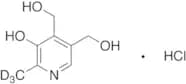
CAS:Produto Controlado<p>Applications Labelled Pyridoxine. One of the vitamins of the B6 complex; present in many foodstuffs (yeast, liver and cereals). Pyridoxine has a role in transporting protein Bsu1, Pyridoxine contributes to thiamine uptake; characterization of thiamine (vitamin B1) transporter Thi9 from Schizosaccharomyces pombe.<br>References Williams, R., et al.: J. Biol. Chem., 87, 581 (1930), Rodionov, D., et al.: J. Biol. Chem., 277, 48949 (2002),Nosaka, K., et al.: Mol. Microbiol., 58, 467 (2005),<br></p>Fórmula:C82H3H8NO3·ClHCor e Forma:White To Off-WhitePeso molecular:208.66all-trans-Retinol
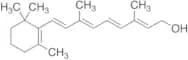
CAS:Produto Controlado<p>Stability Liight Sensitive, Temperature Sensitive<br>Applications Occurs preformed only in animals; metabolized from carotenoids, such β-carotene, in the intestinal mucosa. Dietary sources include liver, milk, butter, cheese, eggs and fish liver oils or as carotenois from fruits and vegetables. Stored primarily in the liver in esterified form; transported in the blood by retinol binding protein (RBP). Nutritional factor.<br>References Davis, M., et al.: J. Biol. Chem., 15, 167 (1913), Crouch, R.K., et al.: Photochem. Photobiol., 64, 613 (1996),<br></p>Fórmula:C20H30OCor e Forma:Off-White To Dark YellowPeso molecular:286.45Pterine-6-carboxylic Acid
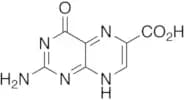
CAS:Produto Controlado<p>Applications Pterine-6-carboxylic Acid is a degradation product of Folic acid (F680300).<br>References Akhtar, M., et al.: J. Pharm. Biomed. Anal., 19, 269 (1999), Andrisano, V., et al.: J. Pharm. Biomed. Anal., 32, 983 (2003), Patro, B., et al.: Bioorg. Med. Chem. Lett., 15, 67 (2005),<br></p>Fórmula:C7H5N5O3Cor e Forma:NeatPeso molecular:207.1511-cis-Retinol, >85%
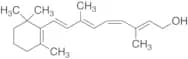
CAS:<p>Stability Light Sensitive, Temperature Sensitive<br>Applications A metabolite of Vitamin A (R252000(M)).<br>References Touma, S., et al.: Biochem. Pharmacol., 78, 1127 (2009), Muniz, A., et al.: Biochem., 48, 6854 (2009), Guignard, T., et al.: J. Biol. Chem., 285, 18759 (2010),<br></p>Fórmula:C20H30OPureza:>85%Cor e Forma:NeatPeso molecular:286.4525-Hydroxy Vitamin D2-d6
CAS:Produto Controlado<p>Stability Light Sensitive, Temperature Sensitive, Toxic<br>Applications A labelled metabolite of Vitamin D2 (V676040).<br> Not a dangerous good if item is equal to or less than 1g/ml and there is less than 100g/ml in the package<br>References Barnes, P., et al.: J. Clin. Invest., 83, 1527 (1989), Holick, M., et al.: J. Cell Biochem., 88(2), 296 (2003), Maunsell, Z., et al.: Clin. Chem., 51, 1683 (2005),<br></p>Fórmula:C282H6H38O2Cor e Forma:White To Off-WhitePeso molecular:418.68δ-Tocotrienol
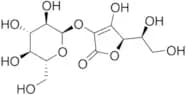
CAS:<p>Stability Light Sensitive<br>Applications δ-Tocotrienol is a natural substance with vitamin E activity. It can work as an antioxidant. It inhibits the growth of human breast cancer cells.<br>References Sen, C., et al.: Life Sci., 78, 2088 (2006); Yoshida, Y., et al.: Chem. Phys. Lipids, 123, 63 (2005)<br></p>Fórmula:C27H40O2Cor e Forma:Light Yellow To Dark OrangePeso molecular:396.612-O-a-D-Glucopyranosyl-L-ascorbic Acid
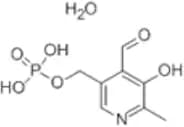
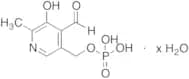
CAS:Produto Controlado<p>Applications 2-O-a-D-Glucopyranosyl-L-ascorbic Acid is a useful cosmetic gel and skin cleanser.<br>References Aizawa, K., et al.: PCT Int. Appl. (2020), WO 2020226147 A1<br></p>Fórmula:C12H18O11Cor e Forma:White To Off-WhitePeso molecular:338.26Pyridoxal 5-Phosphate Hydrate
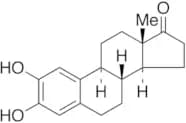
CAS:Produto Controlado<p>Applications Pyridoxal 5-phosphate Hydrate (cas# 853645-22-4) is a useful research chemical.<br></p>Fórmula:C8H10NO6P·xH2OCor e Forma:NeatPeso molecular:247.14 + x(18.02)2-Hydroxy Estrone
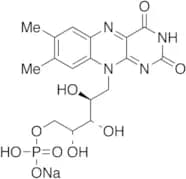
CAS:Produto ControladoFórmula:C18H22O3Cor e Forma:Off-White To Light BrownPeso molecular:286.37Riboflavin Phosphate Sodium Salt (~70%)
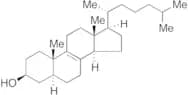
CAS:<p>Stability Hygroscopic<br>Applications One of the bioactive forms of Riboflavin. Nutritional factor found in milk, eggs, malted barley, liver, kidney, heart, leafy vegetables. Richest natural source is yeast. Minute amounts present in all plant and animal cells. Vitamin (enzyme cofactor).<br>References Unna, K., et al.: J. Pharmacol. Exp. Ther., 76, 75 (1942), Rivlin, et al.: N. Engl. J. Med., 283, 463 (1970), Al-Shammary, F.J., et al.: Anal. Profiles Drug Subs., 19, 429 (1990),<br></p>Fórmula:C17H20N4O9P·NaPureza:~70%Cor e Forma:Yellow-OrangePeso molecular:478.33Zymostenol
CAS:Produto Controlado<p>Applications Zymostenol, is the derivative of Zymosterol (Z701520), which is an sterol intermediate in the biosynthesis of cholesterol (C432501).<br>References Roland, E.D., et al.: J. Am. Chem. Soc., 111, 278 (1989); Echevarria, F., et al.: J. Biol. Chem., 265, 8484 (1990); Baranovskii, A.V., et al.: Russian. J. Bioorg. Chem., 28, 250 (2002); Schoenheimer, et al.: J. Biol. Chem., 105, 355 (1934);<br></p>Fórmula:C27H46OCor e Forma:NeatPeso molecular:386.65Parathyroid Hormone Fragment (1-34)
CAS:Produto Controlado<p>Applications A fragment of human parathyroid hormone (hPTH) peptide sequence containing the 34 N-terminal residues of hPTH. This fragment was also found to be an agonist at PTH1 and PTH2 receptors.<br>References Niall, et al.: Proc. Natl. Acad. Sci., 71, 384 (1974); Dobnig,T., et al.: Endocrinol., 138, 4607 (1997); Manabe. et al.: Bone., 40, 1475 (2007);<br></p>Fórmula:C181H291N55O51S2Cor e Forma:NeatPeso molecular:4117.725,6-trans-Vitamin D3
CAS:5,6-trans-Vitamin D3(5,6-trans-Cholecalciferol) is an isoform of Vitamin D3, which is converted from Vitamin D3 on the skin surface after light exposure.Fórmula:C27H44OPureza:98.23%Cor e Forma:SolidPeso molecular:384.64Hydrocortisone 17-Valerate
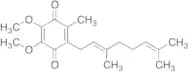
CAS:Produto Controlado<p>Applications Hydrocortisone 17-Valerate is a derivative of Hydrocortisone (H714615) which is a glucocorticoid that is produced by the zona fasciculata of the adrenal gland.<br>References Ponec, M. et. al.: J. Pharm. Sci., 75, 973 (1986); Vigore, L., et al.: Cancer Ther., 6, 699 (2008)<br></p>Fórmula:C26H38O6Cor e Forma:NeatPeso molecular:446.58Coenzyme Q2
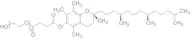
CAS:Produto Controlado<p>Applications Coenzyme Q2 is a redox carrier in the mitochondrial respiratory chain in eukaryotic cells. It has been used to investigate interaction of coenzyme Q with phosphatidylethanolamine membranes.<br>References Do, T., et al.: J. Biol Chem. 276, 18161 (2001); Gomez-Fernandez, J. C., et al.: Eur. J. Biochem. 259, 739 (1999);<br></p>Fórmula:C19H26O4Cor e Forma:NeatPeso molecular:318.407Tocofersolan
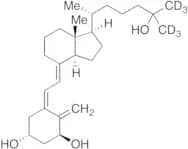
CAS:<p>Applications Tocofersolan is a polyethylene glycol derivative of α-Tocopherol (T526125). Tocofersolan is a synthetic water-soluble vitamin E unlike its natural counterpart which are fat soluble. Tocofersolan is used in pediatrics in the treatment vitamin E-deficient cholestatic children. Tocofersolan has potential application as a absorption enhancer in drug delivery systems. Typical batch, n = 21<br>References Socha, P. et al.: J. Pediatric Gastroenterol. Nutr., 24, 189 (1997); Chang, T. et al.: Clin. Pharmacol. Therap., 59, 297 (1996); Wu, S.H.W. et al.: Pharmac. Technol., 23, 52 (1999);<br></p>Fórmula:C33H54O5(C2H4O)nCor e Forma:NeatPeso molecular:530.78 + (44.05)nCalcitriol-d6
CAS:Produto Controlado<p>Stability Light Sensitive, Temperature Sensitive<br>Applications The biologically active form of vitamin D3. Calcium regulator; vitamin (antirachitic); antihyperparathyroid; antineoplastic; antipsoriatic.<br> Not a dangerous good if item is equal to or less than 1g/ml and there is less than 100g/ml in the package<br>References Myrtle, J.F., et al.: J. Biol. Chem., 245, 1190 (1970), Lawson, D.E.M., et al.: Nature, 230, 228 (1971), Norman, A.W., et al.: Science, 173, 51 (1971), Suda, T., et al.: Vitamins, 45, 175 (1972), Muindi, J.R., et al.: Clin. Pharmacol. Ther., 72, 648 (2002),<br></p>Fórmula:C272H6H38O3Cor e Forma:BeigePeso molecular:422.679-cis-Retinol Acetate
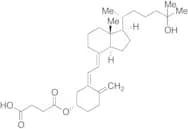
CAS:Produto ControladoFórmula:C22H32O2Pureza:>85%Cor e Forma:NeatPeso molecular:328.4925-Hydroxyvitamin D3 3-Hemisuccinate
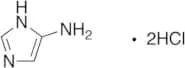
CAS:Produto Controlado<p>Stability Light Sensitive, Temperature Sensitive<br>Applications 25-Hydroxyvitamin D3 3-Hemisuccinate is a conjugate of 5-Hydroxyvitamin D3 (C125700), the principal circulating form of vitamin D3, formed in the liver by hydroxylation at C-25. Calcium regulator. Also used in the preparation and synthesis of antisera to be used in the immunoassay of 25-Hydroxyvitamin D3.<br>References Morii, et al.: Arch. Biochem. Biophys., 120, 513 (1967), Blunt, et al.: Biochemistry, 7, 3317 (1968), Liu, et al.: Science, 311, 1770 (2006),<br></p>Fórmula:C31H48O5Cor e Forma:NeatPeso molecular:500.714-Aminoimidazole Dihydrochloride
CAS:Produto Controlado<p>Applications 4-Aminoimidazole is used as a building block for the synthesis vitamin B12-analogs via Eubacterium limosu.<br>References Endres, B. et al.: Biol. Chem. Hop.-Sey., 376, 595 (1995);<br></p>Fórmula:C3H7Cl2N3Cor e Forma:NeatPeso molecular:156.01Menaquinone 4-D7 (Mixture of cis-trans isomers)
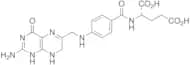
CAS:Produto ControladoFórmula:C31H33D7O2Cor e Forma:Colourless To Dark YellowPeso molecular:451.69Dihydro Folic Acid
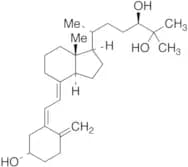
CAS:<p>Stability Hygroscoipic, Light and Air Sensitive<br>Applications Dihydrofolic Acid is an intermediate in mammalian conversion of dietary folic acid to tetrahydrofolate by dihydrofolate reductase (DHFR). Folic acid (FA) and Dihydrofolic acid (FAH2) are substrates of dihydrofolate reductase(s) which reduce them to tetrahydrofolate (THF).<br>References Andres, J., et al.: Bioorg. Chem., 24, 10 (1996), Benkovic, S., et al.: Science, 301, 1196 (2003), ,,,,Williams, D; J Mol Biol 2003, 329, 389,,,Krahn, J., et al.: Biochemistry, 46, 14878 (2007),<br></p>Fórmula:C19H21N7O6Cor e Forma:Light Beige To GreyPeso molecular:443.41Secalciferol
CAS:Produto Controlado<p>Stability Light Sensitive, Temperature Sensitive<br>Applications A metabolite of Vitamin D, a possibly anti-inflammatory steroid.<br> Not a dangerous good if item is equal to or less than 1g/ml and there is less than 100g/ml in the package<br>References Boyan, B., et al.: Steroids, 66, 363 (2001), Holick, M., et al.: J. Cell Biochem., 88, 296 (2003), Vogeser, M., et al.: Clin. Chem., 50, 1415 (2004), Singh, R., et al.: J. Clin. Endocrinol. Metab., 91, 3055 (2006),<br></p>Fórmula:C27H44O3Cor e Forma:NeatPeso molecular:416.64Menaquinone 9
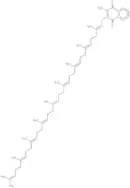
CAS:Produto Controlado<p>Stability Light Sensitive, Temperature Sensitive<br>Applications Menaquinones are isoprenoid quinones of the naphthalene series and belongs to the K2 Vitamin homologs. Menaquinones were originally discovered as the anti-hemorrhagic factor and now encompasses a variety of physiological processes. Menaquinone 9 is a form of vitamin K2 which acts as a prothrombogenic agent and is also a functional electron transfer component in nitrate reductase.<br>References Hugenholtz, P., et al.: J. Bacteriol., 180, 4765 (1998), Ginet, N., et al.: Biochemistry, 40, 1812 (2001), Cape, J., et al.: J. Biol. Chem., 280, 34654 (2005),<br></p>Fórmula:C55H78O2Cor e Forma:Light Yellow To YellowPeso molecular:771.21Isotachysterol3, 90%
CAS:Produto Controlado<p>Impurity Cholecalciferol EP Impurity D<br>Stability Light Sensitive, Temperature Sensitive<br>Applications Isotachysterol3 (Cholecalciferol EP Impurity D) is a degradation product of Vitamin D3 (V676045). Isotachysterol3 has been shown to stimulate intestinal Ca transport and bone Ca mobilization in anephric rats.<br> Not a dangerous good if item is equal to or less than 1g/ml and there is less than 100g/ml in the package<br>References Bolos, J. et al.: Cien. Indust. Farm., 6, 259 (1987); Holick, M.F. et al.: Science, 180, 964 (1973);<br></p>Fórmula:C27H44OPureza:90%Cor e Forma:Off-WhitePeso molecular:384.64Vitamin K3-d8
CAS:Produto Controlado<p>Applications Precursor to verious types of Vitamin K. Used as a micronutrient for livestock and pet foods.<br>References Sakamoto, S., et al.: Anal. Bioanal. Chem., 396, 2955 (2010), Gohil, V., et al.: Nat. Biotechnol., 28, 249 (2010), Hu, W., et al.: Anal. Biochem., 398, 245 (2010),<br></p>Fórmula:C112H8O2Cor e Forma:NeatPeso molecular:180.23Di(a-tocopherol) Phosphate (>85%)
CAS:<p>Applications Di(α-tocopherol) Phosphate is used as a vitamin E supplement.<br>References Libinaki, R., et al.: Food Chem. Toxicol., 44, 916 (2006)<br></p>Fórmula:C58H99O6PPureza:>85%Cor e Forma:NeatPeso molecular:923.38γ-Tocopherol
CAS:<p>Stability Light Sensitive<br>Applications One of the naturally occurring forms of Vitamin E. Most abundant Tocopherol in soybean and corn oils.<br>References Emerson, et al.: Science, 83, 421 (1936), Bieri, J.G., et al.: J. Nutr., 104, 850 (1974), Jiang, Q., et al.: Am. J. Clin. Nutr., 74, 714 (2001),<br></p>Fórmula:C28H48O2Cor e Forma:Light BrownPeso molecular:416.68Tamibarotene
CAS:Produto Controlado<p>Applications Synthetic retinoic acid receptor-α/β-selective retinoid. Antineoplastic.<br>References Hashimoto, Y., et al.: Jpn. J. Cancer Res., 79, 473 (1988), Mizojiri, K., et al.: Arzneim.-Forsch., 47, 59 (1997), Shinjo, K., et al.: Int. J. Hematol., 72, 470 (2000), Sanda, T., et al.: Leukemia, 19, 901 (2005),<br></p>Fórmula:C22H25NO3Cor e Forma:NeatPeso molecular:351.44Hydroxocobalamin (>90%)
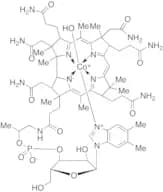
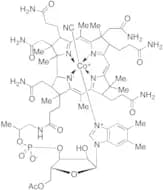
CAS:<p>Stability Hygroscopic<br>Applications Hydroxocobalamin is an intermediate in the synthesis of Nitritocobalamin(N490240) is a useful synthetic intermediate in the synthesis of Hydroxocobalamin Acetate (H826800); a physiological analog of vitamin B12 where the CN group is replaced with OH. Exists in aqueous solution as an equilibrium mixture of the hydroxy isomer and the ionic aqua isomer (aquacobalamin). Precursor of the coenzymes methylcobalamin and cobamamide. Coordination Compound. Vitamin (hematopoietic).<br>References Kaczka, E.A., et al.: Science, 112, 354 (1950); Friedrich, W., et al.: Vitamins, 837 (1988); Forsyth, J.C., et al.: Clin. Toxicol., 31, 277 (1993)<br></p>Fórmula:C62H89CoN13O15PPureza:>90%Cor e Forma:NeatPeso molecular:1346.36D-γ-Tocotrienol
CAS:<p>Stability Light Sensitive<br>Applications γ-Tocotrienol exhibits antioxidant properties and belongs to the vitamin E family. It is naturally found in wheat germ oil and bran. In addition, α-tocopherol and γ-tocotrienol derivatives are potential lead compounds for developing anticancer and antiproliferative agents against MCF-7 and MDA-MB-231 breast cancer cells and the A549 lung cancer cells.<br>References Gagic, Z., et al.: Eur. J. Pharm. Sci. 88, 59 (2016); Guardiola, F., et al.: Food Chem. Toxicol., 34, 193 (1996); Kong, S., et al.: Food Chem., 120, 278 (2010); Aggarwal, B., et al.: Biochem. Pharmacol., 80, 1613 (2010)<br></p>Fórmula:C28H42O2Cor e Forma:YellowPeso molecular:410.63SR 9011
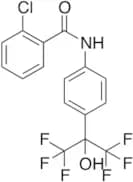
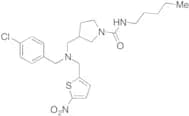
CAS:<p>Applications SR 9011 is a synthetic REV-ERBα/β agonist with activity in vivo. It is a lead compound for a new class of cancer drugs associated with the body’s circadian clock.<br>References Solt, L.A., et. al.: Nature, 485, 7396 (2012); Chem. and Eng. News. p.8, Jan. 15, 2018<br></p>Fórmula:C23H31ClN4O3SCor e Forma:NeatPeso molecular:479.00L-Proline
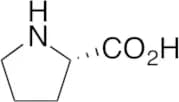
CAS:<p>Applications L-Proline is an amino acid and precursor (with vitamin C) for collagen, the building block of the structure of tendons, ligaments, arteries, veins and muscles. It is important in wound healing.<br>References Bondarenko, L.B., et al.: Int. J. Peptides., 2, 1687 (2012); Rimer, T., et al.: Biomacromolecules, 13, 2110 (2012);<br></p>Fórmula:C5H9NO2Cor e Forma:NeatPeso molecular:115.136α-Methyl Prednisolone Aceponate
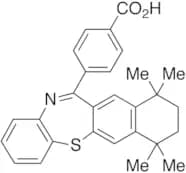
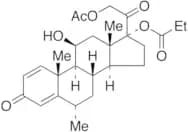
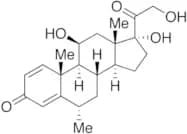
CAS:<p>Applications Used in treatment of seborrhoeic dermatitis includes topical treatments such as corticosteroids, antifungals, metronidazole and pimecrolimus.<br>References Miyachi, Y., et al.: Br. J. Dermatol., 114, 231 (1986), Rallis, E., et al.: Drugs Exp. Clin. Res., 30, 191 (2004), Ozcan, H., et al.: Eur. J. Dermatol., 17, 313 (2007),<br></p>Fórmula:C27H36O7Cor e Forma:White To Off-WhitePeso molecular:472.574-[(5,6,7,8-Tetrahydro-3,5,5,8,8-pentamethyl-2-naphthalenyl)carbonyl]benzoic Acid
CAS:Produto Controlado<p>Applications 4-[(5,6,7,8-Tetrahydro-3,5,5,8,8-pentamethyl-2-naphthalenyl)carbonyl]benzoic Acid is used in the preparation of pentamethylnaphthylmethylbenzoates as a selective retinoid X receptor ligands that induce apoptosis in leukemia cells.<br>References Boehm, M.F., et al.: J. Med. Chem., 38, 3146-55 (1995); Furmie, J.K., et al.: ChemMedChem, 7, 1551-66 (2012)<br></p>Fórmula:C23H26O3Cor e Forma:NeatPeso molecular:350.454,5-Dihydro-4,5-dioxo-1H-pyrrolo[2,3-f]quinoline-2,7,9-tricarboxylic Acid
CAS:Produto Controlado<p>Stability Temperature Sensitive<br>Applications A cofactor of microbial quinoprotein enzyme, and imidazopyrroline. A redox/cofactor found in a a class of enzymes called quinoproteins.<br></p>Fórmula:C14H6N2O8Cor e Forma:NeatPeso molecular:330.2113(S)-HODE
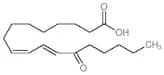
CAS:Produto Controlado<p>Applications 13(S)-HODE is an inhibitor of tumor cell adhesion in endothelium tissue. 13(S)-HODE is also used to activate GPR132 which may affect autoimmune function and lymph organ size.<br>References Le, L. et al.: Immunity., 14, 561 (2001);<br></p>Fórmula:C18H32O3Cor e Forma:NeatPeso molecular:296.445,6-trans-Vitamin D3, ~90%
CAS:Produto Controlado<p>Impurity Cholecalciferol EP Impurity A<br>Stability Light Sensitive, Temperature Sensitive<br>Applications 5,6-trans-Vitamin D3 (Cholecalciferol EP Impurity A) is the major photoisomer of Vitamin D3 analog, as an impurity.<br> Not a dangerous good if item is equal to or less than 1g/ml and there is less than 100g/ml in the package<br>References Bikle, D., et al.: Biochemistry, 25, 1545 (1986), Webb, A., et al.: J. Clin. Endocrinol. Metab., 68, 882 (1989), Baran, D., et al.: J. Cell Biochem., 50, 124 (1992), Tian, X., et al.: J. Biol. Chem., 268, 14888 (1993),<br></p>Fórmula:C27H44OPureza:~90%Cor e Forma:White To Light YellowPeso molecular:384.64D,L-Mevalonic Acid Lactone
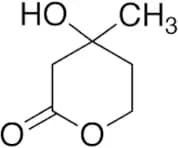
CAS:<p>Stability Hygroscopic<br>Applications A metabolite from endophytes of the medicinal plant Erythrina crista-galli.<br>References Stadler, M., et al.: Planta Med., 60, 128 (1994), Kopcke, B., et al.: Phytochemistry, 60, 709 (2002), Chu, M., et al.: J. Nat. Prod., 66, 1527 (2003), Weber, D., et al.: J. Antibiot., 57, 559 (2004),<br></p>Fórmula:C6H10O3Cor e Forma:NeatPeso molecular:130.14Daidzein-d6
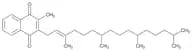
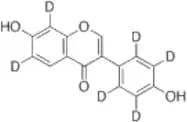
CAS:Produto Controlado<p>Applications The labelled aglucon of Daidzin.<br>References Am. J. Respir. Cell Mol. Biol., 7, 637 (1992), Biochim. Biophys. Acta 1221, 29 (1994), Huang, R.Q.; Fang, M.J.; Dillon, G.H., Mol. Brain Res. 67: 177-183 (1999)<br></p>Fórmula:C152H6H4O4Cor e Forma:Off White SolidPeso molecular:260.27Menaquinone 4 (Mixture of cis-trans isomers)
CAS:<p>Applications Menaquinones are isoprenoid quinones of the naphthalene series and belongs to the K2 Vitamin homologs. Menaquinones were originally discovered as the anti-hemorrhagic factor and now encompasses a variety of physiological processes. Menaquinone 4 has four isoprene residue in its side chain and is also commonly refered to as menatetrenone. Menaquinone-4 is the most common type of vitamin K2 and is known as a hemostatic agent and is used as adjunctive therapy for the pain of osteoporosis.<br>References Hugenholtz, P., et al.: J. Bacteriol., 180, 4765 (1998), Ginet, N., et al.: Biochemistry, 40, 1812 (2001), Cape, J., et al.: J. Biol. Chem., 280, 34654 (2005),<br></p>Fórmula:C31H40O2Cor e Forma:Light YellowPeso molecular:444.6513-cis-Retinoic Acid
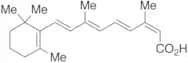
CAS:Produto Controlado<p>Stability Moisture, Temperature, Light Sensitive, Store in freezer<br>Applications Used as a treatment for severe acne. Presently being studied in conjuction with the treatment of photoaged skin.<br>References Lerche, C., et al.: Exp. Dermatol., 17, 972 (2008), Sato, T., et al.: J. Med. Chem., 51, 7705 (2008), Gan, J., et al.: Chem. Res. Toxicol., 22, 690 (2009), Macejova, D., et al.: Toxicol. Lett., 184, 114 (2009), Chen, P., et al.: Toxicol. App. Pharmacol., 234, 143 (2009),<br></p>Fórmula:C20H28O2Cor e Forma:NeatPeso molecular:300.44(3R,S)-Oxidosqualene (>90%)
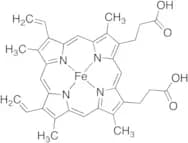
CAS:Produto ControladoFórmula:C30H50OPureza:>90%Cor e Forma:NeatPeso molecular:426.72Ferroprotoporphyrin IX
CAS:<p>Stability Light Sensitive<br>Applications Ferroprotoporphyrin IX is a metabolite formed during biosynthesis and is used to evaluate iron nutrition and metabolism. It is also an iron containing cofactor that is involved with a wide range of cellular functions including oxygen transport.<br>References Labbe, R.F., et. al.: Clin. Chem., 45, 146 (1999); Yuan, X., et al.: Proc. Natl. Acad. Sci. USA 113, E5144 (2016);<br></p>Fórmula:C34H32FeN4O42Cor e Forma:NeatPeso molecular:616.49Vitamin K2(5)
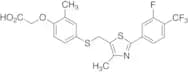
CAS:Produto Controlado<p>Applications Vitamin K2(5) is an analog of Vitamin K that acts as a reducing agent and also acts as an electron carrier in the electron transport chain of many bacteria. Intake of Vitamin K2(5) is associated with a reduced risk of coronary heart disease.<br>References Fu, Q., et al.: Biodegradation, 20, 109 (2009); Gelejinse, J., et al.: J. Nut., 134, 3100 (2004); Jiang, M., et al.: Biochemistry, 47, 3426 (2008)<br></p>Fórmula:C16H16O2Cor e Forma:NeatPeso molecular:240.3GW0742
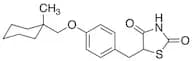
CAS:Produto Controlado<p>Applications A small molecule agonist of the human Peroxisome Proliferator-Activated Recept δ (PPAR δ). It shows an EC50 of 1.1 nM against PPAR δ with 100-fold selectivity over the other human subtypes.<br>References Sznaidman, M.L., et al.: Bioorganic and Medicinal Chemistry Letters, 13, 1517 (2003)<br></p>Fórmula:C21H17F4NO3S2Cor e Forma:Light YellowPeso molecular:471.49Vitamin K1-d7
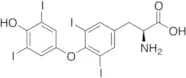
CAS:Produto Controlado<p>Stability Light Sensitive, Temperature Sensitive<br>Applications Labelled Vitamin K1 (V676080). Occurs widely in green plants, algae, photosynthetic bacteria.<br>References Hassan, M.M.A., et al.: Anal. Profiles Drug Subs., 17, 449 (1988), Breton, J., et al.: Biochemistry, 33, 12405 (1994), Dowd, P., et al.: Science, 269, 1684 (1995),<br></p>Fórmula:C31H39D7O2Cor e Forma:Yellow BrownPeso molecular:457.74Thyroxine (100% pure T4 reference standard (free of T3))
CAS:<p>Applications Thyroxine is one of the thyroid hormones involved in the maintenance of metabolic homeostasis. Synthesized and stored as amino acid residues of thyroglobulin, the major protein component of the thyroid follicular colloid. Synthesis and secretion are regulated by the pituitary hormone (TSH). Deiodinated in peripheral tissues to the active metabolite, liothyronine. The D-form has very little activity as a thyroid hormone, but has been used to treat hyperlipidemia.<br>References Post, A., et al.: Anal. Profiles Drug Subs., 5, 225 (1976); Nelson, J.C., et al.: Clin. Chem., 34, 1737 (1988); Fischer, D.A., et al.: Clin. Chem., 42, 135 (1996); Cavalieri, R.R., et al.: Thyroid, 7, 177 (1997);<br></p>Fórmula:C15H11I4NO4Cor e Forma:Off-WhitePeso molecular:776.871-O-Hexyl-2,3,5-trimethylhydroquinone
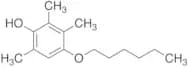
CAS:Produto Controlado<p>Applications A novel phenolic antioxidant that showed strong antimutagenic activity against eight carcinogenic heterocyclic amines (HCA), produced during cooking processes. Its antimutagenic activity appeared to inhibit both metabolic activation of HCA and action on activated N-Hydroxy species.<br>References Hirose, M., et al.: Jpn. J. Cancer Res., 84, 481 (1993), Hirsoe, M., et al.: Carcinogenesis, 16, 2, 217 (1995), Hirsoe, M., et al.: Carcinogenesis, 16, 9, 2227 (1995), Hirsoe, M., et al.: Carcinogenesis, 16, 12, 3049 (1995)<br></p>Fórmula:C15H26O2Cor e Forma:NeatPeso molecular:238.37L-Ascorbic Acid 2-Phosphate Sesquimagnesium Salt Hydrate (~15% Inorganics)
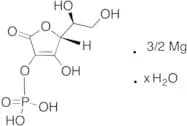
CAS:Produto ControladoFórmula:C6H9O9P•xHO·5MgCor e Forma:White To Off-WhitePeso molecular:256.10 + x(18.02) + 1.5(24.30)Folic Acid-d4
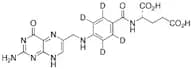
CAS:Produto Controlado<p>Applications A vitamin needed to synthesize DNA, conduct DNA repair and methylate DNA, it also acts as a cofactor in biological reactions involving folate.<br>References Xu, L., et al.: Mol. Pharm., 7, 1311 (2010), Everette, J., et al.: J. Agric. Food Chem., 58, 8139 (2010), Alshatwi, A., et al.: Food, Chem., Toxicol., 48, 1881 (2010), McKay, D., et al.: Nut. J., 9 (2010),<br></p>Fórmula:C192H4H15N7O6Cor e Forma:NeatPeso molecular:445.42Thyroxine-13C6
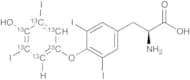
CAS:<p>Applications One of the thyroid hormones involved in the maintenance of metabolic homeostasis. Synthesized and stored as amino acid residues of thyroglobulin, the major protein component of the thyroid follicular colloid. Synthesis and secretion are regulated by the pituitary hormone (TSH). Deiodinated in peripheral tissues to the active metabolite, liothyronine. The D-form has very little activity as a thyroid hormone, but has been used to treat hyperlipidemia.<br>References Post, A., et al.: Anal. Profiles Drug Subs., 5, 225 (1976), Nelson, J.C., et al.: Clin. Chem., 34, 1737 (1988), Fischer, D.A., et al.: Clin. Chem., 42, 135 (1996), Cavalieri, R.R., et al.: Thyroid, 7, 177 (1997),<br></p>Fórmula:C913C6H11I4NO4Cor e Forma:White To Light BrownPeso molecular:782.83Dexamethasone Phosphate
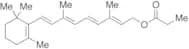
CAS:<p>Applications A pro-drug of Dexamethasone (D298800), an anti-inflammatory glucocorticoid. It was found that liposomal DXM-P inhibited both chronic inflammation and joint destruction, whereas free DXM-P failed to prevent joint destruction.<br>References Kodelja, V., et al.: J. Immunol., 160, 1411 (1998), Metselaar, J., et al.: Arthritis Rheum., 48, 2059 (2003), Buttgereit, F., et al.: Arthritis Rheum., 50, 3408 (2004), Martinez, F., et al.: Front Biosci., 13, 453 (2008),<br></p>Fórmula:C22H30FO8PCor e Forma:White To Light BrownPeso molecular:472.44Retinyl Propionate (Stabilized with BHT) 90%
CAS:Produto Controlado<p>Stability Light Sensitive<br>Applications Retinyl Propionate is a Vitamin A ester derivative. Retinyl Propionate is a hypermitotic agent that is used in cosmetic formulations.This compound contains an unknown cis isomer.<br>References Ridge, B.D. et al.: Br. J. Dermatol., 118, 167 (1988); Oblong, J.E. et al.: Cosm. Sci. Technol., Ser., 27, 441 (2005); Weisse, S. et al.: J. Drug Del. Sci. Technol., 14, 77 (2004);<br></p>Fórmula:C23H34O2Pureza:90%Cor e Forma:NeatPeso molecular:342.51LG 100268
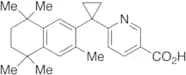
CAS:Produto Controlado<p>Applications LG 100268 is a potent RXR agonist for evaluation in the treatment of non-insulin-dependent (type II) diabetes mellitus (NIDDM).<br>References Clyne, C., et al.: J. Biol. Chem., 277, 20591 (2002), Santen, R., et al.: J. Clin. Endocrinol. Metab., 87, 3007 (2002), Falender, A., et al.: Endocrinology, 144, 3598 (2003), Sablin, E., et al.: Mol. Cell., 11, 1575 (2003)<br></p>Fórmula:C24H29NO2Cor e Forma:NeatPeso molecular:363.49β-Nicotinic Acid Mononucleotide
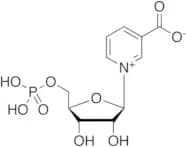
CAS:Produto Controlado<p>Stability Hygroscopic<br>Applications A nucleotide of nicotinic acid which is produced from quinolinic acid by quinolinate phosphoribosyltransferase via transfer of a phosphoribose group. It is an intermediate of nicotinic acid adenine dinucleotide (NaAD) which is then converted to NAD via amidation and in turn converted to NADPH.<br>References Petrelli, R. et al.: Curr. Med. Chem., 18, 1973 (2011); Shibata, K. et al.: J. Chrom. B Biomed. Sci. Appl., 749, 281 (2000); Evans, C. et al.: BMC Chem. Biol., 10, 2 (2010);<br></p>Fórmula:C11H14NO9PCor e Forma:NeatPeso molecular:335.2Eupatilin
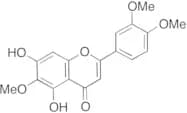
CAS:Produto Controlado<p>Stability Hygroscopic<br>Applications Eupatilin maintains anticoagulant and antiplatelet activity isolated from the Artemisia princeps Pampanini flower.<br>References Ryu, R. et al.: Prev. Nutr. Food Sci., 18, 181 (2013);<br></p>Fórmula:C18H16O7Cor e Forma:Light Yellow To BeigePeso molecular:344.32(S)-Naringenin
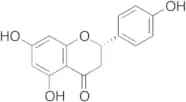
CAS:<p>Applications (S)-Naringenin, an active flavanone, maintains antioxidative, anti-inflammatory and antitumorigenic activities. Used in the treatment of praquat (PQ)-induced oxidative stress.<br>References Podder, B. et al.: J. Microbiol. Biotech., 24, 605 (2014); Abd El Azim, M. et al.: Org. Chem. An Ind. J., 10,410 (2014);<br></p>Fórmula:C15H12O5Cor e Forma:Light BrownPeso molecular:272.2510-Formyl-5,6,7,8-tetrahydro Folic Acid Disodium (Technical Grade)
CAS:Produto Controlado<p>Stability Hygroscopic, Light Sensitive, Temperature Sensitive<br>Applications 10-Formyl-5,6,7,8-tetrahydro Folic Acid Disodium Salt is the disodium salt of F701085, which is a Folic Acid (F680300) derivative. Folic Acid is a vitamin needed to synthesize DNA, conduct DNA repair and methylate DNA, it also acts as a cofactor in biological reactions involving folate.10-Formyl-5,6,7,8-tetrahydro Folic Acid Disodium Salt is also used in the diagnosis and prevention and therapy of cerebral folate dificiency in relation to formation of folate receptor autoantibodies and treatment with reduced folate and antioxidants.<br>References Slieker, L.J., et al.: Mol. Pharmacol., 25, 294-302 (1984); Xu, L., et al.: Mol. Pharm., 7, 1311 (2010); Everette, J., et al.: J. Agric. Food Chem., 58, 8139 (2010); Alshatwi, A., et al.: Food, Chem., Toxicol., 48, 1881 (2010); McKay, D., et al.: Nut. J., 9 (2010)Ramaekers, WO 2006119589, (2006)<br></p>Fórmula:C20H21N7Na2O7Cor e Forma:NeatPeso molecular:517.4Vitamin B2 (Riboflavin) 13C4 ,15N2
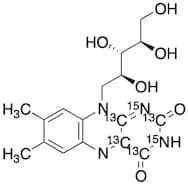
CAS:Produto ControladoFórmula:C4C13H2015N2N2O6Cor e Forma:NeatPeso molecular:382.32Cholesterol-d6
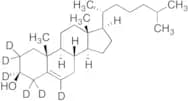
CAS:Produto Controlado<p>Stability Hygroscopic<br>Applications Labelled Cholesterol (C432501). Cholesterol is the principal sterol of the higher animals. Cholesterol was found in all body tissues, especial in the brain, spinal cord, and in animal fats or oils. Cholesterol is the main constituent of gallstones.<br>References Rosin, Z., et al.: Physiol. Chem., 124, 282 (1923), Schoenheimer, et al.: J. Biol. Chem., 105, 355 (1934), Gemant, et al.: Life Sci., 1, 233 (1962), Johnson, K., et al.: 4, 457 (1964),<br></p>Fórmula:C272H6H40OCor e Forma:Off White SolidPeso molecular:392.69O-Desmethyl Adapalene
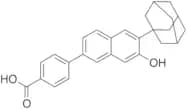
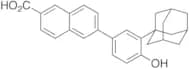
CAS:Produto Controlado<p>Applications An intermediate in the preparation of Adapalene derivatives.<br>References Zinner, R., et al.: Mol. Cancer Ther., 8, 521 (2009), Virtanen, M., et al.: Exper. Dermatol., 19, 674 (2010),<br></p>Fórmula:C27H26O3Cor e Forma:NeatPeso molecular:398.49(+)-Biotin (+)-Sulfoxide
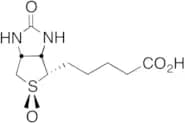
CAS:Produto Controlado<p>Stability Hygroscopic<br>Applications (-)-Biotin Sulfoxide, is a metabolite of Biotin (B389040), which is a growth factor present in minute amounts in every living cell, and plays an indispensable role in numerous naturally occurring carboxylation reactions.<br>References du Vigneaud, et al.: J. Biol. Chem., 146, 475 (1942), Traub, et al.: Nature, 178, 649 (1956), Siegel, H., et al.: Experienta, 37, 789 (1981), Vesely, D.L., Science, 216, 1329 (1982), Hugues, M., et al.: Biochemistry, 31, 12 (1992),<br></p>Fórmula:C10H16N2O4SCor e Forma:NeatPeso molecular:260.31Magnolol
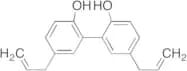
CAS:Produto Controlado<p>Applications Magnolol is the bioactive phytochemicals found in Magnolia officinalis (1). Magnolol has been used to treat anxiety, cough, headache and allergies (2). It also inhibits tumor necrosis factor-α-*induced ICAM-1 expression in human lung epithelial cells.<br> Not a dangerous good if item is equal to or less than 1g/ml and there is less than 100g/ml in the package<br>References (1) Amorati, R., et al.: J Org Chem. (2015) 80:10651-9.(2) Wu, C., et. al.: Inflammation (2014) 37:1957-67<br></p>Fórmula:C18H18O2Cor e Forma:Off-WhitePeso molecular:266.33Oleuropein
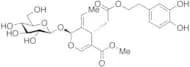
CAS:<p>Applications Oleuropein is a tyrosol ester derivative of elenolic acid and phenolic glycoside found in olive oil. Oleuropein shows antioxidant, anti-ischemic and hypolipidemic activity. Oleuropein has also been used as an immunomodulator .<br>References Speroni, E. et al.: Phytother. Res., 12, S98 (1998); Andreadou, I. et al.: J. Nutrit., 136, 2213 (2006):;Giamarellos-Bourboulis, E.J. et al.: Shock, 26, 410 (2006);<br></p>Fórmula:C12H17O7Pureza:>95%Cor e Forma:NeatPeso molecular:540.51Pantothenic Acid-13C3,15N Hemicalcium Salt
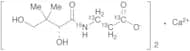
CAS:<p>Applications Labelled Pantothenic Acid. A member of the B complex vitamins; essential vitamin for the biosynthesis of coenzyme A in mammalian cells. Occurs ubiquitously in all animal and plant tissue. The richest common source is liver, but jelly of the queen bee contains 6 times as much as liver. Rice bran and molasses are other good sources.<br>References Gardner, P., et al.: Food Chem., 68, 471 (2000), Ou, B., et al.: J. Agric. Food Chem., 50, 2772 (2002), Bahorun, T., et al.: J. Sci. Food Agric., 84, 1553 (2004),<br></p>Fórmula:C3C6H1615NO5·CaCor e Forma:BeigePeso molecular:484.47Oxythiamine Hydrochloride
CAS:Produto Controlado<p>Stability Hygroscopic<br>Applications Oxythiamine HCl (cas# 136-16-3) is a useful research chemical.<br></p>Fórmula:C12H15N3O2S·HClCor e Forma:NeatPeso molecular:301.799-cis-Retinal
CAS:Produto Controlado<p>Stability Light Sensitive, Temperature Sensitive<br>Applications 9-cis-Retinal is an isomer of all-trans-Retinal (R240000).<br>References Yan, E., et al.: Biochemistry, 43, 10867 (2004), Kukura, P., et al.: Science, 310, 1006 (2005), Ridge, K., et al.: J. Biol. Chem., 282, 9297 (2007),<br></p>Fórmula:C20H28OCor e Forma:NeatPeso molecular:284.44Isopyridoxal Hydrochloride
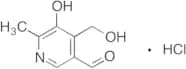
CAS:<p>Applications Isopyridoxal Hydrochloride is an active vitamer of the B6 complex in humans, and a metabolite standard in the determination of all seven vitamin B6-related compounds. It is also a metabolite in a pyridoxine degradation pathway by soil bacteria.<br>References Edwards, P., et. al.: Clinica Chimica Acta: Int. J. Clin. Chem., 190, (1990); Lee, Y. C., et. al.: J. Bio. Chem., 261, (1986); Argoudelis, C. J.: J. Chromatogr. A, 790, (1998)<br></p>Fórmula:C8H9NO3·HClCor e Forma:NeatPeso molecular:203.62Vitamin D2 O-t-Butyldimethylsilyl Ether
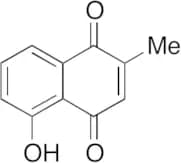
CAS:Produto ControladoFórmula:C34H58OSiPureza:>85%Cor e Forma:NeatPeso molecular:510.91Plumbagin
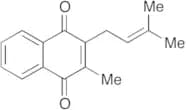
CAS:<p>Applications Plumbagin induces apoptosis in cancer cells. It also inhibits NADPH oxidase 4 in a time- and dose-dependent manner.<br> Not a dangerous good if item is equal to or less than 1g/ml and there is less than 100g/ml in the package<br>References Klotz, L., et al.: Molecules, 19 14902 (2014); Gupta, S., et al.: Cancer Metastasis Rev., 29, 405 (2010); Schramm, A., et al.: Vascul. Pharmacol., 56, 216 (2012)<br></p>Fórmula:C11H8O3Cor e Forma:Dark OrangePeso molecular:188.18Vitamin K4
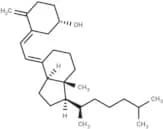
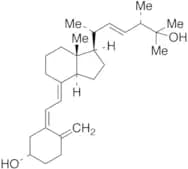
CAS:Produto Controlado<p>Applications Vitamin K4, is a chemically synthesized Vitamin K which plays an important role in the normal blood coagulation system.<br>References jiang Y. et al.: Pharmazie. 2013 Jun;68(6):442-8.<br></p>Fórmula:C15H14O4Cor e Forma:NeatPeso molecular:258.27Vitamin D4
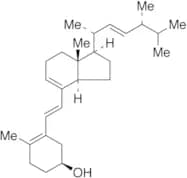
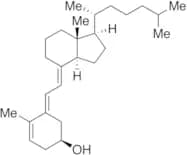
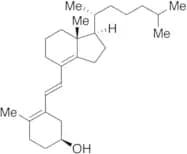
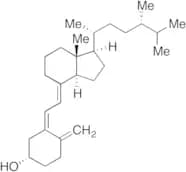
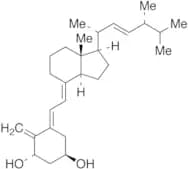
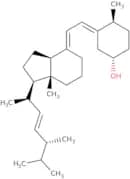
CAS:<p>Stability Hygroscopic, Temperature Sensitive<br>Applications Vitamin D4 is the active analogue of Vitamin D.<br> Not a dangerous good if item is equal to or less than 1g/ml and there is less than 100g/ml in the package<br>References Holick, M., et al.: J. Biochemistry, 10, 2799 (1971), Haddad, J., et al.: J. Bone Miner. Res., 4, 243 (1989), Palmieri, G., et al.: J. Clin. Endocrin. Metab., 82, 3516 (1997),<br></p>Fórmula:C28H46OCor e Forma:NeatPeso molecular:398.66Calcifediol
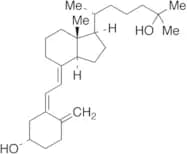
CAS:Produto Controlado<p>Stability Light Sensitive, Temperature Sensitive<br>Applications Calcifediol is a metabolite of Vitamin D. The principal circulating form of vitamin D3, formed in the liver by hydroxylation at C-25. Calcium regulator.<br> Not a dangerous good if item is equal to or less than 1g/ml and there is less than 100g/ml in the package<br>References Morii, et al.: Arch. Biochem. Biophys., 120, 513 (1967); Blunt, et al.: Biochemistry, 7, 3317 (1968), Liu, et al.: Science, 311, 1770 (2006);<br></p>Fórmula:C27H44O2Cor e Forma:Off-WhitePeso molecular:400.64BGP 15
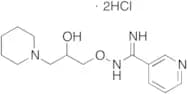
CAS:Produto Controlado<p>Applications BGP 15 is a calcipotriene-based vitamin D3 analog that inhibits poly(ADP-ribose) polymerasesis (PARP), a class of enzymes that regulate DNA repair and apoptosis (1). BGP 15 is also a cardioprotective agent (2). Also, BPG 15 improves mitochondrial function, protects neurons from dying in vitro and in vivo, and promotes cardiac innervation in vivo.<br>References (1) Berkovich, L., et al.: Anticancer Drugs. 21, 609 (2010) (2) Szabados, E., et al. Biochem Pharmacol. 59, 937 (2000)<br></p>Fórmula:C14H22N4O2·2HClCor e Forma:NeatPeso molecular:351.27Levomefolic Acid-13C,d3
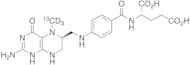
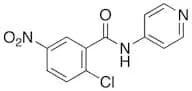
CAS:Produto Controlado<p>Applications A labelled active form of folic acid used at the cellular level for DNA reproduction, the cysteine cycle and the regulation of homocysteine among other functions. It is a coenzymated form of folic acid. It has been proposed for treatment of cardiovascular disease.<br>References Willems, F. et al.: Br. J. Pharmacol., 145, 823 (2004); Prinz-Langhebohi, R.: et al., Br. J. Pharmacol., 158, 2014 (2009); Wright, A. et al.: Brit, J. Nutrit., 103, 724 (2010)<br></p>Fórmula:CC192H3H22N7O6Cor e Forma:BeigePeso molecular:463.472-Chloro-5-nitro-N-4-pyridinylbenzamide
CAS:Produto Controlado<p>Applications A cell-permeable chloro-nitro-benzamido compound that acts as a potent, specific, irreversible, and high-affinity antagonist of PPARγ with a Ki of 1 nM. Displays >800-fold greater selectivity for PPARγ over PPARα and PPARδ (Ki = 0.85 µM and 1.8 µM, respectively). Blocks hormone- and agonist-induced adipogenesis in 3T3-L1 cells. It suppresses interactions between PPARγ and coactivator-derived peptides, while promotes the recruitment of corepressor-derived peptides. Shown to modulate the interaction of PPARγ2 with the cofactor proteins through covalent binding to Cys313 in its ligand-binding domain.<br>References Lee, G., et al: J. Biol. Chem., 277, 19649 (2003), Schaefer, K.L., et al: Cancer Res., 65, 2251 (2005), Masuda, T., et al.: Clin. Cancer Res., 11, 4012 (2005), Raikwar, H.P., et al.: J. Neuroimmunol., 167, 99 (2005)<br></p>Fórmula:C12H8ClN3O3Cor e Forma:NeatPeso molecular:277.66Menaquinone 7, Synthetic (90%)
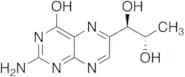
CAS:<p>Stability Light and Temperature Sensitive<br>Applications Menaquinones are isoprenoid quinones of the naphthalene series and belongs to the K2 Vitamin homologs. Menaquinones were originally discovered as the anti-hemorrhagic factor and now encompasses a variety of physiological processes. Menaquinone 7 belongs to the class of K2-Vitamins homologs. Menaquinone 7 has been identified as the most bioactive cofactor for the carboxylation reaction of Gla-proteins such as osteocalcin and matrix-Gla protein, which plays a crucial role in building and maintaining overall bone health.<br>References Hugenholtz, P., et al.: J. Bacteriol., 180, 4765 (1998), Ginet, N., et al.: Biochemistry, 40, 1812 (2001), Cape, J., et al.: J. Biol. Chem., 280, 34654 (2005),<br></p>Fórmula:C46H64O2Pureza:90%Cor e Forma:Light YellowPeso molecular:649.00Biopterin
CAS:<p>Stability Hygroscopic<br>Applications A pteridine widely distributed in nature; naturally occurring as the L-erythro-form. Considered as a growth factor for some insects. Fluoresces with a blue color in alkaline solution.<br>References Klatt, P., et al.: J. Biol. Chem., 269, 13861 (1994); Mitnaul, L., et al.: Biochemistry, 92, 885 (1995); Thony, B., et al.: Biochem. J., 347, 1 (2000);<br></p>Fórmula:C9H11N5O3Cor e Forma:Off WhitePeso molecular:237.2225-Hydroxy Vitamin D2
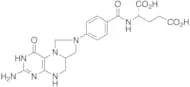
CAS:Produto Controlado<p>Stability Light Sensitive, Temperature Sensitive<br>Applications A metabolite of Vitamin D2 (V676040).<br> Not a dangerous good if item is equal to or less than 1g/ml and there is less than 100g/ml in the package<br>References Barnes, P., et al.: J. Clin. Invest., 83, 1527 (1989), Holick, M., et al.: J. Cell Biochem., 88(2), 296 (2003), Maunsell, Z., et al.: Clin. Chem., 51, 1683 (2005),<br></p>Fórmula:C28H44O2Cor e Forma:White To Light YellowPeso molecular:412.65Folitixorin (~80%)(Mixture of Diastereomers)
CAS:<p>Stability Hygroscopic, Moisture Sensitive, Temperature Sensitive<br>Applications A stable folate lyophilized compound suitable for use in the treatment of cancer and other therapies.<br>References Park, H., et al.: Science, 268, 1866 (1995), Banerjee, R., et al.: J. Biol. Chem., 282, 14916 (2007), Klar, T., et al.: J. Mol. Biol., 366, 954 (2007),<br></p>Fórmula:C20H23N7O6Cor e Forma:NeatPeso molecular:457.44Acetyl Vitamin B12
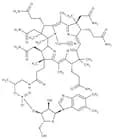
CAS:<p>Applications Acetyl Vitamin B12 is a derivative of Vitamin B12 (V676020). Vitamin B12 gets converted by the body into its bioactive forms, methylcobalamin and cobamamide, which serve as enzyme cofactors. Severe deficiency may result in megaloblastic anemia and/or neurological impairment.<br>References Rickes, et al.: Science, 107, 396 (1948); Kirschbaum, J., et al.: Anal. Profiles Drug Subs., 10, 183 (1981); Grasbeck, R., et al.: Clin. Biochem., 17, 99 (1984)<br></p>Fórmula:C65H90CoN14O15PPureza:>85%Cor e Forma:NeatPeso molecular:1397.40δ-Tocopherol (>90%)
CAS:<p>Applications One of the naturally occurring forms of Vitamin E. Isolated from soybean oil.<br>References Emerson, et al.: Science, 83, 421 (1936), Bieri, J.G., et al.: J. Nutr., 104, 850 (1974), Jiang, Q., et al.: Am. J. Clin. Nutr., 74, 714 (2001),<br></p>Fórmula:C27H46O2Pureza:>90%Cor e Forma:Light Yellow To Dark BrownPeso molecular:402.65trans-Doxercalciferol
CAS:Produto Controlado<p>Applications A Vitamin D derivative.<br> Not a dangerous good if item is equal to or less than 1g/ml and there is less than 100g/ml in the package<br>References Koeffler, M.R., et al.: Blood, 74, 82 (1989),<br></p>Fórmula:C28H44O2Cor e Forma:NeatPeso molecular:412.65Succinimidyl-6-(biotinamido) Hexanoate
CAS:Produto Controlado<p>Stability Moisture Sensitive<br>Applications Succinimidyl-6-(biotinamido) Hexanoate is a biotinylation reagent incorporating an aminocaproyl “spacer”. This can reduce the steric hindrance in binding avidin to some biotinylated compounds when used to biotinylate both the antibody and the carrier in the Protein Avidin-Biotin Capture System. This system avoids the direct interaction of a captured antibody with solid surfaces, such as plastics, which may reduce antigenicity. It has also been used to enhance the detection of DNA on nitrocellulose. Has also been used as a cell surface labelling reagent<br>References Hofmann, K., et al.: Biochemistry, 21, 978 (1982); Leary, J.J., et al.: P. Natl. Acad. Sci. USA, 80, 4045, (1983); Suter, M., et al.: Immunology Letters, 13, 313 (1986); Gretch, D.R., et al.: Anal. Biochem., 163, 270 (1987), Burgess, T.L., et al.: J. Biol. Chem., 269 (32), 19188 (1995), Schumacher, T.N.M., et al.: Science, 271, 1854 (1996)<br></p>Fórmula:C20H30N4O6SCor e Forma:Off White Crystalline PowderPeso molecular:454.54D-α-Tocopherol Quinone
CAS:Produto Controlado<p>Stability Light Sensitive<br>Applications D-α-Tocopherol Quinone is an vitamin E derivative that exhibits antioxidant properties. D-α-Tocopherol Quinone has been shown to partially restore the activity of NADH dehydrogenase and used to investigate the electron transport system in rat hepatocyte and human erythrocyte.<br>References Sun, I. L., et al.: Proc. Natl. Acad. Sci. USA 89, 11126 (1992); Hosomi, A., et al.: FEBS Lett. 409, 105 (1997)<br></p>Fórmula:C29H50O3Cor e Forma:NeatPeso molecular:446.71Menaquinone (K2)
CAS:Menaquinone (K2) is a fat-soluble vitamin, which is a form of Vitamin K. It is naturally found in animal and fermented foods. Menaquinone is synthesized by specific bacteria during fermentation processes. Its primary mode of action involves carboxylation of specific proteins, which is essential for calcium binding in bones and blood vessels.Fórmula:C31H40O2Pureza:Min. 98 Area-%Cor e Forma:Yellow PowderPeso molecular:444.65 g/molPantethine
CAS:Pantethine is a dietary supplement, which is a derivative of pantothenic acid, sourced from vitamin B5. As a biologically active compound, it undergoes conversion to pantetheine, which then forms coenzyme A (CoA) and acyl-carrier proteins. This conversion is critical, as CoA is an essential cofactor involved in numerous biochemical reactions that are integral to fatty acid metabolism, among other processes.Fórmula:C22H42N4O8S2Pureza:Min. 95%Cor e Forma:PowderPeso molecular:554.72 g/mol5-Methyltetrahydrofolic acid disodium salt
CAS:<p>5-Methyltetrahydrofolic acid disodium salt is a form of vitamin B9 that is produced by the body from 5,10-methylenetetrahydrofolate. It also can be obtained through the diet in foods such as milk, eggs, and leafy vegetables. This vitamin is necessary for many cellular processes, including amino acid metabolism. 5-Methyltetrahydrofolic acid disodium salt has been shown to have a significant effect on neuron cell growth and health. It has been shown to stimulate the enzyme activities of catecholamine-O-methyltransferase and dopamine beta hydroxylase in vitro. The effects were seen with both acidic and neutral pHs. 5-Methyltetrahydrofolic acid disodium salt has been found to be a selective inhibitor of receptor α (rho) uptake in Caco-2 cells at acidic pHs but not at neutral pHs. In addition</p>Fórmula:C20H23N7Na2O6Cor e Forma:PowderPeso molecular:503.42 g/molRiboflavin
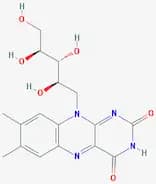
CAS:Riboflavin is a water-soluble vitamin, which is derived primarily from dietary sources such as milk, eggs, nuts, and green vegetables. As a precursor to coenzymes flavin mononucleotide (FMN) and flavin adenine dinucleotide (FAD), riboflavin plays a crucial role within the cellular metabolic pathways. These coenzymes are essential for redox reactions occurring in mitochondrial energy metabolism, particularly within the electron transport chain.Fórmula:C17H20N4O6Pureza:Min. 98 Area-%Cor e Forma:Yellow PowderPeso molecular:376.36 g/molDihydrotachysterol
CAS:Dihydrotachysterol is a synthetic analog of vitamin D, which is derived from ergocalciferol or cholecalciferol. It is a semi-synthetic compound tailored to mimic the active form of vitamin D, playing a crucial role in calcium metabolism. Unlike naturally occurring vitamin D, Dihydrotachysterol does not require metabolic activation in the kidneys, making it particularly useful in patients with impaired renal function.Fórmula:C28H46OPureza:Min. 98 Area-%Cor e Forma:PowderPeso molecular:398.66 g/mol6-Fluorovitamin D3
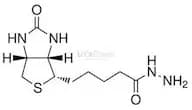
CAS:6-Fluorovitamin D3 is a synthetic analog of vitamin D3, which is a modified form of the naturally occurring hormone known as cholecalciferol. This molecule is typically derived through chemical synthesis, incorporating a fluorine atom at a specific position on the vitamin D3 structure. The introduction of the fluorine atom is designed to enhance the stability of the compound and potentially alter its biological activity.Fórmula:C27H43FOPureza:Min. 95%Peso molecular:402.63 g/molD-Biotin
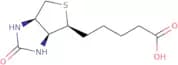
CAS:<p>Biotin is a water-soluble vitamin, also known as vitamin B7. Biotin is an essential coenzyme for five carboxylases in mammalian cells, which play key roles in the metabolism of glucose, amino acids and fatty acids (Zempleni, 2014). Biotin is also used in biochemistry in affinity purification of proteins in the biotin-avidin and biotin-streptavidin systems. Herein, free biotin is used in the elution step to release the recombinant protein from the resin (Diamandis and Christopoulos, 1991).</p>Fórmula:C10H16N2O3SPureza:98.5 To 101.0%Cor e Forma:White Off-White PowderPeso molecular:244.31 g/molAscorbic acid
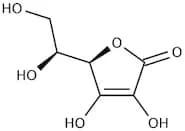
CAS:<p>Ascorbic acid is an essential vitamin, also known as Vitamin C, which is a naturally occurring organic compound abundant in various fruits and vegetables, including citrus fruits, berries, and peppers. Its mode of action primarily relies on its ability to donate electrons, thereby neutralizing free radicals and reducing oxidative stress at the cellular level. Furthermore, ascorbic acid acts as a cofactor for several vital enzymatic reactions, including collagen synthesis, iron absorption, and the biosynthesis of neurotransmitters.</p>Fórmula:C32H42N2O7Pureza:Min. 95%Peso molecular:566.69 g/molL-Biotin
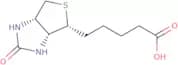
CAS:L-Biotin, also known as biotin or vitamin H, is a water-soluble vitamin that is an essential cofactor in the carboxylation of several enzymes. L-Biotin is involved in fatty acid synthesis and amino acid metabolism. L-Biotin has been shown to be cytotoxic against cancer cells in vitro. It has been used to diagnose parathyroid function by measuring urinary excretion of l-biotin after administration of human parathyroid hormone (PTH). L-Biotin can also be used as a targeting molecule for diagnostic purposes.Fórmula:C10H16N2O3SPureza:Min. 95%Cor e Forma:White PowderPeso molecular:244.3 g/molMenaquinone 9
CAS:Menaquinone 9 is a vitamin K2 product, which is a naturally occurring compound found in fermented foods and certain animal products. It is a member of the menaquinone group, distinguished by the number of isoprene units in its side chain. Menaquinone 9 is synthesized by certain bacteria in the gut and absorbed through the intestines. Its primary mode of action involves serving as a cofactor for the enzyme gamma-glutamyl carboxylase, which is crucial for the post-translational modification of specific proteins required for calcium binding.Fórmula:C56H80O2Pureza:Min. 95%Cor e Forma:PowderPeso molecular:785.23 g/molD-Calcium pantothenate
CAS:Pantothenic acid (pantothenate) is a water-soluble vitamin of the B complex. It is an essential nutrient that is necessary for the normal development and maintenance of the human body. Pantothenate is necessary for energy metabolism, as well as synthesis of coenzyme A and acetylcholine. Pantothenate also participates in the synthesis of hemoglobin, blood cells, and steroid hormones. Pantothenate deficiency can lead to dermatitis, insomnia, irritability, fatigue, depression, dizziness, muscle pain or cramps, and hair loss. D-Calcium pantothenate (DCP) is a salt form of pantothenic acid that has been shown to be effective in treating coronary heart disease and oxidative injury. DCP has been used as a model system to study polymerase chain reactions (PCR) in vitro. This vitamin also acts as an antioxidant by reducing free radicals such as peroxides and lipid hydroFórmula:C18H32CaN2O10Cor e Forma:White Off-White PowderPeso molecular:476.53 g/mol22-Fluorovitamin D3
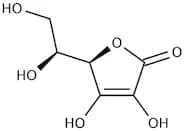
CAS:22-Fluorovitamin D3 is a synthetic analog of vitamin D3, which is derived from chemical synthesis involving fluorination at the C-22 position. This modification results in a compound that mimics the structure and activity of naturally occurring vitamin D3 but with altered pharmacokinetics and metabolic stability. The fluorine atom, due to its size and electronegativity, influences the binding affinity and activity of the compound at vitamin D receptors.Fórmula:C27H43FOPureza:Min. 95%Peso molecular:402.63 g/molL-Ascorbic acid
CAS:<p>L-ascorbic acid, also known as vitamin C, is a natural compound with antioxidant properties. It prevents the degradation of the API in formulations, and acts as a stabilizer to adjust the redox environment and avoid side reactions with reactive species that might oxidize the drug. It is also a buffering agent, helping maintain the desired pH to improve solubility and stability.</p>Fórmula:C6H8O6Pureza:Min. 98 Area-%Cor e Forma:White PowderPeso molecular:176.12 g/moldelta-Tocotrienol
CAS:<p>Delta-Tocotrienol is a natural compound, part of the vitamin E family, which is primarily sourced from the seeds and fruits of certain plants, such as annatto. This compound is a potent antioxidant, exerting its effects through the scavenging of free radicals and protection of polyunsaturated fatty acids in cell membranes from oxidative damage. Additionally, delta-Tocotrienol inhibits the enzyme HMG-CoA reductase, leading to a reduction in cholesterol synthesis.</p>Fórmula:C27H40OPureza:Min. 95%Cor e Forma:Clear LiquidPeso molecular:380.61 g/molMenaquinone 7
CAS:Vitamin K2 related compoundFórmula:C46H64O2Pureza:Min. 97 Area-%Cor e Forma:PowderPeso molecular:649 g/molCholecalciferol - 100IU/mg - contains 2.5g/kg active
CAS:<p>Cholecalciferol - 100IU/mg - contains 2.5g/kg active is a chemical compound known as vitamin D3. It is derived primarily from cholesterol through photochemical synthesis in animal skin exposed to ultraviolet light. The product functions as a hormone regulator by modulating calcium and phosphorus metabolism within biological systems. This process is crucial for maintaining bone density and immune system efficacy.</p>Fórmula:C27H44OPureza:Min. 95%Cor e Forma:White PowderPeso molecular:384.64 g/molVitamin D3 b-D-Glucuronide, >90%
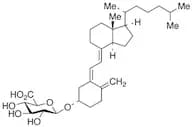
CAS:Produto Controlado<p>Stability Temperature and Light Sensitive<br>Applications A metabolite of Vitamin D3.<br>References Bell, P.A., et al.: Biochem. J., et al.: 115, 663 (1969), Kumar, R.S., et al.: J. Clin. Invest., 65, 277 (1980), Shimada, K., et al.: Biol. Pharm. Bull., 19, 491 (1996),<br></p>Fórmula:C33H52O7Pureza:>90%Cor e Forma:NeatPeso molecular:560.76Echinenone (Technical Grade)
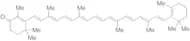
CAS:<p>Stability Light Sensitive, Temperature Sensitive<br>Applications Echinenone is a protective carotenoid. Echinenone is an analogue of β-Carotene (C184250), the most important of the provitamins A. Widely distributed in the plant and animal kingdom. In plants it occurs almost always together with chlorophyll. Vitamin A precursor. Ultraviolet screen.<br>References Karrer, et al.: Helv. Chim. Acta, 12, 1142 (1929); Fischli, M., et al.: Helv. Chim. Acta, 58, 1584 (1975); Desmet, J., et al.: Biochem. Biophys. Acta, 912, 211 (1987); Tan, C., et al.: Food Chem., 92, 661 (2005); Chu, B., et al.: J. Agric. Food Chem., 55, 6754 (2007)<br></p>Fórmula:C40H54OCor e Forma:NeatPeso molecular:550.86Butyrate-Vitamin D3
CAS:Butyrate-Vitamin D3 (Butyrate-Cholecalciferol) is a modified form of vitamin D3, wherein a butyric acid group replaces a hydroxyl group in the vitamin D3 structure. This compound modulates gene expression and cellular function while exhibiting anti-inflammatory properties. It is employed in researching immune regulation, metabolic disorders, and cancer.Fórmula:C31H50O2Peso molecular:454.73Astaxanthin
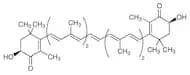
CAS:Fórmula:C40H52O4Pureza:>95.0%(HPLC)Cor e Forma:Red to Dark red to Dark purple powder to crystalPeso molecular:596.85Pyritinol
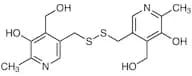
CAS:Fórmula:C16H20N2O4S2Pureza:>96.0%(T)(HPLC)Cor e Forma:White to Light yellow to Light orange powder to crystalPeso molecular:368.475-Methyltetrahydrofolic Acid
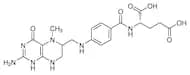
CAS:Fórmula:C20H25N7O6Pureza:>95.0%(T)(HPLC)Cor e Forma:White to Light yellow powder to crystalPeso molecular:459.46β-Nicotinamide Adenine Dinucleotide oxidized form [for Biochemical Research]
CAS:Fórmula:C21H27N7O14P2Pureza:>95.0%(T)(HPLC)Cor e Forma:White to Almost white powder to crystalPeso molecular:663.43Vitamin A Palmitate (Retinyl Palmitate) for tissue culture, 1.615-1.860MIU/g
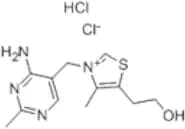
CAS:Fórmula:C36H60O2Cor e Forma:Clear, Yellow to orange, Viscous liquidPeso molecular:524.86Thiamine Hydrochloride pure, 98.5%
CAS:Fórmula:C12H17N4OSCl·HClPureza:min. 98.5%Cor e Forma:White to off-white, Crystalline powder, ClearPeso molecular:337.27D-Biotin extrapure, 99%
CAS:Fórmula:C10H16N2O3SPureza:min. 99%Cor e Forma:White, Crystalline powderPeso molecular:244.32Vitamin B12a (B12 Analog) ExiPlus, Multi-Compendial, 98%-102%
CAS:Fórmula:C63H91CoN13O14PPureza:98 - 102%Cor e Forma:Dark red, Crystalline powder, Clear, RedPeso molecular:1355.38Thiamine Hydrochloride ExiPlus, Multi-Compendial, 98.5%
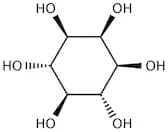
CAS:Fórmula:C12H17N4OSCl·HClPureza:min. 98.5%Cor e Forma:White to off white, Crystalline powder, ClearPeso molecular:337.27Inositol pure, 99%
CAS:Fórmula:C6H12O6Pureza:min. 99%Cor e Forma:White, Crystalline powder, Clear, ColourlessPeso molecular:180.16Vitamin A Acetate (Retinyl Acetate) for tissue culture
CAS:Fórmula:C22H32O2Cor e Forma:Yellow to pale brown, Crystalline powderPeso molecular:328.49Riboflavin pure, 98%
CAS:Fórmula:C17H20N4O6Pureza:min. 98%Cor e Forma:Orange yellow, Crystalline powder, Clear, OrangePeso molecular:376.37L-Ascorbic Acid Calcium Salt Dihydrate extrapure, 99%
CAS:Fórmula:C12H14CaO12·2H2OPureza:min. 99%Cor e Forma:White to pale yellow, Crystalline powderPeso molecular:426.34Pyridoxal-5-Phosphate Monohydrate extrapure, 98%
CAS:Fórmula:C8H10NO6P·H2OPureza:min. 98%Cor e Forma:Off white to yellow, Crystalline powderPeso molecular:265.16Rutin Trihydrate pure, 95%
CAS:Fórmula:C27H30O16·3H2OPureza:min. 95%Cor e Forma:Yellowish green, PowderPeso molecular:664.56Calcium-D-Pantothenate pure, 98%
CAS:Fórmula:C18H32N2O10CaPureza:min. 98%Cor e Forma:White to off-white, Crystalline powder/ crystals, Clear, ColourlessPeso molecular:476.54Vitamin K1 extrapure, 98%
CAS:Fórmula:C31H46O2Pureza:min. 98%Cor e Forma:Clear, Yellow to pale brown, Viscous liquidPeso molecular:450.88L-Ascorbic Acid extrapure AR, 99.7%
CAS:Fórmula:C6H8O6Pureza:min. 99.7%Cor e Forma:White, Crystalline powder, Clear, ColourlessPeso molecular:176.13L-Ascorbic Acid Sodium Salt extrapure, 99%
CAS:Fórmula:C6H7NaO6Pureza:min. 99%Cor e Forma:White to pale yellow, Crystalline powder, ClearPeso molecular:198.11Menadione O/S (Vitamin K3) pure, 98%
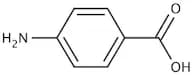
CAS:Fórmula:C11H8O2Pureza:min. 98%Cor e Forma:Yellow, Crystalline powder, ClearPeso molecular:172.18p-Aminobenzoic Acid (pABA) pure, 99%
CAS:Fórmula:C7H7NO2Pureza:min. 99%Cor e Forma:White to off-white, Crystalline powder, Clear, Pale yellowPeso molecular:137.14L-Ascorbic Acid extrapure AR, ACS, ExiPlus, Multi-Compendial, 99.7%
CAS:Fórmula:C6H8O6Pureza:min. 99.7%Cor e Forma:White, Crystalline powder, Clear, ColourlessPeso molecular:176.13Vitamin B12 for molecular biology, 97%
CAS:Fórmula:C63H88O14N14PCoPureza:min. 97%Cor e Forma:Dark red, Crystalline powder, Clear, RedPeso molecular:1355.38Vitamin A (Retinol), 90%
CAS:Fórmula:C20H30OPureza:min. 90.0%Cor e Forma:Light yellow to dark yellow, PowderPeso molecular:286.45DL-a-Tocopherol Acetate (Vitamin E Acetate) for tissue culture, 98%
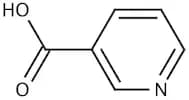
CAS:Fórmula:C31H52O3Pureza:min. 98%Cor e Forma:Clear, Yellow, Viscous liquidPeso molecular:472.74Nicotinic Acid (Pyridine-3-Carboxylic Acid) pure, 99%
CAS:Fórmula:C6H5NO2Pureza:min.99%Cor e Forma:White to off - white, Crystalline powder, Clear, Colourless to pale yellowPeso molecular:123.11Pyridoxine Hydrochloride (Vitamin B6) pure, 98%
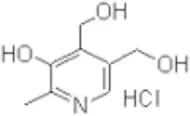
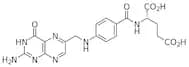
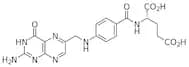
CAS:Fórmula:C8H11NO3HClPureza:min. 98%Cor e Forma:White to off-white, Crystalline powder, Clear, Colourless to pale yellowPeso molecular:205.64Folic Acid pure, 98%
CAS:Fórmula:C19H19N7O6Pureza:min.98%Cor e Forma:Orange yellow, Crystalline powder, ClearPeso molecular:441.40Menadione Sodium Bisulphite Trihydrate W/S (Vitamin K3 Sodium Bisulphite Trihydrate) pure, 95%
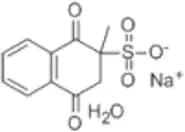
CAS:Fórmula:C11H8O2·NaHSO3·3H2OPureza:min. 95%Cor e Forma:White to off-white, Crystalline powderPeso molecular:330.26Folic Acid ExiPlus, Multi-Compendial, 98%
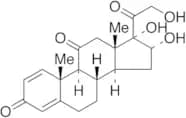
CAS:Fórmula:C19H19N7O6Pureza:min.98%Cor e Forma:Orange yellow, Crystalline powder, ClearPeso molecular:441.4016α,17,21-Trihydroxy-pregna-1,4-diene-3,11,20-trione
CAS:Produto Controlado<p>Applications A metabolite of Budesonide (B689490), an antiinflammatory agent.<br>References Cserhati, T., et al.: J. Pharm. Biomed. Anal., 22, 25 (2000), Dilger, K., et al.: J. Clin. Pharmacol., 47, 1532 (2007), Buchwald, P., et al.: Steroids, 73, 193 (2008),<br></p>Fórmula:C21H26O6Cor e Forma:NeatPeso molecular:374.43(24S)-24,25-Epoxycholesterol
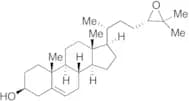
CAS:Produto Controlado<p>Applications (24S)-24,25-Epoxycholesterol is a derivative of 4β-Hydroxy Cholesterol (H917980), a metabolite of Cholesterol. It is formed from Cholesterol by the drug-metabolizing enzyme cytochrome P 450 3A4. A potential ligand for the nuclear receptor LXR and also a new endogenous CYP3A marker.<br>References Breuer, O., et al.: J. Lipid Res., 36, 2275 (1995), Pikuleva, I., et al.: J. Biol. Chem., 273, 18153 (1998), Chawla, A., et al.: Science, 294, 1866 (2001), Bodin, K., et al.: J. Biol. Chem., 276, 38685 (2001),<br></p>Fórmula:C27H44O2Cor e Forma:NeatPeso molecular:400.637CDDO Imidazolide
CAS:Produto Controlado<p>Stability Light Sensitive<br>Applications CDDO Imidozolide (CDDO-Im) is a synthetic triterpenoid CDDO-Im inhibits fatty acid synthase expression and has antiproliferative and proapoptotic effects in human liposarcoma cells. Studies show that CDDO-Im is highly active in suppressing cellular proliferation of human leukemia and breast cancer cell lines as well as being an effective therapeutic agent in the treatment of other types of cancers.<br>References Hughes, D.T. et al.: Cancer Invest., 26, 118 (2008); Place, A.E. et al.: Clin. Cancer Res., 9, 2798 (2003); Samudio, I. et al.: J. Biol. Chem., 280, 36273 (2005);<br></p>Fórmula:C34H43N3O3Cor e Forma:NeatPeso molecular:541.72AC 55649
CAS:Produto Controlado<p>Applications AC 55649 is a potent and selective RARβ2 receptor agonist (1). RARβ2 receptor agonists are potential drug candidates for developing treatment for type 2 diabetes and hepatic steatosis (2).<br>References (1) Lund, B. W., et al.: J Med Chem. 48, 7517 (2005) (2) Trasino, S. E., et al.: Diabetes Obes Metab. 18, 142 (2016)<br></p>Fórmula:C21H26O2Cor e Forma:NeatPeso molecular:310.431-O-Hexadecyl-sn-glycerol
CAS:Produto Controlado<p>Applications 1-O-Hexadecyl-sn-glycerol restores plasmalogen levels in Chinese hamster ovary (CHO) cells and human pulmonary arterial endothelial cells (PAEC). Plasmalogen may play a role in protecting animal cells against photosensitized killing.<br>References Zoeller, R., et al.: J. Biol. Chem., 263, 11590 (1988); Zoeller, R., et al.: Am. J. Physiol., 283, H671 (2002)<br></p>Fórmula:C19H40O3Cor e Forma:NeatPeso molecular:316.51913-cis-Retinoic Acid-d5
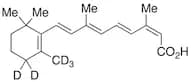
CAS:Produto Controlado<p>Stability Light Sensitive, Temperature Sensitive<br>Applications Used as a treatment for severe acne. Presently being studied in conjuction with the treatment of photoaged skin.<br>References Lerche, C., et al.: Exp. Dermatol., 17, 972 (2008), Sato, T., et al.: J. Med. Chem., 51, 7705 (2008), Gan, J., et al.: Chem. Res. Toxicol., 22, 690 (2009), Macejova, D., et al.: Toxicol. Lett., 184, 114 (2009), Chen, P., et al.: Toxicol. App. Pharmacol., 234, 143 (2009),<br></p>Fórmula:C20D5H23O2Cor e Forma:NeatPeso molecular:305.4662-Phospho-L-ascorbic Acid Trisodium Salt
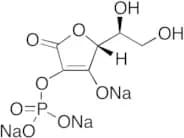
CAS:Produto Controlado<p>Applications 2-Phospho-L-ascorbic Acid Trisodium Salt is a long-lasting vitamin C derivative used in studies of gene repression. Maximizes the benefical properties of vitamins C for personal care and a main active ingredient in medicated cosmetics for whitening. Also, it is substrate in the chromoamperometric method to detect tungsten in water.<br>References Fuchihata, M.: Frag. J., 43, 64-68 (2015); Alvarado-Gamez, A. L., et al.: Sens., 15, 2232-2243 (2015);<br></p>Fórmula:C6H6Na3O9PCor e Forma:NeatPeso molecular:322.05Bazedoxifene-d4 Acetate
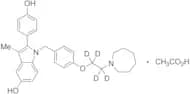
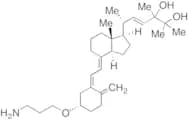
CAS:Produto ControladoFórmula:C30H30D4N2O3Cor e Forma:NeatPeso molecular:474.6273-Aminopropyl-24,25-dihydroxy Vitamin D3
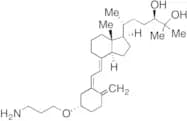
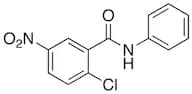
Produto Controlado<p>Stability Temperature and Light Sensitive<br>Applications 3-Aminopropyl-24,25-dihydroxy Vitamin D3 is a derivative of Vitamin D3 (V676045), an important factor in maintaining bone health, and has also been associated with cardiovascular health in humans.<br>References Dawson-Hughes, B., et al.: 16, 713 (2005); Lee, J., et al: J. Am. Coll. Cardio., 52, 1949 (2008)<br></p>Fórmula:C30H51NO3Cor e Forma:NeatPeso molecular:473.7312-Chloro-5-nitro-N-4-phenylbenzamide
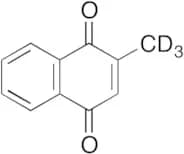
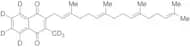
CAS:Produto Controlado<p>Applications A cell-permeable, selective and irreversible PPARγ antagonist (IC50 = 3.3 nM, 32 nM, and 2 µM for PPARγ, PPARα, and PPARδ, respectively). Reported to covalently modify a cysteine residue in the binding site of PPAR. At a concentration of 10 µM, also acts as an agonist of human pregnane X receptor (PXR) and farnesoid X receptor (FXR). Does not activate liver X receptor-a (LXRa), retinoic acid receptor (RAR), retinoid X receptor-a (RXRa) and thyroid receptors a and b (TRa and TRb<br>References Huang, J.T., et al.: Nature, 400, 378 (1999), Wilson, T.M., et al.: J. Med. Chem., 43, 527 (2000), Leesnitzer, L.M., et al.: Biochemistry, 41, 6640 (2002)<br></p>Fórmula:C13H9ClN2O3Cor e Forma:NeatPeso molecular:276.682-(Methyl-d3)-1,4-naphthalenedione (Vitamin K3-d3)
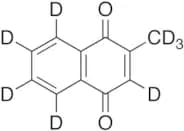
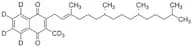
CAS:Produto Controlado<p>Applications Isotope labelled d3; 1,4-Dihydro-1,4-dioxo-2-methylnaphthalene-d3; (Vitamin K3), precursor to various types of Vitamin K. Used as a micronutrient for livestock and pet foods.<br>References Sakamoto, S., et al.: Anal. Bioanal. Chem., 396, 2955 (2010), Gohil, V., et al.: Nat. Biotechnol., 28, 249 (2010), Hu, W., et al.: Anal. Biochem., 398, 245 (2010),<br></p>Fórmula:C11H5D3O2Cor e Forma:NeatPeso molecular:175.2Auraptene
CAS:Produto Controlado<p>Applications Auraptene is a natural bioactive monoterpene coumarin ether. Auraptene has shown a remarkable effect in the prevention of degenerative diseases.<br>References Brunhofer, G., et al.: Bioorg. Med. Chem., 20, 669 (2012); Furukawa, Y., et al.: Int. J. Mole. Sci., 13, 5338 (2012);<br></p>Fórmula:C19H22O3Cor e Forma:NeatPeso molecular:298.38Menaquinone 4-d7 (Mixture of cis-trans isomers) (100ug/mL in Acetonitrile)
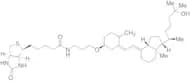
CAS:Produto ControladoFórmula:C31H33D7O2Cor e Forma:Yellow To Light YellowPeso molecular:451.6925-Hydroxy Vitamin D3 3,3'-Biotinylaminopropyl Ether
CAS:<p>Applications Vitamin D3 (V676045) analog.<br>References Roy, A., et al.: Steroids, 60, 530 (1995);<br></p>Fórmula:C40H65N3O4SCor e Forma:NeatPeso molecular:684.033-Aminopropyl-24,25-dihydroxy Vitamin D2
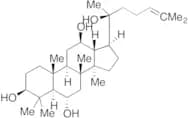
Produto ControladoFórmula:C31H51NO3Cor e Forma:NeatPeso molecular:485.74(20S)-Protopanaxatriol (~91% HPLC)
CAS:Produto Controlado<p>Applications (20S)-Protopanaxatriol acts as an inhibitor in the production of corticosteroids in fasciculata cells. Used in the clinical treatment of heart diseases.<br>References Hasegawa, E. et al.: Life Sci., 92, 687 (2013); Wang, X. et al.: Pathobiol., 79, 285 (2012);<br></p>Fórmula:C30H52O4Cor e Forma:NeatPeso molecular:476.732O1-(ABM-14 ether), O4-(Methylcarboxamide with AHPC) Butanediol
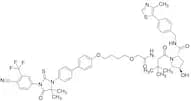
CAS:Produto ControladoFórmula:C53H56F3N7O7S2Cor e Forma:NeatPeso molecular:1024.18SR9243
CAS:Produto Controlado<p>Applications SR9243 is used in new compounds targeting warburg effcts, killing cancer cells and inhibiting lipid production.<br>References Anon.: Cancer Discovery, 5, 898 (2015)<br></p>Fórmula:C31H32BrNO4S2Cor e Forma:NeatPeso molecular:626.62α-Tocotrienol
CAS:<p>Stability Light Sensitive<br>Applications alpha-Tocotrienol is an antioxidant.<br></p>Fórmula:C29H44O2Cor e Forma:Off-WhitePeso molecular:424.66















![4-[(5,6,7,8-Tetrahydro-3,5,5,8,8-pentamethyl-2-naphthalenyl)carbonyl]benzoic Acid](/_next/image/?url=https%3A%2Fstatic.cymitquimica.com%2Fproducts%2FTR%2Fthumb-webp%2FT294945.webp&w=3840&q=75)
![4,5-Dihydro-4,5-dioxo-1H-pyrrolo[2,3-f]quinoline-2,7,9-tricarboxylic Acid](/_next/image/?url=https%3A%2Fstatic.cymitquimica.com%2Fproducts%2FTR%2Fthumb-webp%2FD449125.webp&w=3840&q=75)





















![β-Nicotinamide Adenine Dinucleotide oxidized form [for Biochemical Research]](/_next/image/?url=https%3A%2Fstatic.cymitquimica.com%2Fproducts%2F3B%2Fthumb-webp%2FD0919.webp&w=3840&q=75)