Sais metálicos
Foram encontrados 2872 produtos de "Sais metálicos"
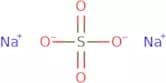
Sodium sulphate anhydrous
CAS:Produto ControladoSodium sulphate anhydrous is a salt of sodium and sulfuric acid that is used in the treatment of bowel disease. It has been shown to reduce the concentration-time curve for dextran sulfate in maternal blood and to improve the mitochondrial membrane potential in fetal bovine erythrocytes. Sodium sulphate anhydrous also inhibits inflammatory activity by reducing the activity of cytochrome P450 enzymes. This drug is not active against infectious diseases, but has been shown to have antiinflammatory effects.
Fórmula:Na2SO4Pureza:Min. 95%Cor e Forma:White/Off-White SolidPeso molecular:142.04 g/molSodium thiosulfate pentahydrate
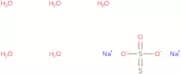
CAS:Sodium thiosulfate is a chemical compound that is used in the treatment of hyperkalemia, hypoglycemia, and other metabolic disorders. It has been shown to have a variety of biochemical properties, including the ability to inhibit oxidation reactions by acting as an electron donor. Sodium thiosulfate has also been shown to be effective in vitro in reducing oxidative stress-induced apoptosis and cell death. Histological analysis of sodium thiosulfate-treated cells showed reduced DNA damage and improved cell viability. The phase transition temperature for anhydrous sodium thiosulfate is below 0 °C. It reacts with potassium dichromate to produce hydrogen fluoride gas and sodium citrate. Redox potential measurements show that it can act as an electron acceptor when it gains electrons from hydrogen fluoride or sodium citrate, but it can also act as an electron donor when it donates electrons to hydrogen fluoride or sodium citrate. Sodium carbonate has been shown to have a redox potential
Fórmula:Na2S2O3•(H2O)5Pureza:Min. 95%Cor e Forma:White SolidPeso molecular:248.19 g/molRef: 3D-FS47176
Produto descontinuadoDL-Lactic acid sodium salt, 60% w/w syrup
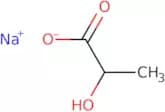
CAS:Lactic acid is a natural product that has been used for many years as an antimicrobial agent in wastewater treatment. It is also used in the food industry to prevent the growth of bacteria and fungi, and as a preservative. Lactic acid has been shown to have a physiological effect on locomotor activity, which may be due to its ability to convert pyruvate into lactate. Lactic acid also inhibits the growth of some bacterial strains by increasing the disulfide bond formation between two cysteine residues. The sodium salt form of lactic acid is more soluble than the acid form and can be used as an experimental model for studying sodium-lactate interactions. Sodium lactate is used in maternal blood transfusions to increase blood pH levels during labor, and is also added to water vapor for humidification purposes.
Fórmula:C3H5O3NaCor e Forma:Colorless Clear LiquidPeso molecular:112.06 g/molSilver fluoride
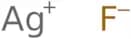
CAS:Silver fluoride is a chemical compound that consists of silver and fluoride. It is used in the form of a powder or a solution to sterilize surfaces, and can be applied to skin as an antiseptic. The chemical stability of silver fluoride has been studied using thermodynamic data and biological properties. Silver fluoride is able to inhibit the metabolism of some microorganisms, such as the growth of Staphylococcus aureus and Escherichia coli. Silver fluoride also inhibits the synthesis of DNA and RNA, which are important for cell division.
Fórmula:AgFPureza:Min. 95%Cor e Forma:PowderPeso molecular:126.87 g/molVanadium(IV) sulfate oxide hydrate
CAS:Vanadium oxide hydrate is an oxidizing catalyst that is used in the production of polyvinyl chloride (PVC). It is also used as a catalyst in the oxidation of water vapor and in the preparation of hydroxide solutions. The catalytic activity of vanadium oxide hydrate depends on its pH, with a lower pH increasing the rate of oxidation. This compound was shown to induce DNA strand breaks and chromosomal aberrations when tested in vitro. Vanadium oxide hydrate has also been found to have genotoxic effects when tested in vivo, including induction of micronuclei and sister chromatid exchanges. Vanadium oxide hydrate can be used as a dietary supplement to increase growth factor levels, particularly when combined with molybdenum or monoclonal antibody. Vanadium oxide hydrate has a phase transition temperature at around 74°C, which makes it useful for regulating polymer film thickness during processing.
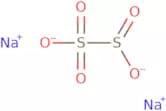
Fórmula:VOSO4·xH2OPureza:Min. 95%Cor e Forma:Blue PowderPeso molecular:163 g/molSodium metabisulfite
CAS:Sodium metabisulfite is a preservative used to inhibit microbial growth in food and drinks. This chemical has been shown to cause bronchoconstriction in animals, but the mechanism for this effect is not well understood. Sodium metabisulfite may also cause anaphylactic reactions in humans. There are no toxicity studies available for sodium metabisulfite injection solutions, but it has been shown that anhydrous sodium metabisulfite can be toxic at high doses. The effects of sodium metabisulfite on human cells have been studied using a surface methodology and cytotoxicity assay. These experiments showed that sodium metabisulfite significantly reduced cellular viability and had significant cytotoxic effects on cells. The mechanism of this cell death was found to be due to the enzyme activity of sulfite oxidase, which produces hydrogen peroxide as a by-product. This hydrogen peroxide causes oxidative stress and leads to the production of reactive oxygen species (ROS) that induce DNA damage
Fórmula:Na2S2O5Pureza:Min. 97%Cor e Forma:PowderPeso molecular:190.11 g/molRef: 3D-FS40910
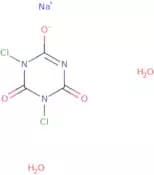
Produto descontinuadoDichloroisocyanuric acid sodium dihydrate
CAS:Dichloroisocyanduric acid sodium salt (DCD) is a disinfectant that is used to control bacteria, fungi, and algae in wastewater treatment plants. DCD has been shown to be an effective antimicrobial agent against bacterial spores and the fungal plant pathogen "Botrytis cinerea" when used at concentrations of 0.1-0.3%. DCD also has a low toxicity for mammals, with LD50 values of 3.5g/kg for rats and 2g/kg for mice. The chemical stability of DCD can be increased by adding sodium carbonate or other alkaline substances in a neutral pH environment.
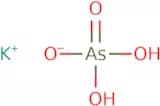
Fórmula:C3HCl2N3O3•(H2O)2•NaPureza:Min. 95%Cor e Forma:PowderPeso molecular:256.98 g/molPotassium dihydrogen arsenate
CAS:Potassium dihydrogen arsenate is an inorganic chemical that is used as a pesticide. It prevents the synthesis of proteins by inhibiting soybean trypsin. The optimum concentration for chrysoperla is 1.6 mg/L, which has been shown to be sublethal at levels below 5 mg/L. This chemical has also been shown to have effects on light exposure and thermal expansion. Potassium dihydrogen arsenate belongs to the ferroelectric class of compounds and has a hydrogen bond with water, which may explain its uptake into plants.
Fórmula:H2AsKO4Pureza:Min. 95%Peso molecular:180.04 g/mol[1,3-Bis(diphenylphosphino)propane]palladium(II) dichloride
CAS:Produto ControladoPlease enquire for more information about [1,3-Bis(diphenylphosphino)propane]palladium(II) dichloride including the price, delivery time and more detailed product information at the technical inquiry form on this page
Fórmula:C27H26Cl2P2PdPureza:Min. 95%Peso molecular:589.77 g/molRef: 3D-FB46063
Produto descontinuadoAlizarin Yellow R sodium salt
CAS:Acid-base indicator dye; textile dye; yellow color
Fórmula:C13H8N3O5NaPureza:Min. 95%Peso molecular:309.21 g/molRef: 3D-FA52710
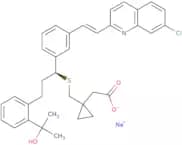
Produto descontinuadoent-montelukast sodium salt
CAS:Please enquire for more information about ent-montelukast sodium salt including the price, delivery time and more detailed product information at the technical inquiry form on this page
Fórmula:C35H35ClNNaO3SPureza:Min. 95%Peso molecular:608.17 g/molCalcium
CAS:Produto ControladoCalcium is a chemical element with the symbol Ca and atomic number 20. It has an atomic weight of 40.078, which means that it is 40.078 times heavier than hydrogen. Calcium is an alkaline earth metal, as are magnesium and barium. Calcium is classified as a hard metal because it has a high melting point and its oxide layer resists corrosion by water and air. The ionized form of calcium (Ca2+) may be found in the cytosol, or in transport vesicles in muscle cells or other types of cells such as those of the intestine or bone cells. The main biological role of calcium ions is to maintain the potential difference across excitable cell membranes, enabling normal nerve transmission and muscle contraction, including the contraction of heart muscles. The concentration of calcium ions in extracellular fluid is tightly regulated by the kidneys under instruction from parathyroid hormone (PTH) and calcitonin hormones to keep blood calcium levels within a narrow range
Fórmula:CaPureza:Min. 95%Cor e Forma:Metal Or Metallic SolidPeso molecular:40.08 g/molRef: 3D-FC34853
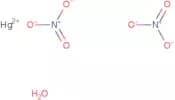
Produto descontinuadoMercury(II) nitrate monohydrate
CAS:Produto ControladoMercury(II) nitrate monohydrate (HgNO3·H2O) is a salt that is used in the synthesis of other mercury compounds. It is activated by reaction with ammonia or ammonium chloride to yield the mercury(II) nitrate. This compound can be used as a fluorescence probe for identification and quantification of nitrogen atoms in biological molecules. Monoclonal antibodies against human serum proteins can be prepared from HgNO3·H2O-treated mouse ascites fluid, which are then used for immunological detection of picolinic acid in human serum. The reaction solution for this procedure should contain benzalkonium chloride, light emission reagents, and halides. The IUPAC name for this compound is mercuric nitrate monohydrate and it has a kinetic data available.
Fórmula:Hg(NO3)2•H2OPureza:Min. 95%Peso molecular:342.62 g/molRef: 3D-FM43031
Produto descontinuadoDicobalt Octacarbonyl (stabilized with 1-10% Hexane)
CAS:Dicobalt octacarbonyl is a carbonylative agent that converts alkenes to epoxides. It is used in the synthesis of cyclopentenones, as well as in the conversion of benzylic alcohols to aldehydes. Dicobalt octacarbonyl has been shown to react with glycosyl compounds, such as glycosides and cyclitols, to form carbon dioxide and water. This reaction produces very little hydrogen gas and no free radicals, which makes it useful for applications where these byproducts are undesirable.
Fórmula:C8Co2O8Pureza:Min. 95%Peso molecular:341.95 g/molRef: 3D-FD60932
Produto descontinuadoSodium polytungstate
CAS:Sodium polytungstate is a magnetic resonance contrast agent that is used for diagnostic imaging and for the treatment of hyperphosphatemia. Sodium polytungstate consists of tungsten oxide particles coated with sodium carbonate, which are dispersed in water. The dry weight of this contrast agent depends on the particle size and composition, but can range from 500 to 1000 mg/g. Magnetic resonance spectroscopy (MRS) is a technique that can be used to investigate the chemical species present in a sample. It has been shown that MRS can be used to optimise the process by which sodium polytungstate is produced, as well as its biochemical properties.
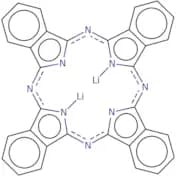
Fórmula:H2O40W12·6NaPureza:Min. 95%Peso molecular:2,986.03 g/molDilithium phthalocyanine
CAS:Dilithium phthalocyanine is a low-energy metathesis catalyst that is used in the synthesis of organic compounds. It is a coordination complex that has been shown to have a high chemical stability and to be resistant to radiation. The mechanism of action of dilithium phthalocyanine involves the formation of a covalent bond between two molecules or ions. The activation energy for this reaction is relatively low, making it an ideal catalyst for reactions involving ether linkages in which the hydrochloric acid acts as the base. One example of such a reaction is the synthesis of phthalocyanines from lithium and hydrogen chloride.
Pureza:93%MinRef: 3D-FD62482
Produto descontinuadoSilver(I) cyanide
CAS:Produto ControladoSilver(I) cyanide is an inorganic compound that is a silver salt of cyanide. It is a high-resistance material and can be used for the treatment of cancer. Silver(I) cyanide has been shown to induce apoptotic cell death in cultured cells by interfering with protein synthesis and the mitochondria membrane potential. The vibrational, structural, and functional properties of silver(I) cyanide are studied using different techniques. Silver(I) cyanide has also been shown to have fluorescence properties.
Fórmula:AgCNPureza:Min. 95%Peso molecular:133.89 g/molRef: 3D-FS54847
Produto descontinuadoLevothyroxine sodium
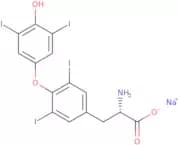
CAS:Levothyroxine sodium is a thyroid hormone that is used to treat hypothyroidism. It is also used to treat goiter and other thyroid problems. Levothyroxine sodium comes in three different forms: tablets, oral solution, and levothyroxine sodium for injection. The tablet form of levothyroxine sodium is taken by mouth once daily with or without food. Oral solution is taken by mouth twice daily (morning and evening) with or without food. Injection should be given as directed by a physician or healthcare provider. Levothyroxine sodium can interact with many drugs, especially ones that affect the heart or blood sugar levels, such as potassium supplements, diuretics, beta blockers, calcium channel blockers, erythromycin, clarithromycin and ketoconazole. Levothyroxine sodium can also interact with certain foods such as soybean flour and grapefruit juice. Levothyroxine sodium has been shown to have a linear calibration curve in vivo
Fórmula:C15H10I4NNaO4Pureza:Min. 95%Cor e Forma:White PowderPeso molecular:798.85 g/molSodium linoleate
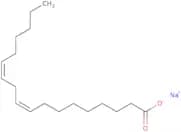
CAS:Sodium linoleate is a model system for studying the effect of radiation on tumorigenesis. Sodium linoleate is used to study the relationship between light exposure and cancer. It has been shown to inhibit Cox-2 expression in carcinoma cell lines, which may be due to its ability to inhibit cox-2 activity by preventing the production of prostaglandins E2 (PGE2). The increased levels of PGE2 can lead to an increase in inflammation and cancer growth. Sodium linoleate has also been shown to have a synergic effect with sodium carbonate in inhibiting tumour growth, which is due to the inhibition of nuclear DNA transcription and protein synthesis.
Fórmula:C18H32O2·NaPureza:Min. 95%Cor e Forma:PowderPeso molecular:303.44 g/molZinc sulfate heptahydrate
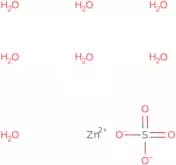
CAS:Zinc sulfate heptahydrate is a chemical compound that is used in sample preparation. It is an acid complex with a high degree of chemical stability. Zinc sulfate heptahydrate can be used to prepare fluorescent derivatives for the detection of organic compounds and metal ions. Zinc sulfate heptahydrate has been shown to have controlled-release properties, which may be due to its ability to form microcapsules with anhydrous sodium carbonate, water vapor, and potassium dichromate. Structural analysis has been conducted on zinc sulfate heptahydrate in order to determine the reaction mechanism for this compound. The reaction mechanism involves the formation of zinc oxide and hydrogen peroxide from the decomposition of zinc sulfate heptahydrate. This product also has applications in the treatment of infectious diseases such as malaria and tuberculosis.
Fórmula:ZnSO4·7H2OPureza:Min. 95%Cor e Forma:PowderPeso molecular:287.55 g/mol

![[1,3-Bis(diphenylphosphino)propane]palladium(II) dichloride](/_next/image/?url=https%3A%2Fstatic.cymitquimica.com%2Fproducts%2F3D%2Fthumb-webp%2FFB46063.webp&w=3840&q=75)