CAS 80-05-7
:2,2-Bis(4-hydroxyphenyl)propane
Description:
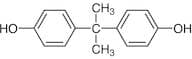
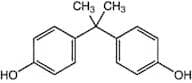
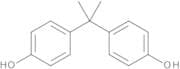
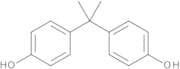
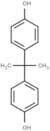
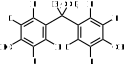
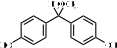
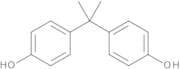
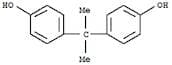
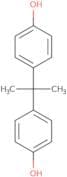
2,2-Bis(4-hydroxyphenyl)propane, commonly known as bisphenol A (BPA), is an organic compound characterized by its structure, which features two phenolic hydroxyl groups attached to a propane backbone. This compound is a colorless solid at room temperature and is soluble in organic solvents but has limited solubility in water. BPA is primarily used in the production of polycarbonate plastics and epoxy resins, which are utilized in a wide range of applications, including food containers, water bottles, and coatings. It exhibits thermal stability and resistance to chemical degradation, making it suitable for high-performance materials. However, BPA is also known for its endocrine-disrupting properties, raising concerns regarding its potential effects on human health and the environment. Regulatory agencies have scrutinized its use, leading to restrictions in certain applications, particularly those involving food contact. Overall, while BPA is a valuable industrial chemical, its safety profile continues to be a topic of significant research and debate.
Formula:C15H16O2
InChI:InChI=1S/C15H16O2/c1-15(2,11-3-7-13(16)8-4-11)12-5-9-14(17)10-6-12/h3-10,16-17H,1-2H3
InChI key:InChIKey=IISBACLAFKSPIT-UHFFFAOYSA-N
SMILES:C(C)(C)(C1=CC=C(O)C=C1)C2=CC=C(O)C=C2
Synonyms:- (4,4'-Dihydroxydiphenyl)dimethylmethane
- 2,2-Bis(4-hydroxyphenyl)propane
- 2,2-Bis(p-hydroxyphenyl)propane
- 2,2-Bis-(4-Hydroxy-Phenyl)-Propane
- 2,2-Di(4-Hydroxyphenyl) Propane
- 2,2-Di(4-phenylol)propane
- 4,4'-(1-Methylethylidene)bisphenol
- 4,4'-Bisphenol A
- 4,4'-Dihydroxyphenyl-2,2-Propane
- 4,4'-Isopropilidendifenol
- 4,4'-Isopropylidendiphenol
- 4,4'-Isopropylidene bisphenol
- 4,4'-Isopropylidenebis[phenol]
- 4,4'-Methylethylidenebisphenol
- 4,4-Isopropylidene Diphenyl
- 4,4′-(1-Methylethylidene)bis[phenol]
- 4,4′-(Propane-2,2-diyl)diphenol
- B 0494
- BPA
- Bis(4-hydroxyphenyl)dimethylmethane
- Bis(p-hydroxyphenyl)propane
- Bis[Phenol], 4,4'-(1-Methylethylidene)-
- Bisphenol A
- Bisphenol, 4,4'-(1-Methylethylidene)-
- Bpa 154
- Bpa 157
- Bpa-M
- Dian
- Diano
- Diphenol methylethylidene
- Diphenylolpropane
- Hg 3876
- Hidorin F 285
- Hidorin F 568
- Ht 3082
- Ipognox 88
- Isopropylidenebis(4-hydroxybenzene)
- Nsc 1767
- Nsc 17959
- Nupole BPE-60
- P,P'-Isopropylidene Diphenol
- Parabis
- Parabis A
- Phenol, 4,4'-(1-methylethylidene)bis-
- Phenol, 4,4'-isopropylidenedi-
- Pluracol 245
- Rikabanol
- Tetrabromobisphenol A Allyl Ether
- p,p'-Bisphenol A
- p,p'-Dihydroxydiphenylpropane
- p,p'-Isopropylidenebisphenol
- p,p'-Isopropylidenediphenol
- See more synonyms
Sort by
Purity (%)
0
100
|
0
|
50
|
90
|
95
|
100
Found 15 products.
2,2-Bis(4-hydroxyphenyl)propane
CAS:Formula:C15H16O2Purity:>99.0%(GC)Color and Shape:White powder to lumpMolecular weight:228.29Bisphenol A, 97+%
CAS:Bisphenol A is an important monomer used in the production of polycarbonate plastics which is utilized to make various consumer goods like water bottles, sports equipment, medical devices, eyeglass lenses, house hold electronics, compact discs (CDs) and digital versatile discs (DVDs). Bisphenol A cFormula:C15H16O2Purity:97+%Color and Shape:Powder or fused solid or granules or prills, WhiteMolecular weight:228.29Bisphenol A
CAS:Bisphenol a, diphenylolpropane (4,4'-isopropylidenediphenol) and its saltsFormula:C15H16O2Color and Shape:PowderMolecular weight:228.11503Bisphenol A
CAS:Formula:C15H16O2Purity:(GC) ≥ 97.0%Color and Shape:White powder, granules, prills or solidMolecular weight:228.29Bisphenol A 100 µg/mL in Acetonitrile
CAS:Formula:C15H16O2Color and Shape:Single SolutionMolecular weight:228.29GB 31660.2-2019 Antibiotics Mixture 168 30-100 µg/mL in Methanol
CAS:Controlled ProductColor and Shape:MixtureBisphenol A
CAS:Bisphenol A: used in making polycarbonates/epoxy resins, has estrogen-like effects.Formula:C15H16O2Purity:99.93%Color and Shape:White Solid White Crystals Flakes PrillsMolecular weight:228.29Bisphenol A
CAS:Controlled ProductApplications Bisphenol A is a monomer used for policarbonate and epoxy resins; exhibits estrogenic activity. BPA is also used as a building block in polycarbonate bottles and in the epoxy-resin liners of metal cans. This compound is a contaminant of emerging concern (CECs)
Not a dangerous good if item is equal to or less than 1g/ml and there is less than 100g/ml in the package
References Krishnan, A.V., et al.: Endocrinology, 132, 2279 (1993); Steinmetz, R., et al.: Trends Endocrinol. Metab., 9, 124 (1998); Petersen, H., et al.: Eur. Food Res. Technol., 216, 355 (2003);Formula:C15H16O2Color and Shape:NeatMolecular weight:228.29Bisphenol A pure, 97%
CAS:Formula:C15H16O2Purity:min. 97%Color and Shape:White, Crystalline powder/ compound/ granules/ flakes/ chips, Clear, ColourlessMolecular weight:228.29Bisphenol A
CAS:Bisphenol A is a chemical compound used to make polycarbonate plastics and epoxy resins. It is also used in the production of some dental sealants and composites. Bisphenol A has been shown to have an adverse effect on human health, as it has been linked to various diseases such as coronary heart disease, type 2 diabetes, and breast cancer. The most sensitive route of exposure is through the maternal blood during pregnancy. This chemical can be found in some common food containers, including baby bottles and food cans. Bisphenol A binds to estrogen receptors and alters their activity levels by mimicking the natural hormone estradiol. The optimum concentration for binding varies depending on the cell type and receptor present. Bisphenol A can also increase or decrease certain enzyme activities in vitro depending on the concentrations used. Bisphenol A is also an analytical reagent that can be used for polymerase chain reactions (PCR) to identify genes from specificFormula:C15H16O2Purity:Min. 95%Color and Shape:PowderMolecular weight:228.29 g/mol