Polycyclic Compounds
Subcategories of "Polycyclic Compounds"
- Acridines(98 products)
- Anthraquinones(533 products)
- Anthraquinonesulfonic Acids(16 products)
- Azobenzenes(270 products)
- Azonaphthalenes(98 products)
- Azoxybenzenes(12 products)
- Azulenes(11 products)
- Benzimidazoles(1,476 products)
- Benzodioxanes(27 products)
- Benzofurans(928 products)
- Benzothiophenes(701 products)
- Benzotriazoles(438 products)
- Binaphthyls(133 products)
- Carbazoles(464 products)
- Chromanes, Chromenes(480 products)
- Coumarins(1,125 products)
- Cyclophanes(11 products)
- Fluorenes and Fluorenones(384 products)
- Imidazopyridines(10 products)
- Indans(118 products)
- Indazoles(2,038 products)
- Indenes(22 products)
- Indoles(3,986 products)
- Indolines(119 products)
- Isatins(234 products)
- Isobenzofurans(17 products)
- N-Substituted Phthalimides(153 products)
- Naphthalenes(2,438 products)
- Naphthyridines(17 products)
- Naphtoquinone(2 products)
- Perylenes(36 products)
- Phenazines(25 products)
- Phthalazines(33 products)
- Phthalimide(153 products)
- Polycyclic Aromatic Hydrocarbons (PAHs)(284 products)
- Polyphenol(270 products)
- Pteridines(52 products)
- Pyrenes(87 products)
- Quinuclidine(1 products)
- Tetracenes(7 products)
Found 4575 products of "Polycyclic Compounds"
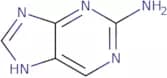
2-Aminopurine
CAS:Purine analog; fluorescent probe; kinase inhibitor; mutagenic
Formula:C5H5N5Purity:Min. 95%Color and Shape:White PowderMolecular weight:135.13 g/molN-Nitroso-3-azabicyclo[3.3.0]octane
CAS:N-Nitroso-3-azabicyclo[3.3.0]octane is a nitrosating agent that can be used for the determination of gliclazide in pharmaceuticals and other applications. It is synthesized by reacting 3-azabicyclo[3.3.0]octane with sodium nitrite in an alkaline environment, followed by hydrolysis with hydrochloric acid. Nitrosation reactions are usually slow, but N-nitroso-3-azabicyclo[3.3.0]octane has been shown to have a fast reaction kinetics, which makes it useful for the determination of gliclazide in pharmaceuticals and other applications. The product is analyzed using chromatographic techniques such as high performance liquid chromatography (HPLC) or gas chromatography/mass spectrometry (GC/MS). The product was found to be linear over the range of 0–
Formula:C7H12N2OPurity:Min. 95%Color and Shape:Colorless PowderMolecular weight:140.18 g/molRef: 3D-FN166610
Discontinued productMeranzin
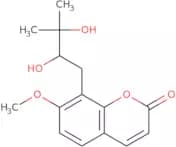
CAS:Meranzin is a bioactive compound, which is a naturally occurring coumarin derivative found in various citrus fruits. Its source lies primarily in the peels and seeds of specific citrus species, notably within the Rutaceae family. The mode of action of Meranzin involves the inhibition of acetylcholinesterase, thereby influencing neurotransmitter activity, specifically in the modulation of acetylcholine levels. This action can have significant implications in research focused on neurodegenerative disorders.
Formula:C15H16O4Purity:Min. 98 Area-%Color and Shape:PowderMolecular weight:260.29 g/molRef: 3D-XM163793
Discontinued productIndoline-2-carboxylic acid
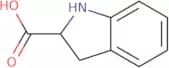
CAS:Indoline-2-carboxylic acid is a photophysical molecule with an absorption maximum at 518 nm. It has been shown to inhibit the activity of enzymes such as cyclooxygenase, lipoxygenase, and monoamine oxidases. This compound has been found to be effective in the treatment of cancer cells. Indoline-2-carboxylic acid is also used in pharmaceutical preparations, where it binds to enantiomers of other molecules and inhibits their biological activity. Indoline-2-carboxylic acid reacts with hydrochloric acid to form allyl carbonate and amide.
Formula:C9H9NO2Purity:Min. 97 Area-%Color and Shape:PowderMolecular weight:163.17 g/mol4-Imidazoleacetic acid HCl
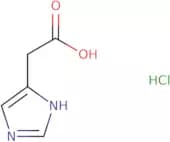
CAS:4-Imidazoleacetic acid HCl is a fluorescent probe that binds to the α1 subunit of the dinucleotide phosphate (NADH) oxidoreductase. It has been shown to inhibit mitochondrial functions, which may be due to its ability to inhibit the pentose phosphate pathway and reduce reactive oxygen species levels. 4-Imidazoleacetic acid HCl has also shown inhibitory properties against congestive heart failure by acting on the mitochondria and inhibiting energy metabolism. It can also be used as a chemical biology tool for studying protein interactions with NADH dehydrogenase. The x-ray crystal structures have revealed that 4-imidazoleacetic acid HCl binds to the active site of NADH oxidoreductase with an orientation that mimics a substrate molecule. This allows it to bind tightly and disrupt enzyme activity.
Formula:C5H6N2O2·HClPurity:Min. 95%Color and Shape:PowderMolecular weight:162.57 g/mol5-Bromoisatin
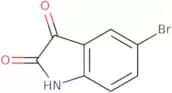
CAS:5-Bromoisatoic anhydride is a potential anticancer agent that contains nitrogen atoms. It inhibits the growth of cancer cells by binding to the enzyme acetylcholine, which is involved in the production of growth factors. The compound also inhibits the production of malonic acid, which is a metabolic disorder. 5-Bromoisatoic anhydride forms stable complexes with malonic acid and does not cause any adverse effects on normal cells.
Formula:C8H4BrNO2Purity:Min. 95%Color and Shape:PowderMolecular weight:226.03 g/molRef: 3D-FB19242
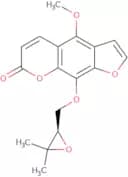
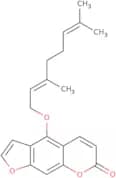
Discontinued productBergamottin
CAS:Bergamottin is a furanocoumarin compound, which is primarily found in grapefruit juice and other citrus fruits. It is derived from natural sources, specifically within the fruit and peel of grapefruits. The mode of action of Bergamottin involves the inhibition of the cytochrome P450 enzymes, particularly CYP3A4, which play a significant role in the metabolism of various drugs. This inhibitory effect can alter the pharmacokinetics of certain medications by increasing their bioavailability.
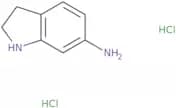
Formula:C21H22O4Purity:Min. 98 Area-%Color and Shape:White PowderMolecular weight:338.4 g/mol6-Aminoindoline dihydrochloride
CAS:Please enquire for more information about 6-Aminoindoline dihydrochloride including the price, delivery time and more detailed product information at the technical inquiry form on this page
Formula:C8H10N2•(HCl)2Purity:Min. 95%Molecular weight:207.1 g/molRef: 3D-FA52349
Discontinued product7-Chloro-2H-pyrido[3,2-B]-1,4-oxazin-3(4H)-one
CAS:7-Chloro-2H-pyrido[3,2-B]-1,4-oxazin-3(4H)-one is a chemical which is used as a reagent and building block in the synthesis of more complex compounds. It has been reported to be an intermediate for the production of pharmaceuticals and agrochemicals. The compound can also be used as an intermediate for the synthesis of other valuable chemicals such as pesticides and dyes. 7-Chloro-2H-pyrido[3,2-B]-1,4-oxazin-3(4H)-one has a CAS number of 205748-05-6.
Formula:C7H5ClN2O2Purity:Min. 96 Area-%Color and Shape:PowderMolecular weight:184.58 g/molRef: 3D-FC66462
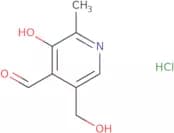
Discontinued productPyridoxal hydrochloride
CAS:Pyridoxal hydrochloride is a vitamin B6 metabolite. It is involved in many biochemical reactions, including trans-sulfuration, amino acid synthesis, and neurotransmitter synthesis. Pyridoxal hydrochloride has been shown to have antimicrobial activity against some bacteria species by inhibiting their enzyme activities. This compound also inhibits the growth of various fungi. The redox potentials of pyridoxal hydrochloride can be determined by titration calorimetry, which can be used to study its structural properties. In vitro experiments with cells have shown that pyridoxal hydrochloride may increase the efficiency of protein production when used during cell transfection. Toxicity studies have shown that pyridoxal hydrochloride is not toxic to humans at doses up to 2000 mg/kg body weight per day for up to 14 days.
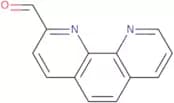
Formula:C8H9NO3·HClPurity:Min. 98 Area-%Color and Shape:White PowderMolecular weight:203.62 g/mol1,10-Phenanthroline-2-carbaldehyde
CAS:1,10-Phenanthroline-2-carbaldehyde is a phenylhydrazone compound that has been shown to have anticancer activity. It is also a supramolecular complex, which means it can form hydrogen bonds and coordinate bonds with other molecules. The anticancer activity of 1,10-phenanthroline-2-carbaldehyde may be due to its ability to inhibit the growth of prostate carcinoma cells. This compound also inhibits the growth of human cervical carcinoma cells by binding to their DNA and inhibiting the synthesis of RNA and protein. 1,10-Phenanthroline-2-carbaldehyde is being studied for its potential as an inhibitor of tumor angiogenesis.
1,10-Phenanthroline-2-carbaldehyde has been shown to have antiplatelet aggregation effects in platelets from healthy humans as well as those with type 2 diabetes mellitus or chronic kidney disease.Formula:C13H8N2OPurity:Min. 90 Area-%Color and Shape:Off-White PowderMolecular weight:208.22 g/molRef: 3D-FP34912
Discontinued product5-Iodoindole
CAS:5-Iodoindole is an organic compound that is used as a nematicide. It has been shown to have cytostatic effects on the growth of human pathogens, juveniles, and model systems. 5-Iodoindole inhibits the production of reactive amines and pyridine in vivo. It also inhibits glutamine metabolism by competitive inhibition at the glutamate dehydrogenase enzyme. 5-Iodoindole also has hemolytic activity and is able to induce transcriptomic changes in P. aeruginosa cells.
Formula:C8H6NIPurity:Min. 95%Color and Shape:PowderMolecular weight:243.04 g/molRef: 3D-FI02236
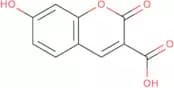
Discontinued productUmbelliferone-3-carboxylic acid
CAS:Umbelliferone-3-carboxylic acid is a coumarin derivative, which is a type of natural or synthetic organic compound often utilized in biochemical research. It is sourced from modifications of natural coumarins, which are typically isolated from plants belonging to the Apiaceae family, such as parsley, celery, and carrots. This compound functions by interacting with cellular enzymes, providing a fluorescent probe that aids in the investigation of enzymatic activities and pathways.
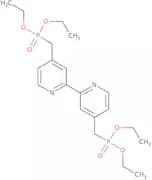
Formula:C10H6O5Purity:Min. 95%Color and Shape:PowderMolecular weight:206.15 g/mol4,4'-Bis(diethylmethylphosphonate)-2,2'-bipyridine
CAS:4,4'-Bis(diethylmethylphosphonate)-2,2'-bipyridine is a molecule that is covalently tethered to the copper oxide surface. The coordination of the 4,4'-bis(diethylmethylphosphonate)-2,2'-bipyridine ligand with the copper oxide surface is catalytic and bifunctional. This molecule has been shown to be able to coordinate with two different metal ions as well as act as a ligand for other metal ions. It can also be functionalized in order to create new molecules with different properties.Formula:C20H30N2O6P2Purity:Min. 96 Area-%Color and Shape:White PowderMolecular weight:456.41 g/molRef: 3D-FB10300
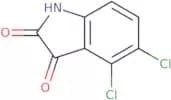
Discontinued product4,5-Dichloroisatin
CAS:4,5-Dichloroisatin is a versatile building block that can be used as a reagent for research and as a speciality chemical. It is also useful in the synthesis of complex compounds. 4,5-Dichloroisatin is a high quality compound with a CAS number of 1677-47-0. This compound is not intended for use in humans or animals.
Formula:C8H3Cl2NO2Purity:Min. 95%Color and Shape:Yellow PowderMolecular weight:216.02 g/molRef: 3D-FD70415
Discontinued product3,4-diaza-5-(tert-butyl)-2-hydroxy-3-((4-methylphenyl)sulfonyl)tricyclo[6.4.0.0<2,6>]dodeca-1(8),4,9,11-tetraen-7-one
CAS:Please enquire for more information about 3,4-diaza-5-(tert-butyl)-2-hydroxy-3-((4-methylphenyl)sulfonyl)tricyclo[6.4.0.0<2,6>]dodeca-1(8),4,9,11-tetraen-7-one including the price, delivery time and more detailed product information at the technical inquiry form on this pagePurity:Min. 95%Ref: 3D-FD169677
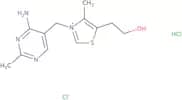
Discontinued productThiamine hydrochloride
CAS:Thiamine hydrochloride is a water-soluble vitamin that belongs to the group of B vitamins. It has been used as a model system for investigating the phase transition temperature of fatty acids in biological membranes. In addition, it has been shown to enhance thermal expansion and improve chronic exposure in fetal bovine brain cells. Thiamine hydrochloride has also shown insecticidal activity against various species of insects, including the tobacco budworm and the Indianmeal moth. This drug has been found to be active against phytophagous insects that cause crop damage, such as Anthranilate and Pyridoxine Hydrochloride. Thiamine hydrochloride is involved in cellular metabolism by enhancing the conversion of l-lysine into succinic acid via an intermediate product called anthranilate. It also plays an important role in pyridoxal phosphate synthesis, which is essential for protein synthesis and tissue growth.
Formula:C12H18Cl2N4OSPurity:Min. 95%Color and Shape:White Off-White PowderMolecular weight:337.27 g/molByakangelicol
CAS:Byakangelicol is a naturally occurring furanocoumarin, which is a type of organic compound found predominantly in the roots of certain plants, such as Angelica dahurica. This compound is synthesized through the plant's secondary metabolic pathways, primarily as a defense mechanism against herbivores and pathogens. Byakangelicol exerts its biological effects primarily through the inhibition of various enzymatic pathways, such as cytochrome P450s and monoamine oxidase, which are key in processes like drug metabolism and neurotransmitter regulation.
Formula:C17H16O6Purity:Min. 98 Area-%Color and Shape:PowderMolecular weight:316.31 g/molRef: 3D-FB74110
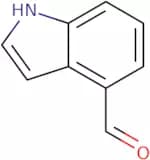
Discontinued productIndole-4-carboxaldehyde
CAS:Indole-4-carboxaldehyde is a natural compound that can be found in the acetate extract of the roots of Scopolia japonica. It has been shown to have an inhibitory effect on locomotor activity and may also have an inhibitory effect on protein synthesis. The mechanism of this inhibition is not yet known, but it may be due to an intramolecular hydrogen bond or other interactions with proteins. Indole-4-carboxaldehyde has also been shown to induce apoptotic cell death in 3T3-L1 preadipocytes by inducing mitochondrial dysfunction and oxidative stress.
Formula:C9H7NOColor and Shape:Off-White PowderMolecular weight:145.16 g/molRef: 3D-FI40250
Discontinued product2,3,3-Trimethylindolenine
CAS:2,3,3-Trimethylindolenine is a reactive aromatic hydrocarbon that has been synthesized by the coordination complex of nitric acid and sodium carbonate. It has a hydroxyl group in the 2 position and is used as an intermediate for the synthesis of hemicyanine. 2,3,3-Trimethylindolenine is soluble in nonpolar solvents such as benzene or hexane. Its light exposure can cause it to react with oxygen to form nitro groups. The structure of 2,3,3-Trimethylindolenine includes two nitrogen atoms in the alpha position.
Formula:C11H13NPurity:Min. 95%Color and Shape:Clear LiquidMolecular weight:159.23 g/mol

![N-Nitroso-3-azabicyclo[3.3.0]octane](/_next/image/?url=https%3A%2Fstatic.cymitquimica.com%2Fproducts%2F3D%2Fthumb-webp%2FFN166610.webp&w=3840&q=75)
![7-Chloro-2H-pyrido[3,2-B]-1,4-oxazin-3(4H)-one](/_next/image/?url=https%3A%2Fstatic.cymitquimica.com%2Fproducts%2F3D%2Fthumb-webp%2FFC66462.webp&w=3840&q=75)

![3,4-diaza-5-(tert-butyl)-2-hydroxy-3-((4-methylphenyl)sulfonyl)tricyclo[6.4.0.0<2,6>]dodeca-1(8),4…](/_next/image/?url=https%3A%2Fstatic.cymitquimica.com%2Fproducts%2F3D%2Fthumb-webp%2FFD169677.webp&w=3840&q=75)