Organometallic Ligands
In this category, you will be able to find a large number of organometallic molecules used as ligands in biomolecules. These organometallic ligands can be used in organic chemistry and synthesis in the laboratory. They play a critical role in forming coordination complexes and catalyzing various chemical reactions. At CymitQuimica, we offer a diverse selection of high-quality organometallic ligands to support your research and industrial needs.
Subcategories of "Organometallic Ligands"
- Buchwald Ligands(22 products)
- DPEN(4 products)
- DPHEN(4 products)
- JOSIPHOS(4 products)
- Phosphine(497 products)
- Porphirines(75 products)
Found 2887 products of "Organometallic Ligands"
Sort by
Purity (%)
0
100
|
0
|
50
|
90
|
95
|
100
GW-870086
CAS:GW-870086 is a synthetic small molecule compound classified as a selective glucocorticoid receptor agonist. It is derived from structured pharmaceutical research aimed at developing targeted therapies with minimal systemic side effects. This compound selectively binds to glucocorticoid receptors, modulating the transcription of glucocorticoid-responsive genes while attenuating inflammation and immune responses.Formula:C31H39F2NO6Purity:Min. 95%Molecular weight:559.65 g/molSr9011 hydrochloride
CAS:Controlled Product**SR9011 hydrochloride** is a synthetic compound classified as a Rev-Erb agonist, which is derived from chemical synthesis. Its mode of action involves binding to the Rev-Erbα and Rev-Erbβ nuclear receptors, which play a crucial role in controlling the circadian rhythm and metabolic pathways. By activating these receptors, SR9011 hydrochloride influences the expression of genes involved in lipid and glucose metabolism, leading to enhanced metabolic activity and energy expenditure.Formula:C23H32Cl2N4O3SPurity:Min. 95%Molecular weight:515.5 g/molS38093 HCl
CAS:<p>S38093 HCl is a selective histamine H3 receptor antagonist and inverse agonist, which is synthesized for research purposes involving neuropharmacology. As a compound derived from chemical synthesis, its principal mode of action involves binding to and inhibiting the activity of the H3 histamine receptor. This receptor is primarily located in the central nervous system and acts as an autoreceptor, modulating the release of histamine and other neurotransmitters, including dopamine, noradrenaline, and acetylcholine.</p>Formula:C17H25ClN2O2Purity:Min. 95%Molecular weight:324.85 g/molNicotinamide-13C6
CAS:Nicotinamide-13C6 is an isotopically labeled compound, which is a stable isotope variant of the naturally occurring nicotinamide. This compound is synthesized through advanced chemical processes that incorporate six carbon-13 isotopes, replacing the common carbon-12 atoms. The mode of action involves its integration into biological systems, where it serves as a tracer for metabolic studies and elucidates nicotinamide metabolism pathways with high precision.Formula:C6H6N2OPurity:Min. 95%Molecular weight:128.08 g/mol14:1 Epc (tf salt)
CAS:14:1 Epc (TF Salt) is an antimicrobial food preservative, which is derived from a refined combination of naturally occurring and synthetic compounds. Its mode of action involves disrupting microbial cell membranes, effectively inhibiting the growth of a broad spectrum of bacteria, yeast, and molds. This action is achieved through a physico-chemical process that destabilizes the cell wall integrity, leading to leakage of essential intracellular components.Formula:C39H73F3NO11PSPurity:Min. 95%Molecular weight:852.03 g/molCD 2314
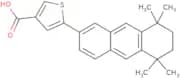
CAS:<p>CD 2314 is an innovative compound used as a neuromodulatory agent, derived from advanced synthetic pathways. This compound acts selectively on specific neural receptors through ligand-receptor interactions, making it a valuable tool for elucidating complex neurological pathways. By modulating synaptic transmission and influencing neurotransmitter release, CD 2314 offers potential insights into the synaptic mechanisms underpinning cognitive processes.</p>Formula:C23H24O2SPurity:Min. 95%Molecular weight:364.5 g/molc14 Ceramide (d18:1/14:0)
CAS:C14 Ceramide (d18:1/14:0) is a synthetic lipid molecule, which is structurally defined as a ceramide. It is typically derived through synthetic chemical pathways that mimic the natural biosynthesis of ceramides. This compound is composed of a sphingosine base (d18:1) conjugated to a saturated fatty acid chain with 14 carbon atoms (14:0), providing it with specific physicochemical properties relevant to its function.Formula:C32H63NO3Purity:Min. 95%Molecular weight:509.85 g/molAmpicillin-d5
CAS:<p>Ampicillin-d5 is a stable isotope-labeled antibiotic, which is a derivative of the β-lactam antibacterial agent ampicillin. This compound is synthesized by incorporating deuterium atoms, replacing certain hydrogen atoms, which aids in mass spectrometry analysis due to its distinct molecular weight.</p>Formula:C16H19N3O4SPurity:Min. 95%Molecular weight:354.4 g/molCD 3254
CAS:<p>CD 3254 is a biocidal agent, which is synthesized through a proprietary chemical process involving quaternary ammonium compounds. This agent acts by disrupting the cell membranes of bacteria, leading to cell lysis and death. The mode of action involves binding to the negatively charged bacterial cell surfaces, which compromises cell integrity and ultimately results in the leakage of cytoplasmic contents.</p>Formula:C24H28O3Purity:Min. 95%Molecular weight:364.48 g/molSHA 68
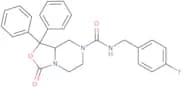
CAS:SHA 68 is a plant bioenhancer, which is derived from microbial fermentation processes. This bioenhancer functions by interacting with plant root systems and soil biota, promoting more efficient nutrient absorption and utilization. It achieves this by stimulating microbial activity around the root zone, leading to improved root growth and enhanced solubilization of nutrients. This interaction between SHA 68 and the rhizosphere is pivotal in optimizing plant health and productivity.Formula:C26H24FN3O3Purity:Min. 95%Molecular weight:445.49 g/molFluorosalan
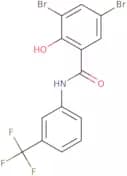
CAS:<p>Fluorosalan is a topical antiseptic, which is a fluorinated salicylamide derivative with bacteriostatic properties. This product is synthesized through the halogenation of salicylamide, a compound known for its antimicrobial effects. The incorporation of fluorine enhances the chemical stability and increases its effectiveness against a broad spectrum of pathogenic microorganisms.<br><br>The mode of action of Fluorosalan involves the disruption of microbial cell membranes and inhibition of essential enzyme systems within the pathogen, thus preventing their replication and survival. Its efficacy is attributed to its ability to interfere with microbial metabolism and cellular integrity effectively.<br><br>Fluorosalan is predominantly employed in clinical settings for the treatment of superficial skin infections and as a preventive measure in surgical procedures to reduce infection rates. The application is typically through topical formulations, enabling direct delivery to the site of infection and minimizing systemic side effects. Due to its potent antibacterial properties and low incidence of resistance, Fluorosalan remains a critical component in infection control protocols.</p>Formula:C14H8Br2F3NO2Purity:Min. 95%Molecular weight:439.02 g/molKv3 modulator 3
CAS:Kv3 modulator 3 is a chemical compound, which is a synthesized small molecule with the capability to modulate voltage-gated potassium channels (Kv3). This product is derived from advanced organic synthesis, utilizing specific functional group manipulations to achieve high affinity and selectivity for Kv3 channels. The mode of action of Kv3 modulator 3 involves binding to the Kv3 channel proteins, stabilizing their open state, and thereby influencing neuronal excitability and signaling properties.Formula:C19H18N4O3Purity:Min. 95%Molecular weight:350.4 g/molBp 554 maleate
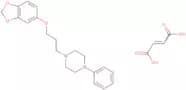
CAS:<p>BP 554 maleate is a synthetic compound, specifically a chemical analog, which is primarily derived through laboratory synthesis processes. It functions as a potential antihypertensive agent by acting on specific biochemical pathways to modulate vascular tone. The mode of action involves interfering with receptor sites or enzymatic pathways, which subsequently results in the relaxing of vascular smooth muscles and a decrease in peripheral vascular resistance. This compound has been studied for its utility in managing conditions related to elevated blood pressure and might offer insights into novel therapeutic approaches for cardiovascular disease management. As such, BP 554 maleate serves as a valuable tool in pharmacological research, particularly in the exploration of cardiovascular therapeutics and the development of new drug formulations aimed at optimizing blood pressure control.</p>Formula:C24H28N2O7Purity:Min. 95%Molecular weight:456.5 g/molGSK334429 hydrochloride
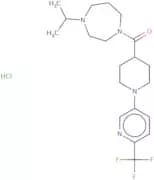
CAS:<p>GSK334429 hydrochloride is a selective corticotropin-releasing factor 1 (CRF1) receptor antagonist, which is a synthetic compound developed by GlaxoSmithKline. As a small-molecule antagonist, it acts by binding to the CRF1 receptor, thereby inhibiting the action of corticotropin-releasing factor (CRF). This interruption in CRF signaling is significant as CRF is a key regulator in the body’s response to stress, influencing both endocrine and behavioral reactions.</p>Formula:C20H29F3N4O·HClPurity:Min. 95%LCH-7749944
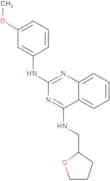
CAS:<p>LCH-7749944 is a selective receptor modulator, which is derived from synthetic chemical processes. Its mode of action involves specifically binding to receptors on cellular membranes, thereby altering the signaling pathways within the cell. This alteration can lead to enhanced or suppressed cellular responses depending on the receptor type it interacts with.</p>Formula:C20H22N4O2Purity:Min. 95%Molecular weight:350.4 g/molBAY-876
CAS:<p>BAY-876 is a small-molecule inhibitor, which is a synthesized compound with a specific mode of action targeting the glucose transporter 1 (GLUT1). GLUT1 is primarily responsible for glucose uptake across the plasma membranes of mammalian cells, a critical process for cellular metabolism and energy production. BAY-876 inhibits GLUT1 by binding to its active site, thus preventing glucose transport into cells. This inhibition disrupts the metabolic processes within cancer cells, as they heavily rely on glucose for growth and proliferation due to the Warburg effect.</p>Formula:C24H23NO3Purity:Min. 95%Molecular weight:373.4 g/molGSK2643943A
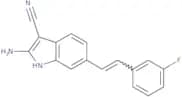
CAS:<p>GSK2643943A is an investigational drug, which is a product of GlaxoSmithKline's extensive research efforts. It is a small molecule inhibitor targeting specific cellular pathways involved in tumor growth and proliferation. This compound is designed to selectively inhibit kinase signaling, a process critical for the survival and metastasis of cancer cells. By disrupting these pathways, GSK2643943A aims to impede cancer progression, offering a potential new avenue for therapeutic intervention in oncology.</p>Formula:C17H12FN3Purity:Min. 95%Molecular weight:277.29 g/mol4-Hydroxy-α-(((3-(2-methoxyphenyl)-1,1-dimethylpropyl)amino)methyl)benzenemethanol
CAS:<p>4-Hydroxy-α-(((3-(2-methoxyphenyl)-1,1-dimethylpropyl)amino)methyl)benzenemethanol is a synthetic compound classified as a beta-adrenergic agonist. This chemical is derived from laboratory synthesis, involving the modification of phenylethanolamine structures to achieve specific adrenergic properties.</p>Formula:C20H27NO3Purity:Min. 95%Molecular weight:329.4 g/molNed 19
CAS:<p>Ned 19 is a sophisticated neuromodulation system, derived from advanced optogenetic technology, with a unique capability to precisely control and modulate neuronal activity. This system utilizes a refined approach based on light-sensitive proteins to influence neural circuits with high specificity and temporal precision. This mode of action allows researchers to manipulate targeted neurons with unparalleled accuracy, facilitating the dissection of complex neural networks and behaviors.</p>Formula:C30H31FN4O3Purity:Min. 95%Molecular weight:514.6 g/molP73B, gst tagged human
CAS:<p>P73B is a GST-tagged human protein, which is a recombinant fusion protein derived from an expression vector that incorporates a glutathione S-transferase (GST) tag. The GST tag originates from the parasitic helminth Schistosoma japonicum, and the fusion allows for a convenient purification process of the target protein through glutathione affinity chromatography.</p>Purity:Min. 95%Avex-73
CAS:<p>Avex-73 is a chemical deterrent, which is derived from naturally occurring plant-based extracts. It operates by affecting the sensory pathways of birds, making treated areas undesirable for them through olfactory and gustatory discomfort. When applied, Avex-73 interacts with the specific chemosensory receptors present in avian species, creating an aversive, yet non-lethal reaction. This makes it an effective tool in managing bird-related challenges in various environments.</p>Formula:C19H23NOPurity:Min. 95%Molecular weight:281.4 g/molY-29794 Oxalate
CAS:Y-29794 Oxalate is a synthetic compound classified as a thromboxane receptor antagonist. It is derived from chemical synthesis, primarily targeting the TXA2 receptor pathway. The compound functions by inhibiting the binding and action of thromboxane A2, a potent vasoconstrictor and promoter of platelet aggregation, effectively reducing thromboxane-mediated physiological responses.Formula:C25H36N2O5S2Purity:Min. 95%Molecular weight:508.69 g/molWAY 267464 dihydrochloride
CAS:WAY 267464 dihydrochloride is a selective agonist used in neuroscience research, derived from synthetic sources to specifically target the neuropeptide Y receptor Y1. This compound operates by mimicking the natural ligand's action on the Y1 receptor, leading to specific receptor activation. This mechanism is significant in the modulation of various physiological processes related to neuropeptide Y, including appetite regulation, anxiety, and stress response.Formula:C32H37Cl2N7O4Purity:Min. 95%Molecular weight:654.6 g/molTat-cyclo-cllfvy
CAS:Tat-cyclo-cllfvy is a cell-penetrating peptide, which is a synthetic compound designed for therapeutic applications. It is derived from natural peptide sequences, engineered to facilitate efficient cellular uptake without significant toxicity or disruption of cellular membranes. The mode of action involves the facilitated transport of the peptide across the lipid bilayer of cells, leveraging its amphipathic structure to interact with cellular membranes and enable intracellular delivery of attached therapeutic agents.Formula:C111H188N42O24S2Purity:Min. 95%Molecular weight:2,559.1 g/molCardanol monoene
CAS:<p>Cardanol monoene is a phenolic lipid, which is a natural derivative obtained from cashew nut shell liquid. It is sourced from the renewable agricultural by-product of the Anacardium occidentale, allowing for a sustainable means of production. Its chemical structure features a phenolic ring with an aliphatic chain, which imparts unique properties that facilitate its mode of action.</p>Formula:C21H34OPurity:Min. 95%Color and Shape:PowderMolecular weight:302.49 g/molLosmiprofen
CAS:<p>Losmiprofen is a non-steroidal anti-inflammatory drug (NSAID) synthesized through pharmaceutical chemical processes. It is structurally designed to inhibit cyclooxygenase (COX) enzymes, which play a key role in the conversion of arachidonic acid to prostaglandins. Prostaglandins are lipid compounds that exacerbate inflammation, pain, and fever. By selectively acting on the COX enzymes, losmiprofen mitigates the synthesis of these mediators, thereby reducing inflammatory responses.</p>Formula:C17H15ClO4Purity:Min. 95%Molecular weight:318.7 g/molAlphos Pd G6 otf
CAS:<p>Alphos Pd G6 otf is a fumigant formulation that releases phosphine gas, sourced from metal phosphides such as aluminum or magnesium phosphide. When exposed to moisture, the product undergoes hydrolysis, liberating phosphine, a potent gaseous phosphine (PH₃) compound. This mode of action is based on phosphine’s ability to disrupt cellular respiration in pests, leading to their effective eradication.</p>Formula:C60H71F10O4PPdSPurity:Min. 95%Molecular weight:1,215.65 g/molJasplakinolide
CAS:<p>Jasplakinolide is a cyclodepsipeptide, which is isolated from marine sponge species, particularly of the genus Jaspis. It functions by binding to actin, a critical component of cellular cytoskeletons, where it induces polymerization and stabilization of actin filaments. This action results in the disruption of normal actin dynamics, impeding processes such as cell motility and division.</p>Formula:C36H45BrN4O6Purity:Min. 95%Color and Shape:PowderMolecular weight:709.67 g/molFiruglipel
CAS:<p>Firuglipel is a synthetic biocompound, which is derived from advanced organic synthesis processes and designed for biotechnological applications. It functions as an enzyme inhibitor, leveraging its unique ability to interact with specific metabolic pathways. This interaction involves competitive binding to active sites within target enzymes, effectively modulating biochemical reactions.</p>Formula:C25H26FN3O5Purity:Min. 95%Molecular weight:467.5 g/molZataroside B
CAS:Zataroside B is a novel marine-derived compound, which is a potent cytotoxic agent sourced primarily from marine sponge extracts. Its mode of action involves the disruption of microtubule dynamics, leading to the inhibition of mitotic spindle formation and ultimately inducing apoptosis in cancer cells. The specificity of Zataroside B towards disrupting cancer cell proliferation while sparing healthy cells makes it a promising candidate for anti-cancer therapy research. Studies investigating Zataroside B focus on its application in the treatment of various aggressive cancers, including metastatic and drug-resistant forms. Due to its unique mechanism and marine origin, it represents a new frontier in natural product pharmacology with potential implications in developing targeted therapies.Formula:C16H24O7Purity:Min. 95%Molecular weight:328.36 g/molGSK481
CAS:GSK481 is an investigational therapeutic product, which is a pharmaceutical compound developed by the global healthcare company GlaxoSmithKline (GSK). The source of this compound derives from extensive medicinal chemistry and drug development processes aimed at addressing specific molecular targets. GSK481 functions through a targeted mode of action that modulates particular biochemical pathways implicated in disease pathophysiology. The compound's mechanism involves binding to specific molecular targets to inhibit or modify their activity, thereby altering the progression of the disease process.Formula:C21H19N3O4Purity:Min. 95%Molecular weight:377.39 g/molCY3
CAS:CY3 is a fluorescent dye, which is derived from the cyanine family of compounds with a specific excitation/emission spectrum. It operates by fluorescing when exposed to certain wavelengths of light, typically around 554 nm for excitation and 568 nm for emission. This spectral property allows it to be used as a powerful molecular probe.Formula:C31H38N2O8S2Purity:Min. 95%Molecular weight:630.77 g/molA-1165442
CAS:A-1165442 is a selective EP2 receptor antagonist, which is a class of compound utilized in pharmacological research. This product is synthesized through chemical processes aiming to block specific biological pathways. The mode of action for A-1165442 involves the inhibition of the EP2 receptor, a subtype of the prostaglandin E2 (PGE2) receptor family. By selectively binding to this receptor, A-1165442 effectively blocks the downstream signaling pathways activated by PGE2 binding, providing a sophisticated method to study and manipulate these pathways.Formula:C22H20ClF2N3O2Purity:Min. 95%Molecular weight:431.86 g/mol(S,S,S)-Enalapril-d5 maleate
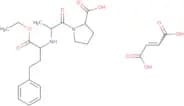
CAS:<p>(S,S,S)-Enalapril-d5 maleate is a deuterated analogue of enalapril maleate, a pharmaceutical compound used as an angiotensin-converting enzyme (ACE) inhibitor. This isotopically labeled form is synthetically derived to incorporate five deuterium atoms, serving as a critical tool in mass spectrometry studies. By replacing hydrogen atoms with deuterium, this compound enables precise measurements in pharmacokinetic and metabolic research.</p>Formula:C24H32N2O9Purity:Min. 95%Molecular weight:497.5 g/molAZD2716
CAS:<p>AZD2716 is a neuroactive pharmaceutical compound, which is a small molecule synthesized through chemical processes targeting the central nervous system. It functions primarily as an agonist for specific neuronal receptors, aiming to enhance synaptic plasticity and improve neurotransmission efficacy within the brain. The specificity of its action allows it to facilitate cognitive processes by modulating the activity of neuroreceptors involved in memory consolidation and retrieval.</p>Formula:C24H23NO3Purity:Min. 95%Molecular weight:373.4 g/molSSR 240612
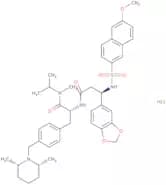
CAS:SSR 240612 is a selective serotonin reuptake inhibitor (SSRI), which is synthetically derived through meticulous chemical processes designed to enhance binding affinity. Its mode of action involves the inhibition of the serotonin reuptake transporters in the synaptic cleft, leading to increased extracellular levels of serotonin. This action is achieved by blocking the reabsorption of serotonin into the presynaptic neuron, allowing for prolonged neurotransmitter activity at the postsynaptic receptor sites.Formula:C42H52N4O7S·HClPurity:Min. 95%Molecular weight:756.95 g/molEntacapone sodium
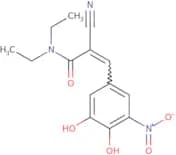
CAS:Controlled Product<p>Entacapone sodium is a catechol-O-methyltransferase (COMT) inhibitor, which is a synthetic compound designed to enhance dopaminergic function. Its source is laboratory-synthesized, and it works by inhibiting the COMT enzyme that metabolizes levodopa, thereby prolonging the half-life and enhancing the availability of levodopa in the central nervous system.</p>Formula:C14H15N3O5Purity:Min. 95%Molecular weight:305.29 g/mol(2E)-1-(4-Hydroxy-2,6-dimethoxyphenyl)-3-(4-hydroxyphenyl)prop-2-en-1-one
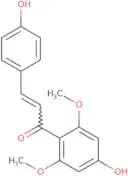
CAS:<p>(E)-1-(4-Hydroxy-2,6-dimethoxyphenyl)-3-(4-hydroxyphenyl)prop-2-en-1-one is a chalcone derivative, which is a class of aromatic ketones. Chalcones are primarily obtained through the aldol condensation of aromatic aldehydes and ketones. This compound acts as a bridge between flavonoids and isoflavonoids and is noted for its utility in various biochemical applications.</p>Formula:C17H16O5Purity:Min. 95%Molecular weight:300.3 g/molThalidomide, propargyl
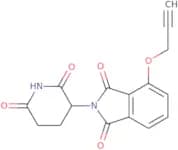
CAS:<p>Thalidomide, propargyl is a derivative of the drug thalidomide, which is a synthetic immunomodulatory compound originally developed for its sedative and antiemetic properties. This molecule is sourced from chemical modifications of thalidomide, incorporating a propargyl group to enhance its biological activity profile. Its mode of action involves the modulation of immune responses, inhibition of angiogenesis, and possibly the epigenetic regulation of target genes. Thalidomide, propargyl exhibits potential applications in cancer therapy, owing to its ability to impact tumor microenvironments, specifically by inhibiting the formation of new blood vessels that are essential for tumor growth and survival. It serves as a significant focus in medicinal chemistry for the development of novel therapeutic agents aimed at combating malignancies and providing insights into the mechanisms of action of thalidomide analogs.</p>Formula:C16H12N2O5Purity:Min. 95%Molecular weight:312.28 g/molYKL-06-062
CAS:<p>YKL-06-062 is a small molecule inhibitor, specifically targeting proteins involved in kinase signaling pathways. It is synthesized through chemical processes that ensure high specificity and efficacy. The mode of action involves the selective inhibition of kinases, thereby modulating phosphorylation states and influencing signal transduction within the cell.</p>Formula:C31H39N7OPurity:Min. 95%Molecular weight:525.7 g/molSKF83822 hydrobromide
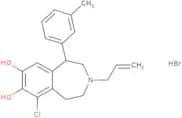
CAS:SKF83822 hydrobromide is a selective dopamine receptor agonist, which is synthetically derived with a specific affinity for dopamine D1 receptors. Its mode of action involves the targeting and activation of these receptors, offering a unique tool for research into dopamine-related signaling pathways. Due to its specificity, SKF83822 hydrobromide is utilized extensively in neuroscientific research to investigate the roles of D1 receptors in various physiological and pathological contexts.Formula:C20H22ClNO2·HBrPurity:Min. 95%Molecular weight:424.76 g/molMAO-IN-1
CAS:<p>MAO-IN-1 is a synthetic chemical compound designed as an inhibitor of monoamine oxidase (MAO) enzymes. These enzymes are sourced from specific biochemical pathways associated with neurotransmitter metabolism. The mode of action of MAO-IN-1 involves the selective binding to MAO active sites, thereby preventing the breakdown of monoamines such as dopamine, norepinephrine, and serotonin. This inhibition can lead to increased levels of these neurotransmitters in the synaptic cleft.</p>Formula:C17H19ClO4Purity:Min. 95%Molecular weight:322.8 g/molM443
CAS:Please enquire for more information about M443 including the price, delivery time and more detailed product information at the technical inquiry form on this pageFormula:C31H30F3N7O2Purity:Min. 95%Molecular weight:589.6 g/molXL-784
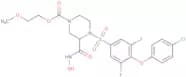
CAS:<p>XL-784 is a small-molecule compound that acts as a selective metalloproteinase inhibitor. It is derived from chemical synthesis and is designed to selectively inhibit a range of metalloproteinases implicated in the pathological remodeling of tissue. Its mode of action involves binding to the active sites of target metalloproteinases, thus preventing their enzymatic activity and subsequent tissue degradation or abnormal remodeling.</p>Formula:C21H22ClF2N3O8SPurity:Min. 95%Molecular weight:549.9 g/molPerindopril L-arginine
CAS:<p>Perindopril L-arginine is an angiotensin-converting enzyme (ACE) inhibitor, which is synthetically derived for pharmacological applications. Its mode of action involves the inhibition of the ACE, reducing the conversion of angiotensin I to angiotensin II, a potent vasoconstrictor. Consequently, this results in vasodilation, decreased blood pressure, and reduced cardiac workload. The addition of L-arginine aims to enhance endothelial function due to its role as a precursor to nitric oxide, a vasodilator that further complements the antihypertensive effects.</p>Formula:C25H46N6O7Purity:Min. 95%Molecular weight:542.7 g/molrac Mepindolol
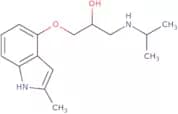
CAS:<p>rac Mepindolol is a beta-adrenergic antagonist, which is a synthetic compound with non-selective beta-blocking activity. Derived from synthetic chemical synthesis, it functions by competitively inhibiting sympathetic neurotransmitters, such as epinephrine and norepinephrine, at beta-adrenergic receptors. This leads to a reduction in heart rate, myocardial contractility, and overall sympathetic activity.</p>Formula:C15H22N2O2Purity:Min. 95%Molecular weight:262.35 g/mol[Des-Arg9]-bradykinin acetate
CAS:Controlled Product<p>[Des-Arg9]-bradykinin acetate is a synthetic peptide, which is derived from bradykinin, a naturally occurring peptide in the body that acts as a mediator of various physiological processes. This compound is specifically modified by the removal of the C-terminal arginine residue, which alters its reactivity and affinity for certain receptors. It primarily acts on B1 receptors, which are upregulated in tissues under inflammatory conditions. By specifically targeting these receptors, [Des-Arg9]-bradykinin acetate serves as a valuable tool for exploring the roles of bradykinin in inflammation and pain pathways.</p>Formula:C46H65N11O12Purity:Min. 95%Molecular weight:964.07 g/molPB 28 dihydrochloride
CAS:<p>PB 28 dihydrochloride is a selective sigma-2 receptor ligand, which is a synthetic compound targeting specific receptor sites. These receptors are predominantly found in cancer cells, implicating them in cellular proliferation and apoptosis. PB 28 dihydrochloride is synthetically derived and is employed extensively in preclinical studies. Its mode of action involves high-affinity binding to the sigma-2 receptors, allowing modulation of cellular stress responses and apoptosis pathways.</p>Formula:C24H38N2O·2HClPurity:Min. 95%Molecular weight:443.5 g/molBTK IN-1
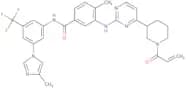
CAS:BTK IN-1 is a reversible inhibitor specifically targeting Bruton's tyrosine kinase (BTK). It is derived from synthetic chemical sources, designed to interact with the ATP-binding site of the BTK enzyme. The mode of action involves the competitive inhibition of BTK, thereby preventing its phosphorylation and subsequent activation. This inhibition disrupts downstream signaling pathways such as B-cell receptor (BCR) signaling, which are critical in the proliferation and survival of B-cells.Formula:C19H21ClN6OPurity:Min. 95%Molecular weight:384.86 g/mol(-)-Azasetron hydrochloride
CAS:(-)-Azasetron hydrochloride is a potent antiemetic pharmaceutical agent, which is chemically synthesized through organic synthesis processes. It functions as a selective serotonin 5-HT3 receptor antagonist. The mode of action of (-)-Azasetron hydrochloride involves the competitive inhibition of serotonin binding to the 5-HT3 receptors located in the central and peripheral nervous systems. By blocking these pathways, it effectively mitigates the emetic signaling induced by chemotherapeutic agents or surgical procedures.Formula:C9H7NO2Purity:Min. 95%Molecular weight:161.16 g/mol




















![[Des-Arg9]-bradykinin acetate](/_next/image/?url=https%3A%2Fstatic.cymitquimica.com%2Fproducts%2F3D%2Fthumb-webp%2FYAA82791.webp&w=3840&q=75)