


Organosilicon Compounds
Subcategories of "Organosilicon Compounds"
Found 4342 products of "Organosilicon Compounds"
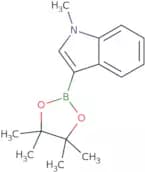
1-Methylindole-3-boronic acid pinacol ester
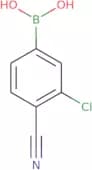
CAS:Please enquire for more information about 1-Methylindole-3-boronic acid pinacol ester including the price, delivery time and more detailed product information at the technical inquiry form on this pageFormula:C15H20BNO2Purity:Min. 95%Molecular weight:257.14 g/mol3-Chloro-4-cyanophenylboronic acid
CAS:Controlled ProductPlease enquire for more information about 3-Chloro-4-cyanophenylboronic acid including the price, delivery time and more detailed product information at the technical inquiry form on this pageFormula:C7H5BClNO2Purity:Min. 95%Molecular weight:181.38 g/mol4-(Ethylsulfonyl)phenylboronicacid
CAS:Please enquire for more information about 4-(Ethylsulfonyl)phenylboronicacid including the price, delivery time and more detailed product information at the technical inquiry form on this page
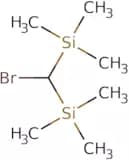
Formula:C8H11BO4SPurity:Min. 95%Molecular weight:214.05 g/molBis(trimethylsilyl)bromomethane
CAS:Bis(trimethylsilyl)bromomethane is an alkali metal compound that is a multinuclear, crystalline solid. It has an x-ray diffraction pattern with peaks at 30, 39, and 44 degrees. The elemental analysis of the compound shows it to be composed of carbon and hydrogen. Bis(trimethylsilyl)bromomethane is a tetrahydrofuran derivative that can be alkylated or silylated with metal compounds. This compound has been shown to have coordination properties when combined with potassium. The molecular structure of bis(trimethylsilyl)bromomethane is composed of two trimethylsiloxy groups linked together by one bromine atom.
Formula:C7H19BrSi2Purity:Min. 95%Color and Shape:Clear LiquidMolecular weight:239.3 g/molPhenylsilane
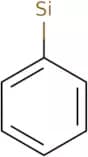
CAS:Phenylsilane is a model system for the study of the reaction mechanism of nucleophilic substitution. It is used to investigate the steric interactions between a substrate molecule and an electrophile that are important in determining the rate of reactivity. Phenylsilane has been shown to have antioxidative properties, which may be due to its ability to scavenge reactive oxygen species (ROS), such as hydroxyl radicals, superoxide ions, and hydrogen peroxide. Phenylsilane also has low kinetic energy and can form hydrogen bonds with carbonyl groups and amines. This chemical substance can react with quinoline derivatives, including benzoquinone, which is a toxic by-product of the metabolism of many drugs.
Formula:C6H8SiPurity:Min. 95%Color and Shape:Clear LiquidMolecular weight:108.21 g/molAzidotrimethylsilane
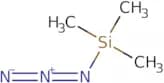
CAS:Azidotrimethylsilane is a chemical compound that can be used in various reactions. It is an unsymmetrical compound with the molecular formula of CH3SiN3, and has an asymmetric carbon atom with four different substituents. Azidotrimethylsilane reacts with nucleophiles to form azides, which can be used as antiviral agents or to synthesize other compounds. It also participates in transfer reactions, such as the reaction of trifluoroacetic acid and fatty acids to form esters. The hydroxyl group on the silicon atom increases its reactivity because it can act as a nucleophile in addition to its electrophilic properties. !-- -->Azidotrimethylsilane is an unsymmetrical compound with the molecular formula CH3SiN3, and has an asymmetric carbon atom with four different substituents. Azidotrimethylsilane reacts with nucleophiles to form az
Formula:C3H9N3SiPurity:Min. 95%Molecular weight:115.21 g/molLithium tetrakis(pentafluorophenyl)borate ethyl etherate
CAS:Controlled ProductLithium tetrakis(pentafluorophenyl)borate ethyl etherate is a lithium salt of the etherate ester of pentafluorophenylboronic acid (B(C6F5)3). The complex is an electron donor and ligand, which can stabilize the high-energy intermediate state in the reaction. Lithium tetrakis(pentafluorophenyl)borate ethyl etherate reacts with magnesium to form a magnesium salt and ethylene. This product can be used as a co-catalyst for coupling reactions, such as the synthesis of cyclic compounds from alkenes.Formula:C24BF20·(C4H10O)2·LiPurity:Min. 95%Molecular weight:760.11 g/mol3-(4-Oxopiperidine-1-carbonyl)phenylboronic acid
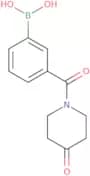
CAS:Controlled ProductPlease enquire for more information about 3-(4-Oxopiperidine-1-carbonyl)phenylboronic acid including the price, delivery time and more detailed product information at the technical inquiry form on this pageFormula:C12H14BNO4Purity:Min. 95%Molecular weight:247.05 g/molMesitylboronic acid
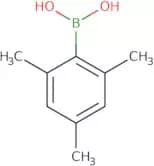
CAS:Mesitylboronic acid is a divalent organoboron compound with the molecular formula CHB(O)OH. It is a white solid that is soluble in organic solvents, but not water. Mesitylboronic acid has been used for the palladium-catalyzed cross-coupling of aryl halides and vinylogous esters, yielding substituted pyridines. Mesitylboronic acid also catalyzes the Suzuki coupling reaction of aryl boronic acids and alkenes, producing substituted indoles. This compound has diagnostic applications due to its ability to form a fluorescent complex with certain metal ions. It also plays an important role in insulin resistance due to its ability to form cross-couplings with unsymmetrical boron compounds.
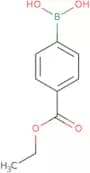
Formula:C9H13BO2Purity:Min. 95%Molecular weight:164.01 g/mol4-(Ethoxycarbonyl)phenylboronic acid
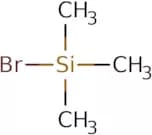
CAS:4-(Ethoxycarbonyl)phenylboronic acid is a potential use for picric acid detection. It has been shown to be a chemosensor with an electrochemical impedance spectroscopy response that is sensitive to chloride ions. 4-(Ethoxycarbonyl)phenylboronic acid can be used as a linker in multigram-scale synthesis of aryl halides, and its reaction mechanism has been elucidated by crystal x-ray diffraction. The synthesis of this compound is scalable and involves the formation of an apical carboxylate from ethoxycarbonyl phenyl boronic acid and an aryl halide.Formula:C9H11BO4Purity:Min. 95%Color and Shape:PowderMolecular weight:193.99 g/molBromotrimethylsilane
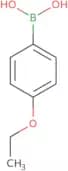
CAS:Bromotrimethylsilane is an inhibitor of the enzyme hydroxyl methyl transferases. It binds to the penicillin-binding protein and inhibits the activity of this enzyme, which is involved in the synthesis of bacterial cell walls. Bromotrimethylsilane has been shown to be active against murine sarcoma virus and other viruses as well as bacterial growth. This compound has also been shown to inhibit the growth of several types of cancer cells, including leukemia cells from mice.Formula:C3H9BrSiPurity:Min. 95%Color and Shape:Colorless Clear LiquidMolecular weight:153.09 g/mol(4-Ethoxyphenyl)boronic acid
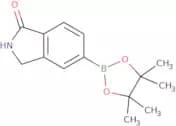
CAS:4-Ethoxyphenylboronic acid is a boron-containing compound that has been shown to have potent antiviral activity. This compound is synthesized from adipose tissue and optical properties of the phenoxazine derivative are studied in order to find an efficient process for solid-phase synthesis. 4-Ethoxyphenylboronic acid has been shown to inhibit triglyceride lipase and fatty acid, which may be an important drug target. It has also been found to have potent antagonistic effects on fatty acids.Formula:C8H11BO3Purity:Min. 95%Molecular weight:165.98 g/mol5-(4,4,5,5-Tetramethyl-1,3,2-dioxaborolan-2-yl)isoindolin-1-one
CAS:Please enquire for more information about 5-(4,4,5,5-Tetramethyl-1,3,2-dioxaborolan-2-yl)isoindolin-1-one including the price, delivery time and more detailed product information at the technical inquiry form on this page
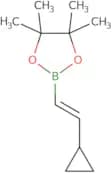
Formula:C14H18BNO3Purity:Min. 95%Molecular weight:259.11 g/mol(trans)-2-Cyclopropylvinylboronic acid pinacol ester
CAS:Please enquire for more information about (trans)-2-Cyclopropylvinylboronic acid pinacol ester including the price, delivery time and more detailed product information at the technical inquiry form on this page
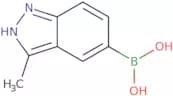
Formula:C11H19BO2Purity:Min. 95%Molecular weight:194.08 g/mol3-Methyl-1H-indazol-5-yl-5-boronic acid
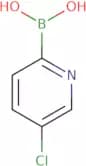
CAS:Please enquire for more information about 3-Methyl-1H-indazol-5-yl-5-boronic acid including the price, delivery time and more detailed product information at the technical inquiry form on this pageFormula:C8H9BN2O2Purity:Min. 95%Molecular weight:175.98 g/mol5-Chloropyridine-2-boronicacid
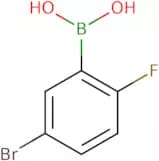
CAS:Please enquire for more information about 5-Chloropyridine-2-boronicacid including the price, delivery time and more detailed product information at the technical inquiry form on this pageFormula:C5H5BClNO2Purity:Min. 95%Molecular weight:157.36 g/mol(5-bromo-2-fluorophenyl)boronic Acid
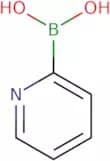
CAS:5-Bromo-2-fluorophenyl)boronic acid is a synthetic chemical that is used in the synthesis of pharmaceuticals and pesticides. This compound is an inhibitor of bace1, which is an enzyme involved in the production of amyloid beta peptide (Aβ) and other proteins implicated in Alzheimer's disease. 5-Bromo-2-fluorophenyl)boronic acid has been shown to be effective at reducing Aβ levels in mice with Alzheimer's disease. It also inhibits pyrethroid, a pesticide that is used on crops to control insects, by binding to the active site of the enzyme. 5-Bromo-2-fluorophenyl)boronic acid has been evaluated for use as a cancer treatment, but these studies have not been completed.Formula:C6H5BBrFO2Purity:Min. 95%Molecular weight:218.82 g/mol2-Pyridineboronic acid
CAS:2-Pyridineboronic acid is a chemical compound that belongs to the group of quinoline derivatives. It is used in pharmaceutical preparations, including as an intermediate for the synthesis of other compounds. 2-Pyridineboronic acid has been shown to have antiproliferative effects on cancer cells and has been found to be active against nicotinic acetylcholine receptors (NAR). The compound also inhibits lipid kinase activity, which is involved in the production of phosphatidylcholine and phosphatidylethanolamine from phosphatidylserine. 2-Pyridineboronic acid can react with hydrochloric acid and electrochemical impedance spectroscopy to produce a solution that has a detection time of about 10 minutes.Formula:C5H6BNO2Purity:Min. 95%Molecular weight:122.92 g/mol4-Fluoro-2-(trifluoromethyl)phenylboronic acid
CAS:The process development of 4-fluoro-2-(trifluoromethyl)phenylboronic acid (4FTFPBA) is a simplified procedure that can be scaled up and used for medicinal chemistry. This compound was synthesized by a boronic acid process using the Suzuki-Miyaura cross coupling reaction. The major factor to consider in this synthesis is the placement of the fluorine atom, which determines the relative reactivity and stability of the compound. In order to mimic these factors, an environment with low water content and a sequence that minimizes exposure to air are required.
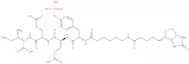
Formula:C7H5BF4O2Purity:Min. 95%Color and Shape:PowderMolecular weight:207.92 g/molBiotinyl-epsilon-aminocaproyl-Tyr(PO3H2)-Glu-Glu-Ile-OH
CAS:Please enquire for more information about Biotinyl-epsilon-aminocaproyl-Tyr(PO3H2)-Glu-Glu-Ile-OH including the price, delivery time and more detailed product information at the technical inquiry form on this pageFormula:C41H62N7O16PSPurity:Min. 95%Molecular weight:972.01 g/molH-Arg-epsilon-aminocaproyl-Arg-epsilon-aminocaproyl-Arg-epsilon-aminocaproyl-Arg-epsilon-aminocaproyl-Arg-epsilon-aminocaproyl-Arg-e psilon-aminocaproyl-Arg-OH trifluoroacetate salt
CAS:Please enquire for more information about H-Arg-epsilon-aminocaproyl-Arg-epsilon-aminocaproyl-Arg-epsilon-aminocaproyl-Arg-epsilon-aminocaproyl-Arg-epsilon-aminocaproyl-Arg-e psilon-aminocaproyl-Arg-OH trifluoroacetate salt including the price, delivery time and more detailed product information at the technical inquiry form on this pageFormula:C78H152N34O14Purity:Min. 95%Molecular weight:1,790.26 g/mol4-Chlorophenylboronic acid
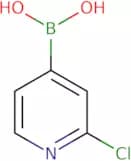
CAS:4-Chlorophenylboronic acid is a chemical compound that is used in the industrial preparation of biphenyl. It is produced by the Friedel-Crafts reaction between chlorine and 4-methoxyphenylboronic acid. This reaction can be carried out using a variety of solvents, such as chloroform or carbon tetrachloride. The optimal reaction conditions are acidic pH values, which are achieved by adding sodium carbonate to the solution. The product can be purified by distillation or crystallization. 4-Chlorophenylboronic acid can also be used for the synthesis of organic compounds through cross-coupling reactions with organometallic reagents, such as palladium chloride and triphenylphosphine, or through asymmetric synthesis with chiral ligands like (S)-proline and 2-(diphenylphosphino)ferrocene.Formula:C6H6BClO2Purity:Min. 95%Color and Shape:PowderMolecular weight:156.37 g/mol2-Chloropyridine-4-boronic acid
CAS:2-Chloropyridine-4-boronic acid is a nicotinic acetylcholine receptor antagonist that has been shown to be effective against trypanosomiasis. It blocks the binding of acetylcholine to its receptor, which prevents the propagation of an action potential in the postsynaptic cell. 2-Chloropyridine-4-boronic acid inhibits the enzymes cyclooxygenase and prostaglandin synthase, which are involved in inflammation. 2-Chloropyridine-4-boronic acid is potent and selective for nicotinic acetylcholine receptors, but it also binds to other sites on the enzyme. The molecular modeling studies have shown that this compound has a pharmacophore that can be used as a guide for drug design.
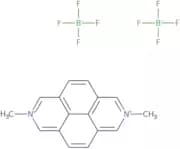
Formula:C5H5BClNO2Purity:Min. 95%Molecular weight:157.36 g/molN,N'-Dimethyl-2,7-Diazapyrenium bistetrafluoroborate
CAS:Please enquire for more information about N,N'-Dimethyl-2,7-Diazapyrenium bistetrafluoroborate including the price, delivery time and more detailed product information at the technical inquiry form on this page
Formula:C16H14B2F8N2Purity:Min. 95%Molecular weight:407.91 g/mol[2-fluoro-4-(trifluoromethyl)phenyl]boronic Acid
CAS:2-Fluoro-4-(trifluoromethyl)phenylboronic acid is a boron compound that can be used to synthesize a variety of target products. 2-Fluoro-4-(trifluoromethyl)phenylboronic acid occurs in the form of an oil and is an impurity in the target product, phenylboronic acid. This impurity can be removed by reacting with lithium benzotrifluoride. Lithiated 2-fluoro-4-(trifluoromethyl)phenylboronic acid is then reacted with phenylboronic acid to give lithiated phenylboronic ester in high yield. The lithiation reaction can be carried out under alkaline conditions or under a condition where the reactants are dissolved in water.Formula:C7H5BF4O2Purity:Min. 95%Molecular weight:207.92 g/molMethylboronic acid pinacol ester
CAS:Methylboronic acid pinacol ester is an orally administered compound that inhibits the activity of peptidases and imidazole derivatives. It is used as a medicinal preparation for the treatment of cancer and other diseases. Methylboronic acid pinacol ester has been shown to inhibit the growth of bacteria, including Gram-positive bacteria such as methicillin-resistant Staphylococcus aureus (MRSA) and Clostridium perfringens. This compound also has an inhibitory effect on hydroxyl group metabolism, which may be related to its anti-inflammatory properties.Formula:C7H15BO2Purity:Min. 95%Color and Shape:Colourless liquid.Molecular weight:142 g/molN-alpha-Trityl-Nepsilon-Fmoc-L-lysine
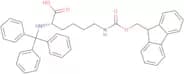
CAS:N-alpha-Trityl-Nepsilon-Fmoc-L-lysine is a pentapeptide that is used in peptides. It has been shown to have cytotoxicity and permeability, as well as being biologically active. N-alpha-Trityl-Nepsilon-Fmoc-L-lysine has also been used in solid phase synthesis of peptides. This pentapeptide can be synthesized using the Miyaura cross coupling reaction with an ether or Suzuki cross coupling reaction. N-alpha-Trityl-Nepsilon-Fmoc-L-lysine is a bicyclic molecule that can be synthesized on a solid phase.Formula:C40H38N2O4Purity:Min. 95%Molecular weight:610.74 g/molGly-Amyloid b-Protein (15-25)-Gly-epsilon-aminocaproyl(-Lys)6
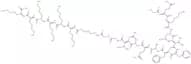
CAS:Please enquire for more information about Gly-Amyloid b-Protein (15-25)-Gly-epsilon-aminocaproyl(-Lys)6 including the price, delivery time and more detailed product information at the technical inquiry form on this pageFormula:C105H178N28O26Purity:Min. 95%Molecular weight:2,248.71 g/mol3-Pyridineboronic acid
CAS:3-Pyridineboronic acid is an antimicrobial agent that is used to treat bacterial and fungal infections. 3-Pyridineboronic acid is a prodrug that is metabolized to its active form, pyridinium boronate. This drug has been shown to be effective in the treatment of hypoxic tumors in mice, which are resistant to other anticancer drugs. 3-Pyridineboronic acid also has acidic properties and can be used as an antiseptic for the treatment of skin and eye infections. It can also be used as a hydrogen bonding partner when combined with halides, such as chloride or bromide ions. The drug binds to human serum proteins and forms an acidic complex that prevents bacterial growth by inhibiting protein synthesis. 3-Pyridineboronic acid also inhibits prostate cancer cells by competitively inhibiting the enzyme 4-pyridinylboronic acid reductase (4PBAR).Formula:C5H6BNO2Purity:Min. 95%Molecular weight:122.92 g/molCyclopenten-1-ylboronic acid
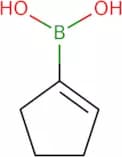
CAS:Cyclopenten-1-ylboronic acid is a chemical compound that is used in the synthesis of pharmaceuticals. It has been shown to be effective against some viruses, including Hepatitis C virus, and also against some infectious diseases such as malaria. Cyclopenten-1-ylboronic acid binds to cannabinoid receptors and may have therapeutic potential for metabolic disorders such as obesity and diabetes. The diastereomer of this chemical compound may be used as an ophthalmic drug because it has been shown to be a potent vasoconstrictor. The ring structure is similar to other drugs that are used for the treatment of Parkinson's disease, Alzheimer's disease, and epilepsy. Cyclopenten-1-ylboronic acid has two enantiomers, which means that they are mirror images of each other. One enantiomer is more potent than the other one and is more likely to bind with cannabinoid receptors and inhibit viral replication.
Formula:C5H9BO2Purity:Min. 95%Molecular weight:111.93 g/mol2-(4,4-Difluorocyclohex-1-en-1-yl)-4,4,5,5-tetramethyl-1,3,2-dioxaborolane
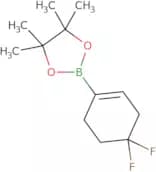
CAS:Please enquire for more information about 2-(4,4-Difluorocyclohex-1-en-1-yl)-4,4,5,5-tetramethyl-1,3,2-dioxaborolane including the price, delivery time and more detailed product information at the technical inquiry form on this pageFormula:C12H19BF2O2Purity:Min. 95%Molecular weight:244.09 g/mol4-Methoxyphenyl boronic acid
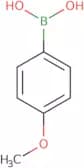
CAS:4-Methoxyphenyl boronic acid is a molecule with a hydroxyl group and a boronic acid. It is synthesized by reacting biphenyl with trifluoroacetic acid in the presence of sodium carbonate and palladium-catalyzed coupling. 4-Methoxyphenyl boronic acid has shown to bind to the receptor for fatty acids, which may be due to its structural similarity to p-hydroxybenzoic acid. The protonated form of this molecule has been shown to react with an electrophilic carbon atom and an electron-deficient alkyl or vinyl halide, resulting in ring formation. This reaction is known as the Suzuki coupling reaction.Formula:C7H9BO3Purity:Min. 95%Color and Shape:PowderMolecular weight:151.96 g/molBoron carbide
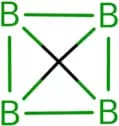
CAS:Controlled ProductBoron carbide is a chemical compound that belongs to the group of borides. It is used as a solid catalyst in wastewater treatment, which can remove organic contaminants and heavy metals from water. Boron carbide has shown chemical stability when exposed to sodium citrate and it has a low thermal expansion coefficient. The surface properties of this material are characterized by high surface area and high reactivity, which make it suitable for sample preparation and transport. Boron carbide is also resistant to radiation and exhibits good structural stability in particle form. This material has been shown to catalyze reactions with zirconium oxide, but its reaction mechanism is not yet well understood.Formula:B4CPurity:Min. 95%Molecular weight:55.25 g/molBiotinyl-epsilonAhx-omega-Conotoxin GVIA trifluoroacetate salt
CAS:Controlled ProductPlease enquire for more information about Biotinyl-epsilonAhx-omega-Conotoxin GVIA trifluoroacetate salt including the price, delivery time and more detailed product information at the technical inquiry form on this pageFormula:C136H207N41O46S7Purity:Min. 95%Molecular weight:3,376.81 g/molTetrakis(4-Fluorophenyl)-Borate Sodium (1:1)
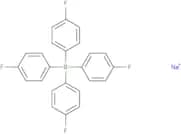
CAS:Tetrakis(4-fluorophenyl)borate sodium (1:1) is a solid that is soluble in organic solvents. It has been used as an adsorbent for nuclear waste and organic molecules. Tetrakis(4-fluorophenyl)borate sodium (1:1) has been shown to adsorb hydrophobic molecules such as polycyclic aromatic hydrocarbons, which are difficult to remove from the environment. Tetrakis(4-fluorophenyl)borate sodium (1:1) can be prepared by reacting tetraphenylborate with 4-fluoroboric acid. This reaction produces a mixture of products, of which tetrakis(4-fluorophenyl)borate sodium (1:1) is the most common. Tetrakis(4-fluorophenyl)borate sodium (1:1), like other borate salts, is used in zeolites toFormula:C24H16BF4NaPurity:Min. 95%Molecular weight:414.18 g/mol(3,4,5-Trifluorophenyl)boronic acid
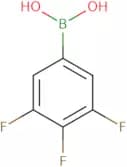
CAS:The trifluorophenylboronic acid is a boronic acid that has been used in the synthesis of vitamin B12. This compound is often used as a catalyst for the Suzuki coupling reaction. It can also be used to synthesize amides and synthons. The trifluorophenylboronic acid is soluble in water, ethanol, and acetone. The pH of the solution depends on the type of base added. For example, when an amine is added to the solution, it increases to approximately 8-9. When a p-hydroxybenzoic acid is added to the solution, it decreases to approximately 2-3.
Formula:C6H4BF3O2Purity:Min. 95%Color and Shape:PowderMolecular weight:175.9 g/mol(4-(Methoxycarbonyl)-3-Methylphenyl)boronic acid
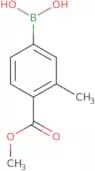
CAS:Please enquire for more information about (4-(Methoxycarbonyl)-3-Methylphenyl)boronic acid including the price, delivery time and more detailed product information at the technical inquiry form on this pageFormula:C9H11BO4Purity:Min. 95%Molecular weight:193.99 g/mol4-Pyridinylboronic acid
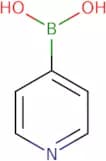
CAS:4-Pyridinylboronic acid is a boron compound that contains two nitrogen atoms. It is an important reagent in organic synthesis and crystallography. 4-Pyridinylboronic acid has been shown to have biological properties, such as hydrogen bonding interactions. It is also used in the suzuki coupling reaction and the photochemical properties of the reaction solution are dependent on its coordination geometry. 4-pyridinylboronic acid has a high pH value, so it must be prepared in anhydrous sodium carbonate before use. The hydrogen bond between 4-pyridinylboronic acid and an azide is shown below: Nnowiki>/nowiki>Hnowiki>/nowiki>nowiki>/nowiki>Nnowiki>/nowiki>nowiki>/nowiki>HFormula:C5H6BNO2Color and Shape:PowderMolecular weight:122.92 g/mol4-Methoxycarbonylphenylboronic acid
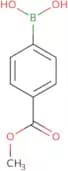
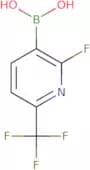
CAS:4-Methoxycarbonylphenylboronic acid is an organic compound that can be synthesized from biphenyl. It is a diazonium salt with a bidentate ligand and a carbonyl group, which allows it to form an intermolecular hydrogen bond. The phenyl group of 4-methoxycarbonylphenylboronic acid can be oxidized to the corresponding carboxylic acid or reduced to the corresponding alcohol. 4-Methoxycarbonylphenylboronic acid is also soluble in halides, iodinations, and mercaptoacetic acid. This compound has been used as an acceptor in the oxidation of aluminium with diborane as a catalyst. 4-Methoxycarbonylphenylboronic acid has also been used to synthesize other compounds such as metronidazole (a drug) and erythromycin (an antibiotic).Formula:C8H9BO4Purity:Min. 95%Color and Shape:White PowderMolecular weight:179.97 g/mol2-Fluoro-6-(trifluoroMethyl)pyridine-3-boronic acid
CAS:Please enquire for more information about 2-Fluoro-6-(trifluoroMethyl)pyridine-3-boronic acid including the price, delivery time and more detailed product information at the technical inquiry form on this page
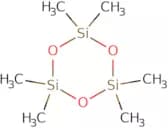
Formula:C6H4BF4NO2Purity:Min. 95%Molecular weight:208.91 g/molHexamethylcyclotrisiloxane
CAS:Used for preparation of graft and block polymers
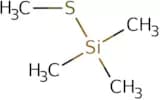
Formula:C6H18O3Si3Purity:Min. 98%Color and Shape:White PowderMolecular weight:222.46 g/molTrimethyl(methylthio)silane
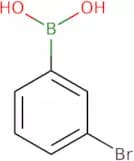
CAS:Trimethyl(methylthio)silane is a synthetic chemical substance with the formula (CH3)3SiH. It is a colorless liquid that is soluble in organic solvents and insoluble in water. Trimethyl(methylthio)silane has been used to synthesize indole alkaloids such as benzylidene acetal, which are important precursors in organic chemistry. This functional group has also been used to synthesize other synthetic compounds, including fatty acids and halides. The synthesis of these substances is often achieved through the use of hydrochloric acid and hydrogen fluoride as catalysts. Trimethyl(methylthio)silane can be prepared by reacting chloromethyl methyl ether with sodium hydroxide followed by decarboxylation of the resulting product with hydrochloric acid.Formula:C4H12SSiPurity:Min. 95%Molecular weight:120.29 g/mol3-Bromophenyl boronic acid
CAS:3-Bromophenyl boronic acid is a group P2 molecule with functional groups of vibrational and cross-coupling. It has been shown to inhibit the activity of aryl boronic acids, which are commonly used in analytical methods. 3-Bromophenyl boronic acid is also capable of inhibiting the production of alizarin, which is a dye that is used for staining biological tissue. The molecular modeling study revealed that this molecule has an atomic orbital with electron density distribution around the central carbon atom. This distribution indicates that it is more stable than other molecules with similar structures.Formula:C6H6BBrO2Purity:Min. 95%Color and Shape:PowderMolecular weight:200.83 g/mol(Chlorodifluoromethyl)trimethylsilane
CAS:(Chlorodifluoromethyl)trimethylsilane is a chlorinating agent that is used for the transfer of chlorine to organic compounds. The activated chlorides are converted to aldehydes, which are then reacted with terminal alkynes in the presence of sodium carbonate to produce (chlorodifluoromethyl)trimethylsilanes. This reaction produces an organosilicon compound that has been shown to inhibit certain enzymes, such as lipases and proteases. Chlorodifluoromethyl)trimethylsilane also has bioisosteres, or structural analogs, with other halogens. It can be prepared by irradiation of chlorodichloromethane at room temperature in the presence of a catalyst.Formula:C4H9ClF2SiPurity:Min. 95%Color and Shape:Colorless PowderMolecular weight:158.65 g/molN-alpha,epsilon-bis-Z-L-Lysine N-hydroxysuccinimide ester
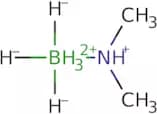
CAS:N-alpha,epsilon-bis-Z-L-Lysine N-hydroxysuccinimide ester is a methyl ester of the amino acid Lysine. This drug has been shown to have antinociceptive effects in animal models and may be useful for the treatment of inflammatory pain. The active conformation of this drug is dependent on the presence of hydroxybenzimidazole (HOBt). In the absence of HOBt, the compound does not have any activity. Acetylation or amidation may also affect its activity. The reaction with nitric acid yields a nitro derivative, which can be reduced back to the original compound by catalytic hydrogenation using palladium on carbon. A carboxylic acid group at the amino terminus can be converted to an amide or amido group by treatment with an appropriate reagent such as acetonitrile. This drug binds to a catalytic site onFormula:C26H29N3O8Purity:Min. 95%Color and Shape:White Off-White PowderMolecular weight:511.52 g/molBorane dimethylamine complex
CAS:Please enquire for more information about Borane dimethylamine complex including the price, delivery time and more detailed product information at the technical inquiry form on this page
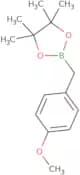
Formula:C2H10BNPurity:Min. 95%Color and Shape:White Clear LiquidMolecular weight:58.92 g/mol4-Methoxybenzylboronic acid pinacolester
CAS:Please enquire for more information about 4-Methoxybenzylboronic acid pinacolester including the price, delivery time and more detailed product information at the technical inquiry form on this pageFormula:C14H21BO3Purity:Min. 95%Molecular weight:248.13 g/mol3-Formylfuran-2-boronic acid
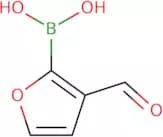
CAS:3-Formylfuran-2-boronic acid is a molecule that can reversibly form an imine with primary amines. 3-Formyl group and fluorophore are the main features of this molecule. The fluorescent properties of 3-formyl group have been extensively studied by functional theory, structural studies and kinetic experiments. The study of these properties has led to the discovery of new fluorescent probes for use in biochemical studies. 3-Formyl furan also interacts with anthracene and other heterocycles by binding constants. These interactions were studied using quantum chemical calculations.
Formula:C5H5BO4Purity:Min. 95%Color and Shape:PowderMolecular weight:139.9 g/molBenzopyrazine-6-boronic acidHCl
CAS:Please enquire for more information about Benzopyrazine-6-boronic acidHCl including the price, delivery time and more detailed product information at the technical inquiry form on this pageFormula:C8H8BClN2O2Purity:Min. 95%Molecular weight:210.43 g/mol1-Methyl-4-(4,4,5,5-tetramethyl-[1,3,2]dioxaborolan-2-yl)-1h-imidazole
CAS:Please enquire for more information about 1-Methyl-4-(4,4,5,5-tetramethyl-[1,3,2]dioxaborolan-2-yl)-1h-imidazole including the price, delivery time and more detailed product information at the technical inquiry form on this pageFormula:C10H17BN2O2Purity:Min. 95%Color and Shape:PowderMolecular weight:208.07 g/mol





![[2-fluoro-4-(trifluoromethyl)phenyl]boronic Acid](/_next/image/?url=https%3A%2Fstatic.cymitquimica.com%2Fproducts%2F3D%2Fthumb-webp%2FFF105416.webp&w=3840&q=75)





![1-Methyl-4-(4,4,5,5-tetramethyl-[1,3,2]dioxaborolan-2-yl)-1h-imidazole](/_next/image/?url=https%3A%2Fstatic.cymitquimica.com%2Fproducts%2F3D%2Fthumb-webp%2FFM166321.webp&w=3840&q=75)