Organic Halides
In this category, you can find organic molecules containing one or more halogen atoms in their structure. These organic halides include brominated, iodinated, chlorinated, and cyclic halide compounds. Organic halides are widely used in organic synthesis, pharmaceuticals, agrochemicals, and materials science due to their reactivity and ability to undergo a variety of chemical transformations. At CymitQuimica, we offer a comprehensive selection of high-quality organic halides to support your research and industrial applications, ensuring reliable and effective performance in your synthetic and analytical projects.
Subcategories of "Organic Halides"
Found 20437 products of "Organic Halides"
Sort by
Purity (%)
0
100
|
0
|
50
|
90
|
95
|
100
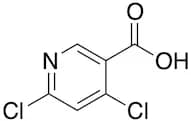
4,6-Dichloronicotinic acid
CAS:Controlled Product<p>Applications 4,6-Dichloronicotinic acid<br></p>Formula:C6H3Cl2NO2Color and Shape:NeatMolecular weight:192.0Hydrazine Hydrochloride
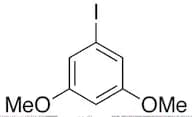
CAS:<p>Stability Hygroscopic<br>Applications Hydrazine hydrochloride (cas# 2644-70-4) is a useful research chemical.<br> Not a dangerous good if item is equal to or less than 1g/ml and there is less than 100g/ml in the package<br></p>Formula:N2H4·HClColor and Shape:NeatMolecular weight:68.513,5-Dimethoxyiodobenzene
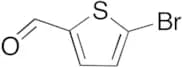
CAS:Controlled Product<p>Applications Intermediate for the synthesis of glucuronide conjugates of trans-Resveratrol<br>References Kitagawa, M., et al.: Chem. Pharm. Bull., 39, 2681 (1991), Keller, T., et al.: Chem. Pharm. Bull., 49, 1009 (2001),<br></p>Formula:C8H9IO2Color and Shape:NeatMolecular weight:264.065-Bromo-2-thiophenecarboxaldehyde
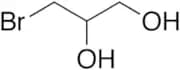
CAS:Controlled Product<p>Applications 5-Bromo-2-thiophenecarboxaldehyde is used in biological studies as anti-inflammatory and anti-tumor activity of the marine mangrove Rhizophora apiculata.<br>References Prabhu, V.V., et al.: J. Immunotoxicol., 9, 341 (2012);<br></p>Formula:C5H3BrOSColor and Shape:NeatMolecular weight:191.053-Bromo-1,2-propanediol
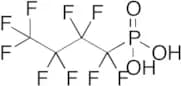
CAS:Controlled Product<p>Applications Glycerol kinase substrate specificity.<br> Not a dangerous good if item is equal to or less than 1g/ml and there is less than 100g/ml in the package<br>References Castro, C., et al.: Biochemistry, 7, 3213 (1968), Janssen, D., et al.: Eur. J. Biochem., 171, 67 (1988), Kurihara, T., et al.: J. Biochem., 117, 1317 (1995),<br></p>Formula:C3H7BrO2Color and Shape:Light YellowMolecular weight:154.99Perfluorobutylphosphonic Acid
CAS:Controlled Product<p>Stability Hygroscopic<br>Applications Perfluorobutylphosphonic Acid, is a surfactant or antifoaming agent.<br></p>Formula:C4H2F9O3PColor and Shape:BrownMolecular weight:300.022,5-Dibromophenol
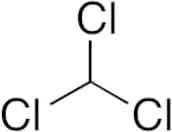
CAS:<p>Applications 2,5-Dibromophenol<br></p>Formula:C6H4Br2OColor and Shape:NeatMolecular weight:251.9Chloroform (Stabilized with ~1% Ethanol)
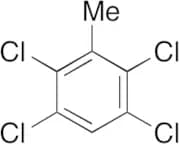
CAS:Controlled Product<p>Applications Chloroform is generally used in NMR spectroscopy as a solvent, in trimethylsilane solution. It has been used an an anaesthetic due to its action on the central nervous system.<br> Not a dangerous good if item is equal to or less than 1g/ml and there is less than 100g/ml in the package<br>References Johansson, J. et al.: Photochem. Photobiol., 77, 89 (2003); Fryczkowski, R. et al.: Synth. Metals, 166, 14 (2013); Guo, S. et al.: Tetra. Asymm., 24, 480 (2013);<br></p>Formula:CHCl3Color and Shape:NeatMolecular weight:119.382,3,5,6-Tetrachlorotoluene
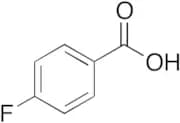
CAS:<p>Applications 2,3,5,6-Tetrachlorotoluene is a tetra-chlorinated derivative of toluene that is often used as a reference standard.<br> Not a dangerous good if item is equal to or less than 1g/ml and there is less than 100g/ml in the package<br></p>Formula:C7H4Cl4Color and Shape:NeatMolecular weight:229.924-Fluorobenzoic acid
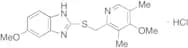
CAS:Controlled Product<p>Applications 4-Fluorobenzoic acid<br></p>Formula:C7H5FO2Color and Shape:NeatMolecular weight:140.11Omeprazole Sulfide Hydrochloride
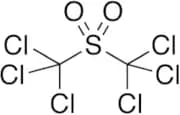
CAS:Controlled Product<p>Stability Hygroscopic<br>Applications Omeprazole Sulfide Hydrochloride is a metabolite of Omeprazole (O635000), which binds covalently to proton pump. It inhibits gastric secretion. Used as an anttiulcerative.<br>References Muller, P., et al.: Arzneimittel-Forsch., 33, 1685 (1983); Wallmark, B., et al.: Biochim. Biophys. Acta., 778, 549 (1984); Morii, M., et al.: J. Biol. chem., 268, 21553 (1993); Ritter, M., et al.: Br. J. Pharmacol., 124, 627 (1998)<br></p>Formula:C17H19N3O2S·HClColor and Shape:NeatMolecular weight:329.42 + 36.46Hexachlorodimethyl Sulfone
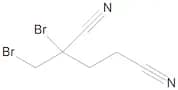
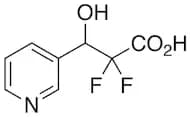
CAS:<p>Applications Combinations of Bis(trichloromethyl)sulfone, (Hexachlorodimethyl sulfone) and 1,2-Dibromo-2,4-dicyanobutane are shown to have synergistic antimicrobial properties. The synergistic compounds may be used together with a third microbiocide to enhance the compound’s effectiveness against a wide variety of bacteria, molds, and yeasts and other microorganisms.<br> Not a dangerous good if item is equal to or less than 1g/ml and there is less than 100g/ml in the package<br>References Pearl, G., et al.: Curr. Top Med. Chem., 1, 247 (2001), Casalegno, M., et al.: Chem. Res. Toxicol., 18, 740 (2005), Toropov, A., et al.: Bioorg. Med. Chem., 14, 2779 (2006),<br></p>Formula:C2Cl6O2SColor and Shape:NeatMolecular weight:300.802,2-Difluoro-3-hydroxy-(3-pyridyl)propionic Acid
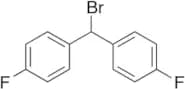
CAS:Controlled Product<p>Applications 2,2-Difluoro-3-hydroxy-(3-pyridyl)propionic Acid (cas# 887354-54-3) is a compound useful in organic synthesis.<br></p>Formula:C8H7F2NO3Color and Shape:NeatMolecular weight:203.144,4'-Difluorobenzhydryl Bromide
CAS:<p>Applications 1,1'-(bromomethylene)bis(4-fluorobenzene) (cas# 345-90-4) is a useful research chemical.<br></p>Formula:C13H9BrF2Color and Shape:Colourless To BeigeMolecular weight:283.111-Bromooctane(Octyl Bromide)
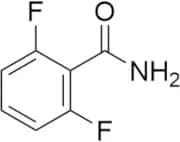
CAS:Controlled Product<p>Applications Octyl Bromide, is a versatile halogenated building block in chemical synthesis. It has also industrial applications. It is used in the preparation of fluorous polymers, which serve as a surface modifier and an emulsifier.<br> Not a dangerous good if item is equal to or less than 1g/ml and there is less than 100g/ml in the package<br>References Golling, F. E., et al.: Poly. Prep.(Amer. Chem. Soci. Div. Poly. Chem), 52, 735 (2011);<br></p>Formula:C8H17BrColor and Shape:NeatMolecular weight:193.122,6-Difluorobenzamide
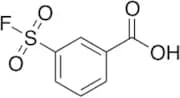
CAS:Controlled Product<p>Applications 2,6-Difluorobenzamide (CAS# 18063-03-1) is a useful building block used in the synthesis of (E)-3-methyleneisoindolin-1-ones via oxidative annulation acrylates.<br>References Laha, J. K.; et al.: J. Org. Chem., 82, 7346 (2017).<br></p>Formula:C7H5F2NOColor and Shape:NeatMolecular weight:157.123-(Fluorosulfonyl)benzoic Acid
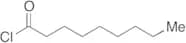
CAS:Controlled ProductFormula:C7H5FO4SColor and Shape:NeatMolecular weight:204.176Nonanoyl Chloride
CAS:Controlled Product<p>Applications Nonanoyl Chloride is used in the synthesis of immunosuppressants involving 2-aminoethanols and aminopropane-1,2-diols. Also used in the synthesis of Vanilloids with antinociceptive and antiinflammatory compounds.<br> Not a dangerous good if item is equal to or less than 1g/ml and there is less than 100g/ml in the package<br>References Kiuchi, M. et al.: J. Med. Chem., 43, 2946 (2000); Janusz, J. et al.: J. Med. Chem., 36, 2595 (1993);<br></p>Formula:C9H17ClOColor and Shape:NeatMolecular weight:176.68[4-[[4-(Dimethylamino)phenyl]-(4-dimethylazaniumylidenecyclohexa-2,5-dien-1-ylidene)methyl]phenyl]-trimethylazanium Dichloride (Technical Grade)
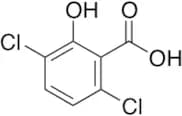
CAS:Controlled Product<p>Applications [4-[[4-(dimethylamino)phenyl]-(4-dimethylazaniumylidenecyclohexa-2,5-dien-1-ylidene)methyl]phenyl]-trimethylazanium;dichloride (cas# 82-94-0) is a useful research chemical.<br></p>Formula:C26H33N3·2ClColor and Shape:Dark Blue To BlackMolecular weight:458.4663,6-Dichloro-2-hydroxybenzoic Acid
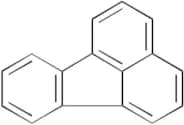
CAS:<p>Applications 3,6-Dichloro-2-hydroxybenzoic acid (cas# 3401-80-7) is a useful research chemical.<br></p>Formula:C7H4Cl2O3Color and Shape:NeatMolecular weight:207.01Fluoranthene
CAS:Controlled Product<p>Applications Fluoranthene is a commonly occurring environmental pollutant and can be classified as either a tumour initiator or a cocarcinogen in humans. Fluoranthene is widely used as an intermediate to synthesize fluorescent dyes. This compound is a contaminant of emerging concern (CECs).<br> Not a dangerous good if item is equal to or less than 1g/ml and there is less than 100g/ml in the package<br>References Hecht, S., et al.: Carcinogenesis, 16, 1433 (1995); Storer, J., et al.: Arch. Dermatol., 120, 874 (1984); Ma, X., et al.: Dyes Pigments, 82, 353 (2009)<br></p>Formula:C16H10Color and Shape:NeatMolecular weight:202.259-Bromononanol
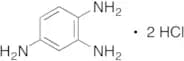
CAS:Controlled Product<p>Applications 9-Bromononanol (cas# 55362-80-6) is a compound useful in organic synthesis.<br></p>Formula:C9H19BrOColor and Shape:NeatMolecular weight:223.151,2,4-Triaminobenzene Dihydrochloride
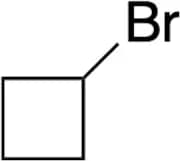
CAS:Controlled Product<p>Applications 1,2,4-Triaminobenzene Dihydrochloride is a useful reagent for making multicolor fluorescent carbon dots that can be detected via white-light-emitting diodes and water.<br>References Kumari, R., et al.: Langmuir, 36, 5287 (2020)<br></p>Formula:C6H9N3·2(HCl)Color and Shape:Dark Brown To BlackMolecular weight:123.16 + 2(36.46)Bromocyclobutane
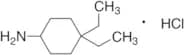
CAS:<p>Applications Bromocyclobutane<br> Not a dangerous good if item is equal to or less than 1g/ml and there is less than 100g/ml in the package<br></p>Formula:C4H7BrColor and Shape:NeatMolecular weight:135.04,4-Diethylcyclohexan-1-amine Hydrochloride
CAS:Controlled Product<p>Applications 4,4-diethylcyclohexan-1-amine hydrochloride (cas# 1087747-58-7) is a useful research chemical.<br></p>Formula:C10H21N·HClColor and Shape:NeatMolecular weight:191.7411-Bromocyclopentyl 2-Chlorophenyl Ketone
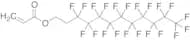
CAS:<p>Applications 1-Bromocyclopentyl 2-Chlorophenyl Ketone is a reactant in the dehydrohalogenation of axial 6-bromoketamine III and is also an intermediate in the synthesis of S-(-)-Norketamine (N692060).<br>References Parcell, R., et al.: J. Org. Chem., 45, 5055 (1981);<br></p>Formula:C12H12BrClOColor and Shape:NeatMolecular weight:287.582-(Perfluorodecyl)ethyl Acrylate
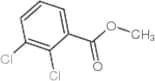
CAS:Controlled Product<p>Stability Light Sensitive<br>Applications 2-(Perfluorodecyl)ethyl Acrylate is used as a reagent in the preparation of repellent finishes on cotton.<br>References El-Shafei, A. et al.: J. Coat. Tech. Res., 12, 681 (2015);<br></p>Formula:C15H7F21O2Color and Shape:NeatMolecular weight:618.18Methyl 2,3-dichlorobenzoate
CAS:Controlled Product<p>Applications Methyl 2,3-dichlorobenzoate<br></p>Formula:C8H6Cl2O2Color and Shape:NeatMolecular weight:205.041-Chloro-6-iodohexane
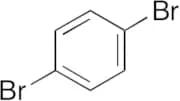
CAS:Controlled Product<p>Applications 1-Chloro-6-iodohexane is used in studies to demonstrate the direct reduction of 1-Bromo-6-chlorohexane/1-Chloro-6-iodohexane at silver cathodes in Dimethylformamide.<br>References Rose, J.A., et al.: ?Electrochim. Acta, 218, 311-317 (2016)<br></p>Formula:C6H12ClIColor and Shape:NeatMolecular weight:246.521,4-Dibromobenzene
CAS:<p>Applications 1,4-Dibromobenzene is used in the synthesis of triarylamines as well as trans-stilbenes. Also used in the synthesis of calcium channel blockers for inhibition of TRPV6-mediated calcium transport.<br> Not a dangerous good if item is equal to or less than 1g/ml and there is less than 100g/ml in the package<br>References Corriu, R. et al.: J. Chem. Soc. Chem. Comm., 3, 144 (1972); Lambert, C. et al.: J. Am. Chem. Soc., 121, 8434 (1999); Hofer, A. et al.: Bioorg. Med. Chem., 21, 3202 (2013);<br></p>Formula:C6H4Br2Color and Shape:Light YellowMolecular weight:235.903,5-Dichloro-4-hydroxybenzoic Acid
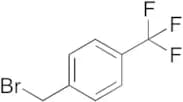
CAS:Controlled Product<p>Applications 3,5-Dichloro-4-hydroxybenzoic acid (cas# 3336-41-2) is a useful research chemical.<br></p>Formula:C7H4O3Cl2Color and Shape:NeatMolecular weight:207.014-(Trifluoromethyl)benzyl Bromide
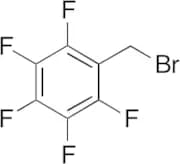
CAS:Controlled Product<p>Applications 4-(Trifluoromethyl)benzyl Bromide is a useful building block. It is used in the synthesis of 1-(Substituted benzyl)-2-substituted-5,6-dichlorobenzimidazoles with antiviral activities.It is also used to prepare 2-[(4-diarylmethoxy)phenyl]benzimidazoles as potent inhibitors of hepatitis C virus NS5B polymerase.<br> Not a dangerous good if item is equal to or less than 1g/ml and there is less than 100g/ml in the package<br>References Porcari, A., et al.: J. Med. Chem., 41, 1252 (1998); Ishida, T., et al.: Bioorg. Med. Chem. Lett., 16, 1859 (2006)<br></p>Formula:C8H6BrF3Color and Shape:NeatMolecular weight:239.03α-Bromo-2,3,4,5,6-pentafluorotoluene
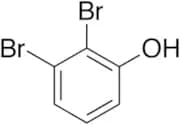
CAS:Controlled Product<p>Applications α-Bromo-2,3,4,5,6-pentafluorotoluene, can be used as an organic fluorinated building blocks for chemical synthesis.<br> Not a dangerous good if item is equal to or less than 1g/ml and there is less than 100g/ml in the package<br></p>Formula:C7H2BrF5Color and Shape:ColourlessMolecular weight:260.992,3-Dibromophenol
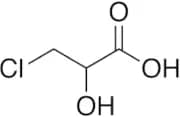
CAS:Controlled Product<p>Applications Fundamental starting material for organic synthesis.Metabolite of dibromobenzene in urine of rabbit.<br>References Ruzo, L., et al.: J. Agric. Food Chem., 24, 291 (1976),<br></p>Formula:C6H4Br2OColor and Shape:Off-White To GreyMolecular weight:251.9β-Chlorolactic Acid
CAS:<p>Applications β-Chlorolactic Acid (cas# 1713-85-5) is a compound useful in organic synthesis.<br></p>Formula:C3H5ClO3Color and Shape:NeatMolecular weight:124.523(1R,2R)-2-(3,4-Difluorophenyl)cyclopropanecarboxamide
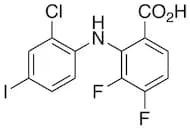
CAS:Controlled Product<p>Applications (1R,2R)-2-(3,4-Difluorophenyl)cyclopropanecarboxamide is a part of the synthetic preparation of the synthesis and inhibitory effect on ADP-induced platelet aggregation of ticagrelor derivatives as antiplatelets agents.<br>References Zhang, H., et al.: Bioorganic Med. Chem. Lett., 22, 3598 (2012).<br></p>Formula:C10H9F2NOColor and Shape:NeatMolecular weight:197.1812-(2-Chloro-4-iodophenylamino)-3,4-difluorobenzoic Acid
CAS:Controlled Product<p>Applications 2-(2-Chloro-4-iodophenylamino)-3,4-difluorobenzoic Acid (cas# 303175-44-2) is a compound useful in organic synthesis.<br></p>Formula:C13H7ClF2INO2Color and Shape:NeatMolecular weight:409.552-Cyano-N-[4-(trifluoromethyl)phenyl]acetamide
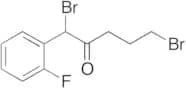
CAS:Controlled Product<p>Impurity Leflunomide EP Impurity H<br>Stability Hygroscopic<br>Applications 2-Cyano-N-[4-(trifluoromethyl)phenyl]acetamide (Leflunomide EP Impurity H) is used to prepare aminothiophene carboxylates and carboxamides as adenosine A1 receptor allosteric enhancers. It is also used to synthesize (1,2,3-triazol-4-yl)benzenamines as inhibitors against VEGF receptors 1 and 2.<br>References Nikolakopoulos, G., et al.: Bioorg. Med. Chem., 14, 2358 (2006); Kiselyov, A., et al.: Bioorg. Med. Chem. Lett., 19, 1344 (2009)<br></p>Formula:C10H7F3N2OColor and Shape:NeatMolecular weight:228.171,5-Dibromo-1-(2-fluorophenyl)-2-pentanone
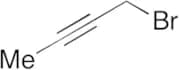
CAS:Controlled Product<p>Applications 1,5-Dibromo-1-(2-fluorophenyl)-2-pentanone is used as a reagent in the synthesis of Prasugrel (P701150) and its intermediates.<br>References Nyulasi, B., et al. PCT Int. Appl. WO 2012052788 A1 20120426. Apr 26, 2012<br></p>Formula:C11H11Br2FOColor and Shape:NeatMolecular weight:338.011-Bromo-2-butyne
CAS:Controlled Product<p>Applications 1-Bromo-2-butyne is used in the synthesis of six to eight annulated ring compounds in reactions with indoles. It is also used in the preparation of Pseudopterane (+/-)-Kallolide B, a marine natural product.<br> Not a dangerous good if item is equal to or less than 1g/ml and there is less than 100g/ml in the package<br>References Ferrer, C. et al.: Chem. A. Eur. J. et al.: 13, 1358 (2007); Marshall, J. et al.: J. Org. Chem., 60, 796 (1995);<br></p>Formula:C4H5BrColor and Shape:NeatMolecular weight:132.9871-Cyclopropyl-2-(2-fluorophenyl)-2-hydroxy-ethanone
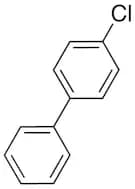
CAS:Controlled Product<p>Applications 1-Cyclopropyl-2-(2-fluorophenyl)-2-hydroxy-ethanone is a useful synthetic intermediate in the synthesis of Prasugrel (P701150, HCl); an antiplatelet agent.<br>References Wiviott, S.D., et al.: Circulation, 116, 2923 (2007); Xu, X., et al. Faming Zhuanli Shenqing. CN 102718642 A 20121010. Oct 10, 2012; Wang, G., et al. Faming Zhuanli Shenqing. CN 101402556 A 20090408. Apr 8, 2009<br></p>Formula:C11H11FO2Color and Shape:NeatMolecular weight:194.2024-Chloro-1,1’-biphenyl
CAS:Controlled Product<p>Applications 4-Chloro-1,1’-biphenyl (cas# 2051-62-9) is a compound useful in organic synthesis.<br></p>Formula:C12H9ClColor and Shape:Off-WhiteMolecular weight:188.651,4-Diaminobutane Dihydrochloride
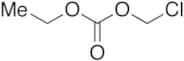
CAS:Controlled Product<p>Applications 1,4-Diaminobutane is known to affect the development of plant root systems, it’s inhibition resulting in a more dominant ‘tap’ root system. 1,4-Diaminobutane is an amino acid degradation product. Used in the preparation of hexahydropyrimidines as novel hepatitis C virus inhibitors. Also a reagent in the synthesis of antibacterial castor oil-based polyurethane membranes.<br>References Ben-Hayyim G. et al.: FEBS Lett., 4, 145 (1994); Hwang, J. et al.: Eur. J. Med. Chem., 70, 315 (2013); Yari, A. et al.: J. Biomed. Mat. Res., 102A, 84 (2014);<br></p>Formula:C4H12N2·2ClHColor and Shape:WhiteMolecular weight:161.07Chloromethyl Ethyl Carbonate
CAS:Controlled Product<p>Applications A reagent used in the preparation of hepatitis C virus NS3 protease inhibitors and PMPA prodrugs with antiretroviral activity.<br>References Sheng, X. et al.: Bioorg, Med. Chem. Lett., 169, 3453 (2009); Arimilli, M.N. et al.: Antiviral Chem. Chemother., 8, 557 (1997);<br></p>Formula:C4H7ClO3Color and Shape:Colourless OilyMolecular weight:138.554-Chloro-3-fluorophenylacetonitrile
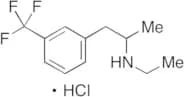
CAS:Controlled Product<p>Applications 4-CHLORO-3-FLUOROPHENYLACETONITRILE (cas# 251570-03-3) is a useful research chemical.<br></p>Formula:C8H5ClFNColor and Shape:NeatMolecular weight:169.583DL-Fenfluramine Hydrochloride
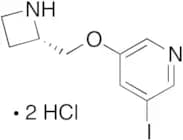
CAS:Controlled Product<p>Stability Hygroscopic<br>Applications N-Ethyl-α-methyl-3-(trifluoromethyl)-benzeneethanamine hydrochloride has been used in case studies for the study of impulsivity, motor skills, and anxiogenic effects in the neuroscience community.<br> Not a dangerous good if item is equal to or less than 1g/ml and there is less than 100g/ml in the package<br>References Whitney, K.N., et al.: Exp. Clin. Psychopharm., 21, 345-54 (2013); Arrant, A.E., et al.: Neuropharmacology, 65, 213-22 (2013)<br></p>Formula:C12H16F3N·ClHColor and Shape:WhiteMolecular weight:267.725-IODO-A-85380 Dihydrochloride
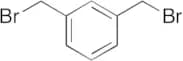
CAS:Controlled Product<p>Applications 5-IODO-A-85380 Dihydrochloride is a highly potent and subtype-selective agonist for AChR α4β2 and AChR α6β2.<br>References Koren, A.O., et al.: J. Med. Chem., 41, 3690-3698 (1998); Muhkin, A.G., et al.: Mol. Pharmacol., 57, 642-649 (2000); Mogg, A.J., et al.: Neuropharmacology, 47, 848-859 (2004);<br></p>Formula:C9H11IN2O·2HClColor and Shape:NeatMolecular weight:363.021,3-Bis(bromomethyl)benzene
CAS:Controlled Product<p>Applications 1,3-Bis(bromomethyl)benzene is a reagent used in the synthesis of germanosilicates to construct large pore zeolites. As well use to synthesize 2,4,5-triethylimidazolium scaffolds in photoactive anthracene rings.<br> E0<br>References Sabater, P. et al.: J. Org. Chem., 81, 3790 (2016); Boal, B. et al.: Chem. Mat., 28, 2158 (2016);<br></p>Formula:C8H8Br2Color and Shape:NeatMolecular weight:263.96Benzo[b]fluoren-11-one
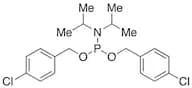
CAS:Controlled Product<p>Applications benzo[b]fluoren-11-one (cas# 3074-03-1) is a useful research chemical.<br></p>Formula:C17H10OColor and Shape:NeatMolecular weight:230.26Di-p-chlorobenzyl N,N-Diisopropylphosphoramidite
CAS:Controlled Product<p>Stability Moisture Sensitive<br>Applications A versatile phosphitylating agent for the phosphorylation of hydroxy amino acids and the preparation of protected phosphopeptides.<br> Not a dangerous good if item is equal to or less than 1g/ml and there is less than 100g/ml in the package<br>References Liskamp, R.M.J., et al.: Recl. Trav. Chim. Pays-Bas, 109, 27 (1990)<br></p>Formula:C20H26Cl2NO2PColor and Shape:NeatMolecular weight:414.312,3-Dibromopropionamide
CAS:Controlled Product<p>Applications 2,3-Dibromopropionamide (cas# 15102-42-8) is a useful research chemical.<br></p>Formula:C3H5NOBr2Color and Shape:NeatMolecular weight:230.881-Bromohexane
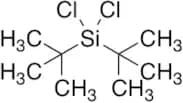
CAS:<p>Applications 1-Bromohexane is a very useful synthetic intermediate for pharmaceuticals and organic chemicals. It can be used to react with Mg to prepare Grignard reagents which play an important role in formation of carbon-carbon bond.<br> Not a dangerous good if item is equal to or less than 1g/ml and there is less than 100g/ml in the package<br>References Tamura, M., et al.: Synth., 6, 303 (1971); Asami, M., et al.: Chem. Lett., 8, 1221 (1985); Akiba, K., et al.: Tetrahedr. Lett., 23, 3935 (1982)<br></p>Formula:C6H13BrColor and Shape:NeatMolecular weight:165.07Di-tert-butyldichlorosilane
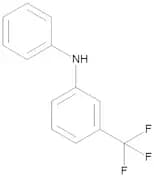
CAS:Controlled Product<p>Applications Di-tert-butyldichlorosilane (cas# 18395-90-9) is a useful research chemical.<br></p>Formula:C8H18Cl2SiColor and Shape:NeatMolecular weight:213.22N-Phenyl-3-(trifluoromethyl)aniline
CAS:Controlled Product<p>Applications N-Phenyl-3-(trifluoromethyl)aniline (cas# 101-23-5) is a useful research chemical.<br></p>Formula:C13H10F3NColor and Shape:NeatMolecular weight:237.223-Chloro-1-propanol
CAS:Controlled Product<p>Applications Chloropropanols have mutagenic and carcinogenic properties. The 3-monochloropropanol (3-MCPD) is the main chloropropanol found in hydrolyzates of vegetable protein (HVP) made by acid hydrolysis.<br> Not a dangerous good if item is equal to or less than 1g/ml and there is less than 100g/ml in the package<br>References Crews, C., et al.: Food Addit. Contam., 18, 271 (2001), Hamlet, C., et al.: Food Addit. Contam., 19, 15 (2002), Weisshaar, R., et al.: Eur. J. Lipid Sci. Technol., 112, 158 (2010),<br></p>Formula:C3H7ClOColor and Shape:NeatMolecular weight:94.541-Chloroethyl Isopropyl Carbonate
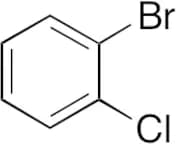
CAS:<p>Applications 1-Chloroethyl isopropyl carbonate (cas# 98298-66-9) is a useful research chemical.<br></p>Formula:C6H11O3ClColor and Shape:NeatMolecular weight:166.61-Bromo-2-chlorobenzene
CAS:Controlled Product<p>Applications 1-Bromo-2-chlorobenzene is a reagent in the preparation of arylpiperidines and aryltetrahydropyridines as 5-HT2C agonists.<br>References Conway, R.J., et al.: Bioorg. Med. Chem. Lett., 22, 2560 (2012)<br></p>Formula:C6H4BrClColor and Shape:NeatMolecular weight:191.45N-(4-Amino-5-oxoheptyl)guanidine Trifluoroacetate Salt
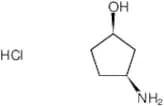
CAS:Controlled Product<p>Stability Hygroscopic<br>Applications N-(4-Amino-5-oxoheptyl)guanidine is a biosynthetic intermediate in the study of saxitoxin gene cluster in cyanobacteria.<br>References Kellmann, R., et al.: Appl. Environ. Microbiol., 74, 4044 (2008)<br></p>Formula:C8H18N4Ox(C2HF3O2)Color and Shape:NeatMolecular weight:186.25 + x(114.02)(1R,3S)-3-Aminocyclopentanol Hydrochloride
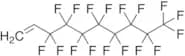
CAS:Controlled Product<p>Applications (1R,3S)-3-Aminocyclopentanol Hydrochloride is used to for the preparation of 6-Aminopyridin-3-ylthiazoles as a method of treating or ameliorating a syndrome, disorder or disease related rheumatoid arthritis or psoriasis.<br>References Goldberg, S., et al.: PCT Int. Appl., 793pp (2017)<br></p>Formula:C5H11NO·ClHColor and Shape:NeatMolecular weight:137.611H,1H,2H-Perfluoro-1-decene
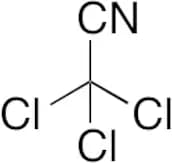
CAS:Controlled Product<p>Applications 1H,1H,2H-Perfluoro-1-decene (cas# 21652-58-4) is a useful research chemical.<br></p>Formula:C10H3F17Color and Shape:ColourlessMolecular weight:446.11Trichloroacetonitrile
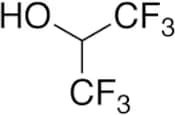
CAS:Controlled Product<p>Stability Light Sensitive, Volatile<br>Applications Trichloroacetonitrile is a by-product of the chlorine disinfection of water and is commonly used as a fumigant. It is also used as a direct alkylating agent and reacts with primary and secondary aliphatic amines to produce N-substituted trichloroacetamidines.<br> Not a dangerous good if item is equal to or less than 1g/ml and there is less than 100g/ml in the package<br>References Christ, S.: J. Toxicol. Env. Health A, 47, 233 (1996); Davies, M. & Jenkin, D.: J. Chem. Soc., No vol. given, 2374 (1954); Grivas, J. & Taurins, A.: J. Chem., 36, 771 (1958)<br></p>Formula:C2Cl3NColor and Shape:NeatMolecular weight:144.391,1,1,3,3,3-Hexafluoro-2-propanol
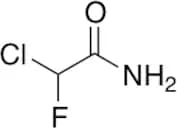
CAS:<p>Stability Volatile<br>Applications 1,1,1,3,3,3-Hexafluoro-2-propanol effects the native state of proteins, denaturing them as well as stabilizing the α-helical conformation of unfolded proteins and polypeptides.<br> Not a dangerous good if item is equal to or less than 1g/ml and there is less than 100g/ml in the package<br>References Hirota, N. et al.: Prot. Sci., 6, 416 (1997);<br></p>Formula:C3H2F6OColor and Shape:ColourlessMolecular weight:168.04Chlorofluoroacetamide
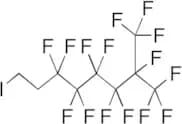
CAS:Controlled Product<p>Applications CHLOROFLUOROACETAMIDE (cas# 431-09-4) is a useful research chemical.<br></p>Formula:C2H3ClFNOColor and Shape:NeatMolecular weight:111.5031,1,1,2,3,3,4,4,5,5,6,6-Dodecafluoro-8-iodo-2-(trifluoromethyl)-octane
CAS:Formula:C9H4F15IColor and Shape:ColourlessMolecular weight:524.014-Chlorobutyric anhydride
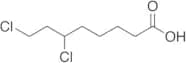
CAS:Controlled Product<p>Stability Moisture Sensitive<br>Applications 4-Chlorobutyric anhydride is used as a reagent in the synthesis of hypotensive (±)-oudenone.<br>References Sakai, T., et al.: Bull. Chem. Soc. Jpn, 60, 1161 (1987);<br></p>Formula:C8H12Cl2O3Color and Shape:NeatMolecular weight:227.096,8-Dichloro-octanoic Acid
CAS:Controlled Product<p>Applications 6,8-Dichloro-octanoate is an Intermediate in the synthesis of α-Lipoic acid (L468750) and its derivatives.<br>References Zhang, S.J. et al: Bioorg. Medn. Chem. Letters., 20, 3078 (2010);<br></p>Formula:C10H18Cl2O2Color and Shape:NeatMolecular weight:241.1552-[(Carboxymethyl)amino]propanoic Acid Hydrochloride
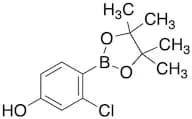
CAS:Controlled ProductFormula:C5H9NO4•HClColor and Shape:NeatMolecular weight:183.593-Chloro-4-(4,4,5,5-tetramethyl-1,3,2-dioxaborolan-2-yl)phenol
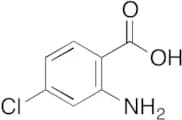
CAS:Controlled Product<p>Applications 3-Chloro-4-(4,4,5,5-tetramethyl-1,3,2-dioxaborolan-2-yl)phenol<br></p>Formula:C12H16BClO3Color and Shape:NeatMolecular weight:254.522-Amino-4-chlorobenzoic Acid
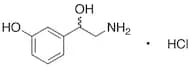
CAS:Controlled Product<p>Applications 2-Amino-4-chlorobenzoic Acid is used in the preparation of quinazolinone derivatives observed to be useful in the treatment of Alzheimer’s disease. Also it aids in the synthesis of non-nucleoside, thumb pocket 2 HCV NS5B polymerase inhibitors used in Hepatitis C therapy.<br>References Stammers, T. et al.: Bioorg, Med, Chem. Lett., 23, 2585 (2013);<br></p>Formula:C7H6ClNO2Color and Shape:NeatMolecular weight:171.58rac Norphenylephrine Hydrochloride(Phenylephrine Impurity A)
CAS:Controlled Product<p>Impurity Phenylephrine EP Impurity A<br>Applications rac Norphenylephrine Hydrochloride is an Impurity A of phenylephrine. A phenylephrine derivative as leukotriene D4 antagonists.<br>References Musser, J.H., et al.: J. Med. Chem., 30, 2087 (1987),<br></p>Formula:C8H11NO2·ClHColor and Shape:White Crystalline PowderMolecular weight:189.64Bromothalonil
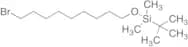
CAS:Controlled Product<p>Applications Bromothalonil can be used in biological study of comparison and validation of an in vitro skin sensitization strategy using a data set of 33 chemical references.Environmental toxin on US EPA Toxic Release Inventory list (TRI) list.<br>References Clouet, E., et al.: Toxicology In Vitro, (2017)<br></p>Formula:C6H6Br2N2Color and Shape:NeatMolecular weight:265.941-Bromo-9-(tert-butyldimethylsilyloxy)nonane
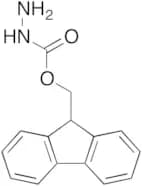
CAS:Controlled Product<p>Applications 1-Bromo-9-(tert-butyldimethylsilyloxy)nonane is used in the preparation of Fulvestrant (F862500) intermediate.<br>References Liu, W., et al.: Faming Zhuanli Shenqing (2014), CN 103965280 A 20140806<br></p>Formula:C15H33BrOSiColor and Shape:NeatMolecular weight:337.419-Fluorenylmethyl Carbazate
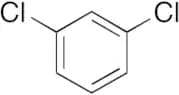
CAS:Controlled ProductFormula:C15H14N2O2Color and Shape:NeatMolecular weight:254.281,3-Dichlorobenzene
CAS:Controlled Product<p>Applications 1,3-Dichlorobenzene was used to study the effect of solvent vapor pressure on the vertical nanowire of C60 molecules. It can be detected in environmental samples using an advanced Fourier transform infrared spectroscopy-attenuated total reflectance (FTIR-ATR) sensor.<br> Not a dangerous good if item is equal to or less than 1g/ml and there is less than 100g/ml in the package<br>References Kim, J.: ACS Nano, 7, 9122 (2013); Lu, R., et al.: Scientific Reports, 3, 2525 (2013)<br></p>Formula:C6H4Cl2Color and Shape:ColourlessMolecular weight:147.00Dihydrogen Hexachloroplatinate Hexahydrate
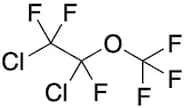
CAS:Controlled Product<p>Stability Hygroscopic<br>Applications Dihydrogen Hexachloroplatinate Hexahydrate is a reactant used in the synthesis of platinum, carbon dot hybrid nanoparticles.<br>References Shin, H. et al.: ACS. Catal., 6, 3914 (2016);<br></p>Formula:Cl6PtH2·6H2OColor and Shape:NeatMolecular weight:517.901,2-Dichlorotrifluoroethyl Trifluoromethyl Ether
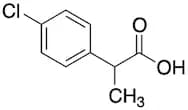
CAS:Controlled Product<p>Stability Volatile<br>Applications 1,2-Dichlorotrifluoroethyl trifluoromethyl ether (cas# 2356-53-8) is a useful research chemical.<br> Not a dangerous good if item is equal to or less than 1g/ml and there is less than 100g/ml in the package<br></p>Formula:C3OF6Cl2Color and Shape:ColourlessMolecular weight:236.932-(4-Chlorophenyl)propanoic Acid
CAS:Controlled Product<p>Applications 2-(4-CHLOROPHENYL)PROPANOIC ACID (cas# 938-95-4) is a useful research chemical.<br></p>Formula:C9H9O2ClPurity:>90%Color and Shape:NeatMolecular weight:184.622-Bromoethanol
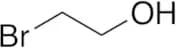
CAS:Controlled Product<p>Applications 2-Bromoethanol is an widely used intermediate in organic synthesis.<br> Not a dangerous good if item is equal to or less than 1g/ml and there is less than 100g/ml in the package<br>References Tian, Z., et al.: Int. J. Quant. Chem., 111, 631 (2011); Thayer, F.K., et al.: Org. Syntheses., 6, (1926);<br></p>Formula:C2H5BrOColor and Shape:NeatMolecular weight:124.96Chloromethyl Methyl Carbonate
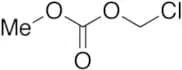
CAS:Controlled Product<p>Applications A reagent used in the preparation of prodrugs of diacidic nonpeptide angiotensin II antagonist as well as pyrrolothiazole platelet activating factor antagonist.<br>References Aungst, B.J. et al.: Pharmac. Res., 12, 763 (1996); Davidsen, S.K. et al.: J. Med. Chem., 37, 4423 (1994);<br></p>Formula:C3H5ClO3Color and Shape:NeatMolecular weight:124.52Diamino-5-phenylthiazole Hydrobromide
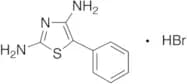
CAS:Controlled Product<p>Applications Diamino-5-phenylthiazole Hydrobromide is an phenylthiazole derivative used in the preparation of antiallergic and antiinflammatory agents.<br> Not a dangerous good if item is equal to or less than 1g/ml and there is less than 100g/ml in the package<br>References Ban, M. et al.: Bioorg. Med. Chem., 6, 1069 (1998);<br></p>Formula:C9H9N3S·BrHColor and Shape:NeatMolecular weight:272.16tert-Butylhydrazine Hydrochloride
CAS:Controlled Product<p>Applications tert-Butylhydrazine Hydrochloride is a a hydrazine compound used in organic synthesis for aromatic nucleophilic N-N exchange reaction. tert-Butylhydrazine Hydrochloride is also used in the preparation of insect growth regulator.<br>References Hojo, M. et al.: Synthesis, 6, 481 (1990); Zhang, J. et al.: Huax. Shijie, 36, 576 (1995);<br></p>Formula:C4H13ClN2Color and Shape:NeatMolecular weight:124.61Tri-n-octylchlorotin
CAS:Controlled Product<p>Stability Moisture Sensitive<br>Applications Tri-n-octylchlorotin is an octyltin compound used to study the growth and fatty acid of the microscopic fungus Cochliobolus lunatus. It is also an organotin reagents used to covalently functionalize oxide nanostructures and multi-walled C nanotubes.<br> Not a dangerous good if item is equal to or less than 1g/ml and there is less than 100g/ml in the package<br>References Felczak, A., et al.: Process Biochem., 49, 295-300 (2014); Gomathi, A., et al.: J. Mater. Chem., 19, 988-995 (2009);<br></p>Formula:C24H51ClSnColor and Shape:NeatMolecular weight:493.82Methyl 6-Aminohexanoate Hydrochloride
CAS:<p>Applications Methyl 6-aminohexanoate is used as a reagent to synthesize straight chain hydroxamates, compounds that act as inhibitors of Human Histone Deacetylase (HDAC) that have the potential to treat cancer. Methyl 6-aminohexanoate is also sometimes used as a spacer unit for peptide synthesis.<br>References Matthews, S., et al.: J. Chem. Soc. Chem. Commun., 17, 1809 (1995); Remiszewski, S., et al.: J. Med. Chem., 45, 753 (2002)<br></p>Formula:C7H15NO2·HClColor and Shape:Off White SolidMolecular weight:181.6604-Aminomethyl Benzamidine Dihydrochloride
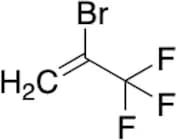
CAS:Controlled Product<p>Applications 4-Aminomethyl Benzamidine Dihydrochloride is a small molecule CXCR4 antagonist.<br>References Zhan, Weiqiang, et al.: J. of Med. Chem., 50(23), 5655-5664 (2007)<br></p>Formula:C8H11N3·2(HCl)Color and Shape:NeatMolecular weight:222.112-Bromo-3,3,3-trifluoropropene
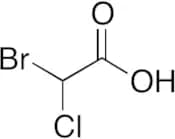
CAS:Controlled Product<p>Applications 2-Bromo-3,3,3-trifluoropropene is a useful research chemical for organic synthesis and other chemical processes.<br>References Zhao, Q., et al.: Tetrahedron, 74, 6033 (2018); Zhang, M., et al.: Nat. Commun., 9, 1 (2018); Hou, X., et al.: Org. Process Res. Dev., 20, 989 (2016)<br></p>Formula:C3H2F3BrColor and Shape:NeatMolecular weight:174.95Bromochloroacetic Acid
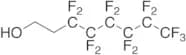
CAS:<p>Applications Bromochloroacetic acid is a halogenated disinfection byproduct commonly found in drinking water, fruit juice, and cheese. Bromochloroacetic acid has been shown to cause mesothelioma, fibroadenomas, and adenomas in rats<br> Not a dangerous good if item is equal to or less than 1g/ml and there is less than 100g/ml in the package<br>References Hang, C., et al.: Sci Total Environ. 543, 425 (2016); Cardador, M. J. and Gallego, M.: Food Chem. 173, 685 (2015); Natl Toxicol Program Tech Rep Ser. 549, 1 (2009)<br></p>Formula:C2H2BrClO2Color and Shape:NeatMolecular weight:173.391H,1H,2H,2H-Tridecafluoro-1-n-octanol
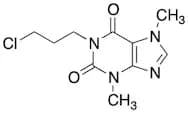
CAS:<p>Applications 1H,1H, 2H, 2H-Tridecafluoro-1-n-octanol is a material used to improve nanotube composites. It is also used in the synthesis of a recyclable fluorous hydrazine carbothioate compound with NCS to catalyze the acetalization of aldehydes.<br>References Deng, J. et alJ. App. Polym., 108, 2023 (2008); Zhu, Y. et al.: New. J. Chem., 37, 890 (2013);<br></p>Formula:C8H5F13OColor and Shape:ColourlessMolecular weight:364.101-(3-Chloropropyl)theobromine
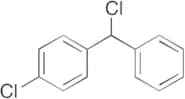
CAS:Controlled Product<p>Stability Moisture Sensitive<br>Applications 1-(3-Chloropropyl)theobromine (cas# 74409-52-2) is a useful research chemical.<br></p>Formula:C10H13N4O2ClColor and Shape:NeatMolecular weight:256.681-Chloro-4-(chlorophenylmethyl)benzene
CAS:<p>Applications 1-Chloro-4-(chlorophenylmethyl)benzene is used in the synthesis of novel benzhydrylpiperazine derivatives as cytotoxic compounds in the treatment of various cancers.<br> Not a dangerous good if item is equal to or less than 1g/ml and there is less than 100g/ml in the package<br>References Gurdal, E. et al.: Drug Res., 63, 121 (2013); Yarim, M. et al.: Int. J. Mol. Sci., 13, 8071 (2013);<br></p>Formula:C13H10Cl2Color and Shape:NeatMolecular weight:237.123-Bromobenzyl bromide
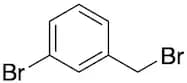
CAS:Controlled Product<p>Applications 3-Bromobenzyl bromide<br></p>Formula:C7H6Br2Color and Shape:NeatMolecular weight:249.935-Amino-2-chlorobenzotrifluoride
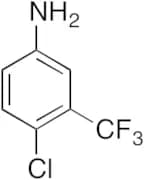
CAS:<p>Applications 5-Amino-2-chlorobenzotrifluoride is a compound useful in organic synthesis. It also performs a radioprotective activity against ionizing radiations.<br>References Blickenstaff, R. T., et al.: J. Pharm. Sci., 83, 219 (1994); Kumari, P., et al.: Org. Biomol. Chem., 16, 2049 (2018)<br></p>Formula:C7H5ClF3NColor and Shape:NeatMolecular weight:195.572,3-Dichloro-5,6-dicyanobenzoquinone
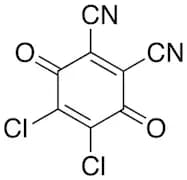
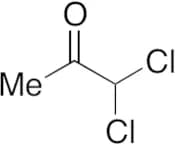
CAS:<p>Applications An oxidizing agent, especially in steroid synthesis.<br> Not a dangerous good if item is equal to or less than 1g/ml and there is less than 100g/ml in the package<br></p>Formula:C8Cl2N2O2Color and Shape:NeatMolecular weight:227.01,1-Dichloro-2-propanone
CAS:<p>Applications 1,1-Dichloro-2-propanone is a disinfection byproduct in drinking water. It may cause bladder cancer and other adverse health effects.<br> Not a dangerous good if item is equal to or less than 1g/ml and there is less than 100g/ml in the package<br>References Farre, M., et al.: Water Sci. Tehnol., 12, 573 (2012); Catherine, M., et al.: Water Res., 47, 3231 (2013); Neale, P., et al.: Environ. Sci. Technol., 46, 10317 (2012)<br></p>Formula:C3H4Cl2OColor and Shape:Light YellowMolecular weight:126.97N-(3-Trimethoxysilylpropyl)-4-azido-2,3,5,6-tetrafluorobenzamide >90%
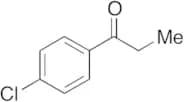
CAS:<p>Stability Light and Temperature sensitive<br>Applications PFPA-silane is a functionalized perfluorophenyl azides for covalent immobilization of ultrathin polymer films.<br>References Mosbach, K., et al.: Biotechnology, 14, 163 (1996), Keren, K., et al.: Science, 297, 72 (2002), Lidstrom, M., et al.: Nature Rev. Microbiol., 1, 158 (2003),<br></p>Formula:C13H16F4N4O4SiPurity:>90%Color and Shape:Off White SolidMolecular weight:396.374'-Chloropropiophenone
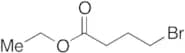
CAS:Controlled Product<p>Applications 4-Chloropropiophenone is a useful synthetic intermediate. It can be used to prepare 4-Chloro Cathinone. It can also be used to synthesize bupropion (B689625) analogs.<br>References Carroll, F., et al.: J. Med. Chem., 52, 6768 (2009)<br></p>Formula:C9H9ClOColor and Shape:NeatMolecular weight:168.62Ethyl 4-Bromobutanoate
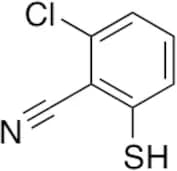
CAS:Controlled Product<p>Applications Ethyl 4-Bromobutanoate is a building block which has been used as a reactant for the preparation of firefly luciferase inhibitor-conjugated peptide derivatives.<br>References Poutiainen, P.K., et. al.: Bioconjugate Chem., 25, 4 (2014)<br></p>Formula:C6H11BrO2Color and Shape:NeatMolecular weight:195.052-Chloro-6-sulfanylbenzonitrile Sodium Salt
CAS:Controlled ProductFormula:C7H4ClNNaSColor and Shape:NeatMolecular weight:191.614-Bromophenol
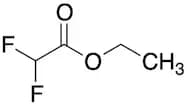
CAS:Controlled Product<p>Applications 4-Bromophenol is used as a reagent in Stille reactions.<br>References Littke, A.F. et al.: J. Am. Chem. Soc., 124, 6343 (2002);<br></p>Formula:C6H5BrOColor and Shape:NeatMolecular weight:173.01Ethyl Difluoroacetate
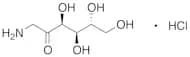
CAS:Controlled Product<p>Applications Ethyl difluoroacetate<br></p>Formula:C4H6F2O2Color and Shape:NeatMolecular weight:124.091-Amino-1-deoxy-D-fructose hydrochloride
CAS:<p>Stability Not stable in Solution<br>Applications 1-Amino-1-deoxy-D-fructose HCl<br></p>Formula:C6H13NO5·HClColor and Shape:NeatMolecular weight:215.632




![[4-[[4-(Dimethylamino)phenyl]-(4-dimethylazaniumylidenecyclohexa-2,5-dien-1-ylidene)methyl]phenyl]…](/_next/image/?url=https%3A%2Fstatic.cymitquimica.com%2Fproducts%2FTR%2Fthumb-webp%2FB400378.webp&w=3840&q=75)





![2-Cyano-N-[4-(trifluoromethyl)phenyl]acetamide](/_next/image/?url=https%3A%2Fstatic.cymitquimica.com%2Fproducts%2FTR%2Fthumb-webp%2FC982245.webp&w=3840&q=75)



![Benzo[b]fluoren-11-one](/_next/image/?url=https%3A%2Fstatic.cymitquimica.com%2Fproducts%2FTR%2Fthumb-webp%2FB411240.webp&w=3840&q=75)






![2-[(Carboxymethyl)amino]propanoic Acid Hydrochloride](/_next/image/?url=https%3A%2Fstatic.cymitquimica.com%2Fproducts%2FTR%2Fthumb-webp%2FC183785.webp&w=3840&q=75)