Organic Halides
Subcategories of "Organic Halides"
Found 20442 products of "Organic Halides"
N-[2-Iodoethyl]trifluoroacetamide
CAS:N-[2-Iodoethyl]trifluoroacetamide is a reactive alkylating agent that is used in the synthesis of biologically active molecules. It reacts with lysines, tryptic and other amino acids to form covalent bonds, which can be cleaved by hydrolysis. The compound also reacts with sulfhydryl groups to produce sulfonium ions, which react with the thiol group at position C6 on the sarcoplasmic reticulum Ca2+ -ATPase to inhibit muscle contraction. N-[2-Iodoethyl]trifluoroacetamide has been shown to cause allergic reactions in rats, mice, and guinea pigs. This drug has also been observed to have an effect on the central nervous system when administered at high doses.Formula:C4H5NOIF3Purity:Min. 95%Color and Shape:PowderMolecular weight:266.99 g/mol3,5-Dimethoxyiodobenzene
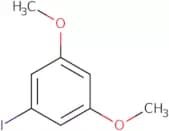
CAS:3,5-Dimethoxyiodobenzene is an organic molecule that is structurally similar to biphenyl. It has been shown to inhibit the growth of cancer cells by flipping the mcf-7 protein and cross-coupling with pterostilbene. 3,5-Dimethoxyiodobenzene can be used as a substitute for biphenyl in some reactions because it has a similar structure but does not have halogen groups. 3,5-Dimethoxyiodobenzene also inhibits the production of chloride ions in bacteria and causes accumulation of phosphane, which is an enzyme inhibitor. This compound has also been shown to act as a stereoselective inhibitor of enzymes that catalyze the synthesis of phytoalexins, which are plant secondary metabolites produced under biotic stress conditions (e.g., bacterial infection).Formula:C8H9IO2Purity:Min. 95%Color and Shape:Light Brown To Brown SolidMolecular weight:264.06 g/mol4-Chloro-3-methoxybenzoic acid methyl ester
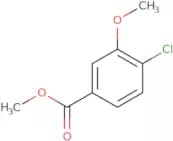
CAS:4-Chloro-3-methoxybenzoic acid methyl ester is a chemical compound that is used as a reagent in organic synthesis. It can be used to produce high quality research chemicals, speciality chemicals, and fine chemicals. This compound has a wide variety of uses because it is versatile and can be used as a reaction component or building block. Its CAS number is 116022-18-5.Formula:C9H9ClO3Purity:Min. 95%Color and Shape:SolidMolecular weight:200.62 g/mol7-Chloro-5-(2-fluorophenyl)-2,3-dihydro-1H-1,4-benzodiazepine-2-methanamine
CAS:Controlled ProductPlease enquire for more information about 7-Chloro-5-(2-fluorophenyl)-2,3-dihydro-1H-1,4-benzodiazepine-2-methanamine including the price, delivery time and more detailed product information at the technical inquiry form on this pageFormula:C16H15ClFN3Purity:Min. 95%Color and Shape:PowderMolecular weight:303.76 g/mol4-Bromo-2-(trifluoromethyl)benzonitrile
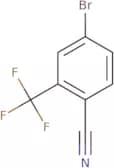
CAS:4-Bromo-2-(trifluoromethyl)benzonitrile is an important reagent for the synthesis of heterocycles and natural products. It can be used as a building block in organic synthesis and as a reaction component to synthesize pharmaceuticals, agrochemicals, pesticides, and other chemicals. 4-Bromo-2-(trifluoromethyl)benzonitrile is also used as a research chemical.Formula:C8H3BrF3NPurity:Min. 95%Color and Shape:PowderMolecular weight:250.02 g/mol5-Fluoro-N,N-Dimethyl-1H-Indole-3-Ethanamine
CAS:Controlled Product5-Fluoro-N,N-Dimethyl-1H-Indole-3-Ethanamine is a psychedelic drug with affinity for the serotonin 5HT2A receptor. It has been shown to interact with a diversity of ion channels and transporters. The affinity of 5FEDME for the 5HT2C receptor may also be normalizing. This drug has been shown to be an agonist at the 5HT2A receptor, which may contribute to its psychedelic effects.Formula:C12H15FN2Purity:Min. 95%Molecular weight:206.26 g/mol4-[2-[[3-(4-Hydroxyphenyl)-1-methylpropyl]amino]ethyl]-1,2-benzenediol hydrochloride
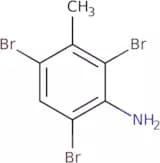
CAS:Dobutamine is a beta-adrenergic agonist that causes the heart to contract and increase blood pressure. It is used for pharmacological treatment of congestive heart failure and ventricular arrhythmias, as well as during angiography of the coronary arteries. Dobutamine stimulates dopamine receptors in the heart, which increases the systolic pressure. Dobutamine has been shown to be effective in improving myocardial contractility, left ventricle function, and cardiac output in patients with chronic congestive heart failure. This drug also improves left ventricular regional wall motion, papillary muscle function, and mitral valve regurgitation. Dobutamine may cause side effects such as nausea, vomiting, headache, or chest pain.Formula:C18H24ClNO3Purity:Min. 95%Color and Shape:PowderMolecular weight:337.84 g/mol3-Amino-2,4,6-tribromotoluene
CAS:3-Amino-2,4,6-tribromotoluene is a reactive organic compound that is a highly flammable additive. It has been used as an oxidizing agent in the production of polymeric materials and as a catalyst in the vulcanization of rubber. 3-Amino-2,4,6-tribromotoluene can react with hydrogen peroxide to form bromophenols and hydrochloric acid. When heated or exposed to light, 3-amino-2,4,6-tribromotoluene can produce toxic fumes such as hydrogen bromide and phosphorus pentoxide. This substance has been shown to be toxic to animals and humans if ingested or inhaled.Formula:C7H6Br3NPurity:Min. 95%Color and Shape:PowderMolecular weight:343.84 g/mol2’-C-Methyl-5-fluorouridine
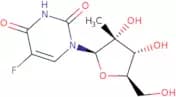
CAS:2’-C-Methyl-5-fluorouridine is a fine chemical that is used as a versatile building block for the synthesis of various complex compounds. It is also used as a reaction component in the synthesis of research chemicals and speciality chemicals. 2’-C-Methyl-5-fluorouridine is an important intermediate in organic chemistry and has many applications, such as being a reaction component in the synthesis of pharmaceuticals, agrochemicals, dyes, and perfumes.
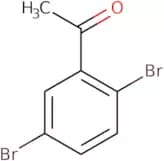
Formula:C10H13FN2O6Purity:Min. 95%Color and Shape:SolidMolecular weight:276.22 g/mol1-(2,5-Dibromophenyl)ethanone
CAS:2',5'-Dibromoacetophenone is an imine that has been shown to be a potent inhibitor of NS5A. It is used in the synthesis of elbasvir and other pharmaceuticals. The enantioselective synthesis of 2',5'-dibromoacetophenone is achieved by using a chiral catalyst derived from camphor, which can produce the desired product in large quantities with high purity.Formula:C8H6Br2OPurity:Min. 95%Color and Shape:PowderMolecular weight:277.94 g/mol4-Bromo-2-nitrocinnamic acid
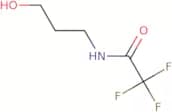
CAS:4-Bromo-2-nitrocinnamic acid is a naturally occurring amino acid that is a component of wheat, carrots, and cereals. It is an enzyme inhibitor and has been found to be stable under heat treatment. 4-Bromo-2-nitrocinnamic acid has been shown to inhibit the activity of 3 lysine hydrolase enzymes (LysE1, LysE2, LysE3) in vitro. This inhibition decreases lysine levels and may have health implications for infants fed with 4-bromo-2-nitrocinnamic acid treated wheat flour. The efficiency of 4-bromo-2 nitrocinnamic acid as an enzymatic inhibitor for these enzymes was determined by measuring the release of free lysine from various substrates at different concentrations of the inhibitor. These parameters were then used to calculate the theoretical inhibition percentage for each substrate at a given concentration.Formula:C9H6BrNO4Purity:Min. 95%Molecular weight:272.05 g/molN-(3-Hydroxypropyl)trifluoroacetamide
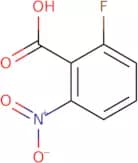
CAS:N-(3-Hydroxypropyl)trifluoroacetamide is an alkaline hydrolysis product of 3-hydroxypropyl trifluoroacetate. It is a primary amino compound that can be used as an intermediate in the production of vinyl ethers and acetals. This chemical is used for the synthesis of vinyl acetals, which are important intermediates in the manufacturing of polymers.Formula:C5H8F3NO2Purity:90%Color and Shape:PowderMolecular weight:171.12 g/mol2-Fluoro-6-nitrobenzoic acid
CAS:Intermediate in the synthesis of idelalisib
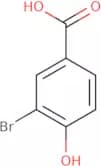
Formula:C7H4FNO4Purity:Min. 95%Color and Shape:PowderMolecular weight:185.11 g/mol3-Bromo-4-hydroxybenzoic acid
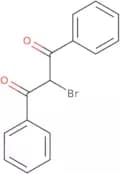
CAS:3-Bromo-4-hydroxybenzoic acid (3BBA) is a hydroxylated benzoic acid that is used as an intermediate in the production of dyes, pharmaceuticals, and other chemicals. 3BBA also has been shown to have anti-inflammatory effects and may be useful for the treatment of heart disease patients. The antimicrobial activity of 3BBA is due to its ability to inhibit bacterial growth by inhibiting the enzyme acetate extract, which is involved in the biosynthesis of fatty acids. This substance also inhibits bacterial growth by binding to particle and p. aeruginosa. 3BBA can be synthesized using ethylene diamine and p-hydroxybenzoic acid in basic dye reactions at pH optimum 7.5.Formula:C7H5BrO3Purity:Min. 95%Color and Shape:SolidMolecular weight:217.02 g/mol2-Bromo-1,3-diphenylpropane-1,3-dione
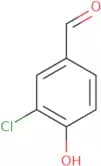
CAS:2-Bromo-1,3-diphenylpropane-1,3-dione is a ligand that binds to metal ions. It has been used as an efficient method for the synthesis of phenyl groups in organic chemistry. 2-Bromo-1,3-diphenylpropane-1,3-dione was found to have a catalytic effect on reactions involving halides and phosphine. A study on the reaction mechanism revealed that 2-bromo-1,3-diphenylpropane-1,3-dione acts as an electron donor to phosphites and phosphines. The xray diffraction study showed that the ligand binds to metal ions through its phenyl groups.Formula:C15H11BrO2Purity:Min. 95%Molecular weight:303.15 g/mol3-Chloro-4-hydroxybenzaldehyde
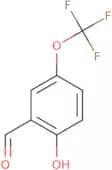
CAS:3-Chloro-4-hydroxybenzaldehyde is a molecule that belongs to the class of aldehydes. It is a monocarboxylic acid and an important precursor in the production of coumarin derivatives. 3-Chloro-4-hydroxybenzaldehyde has been shown to have pharmacokinetic properties, such as vibrational, chemical, and optical properties. It is also a fluorophore with strong fluorescence emission. The hydroxymethyl group can be programmed by adding an amine or thiol group at the 4 position on the ring of 3-chloro-4-hydroxybenzaldehyde. The addition of these groups will change the optical properties of 3-chloro-4-hydroxybenzaldehyde to make it more useful for biotechnology applications.Formula:C7H5ClO2Purity:Min. 95%Color and Shape:PowderMolecular weight:156.57 g/mol5-(Trifluoromethoxy)salicylaldehyde
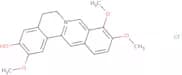
CAS:5-(Trifluoromethoxy)salicylaldehyde is a ligand that binds to the active site of the enzyme catalysis, thereby inhibiting its activity. It has been shown to be effective in colon cancer and other cancers due to its ability to inhibit protein synthesis. 5-(Trifluoromethoxy)salicylaldehyde also inhibits the production of prostaglandins, which may prevent inflammation. The compound is also used in supramolecular chemistry and biological studies as a tool for studying protein-ligand interactions. 5-(Trifluoromethoxy)salicylaldehyde has been shown to have dose-dependent effects on cell proliferation and protein synthesis.Formula:C8H5F3O3Purity:Min. 95%Color and Shape:PowderMolecular weight:206.12 g/molJatrorrhizine hydrochloride
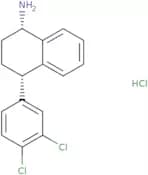
CAS:Jatrorrhizine hydrochloride is a bioactive alkaloid, which is derived from plants such as Coptis chinensis, commonly known as goldthread. This compound exhibits a range of pharmacological properties due to its ability to interact with various biological targets. Its mode of action involves modulation of cellular pathways, including anti-inflammatory and anti-microbial activities, through the inhibition of specific enzymes and interference with DNA replication processes.Formula:C20H20NO4·HClPurity:Min. 95%Color and Shape:PowderMolecular weight:374.84 g/molrac-cis-N-Desmethyl sertraline hydrochloride
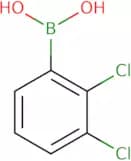
CAS:Rac-cis-N-Desmethyl sertraline hydrochloride is an analog of the antidepressant drug, sertraline. It is a racemic mixture of two stereoisomers that are mirror images of each other and have different effects on the human body. Rac-cis-N-Desmethyl sertraline hydrochloride has been shown to inhibit reuptake of serotonin from the synaptic cleft, which may be responsible for its antidepressant effect. The compound is also radiolabeled with carbon 11 and can be used as a diagnostic agent for positron emission tomography (PET).Formula:C16H16Cl3NPurity:Min. 96 Area-%Color and Shape:White PowderMolecular weight:328.66 g/mol2,3-Dichlorophenylboronic acid
CAS:2,3-Dichlorophenylboronic acid is a boron-containing compound. It is a substrate for the enzyme phosphatase and has been shown to inhibit the activity of the SHP2 protein kinase in vitro. This inhibition can lead to programmed cell death via apoptosis and necrosis. 2,3-Dichlorophenylboronic acid has also been shown to inhibit the growth of erythromycin resistant bacteria. The two isomers are not equally active. Dichloro(phenyl)boronic acid (1) is more potent than dichlorobis(phenyl)boronic acid (2).Formula:C6H5BCl2O2Purity:Min. 97.5 Area-%Color and Shape:White PowderMolecular weight:190.82 g/mol4-Bromo-2-fluoro-5-nitrotoluene
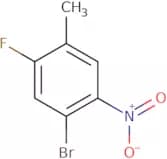
CAS:4-Bromo-2-fluoro-5-nitrotoluene is a chemical building block that is used as a research and speciality chemical. It has been shown to be useful in the synthesis of complex compounds, including pharmaceuticals and dyes. 4-Bromo-2-fluoro-5-nitrotoluene is also used as a reagent for the reaction with other chemicals, such as thiourea, to form 2,4,6-trichlorophenylacetonitrile. This compound is classified as hazardous by the American Chemical Society (ACS) because it can cause irritation to the skin and eyes.Formula:C7H5BrFNO2Purity:Min. 95%Color and Shape:PowderMolecular weight:234.02 g/mol4-Chloro-7-nitrobenzofurazan
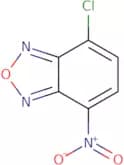
CAS:4-Chloro-7-nitrobenzofurazan is a fluorescent derivative that binds to the α subunit of DNA polymerase. It can be used as an analytical method for the detection of DNA polymerase inhibitors. 4-Chloro-7-nitrobenzofurazan has also been shown to inhibit cell nuclei and human serum, as well as binding to reactive sites on human cells. This compound can be used in control analysis for laboratory experiments related to protein synthesis and cell death.Formula:C6H2ClN3O3Purity:Min. 97 Area-%Color and Shape:Yellow PowderMolecular weight:199.55 g/mol2-Chloro-1-methylquinolinium tetrafluoroborate
CAS:2-Chloro-1-methylquinolinium tetrafluoroborate (2CQBF) is a synthetic compound that inhibits protein synthesis. It has been used as an analytical reagent for the determination of proteins, including those in urine samples. 2CQBF has been shown to be effective in the treatment of cancer and other diseases, such as lupus erythematosus, arthritis, and psoriasis.Formula:C10H9ClN•BF4Purity:Min. 95%Color and Shape:White PowderMolecular weight:265.44 g/mol4-Hydroxypiperidine-4-carboxylic acid hydrochloride
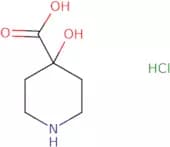
CAS:4-Hydroxypiperidine-4-carboxylic acid hydrochloride (HPCA) is a versatile building block, which can be used as a starting material for the synthesis of complex compounds. It is also a useful intermediate in the synthesis of pharmaceuticals, agrochemicals and other fine chemicals. HPCA has been shown to react with various reagents, such as amines and alcohols. This compound is widely used in research and industrial applications. 4-Hydroxypiperidine-4-carboxylic acid hydrochloride is a white crystalline solid that can be synthesized from piperidone through oxidation with hydrogen peroxide in the presence of sulfuric acid.Formula:C6H11NO3·HClPurity:Min. 95 Area-%Color and Shape:White PowderMolecular weight:181.62 g/mol2-Iodophenylacetic acid
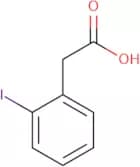
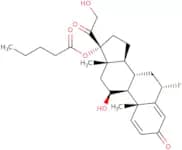
CAS:2-Iodophenylacetic acid is an amide that is synthesized from benzyl esters and 2-iodophenol. It has a potent chemokine activity and has been shown to be a human pathogen that causes low-energy pneumonia. 2-Iodophenylacetic acid is used as a solvent for organic reactions, such as synthesis of biomolecules. It can also be used as a carbon disulfide extractant in the purification of serine proteases from bacteria. This compound can act as a nucleophile, attacking chloride ions with different types of halides to produce methyl esters. It also reacts with sodium sulfide to form hypervalent iodine compounds, which are useful in organic synthesis.Formula:C8H7IO2Purity:Min. 95%Color and Shape:PowderMolecular weight:262.04 g/mol6α-Fluoro-11β,17,21-Trihydroxypregna-1,4-Diene-3,20-Dione 17-Valerate
CAS:Controlled Product6alpha-Fluoro-11beta,17,21-Trihydroxypregna-1,4-Diene-3,20-Dione 17-Valerate is a hydrogenated and esterified form of 6alpha-fluoro-11beta,17,21-trihydroxypregna1,4diene3,20dione. It is an oil with a fatty acid ester that has been synthetically modified to be more hydrophobic. 6alpha-Fluoro-11beta,17,21-Trihydroxypregna1,4diene3,20dione 17valerate is used in the synthesis of pharmaceuticals and hormones. It can also be used as an enhancer for the stability of pharmaceutical preparations.Formula:C26H35FO6Purity:Min. 95%Molecular weight:462.55 g/mol[(2-Methylimidazo[2,1-b][1,3,4]thiadiazol-6-yl)methyl]amine dihydrochloride
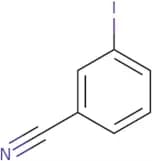
CAS:[(2-Methylimidazo[2,1-b][1,3,4]thiadiazol-6-yl)methyl]amine dihydrochloride is a high quality reagent with many uses. It is a complex compound that is used as an intermediate in the synthesis of many other compounds. This chemical has been shown to be useful as a scaffold for drug design and development. It also has been found to be a valuable building block for the synthesis of speciality chemicals and pharmaceuticals. This chemical can be used in reactions as a versatile building block and reaction component.Formula:C6H8N4S·2HClPurity:Min. 95%Color and Shape:White PowderMolecular weight:241.14 g/molm-Iodobenzonitrile
CAS:m-Iodobenzonitrile is a chemical reagent that is a hydrogen bond acceptor and donor. It has been used for the analysis of dopamine, tosylates, and carbonyl compounds. It can also be used in kinetic studies of hydrogen bonding interactions. The dipole moment of m-iodobenzonitrile is 1.779 D. The transport properties of m-iodobenzonitrile are negligible due to its low vapor pressure. Kinetic studies have shown that it reacts with hydrogen gas at room temperature to form a dipole ion pair with an estimated rate constant of 6x10 M/sec. Cross-coupling reactions with aryl halides have been observed at room temperature in the presence of copper catalyst and sodium bicarbonate buffer. Analytical chemistry has shown that m-iodobenzonitrile reacts with acidic solutions to produce hydrogen ions and carbon dioxide gas.Formula:C7H4INPurity:Min. 95%Color and Shape:PowderMolecular weight:229.02 g/mol3-Ethoxybenzoyl chloride
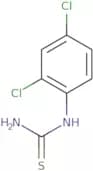
CAS:3-Ethoxybenzoyl chloride is a versatile building block that can be used to synthesize complex compounds. It has been shown as a useful intermediate in research and development, as well as being a reagent for the synthesis of other chemicals. 3-Ethoxybenzoyl chloride is also a high quality chemical with a variety of uses, including as an intermediate in organic reactions and as a scaffold for the preparation of other chemical compounds.Formula:C9H9ClO2Purity:Min. 80%Color and Shape:PowderMolecular weight:184.62 g/mol2,4-Dichlorophenylthiourea
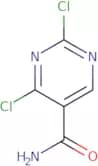
CAS:2,4-Dichlorophenylthiourea is a hydrogen-bonding molecule that has dihedral angles of 109.5° and a molecular weight of 202.2 g/mol. 2,4-Dichlorophenylthiourea has been shown to form dimers with benzene and hydrogen bonds with itself and other molecules.Purity:Min. 95%2,4-Dichloropyrimidine-5-carboxamide
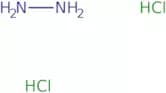
CAS:2,4-Dichloropyrimidine-5-carboxamide is a 2,4-dichloropyrimidine derivative. It is an intermediate in the synthesis of other compounds, and can be used as a building block in the synthesis of complex compounds. It is a versatile building block that can be used to make many different products. This chemical has been shown to have high quality and is useful as a research reagent or speciality chemical. 2,4-Dichloropyrimidine-5-carboxamide is also a useful intermediate for reactions involving nucleophilic substitution reactions and can serve as a scaffold for organic synthesis.Formula:C5H3Cl2N3OPurity:Min. 95%Color and Shape:Off-White To Yellow SolidMolecular weight:192 g/molHydrazine dihydrochloride
CAS:Controlled ProductHydrazine dihydrochloride (HDH) is a chemical compound with the molecular formula N2H4Cl2. It is used in electrochemistry as an electrolyte and to control enzyme activities. HDH has been shown to inhibit sulfate reduction and phosphatase activity, which may be due to its effect on the cell-specific biochemistry of Sulfolobus solfataricus. Hydrazine dihydrochloride also inhibits water vapor-induced chemiluminescence in methyl glycosides. This inhibition is due to a decrease in the production of hydrogen peroxide and the subsequent decomposition of the product that leads to luminescence. The mechanism for this inhibition is unknown, but it may be due to its ability to bind to Toll-like receptor 4 (TLR4). Hydrazine dihydrochloride has also been shown to have fluorescent properties that can be used as a probe for detecting DNA damage in cells.Formula:H4N2•(HCl)2Purity:98.0 To 102.0%Color and Shape:White PowderMolecular weight:104.97 g/mol[1-(Morpholin-4-ylcarbonyl)propyl]amine hydrochloride
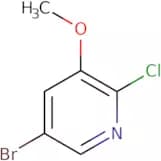
CAS:Controlled ProductPlease enquire for more information about [1-(Morpholin-4-ylcarbonyl)propyl]amine hydrochloride including the price, delivery time and more detailed product information at the technical inquiry form on this pageFormula:C8H16N2O2Purity:Min. 95%Molecular weight:172.22 g/mol5-Bromo-2-chloro-3-methoxypyridine
CAS:5-Bromo-2-chloro-3-methoxypyridine is a kinase inhibitor that belongs to the class of compounds called analogues. This compound has been shown to be an efficient, selective and potent inhibitor of the csf1R protein kinase. 5-Bromo-2-chloro-3-methoxypyridine has also been shown to inhibit the activity of other kinases such as cdc2, cdk4, cdk6 and cdk7. The structure of this compound was used as a starting point in the development of a new class of kinase inhibitors.
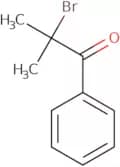
Formula:C6H5BrClNOPurity:Min. 95%Color and Shape:SolidMolecular weight:222.47 g/mol2-Bromo-2-methylpropiophenone
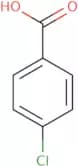
CAS:2-Bromo-2-methylpropiophenone is a chemical compound that is used as a fungicide. It is primarily applied to the soil, but can also be sprayed onto plants. It inhibits the growth of fungi and other pathogens by interfering with nucleic acid synthesis. This agent is catalytic, meaning it does not need an external source of energy to function. 2-Bromo-2-methylpropiophenone can be used in organic solvents because it dehalogenates chloroacetone into acetone, which is then removed from the reaction medium.Formula:C10H11BrOPurity:Min. 95%Molecular weight:227.10 g/mol4-Chlorobenzoic acid
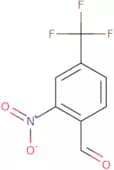
CAS:4-Chlorobenzoic acid is a dehalogenase that removes chlorinated organic compounds from water. It has been shown to be effective in removing the following: trichloroethene, tetrachloroethene, and dichloroethene. 4-Chlorobenzoic acid is a member of the group P2 dehalogenases and has been shown to have an affinity for aromatic substrates like benzoate. This enzyme is an integral part of wastewater treatment systems as it prevents the accumulation of toxic chlorine-containing chemicals in soil and groundwater.Formula:C7H5ClO2Purity:Min. 95%Color and Shape:PowderMolecular weight:156.57 g/mol2-Nitro-4-(trifluoromethyl)benzaldehyde
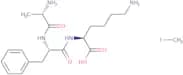
CAS:2-Nitro-4-(trifluoromethyl)benzaldehyde is an immunosuppressive agent that binds to the active site of the enzyme nitric oxide synthase, inhibiting its activity. This drug has been shown to be active against human immunocompromised patients and those with a history of melamine exposure. It also inhibits the production of nitric oxide, which is associated with inflammation. 2-Nitro-4-(trifluoromethyl)benzaldehyde has been shown to bind to vinylic positions on proteins, leading to immunosuppression.Formula:C8H4F3NO3Purity:Min. 95%Color and Shape:PowderMolecular weight:219.12 g/molAlanyl-phenylalanyl-lysine fluoromethane
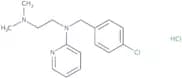
CAS:Controlled ProductAlanyl-phenylalanyl-lysine fluoromethane is a competitive inhibitor of the enzyme kallikrein. It binds to the active site of kallikrein and competes with the natural substrate peptidyl-piperidinium for binding, thereby inhibiting the activity of the enzyme. Alanyl-phenylalanyl-lysine fluoromethane has been shown to inhibit coagulation by blocking the activation of prothrombin and thrombin by kallikrein. This inhibition can be reversed by adding an anticoagulant such as heparin or hirudin. The biochemical assay used to measure this drug's effect on coagulation requires analysis using fluoroalkyl reagents, which are not suitable for use in human subjects.Formula:C19H31FN4O4Purity:Min. 95%Molecular weight:398.47 g/molChloropyramine HCl
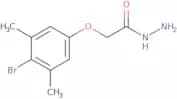
CAS:Chloropyramine is a drug that has been used to treat autoimmune diseases, such as rheumatoid arthritis and systemic lupus erythematosus. It is an antihistamine drug that acts by blocking the histamine receptor. Chloropyramine has been shown to have an effect on diastolic pressure in animal models. The model system used was human serum with locomotor activity as the endpoint. The sample preparation involved calcium pantothenate, which is a precursor of coenzymes A and C. The pharmacological agent chloropyramine binds to the agonist binding site, which is located at the end of the cell membrane and regulates ion channels, including those for calcium ions. Tricyclic antidepressant drugs are known to bind to this same binding site, inhibiting the action of both histamine and chloropyramine. Histamine causes increased blood flow due to vasodilation by stimulating H1 receptors in smooth muscles cells. HistamineFormula:C16H20ClN3·HClPurity:Min. 98 Area-%Color and Shape:White PowderMolecular weight:326.26 g/molN-amino-2-(4-bromo-3,5-dimethylphenoxy)ethanamide
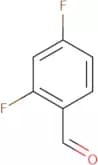
CAS:Please enquire for more information about N-amino-2-(4-bromo-3,5-dimethylphenoxy)ethanamide including the price, delivery time and more detailed product information at the technical inquiry form on this pageFormula:C10H13BrN2O2Purity:Min. 95%Color and Shape:PowderMolecular weight:273.13 g/mol2,4-Difluorobenzaldehyde
CAS:2,4-Difluorobenzaldehyde is a glycosidic bond compound that is chiral. It has been shown to be able to inhibit human immunodeficiency virus (HIV) infection and inflammatory bowel disease. 2,4-Difluorobenzaldehyde is also an inhibitor of cholesterol ester transfer protein that can lead to autoimmune diseases. This compound has been shown to have receptor activity and is synthesized by the reaction of 2,4-dichlorobenzaldehyde with dimethyl acetal in refluxing ethanol. The synthesis method for this compound involves synchronous fluorescence and radiations. 2,4-Difluorobenzaldehyde has been found to have anti-inflammatory properties due to its ability to inhibit chronic pulmonary inflammation in rats.
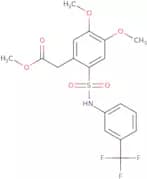
Formula:C7H4F2OPurity:Min. 95%Color and Shape:Clear LiquidMolecular weight:142.1 g/molmethyl 2-(4,5-dimethoxy-2-(((3-(trifluoromethyl)phenyl)amino)sulfonyl)phenyl)acetate
CAS:Please enquire for more information about methyl 2-(4,5-dimethoxy-2-(((3-(trifluoromethyl)phenyl)amino)sulfonyl)phenyl)acetate including the price, delivery time and more detailed product information at the technical inquiry form on this page
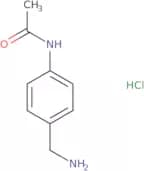
Purity:Min. 95%4-Acetamidobenzylamine hydrochloride
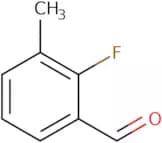
CAS:4-Acetamidobenzylamine hydrochloride is a chemical intermediate that belongs to the group of complex compounds. It is used as a reactant in the synthesis of other chemicals and can be used as a building block for the preparation of fine chemicals or research chemicals. 4-Acetamidobenzylamine hydrochloride has versatile uses due to its ability to react with many other chemical substances. This reagent also has high purity and can be used as a research tool in organic chemistry.Formula:C9H12N2O•HClPurity:Min. 95%Color and Shape:Off-White To Yellow SolidMolecular weight:200.67 g/mol2-Fluoro-3-methylbenzaldehyde
CAS:2-Fluoro-3-methylbenzaldehyde is a chemical that can be used in the synthesis of other chemicals, such as pharmaceuticals. It is a versatile building block that can be used in the synthesis of complex compounds and scaffolds. The compound has been shown to react with amines to form ureas.Formula:C8H7FOPurity:80%Molecular weight:138.14 g/mol(3-(2,6-dichlorophenyl)-5-methylisoxazol-4-yl)-N-(5-methylisoxazol-3-yl)formamide
CAS:Please enquire for more information about (3-(2,6-dichlorophenyl)-5-methylisoxazol-4-yl)-N-(5-methylisoxazol-3-yl)formamide including the price, delivery time and more detailed product information at the technical inquiry form on this page
Purity:Min. 95%Eltoprazine hydrochloride
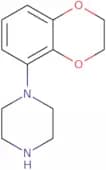
CAS:Controlled ProductEltoprazine hydrochloride is a 5-HT agonist that is used to treat chronic oral, locomotor activity disorders. It stimulates the release of dopamine and inhibits the reuptake of serotonin and norepinephrine. Eltoprazine hydrochloride binds to 5-HT1A receptors at higher doses, but has little affinity for 5-HT2 receptors. The drug also binds to gamma-aminobutyric acid (GABA) receptors, which may contribute to its effects on locomotion. Eltoprazine hydrochloride also has shown an ability to bind to the 5-HT1 receptor in vitro and has been shown to inhibit locomotor activity in CD-1 mice.Formula:C12H17ClN2O2Purity:Min. 95%Color and Shape:White To Yellow SolidMolecular weight:256.73 g/mol3-(Boc-amino)propyl bromide
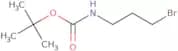
CAS:3-(Boc-amino)propyl bromide is an antimicrobial agent that has been shown to be a potent inhibitor of cancer cell growth in vitro. The mechanism of action of 3-(Boc-amino)propyl bromide is not yet known, but it may be due to its ability to inhibit the uptake of radiotracers by mda-mb-231 cells. 3-(Boc-amino)propyl bromide has also been shown to have a high affinity for proteins and is able to hydrogen bond with them. This property may explain the high salt requirement for its solubility, as well as its toxicity towards bacteria and other microorganisms.Formula:C8H16BrNO2Purity:Min. 95 Area-%Color and Shape:Colorless PowderMolecular weight:238.12 g/mol3-Fluoro-4-methylanisole
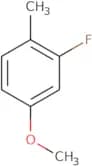
CAS:3-Fluoro-4-methylanisole is a nucleophilic, ring substituted electron acceptor that can be activated by electron donors. The nitro group and the electron donating substituents on the ring are important for this reactivity. 3-Fluoro-4-methylanisole can form substitution products with methyl or formyl groups in the presence of a strong base such as palladium, 3-fluoro-4-methylphenol, or nitro groups. This reactivity is regiospecific, meaning that the substitution will only occur at one of two possible sites on the ring. 3-Fluoro-4-methylanisole's chemical properties give it both activating and deactivating properties in organic reactions.Formula:C8H9FOPurity:Min. 95%Color and Shape:Clear LiquidMolecular weight:140.15 g/molDichlorotetrafluoroethane
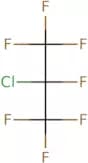
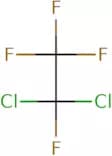
CAS:Controlled ProductDichlorotetrafluoroethane is a chemical compound that belongs to the group of halocarbons. It was first synthesized in 1930 and has been used as a refrigerant since the 1940s. Dichlorotetrafluoroethane is a powerful antimicrobial agent that also functions as a catalyst. The rates of reaction depend on kinetic data, such as the rate of diffusion, temperature, and pressure. Dichlorotetrafluoroethane is an excellent solvent for some organic compounds and has applications in degreasing metal parts or removing oil from concrete floors.
Dichlorotetrafluoroethane is produced by the reaction of hydrogen fluoride with sodium carbonate in an isomeric mixture at high temperature. The product contains equal amounts of two geometric isomers: 1,1-dichloro-2,2-difluoroethene (DFEE) and 2,2-dichloro-Formula:C2Cl2F4Purity:Min. 95%Molecular weight:170.92 g/molCarcinine hydrochloride salt
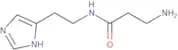
CAS:Carcinine is a natural compound that inhibits the activities of enzymes involved in energy metabolism, including carnosine, which is a dipeptide found in muscle and brain tissue. Carnosine has been shown to be effective against eye disorders such as glaucoma and optic nerve degeneration, as well as cardiac effects. Carcinine has also been shown to inhibit histamine release, which may be due to its ability to suppress the activation of toll-like receptor 4 by lipopolysaccharides or its ability to inhibit the production of pro-inflammatory cytokines. Carcinine hydrochloride salt is a model system for studying carcinine's interactions with carnosine in vivo and in vitro.Formula:C8H14N4O·XHClPurity:Min. 95%2-Chlorotrityl chloride
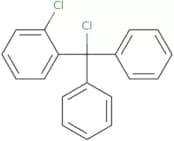
CAS:2-Chlorotrityl chloride is a chemical compound that is synthesized by the reaction of phosphorus pentachloride and chloroform. It is a versatile building block for organic synthesis, which can be used to synthesize many different types of compounds in a single reaction. The hydroxyl group on 2-chlorotrityl chloride reacts with disulfide bonds to form thioethers, while the chlorine atom undergoes substitution reactions. 2-Chlorotrityl chloride is used in the synthesis of serine protease inhibitors and antimicrobial peptides. It also has significant cytotoxicity in biological cells, which may be due to its ability to affect cell membranes or inhibit protein synthesis.
Formula:C19H14Cl2Purity:Min. 98 Area-%Color and Shape:White PowderMolecular weight:313.22 g/mol2-Bromo-1-(1H-indol-3-yl)propan-1-one
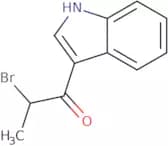
CAS:Controlled ProductPlease enquire for more information about 2-Bromo-1-(1H-indol-3-yl)propan-1-one including the price, delivery time and more detailed product information at the technical inquiry form on this pageFormula:C11H10BrNOPurity:Min. 85%Color and Shape:PowderMolecular weight:252.11 g/molTomoxetine hydrochloride
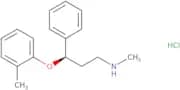
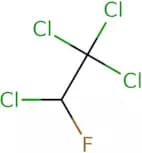
CAS:Controlled ProductNoradrenalin reuptake inhibitorFormula:C17H22ClNOPurity:(%) Min. 95%Color and Shape:White PowderMolecular weight:291.82 g/mol1,1,1,2-Tetrachloro-2-Fluoroethane
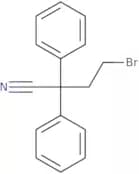
CAS:Controlled Product1,1,1,2-Tetrachloro-2-Fluoroethane is a chlorofluorocarbon that has a vapor pressure of 0.004 mm Hg at 20°C and a boiling point of -63.3°C. It is soluble in water at concentrations of 1.5 mg/L and has an experimentally determined coefficient of viscosity of 2.8 mPa·s at 20°C. This compound can be found in the group of halocarbons with molecular weight compounds ranging from 78 to 150 g/mol, or approximately between 120 and 230 g/mol. The molecular descriptors for this compound are approximations and are calculated using temperatures from 0 to 100°C, with an approximation error below 5%.Formula:C2HCl4FPurity:Min. 95%Molecular weight:185.84 g/mol4-Bromo-2,2-diphenyl butyronitrile
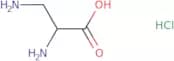
CAS:4-Bromo-2,2-diphenyl butyronitrile is an industrial chemical used in the production of other chemicals. It is a white solid that is soluble in organic solvents such as hydrochloric acid. 4-Bromo-2,2-diphenyl butyronitrile may be used to produce morphine by reacting with acetic anhydride and pyridine. This reaction occurs at a rate that is dependent on the concentration of 4-bromo-2,2-diphenyl butyronitrile. The product of this reaction has been shown to bind to opioid receptors in vitro, and it has been used as a model for pain relief in vivo. 4-Bromo-2,2-diphenyl butyronitrile also acts as a substrate for Pgp efflux pumps, which can lead to its accumulation in tissues such as the brain.Formula:C16H14BrNPurity:Min. 95%Color and Shape:White PowderMolecular weight:300.19 g/molDL-2,3-Diaminopropionic acid monohydrochloride
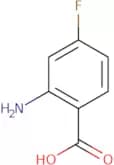
CAS:DL-2,3-Diaminopropionic acid monohydrochloride is used in the preparation of drug samples for clinical chemistry analysis. This chemical has a number of uses, including as a modifier to increase the solubility and stability of drugs in solution and as a reagent to prepare analytical standards. DL-2,3-Diaminopropionic acid monohydrochloride also has been used as an inhibitor in titration methods for the determination of pH. DL-2,3-Diaminopropionic acid monohydrochloride is an inorganic chemical that can be derived from biochemical reactions by hydrolysis or derivatization. It has been shown to have selectivities for elimination reactions involving intramolecular hydrogen transfer.Formula:C3H8N2O2•HClPurity:Min. 95%Color and Shape:White Off-White PowderMolecular weight:140.57 g/mol2-Amino-4-fluorobenzoic acid
CAS:2-Amino-4-fluorobenzoic acid is a nitrogenous heterocyclic compound. It is an analog of the epidermal growth factor (EGF), which can bind to the EGF receptor and stimulate cell growth and differentiation. 2-Amino-4-fluorobenzoic acid has been shown to have anticancer activity in vitro, as well as in vivo. The synthetic process for this compound involves nitrous acid, hydrochloric acid, and frequency reactions. This product is used industrially for the preparation of other compounds.Formula:C7H6FNO2Purity:Min. 95%Color and Shape:PowderMolecular weight:155.13 g/molIpratropium bromide
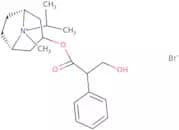
CAS:Muscarinic antagonistFormula:C20H30BrNO3Purity:Min. 95%Color and Shape:PowderMolecular weight:412.36 g/molL-Arginine-tert-butyl ester dihydrochloride
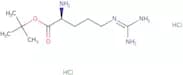
CAS:L-Arginine-tert-butyl ester dihydrochloride is a high quality, reagent, complex compound that is soluble in most organic solvents. It has a CAS No. of 87459-72-1 and can be used as an intermediate for the production of other chemical compounds. L-Arginine-tert-butyl ester dihydrochloride is also a useful scaffold for the synthesis of speciality chemicals or research chemicals and can be used as a versatile building block in the synthesis of many chemical compounds.Formula:C10H22N4O2·2HClPurity:Min. 95%Color and Shape:PowderMolecular weight:303.23 g/mol4-Bromo-3-methylpyrazole
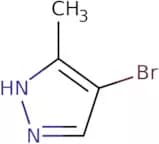
CAS:4-Bromo-3-methylpyrazole is a 3-methylpyrazole that has been shown to have an inhibitory effect on the growth of plants. It is used as a predictive model for pyrazole compounds and has been shown to be an additive in crop plants. 4-Bromo-3-methylpyrazole can be activated by diazo compounds, such as nitrosamines, leading to a variety of chemical reactions. The descriptor for this compound is C6H4BrN2.Formula:C4H5BrN2Color and Shape:PowderMolecular weight:161 g/mol3-Chloroiminodibenzyl
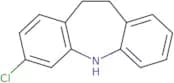
CAS:3-Chloroiminodibenzyl is a synthetic chemical that has electron-donating properties. It is used as a building block for the synthesis of other chemicals, including pharmaceuticals and pesticides. 3-Chloroiminodibenzyl is insoluble in water and can form hydrogen chloride when exposed to hydrochloric acid. The compound reacts with metal ions to form an unpaired electron, which may be responsible for its reactivity. This chemical has been shown to produce reactive aliphatic hydrocarbons when treated with hydroxide solution, which are useful in industrial chemical processes.
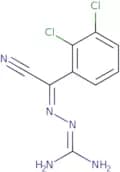
Formula:C14H12ClNPurity:Min. 95 Area-%Color and Shape:Off-White PowderMolecular weight:229.7 g/mol2-(2,3-Dichlorophenyl)-2-guanidinyliminoacetonitrile
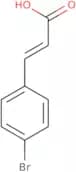
CAS:2-(2,3-Dichlorophenyl)-2-guanidinyliminoacetonitrile (2,3-DCPP) is a high quality reagent that is used in the preparation of complex compounds. It is also an intermediate in the synthesis of fine chemicals and useful scaffold and building block for research chemical. 2,3-DCPP has been shown to react with a variety of functional groups including amines, alcohols, thiols, carboxylic acids, organometallic reagents and many others. It is also a versatile building block for the synthesis of chemical substances such as pharmaceuticals, agrochemicals or dyes.Formula:C9H7Cl2N5Purity:Min. 95%Color and Shape:White PowderMolecular weight:256.09 g/mol4-Bromocinnamic acid
CAS:4-Bromocinnamic acid is a plant metabolite that is found in the leaves of plants belonging to the family Capparaceae. It can be extracted from these leaves using methanol as a solvent and then purified by column chromatography. 4-Bromocinnamic acid has been shown to have antitumor properties and has been studied in a model system for prostate cancer cells. This molecule also has the ability to hydrogen bond with other molecules, including dopamine, which is important for its anti-cancer activity.Formula:C9H7BrO2Purity:Min. 95%Color and Shape:PowderMolecular weight:227.05 g/mol4-Chloro-2-fluorocinnamic acid
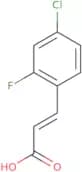
CAS:4-Chloro-2-fluorocinnamic acid is a chemical intermediate that can be used as a building block for the synthesis of other compounds. It has been shown to be useful in the preparation of pharmaceuticals, agrochemicals, and dyestuffs. This chemical has many uses in research, such as being used as a reactant in organic synthesis or as a reagent for derivitization. 4-Chloro-2-fluorocinnamic acid is also an important intermediate for the production of more complex compounds. 4-Chloro-2-fluorocinnamic acid is a versatile building block that can be used in the preparation of many fine chemicals, with its versatility making it an important scaffold for drug discovery.Formula:C9H6ClFO2Purity:Min. 95%Color and Shape:PowderMolecular weight:200.59 g/molMethyl 3-fluoro-4-nitrobenzoate
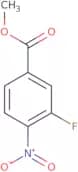
CAS:Methyl 3-fluoro-4-nitrobenzoate is a volatile, colorless liquid that belongs to the class of alcohols. Methyl 3-fluoro-4-nitrobenzoate has a phenylethyl group and an intramolecular reaction with the carbonyl group. The regioselectivity of this reaction is determined by the electron density on the oxygen atom, which is greater than on the nitrogen atom. This makes methyl 3-fluoro-4-nitrobenzoate an excellent nucleophile and allows it to react with other molecules in order to form esters. Methyl 3-fluoro-4-nitrobenzoate has been shown to be a good solvent for headspace analysis because it is volatile, but not reactive enough to interfere with organic compounds in the headspace.Formula:C8H6FNO4Purity:Min. 95%Color and Shape:White PowderMolecular weight:199.14 g/mol2-Bromocinnamic acid
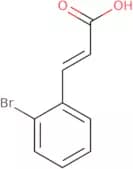
CAS:2-Bromocinnamic acid is a synthetic compound that inhibits the reactions of arylating agents with tissues. It has cytotoxic activity and can be used in the treatment of alzheimer's disease. The synthesis of 2-bromocinnamic acid begins with anhydrous acetonitrile, which is heated to form an anhydrous salt. This salt is then dissolved in water and treated with potassium iodide and sodium nitrite. The resultant mixture undergoes a series of reactions to produce 2-bromocinnamic acid, including the addition of molybdenum as a catalyst. The reaction also produces byproducts that are removed by extraction or distillation. Finally, it undergoes a chromophore change from yellow to red in the presence of air due to oxidation by atmospheric oxygen.
Formula:C9H7BrO2Purity:Min. 95%Molecular weight:227.05 g/mol2-Bromo-6-fluorobenzoic acid ethyl ester
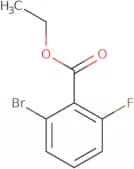
CAS:2-Bromo-6-fluorobenzoic acid ethyl ester is a chemical that reacts with other chemicals to form new substances. It is a useful scaffold for complex compounds and can be used as a building block for fine chemicals, pharmaceuticals, agrochemicals, and other organic compounds. 2-Bromo-6-fluorobenzoic acid ethyl ester is also a versatile building block or intermediate in the synthesis of many different substances.Formula:C9H8BrFO2Purity:Min. 90%Color and Shape:PowderMolecular weight:247.06 g/molIpratropium bromide monohydrate
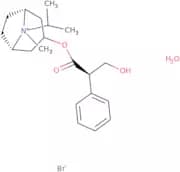
CAS:Muscarinic antagonistFormula:C20H32BrNO4Purity:Min. 95%Color and Shape:White/Off-White SolidMolecular weight:430.38 g/molDimethyltin dichloride
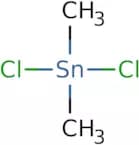
CAS:Dimethyltin dichloride is a compound that belongs to the group of organotin compounds. It is an x-ray crystal structure analysis and a coordination geometry study of the sodium salt of dimethyltin dichloride. The energy metabolism, biological studies, and analytical methods are used to study this compound. Dimethyltin dichloride has been shown to have acute toxicities in animals, and the solubility data is determined by plasma mass spectrometry.
Formula:C2H6Cl2SnPurity:Min. 95%Color and Shape:PowderMolecular weight:219.68 g/mol1-(2-Aminoethyl)pyrrolidine-2,5-dione hydrochloride
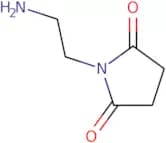
CAS:1-(2-Aminoethyl)pyrrolidine-2,5-dione hydrochloride is a chemical intermediate that is used in the synthesis of biologically active compounds. It has been shown to be an excellent building block for synthesizing complex compounds, and is also a useful reagent. 1-(2-Aminoethyl)pyrrolidine-2,5-dione hydrochloride has been identified as a high quality research chemical and is commercially available in the form of bulk quantities or as a fine chemical.
Formula:C6H11ClN2O2Purity:Min. 95%Color and Shape:PowderMolecular weight:178.62 g/mol[3-Chloro-4-(4-isobutyrylpiperazin-1-yl)phenyl]amine
CAS:3-Chloro-4-(4-isobutyrylpiperazin-1-yl)phenyl]amine is a fine chemical that can be used in the production of medicines, research chemicals, and other speciality chemicals. It has been shown to be a versatile building block with a wide range of uses. 3-Chloro-4-(4-isobutyrylpiperazin-1-yl)phenyl]amine can be used as an intermediate in organic synthesis or as a reagent to generate other chemicals. This compound is also useful as a reaction component for the production of new compounds.Formula:C14H20ClN3OPurity:Min. 95%Color and Shape:PowderMolecular weight:281.78 g/molBis[2-[Ethyl[(Heptadecafluorooctyl)Sulphonyl]Amino]Ethyl] (4-Methyl-1,3-Phenylene)Biscarbamate
CAS:Controlled ProductBis[2-[Ethyl[(heptadecafluorooctyl)sulphonyl]amino]ethyl] (4-methyl-1,3-phenylene)biscarbamate is a sulfonate that is used as a chemical intermediate. It is a mixture of bis[2-[ethyl(heptadecafluorooctyl)sulphonyl]amino]ethyl (4-methyl-1,3-phenylene)biscarbamate and bis[2-[ethyl(hexadecafluoroheptyl)sulphonyl]amino]ethyl (4-methyl-1,3-phenylene)biscarbamate.Formula:C33H26F34N4O8S2Purity:Min. 95%Color and Shape:PowderMolecular weight:1,316.66 g/molH-D-Ala-Leu-Lys-AMC hydrochloride salt
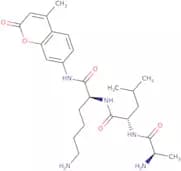
CAS:H-D-Ala-Leu-Lys-AMC hydrochloride salt is a zymogen that is the substrate for tissue plasminogen activator (tPA). It has been shown to inhibit the activity of fibrinogen and thrombin, two proteins involved in coagulation. H-D-Ala-Leu-Lys-AMC hydrochloride salt also inhibits the hydrolysis of fibrin clots by serine proteases and prevents the formation of new clots by inhibiting the activation of annexin. This drug has been shown to be effective in animal models with established atherosclerosis.Formula:C25H37N5O5•HClPurity:Min. 95%Color and Shape:PowderMolecular weight:524.05 g/molMethyl 3,4-dichlorobenzoate
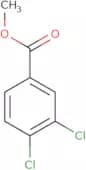
CAS:Methyl 3,4-dichlorobenzoate is a prenyl amide that is used as an organic chemical in the synthesis of other compounds. It can be prepared by reacting diethyl ether with peroxide in the presence of water. The yield of this reaction is approximately 30%. Methyl 3,4-dichlorobenzoate can also be synthesized from 3,4-dichlorobenzoic acid and methyl ester or from dichloromethane and prenyl chloride. This compound has been analysed for its electrophilicity, solvents and yields.Formula:C8H6Cl2O2Purity:Min. 95%Color and Shape:PowderMolecular weight:205.04 g/molL-Leucine b-naphthylamide hydrochloride
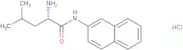
CAS:Please enquire for more information about L-Leucine b-naphthylamide hydrochloride including the price, delivery time and more detailed product information at the technical inquiry form on this pageFormula:C16H20N2O·HClPurity:Min. 95%Color and Shape:PowderMolecular weight:292.8 g/mol2-Bromo-6-nicotinic acid methyl ester
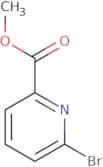
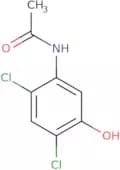
CAS:2-Bromo-6-nicotinic acid methyl ester is a monomer that is used in vivo as a reactive probe. It undergoes a thermally induced reaction with sodium carbonate to form picolinic acid and 2,6-dibromonicotinic acid. The picolinic acid can be converted to its fluorescent analog, which has been shown to be useful for the detection of tumors in mice. This compound also reacts with metal ions such as copper and zinc, which allows it to act as a ligand for metal complexes.Formula:C7H6BrNO2Purity:Min. 95%Color and Shape:PowderMolecular weight:216.03 g/mol2,4-Dichloro-5-hydroxyacetanilide
CAS:2,4-Dichloro-5-hydroxyacetanilide is a gaseous compound that has a carboxylic acid and carboxylic functional group. It is produced by the reaction of chlorosulfonyl chloride with an aromatic carboxylic acid in the presence of carbon atoms. 2,4-Dichloro-5-hydroxyacetanilide has been used in the synthesis of sulfonamides, which are organic compounds that contain a sulfonyl group. The chemical has also been used to make herbicides such as atrazine and simazine.
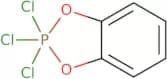
Formula:C8H7Cl2NO2Purity:Min. 95%Color and Shape:PowderMolecular weight:220.05 g/mol2,2,2-Trichloro-1,3,2 lambda-5-benzodioxaphosphole
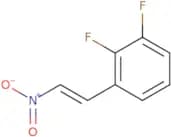
CAS:2,2,2-Trichloro-1,3,2 lambda-5-benzodioxaphosphole is a phosphorus pentachloride ligand that binds to chloride ions. It dissociates in water and is used as an acceptor of chloride ions. 2,2,2-Trichloro-1,3,2 lambda-5-benzodioxaphosphole is also used as a monochloride or tribromide. This ligand has been shown to be an isomeric compound with hexane and isopropyl.Formula:C6H4PO2Cl3Purity:Min. 95%Color and Shape:Off-White PowderMolecular weight:245.43 g/mol1-(2',3'-Difluorophenyl)-2-nitroethene
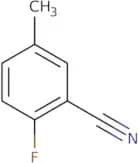
CAS:1-(2',3'-Difluorophenyl)-2-nitroethene (1,2-DFNE) is a speciality chemical that is used as an intermediate for the synthesis of a wide variety of organic compounds. It has been found to be a useful scaffold for the synthesis of complex compounds and can also be used as a building block for the synthesis of fine chemicals, research chemicals, and versatile building blocks. 1,2-DFNE is soluble in many organic solvents and can be handled without special precautions. This reagent is a high quality compound with purity greater than 99%.Formula:C8H5F2NO2Purity:Min. 95%Color and Shape:PowderMolecular weight:185.13 g/mol2-Fluoro-5-methylbenzonitrile
CAS:2-Fluoro-5-methylbenzonitrile (2FMBC) is a molecule that has a molecular weight of 153.22 g/mol and a melting point of -30°C. It also has a boiling point of 190°C at 14 mmHg, and it is soluble in ethanol, ether, acetone, benzene, chloroform, carbon disulfide, and nitrobenzene. 2FMBC can be found in the vibrational spectrum from 400 to 700 nm with a maximum absorption frequency of 724 nm. The infrared spectrum for 2FMBC ranges from 700 cm-1 to 3200 cm-1. The molecular orbital theory predicts that the energy levels for this molecule are symmetrical and unsymmetrical. It has been shown by x-ray data that 2FMBC's dipole moment is 0 D.Formula:C8H6FNPurity:Min. 95%Color and Shape:PowderMolecular weight:135.14 g/mol2-Chloro-5-methyl-1,4-benzoquinone
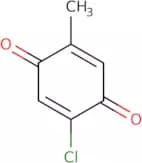
CAS:2-Chloro-5-methyl-1,4-benzoquinone is a heterocyclic organic compound with the molecular formula CHClO. It is a crystalline solid that occurs in two forms, the alpha and beta forms. The alpha form consists of an asymmetric unit containing two fused rings, one with five carbon atoms and another with six. The beta form has a similar structure but the ring with six carbon atoms is replaced by a carbon atom substituted for sulfur. 2-Chloro-5-methyl-1,4-benzoquinone can be used as an emulsifying agent or to produce benzoquinone by oxidation of hydroquinone or by electrochemical reduction of methylene blue. This chemical also has been used as an electron acceptor in supramolecular chemistry studies.Formula:C7H5ClO2Purity:Min. 95%Color and Shape:PowderMolecular weight:156.57 g/molL-Cysteine hydrochloride hydrate
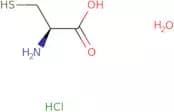
CAS:L-Cysteine hydrochloride hydrate is an amino acid that belongs to the group of antimicrobial agents. It is a precursor in the biosynthesis of proteins and nucleic acids. L-Cysteine hydrochloride hydrate inhibits bacterial growth by reacting with iron and forming an insoluble complex that cannot be used for metabolic processes. Cysteine also reacts with dehydroascorbic acid to form a fluorescent compound, which can be detected using fluorescence probe and fluorometric methods. This reaction is pH dependent, with a lower pH favoring the formation of the fluorescent product. The optimum pH for this reaction is approximately 7.0-8.5, at which point it is most effective against bacteria such as Escherichia coli, Pseudomonas aeruginosa, and Staphylococcus aureus.Formula:C3H7NO2S·HCl·xH2OColor and Shape:PowderMolecular weight:157.62 g/mol4-Fluoroestradiol
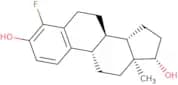
CAS:Controlled Product4-Fluoroestradiol is an estrogen with a molecular weight of 270.4 g/mol that has been shown to be carcinogenic in animal models. 4-Fluoroestradiol binds to the estrogen receptor and activates the gene product, which stimulates cell growth and proliferation. This drug has been shown to induce cancer in tissues such as the liver, biliary tract, and mammary glands when administered at doses higher than 0.3 mg/kg/day. 4-Fluoroestradiol also interacts with hydrogen bonds in enzymes such as retinol dehydrogenase, all-trans-retinoic acid (ATRA), and specific agents such as retinoic acid (RA). This interaction may inhibit the catalytic rate of these enzymes or alter their substrate specificity.Formula:C18H23FO2Purity:Min. 95%Color and Shape:PowderMolecular weight:290.37 g/mol1H,1H,2H,2H-Nonafluorohexyl Acrylate (stabilized with MEHQ)
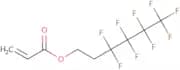
CAS:Nonafluorohexyl acrylate is a monomer that is used in the production of polymers and plastics. It has hydrophobic properties and can be used as a surface modifier to increase water repellency. This compound also has fluorine-containing groups, which give it an increased ability to respond to changes in environmental conditions such as temperature and pH. Nonafluorohexyl acrylate is a particle that fluoresces with ultraviolet light, making it useful for microscopy applications. The viscosity of this compound is affected by solution temperature, transfer temperatures, and fluorescence intensity. Nonafluorohexyl acrylate is amphipathic because it contains both hydrophilic and hydrophobic properties.
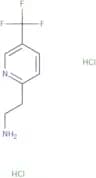
Formula:C9H7F9O2Purity:Min. 95%Color and Shape:Clear LiquidMolecular weight:318.14 g/mol2-(5-Trifluoromethyl-pyridin-2-yl)ethylamine 2HCl
CAS:2-(5-Trifluoromethyl-pyridin-2-yl)ethylamine 2HCl is a fine chemical that can be used as a building block in the synthesis of other compounds. It is also a useful reagent and a speciality chemical, which means it is typically used for research purposes only. This compound has shown to have high quality and versatility, and is often used as an intermediate in the synthesis of complex compounds.Formula:C8H9F3N2H2Cl2Purity:Min. 95%Color and Shape:White PowderMolecular weight:263.09 g/mol4-Bromobenzophenone
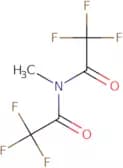
CAS:4-Bromobenzophenone is a molecule that reacts with hydrochloric acid to form 4-bromo-2-chlorophenol, which is a reaction product. The protein target of 4-bromobenzophenone is catalysed by the addition of a nucleophilic reagent. The thermal expansion of the metastable form of 4-bromobenzophenone has been measured using a kinetic technique, and this type of reaction mechanism has been confirmed using chromatographic methods. The use of phosphorus pentachloride in the synthesis of 4-bromobenzophenone was observed in urine samples.Formula:C13H9BrOPurity:Min. 95%Color and Shape:PowderMolecular weight:261.11 g/molN-Methylbis(trifluoroacetamide)
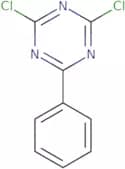
CAS:N-Methylbis(trifluoroacetamide) is a molecule that is used in the preparation of an analytical method. This molecule reacts with human serum and urine to produce a reaction solution. The matrix effect can be seen in metabolic disorders, such as the case of creatine kinase which is not affected by the derivatization. N-Methylbis(trifluoroacetamide) is also used to prepare samples for solid phase microextraction with basic structures that are amines.Formula:C5H3F6NO2Purity:Min. 95%Color and Shape:Clear LiquidMolecular weight:223.07 g/mol2,4-Dichloro-6-phenyl-1,3,5-triazine
CAS:2,4-Dichloro-6-phenyl-1,3,5-triazine is a triazine that has been synthesized and characterized by gel permeation chromatography and powder diffraction analysis. This compound is insoluble in organic solvents due to its high molecular weight. 2,4-Dichloro-6-phenyl-1,3,5-triazine has a number of different applications in the field of polymer science as an acceptor for activated polymers. It can also be used for thermally or photophysically activated polymers. The molecular structure of this compound was determined using x-ray crystallography and molecular modelling techniques.
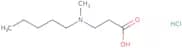
Formula:C9H5Cl2N3Purity:Min. 98%Color and Shape:PowderMolecular weight:226.06 g/mol3-(N-Methyl-N-pentylamino)propionic acid hydrochloride
CAS:Trichloroethylene is a chlorinated hydrocarbon that is primarily used as a solvent. The propionic acid is the monosodium salt of 3-(N-Methyl-N-pentylamino)propionic acid hydrochloride, which is an organic compound. The monohydrate and trichloride are two polymorphic forms of this substance. Acetone and unreacted Trichloroethylene are substances that may be formed during the chemical process. The alkaline form of Trichloroethylene may be obtained by refluxing the substance with sodium hydroxide in water or with potassium hydroxide in alcohol. This substance can also exist in a polymorphic form.Formula:C9H20ClNO2Purity:Min. 95%Color and Shape:PowderMolecular weight:209.71 g/mol2-Chloroheptafluoropropane
CAS:Controlled Product2-Chloroheptafluoropropane is a gaseous chemical that is used as a refrigerant. It has been shown to react with hydrogen fluoride and chlorine in the liquid phase at temperatures below -78°C, producing cyanogen chloride. 2-Chloroheptafluoropropane is also known to react with gamma-aminobutyric acid in xenopus oocytes to produce chloride ions. 2-Chloroheptafluoropropane can be recycled, which reduces the need for new resources for the production of the chemical. The use of 2-chloroheptafluoropropane as a refrigerant lowers the operating temperature and saves energy costs, while reducing emissions of ozone-depleting chemicals.Formula:C3ClF7Purity:Min. 95%Molecular weight:204.47 g/mol1-(4-Amino-3,5-dichloro-phenyl)-2-ethanone
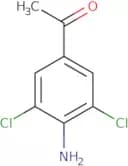
CAS:1-(4-Amino-3,5-dichloro-phenyl)-2-ethanone is a beta-adrenergic agent. It has been used as a stable isotope label for the study of the pharmacokinetics and metabolism of drugs in humans. In addition, it has been shown to have a good stability profile in acidic solutions and can be easily converted to other derivatives by simple chemical methods. The compound's UV spectrum is linear with respect to concentration over the range from 0.1 to 1 mg/mL, with maxima at 227 nm and 254 nm. This compound has been characterized using analytical methods such as diffraction, spectroscopy, and chromatography.
Formula:C8H7Cl2NOPurity:Min. 95%Color and Shape:PowderMolecular weight:204.05 g/mol6-Chloro-2-nitrobenzoic acid
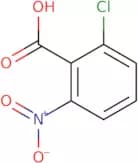
CAS:6-Chloro-2-nitrobenzoic acid is an organic compound with the formula C6H3ClNO2. It is a white crystalline powder that reacts readily with water to form a dilute solution. The reaction yield of 6-chloro-2-nitrobenzoic acid can be increased by heating the solution to dehydrate it, and this can be done at room temperature or higher. The reaction time can also be shortened by adding more chloride ions to the solution. This organic compound has two isomers, one of which is stable and the other which is unstable. The unstable isomer can be removed by recrystallizing the product from a solvent such as dicloxacillin or potassium chloride.Formula:C7H4ClNO4Purity:Min. 95%Molecular weight:201.56 g/mol4-tert-Butyl-2,6-dimethylbenzylamine hydrochloride
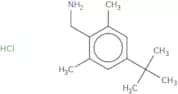
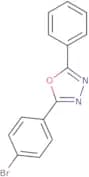
CAS:4-tert-Butyl-2,6-dimethylbenzylamine hydrochloride is a versatile building block that can be used for the synthesis of many different types of chemical compounds. It is a reagent in organic synthesis and has been used as a building block for other compounds. 4-tert-Butyl-2,6-dimethylbenzylamine hydrochloride is also useful as an intermediate or scaffold in complex syntheses. This chemical has been used in research to produce 2,4,5-trichlorotoluene and 1,2,3,5,6-pentachlorocyclohexane. CAS No. 2703627-79-4Formula:C13H21N·HClPurity:Min. 95%Color and Shape:PowderMolecular weight:227.77 g/mol2-(4-Bromophenyl)-5-phenyl-1,3,4-oxadiazole
CAS:2-(4-Bromophenyl)-5-phenyl-1,3,4-oxadiazole is a fluorescent and x-ray active molecule. It is a cross-coupled compound that can be used in devices for photophysical applications such as fluorescence and x-ray detection. This compound has been shown to have efficiencies of up to 90% for the detection of excitation light at 295 nm. 2-(4-Bromophenyl)-5-phenyl-1,3,4-oxadiazole has also been used in the preparation of high performance liquid phase extraction columns with good results. The reaction time and irradiation are important factors when considering this molecule for use in photophysical applications.
Formula:C14H9BrN2OPurity:Min. 95%Color and Shape:PowderMolecular weight:301.14 g/mol3-Bromomethylthiophene
CAS:3-Bromomethylthiophene is a monomer that has been shown to inhibit the synthesis of cholesterol. This inhibition is due to the inhibition of 3-hydroxy-3-methylglutaryl coenzyme A reductase, which converts HMGCoA to mevalonate and is an enzyme involved in the synthesis of cholesterol. The kinetics of this reaction were studied using UV spectroscopy and kinetic analysis. The optical properties of 3-bromomethylthiophene have also been examined using fluorescence microscopy. It has also been shown to have antihypertensive activity, which may be due to its ability to inhibit angiotensin converting enzyme (ACE).
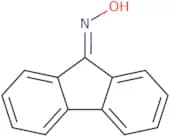
Formula:C5H5BrSPurity:Min. 90%Color and Shape:Clear LiquidMolecular weight:177.06 g/mol9-Fluorenone oxime
CAS:9-Fluorenone oxime is a pharmacological agent that has been shown to inhibit the activity of proteases. It has been shown to be effective in the treatment of hepatitis caused by radiation and amines, such as fluorenone. 9-Fluorenone oxime binds to the hydroxyl group of the active site on the protease enzyme and forms a covalent bond with it. This prevents hydrolysis of substrate proteins and thus blocks protein synthesis. 9-Fluorenone oxime also has chelate ligand properties, which allow it to bind to metal ions, such as phosphotungstic acid or fluorescence probes, and form complexes. The thermal expansion property of 9-fluorenones can be used for thermometry in biochemistry research.
Formula:C13H9NOPurity:90%Color and Shape:PowderMolecular weight:195.22 g/mol4-Chloro-2-methylbenzyl alcohol
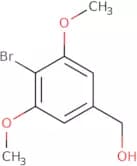
CAS:4-Chloro-2-methylbenzyl alcohol is an organic compound that has a sensor and hydroxyl group. It is used in pest control as an insecticide. 4-Chloro-2-methylbenzyl alcohol has been shown to be effective against ants, cockroaches, and other insects. There are multiple instabilities of this compound, including low oxygen stability when exposed to air, which may lead to the degradation of this chemical. Impurities in 4-chloro-2-methylbenzyl alcohol may also lead to its instability as it reacts with alkali metals at high temperatures. The instability of 4-chloro-2-methylbenzyl alcohol can be reduced by storing it at low temperatures or by adding cryogenic substances such as liquid nitrogen or carbon dioxide gas.Formula:C8H9ClOPurity:Min. 95%Molecular weight:156.61 g/mol4-Bromo-3,5-dimethoxybenzyl alcohol
CAS:4-Bromo-3,5-dimethoxybenzyl alcohol is a bromoarene that can be used as a ligand in coupling reactions. It has been shown to be an efficient coupling partner for the synthesis of triphylla, featuring a skeleton of chelating 4-bromo-3,5-dimethoxybenzyl alcohol.Formula:C9H11BrO3Purity:Min. 95%Color and Shape:PowderMolecular weight:247.09 g/mol6-α-Fluoro-Pregn-4-ene-3,20-dione
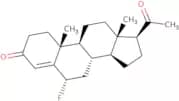
CAS:Controlled Product6-alpha-Fluoro-Pregn-4-ene-3,20-dione is a polymer that belongs to the class of polymers. It is a three component polymer composed of vinyl acetate, vinyl chloride and ethylene. 6-alpha-Fluoro-Pregn-4-ene-3,20-dione is used as a monomer in the production of polypropylene and polyethylene. This polymer has shown to have good mechanical properties such as strength and toughness.Formula:C21H29FO2Purity:Min. 95%Molecular weight:332.45 g/mol5-Chloro-2-methylbenzoic acid
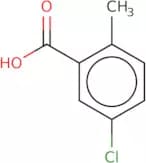
CAS:5-Chloro-2-methylbenzoic acid (CAS No. 7499-06-1) is a fine chemical that is used as a versatile building block for the production of various organic and inorganic compounds. This compound is also used as an intermediate in the synthesis of pharmaceuticals and other organic chemicals, such as polymers and pigments. 5-Chloro-2-methylbenzoic acid has been shown to have high reactivity with many types of functional groups, making it a valuable research chemical. This compound can be used to synthesize complex compounds with a variety of applications, such as pharmaceuticals, dyes, and pesticides.Formula:C8H7ClO2Purity:Min. 95%Color and Shape:PowderMolecular weight:170.59 g/mol
![N-[2-Iodoethyl]trifluoroacetamide](/_next/image/?url=https%3A%2Fstatic.cymitquimica.com%2Fproducts%2F3D%2Fthumb-webp%2FFI52744.webp&w=3840&q=75)



![4-[2-[[3-(4-Hydroxyphenyl)-1-methylpropyl]amino]ethyl]-1,2-benzenediol hydrochloride](/_next/image/?url=https%3A%2Fstatic.cymitquimica.com%2Fproducts%2F3D%2Fthumb-webp%2FFH27507.webp&w=3840&q=75)


![[(2-Methylimidazo[2,1-b][1,3,4]thiadiazol-6-yl)methyl]amine dihydrochloride](/_next/image/?url=https%3A%2Fstatic.cymitquimica.com%2Fproducts%2F3D%2Fthumb-webp%2FFM123820.webp&w=3840&q=75)

![[1-(Morpholin-4-ylcarbonyl)propyl]amine hydrochloride](/_next/image/?url=https%3A%2Fstatic.cymitquimica.com%2Fproducts%2F3D%2Fthumb-webp%2FFM130661.webp&w=3840&q=75)

![[3-Chloro-4-(4-isobutyrylpiperazin-1-yl)phenyl]amine](/_next/image/?url=https%3A%2Fstatic.cymitquimica.com%2Fproducts%2F3D%2Fthumb-webp%2FFC134207.webp&w=3840&q=75)
![Bis[2-[Ethyl[(Heptadecafluorooctyl)Sulphonyl]Amino]Ethyl] (4-Methyl-1,3-Phenylene)Biscarbamate](/_next/image/?url=https%3A%2Fstatic.cymitquimica.com%2Fproducts%2F3D%2Fthumb-webp%2FFB101999.webp&w=3840&q=75)