Organic Halides
In this category, you can find organic molecules containing one or more halogen atoms in their structure. These organic halides include brominated, iodinated, chlorinated, and cyclic halide compounds. Organic halides are widely used in organic synthesis, pharmaceuticals, agrochemicals, and materials science due to their reactivity and ability to undergo a variety of chemical transformations. At CymitQuimica, we offer a comprehensive selection of high-quality organic halides to support your research and industrial applications, ensuring reliable and effective performance in your synthetic and analytical projects.
Subcategories of "Organic Halides"
Found 20440 products of "Organic Halides"
Sort by
Purity (%)
0
100
|
0
|
50
|
90
|
95
|
100
4-Chloro-(α-phenyl)-cinnamic acid
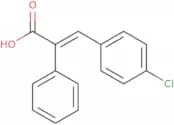
CAS:<p>4-Chloro-(alpha-phenyl)-cinnamic acid is a fine chemical that is useful as a building block for research chemicals, reagents and speciality chemicals. It is also a versatile intermediate for the synthesis of complex compounds and a useful scaffold for the synthesis of high quality products. This compound can be used in reactions such as Friedel-Crafts acylation, nitration, amination, esterification and cyclization.</p>Formula:C15H11ClO2Purity:Min. 95%Color and Shape:PowderMolecular weight:258.7 g/mol4-Bromo-2-methylbenzoic acid ethyl ester
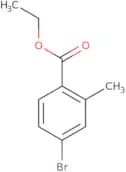
CAS:<p>4-Bromo-2-methylbenzoic acid ethyl ester is a high quality and versatile building block. It is a useful intermediate in the synthesis of organic compounds, and can be used as a reaction component in the synthesis of complex compounds. 4-Bromo-2-methylbenzoic acid ethyl ester is also a useful scaffold for the construction of new chemical entities. It has been shown to react with potassium tert-butoxide to produce 4-(2,6-dimethylphenyl)piperidine (CAS No. 220389-34-4).</p>Formula:C10H11BrO2Purity:Min. 95%Color and Shape:Clear LiquidMolecular weight:243.1 g/mol2-Bromo-N,N-diethylacetamide
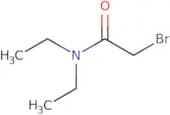
CAS:<p>2-Bromo-N,N-diethylacetamide is a chemical compound that is used as an amide. It has been shown to have anti-inflammatory properties and can be used for the treatment of inflammatory lesions. This drug also has been shown to inhibit the production of 3-bromopropylamine hydrobromide in laboratory animals. 2-Bromo-N,N-diethylacetamide binds to cellular proteins such as mt2 receptors and can be used for the treatment of nervous system diseases such as depression. The titration calorimetry shows that 2-Bromo-N,N-diethylacetamide is a good candidate for use in biomolecular applications due to its low toxicity and high thermal stability.</p>Formula:C6H12BrNOPurity:Min. 95%Color and Shape:LiquidMolecular weight:194.07 g/molEtoperidone hydrochloride
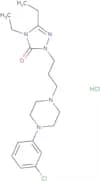
CAS:<p>Etoperidone hydrochloride is a drug that is an antagonist of the dopamine D2 receptor. It is used to treat Parkinson's disease and psychosis. Etoperidone hydrochloride binds to the dopamine D2 receptor and blocks its function, which may be due to its ability to inhibit locomotor activity in mice. This drug also inhibits population growth by preventing antibody production, which is essential for fighting infectious diseases. Etoperidone hydrochloride has been shown to be effective in clinical trials against symptoms of Parkinson's disease and psychosis, as well as experimental models of schizophrenia.</p>Formula:C19H29Cl2N5OPurity:Min. 95%Color and Shape:White PowderMolecular weight:414.37 g/mol3-Hydroxy-2-iodo-6-methylpyridine
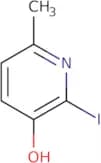
CAS:<p>3-Hydroxy-2-iodo-6-methylpyridine is a catalyst that is used to produce the heterocycle pyridone. It can be used as a precursor for new pharmaceuticals and agrochemicals. 3-Hydroxy-2-iodo-6-methylpyridine has been shown to catalyze the reaction of aromatic amines with ketones or sulfonyl chlorides, leading to the formation of pyridones. These reactions are also catalyzed by other compounds such as 2,4,5,6,-tetramethylpiperidinium hexafluorophosphate (TEMPO).</p>Formula:C6H6INOPurity:Min. 95%Color and Shape:PowderMolecular weight:235.02 g/mol1,3-Di-Boc-2-(trifluoromethylsulfonyl)guanidine
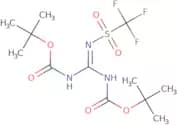
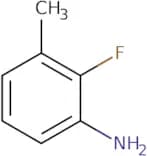
CAS:<p>1,3-Di-Boc-2-(trifluoromethylsulfonyl)guanidine is a growth factor that has been shown to bind to histone proteins and human pathogens. It has physiological effects on prostate cancer cells and fatty acid metabolism. 1,3-Di-Boc-2-(trifluoromethylsulfonyl)guanidine is also antibacterial agent that has potent activity against bacterial cell walls. This drug inhibits the enzyme Clavatadine, leading to the inhibition of protein synthesis in bacteria. The spacing of nitrogen atoms in this molecule is responsible for its potent inhibition of kinase activity. 1,3-Di-Boc-2-(trifluoromethylsulfonyl)guanidine is localized in the cellular cytoplasm and nucleus.</p>Formula:C12H20F3N3O6SPurity:Min. 95%Color and Shape:White PowderMolecular weight:391.37 g/mol2-Fluoro-3-methylaniline
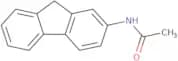
CAS:<p>2-Fluoro-3-methylaniline is a reactive, biomolecular, research chemical that belongs to the class of allosteric modulators. It has been shown to have muscarinic M1 receptor antagonist activity and can be used as a pharmacophore for the development of cholinergic drugs. 2-Fluoro-3-methylaniline also has carbonylation and formylation properties. It forms 1-bromo-2-iodobenzene through reductive amination with benzyne. This reaction is both intramolecular and allosteric, thus making it a useful tool for studying these types of reactions.</p>Formula:C7H8FNPurity:Min. 95%Color and Shape:Clear LiquidMolecular weight:125.14 g/mol2-Acetamidofluorene
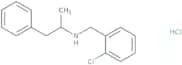
CAS:Controlled Product<p>2-Acetamidofluorene is a polycyclic aromatic hydrocarbon that is found in coal tar and cigarette smoke. It has been shown to bind to the dna of both prokaryotic and eukaryotic cells, with high binding activity for the cell nuclei of hepatocytes. 2-Acetamidofluorene also binds to the polypeptide components of DNA, leading to oxidative damage in the cell's protein synthesis machinery. This chemical has been shown to induce liver toxicity in animal studies as well as genotoxic effects in human cells.</p>Formula:C15H13NOPurity:(%) Min. 85%Color and Shape:PowderMolecular weight:223.27 g/molN-(2-Chlorobenzyl)-1-phenylpropan-2-amine hydrochloride
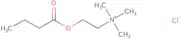
CAS:Controlled Product<p>N-(2-Chlorobenzyl)-1-phenylpropan-2-amine hydrochloride (CBP) is a potent stimulant drug that is used to treat chronic pain. It has been shown to be effective in the treatment of alopecia areata and inflammatory diseases, such as Crohn's disease, ulcerative colitis, and rheumatoid arthritis. CBP blocks protein synthesis by inhibiting the activity of the enzyme dinucleotide phosphate (DNP). This inhibition leads to the accumulation of adenosine monophosphate (AMP), which inhibits cyclic AMP production and protein synthesis. CBP also prevents the binding of DNP to RNA polymerase II at promoter sites, leading to a decrease in mRNA production. As a result, CBP may inhibit protein synthesis by preventing transcription or translation.</p>Formula:C16H18ClN•HClPurity:Min. 95%Color and Shape:PowderMolecular weight:296.24 g/molButyrylcholine chloride
CAS:<p>Butyrylcholine chloride is a choline esterase inhibitor that binds to acetylcholine receptors, preventing the release of acetylcholine. This prevents the transmission of nerve impulses, which leads to an inhibition of brain functions. Butyrylcholine chloride has been shown to have inhibitory properties against signal peptide and target enzymes such as esterases and phospholipases. Butyrylcholine chloride also has a fluorescent probe that can be used for biological samples, such as enzyme activity in rat brain tissue. It is also used as pharmacological agents for treatment of Alzheimer's disease, myasthenia gravis, and other diseases involving cholinergic dysfunction.</p>Formula:C9H20ClNO2Purity:Min. 95%Color and Shape:Off-White PowderMolecular weight:209.71 g/mol5-Carboxyfluorescein-N-hydroxysuccinimide ester
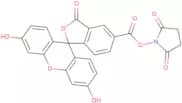
CAS:<p>5-Carboxyfluorescein(5-FAM) is a self-quenching dye and one of the most common labelling agents for biomolecules, cell staining and localisation studies. The fluorescence is pH dependent, therefore it has been used to measure the internal pH of cells. As it is only membrane permeable to dead cells, it can be used as a staining agent to distinguish viable and non-viable cells. It is also used in PCR to label the 5â end of oligonucleotides in the presence of a quencher at the 3â end (dual labelled probe). During the amplification process, the dye is cleaved and the fluorescence increases proportionally with the amount of the specific sequence amplified during the PCR process. The development of the fluorescence signal is therefore specifically related to the amplification of the target sequence. The carboxylic acid can be activated to react with a primary amine.</p>Formula:C25H15NO9Purity:Min. 95 Area-%Color and Shape:White PowderMolecular weight:473.39 g/mol(S)-(+)-3-Fluoropyrrolidine HCl
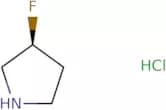
CAS:<p>(S)-(+)-3-Fluoropyrrolidine HCl is a dipeptidyl peptidase inhibitor that has been shown to inhibit the activity of dipeptidyl peptidase IV (DPP-IV). It is orally active and has a pharmacokinetic profile that includes a rapid absorption, good bioavailability, and short elimination half-life. The drug also has high selectivity for DPP-IV inhibition over other enzymes, such as aminopeptidase P. (S)-(+)-3-Fluoropyrrolidine HCl analogues have been developed, including those with substitutions on the central carbon atom or on the nitro group. These analogues are more potent than their parent compound and show increased selectivity for DPP-IV inhibition.</p>Formula:C4H9ClFNPurity:Min. 95%Molecular weight:125.57 g/mol4-Bromo-2-fluoroaniline hydrochloride
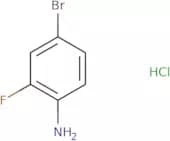
CAS:4-Bromo-2-fluoroaniline hydrochloride is a versatile building block that can be used as a reactant, reagent, or service scaffold. It has been widely used in the synthesis of complex compounds and fine chemicals. The CAS number for 4-Bromo-2-fluoroaniline hydrochloride is 1174029-29-8.Formula:C6H5BrFN•HClPurity:Min. 95%Color and Shape:PowderMolecular weight:226.47 g/mol4-Bromo-2-fluorobenzoic acid
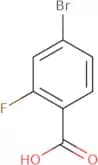
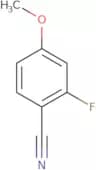
CAS:<p>4-Bromo-2-fluorobenzoic acid is an organic solvent that is used in the introduction of 2-aminoisobutyric acid. The reaction solution is typically heated and contains a small amount of either chloride, sulfoxide, or both. Various analytical methods can be used to determine the yield of the acylation reaction. 4-Bromo-2-fluorobenzoic acid's ligand can be converted to an acid chloride with a Grignard reagent and then reacted with carboxylate to form an ester. This ester reacts with amines to form amides, which are used as pharmaceuticals and intermediates for various other reactions. 4-Bromo-2-fluorobenzoic acid inhibits bacterial growth by binding to glutamine synthetase, thereby inhibiting protein synthesis.</p>Formula:C7H4BrFO2Purity:Min. 95%Color and Shape:PowderMolecular weight:219.01 g/mol2-Fluoro-4-methoxybenzonitrile
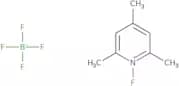
CAS:<p>2-Fluoro-4-methoxybenzonitrile is a tetracyclic molecule with two electron deficient rings. It has intramolecular coupling, yielding four stereoisomers that show different biological activities. 2-Fluoro-4-methoxybenzonitrile is an electron deficient compound that can be synthesized by reacting dioxane with amines. It also reacts with alcohols to form ethers. This heteroaromatic compound has electron withdrawing groups that make it less stable than other heteroaromatic compounds and more reactive. 2-Fluoro-4-methoxybenzonitrile can be used in the Buchwald reaction to produce aryl chlorides from alkyl halides and aryl bromides.</p>Purity:Min. 95%1-Fluoro-2,4,6-trimethylpyridinium tetrafluoroborate
CAS:<p>1-Fluoro-2,4,6-trimethylpyridinium tetrafluoroborate is a reactive compound that is used in the synthesis of organic compounds. It can be used as a precursor to introduce fluorine into organic molecules. This reagent may also be used in reductive eliminations and dehydrogenative coupling reactions. 1-Fluoro-2,4,6-trimethylpyridinium tetrafluoroborate is thermodynamically stable and can be stored at room temperature for long periods of time.</p>Formula:C8H11BF5NPurity:Min. 98 Area-%Color and Shape:PowderMolecular weight:226.98 g/mol4,5-dichloro-1-prop-2-ynylimidazole
CAS:<p>Please enquire for more information about 4,5-dichloro-1-prop-2-ynylimidazole including the price, delivery time and more detailed product information at the technical inquiry form on this page</p>Purity:Min. 95%3,5-Dihydroxybenzamidine hydrochloride
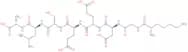
CAS:<p>3,5-Dihydroxybenzamidine hydrochloride is a fine chemical that is used as a building block in the synthesis of complex compounds. It is also used as a reagent and speciality chemical in research. 3,5-Dihydroxybenzamidine hydrochloride has been reported to be useful for the preparation of versatile building blocks and reaction components.</p>Formula:C7H8N2O2•HClPurity:Min. 95%Molecular weight:188.61 g/molDelicious peptide (bovine) trifluoroacetate
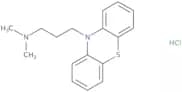
CAS:<p>Delicious peptide (bovine) trifluoroacetate is a polymerase chain reaction probe that is complementary to the 3' end of the human insulin gene. When used in a polymerase chain reaction, it amplifies the DNA sequences at the 3' end of the gene. The product of this amplification has been shown to inhibit genetic disorders such as metabolic disorders, iron homeostasis, and leukemia. This agent also inhibits acidic fibroblast proliferation and pluripotent cells. This drug has been shown to have a molecular docking analysis with pharmacological agents and may be helpful in treatments for various diseases.</p>Formula:C34H57N9O16•(C2HF3O2)xPurity:Min. 95 Area-%Color and Shape:PowderMolecular weight:847.87 g/molPromazine hydrochloride
CAS:Controlled Product<p>Promazine hydrochloride is an amphiphilic phenothiazine drug that blocks postsynaptic dopaminergic receptors (D1, D2 and D4) in the mesolimbic and medullary chemoreceptor trigger zone (antipsychotic effects, decreasing stimulation of the vomiting centre). Promazine is an antagonist at serotonin 5HT receptors, exhibits anticholinergic activity by blocking alpha-1 adrenergic receptors and blocks histamine H1 and muscarinic receptors. Promazine is used for adults in the treatment of psychomotor agitation, to prevent and treat nausea and vomiting, to treat allergy symptoms. Promazine hydrochloride is also used in veterinary medicine especially in horses as a pre-anaesthetic agent. Promazine is showed to be among drugs that can be used as starting points for designing SARS-CoV proteinase inhibitors.</p>Formula:C17H20N2S•HClPurity:Min. 95%Color and Shape:White PowderMolecular weight:320.88 g/mol3-Fluoro-2-nitrobenzoic acid ethyl ester
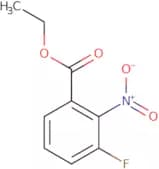
CAS:<p>3-Fluoro-2-nitrobenzoic acid ethyl ester is a fine chemical that is useful as a versatile building block in the synthesis of complex compounds. It can be used as an intermediate in the preparation of research chemicals and has been shown to react with amines to form nitrosoamines, which are useful reaction components. 3-Fluoro-2-nitrobenzoic acid ethyl ester has CAS number 163077-89-2 and is available at high quality.</p>Formula:C9H8FNO4Purity:Min. 95%Color and Shape:PowderMolecular weight:213.16 g/molMethyl trioctyl ammonium chloride
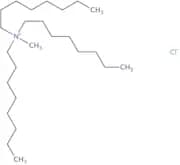
CAS:<p>Methyl trioctyl ammonium chloride is a quaternary ammonium compound that is used as a surfactant in a variety of applications. It has been shown to have an adsorption isotherm with a Langmuir type of behavior and it can be used as an optical sensor for water vapor. Methyl trioctyl ammonium chloride has covalent links with other molecules, such as chloride ions. The chemical composition of the nanoparticles of this chemical are determined by surface methodology, such as plasma mass spectrometry or electrochemical impedance spectroscopy. Methyl trioctyl ammonium chloride has been shown to reduce nitrite ion and sodium citrate in wastewater treatment systems. This agent also exhibits physiological effects on animals and humans, including toxic effects on the central nervous system, liver toxicity, and reproductive toxicity.</p>Formula:C25H54N·ClPurity:(%) Min. 95%Color and Shape:Slightly Yellow Clear LiquidMolecular weight:404.16 g/mol4-Fluorophenylboronic acid
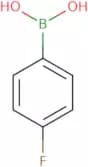
CAS:<p>4-Fluorophenylboronic acid is a boron compound that has been used in molecular modeling and functional assays. It has been shown to be a strong ligand for palladium complexes and can be used to synthesize metal complexes. 4-Fluorophenylboronic acid has also been shown to bind to the CB2 receptor with high affinity and selectivity, making it a potential drug for the treatment of pain. This compound can be synthesized by many different methods, but one of the most common is the synthesis from phenylacetic acid and boron trifluoride gas. The other methods include direct reaction with phenylboronic acid, or by heating anhydrous copper chloride in anhydrous hydrochloric acid with boric acid at high temperatures. Magnetic resonance spectroscopy (MRS) has also been used to study its properties. Canagliflozin is an example of a drug that contains this chemical group as</p>Formula:C6H6BFO2Purity:Min. 95%Color and Shape:White PowderMolecular weight:139.92 g/mol1-Phenylcyclohexanamine hydrochloride
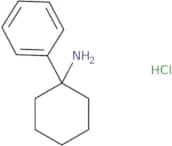
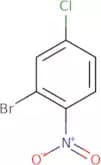
CAS:Controlled Product<p>1-Phenylcyclohexanamine hydrochloride is a secondary amine that binds to the nicotinic acetylcholine receptor. It has been shown to inhibit the activity of rat liver microsomes and dopamine, with a primary amino group. The analogs of 1-phenylcyclohexanamine hydrochloride are active and have been shown to inhibit acetylcholinesterase in rat brain tissue. This inhibition leads to an increase in the neurotransmitter acetylcholine, which causes an excitatory effect on the central nervous system. 1-Phenylcyclohexanamine hydrochloride is also used as a molecular model for studying glutamate receptors because of its similar structure.</p>Formula:C12H18ClNPurity:Min. 95%Molecular weight:211.73 g/mol2-Bromo-4-chloro-1-nitrobenzene
CAS:<p>2-Bromo-4-Chloro-1-Nitro-Benzene is a paraoxon compound that is used to produce chemical weapons. It has been shown to be able to neutralize nerve agent in the body and is undergoing clinical trials as an antidote for nerve agents. 2-Bromo-4-Chloro-1-Nitro-Benzene is produced by trituration from the corresponding bromide or chloride in the presence of nitric acid and hydrochloric acid and can be purified by recrystallization from water. The microreactor process was used to prepare this substance because it gave good yields, was easy to implement, and was cost effective. 2BCNB has also been shown to be a potent transport inhibitor of clozapine with configurable nature, portability, and detoxification properties.</p>Formula:C6H3BrClNO2Purity:Min. 95%Color and Shape:PowderMolecular weight:236.45 g/molButyrylcholine perchlorate
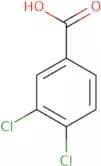
CAS:<p>Butyrylcholine perchlorate is an acetylcholine esterase inhibitor that is used as a fluorescent probe for the detection of choline esters. It specifically reacts with acetylcholine and other cholinergic compounds, such as butyrylcholine, p-nitrophenyl phosphate, and chlorogenic acids. The fluorescence intensity can be measured in order to determine the concentration of these compounds in a biological sample. Butyrylcholine perchlorate has been shown to inhibit the synthesis of phosphatidylinositol 4-phosphate (PIP) by inhibiting the enzyme responsible for this reaction, phosphatidylinositol 4-kinase (PI4K). This inhibition leads to decreased brain function.</p>Formula:C9H20NO2·ClO4Purity:Min. 95%Color and Shape:PowderMolecular weight:273.71 g/mol3,4-Dichlorobenzoic acid
CAS:<p>3,4-Dichlorobenzoic acid (3,4-DCBA) is a compound with the molecular formula C6H2Cl2O2. It is a white solid that has been shown to inhibit the growth of bacteria in tissue culture. 3,4-Dichlorobenzoic acid can be used as a biocide in wastewater treatment because it has a high solubility and low toxicity, and it inhibits the growth of bacteria by binding to hydrogen bonding interactions. 3,4-Dichlorobenzoic acid also inhibits the synthesis of 1-hydroxy-2-naphthoic acid, which is an intermediate in bacterial dioxygenases.</p>Formula:C7H4Cl2O2Purity:Min. 98 Area-%Color and Shape:PowderMolecular weight:191.01 g/mol2-Bromo-2-methylpropionic acid
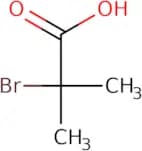
CAS:<p>2-Bromo-2-methylpropionic acid is a chemical compound that is used to stabilize nanoparticles. It also has covalent interactions with the surface of the nanoparticles, which helps to stabilize them and prevent aggregation. 2-Bromo-2-methylpropionic acid can be modified with polymers or other molecules that can help to stabilize the particles. This stabilizer is also able to create magnetic nanoparticles by using a strategy called "magnetic stabilization". In this method, the stabilizer can react with the metal ions in solution and form a stable complex, which will then coat the particles of interest. The stabilizer can also be used to circumvent mesoporous materials, such as silica gel, by coating them with a polymer layer.</p>Formula:C4H7BrO2Purity:Min. 95%Color and Shape:White Clear LiquidMolecular weight:167 g/mol4,5-Dichloroimidazole
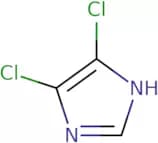
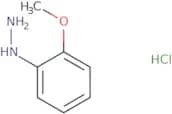
CAS:<p>4,5-Dichloroimidazole is a chelate ligand with hydrogen bonds. It is an aromatic compound that is used in the synthesis of other aromatic compounds and heterocyclic compounds. 4,5-Dichloroimidazole has been shown to have high cytotoxicity against cancer cells and has been explored as a potential anticancer drug. It also has high affinity for metal ions, such as zinc and nickel. This property makes it useful in gas sensors for detecting hydrogen sulfide, ammonia, and carbon dioxide gases. The dipole moment of 4,5-Dichloroimidazole gives it the ability to react with hydroxide ions and benzoate (a chemical used in antiseptics) to form corresponding esters. The reaction mechanism can be explained by molecular modeling studies.</p>Formula:C3H2Cl2N2Purity:Min. 95%Molecular weight:136.97 g/mol2-Methoxyphenylhydrazine hydrochloride
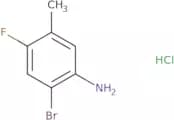
CAS:<p>2-Methoxyphenylhydrazine hydrochloride is a chemical that is used as a research scaffold, building block, or intermediate. It can be used in the synthesis of complex compounds with high quality and purity. This product is soluble in water and alcohols. 2-Methoxyphenylhydrazine hydrochloride has CAS No. 6971-45-5 and a molecular weight of 183.2 g/mol.</p>Formula:C7H10N2O·HClPurity:Min. 95%Color and Shape:PowderMolecular weight:174.63 g/mol2-Bromo-4-fluoro-5-methylaniline hydrochloride
CAS:<p>2-Bromo-4-fluoro-5-methylaniline hydrochloride is a versatile building block that can be used in the synthesis of complex compounds. It has two bromine atoms, two chlorine atoms, and one fluorine atom and is classified as a research chemical. This compound is used as a reagent in organic chemistry and as a speciality chemical. 2-Bromo-4-fluoro-5-methylaniline hydrochloride is also an intermediate for the synthesis of other chemicals and has been shown to be useful for the synthesis of new scaffolds.</p>Formula:C7H7BrFN·HClPurity:Min. 95%Color and Shape:PowderMolecular weight:240.5 g/mol3H-Spiro[Isobenzofuran-1,4'-piperidine] hydrochloride
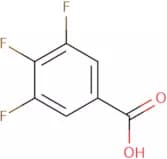
CAS:<p>3H-Spiro[Isobenzofuran-1,4'-piperidine] hydrochloride is a high quality reagent that is used as a complex compound for the synthesis of various fine chemicals. It has been shown to be an excellent building block for drug discovery and development. 3H-Spiro[Isobenzofuran-1,4'-piperidine] hydrochloride is available in bulk quantities and can be shipped worldwide. This chemical is also used as a reaction component in the synthesis of various speciality chemicals. 3H-Spiro[Isobenzofuran-1,4'-piperidine] hydrochloride is versatile and can be used in reactions with different functional groups.</p>Formula:C12H15NO·HClPurity:Min. 95%Color and Shape:PowderMolecular weight:225.71 g/mol3,4,5-Trifluorobenzoic acid
CAS:<p>3,4,5-Trifluorobenzoic acid is a carboxylic acid that is used in animal health. It can be synthesized by the reaction of hydrogen chloride and fluorine. The UV absorption spectrum of 3,4,5-trifluorobenzoic acid is characterized by a tetranuclear structure with maxima at 230 nm and 295 nm. The molecule has a carboxylate group. 3,4,5-Trifluorobenzoic acid absorbs light with wavelengths between 190 to 260 nm. This compound has been reported to have an analytical method based on LC-MS/MS for the determination of its concentration in samples prepared from the hydrolysis of benzoates with nitrous acid. This analytical method uses intermolecular hydrogen bonding as well as amines for sample preparation.</p>Formula:C7H3F3O2Purity:Min. 95%Color and Shape:PowderMolecular weight:176.09 g/mol3-[(4-Chlorophenyl)amino]-5,5-dimethylcyclohex-2-en-1-one
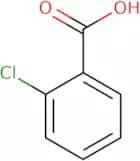
CAS:<p>The compound is a chiral molecule, meaning that it has two different structures. One side of the molecule is the mirror image of the other. The translation and conformation of this molecule are asymmetric because the carbon atoms in its chain are not lined up in a straight line. The hydrogen bonds that form between these chains are also asymmetric, as one side of the molecule has more than one hydrogen bond while the other side only has one hydrogen bond.</p>Formula:C14H16ClNOPurity:Min. 95%Molecular weight:249.74 g/mol2-Chlorobenzoic acid
CAS:<p>Please enquire for more information about 2-Chlorobenzoic acid including the price, delivery time and more detailed product information at the technical inquiry form on this page</p>Formula:C7H5ClO2Purity:Min. 95%Color and Shape:White PowderMolecular weight:156.57 g/mol2,4,5-Trifluoroaniline
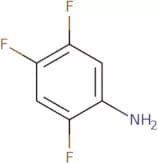
CAS:2,4,5-Trifluoroaniline (TFAA) is a synthetic chemical that belongs to the class of electrophiles. It is a hydrogenation reduction product of 2,4,5-trichloroaniline and is used as an antibacterial agent. TFAA inhibits bacterial growth by reacting with thiols in proteins and nucleic acids. This compound has shown efficiencies on the order of 99% against gram positive bacteria and 95% against gram negative bacteria. TFAA also has been shown to inhibit the production of hydrogen sulfide in Escherichia coli and Pseudomonas aeruginosa. The biological properties of TFAA are due to its ability to bind to copper ions and undergo reductive elimination or substitution reactions. The crystal structure of TFAA has been determined using x-ray diffraction techniques. In this work, it was found that TFAA adopts a planar geometry with D2d symmetry at room temperature and meltsFormula:C6H4F3NPurity:Min. 95%Color and Shape:PowderMolecular weight:147.10 g/molL-Methionine methyl ester hydrochloride
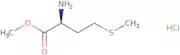
CAS:<p>L-Methionine methyl ester hydrochloride is an amide that has been used in the treatment of bowel diseases. It has been shown to have a polymerase chain reaction (PCR) diagnostic application for the detection of DNA duplexes and intramolecular hydrogen bonds. L-Methionine methyl ester hydrochloride inhibits the activity of enzymes such as protein kinase, phosphodiesterase, and proteases. L-Methionine methyl ester hydrochloride also has receptor activities and can be used as a diagnostic agent for malignant brain tumors or congestive heart failure. It is also able to block radiation and positron emission tomography (PET) scanning.</p>Formula:C6H13NO2S·HClPurity:Min. 98 Area-%Color and Shape:PowderMolecular weight:199.7 g/molEthyl 2,4-dichloroacetoacetate
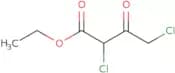
CAS:<p>Ethyl 2,4-dichloroacetoacetate is a reaction component that is used as a reagent in organic synthesis. It has been shown to be a useful scaffold for the preparation of complex compounds and fine chemicals. It can also be used as a useful intermediate or building block for the synthesis of other molecules.</p>Formula:C6H8Cl2O3Purity:Min. 95%Color and Shape:Colorless Clear LiquidMolecular weight:199.03 g/mol1,1,2-Tribromo-2-Fluoroethane
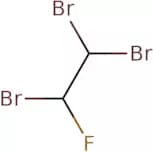
CAS:Controlled Product<p>1,1,2-Tribromo-2-fluoroethane (TBE) is a chiral compound that reacts with p-toluenesulfonic acid to give two products. One product is the 1,1,2,3-tetra bromo-4-(p-tolyloxy)benzene, which has a chiral center at the 4 position. The other product is 2-(p-tolyloxy)-1,1,2,3-tetrafluorobenzene. These products can be used to synthesize sitafloxacin or malonate. The amino group in TBE can be hydrolyzed to form an amine and bromine.</p>Formula:C2H2Br3FPurity:Min. 95%Molecular weight:284.75 g/mol1,1-Dibromo-2,2-Difluoroethane
CAS:Controlled Product<p>1,1-Dibromo-2,2-difluoroethane is a chemical compound that is used as an inert gas. It has a boiling point of -37 degrees Celsius and can be seen in the infrared spectrum. The equilibrium constant for this substance is 7.4 x 10^10 and the quadratic vibrational constants are 0.0092 cm^-1.</p>Formula:C2H2Br2F2Purity:Min. 95%Molecular weight:223.84 g/mol7-Methyl-2-(trifluoromethyl)[1,2,4]triazolo[1,5-a]pyrimidine-6-carboxylic acid
CAS:<p>7-Methyl-2-(trifluoromethyl)[1,2,4]triazolo[1,5-a]pyrimidine-6-carboxylic acid is a versatile building block that is useful in the synthesis of complex compounds. It is also a reagent for research and as a speciality chemical. It has been used in the synthesis of many important drugs such as methotrexate and trimethoprim. 7-Methyl-2-(trifluoromethyl)[1,2,4]triazolo[1,5-a]pyrimidine-6-carboxylic acid can also be used as an intermediate for the synthesis of other compounds and scaffolds.</p>Formula:C8H5F3N4O2Purity:Min. 95%Color and Shape:PowderMolecular weight:246.15 g/mol[5-(4-Amino-2-bromophenyl)-2-furyl]methanol
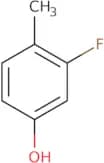
CAS:<p>5-(4-Amino-2-bromophenyl)-2-furyl]methanol (5ABF) is a fine chemical that has been shown to be an effective building block. The compound is used as a reagent in organic synthesis and can be used as a reaction component. 5ABF is also an intermediate, which can be converted into useful building blocks. 5ABF has been shown to have versatile uses in research chemicals and speciality chemicals. This chemical's CAS number is 874592-18-4. 5ABF has a high quality and is a versatile scaffold.</p>Formula:C11H10BrNO2Purity:Min. 95%Color and Shape:Slightly Yellow PowderMolecular weight:268.11 g/mol3-Fluoro-4-methylphenol
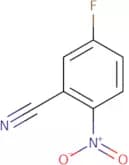
CAS:<p>3-Fluoro-4-methylphenol is a regiospecific, nature, activating, radiopharmaceutical, which is used in the synthesis of asymmetric formylation reagents. It can be synthesized from nitrobenzene and formaldehyde in the presence of sodium hydroxide. 3-Fluoro-4-methylphenol can be converted to 3-fluoroacetophenone by hydrogenation with palladium on charcoal. This compound has an electron withdrawing group and a nucleophilic group that are activated by a dihedral angle of 30° or less. The nitro group has the ability to accept electrons from other compounds or compounds such as ammonia or amines.</p>Formula:C7H7FOPurity:Min. 95%Color and Shape:PowderMolecular weight:126.13 g/mol5-Fluoro-2-nitrobenzonitrile
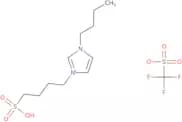
CAS:<p>5-Fluoro-2-nitrobenzonitrile is a synthetic compound that has been shown to inhibit the growth of tumor cells. It binds to nucleic acids and causes DNA damage, which leads to cell death. 5-Fluoro-2-nitrobenzonitrile inhibits the synthesis of proteins in cancer cells and also induces their apoptosis. The molecular modeling data indicates that this molecule has a hydrophobic pocket that can be used for targeting tumour cells. X-ray crystallography studies have confirmed that 5-fluoro-2-nitrobenzonitrile binds selectively to the minor groove of dna, suggesting its inhibitory potency against tumour cells.</p>Formula:C7H3FN2O2Purity:Min. 95%Color and Shape:Off-White PowderMolecular weight:166.11 g/mol1-Butyl-3-(4-sulfobutyl)-1h-imidazol-3-ium tifluoromethanesulfonate
CAS:<p>1-Butyl-3-(4-sulfobutyl)-1H-imidazolium tifluoromethanesulfonate is a solvating agent that can be used in sensors, research, and robotics. It has the potential to be a functional group for polymers, which could be customized for specific purposes. 1-Butyl-3-(4-sulfobutyl)-1H-imidazolium tifluoromethanesulfonate can also function as an eutectic solvent and provide a new way to study nanowires and nanomaterials. This solvating agent is mainly used in polymerized organic materials, such as polyurethane coatings.</p>Formula:C12H21F3N2O6S2Purity:Min. 95%Color and Shape:PowderMolecular weight:410.43 g/mol3’-Azido-3’-deoxy-5-fluorouridine
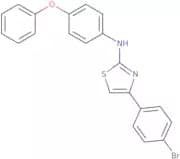
CAS:<p>Please enquire for more information about 3’-Azido-3’-deoxy-5-fluorouridine including the price, delivery time and more detailed product information at the technical inquiry form on this page</p>Purity:Min. 95%(4-(4-bromophenyl)(2,5-thiazolyl))(4-phenoxyphenyl)amine
CAS:<p>Please enquire for more information about (4-(4-bromophenyl)(2,5-thiazolyl))(4-phenoxyphenyl)amine including the price, delivery time and more detailed product information at the technical inquiry form on this page</p>Purity:Min. 95%19,19-Difluoroandrost-4-Ene-3,17-Dione
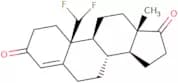
CAS:Controlled Product<p>19,19-Difluoroandrost-4-Ene-3,17-Dione is a functional group that is incorporated into the biosynthesis of sex hormones and steroids. It has been postulated to be an efficient method for synthesizing 19,19-difluoroandrost-4-ene from 19,19-difluorodienoic acid. The inhibition constant of this functional group has been determined to be 4.8 x 10 M at 37 degrees Celsius and pH 7.0 in the presence of benzoate and hydroxyl groups. 19,19-Difluoroandrost-4-Ene-3,17-Dione can also inhibit enzymes such as esterase and glutathione reductase. Its nmr spectra are consistent with a dione ring structure.</p>Formula:C19H24F2O2Purity:Min. 95%Molecular weight:322.39 g/molm-Phenoxybenzyl 3-(2,2-dichlorovinyl)-2,2-dimethylcyclopropanecarboxylate
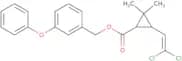
CAS:<p>m-Phenoxybenzyl 3-(2,2-dichlorovinyl)-2,2-dimethylcyclopropanecarboxylate is a chemical pesticide that is used to control pests. It inhibits the enzyme activity of the polymerase chain reaction and prevents production of DNA. m-Phenoxybenzyl 3-(2,2-dichlorovinyl)-2,2-dimethylcyclopropanecarboxylate has been shown to be effective against infectious diseases such as malaria and herpes. This product also acts as a substrate for Pgp and glycol ethers. The phase transition temperature of this product is at -11 °C. Treatment with sodium citrate or anhydrous sodium can also be used to produce m-phenoxybenzyl 3-(2,2-dichlorovinyl)- 2,2-dimethylcyclopropanecarboxylate.</p>Formula:C21H20Cl2O3Purity:Min. 95%Molecular weight:391.29 g/mol2-(2,3-Dichlorophenyl)-2-guanidinyliminoacetonitrile
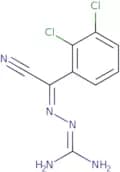
CAS:2-(2,3-Dichlorophenyl)-2-guanidinyliminoacetonitrile (2,3-DCPP) is a high quality reagent that is used in the preparation of complex compounds. It is also an intermediate in the synthesis of fine chemicals and useful scaffold and building block for research chemical. 2,3-DCPP has been shown to react with a variety of functional groups including amines, alcohols, thiols, carboxylic acids, organometallic reagents and many others. It is also a versatile building block for the synthesis of chemical substances such as pharmaceuticals, agrochemicals or dyes.Formula:C9H7Cl2N5Purity:Min. 95%Color and Shape:White PowderMolecular weight:256.09 g/molAspidosine hydrobromide
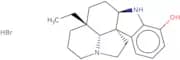
CAS:Controlled Product<p>Aspidosine hydrobromide is a fine chemical that is used as an intermediate for synthesis of other compounds. The CAS number for this compound is 206196-96-5. This compound can be used as a building block to synthesize more complex compounds, and it has been shown to be useful in the preparation of research chemicals and reaction components. Aspidosine hydrobromide has been shown to have high quality, making it a sought after reagent and speciality chemical. This compound has a versatile scaffold, which makes it useful as a building block in the synthesis of other compounds.</p>Formula:C19H26N2O•BrHPurity:Min. 95%Molecular weight:379.33 g/mol(+/-)-6-Chloro-7,8-dihydroxy-3-allyl-1-phenyl-2,3,4,5-tetrahydro-1H-3-benzazepine HBr
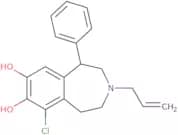
CAS:<p>(+/-)-6-Chloro-7,8-dihydroxy-3-allyl-1-phenyl-2,3,4,5-tetrahydro-1H-3-benzazepine HBr is a model system for Parkinson's disease that has been shown to have similar effects on locomotor activity as the dopamine antagonist haloperidol. The drug enhances dopaminergic and cholinergic transmission in the brain by binding to kappa opioid receptors. This leads to an increased release of dopamine and acetylcholine that can be blocked by drugs such as naloxone and atropine respectively. (+/-)-6-Chloro-7,8-dihydroxy 3-(allyl)-1-(phenyl) 2,3,4,5 tetrahydro 1H 3 benzazepine HBr has been shown to decrease camp levels in the caudate putamen region of rats</p>Formula:C19H20ClNO2·HBrPurity:Min. 95%Color and Shape:PowderMolecular weight:410.73 g/mol2,3,5,6-Tetrafluoro-4-hydrazinopyridine
CAS:<p>2,3,5,6-Tetrafluoro-4-hydrazinopyridine is a hydroxide ion analog of pentafluoropyridine. It has been shown to undergo a coupling reaction to yield the corresponding organometallic compound with methoxide in dimethylformamide. The yields for this reaction are high and range from 76% to 98%. This technique has been shown to be applicable for the synthesis of other organometallic compounds.</p>Formula:C5H3F4N3Purity:Min. 95%Color and Shape:PowderMolecular weight:181.09 g/molCaesium trifluoroacetate
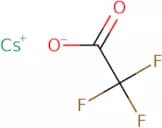
CAS:<p>Caesium trifluoroacetate is a polymerase chain reaction (PCR) reagent that is used to detect and quantify the presence of DNA or RNA. It can be used for the detection of DNA in water vapor, for the estimation of the number of bacteria in wastewater treatment, or to measure the amount of active drug in plasma samples. Caesium trifluoroacetate is a salt that consists of one molecule each of caesium trifluoroacetate and sodium trifluoroacetate. The ester hydrochloride form has an antiinflammatory effect, which may be due to its ability to inhibit prostaglandin synthesis.</p>Formula:C2CsF3O2Purity:ReportedMolecular weight:245.92 g/mol1,3,5-Tribromoadamantane
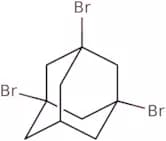
CAS:<p>1,3,5-Tribromoadamantane is a molecule that contains a bromine atom. It has been shown to react with solvents and deforms. The kinetics of the reaction have been studied using dipole measurements. This compound reacts with lithium metal in an acidic environment and undergoes ring-opening reactions with halogens and aluminium. 1,3,5-Tribromoadamantane can be used as a substrate molecule for chromatography experiments. The stereogenic center of this molecule is thermodynamically unstable due to its electron withdrawing properties.</p>Formula:C10H13Br3Purity:Min. 95%Color and Shape:PowderMolecular weight:372.92 g/molL-Aspartic acid b-methyl ester hydrochloride
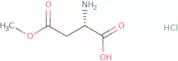
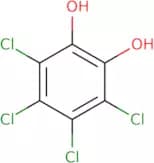
CAS:<p>L-Aspartic acid b-methyl ester hydrochloride is a high quality, versatile building block that can be used as a reaction component in the synthesis of complex compounds. L-Aspartic acid b-methyl ester hydrochloride is a useful scaffold for the preparation of novel fine chemicals and research chemicals with potential uses as pharmaceuticals, pesticides, and agricultural chemicals. It can also be used as an intermediate in the preparation of some natural products or industrial chemicals. L-Aspartic acid b-methyl ester hydrochloride has a CAS number of 16856-13-6.</p>Formula:C5H9NO4·HClColor and Shape:White PowderMolecular weight:183.59 g/molTetrachlorocatechol
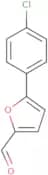
CAS:Tetrachlorocatechol is a chlorinated cyclohexanol that has been shown to have an inhibitory effect on the enzyme acyl-coenzyme A:cholesterol acyltransferase. Tetrachlorocatechol inhibits the activity of this enzyme, which is involved in the synthesis of cholesterol and bile acids. This inhibition leads to a decrease in cell growth and proliferation. Tetrachlorocatechol has also been shown to have genotoxic properties, as it reacts with DNA to form stable complexes and induces mutations in cultured cells. Tetrachlorocatechol is not toxic for mice, as it is rapidly metabolized, but can be toxic for humans at high doses.Formula:C6H2Cl4O2Purity:Min. 95%Color and Shape:PowderMolecular weight:247.89 g/mol5-(4-Chlorophenyl)-2-furaldehyde
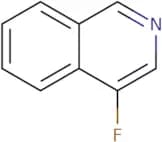
CAS:<p>5-(4-Chlorophenyl)-2-furaldehyde (5-CPFA) is an antitubercular drug that inhibits the growth of tuberculosis bacteria by disrupting the synthesis of DNA. It is a functional theory that 5-CPFA inhibits the bacterial enzyme, chalcone hydroxylase, which is involved in the conversion of chalcones to flavones. This inhibition prevents the formation of reactive oxygen species and leads to cell death. The mechanism of action for 5-CPFA has been shown to be due to its ability to form covalent bonds with metal ions such as copper, zinc, and iron. When exposed to ultraviolet radiation, this compound reacts with these metal ions and causes bond cleavage in DNA strands. The resulting damage in DNA strands leads to cell death within hours.</p>Formula:C11H7ClO2Purity:Min. 95%Color and Shape:PowderMolecular weight:206.62 g/mol4-Fluoroisoquinoline
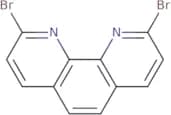
CAS:<p>4-Fluoroisoquinoline is a synthetic compound that can be produced by the reduction of an acetonitrile-chlorinated isoquinoline compound. It is also possible to produce 4-fluoroisoquinoline by the reaction of chlorinating agents with an aldehyde, followed by the addition of phosphorus oxychloride and fluorine. The reductive sulfonation of 4-fluoroisoquinoline can be achieved by reacting it with sulfur trioxide, which is in turn generated from phosphorous oxychloride and sulfur dioxide. This process produces the desired product in good yields.</p>Formula:C9H6FNPurity:Min. 95%Color and Shape:Brown PowderMolecular weight:147.15 g/mol2,9-Dibromo-1,10-phenanthroline
CAS:<p>2,9-Dibromo-1,10-phenanthroline is a molecule that has been shown to be an effective sensitizer for the photochemical conversion of chlorine dioxide to ozone. It has been used as a model compound in molecular orbital calculations and has been shown to enhance the yield of ozone by up to 3%. The emission spectrum of 2,9-dibromo-1,10-phenanthroline displays a peak at 362 nm, which lies in the ultraviolet region. The molecule is orthorhombic and crystallizes in space group P2/c with cell dimensions a = 17.8 Å and c = 18.7 Å.</p>Formula:C12H6Br2N2Purity:Min. 95%Color and Shape:White PowderMolecular weight:338 g/mol3-Fluoro-DL-tyrosine
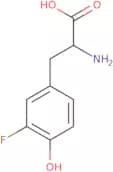
CAS:<p>3-Fluoro-DL-tyrosine is a model system for the study of tyrosine transfer reactions. It is used to study the reaction mechanism and kinetics of tyrosine transfer from a donor molecule to an acceptor molecule. 3-Fluoro-DL-tyrosine reacts with trifluoroacetic acid to form 3,4-dihydroxybenzoic acid, which is a chemical analog of tyrosine. The hydroxyl group on this molecule can react with the proton on the amino acid side chain, forming a covalent bond that does not break down under normal conditions. This reaction is reversible and has been shown to be catalyzed by polymerase chain reactions (PCR).</p>Formula:C9H10FNO3Purity:Min. 95%Color and Shape:PowderMolecular weight:199.18 g/molIpratropium bromide monohydrate
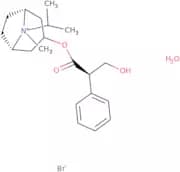
CAS:<p>Muscarinic antagonist</p>Formula:C20H32BrNO4Purity:Min. 95%Color and Shape:White/Off-White SolidMolecular weight:430.38 g/mol3’-β-Amino-2’,3’-dideoxy-5-fluorouridine
CAS:Please enquire for more information about 3’-beta-Amino-2’,3’-dideoxy-5-fluorouridine including the price, delivery time and more detailed product information at the technical inquiry form on this pagePurity:Min. 95%2-Bromo-4-(Trifluoromethyl)Acetanilide
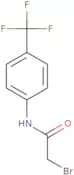
CAS:<p>2-Bromo-4-(trifluoromethyl)acetanilide is a fluorine-containing compound that is used in the preparation of membrane transporters. It interacts with the active conformation of these proteins, thereby inhibiting their function in transporting molecules across the membrane. The conformational analysis of this molecule has been shown to be incomplete due to its interaction with other molecules, which may lead to an impaired biological activity.<br>2-Bromo-4-(trifluoromethyl)acetanilide has been shown to inhibit the biosynthesis of certain compounds, such as neurotransmitters and antibiotics, by targeting enzymes involved in their synthesis. The chemical analysis of this molecule shows it can be detected by NMR spectroscopy and mass spectroscopy.</p>Formula:C9H7BrF3NOPurity:Min. 95%Color and Shape:PowderMolecular weight:282.06 g/molCreatinine zinc chloride
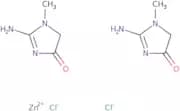
CAS:<p>Creatinine zinc chloride is a fine chemical that is useful as a scaffold for the synthesis of complex compounds. Creatinine zinc chloride has been used as an intermediate in the synthesis of research chemicals and as a reaction component in the production of speciality chemicals. It has also been used as a building block for the synthesis of high-quality reagents.</p>Formula:(C4H7N3O)2•ZnCl2Purity:Min. 95%Color and Shape:PowderMolecular weight:362.52 g/mol2-Bromobenzonitrile
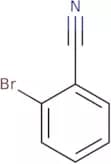
CAS:<p>2-Bromobenzonitrile is an organic compound with a molecular formula of C6H5BrN. It is a precursor to the quinazolinones, a class of drugs used to treat autoimmune diseases and coronary heart disease. This substrate molecule undergoes a palladium-catalyzed coupling reaction to form an aromatic ring. The light emission from this reaction can be seen in the reaction solution. Anhydrous sodium reacts with 2-bromobenzonitrile to produce nitrobenzene and hydrogen gas, which are then reacted with hydrochloric acid to produce salt and water vapor. The nitrogen atoms in 2-bromobenzonitrile are also used as reactants in reactions with halides such as bromine or chlorine, producing alkyl bromides or chlorides as products. In addition, 2-bromobenzonitrile can be used for the Suzuki coupling reaction.</p>Formula:C7H4BrNPurity:Min. 95%Color and Shape:PowderMolecular weight:182.02 g/mol2-(4-Ethoxyphenylamino)-4-(3-methyl-4-fluorophenyl)thiazole
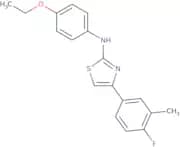
CAS:<p>Please enquire for more information about 2-(4-Ethoxyphenylamino)-4-(3-methyl-4-fluorophenyl)thiazole including the price, delivery time and more detailed product information at the technical inquiry form on this page</p>Purity:Min. 95%L-Aspartic acid dimethyl ester hydrochloride
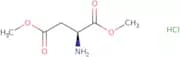
CAS:L-Aspartic acid dimethyl ester hydrochloride (DAA) is an inhibitor of serine proteases, which are enzymes that break down other proteins. DAA inhibits the activity of these enzymes by forming a covalent bond with the serine residue in the active site of the enzyme. This inhibition prevents the breakdown of proteins and leads to inflammation in target tissues. L-Aspartic acid dimethyl ester hydrochloride is used to treat inflammatory bowel disease by inhibiting cathepsin B, a protease that is associated with this condition.Formula:C6H11NO4·HClPurity:Min. 98 Area-%Color and Shape:White Off-White PowderMolecular weight:197.62 g/molo-Toluidine hydrochloride
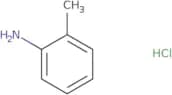
CAS:<p>o-Toluidine hydrochloride is a surfactant with a chemical structure of C6H5CH(NH2)CH2Cl. It is used in the manufacture of food hydrocolloids and in wastewater treatment. This product has genotoxic effects, which may be due to its ability to react with DNA and form p-hydroxybenzoic acid. o-Toluidine hydrochloride has been shown to have pharmacokinetic properties that are similar to those of other surfactants. The mechanism of genotoxicity is not known, but it may be due to the presence of nitrogen atoms on the molecule or the reaction with DNA.</p>Formula:C7H9N•HClPurity:Min. 95%Color and Shape:PowderMolecular weight:143.61 g/molOctenidine dihydrochloride
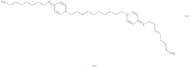
CAS:<p>Octenidine dihydrochloride is an antimicrobial agent that inhibits the growth of bacteria by interfering with their cell membrane. Octenidine dihydrochloride has been shown to be effective against a number of gram-negative bacteria, such as Pseudomonas aeruginosa, Escherichia coli, Klebsiella pneumoniae and Enterobacter cloacae. It has synergistic effects when combined with eugenol and is used in dental hygiene products. Octenidine dihydrochloride also has some antimicrobial activity against gram-positive bacteria, such as Lactobacillus acidophilus and Streptococcus mutans. It can be used in agrochemical preparations for controlling growth of pathogenic fungi on plants.</p>Formula:C36H62N4·2HClColor and Shape:PowderMolecular weight:623.83 g/mol1-(4-Methoxyphenyl)piperazine hydrochloride
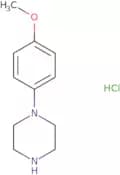
CAS:Controlled Product<p>1-(4-Methoxyphenyl)piperazine hydrochloride is a high-potency inhibitor of the K+ channels. It has been shown to inhibit the activity of these channels in lead compound screening and optimization. The modification of potassium channels by 1-(4-Methoxyphenyl)piperazine hydrochloride has been evaluated using a patch clamp technique on rat erythrocytes. This inhibitory activity was found to be concentration dependent and voltage sensitive. 1-(4-Methoxyphenyl)piperazine hydrochloride was also shown to have pharmacological effects, such as analgesia, sedation and muscle relaxation.</p>Formula:C11H16N2O•HClPurity:Min. 95%Molecular weight:228.72 g/mol4-Fluorophenoxyacetic acid hydrazide
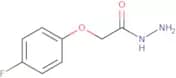
CAS:<p>4-Fluorophenoxyacetic acid hydrazide (4FPAAH) is a palladium complex with anti-cancer activity. It induces apoptosis, or programmed cell death, in myelogenous leukemia cells and breast cancer cells. 4FPAAH has been shown to bind to the ATP binding site of the catalytic domain of topoisomerase II on DNA and inhibit its activity. The molecular modeling studies show that 4FPAAH binds in the same way as cisplatin, which is a platinum-based drug commonly used for cancer treatment. The structural analysis shows that 4FPAAH binds to the nitrogen atoms of the protein and eliminates the possibility of any hydrogen bonding interactions. This mechanism may be due to an electrostatic interaction between the positively charged nitrogen atom in 4FPAAH and negative charge on topoisomerase II's active site.</p>Formula:C8H9FN2O2Purity:Min. 95%Color and Shape:PowderMolecular weight:184.17 g/mol4-Chloro-2-methylbenzaldehyde
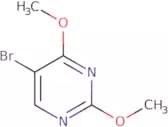
CAS:4-Chloro-2-methylbenzaldehyde is a nucleophilic and electrophilic compound that has a carbonyl group. The vivo model of 4-Chloro-2-methylbenzaldehyde suggests that the methyl groups on the molecule are important for its anti-cancer activities. This compound also has anti-inflammatory properties, which may be due to its ability to inhibit prostaglandin synthesis. It is used in anti-cancer agents as well as in other applications such as catalysis and synthetic chemistry. 4-Chloro-2-methylbenzaldehyde is synthesized by first reacting benzaldehyde with sodium nitrite, followed by chlorination with phosphorus pentachloride and sodium hydroxide. The mechanistic details of this reaction have not been elucidated yet, but it is believed that the selectivity of this reaction may be due to the presence of aldehydes in the reactants. Further optimization of this reaction would involve changing theFormula:C8H7ClOPurity:Min. 95%Color and Shape:Clear LiquidMolecular weight:154.59 g/mol5-Bromo-2,4-dimethoxypyrimidine
CAS:5-Bromo-2,4-dimethoxypyrimidine is a compound that functions as a potent inhibitor of L-glutamic acid amidohydrolase. This enzyme is essential for the synthesis of gamma-amino butyric acid (GABA) and glutamine, which are neurotransmitters in the central nervous system. 5-Bromo-2,4-dimethoxypyrimidine inhibits the formylation of l-glutamic acid to glutamate by inhibiting the enzyme L-glutamate formate lyase. It also inhibits herpes simplex virus type 1 (HSV1) replication by preventing viral DNA polymerization. 5-Bromo-2,4-dimethoxypyrimidine has been shown to be an effective inhibitor of chloride ion transport in some bacteria. The compound also shows photochromism when exposed to ultraviolet light or visible light under certain conditions. 5BROMO 2, 4 -DIMFormula:C6H7BrN2O2Purity:Min. 95%Color and Shape:PowderMolecular weight:219.04 g/mol3-Chloroiminodibenzyl
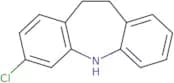
CAS:<p>3-Chloroiminodibenzyl is a synthetic chemical that has electron-donating properties. It is used as a building block for the synthesis of other chemicals, including pharmaceuticals and pesticides. 3-Chloroiminodibenzyl is insoluble in water and can form hydrogen chloride when exposed to hydrochloric acid. The compound reacts with metal ions to form an unpaired electron, which may be responsible for its reactivity. This chemical has been shown to produce reactive aliphatic hydrocarbons when treated with hydroxide solution, which are useful in industrial chemical processes.</p>Formula:C14H12ClNPurity:Min. 95 Area-%Color and Shape:Off-White PowderMolecular weight:229.7 g/mol4,4'-Dichloroazoxybenzene
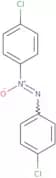
CAS:<p>4,4'-Dichloroazoxybenzene (4,4'-DAB) is a hydroxylase inhibitor that is used in the study of plant metabolism. It is a potent inducer of enzymes and has been shown to be a potent inducer of hydroxylases in plants. 4,4'-DAB inhibits the activity of nitrosoarenes by competing for the same enzyme binding site as chloride ions. The reaction mechanism for this process is not well understood but it appears that anilines are involved. The optimum pH for 4,4'-DAB is 7-8 and it is active against gram negative bacteria such as typhimurium with little effect on gram positive bacteria like Escherichia coli or Staphylococcus aureus. This compound also has efficient methods of conjugation with functional groups or metals such as magnesium salts.</p>Formula:C12H8Cl2N2OPurity:Min. 95%Color and Shape:PowderMolecular weight:267.11 g/molPyridoxal hydrochloride
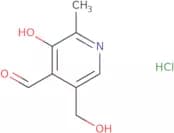
CAS:<p>Pyridoxal hydrochloride is a vitamin B6 metabolite. It is involved in many biochemical reactions, including trans-sulfuration, amino acid synthesis, and neurotransmitter synthesis. Pyridoxal hydrochloride has been shown to have antimicrobial activity against some bacteria species by inhibiting their enzyme activities. This compound also inhibits the growth of various fungi. The redox potentials of pyridoxal hydrochloride can be determined by titration calorimetry, which can be used to study its structural properties. In vitro experiments with cells have shown that pyridoxal hydrochloride may increase the efficiency of protein production when used during cell transfection. Toxicity studies have shown that pyridoxal hydrochloride is not toxic to humans at doses up to 2000 mg/kg body weight per day for up to 14 days.</p>Formula:C8H9NO3·HClPurity:Min. 98 Area-%Color and Shape:White PowderMolecular weight:203.62 g/mol2,3-Dibromo-1,4-diphenylbutane
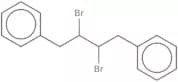
CAS:<p>2,3-Dibromo-1,4-diphenylbutane (2,3-DBPB) is a high quality reagent that can be used as an intermediate for the synthesis of complex compounds. It is a useful building block and scaffold in organic chemistry. 2,3-DBPB is also used in fine chemicals and research chemicals synthesis. The CAS number is 93342-77-9.</p>Formula:C16H16Br2Purity:Min. 95%Molecular weight:368.11 g/mol2-Chloro-5-hydroxybenzoic acid ethyl ester
CAS:<p>2-Chloro-5-hydroxybenzoic acid ethyl ester is synthesized by the substitution of anthranilic acid with an aryl ring. The substituents on the aryl ring are chloro and hydroxy, which are attached to carbon atoms. 2-Chloro-5-hydroxybenzoic acid ethyl ester can be metabolized into a number of different metabolites. For example, it can be converted into acid metabolites that have substituents on the benzene ring such as nitro or nitroso groups. These metabolites are then excreted in urine or bile.</p>Formula:C9H9ClO3Purity:Min. 95%Color and Shape:Off-White To Yellow To Brown SolidMolecular weight:200.62 g/mol4-Bromo-2-(trifluoromethyl)phenol
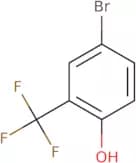
CAS:<p>4-Bromo-2-(trifluoromethyl)phenol is a compound that belongs to the family of dialdehydes. It has been used in organic chemistry as an assembly reagent, a monomer in polymer synthesis, and as a building block for oligomers and duplexes. 4-Bromo-2-(trifluoromethyl)phenol is stable under basic conditions and can be used in the presence of chloroform. This compound functions as an intermediate for the synthesis of other functionalized molecules such as phosphine oxide, oxide, and diamines.</p>Formula:C7H4BrF3OPurity:Min. 95%Color and Shape:PowderMolecular weight:241.01 g/molRifapentineHydrochloride
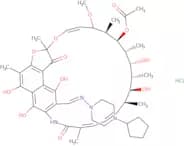
CAS:<p>Rifapentine is an anti-tuberculosis drug that belongs to the class of rifamycins. It is the most active of the rifamycins for the treatment of tuberculosis. Rifapentine inhibits bacterial growth by binding to DNA-dependent RNA polymerase, thereby preventing transcription and replication. The high frequency of human activity has been shown using a patch-clamp technique on human erythrocytes. This active form is metabolized through a number of metabolic transformations, including hydrolysis by esterases or glucuronidases, oxidation by cytochrome P450 enzymes, reduction by glutathione reductase, or conjugation with glucuronic acid. Rifapentine also specifically binds to markers expressed at high levels in Mycobacterium tuberculosis strains (e.g., ESX-1 secretion system protein) and inhibits cell growth in culture.</p>Formula:C47H65ClN4O12Purity:Min. 95%Molecular weight:913.49 g/mol1-Bromo-2-iodo-4-(trifluoromethyl)benzene
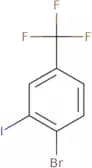
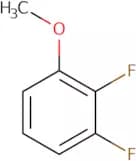
CAS:1-Bromo-2-iodo-4-(trifluoromethyl)benzene is a versatile building block that can be used as a reaction component to produce a variety of useful compounds. It is also a useful intermediate in the synthesis of organic fine chemicals. This compound is a high quality reagent that can be used in the production of research chemicals and speciality chemical products.Formula:C7H3BrF3IPurity:Min. 95%Color and Shape:Light (Or Pale) Yellow LiquidMolecular weight:350.9 g/mol2,3-Difluoroanisole
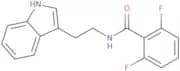
CAS:2,3-Difluoroanisole is a synthetic organic compound that is used in the preparation of other organic compounds. It is prepared by the amination reaction of chloroacetic acid and 2,3-difluoroethanol. The anticancer activity of 2,3-difluoroanisole has been studied extensively. This compound inhibits the growth of cancer cells by inhibiting DNA synthesis and protein synthesis. The inhibitory effects are due to the chlorine atom on the molecule, which can react with hydrogen atoms on amino groups on enzymes, thereby preventing these enzymes from functioning properly. 2,3-Difluoroanisole also has inhibitory properties against olefinic reactions such as formylation or chemists reactions at high temperatures.Formula:C7H6F2OPurity:Min. 95%Molecular weight:144.12 g/mol(2,6-difluorophenyl)-N-(2-indol-3-ylethyl)formamide
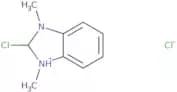
CAS:<p>Please enquire for more information about (2,6-difluorophenyl)-N-(2-indol-3-ylethyl)formamide including the price, delivery time and more detailed product information at the technical inquiry form on this page</p>Purity:Min. 95%2-Chloro-1,3-dimethyl-1H-benzimidazol-3-ium chloride
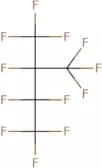
CAS:<p>2-Chloro-1,3-dimethyl-1H-benzimidazol-3-ium chloride is a chemoenzymatic that has a role in the process of ovary development. It is an endogenous substance that can be analysed by lectin immunoassay and antibody binding. 2-Chloro-1,3-dimethyl-1H-benzimidazol-3-ium chloride is a ligand for the lectin domain of the cell membrane and it can be used as a strategy for transfection. This chemical binds to receptors on the cell membrane and stimulates signalling pathways within cells. The biochemical activity of 2CMDMBICL can be analyzed using biochemical techniques such as immunoprecipitation or enzyme assays.</p>Formula:C9H10Cl2N2Purity:(¹H-Nmr) Min. 90 Area-%Color and Shape:White PowderMolecular weight:217.09 g/molPerfluoro-2-Methylbutane
CAS:Controlled Product<p>Perfluoro-2-methylbutane is a pharmaceutical dosage form of a perfluorinated liquid. It is used in clinical practice for the treatment of chronic obstructive pulmonary disease (COPD), asthma, or other respiratory disorders. This drug is also used as an inhalation agent in the treatment of adults with acute bronchitis, emphysema, or other airway obstruction. Perfluoro-2-methylbutane has shown resistance to bacteria that are resistant to natural and synthetic polymers. The diameter of Perfluoro-2-methylbutane particles is between 2 and 10 micrometers and it has a viscosity of about 5 centipoise. It has been shown that the reaction time for this drug can be reduced by adding hexamer, which acts as a surfactant for the gas phase. The active substances in Perfluoro-2-methylbutane are unsaturated ketones such as 3-pentanone, 3-hex</p>Formula:C5F12Purity:Min. 95%Molecular weight:288.03 g/mol5-Bromo-2-methoxytoluene
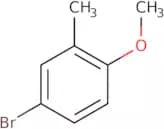
CAS:<p>5-Bromo-2-methoxytoluene is a bromoarene that reacts to form aziridines and phosphotungstic acid. It is used in the synthesis of polyaromatic compounds with steric interactions. 5-Bromo-2-methoxytoluene is also a functional group that can be used as an allosteric modulator. This compound also has stereoisomers that are chiral, meaning they have different structures despite being mirror images of each other. The carbonyl group on the 5-bromo compound is polar, which means it has a charge. The hydrogen bonds between this compound and other molecules are nonpolar, which means they do not have a charge and are more likely to form in a nonpolar solvent.</p>Formula:C8H9BrOPurity:Min. 95%Color and Shape:PowderMolecular weight:201.06 g/mol7-Fluoro-5-Phenyl-1,3-Dihydro-1,4-Benzodiazepin-2-One
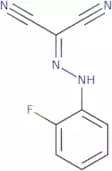
CAS:Controlled Product<p>7-Fluoro-5-phenyl-1,3-dihydro-1,4-benzodiazepin-2-one is a potential drug candidate that has been found to have high affinity for the benzodiazepine receptor. It was synthesized by reacting 7-fluoro-5-(chloromethyl)benzo[b]thiophene with 2,5-dimethoxybenzaldehyde in the presence of sodium hydroxide and acetic acid. The compound was characterized using techniques such as nuclear magnetic resonance (NMR), mass spectrometry (MS) and infrared spectroscopy (IR). The affinity of 7FDBZ was measured at 4 nM. The parameters used for predicting binding affinity were hydrophobicity and hydrogen bond acceptor properties. A predictive model was generated based on these parameters that shows good agreement with experimental data. The probe is hydrophobic in nature and may bind to the receptor due to</p>Formula:C15H11FN2OPurity:Min. 95%Molecular weight:254.26 g/mol(aza((2-fluorophenyl)amino)methylene)methane-1,1-dicarbonitrile
CAS:<p>Please enquire for more information about (aza((2-fluorophenyl)amino)methylene)methane-1,1-dicarbonitrile including the price, delivery time and more detailed product information at the technical inquiry form on this page</p>Formula:C9H5FN4Purity:Min. 95%Color and Shape:PowderMolecular weight:188.16 g/mol2-fluoro-5-methoxybenzaldehyde
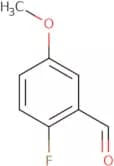
CAS:<p>2-fluoro-5-methoxybenzaldehyde is an asymmetric synthesis that has been shown to inhibit the growth of cancer cells by inhibiting a protein called MT2. 2-Fluoro-5-methoxybenzaldehyde is a nucleophilic compound and reacts with the electrophilic carbon in the enolate to form a sulfoxide, which can be hydrolyzed by acid. This reaction inhibits cancer cell growth as it prevents cellular metabolism and amino acid biosynthesis.</p>Formula:C8H7FO2Purity:Min. 95%Molecular weight:154.14 g/mol2-Chloro-4-hydroxybenzoic acid methyl ester
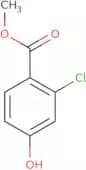
CAS:<p>2-Chloro-4-hydroxybenzoic acid methyl ester is a white crystalline solid at room temperature. It is soluble in water and ethanol and has a melting point of 137°C. 2-Chloro-4-hydroxybenzoic acid methyl ester can be used as a versatile building block for the synthesis of fine chemicals, useful intermediates, research chemicals, reaction components, specialty chemicals, and complex compounds. It can also be used as a reagent to prepare other compounds.</p>Formula:C8H7ClO3Purity:Min. 95%Color and Shape:PowderMolecular weight:186.59 g/mol2,4,6-Tribromo-3-cresol
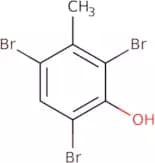
CAS:<p>2,4,6-Tribromo-3-cresol is a functional group that is used as an anti-fungal agent. This compound has been shown to be active against many fungi and bacteria, including Candida albicans and Escherichia coli. The particle size of 2,4,6-tribromo-3-cresol is 0.1 microns in diameter and it has a boiling point of 240 degrees Celsius. This product is also used in the production of sealants for dental restorations and as an additive to pharmaceuticals. 2,4,6-Tribromo-3-cresol can also be used as a delta opioid receptor agonist for the treatment of cancer or autoimmune diseases such as lupus erythematosus.</p>Formula:C7H5Br3OPurity:Min. 95%Color and Shape:PowderMolecular weight:344.83 g/mol2-(R)-[1-(R)-(3,5-Bis(trifluoromethyl)phenyl)ethoxy]-3-(S)-fluorophenylmorpholine
CAS:<p>2-(R)-[1-(R)-(3,5-Bis(trifluoromethyl)phenyl)ethoxy]-3-(S)-fluorophenylmorpholine is a fine chemical with high quality. It has been used as a versatile building block in organic synthesis. 2-(R)-[1-(R)-(3,5-Bis(trifluoromethyl)phenyl)ethoxy]-3-(S)-fluorophenylmorpholine is a useful scaffold and can be used as a reaction component in the synthesis of other compounds. This compound is also an intermediate for the preparation of more complex compounds. CAS No. 171338-27-5</p>Formula:C20H18F7NO2Purity:Min. 95%Color and Shape:Yellow PowderMolecular weight:437.35 g/molBromazine hydrochloride
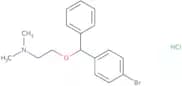
CAS:Controlled Product<p>Bromazine hydrochloride is an anti-infective agent that belongs to the group of metal hydroxides. It is a biocompatible polymer with particle size (1.0–2.0 μm) that is used in the treatment of infectious diseases, such as malaria and tuberculosis. Bromazine hydrochloride inhibits the activity of Toll-like receptor (TLR) and has shown significant interactions with other anti-infective agents, such as sodium citrate and tricyclic antidepressant drugs. The mechanism of action for bromazine hydrochloride is not fully understood, but it may be due to its hydroxyl group and receptor activity.</p>Formula:C17H21BrClNOPurity:Min. 95%Color and Shape:PowderMolecular weight:370.71 g/mol1,1,1,2,2,3,3,4,4-Nonafluoro-7-Iodoheptane
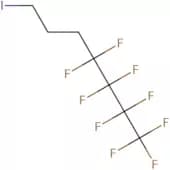
CAS:<p>1,1,1,2,2,3,3,4,4-Nonafluoro-7-Iodoheptane is a colorless crystalline compound with an industrial use as a dihydroxylation agent. It is synthesised by the addition of iodine to 1,1,2-trichloroethane and reacts with alkenes to give substituted octasubstituted hydrocarbons. The compound has shown nucleophilic properties and is used in the synthesis of pharmaceuticals. 1,1,1,2,2,3,3,4 4-Nonafluoro-7-iodoheptane is also a good transport agent for electronic properties and can spontaneously transport from one phase to another under certain conditions. This chemical has been shown to be stable at high temperatures and low pressure making it useful for surfactant applications.</p>Formula:C7H6F9IPurity:Min. 95%Color and Shape:Colorless PowderMolecular weight:388.01 g/mol1H,1H,2H,2H-Nonafluorohexyl iodide
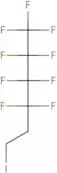
CAS:<p>Nonafluorohexyl iodide (NF3) is a fluorinated ionic liquid that exhibits strong surfactant properties. It has been used as a solvent for the analysis of anions, such as CO32-, NO3-, SO42-, and ClO4-. NF3 has also been used as a calibration gas in GC-MS, where it is typically used to desorb analytes from the column. The volatility of NF3 makes it easy to transfer between containers and to recover the analyte after desorption. The compound is detectable by GC-MS and can be analyzed using mass spectrometry. One application is the detection of 1-methylimidazole in urine samples.</p>Formula:C6H4F9IPurity:Min. 95%Color and Shape:Clear LiquidMolecular weight:373.99 g/mol2,4-Difluoro-3-methylbenzaldehyde
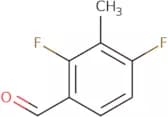
CAS:<p>2,4-Difluoro-3-methylbenzaldehyde is a chemical compound that is used as a building block for the synthesis of other chemicals. It can be used as a research chemical or intermediate due to its versatility. 2,4-Difluoro-3-methylbenzaldehyde has a CAS number of 847502-88-9 and is classified as a speciality chemical with high quality. This compound may be useful in the synthesis of polymers and pharmaceuticals due to its ability to form covalent bonds with other molecules.</p>Formula:C8H6F2OPurity:Min. 95%Color and Shape:Clear LiquidMolecular weight:156.13 g/mol3-Amino-4-chlorobenzamide
CAS:<p>3-Amino-4-chlorobenzamide is an organic compound that belongs to the class of aminobenzoic acids and is used as a coupling agent in organic synthesis. It reacts with aryl halides or halides to form 3-amino-4-chlorobenzonitrile, which can be converted into anilines by heating with ammonia and ammonium chloride. This reaction has been shown to be reversible with heat. 3-Amino-4-chlorobenzamide is also used as a water absorber in paper products, such as diapers and sanitary napkins.</p>Formula:C7H7ClN2OPurity:Min. 95%Color and Shape:PowderMolecular weight:170.6 g/molDidesethylflurazepam dihydrochloride
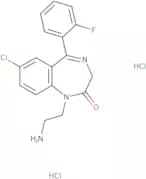
CAS:Controlled Product<p>Didesethylflurazepam dihydrochloride (DFZD) is a drug that belongs to the benzodiazepine class and has no significant therapeutic use. DFZD is an active metabolite of lorazepam, but its pharmacokinetics are not well understood. It is relatively stable in urine samples and may be used as a marker to determine the time of last intake for other drugs such as triazolam. DFZD may bind to receptors in the brain and interfere with the effects of GABA, which can lead to a number of side effects including depression, memory loss, and sleep disturbances. The traditional analytical method for DFZD is LC-MS/MS using an acidic mobile phase. A more recent analytical method using fluorescence detection is also available.<br>DFZD has been shown to have similar clinical properties to lorazepam, including sedation and relief from anxiety or insomnia.</p>Formula:C17H15ClFN3O•(HCl)2Purity:Min. 95%Molecular weight:404.69 g/mol2,5-Dibromobenzoic acid
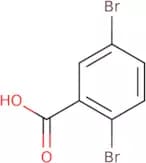
CAS:<p>2,5-Dibromobenzoic acid is an organic compound with the formula HO2CCHBrO2. It is a white solid that dissolves in water and organic solvents. This compound has been shown to inhibit PTP1B (protein tyrosine phosphatase 1B), which is a protein kinase involved in insulin signal transduction. Inhibition of PTP1B by 2,5-dibromobenzoic acid has been shown to lead to decreased cancer cell growth and increased apoptosis without affecting normal cells. This compound also inhibits histone methylation, which may be useful for cancer diagnosis or treatment. In addition, 2,5-dibromobenzoic acid can be used in the synthesis of polymers due to its ability to react with methacrylates or acrylates under free radical polymerization conditions.<br>2,5-Dibromobenzoic acid is a mon</p>Formula:C7H4Br2O2Purity:Min. 95%Color and Shape:PowderMolecular weight:279.91 g/mol




![3H-Spiro[Isobenzofuran-1,4'-piperidine] hydrochloride](/_next/image/?url=https%3A%2Fstatic.cymitquimica.com%2Fproducts%2F3D%2Fthumb-webp%2FFS53076.webp&w=3840&q=75)
![3-[(4-Chlorophenyl)amino]-5,5-dimethylcyclohex-2-en-1-one](/_next/image/?url=https%3A%2Fstatic.cymitquimica.com%2Fproducts%2F3D%2Fthumb-webp%2FFC123031.webp&w=3840&q=75)

![7-Methyl-2-(trifluoromethyl)[1,2,4]triazolo[1,5-a]pyrimidine-6-carboxylic acid](/_next/image/?url=https%3A%2Fstatic.cymitquimica.com%2Fproducts%2F3D%2Fthumb-webp%2FFM100430.webp&w=3840&q=75)
![[5-(4-Amino-2-bromophenyl)-2-furyl]methanol](/_next/image/?url=https%3A%2Fstatic.cymitquimica.com%2Fproducts%2F3D%2Fthumb-webp%2FFA134218.webp&w=3840&q=75)





![2-(R)-[1-(R)-(3,5-Bis(trifluoromethyl)phenyl)ethoxy]-3-(S)-fluorophenylmorpholine](/_next/image/?url=https%3A%2Fstatic.cymitquimica.com%2Fproducts%2F3D%2Fthumb-webp%2FFB18758.webp&w=3840&q=75)