Organic Halides
In this category, you can find organic molecules containing one or more halogen atoms in their structure. These organic halides include brominated, iodinated, chlorinated, and cyclic halide compounds. Organic halides are widely used in organic synthesis, pharmaceuticals, agrochemicals, and materials science due to their reactivity and ability to undergo a variety of chemical transformations. At CymitQuimica, we offer a comprehensive selection of high-quality organic halides to support your research and industrial applications, ensuring reliable and effective performance in your synthetic and analytical projects.
Subcategories of "Organic Halides"
Found 20440 products of "Organic Halides"
Sort by
Purity (%)
0
100
|
0
|
50
|
90
|
95
|
100
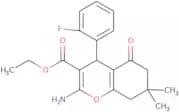
ethyl 2-amino-4-(2-fluorophenyl)-7,7-dimethyl-5-oxo-4,6,7,8-tetrahydro2H-chromene-3-carboxylate
CAS:Please enquire for more information about ethyl 2-amino-4-(2-fluorophenyl)-7,7-dimethyl-5-oxo-4,6,7,8-tetrahydro2H-chromene-3-carboxylate including the price, delivery time and more detailed product information at the technical inquiry form on this pagePurity:Min. 95%4-Chloro Kynurenine
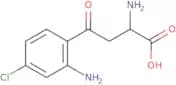
CAS:<p>4-Chloro Kynurenine is an aminotransferase activator that has been shown to produce antidepressant responses in animals. It is also a prodrug of rapamycin, which acts as an immunosuppressant and prevents the uptake of glutamate. 4-Chloro Kynurenine is used for the treatment of treatment-resistant depression. It inhibits glycogen synthase kinase-3 (GSK-3) and enhances the uptake of glutamate by organic anion transporters (OATs). This inhibition increases neurotrophic factors such as brain-derived neurotrophic factor (BDNF) and nerve growth factor (NGF). These findings suggest that 4-chloro kynurenine may be a novel drug for the treatment of depression.</p>Formula:C10H11ClN2O3Purity:Min. 95%Color and Shape:Off-White PowderMolecular weight:242.66 g/mol4-Chloroanthranilic acid
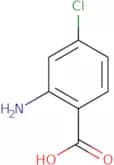
CAS:<p>4-Chloroanthranilic acid is an inorganic acid that has antimicrobial properties. It is a bound form of anthranilic acid, which is not water soluble and can be easily absorbed by the skin. 4-Chloroanthranilic acid is used as an antibiotic in topical preparations because it has been shown to have inhibitory effects on the growth of P. aeruginosa, epidermal growth factor, and nitrogen atoms. 4-Chloroanthranilic acid also has coordination complex with copper and inhibits the growth of bacteria by inhibiting the production of bacterial cell wall synthesis enzymes.</p>Formula:C7H6ClNO2Purity:Min. 95%Color and Shape:Off-White PowderMolecular weight:171.58 g/mol1-Chloro-1-fluoropropane
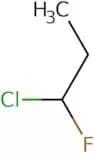
CAS:Controlled Product<p>1-Chloro-1-fluoropropane is a fluorinated hydrocarbon that can be used as a refrigerant. It has the chemical formula CHClF (Cl = chlorine, H = hydrogen). 1-Chloro-1-fluoropropane is produced by the chlorination of propylene. It can also be synthesized through the reaction of ethylene with hydrogen chloride and hydrochloric acid. This process is catalyzed by magnesium oxide. The product is then distilled to remove any water or other compounds that may have formed during synthesis. 1-Chloro-1-fluoropropane is used as an alternative to chlorofluorocarbons (CFCs) and hydrochlorofluorocarbons (HCFCs), which are ozone depleting substances. It has an evaporation energy efficiency of approximately 2,500 BTU/lb, compared to 4,000 BTU/lb for CFCs</p>Formula:C3H6ClFPurity:Min. 95%Molecular weight:96.53 g/mol2-(4-Chlorophenyl)-4,4-dimethyl-1-cyclohexene-1-carboxaldehyde
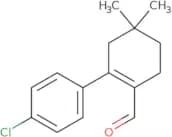
CAS:2-(4-Chlorophenyl)-4,4-dimethyl-1-cyclohexene-1-carboxaldehyde is a high quality reagent that can be used as a useful intermediate in the production of complex compounds. It is also a fine chemical with CAS No. 1228837-05-5 and is useful scaffold for the production of speciality chemicals. This compound has been identified as a useful building block with versatile uses in research and development, such as reaction components in organic synthesis.Formula:C15H17ClOPurity:Min. 95%Color and Shape:Clear LiquidMolecular weight:248.75 g/mol4'-Chloro-2'-hydroxyacetophenone
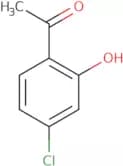
CAS:4'-Chloro-2'-hydroxyacetophenone is a hydrazone compound that has been shown to have an inhibitory effect on the growth of cancer cells. The crystal structure was determined using X-ray diffraction data and the parameters were refined using a program called WITWIG. Hydrazones are classified as orthorhombic with space group Pbcn. The compound has been shown to be magnetic and it is soluble in organic solvents. 4'-Chloro-2'-hydroxyacetophenone has a molecular weight of 206.079 g/mol, which indicates that it is an organic molecule. It also contains a hydroxyl group and two chlorine atoms, one of which is attached to the acetophenone nucleus. This molecule can coordinate with metal ions to form complexes, such as mononuclear complexes, or polynuclear complexes with more than one metal ion.Formula:C8H7ClO2Purity:Min. 95%Color and Shape:Clear LiquidMolecular weight:170.59 g/mol1,2-Bis(1,1,2,2-tetrafluoroethoxy)ethane
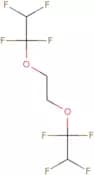
CAS:1,2-Bis(1,1,2,2-tetrafluoroethoxy)ethane is an electrolyte with a balanced composition of sulfur and fluorine. It is also a symmetric compound that can shuttle lithium ions between the two halves of the molecule. This process can be repeated many times without significant degradation. 1,2-Bis(1,1,2,2-tetrafluoroethoxy)ethane has been used as a negative electrode material in lithium ion batteries because it has high capacity and good cycling properties.Formula:C6H6F8O2Purity:Min. 99 Area-%Molecular weight:262.10 g/molPerfluoro(methyldecalin), mixture of isomers
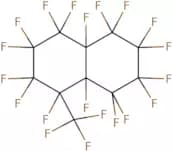
CAS:Controlled ProductPerfluoro(methyldecalin), mixture of isomers, is a perfluorinated liquid that has been used as a contrast agent in magnetic resonance imaging and computed tomography. This compound is lipophilic and is able to cross the blood-brain barrier. It can be used as a diagnostic agent for various reactions including transfer reactions, cell culture, and reaction solution. Perfluoro(methyldecalin) has a phase transition temperature at -34 °C, meaning it will become solid at this temperature. The oxygen transport properties of this molecule are polymeric matrix.Formula:C11F20Purity:Min. 79.5 Area-%Color and Shape:Clear LiquidMolecular weight:512.09 g/mol5-Chloro-1-indanone
CAS:<p>5-Chloro-1-indanone is an organic molecule with a reactive functional group that can react with other molecules. The most common reaction is the Friedel-Crafts reaction, which is used to make alkenes from aldehydes and aluminum chloride. 5-Chloro-1-indanone is also used in the acylation reaction, which involves the transfer of an acyl group to a molecule. This process has many applications, such as synthesis of pesticides and pharmaceuticals, and can be used to produce low energy chlorine gas. Panc-1 cells are often used in anticancer research because they are sensitive to carcinogens. 5-Chloro-1-indanone was shown to inhibit cell growth in these cells by reacting with hydrogen chloride (HCl) in water to form 5-(chloromethyl)-1H indene and hydrochloric acid (HCl).</p>Formula:C9H7ClOPurity:Min. 95%Color and Shape:PowderMolecular weight:166.6 g/mol3-Chloro-9-fluorenone
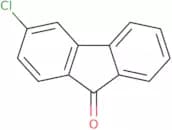
CAS:3-Chloro-9-fluorenone is a fine chemical that is useful as a scaffold, versatile building block, and useful intermediate in the synthesis of other compounds. 3-Chloro-9-fluorenone has been shown to be an excellent reagent for the conversion of nitriles into amides. It is also used as a research chemical and specialty chemical. 3-Chloro-9-fluorenone is a complex compound that contains both aromatic and heterocyclic rings. This high quality chemical has CAS No. 7254-06-0.Formula:C13H7ClOPurity:Min. 95%Molecular weight:214.65 g/mol3-Fluoro-5-nitrotoluene
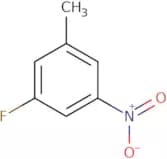
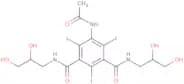
CAS:<p>3-Fluoro-5-nitrotoluene is a chemical compound that has a variety of applications as a research and development intermediate, as well as in the manufacture of pharmaceuticals, dyes, and explosives. It is commercially available in both liquid and solid form, and can be used in any number of chemical reactions to create other compounds. 3-Fluoro-5-nitrotoluene is a versatile building block that can be used to make other chemicals. It can also be used to make fine chemicals and complex compounds.</p>Formula:C7H6FNO2Purity:Min. 95%Color and Shape:PowderMolecular weight:155.13 g/mol5-(Acetylamino)-N,N'-bis(2,3-dihydroxypropyl)-2,4,6-triiodo-1,3-benzenedicarboxamide
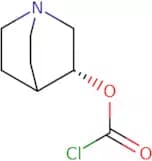
CAS:<p>5-(Acetylamino)-N,N'-bis(2,3-dihydroxypropyl)-2,4,6-triiodo-1,3-benzenedicarboxamide is a reactive iodinated contrast agent that is used in the diagnostic imaging of body cavities and blood vessels. It can be prepared by the acetylation of 5-(acetylamino)naphthalene-2,3-diol with 2,4,6-triiodobenzene dicarboxylic acid using an alkali metal as a base. The yields for this reaction are dependent on the type of solvent used. This chemical has two functional groups: an amide and an acetate group. It reacts with iohexol to form a radiocontrast product that contains both iodine and propanediol. This process is industrially carried out by mixing 5-(acetylamino)naphthalene-2,</p>Formula:C16H20I3N3O7Purity:Min. 95%Color and Shape:White PowderMolecular weight:747.06 g/molR-(-)-3-Quinuclidinyl chloroformate
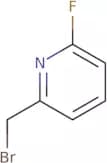
CAS:<p>R-(-)-3-Quinuclidinyl chloroformate is a chemical intermediate that is used as a reagent in organic synthesis. It reacts with amines to form quaternary ammonium salts, which are often used as reaction components in the production of pharmaceuticals. R-(-)-3-Quinuclidinyl chloroformate has been shown to be useful for the preparation of various heterocycles. This compound has been found to have several biological activities, including the ability to inhibit protein synthesis and induce apoptosis.</p>Formula:C8H12ClNO2Purity:Min. 95%Color and Shape:White PowderMolecular weight:189.64 g/mol2-(bromomethyl)-6-fluoropyridine
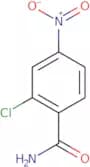
CAS:<p>2-(bromomethyl)-6-fluoropyridine is an intermediate for the synthesis of other chemical compounds. It is a fine chemical that is used as a reagent in organic synthesis and as a building block for more complex compounds. This compound can be used in pharmaceuticals, agrochemicals, and other industries that require chemicals with specific properties. 2-(bromomethyl)-6-fluoropyridine is also useful as a building block for the synthesis of novel derivatives.</p>Formula:C6H5BrFNPurity:Min. 95%Molecular weight:190.01 g/mol2-Chloro-4-nitro benzamide
CAS:<p>2-Chloro-4-nitrobenzamide is a drug that belongs to the sulfa drugs. It has been shown to be effective in treating autoimmune diseases, particularly bowel disease and inflammatory bowel disease. 2-Chloro-4-nitrobenzamide inhibits the synthesis of fatty acids by blocking the enzyme acetyl CoA carboxylase, which is involved in the formation of long chain fatty acids. This drug also has immunosuppressive activities, which may be due to its ability to block T cell proliferation. 2-Chloro-4-nitrobenzamide is used as a chemical intermediate for antibiotics such as maduramicin ammonium and salinomycin sodium. It is also used as a dietary supplement or pharmaceutical dosage form for cardiac glycoside drugs such as digoxin.</p>Formula:C7H5ClN2O3Purity:Min. 95%Color and Shape:PowderMolecular weight:200.58 g/mol1-{[1-(2-Chloropyridin-3-yl)-1H-pyrrol-2-yl]carbonyl}-4-(4-fluorophenyl)piperazine
CAS:Controlled ProductPlease enquire for more information about 1-{[1-(2-Chloropyridin-3-yl)-1H-pyrrol-2-yl]carbonyl}-4-(4-fluorophenyl)piperazine including the price, delivery time and more detailed product information at the technical inquiry form on this pageFormula:C20H18ClFN4OPurity:Min. 95%Molecular weight:384.83 g/mol3’-β-Azido-2’,3’-dideoxy-5-fluorouridine
CAS:<p>Please enquire for more information about 3’-beta-Azido-2’,3’-dideoxy-5-fluorouridine including the price, delivery time and more detailed product information at the technical inquiry form on this page</p>Purity:Min. 95%2-Bromocarbazole
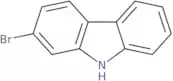
CAS:<p>2-Bromocarbazole is an organic compound that binds to the mineralocorticoid receptor. It has been shown to be a potent inhibitor of sodium transport in both anhydrous and hydrated conditions. 2-Bromocarbazole is also a cationic polymerization agent, which can be used in photophysical studies. This compound has been shown to have fluorescence properties, as well as receptor α binding capabilities. 2-Bromocarbazole was also able to inhibit the enzyme picolinic acid carboxylase, which catalyzes the conversion of picolinic acid into nicotinamide adenine dinucleotide phosphate (NADP) and CO2. The molecular docking analysis of 2-bromocarbazole with human recombinant MRAPα confirms this inhibition.</p>Formula:C12H8BrNPurity:Min. 98 Area-%Color and Shape:PowderMolecular weight:246.1 g/mol2-Aminoethoxyamine dihydrochloride
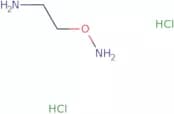
CAS:<p>2-Aminoethoxyamine dihydrochloride is a cardiotonic, which is a chemical agent that acts on the heart to increase contractility. It has been shown to be more efficient and less toxic than other cardiotonics. 2-Aminoethoxyamine dihydrochloride has been found to act as an epoxidizing agent and can be used in the synthesis of istaroxime, an inhibitor of cholesterol biosynthesis.2-Aminoethoxyamine dihydrochloride also reacts with dehydroepiandrosterone to form 2-aminoethoxyamidine hydrochloride.</p>Formula:C2H10Cl2N2OPurity:Min. 95%Color and Shape:PowderMolecular weight:149.02 g/mol3-Benzylazetidine hydrochloride
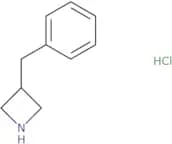
CAS:3-Benzylazetidine hydrochloride is a versatile building block with a wide range of applications. It has been used as a reagent, intermediate, and scaffold in the synthesis of complex compounds and speciality chemicals. 3-Benzylazetidine hydrochloride is also used as an experimental drug for the treatment of cancer, Parkinson's disease and Alzheimer's disease. 3-Benzylazetidine hydrochloride is soluble in water and organic solvents such as alcohols, ethers, chloroform, acetone, ethyl acetate etc., making it easy to dissolve in solution.Formula:C10H13N•HClPurity:Min. 95%Color and Shape:PowderMolecular weight:183.68 g/molN-((3,4-dimethoxyphenyl)methyl)(3-(2-chlorophenyl)-5-methylisoxazol-4-yl)formamide
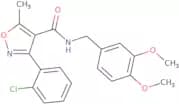
CAS:Please enquire for more information about N-((3,4-dimethoxyphenyl)methyl)(3-(2-chlorophenyl)-5-methylisoxazol-4-yl)formamide including the price, delivery time and more detailed product information at the technical inquiry form on this pagePurity:Min. 95%N-[2-(2,3-Dimethoxyphenyl)ethyl]-2-chlorobenzamide
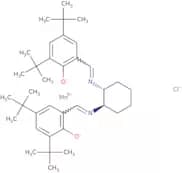
CAS:Controlled Product<p>N-[2-(2,3-Dimethoxyphenyl)ethyl]-2-chlorobenzamide is a versatile building block that can be used as a reaction component and reagent. It is an intermediate in the synthesis of pharmaceuticals and fine chemicals and has been shown to be useful in the synthesis of complex compounds. This compound reacts with nucleophiles, such as amines and alcohols, by replacing the chloride group with a variety of functional groups. The product is then hydrolyzed to release the original reactant. N-[2-(2,3-Dimethoxyphenyl)ethyl]-2-chlorobenzamide has a CAS number of 320576-19-0 and can be found at ChemDiv.com.</p>Formula:C17H18ClNO3Purity:Min. 95%Molecular weight:319.78 g/mol(R,R)-(-)N,N'-Bis(3,5-di-tert-butylsalicylidene)-1,2-cyclohexanediaminomanganese(III) chloride
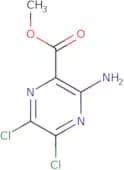
CAS:(R,R)-(-)N,N'-Bis(3,5-di-tert-butylsalicylidene)-1,2-cyclohexanediaminomanganese(III) chloride is a diamine ligand that has been used for the immobilization of ethylene. The reaction proceeds via an oxidation catalyzed by a metal such as copper or manganese. The reaction products are chlorides and alcohols. The molecular modeling and x-ray crystal structures of these reactions have been studied and kinetic data have been collected. Kinetics measurements show that the reactions are fast with an activation energy of 45 kcal/mol and proceed through a hydrogen transfer mechanism.Formula:C36H52ClMnN2O2Purity:Min. 95%Color and Shape:PowderMolecular weight:635.2 g/molMethyl 3-amino-5,6-dichloro-2-pyrazine carboxylate
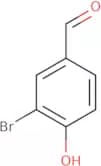
CAS:<p>Methyl 3-amino-5,6-dichloro-2-pyrazine carboxylate is a synthetic molecule that has been synthesized from dimethylamiloride. This chemical has been labeled and used for a variety of homologous and synthetic modifications. It may be used in labeling experiments to identify an unknown compound or to determine the structure of a known compound. The methyl 3-amino-5,6-dichloro-2-pyrazine carboxylate can also be used as a ligand to bind with subunits of proteins or nucleic acids. Photolabile methyl 3-amino-5,6-dichloro-2-pyrazine carboxylate can be synthesized by using light energy to cleave the ester bonds in the chemical. This chemical is useful for assays and techniques such as spectroscopy and nuclear magnetic resonance (NMR).</p>Formula:C6H5Cl2N3O2Purity:Min. 96.5 Area-%Color and Shape:PowderMolecular weight:222.03 g/mol3-Bromo-4-hydroxybenzaldehyde
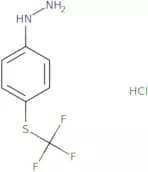
CAS:<p>3-Bromo-4-hydroxybenzaldehyde is a fluorescence probe that can be used to identify the presence of hydroxyl groups in organic solutions. It reacts with hydrochloric acid to form a green solution and a gas. 3-Bromo-4-hydroxybenzaldehyde has been used to study hydroxyl groups in human serum, plant physiology, and surfactant sodium dodecyl (SDS). This compound has shown potent inhibition against an enzyme called benzoyl peroxide reductase. 3-Bromo-4-hydroxybenzaldehyde is soluble in water, but not in ether. The molecular weight of this compound is 176.3 g/mol.</p>Formula:C7H5BrO2Purity:Min. 95%Color and Shape:PowderMolecular weight:201.02 g/mol4-(Trifluoromethyl)thiophenylhydrazine hydrochloride
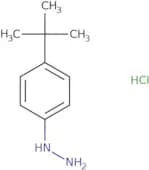
CAS:4-(Trifluoromethyl)thiophenylhydrazine hydrochloride (TFTH) is a chemical compound that belongs to the group of useful scaffolds, versatile building blocks, and reaction components. It has been used as a research chemical in the synthesis of complex compounds with high quality and is an intermediate for speciality chemicals. TFTH can be used as a reagent in organic chemistry for the preparation of amines and amino alcohols. This compound has CAS No. 162258-86-8.br>br> 4-(Trifluoromethyl)thiophenylhydrazine hydrochloride has been shown to be an excellent building block in organic synthesis because it is stable under mild conditions, reacts rapidly with nucleophiles, and is readily available from commercial sources.Formula:C7H7F3N2S·ClHPurity:Min. 95%Color and Shape:Orange PowderMolecular weight:244.67 g/mol(4-(tert-Butyl)phenyl)hydrazine hydrochloride
CAS:<p>4-(tert-Butyl)phenylhydrazine hydrochloride (BPHH) is a chemical compound that has been used as a synthetic precursor to indole. It has been shown to be synthesized from cycloheptanone and sulfuric acid, with the addition of hydrazine hydrochloride and sodium acetate. BPHH can also be synthesized from 4-nitrobenzaldehyde and hydrazine sulfate, which is then reacted with ethanolamine.</p>Formula:C10H16N2•HClPurity:Min. 95%Color and Shape:Light brown powder.Molecular weight:200.71 g/mol2-(4-Acetophenoxy)-3-chloro-5-trifluoromethyl pyridine
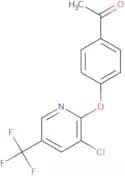
CAS:Please enquire for more information about 2-(4-Acetophenoxy)-3-chloro-5-trifluoromethyl pyridine including the price, delivery time and more detailed product information at the technical inquiry form on this pageFormula:C14H9ClF3NO2Purity:Min. 95%Color and Shape:PowderMolecular weight:315.67 g/mol4-Methoxy-2-(trifluoromethyl)aniline
CAS:<p>4-Methoxy-2-(trifluoromethyl)aniline is a chemical compound that is used as a research chemical, reagent, and speciality chemical. It is a versatile building block that can be used in reactions to produce complex compounds. 4-Methoxy-2-(trifluoromethyl)aniline has been identified by the Chemical Abstracts Service (CAS) as having high quality and is useful for preparing fine chemicals. This substance also has uses in the field of medicinal chemistry and can be used as a scaffold for pharmaceutical products.</p>Formula:C8H8F3NOPurity:Min. 95%Color and Shape:Clear LiquidMolecular weight:191.15 g/mol2-Amino-4-chlorobenzonitrile
CAS:<p>2-Amino-4-chlorobenzonitrile is a synthetic molecule that can be synthesized in a metal chelator. It has potent inhibitory activities against amines, choline, and other molecules. 2-Amino-4-chlorobenzonitrile also has fluorescence properties. The reaction mechanism of 2-Amino-4-chlorobenzonitrile is not well understood, but it is believed to inhibit the synthesis of proteins by binding to their functional groups. This chemical can also enhance the rate of reactions by removing a hydrogen ion from the reactant.</p>Formula:C7H5ClN2Purity:Min. 95%Color and Shape:PowderMolecular weight:152.58 g/mol4-Chloro-2-methylbenzyl alcohol
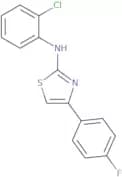
CAS:<p>4-Chloro-2-methylbenzyl alcohol is an organic compound that has a sensor and hydroxyl group. It is used in pest control as an insecticide. 4-Chloro-2-methylbenzyl alcohol has been shown to be effective against ants, cockroaches, and other insects. There are multiple instabilities of this compound, including low oxygen stability when exposed to air, which may lead to the degradation of this chemical. Impurities in 4-chloro-2-methylbenzyl alcohol may also lead to its instability as it reacts with alkali metals at high temperatures. The instability of 4-chloro-2-methylbenzyl alcohol can be reduced by storing it at low temperatures or by adding cryogenic substances such as liquid nitrogen or carbon dioxide gas.</p>Formula:C8H9ClOPurity:Min. 95%Molecular weight:156.61 g/mol(2-chlorophenyl)(4-(4-fluorophenyl)(2,5-thiazolyl))amine
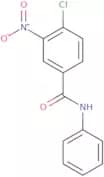
CAS:Please enquire for more information about (2-chlorophenyl)(4-(4-fluorophenyl)(2,5-thiazolyl))amine including the price, delivery time and more detailed product information at the technical inquiry form on this pagePurity:Min. 95%4-Chloro-3-nitrobenzanilide
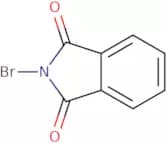
CAS:<p>4-Chloro-3-nitrobenzanilide is a versatile building block for the preparation of complex compounds. It is used as a reagent in research and as a speciality chemical for the production of high quality fine chemicals. This compound can be used as a reaction component or scaffold to synthesize other compounds. 4-Chloro-3-nitrobenzanilide is a useful intermediate in organic synthesis because it has many functional groups that are easy to modify, making it easy to synthesize new compounds.</p>Formula:C13H9ClN2O3Purity:Min. 95%Color and Shape:PowderMolecular weight:276.67 g/molN-Bromophthalimide
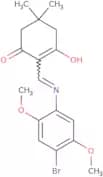
CAS:<p>N-Bromophthalimide is a hydrogen bond acceptor that is used in pharmaceutical preparations. It has been shown to be an effective cationic surfactant, which may be due to its ability to form ionic bonds with phosphotungstic acid and nitrogen atoms. N-Bromophthalimide also has reactive properties and can react with serotonin reuptake inhibitors. The reaction mechanism of this compound is not fully understood, but it has been shown to have a redox potential that is greater than the standard electron donor sodium bromide.</p>Formula:C8H4BrNO2Purity:Min. 95%Molecular weight:226.03 g/mol2-(((4-Bromo-2,5-dimethoxyphenyl)amino)methylene)-5,5-dimethylcyclohexane-1,3-dione
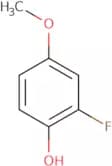
CAS:<p>Please enquire for more information about 2-(((4-Bromo-2,5-dimethoxyphenyl)amino)methylene)-5,5-dimethylcyclohexane-1,3-dione including the price, delivery time and more detailed product information at the technical inquiry form on this page</p>Formula:C17H20BrNO4Purity:Min. 95%Molecular weight:382.25 g/mol2-Fluoro-4-methoxyphenol
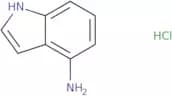
CAS:2-Fluoro-4-methoxyphenol is a white crystalline solid with a melting point of 100°C. It is soluble in water, ethanol and ether and insoluble in chloroform. The compound has been shown to be an intermediate for the synthesis of other organic compounds, such as 2-fluoro-4-(2,2,2-trifluoroethoxy)benzaldehyde, 2-fluoro-4-(3,3,3-trifluoropropoxy)benzaldehyde and 4-(2,2,2-trifluoroethoxy)-3'-nitroacetophenone. 2-Fluoro-4-methoxyphenol can also be used as a building block for speciality chemicals including research chemicals.Formula:C7H7FO2Purity:Min. 95%Color and Shape:Clear LiquidMolecular weight:142.13 g/mol4-Aminoindole hydrochloride
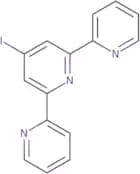
CAS:<p>4-Aminoindole hydrochloride is a white crystalline solid that can be used as a versatile building block in organic synthesis. It is also used as an intermediate in the production of various pharmaceuticals and other chemical compounds. 4-Aminoindole hydrochloride is soluble in most polar solvents, but insoluble in ethers and oils. This compound is also a useful reagent for the conversion of nitrobenzenes to aminobenzoic acids. CAS Number 174854-93-4</p>Formula:C8H9ClN2Purity:Min. 95%Color and Shape:PowderMolecular weight:168.62 g/mol4'-Iodo-2,2':6',2''-terpyridine
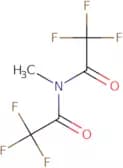
CAS:<p>4'-Iodo-2,2':6',2''-terpyridine is a transoid that has two conformations: one with the pyridine ring in the cisoid position and one with the pyridine ring in the transoid position. It can form intermolecular interactions with other molecules of 4'-iodo-2,2':6',2''-terpyridine. These interactions may be due to stacking or planar interactions.</p>Formula:C15H10IN3Purity:Min. 95%Color and Shape:PowderMolecular weight:359.16 g/molN-Methylbis(trifluoroacetamide)
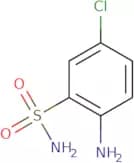
CAS:N-Methylbis(trifluoroacetamide) is a molecule that is used in the preparation of an analytical method. This molecule reacts with human serum and urine to produce a reaction solution. The matrix effect can be seen in metabolic disorders, such as the case of creatine kinase which is not affected by the derivatization. N-Methylbis(trifluoroacetamide) is also used to prepare samples for solid phase microextraction with basic structures that are amines.Formula:C5H3F6NO2Purity:Min. 95%Color and Shape:Clear LiquidMolecular weight:223.07 g/mol2-Amino-5-chlorobenzenesulfonamide
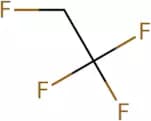
CAS:2-Amino-5-chlorobenzenesulfonamide is a synthetic chemical that is used in the manufacture of amides and diazoxide. It is also found naturally in humans as a metabolite of the amino acid histidine. 2-Amino-5-chlorobenzenesulfonamide has been shown to be a potent receptor for the modulation of acetylcholine release by binding to muscarinic receptors, including M1 and M2 subtypes, and inhibiting the enzyme hydrolysis of acetylcholine. This chemical has been shown to be chemically stable at pH 5 or higher, and it has been found to be resistant to hydrolysis by enzymes such as esterases, glucuronidases, glutathione reductase, and cytochrome P450. 2-Amino-5-chlorobenzenesulfonamide is also an enantiomer that can bind to collagen in the humanFormula:C6H7ClN2O2SPurity:Min. 95%Color and Shape:PowderMolecular weight:206.65 g/mol1,2,2,2-Tetrafluoroethane
CAS:Controlled Product1,2,2,2-Tetrafluoroethane (R-134a) is a heat transfer agent that is used in refrigeration systems. It has been shown to be an experimental model system for studying the effects of hydrogen fluoride and water vapor on p450 activity. R-134a has been found to have no long-term toxicity or genotoxic activity in animal studies and has a high thermal expansion coefficient. The compound also has low toxicity when inhaled and can be used as a refrigerant.Formula:C2H2F4Purity:Min. 95%Molecular weight:102.03 g/mol22-Hydroxy-25-Fluorocholesterol
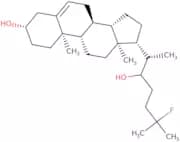
CAS:Controlled Product<p>22-Hydroxy-25-fluorocholesterol is a cholesterol acyltransferase inhibitor, which prevents the synthesis of cholesterol in the body. It is also used as a sequestering agent, preventing cholesterol from being absorbed into the body. This drug has been shown to decrease high cholesterol levels and oxysterols in patients with coronary artery disease. 22-Hydoxy-25-fluorocholesterol binds to cellular membranes and blocks the transport of bile acids and acid, thereby inhibiting cholesterol synthesis. It also inhibits inflammation by blocking inflammatory cytokines such as TNF-α and IL-1β. This drug may also be useful for treating inflammatory diseases such as asthma and rheumatoid arthritis due to its inhibition of leukotriene synthesis.</p>Formula:C27H45FO2Purity:Min. 95%Molecular weight:420.64 g/mol4-Bromo-2-cyanoanisole
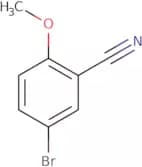
CAS:4-Bromo-2-cyanoanisole is a synthetic compound that can be used as a ligand in the transition metal catalyzed cross-coupling reaction. This chemical has been shown to form complexes with nickel, palladium, and platinum. 4-Bromo-2-cyanoanisole is also a biomolecule that interacts with other molecules and can be used in the study of natural products.Formula:C8H6BrNOPurity:Min. 95%Color and Shape:PowderMolecular weight:212.04 g/mol1-Bromo-(1,3-thiazole-2-yl)ethane-2-one
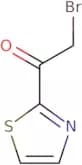
CAS:<p>Please enquire for more information about 1-Bromo-(1,3-thiazole-2-yl)ethane-2-one including the price, delivery time and more detailed product information at the technical inquiry form on this page</p>Formula:C5H4BrNOSPurity:Min. 95%Molecular weight:206.06 g/mol2,2,2-Trifluoroethyl methacrylate
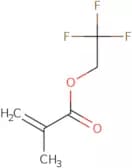
CAS:<p>2,2,2-Trifluoroethyl methacrylate is a monomer that belongs to the class of allyl carbonates. The reaction solution contains copper complex and allyl carbonate. 2,2,2-Trifluoroethyl methacrylate polymerizes when heated in the presence of a radical initiator. Copolymerization of 2,2,2-trifluoroethyl methacrylate with other vinyl compounds produces a copolymer with a variety of properties. This monomer can be polymerized by free radical initiation to produce poly(methyl methacrylate) or it can be copolymerized with other vinyl compounds to produce new materials with different properties. The hydroxyl group in the molecule provides optical activity and increases the kinetic data for each reaction. Copolymers are known to have better chemical stability than homopolymers and are often used as particle stabilizers in paint formulations.</p>Formula:C6H7F3O2Purity:Min. 99 Area-%Color and Shape:Colorless Clear LiquidMolecular weight:168.11 g/mol4-Chloro-3-nitro-5-sulfamoylbenzoic acid
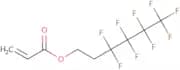
CAS:4-Chloro-3-nitro-5-sulfamoylbenzoic acid is a chemical compound that belongs to the group of speciality chemicals. It is a versatile building block for the synthesis of complex compounds. 4-Chloro-3-nitro-5-sulfamoylbenzoic acid has high quality and can be used as reagents in research or as a building block for the synthesis of new molecules.Formula:C7H5ClN2O6SPurity:Min. 95%Color and Shape:PowderMolecular weight:280.64 g/mol1H,1H,2H,2H-Nonafluorohexyl Acrylate (stabilized with MEHQ)
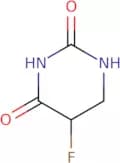
CAS:<p>Nonafluorohexyl acrylate is a monomer that is used in the production of polymers and plastics. It has hydrophobic properties and can be used as a surface modifier to increase water repellency. This compound also has fluorine-containing groups, which give it an increased ability to respond to changes in environmental conditions such as temperature and pH. Nonafluorohexyl acrylate is a particle that fluoresces with ultraviolet light, making it useful for microscopy applications. The viscosity of this compound is affected by solution temperature, transfer temperatures, and fluorescence intensity. Nonafluorohexyl acrylate is amphipathic because it contains both hydrophilic and hydrophobic properties.</p>Formula:C9H7F9O2Purity:Min. 95%Color and Shape:Clear LiquidMolecular weight:318.14 g/mol5-Fluorodihydropyrimidine-2,4-dione
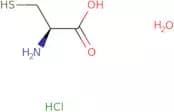
CAS:<p>5-Fluorodihydropyrimidine-2,4-dione is a drug that inhibits the activity of certain enzymes. It has been shown to inhibit the activity of dehydrogenase in human serum and liver cells. This drug has also been shown to be successful in treating autoimmune diseases. 5-Fluorodihydropyrimidine-2,4-dione is an oral prodrug which is converted into its active form by esterases in the gastrointestinal tract. The enzyme inhibitors are used to increase the bioavailability of the drug. This conversion process can be monitored using urine samples or blood sampling.</p>Formula:C4H5FN2O2Purity:Min. 95%Color and Shape:PowderMolecular weight:132.09 g/molL-Cysteine hydrochloride hydrate
CAS:<p>L-Cysteine hydrochloride hydrate is an amino acid that belongs to the group of antimicrobial agents. It is a precursor in the biosynthesis of proteins and nucleic acids. L-Cysteine hydrochloride hydrate inhibits bacterial growth by reacting with iron and forming an insoluble complex that cannot be used for metabolic processes. Cysteine also reacts with dehydroascorbic acid to form a fluorescent compound, which can be detected using fluorescence probe and fluorometric methods. This reaction is pH dependent, with a lower pH favoring the formation of the fluorescent product. The optimum pH for this reaction is approximately 7.0-8.5, at which point it is most effective against bacteria such as Escherichia coli, Pseudomonas aeruginosa, and Staphylococcus aureus.</p>Formula:C3H7NO2S·HCl·xH2OColor and Shape:PowderMolecular weight:157.62 g/molPAR-3 (1-6) (human) trifluoroacetate salt
CAS:Please enquire for more information about PAR-3 (1-6) (human) trifluoroacetate salt including the price, delivery time and more detailed product information at the technical inquiry form on this pageFormula:C29H45N9O8Purity:Min. 95%Molecular weight:647.72 g/molTertiapin-Q trifluoroacetate salt
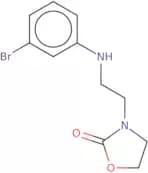
CAS:A peptide found in honey bee venom; Potassium channel inhibitorFormula:C106H175N35O24S4Purity:Min. 95%Molecular weight:2,452.01 g/mol3-(2-((3-Bromophenyl)amino)ethyl)oxazolidin-2-one
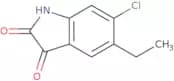
CAS:Please enquire for more information about 3-(2-((3-Bromophenyl)amino)ethyl)oxazolidin-2-one including the price, delivery time and more detailed product information at the technical inquiry form on this pageFormula:C11H13BrN2O2Purity:Min. 95%Molecular weight:285.14 g/mol6-Chloro-5-ethylisatin
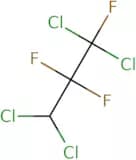
CAS:<p>6-Chloro-5-ethylisatin is a fine chemical that can be used as a building block for making other compounds, including pharmaceuticals and bioactive agents. It is also a versatile building block that can be used in the synthesis of many different types of compounds. 6-Chloro-5-ethylisatin is an intermediate, which means it is a substance that is used to make other substances. It can also act as a reagent in reactions and as a scaffold for complex molecules.</p>Formula:C10H8ClNO2Purity:Min. 95%Molecular weight:209.63 g/mol1,1,3,3-Tetrachloro-1,2,2-Trifluoropropane
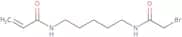
CAS:Controlled Product<p>1,1,3,3-Tetrachloro-1,2,2-Trifluoropropane (CFC-113) is a nonflammable and colorless gas. It is used as a solvent in the production of polyvinyl chloride and as a refrigerant. This compound has been shown to absorb water easily and can be transported by air. CFC-113 has also shown thermoelectric properties and has been used as a diode laser light source. The 1,1,3,3-Tetrachloro-1,2,2-Trifluoropropane molecule is planar with asymmetric C–F bond lengths of 1.401 Å and 1.269 Å.</p>Formula:C3HCl4F3Purity:Min. 95%Molecular weight:235.85 g/molN-(5-Bromoacetamidylpentyl) acrylamide
CAS:<p>N-(5-Bromoacetamidylpentyl) acrylamide is employed in the synthesis of substrates used for nucleotide sequence determination, covalently linked to polymer coatings such as poly(N-(5-azidoacetamidylpentyl)acrylamide-co-acrylamide) (PAZAM). Polynucleotide-binding substrates find application as molecular arrays and flow cells.</p>Formula:C10H17BrN2O2Purity:Min. 95%Color and Shape:PowderMolecular weight:277.16 g/mol[(Trifluoromethyl)sulfinyl]benzene
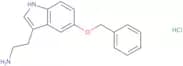
CAS:<p>[(Trifluoromethyl)sulfinyl]benzene is a useful synthetic intermediate for the preparation of sulfoxides and sulfones. It is prepared by the reaction of an aromatic hydrocarbon, such as phenol or anisole, with aryl boronic acids in the presence of magnesium. This reaction is commonly referred to as a cross-coupling reaction. The terminal alkynes are not reactive enough to react with [(trifluoromethyl)sulfinyl]benzene; however, this can be remedied by adding fluorophosphoric acid (FPA) to activate these alkynes.</p>Formula:C7H5F3OSPurity:Min. 95%Color and Shape:Colorless Clear LiquidMolecular weight:194.18 g/mol5-(Benzyloxy)tryptamine hydrochloride
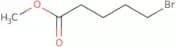
CAS:Controlled Product<p>5-(Benzyloxy)tryptamine hydrochloride (5-BOC-TRP) is a serotonin agonist that is used to study the effects of serotonin on various tissues. 5-BOC-TRP has been shown to increase extracellular Ca2+ concentrations in receptor cells, and it has also been shown to act as an agonist at synaptic and submandibular gland levels. It binds to specific receptors in the parotid, submandibular, and other salivary glands, where it induces a release of saliva. These effects were observed when 5-BOC-TRP was administered intravenously or intraperitoneally. The distribution of this drug within the salivary glands was determined by immunoreaction with antibodies against serotonin. The localization of 5-BOC-TRP was also confirmed by whole cell patch clamp recordings obtained from rat parotid cells perfused with 5-BOC-TRP.</p>Formula:C17H19ClN2OPurity:Min. 98.0 Area-%Color and Shape:PowderMolecular weight:302.8 g/mol5-Bromovaleric acid methyl ester
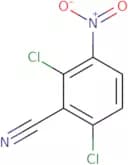
CAS:<p>5-Bromovaleric acid methyl ester is a molecule that can be used as a model system for population growth. It has been shown to activate the CB2 receptor in mice and stimulate the production of polyclonal antibodies. 5-Bromovaleric acid methyl ester may be a potential drug target for treating inflammatory conditions such as psoriasis, Crohn's disease, and ulcerative colitis. The compound has also been shown to inhibit cyclooxygenase enzymes in human platelets. 5-Bromovaleric acid methyl ester can also be used as an analytical tool for determining the concentration of conjugates in urine samples by gas chromatography.</p>Formula:C6H11BrO2Purity:Min. 95%Color and Shape:Clear LiquidMolecular weight:195.05 g/mol2,6-Dichloro-3-nitrobenzonitrile
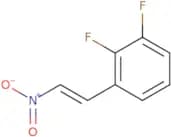
CAS:<p>2,6-Dichloro-3-nitrobenzonitrile is a chemical compound that has been synthesized by optimising the potentials of monoclonal antibodies. It has shown to have high affinity for rat brain membranes and is also able to bind to the target molecule with high affinity. 2,6-Dichloro-3-nitrobenzonitrile can be used as a pesticide and has been shown to have an affinity for the target molecule with high affinity. This chemical compound is trisubstituted and has three nitro groups, which are all located in the same position on the benzene ring. The structure of this chemical compound is optimized, meaning that it has been modified so that its physical properties are more desirable than its original form.</p>Formula:C7H2Cl2N2O2Purity:Min. 95%Color and Shape:PowderMolecular weight:217.01 g/mol1-(2',3'-Difluorophenyl)-2-nitroethene
CAS:<p>1-(2',3'-Difluorophenyl)-2-nitroethene (1,2-DFNE) is a speciality chemical that is used as an intermediate for the synthesis of a wide variety of organic compounds. It has been found to be a useful scaffold for the synthesis of complex compounds and can also be used as a building block for the synthesis of fine chemicals, research chemicals, and versatile building blocks. 1,2-DFNE is soluble in many organic solvents and can be handled without special precautions. This reagent is a high quality compound with purity greater than 99%.</p>Formula:C8H5F2NO2Purity:Min. 95%Color and Shape:PowderMolecular weight:185.13 g/mol5-Bromo-2-methoxytoluene
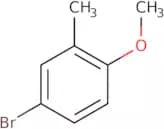
CAS:<p>5-Bromo-2-methoxytoluene is a bromoarene that reacts to form aziridines and phosphotungstic acid. It is used in the synthesis of polyaromatic compounds with steric interactions. 5-Bromo-2-methoxytoluene is also a functional group that can be used as an allosteric modulator. This compound also has stereoisomers that are chiral, meaning they have different structures despite being mirror images of each other. The carbonyl group on the 5-bromo compound is polar, which means it has a charge. The hydrogen bonds between this compound and other molecules are nonpolar, which means they do not have a charge and are more likely to form in a nonpolar solvent.</p>Formula:C8H9BrOPurity:Min. 95%Color and Shape:PowderMolecular weight:201.06 g/molPerfluoro-2-Methylbutane
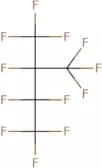
CAS:Controlled Product<p>Perfluoro-2-methylbutane is a pharmaceutical dosage form of a perfluorinated liquid. It is used in clinical practice for the treatment of chronic obstructive pulmonary disease (COPD), asthma, or other respiratory disorders. This drug is also used as an inhalation agent in the treatment of adults with acute bronchitis, emphysema, or other airway obstruction. Perfluoro-2-methylbutane has shown resistance to bacteria that are resistant to natural and synthetic polymers. The diameter of Perfluoro-2-methylbutane particles is between 2 and 10 micrometers and it has a viscosity of about 5 centipoise. It has been shown that the reaction time for this drug can be reduced by adding hexamer, which acts as a surfactant for the gas phase. The active substances in Perfluoro-2-methylbutane are unsaturated ketones such as 3-pentanone, 3-hex</p>Formula:C5F12Purity:Min. 95%Molecular weight:288.03 g/mol2-Chloro-1,3-dimethyl-1H-benzimidazol-3-ium chloride
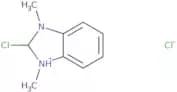
CAS:<p>2-Chloro-1,3-dimethyl-1H-benzimidazol-3-ium chloride is a chemoenzymatic that has a role in the process of ovary development. It is an endogenous substance that can be analysed by lectin immunoassay and antibody binding. 2-Chloro-1,3-dimethyl-1H-benzimidazol-3-ium chloride is a ligand for the lectin domain of the cell membrane and it can be used as a strategy for transfection. This chemical binds to receptors on the cell membrane and stimulates signalling pathways within cells. The biochemical activity of 2CMDMBICL can be analyzed using biochemical techniques such as immunoprecipitation or enzyme assays.</p>Formula:C9H10Cl2N2Purity:(¹H-Nmr) Min. 90 Area-%Color and Shape:White PowderMolecular weight:217.09 g/mol4-(4-Chlorophenyl)-2-(3-methyl-5-oxo-1-phenyl(2-pyrazolin-4-yl))-4-oxobutanoic acid
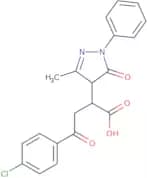
CAS:Please enquire for more information about 4-(4-Chlorophenyl)-2-(3-methyl-5-oxo-1-phenyl(2-pyrazolin-4-yl))-4-oxobutanoic acid including the price, delivery time and more detailed product information at the technical inquiry form on this pagePurity:Min. 95%4-Hydrazino-3-nitrobenzotrifluoride
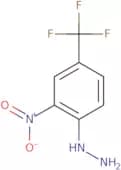
CAS:4-Hydrazino-3-nitrobenzotrifluoride (4HNBF) is a derivative of 4-hydrazinobenzoic acid that has been used as a precursor for the synthesis of vitamin D. The drug is detectable in blood plasma samples by mass spectrometry and can be quantified using linear calibration curves. 4HNBF has been detected in human urine samples after oral administration, but not in other biological fluids. It has also been used to measure the flow rate of urine. The drug's use for cancer treatment has been investigated, with results showing that it inhibits the growth of cancer cells and induces apoptosis. 4HNBF may act on GABA receptors to inhibit their activity and induce a reduction in the release of oxysterols.Formula:C7H6F3N3O2Purity:Min. 95%Color and Shape:PowderMolecular weight:221.14 g/mol2,4-Dichloro-5-hydroxyacetanilide
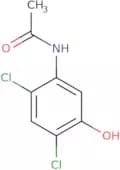
CAS:<p>2,4-Dichloro-5-hydroxyacetanilide is a gaseous compound that has a carboxylic acid and carboxylic functional group. It is produced by the reaction of chlorosulfonyl chloride with an aromatic carboxylic acid in the presence of carbon atoms. 2,4-Dichloro-5-hydroxyacetanilide has been used in the synthesis of sulfonamides, which are organic compounds that contain a sulfonyl group. The chemical has also been used to make herbicides such as atrazine and simazine.</p>Formula:C8H7Cl2NO2Purity:Min. 95%Color and Shape:PowderMolecular weight:220.05 g/mol2-Chloro-5-hydroxybenzoic acid ethyl ester
CAS:<p>2-Chloro-5-hydroxybenzoic acid ethyl ester is synthesized by the substitution of anthranilic acid with an aryl ring. The substituents on the aryl ring are chloro and hydroxy, which are attached to carbon atoms. 2-Chloro-5-hydroxybenzoic acid ethyl ester can be metabolized into a number of different metabolites. For example, it can be converted into acid metabolites that have substituents on the benzene ring such as nitro or nitroso groups. These metabolites are then excreted in urine or bile.</p>Formula:C9H9ClO3Purity:Min. 95%Color and Shape:Off-White To Yellow To Brown SolidMolecular weight:200.62 g/molAllylpentafluorobenzene
CAS:<p>Allylpentafluorobenzene is a monomer that can be used in coatings and polymers. It has a reactive functional group that reacts with phosphorus pentoxide to form a polymerization initiator. The polymerization initiator then reacts with other functional groups, such as 3-mercaptopropionic acid, to produce polymers. The diameter of these polymers is around 2 nm and they are hybridized. These polymers are able to absorb light efficiently, which makes them useful for energy efficiency applications. Allylpentafluorobenzene has been shown to react with iron oxides and phosphorus pentoxide in the presence of air to form an iron oxide-allylpentafluorobenzene complex. This complex is more stable than the original allylpentafluorobenzene, which decreases its reactivity with oxygen.</p>Formula:C9H5F5Purity:Min. 95%Color and Shape:Clear LiquidMolecular weight:208.13 g/mol3,3'-Dimethoxybenzidine dihydrochloride
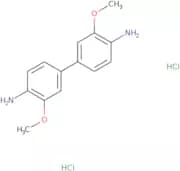
CAS:Controlled Product<p>3,3'-Dimethoxybenzidine dihydrochloride is a fluorogenic probe that has been shown to have activity index in the range of 0.1-0.5, which makes it suitable for use as a fluorescent dye in biological samples such as human serum or cerebrospinal fluid. 3,3'-Dimethoxybenzidine dihydrochloride can be used in histological studies for the detection of cell lysis and cardiac disease activity. It has also been shown to cause liver lesions when administered orally to rats.</p>Formula:C14H16N2O2•(HCl)2Purity:Min. 98 Area-%Color and Shape:PowderMolecular weight:317.21 g/molDL-Propylhexedrine hydrochloride
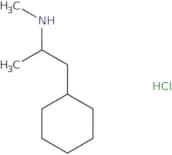
CAS:Controlled ProductDL-Propylhexedrine hydrochloride is a lipase inhibitor that binds to the active site of the enzyme, blocking access by substrate or competitive inhibitors. It also binds to calcium ions within the enzyme's active site, which may alter the enzyme's conformation and reduce its activity. DL-Propylhexedrine hydrochloride has been shown to inhibit fatty acid binding to cevimeline hydrochloride, an inhibitor molecule for lipases, as well as receptor activity and receptor binding in vitro. The kinetic data was obtained using a model system of human erythrocytes. This drug also has transport properties and can be used in sample preparation techniques such as hydrolysis with hydrochloric acid or amines.Formula:C10H22ClNPurity:Min. 95%Color and Shape:PowderMolecular weight:191.74 g/molN-Propyl-1-ene-2,6-diethyl-4-phenylpyridinium tetrafluoroborate
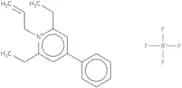
CAS:N-Propyl-1-ene-2,6-diethyl-4-phenylpyridinium tetrafluoroborate (NPEEDPBF) is a fine chemical that has been used as a building block in research and industrial chemistry. The synthesis of NPEEDPBF typically involves the reaction of diethyl phenylpyridinium bromide with n propyl iodide. It can be used as a reagent for organic syntheses and as an intermediate for other compounds. NPEEDPBF is also a versatile building block for complex compounds.Formula:C18H22N•BF4Purity:Min. 95%Molecular weight:339.18 g/mol1-(4-Methoxyphenyl)piperazine hydrochloride
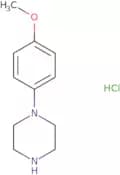
CAS:Controlled Product1-(4-Methoxyphenyl)piperazine hydrochloride is a high-potency inhibitor of the K+ channels. It has been shown to inhibit the activity of these channels in lead compound screening and optimization. The modification of potassium channels by 1-(4-Methoxyphenyl)piperazine hydrochloride has been evaluated using a patch clamp technique on rat erythrocytes. This inhibitory activity was found to be concentration dependent and voltage sensitive. 1-(4-Methoxyphenyl)piperazine hydrochloride was also shown to have pharmacological effects, such as analgesia, sedation and muscle relaxation.Formula:C11H16N2O•HClPurity:Min. 95%Molecular weight:228.72 g/molEsmolol hydrochloride
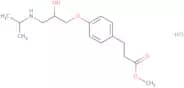
CAS:Controlled Product<p>Beta adrenergic antagonist; anti-arrhythmic</p>Formula:C16H26ClNO4Purity:Min. 95%Color and Shape:PowderMolecular weight:331.83 g/molCreatinine zinc chloride
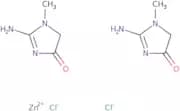
CAS:<p>Creatinine zinc chloride is a fine chemical that is useful as a scaffold for the synthesis of complex compounds. Creatinine zinc chloride has been used as an intermediate in the synthesis of research chemicals and as a reaction component in the production of speciality chemicals. It has also been used as a building block for the synthesis of high-quality reagents.</p>Formula:(C4H7N3O)2•ZnCl2Purity:Min. 95%Color and Shape:PowderMolecular weight:362.52 g/mol3’-β-Amino-2’,3’-dideoxy-5-fluorouridine
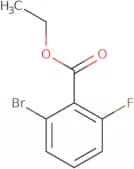
CAS:Please enquire for more information about 3’-beta-Amino-2’,3’-dideoxy-5-fluorouridine including the price, delivery time and more detailed product information at the technical inquiry form on this pagePurity:Min. 95%2-Bromo-6-fluorobenzoic acid ethyl ester
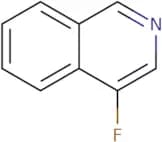
CAS:2-Bromo-6-fluorobenzoic acid ethyl ester is a chemical that reacts with other chemicals to form new substances. It is a useful scaffold for complex compounds and can be used as a building block for fine chemicals, pharmaceuticals, agrochemicals, and other organic compounds. 2-Bromo-6-fluorobenzoic acid ethyl ester is also a versatile building block or intermediate in the synthesis of many different substances.Formula:C9H8BrFO2Purity:Min. 90%Color and Shape:PowderMolecular weight:247.06 g/mol4-Fluoroisoquinoline
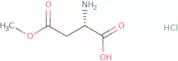
CAS:<p>4-Fluoroisoquinoline is a synthetic compound that can be produced by the reduction of an acetonitrile-chlorinated isoquinoline compound. It is also possible to produce 4-fluoroisoquinoline by the reaction of chlorinating agents with an aldehyde, followed by the addition of phosphorus oxychloride and fluorine. The reductive sulfonation of 4-fluoroisoquinoline can be achieved by reacting it with sulfur trioxide, which is in turn generated from phosphorous oxychloride and sulfur dioxide. This process produces the desired product in good yields.</p>Formula:C9H6FNPurity:Min. 95%Color and Shape:Brown PowderMolecular weight:147.15 g/molL-Aspartic acid b-methyl ester hydrochloride
CAS:<p>L-Aspartic acid b-methyl ester hydrochloride is a high quality, versatile building block that can be used as a reaction component in the synthesis of complex compounds. L-Aspartic acid b-methyl ester hydrochloride is a useful scaffold for the preparation of novel fine chemicals and research chemicals with potential uses as pharmaceuticals, pesticides, and agricultural chemicals. It can also be used as an intermediate in the preparation of some natural products or industrial chemicals. L-Aspartic acid b-methyl ester hydrochloride has a CAS number of 16856-13-6.</p>Formula:C5H9NO4·HClColor and Shape:White PowderMolecular weight:183.59 g/molCholine chloride - 75% water solution
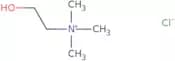
CAS:<p>Choline chloride is a water solution of choline chloride that is 75% by weight. It has been shown to be effective in preventing atherosclerotic lesions and metabolic disorders. Choline chloride also has thermal expansion properties, which can be used for the manufacture of plastic containers. This compound can inhibit complex enzyme activity by forming complexes with the enzyme, thus inhibiting its activity. Choline chloride may also be used as a model system for studying reaction mechanisms, structural analysis, and calcium pantothenate metabolism. Choline chloride is an essential nutrient that plays a role in energy metabolism and polyunsaturated fatty acid synthesis. It is also important for electrochemical impedance spectroscopy (EIS) because it enhances electrical conductivity across cell membranes.br>br><br>br></p>Formula:C5H14ClNOColor and Shape:Colorless Clear LiquidMolecular weight:139.62 g/mol2,3,5,6-Tetrafluoro-4-hydrazinopyridine
CAS:<p>2,3,5,6-Tetrafluoro-4-hydrazinopyridine is a hydroxide ion analog of pentafluoropyridine. It has been shown to undergo a coupling reaction to yield the corresponding organometallic compound with methoxide in dimethylformamide. The yields for this reaction are high and range from 76% to 98%. This technique has been shown to be applicable for the synthesis of other organometallic compounds.</p>Formula:C5H3F4N3Purity:Min. 95%Color and Shape:PowderMolecular weight:181.09 g/mol4-Bromo-2-iodoaniline
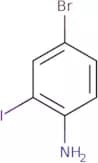
CAS:<p>4-Bromo-2-iodoaniline is a peroxide with a hydrophobic nature. It is an intermediate in the synthesis of the herbicide Arbidol and the pharmaceuticals 4-Bromo-2,6-dinitroaniline and aminopyridine. Oxidation of 4-bromo-2-iodoaniline can be accomplished by halogenation with hydrogen peroxide or trifluoroacetic acid. The halides are then replaced by chlorine to form bromochlorodianisole, which is an intermediate for the synthesis of aminopyridine. Other functional groups that react with 4-bromo-2-iodoaniline are amines, arbidol, chloride, and potassium thioacetate. Fluorescent tests indicate that this compound has a strong absorption at 360 nm and emission at 420 nm. This reaction is also used as a virus detection test due to its</p>Formula:C6H5BrINPurity:Min. 95%Color and Shape:PowderMolecular weight:297.92 g/mol1-Bromo-2,4-dimethoxybenzene
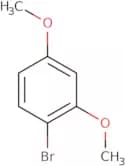
CAS:<p>1-Bromo-2,4-dimethoxybenzene is a functional group that can be found in nanotubes. It is synthesized by the debromination of 2,4-dibromobenzene with n-dimethylformamide and sodium bicarbonate. The reaction mechanism involves nucleophilic attack by the hydroxide ion on the bromine atom of the 1-bromo-2,4-dimethoxybenzene to form a tetrahedral intermediate followed by an elimination reaction. This process leads to the formation of carbon nanotubes.<br>1-Bromo-2,4-dimethoxybenzene has been shown to have anticancer activity in vitro and in vivo against breast cancer cells.</p>Formula:C8H9BrO2Purity:Min. 95%Color and Shape:Clear LiquidMolecular weight:217.06 g/mol19,19-Difluoroandrost-4-Ene-3,17-Dione
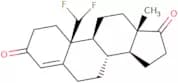
CAS:Controlled Product19,19-Difluoroandrost-4-Ene-3,17-Dione is a functional group that is incorporated into the biosynthesis of sex hormones and steroids. It has been postulated to be an efficient method for synthesizing 19,19-difluoroandrost-4-ene from 19,19-difluorodienoic acid. The inhibition constant of this functional group has been determined to be 4.8 x 10 M at 37 degrees Celsius and pH 7.0 in the presence of benzoate and hydroxyl groups. 19,19-Difluoroandrost-4-Ene-3,17-Dione can also inhibit enzymes such as esterase and glutathione reductase. Its nmr spectra are consistent with a dione ring structure.Formula:C19H24F2O2Purity:Min. 95%Molecular weight:322.39 g/molL-Valine benzyl ester hydrochloride
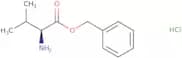
CAS:<p>L-Valine benzyl ester hydrochloride (LVEH) is a tetradecapeptide that is used as an analog of the natural peptide angiotensinogen. This synthetic compound has low molecular weight and hydrophobicity, which makes it an efficient drug for inducing hypertension in rats. LVEH has been shown to inhibit the production of angiotensin I and II, leading to a decrease in blood pressure. It also inhibits the degradation of endoplasmic reticulum protein angiotensinogen, which may be due to its inhibition of piperazine and piperidine. LVEH binds to mitochondria with high affinity, inhibiting ATP production and mitochondrial respiration.</p>Formula:C12H17NO2•HClPurity:Min. 95%Color and Shape:PowderMolecular weight:243.73 g/mol3’-Azido-3’-deoxy-5-fluorouridine
CAS:<p>Please enquire for more information about 3’-Azido-3’-deoxy-5-fluorouridine including the price, delivery time and more detailed product information at the technical inquiry form on this page</p>Purity:Min. 95%1-Butyl-3-(4-sulfobutyl)-1h-imidazol-3-ium tifluoromethanesulfonate
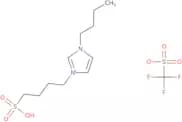
CAS:<p>1-Butyl-3-(4-sulfobutyl)-1H-imidazolium tifluoromethanesulfonate is a solvating agent that can be used in sensors, research, and robotics. It has the potential to be a functional group for polymers, which could be customized for specific purposes. 1-Butyl-3-(4-sulfobutyl)-1H-imidazolium tifluoromethanesulfonate can also function as an eutectic solvent and provide a new way to study nanowires and nanomaterials. This solvating agent is mainly used in polymerized organic materials, such as polyurethane coatings.</p>Formula:C12H21F3N2O6S2Purity:Min. 95%Color and Shape:PowderMolecular weight:410.43 g/mol5-Chloro-2-nitroaniline
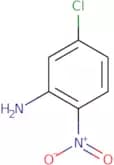
CAS:<p>5-Chloro-2-nitroaniline is a proton transport agent that is used to dissolve the stones in the kidney and bladder. It belongs to the chemical class of anilines and has a chlorine atom. This drug is structurally similar to sorafenib, which is used for cancer treatment, and has been shown to inhibit cb2 receptor activity. 5-Chloro-2-nitroaniline also reacts with hydrochloric acid or sodium hydroxide solution to produce nitrous acid, which can be used as a reactant in organic synthesis.</p>Formula:C6H5ClN2O2Purity:Min. 95%Molecular weight:172.57 g/mol7-Methyl-2-(trifluoromethyl)[1,2,4]triazolo[1,5-a]pyrimidine-6-carboxylic acid
CAS:<p>7-Methyl-2-(trifluoromethyl)[1,2,4]triazolo[1,5-a]pyrimidine-6-carboxylic acid is a versatile building block that is useful in the synthesis of complex compounds. It is also a reagent for research and as a speciality chemical. It has been used in the synthesis of many important drugs such as methotrexate and trimethoprim. 7-Methyl-2-(trifluoromethyl)[1,2,4]triazolo[1,5-a]pyrimidine-6-carboxylic acid can also be used as an intermediate for the synthesis of other compounds and scaffolds.</p>Formula:C8H5F3N4O2Purity:Min. 95%Color and Shape:PowderMolecular weight:246.15 g/mol1,1-Dibromo-2,2-Difluoroethane
CAS:Controlled Product<p>1,1-Dibromo-2,2-difluoroethane is a chemical compound that is used as an inert gas. It has a boiling point of -37 degrees Celsius and can be seen in the infrared spectrum. The equilibrium constant for this substance is 7.4 x 10^10 and the quadratic vibrational constants are 0.0092 cm^-1.</p>Formula:C2H2Br2F2Purity:Min. 95%Molecular weight:223.84 g/mol5-(2-Chlorophenyl)thiophene-2-carboxylic acid
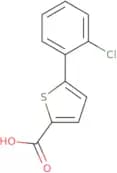
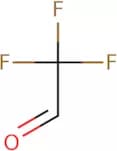
CAS:<p>5-(2-Chlorophenyl)thiophene-2-carboxylic acid is a reagent, complex compound, and useful intermediate that belongs to the class of fine chemicals. CAS No. 500604-91-1 is a speciality chemical that is used as a versatile building block in research chemicals and as a reaction component for the synthesis of new drugs. It is also an excellent building block for synthesizing 1,4-benzothiazepines and other heterocyclic compounds.</p>Formula:C11H7ClO2SPurity:Min. 95%Color and Shape:PowderMolecular weight:238.69 g/molTrifluoroacetaldehyde - ~70% aqueous solution
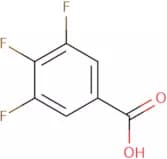
CAS:<p>Trifluoroacetaldehyde is a chemical with aqueous solubility of 0.2 g/L at 25 °C. It has been used in the preparation of insoluble polymers, such as phosphonates and polyurethanes. Trifluoroacetaldehyde can be prepared by reacting anhydrous hydrogen fluoride with trifluoroacetic acid in the presence of amines and an oxidizing agent, such as phosphorus pentoxide. The reaction mechanism is believed to involve a cationic polymerization involving hydrolysis of the amine to give an ammonium ion that reacts with hydrogen fluoride to form trifluoroacetyl fluoride and ammonium chloride. Trifluoroacetaldehyde has also been used in asymmetric synthesis, hydroxyl group reactions, pharmaceutical preparations, and monoclonal antibody production.</p>Formula:C2HF3OPurity:Min. 95%Color and Shape:Clear LiquidMolecular weight:98.02 g/mol3,4,5-Trifluorobenzoic acid
CAS:<p>3,4,5-Trifluorobenzoic acid is a carboxylic acid that is used in animal health. It can be synthesized by the reaction of hydrogen chloride and fluorine. The UV absorption spectrum of 3,4,5-trifluorobenzoic acid is characterized by a tetranuclear structure with maxima at 230 nm and 295 nm. The molecule has a carboxylate group. 3,4,5-Trifluorobenzoic acid absorbs light with wavelengths between 190 to 260 nm. This compound has been reported to have an analytical method based on LC-MS/MS for the determination of its concentration in samples prepared from the hydrolysis of benzoates with nitrous acid. This analytical method uses intermolecular hydrogen bonding as well as amines for sample preparation.</p>Formula:C7H3F3O2Purity:Min. 95%Color and Shape:PowderMolecular weight:176.09 g/mol3H-Spiro[Isobenzofuran-1,4'-piperidine] hydrochloride
CAS:3H-Spiro[Isobenzofuran-1,4'-piperidine] hydrochloride is a high quality reagent that is used as a complex compound for the synthesis of various fine chemicals. It has been shown to be an excellent building block for drug discovery and development. 3H-Spiro[Isobenzofuran-1,4'-piperidine] hydrochloride is available in bulk quantities and can be shipped worldwide. This chemical is also used as a reaction component in the synthesis of various speciality chemicals. 3H-Spiro[Isobenzofuran-1,4'-piperidine] hydrochloride is versatile and can be used in reactions with different functional groups.Formula:C12H15NO·HClPurity:Min. 95%Color and Shape:PowderMolecular weight:225.71 g/mol(8S,10S,11S,13S,14S,17S)-9-Fluoro-11-Hydroxy-17-(2-Hydroxyacetyl)-10,13-Dimethyl-2,6,7,8,11,12,14,15,16,17-Decahydro-1H-Cyclopenta[a ]Phenanthren-3-One
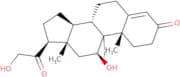
CAS:Controlled Product(8S,10S,11S,13S,14S,17S)-9-Fluoro-11-hydroxy-17-(2-hydroxyacetyl)-10,13-dimethyl-2,6,7,8,11,12,14,15,16,17-decahydrocyclopenta[a]phenanthren-3-one (fluorometholone) is a corticosteroid that is used in the treatment of asthma and other respiratory diseases. Fluorometholone has been shown to have strong antiinflammatory activity and inhibit the production of inflammatory cytokines. It also has mineralocorticoid activity and can be used to treat adrenal insufficiency. This drug has potent potencies structurally similar to glucocorticoids and mineralocorticoids.Formula:C21H29FO4Purity:Min. 95%Molecular weight:364.45 g/molN,N'-Bis(2,2,6,6-tetramethylpiperidin-4-yl)hexane-1,6-diamine,2,4,6-trichloro-1,3,5-triazine,2,4,4-trimethylpentan-2-amine
CAS:<p>Bis(2,2,6,6-tetramethylpiperidin-4-yl)hexane-1,6-diamine is a nonionic hydroxyl compound and an additive in polyolefins. It is used as a polymerization initiator or accelerator for the preparation of polyolefin plastics. Bis(2,2,6,6-tetramethylpiperidin-4-yl)hexane-1,6-diamine can be used to prepare polymers by polymerization with olefins such as ethylene and propylene. The chemical stability of this compound makes it suitable for use in sample preparation before analysis by mass spectrometry. Bis(2,2,6,6-tetramethylpiperidin-4-yl)hexane-1,6-diamine is reactive with radiation and fatty acids and has been shown to have stabilizing properties for plasma mass</p>Formula:C35H69Cl3N8Purity:Min. 95%Color and Shape:PowderMolecular weight:708.33 g/mol1-Phenylcyclohexanamine hydrochloride
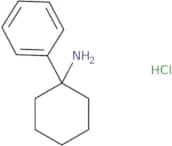
CAS:Controlled Product<p>1-Phenylcyclohexanamine hydrochloride is a secondary amine that binds to the nicotinic acetylcholine receptor. It has been shown to inhibit the activity of rat liver microsomes and dopamine, with a primary amino group. The analogs of 1-phenylcyclohexanamine hydrochloride are active and have been shown to inhibit acetylcholinesterase in rat brain tissue. This inhibition leads to an increase in the neurotransmitter acetylcholine, which causes an excitatory effect on the central nervous system. 1-Phenylcyclohexanamine hydrochloride is also used as a molecular model for studying glutamate receptors because of its similar structure.</p>Formula:C12H18ClNPurity:Min. 95%Molecular weight:211.73 g/mol2-Chloroethanesulfonic acid sodium hydrate
CAS:2-Chloroethanesulfonic acid sodium hydrate is a chemical compound that belongs to the class of primary amines. It has a strong tendency to adsorb on surfaces, which can be seen in its FTIR spectra. 2-Chloroethanesulfonic acid sodium hydrate is a white crystalline solid and is insoluble in water. This compound has been found to have a high reactivity with metal ions, such as Na+, K+, Ca2+, and Mg2+. 2-Chloroethanesulfonic acid sodium hydrate reacts slowly with chloropropane, but more quickly with chloroacetic acid. The reaction time depends on the concentration of the reactants and the temperature at which it is heated.Formula:C2H4ClO3SNa·H2OPurity:Min. 98%Color and Shape:White PowderMolecular weight:184.58 g/mol4-Fluorophenylboronic acid
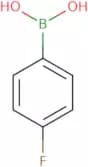
CAS:<p>4-Fluorophenylboronic acid is a boron compound that has been used in molecular modeling and functional assays. It has been shown to be a strong ligand for palladium complexes and can be used to synthesize metal complexes. 4-Fluorophenylboronic acid has also been shown to bind to the CB2 receptor with high affinity and selectivity, making it a potential drug for the treatment of pain. This compound can be synthesized by many different methods, but one of the most common is the synthesis from phenylacetic acid and boron trifluoride gas. The other methods include direct reaction with phenylboronic acid, or by heating anhydrous copper chloride in anhydrous hydrochloric acid with boric acid at high temperatures. Magnetic resonance spectroscopy (MRS) has also been used to study its properties. Canagliflozin is an example of a drug that contains this chemical group as</p>Formula:C6H6BFO2Purity:Min. 95%Color and Shape:White PowderMolecular weight:139.92 g/molDelicious peptide (bovine) trifluoroacetate
CAS:Delicious peptide (bovine) trifluoroacetate is a polymerase chain reaction probe that is complementary to the 3' end of the human insulin gene. When used in a polymerase chain reaction, it amplifies the DNA sequences at the 3' end of the gene. The product of this amplification has been shown to inhibit genetic disorders such as metabolic disorders, iron homeostasis, and leukemia. This agent also inhibits acidic fibroblast proliferation and pluripotent cells. This drug has been shown to have a molecular docking analysis with pharmacological agents and may be helpful in treatments for various diseases.Formula:C34H57N9O16•(C2HF3O2)xPurity:Min. 95 Area-%Color and Shape:PowderMolecular weight:847.87 g/mol4-(Trifluoromethylthio)benzyl alcohol
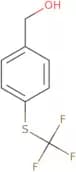
CAS:<p>4-(Trifluoromethylthio)benzyl alcohol (4TFABA) is a chemical that is used as a reagent in organic synthesis. It can be used to synthesize a variety of compounds, including pharmaceuticals and agrochemicals. 4TFABA has been found to be an excellent building block for the synthesis of complex molecules. It is also widely used as a reaction component in high-quality research chemicals, such as chiral ligands and heteroaryl ligands.</p>Formula:C8H7F3OSPurity:Min. 95%Color and Shape:PowderMolecular weight:208.2 g/mol


![1-{[1-(2-Chloropyridin-3-yl)-1H-pyrrol-2-yl]carbonyl}-4-(4-fluorophenyl)piperazine](/_next/image/?url=https%3A%2Fstatic.cymitquimica.com%2Fproducts%2F3D%2Fthumb-webp%2FFC128678.webp&w=3840&q=75)

![N-[2-(2,3-Dimethoxyphenyl)ethyl]-2-chlorobenzamide](/_next/image/?url=https%3A%2Fstatic.cymitquimica.com%2Fproducts%2F3D%2Fthumb-webp%2FFD66108.webp&w=3840&q=75)




![[(Trifluoromethyl)sulfinyl]benzene](/_next/image/?url=https%3A%2Fstatic.cymitquimica.com%2Fproducts%2F3D%2Fthumb-webp%2FFT81464.webp&w=3840&q=75)




![7-Methyl-2-(trifluoromethyl)[1,2,4]triazolo[1,5-a]pyrimidine-6-carboxylic acid](/_next/image/?url=https%3A%2Fstatic.cymitquimica.com%2Fproducts%2F3D%2Fthumb-webp%2FFM100430.webp&w=3840&q=75)

![3H-Spiro[Isobenzofuran-1,4'-piperidine] hydrochloride](/_next/image/?url=https%3A%2Fstatic.cymitquimica.com%2Fproducts%2F3D%2Fthumb-webp%2FFS53076.webp&w=3840&q=75)