Organic Halides
Subcategories of "Organic Halides"
Found 20442 products of "Organic Halides"
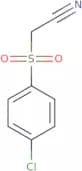
2-(4-Chlorobenzenesulphonyl)acetonitrile
CAS:2-(4-Chlorobenzenesulphonyl)acetonitrile is a reactive chemical that is synthesized from chloroform and acetonitrile. It can be used to synthesize various medicines such as analgesics, muscle relaxants, and x-ray contrast agents. 2-(4-Chlorobenzenesulphonyl)acetonitrile has minimal effects on the human body and is not known to cause any major health problems. It is metabolized in the liver by oxidation of the methyl group to form 4-chlorobenzene sulfonic acid, which is excreted through urine. The chlorine atom in this molecule has a trigonal bipyramidal geometry with a bond length of 1.82 Å, which can be seen in x-ray crystallography studies.
Formula:C8H6ClNO2SPurity:Min. 95%Color and Shape:PowderMolecular weight:215.66 g/molRef: 3D-FC36027
Discontinued product2-Chloro-6-fluorocinnamic acid
CAS:Please enquire for more information about 2-Chloro-6-fluorocinnamic acid including the price, delivery time and more detailed product information at the technical inquiry form on this page
Formula:C9H6ClFO2Purity:Min. 95%Color and Shape:PowderMolecular weight:200.59 g/molRef: 3D-FC79506
Discontinued product5-Phenyl-3-((3-(trifluoromethyl)phenyl)amino)cyclohex-2-en-1-one
CAS:Please enquire for more information about 5-Phenyl-3-((3-(trifluoromethyl)phenyl)amino)cyclohex-2-en-1-one including the price, delivery time and more detailed product information at the technical inquiry form on this pageFormula:C19H16F3NOPurity:Min. 95%Color and Shape:PowderMolecular weight:331.33 g/molRef: 3D-FP169542
Discontinued product2-(4,6-dimethylpyrimidin-2-ylthio)-N-(4-iodophenyl)acetamide
CAS:Please enquire for more information about 2-(4,6-dimethylpyrimidin-2-ylthio)-N-(4-iodophenyl)acetamide including the price, delivery time and more detailed product information at the technical inquiry form on this page
Purity:Min. 95%Ref: 3D-FD170036
Discontinued product2-Chloro-N-[2-(trifluoromethyl)phenyl]propanamide
CAS:Please enquire for more information about 2-Chloro-N-[2-(trifluoromethyl)phenyl]propanamide including the price, delivery time and more detailed product information at the technical inquiry form on this pageFormula:C10H9ClF3NOPurity:Min. 95%Molecular weight:251.63 g/molRef: 3D-FC127364
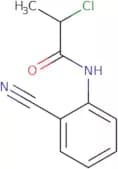
Discontinued productN-(2-Cyanophenyl)-2-chloropropanamide
CAS:Please enquire for more information about N-(2-Cyanophenyl)-2-chloropropanamide including the price, delivery time and more detailed product information at the technical inquiry form on this page
Purity:Min. 95%Ref: 3D-FC169928
Discontinued product2,5-Dichlorobenzenesulphonylacetamide oxime
Please enquire for more information about 2,5-Dichlorobenzenesulphonylacetamide oxime including the price, delivery time and more detailed product information at the technical inquiry form on this page
Purity:Min. 95%Ref: 3D-FD169401
Discontinued productN-(3,5-bis(trifluoromethyl)phenyl)-2-pyrimidin-2-ylthioethanamide
CAS:Please enquire for more information about N-(3,5-bis(trifluoromethyl)phenyl)-2-pyrimidin-2-ylthioethanamide including the price, delivery time and more detailed product information at the technical inquiry form on this pagePurity:Min. 95%Ref: 3D-FB170018
Discontinued productN-(4-Hydroxyphenyl)-2-chloropropanamide
Please enquire for more information about N-(4-Hydroxyphenyl)-2-chloropropanamide including the price, delivery time and more detailed product information at the technical inquiry form on this page
Purity:Min. 95%Ref: 3D-FH169975
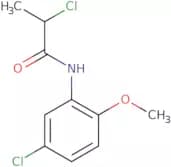
Discontinued product2-Chloro-N-(5-chloro-2-methoxyphenyl)propanamide
CAS:Please enquire for more information about 2-Chloro-N-(5-chloro-2-methoxyphenyl)propanamide including the price, delivery time and more detailed product information at the technical inquiry form on this pageFormula:C10H11Cl2NO2Purity:Min. 95%Molecular weight:248.11 g/molRef: 3D-FC114021
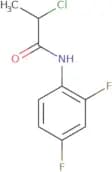
Discontinued productN-(2,4-Difluorophenyl)-2-chloropropanamide
CAS:Please enquire for more information about N-(2,4-Difluorophenyl)-2-chloropropanamide including the price, delivery time and more detailed product information at the technical inquiry form on this pagePurity:Min. 95%Ref: 3D-FD169151
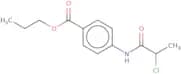
Discontinued productPropyl 4-(2-chloropropanoylamino)benzoate
Please enquire for more information about Propyl 4-(2-chloropropanoylamino)benzoate including the price, delivery time and more detailed product information at the technical inquiry form on this page
Purity:Min. 95%Ref: 3D-FP169951
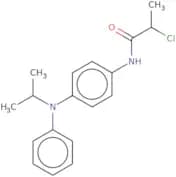
Discontinued product2-Chloro-N-(4-((isopropyl)phenylamino)phenyl)propanamide
Please enquire for more information about 2-Chloro-N-(4-((isopropyl)phenylamino)phenyl)propanamide including the price, delivery time and more detailed product information at the technical inquiry form on this page
Purity:Min. 95%Ref: 3D-FC169929
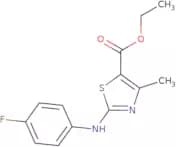
Discontinued productethyl 3-((4-fluorophenyl)amino)-5-methyl-2,4-thiazolecarboxylate
CAS:Please enquire for more information about ethyl 3-((4-fluorophenyl)amino)-5-methyl-2,4-thiazolecarboxylate including the price, delivery time and more detailed product information at the technical inquiry form on this page
Purity:Min. 95%Ref: 3D-FE169431
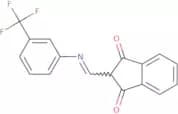
Discontinued product2-(2-Aza-2-(3-(trifluoromethyl)phenyl)vinyl)indane-1,3-dione
CAS:Please enquire for more information about 2-(2-Aza-2-(3-(trifluoromethyl)phenyl)vinyl)indane-1,3-dione including the price, delivery time and more detailed product information at the technical inquiry form on this page
Formula:C17H10F3NO2Purity:Min. 95%Color and Shape:PowderMolecular weight:317.26 g/molRef: 3D-FA169658
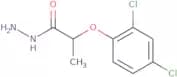
Discontinued product2-(2,4-Dichlorophenoxy)propanohydrazide
CAS:Please enquire for more information about 2-(2,4-Dichlorophenoxy)propanohydrazide including the price, delivery time and more detailed product information at the technical inquiry form on this page
Formula:C9H10Cl2N2O2Purity:Min. 95%Color and Shape:PowderMolecular weight:249.09 g/molRef: 3D-FD114225
Discontinued productN-(3,4-Difluorophenyl)-2-chloropropanamide
CAS:Please enquire for more information about N-(3,4-Difluorophenyl)-2-chloropropanamide including the price, delivery time and more detailed product information at the technical inquiry form on this pagePurity:Min. 95%Ref: 3D-FD169941
Discontinued productEthyl 3-((2,4-dichlorophenyl)amino)-5-methyl-2,4-thiazolecarboxylate
CAS:Please enquire for more information about Ethyl 3-((2,4-dichlorophenyl)amino)-5-methyl-2,4-thiazolecarboxylate including the price, delivery time and more detailed product information at the technical inquiry form on this pagePurity:Min. 95%Ref: 3D-FE169178
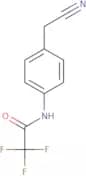
Discontinued productN-(4-(nitrilomethyl)phenyl)-2,2,2-trifluoroethanamide
CAS:Please enquire for more information about N-(4-(nitrilomethyl)phenyl)-2,2,2-trifluoroethanamide including the price, delivery time and more detailed product information at the technical inquiry form on this page
Formula:C10H7F3N2OPurity:Min. 95%Color and Shape:PowderMolecular weight:228.17 g/molRef: 3D-FN169117
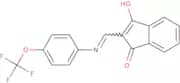
Discontinued product2-(((4-(Trifluoromethoxy)phenyl)amino)methylene)indane-1,3-dione
CAS:Please enquire for more information about 2-(((4-(Trifluoromethoxy)phenyl)amino)methylene)indane-1,3-dione including the price, delivery time and more detailed product information at the technical inquiry form on this page
Formula:C17H10F3NO3Purity:Min. 95%Color and Shape:PowderMolecular weight:333.26 g/molRef: 3D-FT169657
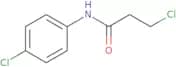
Discontinued product3-Chloro-N-(4-chlorophenyl)propanamide
CAS:Please enquire for more information about 3-Chloro-N-(4-chlorophenyl)propanamide including the price, delivery time and more detailed product information at the technical inquiry form on this page
Formula:C9H9Cl2NOPurity:Min. 95%Color and Shape:PowderMolecular weight:218.08 g/molRef: 3D-FC125304
Discontinued productmethyl 5-(((4-bromophenyl)sulfonyl)methyl)furan-2-carboxylate
CAS:Please enquire for more information about methyl 5-(((4-bromophenyl)sulfonyl)methyl)furan-2-carboxylate including the price, delivery time and more detailed product information at the technical inquiry form on this page
Purity:Min. 95%Ref: 3D-FM169416
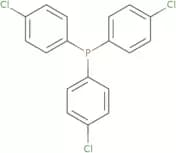
Discontinued productTris(4-chlorophenyl)phosphine
CAS:Tris(4-chlorophenyl)phosphine (PCy3) is a chemical compound that has shown anticancer activity in vitro. It is an acceptor and a potent anti-cancer agent, with the ability to inhibit the growth of human cancer cells and tumor xenografts. PCy3 is also able to inhibit the proliferation of cultured leukemia cells by inducing apoptosis through caspase activation. PCy3 has been used as a crystallization aid for other compounds, such as boronic acids. The crystal system of PCy3 is orthorhombic and it has a space group Pca21. This compound exhibits magnetic resonance spectroscopy properties.
Formula:C18H12Cl3PPurity:Min. 95%Color and Shape:PowderMolecular weight:365.6 g/molRef: 3D-FT168829
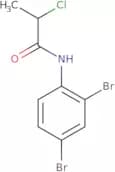
Discontinued productN-(2,4-Dibromophenyl)-2-chloropropanamide
CAS:Please enquire for more information about N-(2,4-Dibromophenyl)-2-chloropropanamide including the price, delivery time and more detailed product information at the technical inquiry form on this page
Purity:Min. 95%Ref: 3D-FD169162
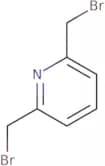
Discontinued product2,6-Bis(bromomethyl)pyridine
CAS:2,6-Bis(bromomethyl)pyridine (BMP) is a pyridine derivative that is used as a catalyst in organic synthesis. It has been shown to be an effective catalyst for the conversion of picolinic acid to xanthopterin in the presence of sodium. The reactivity of BMP can be attributed to its functionalities and the metal ion that it contains. The reaction mechanism has been studied by computer modelling and molecular modelling techniques. The catalytic rate is determined by intramolecular hydrogen transfer.
Formula:C7H7Br2NPurity:Min. 95%Molecular weight:264.95 g/molRef: 3D-FB74901
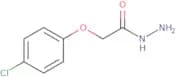
Discontinued product2-(4-Chlorophenoxy)acetohydrazide
CAS:2-(4-Chlorophenoxy)acetohydrazide is a reactive compound that has been shown to have antibacterial activity in vitro. It is thought to inhibit bacterial protein synthesis by binding to the ribosome and preventing the formation of peptide bonds. 2-(4-Chlorophenoxy)acetohydrazide has also been shown to be cytotoxic in vitro, with a focus on S. aureus, as well as inhibiting the production of necrosis factor-α (NTF-α). The mechanism of action for this compound is not yet clear, but it may bind to DNA, RNA or proteins in order to inhibit cell division. This compound may also form covalent adducts with nucleic acids or proteins and prevent transcription or translation of genetic information.
Formula:C8H9ClN2O2Purity:Min. 95%Molecular weight:200.62 g/molRef: 3D-FC53986
Discontinued product2-chloro-n-[3-(trifluoromethyl)phenyl]acetamide
CAS:Please enquire for more information about 2-chloro-n-[3-(trifluoromethyl)phenyl]acetamide including the price, delivery time and more detailed product information at the technical inquiry form on this page
Formula:C9H7ClF3NOPurity:Min. 95%Molecular weight:237.61 g/molRef: 3D-FC59251
Discontinued productEthyl 3-(2-chloropropanoylamino)benzoate
Please enquire for more information about Ethyl 3-(2-chloropropanoylamino)benzoate including the price, delivery time and more detailed product information at the technical inquiry form on this page
Purity:Min. 95%Ref: 3D-FE169161
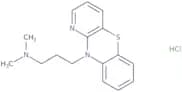
Discontinued productProthipendyl hydrochloride
CAS:Controlled ProductProthipendyl hydrochloride is a low-potency, non-selective 5-HT receptor antagonist. It is used in the treatment of depression and anxiety disorders. Prothipendyl hydrochloride has been shown to be effective in treating Parkinson's disease and other movement disorders by blocking the action of dopamine on 5-HT receptors. Prothipendyl hydrochloride also has been shown to have cardiac effects. It binds to cardiac tissue with high affinity, which may be due to its ability to bind nitrogen atoms. Prothipendyl hydrochloride is not active against human liver cells, which may be due to its specificity for cb2 receptors that are found only in the central nervous system.
Formula:C16H20ClN3SPurity:Min. 95%Molecular weight:321.87 g/molRef: 3D-FP27245
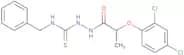
Discontinued product1-(2-(2,4-Dichlorophenoxy)propionyl)-4-benzylthiosemicarbazide
CAS:Please enquire for more information about 1-(2-(2,4-Dichlorophenoxy)propionyl)-4-benzylthiosemicarbazide including the price, delivery time and more detailed product information at the technical inquiry form on this page
Formula:C17H17Cl2N3O2SPurity:Min. 95%Color and Shape:PowderMolecular weight:398.31 g/molRef: 3D-FD168898
Discontinued product1-(3-Chlorophenyl) thiourea
CAS:1-(3-Chlorophenyl) thiourea is a curcumin analog that has been shown to inhibit the epidermal growth factor (EGF) receptor. It is synthesized from 1,2-dichlorobenzene and urea in a two-step process. The anhydrous potassium carbonate is first converted to the potassium salt with an acid chloride. The second step is the reaction of this salt with urea in the presence of excess anhydrous potassium carbonate. This product has been shown to be effective against cancer cells and may be used as a potential anticancer agent for treatment of skin cancer. 1-(3-Chlorophenyl) thiourea inhibits EGF receptor by binding to it and preventing its activation, which prevents cell proliferation and reduces tumor size.
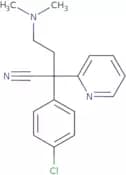
Purity:Min. 95%Chlorphenamine EP Impurity D maleate salt
CAS:Chlorpheniramine nitrile is the nitrile derivative of chlorpheniramine. The decyanation reaction was carried out with potassium hydroxide and chlorpheniramine, then the resulting potassium nitriles were hydrolyzed using acid to yield the desired product. Chlorpheniramine nitrile has a potent anti-histaminic effect that is used for the treatment of allergies or anaphylaxis.
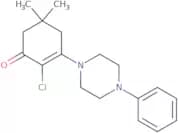
Formula:C17H18ClN3Purity:Min. 95%Molecular weight:299.8 g/mol2-Chloro-5,5-dimethyl-3-(4-phenylpiperazinyl)cyclohex-2-en-1-one
CAS:Please enquire for more information about 2-Chloro-5,5-dimethyl-3-(4-phenylpiperazinyl)cyclohex-2-en-1-one including the price, delivery time and more detailed product information at the technical inquiry form on this pageFormula:C18H23ClN2OPurity:Min. 95%Color and Shape:PowderMolecular weight:318.84 g/molRef: 3D-FC169651
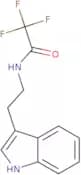
Discontinued product2,2,2-trifluoro-N-(2-indol-3-ylethyl)ethanamide
CAS:2,2,2-Trifluoro-N-(2-indol-3-ylethyl)ethanamide is a synthetic indole that can be used as an intermediate for the synthesis of carbamates.
Formula:C12H11F3N2OPurity:Min. 95%Color and Shape:PowderMolecular weight:256.22 g/molRef: 3D-FT169022
Discontinued product2-chloro-N-(4-(trifluoromethylthio)phenyl)ethanamide
CAS:Please enquire for more information about 2-chloro-N-(4-(trifluoromethylthio)phenyl)ethanamide including the price, delivery time and more detailed product information at the technical inquiry form on this pageFormula:C9H7ClF3NOSPurity:Min. 95%Color and Shape:PowderMolecular weight:269.67 g/molRef: 3D-FC169732
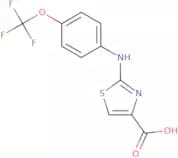
Discontinued product2-((4-(Trifluoromethoxy)phenyl)amino)-1,3-thiazole-4-carboxylic acid
CAS:Please enquire for more information about 2-((4-(Trifluoromethoxy)phenyl)amino)-1,3-thiazole-4-carboxylic acid including the price, delivery time and more detailed product information at the technical inquiry form on this page
Formula:C11H7F3N2O3SPurity:Min. 95%Color and Shape:PowderMolecular weight:304.25 g/molRef: 3D-FT169365
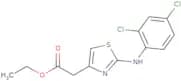
Discontinued productEthyl 2-(4-(2,4-dichlorophenylamino)-3,5-thiazolyl)acetate
CAS:Please enquire for more information about Ethyl 2-(4-(2,4-dichlorophenylamino)-3,5-thiazolyl)acetate including the price, delivery time and more detailed product information at the technical inquiry form on this page
Purity:Min. 95%Ref: 3D-FE169285
Discontinued productN-(2,5-Difluorophenyl)-2-chloropropanamide
CAS:Please enquire for more information about N-(2,5-Difluorophenyl)-2-chloropropanamide including the price, delivery time and more detailed product information at the technical inquiry form on this pagePurity:Min. 95%Ref: 3D-FD169940
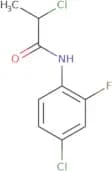
Discontinued productN-(4-Chloro-2-fluorophenyl)-2-chloropropanamide
CAS:Please enquire for more information about N-(4-Chloro-2-fluorophenyl)-2-chloropropanamide including the price, delivery time and more detailed product information at the technical inquiry form on this page
Purity:Min. 95%Ref: 3D-FC169939
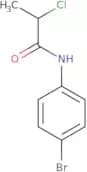
Discontinued productN-(4-Bromophenyl)-2-chloropropanamide
CAS:Please enquire for more information about N-(4-Bromophenyl)-2-chloropropanamide including the price, delivery time and more detailed product information at the technical inquiry form on this page
Formula:C9H9BrClNOPurity:Min. 95%Color and Shape:PowderMolecular weight:262.53 g/molRef: 3D-FB113989
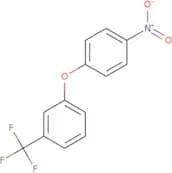
Discontinued product1-Nitro-4-(3-(trifluoromethyl)phenoxy)benzene
CAS:Please enquire for more information about 1-Nitro-4-(3-(trifluoromethyl)phenoxy)benzene including the price, delivery time and more detailed product information at the technical inquiry form on this page
Purity:Min. 95%Ref: 3D-FN168960
Discontinued product3-(4-Benzyloxy-3-methoxyphenyl)-4-(4-chlorophenyl)-1,2,4-triazoline-5-thione
CAS:Please enquire for more information about 3-(4-Benzyloxy-3-methoxyphenyl)-4-(4-chlorophenyl)-1,2,4-triazoline-5-thione including the price, delivery time and more detailed product information at the technical inquiry form on this pagePurity:Min. 95%Ref: 3D-FB169299
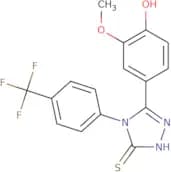
Discontinued product3-(4-Hydroxy-3-methoxyphenyl)-4-(4-(trifluoromethyl)phenyl)-1,2,4-triazoline-5-thione
CAS:Please enquire for more information about 3-(4-Hydroxy-3-methoxyphenyl)-4-(4-(trifluoromethyl)phenyl)-1,2,4-triazoline-5-thione including the price, delivery time and more detailed product information at the technical inquiry form on this page
Purity:Min. 95%Ref: 3D-FH169302
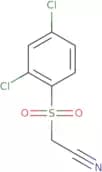
Discontinued product2,4-Dichlorobenzenesulphonylacetonitrile
CAS:Please enquire for more information about 2,4-Dichlorobenzenesulphonylacetonitrile including the price, delivery time and more detailed product information at the technical inquiry form on this page
Purity:Min. 95%Ref: 3D-FD168895
Discontinued product2-Chloro(3-pyridyl) 4-(5-chloro-2-methylphenyl)piperazinyl ketone
CAS:Please enquire for more information about 2-Chloro(3-pyridyl) 4-(5-chloro-2-methylphenyl)piperazinyl ketone including the price, delivery time and more detailed product information at the technical inquiry form on this page
Formula:C17H17Cl2N3OPurity:Min. 95%Color and Shape:PowderMolecular weight:350.24 g/molRef: 3D-FC170002
Discontinued product1-(4-Bromophenyl)-1H-pyrrole-2,5-dione
CAS:1-(4-Bromophenyl)-1H-pyrrole-2,5-dione is an inhibitor of styrene polymerization. This compound was shown to inhibit styrene polymerization in a concentration dependent manner and has been used as a model for the evaluation of other inhibitors. The inhibition mechanism of 1-(4-bromophenyl)-1H-pyrrole-2,5-dione can be attributed to its ability to bind to the active site of the enzyme Styrene Synthase and block reaction by steric hindrance. It also inhibits fatty acid synthesis by blocking lipases. This compound has been used in copolymerization techniques with styrene and other monomers due to its stability in organic solvents. 1-(4-Bromophenyl)-1H-pyrrole-2,5-dione has also been shown to have a strong radiation sensitive effect on polystyrene films when used as a sensitizer in
Formula:C10H6BrNO2Purity:Min. 95%Color and Shape:PowderMolecular weight:252.06 g/molRef: 3D-FB122375
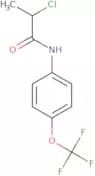
Discontinued product2-chloro-N-(4-(trifluoromethoxy)phenyl)propanamide
CAS:Please enquire for more information about 2-chloro-N-(4-(trifluoromethoxy)phenyl)propanamide including the price, delivery time and more detailed product information at the technical inquiry form on this page
Purity:Min. 95%Ref: 3D-FC169134
Discontinued product1-(4-(2-Nitro-4-(trifluoromethyl)phenoxy)phenyl)ethan-1-one
CAS:Please enquire for more information about 1-(4-(2-Nitro-4-(trifluoromethyl)phenoxy)phenyl)ethan-1-one including the price, delivery time and more detailed product information at the technical inquiry form on this page
Purity:Min. 95%Ref: 3D-FN168961
Discontinued product2-{[3-chloro-5-(trifluoromethyl)-2-pyridinyl]sulfanyl}acetohydrazide
CAS:Please enquire for more information about 2-{[3-chloro-5-(trifluoromethyl)-2-pyridinyl]sulfanyl}acetohydrazide including the price, delivery time and more detailed product information at the technical inquiry form on this pagePurity:Min. 95%Ref: 3D-FC170011
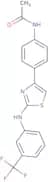
Discontinued productN-(4-(4-((3-(Trifluoromethyl)phenyl)amino)-3,5-thiazolyl)phenyl)ethanamide
CAS:Please enquire for more information about N-(4-(4-((3-(Trifluoromethyl)phenyl)amino)-3,5-thiazolyl)phenyl)ethanamide including the price, delivery time and more detailed product information at the technical inquiry form on this pageFormula:C18H14F3N3OSPurity:Min. 95%Color and Shape:PowderMolecular weight:377.38 g/molRef: 3D-FT169693
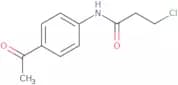
Discontinued productN-(4-Acetylphenyl)-3-chloropropanamide
CAS:Please enquire for more information about N-(4-Acetylphenyl)-3-chloropropanamide including the price, delivery time and more detailed product information at the technical inquiry form on this page
Formula:C11H12ClNO2Purity:Min. 95%Molecular weight:225.67 g/molRef: 3D-FA125325
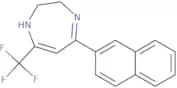
Discontinued product7-(2-Naphthyl)-5-(trifluoromethyl)-1H,2H,3H-1,4-diazepine
CAS:Please enquire for more information about 7-(2-Naphthyl)-5-(trifluoromethyl)-1H,2H,3H-1,4-diazepine including the price, delivery time and more detailed product information at the technical inquiry form on this pageFormula:C16H13F3N2Purity:Min. 95%Color and Shape:PowderMolecular weight:290.28 g/molRef: 3D-FN168955
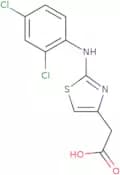
Discontinued product2-(2,4-Dichlorophenylamino-3,5-thiazolyl)acetic acid
CAS:Please enquire for more information about 2-(2,4-Dichlorophenylamino-3,5-thiazolyl)acetic acid including the price, delivery time and more detailed product information at the technical inquiry form on this pagePurity:Min. 95%Ref: 3D-FD169266
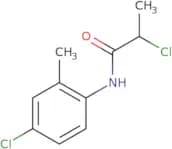
Discontinued productN-(4-Chloro-2-methylphenyl)-2-chloropropanamide
CAS:Please enquire for more information about N-(4-Chloro-2-methylphenyl)-2-chloropropanamide including the price, delivery time and more detailed product information at the technical inquiry form on this page
Purity:Min. 95%Ref: 3D-FC169985
Discontinued productMetazachlor 3-Mercaptolactic Acid Conjugate Sulfoxide
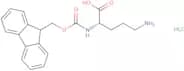
CAS:Controlled ProductFormula:C17H21N3O5SColor and Shape:Off-WhiteMolecular weight:379.43Fmoc-Nd-L-ornithine hydrochloride
CAS:Please enquire for more information about Fmoc-Nd-L-ornithine hydrochloride including the price, delivery time and more detailed product information at the technical inquiry form on this pageFormula:C20H22N2O4•HClPurity:Min. 95%Color and Shape:PowderMolecular weight:390.86 g/molRef: 3D-FN48602
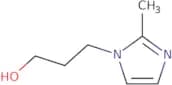
Discontinued product3-(2-Methyl-1H-imidazol-1-yl)propan-1-ol hydrochloride
CAS:Please enquire for more information about 3-(2-Methyl-1H-imidazol-1-yl)propan-1-ol hydrochloride including the price, delivery time and more detailed product information at the technical inquiry form on this page
Formula:C7H12N2OPurity:Min. 95%Molecular weight:140.18 g/molRef: 3D-FM120530
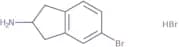
Discontinued product5-Bromo-2,3-dihydro-1H-inden-2-amine hydrobromide
CAS:Controlled ProductPlease enquire for more information about 5-Bromo-2,3-dihydro-1H-inden-2-amine hydrobromide including the price, delivery time and more detailed product information at the technical inquiry form on this page
Formula:C9H10BrN·HBrPurity:Min. 95%Molecular weight:293 g/molRef: 3D-FB52073
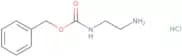
Discontinued productBenzyl N-(2-aminoethyl)carbamate hydrochloride
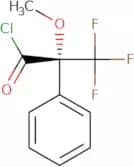
CAS:Please enquire for more information about Benzyl N-(2-aminoethyl)carbamate hydrochloride including the price, delivery time and more detailed product information at the technical inquiry form on this pageFormula:C10H15ClN2O2Purity:Min. 95%Molecular weight:230.69 g/molS-(+)-α-Methoxy-α-(trifluoromethyl)phenylacetic acid chloride
CAS:S-(+)-alpha-Methoxy-alpha-(trifluoromethyl)phenylacetic acid chloride is an optical, amide, and epoxidation derivatizing agent that is used to chiralify amines. It is a liquid at room temperature with a molecular weight of 123.87 g/mol. This chemical reacts with alcohols to form esters, which can be identified by their different retention times in chromatography. It also reacts with hydroxyl groups to form ethers and esters, as well as hydroxyls on other molecules such as amino acids, peptides, and proteins. S-(+)-alpha-Methoxy-alpha-(trifluoromethyl)phenylacetic acid chloride has been used for the synthesis of bisoprolol from metoprolol and triethylphosphite.
Formula:C10H8ClF3O2Purity:Min. 95%Molecular weight:252.62 g/molRef: 3D-FM64036
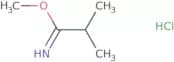
Discontinued productMethyl 2-methylpropanimidic acid hydrochloride
CAS:Methyl 2-methylpropanimidic acid hydrochloride is a neutralizing agent that can be used to react with water, acids, and bases. It has been shown to react with gaseous compounds at temperatures as high as 200°C. Methyl 2-methylpropanimidic acid hydrochloride is soluble in organic solvents such as alcohols, ethers, and acetone and can be used to prepare esters by reacting with the corresponding alcohol or phenol. In addition, it has been shown to interact with haloalkyl groups and oxazinones. This compound also has nod-like receptor binding properties that have been shown to play a role in mediating the transport of organic solutions into cells. A receptor protein that reacts with methyl 2-methylpropanimidic acid hydrochloride has been identified in some organisms. The stereostructure of this compound resembles that of triazines and other organometallic compounds.
Formula:C5H11NO·HClPurity:Min. 95%Molecular weight:137.61 g/molRef: 3D-FM53669
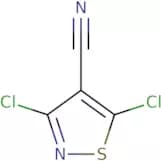
Discontinued product3,5-Dichloroisothiazole-4-carbonitrile
CAS:3,5-Dichloroisothiazole-4-carbonitrile is used as a reagent in organic synthesis. It is a regiospecifically chlorinated derivative of 3,5-dichloroisonicotinamide that can be prepared by reacting ethyl bromoacetate with chlorosulfonyl isocyanate. This compound reacts with phenols to give 3-chloro-1,2,4-benzothiadiazoles and other products. The reaction is catalysed by alkalis and reactive chlorine compounds such as chlorine gas or chlorosulfonic acid. 3,5-Dichloroisothiazole-4-carbonitrile also reacts with amines to give amides. 3,5-Dichloroisothiazole-4-carbonitrile reacts with halogens to form alkyl halides or alkyl sulfonates.Formula:C4Cl2N2SPurity:Min. 95 Area-%Color and Shape:PowderMolecular weight:179.03 g/molRef: 3D-FD141510
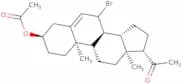
Discontinued product7-Bromo-3-O-acetyl pregnenolone
CAS:Controlled ProductPlease enquire for more information about 7-Bromo-3-O-acetyl pregnenolone including the price, delivery time and more detailed product information at the technical inquiry form on this page
Formula:C23H33BrO3Purity:Min. 95%Molecular weight:437.41 g/molRef: 3D-FB19128
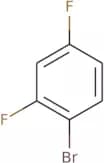
Discontinued product2,4-Difluorobromobenzene
CAS:2,4-Difluorobromobenzene is an efficient method for synthesizing a variety of fluorinated arenes. It is a member of the class of compounds known as fluoroarenes. The synthesis starts with 2-bromobenzene, which reacts with butyllithium in the presence of trifluoroacetic acid to form 2-bromo-4-fluorobenzene. This compound can then be converted to the desired product by treatment with activated carbon or photochromic agents such as benzophenone and tetracyanoethylene. 2,4-Difluorobromobenzene can also be used as a synthetic intermediate for antifungal agents such as fluconazole and it has been shown to have some activity against Cryptococcus neoformans.
Formula:C6H3BrF2Purity:Min. 95%Molecular weight:192.99 g/molRef: 3D-FD16010
Discontinued productEtifoxine hydrochloride
CAS:Controlled ProductEtifoxine hydrochloride is a drug that has been used in the treatment of asthma and other pulmonary diseases. It is a potent inhibitor of phospholipase A2, which modulates the production of inflammatory mediators. Etifoxine hydrochloride has been shown to have neurotrophic effects, with potential for clinical use in the treatment of neurodegenerative disorders such as Alzheimer's disease and Parkinson's disease. This drug also has anti-inflammatory properties due to its inhibition of prostaglandin synthesis. Etifoxine hydrochloride acts as an agonist on receptors, which may be responsible for some of its biological properties, including thermal expansion and axonal growth. In addition, this drug is a competitive inhibitor of the enzyme poly(ADP-ribose) polymerase (PARP), which is involved in DNA repair and cell division.
Formula:C17H18Cl2N2OPurity:Min. 95%Molecular weight:337.24 g/molRef: 3D-FE23188
Discontinued productrac-N-ethyl amphetamine hydrochloride
CAS:Controlled ProductRacemic amphetamine is a psychoactive substance that has been extensively used in the past as a stimulant, for example in the treatment of ADHD and narcolepsy. Racemic amphetamine is typically used to monitor drug use or to identify adulterants in urine samples. It is also used in the analysis of psychoactive substances and for the detection of phenylpropanolamine (PPA) and formic acid. Racemic amphetamine is a controlled substance that can be found in various forms, including methanolic solution, dilution, analyze, and reaction monitoring. Its use has been shown to be linear and it can be quantified by high-performance liquid chromatography.Formula:C11H18ClNPurity:Min. 95%Molecular weight:199.72 g/molRef: 3D-FR27648
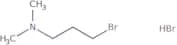
Discontinued product3-Bromo-N,N-dimethylpropan-1-amine hydrobromide
CAS:Please enquire for more information about 3-Bromo-N,N-dimethylpropan-1-amine hydrobromide including the price, delivery time and more detailed product information at the technical inquiry form on this page
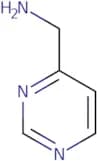
Purity:Min. 95%(Pyrimidin-4-ylmethyl)amine dihydrochloride
CAS:Pyrimidin-4-ylmethyl)amine dihydrochloride is a drug that belongs to the class of drugs known as kinase inhibitors. Pyrimidin-4-ylmethyl)amine dihydrochloride inhibits the kinase activity of Jak3, which is involved in regulating inflammation and immune response. This inhibitor has been shown to be effective against chronic inflammatory diseases such as asthma, psoriasis, and rheumatoid arthritis. Pyrimidin-4-ylmethyl)amine dihydrochloride has an affinity for ATP binding sites and can be used to regulate kinase activity by competing with ATP for these binding sites.
Formula:C5H7N3Purity:Min. 95%Molecular weight:109.13 g/molRef: 3D-FP127036
Discontinued product(NZ)-4-chloro-N-[1-[2-(4-nitrophenyl)ethyl]piperidin-2-ylidene]benzenesulfonamide
CAS:Controlled ProductPlease enquire for more information about (NZ)-4-chloro-N-[1-[2-(4-nitrophenyl)ethyl]piperidin-2-ylidene]benzenesulfonamide including the price, delivery time and more detailed product information at the technical inquiry form on this page
Formula:C19H20ClN3O4SPurity:Min. 95%Molecular weight:421.9 g/molRef: 3D-FN154024
Discontinued product1-Bromo-3,4,5-trifluorobenzene
CAS:1-Bromo-3,4,5-trifluorobenzene is a chemical compound that belongs to the trimethyl group. It is synthesized from cyclohexane by dehydration and chlorination. 1-Bromo-3,4,5-trifluorobenzene has been shown to have a redox potential of -0.76 V vs. Ag/AgCl and is therefore an electron donor in reactions with electron acceptors such as chloride or multi-walled carbon nanotubes. The synthesis process for this compound involves a Suzuki coupling reaction between bromine and phenylacetylene followed by hydrolysis of the resulting intermediate to produce 2-bromopropane. The final step in the synthetic process involves the treatment of the intermediate with hydrogen fluoride to yield 1-bromo-3,4,5-trifluorobenzene. This chemical can be used as an industrial solvent for organic sol
Formula:C6H2BrF3Purity:Min. 95%Color and Shape:Clear LiquidMolecular weight:210.98 g/molRef: 3D-FB64568
Discontinued productAmmonium Hexafluoroniobate
CAS:Ammonium hexafluoroniobate is an organosilicon compound that does not react with water and is used as a solvent for other organics. It can be activated to form a reactive surface by treatment with a metal such as copper or aluminum, which can then be used in the treatment of metals. Ammonium hexafluoroniobate has been used as a diagnostic agent and diagnostic reagent in various reactions at different temperatures. It has also been used as the photoreceptor in electrophotographic printing processes, where it is exposed to light-sensitive material and then developed using organic solvents.
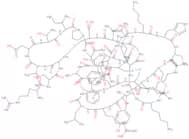
Formula:F6H4NNbPurity:Min. 95%Molecular weight:224.94 g/molStichodactyla helianthus Neurotoxin (ShK) trifluoroacetate salt
CAS:ShK is an amide toxin that is found in the skin of the tropical marine organism Stichodactyla helianthus. It has been shown to have antimicrobial activity against E. coli and other bacteria, as well as a protective effect on inflammatory bowel disease. ShK has been shown to act by inhibiting protein synthesis, which may be due to its ability to bind to signal peptides and change their conformation.Formula:C169H274N54O48S7Purity:Min. 95%Molecular weight:4,054.78 g/molRef: 3D-FS108658
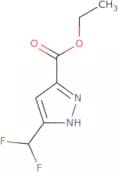
Discontinued productEthyl 3-(difluoromethyl)-1H-pyrazole-5-carboxylate
CAS:Please enquire for more information about Ethyl 3-(difluoromethyl)-1H-pyrazole-5-carboxylate including the price, delivery time and more detailed product information at the technical inquiry form on this pageFormula:C7H8F2N2O2Purity:Min. 95%Color and Shape:PowderMolecular weight:190.15 g/molRef: 3D-FE133779
Discontinued productSodium chlorite
CAS:Sodium chlorite is a disinfectant that is used to reduce the number of bacteria in the air, water, and surfaces. It is acidic and has been shown to be effective against infectious diseases such as tuberculosis, cholera, and malaria. Sodium chlorite can be produced through the oxidation of sodium chloride by chlorite ion at high temperatures. The optimum concentration for sodium chlorite is 10-15%. This agent can also be used as an analytical method for determining the presence of organic compounds that are difficult to measure by other methods. Laser ablation coupled with mass spectrometry is one example of this technique. Sodium chlorite can also be used to treat wastewater and inhibits oxidative injury in cells.
Formula:NaClO2Purity:Min. 95%Color and Shape:White To Yellow SolidMolecular weight:90.44 g/molRef: 3D-FS09639
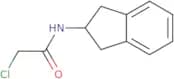
Discontinued product2-Chloro-N-(2,3-dihydro-1H-inden-2-yl)acetamide
CAS:Controlled ProductPlease enquire for more information about 2-Chloro-N-(2,3-dihydro-1H-inden-2-yl)acetamide including the price, delivery time and more detailed product information at the technical inquiry form on this page
Formula:C11H12ClNOPurity:Min. 95%Molecular weight:209.67 g/molRef: 3D-FC122537
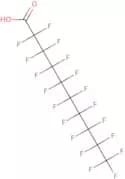
Discontinued productNonadecafluorodecanoic acid
CAS:Nonadecafluorodecanoic acid (NDFA) is a fatty acid that has been shown to be an effective solvent for wastewater treatment. This product has been found to have a matrix effect on mouse tumor cells, as well as enzyme activities in vitro. NDFA has also been shown to have acute toxicities in mice and genotoxic activity in vitro. NDFA is not carcinogenic and does not react with DNA, but does cause mutagenic effects such as single-stranded breaks, double-stranded breaks, or cross-linkages between DNA strands. The molecular weight of NDFA is 216 g/mol and the melting point is -52°C. It can be detected by electrochemical detector at concentrations of 0.1 ppm and by optical sensor at concentrations of 1 ppm. The analytical method used for NDFA quantification is gas chromatography/mass spectrometry (GC/MS).
Formula:C10HF19O2Purity:Min. 95%Color and Shape:PowderMolecular weight:514.08 g/molRef: 3D-FN60474
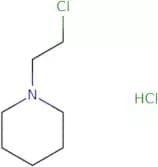
Discontinued product1-(2-Chloroethyl)piperidine hydrochloride
CAS:1-(2-Chloroethyl)piperidine hydrochloride is a chemical compound that has photochemical properties. It is used as an amine and in the synthesis of other chemicals. The crystal structure of 1-(2-Chloroethyl)piperidine hydrochloride has been determined by X-ray crystallography. It also has antibacterial activity and inhibits the growth of bacteria by binding to single-stranded DNA, which prevents DNA replication. 1-(2-Chloroethyl)piperidine hydrochloride binds to DNA with tetradentate coordination, forming a stable complex which does not allow the DNA polymerase to bind to the single strand. 1-(2-Chloroethyl)piperidine hydrochloride can be detected using mass spectrometry and nuclear magnetic resonance spectra.
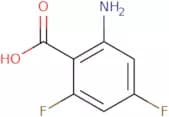
Formula:C7H14ClN•HClPurity:Min. 95%Molecular weight:184.11 g/mol2-Amino-4,6-difluorobenzoic acid
CAS:Please enquire for more information about 2-Amino-4,6-difluorobenzoic acid including the price, delivery time and more detailed product information at the technical inquiry form on this page
Formula:C7H5F2NO2Purity:Min. 95%Molecular weight:173.12 g/molRef: 3D-FA54385
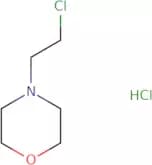
Discontinued product4-(2-Chloroethyl)morpholine hydrochloride
CAS:4-(2-Chloroethyl)morpholine hydrochloride (PCEM) is a potent and selective inhibitor of bacterial topoisomerase IV. The compound has been found to have no effect on the mammalian enzyme, but does inhibit growth in bacteria such as Staphylococcus aureus and Escherichia coli. PCEM exhibits good stability in organic solvents, including water, and is not toxic to mammals at high doses. The compound has been used as an antibacterial agent in pharmaceutical preparations.
Formula:C6H12ClNO•HClColor and Shape:PowderMolecular weight:186.08 g/molNickel(II) chloride hexahydrate
CAS:Nickel chloride hexahydrate is a compound that belongs to the group of inorganic compounds. It has a linear range and is used as an electrode material for electrochemical measurements. Nickel chloride hexahydrate forms a helical structure with a supramolecular assembly of the metal ions in its crystal lattice, which is stabilized by hydrogen bonding. This compound can be used in FTIR spectroscopy and deionized water as well as other electrolytes to measure the concentration of chloride, magnesium, and other ions.
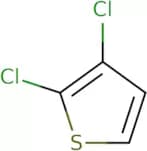
Formula:NiCl2•(H2O)6Purity:Min. 95%Color and Shape:PowderMolecular weight:237.69 g/mol2,3-Dichlorothiophene
CAS:2,3-Dichlorothiophene is a heterocyclic compound that can be used as an intermediate in organic synthesis. The compound has two isomers, 2,2-dichlorothiophene and 2,3-dichlorothiophene. The first isomer reacts with water to form a protonated species and the second isomer reacts with chlorine to form a protonated species. The thermodynamic parameters for the reaction of 2,3-dichlorothiophene with chlorine are more favorable than those for the reaction of 2,2-dichlorothiophene with chlorine. This means that the equilibrium lies to the right when 2,3-chlorothiophene is reacted with chlorine (to form 2,3-dichloroethane), but not when 2,2-chlorothiophene is reacted with chlorine (to form chloroform).
Formula:C4H2Cl2SPurity:Min. 95%Color and Shape:Clear LiquidMolecular weight:153.03 g/molRef: 3D-FD149793
Discontinued productTrichlorooctadecylsilane
CAS:Trichlorooctadecylsilane is a model system that consists of a monolayer of octadecyltrichlorosilane particles. The dispersive solid-phase extraction technique can be used to extract analytes from the surface of this particle. This technique involves removing the solvent from a sample by passing it through an adsorbent. The hydrophobic effect, which is the phenomenon that a nonpolar substance is dissolved in a nonpolar solvent, will cause analytes to bind to the hydrophobic surface of octadecyltrichlorosilane particles because they are hydrophobic.
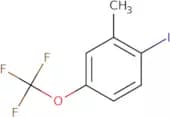
Purity:Min. 95%2-Methyl-4-(trifluoromethoxy)iodobenzene
CAS:Please enquire for more information about 2-Methyl-4-(trifluoromethoxy)iodobenzene including the price, delivery time and more detailed product information at the technical inquiry form on this page
Formula:C8H6F3IOPurity:Min. 95%Molecular weight:302.03 g/molRef: 3D-FM85964
Discontinued product(2-Iodophenyl)(2,3,6,7-tetrahydro-1H,5H-benzo[ij]quinolizin-9-yl)methanone
2-Iodophenyl)(2,3,6,7-tetrahydro-1H,5H-benzo[ij]quinolizin-9-yl)methanone is a high quality reagent that can be used as a useful intermediate and building block in the synthesis of complex compounds.
Formula:C19H18INOPurity:Min. 95 Area-%Molecular weight:403.26 g/molRef: 3D-I-7660
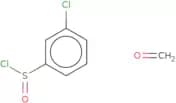
Discontinued product3-Chlorobenzenesulfonyl chloride
CAS:3-Chlorobenzenesulfonyl chloride is a versatile building block that is used in the preparation of complex compounds. 3-Chlorobenzenesulfonyl chloride is also a reagent, speciality chemical, and useful scaffold for the synthesis of high quality chemical products. It can be used as a starting material to produce a variety of organic molecules with diverse functional groups. 3-Chlorobenzenesulfonyl chloride is commercially available from companies such as Sigma Aldrich, TCI America, and Acros Organics.
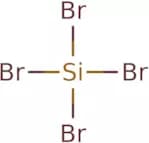
Formula:C6H4Cl2O2SPurity:Min. 95%Color and Shape:Colourless To Yellow LiquidMolecular weight:211.07 g/molSilicon tetrabromide
CAS:Silicon tetrabromide is a chemical compound that is reactive and has the chemical formula SiBr4. This compound is prepared by reacting ethylene diamine with water vapor over a solid catalyst such as phosphorus pentoxide. Silicon tetrabromide can be used as a catalyst in various organic reactions, such as the production of glycerin from the reaction of halides and glycerin. Silicon tetrabromide can also be used to produce low energy silicon radicals from aromatic hydrocarbons, which are useful for structural analysis.
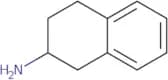
Formula:Br4SiPurity:Min. 95%Color and Shape:Clear LiquidMolecular weight:347.7 g/mol1,2,3,4-Tetrahydronaphthalen-2-amine hydrobromide
CAS:Controlled Product1,2,3,4-Tetrahydronaphthalen-2-amine hydrobromide (THNA) is an amine that inhibits the enzyme tyrosine hydroxylase. This inhibition leads to a decrease in the synthesis of dopamine and norepinephrine. THNA has been shown to have inhibitory properties on locomotor activity, acid complex formation, and aminotransferases. It also exhibits receptor binding and agonist binding site activity. One study found that THNA had no effect on rat striatal tissue. The drug has been shown to be effective in metabolic disorders such as obesity.
Formula:C10H13NPurity:Min. 95%Molecular weight:147.22 g/molRef: 3D-FT133201
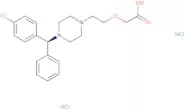
Discontinued product(S)-Cetirizine dihydrochloride
CAS:Cetirizine is a levorotatory antihistamine that has been shown to have a linear response to changes in concentration. It is used as an anti-allergic agent for the treatment of allergic conjunctivitis and other allergic disorders. Cetirizine is an H1 receptor antagonist and its activity is due to competitive inhibition of histamine binding at this site. Cetirizine also inhibits the release of inflammatory mediators from mast cells, including histamine, prostaglandin D2, leukotrienes, and interleukins. This drug also has a rapid onset of action and it can be administered on a once-daily schedule.
Purity:Min. 95%Molecular weight:461.81Ref: 3D-FC44789
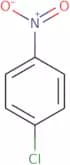
Discontinued product4-Chloronitrobenzene
CAS:4-Chloronitrobenzene is a type strain of the bacterium Nitrosomonas europaea. It has been shown to be toxic to cells in both aerobic and anaerobic culture. 4-Chloronitrobenzene inhibits the activity of hydrogenase enzymes, which are required for the reduction of molecular oxygen to water. The toxicity of 4-chloronitrobenzene is due to its ability to inhibit enzyme activity, leading to cell death. This bacterium also has the ability to use chlorinated hydrocarbons as a carbon source and cause chlorination of other biological molecules. In addition, it can reduce metal hydroxides and form metal complexes with palladium and platinum metals. 4-Chloronitrobenzene is found in soil samples that have high concentrations of chloride ions or neutral pH values. Its phase equilibrium diagram shows that this compound exists mainly in liquid form when it is at low temperature, but becomes more
Formula:C6H4ClNO2Purity:Min. 95%Color and Shape:SolidMolecular weight:157.55 g/molRef: 3D-FC167947
Discontinued product2-(Trifluoroacetamido)Ethylamine Hydrochloride
CAS:Please enquire for more information about 2-(Trifluoroacetamido)Ethylamine Hydrochloride including the price, delivery time and more detailed product information at the technical inquiry form on this page
Formula:C4H7F3N2OPurity:Min. 95%Molecular weight:156.11 g/molRef: 3D-FT89649
Discontinued product4-(4-Chlorophenoxy)butyric acid
CAS:Controlled Product4-(4-Chlorophenoxy)butyric acid (4CBA) is a nitrobenzodiazepine derivative. It has been shown to bind to the benzodiazepine receptor at the same site as benzodiazepines, but with a different conformation. This drug has been shown to be an effective treatment for anxiety, but not depression. In addition, 4CBA has been shown to interact with GABA receptors and modulate their activity. It also appears that this drug may be useful in the treatment of epilepsy and other neurological disorders because it can enhance GABAergic transmission. 4CBA binds to the carboxylate site on GABA A receptors and inhibits chloride ion influx, which leads to membrane hyperpolarization. This binding also causes conformational changes in the receptor protein that have an effect on the binding of other ligands at the same site. The molecular modelling techniques used for this research showed that 4CBA binds in a similar manner as benzod
Formula:C10H11ClO3Purity:Min. 95%Molecular weight:214.65 g/molRef: 3D-FC54216
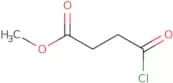
Discontinued productMethyl 4-chloro-4-oxobutanoate
CAS:Methyl 4-chloro-4-oxobutanoate is a chemical compound that is used as a medicine. It has been shown to have an affinity for the human immunodeficiency virus (HIV) and can be used to treat HIV infection. Methyl 4-chloro-4-oxobutanoate is also used in other types of medicines, such as those for treating high blood pressure and heart disease. This chemical binds to the receptors on cells that are responsible for regulating blood pressure and heart rate, which leads to inhibition of cyclic guanosine monophosphate (cGMP) production. Methyl 4-chloro-4-oxobutanoate inhibits the activity of lipolytic enzymes, which break down fats into smaller units, by binding at the active site of these enzymes. It also binds to chloride ions and prevents them from being released from cells, which causes a rise in intracellular chloride levels. This increase in chloride
Formula:C5H7ClO3Purity:Min. 95%Color and Shape:Clear LiquidMolecular weight:150.56 g/molQuinoline-6-sulfonyl chloride
CAS:Please enquire for more information about Quinoline-6-sulfonyl chloride including the price, delivery time and more detailed product information at the technical inquiry form on this page
Formula:C9H6ClNO2SPurity:Min. 95%Molecular weight:227.67 g/mol2,6-Difluorobenzyl chloride
CAS:2,6-Difluorobenzyl chloride is a dihedral molecule that can be synthesized from an amide and a chlorinating agent. It is used in the chromatographic method to separate β-unsaturated ketones from their corresponding acid chloride. The 2,6-difluorobenzyl chloride was prepared by condensation of the corresponding acid chloride with phenol in an organic solvent. The validation of this reaction system was done using a chromatographic method on β-unsaturated ketones and chloride gas. The hydrogen chloride gas was bubbled through an ice water bath, generating chlorine gas which was then passed over the sample. The resulting 2,6-difluorobenzyl chloride was identified by its functional groups
Formula:C7H5ClF2Purity:Min. 95%Color and Shape:Clear To Light (Or Pale) Yellow SolidMolecular weight:162.5 g/molRef: 3D-FD03441
Discontinued product1-[(4-Chlorophenyl)phenylmethyl]piperazine
CAS:Controlled Product1-[(4-Chlorophenyl)phenylmethyl]piperazine is an analytical reagent that is used in the determination of meclozine, a drug used for the treatment of nausea and vomiting. 1-[(4-Chlorophenyl)phenylmethyl]piperazine is a nucleophile, which means that it can donate electrons to other molecules. It can be used as a catalyst to increase the rate of chemical reactions. 1-[(4-Chlorophenyl)phenylmethyl]piperazine may also be used in wastewater treatment because it has been shown to have phospholipidosis inhibiting properties. The levorotatory form (1R-enantiomer) of this compound has been shown to inhibit protein synthesis in vitro and is an amine oxidase inhibitor that binds to proteins with nitrogen atoms. This nucleophilic compound may also be converted into an n-oxide or dinucleotide phosphate by hydrochloric acid and
Formula:C17H19ClN2Purity:Min. 95%Molecular weight:286.8 g/molRef: 3D-FC20350
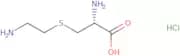
Discontinued productS-Aminoethyl-L-cysteine hydrochloride
CAS:S-Aminoethyl-L-cysteine hydrochloride is an amino acid that is used in the diagnosis of metabolic disorders. It has been found to have a high concentration in plasma and can be used to measure the activity of bowel disease. S-Aminoethyl-L-cysteine hydrochloride is also used as a diagnostic marker for inflammatory diseases. It is extensively metabolized by acidic hydrolysis, which results in the release of chloride ions and amines.
Formula:C5H12N2O2S·HClPurity:Min. 95%Color and Shape:White PowderMolecular weight:200.69 g/molRef: 3D-FA47667
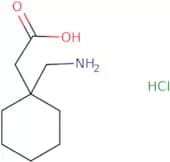
Discontinued productGabapentin Hydrochloride
CAS:Controlled ProductGabapentin is a drug that binds to the alpha2-delta subunit of voltage-gated calcium channels, which are found in the brain and peripheral nervous system. This binding prevents the influx of calcium ions into nerve cells, which prevents neurotransmitter release and blocks transmission of pain signals. Gabapentin has been shown to reduce diabetic neuropathy pain in women by inhibiting the release of substance P from sensory nerves in the bladder. The time for gabapentin to be detected in urine can range from 1 day to 2 weeks, depending on the type of test used. Gabapentin is also used for other indications such as epilepsy, postherpetic neuralgia, and bipolar disorder. Gabapentin may be administered as an acid addition salt with hydrochloric acid or trifluoroacetic acid. It is a crystalline polymorph that exhibits different properties when heated or cooled.
Formula:C9H17NO2·HClPurity:Min. 95%Molecular weight:207.7 g/molRef: 3D-FG43012
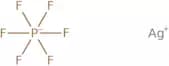
Discontinued productSilver hexafluorophosphate
CAS:Silver hexafluorophosphate (AgPF) is a silver salt of the inorganic acid hexafluoro-phosphoric acid. It has been shown to have a high reactivity with organic compounds and is insoluble in water. Silver hexafluorophosphate is used as an additive for certain polymers, such as PVC, to improve their insulating properties. In addition, AgPF has shown biological properties that may be due to its ability to act as a chelate ligand and bind metal ions. The reaction mechanism of AgPF involves the formation of hydrogen bonding interactions with nitrogen atoms, which are found in biological molecules such as proteins and nucleic acids.
Formula:AgPF6Purity:Min. 95%Molecular weight:252.83 g/molo-Chloramine T
CAS:O-Chloramine T is a chemical compound that is used in the treatment of cancer. It is an endoreduplication agent and has been shown to cause endothelial cell growth and apoptosis in cancer cells. O-Chloramine T binds to the membrane of cancer cells, which leads to a decrease in autocrine activity and cell binding. O-Chloramine T also inhibits endothelial cell growth by inhibiting protein synthesis and blocking the synthesis of DNA and RNA. This drug has been shown to have anti-cancer properties in animal models and hyperosmolarity properties, which may be due to its ability to cause vessels to collapse.
Formula:C7H7ClNNaO2SColor and Shape:PowderMolecular weight:227.64 g/molRef: 3D-FC60638
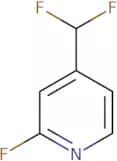
Discontinued product4-(Difluoromethyl)-2-fluoropyridine
CAS:Please enquire for more information about 4-(Difluoromethyl)-2-fluoropyridine including the price, delivery time and more detailed product information at the technical inquiry form on this page
Formula:C6H4F3NPurity:Min. 95%Molecular weight:147.1 g/molRef: 3D-FD82292
Discontinued product


![2-Chloro-N-[2-(trifluoromethyl)phenyl]propanamide](/_next/image/?url=https%3A%2Fstatic.cymitquimica.com%2Fproducts%2F3D%2Fthumb-webp%2FFC127364.webp&w=3840&q=75)



![2-chloro-n-[3-(trifluoromethyl)phenyl]acetamide](/_next/image/?url=https%3A%2Fstatic.cymitquimica.com%2Fproducts%2F3D%2Fthumb-webp%2FFC59251.webp&w=3840&q=75)






![2-{[3-chloro-5-(trifluoromethyl)-2-pyridinyl]sulfanyl}acetohydrazide](/_next/image/?url=https%3A%2Fstatic.cymitquimica.com%2Fproducts%2F3D%2Fthumb-webp%2FFC170011.webp&w=3840&q=75)




![(NZ)-4-chloro-N-[1-[2-(4-nitrophenyl)ethyl]piperidin-2-ylidene]benzenesulfonamide](/_next/image/?url=https%3A%2Fstatic.cymitquimica.com%2Fproducts%2F3D%2Fthumb-webp%2FFN154024.webp&w=3840&q=75)



![(2-Iodophenyl)(2,3,6,7-tetrahydro-1H,5H-benzo[ij]quinolizin-9-yl)methanone](/_next/image/?url=https%3A%2Fstatic.cymitquimica.com%2Fproducts%2F3D%2Fthumb-webp%2FI-7660.webp&w=3840&q=75)



![1-[(4-Chlorophenyl)phenylmethyl]piperazine](/_next/image/?url=https%3A%2Fstatic.cymitquimica.com%2Fproducts%2F3D%2Fthumb-webp%2FFC20350.webp&w=3840&q=75)