Organic Halides
In this category, you can find organic molecules containing one or more halogen atoms in their structure. These organic halides include brominated, iodinated, chlorinated, and cyclic halide compounds. Organic halides are widely used in organic synthesis, pharmaceuticals, agrochemicals, and materials science due to their reactivity and ability to undergo a variety of chemical transformations. At CymitQuimica, we offer a comprehensive selection of high-quality organic halides to support your research and industrial applications, ensuring reliable and effective performance in your synthetic and analytical projects.
Subcategories of "Organic Halides"
Found 20440 products of "Organic Halides"
Sort by
Purity (%)
0
100
|
0
|
50
|
90
|
95
|
100
Demeclocycline hydrochloride
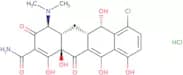
CAS:Demeclocycline hydrochloride is a tetracycline antibiotic that binds to the tetracycline receptor and inhibits bacterial protein synthesis. Demeclocycline hydrochloride has been shown to be effective against many types of bacteria, including those that are resistant to other antibiotics such as methicillin or vancomycin. Demeclocycline hydrochloride has been used in the treatment of skin cancer and also has anti-inflammatory properties. Demeclocycline hydrochloride is a hydrophobic molecule with a metal chelating ability that can be used for wastewater treatment.Formula:C21H21ClN2O8·ClHPurity:Min. 95%Color and Shape:White PowderMolecular weight:501.31 g/mol4-Bromophenacyl bromide
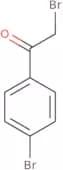
CAS:4-Bromophenacyl bromide is an inhibitor of phospholipase A2. It inhibits the enzyme phospholipase A2, which is responsible for the release of arachidonic acid from membrane phospholipids. This product has been shown to inhibit the growth of cancer cells in vitro and in vivo. 4-Bromophenacyl bromide also inhibits human phospholipase A2 and is used as a research tool to study this enzyme's function.Formula:C8H6Br2OPurity:Min. 95%Color and Shape:White PowderMolecular weight:277.94 g/mol(4-Aminophenyl)-N-(3-(trifluoromethyl)phenyl)formamide
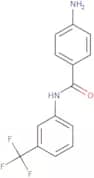
CAS:Please enquire for more information about (4-Aminophenyl)-N-(3-(trifluoromethyl)phenyl)formamide including the price, delivery time and more detailed product information at the technical inquiry form on this pageFormula:C14H11F3N2OPurity:Min. 95%Color and Shape:PowderMolecular weight:280.25 g/mol2,3-Difluoro-4-(trifluoromethyl)phenol
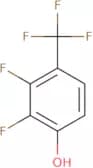
CAS:2,3-Difluoro-4-(trifluoromethyl)phenol is a useful scaffold for the synthesis of complex compounds. The compound is a useful intermediate in the synthesis of research chemicals and speciality chemicals. It is also used as a reaction component in chemical reactions to produce fine chemicals, such as pharmaceuticals.Formula:C7H3F5OPurity:Min. 95%Color and Shape:PowderMolecular weight:198.09 g/molChlorotris(trimethylsilyl)silane
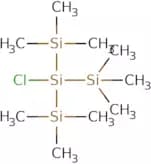
CAS:<p>Chlorotris(trimethylsilyl)silane is a chlorosilane with a trifluoromethyl group and one other organic group. It can be prepared by thermal decomposition of chlorotrimethylsilane. Chlorotris(trimethylsilyl)silane has been used in the synthesis of branched-chain alkanes and cycloalkanes, as well as in the preparation of molecular fragments for use in organometallic syntheses. This molecule absorbs ultraviolet light strongly at 254 nm, making it useful for measurements of UV absorption spectra.</p>Formula:C9H27ClSi4Purity:Min. 95 Area-%Color and Shape:White PowderMolecular weight:283.11 g/mol(3-Benzyloxy-phenyl)hydrazine hydrochloride
CAS:<p>3-Benzyloxy-phenyl)hydrazine hydrochloride is a chemical used in the synthesis of other organic compounds. It is a versatile building block that can be used in the preparation of complex compounds and useful intermediates. 3-Benzyloxy-phenyl)hydrazine hydrochloride is an excellent reagent for reactions involving electron-deficient alkenes, alkynes, and cyclic ethers. This compound also has applications as a pharmaceutical intermediate and as an analytical reference standard for chemical analyses.</p>Formula:C13H14N2O·HClPurity:Min. 95%Color and Shape:PowderMolecular weight:250.72 g/mol3-Carboxy-5-(2-chlorophenyl)-1-phenylpyrazole
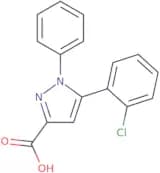
CAS:Controlled Product<p>3-Carboxy-5-(2-chlorophenyl)-1-phenylpyrazole is a white solid that is soluble in organic solvents. It is a useful scaffold that can be used as a starting material for the synthesis of complex compounds. 3-Carboxy-5-(2-chlorophenyl)-1-phenylpyrazole has been shown to be an intermediate in the synthesis of speciality chemicals and fine chemicals, such as pesticides and pharmaceuticals.</p>Formula:C16H11ClN2O2Purity:Min. 95%Molecular weight:298.72 g/mol(3R)-Hydroxymethylmorpholine
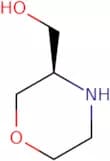
CAS:<p>(3R)-Hydroxymethylmorpholine is a versatile building block and useful intermediate that is used in research to produce complex compounds. It can be used as a reaction component and fine chemical in the synthesis of high-quality reagents. CAS No. 211053-49-5.</p>Formula:C5H11NO2Purity:Min. 95%Color and Shape:White PowderMolecular weight:117.15 g/mol(S)-2-Amino-3-(methylamino)propanoic acid hydrochloride
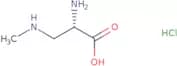
CAS:<p>(S)-2-Amino-3-(methylamino)propanoic acid hydrochloride is a synthetic compound often used in scientific research. It is derived from non-proteinogenic amino acids and has important implications for the study of neurotoxicology. This compound mimics the structural properties of certain naturally occurring amino acids, which allows it to act as a significant tool for understanding biological pathways affected by neurotoxins.</p>Formula:C4H11ClN2O2Color and Shape:Off-White PowderMolecular weight:154.6 g/mol4-Fluoro-1H-indole-3-carbaldehyde
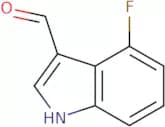
CAS:<p>4-Fluoro-1H-indole-3-carbaldehyde is a chemical compound that can be used as a reagent, reaction component, or building block in the synthesis of more complex compounds. This chemical is also known as CAS No. 23073-31-6 and has high quality and purity. 4-Fluoro-1H-indole-3-carbaldehyde is useful for research purposes and can be used as a speciality chemical or a fine chemical.</p>Formula:C9H6FNOPurity:Min. 95%Color and Shape:Yellow To Brown SolidMolecular weight:163.15 g/molN-[(S)-(2,3,4,5,6-Pentafluorophenoxy)phenoxyphosphinyl]-L-alanine 1-methylethyl ester
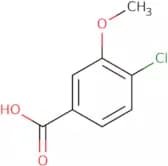
CAS:Intermediate in the synthesis of sofosbubirFormula:C18H17F5NO5PPurity:Min. 97 Area-%Color and Shape:White PowderMolecular weight:453.3 g/mol4-Chloro-3-methoxybenzoic acid
CAS:4-Chloro-3-methoxybenzoic acid (4CMB) is a putative cancer drug that belongs to the group of imidazole derivatives. 4CMB has been shown to inhibit the growth of human breast and colon cancer cells in culture by altering the metabolism of 3-hydroxyanthranilic acid, which is an acceptor for aromatic amino acid hydroxylase. The effect of 4CMB on this enzyme leads to a decrease in the production of kynurenine, which is a molecule involved in the production of melanin. This reduced amount of kynurenine results in a loss of pigment and decreases the ability of melanocytes to produce pigments such as melanin. This may help explain how 4CMB works against malignant cells and cancer.Formula:C8H7ClO3Purity:Min. 95%Color and Shape:PowderMolecular weight:186.59 g/molTitanium(IV) Chloride - (14% in Dichloromethane, ca. 1.0mol/L)
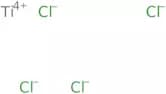
CAS:Titanium chloride is a chemical compound with the formula TiCl4. It is soluble in many organic solvents, and it reacts with water to form an acidic solution of hydrochloric acid. Titanium chloride is used as a catalyst for the synthesis of polymers such as poly(trifluoroethylene) and poly(vinyl chloride). This compound also has been used in clinical studies to treat chronic bronchitis. The reaction mechanism of titanium chloride is not clear, but it has been suggested that it may involve a Friedel-Crafts type reaction or an electrochemical process. The transport properties of titanium chloride are not well studied, but fluorescence spectrometry indicates that the molecule contains cationic moieties and carbonyl groups. Titanium chloride can be synthesized by a two-step process: first, iron oxide (FeO) is reacted with trifluoroacetic acid (TFA), followed by addition of TiCl4. The coordination geometry around titaniumFormula:TiCl4Purity:Min. 95%Color and Shape:Colorless PowderMolecular weight:189.68 g/mol2-Iodobenzaldehyde
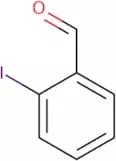
CAS:<p>2-Iodobenzaldehyde is a chemical compound that contains a benzene ring with two iodine substituents. 2-Iodobenzaldehyde has been shown to have affinity for ligands with electron-donating groups, such as methoxy and hydroxyl groups, which may contribute to its high reactivity. This chemical also has the ability to inhibit estrogen receptor modulators, which may be beneficial in treating autoimmune diseases. 2-Iodobenzaldehyde has been shown to reduce electron density between two molecules, allowing it to form hydrogen bonds and interact with stilbene derivatives.</p>Formula:IC6H4CHOPurity:Min. 95%Color and Shape:White PowderMolecular weight:232.02 g/molFmoc-3,5-diiodo-D-tyrosine
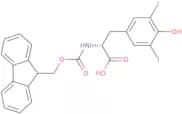
CAS:<p>Please enquire for more information about Fmoc-3,5-diiodo-D-tyrosine including the price, delivery time and more detailed product information at the technical inquiry form on this page</p>Formula:C24H19I2NO5Purity:Min. 95%Color and Shape:PowderMolecular weight:655.22 g/molAzepan-4-one hydrochloride
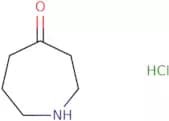
CAS:<p>Azepan-4-one hydrochloride is a versatile building block that can be used as a precursor to many other compounds. It is an important reagent in organic synthesis and is also used as a reactant in the preparation of complex compounds. Azepan-4-one hydrochloride has been shown to be useful for the synthesis of valuable research chemicals, such as thiophene and benzothiophene derivatives. It is also an intermediate in the production of high quality pharmaceuticals, such as anti-cancer drugs and antibiotics. Azepan-4-one hydrochloride is a useful scaffold for the design of new compounds with desired properties.BR><br>Azepan-4-one hydrochloride can be used as an intermediate for pharmaceuticals, speciality chemicals, and research chemicals.BR><br>Azepan-4-one hydrochloride can be converted into other products by using it as a building block or reagent in organic synthesis.BR</p>Formula:C6H11NO•HClPurity:Min. 95%Color and Shape:PowderMolecular weight:149.62 g/mol6-Amino-2,4-dichlorophenol
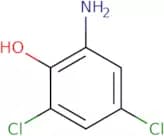
CAS:<p>6-Amino-2,4-dichlorophenol is an organic solution that has been shown to inhibit the uptake of quinoline derivatives by lung fibroblasts. It also inhibits cellular targets such as flavin, blood pressure and v79 cells. 6-Amino-2,4-dichlorophenol has potent antibacterial activity and a reactive nucleophilic group that can form covalent bonds with proteins in the cell membrane. 6-Amino-2,4-dichlorophenol is a reactive agent that binds to DNA and RNA in the bacterial cell's cytoplasmic membrane and inhibits protein synthesis.</p>Formula:C6H5Cl2NOPurity:Min. 95%Color and Shape:PowderMolecular weight:178.02 g/mol5-Phenyl-7-(Trifluoromethyl)-1,3-Dihydro-1,4-Benzodiazepin-2-One
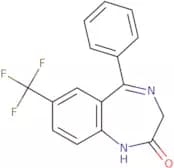
CAS:Controlled Product<p>5-Phenyl-7-(Trifluoromethyl)-1,3-Dihydro-1,4-Benzodiazepin-2-One is a pyrethroid that has been shown to have an effective dose of 10 μg/kg in pharmacological tests. It has been shown to modulate hydrogen bond formation and the hydrophobic effects of diazepam. 5-Phenyl-7-(Trifluoromethyl)-1,3-Dihydro-1,4-Benzodiazepin-2-One is a monomer that can be used for the treatment of cancer. This active compound has been found to bind to the benzodiazepine binding site on GABA receptors in the brain and has been shown to induce digitonin release from nerve endings. It also binds with carbonyl groups which are found on proteins and nucleic acids.</p>Formula:C16H11F3N2OPurity:Min. 95%Molecular weight:304.27 g/mol2-Fluoro-4-methoxyphenylacetone
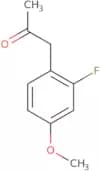
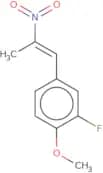
CAS:<p>2-Fluoro-4-methoxyphenylacetone is a high quality chemical that can be used as a reagent, complex compound, and useful intermediate. It is also a fine chemical and speciality chemical with CAS No. 16817-46-2. This product can be used as a reaction component for diverse synthetic reactions in research and development of various types of pharmaceuticals and fine chemicals. It is also versatile building block for the synthesis of valuable products.</p>Formula:C10H11FO2Purity:Min. 95%Molecular weight:182.19 g/mol3'-Fluoro-4'-methoxy-β-methyl-β-nitrostyrene
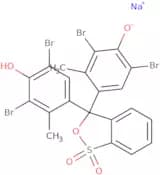
CAS:3'-Fluoro-4'-methoxy-beta-methyl-beta-nitrostyrene is a reactive building block that can be used in the synthesis of many different compounds. It is a fine chemical and a reagent which is useful in organic chemistry. 3'-Fluoro-4'-methoxy-beta-methyl-beta-nitrostyrene is used as a reaction component for the synthesis of many different compounds, including pharmaceuticals, agrochemicals, and other specialty chemicals. It has CAS number 1023717-11-4 and can be used as an intermediate compound or building block for the production of complex compounds.Formula:C10H10FNO3Purity:Min. 95%Color and Shape:PowderMolecular weight:211.19 g/molBromocresol green, sodium salt
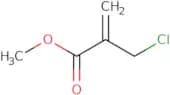
CAS:<p>Bromocresol green is a dye that is used in biological assays to measure the kinetics of fluorescence. It is a type of tryptophan-releasing compound that releases a yellowish-green light when it absorbs light at wavelengths between 350 and 450 nm. Bromocresol green has been quantified by measuring the intensity of the fluorescence emission as a function of time. This can be done visually or using an instrument called a fluorometer, which detects changes in light intensity over time. Bromocresol green can be used to detect the presence of amino acid residues in proteins through protonation reactions with their tryptophan residues and subsequent quenching with acetonitrile. The bromocresol green dye is also used in lithographic printing, where it serves as an acceptor for electrons from an arene (aromatic hydrocarbon). This process generates energy for lithography and also provides contrast between regions with different electron densities.</p>Formula:C21H14Br4O5SNaColor and Shape:PowderMolecular weight:721 g/molMethyl 2-(chloromethyl)acrylate
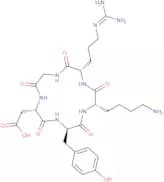
CAS:Methyl 2-(chloromethyl)acrylate is a monomer for polymerization. It is a low molecular weight compound with an average molecular weight of 120. Methyl 2-(chloromethyl)acrylate is produced by the oxidation of methoxyethane, which is then chlorinated to produce methyl 2-(chloromethyl)acrylate. The main use of this monomer is as a co-monomer in the production of poly(methyl methacrylate), which is also known as plexiglass or acrylic glass.Formula:C5H7ClO2Purity:Min. 94.5 Area-%Color and Shape:Colorless Clear LiquidMolecular weight:134.56 g/molCyclo(-Arg-Gly-Asp-D-Tyr-Lys) trifluoroacetate salt
CAS:Cyclo(-Arg-Gly-Asp-D-Tyr-Lys) trifluoroacetate salt is a reagent that is used in organic synthesis as a building block to create complex compounds. It is also useful for research purposes, as it can be used to produce high quality products. Cyclo(-Arg-Gly-Asp-D-Tyr-Lys) trifluoroacetate salt is a chemical with CAS No. 217099-14-4 and has the chemical formula C17H21N3O2F3.Formula:C27H41N9O8Purity:Min. 95%Color and Shape:White SolidMolecular weight:619.67 g/molN-[2-Iodoethyl]trifluoroacetamide
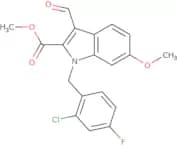
CAS:N-[2-Iodoethyl]trifluoroacetamide is a reactive alkylating agent that is used in the synthesis of biologically active molecules. It reacts with lysines, tryptic and other amino acids to form covalent bonds, which can be cleaved by hydrolysis. The compound also reacts with sulfhydryl groups to produce sulfonium ions, which react with the thiol group at position C6 on the sarcoplasmic reticulum Ca2+ -ATPase to inhibit muscle contraction. N-[2-Iodoethyl]trifluoroacetamide has been shown to cause allergic reactions in rats, mice, and guinea pigs. This drug has also been observed to have an effect on the central nervous system when administered at high doses.Formula:C4H5NOIF3Purity:Min. 95%Color and Shape:PowderMolecular weight:266.99 g/molMethyl 1-(2-chloro-4-fluorobenzyl)-3-formyl-6-methoxy-1H-indole-2-carboxylate
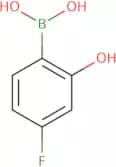
CAS:Controlled ProductPlease enquire for more information about Methyl 1-(2-chloro-4-fluorobenzyl)-3-formyl-6-methoxy-1H-indole-2-carboxylate including the price, delivery time and more detailed product information at the technical inquiry form on this pageFormula:C19H15ClFNO4Purity:Min. 95%Molecular weight:375.78 g/molB-(4-Fluoro-2-hydroxyphenyl)-boronic acid
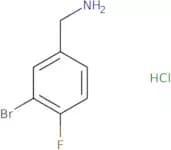
CAS:B-(4-Fluoro-2-hydroxyphenyl)-boronic acid is a fungicide that has been synthesized to inhibit the growth of fungi. This compound is an effective fungicide against a wide variety of plant pathogens. It has been shown to be highly efficient in catalyzing intramolecular cyclization reactions, which are sometimes difficult to perform with traditional methods. The regulatory nature of this compound makes it an excellent candidate for commercial applications in agroscience and industry.Formula:C6H6BFO3Purity:Min. 95%Color and Shape:PowderMolecular weight:155.92 g/mol3-Bromo-4-fluorobenzylamine hydrochloride
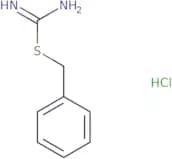
CAS:3-Bromo-4-fluorobenzylamine hydrochloride is a versatile building block that can be used in the preparation of complex compounds. It has been shown to be an effective reagent for research and as a speciality chemical. The compound is also useful as a reaction component or scaffold in the synthesis of high quality and useful intermediates.Formula:C7H8BrClFNPurity:Min. 95%Color and Shape:White PowderMolecular weight:240.5 g/molS-Benzylisothiourea hydrochloride
CAS:S-Benzylisothiourea hydrochloride (SBIT) is a potent inhibitor of the influenza virus by binding to the polymerase domain of the virus’s RNA-dependent RNA polymerase. SBIT inhibits viral transcription and replication, as well as viral assembly, release, and infectivity. SBIT has been shown to inhibit avian influenza A/H5N1 in cell culture and in mice models with no observable adverse effects. The mechanism of action for this drug is not yet understood but may be related to its ability to inhibit the kinase domain of avian influenza NS1 protein which is involved in regulating inflammatory responses.Formula:C8H10N2S·HClPurity:Min. 95%Color and Shape:PowderMolecular weight:202.71 g/molAluminium phthalocyanine chloride
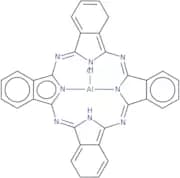
CAS:Aluminium phthalocyanine chloride (APC) is a photosensitizer that has been used in experimental squamous cell carcinoma. It has been shown to activate oxygen species, which can react with DNA and lead to the formation of reactive oxygen species. APC is cytotoxic to cells in culture and causes the inhibition of DNA synthesis. It has also been shown to be more effective at killing cervical carcinoma cells than squamous cell carcinoma cells.Formula:C32H16AlClN8Purity:Min. 95%Color and Shape:PowderMolecular weight:574.96 g/mol2-Pyridine selenyl bromide
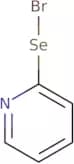
CAS:<p>2-Pyridine selenyl bromide is a co-precursor for the synthesis of 2-selenides. It can be prepared by reacting 2-pyridinesulfonyl chloride with sodium periodate in acetonitrile. This compound can then be converted to a 2-selenide by treatment with methanol and periodic acid. The analytical and preparative methods are shown below:<br>Analytical: Dissolve the sample in dichloromethane, add triethylamine, and extract into diethyl ether. Add a small amount of potassium bromide to the organic layer and evaporate to dryness under vacuum. Recrystallize from acetonitrile.<br>Methanolysis: Dissolve the sample in methanol, add a catalytic amount of hydrochloric acid, and heat at reflux for 12 hours. Cool the solution, filter off any insoluble material, evaporate to dryness</p>Formula:C5H4BrNSePurity:Min. 95%Molecular weight:236.96 g/mol4-Bromo-2,6-difluorobenzyl alcohol
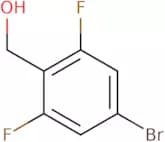
CAS:<p>4-Bromo-2,6-difluorobenzyl alcohol (4BDFA) is a molecule that has been shown to be able to produce magnetic resonance images. It can be used in tumor diagnosis as well as in the imaging of tumors. 4BDFA is synthesized by coupling 2,6-difluoroaniline with bromoacetaldehyde diethyl acetal. The syntheses are carried out under phase transfer catalysis conditions and the reaction is monitored by thin layer chromatography.<br>The synthesis of 4BDFA starts with the preparation of 2,6-difluoroaniline via a Grignard reaction between aniline and magnesium metal. The Grignard reagent is then added to bromoacetaldehyde diethyl acetal in dichloromethane followed by addition of triethylamine dropwise to maintain pH neutrality. The product is then extracted from the organic solution using ethyl ether</p>Formula:C7H5BrF2OPurity:Min. 95%Color and Shape:PowderMolecular weight:223.01 g/molm-Iodobenzonitrile
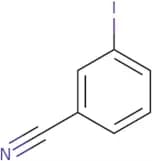
CAS:m-Iodobenzonitrile is a chemical reagent that is a hydrogen bond acceptor and donor. It has been used for the analysis of dopamine, tosylates, and carbonyl compounds. It can also be used in kinetic studies of hydrogen bonding interactions. The dipole moment of m-iodobenzonitrile is 1.779 D. The transport properties of m-iodobenzonitrile are negligible due to its low vapor pressure. Kinetic studies have shown that it reacts with hydrogen gas at room temperature to form a dipole ion pair with an estimated rate constant of 6x10 M/sec. Cross-coupling reactions with aryl halides have been observed at room temperature in the presence of copper catalyst and sodium bicarbonate buffer. Analytical chemistry has shown that m-iodobenzonitrile reacts with acidic solutions to produce hydrogen ions and carbon dioxide gas.Formula:C7H4INPurity:Min. 95%Color and Shape:PowderMolecular weight:229.02 g/mol6-Fluoronicotinic acid
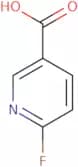
CAS:<p>6-Fluoronicotinic acid is a compound class that is biosynthesized from picolinic acid. It has been found to have biological properties such as the ability to form positrons and spiroindolines. 6-Fluoronicotinic acid can be synthesized by solid-phase synthesis and analyzed using vibrational spectroscopy. This compound class is also a radionuclide, which means it can be used in positron emission tomography (PET) scans of the human body. 6-Fluoronicotinic acid has been shown to bind to cardiac tissue and cancer cells, making it an effective drug for treating these diseases.</p>Formula:C6H4FNO2Purity:Min. 95%Color and Shape:PowderMolecular weight:141.1 g/mol2,4-Difluorobenzaldehyde
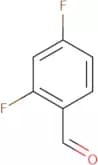
CAS:<p>2,4-Difluorobenzaldehyde is a glycosidic bond compound that is chiral. It has been shown to be able to inhibit human immunodeficiency virus (HIV) infection and inflammatory bowel disease. 2,4-Difluorobenzaldehyde is also an inhibitor of cholesterol ester transfer protein that can lead to autoimmune diseases. This compound has been shown to have receptor activity and is synthesized by the reaction of 2,4-dichlorobenzaldehyde with dimethyl acetal in refluxing ethanol. The synthesis method for this compound involves synchronous fluorescence and radiations. 2,4-Difluorobenzaldehyde has been found to have anti-inflammatory properties due to its ability to inhibit chronic pulmonary inflammation in rats.</p>Formula:C7H4F2OPurity:Min. 95%Color and Shape:Clear LiquidMolecular weight:142.1 g/molPotassium chloride
CAS:<p>Potassium chloride is a salt that prevents and treats low blood potassium levels. It is used in the treatment of hypokalemia, which can result from kidney disease, diuretic use, or gastrointestinal loss. Potassium chloride is also used to prevent and treat high blood potassium levels that can result from some medicines, such as heparin or diuretics. Common side effects of potassium chloride include nausea, vomiting, stomach pain, diarrhea, skin rash, and muscle weakness.</p>Formula:KClPurity:(Titration) Min. 99.0%Color and Shape:White Clear LiquidMolecular weight:74.55 g/molN-(2-Piperidin-4-ylethyl)methanesulfonamide hydrochloride
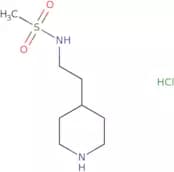
CAS:<p>N-(2-Piperidin-4-ylethyl)methanesulfonamide hydrochloride (MSM) is a fine chemical that belongs to the group of useful scaffolds. It is used as a versatile building block in research and can be used as a reaction component for speciality chemicals. The compound has high quality and can be used as a reagent, which is an important tool for organic synthesis.</p>Formula:C8H18N2O2S·HClPurity:Min. 95%Color and Shape:SolidMolecular weight:242.77 g/mol2-Chlorotrityl chloride
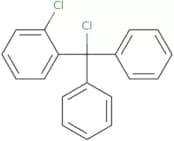
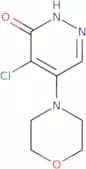
CAS:<p>2-Chlorotrityl chloride is a chemical compound that is synthesized by the reaction of phosphorus pentachloride and chloroform. It is a versatile building block for organic synthesis, which can be used to synthesize many different types of compounds in a single reaction. The hydroxyl group on 2-chlorotrityl chloride reacts with disulfide bonds to form thioethers, while the chlorine atom undergoes substitution reactions. 2-Chlorotrityl chloride is used in the synthesis of serine protease inhibitors and antimicrobial peptides. It also has significant cytotoxicity in biological cells, which may be due to its ability to affect cell membranes or inhibit protein synthesis.</p>Formula:C19H14Cl2Purity:Min. 98 Area-%Color and Shape:White PowderMolecular weight:313.22 g/mol4-Chloro-5-morpholin-4-ylpyridazin-3(2H)-one
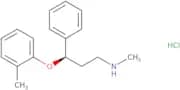
CAS:Please enquire for more information about 4-Chloro-5-morpholin-4-ylpyridazin-3(2H)-one including the price, delivery time and more detailed product information at the technical inquiry form on this pageFormula:C8H10ClN3O2Purity:90%MinColor and Shape:PowderMolecular weight:215.64 g/molTomoxetine hydrochloride
CAS:Controlled ProductNoradrenalin reuptake inhibitorFormula:C17H22ClNOPurity:(%) Min. 95%Color and Shape:White PowderMolecular weight:291.82 g/molL-Tyrosinol hydrochloride
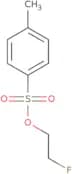
CAS:L-Tyrosinol hydrochloride is a chiral molecule that is the hydrogenated form of L-tyrosine. It is an intermediate in the synthesis of L-dopa, which is used to treat Parkinson's disease. The enzymatic reaction that converts L-tyrosinol hydrochloride to L-dopa requires adenosine 5'-phosphosulfate as cofactor and histidine as a catalyst. The conversion of L-tyrosinol hydrochloride to L-dopa occurs with high yield and has been shown to be stereoselective. This synthetic pathway has been shown to have an activation energy of 53 kcal/mol and a reaction time of 30 minutes at room temperature.Formula:C9H13NO2·HClColor and Shape:White Off-White PowderMolecular weight:203.67 g/mol2-Fluoroethyl tosylate
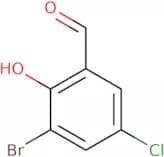
CAS:<p>2-Fluoroethyl tosylate is a potent antagonist of the benzodiazepine receptor that is used in vivo to measure the affinity and selectivity of ligands. The 2-fluoroethyl tosylate binds reversibly to the benzodiazepine receptor, so that it can be easily displaced by another ligand. This process can be quantified using positron emission tomography (PET) or optical imaging. 2-Fluoroethyl tosylate has also been used as a radiotracer for cardiac imaging and tumor xenografts. It is also used for studying glutamate receptors and uptake mechanisms in cells. The salt form of 2-fluoroethyl tosylate is sodium salts, which are water soluble and stable at high temperatures, making them useful for in vivo studies.</p>Formula:C9H11FO3SPurity:Min. 95%Color and Shape:PowderMolecular weight:218.25 g/mol3-Bromo-5-chloro-2-hydroxybenzaldehyde
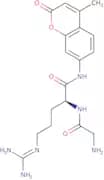
CAS:<p>3-Bromo-5-chloro-2-hydroxybenzaldehyde is a molecule that contains nitrogen atoms. It has coordination geometry and a chelate ring. 3-Bromo-5-chloro-2-hydroxybenzaldehyde also has electrochemical properties, which can be studied by cyclic voltammetry. This molecule is a copper complex that exhibits fluorescence properties and dihedral angles. The magnetic resonance spectrum of 3-bromo-5-chloro-2 hydroxybenzaldehyde displays hydrogen bonding interactions and an imine nitrogen. 3BChBrOH also absorbs light at wavelengths of 280 nm (max) and 240 nm (min).</p>Formula:C7H4BrClO2Purity:Min. 95%Color and Shape:PowderMolecular weight:235.46 g/molH-Gly-Arg-AMC hydrochloride salt
CAS:<p>H-Gly-Arg-AMC hydrochloride salt is a substrate for the enzymes cathepsins B, H, and L. This compound has been used to measure protease activity in cell culture and as a diagnostic substrate for peptidases. The enzyme reaction can be monitored by measuring changes in the fluorescence of the product at 340 nm. The pH optimum for this enzyme is 7.4.</p>Formula:C18H24N6O4•HClPurity:Min. 98 Area-%Color and Shape:PowderMolecular weight:424.88 g/mol2,4,6-Trifluoroaniline
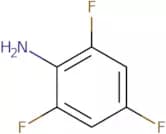
CAS:<p>2,4,6-Trifluoroaniline is a catalase inhibitor that can be used to measure the activity of this enzyme. It has been shown to have carcinogenic activity in rats and is mutagenic in bacteria. 2,4,6-Trifluoroaniline reacts with hydrochloric acid to form ethyl esters, which are used for surface-enhanced Raman spectroscopy. This chemical also has antibacterial activity against Staphylococcus aureus and Mycobacterium tuberculosis. Techniques such as X-ray crystallography have been used to study the reaction mechanism of 2,4,6-trifluoroaniline.</p>Formula:C6H4F3NPurity:Min. 95%Color and Shape:PowderMolecular weight:147.1 g/molN-(4-Acetylphenyl)-2-chloropropanamide
CAS:<p>Please enquire for more information about N-(4-Acetylphenyl)-2-chloropropanamide including the price, delivery time and more detailed product information at the technical inquiry form on this page</p>Formula:C11H12ClNO2Purity:Min. 95%Molecular weight:225.67 g/mol2-Chloro-N-(2-fluorophenyl)propanamide
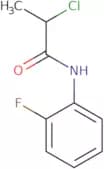
CAS:Please enquire for more information about 2-Chloro-N-(2-fluorophenyl)propanamide including the price, delivery time and more detailed product information at the technical inquiry form on this pageFormula:C9H9ClFNOPurity:Min. 95%Molecular weight:201.63 g/mol5-Bromovanillin
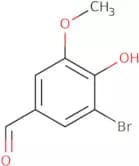
CAS:<p>5-Bromovanillin is an antimicrobial agent that inhibits the growth of bacteria by binding to the enzyme vanillin. It is used as a natural compound, in which it can be found in plants and fruits such as Eugenia caryophyllata and Vanilla planifolia. 5-Bromovanillin has been shown to have a potent inhibitory effect on bacterial growth. The inhibitory effect of this compound is due to its ability to coordinate with the vanillin molecule, forming a complex that blocks the reaction mechanism of the enzyme. This complex also reacts with p-hydroxybenzoic acid, which disrupts the cell membrane and causes leakage of cellular contents. 5-Bromovanillin has been studied using surface methodology and electrochemical impedance spectroscopy (EIS). These studies demonstrated that 5-bromovanillin has a high affinity for methanol solvent and inhibitor molecules, which may contribute to its antimicrobial activity.</p>Formula:C8H7BrO3Purity:Min. 95%Color and Shape:Yellow PowderMolecular weight:231.04 g/mol2-Bromo-4-cyanotoluene
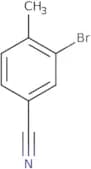
CAS:<p>2-Bromo-4-cyanotoluene is a ligand that is used in cross-coupling reactions. It is used to form complexes with metals, such as palladium and nickel, for the preparation of organometallic reagents. 2-Bromo-4-cyanotoluene has been shown to inhibit secretory phospholipase A2 (sPLA2) and PLA2 activity in a fluorimetric assay. This compound also inhibits the catalytic activity of spla2, which is an enzyme involved in the biosynthesis of arachidonic acid. 2-Bromo-4-cyanotoluene also inhibits piperazine synthesis by reacting with the nitrogen atom on the piperazine ring.</p>Formula:C8H6BrNPurity:Min. 95%Molecular weight:196.04 g/mol4,4'-Dibromobenzophenone
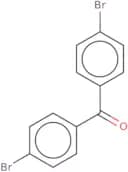
CAS:4,4'-Dibromobenzophenone is a bromopropylate that has chromatographic properties. It can be used as an analytical reagent in order to detect the presence of potassium dichromate in a sample. The product reacts with potassium dichromate to form a yellow-orange compound. This reaction is catalyzed by light and the resulting product is determined using gas chromatography. 4,4'-Dibromobenzophenone can also be used for the amination reaction and is best suited for low detection levels. It also has a molecular dipole moment and interacts with other molecules more strongly than other compounds due to its carbonyl group.END>Formula:C13H8Br2OPurity:Min. 95%Color and Shape:PowderMolecular weight:340.01 g/mol1-Chloroadamantanecarb oxylic acid chloride
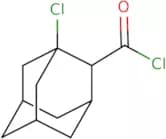
CAS:1-Chloroadamantane carboxylic acid chloride is a chemical compound that can be used as a reagent, building block, or intermediate in organic synthesis. It is soluble in ether and chloroform, but insoluble in water. This chemical is often used as a reactant in organic reactions. 1-Chloroadamantane carboxylic acid chloride has the CAS number 55982-64-4 and was first synthesized by A. W. Hofmann and R. Schmidlin in 1916. 1-Chloroadamantane carboxylic acid chloride is an important precursor for the manufacture of pharmaceuticals, agrochemicals, and other specialty chemicals with high quality and purity requirements.Formula:C11H14Cl2OPurity:Min. 95%Color and Shape:PowderMolecular weight:233.13 g/mol


![N-[(S)-(2,3,4,5,6-Pentafluorophenoxy)phenoxyphosphinyl]-L-alanine 1-methylethyl ester](/_next/image/?url=https%3A%2Fstatic.cymitquimica.com%2Fproducts%2F3D%2Fthumb-webp%2FFP59695.webp&w=3840&q=75)
![N-[2-Iodoethyl]trifluoroacetamide](/_next/image/?url=https%3A%2Fstatic.cymitquimica.com%2Fproducts%2F3D%2Fthumb-webp%2FFI52744.webp&w=3840&q=75)