Organic Halides
In this category, you can find organic molecules containing one or more halogen atoms in their structure. These organic halides include brominated, iodinated, chlorinated, and cyclic halide compounds. Organic halides are widely used in organic synthesis, pharmaceuticals, agrochemicals, and materials science due to their reactivity and ability to undergo a variety of chemical transformations. At CymitQuimica, we offer a comprehensive selection of high-quality organic halides to support your research and industrial applications, ensuring reliable and effective performance in your synthetic and analytical projects.
Subcategories of "Organic Halides"
Found 20440 products of "Organic Halides"
Sort by
Purity (%)
0
100
|
0
|
50
|
90
|
95
|
100
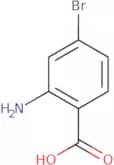
2-Amino-4-bromobenzoic acid
CAS:<p>2-Amino-4-bromobenzoic acid is a molecule that has an acidic carboxylic group and two aromatic amino groups. It has a hydroxyl group and a fluorescence that can be activated or deactivated by ultraviolet light. 2-Amino-4-bromobenzoic acid is used in the synthesis of certain organic compounds. This molecule can be synthesized from other molecules, such as phenol, aminobenzene, and nitrobenzene. The reaction time for this chemical species is dependent on the catalytic agent used during the reaction process. A variety of chemical species are produced when 2-Amino-4-bromobenzoic acid is synthesized, including hydrogen bromide, ammonia, nitrogen gas, and water vapor. The population of 2-Amino-4-bromobenzoic acid is unknown because it is not abundant in nature.</p>Formula:C7H6BrNO2Purity:Min. 95%Color and Shape:Yellow PowderMolecular weight:216.03 g/molH-Arg-Arg-AMC hydrochloride salt
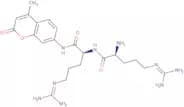
CAS:H-Arg-Arg-AMC hydrochloride salt is a proteolytic inhibitor that binds to the active site of aminopeptidases and prevents their proteolytic activity. This inhibition leads to increased muscle mass in juveniles, as well as higher concentrations of magnesium ions in sarcoplasmic and myofibrillar proteins. H-Arg-Arg-AMC hydrochloride salt also has an inhibitory effect on ion exchange and chloride transport in muscle cells. The biochemical effects of this drug are due to its ability to inhibit the aminopeptidase enzymes, which play a role in the metabolism of amino acids.Formula:C22H33N9O4Purity:Min. 95%Color and Shape:PowderMolecular weight:487.56 g/mol4-Fluoroestradiol
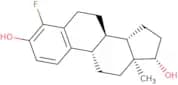
CAS:Controlled Product4-Fluoroestradiol is an estrogen with a molecular weight of 270.4 g/mol that has been shown to be carcinogenic in animal models. 4-Fluoroestradiol binds to the estrogen receptor and activates the gene product, which stimulates cell growth and proliferation. This drug has been shown to induce cancer in tissues such as the liver, biliary tract, and mammary glands when administered at doses higher than 0.3 mg/kg/day. 4-Fluoroestradiol also interacts with hydrogen bonds in enzymes such as retinol dehydrogenase, all-trans-retinoic acid (ATRA), and specific agents such as retinoic acid (RA). This interaction may inhibit the catalytic rate of these enzymes or alter their substrate specificity.Formula:C18H23FO2Purity:Min. 95%Color and Shape:PowderMolecular weight:290.37 g/molBromophenol Red Free acid
CAS:Bromophenol Red Free Acid is a synthetic substrate used in microbial infection and wastewater treatment. It has a pH of 2.0-3.0, which is acidic enough to disrupt the integrity of cellular membranes and cause cell lysis. Bromophenol Red Free Acid can be used as a lysing agent for human serum or cells in culture. This product is not soluble in water, so it must be dissolved in an organic solvent before it can be used. Bromophenol Red Free Acid reacts with hydrochloric acid to produce chemiluminescence that can be measured by luminometry, which is a quantitative technique for measuring light emission from chemical reactions. The hydroxyl group on the molecule reacts with the bromophenol group to form a bromohydrin intermediate, which reacts with hydrogen peroxide to produce chemiluminescence.Formula:C19H12Br2O5SPurity:Min. 95%Molecular weight:512.17 g/mol4-Bromo-3,5-dimethoxybenzaldehyde
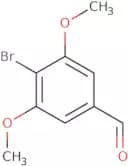
CAS:<p>4-Bromo-3,5-dimethoxybenzaldehyde is a compound that inhibits the replication of cells. It has been shown to induce apoptosis and inhibit tumor growth, including skin tumors and malignant melanoma cells. This chemical is synthesized by reacting an acrylonitrile with sodium hydroxide in a biphenyl amide. 4-Bromo-3,5-dimethoxybenzaldehyde has been used to inhibit bacterial growth, but it is not active against Mycobacterium tuberculosis or Mycobacterium avium complex.</p>Formula:C9H9BrO3Purity:Min. 95%Color and Shape:PowderMolecular weight:245.07 g/mol1,1,1,3-Tetrachloro-3,3-Difluoropropane
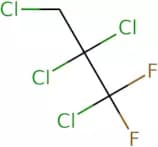
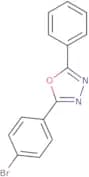
CAS:Controlled Product1,1,1,3-Tetrachloro-3,3-difluoropropane is a colorless, volatile liquid that is miscible with water. It has a high vapor pressure and low solubility in water. 1,1,1,3-Tetrachloro-3,3-difluoropropane is used as a solvent for organic compounds and as an intermediate in the production of other chlorocarbons. It can be used to produce calcium chloride and chlorine gas. 1,1,1,3-Tetrachloro-3,3-difluoropropane also has fumigant properties because it absorbs moisture from the air and releases it later.Formula:C3H2Cl4F2Purity:Min. 95%Molecular weight:217.86 g/mol2-(4-Bromophenyl)-5-phenyl-1,3,4-oxadiazole
CAS:<p>2-(4-Bromophenyl)-5-phenyl-1,3,4-oxadiazole is a fluorescent and x-ray active molecule. It is a cross-coupled compound that can be used in devices for photophysical applications such as fluorescence and x-ray detection. This compound has been shown to have efficiencies of up to 90% for the detection of excitation light at 295 nm. 2-(4-Bromophenyl)-5-phenyl-1,3,4-oxadiazole has also been used in the preparation of high performance liquid phase extraction columns with good results. The reaction time and irradiation are important factors when considering this molecule for use in photophysical applications.</p>Formula:C14H9BrN2OPurity:Min. 95%Color and Shape:PowderMolecular weight:301.14 g/mol5-Fluoro-2-(trifluoromethyl)pyridin-4-amine
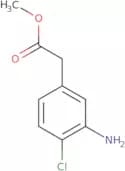
CAS:5-Fluoro-2-(trifluoromethyl)pyridin-4-amine is a fine chemical that is used to create other organic compounds. This compound is an intermediate in the production of pharmaceuticals, pesticides, and herbicides. It can also be used as a reagent or a speciality chemical in research. 5-Fluoro-2-(trifluoromethyl)pyridin-4-amine can be used as a reaction component to synthesize other compounds and has been shown to have versatile functions as a building block for complex molecules. This compound is not classified by the Chemical Abstract Service (CAS) and does not have any reported toxic effects on humans.Formula:C6H4F4N2Purity:Min. 95 Area-%Color and Shape:PowderMolecular weight:180.1 g/mol3-Amino-4-chlorophenylacetic acid methyl ester
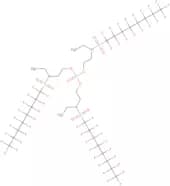
CAS:3-Amino-4-chlorophenylacetic acid methyl ester is a fine chemical that is useful as a building block in the synthesis of complex compounds. It has been used as a reagent and speciality chemical, which can be used for research purposes. CAS No. 59833-69-1Formula:C9H10ClNO2Purity:Min. 95%Molecular weight:199.63 g/molTris[N-Ethyl-1,1,2,2,3,3,4,4,5,5,6,6,7,7,8,8,8-heptadecafluoro-N-(2-hydroxyethyl)-1-Octanesulfonamide] phosphate
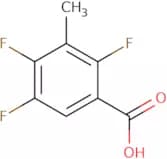
CAS:Controlled ProductTris[N-ethyl-1,1,2,2,3,3,4,4,5,5,6,6,7,7,8,8-heptadecafluoro-N-(2-hydroxyethyl)-1-octanesulfonamide] phosphate is a sulfonate that has been mixed with other chemicals. It is used as a chemical substance for the production of other substances. Tris[N-ethyl-1,1,2,2,3]3,[4],4,[5],5,[6],6-[7],7,[8],8-[heptadecafluoro-N-(2-hydroxyethyl)-1-octanesulfonamide] phosphate has not been classified by the International Agency for Research on Cancer (IARC).Formula:C36H27F51N3O10PS3Purity:Min. 95%Molecular weight:1,757.7 g/mol3-Methyl-2,4,5-trifluorobenzoic acid
CAS:<p>3-Methyl-2,4,5-trifluorobenzoic acid is a fluoroquinolone antibiotic that inhibits the DNA gyrase and topoisomerase IV. It binds to bacterial 16S ribosomal RNA and inhibits protein synthesis, leading to cell death by inhibiting the production of proteins vital for cell division. 3-Methyl-2,4,5-trifluorobenzoic acid has been shown to be bactericidal in vitro against Gram-negative bacteria such as Escherichia coli and Pseudomonas aeruginosa. This drug also has a target enzyme modification activity with the potential to modify enzymes not usually targeted by fluoroquinolones.</p>Formula:C8H5F3O2Purity:Min. 95%Color and Shape:PowderMolecular weight:190.12 g/mol4-Bromo-6-amino-m-xylene
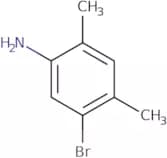
CAS:<p>4-Bromo-6-amino-m-xylene is a chemical that is used to synthesize other chemicals. It is a versatile building block and can be used as an intermediate in organic synthesis. It has been shown to react with nucleophiles, such as alcohols, amines, and thiols. 4-Bromo-6-amino-m-xylene also reacts with metal halides to form complexes. This compound has been shown to have high quality and can be used in research or as a reagent for further reactions.</p>Formula:C8H10BrNPurity:Min. 95%Color and Shape:PowderMolecular weight:200.08 g/molNorbornylmethylpentafluorocinnamate
<p>Norbornylmethylpentafluorocinnamate is a versatile building block in organic synthesis. It is used as a reagent for the production of amines and other organic compounds, as well as for the synthesis of novel heterocycles. Norbornylmethylpentafluorocinnamate is also used as an intermediate in chemical reactions. This compound has been shown to react with ethylene glycol to form ethylene carbonate and pentafluoroethane, which may be useful for the production of polyurethane foam. Norbornylmethylpentafluorocinnamate can be used as a scaffold for synthesizing new drug candidates or to produce novel pharmaceuticals.</p>Formula:C17H15F5O2Purity:Min. 95%Molecular weight:346.29 g/mol(5-Bromo-4-methoxyphenyl)acetone
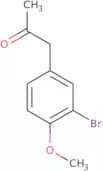
CAS:5-Bromo-4-methoxyphenyl)acetone (BMA) is a versatile building block that is used in the production of fine chemicals, research chemicals, and reagents. It has been shown to be a useful scaffold for the synthesis of complex compounds. BMA is also an intermediate for the production of other chemicals. This chemical has been shown to have high quality with a wide range of uses as a reaction component or useful scaffold.Formula:C10H11BrO2Purity:Min. 95%Molecular weight:243.1 g/mol4-(3,4-Dichlorophenyl)-1-tetralone
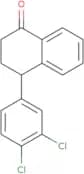
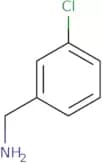
CAS:4-(3,4-Dichlorophenyl)-1-tetralone (4DCP) is a solvent that can be used for the preparation of tetrahydrofuran and benzohydrazide. It is also an important intermediate in organic synthesis. 4DCP is obtained by the reaction of 3,4-dichloroacetophenone with sodium methoxide in methanol. The use of 4DCP as a solvent has been shown to produce significant cytotoxicity against cells in culture. 4DCP has been shown to have antidepressant effects, which may be due to its ability to inhibit monoamine oxidase A (MAO-A).Formula:C16H12Cl2OPurity:Min. 95%Color and Shape:PowderMolecular weight:291.17 g/mol3-Chlorobenzylamine
CAS:3-Chlorobenzylamine is a model system for the study of the metabolism of human pathogens. It has been shown to have cytostatic effects in sarcoma cells and pain-relieving properties in animal models. 3-Chlorobenzylamine inhibits the replication of HIV, herpes virus, and adenosine receptor antagonists. This drug has also been found to be an effective anticancer agent. 3-Chlorobenzylamine is structurally similar to other anticancer agents such as methotrexate, mercaptopurine, and pyrimidine analogs.Formula:C7H8ClNPurity:Min. 95%Molecular weight:141.6 g/mol3-(4'-Bromo[1,1'-biphenyl]-4-yl)-1,2,3,4-tetrahydro-1-naphthalenol
CAS:3-(4'-Bromo[1,1'-biphenyl]-4-yl)-1,2,3,4-tetrahydro-1-naphthalenol is a chemical compound that belongs to the group of bromonaphthalenes. It has been used as a reaction component in organic synthesis and as a reagent for detection of DNA binding. 3-(4'-Bromo[1,1'-biphenyl]-4-yl)-1,2,3,4-tetrahydro-1-naphthalenol can be used as a building block for complex compounds with speciality applications. The compound is an intermediate in the production of pharmaceuticals such as selective estrogen receptor modulators.Formula:C22H19BrOPurity:Min. 95%Color and Shape:PowderMolecular weight:379.29 g/mol2-Cyano-5-fluorobenzoic acid ethyl ester
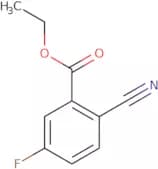
CAS:2-Cyano-5-fluorobenzoic acid ethyl ester is a chemical compound with the formula C6H4(COOCH2)2FO. The compound is an intermediate in the synthesis of other chemicals, such as pharmaceuticals. It is also used as a building block in other syntheses. 2-Cyano-5-fluorobenzoic acid ethyl ester has been assigned CAS No. 1260751-65-2 and is useful in organic synthesis because it is a versatile building block, complex compound, and fine chemical.Formula:C10H8FNO2Purity:Min. 95%Molecular weight:193.17 g/mol2-Chloro-5-(2,3-dihydro-1-hydroxy-3-oxo-1H-isoindol-1-yl)-benzenesulfonamide
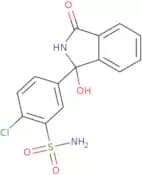
CAS:Controlled Product2-Chloro-5-(2,3-dihydro-1-hydroxy-3-oxo-1H-isoindol-1-yl)-benzenesulfonamide is a drug that belongs to the class of sulfonamides which is used in pharmaceutical formulations. It has been shown to have potent antihypertensive effects, and it also lowers blood pressure by inhibiting an enzyme called carbonic anhydrase. 2CCHIB binds to the chloride channel in kidney tubule cells and prevents the reabsorption of chloride ions in these cells. This leads to more water being excreted from the body, which reduces blood volume and pressure. The low density lipoprotein (LDL) cholesterol levels are also reduced when this drug is taken orally. 2CCHIB increases high sensitivity C reactive protein (hsCRP), a marker for inflammation, but it can also have antioxidant effects.Formula:C14H11ClN2O4SPurity:Min. 95%Color and Shape:PowderMolecular weight:338.77 g/mol4-Nitro-L-phenylalanine methyl ester hydrochloride
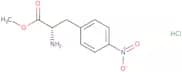
CAS:<p>4-Nitro-L-phenylalanine methyl ester hydrochloride is a 4-nitrophenyl derivative of L-phenylalanine. It is a useful building block, reagent, or scaffold in organic synthesis. This compound finds use as a precursor to other derivatives and it has been used in the preparation of complex compounds. 4-Nitro-L-phenylalanine methyl ester hydrochloride is also used as a reaction component for the synthesis of different organic compounds and as a useful intermediate.</p>Formula:C10H13N2O4ClPurity:Min. 98 Area-%Color and Shape:White PowderMolecular weight:260.67 g/mol2-Bromo-5-nitrobenzoic acid
CAS:<p>2-Bromo-5-nitrobenzoic acid is an amine that has been shown to have a potent inhibitory effect on the enzyme fibrinogen, which is needed for blood clotting. It also inhibits other enzymes in the fibrinogen pathway, including those involved in protein synthesis and cellular metabolism. 2-Bromo-5-nitrobenzoic acid has been shown to inhibit cancer cells by blocking their ability to use amino acids as building blocks for new proteins. This drug may be used as a treatment for cancer and other diseases where protein synthesis is critical.</p>Formula:C7H4BrNO4Purity:Min. 95%Color and Shape:PowderMolecular weight:246.02 g/molBis(1,5-cyclooctadiene)rhodium(I) trifluoromethanesulfonate
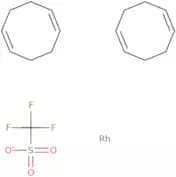
CAS:<p>Bis(1,5-cyclooctadiene)rhodium(I) trifluoromethanesulfonate is a fine chemical that is used as a reagent for organic synthesis. It has been shown to be useful in the preparation of diverse compounds, including pharmaceuticals and agrochemicals. Bis(1,5-cyclooctadiene)rhodium(I) trifluoromethanesulfonate may also be used as a reaction component or building block for the synthesis of more complex compounds. This compound can be used to form a variety of scaffolds with different functional groups and has been found to be an effective intermediate in reactions involving palladium catalysts.</p>Formula:C17H24F3O3RhSPurity:Min. 95%Color and Shape:Red PowderMolecular weight:468.34 g/mol2-Chlorothioxanthone
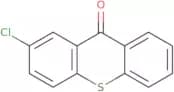
CAS:<p>2-Chlorothioxanthone is a chlorinated derivative of the thioxanthone family. It is used as a coating for metal surfaces, and is also used to control corrosion and prevent environmental pollution due to its activity as an inhibitor of fatty acid synthesis. 2-Chlorothioxanthone has been shown to bind with fatty acids in the mitochondrial membrane, which leads to inhibition of ATP production and mitochondrial membrane potential. This compound is not active against cancer cells, but it does exhibit low toxicity and low energy. The drug has a pharmacokinetic profile that includes a long half-life, high solubility in water, and rapid absorption from the gastrointestinal tract.</p>Formula:C13H7ClOSPurity:Min. 95%Molecular weight:246.71 g/mol4-(4-Fluorophenyl)-1,2,3,6-tetrahydro-1-methylpyridine hydrochloride (1:1)
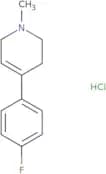
CAS:<p>4-(4-Fluorophenyl)-1,2,3,6-tetrahydro-1-methylpyridine hydrochloride (1:1) is a neuroleptic drug that has analgesic and antihistaminic effects. It is an alkylthio compound that inhibits serotonin release from the pre-synaptic neuron. 4-(4-Fluorophenyl)-1,2,3,6-tetrahydro-1-methylpyridine hydrochloride (1:1) also blocks the uptake of dopamine by nerve cells in the brain and prevents its conversion to norepinephrine. This medicine acts as an antagonist for both alpha and beta receptors because it binds to the benzene ring of these neurotransmitters. The alpha receptor antagonist properties of this drug are due to its ability to prevent norepinephrine from binding with alpha receptors on muscle cells. The beta receptor antagonist properties are due to its ability</p>Formula:C12H14FN•HClPurity:Min. 95%Color and Shape:PowderMolecular weight:227.71 g/mol2,5-Dichloropyridine
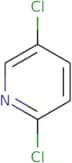
CAS:2,5-Dichloropyridine is a reactive substance that belongs to the group of halogenated substances. It can be found as a white crystalline solid or as a yellow gas. 2,5-Dichloropyridine reacts with water vapor in the air to form hydrochloric acid and chloride. This substance also has photocatalytic activity and is used as an affinity ligand for separation of organic compounds from soil microorganisms. 2,5-Dichloropyridine is used in the production of dimethylformamide and can be synthesized by reacting aryl chlorides with water vapor in the presence of sodium hydroxide.Formula:C5H3CI2NPurity:Min. 95%Color and Shape:PowderMolecular weight:147.99 g/mol3-Nitro-4-chlorobenzaldehyde
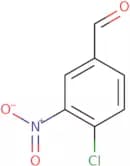
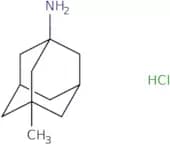
CAS:<p>3-Nitro-4-chlorobenzaldehyde is a copper complex that has been used in the study of molecular interactions. The molecule has been studied by a number of techniques, including binding experiments, vibrational spectroscopy, and light emission. 3-Nitro-4-chlorobenzaldehyde has shown bacteriostatic activity against Escherichia coli and Bacillus subtilis. This compound also appears to have potential as a drug target due to its ability to inhibit the growth of Pseudomonas aeruginosa. 3-Nitro-4-chlorobenzaldehyde may be useful in the treatment of industrial processes involving nitric acid.</p>Formula:C7H4ClNO3Purity:Min. 95%Color and Shape:White PowderMolecular weight:185.56 g/molDemethyl memantine hydrochloride
CAS:<p>Adamantane analog</p>Formula:C11H20ClNPurity:Min. 95%Color and Shape:White PowderMolecular weight:201.74 g/mol4-Bromo-2-(trifluoromethyl)benzylamine hydrochloride
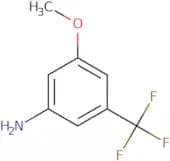
CAS:<p>4-Bromo-2-(trifluoromethyl)benzylamine hydrochloride is a versatile building block useful for the synthesis of complex compounds. It is also a research chemical, which is used as a reaction component and a speciality chemical. 4-Bromo-2-(trifluoromethyl)benzylamine hydrochloride has high purity and can be used as a reagent in the synthesis of new pharmaceuticals or fine chemicals.</p>Formula:C8H7BrF3N•HClPurity:Min. 95%Color and Shape:PowderMolecular weight:290.51 g/mol3-Methoxy-5-(trifluoromethyl)aniline
CAS:<p>3-Methoxy-5-(trifluoromethyl)aniline is a chemical building block that is used in the preparation of pharmaceuticals, agrochemicals, dyes, and other chemicals. 3-Methoxy-5-(trifluoromethyl)aniline is also a versatile intermediate that can be used to produce heterocyclic compounds. 3-Methoxy-5-(trifluoromethyl)aniline has been found to be high quality and useful for many reactions. It is an important compound for research use because it can be used as a reagent or scaffold for complex compounds.</p>Formula:C8H8F3NOPurity:Min. 95%Color and Shape:PowderMolecular weight:191.15 g/molD-tert-Leucine methyl ester hydrochloride
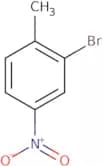
CAS:<p>Ab-fubinaca is a synthetic cannabinoid that is a potent agonist of the CB2 receptor and a weak agonist at the CB1 receptor. It has been shown to be an effective analgesic in animal models of pain, similarly to other synthetic cannabinoids. Ab-fubinaca has also been shown to have anti-inflammatory effects in mice by inhibiting the production of cytokines such as tumor necrosis factor alpha (TNF-α) and interleukin 1 beta (IL-1β). Ab-fubinaca is structurally similar to D-tert-leucine methyl ester hydrochloride, which is an amino acid derivative that acts as a pharmacological chaperone.</p>Formula:C7H16ClNO2Purity:Min 96%Color and Shape:White PowderMolecular weight:181.66 g/mol2-Bromo-4-nitrotoluene
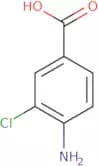
CAS:<p>2-Bromo-4-nitrotoluene (2BNT) is a mononitro substituted aromatic compound and a potent inhibitor of protein synthesis. It has been shown to have antimalarial activity, but it is not known to what extent the inhibition of protein synthesis contributes to its anti-malarial activity. 2-Bromo-4-nitrotoluene is also used in the preparation of imatinib, an anticancer drug that inhibits the growth of certain types of cancer cells. It can also be used as an inhibitor in vibrational spectroscopy.</p>Formula:C7H6BrNO2Purity:Min. 97.5%Color and Shape:PowderMolecular weight:216.03 g/mol4-Amino-3-chlorobenzoic acid
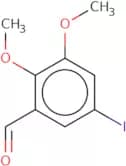
CAS:<p>4-Amino-3-chlorobenzoic acid is a white solid with a molecular weight of 170.1 g/mol, melting point of 158.5°C and boiling point of 267°C. It has the molecular formula C6H5ClNO2 and the IUPAC name 4-(aminomethyl)-3-chlorobenzoic acid. The chemical structure of this compound is shown in Figure 1.</p>Formula:C7H6ClNO2Purity:Min. 95%Color and Shape:PowderMolecular weight:171.58 g/mol5-Iodo-2,3-dimethoxybenzaldehyde
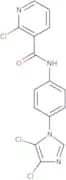
CAS:<p>5-Iodo-2,3-dimethoxybenzaldehyde is a fine chemical that is useful as a scaffold for the synthesis of other compounds. It can be used as an intermediate for research chemicals or as a reaction component in the synthesis of complex compounds. 5-Iodo-2,3-dimethoxybenzaldehyde is used for the manufacture of high quality reagents and building blocks.</p>Formula:C9H9IO3Purity:Min. 95%Color and Shape:PowderMolecular weight:292.07 g/molN-(4-(4,5-dichloroimidazolyl)phenyl)(2-chloro(3-pyridyl))formamide
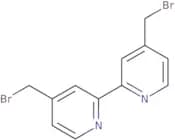
CAS:Please enquire for more information about N-(4-(4,5-dichloroimidazolyl)phenyl)(2-chloro(3-pyridyl))formamide including the price, delivery time and more detailed product information at the technical inquiry form on this pagePurity:Min. 95%4,4'-Bis(bromomethyl)-2,2'-bipyridine
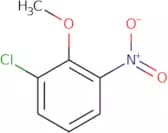
CAS:<p>4,4'-Bis(bromomethyl)-2,2'-bipyridine is a cyclic molecule that can be synthesized by the reaction of 4-bromo-2,2'-bipyridine with a brominating agent. It is used as a precursor to ruthenium catalysts in organic synthesis, and as an additive in dendrimers. The compound has been shown to have light absorption properties and can be used in photovoltaics and electropolymerization.</p>Formula:C12H10N2Br2Purity:Min. 95%Color and Shape:PowderMolecular weight:342.03 g/mol2-Chloro-6-nitroanisole
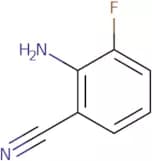
CAS:2-Chloro-6-nitroanisole is a versatile building block that can be used to make a variety of products, including pharmaceuticals, agrochemicals, plastics, and other organic compounds. It can be used as a reagent or research chemical in the synthesis of complex molecules, such as synthetic cannabinoids. 2-Chloro-6-nitroanisole is also useful for making high quality compounds and has been used in the synthesis of a number of pharmaceuticals. This compound is an intermediate that can be used to create scaffolds for drug design.Formula:C7H6ClNO3Purity:Min. 95%Color and Shape:PowderMolecular weight:187.58 g/mol2-Amino-3-fluorobenzonitrile
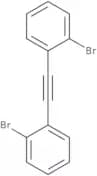
CAS:<p>A 2-aminopyridine substituent is added to the 3-position of benzonitrile to form 2-amino-3-fluorobenzonitrile. The hydrogenolysis of this compound at low temperatures yields indoles. Cyanogen bromide can be used as a catalyst for the reaction, but it must be removed before the product is purified. This reaction also produces a cyano group, which can be used in other reactions such as nitration or reduction. The glycinate molecule can also be formed by this process, and it is a neutral functional group that is capable of forming esters with carboxylic acids.</p>Formula:C7H5FN2Purity:Min. 95%Molecular weight:136.13 g/mol2,2'-Dibromodiphenylacetylene
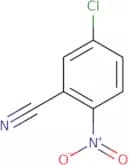
CAS:2,2'-Dibromodiphenylacetylene (DBDP) is a biomolecular that belongs to the class of stilbene derivatives. It has been shown to have fluoro-transfer properties and can be used as a vapor transport or crystalline interaction. DBDP has been shown to produce diffraction with a shift angle of 8.6° in solution and yields of up to 98%. The steric effect was also observed when the molecule interacts with transfer and transistor molecules. DBDP has been shown to undergo an arylation reaction with phenanthridines, which are potent anti-inflammatory agents.Formula:C14H8Br2Color and Shape:PowderMolecular weight:336.02 g/mol5-Chloro-2-nitrobenzonitrile
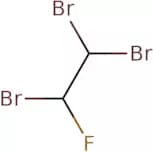
CAS:5-Chloro-2-nitrobenzonitrile is a nucleophilic compound that inhibits bacterial growth by means of an attack on the sulfhydryl group. 5-Chloro-2-nitrobenzonitrile has shown antibacterial activity against Streptococcus faecalis and Staphylococcus aureus. This drug also has anti-inflammatory properties, which may be due to its ability to inhibit prostaglandin synthesis. The molecule has been shown to bind to chloride ions and sulfinyl groups, as well as being able to form a stable complex with erythrocytes in vitro (X-ray crystal structures). 5-Chloro-2-nitrobenzonitrile is structurally similar to fluoroquinolones and cephalosporins, which have been shown to have an oral bioavailability of 100%.Formula:C7H3ClN2O2Purity:Min. 95%Molecular weight:182.56 g/mol1,1,2-Tribromo-2-Fluoroethane
CAS:Controlled Product<p>1,1,2-Tribromo-2-fluoroethane (TBE) is a chiral compound that reacts with p-toluenesulfonic acid to give two products. One product is the 1,1,2,3-tetra bromo-4-(p-tolyloxy)benzene, which has a chiral center at the 4 position. The other product is 2-(p-tolyloxy)-1,1,2,3-tetrafluorobenzene. These products can be used to synthesize sitafloxacin or malonate. The amino group in TBE can be hydrolyzed to form an amine and bromine.</p>Formula:C2H2Br3FPurity:Min. 95%Molecular weight:284.75 g/mol3-Trichloroacetylindole
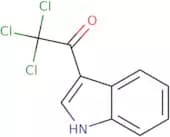
CAS:Controlled Product3-Trichloroacetylindole is an indole derivative that is a hydrogen bond donor. It is a pharmacological agent that has been shown to have antitumor and antiproliferative activities. The crystal structure of 3-trichloroacetylindole has been determined and the interaction with solvent molecules studied. It was synthesized from indole-3-carboxylic acid, which was converted to the hemihydrate form by reacting with butyl lithium in ether. 3-Trichloroacetylindole is a 5-HT4 receptor antagonist, and it also inhibits the synthesis of serotonin and dopamine.Formula:C10H6Cl3NOPurity:Min. 95%Molecular weight:262.52 g/mol3,5-Dichlorobenzyl alcohol
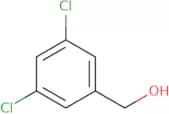
CAS:<p>3,5-Dichlorobenzyl alcohol is an organic compound that is classified as a xylene. It is used in the synthesis of chitin synthase and has shown potential for use as an anti-fungal agent. 3,5-Dichlorobenzyl alcohol is synthesized by refluxing zinc chloride in benzene with dehydrogenase. The product can be isolated by adding solid phase synthesis to the reaction mixture followed by solvent removal. 3,5-Dichlorobenzyl alcohol has been shown to be toxicologically safe in rat studies and shows enzyme specificity for chitin synthase.</p>Formula:C7H6Cl2OPurity:Min. 95%Color and Shape:PowderMolecular weight:177.03 g/molMercury(I) chloride
CAS:Controlled ProductMercury chloride is a compound that consists of mercury and chlorine. It is used as an electrode in mercury-in-glass thermometers, which are used to measure temperature. Mercury chloride has also been used to detect the presence of mercurous ions in water. In addition, it is used as a reagent for qualitative determination of hydrogen peroxide and sulfur dioxide. Mercury chloride can be prepared by reacting sodium carbonate with mercurous nitrate or mercurous oxide at high temperatures. The reaction solution must be heated for about an hour to drive off the water vapor and produce the solid product. Mercury(I) chloride has been shown to have high resistance to oxidation and reduction reactions, making it a useful model system for studying redox potentials. The detection sensitivity of mercury(I) chloride is very low, but this can be increased by using t84 cells as a model system. This compound reacts with water molecules in the air, so sample preparation should include drying under vacuum or heating onFormula:Hg2Cl2Purity:Min. 95%Molecular weight:472.09 g/mol2-Amino-3-chlorobenzamide
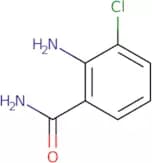
CAS:This compound is a benzamide derivative that is oxidized by nature. It has been shown to undergo ring-opening in the presence of reducing agents, such as sodium borohydride, and yields 2-amino-4-chlorobenzaldehyde. This reaction system uses an efficient catalyst such as manganese dioxide to help speed up the rate of this reaction. The product of this reaction is then converted into a variety of isatins depending on the conditions used.Formula:C7H7ClN2OPurity:Min. 95%Color and Shape:Off-White PowderMolecular weight:170.6 g/mol4-Bromo-3-nitrotoluene
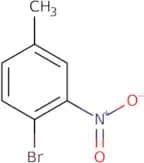
CAS:<p>4-Bromo-3-nitrotoluene is a carbazole that has been found to have insecticidal activity. The compound reacts with serotonin to form the reactive intermediate 4-bromo-3-nitrosobenzaldehyde, which is then oxidized to the final product 4-bromo-3-nitrobenzoic acid. The insecticidal activity of 4-Bromo-3-nitrotoluene was found to be due in part to its ability to inhibit serotonin uptake and metabolism by blocking serotonin transporters. It also induces dihedral angles in positron emission tomography (PET) imaging of human brain tissue, suggesting it may be useful for brain imaging studies.</p>Formula:C7H6BrNO2Purity:Min. 95%Color and Shape:Clear LiquidMolecular weight:216.03 g/molTetrahydrozoline hydrochloride
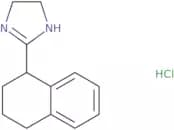
CAS:Tetrahydrozoline hydrochloride is a drug used to treat allergic eye symptoms, such as itching and redness, or other conditions that cause the eyes to become irritated. It is often used in combination with other drugs. Tetrahydrozoline hydrochloride has been shown to act on the alpha-adrenergic receptors in the conjunctival tissue of anesthetized rats, resulting in a decrease in the release of histamine and leukotrienes from mast cells. This drug also inhibits the effects of benzalkonium chloride and growth factor on wild-type mice.Formula:C13H16N2•HClPurity:Min. 95%Color and Shape:White PowderMolecular weight:236.74 g/mol5-(2-Fluorovinyl)-2'-Deoxyuridine
CAS:5-(2-Fluorovinyl)-2'-Deoxyuridine is a hydrophobic analogue of acyclovir that has potent activity against herpes simplex virus type 1. It inhibits the synthesis of viral DNA, and thus prevents the formation of plaques in tissue culture. This drug also inhibits cell proliferation and viral production by l1210 cells as well as lung fibroblasts. 5-(2-Fluorovinyl)-2'-Deoxyuridine has shown inhibitory effects against uninfected cells, but not against cells infected with herpes simplex virus type 2.Formula:C11H13FN2O5Purity:Min. 95%Molecular weight:272.23 g/mol(4-Bromophenyl)cyclopropylmethanone
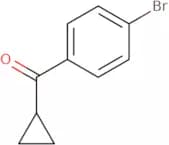
CAS:<p>(4-Bromophenyl)cyclopropylmethanone is a cyclopropane derivative that can be synthesized from 4-bromobenzaldehyde and cyclopropylmagnesium bromide. It is an important precursor to fluoroquinolones in the pharmaceutical industry, as well as to other derivatives used in the synthesis of antihistamines and antimalarial drugs. This compound has been shown to have biomolecular mediated intramolecular cyclopropane ring formation and pentacyclic cyclopropane ring formation.</p>Formula:C10H9BrOPurity:Min. 95%Color and Shape:PowderMolecular weight:225.09 g/mol3'-Iodo-4'-methoxyacetophenone
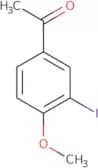
CAS:<p>3'-Iodo-4'-methoxyacetophenone is a chemical compound that is used in the synthesis of other organic compounds. It is a byproduct of the reaction between acetophenone and iodomethane. 3'-Iodo-4'-methoxyacetophenone is soluble in most solvents, such as ethanol, ether, chloroform, and acetone. The compound has a CAS number of 79324-77-9.</p>Formula:C9H9IO2Purity:Min. 95%Color and Shape:PowderMolecular weight:276.07 g/molMethyl 4-(2-nitro-4-(trifluoromethyl)phenoxy)benzoate
CAS:Please enquire for more information about Methyl 4-(2-nitro-4-(trifluoromethyl)phenoxy)benzoate including the price, delivery time and more detailed product information at the technical inquiry form on this pageFormula:C15H10F3NO5Purity:Min. 95%Color and Shape:PowderMolecular weight:341.24 g/mol



![3-(4'-Bromo[1,1'-biphenyl]-4-yl)-1,2,3,4-tetrahydro-1-naphthalenol](/_next/image/?url=https%3A%2Fstatic.cymitquimica.com%2Fproducts%2F3D%2Fthumb-webp%2FFB164965.webp&w=3840&q=75)