


Organic Halides
Subcategories of "Organic Halides"
Found 20442 products of "Organic Halides"
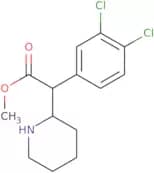
3,4-Dichloromethylphenidate
CAS:Controlled Product3,4-Dichloromethylphenidate is a synthetic cannabinoid that is structurally related to amphetamine. It has been detected in the urine of drug users and is used as a substitute for cocaine. 3,4-Dichloromethylphenidate binds to the dopamine transporter, serotonin transporter, and norepinephrine transporter proteins in the brain. The binding of 3,4-Dichloromethylphenidate to these proteins inhibits the reuptake of these neurotransmitters into the presynaptic neuron, leading to an increase in extracellular concentrations of monoamines. This leads to increased levels of dopamine in the striatum and nucleus accumbens and increased levels of serotonin in brain regions that control mood and appetite. 3,4-Dichloromethylphenidate also inhibits the activity of human liver carboxylesterase 1 (CES1). Inhibition of CES1 causes an accumulation of toxic metabolites such as phenethylamFormula:C14H17Cl2NO2Purity:Min. 95%Color and Shape:Yellow solid.Molecular weight:302.2 g/mol3-Bromo-4-fluorobenzaldehyde
CAS:3-Bromo-4-fluorobenzaldehyde is a drug substance that is used in the synthesis of pharmaceuticals. It is also a potential anticancer agent. 3-Bromo-4-fluorobenzaldehyde inhibits bacterial growth by binding to DNA, preventing transcription and replication. The high frequency of human activity has been shown using a patch clamp technique on human erythrocytes. This active form is metabolized through a number of metabolic transformations, including hydrolysis by esterases or glucuronidases, oxidation by cytochrome P450 enzymes, reduction by glutathione reductase, or conjugation with glucuronic acid. 3-Bromo-4-fluorobenzaldehyde also specifically binds to markers expressed at high levels in Mycobacterium tuberculosis strains (e.g., ESX-1 secretion system protein) and inhibits cell growth in culture.
Formula:C7H4BrFOPurity:Min. 95%Color and Shape:PowderMolecular weight:203.01 g/mol6α-Fluoroprednisolone acetate
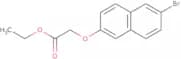
CAS:Controlled Product6alpha-Fluoroprednisolone acetate is a corticosteroid that is used for the treatment of inflammatory diseases. It has a high therapeutic index and does not bind to mineralocorticoid receptors in the body. 6alpha-Fluoroprednisolone acetate is administered as an aerosol or a microsphere. It can be used in cell culture because it does not inhibit protein synthesis or cause morphological changes to cells. The drug has been shown to have a low cytotoxicity profile, which may be due to its ability to suppress pd-l1 and Mcl-1 proteins, which are associated with cancer metastasis. Clinical data suggests that 6alpha-fluoroprednisolone acetate has no adverse effects on the liver, kidney, or bone marrow.Formula:C23H29FO6Purity:Min. 95%Molecular weight:420.47 g/molethyl 2-(6-bromo-2-naphthyloxy)acetate
CAS:Please enquire for more information about ethyl 2-(6-bromo-2-naphthyloxy)acetate including the price, delivery time and more detailed product information at the technical inquiry form on this page
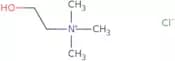
Purity:Min. 95%Choline chloride - 99%
CAS:Choline is an essential nutrient that is involved in the metabolism of fat and protein, as well as in the synthesis of cell membranes. It is also a precursor for neurotransmitters such as acetylcholine and phosphatidylcholine. Choline chloride is an ionic compound that contains choline and chloride ions. It has been shown to have beneficial effects on brain functions, including memory and learning, by providing choline to the brain. Choline chloride also helps regulate energy metabolism by supplying choline to cells throughout the body. In addition, it has been used as a model system for studying atherosclerosis. Choline chloride has been shown to inhibit certain enzymes such as picolinic acid carboxylase, calcium pantothenate kinase, and betaine homocysteine methyltransferase which are important for maintaining normal cell function. This inhibition leads to reduced levels of picolinic acid (a toxic metabolite), calcium pantothenate (a vitamin),
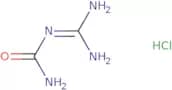
Formula:C5H14ClNOPurity:Min. 95%Color and Shape:White PowderMolecular weight:139.62 g/molCarbamoyl-guanidine amidino urea salt, hydrochloride salt
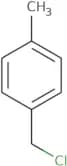
CAS:Carbamoyl-guanidine amidino urea salt, hydrochloride salt is a compound that belongs to the class of amides. It has been used as a pharmacological treatment for autoimmune diseases. Carbamoyl-guanidine amidino urea salt, hydrochloride salt is also used in the preparation of pharmaceutical preparations and diagnostic agents. This drug can be found in tests for the diagnosis of autoimmune diseases and tissue culture. The carbamoyl-guanidine amidino urea salt, hydrochloride salt molecule is hydrophilic and interacts with test samples through hydrogen bonds. Carbamoyl-guanidine amidino urea salt, hydrochloride salt can be analyzed using methods such as pharmacological tests, analytical methods, and vitro assays.Formula:C2H7ClN4OPurity:Min. 96 Area-%Color and Shape:PowderMolecular weight:138.56 g/mol4-Methylbenzyl chloride
CAS:4-Methylbenzyl chloride is a chemical substance that can be used in the synthesis of other substances. It is a colorless liquid with a sweet odor that boils at 121°C and has a molecular weight of 103.4 g/mol. The reaction product is an organic compound with the chemical formula CH3C6H4Cl. The hydrogen chloride reacts with the hydroxyl group to form methyl nicotinate, which is an anti-microbial treatment for bacteria, fungi, and viruses. 4-Methylbenzyl chloride can also be used as an anhydrous sodium chloride control analysis or in the preparation of mutant strains of bacteria.Formula:C8H9ClPurity:Min. 95%Molecular weight:140.61 g/molDichlorotetrafluoroethane
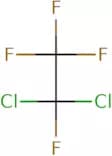
CAS:Controlled ProductDichlorotetrafluoroethane is a chemical compound that belongs to the group of halocarbons. It was first synthesized in 1930 and has been used as a refrigerant since the 1940s. Dichlorotetrafluoroethane is a powerful antimicrobial agent that also functions as a catalyst. The rates of reaction depend on kinetic data, such as the rate of diffusion, temperature, and pressure. Dichlorotetrafluoroethane is an excellent solvent for some organic compounds and has applications in degreasing metal parts or removing oil from concrete floors.
Dichlorotetrafluoroethane is produced by the reaction of hydrogen fluoride with sodium carbonate in an isomeric mixture at high temperature. The product contains equal amounts of two geometric isomers: 1,1-dichloro-2,2-difluoroethene (DFEE) and 2,2-dichloro-Formula:C2Cl2F4Purity:Min. 95%Molecular weight:170.92 g/mol1-[4-Methyl-6-(trifluoromethyl)pyrimidin-2-yl]piperidine-3-carboxylic acid
CAS:1-[4-Methyl-6-(trifluoromethyl)pyrimidin-2-yl]piperidine-3-carboxylic acid is a reagent that is used as a complex compound, as a useful intermediate, and as a fine chemical. It has been used in the manufacture of pharmaceuticals, agrochemicals, dyes, and pigments. It also has many applications in research such as its use as a building block for organic synthesis or to synthesize other compounds with potential uses in medicine.Formula:C12H14F3N3O2Purity:Min. 95%Color and Shape:PowderMolecular weight:289.25 g/molCarcinine hydrochloride salt
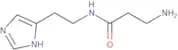
CAS:Carcinine is a natural compound that inhibits the activities of enzymes involved in energy metabolism, including carnosine, which is a dipeptide found in muscle and brain tissue. Carnosine has been shown to be effective against eye disorders such as glaucoma and optic nerve degeneration, as well as cardiac effects. Carcinine has also been shown to inhibit histamine release, which may be due to its ability to suppress the activation of toll-like receptor 4 by lipopolysaccharides or its ability to inhibit the production of pro-inflammatory cytokines. Carcinine hydrochloride salt is a model system for studying carcinine's interactions with carnosine in vivo and in vitro.Formula:C8H14N4O·XHClPurity:Min. 95%2,6-Dichloro-4-(2,4,6-triphenyl-1-pyridinio)phenolate
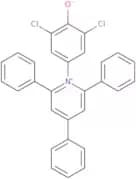
CAS:2,6-Dichloro-4-(2,4,6-triphenyl-1-pyridinio)phenolate is a protonated form of the anion of 2,6-dichloro-4-(2,4,6-triphenyl-1-pyridinio)phenolate. It has hydrophobic properties and a low solubility in water. The solution temperature is close to 0°C. It can be analyzed by regression and chloride or physicochemical methods. This compound has a polarizability that is similar to that of nitrogen atoms and hydrogen bonds with chloride ions.Formula:C29H19Cl2NOPurity:Min. 95%Color and Shape:PowderMolecular weight:468.37 g/mol6-Trifluoromethylindole
CAS:6-Trifluoromethylindole is a carbamic acid that can be synthesized with the help of a sulfoxides. Carbamic acid reacts with an aryl halide to form an unsymmetrical biaryl. 6-Trifluoromethylindole has been shown to act as a modulator in Friedel-Crafts reactions, which may be used for the synthesis of heterocycles. This chemical has also been shown to react with alkyl chlorides and sulfonium salts to form carbamic acids and sulfoxides, respectively.
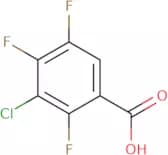
Formula:C9H6F3NPurity:Min. 95%Color and Shape:PowderMolecular weight:185.15 g/mol3-Chloro-2,4,5-trifluorobenzoic acid
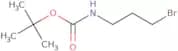
CAS:3-Chloro-2,4,5-trifluorobenzoic acid (3CTBA) is a synthetic fluoroquinolone antibiotic that has been shown to be active against gram-negative bacteria. 3CTBA inhibits the production of chloride ions in the cytoplasm of bacteria by inhibiting the enzyme chlorate reductase. 3CTBA is also effective against Mycobacterium tuberculosis and Mycobacterium avium complex. The safety profile of this drug is good, with few side effects in humans and no adverse reactions in animals. Many industrial processes have been established for the synthesis of 3CTBA, which results in a high reaction yield. This drug can be synthesized from inexpensive starting materials using a straightforward and efficient process.Formula:C7H2ClF3O2Purity:Min. 95%Color and Shape:PowderMolecular weight:210.54 g/mol3-(Boc-amino)propyl bromide
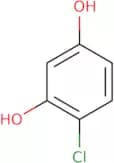
CAS:3-(Boc-amino)propyl bromide is an antimicrobial agent that has been shown to be a potent inhibitor of cancer cell growth in vitro. The mechanism of action of 3-(Boc-amino)propyl bromide is not yet known, but it may be due to its ability to inhibit the uptake of radiotracers by mda-mb-231 cells. 3-(Boc-amino)propyl bromide has also been shown to have a high affinity for proteins and is able to hydrogen bond with them. This property may explain the high salt requirement for its solubility, as well as its toxicity towards bacteria and other microorganisms.Formula:C8H16BrNO2Purity:Min. 95 Area-%Color and Shape:Colorless PowderMolecular weight:238.12 g/mol4-Chlororesorcinol
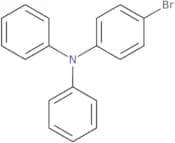
CAS:4-Chlororesorcinol is a chemical compound that has been shown to have antimicrobial properties. It inhibits the growth of bacteria by reacting with tyrosinase and other enzymes that are important for the synthesis of melanin, the pigment responsible for skin, hair, and eye color. 4-Chlororesorcinol also reacts with protocatechuic acid to form chlorprotocatecholic acid and other products. This reaction is optimal at pH 3.4 and occurs at an increased rate in the presence of calcium ions. 4-Chlororesorcinol has been shown to inhibit root formation in plants, as well as inhibiting the growth of certain fungi such as Phytophthora infestans and Rhizoctonia solani.Formula:C6H5ClO2Purity:Min. 95%Color and Shape:PowderMolecular weight:144.56 g/mol4-Bromotriphenylamine
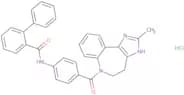
CAS:4-Bromotriphenylamine is a molecule that has two acceptor groups and one donor group. It reacts with methylamine to form the product 4,4′-dibromobutyric acid. The reaction rate of this chemical is increased by the presence of an electron withdrawing substituent on the aromatic ring such as bromine. This compound is stable at higher temperatures, but not at lower ones. When heated, it undergoes thermal expansion and molecules are forced apart from each other. The butyric acid formed in this reaction may be used to synthesize butyrate esters for use in cancer therapy or light emission systems. Light emission from this compound is due to its fluorescence properties, which depend on the chemical structure of the molecule and its environment. The efficiency of light emission is related to the number of electron-hole pairs created during excitation, which depends on the energy of incident photons and their wavelength.Formula:C18H14BrNPurity:Min. 95%Color and Shape:PowderMolecular weight:324.21 g/molConivaptan hydrochloride
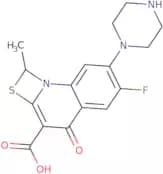
CAS:Controlled ProductConivaptan hydrochloride is a selective, orally active vasopressin receptor antagonist that has been shown to be effective in the treatment of congestive heart failure. Conivaptan hydrochloride is used in experimental models to study its efficacy and safety. The long-term efficacy of conivaptan hydrochloride was demonstrated in a chronic oral study with rats. Optimum concentrations for conivaptan hydrochloride are between 0.5 and 2 mg/kg body weight, which should be administered three times daily. In patients with hepatic impairment, the concentration–time curve of conivaptan hydrochloride may be affected so that higher doses are required to achieve the desired effect. This drug also interacts with drugs such as warfarin, beta blockers, or calcium channel blockers. Patients with high body mass index or systolic pressure should not use this medication because it can lead to serious side effects.Formula:C32H27ClN4O2Purity:Min. 95%Color and Shape:White PowderMolecular weight:535.04 g/molUlifloxacin
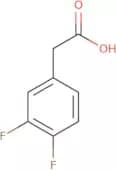
CAS:Extensive research has been conducted on the antimicrobial activity of 6-fluoro-1-methyl-4-oxo-7-(1-piperazinyl)-4H-(1,3)thiazeto(3,2a)quinoline-3-carboxylic acid (FPMT). FPMT is a levorotatory compound that is rapidly metabolized by esterases to 6FMT, which is also active against bacteria. FPMT inhibits bacterial growth, but does not inhibit mammalian cell growth. The main mechanism of action for FPMT is probably through its ability to inhibit the synthesis of bacterial DNA and RNA. This drug has been shown to be effective against sinusitis caused by bacterial rhinosinusitis and urinary tract infections caused by Escherichia coli and Pseudomonas aeruginosa. FPMT can be used as an alternative to prulifloxacin for the treatment of these types of infectionsFormula:C16H16FN3O3SPurity:Min. 98 Area-%Molecular weight:349.38 g/mol3,4-Difluorophenylacetic acid
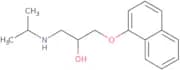
CAS:3,4-Difluorophenylacetic acid is an organic compound that is a colorless liquid with a boiling point of 173°C. It is used in the synthesis of pharmaceuticals and other organic compounds. 3,4-Difluorophenylacetic acid belongs to the group of stereoisomers and has two forms, levo and dextro. The dextro form can be separated from the levo form by chromatographic techniques. This technique involves eluting the compound with a constant solvent gradient with selectivities for different chemical properties like choline uptake or high-performance liquid chromatography. 3,4-Difluorophenylacetic acid is also found in some additives such as cerebral modifiers or supercritical modifiers.Formula:C8H6F2O2Purity:Min. 95%Color and Shape:PowderMolecular weight:172.13 g/molrac-Propranolol hydrochloride
CAS:Controlled ProductPropranolol is a beta-adrenergic receptor antagonist that is used to treat high blood pressure, chest pain and heart failure. It also has been shown to be effective in the treatment of inflammatory bowel disease (IBD). Propranolol blocks the binding of proprotein convertase subtilisin/kexin type 9 (PCSK9) to its receptors, which inhibits the production of LDL cholesterol. In humans, propranolol is metabolized through hydrolysis by esterases or glucuronidases, oxidation by cytochrome P450 enzymes, reduction by glutathione reductase, or conjugation with glucuronic acid. The drug also has a synergic effect with other drugs such as erythromycin and phenobarbital. Propranolol binds to proteins in red blood cells and decreases diastolic pressure.
Formula:C16H22ClNO2Purity:Min. 98%Color and Shape:White PowderMolecular weight:295.8 g/molN-(2-Indol-3-ylethyl)(4-(trifluoromethoxy)phenyl)formamide
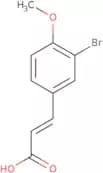
CAS:Please enquire for more information about N-(2-Indol-3-ylethyl)(4-(trifluoromethoxy)phenyl)formamide including the price, delivery time and more detailed product information at the technical inquiry form on this pageFormula:C18H15F3N2O2Purity:Min. 95%Color and Shape:PowderMolecular weight:348.32 g/mol3-Bromo-4-methoxycinnamic acid
CAS:3-Bromo-4-methoxycinnamic acid is an organic compound that is used as a reagent, a useful scaffold, and a useful intermediate. It has been shown to be an excellent building block for the synthesis of complex compounds. 3-Bromo-4-methoxycinnamic acid can be used in the production of fine chemicals.
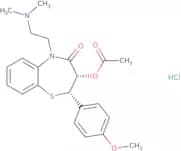
Formula:C10H9BrO3Purity:Min. 95%Color and Shape:PowderMolecular weight:257.08 g/molDiltiazem hydrochloride
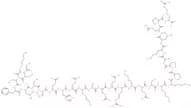
CAS:L-type calcium channel blockerFormula:C22H27ClN2O4SPurity:Min. 98 Area-%Color and Shape:White PowderMolecular weight:450.98 g/molGhrelin trifluoroacetate
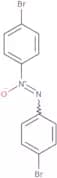
CAS:Ghrelin is a peptide hormone that regulates appetite and has been shown to have potent anti-cachectic effects in animal models. It is thought to be an important regulator of body weight, insulin resistance, and metabolism. Ghrelin is synthesized in the stomach and released into the bloodstream when the stomach is empty. Ghrelin binds to ghrelin receptors in the hypothalamus, which stimulate growth hormone release from the pituitary gland. This hormone also binds to other cells in the hypothalamus, such as neurons that produce orexin, which may account for its effects on sleep patterns. Ghrelin has been shown to inhibit tumor growth by suppressing angiogenesis and inducing apoptosis. The molecular weight of ghrelin is 3497 Da. The sequence of ghrelin consists of 28 amino acids: Gly-Ser-Ser(octanoyl)-Phe-Leu-Ser-Pro-Glu-His-Gln-Lys-AlaFormula:C147H245N45O42•(C2HO2F3)xPurity:Min. 95 Area-%Color and Shape:PowderMolecular weight:3,314.8 g/mol4,4'-Dibromoazoxybenzene
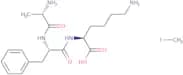
CAS:4,4'-Dibromoazoxybenzene is a functional group that contains both amines and nitroso groups. The reaction scheme for the synthesis of this compound includes hydrazines, potassium hydroxide, acetonitrile, chloride, and alkylation. The nitrogen atom in 4,4'-dibromoazoxybenzene is an aromatic amine. Cancer cells are sensitive to molecules containing aromatic amines as a functional group.Formula:C12H8Br2N2OPurity:Min. 95%Molecular weight:356.01 g/molAlanyl-phenylalanyl-lysine fluoromethane
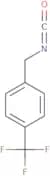
CAS:Controlled ProductAlanyl-phenylalanyl-lysine fluoromethane is a competitive inhibitor of the enzyme kallikrein. It binds to the active site of kallikrein and competes with the natural substrate peptidyl-piperidinium for binding, thereby inhibiting the activity of the enzyme. Alanyl-phenylalanyl-lysine fluoromethane has been shown to inhibit coagulation by blocking the activation of prothrombin and thrombin by kallikrein. This inhibition can be reversed by adding an anticoagulant such as heparin or hirudin. The biochemical assay used to measure this drug's effect on coagulation requires analysis using fluoroalkyl reagents, which are not suitable for use in human subjects.Formula:C19H31FN4O4Purity:Min. 95%Molecular weight:398.47 g/mol4-(Trifluoromethyl)benzyl isocyanate
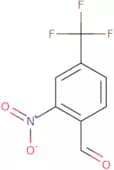
CAS:4-(Trifluoromethyl)benzyl isocyanate is a chemical compound with the formula C8H4F3NOC. It is a colorless liquid that can be used as a reagent and in organic synthesis. It is also an intermediate for the production of other chemicals, such as pharmaceuticals, pesticides, and polymers. 4-(Trifluoromethyl)benzyl isocyanate has been shown to be useful in reactions involving electron-deficient species (i.e., those bearing an oxygen atom or with heteroatoms). The compound has been found to be a versatile building block for synthesizing complex compounds with high purity and good yields.Formula:C9H6F3NOPurity:Min. 95%Color and Shape:Colorless PowderMolecular weight:201.15 g/mol2-Nitro-4-(trifluoromethyl)benzaldehyde
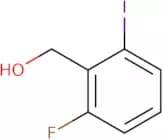
CAS:2-Nitro-4-(trifluoromethyl)benzaldehyde is an immunosuppressive agent that binds to the active site of the enzyme nitric oxide synthase, inhibiting its activity. This drug has been shown to be active against human immunocompromised patients and those with a history of melamine exposure. It also inhibits the production of nitric oxide, which is associated with inflammation. 2-Nitro-4-(trifluoromethyl)benzaldehyde has been shown to bind to vinylic positions on proteins, leading to immunosuppression.Formula:C8H4F3NO3Purity:Min. 95%Color and Shape:PowderMolecular weight:219.12 g/mol6-Fluoro-2-iodobenzyl alcohol
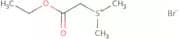
CAS:6-Fluoro-2-iodobenzyl Alcohol is a versatile building block for the synthesis of complex compounds. It is used in research and as a reagent for the synthesis of pharmaceuticals, pesticides and other organic compounds. 6-Fluoro-2-iodobenzyl alcohol has been shown to be useful in the formation of high quality and useful intermediates, reaction components, and scaffolds. The CAS number for this chemical is 911825-94-0.Formula:C7H6FIOPurity:Min. 95%Molecular weight:252.02 g/mol(Ethoxycarbonylmethyl)dimethylsulfonium bromide
CAS:(Ethoxycarbonylmethyl)dimethylsulfonium bromide is an isoxazoline. It is used in the synthesis of oxime derivatives, which are bioactive molecules that have a wide range of applications in the field of medicine, including as intermediates for anti-inflammatory, anti-viral and antibacterial drugs. This compound has shown to be active against methicillin resistant Staphylococcus aureus (MRSA). The mechanism by which this molecule inhibits MRSA involves its nitro group and the release of nitric oxide.Formula:C6H13BrO2SPurity:Min. 97.5 Area-%Color and Shape:PowderMolecular weight:229.14 g/mol4-Bromophenylacetic acid ethyl ester
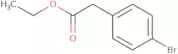
CAS:4-Bromophenylacetic acid ethyl ester is a synthetic compound that binds to the cytochrome P450 enzyme and inhibits its activity. This inhibition prevents the production of estrogen, which may be useful in the treatment of breast cancer. 4-Bromophenylacetic acid ethyl ester has also been shown to inhibit aromatase, an enzyme that catalyzes the conversion of androgens into estrogens. Inhibition of this enzyme by 4-bromophenylacetic acid ethyl ester may be useful in the treatment of prostate cancer. The chemical has also been shown to inhibit glycoprotein synthesis in herpes simplex virus and human plasma proteins involved in drug metabolism. This inhibition may be useful for treating patients with HIV.Formula:C10H11BrO2Purity:Min. 95%Color and Shape:PowderMolecular weight:243.1 g/mol2-Bromo-4-fluorobenzyl bromide
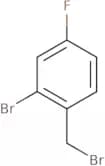
CAS:2-Bromo-4-fluorobenzyl bromide is a benzyl anion with the chemical formula C6H5BrF. It has magnetic properties and crystallizes in the monoclinic system. 2-Bromo-4-fluorobenzyl bromide is synthesized by reacting benzyl chloride with phosphorus tribromide and can be purified using chromatography or recrystallization methods. 2-Bromo-4-fluorobenzyl bromide has antiferromagnetic coupling, which means that it is attracted to magnets, but does not align itself in the same direction as other magnets.Formula:C7H5Br2FPurity:Min. 90%Color and Shape:PowderMolecular weight:267.92 g/mol2,5-Bis(trifluoromethyl)-3,6-dioxaundecafluorononanoyl fluoride
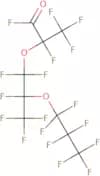
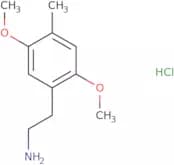
CAS:2,5-Bis(trifluoromethyl)-3,6-dioxaundecafluorononanoyl fluoride (2,5-BTDAF) is a monomer with systematic fluorine substitution. 2,5-BTDAF is activated by the presence of alkali metal cations and undergoes hydrolysis to form an ammonium salt. This monomer can be used in fluorescence techniques for investigating the distribution of fluorine in organic molecules.Formula:C9F18O3Purity:Min. 95%Color and Shape:Clear LiquidMolecular weight:498.07 g/mol2,5-Dimethoxy-4-methylphenethylamine hydrochloride
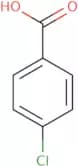
CAS:Controlled ProductPlease enquire for more information about 2,5-Dimethoxy-4-methylphenethylamine hydrochloride including the price, delivery time and more detailed product information at the technical inquiry form on this pageFormula:C11H18ClNO2Purity:Min. 98 Area-%Molecular weight:231.72 g/mol4-Chlorobenzoic acid
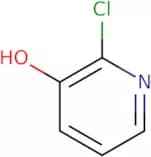
CAS:4-Chlorobenzoic acid is a dehalogenase that removes chlorinated organic compounds from water. It has been shown to be effective in removing the following: trichloroethene, tetrachloroethene, and dichloroethene. 4-Chlorobenzoic acid is a member of the group P2 dehalogenases and has been shown to have an affinity for aromatic substrates like benzoate. This enzyme is an integral part of wastewater treatment systems as it prevents the accumulation of toxic chlorine-containing chemicals in soil and groundwater.Formula:C7H5ClO2Purity:Min. 95%Color and Shape:PowderMolecular weight:156.57 g/mol2-Chloro-3-hydroxypyridine
CAS:2-Chloro-3-hydroxypyridine is a reactive chemical that can be synthesized from hydrochloric acid and ammonia. It has a high melting point, which is an indication of its strength. 2-Chloro-3-hydroxypyridine has been used in the kinetic and population growth studies for bacteria. The reaction of 2-chloro-3-hydroxypyridine with sodium hydrogen is exothermic and has a red shift, which indicates that the activation energy for this reaction is low. Activation energies are important because they indicate the stability of molecules.Formula:C5H4ClNOPurity:Min. 95%Color and Shape:PowderMolecular weight:129.54 g/moltrans-1,3-Dichloropropene
CAS:Trans-1,3-Dichloropropene is an organic compound that is a chlorinated aliphatic hydrocarbon. It has a chlorine atom in the 1 position and three chlorine atoms in the 3 position. The chemical formula for trans-1,3-Dichloropropene is CCl2CH2CH2Cl. The material can be used as a fumigant, as well as an analytical method to measure kinetic data of reactions with enzymes. Trans-1,3-Dichloropropene inhibits plant growth by binding to the active site of enzymes such as malonic acid oxidase and peroxidase which are involved in plant metabolism. This chemical also induces changes in frequency when exposed to the body mass index (BMI).
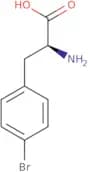
Formula:C3H4Cl2Purity:Min. 95%Color and Shape:Clear LiquidMolecular weight:110.97 g/mol4-Bromo-L-phenylalanine
CAS:4-Bromo-L-phenylalanine is a potent inhibitor of the enzyme dehydrogenase. It is used in the synthesis of β-amino acids, which are precursors for peptides and proteins. 4-Bromo-L-phenylalanine has been shown to be an acceptor for the enzyme diacetate and it inhibits tryptic activity at low concentrations. 4-Bromo-L-phenylalanine has also been shown to be a potent antagonist of acid dehydrogenase from endophytic fungus. This compound has also been found to inhibit biosynthesis of proteins in thermodynamic studies. In validation studies, this compound was found to have low energy barriers.
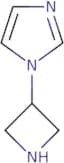
Formula:C9H10BrNO2Purity:Min. 95%Color and Shape:PowderMolecular weight:244.09 g/mol1-Azetidin-3-yl-1H-imidazole dihydrochloride
CAS:1-Azetidin-3-yl-1H-imidazole dihydrochloride is a high quality, versatile building block that can be used in the synthesis of a wide range of compounds. It is used as a reagent, speciality chemical and reaction component in the synthesis of pharmaceuticals, agrochemicals and other organic compounds. 1-Azetidin-3-yl-1H-imidazole dihydrochloride is available at an affordable price with a purity level of 99%.Formula:C6H9N3•(HCl)2Purity:Min. 95%Color and Shape:PowderMolecular weight:196.16 g/mol5-Fluoro-3-methylindole
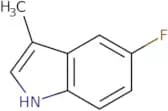
CAS:5-Fluoro-3-methylindole is a reactive compound that is not soluble in water. It has a molecular weight of 288.5 and an ionization potential of 7.8 eV. 5-Fluoro-3-methylindole can act as a potent antagonist by binding to the pharmacophore, which is the three hydrogen bonding sites on the benzodiazepine receptor. This drug has been shown to be reactive with halides, nitro, and magnesium, as well as with some endogenous compounds such as nitroarenes and amides. 5-Fluoro-3-methylindole also reacts with fluorescence ligands and transfer agents.Formula:C9H8FNPurity:Min. 95%Molecular weight:149.16 g/molβ-Bromoethylphosphoryl dichloride
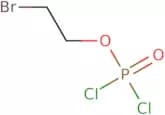
CAS:b-Bromoethylphosphoryl dichloride (BEPC) is a versatile building block that can be used as a reagent or speciality chemical. It is mainly used in the synthesis of complex compounds and research chemicals. BEPC is soluble in organic solvents such as chloroform, benzene, toluene, and ethers. It also has a high quality and is useful for producing fine chemicals. BEPC is an intermediate for the synthesis of new drugs, which may be because of its usefulness as a scaffold molecule.Formula:C2H4BrCl2O2PPurity:Min. 95%Color and Shape:Clear LiquidMolecular weight:241.84 g/mol(R)-N-Methyl-3-(1-naphthoxy)-3-(2-thienyl)propylamine hydrochloride
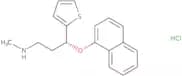
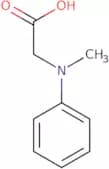
CAS:Controlled Product(R)-N-Methyl-3-(1-naphthoxy)-3-(2-thienyl)propylamine hydrochloride is a nonsteroidal anti-inflammatory drug that has been shown to be effective for the treatment of osteoarthritis, rheumatoid arthritis, ankylosing spondylitis, and chronic low back pain. This drug can also be used for other inflammatory conditions such as psoriasis and Crohn's disease. The mechanism of action of (R)-N-Methyl-3-(1-naphthoxy)-3-(2-thienyl)propylamine hydrochloride is not fully understood. It may work by blocking the synthesis of prostaglandins in the body. This drug is metabolized in the liver to its active form, which binds to cyclooxygenase 1 and 2 enzymes to inhibit the production of prostaglandins. It also inhibits human serum x-rayFormula:C18H19NOS•HClPurity:Min. 95%Color and Shape:White To Off-White SolidMolecular weight:333.88 g/molN-Methyl-N-phenylglycine hydrochloride
CAS:N-Methyl-N-phenylglycine hydrochloride (NMPG) is a glycopeptide antibiotic and immunosuppressant that is used to treat inflammatory bowel disease. NMPG binds to the D-alanyl-D-alanine moiety of bacterial cell wall peptidoglycan, inhibiting the synthesis of bacterial cell wall and leading to bacterial death. NMPG has been shown to be active against Escherichia coli, Klebsiella pneumoniae, and Helicobacter pylori. NMPG also has antibacterial activity against Acinetobacter baumannii and Enterococcus faecalis. The asymmetric synthesis of NMPG is enhanced by the presence of acrylonitrile.Formula:C9H11NO2·HClPurity:Min. 95%Color and Shape:PowderMolecular weight:201.65 g/mol[(2-Methylimidazo[2,1-b][1,3,4]thiadiazol-6-yl)methyl]amine dihydrochloride
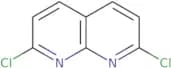
CAS:[(2-Methylimidazo[2,1-b][1,3,4]thiadiazol-6-yl)methyl]amine dihydrochloride is a high quality reagent with many uses. It is a complex compound that is used as an intermediate in the synthesis of many other compounds. This chemical has been shown to be useful as a scaffold for drug design and development. It also has been found to be a valuable building block for the synthesis of speciality chemicals and pharmaceuticals. This chemical can be used in reactions as a versatile building block and reaction component.Formula:C6H8N4S·2HClPurity:Min. 95%Color and Shape:White PowderMolecular weight:241.14 g/mol2,7-Dichloro-1,8-naphthyridine
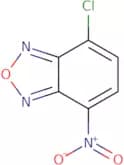
CAS:2,7-Dichloro-1,8-naphthyridine is a structural analog of the functional group 2,7-dichloroquinoline. The protonated form of this molecule reacts with aryl chlorides to produce hydrogen bonds and generate supramolecular complexes. These complexes have been shown to be stable in solution and have low efficiency for electron transfer reactions. This compound has been shown to react with fluorine gas to generate reduction products with an nmr spectrum that is different from that of 2,7-dichloroquinoline. Crystallographic studies on this molecule show hydrogen bonding interactions between the molecules.Formula:C8H4Cl2N2Purity:Min. 95%Color and Shape:Yellow PowderMolecular weight:199.04 g/mol4-Chloro-7-nitrobenzofurazan
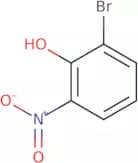
CAS:4-Chloro-7-nitrobenzofurazan is a fluorescent derivative that binds to the α subunit of DNA polymerase. It can be used as an analytical method for the detection of DNA polymerase inhibitors. 4-Chloro-7-nitrobenzofurazan has also been shown to inhibit cell nuclei and human serum, as well as binding to reactive sites on human cells. This compound can be used in control analysis for laboratory experiments related to protein synthesis and cell death.Formula:C6H2ClN3O3Purity:Min. 97 Area-%Color and Shape:Yellow PowderMolecular weight:199.55 g/mol2-Bromo-6-nitrophenol
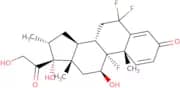
CAS:2-Bromo-6-nitrophenol is a synthetic chemical that is used as an intermediate in the synthesis of other chemicals. It can be prepared by reacting ammonium formate with hydroxyl group of 2-bromo-6-nitropyridine. The reaction yield can be improved by activating the hydroxyl group and removing impurities through a dehydration reaction. The time required for the reaction to occur can be shortened by using acetonitrile as a solvent instead of water. This chemical is also synthesized by coupling metal salts with nitro groups or amines, which are called Suzuki coupling reactions.Formula:C6H4BrNO3Color and Shape:PowderMolecular weight:218 g/mol(9R,11S,14S,16R,17R)-6,6,9-Trifluoro-11,17-Dihydroxy-17-(2-Hydroxyacetyl)-10,13,16-Trimethyl-8,11,12,14,15,16-Hexahydro-7H-Cyclopent a[a]Phenanthren-3-One
CAS:Controlled Product(9R,11S,14S,16R,17R)-6,6,9-Trifluoro-11,17-dihydroxy-17-(2-hydroxyacetyl)-10,13,16-trimethyl-8,11,12,14,15,16-hexahydro-7H-cyclopenta[a]phenanthrene 3-one is a congestive heart failure drug that belongs to the group of cardiotonic drugs. It has high resistance to elution and is used in the diagnosis of autoimmune diseases. (9R,11S) 6-(1′Hexahydrocyclohexa[b]pyrrolo[2′1′b]indolizinium bromide) is a nitrogenous compound that has been employed as a pharmaceutical preparation for the treatment of cardiac disorders. The biological properties of (9R) 11-(2′HydroxyacetylFormula:C22H27F3O5Purity:Min. 95%Molecular weight:428.44 g/mol5-Fluoroindole-2-carboxylic acid
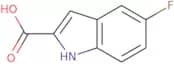
CAS:5-Fluoroindole-2-carboxylic acid is a new substance that has been found to be an inhibitor of the influenza virus. It prevents the virus from replicating by inhibiting the synthesis of viral proteins and nucleic acids. 5-Fluoroindole-2-carboxylic acid can be prepared by dispersive solid phase extraction of a mixture of fluoroindole, fumaric acid, and potassium hydroxide in water. The compound has also been shown to potentiate the effects of carbamazepine on caspases and enhance mass spectrometric analysis for gaseous hydrochloric acid. 5-Fluoroindole-2-carboxylic acid produces antinociceptive effects in animals.Formula:C9H6FNO2Color and Shape:PowderMolecular weight:179.15 g/molPigment Red 38;Diethyl 4,4'-[(3,3'-dichlOrO[1,1'-biphenyl]-4,4'-diyl)bis(azO)]bis[4,5-dihydrO-5-OxO-1-phenyl-1H-pyrazOle-3-carbOxyla te]
CAS:Pigment Red 38 is a red dye that is used in the production of magnetic particles, cross-linking agents, and fluorescent dyes. Pigment Red 38 has a hydroxyl group at the 4 position and a methyl ethyl group at the 2 position. It can be synthesized from diethyl 4,4'-(3,3'-dichlorobiphenyl)-4,4'-diylbisazolate. Pigment Red 38 is thermoreversible because it can be converted to its anhydrous form when heated or dissolved in water and then reconverted back to its original form when cooled or dried. The pigment was named for its ability to produce light emission when exposed to ultraviolet radiation. Pigment Red 38 has a diameter of 6 nm and reacts with coordination complexes to form particle clusters with diameters ranging from 10-200 nm.Purity:Min. 95%


![1-[4-Methyl-6-(trifluoromethyl)pyrimidin-2-yl]piperidine-3-carboxylic acid](/_next/image/?url=https%3A%2Fstatic.cymitquimica.com%2Fproducts%2F3D%2Fthumb-webp%2FFM129640.webp&w=3840&q=75)



![[(2-Methylimidazo[2,1-b][1,3,4]thiadiazol-6-yl)methyl]amine dihydrochloride](/_next/image/?url=https%3A%2Fstatic.cymitquimica.com%2Fproducts%2F3D%2Fthumb-webp%2FFM123820.webp&w=3840&q=75)
![Pigment Red 38;Diethyl 4,4'-[(3,3'-dichlOrO[1,1'-biphenyl]-4,4'-diyl)bis(azO)]bis[4,5-dihydrO-5-Ox…](/_next/image/?url=https%3A%2Fstatic.cymitquimica.com%2Fproducts%2F3D%2Fthumb-webp%2FFP43985.webp&w=3840&q=75)