


Organic Halides
Subcategories of "Organic Halides"
Found 20442 products of "Organic Halides"
2-Amino-3-methoxybenzoic acid hydrochloride
CAS:2-Amino-3-methoxybenzoic acid hydrochloride is a synthetic monosubstituted hydroxy analog of the natural alkaloids, which are substituted with an amino group. It is produced by the demethylation of 2-amino-3-hydroxypyridine and reacts with caprolactam to form 2,6-dihydroxybenzaldehyde. It has been used in the synthesis of methoxyanthranilic acid, which is a synthetic analogue of anthranilic acid. Hydrochloric acid can be added to 2-amino-3-methoxybenzoic acid hydrochloride to produce 2,6-dihydroxybenzoyl chloride. This compound also undergoes condensation reactions with methoxyanthranilic acid to form 2,6-dimethoxybenzaldehyde.
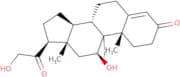
Formula:C8H9NO3•HClPurity:Min. 95%Color and Shape:PowderMolecular weight:203.62 g/mol(8S,10S,11S,13S,14S,17S)-9-Fluoro-11-Hydroxy-17-(2-Hydroxyacetyl)-10,13-Dimethyl-2,6,7,8,11,12,14,15,16,17-Decahydro-1H-Cyclopenta[a ]Phenanthren-3-One
CAS:Controlled Product(8S,10S,11S,13S,14S,17S)-9-Fluoro-11-hydroxy-17-(2-hydroxyacetyl)-10,13-dimethyl-2,6,7,8,11,12,14,15,16,17-decahydrocyclopenta[a]phenanthren-3-one (fluorometholone) is a corticosteroid that is used in the treatment of asthma and other respiratory diseases. Fluorometholone has been shown to have strong antiinflammatory activity and inhibit the production of inflammatory cytokines. It also has mineralocorticoid activity and can be used to treat adrenal insufficiency. This drug has potent potencies structurally similar to glucocorticoids and mineralocorticoids.Formula:C21H29FO4Purity:Min. 95%Molecular weight:364.45 g/molDimethyl [2-oxo-3-[3-(trifluoromethyl)phenoxy]propyl]phosphonate
CAS:Please enquire for more information about Dimethyl [2-oxo-3-[3-(trifluoromethyl)phenoxy]propyl]phosphonate including the price, delivery time and more detailed product information at the technical inquiry form on this page
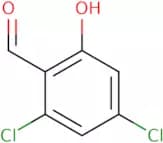
Formula:C12H14F3O5PPurity:Min. 95%Color and Shape:Clear Liquid PowderMolecular weight:326.21 g/mol2,4-Dichloro-6-hydroxybenzaldehyde
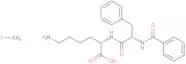
CAS:2,4-Dichloro-6-hydroxybenzaldehyde is a potential antineoplastic agent that inhibits mitochondrial function and induces apoptosis. This drug blocks the mitochondrial membrane potential and inhibits ATP production by blocking the mitochondrial respiratory chain complexes I and III. 2,4-Dichloro-6-hydroxybenzaldehyde has been shown to inhibit tumor cell growth in culture and in animal models of cancer. It also selectively kills tumor cells with low levels of cisplatin resistance through concurrent inhibition of mitochondria and caspase activation. 2,4-Dichloro-6-hydroxybenzaldehyde binds to both the inner membrane of mitochondria and to the plasma membrane of cancer cells, thereby inhibiting their function.Formula:C7H4Cl2O2Purity:Min. 95%Color and Shape:PowderMolecular weight:191.01 g/molBenzoylphenylalanyllysine fluoromethane
CAS:Controlled ProductBenzoylphenylalanyllysine fluoromethane is a competitive anticoagulant that inhibits the action of kallikrein, an enzyme involved in the activation of factor XII. This drug is used to prevent or treat thrombosis and embolism. It has been shown to be effective in vitro against coagulation factors II, VII, IX, X, XI, XII and XIII. Benzoylphenylalanyllysine fluoromethane is not metabolized by cysteine proteinase and does not interact with norvaline.Formula:C23H30FN3O4Purity:Min. 95%Molecular weight:431.5 g/mol2-Piperazin-1-ylnicotinamide dihydrochloride
CAS:Please enquire for more information about 2-Piperazin-1-ylnicotinamide dihydrochloride including the price, delivery time and more detailed product information at the technical inquiry form on this pageFormula:C10H14N4OPurity:95%MinColor and Shape:PowderMolecular weight:206.24 g/mol7-Fluoro-5-Phenyl-1,3-Dihydro-1,4-Benzodiazepin-2-One
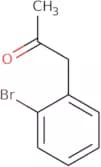
CAS:Controlled Product7-Fluoro-5-phenyl-1,3-dihydro-1,4-benzodiazepin-2-one is a potential drug candidate that has been found to have high affinity for the benzodiazepine receptor. It was synthesized by reacting 7-fluoro-5-(chloromethyl)benzo[b]thiophene with 2,5-dimethoxybenzaldehyde in the presence of sodium hydroxide and acetic acid. The compound was characterized using techniques such as nuclear magnetic resonance (NMR), mass spectrometry (MS) and infrared spectroscopy (IR). The affinity of 7FDBZ was measured at 4 nM. The parameters used for predicting binding affinity were hydrophobicity and hydrogen bond acceptor properties. A predictive model was generated based on these parameters that shows good agreement with experimental data. The probe is hydrophobic in nature and may bind to the receptor due toFormula:C15H11FN2OPurity:Min. 95%Molecular weight:254.26 g/mol2-Bromophenylacetone
CAS:Controlled Product2-Bromophenylacetone is a reagent that is used to synthesize sulfonamides. It can be prepared by the reaction of phenylacetic acid with bromine in the presence of sodium hydroxide. The product can then be treated with sulfuric acid and hydrochloric acid to give 2-bromophenylacetone. This compound has been shown to have bacteriostatic activity against Gram-positive bacteria, as well as being an efficient method for synthesizing thiosemicarbazide.Formula:C9H9BrOPurity:Min. 95%Color and Shape:Clear LiquidMolecular weight:213.07 g/mol4-Iodobenzenesulphonamide
CAS:4-Iodobenzenesulphonamide is a drug with antifungal and anticancer activity. The compound has been shown to inhibit the growth of cancer cells in vitro. It also has an antifungal effect in vitro, which is most likely due to its ability to inhibit the synthesis of ergosterol, a component of the cell membrane. 4-Iodobenzenesulphonamide may be used for the treatment of cervical cancer and vulvovaginal candidiasis. This drug does not show any serious side effects, but it has been shown to have some adverse effects on liver function tests and red blood cells.
Formula:C6H6INO2SPurity:Min. 95%Color and Shape:PowderMolecular weight:283.09 g/mol2-Chloro-N-(4-chlorophenyl)propanamide
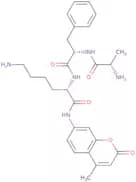
CAS:2-Chloro-N-(4-chlorophenyl)propanamide is an acetanilide that is used as a research chemical in the preparation of other compounds. It also has been used to synthesize chloroacetanilides and chloroanilides. 2-Chloro-N-(4-chlorophenyl)propanamide can be prepared by reacting 4-chloroaniline with acetic anhydride and potassium chloride in a basic solution. The reaction will take place at room temperature, but will produce a greater yield when heated to 40°C for 1 hour. This compound can be used as a starting material for the synthesis of other compounds, such as chlorinated analogues of acetaminophen (paracetamol).Formula:C9H9Cl2NOPurity:Min. 95%Molecular weight:218.08 g/molH-Ala-Phe-Lys-AMC trifluoroacetate salt
CAS:H-Ala-Phe-Lys-AMC trifluoroacetate salt is a chemical compound that can be used as an intermediate in the synthesis of peptides, peptidomimetics, and other organic compounds. This reagent is a high quality, versatile building block that can be used in the synthesis of complex compounds. H-Ala-Phe-Lys-AMC trifluoroacetate salt is a fine chemical that has been assigned CAS No. 120928-02-1. It is a useful scaffold for the synthesis of novel compounds with potential pharmaceutical value.
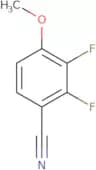
Formula:C28H35N5O5•C2HF3O2Purity:Min. 95 Area-%Color and Shape:PowderMolecular weight:635.63 g/mol2,3-Difluoro-4-methoxybenzonitrile
CAS:2,3-Difluoro-4-methoxybenzonitrile is a high quality chemical that can be used as a building block for the synthesis of more complex compounds. The compound has been shown to have useful intermediate properties and is often used in research. It is also a versatile scaffold that has been used to create many different types of chemical compounds. 2,3-Difluoro-4-methoxybenzonitrile can be used in the production of speciality chemicals and reaction components. It is not regulated by the Chemical Weapons Convention or other international treaties, making it an attractive reagent for those who are interested in purchasing this product.Formula:C8H5F2NOPurity:Min. 95%Color and Shape:PowderMolecular weight:169.13 g/mol2-Fluoro-6-methoxybenzoic acid
CAS:2-Fluoro-6-methoxybenzoic acid is a monocarboxylic acid that is synthesized from 2,6-dichlorobenzoic acid by a mediated, synthetic sequence. This compound can be used as a substrate for kinetic analyses of the transport of carboxylic acids across cellular membranes. The uptake of 2-fluoro-6-methoxybenzoic acid is expressed in the apical surface membrane of Caco2 cells. Kinetic studies indicate that this compound reacts rapidly with butyllithium to form an enamine intermediate. The enamine intermediate then reacts with either water or methanol to produce a final product, depending on the reaction time.Formula:C8H7FO3Purity:Min. 95%Color and Shape:PowderMolecular weight:170.14 g/mol1,1,2,2,3,3,4,4-Octafluoro-5,5-Bis(Trifluoromethyl)Cyclopentane
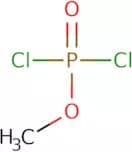
CAS:Controlled ProductOctafluoro-5,5-bis-(trifluoromethyl)cyclopentane (OTFC) is an organic compound that has the formula CF2CF3. OTFC is a volatile liquid with a boiling point of -1.8°C, and can be found in the environment due to its use as a solvent. OTFC is used in the production of amines and vinyl ethers. OTFC can be synthesized by reacting benzotrifluoride with toluene or vinyl ether. The inorganic nature and efficiency of this chemical make it useful for many applications.Formula:C7F14Purity:Min. 95%Molecular weight:350.05 g/molMethyl phosphorodichloridate
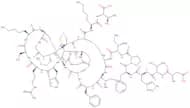
CAS:Controlled ProductUsed in the synthesis of cyclic phosphatesFormula:CH3Cl2O2PPurity:Min. 95%Color and Shape:Clear LiquidMolecular weight:148.91 g/molHepcidin-25 (human) trifluoroacetate salt
CAS:Please enquire for more information about Hepcidin-25 (human) trifluoroacetate salt including the price, delivery time and more detailed product information at the technical inquiry form on this pageFormula:C113H170N34O31S9·C2HF3O2Purity:Min. 95 Area-%Color and Shape:PowderMolecular weight:2,903.38 g/mol2-(4-Fluorophenyl)thiazole-4-carbaldehyde
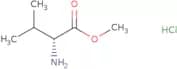
CAS:Please enquire for more information about 2-(4-Fluorophenyl)thiazole-4-carbaldehyde including the price, delivery time and more detailed product information at the technical inquiry form on this pageFormula:C10H6FNOSPurity:Min. 95%Color and Shape:PowderMolecular weight:207.23 g/molD-Valine methyl ester hydrochloride
CAS:D-Valine methyl ester hydrochloride is a synthetic cannabinoid that binds to the CB2 receptor. It is an enantiomer of MDMB-CHMICA, which has been shown to be a potent inhibitor of influenza virus replication. D-Valine methyl ester hydrochloride has been shown to inhibit the synthesis of proteins and nucleic acids in cells infected with viruses. The activity of d-valine methyl ester hydrochloride as an antiviral agent is due to its ability to form acid conjugates with amino acids and amines, which are necessary for protein synthesis.
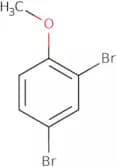
Formula:C6H13NO2·HClPurity:Min. 95%Molecular weight:167.63 g/mol2,4-Dibromoanisole
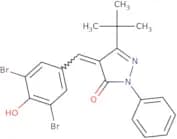
CAS:2,4-Dibromoanisole is a methoxylated aromatic compound. The compound has been shown to cleave bonds in the presence of bromophenols and other methoxylated compounds. It has also been shown to be an irreversible oxidation agent that can oxidize 2,4-dichlorobenzoic acid. The potential use for this compound is as a stopper for bottles or containers. The reactions of 2,4-dibromoanisole with trifluoroacetic acid and demethylation lead to the formation of ethylbenzene and phenol, which are used in manufacturing plastics. Mass spectrometric techniques have been used to study the reaction products that form during this process.Formula:C7H6Br2OPurity:Min. 95%Color and Shape:PowderMolecular weight:265.93 g/mol4-((3,5-dibromo-4-hydroxyphenyl)methylene)-3-(tert-butyl)-1-phenyl-2-pyrazolin-5-one
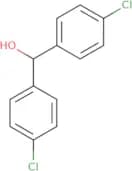
CAS:Please enquire for more information about 4-((3,5-dibromo-4-hydroxyphenyl)methylene)-3-(tert-butyl)-1-phenyl-2-pyrazolin-5-one including the price, delivery time and more detailed product information at the technical inquiry form on this pagePurity:Min. 95%bis-(4-Chlorophenyl)-carbinol
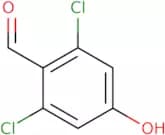
CAS:Bis-(4-chlorophenyl)-carbinol is a nonpolar compound with a linear plot. It is used as an intermediate in the synthesis of herbicides, insecticides, and pharmaceuticals. Bis-(4-chlorophenyl)-carbinol has been shown to bind to cylindrospermum, which is a type of marine algae that can be found in ecosystems such as the Great Barrier Reef. This binding reaction is the result of diphenylmethane, which is an aromatic compound that binds to bis-(4-chlorophenyl)-carbinol's electron-donating groups. The binding reaction was studied using dispersive solid-phase extraction (DSPE) and carbon source experiments on soil microorganisms. Cytochrome P450 enzymes are responsible for metabolizing bis-(4-chlorophenyl)-carbinol into unidentified metabolites.Formula:C13H10Cl2OPurity:Min. 95%Molecular weight:253.12 g/mol2,6-Dichloro-4-hydroxybenzaldehyde
CAS:2,6-Dichloro-4-hydroxybenzaldehyde is a chlorinated organic compound that can be synthesized by the chlorination of 2,6-dichlorobenzaldehyde. It has non-polar properties and can be used as an analytical reagent. Due to its chlorine atoms, it is used in the analysis of chlorine content in water and other substances. It is a formyl derivative and a homologue of formaldehyde. There are two isomers: 2,4-dichloro-6-hydroxybenzaldehyde (2,4 DCHA) and 2,5-dichloro-6-hydroxybenzaldehyde (2,5 DCHA).Formula:C7H4Cl2O2Purity:Min. 95%Color and Shape:Yellow PowderMolecular weight:191.01 g/molPerfluoro-(2,5,8-trimethyl-3,6,9-trioxadodecanoic)acid
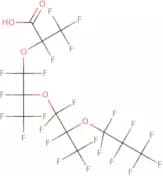
CAS:Please enquire for more information about Perfluoro-(2,5,8-trimethyl-3,6,9-trioxadodecanoic)acid including the price, delivery time and more detailed product information at the technical inquiry form on this pageFormula:C12HF23O5Purity:Min. 95%Color and Shape:Clear LiquidMolecular weight:662.1 g/mol2-(2-Aza-1-methyl-2-(3-(1,1,2,2-tetrafluoroethoxy)phenyl)vinyl)indane-1,3-dione
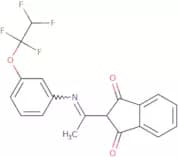
CAS:Please enquire for more information about 2-(2-Aza-1-methyl-2-(3-(1,1,2,2-tetrafluoroethoxy)phenyl)vinyl)indane-1,3-dione including the price, delivery time and more detailed product information at the technical inquiry form on this pageFormula:C19H13F4NO3Purity:Min. 95%Color and Shape:PowderMolecular weight:379.3 g/mol5-Chloroindole-2-carboxylic acid methyl ester
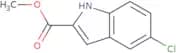
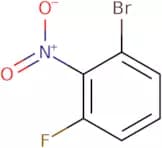
CAS:5-Chloroindole-2-carboxylic acid methyl ester is a potent inhibitor of the enzyme tyrosine kinase in cell culture, with an IC50 value of 0.5 nM. It has been shown to inhibit the growth of cancer cells (e.g., MDA-MB231, MCF-7) in vitro and in vivo. The IC50 values for inhibition of MDA-MB231 and MCF-7 cells are 0.1 and 10 nM, respectively. 5-Chloroindole-2-carboxylic acid methyl ester binds to the ATP binding site on tyrosine kinase, preventing ATP from binding and inhibiting phosphorylation of the receptor protein. This allows the receptor's downstream signaling pathways to be blocked, which leads to cell growth inhibition by arresting cell cycle progression at G0/G1 phase or inducing apoptosis.Formula:C10H8ClNO2Purity:Min. 95%Molecular weight:209.63 g/mol1-bromo-3-fluoro-2-nitrobenzene
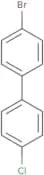
CAS:1-Bromo-3-fluoro-2-nitrobenzene is the target compound in this reaction. The starting materials are triethylamine, trichloride and ethyl alcohol. The reagents are mixed at a high temperature to produce the target product. This procedure can be scaled up for large-scale production using hydrazine as a solvent.Formula:C6H3BrFNO2Purity:Min. 95%Color and Shape:PowderMolecular weight:220 g/mol4-Bromo-4'-chloro-1,1'-biphenyl
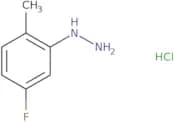
CAS:4-Bromo-4'-chloro-1,1'-biphenyl is a volatile compound that is used as a model species for the determination of halogenated aromatic compounds. It has been found to be present in the environment as a result of its use in commercial products and industrial processes. It has been detected in human tissues at levels up to 10 times higher than background levels. 4-Bromo-4'-chloro-1,1'-biphenyl can react with chlorine from the atmosphere to form dibenzofurans and other chlorinated benzenes. It is not reactive towards other chemicals and does not degrade under normal conditions.Formula:C12H8BrClPurity:Min. 95%Color and Shape:PowderMolecular weight:267.55 g/mol5-Fluoro-2-methylphenylhydrazine hydrochloride
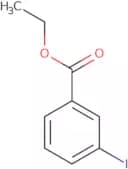
CAS:5-Fluoro-2-methylphenylhydrazine hydrochloride is a crystalline solid that is soluble in water. It is used as a reagent in organic synthesis, but it also has application as an intermediate in the production of calcium hydroxide and calcium fluoride. 5-Fluoro-2-methylphenylhydrazine hydrochloride reacts with methacrylate to produce an ultrafine powder, which can be difficult to hydrate because of its high molecular weight. The hydration reaction requires the addition of large amounts of water and heat. This process can be accelerated by adding a solution of calcium ions or calcium hydroxide to the reaction mixture. Hydrogen fluoride gas (HF) may also be generated during this process. Crystallization occurs when the solids are heated or placed in contact with a nonpolar solvent such as hexane.Formula:C7H9FN2•HClPurity:Min. 95%Color and Shape:PowderMolecular weight:176.62 g/molEthyl 3-iodobenzoate
CAS:Ethyl 3-iodobenzoate (EIB) is a catalytic reagent that is used in the synthesis of terminal alkynes. It has been shown to be highly reactive with chloride and transmetallates to form ethyl 3-chlorobenzoate. The reaction time between EIB and chloride can be decreased by adding magnesium to the reaction mixture. This reagent also reacts with thymic acid, a synthon for many thiols, forming ethyl 3-thiophenoate. Ethyl 3-iodobenzoate can also act as an affinity label for halides and heterocycles.Formula:C9H9IO2Purity:Min. 95%Color and Shape:Clear LiquidMolecular weight:276.07 g/mol7-Chloro-5-(2-fluorophenyl)-2,3-dihydro-1H-1,4-benzodiazepine-2-methanamine
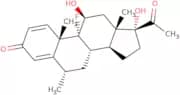
CAS:Controlled ProductPlease enquire for more information about 7-Chloro-5-(2-fluorophenyl)-2,3-dihydro-1H-1,4-benzodiazepine-2-methanamine including the price, delivery time and more detailed product information at the technical inquiry form on this pageFormula:C16H15ClFN3Purity:Min. 95%Color and Shape:PowderMolecular weight:303.76 g/molFluorometholone
CAS:Controlled ProductFluorometholone is a fluorocorticoid that is used to treat inflammatory conditions of the skin, eye, and airways. It has been shown to be effective against microbial infections in animals by inhibiting the production of fatty acids and reducing inflammation. Fluorometholone has also been shown to inhibit glucocorticoid receptors in cells, which may lead to less side effects when compared with other corticosteroids.
The drug is injected into the affected area, or taken orally as an injection solution. In cases of severe inflammation, it can be administered intravenously or intramuscularly. Fluorometholone can also be given topically, but this is not common due to its high potency.Formula:C22H29FO4Purity:Min. 97 Area-%Color and Shape:White Off-White PowderMolecular weight:376.46 g/molCopper(II) chloride
CAS:Copper chloride is a chemical compound that is formed when copper and chlorine react together. It can be used to catalyze the reaction of coumarin derivatives with water vapor, forming a solution of copper(II) chloride. This solution has a higher water permeability than copper(I) chloride, which is due to its coordination geometry. Copper chloride has been shown to have biological properties that are similar to those of copper (e.g., redox potentials). It also binds to and inhibits drug metabolism enzymes such as cytochrome P450 reductase, thereby preventing the conversion of prodrugs into active metabolites.Formula:CuCl2Purity:Min. 95%Color and Shape:PowderMolecular weight:134.45 g/molTris(4,7-diphenyl-1,10-phenanthroline)ruthenium bis(hexafluorophosphate)
CAS:Tris(4,7-diphenyl-1,10-phenanthroline)ruthenium bis(hexafluorophosphate) is a fluorescent dye that can be used to measure oxygen concentration. It has been shown to inhibit the transfer of oxygen at low concentrations. Tris(4,7-diphenyl-1,10-phenanthroline)ruthenium bis(hexafluorophosphate) is used as a calibration standard for the measurement of oxygen concentration in liquids by fluorescence.Formula:C72H48N6Ru·2F6PPurity:(¹H-Nmr) Min. 95 Area-%Color and Shape:Orange PowderMolecular weight:1,388.19 g/mol4-Benzyloxyaniline hydrochloride
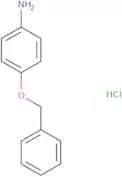
CAS:4-Benzyloxyaniline hydrochloride (4BOAH) is a pro-apoptotic agent that induces cell death by binding to the estrogen receptor. It binds to the cytoplasmic region of the estrogen receptor, which prevents the estrogen receptor from binding to its target DNA sequence. This leads to apoptosis and cell death. 4BOAH has been shown to be an effective inhibitor of breast cancer in animal models and also shows anti-estrogen activity in human liver cells. 4BOAH is a reactive compound with a molecular weight of 239.46 g/mol, an empirical formula C9H11NO2Cl, and structural formula H-C-N=C=O. 4BOAH forms hydrogen bonds with other molecules because it has a lone pair of electrons on the nitrogen atom and can form covalent bonds with amines due to its electron withdrawing properties. The structure of 4BOAH is shown below:Formula:C13H13NO·HClPurity:Min. 95%Color and Shape:PowderMolecular weight:235.71 g/molTyramine hydrochloride
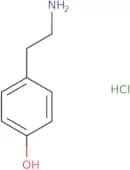
CAS:Controlled ProductTyramine hydrochloride is a model system for the enzyme dopamine β-hydroxylase. Tyramine hydrochloride has shown anti-inflammatory activity, which may be due to its ability to inhibit the synthesis of prostaglandins in human serum. Tyramine hydrochloride also has been used as a cell specific reactive reagent in experiments with human cells. This compound has been shown to have optical sensor and kinetic energy properties that make it suitable for use as a model system in studies of tyrosine metabolism.Formula:C8H12ClNOPurity:Min. 95%Color and Shape:White PowderMolecular weight:173.64 g/molFlutropium bromide
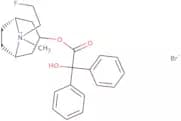
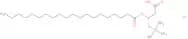
CAS:Flutropium bromide is an analog of the drug pergolide mesylate. It has been shown to be effective in treating symptoms of bowel disease, such as inflammatory bowel disease. Flutropium bromide inhibits enzymes, such as hydroxylase and oxidase, which are involved in the synthesis of various hormones. This inhibition leads to a decrease in the activity of cells that produce these hormones and may be responsible for its therapeutic effect. Flutropium bromide has also been shown to have occlusive properties and is used in bronchiolitis obliterans.Formula:C24H29BrFNO3Purity:Min. 95%Molecular weight:478.39 g/molArachidoyl-DL-carnitine chloride
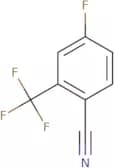
CAS:Please enquire for more information about Arachidoyl-DL-carnitine chloride including the price, delivery time and more detailed product information at the technical inquiry form on this pageFormula:C27H52ClNO3Purity:Min. 95%Molecular weight:474.16 g/mol4-Fluoro-2-(trifluoromethyl)benzonitrile
CAS:4-Fluoro-2-(trifluoromethyl)benzonitrile is a potential anticancer drug that has been shown to inhibit the growth of cancer cells in vitro. It is a Grignard reagent that can be used to synthesize pyrazole derivatives. 4-Fluoro-2-(trifluoromethyl)benzonitrile inhibits the production of estrogen, which leads to castration-resistant prostate cancer. This drug also has an amide group, which may be due to modifications by formylation or dehydrating. 4-Fluoro-2-(trifluoromethyl)benzonitrile was isolated from a reaction mixture with chloroform and potassium hydroxide in a yield of 3%.
Formula:C8H3F4NPurity:Min. 95%Color and Shape:SolidMolecular weight:189.11 g/mol[(2,5-Dichlorophenyl)sulphonyl]phenylamine
CAS:[(2,5-Dichlorophenyl)sulphonyl]phenylamine is a versatile building block with a number of potential applications. It can be used as a reagent in the synthesis of complex compounds or as an intermediate in the preparation of useful scaffolds. This compound has been studied for use in the production of research chemicals and other speciality chemicals. [(2,5-Dichlorophenyl)sulphonyl]phenylamine is also a useful building block that can be used to produce high quality fine chemicals with diverse properties.
Formula:C12H9Cl2NO2SPurity:Min. 95%Molecular weight:302.18 g/mol2-[[(Heptadecafluorooctyl)sulphonyl]methylamino]ethyl acrylate
CAS:Controlled Product2-[(Heptadecafluorooctyl)sulphonylamino]ethyl acrylate is a chemical used to remove contaminants from water. It is often used in industrial wastewater treatment, as well as for municipal and domestic wastewater treatment. This chemical binds to organic compounds and removes them from the water through adsorption. 2-[(Heptadecafluorooctyl)sulphonylamino]ethyl acrylate is also used in the filtration of surface water and drinking water. The efficacy of this chemical has been tested on humans, but it was not found to be toxic.
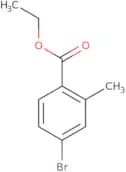
Formula:C14H10F17NO4SPurity:Min. 95%Color and Shape:PowderMolecular weight:611.27 g/mol4-Bromo-2-methylbenzoic acid ethyl ester
CAS:4-Bromo-2-methylbenzoic acid ethyl ester is a high quality and versatile building block. It is a useful intermediate in the synthesis of organic compounds, and can be used as a reaction component in the synthesis of complex compounds. 4-Bromo-2-methylbenzoic acid ethyl ester is also a useful scaffold for the construction of new chemical entities. It has been shown to react with potassium tert-butoxide to produce 4-(2,6-dimethylphenyl)piperidine (CAS No. 220389-34-4).Formula:C10H11BrO2Purity:Min. 95%Color and Shape:Clear LiquidMolecular weight:243.1 g/mol2-Bromo-N,N-diethylacetamide
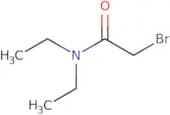
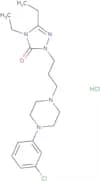
CAS:2-Bromo-N,N-diethylacetamide is a chemical compound that is used as an amide. It has been shown to have anti-inflammatory properties and can be used for the treatment of inflammatory lesions. This drug also has been shown to inhibit the production of 3-bromopropylamine hydrobromide in laboratory animals. 2-Bromo-N,N-diethylacetamide binds to cellular proteins such as mt2 receptors and can be used for the treatment of nervous system diseases such as depression. The titration calorimetry shows that 2-Bromo-N,N-diethylacetamide is a good candidate for use in biomolecular applications due to its low toxicity and high thermal stability.Formula:C6H12BrNOPurity:Min. 95%Color and Shape:LiquidMolecular weight:194.07 g/molEtoperidone hydrochloride
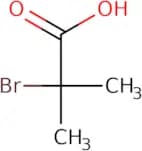
CAS:Etoperidone hydrochloride is a drug that is an antagonist of the dopamine D2 receptor. It is used to treat Parkinson's disease and psychosis. Etoperidone hydrochloride binds to the dopamine D2 receptor and blocks its function, which may be due to its ability to inhibit locomotor activity in mice. This drug also inhibits population growth by preventing antibody production, which is essential for fighting infectious diseases. Etoperidone hydrochloride has been shown to be effective in clinical trials against symptoms of Parkinson's disease and psychosis, as well as experimental models of schizophrenia.Formula:C19H29Cl2N5OPurity:Min. 95%Color and Shape:White PowderMolecular weight:414.37 g/mol2-Bromo-2-methylpropionic acid
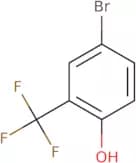
CAS:2-Bromo-2-methylpropionic acid is a chemical compound that is used to stabilize nanoparticles. It also has covalent interactions with the surface of the nanoparticles, which helps to stabilize them and prevent aggregation. 2-Bromo-2-methylpropionic acid can be modified with polymers or other molecules that can help to stabilize the particles. This stabilizer is also able to create magnetic nanoparticles by using a strategy called "magnetic stabilization". In this method, the stabilizer can react with the metal ions in solution and form a stable complex, which will then coat the particles of interest. The stabilizer can also be used to circumvent mesoporous materials, such as silica gel, by coating them with a polymer layer.Formula:C4H7BrO2Purity:Min. 95%Color and Shape:White Clear LiquidMolecular weight:167 g/mol4-Bromo-2-(trifluoromethyl)phenol
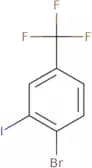
CAS:4-Bromo-2-(trifluoromethyl)phenol is a compound that belongs to the family of dialdehydes. It has been used in organic chemistry as an assembly reagent, a monomer in polymer synthesis, and as a building block for oligomers and duplexes. 4-Bromo-2-(trifluoromethyl)phenol is stable under basic conditions and can be used in the presence of chloroform. This compound functions as an intermediate for the synthesis of other functionalized molecules such as phosphine oxide, oxide, and diamines.Formula:C7H4BrF3OPurity:Min. 95%Color and Shape:PowderMolecular weight:241.01 g/mol1-Bromo-2-iodo-4-(trifluoromethyl)benzene
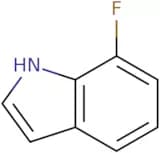
CAS:1-Bromo-2-iodo-4-(trifluoromethyl)benzene is a versatile building block that can be used as a reaction component to produce a variety of useful compounds. It is also a useful intermediate in the synthesis of organic fine chemicals. This compound is a high quality reagent that can be used in the production of research chemicals and speciality chemical products.Formula:C7H3BrF3IPurity:Min. 95%Color and Shape:Light (Or Pale) Yellow LiquidMolecular weight:350.9 g/mol7-Fluoro-1H-indole
CAS:7-Fluoro-1H-indole is a molecule that belongs to the class of antimicrobial agents. It has been shown to be effective against human pathogens such as P. aeruginosa and S. aureus, and has also shown hemolytic activity against erythrocytes. 7-Fluoro-1H-indole inhibits bacterial growth by binding to siderophores, which are molecules produced by bacteria in response to iron starvation, thereby blocking their uptake of iron from the environment. It has also been shown to have protease activity against Gram negative bacteria. This compound can be synthesized using an in vivo model, where it was shown that 7-fluoro-1H-indole was able to bind to the cytoplasmic membrane and inhibit protein synthesis in Gram negative bacteria cells.Formula:C8H6FNPurity:Min. 95%Color and Shape:PowderMolecular weight:135.14 g/mol2,4-Difluoro-3-methylbenzaldehyde
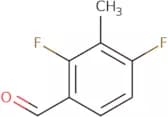
CAS:2,4-Difluoro-3-methylbenzaldehyde is a chemical compound that is used as a building block for the synthesis of other chemicals. It can be used as a research chemical or intermediate due to its versatility. 2,4-Difluoro-3-methylbenzaldehyde has a CAS number of 847502-88-9 and is classified as a speciality chemical with high quality. This compound may be useful in the synthesis of polymers and pharmaceuticals due to its ability to form covalent bonds with other molecules.Formula:C8H6F2OPurity:Min. 95%Color and Shape:Clear LiquidMolecular weight:156.13 g/mol9-Fluoro-3-methyl-7-oxo-10-(1-piperazinyl)-2,3-dihydro-7H-[1,4]oxazino[2,3,4-Ij]quinoline-6-carboxylic acid
CAS:9-Fluoro-3-methyl-7-oxo-10-(1-piperazinyl)-2,3-dihydro-7H-[1,4]oxazino[2,3,4-Ij]quinoline (FQ) is a fluoroquinolone antibiotic. It inhibits the DNA gyrase and topoisomerase IV enzymes that maintain the integrity of bacterial DNA. FQ has been used to treat urinary tract infections in humans and other animals. This drug is also effective against methicillin resistant Staphylococcus aureus (MRSA) and Clostridium perfringens. FQ binds to bacterial 16S ribosomal RNA and inhibits protein synthesis leading to cell death by inhibiting the production of proteins vital for cell division. The 9 position on the quinoline ring can be detected using UV detection at 260 nm. FQ can be analyzed using mass spectrometry with fluorFormula:C17H18FN3O4Purity:Min. 95 Area-%Color and Shape:White PowderMolecular weight:347.34 g/mol3-Chloro-6-hydrazinopyridazine
CAS:3-Chloro-6-hydrazinopyridazine is a redox potential probe that has high cytotoxicity. It is used in the detection of the redox potential of hydrogen peroxide and nitric oxide by a turbidimetric method. 3-Chloro-6-hydrazinopyridazine can be used as a fluorogenic probe for the detection of chlorine atoms in biological systems. 3-Chloro-6-hydrazinopyridazine has been shown to enhance cancer cell growth and inhibit matrix metalloproteinase (MMP) activity. The biological properties of this compound are due to its ability to form intermolecular hydrogen bonds with nitrogen atoms, which leads to a dihedral angle that favors its binding to proteins.Formula:C4H5ClN4Purity:Min. 95%Color and Shape:Brown PowderMolecular weight:144.56 g/mol


![Dimethyl [2-oxo-3-[3-(trifluoromethyl)phenoxy]propyl]phosphonate](/_next/image/?url=https%3A%2Fstatic.cymitquimica.com%2Fproducts%2F3D%2Fthumb-webp%2FFD46172.webp&w=3840&q=75)










![[(2,5-Dichlorophenyl)sulphonyl]phenylamine](/_next/image/?url=https%3A%2Fstatic.cymitquimica.com%2Fproducts%2F3D%2Fthumb-webp%2FFD145674.webp&w=3840&q=75)
![2-[[(Heptadecafluorooctyl)sulphonyl]methylamino]ethyl acrylate](/_next/image/?url=https%3A%2Fstatic.cymitquimica.com%2Fproducts%2F3D%2Fthumb-webp%2FFH96868.webp&w=3840&q=75)
![9-Fluoro-3-methyl-7-oxo-10-(1-piperazinyl)-2,3-dihydro-7H-[1,4]oxazino[2,3,4-Ij]quinoline-6-carbox…](/_next/image/?url=https%3A%2Fstatic.cymitquimica.com%2Fproducts%2F3D%2Fthumb-webp%2FFF102861.webp&w=3840&q=75)
