Organic Halides
Subcategories of "Organic Halides"
Found 20442 products of "Organic Halides"
1,1,3,3-Tetrachloro-1-Fluoropropane
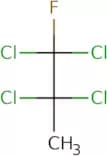
CAS:Controlled Product1,1,3,3-Tetrachloro-1-fluoropropane is an efficient fluorinating agent with azeotropic properties. It is an intermediate in the production of fluorine compounds such as hydrogen fluoride and 1,1,2-trichloroethane. 1,1,3,3-Tetrachloro-1-fluoropropane can be used to efficiently fluorinate other compounds.Formula:C3H3Cl4FPurity:Min. 95%Molecular weight:199.87 g/mol2-(2-Chlorophenoxy)ethanol
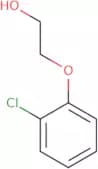
CAS:2-(2-Chlorophenoxy)ethanol is a versatile building block that can be used as a chemical reagent, speciality chemical, or useful intermediate. It is a high quality chemical with many uses in research and industrial chemistry. 2-(2-Chlorophenoxy)ethanol has been shown to be an efficient building block for the synthesis of complex compounds and has also been used as a reaction component in the synthesis of many other chemical compounds. This compound has been shown to have many applications and is worth consideration for any number of research or industrial endeavors.Formula:C8H9ClO2Purity:Min. 95%Color and Shape:Clear LiquidMolecular weight:172.61 g/mol2-Chloro-1-methylquinolinium tetrafluoroborate
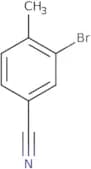
CAS:2-Chloro-1-methylquinolinium tetrafluoroborate (2CQBF) is a synthetic compound that inhibits protein synthesis. It has been used as an analytical reagent for the determination of proteins, including those in urine samples. 2CQBF has been shown to be effective in the treatment of cancer and other diseases, such as lupus erythematosus, arthritis, and psoriasis.Formula:C10H9ClN•BF4Purity:Min. 95%Color and Shape:White PowderMolecular weight:265.44 g/mol2-Bromo-4-cyanotoluene
CAS:2-Bromo-4-cyanotoluene is a ligand that is used in cross-coupling reactions. It is used to form complexes with metals, such as palladium and nickel, for the preparation of organometallic reagents. 2-Bromo-4-cyanotoluene has been shown to inhibit secretory phospholipase A2 (sPLA2) and PLA2 activity in a fluorimetric assay. This compound also inhibits the catalytic activity of spla2, which is an enzyme involved in the biosynthesis of arachidonic acid. 2-Bromo-4-cyanotoluene also inhibits piperazine synthesis by reacting with the nitrogen atom on the piperazine ring.
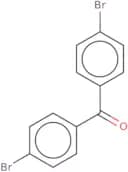
Formula:C8H6BrNPurity:Min. 95%Molecular weight:196.04 g/mol4,4'-Dibromobenzophenone
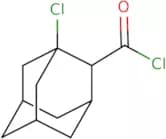
CAS:4,4'-Dibromobenzophenone is a bromopropylate that has chromatographic properties. It can be used as an analytical reagent in order to detect the presence of potassium dichromate in a sample. The product reacts with potassium dichromate to form a yellow-orange compound. This reaction is catalyzed by light and the resulting product is determined using gas chromatography. 4,4'-Dibromobenzophenone can also be used for the amination reaction and is best suited for low detection levels. It also has a molecular dipole moment and interacts with other molecules more strongly than other compounds due to its carbonyl group.END>Formula:C13H8Br2OPurity:Min. 95%Color and Shape:PowderMolecular weight:340.01 g/mol1-Chloroadamantanecarb oxylic acid chloride
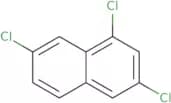
CAS:1-Chloroadamantane carboxylic acid chloride is a chemical compound that can be used as a reagent, building block, or intermediate in organic synthesis. It is soluble in ether and chloroform, but insoluble in water. This chemical is often used as a reactant in organic reactions. 1-Chloroadamantane carboxylic acid chloride has the CAS number 55982-64-4 and was first synthesized by A. W. Hofmann and R. Schmidlin in 1916. 1-Chloroadamantane carboxylic acid chloride is an important precursor for the manufacture of pharmaceuticals, agrochemicals, and other specialty chemicals with high quality and purity requirements.Formula:C11H14Cl2OPurity:Min. 95%Color and Shape:PowderMolecular weight:233.13 g/mol1,3,7-Trichloronaphthalene
CAS:This validated method for the analysis of 1,3,7-trichloronaphthalene is based on a validated experimental method. It uses a set of structural coefficients and an experimental value to calculate the bioconcentration factor (BCF). The BCF is then used to calculate the optimum vector, which is found by using descriptors and structural factors. The experimental values are also used to determine the vector. This method has been validated experimentally and theoretically.
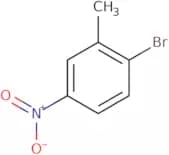
Formula:C10H5Cl3Purity:Min. 95%Color and Shape:PowderMolecular weight:231.5 g/mol2-Bromo-5-nitrotoluene
CAS:2-Bromo-5-nitrotoluene is a monosubstituted aromatic compound with a pKa of -2.5. The hydroxyl group on the ring makes this compound acidic, and it will readily react with an electrophile to form an addition product. 2-Bromo-5-nitrotoluene undergoes reductive elimination to form 2-aminoethanol, which is more stable than the nitroso group. The mechanism of this reaction involves labile intermediates that are sensitive to light and heat. The frequency data for 2-bromo-5-nitrotoluene can be found in the table below: 2H NMR (400 MHz, CDCl) δ 7.60 (d, J=8 Hz, 1H), 7.50 (dd, J=8 Hz, 1H), 3.80 (s, 3H). 1H NFormula:C7H6BrNO2Purity:Min. 95%Color and Shape:PowderMolecular weight:216.03 g/mol3-Bromobenzyl bromide
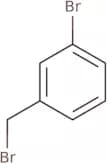
CAS:3-Bromobenzyl bromide is a molecule that has been synthesized and shown to have anticancer activity. It inhibits the activity of cancer cells by binding to amines in these cells and preventing the formation of hydrogen bonds between these molecules. 3-Bromobenzyl bromide has also been shown to selectively inhibit the activity of NS5B polymerase, an enzyme that is important in the replication of the hepatitis C virus. The synthetic nature of this molecule makes it an attractive target for analytical methods such as nuclear magnetic resonance spectroscopy. This molecule also shows significant cytotoxicity against cancer cell lines in vitro, as well as inducing tumor necrosis factor-alpha (TNF-α) production in lps-stimulated murine macrophages.Formula:C7H6Br2Purity:Min. 95%Color and Shape:PowderMolecular weight:249.93 g/molFmoc-6-chloro L-tryptophan
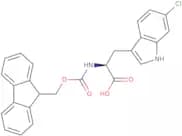
CAS:Fmoc-6-chloro L-tryptophan is a heterocycle with methylene and active methylene groups that can be used as a building block for 1,3-dipolar cycloadditions. It has been shown to react with perchlorates in the presence of catalysts such as dibromodifluoromethane (DBDM) and perchloric acid to form an exocyclic azomethine imine. This reaction generates a proton, which shifts the equilibrium to the right, forming more product. The optimal conditions for this reaction are pH 8, 50% DBDM, and 10% HClO4.
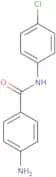
Formula:C26H21ClN2O4Purity:Min. 97 Area-%Color and Shape:White PowderMolecular weight:460.91 g/mol(4-Aminophenyl)-N-(4-chlorophenyl)formamide
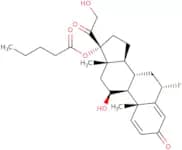
CAS:Please enquire for more information about (4-Aminophenyl)-N-(4-chlorophenyl)formamide including the price, delivery time and more detailed product information at the technical inquiry form on this pageFormula:C13H11ClN2OPurity:Min. 95%Color and Shape:PowderMolecular weight:246.69 g/mol6α-Fluoro-11β,17,21-Trihydroxypregna-1,4-Diene-3,20-Dione 17-Valerate
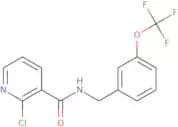
CAS:Controlled Product6alpha-Fluoro-11beta,17,21-Trihydroxypregna-1,4-Diene-3,20-Dione 17-Valerate is a hydrogenated and esterified form of 6alpha-fluoro-11beta,17,21-trihydroxypregna1,4diene3,20dione. It is an oil with a fatty acid ester that has been synthetically modified to be more hydrophobic. 6alpha-Fluoro-11beta,17,21-Trihydroxypregna1,4diene3,20dione 17valerate is used in the synthesis of pharmaceuticals and hormones. It can also be used as an enhancer for the stability of pharmaceutical preparations.Formula:C26H35FO6Purity:Min. 95%Molecular weight:462.55 g/mol(2-chloro(3-pyridyl))-N-((3-(trifluoromethoxy)phenyl)methyl)formamide
CAS:Please enquire for more information about (2-chloro(3-pyridyl))-N-((3-(trifluoromethoxy)phenyl)methyl)formamide including the price, delivery time and more detailed product information at the technical inquiry form on this pagePurity:Min. 95%6-Amino-1-hexanethiol hydrochloride
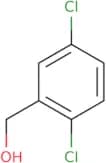
CAS:6-Amino-1-hexanethiol hydrochloride is a monolayer with an affinity for basic proteins, such as theophylline. The binding of 6-aminohexanethiol hydrochloride to theophylline has been shown to be linear and specific in electrochemical methods. 6-Aminohexanethiol hydrochloride immobilized on a surface binds theophylline with high affinity. This compound was also found to bind phosphatidylcholine, which is a major component of biological membranes. It has been demonstrated that 6-aminohexanethiol hydrochloride can be used as a functional group for immobilizing biomolecules on surfaces.Formula:C6H15NS•HClPurity:Min. 95%Color and Shape:PowderMolecular weight:169.72 g/mol2,5-Dichlorobenzyl alcohol
CAS:2,5-Dichlorobenzyl alcohol is a lacteous compound that is used as a herbicide. It inhibits the growth of plants by inhibiting the activity of enzymes that are involved in the biosynthesis of amino acids and fatty acids. 2,5-Dichlorobenzyl alcohol is also used to produce polychlorinated compounds and has significant effects on weed science. 2,5-Dichlorobenzyl alcohol may be used as a linker molecule in chemical reactions. This compound can be catalysed by dioxygenation to produce chlorobenzal or benzaldehyde.Formula:C7H6Cl2OPurity:Min. 95%Color and Shape:PowderMolecular weight:177.03 g/mol1,4-Dibromo-2,3-butanedione
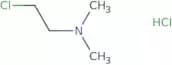
CAS:1,4-Dibromo-2,3-butanedione is an organic compound that is used as a model organism in organic chemistry. It is reactive with light and can emit light when it reacts with oxygen. 1,4-Dibromo-2,3-butanedione has been studied for its use in the synthesis of adenine nucleotides and amino acids. This chemical also has reactive functional groups that can be used to synthesize other molecules. The chlorine atom present in the molecule makes it reactive with many other compounds. 1,4-Dibromo-2,3-butanedione is not found naturally but can be synthesized from dehydroabietic acid through a series of steps involving oxidation and reduction reactions.Formula:C4H4Br2O2Purity:Min. 95%Color and Shape:PowderMolecular weight:243.88 g/molN,N-Dimethylaminoethyl chloride HCl
CAS:Controlled ProductN,N-Dimethylaminoethyl chloride HCl is a reactive compound that inhibits the amine binding site on chitosan. It is used for the preparation of chitosan quaternary ammonium salts and esters. N,N-Dimethylaminoethyl chloride HCl has an inhibitory effect on both chitosan and suzuki coupling reactions. This compound also has a safety profile similar to other halides such as chlorine and hydrogen chloride.Formula:C4H10ClN·HClPurity:Min. 98%Molecular weight:144.04 g/molcis-(+/-)-2-[(N-Benzyl-N-methyl)aminomethyl]-1-(3-methoxyphenyl)cyclohexanol hydrochloride
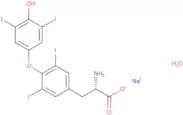
CAS:cis-(+/-)-2-[(N-Benzyl-N-methyl)aminomethyl]-1-(3-methoxyphenyl)cyclohexanol hydrochloride is a versatile building block that can be used in the synthesis of complex compounds. This compound is also a useful reagent, speciality chemical, and reaction component. cis-(+/-)-2-[(N-Benzyl-N-methyl)aminomethyl]-1-(3-methoxyphenyl)cyclohexanol hydrochloride has been shown to be a valuable scaffold for research chemicals with high quality.Formula:C22H30ClNO2Purity:Min. 95 Area-%Color and Shape:PowderMolecular weight:375.93 g/mol3,3',5,5'-Tetraiodo-L-thyronine sodium hydrate
CAS:3,3',5,5'-Tetraiodo-L-thyronine sodium hydrate is a synthetic thyroid hormone that is used to treat hypothyroidism and myxedema coma. It is also used as an ingredient in pharmaceuticals. 3,3',5,5'-Tetraiodo-L-thyronine sodium hydrate has been shown to be effective in the treatment of hypothyroidism and myxedema coma. The drug exhibits a high degree of bioequivalence with levothyroxine sodium tablets.
MRP2/ABCG2 transport proteins are expressed at high levels in the liver and gut epithelium and play a role in the absorption of 3,3',5,5'-tetraiodo-L-thyronine sodium hydrate from the small intestine into blood circulation. This drug binds to sorbitol and d-mannitol through hydrogen bonding interactions. These interactions may be responsible forFormula:C15H10I4NNaO4•(H2O)xPurity:Min. 97 Area-%Color and Shape:PowderMolecular weight:798.852-(4-Bromophenyl)-5,5-dimethyl-1,3-thiazolidine-4-carboxylic acid
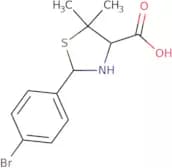
CAS:2-(4-Bromophenyl)-5,5-dimethyl-1,3-thiazolidine-4-carboxylic acid is a fine chemical that can be used as a building block for research chemicals. It can also be used as an intermediate in the synthesis of complex compounds. 2-(4-Bromophenyl)-5,5-dimethyl-1,3-thiazolidine-4-carboxylic acid has been shown to react with various groups including hydroxyls and amines, making it a versatile compound. This compound is synthesized by condensation of 4 bromobenzene with 5,5 dimethyllithium and the subsequent reaction with thiourea. The product is purified by recrystallization from ethanol.Formula:C12H14BrNO2SPurity:Min. 95%Color and Shape:PowderMolecular weight:316.21 g/mol3-Amino-2,5-dichlorobenzoic acid
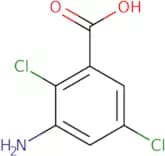
CAS:2,5-Dichlorobenzoic acid is a chemical compound that is used as an intermediate in the production of herbicides and other agricultural chemicals. It is also used for the synthesis of pharmaceuticals and dyes. 2,5-Dichlorobenzoic acid has been shown to have significant physiological effects at high doses. The use of 2,5-dichlorobenzoic acid may cause death in humans through kidney failure, although it has not been shown to be toxic to humans at low doses. The mechanism by which this effect occurs is not known. 2,5-Dichlorobenzoic acid has been found to be moderately toxic in animal studies with acute oral LD50 values ranging from 1,000 mg/kg body weight (mg/kg BW) to 10,000 mg/kg BW depending on the animal species tested.Formula:C7H5Cl2NO2Purity:Min. 95%Color and Shape:White PowderMolecular weight:206.03 g/molCerium trichloride heptahydrate
CAS:Cerium trichloride heptahydrate is a reactive compound. It reacts with amines, forming salts and other compounds. Cerium trichloride heptahydrate is highly toxic and can cause death in humans by inhalation or ingestion. This chemical has been shown to be effective against choroidal neovascularization (CNV) in a mouse model of age-related macular degeneration by intravitreal injection. The preparative method for this compound is precipitation from a solution of ceric nitrate, sodium carbonate, and hydrochloric acid. Cerium trichloride heptahydrate has an average particle diameter of about 0.4 micrometers and contains functional groups that are covalently bonded to the lanthanum atom. The reaction yield for this compound is 100%.Formula:CeCl3•(H2O)7Purity:Min. 98%Color and Shape:PowderMolecular weight:372.58 g/molDimethyl(methylthio)sulfonium Tetrafluoroborate
CAS:Dimethyl(methylthio)sulfonium Tetrafluoroborate (DMTSBF) is a synthetic, activated, nucleophilic reagent that has the ability to cleave disulfide bonds in proteins. DMTSBF is used for the synthesis of fatty acids and other organic compounds. It can also be used as an analytical reagent for determining the blood group of proteins. The chloride ion is necessary for this reaction. DMTSBF reacts with a nucleophile (e.g., hydroxyl, amine, thiol) to form a new bond and release sodium carbonate and silver trifluoromethanesulfonate.
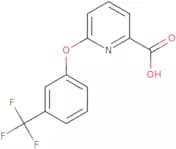
Formula:C3H9BF4S2Purity:Min. 95%Color and Shape:PowderMolecular weight:196.04 g/mol6-(3-(Trifluoromethyl)phenoxy)picolinic acid
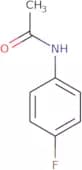
CAS:6-(3-(Trifluoromethyl)phenoxy)picolinic acid is a fine chemical that is used as a building block for complex compounds or as an intermediate for the synthesis of other compounds. It has been used in the synthesis of several pharmaceuticals, such as tamoxifen, and also has been used in research studies. 6-(3-(Trifluoromethyl)phenoxy)picolinic acid can be used to synthesize many different types of compounds, making it a versatile building block with many useful applications.Formula:C13H8F3NO3Purity:Min. 95%Color and Shape:PowderMolecular weight:283.2 g/molN-(4-Fluorophenyl)acetamide
CAS:4-Fluorophenylacetic acid is a synthetic organic compound that has been used as a model system for the study of the reaction between hydrogen sulfate and hydrogen. 4-Fluorophenylacetic acid is a fluorinated analog of acetamide, which can be synthesized from sodium borohydride and hydrogen fluoride. It has been shown to inhibit the growth of Mycobacterium tuberculosis in an on-line assay and is also active against Mycobacterium avium complex. 4-Fluorophenylacetic acid also inhibits rat liver microsomes with a second order rate constant of 0.0006 M−1 s−1 at pH 7.4 and 37 °C (pH and temperature not specified). The biological properties of 4-fluorophenylacetic acid are not well understood, but it may bind to hydrophobic regions on proteins or DNA through hydrogen bonding interactions.Formula:C8H8FNOPurity:Min. 95%Color and Shape:PowderMolecular weight:153.15 g/mol4-Fluoro-3-phenoxy benzoic acid
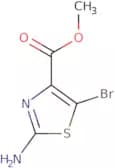
CAS:4-Fluoro-3-phenoxy benzoic acid is a metabolite of pyrethroid insecticides. This metabolite can be found in urine samples and has been detected in the general population. The concentration of 4-fluoro-3-phenoxy benzoic acid in urine is higher in females than males, which may be due to the excretion of metabolites from insecticide exposure. It has also been shown that this metabolite is found at higher concentrations in people with high levels of carboxylic acids. It is not known if 4-fluoro-3-phenoxy benzoic acid is harmful to humans or other animals.Formula:C13H9FO3Purity:Min. 95%Color and Shape:White PowderMolecular weight:232.21 g/mol2-Amino-5-bromothiazole-4-carboxylic acid methyl ester
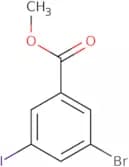
CAS:2-Amino-5-bromothiazole-4-carboxylic acid methyl ester is a reagent that can be used as a building block for the synthesis of complex compounds. It is also an intermediate in the synthesis of other chemical compounds with therapeutic potential. 2-Amino-5-bromothiazole-4-carboxylic acid methyl ester is a fine chemical, which is useful for research purposes. The CAS number for this product is 850429-60-6.Formula:C5H5BrN2O2SPurity:Min. 95%Color and Shape:PowderMolecular weight:237.08 g/mol3-Bromo-5-iodobenzoic acid methyl ester
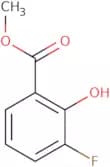
CAS:3-Bromo-5-iodobenzoic acid methyl ester is a reactive, insensitive and phosphine-sensitive chemical that can be used as a probe for the detection of azides and anions. This compound has been shown to be damaging to DNA and peptidic bonds in proteins. 3-Bromo-5-iodobenzoic acid methyl ester reacts with anions such as chloride, bromide, iodide, fluoride, nitrate, and thiocyanate. It also reacts with azides such as sodium azide. The reactivity of 3-bromo-5-iodobenzoic acid methyl ester towards halides and polysulfides is not yet known.Formula:C8H6BrIO2Purity:Min. 95%Color and Shape:PowderMolecular weight:340.94 g/mol3-Fluoro-2-hydroxybenzoic acid methyl ester
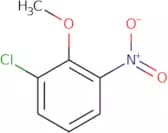
CAS:3-Fluoro-2-hydroxybenzoic acid methyl ester (3-FHBA) is a high quality chemical compound that is used as an intermediate to produce other compounds. It has been shown to be a useful scaffold for the synthesis of complex compounds with various functional groups. 3-FHBA is also a reagent in the production of fine chemicals, research chemicals, and speciality chemicals. This compound has many uses, including being a versatile building block for reactions in organic synthesis and being a reaction component in the production of many types of products.Formula:C8H7FO3Purity:Min. 95%Color and Shape:White PowderMolecular weight:170.14 g/mol2-Chloro-6-nitroanisole
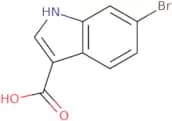
CAS:2-Chloro-6-nitroanisole is a versatile building block that can be used to make a variety of products, including pharmaceuticals, agrochemicals, plastics, and other organic compounds. It can be used as a reagent or research chemical in the synthesis of complex molecules, such as synthetic cannabinoids. 2-Chloro-6-nitroanisole is also useful for making high quality compounds and has been used in the synthesis of a number of pharmaceuticals. This compound is an intermediate that can be used to create scaffolds for drug design.Formula:C7H6ClNO3Purity:Min. 95%Color and Shape:PowderMolecular weight:187.58 g/mol6-Bromo-1H-indole-3-carboxylic acid
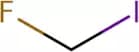
CAS:6-Bromo-1H-indole-3-carboxylic acid is a natural product that is isolated from the marine sponge Smenospongia purpurea. It was first reported in 1979 and has been used for the synthesis of other compounds. 6-Bromoindole, a precursor to 6-bromo-1H-indole-3-carboxylic acid, is biosynthesized from methyl ester and NMR spectra indicate that it has a dihedral angle of 173°. This compound has been shown to have antibacterial activity against staphylococcus.Formula:C9H6BrNO2Purity:Min. 95%Color and Shape:PowderMolecular weight:240.05 g/molFluoroiodomethane
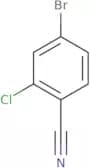
CAS:Fluoromethylating agentFormula:CH2FIPurity:Min. 95 Area-%Color and Shape:Colorless Clear LiquidMolecular weight:159.93 g/mol4-Bromo-2-chlorobenzonitrile
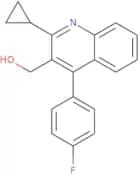
CAS:4-Bromo-2-chlorobenzonitrile is a pharmaceutical agent that has been patented for its use in the treatment of castration-resistant prostate cancer. The compound inhibits the androgen receptor, which is important for the growth of prostate cancer cells. 4-Bromo-2-chlorobenzonitrile also binds to amines, which are involved in cross-coupling reactions, and can be used as a ligand in assays. It is a synthetic chemical that belongs to the group of alkylating agents and is used as an intermediate in organic chemistry. This compound has high selectivity for nucleophilic centers over electrophilic centers because it forms covalent bonds with electron rich functional groups.Formula:C7H3BrClNPurity:Min. 95%Color and Shape:PowderMolecular weight:216.46 g/mol2-Cyclopropyl-4-(4-fluorophenyl)-quinolyl-3-methanol
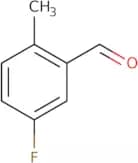
CAS:2-Cyclopropyl-4-(4-fluorophenyl)-quinolyl-3-methanol is a crystalline compound that has been obtained by reacting 3-methoxyquinoline with cyclopropyl bromide. It has the dihedral angle of about 120 degrees and is stabilized by hydrogen bonds. The compound crystallizes in an asymmetric unit cell with two molecules in the asymmetric unit and space group P2/n. The target compound can be obtained in high yield, and it is soluble in organic solvents such as benzene and triphenylphosphine. 2-Cyclopropyl-4-(4-fluorophenyl)-quinolyl-3-methanol can be used to suppress wastewater containing halogenated aromatic compounds, such as quinoline.Formula:C19H16FNOPurity:Min. 95%Molecular weight:293.33 g/mol5-Fluoro-2-methylbenzaldehyde
CAS:5-Fluoro-2-methylbenzaldehyde is a fine chemical that is used as an intermediate in the synthesis of pharmaceuticals, agrochemicals, and other organic molecules. It is also useful in the preparation of synthetic resins, dyes, and flavors. 5-Fluoro-2-methylbenzaldehyde has been shown to be a versatile building block with many potential applications. This molecule can be used as a reaction component or as a speciality chemical to produce high quality reagents.
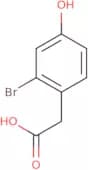
Formula:C8H7FOPurity:90%Color and Shape:Clear LiquidMolecular weight:138.14 g/mol2-Bromo-4-hydroxyphenylacetic acid
CAS:2-Bromo-4-hydroxyphenylacetic acid (2-BHPAA) is a phenolic hydroxyl compound that is synthesized from acrylic acid. It has been used in the synthesis of other compounds, such as 4-hydroxybenzoic acid, 2-[2-(2,6-dichlorophenoxy)ethoxy]phenol, and 3,4-dihydroxyphenylacetic acid. 2-BHPAA can be synthesized by dehydrogenative bromination of phenol with bromine and acetic acid in an organic solvent. The yield of this reaction is typically high because the product does not contain any functional groups that can act as a catalyst for competing reactions.
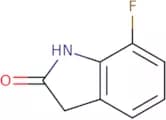
Formula:C8H7BrO3Purity:Min. 95%Color and Shape:PowderMolecular weight:231.04 g/mol7-Fluorooxindole
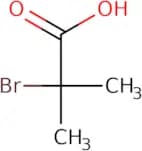
CAS:7-Fluorooxindole is an alkylating agent that can be used in the synthesis of oxindoles. This compound can be prepared by aldol condensation reaction with butyllithium, followed by alkylation with bromides or iodides. The use of 7-fluorooxindole and its derivatives has been optimized to yield high yields. The optimal conditions for this reaction are deprotonation with an organometallic reagent, such as butyllithium, followed by alkylation with bromides or iodides.Formula:C8H6FNOPurity:Min. 95%Color and Shape:SolidMolecular weight:151.14 g/mol2-Bromo-2-methylpropionic acid
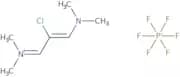
CAS:2-Bromo-2-methylpropionic acid is a chemical compound that is used to stabilize nanoparticles. It also has covalent interactions with the surface of the nanoparticles, which helps to stabilize them and prevent aggregation. 2-Bromo-2-methylpropionic acid can be modified with polymers or other molecules that can help to stabilize the particles. This stabilizer is also able to create magnetic nanoparticles by using a strategy called "magnetic stabilization". In this method, the stabilizer can react with the metal ions in solution and form a stable complex, which will then coat the particles of interest. The stabilizer can also be used to circumvent mesoporous materials, such as silica gel, by coating them with a polymer layer.Formula:C4H7BrO2Purity:Min. 95%Color and Shape:White Clear LiquidMolecular weight:167 g/mol2-Chloro-1,3-bis(dimethylamino)trimethinium hexafluorophosphate
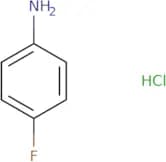
CAS:2-Chloro-1,3-bis(dimethylamino)trimethinium hexafluorophosphate is a glycogen phosphorylase inhibitor. It is a synthetic compound that belongs to the class of allylamines. The synthesis of 2-chloro-1,3-bis(dimethylamino)trimethinium hexafluorophosphate has been achieved by reacting phosphorus oxychloride with dimethylformamide and amines. This reaction leads to the formation of chlorides and heterocycles. 2-Chloro-1,3-bis(dimethylamino)trimethinium hexafluorophosphate inhibits glycogen phosphorylase by binding to the active site and blocking access to the substrate glucose. It also inhibits β-glucosidase, which prevents the hydrolysis of glucosides into glucose.Formula:C7H14ClN2·PF6Purity:Min. 95%Color and Shape:White PowderMolecular weight:306.62 g/mol4-Fluoroaniline hydrochloride
CAS:4-Fluoroaniline hydrochloride is a redox-active compound that is synthesized from 4-fluorobenzene and ammonia. It has been shown to be a ligand for some transition metals, such as copper, manganese and nickel. This compound can also be used as an electrode in electrochemical studies. The magnetic properties of the 4-fluoroaniline hydrochloride are due to the presence of perchlorate ions. 4-Fluoroaniline hydrochloride reacts with elemental iodine to form a divalent carbon electrode.Formula:C6H7ClFNPurity:Min. 95%Color and Shape:Off-White PowderMolecular weight:147.58 g/mol5-Iodo-2-methoxybenzonitrile
CAS:5-Iodo-2-methoxybenzonitrile is a fine chemical that is used as a building block in the synthesis of other chemicals or pharmaceuticals. The compound reacts with strong bases to produce an aryl amine and iodoethane, and can be used to make derivatives as well. 5-Iodo-2-methoxybenzonitrile has a number of uses, including as a research chemical, reagent, specialty chemical, and intermediate. It is also useful in the synthesis of other complex compounds. 5-Iodo-2-methoxybenzonitrile belongs to the group of organoiodine compounds that are classified as speciality chemicals. This compound has CAS number 933672-32-3.Formula:C8H6INOColor and Shape:PowderMolecular weight:259.04 g/molN-[1-[2-(4-Ethyl-5-Oxotetrazol-1-Yl)Ethyl]-4-Phenylpiperidin-4-Yl]-N-(2-Fluorophenyl)Propanamide
CAS:Controlled ProductN-[1-[2-(4-Ethyl-5-Oxotetrazol-1-Yl)Ethyl]-4-Phenylpiperidin-4-Yl]-N-(2-Fluorophenyl)Propanamide is a drug that is used clinically for the treatment of depression. It is an analog of amitriptyline, an antidepressant and a tricyclic compound. N-[1-[2-(4-Ethyl-5-Oxotetrazol-1-Yl)Ethyl]-4-Phenylpiperidin-4-Yl]-N-(2-Fluorophenyl)Propanamide has been shown to increase the concentration of plasma drug levels by increasing transporter gene expression in muscle tissue. This drug also has clinical pharmacology and thermal expansion properties.Formula:C25H31FN6O2Purity:Min. 95%Molecular weight:466.55 g/molNeuropeptide W-23 (human)
CAS:Neuropeptide W-23 (human) is an antibody that recognizes the neuropeptide receptor, specifically the Neuropeptide Y receptor 1. The antibody binds to the Npy1 receptor and inhibits its activity. Neuropeptide W-23 (human) can be used as a research tool in cell biology and pharmacology studies.Formula:C119H183N35O28SPurity:Min. 95%Molecular weight:2,584.01 g/mol2-Amino-4-chlorobenzamide
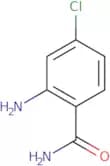
CAS:2-Amino-4-chlorobenzamide is a chemical compound that has been shown to be an effective oxidant in biological systems. It is an oxidative condensation product of 4-chloro-2-nitrobenzoic acid and ammonium chloride, which is formed by the reaction of these two compounds at room temperature. The nature of the functional group on 2-amino-4-chlorobenzamide allows it to be used as a transition state analogue for the study of reactions involving amines and nitrates. This compound can also be used in experiments with isatins, due to its ability to react with ammonia hydroxide to form 2-amino-4,6 dichlorobenzamide.
Formula:C7H7ClN2OPurity:Min. 95%Color and Shape:PowderMolecular weight:170.6 g/molPotassium hexafluoraluminate
CAS:Potassium hexafluoromalonate is a chemical compound that is used as an intermediate in the production of other chemicals. It has been shown to be a useful building block in organic synthesis and can also be used as a research chemical. Potassium hexafluoromalonate is prepared by reacting fluoroaluminate with potassium hydroxide, producing potassium hexafluoromalonate. This reaction produces hydrogen fluoride gas, which must be removed from the product before use. Potassium hexafluoromalonate is soluble in water and is stable at room temperature for up to one year.Formula:K3AlF6Purity:Min 97%Color and Shape:Colorless White PowderMolecular weight:258.27 g/mol2-Bromo-4-tert-octylphenol
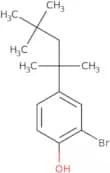
CAS:2-Bromo-4-tert-octylphenol is a high quality chemical that can be used in research. It is an organic compound that reacts as a building block to create other complex compounds. 2-Bromo-4-tert-octylphenol is also a versatile building block, useful intermediate, and useful building block for the creation of speciality chemicals. This reagent has been shown to be effective as a reaction component in the synthesis of reagents, such as with the synthesis of 1,3-bis(2,4,6-trimethylbenzoyl)benzene.Formula:C14H21BrOPurity:Min. 95 Area-%Color and Shape:Clear LiquidMolecular weight:285.22 g/mol4-Chloro-3,5-dinitrobenzamide
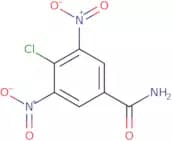
CAS:4-Chloro-3,5-dinitrobenzamide is a bifunctional molecule that contains a chlorine atom. It has been found to react with dipolar solutes as well as vicinal dioxan arylation. The nucleophilic amide group is also labile and can be hydrolyzed by strong acids or bases. The electron lone pair of the chlorine atom in 4-chloro-3,5-dinitrobenzamide can be used for electrophilic substitution reactions with aromatic rings or amines. This molecule has been found to undergo an arylation reaction with imidazole in the presence of dioxan solvent at room temperature.Formula:C7H4ClN3O5Purity:Min. 95%Molecular weight:245.58 g/mol2-(Bromomethyl)-1h-imidazole hydrobromide
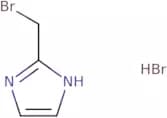
CAS:Please enquire for more information about 2-(Bromomethyl)-1h-imidazole hydrobromide including the price, delivery time and more detailed product information at the technical inquiry form on this pageFormula:C4H6Br2N2Purity:Min. 95%Color and Shape:PowderMolecular weight:241.91 g/mol6-Fluorovitamin D3
CAS:6-Fluorovitamin D3 is a synthetic analog of vitamin D3, which is a modified form of the naturally occurring hormone known as cholecalciferol. This molecule is typically derived through chemical synthesis, incorporating a fluorine atom at a specific position on the vitamin D3 structure. The introduction of the fluorine atom is designed to enhance the stability of the compound and potentially alter its biological activity.Formula:C27H43FOPurity:Min. 95%Molecular weight:402.63 g/mol3-Amino-4-fluoroacetanilide
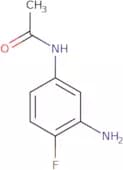
CAS:3-Amino-4-fluoroacetanilide is a white crystalline solid that is soluble in polar organic solvents. It has been used as a reaction component for the synthesis of heterocyclic compounds and as a reagent in organic synthesis. 3-Amino-4-fluoroacetanilide is also useful scaffold for the synthesis of high quality research chemicals and specialty chemicals. This compound can be used as an intermediate to synthesize more complex compounds, such as amino acid derivatives, amides, esters, and thioesters. 3-Amino-4-fluoroacetanilide is also a versatile building block with a broad range of uses in pharmaceuticals, agrochemicals, dyes, pigments, explosives and other fine chemicals.Formula:C8H9FN2OColor and Shape:PowderMolecular weight:168.17 g/mol




![cis-(+/-)-2-[(N-Benzyl-N-methyl)aminomethyl]-1-(3-methoxyphenyl)cyclohexanol hydrochloride](/_next/image/?url=https%3A%2Fstatic.cymitquimica.com%2Fproducts%2F3D%2Fthumb-webp%2FFB18402.webp&w=3840&q=75)



![N-[1-[2-(4-Ethyl-5-Oxotetrazol-1-Yl)Ethyl]-4-Phenylpiperidin-4-Yl]-N-(2-Fluorophenyl)Propanamide](/_next/image/?url=https%3A%2Fstatic.cymitquimica.com%2Fproducts%2F3D%2Fthumb-webp%2FFE102162.webp&w=3840&q=75)