Organic Halides
Subcategories of "Organic Halides"
Found 20442 products of "Organic Halides"
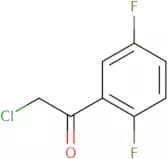
2-Chloro-2',5'-difluoroacetophenone - 90%
CAS:2-Chloro-2',5'-difluoroacetophenone is a fine chemical, useful building block, and research chemical with CAS No. 60468-36-2. It is a versatile building block that can be used in reactions as a reagent or intermediate. 2-Chloro-2',5'-difluoroacetophenone has been used as a reactant in the synthesis of complex compounds and is also an excellent scaffold for organic synthesis. This compound is soluble in most common organic solvents and has high quality.Formula:C8H5ClF2OPurity:Min. 95%Color and Shape:SolidMolecular weight:190.57 g/molBuformin hydrochloride
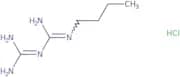
CAS:Buformin hydrochloride is an oral hypoglycemic drug that belongs to the group of biguanides. It is used for the treatment of type 2 diabetes mellitus and has been shown to have a hypoglycemic effect in patients with breast cancer. The mechanism of action of buformin hydrochloride is not fully understood, but it may involve the regulation of mitochondrial membrane potential and transcription activators. Buformin hydrochloride has been shown to decrease the number of lymphocytes, which are responsible for immune responses. This drug also inhibits the growth of c. glabrata, an opportunistic fungal pathogen, by disrupting energy metabolism. Buformin hydrochloride is metabolized in humans and animals by glucuronidation or sulfation. In analytical studies, benzalkonium chloride (BAK) was used as a crystalline cellulose carrier to increase solubility and stability.Formula:C6H16ClN5Purity:Min. 95%Color and Shape:White PowderMolecular weight:193.68 g/mol5-Chloro-2-nitroaniline
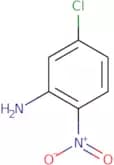
CAS:5-Chloro-2-nitroaniline is a proton transport agent that is used to dissolve the stones in the kidney and bladder. It belongs to the chemical class of anilines and has a chlorine atom. This drug is structurally similar to sorafenib, which is used for cancer treatment, and has been shown to inhibit cb2 receptor activity. 5-Chloro-2-nitroaniline also reacts with hydrochloric acid or sodium hydroxide solution to produce nitrous acid, which can be used as a reactant in organic synthesis.Formula:C6H5ClN2O2Purity:Min. 95%Molecular weight:172.57 g/molEthyl 2,4-dichloroacetoacetate
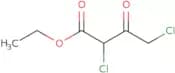
CAS:Ethyl 2,4-dichloroacetoacetate is a reaction component that is used as a reagent in organic synthesis. It has been shown to be a useful scaffold for the preparation of complex compounds and fine chemicals. It can also be used as a useful intermediate or building block for the synthesis of other molecules.Formula:C6H8Cl2O3Purity:Min. 95%Color and Shape:Colorless Clear LiquidMolecular weight:199.03 g/mol4-Bromo-3,5-dimethylphenol
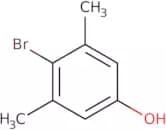
CAS:4-Bromo-3,5-dimethylphenol is a brominating agent that reacts with organic substances by the addition of bromine. It is used as an industrial solvent and reagent in organic synthesis. The reaction of 4-bromo-3,5-dimethylphenol with methanol produces an organic solution. The selectivity of this reaction depends on the reactivity of the hydantoin. The acetate ion is used to adjust the pH to 7, which activates the ammonium ion for the formation of ammonium hydroxide. In this way, the brominating agent will be converted into a salt form and no longer be reactive.Formula:C8H9BrOPurity:Min. 95%Molecular weight:201.06 g/mol3H-Spiro[Isobenzofuran-1,4'-piperidine] hydrochloride
CAS:3H-Spiro[Isobenzofuran-1,4'-piperidine] hydrochloride is a high quality reagent that is used as a complex compound for the synthesis of various fine chemicals. It has been shown to be an excellent building block for drug discovery and development. 3H-Spiro[Isobenzofuran-1,4'-piperidine] hydrochloride is available in bulk quantities and can be shipped worldwide. This chemical is also used as a reaction component in the synthesis of various speciality chemicals. 3H-Spiro[Isobenzofuran-1,4'-piperidine] hydrochloride is versatile and can be used in reactions with different functional groups.Formula:C12H15NO·HClPurity:Min. 95%Color and Shape:PowderMolecular weight:225.71 g/mol2-Bromo-4-(trifluoromethyl)benzyl alcohol
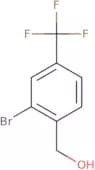
CAS:2-Bromo-4-(trifluoromethyl)benzyl alcohol is a versatile building block that can be used as a reactant in organic synthesis. It is also a useful intermediate and building block for complex compounds. This compound has been used as a reagent in the preparation of 2,2'-dipyridyldisulfide, which was shown to have potent antiproliferative activity against human cancer cells.Formula:C8H6BrF3OPurity:Min. 95%Molecular weight:255.03 g/molN,N'-Bis(2,2,6,6-tetramethylpiperidin-4-yl)hexane-1,6-diamine,2,4,6-trichloro-1,3,5-triazine,2,4,4-trimethylpentan-2-amine
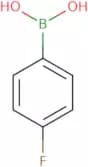
CAS:Bis(2,2,6,6-tetramethylpiperidin-4-yl)hexane-1,6-diamine is a nonionic hydroxyl compound and an additive in polyolefins. It is used as a polymerization initiator or accelerator for the preparation of polyolefin plastics. Bis(2,2,6,6-tetramethylpiperidin-4-yl)hexane-1,6-diamine can be used to prepare polymers by polymerization with olefins such as ethylene and propylene. The chemical stability of this compound makes it suitable for use in sample preparation before analysis by mass spectrometry. Bis(2,2,6,6-tetramethylpiperidin-4-yl)hexane-1,6-diamine is reactive with radiation and fatty acids and has been shown to have stabilizing properties for plasma massFormula:C35H69Cl3N8Purity:Min. 95%Color and Shape:PowderMolecular weight:708.33 g/mol4-Fluorophenylboronic acid
CAS:4-Fluorophenylboronic acid is a boron compound that has been used in molecular modeling and functional assays. It has been shown to be a strong ligand for palladium complexes and can be used to synthesize metal complexes. 4-Fluorophenylboronic acid has also been shown to bind to the CB2 receptor with high affinity and selectivity, making it a potential drug for the treatment of pain. This compound can be synthesized by many different methods, but one of the most common is the synthesis from phenylacetic acid and boron trifluoride gas. The other methods include direct reaction with phenylboronic acid, or by heating anhydrous copper chloride in anhydrous hydrochloric acid with boric acid at high temperatures. Magnetic resonance spectroscopy (MRS) has also been used to study its properties. Canagliflozin is an example of a drug that contains this chemical group as
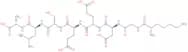
Formula:C6H6BFO2Purity:Min. 95%Color and Shape:White PowderMolecular weight:139.92 g/molDelicious peptide (bovine) trifluoroacetate
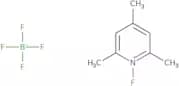
CAS:Delicious peptide (bovine) trifluoroacetate is a polymerase chain reaction probe that is complementary to the 3' end of the human insulin gene. When used in a polymerase chain reaction, it amplifies the DNA sequences at the 3' end of the gene. The product of this amplification has been shown to inhibit genetic disorders such as metabolic disorders, iron homeostasis, and leukemia. This agent also inhibits acidic fibroblast proliferation and pluripotent cells. This drug has been shown to have a molecular docking analysis with pharmacological agents and may be helpful in treatments for various diseases.Formula:C34H57N9O16•(C2HF3O2)xPurity:Min. 95 Area-%Color and Shape:PowderMolecular weight:847.87 g/mol1-Fluoro-2,4,6-trimethylpyridinium tetrafluoroborate
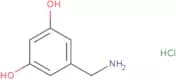
CAS:1-Fluoro-2,4,6-trimethylpyridinium tetrafluoroborate is a reactive compound that is used in the synthesis of organic compounds. It can be used as a precursor to introduce fluorine into organic molecules. This reagent may also be used in reductive eliminations and dehydrogenative coupling reactions. 1-Fluoro-2,4,6-trimethylpyridinium tetrafluoroborate is thermodynamically stable and can be stored at room temperature for long periods of time.Formula:C8H11BF5NPurity:Min. 98 Area-%Color and Shape:PowderMolecular weight:226.98 g/mol3,5-Dihydroxybenzylamine hydrochloride
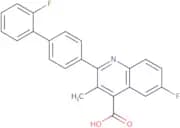
CAS:3,5-Dihydroxybenzylamine hydrochloride is a high quality chemical used as a reagent for organic synthesis. It has also been used as an intermediate for the production of other chemicals and in the synthesis of complex compounds. 3,5-Dihydroxybenzylamine hydrochloride is also a useful scaffold for drug design and development. It can be used to make fine chemicals with various applications such as research chemicals, versatile building blocks, reaction components, and speciality chemicals.Formula:C7H10ClNO2Purity:Min. 95%Color and Shape:PowderMolecular weight:175.61 g/mol6-Fluoro-2-(2'-fluorobiphenyl-4-yl)-3-methylquinoline-4-carboxylic acid
CAS:Brequinar sodium is a drug that belongs to the class of quinoline carboxylic acid derivatives. It has been shown to be effective in the treatment of infectious diseases and bowel disease. Brequinar sodium inhibits bacterial growth by binding to DNA-dependent RNA polymerase, thereby preventing transcription and replication. The high frequency of human activity has been shown using a patch-clamp technique on human erythrocytes. This active form is metabolized through a number of metabolic transformations, including hydrolysis by esterases or glucuronidases, oxidation by cytochrome P450 enzymes, reduction by glutathione reductase, or conjugation with glucuronic acid. Brequinar also specifically binds to markers expressed at high levels in Mycobacterium tuberculosis strains (e.g., ESX-1 secretion system protein) and inhibits cell growth in culture.Formula:C23H15F2NO2Purity:Min. 97 Area-%Color and Shape:White/Off-White SolidMolecular weight:375.37 g/mol2-Acetamidofluorene
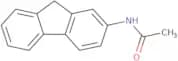
CAS:Controlled Product2-Acetamidofluorene is a polycyclic aromatic hydrocarbon that is found in coal tar and cigarette smoke. It has been shown to bind to the dna of both prokaryotic and eukaryotic cells, with high binding activity for the cell nuclei of hepatocytes. 2-Acetamidofluorene also binds to the polypeptide components of DNA, leading to oxidative damage in the cell's protein synthesis machinery. This chemical has been shown to induce liver toxicity in animal studies as well as genotoxic effects in human cells.
Formula:C15H13NOPurity:(%) Min. 85%Color and Shape:PowderMolecular weight:223.27 g/mol1,3-Di-Boc-2-(trifluoromethylsulfonyl)guanidine
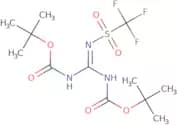
CAS:1,3-Di-Boc-2-(trifluoromethylsulfonyl)guanidine is a growth factor that has been shown to bind to histone proteins and human pathogens. It has physiological effects on prostate cancer cells and fatty acid metabolism. 1,3-Di-Boc-2-(trifluoromethylsulfonyl)guanidine is also antibacterial agent that has potent activity against bacterial cell walls. This drug inhibits the enzyme Clavatadine, leading to the inhibition of protein synthesis in bacteria. The spacing of nitrogen atoms in this molecule is responsible for its potent inhibition of kinase activity. 1,3-Di-Boc-2-(trifluoromethylsulfonyl)guanidine is localized in the cellular cytoplasm and nucleus.
Formula:C12H20F3N3O6SPurity:Min. 95%Color and Shape:White PowderMolecular weight:391.37 g/mol1,3-Thiazol-5-ylmethylamine dihydrochloride
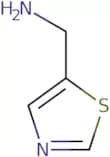
CAS:1,3-Thiazol-5-ylmethylamine dihydrochloride is a useful scaffold for the preparation of complex compounds. It is a versatile building block that can be used to synthesize a wide range of chemical products. The compound has been shown to be an effective reagent in organic synthesis and is widely used as a research chemical. 1,3-Thiazol-5-ylmethylamine dihydrochloride is soluble in water and can be stored at room temperature.Formula:C4H6N2S·2HClPurity:Min. 95%Color and Shape:PowderMolecular weight:187.09 g/mol1-Bromo-10,12-pentacosadiyne
CAS:1-Bromo-10,12-pentacosadiyne is a monomer that has been shown to be an efficient catalyst for electrochemical polymerization. It can catalyze the polymerization of ethylene oxide in its presence. 1-Bromo-10,12-pentacosadiyne has been used as a monolayer on gold electrode surfaces and has also been used to create micelles. The monolayer is created by first depositing the bromide ion onto a glass surface, followed by deposition of the pentacosadiynyl radical onto the bromide ions. This process creates a stable layer on the surface that can be used for various reactions. Studies have shown that 1-Bromo-10,12-pentacosadiyne interacts with lectins, which are proteins found in plants that bind to sugar molecules on cell membranes. Lectins have been shown to inhibit tumor growth and cancerous cell proliferation inFormula:C25H43BrPurity:Min. 95%Color and Shape:PowderMolecular weight:423.51 g/molAmbroxol hydrochloride
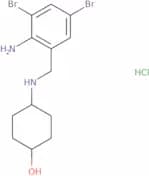
CAS:Antioxidant; secretolytic; anti-inflammatory; sodium channel blocker
Formula:C13H18Br2N2O•HClPurity:Min. 98 Area-%Color and Shape:White PowderMolecular weight:414.56 g/mol(S)-4-Hydroxy propranolol hydrobromide
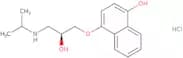
CAS:(S)-4-Hydroxy propranolol hydrobromide is an enantiomer of propranolol. It is a beta blocker that blocks the action of the neurotransmitter noradrenaline. The (S)-enantiomer of propranolol has been shown to be more potent in inhibiting the release of noradrenaline from nerve endings than the (R)-enantiomer and also to have a longer duration of action. This product is used as an antihypertensive agent and for beta-blockade during myocardial infarction. It can be used in assays to assess drug metabolism, quantify alprenolol, or assess the effects on carbon source, ionic environment, and fluorescence by measuring changes in pH.Formula:C16H22BrNO3Purity:Min. 95 Area-%Color and Shape:PowderMolecular weight:356.25 g/mol1-Chloro-1,1,2,2,3-Pentafluoropropane
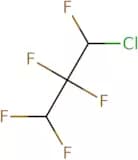
CAS:Controlled Product1-Chloro-1,1,2,2,3-Pentafluoropropane (HFC-245fa) is a fluorocarbon that has an electronegative and anisotropic nature. It is a liquid with a boiling point of -95°C. The chemical shift of the methyl group at 2.6 ppm in the 1H NMR spectrum is indicative of a trifluoromethyl group (-CF3). This compound is also soluble in many organic solvents. In addition to being used as a refrigerant and aerosol propellant, it is also used as a surfactant and optical brightener in plastics. Furthermore, 1-chloro-1,1,2,2,3-pentafluoropropane can react with caprylic acid to form HFC-245ea. This reaction occurs because of the steric effect of the trifluoromethyl group on theFormula:C3H2ClF5Purity:Min. 95%Molecular weight:168.49 g/moltert-Butyldimethylsilyl trifluoromethanesulfonate
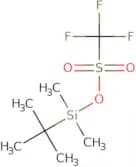
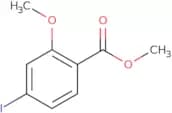
CAS:tert-Butyldimethylsilyl trifluoromethanesulfonate is a nucleophilic reagent that forms an addition product with metal carbonyls. It can be used for the synthesis of indacaterol maleate, which is a phosphite prodrug for the treatment of asthma and chronic obstructive pulmonary disease. Tert-butyldimethylsilyl trifluoromethanesulfonate has been shown to catalyze asymmetric hydrogenation reactions in the presence of ammonia as a chiral auxiliary. This reagent has also been shown to inhibit the growth of bacteria and fungi through its ability to inhibit protein synthesis.Formula:C7H15F3O3SSiColor and Shape:Colorless Clear LiquidMolecular weight:264.34 g/mol4-Iodo-2-methoxybenzoic acid methyl ester
CAS:4-Iodo-2-methoxybenzoic acid methyl ester is a high quality chemical that can be used as a versatile building block in chemical synthesis. It is a complex compound that has been shown to be an effective reagent for research, which can be used in the synthesis of new complex compounds. 4-Iodo-2-methoxybenzoic acid methyl ester is also useful as an intermediate or reaction component in organic syntheses. This chemical is available for purchase at a CAS number of 148490-97-5.Formula:C9H9IO3Purity:Min. 95%Color and Shape:PowderMolecular weight:292.07 g/molHexadimethrine bromide
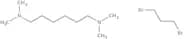
CAS:Hexadimethrine bromide is a matrix metalloproteinase inhibitor that is used in the treatment of infectious diseases. It prevents the degradation of collagen, which is important to maintain the integrity of the extracellular matrix. Hexadimethrine bromide has been shown to be a potent inhibitor of matrix metalloproteinases and other proteases involved in collagen degradation. In addition, Hexadimethrine bromide inhibits toll-like receptor signaling, which may reduce inflammation by preventing activation of inflammatory cells such as macrophages and neutrophils. This agent also has anti-inflammatory properties that have been demonstrated in animal models.
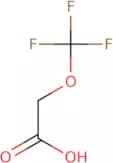
Formula:(C13H30N2·2Br)nPurity:Min. 95%Color and Shape:White PowderMolecular weight:374.2Trifluoromethoxyacetic acid
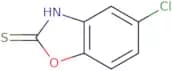
CAS:Trifluoromethoxyacetic acid is a synthetic drug that has been used to treat inflammatory bowel disease, alopecia and seborrhoea. It is also used as a pharmacological agent for the treatment of autoimmune diseases, such as sclerosis, malignant and bowel disease. Trifluoromethoxyacetic acid has anti-inflammatory properties due to its inhibition of prostaglandin synthesis. This drug has been shown to be effective in treating alopecia areata in rats with an oral dose of 0.5 mg/kg for two weeks, which is comparable to the effect observed with 1 mg/kg of minoxidil (Rogaine). Trifluoromethoxyacetic acid binds to nitrogen atoms on proteins and inhibits protein synthesis, leading to cell death by inhibiting the production of proteins vital for cell division.Formula:C3H3F3O3Purity:Min. 95 Area-%Color and Shape:Clear LiquidMolecular weight:144.05 g/mol5-Chloro-2-mercaptobenzoxazole
CAS:5-Chloro-2-mercaptobenzoxazole is an antibacterial agent that binds to the G protein-coupled receptor subtype. It has been shown to reduce inflammatory pain and increase gastrointestinal motility. 5-Chloro-2-mercaptobenzoxazole interacts with a number of other molecules, such as proteins, DNA, RNA and lipids. This drug has been shown to have cytotoxic effects against human cancer cells in vitro. The molecular structure of 5-chloro-2 mercaptobenzoxazole is a heterocycle which can be synthesized. 5-Chloro-2 mercaptobenzoxazole binds to the G protein coupled receptor subtype and inhibits inflammatory pain by blocking substance P from binding to its receptor. It also increases gastrointestinal motility by interacting with receptors found in the smooth muscle cells of the intestines. 5-Chloro-2 mercaptobenzoxFormula:C7H4CINSOPurity:Min. 95%Color and Shape:White To Off-White SolidMolecular weight:185.63 g/mol2-Chlorophenylphenyl-aminomethanesulphonic acid sodium salt
CAS:2-Chlorophenylphenyl-aminomethanesulphonic acid sodium salt is a fine chemical that is a useful building block in research and development. It can be used as a reagent, a CAS No. 132141-36-7, or as a speciality chemical. This compound has been used as an intermediate in the synthesis of complex compounds. It also acts as a versatile building block for various reactions and has been used as a scaffold for the synthesis of new compounds.Formula:C13H11ClNO3S·NaPurity:Min. 95%Molecular weight:319.74 g/mol(R)-2-((4-Aminophenethyl)amino)-1-phenylethanol hydrochloride
CAS:Intermediate in the synthesis of mirabegronFormula:C16H20N2O·HClPurity:Min. 95%Color and Shape:PowderMolecular weight:292.8 g/mol[1-(Pyrrolidin-1-ylcarbonyl)butyl]amine hydrochloride
CAS:Controlled ProductPlease enquire for more information about [1-(Pyrrolidin-1-ylcarbonyl)butyl]amine hydrochloride including the price, delivery time and more detailed product information at the technical inquiry form on this page
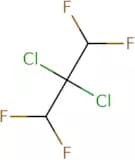
Formula:C9H18N2OPurity:Min. 95%Molecular weight:170.25 g/mol2,2-Dichloro-1,1,3,3-Tetrafluoropropane
CAS:Controlled Product2,2-Dichloro-1,1,3,3-Tetrafluoropropane (DCTF) is a fluorinated ether that is used in laboratories as an anaesthetic or gas. It has been shown to be a potent inhibitor of respiration in animals and is also used to produce nitrous oxide. DCTF inhibits the enzyme cytochrome oxidase by binding to its heme group and prevents the formation of oxygen from hydrogen. DCTF is not metabolized by the body and has a half-life of about 40 minutes.
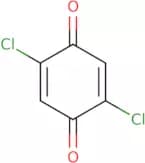
Formula:C3H2Cl2F4Purity:Min. 95%Molecular weight:184.95 g/mol2,5-Dichloro-1,4-benzoquinone
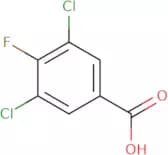
CAS:2,5-Dichloro-1,4-benzoquinone is a chlorine compound that belongs to the class of quinones. It has been shown to be an irreversible inhibitor of bacterial DNA gyrase and topoisomerase IV. 2,5-Dichloro-1,4-benzoquinone is a model system for studying the quantum theory of light. The hydroxyl group on its molecule can form strong hydrogen bonds with water molecules in the active site of bacterial DNA gyrase and topoisomerase IV. X-Ray diffraction data shows that 2,5-dichloro-1,4-benzoquinone binds to the enzyme's acyl chain region and inhibits its ability to synthesize DNA. The kinetic studies show that 2,5-dichloro-1,4-benzoquinone is an effective inhibitor of DNA synthesis by interfering with the process of oxidative deamination. Its photocurrentFormula:C6H2CI2O2Purity:Min. 95%Color and Shape:PowderMolecular weight:371.9 g/mol3,5-Dichloro-4-fluorobenzoic acid
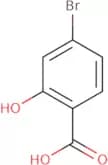
CAS:3,5-Dichloro-4-fluorobenzoic acid is a chemical that belongs to the class of reagents. It reacts with an amine to form a urea and a dioxane derivative. 3,5-Dichloro-4-fluorobenzoic acid is used in the research and development of new drugs as a useful scaffold for novel compounds. It can be used as an intermediate or building block in the synthesis of complex molecules. This chemical also has speciality uses as a fine chemical, such as for use in cosmetics or cleaning products.Formula:C7H3Cl2FO2Purity:Min. 95%Color and Shape:PowderMolecular weight:209 g/mol4-Bromo-2-hydroxybenzoic acid
CAS:4-Bromo-2-hydroxybenzoic acid is a viscometric, anticancer drug that is used in the treatment of cancer. It inhibits the production of dioxane and cyclic peptide, which are important for cancer cell proliferation. 4-Bromo-2-hydroxybenzoic acid has also been shown to have antimycobacterial activity against Mycobacterium tuberculosis and antitubercular activity against Mycobacterium avium complex. This drug has a potent inhibitory effect on u87 cells and has a significant antitumor activity. The mechanism of action involves inhibiting the synthesis of p-hydroxybenzoic acid by hydrogen peroxide in the oxidation of salicylic acid.
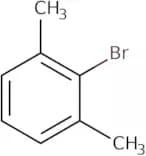
Formula:C7H5BrO3Purity:Min. 95 Area-%Color and Shape:PowderMolecular weight:217.02 g/mol1-Bromo-2,6-dimethyl benzene
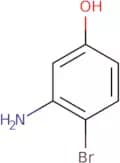
CAS:1-Bromo-2,6-dimethyl benzene is a functional compound that has been used in the synthesis of palladium complexes with different types of ligands. It also has optical properties, such as its high boiling point and low solubility in water. The bromine atom in 1-bromo-2,6-dimethylbenzene can be replaced by other halogens or hydrogen. This allows for a variety of reactions to occur on the molecule, including cross coupling reactions and nucleophilic substitution reactions. 1-Bromo-2,6-dimethylbenzene has been used to synthesize ethyl acetate as well as other organic compounds. The ethyl group can be replaced by other alkyl groups or halides to produce different products. The reaction is catalyzed by a suzuki coupling reaction.Formula:C8H9BrPurity:Min. 97 Area-%Color and Shape:Clear LiquidMolecular weight:185.06 g/mol3-Amino-4-bromophenol
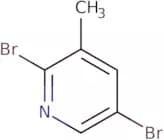
CAS:3-Amino-4-bromophenol is an industrial chemical that is used in the diazotization and reduction reactions. 3-Amino-4-bromophenol can be synthesized by reacting hydrazine with iron oxide and nitrite in a condition of acetone and sodium nitrite. The product yield for this reaction is about 90%. 3-Amino-4-bromophenol crystallizes from acetone as a white powder.Formula:C6H6BrNOPurity:Min. 95%Molecular weight:188.02 g/mol2,5-Dibromo-3-methylpyridine
CAS:2,5-Dibromo-3-methylpyridine is used in the synthesis of new ligands for receptor ligand interactions. The compound is synthesized by a cross-coupling reaction with boronic acids. This reaction occurs at room temperature and does not require any harsh chemicals. The product has been shown to be effective against oncologic cells, as well as against cancerous cells in a chloride solution. Cryogenic techniques are also used in this synthesis process.Formula:C6H5Br2NPurity:Min. 95%Color and Shape:PowderMolecular weight:250.92 g/mol3-Bromo-4-methoxyphenylacetic acid ethyl ester
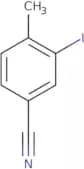
CAS:3-Bromo-4-methoxyphenylacetic acid ethyl ester is a versatile building block that can be used to synthesize a variety of compounds. It is also a useful intermediate for research chemicals and pharmaceuticals. 3-Bromo-4-methoxyphenylacetic acid ethyl ester is a fine chemical with high quality and can be used as a reagent or speciality chemical. As a reaction component, this product makes an excellent scaffold for complex compounds.Formula:C11H13BrO3Purity:Min. 95%Color and Shape:Clear LiquidMolecular weight:273.12 g/mol3-Iodo-4-methylbenzamidine
CAS:3-Iodo-4-methylbenzamidine is a chemical building block that is used as a reagent for the synthesis of other chemicals. 3-Iodo-4-methylbenzamidine is a versatile building block that can be used to synthesize complex compounds. It can also be used to produce fine chemicals and pharmaceuticals, such as antibiotics, chemotherapeutics, and antivirals. 3-Iodo-4-methylbenzamidine has been shown in preliminary research to have anti-inflammatory properties.Formula:C8H6INPurity:90%Color and Shape:White PowderMolecular weight:243.04 g/molDimethyl malonyl chloride
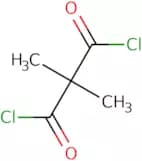
CAS:Dimethyl malonyl chloride is a carboxylic acid that is used as a solid catalyst in the production of polymers and resins. It can also be used to produce ethyl diazoacetate, which is an important component of the manufacturing process for azoxy compounds. Dimethyl malonyl chloride has been shown to react with various metal chlorides to form palladium complexes that are catalysts for hydrogenation reactions. This chemical has been found to function as an absorber in activated carbon film and can be used as a hydroxy group donor or an oxidation catalyst.Formula:C5H6Cl2O2Purity:Min. 95%Molecular weight:169.01 g/molNeuropeptide W-23 (human)
CAS:Neuropeptide W-23 (human) is an antibody that recognizes the neuropeptide receptor, specifically the Neuropeptide Y receptor 1. The antibody binds to the Npy1 receptor and inhibits its activity. Neuropeptide W-23 (human) can be used as a research tool in cell biology and pharmacology studies.Formula:C119H183N35O28SPurity:Min. 95%Molecular weight:2,584.01 g/molPyridin-3-Yl-[4-[3-(Trifluoromethyl)Phenyl]Piperazin-1-Yl]Methanone Dihydrochloride
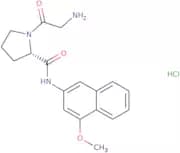
CAS:Controlled ProductThis polymer is a high efficiency, low cost particle that can be used to store electricity at temperatures of up to 300 degrees Celsius. It has a cycle life of more than 10,000 cycles and can be recharged in less than one minute. This polymer has been shown to have excellent structural stability and structural reversibility with lithium ion insertion/extraction. The coulombic efficiency is greater than 99%.Formula:C17H18Cl2F3N3OPurity:Min. 95%Molecular weight:408.25 g/molGly-pro-4-methoxy-β-naphthylamide hydrochloride
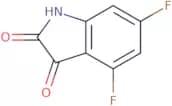
CAS:Gly-pro-4-methoxy-β-naphthylamide hydrochloride is a fine chemical that is useful as a versatile building block and intermediate. It is a research chemical that has been used in the production of other compounds, such as drugs, pesticides, and dyes. This compound is also used to synthesize certain polymers and plastics. Gly-pro-4-methoxy-β-naphthylamide hydrochloride has CAS number 100929-90-6, but it can be found under many other names including 4-(2′,5′dimethylphenyl)-1-(2′hydroxyethyl)piperazine (CAS 105999).Formula:C18H22ClN3O3Purity:Min. 95 Area-%Color and Shape:PowderMolecular weight:363.84 g/mol4,6-Difluoroisatin
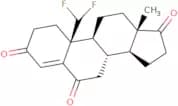
CAS:4,6-Difluoroisatin is a chemical that is useful in the synthesis of complex compounds. It has been used as a reagent for the preparation of 4,6-difluoropyridinium salts and as a reaction component in the synthesis of polymers. 4,6-Difluoroisatin is also one of the building blocks in the synthesis of a number of other compounds. This chemical has been shown to be an effective scaffold for peptides and proteins.Formula:C8H3F2NO2Purity:Min. 95%Molecular weight:183.11 g/mol19,19-Difluoroandrost-4-Ene-3,6,17-Trione
CAS:Controlled Product19,19-Difluoroandrost-4-ene-3,6,17-trione is a steroid that inhibits aromatase activity. It has been shown to inhibit the production of estrogen in human placental cells. The inhibition constant for this compound is 0.69 μM. Rate constants for the inhibition of aromatase activity in human placental cells are 0.0014/min and 0.0011/min at concentrations of 0.1 and 1 μM respectively. This compound is biphasic with an inactivation half-life of 8 min at a concentration of 10 μM and a time dependent inhibition constant of 11 min at a concentration of 10 μM. 19,19-Difluoroandrost-4-ene-3,6,17-trione is a competitive inhibitor that binds to the heme moiety on the enzyme's active site and prevents substrate binding by sterically blocking access to it. This drug also hasFormula:C19H22F2O3Purity:Min. 95%Molecular weight:336.37 g/mol3’-Deoxy-3’-fluoro-6-thioinosine
CAS:Please enquire for more information about 3’-Deoxy-3’-fluoro-6-thioinosine including the price, delivery time and more detailed product information at the technical inquiry form on this page
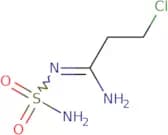
Purity:Min. 95%N-Sulphamyl-3-chloropropionamidine hydrochloride
CAS:N-Sulphamyl-3-chloropropionamidine hydrochloride is a chemical compound that is used as a stain for histological studies. It is activated by chloride ions and reacts with cellular components in tissue sections to form a black precipitate. This technique is used for the diagnosis of tuberculosis and other bacterial infections. A number of techniques are available for this staining, including potassium dichromate, mercuric chloride, and rotator methods. Other uses include the identification of histologists or tissues.Formula:C3H8ClN3O2S•HClColor and Shape:PowderMolecular weight:222.09 g/mol1,2,2,3,3,4,4,5,5,6,6-Undecafluoro-N,N-Bis(1,1,2,2,2-Pentafluoroethyl)Cyclohexan-1-Amine
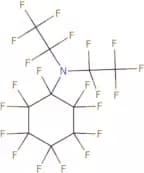
CAS:Controlled Product1,2,2,3,3,4,4,5,5,6,6-Undecafluoro-N,N-Bis(1,1,2,2,2-Pentafluoroethyl)Cyclohexan-1-Amine is an efficient mitochondrial respiratory uncoupler that has been shown to increase the rate of oxidative phosphorylation in rat liver. It is also a membrane permeable compound that can be incorporated into micelles. This drug has been shown to have suboptimal effects on morphology and mitochondrial function in mice. 1,2 2 3 3 4 4 5 5 6 6 -Undecafluoro-N N Bis (1 1 2 2 2 2 Pentafluoroethyl) Cyclohexan 1 Amine has potential applications as a therapeutic agent for patients with respiratory disorders such as cystic fibrosis or chronic obstructive pulmonary disease.Formula:C10F21NPurity:Min. 95%Molecular weight:533.08 g/mol4,5-Dichloro-1,2,3-dithiazoliumchloride
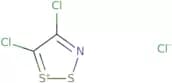
CAS:4,5-Dichloro-1,2,3-dithiazoliumchloride is a pyrazole ring with an acidic hydrogen. It is used as a model system to study the reactions of nucleophilic attack on amines and the low energy chemistry of pyrazoles. The compound has significant antifungal activity against Candida glabrata, which may be due to its ability to react with the carbonyl group in the active methylene. This reaction mechanism leads to inhibition of the synthesis of ergosterol and other sterols essential for fungal cell membranes.Formula:C2Cl3NS2Purity:Min. 95 Area-%Color and Shape:PowderMolecular weight:208.52 g/mol2-Phenoxy ethyl bromide
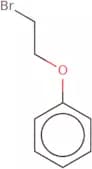
CAS:2-Phenoxy ethyl bromide is a chemical compound that has been shown to have antibacterial properties when tested against bacteria in the laboratory. It is also toxic to humans and other mammals, so care must be taken during its use. 2-Phenoxy ethyl bromide has been shown to inhibit the growth of Streptococcus pneumoniae, Streptococcus pyogenes (Group A), Enterococcus faecalis, and Staphylococcus aureus (Group A) at concentrations of 0.2% by weight in broth medium. 2-Phenoxy ethyl bromide may be effective against other bacteria as well, but further research is needed to confirm this.Formula:C8H9BrOPurity:Min. 95%Color and Shape:White PowderMolecular weight:201.06 g/molPigment Yellow 127
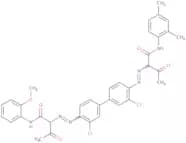
CAS:Please enquire for more information about Pigment Yellow 127 including the price, delivery time and more detailed product information at the technical inquiry form on this page
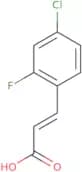
Purity:Min. 95%4-Chloro-2-fluorocinnamic acid
CAS:4-Chloro-2-fluorocinnamic acid is a chemical intermediate that can be used as a building block for the synthesis of other compounds. It has been shown to be useful in the preparation of pharmaceuticals, agrochemicals, and dyestuffs. This chemical has many uses in research, such as being used as a reactant in organic synthesis or as a reagent for derivitization. 4-Chloro-2-fluorocinnamic acid is also an important intermediate for the production of more complex compounds. 4-Chloro-2-fluorocinnamic acid is a versatile building block that can be used in the preparation of many fine chemicals, with its versatility making it an important scaffold for drug discovery.Formula:C9H6ClFO2Purity:Min. 95%Color and Shape:PowderMolecular weight:200.59 g/mol

![3H-Spiro[Isobenzofuran-1,4'-piperidine] hydrochloride](/_next/image/?url=https%3A%2Fstatic.cymitquimica.com%2Fproducts%2F3D%2Fthumb-webp%2FFS53076.webp&w=3840&q=75)



![[1-(Pyrrolidin-1-ylcarbonyl)butyl]amine hydrochloride](/_next/image/?url=https%3A%2Fstatic.cymitquimica.com%2Fproducts%2F3D%2Fthumb-webp%2FFP130657.webp&w=3840&q=75)

![Pyridin-3-Yl-[4-[3-(Trifluoromethyl)Phenyl]Piperazin-1-Yl]Methanone Dihydrochloride](/_next/image/?url=https%3A%2Fstatic.cymitquimica.com%2Fproducts%2F3D%2Fthumb-webp%2FFP100969.webp&w=3840&q=75)