Organic Halides
Subcategories of "Organic Halides"
Found 20442 products of "Organic Halides"
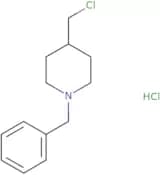
1-Benzyl-4-(chloromethyl)piperidine hydrochloride
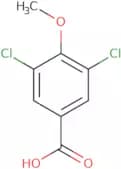
CAS:1-Benzyl-4-(chloromethyl)piperidine hydrochloride is a research chemical that is a versatile building block for the synthesis of complex compounds. It is an intermediate in the preparation of other useful compounds, and has been used as a reagent for organic synthesis. 1-Benzyl-4-(chloromethyl)piperidine hydrochloride has shown to be a useful scaffold for the synthesis of fine chemicals, and can be used as a speciality chemical in many different reactions.Formula:C13H18ClN·HClPurity:Min. 95 Area-%Color and Shape:White PowderMolecular weight:260.2 g/mol3,5-Dichloro-4-methoxybenzoic acid
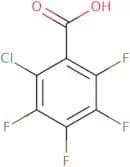
CAS:3,5-Dichloro-4-methoxybenzoic acid is a metabolite of 2,4-dichlorobenzoic acid and hydroxybenzoic acid that has been shown to have pharmacokinetic properties similar to those of the parent compounds. 3,5-Dichloro-4-methoxybenzoic acid has been shown to inhibit cell growth in vitro by methylating DNA and interacting with amines and growth regulators. This compound may be used for treatment of cancer cells that are resistant to chemotherapy.Formula:C8H6Cl2O3Purity:Min. 95%Color and Shape:PowderMolecular weight:221.04 g/mol2,3,4,5-Tetrafluoro-6-chlorobenzoic acid
CAS:2,3,4,5-Tetrafluoro-6-chlorobenzoic acid is a useful chemical that can be used as a precursor in the synthesis of many organic compounds. This compound has been shown to be an efficient and reliable reagent for the preparation of high quality 2,3,4,5-tetrafluoro-6-chlorobenzoic acid. It is also an important building block in organic chemistry and has been shown to be versatile enough to react with a wide range of other chemicals. CAS No. 1868-80-0Formula:C7HClF4O2Purity:Min. 95%Color and Shape:PowderMolecular weight:228.53 g/mol3-Fluoro-DL-tyrosine
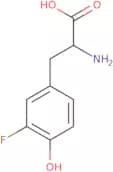
CAS:3-Fluoro-DL-tyrosine is a model system for the study of tyrosine transfer reactions. It is used to study the reaction mechanism and kinetics of tyrosine transfer from a donor molecule to an acceptor molecule. 3-Fluoro-DL-tyrosine reacts with trifluoroacetic acid to form 3,4-dihydroxybenzoic acid, which is a chemical analog of tyrosine. The hydroxyl group on this molecule can react with the proton on the amino acid side chain, forming a covalent bond that does not break down under normal conditions. This reaction is reversible and has been shown to be catalyzed by polymerase chain reactions (PCR).
Formula:C9H10FNO3Purity:Min. 95%Color and Shape:PowderMolecular weight:199.18 g/mol2,9-Dibromo-1,10-phenanthroline
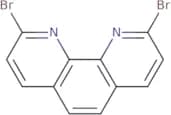
CAS:2,9-Dibromo-1,10-phenanthroline is a molecule that has been shown to be an effective sensitizer for the photochemical conversion of chlorine dioxide to ozone. It has been used as a model compound in molecular orbital calculations and has been shown to enhance the yield of ozone by up to 3%. The emission spectrum of 2,9-dibromo-1,10-phenanthroline displays a peak at 362 nm, which lies in the ultraviolet region. The molecule is orthorhombic and crystallizes in space group P2/c with cell dimensions a = 17.8 Å and c = 18.7 Å.Formula:C12H6Br2N2Purity:Min. 95%Color and Shape:White PowderMolecular weight:338 g/molBromazine hydrochloride
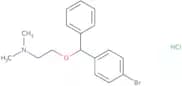
CAS:Controlled ProductBromazine hydrochloride is an anti-infective agent that belongs to the group of metal hydroxides. It is a biocompatible polymer with particle size (1.0–2.0 μm) that is used in the treatment of infectious diseases, such as malaria and tuberculosis. Bromazine hydrochloride inhibits the activity of Toll-like receptor (TLR) and has shown significant interactions with other anti-infective agents, such as sodium citrate and tricyclic antidepressant drugs. The mechanism of action for bromazine hydrochloride is not fully understood, but it may be due to its hydroxyl group and receptor activity.Formula:C17H21BrClNOPurity:Min. 95%Color and Shape:PowderMolecular weight:370.71 g/mol3-Amino-4-bromophenol
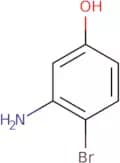
CAS:3-Amino-4-bromophenol is an industrial chemical that is used in the diazotization and reduction reactions. 3-Amino-4-bromophenol can be synthesized by reacting hydrazine with iron oxide and nitrite in a condition of acetone and sodium nitrite. The product yield for this reaction is about 90%. 3-Amino-4-bromophenol crystallizes from acetone as a white powder.Formula:C6H6BrNOPurity:Min. 95%Molecular weight:188.02 g/molL-Glutamic acid di-tert-butyl ester hydrochloride
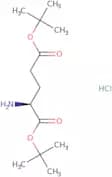
CAS:L-glutamic acid di-tert-butyl ester hydrochloride is a synthetic glutamic acid conjugate that can be used in the treatment of cancer. L-Glutamic acid di-tert-butyl ester hydrochloride is a substrate for many enzymes, such as glutamate transporters and glutaminase, which are found in tumor cells. It has been shown to decrease the uptake of docetaxel by tumor xenografts in mice. The expression of L-Glutamic acid di-tert-butyl ester hydrochloride has been observed in tissues during cancerous growth and it is expressed at higher levels than in normal tissues.Formula:C13H25NO4·HClPurity:Min. 95%Color and Shape:White PowderMolecular weight:295.8 g/mol3-Hydroxy-4-methoxybenzylamine hydrochloride
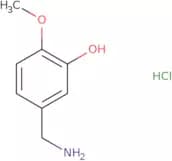
CAS:3-Hydroxy-4-methoxybenzylamine hydrochloride is a vanilloid receptor 1 (VR1) antagonist. It has been shown to inhibit the growth of prostate cancer cells in cell-based assays and to have potential as a therapeutic for prostate cancer patients with high triglycerides. 3-Hydroxy-4-methoxybenzylamine hydrochloride is also an inhibitor of guanosine, which is involved in the production of energy. It has been shown to enhance the antitumor effects of cetuximab, an antibody that targets the epidermal growth factor receptor (EGFR). 3-Hydroxy-4-methoxybenzylamine hydrochloride is soluble in water and can be used as a solvent for other compounds. 3-Hydroxy-4-methoxybenzylamine hydrochloride is also known by its chemical name, N-(3,4 dimethylphenyl)-Formula:C8H12ClNO2Purity:Min. 95%Color and Shape:PowderMolecular weight:189.64 g/mol2,5-Dibromo-3-methylpyridine
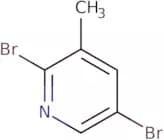
CAS:2,5-Dibromo-3-methylpyridine is used in the synthesis of new ligands for receptor ligand interactions. The compound is synthesized by a cross-coupling reaction with boronic acids. This reaction occurs at room temperature and does not require any harsh chemicals. The product has been shown to be effective against oncologic cells, as well as against cancerous cells in a chloride solution. Cryogenic techniques are also used in this synthesis process.Formula:C6H5Br2NPurity:Min. 95%Color and Shape:PowderMolecular weight:250.92 g/mol7-Fluoro-1H-indole
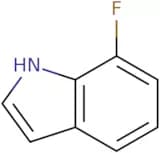
CAS:7-Fluoro-1H-indole is a molecule that belongs to the class of antimicrobial agents. It has been shown to be effective against human pathogens such as P. aeruginosa and S. aureus, and has also shown hemolytic activity against erythrocytes. 7-Fluoro-1H-indole inhibits bacterial growth by binding to siderophores, which are molecules produced by bacteria in response to iron starvation, thereby blocking their uptake of iron from the environment. It has also been shown to have protease activity against Gram negative bacteria. This compound can be synthesized using an in vivo model, where it was shown that 7-fluoro-1H-indole was able to bind to the cytoplasmic membrane and inhibit protein synthesis in Gram negative bacteria cells.Formula:C8H6FNPurity:Min. 95%Color and Shape:PowderMolecular weight:135.14 g/mol4-Fluorocinnamaldehyde
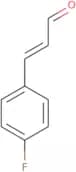
CAS:4-Fluorocinnamaldehyde is a reactive molecule that can be used in the catalytic asymmetric synthesis of 4-fluoroalkylbenzenes, which are used as intermediates in the production of pharmaceuticals. It reacts with hydroxymethyl groups to form 4-fluoroalkylbenzene derivatives, which are substrates for asymmetric reactions. This compound has been shown to react with amines and thiols to form Michael acceptors and Michael donors respectively. The crystallographic data obtained from this molecule shows that it belongs to space group P2 and its crystal system is orthorhombic. It also has optical properties that make it suitable for use as an optical material or nanowires.
Formula:C9H7FOPurity:Min. 80%Color and Shape:Clear LiquidMolecular weight:150.15 g/mol3-(Trifluoromethyl)cinnamic acid methyl ester
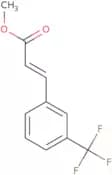
CAS:3-(Trifluoromethyl)cinnamic acid methyl ester is a high quality chemical that can be used as a reagent, intermediate, or building block. It is also a speciality chemical that can be used in research. 3-(Trifluoromethyl)cinnamic acid methyl ester has been shown to be useful for the synthesis of various complex compounds. This compound is also versatile, and can serve as a reaction component for different reactions.Formula:C11H9F3O2Purity:Min. 95%Color and Shape:PowderMolecular weight:230.18 g/mol5-Chloro-2-methoxy-4-methylnitrobenzene
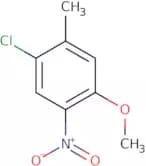
CAS:5-Chloro-2-methoxy-4-methylnitrobenzene is a high quality chemical that can be used as a research chemical, reagent, or a useful scaffold. It is also an intermediate in the synthesis of organic compounds. 5-Chloro-2-methoxy-4-methylnitrobenzene is a versatile building block for the synthesis of other chemicals and has many uses in the pharmaceutical industry. The CAS number for this chemical is 101080-03-9.Formula:C8H8ClNO3Purity:Min. 95%Color and Shape:PowderMolecular weight:201.61 g/mol(4α,6β(E))-DL-6-(2-(4'-Fluoro-3,3',5-trimethyl(1,1'-biphenyl)-2-Yl)ethenyl)tetrahydro-4-hydroxy-2H-pyran-2-one
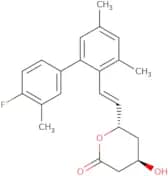
CAS:Controlled Product(4alpha,6beta(E))-DL-6-(2-(4'-Fluoro-3,3',5-trimethyl(1,1'-biphenyl)-2-Yl)ethenyl)tetrahydro-4-hydroxy-2H-pyran-2-one is a pharmacological agent that binds to and inhibits the HMG CoA reductase enzyme. This enzyme plays a role in the production of cholesterol, which is used to form bile acids and steroid hormones. The ring structure of (4alpha,6beta(E))-DL-6-(2-(4'-Fluoro-3,3',5-trimethyl(1,1'-biphenyl)-2--Yl)ethenyl)tetrahydro -4hydroxy -2H pyran 2 one allows for it to bind to the active site of the reductase enzymeFormula:C22H23FO3Purity:Min. 95%Molecular weight:354.41 g/mol[3-Chloro-4-(4-isobutyrylpiperazin-1-yl)phenyl]amine
CAS:3-Chloro-4-(4-isobutyrylpiperazin-1-yl)phenyl]amine is a fine chemical that can be used in the production of medicines, research chemicals, and other speciality chemicals. It has been shown to be a versatile building block with a wide range of uses. 3-Chloro-4-(4-isobutyrylpiperazin-1-yl)phenyl]amine can be used as an intermediate in organic synthesis or as a reagent to generate other chemicals. This compound is also useful as a reaction component for the production of new compounds.Formula:C14H20ClN3OPurity:Min. 95%Color and Shape:PowderMolecular weight:281.78 g/mol4-(2-Bromoethyl)-acetophenone technical
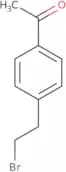
CAS:4-(2-Bromoethyl)-acetophenone is a fine chemical that is useful as a scaffold for the synthesis of complex compounds. It is also used in research chemicals, reaction components, and other speciality chemicals. It has CAS No. 40422-73-9 and can be found in high quality form.Formula:C10H11BrOPurity:Min. 75 Area-%Color and Shape:PowderMolecular weight:227.1 g/mol2-Bromo-6-nicotinic acid methyl ester
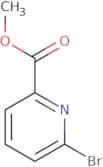
CAS:2-Bromo-6-nicotinic acid methyl ester is a monomer that is used in vivo as a reactive probe. It undergoes a thermally induced reaction with sodium carbonate to form picolinic acid and 2,6-dibromonicotinic acid. The picolinic acid can be converted to its fluorescent analog, which has been shown to be useful for the detection of tumors in mice. This compound also reacts with metal ions such as copper and zinc, which allows it to act as a ligand for metal complexes.Formula:C7H6BrNO2Purity:Min. 95%Color and Shape:PowderMolecular weight:216.03 g/mol2-(R)-[1-(R)-(3,5-Bis(trifluoromethyl)phenyl)ethoxy]-3-(S)-fluorophenylmorpholine
CAS:2-(R)-[1-(R)-(3,5-Bis(trifluoromethyl)phenyl)ethoxy]-3-(S)-fluorophenylmorpholine is a fine chemical with high quality. It has been used as a versatile building block in organic synthesis. 2-(R)-[1-(R)-(3,5-Bis(trifluoromethyl)phenyl)ethoxy]-3-(S)-fluorophenylmorpholine is a useful scaffold and can be used as a reaction component in the synthesis of other compounds. This compound is also an intermediate for the preparation of more complex compounds. CAS No. 171338-27-5Formula:C20H18F7NO2Purity:Min. 95%Color and Shape:Yellow PowderMolecular weight:437.35 g/mol(6α,17β)-6-Fluoro-17-Hydroxyandrost-4-En-3-One
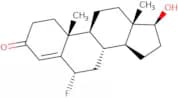
CAS:Controlled Product(6alpha,17beta)-6-Fluoro-17-Hydroxyandrost-4-En-3-One is an androgen that has both agonistic and antagonistic effects on nuclear receptors. It activates the androgen receptor and is equipotent with testosterone. This drug also inhibits the estrogen receptor, but does not bind to the progesterone receptor. This synthetic agent is used for treating hypogonadism in males due to castration or aging and prostate cancer.Formula:C19H27FO2Purity:Min. 95%Molecular weight:306.41 g/mol(aza((2-fluorophenyl)amino)methylene)methane-1,1-dicarbonitrile
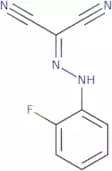
CAS:Please enquire for more information about (aza((2-fluorophenyl)amino)methylene)methane-1,1-dicarbonitrile including the price, delivery time and more detailed product information at the technical inquiry form on this page
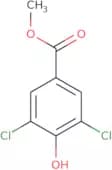
Formula:C9H5FN4Purity:Min. 95%Color and Shape:PowderMolecular weight:188.16 g/molMethyl 3,5-dichloro-4-hydroxybenzoate
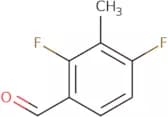
CAS:Methyl 3,5-dichloro-4-hydroxybenzoate is an activated form of the drug carbamazepine. The methyl group is added to the benzoic acid in the drug to make it more soluble and increase its effectiveness in the body. Activated carbamazepine has been shown to be effective against some bacteria such as Etoac extract, Clostridium perfringens and Mycobacterium tuberculosis. It has also been used in wastewater treatment and can be used in photochemical oxidation of wastewater containing organic matter. Methyl 3,5-dichloro-4-hydroxybenzoate is also an electron donor for photocatalytic activity.Formula:C8H6Cl2O3Purity:Min. 95%Color and Shape:PowderMolecular weight:221.04 g/mol2,4-Difluoro-3-methylbenzaldehyde
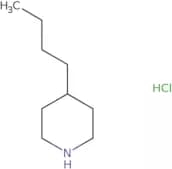
CAS:2,4-Difluoro-3-methylbenzaldehyde is a chemical compound that is used as a building block for the synthesis of other chemicals. It can be used as a research chemical or intermediate due to its versatility. 2,4-Difluoro-3-methylbenzaldehyde has a CAS number of 847502-88-9 and is classified as a speciality chemical with high quality. This compound may be useful in the synthesis of polymers and pharmaceuticals due to its ability to form covalent bonds with other molecules.Formula:C8H6F2OPurity:Min. 95%Color and Shape:Clear LiquidMolecular weight:156.13 g/mol4-Butylpiperidine hydrochloride
CAS:4-Butylpiperidine hydrochloride is a versatile building block for the synthesis of complex compounds. It is a reagent that can be used in research and as a speciality chemical. 4-Butylpiperidine hydrochloride has been shown to have high purity, making it suitable for use as a building block in the synthesis of pharmaceuticals and other useful compounds. CAS No. 372195-85-2
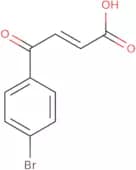
Formula:C9H20ClNPurity:Min. 95%Color and Shape:PowderMolecular weight:177.71 g/mol3-(4-Bromobenzoyl)-acrylic acid
CAS:3-(4-Bromobenzoyl)-acrylic acid is a chiral secondary amine that was synthesised in the laboratory. It is an inhibitor of xanthine oxidase, which is an enzyme involved in purine metabolism. The compound inhibits the enzyme by binding to it and preventing it from breaking down xanthine into uric acid. This has been shown to inhibit xanthine oxidase activity in vitro, but not in vivo. 3-(4-Bromobenzoyl)-acrylic acid has been shown to be more potent than some other inhibitors, such as thiourea and erythromycin. However, it has only been studied at low concentrations so far and its effects on human cells are unknown.
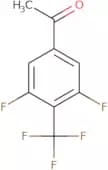
Formula:C10H7BrO3Purity:Min. 95%Color and Shape:PowderMolecular weight:255.06 g/mol3,5-Difluoro-4-(trifluoromethyl)acetophenone
CAS:3,5-Difluoro-4-(trifluoromethyl)acetophenone is a high quality chemical that is used as a reagent in organic synthesis and as a building block for the synthesis of other compounds. It has been shown to be an effective intermediate in the production of fine chemicals and speciality chemicals. This compound can also be used as a building block for the synthesis of useful scaffolds or useful building blocks. 3,5-Difluoro-4-(trifluoromethyl)acetophenone is versatile and can react with various functional groups.Formula:C9H5F5OPurity:Min. 95%Molecular weight:224.13 g/molEthyl 5-chloropyrazolo[1,5-a]pyrimidine-3-carboxylate
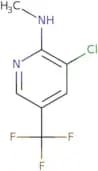
CAS:Please enquire for more information about Ethyl 5-chloropyrazolo[1,5-a]pyrimidine-3-carboxylate including the price, delivery time and more detailed product information at the technical inquiry form on this pageFormula:C9H8ClN3O2Purity:Min. 95%Color and Shape:PowderMolecular weight:225.63 g/mol3-Chloro-N-methyl-5-(trifluoromethyl)-2-pyridinamine
CAS:3-Chloro-N-methyl-5-(trifluoromethyl)-2-pyridinamine is a fine chemical that is used as a versatile building block for the synthesis of other chemical compounds. 3-Chloro-N-methyl-5-(trifluoromethyl)-2-pyridinamine is also useful as an intermediate in research and development, and can be used to produce speciality chemicals. This compound has shown to be a useful reagent and is of high quality.Formula:C7H6ClF3N2Purity:Min. 95%Molecular weight:210.58 g/mol3-Bromo-4-methoxyphenylacetic acid ethyl ester
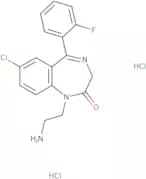
CAS:3-Bromo-4-methoxyphenylacetic acid ethyl ester is a versatile building block that can be used to synthesize a variety of compounds. It is also a useful intermediate for research chemicals and pharmaceuticals. 3-Bromo-4-methoxyphenylacetic acid ethyl ester is a fine chemical with high quality and can be used as a reagent or speciality chemical. As a reaction component, this product makes an excellent scaffold for complex compounds.Formula:C11H13BrO3Purity:Min. 95%Color and Shape:Clear LiquidMolecular weight:273.12 g/molDidesethylflurazepam dihydrochloride
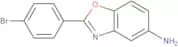
CAS:Controlled ProductDidesethylflurazepam dihydrochloride (DFZD) is a drug that belongs to the benzodiazepine class and has no significant therapeutic use. DFZD is an active metabolite of lorazepam, but its pharmacokinetics are not well understood. It is relatively stable in urine samples and may be used as a marker to determine the time of last intake for other drugs such as triazolam. DFZD may bind to receptors in the brain and interfere with the effects of GABA, which can lead to a number of side effects including depression, memory loss, and sleep disturbances. The traditional analytical method for DFZD is LC-MS/MS using an acidic mobile phase. A more recent analytical method using fluorescence detection is also available. DFZD has been shown to have similar clinical properties to lorazepam, including sedation and relief from anxiety or insomnia.Formula:C17H15ClFN3O•(HCl)2Purity:Min. 95%Molecular weight:404.69 g/mol2-(4-Bromophenyl)-1,3-benzoxazol-5-amine
CAS:2-(4-Bromophenyl)-1,3-benzoxazol-5-amine is an organic compound with a molecular formula of C14H10BrN2O and a molecular weight of 270.44 g/mol. 2-(4-Bromophenyl)-1,3-benzoxazol-5-amine is white to off white crystalline powder that is soluble in ether and ethanol but insoluble in water. It is a versatile building block for the synthesis of other fine chemicals. This compound has been used as a research chemical and as an intermediate in the synthesis of complex compounds.Formula:C13H9BrN2OPurity:Min. 95%Color and Shape:PowderMolecular weight:289.13 g/mol3-[4-(trifluoromethoxy)phenyl]propanoicacid
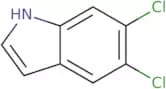
CAS:3-[4-(trifluoromethoxy)phenyl]propanoic acid (TFPA) is a versatile building block that can be used as a reagent and research chemical. TFPA has the potential to be used as a useful intermediate in the synthesis of complex compounds and useful scaffolds. It also has been shown to have high quality, which makes it an excellent choice for use in reactions. This compound is also useful for creating speciality chemicals.Formula:C10H9F3O3Color and Shape:PowderMolecular weight:234.17 g/mol5,6-Dichloroindole
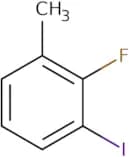
CAS:5,6-Dichloroindole is a chemical compound that contains a functional group with acidic properties. The compound has been shown to inhibit the activity of bafilomycin A1, which is an inhibitor of vacuolar ATPase. This inhibition leads to an increase in intracellular phosphate levels and an accumulation of lysosomal membrane proteins. 5,6-Dichloroindole has also been found to inhibit bone resorption in gramine-fed rats. It also has anti-inflammatory effects and inhibits the growth of zoobotryon pinnatum cells and algal cells. 5,6-Dichloroindole can be used as a molecular descriptor for predicting the presence or absence of bryozoan species in a sample.Formula:C8H5Cl2NColor and Shape:PowderMolecular weight:186.04 g/mol2-Fluoro-3-iodotoluene
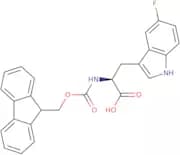
CAS:2-Fluoro-3-iodotoluene is a useful building block which has found use as a versatile intermediate in organic synthesis, as a reaction component in research chemical reactions, and as a speciality chemical. It is also used as a reagent for the fluorination of alcohols. This compound can be used as an effective building block in the synthesis of high-quality complex compounds with a range of properties. 2-Fluoro-3-iodotoluene is classified as an extremely hazardous substance and should be handled with care.Formula:C7H6FIPurity:Min. 95%Color and Shape:Yellow PowderMolecular weight:236.03 g/molN-Fmoc-5-fluoro-L-tryptophan
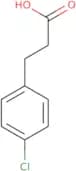
CAS:N-Fmoc-5-fluoro-L-tryptophan is a biologically active form of tryptophan that has been shown to have potent effects on the cardiovascular system. It is used as a tool for studying the function of angiotensin, collagen, and microstructural elements in the heart and lungs. N-Fmoc-5-fluoro-L-tryptophan has been shown to synergize with other heterocycles, maximizing its biological properties. This chemical is also effective at inducing muscle contraction in rats. N-Fmoc-5-fluoro-L-tryptophan binds to cardiothoracic proteins, causing changes in their structure that lead to increased muscle contractility. The covalent bond between this compound and the protein can be cleaved by enzymes such as proteases or nucleases, which can be useful for studying the interactions of drugs with these proteins.Formula:C26H21FN2O4Purity:Min. 98 Area-%Color and Shape:White PowderMolecular weight:444.45 g/mol3-(4-Chlorophenyl)propionic acid
CAS:3-(4-Chlorophenyl)propionic acid is a chemical compound that is used in the preparation of gabapentin. It is an organic solvent that can be used for the calibration and sample preparation of clinical toxicology tests, as well as analytical toxicology tests. 3-(4-Chlorophenyl)propionic acid is often used as an eluant in analytical chemistry to separate organic compounds from solutions. It is also used to extract γ-aminobutyric acid (GABA).
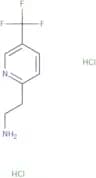
Formula:C9H9ClO2Purity:Min. 95%Color and Shape:PowderMolecular weight:184.62 g/mol2-(5-Trifluoromethyl-pyridin-2-yl)ethylamine 2HCl
CAS:2-(5-Trifluoromethyl-pyridin-2-yl)ethylamine 2HCl is a fine chemical that can be used as a building block in the synthesis of other compounds. It is also a useful reagent and a speciality chemical, which means it is typically used for research purposes only. This compound has shown to have high quality and versatility, and is often used as an intermediate in the synthesis of complex compounds.Formula:C8H9F3N2H2Cl2Purity:Min. 95%Color and Shape:White PowderMolecular weight:263.09 g/mol9-Fluoro-3-methyl-7-oxo-10-(1-piperazinyl)-2,3-dihydro-7H-[1,4]oxazino[2,3,4-Ij]quinoline-6-carboxylic acid
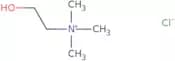
CAS:9-Fluoro-3-methyl-7-oxo-10-(1-piperazinyl)-2,3-dihydro-7H-[1,4]oxazino[2,3,4-Ij]quinoline (FQ) is a fluoroquinolone antibiotic. It inhibits the DNA gyrase and topoisomerase IV enzymes that maintain the integrity of bacterial DNA. FQ has been used to treat urinary tract infections in humans and other animals. This drug is also effective against methicillin resistant Staphylococcus aureus (MRSA) and Clostridium perfringens. FQ binds to bacterial 16S ribosomal RNA and inhibits protein synthesis leading to cell death by inhibiting the production of proteins vital for cell division. The 9 position on the quinoline ring can be detected using UV detection at 260 nm. FQ can be analyzed using mass spectrometry with fluorFormula:C17H18FN3O4Purity:Min. 95 Area-%Color and Shape:White PowderMolecular weight:347.34 g/molCholine chloride - 75% water solution
CAS:Choline chloride is a water solution of choline chloride that is 75% by weight. It has been shown to be effective in preventing atherosclerotic lesions and metabolic disorders. Choline chloride also has thermal expansion properties, which can be used for the manufacture of plastic containers. This compound can inhibit complex enzyme activity by forming complexes with the enzyme, thus inhibiting its activity. Choline chloride may also be used as a model system for studying reaction mechanisms, structural analysis, and calcium pantothenate metabolism. Choline chloride is an essential nutrient that plays a role in energy metabolism and polyunsaturated fatty acid synthesis. It is also important for electrochemical impedance spectroscopy (EIS) because it enhances electrical conductivity across cell membranes.br>br>
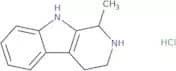
br>Formula:C5H14ClNOColor and Shape:Colorless Clear LiquidMolecular weight:139.62 g/molDL-Eleagnin hydrochloride
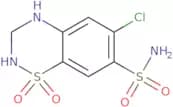
CAS:DL-Eleagnin hydrochloride is a high quality chemical that is used as a reagent, reaction component, and building block in the synthesis of complex compounds. It is an important intermediate for the synthesis of fine chemicals. This compound has versatile uses and can be used as a useful scaffold or building block. DL-Eleagnin hydrochloride is soluble in water, alcohols, ethers, chloroform, acetone, and benzene.Formula:C12H14N2•HClPurity:Min. 98 Area-%Molecular weight:222.71 g/molHydrochlorothiazide
CAS:Controlled ProductHydrochlorothiazide is a thiazide-sensitive NaCl cotransporter inhibitor. Due to its diuretic properties, hydrochlorothiazide can inhibit the transport of sodium chloride in the distal tubule in the nephron and, as a consequence, the concentration of Na is decreased. In combination with other substances, such as captopril, hydrochlorothiazide acts an antihypertensive to reduce high blood pressure.Formula:C7H8ClN3O4S2Purity:Min. 98 Area-%Color and Shape:White PowderMolecular weight:297.74 g/mol2-Chloro-5-nitroacetophenone
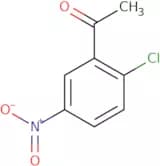
CAS:2-Chloro-5-nitroacetophenone is a synthetic chemical that is used in the synthesis of vismodegib. It has been shown to have pharmacokinetic properties, such as a low clearance and high volume of distribution. A number of impurities are found in this chemical, including halide ions, amines, and benzofuran derivatives. 2-Chloro-5-nitroacetophenone is genotoxic and can cause cancer. This chemical should not be exposed to radiation or chlorine gas.Formula:C8H6ClNO3Purity:Min. 95%Color and Shape:PowderMolecular weight:199.59 g/molApraclonidine hydrochloride
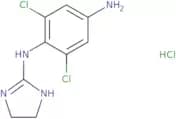
CAS:α2-adrenoceptor agonist; anti-glaucoma agentFormula:C9H11Cl3N4Purity:Min. 95%Color and Shape:White Beige PowderMolecular weight:281.57 g/mol(E)-3-[3'-(4''-fluorophenyl)-1'-(1''-methylethyl)-1H-indol-2''-yl]-2-propnal
CAS:(E)-3-[3'-(4''-Fluorophenyl)-1'-(1''-methylethyl)-1H-indol-2''-yl]-2-propnal is an amoebicidal agent that belongs to the class of indole derivatives. It has been shown to inhibit tumor growth in animal models, and thus may be a potential anti-cancer drug. The activity index of (E)-3-[3'-(4''-fluorophenyl)-1'-(1''-methylethyl)-1H-indol-2''-yl]-2-propnal was significantly lower than those of fenoldopam, a well known antihypertensive agent, for the treatment of liver cancer. The compound also inhibits the growth of bacteria by inhibiting protein synthesis in organisms such as amoeba.Formula:C20H18FNOPurity:Min. 95%Color and Shape:Yellow PowderMolecular weight:307.36 g/mol2,3,5,6-Tetrafluoro-4-hydrazinopyridine
CAS:2,3,5,6-Tetrafluoro-4-hydrazinopyridine is a hydroxide ion analog of pentafluoropyridine. It has been shown to undergo a coupling reaction to yield the corresponding organometallic compound with methoxide in dimethylformamide. The yields for this reaction are high and range from 76% to 98%. This technique has been shown to be applicable for the synthesis of other organometallic compounds.Formula:C5H3F4N3Purity:Min. 95%Color and Shape:PowderMolecular weight:181.09 g/mol4-Bromo-2-iodoaniline
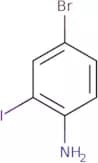
CAS:4-Bromo-2-iodoaniline is a peroxide with a hydrophobic nature. It is an intermediate in the synthesis of the herbicide Arbidol and the pharmaceuticals 4-Bromo-2,6-dinitroaniline and aminopyridine. Oxidation of 4-bromo-2-iodoaniline can be accomplished by halogenation with hydrogen peroxide or trifluoroacetic acid. The halides are then replaced by chlorine to form bromochlorodianisole, which is an intermediate for the synthesis of aminopyridine. Other functional groups that react with 4-bromo-2-iodoaniline are amines, arbidol, chloride, and potassium thioacetate. Fluorescent tests indicate that this compound has a strong absorption at 360 nm and emission at 420 nm. This reaction is also used as a virus detection test due to itsFormula:C6H5BrINPurity:Min. 95%Color and Shape:PowderMolecular weight:297.92 g/mol4-tert-Butyl-2,6-dimethylbenzylamine hydrochloride
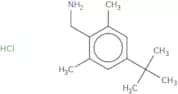
CAS:4-tert-Butyl-2,6-dimethylbenzylamine hydrochloride is a versatile building block that can be used for the synthesis of many different types of chemical compounds. It is a reagent in organic synthesis and has been used as a building block for other compounds. 4-tert-Butyl-2,6-dimethylbenzylamine hydrochloride is also useful as an intermediate or scaffold in complex syntheses. This chemical has been used in research to produce 2,4,5-trichlorotoluene and 1,2,3,5,6-pentachlorocyclohexane. CAS No. 2703627-79-4Formula:C13H21N·HClPurity:Min. 95%Color and Shape:PowderMolecular weight:227.77 g/molrac-trans-N-Desmethyl sertraline hydrochloride
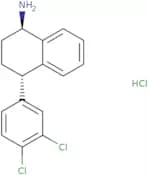
CAS:Racemic trans-N-desmethyl sertraline hydrochloride, also known as desmethylsertraline or N-desmethylsertraline, is a member of the selective serotonin reuptake inhibitor (SSRI) class of antidepressants. It has been found to have nootropic effects in animal studies and to attenuate some of the behavioural effects of amphetamine in rats. Racemic trans-N-desmethyl sertraline hydrochloride is a chiral compound with two enantiomers, ("R")-(+)-trans-N-desmethyl sertraline and ("S")-(−)-trans-N-desmethyl sertraline, which are mirror images of each other. The drug is marketed as a racemate; however, only the "R" enantiomer is active. Racemic trans-N-desmethyl sertraline hydrochloride has not been shown to produce any clinically significant drug interactions.Formula:C16H16Cl3NPurity:Min. 95%Color and Shape:PowderMolecular weight:328.66 g/molFerrocenium Tetrafluoroborate
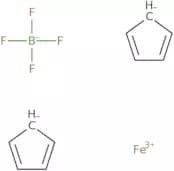
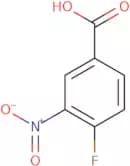
CAS:Ferrocenium tetrafluoroborate is a chiral, unreactive compound that is synthesized through the reaction of ferrocene and tetrafluoroboric acid. Ferrocenium tetrafluoroborate is a kinetic polymer that can be used as a linker in the synthesis of polymeric materials. This compound has been shown to catalyze the epoxidation of aliphatic alcohols to yield epoxides. Ferrocenium tetrafluoroborate has also been shown to catalyze the epoxidation of cyclic olefins, such as 1-octene. Ferrocenium tetrafluoroborate is an achiral catalyst and does not change during the course of the reaction.Formula:C10H2BF4FeColor and Shape:Brown PowderMolecular weight:264.77 g/mol4-Fluoro-3-nitrobenzoic acid
CAS:4-Fluoro-3-nitrobenzoic acid (4FNBA) is a molecule that has been studied for its ability to inhibit the activity of amine oxidases and haloperoxidases. 4FNBA was shown to be a substrate for the model protein, with an equilibrium constant of 2.6 x 10^6 M^(-1). The conversion of 4FNBA to the corresponding quinoxalines was also observed. Molecular docking analysis revealed that 4FNBA binds to the chloride ion and hydrogen bond interactions with nitrogen and oxygen atoms in the protein. This molecule is structurally diverse and may be useful in chemical synthesis or as a drug for treating certain medical conditions.Formula:C7H4FNO4Color and Shape:PowderMolecular weight:185.11 g/mol

![[3-Chloro-4-(4-isobutyrylpiperazin-1-yl)phenyl]amine](/_next/image/?url=https%3A%2Fstatic.cymitquimica.com%2Fproducts%2F3D%2Fthumb-webp%2FFC134207.webp&w=3840&q=75)
![2-(R)-[1-(R)-(3,5-Bis(trifluoromethyl)phenyl)ethoxy]-3-(S)-fluorophenylmorpholine](/_next/image/?url=https%3A%2Fstatic.cymitquimica.com%2Fproducts%2F3D%2Fthumb-webp%2FFB18758.webp&w=3840&q=75)
![Ethyl 5-chloropyrazolo[1,5-a]pyrimidine-3-carboxylate](/_next/image/?url=https%3A%2Fstatic.cymitquimica.com%2Fproducts%2F3D%2Fthumb-webp%2FFE44325.webp&w=3840&q=75)

![3-[4-(trifluoromethoxy)phenyl]propanoicacid](/_next/image/?url=https%3A%2Fstatic.cymitquimica.com%2Fproducts%2F3D%2Fthumb-webp%2FFT154405.webp&w=3840&q=75)
![9-Fluoro-3-methyl-7-oxo-10-(1-piperazinyl)-2,3-dihydro-7H-[1,4]oxazino[2,3,4-Ij]quinoline-6-carbox…](/_next/image/?url=https%3A%2Fstatic.cymitquimica.com%2Fproducts%2F3D%2Fthumb-webp%2FFF102861.webp&w=3840&q=75)
![(E)-3-[3'-(4''-fluorophenyl)-1'-(1''-methylethyl)-1H-indol-2''-yl]-2-propnal](/_next/image/?url=https%3A%2Fstatic.cymitquimica.com%2Fproducts%2F3D%2Fthumb-webp%2FFF37514.webp&w=3840&q=75)