Organic Halides
Subcategories of "Organic Halides"
Found 20442 products of "Organic Halides"
2-Chloro-1-methylquinolinium tetrafluoroborate
CAS:2-Chloro-1-methylquinolinium tetrafluoroborate (2CQBF) is a synthetic compound that inhibits protein synthesis. It has been used as an analytical reagent for the determination of proteins, including those in urine samples. 2CQBF has been shown to be effective in the treatment of cancer and other diseases, such as lupus erythematosus, arthritis, and psoriasis.Formula:C10H9ClN•BF4Purity:Min. 95%Color and Shape:White PowderMolecular weight:265.44 g/mol1-Aminohydantoin hydrochloride
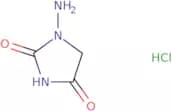
CAS:1-Aminohydantoin hydrochloride is an intermediate in the synthesis of the aminohydantoins, a class of drugs used to treat epilepsy. It is also used as a reagent for preparing monoclonal antibodies. 1-Aminohydantoin hydrochloride is prepared by reacting hydrochloric acid with hydrazine and sodium citrate, followed by purification using distillation and recrystallization. 1-Aminohydantoin hydrochloride can be used to determine the presence of chloride ions in animal tissues by measuring its chemical shift on a mass spectrometer. This drug has been shown to inhibit oxidative DNA damage in rat kidneys, which may be due to its ability to suppress reactive oxygen species production.
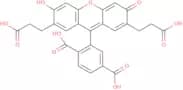
Formula:C3H6ClN3O2Color and Shape:PowderMolecular weight:151.55 g/mol2',7'-Bis(2-carboxyethyl)-5(6)-carboxyfluorescein
CAS:2',7'-Bis(2-carboxyethyl)-5(6)-carboxyfluorescein (BCECF) is a fluorescent probe that is used to measure the intracellular concentration of Ca2+. BCECF binds to Ca2+ and transfers its energy to a fluorophore. This process results in an increase in fluorescence intensity proportional to the amount of Ca2+ present. The BCECF dye can be used for detecting mitochondrial membrane potential, as well as monitoring changes in cellular metabolism. It has been shown to be effective in mesenchymal cells, blood sampling, and internalization assays.Formula:C27H20O11Purity:Min. 90 Area-%Color and Shape:PowderMolecular weight:520.44 g/molPerfluorooctanesulfonyl fluoride
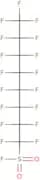
CAS:Controlled ProductPerfluorooctanesulfonyl fluoride is a reactive chemical that reacts with hydrogen fluoride to form perfluorooctanoic acid. This chemical is used in wastewater treatment to reduce the amount of hydrogen fluoride in water. Perfluorooctanesulfonyl fluoride has been shown to be an effective agent against infectious diseases, such as hepatitis B and C, by inhibiting the enzyme DNA polymerase. It also has a role in the analytical method for detecting human serum proteins. The toxicological studies have shown that it may cause reproductive and developmental effects, including a decrease in the body mass index and natural compounds sodium carbonate and potassium dichromate.
Formula:C8F18O2SPurity:Min. 95%Color and Shape:Clear LiquidMolecular weight:502.12 g/molRevaprazan hydrochloride
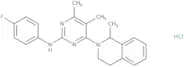
CAS:K+/H+ ATPase inhibitorFormula:C22H23FN4•HClPurity:Min. 95%Color and Shape:PowderMolecular weight:398.9 g/mol2,2,3,3-Tetrafluoro-1-propanol
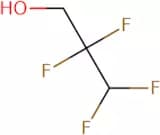
CAS:2,2,3,3-Tetrafluoro-1-propanol is a solvent that has been used in the manufacture of polymers. It can be distilled from sodium trifluoroacetate at high pressure and temperature to give a constant boiling point. 2,2,3,3-Tetrafluoro-1-propanol is transported by gas or liquid diffusion. The kinetic energy of the molecules increases with increasing temperature and pressure; however, it does not have an appreciable chemical reaction with oxygen or ozone. This chemical has been used as a photoinitiator to polymerize cationic monomers such as trifluoroacetic acid and acrylamide. 2,2,3,3-Tetrafluoro-1-propanol has also been shown to react with water vapor to form hydrogen fluoride and hydrofluoric acid.
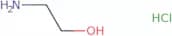
Formula:C3H4F4OPurity:Min. 98 Area-%Color and Shape:Clear LiquidMolecular weight:132.06 g/molEthanolamine hydrochloride
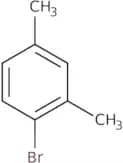
CAS:Ethanolamine hydrochloride is an ethylene diamine salt of ethanolamine. It has been shown to have a receptor activity in amines, such as human serum and monoclonal antibodies. Ethanolamine hydrochloride is used in sample preparation for the detection of proteins by western blotting and immunohistochemistry. It is also used for the production of monoclonal antibodies, which are used to detect antigens on cells.Formula:C2H7NO·HClPurity:Min. 98%Color and Shape:PowderMolecular weight:97.54 g/mol4-Bromo-m-xylene
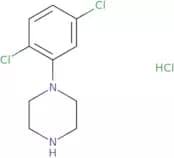
CAS:4-Bromo-m-xylene is a halogenated aromatic compound with chemical properties similar to those of the other trifluoroacetic acid derivatives. 4-Bromo-m-xylene can be synthesized by reacting ethyl acetate with a mixture of copper chloride and bromine. This reaction can also be catalyzed by palladium in the presence of biphenyl as a ligand. The reaction temperature for this synthesis is typically between -30°C and 20°C, although it may be increased to between 0°C and 50°C if desired. 4-Bromo-m-xylene is used in the production of fatty acids, fatty acid esters, and polymers.Formula:C8H9BrPurity:Min. 95%Color and Shape:Clear LiquidMolecular weight:185.06 g/mol1-(2,5-Dichlorophenyl)piperazine hydrochloride
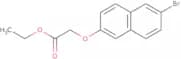
CAS:Controlled Product1-(2,5-Dichlorophenyl)piperazine hydrochloride is a versatile building block that can be used for the synthesis of complex compounds. It is a research chemical, reagent and speciality chemical useful for the synthesis of high-quality useful intermediates. This compound is also a reaction component and useful scaffold in organic synthesis. 1-(2,5-Dichlorophenyl)piperazine hydrochloride is an important intermediate in the production of pharmaceuticals, agrochemicals and dyes. It has been used to produce antihistamines, opioid receptor antagonists, antihypertensives and antipsychotics.Formula:C10H12Cl2N2·HClPurity:Min. 95%Color and Shape:PowderMolecular weight:267.58 g/molethyl 2-(6-bromo-2-naphthyloxy)acetate
CAS:Please enquire for more information about ethyl 2-(6-bromo-2-naphthyloxy)acetate including the price, delivery time and more detailed product information at the technical inquiry form on this page
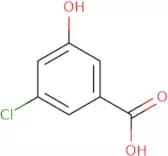
Purity:Min. 95%3-Chloro-5-hydroxybenzoic acid
CAS:3-Chloro-5-hydroxybenzoic acid is a fluorescent compound that has been used to study insulin resistance in rats. Using fluorescence resonance energy transfer, this study found that 3-chloro-5-hydroxybenzoic acid increases insulin sensitivity and decreases blood pressure levels. It is hypothesized that the observed effects are due to an increase in the uptake of 3,5-dihydroxybenzoic acid into cells, which helps regulate the release of nitric oxide from afferent arterioles. Increased nitric oxide leads to vasodilation and increased uptake of glucose by muscle cells. This mechanism may be responsible for the observed decrease in blood pressure and improved insulin sensitivity.
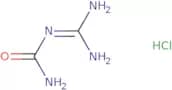
Formula:C7H5ClO3Purity:Min. 95%Color and Shape:PowderMolecular weight:172.56 g/molCarbamoyl-guanidine amidino urea salt, hydrochloride salt
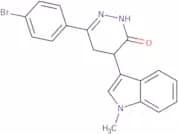
CAS:Carbamoyl-guanidine amidino urea salt, hydrochloride salt is a compound that belongs to the class of amides. It has been used as a pharmacological treatment for autoimmune diseases. Carbamoyl-guanidine amidino urea salt, hydrochloride salt is also used in the preparation of pharmaceutical preparations and diagnostic agents. This drug can be found in tests for the diagnosis of autoimmune diseases and tissue culture. The carbamoyl-guanidine amidino urea salt, hydrochloride salt molecule is hydrophilic and interacts with test samples through hydrogen bonds. Carbamoyl-guanidine amidino urea salt, hydrochloride salt can be analyzed using methods such as pharmacological tests, analytical methods, and vitro assays.Formula:C2H7ClN4OPurity:Min. 96 Area-%Color and Shape:PowderMolecular weight:138.56 g/mol3-(4-bromophenyl)-5-(1-methylindol-3-yl)-1H,4H,5H-1,2-diazin-6-one
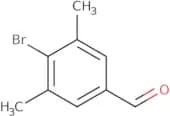
CAS:Please enquire for more information about 3-(4-bromophenyl)-5-(1-methylindol-3-yl)-1H,4H,5H-1,2-diazin-6-one including the price, delivery time and more detailed product information at the technical inquiry form on this pagePurity:Min. 95%4-Bromo-3,5-dimethylbenzaldehyde
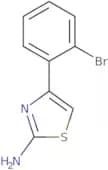
CAS:4-Bromo-3,5-dimethylbenzaldehyde is an organic compound that contains a benzene ring with a bromine atom in the 4 position. It is used as a reagent and intermediate in organic synthesis. The compound can be converted to radical cations by reaction with electron-deficient alkylating agents such as methyl iodide or trimethylsilyl chloride. Radical cations are classified as reactive intermediates and have been shown to react with other organic compounds to form new products.Formula:C9H9BrOPurity:Min. 95%Molecular weight:213.07 g/mol4-(2-Bromophenyl)-1,3-thiazol-2-amine
CAS:Please enquire for more information about 4-(2-Bromophenyl)-1,3-thiazol-2-amine including the price, delivery time and more detailed product information at the technical inquiry form on this pagePurity:Min. 95%5-Fluoro-2-methoxyphenol
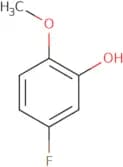
CAS:5-Fluoro-2-methoxyphenol is a heterodimeric natural product that consists of anisoles and acetanilides. It has been shown to induce liver microsomes in rats, as well as hypervalent organometallic complexes with methoxy groups. 5-Fluoro-2-methoxyphenol also exhibits vinylic shift and product synthesis abilities. This compound is useful for the synthesis of acetanilides and other compounds with a methoxy group. Reagents such as phenyllithium, butyllithium, and lithium diisopropylamide are used in this synthesis.Formula:C7H7FO2Purity:Min. 95%Color and Shape:Clear LiquidMolecular weight:142.13 g/molDichlorotetrafluoroethane
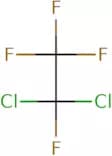
CAS:Controlled ProductDichlorotetrafluoroethane is a chemical compound that belongs to the group of halocarbons. It was first synthesized in 1930 and has been used as a refrigerant since the 1940s. Dichlorotetrafluoroethane is a powerful antimicrobial agent that also functions as a catalyst. The rates of reaction depend on kinetic data, such as the rate of diffusion, temperature, and pressure. Dichlorotetrafluoroethane is an excellent solvent for some organic compounds and has applications in degreasing metal parts or removing oil from concrete floors.
Dichlorotetrafluoroethane is produced by the reaction of hydrogen fluoride with sodium carbonate in an isomeric mixture at high temperature. The product contains equal amounts of two geometric isomers: 1,1-dichloro-2,2-difluoroethene (DFEE) and 2,2-dichloro-Formula:C2Cl2F4Purity:Min. 95%Molecular weight:170.92 g/mol3-Bromobenzamidine hydrochloride
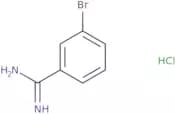
CAS:3-Bromobenzamidine hydrochloride is a pyrimidine that has been used as a medicinal agent. It is synthesized by the dehydration of 3-bromoacetamide and coupling with 2,4-dichlorobenzoyl chloride in the presence of silver nitrate. The reaction proceeds via an enaminone intermediate. This product can be used to treat malaria, which is caused by protozoa. 3-Bromobenzamidine hydrochloride also has anti-inflammatory properties and has been shown to inhibit prostaglandin synthesis.Formula:C7H7BrN2·HClPurity:Min. 95 Area-%Color and Shape:PowderMolecular weight:235.51 g/mol2-Ethoxy-6-fluorobenzonitrile
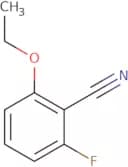
CAS:2-Ethoxy-6-fluorobenzonitrile is a versatile building block that can be used as a reagent, a speciality chemical, or an intermediate in research. It is also used as a high quality compound for the production of fine chemicals. It can be used to make many different compounds with its versatile functional groups. 2-Ethoxy-6-fluorobenzonitrile has been shown to undergo reactions with other compounds to produce useful scaffolds.Formula:C9H8FNOPurity:Min. 95%Color and Shape:PowderMolecular weight:165.16 g/molCarcinine hydrochloride salt
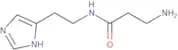
CAS:Carcinine is a natural compound that inhibits the activities of enzymes involved in energy metabolism, including carnosine, which is a dipeptide found in muscle and brain tissue. Carnosine has been shown to be effective against eye disorders such as glaucoma and optic nerve degeneration, as well as cardiac effects. Carcinine has also been shown to inhibit histamine release, which may be due to its ability to suppress the activation of toll-like receptor 4 by lipopolysaccharides or its ability to inhibit the production of pro-inflammatory cytokines. Carcinine hydrochloride salt is a model system for studying carcinine's interactions with carnosine in vivo and in vitro.Formula:C8H14N4O·XHClPurity:Min. 95%3-Fluoro-4-methylanisole
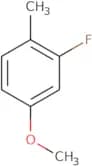
CAS:3-Fluoro-4-methylanisole is a nucleophilic, ring substituted electron acceptor that can be activated by electron donors. The nitro group and the electron donating substituents on the ring are important for this reactivity. 3-Fluoro-4-methylanisole can form substitution products with methyl or formyl groups in the presence of a strong base such as palladium, 3-fluoro-4-methylphenol, or nitro groups. This reactivity is regiospecific, meaning that the substitution will only occur at one of two possible sites on the ring. 3-Fluoro-4-methylanisole's chemical properties give it both activating and deactivating properties in organic reactions.Formula:C8H9FOPurity:Min. 95%Color and Shape:Clear LiquidMolecular weight:140.15 g/molDefluoro atorvastatin acetonide tert-butyl ester
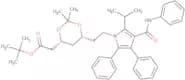
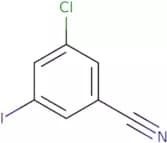
CAS:Please enquire for more information about Defluoro atorvastatin acetonide tert-butyl ester including the price, delivery time and more detailed product information at the technical inquiry form on this pageFormula:C40H48N2O5Purity:Min. 95%Color and Shape:PowderMolecular weight:636.82 g/mol3-Chloro-5-iodobenzonitrile
CAS:3-Chloro-5-iodobenzonitrile is a versatile building block that can be used for the synthesis of diverse compounds. 3-Chloro-5-iodobenzonitrile is a highly reactive compound that can serve as an intermediate in organic synthesis and has been used as a reagent in research. This chemical is also useful as a reaction component. It has shown to be a useful scaffold in the synthesis of complex compounds. 3-Chloro-5-iodobenzonitrile can be used to synthesize speciality chemicals such as pharmaceuticals, agrochemicals, and dyes.Formula:C7H3ClINPurity:Min. 95%Color and Shape:PowderMolecular weight:263.46 g/molTulobuterol hydrochloride
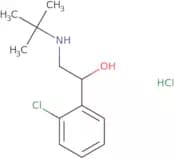
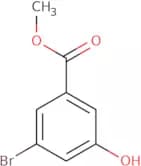
CAS:Controlled Productβ2 adrenoreceptor agonist; bronchodilatorFormula:C12H19Cl2NOPurity:Min. 95%Color and Shape:White Off-White PowderMolecular weight:264.19 g/molMethyl 3-bromo-5-hydroxybenzoate
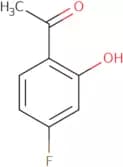
CAS:Methyl 3-bromo-5-hydroxybenzoate is a fine chemical that belongs to the group of useful building blocks. It is a versatile building block that can be used as a reagent and reaction component in organic synthesis. Methyl 3-bromo-5-hydroxybenzoate has been shown to be an intermediate in the synthesis of various compounds, including pharmaceuticals, pesticides, and other fine chemicals. This product is also used as a scaffold for research chemicals.Formula:C8H7BrO3Purity:Min. 95%Color and Shape:White PowderMolecular weight:231.04 g/mol4'-Fluoro-2'-hydroxyacetophenone
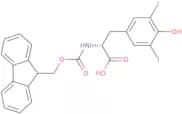
CAS:4'-Fluoro-2'-hydroxyacetophenone is a chemical that is used as an antibacterial agent. It inhibits the growth of bacteria by interfering with microbial metabolism and inhibiting the synthesis of proteins, DNA, RNA and cell wall components. 4'-Fluoro-2'-hydroxyacetophenone has been shown to be active against P. aeruginosa, Enterococci and other bacterial strains. The compound also reduces the number of viable cells in culture supernatants from these bacteria. The mechanism of action of 4'-fluoro-2'-hydroxyacetophenone is not known but may be related to its ability to form covalent bonds with carbonyl groups present in enzymes or protein structures. The compound can also spontaneously combust when heated to decomposition. This combustion releases fluorine gas which could cause environmental pollution if released into the atmosphere during its manufacture or use.Formula:C8H7FO2Purity:Min. 95%Color and Shape:PowderMolecular weight:154.14 g/molFmoc-3,5-diiodo-D-tyrosine
CAS:Please enquire for more information about Fmoc-3,5-diiodo-D-tyrosine including the price, delivery time and more detailed product information at the technical inquiry form on this pageFormula:C24H19I2NO5Purity:Min. 95%Color and Shape:PowderMolecular weight:655.22 g/mol3-(4'-Bromo[1,1'-biphenyl]-4-yl)-1,2,3,4-tetrahydro-1-naphthalenol
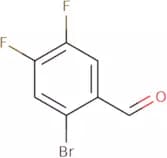
CAS:3-(4'-Bromo[1,1'-biphenyl]-4-yl)-1,2,3,4-tetrahydro-1-naphthalenol is a chemical compound that belongs to the group of bromonaphthalenes. It has been used as a reaction component in organic synthesis and as a reagent for detection of DNA binding. 3-(4'-Bromo[1,1'-biphenyl]-4-yl)-1,2,3,4-tetrahydro-1-naphthalenol can be used as a building block for complex compounds with speciality applications. The compound is an intermediate in the production of pharmaceuticals such as selective estrogen receptor modulators.Formula:C22H19BrOPurity:Min. 95%Color and Shape:PowderMolecular weight:379.29 g/mol2-Bromo-4,5-difluorobenzaldehyde
CAS:2-Bromo-4,5-difluorobenzaldehyde is a chemical intermediate and speciality chemical. It is an important building block for the synthesis of organic compounds, such as pharmaceuticals and agrochemicals. This product is a versatile building block, which can be used in a wide range of reactions and is suitable for use as an intermediate or scaffold. It has high quality and complex structure that can be used to synthesize a number of different compounds.
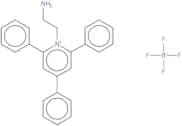
Formula:C7H3BrF2OPurity:Min. 97%Color and Shape:PowderMolecular weight:221 g/molN-Ethylamine-2,4,6-triphenyl pyridinium tetrafluoroborate
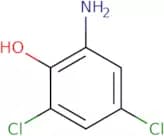
CAS:N-Ethylamine-2,4,6-triphenyl pyridinium tetrafluoroborate is a chemical reagent that belongs to the group of fine chemicals. It is soluble in water and ethanol, and has a melting point of around 100°C. N-Ethylamine-2,4,6-triphenyl pyridinium tetrafluoroborate is used in organic synthesis as a useful building block or as a research chemical for the production of other compounds. This compound is a versatile building block that can be used in the preparation of complex compounds such as pharmaceuticals. N-Ethylamine-2,4,6-triphenyl pyridinium tetrafluoroborate has been classified as an extremely hazardous substance by the US Department of Transportation due to its high reactivity with water.Formula:C25H23N2•BF4Purity:Min. 95%Molecular weight:438.27 g/mol6-Amino-2,4-dichlorophenol
CAS:6-Amino-2,4-dichlorophenol is an organic solution that has been shown to inhibit the uptake of quinoline derivatives by lung fibroblasts. It also inhibits cellular targets such as flavin, blood pressure and v79 cells. 6-Amino-2,4-dichlorophenol has potent antibacterial activity and a reactive nucleophilic group that can form covalent bonds with proteins in the cell membrane. 6-Amino-2,4-dichlorophenol is a reactive agent that binds to DNA and RNA in the bacterial cell's cytoplasmic membrane and inhibits protein synthesis.
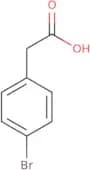
Formula:C6H5Cl2NOPurity:Min. 95%Color and Shape:PowderMolecular weight:178.02 g/mol(4-Bromophenyl)acetic acid
CAS:4-Bromophenylacetic acid is a monocarboxylic acid that has been identified as an inhibitor of phosphatase. It also has an inhibitory effect on microbial infection and can be used for the synthesis of amides and cationic surfactants. 4-Bromophenylacetic acid has shown to have a high affinity for humans, which may be due to its glucuronide conjugate, isolated yield, and plant physiology. This molecule is able to undergo electrochemical studies due to its electrophilic nature.Formula:C8H7BrO2Purity:Min. 95%Color and Shape:PowderMolecular weight:215.04 g/mol4'-Hydrazino-2-stilbazole dihydrochloride
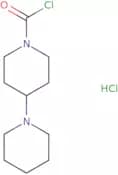
CAS:4'-Hydrazino-2-stilbazole dihydrochloride is a fine chemical that can be used as a versatile building block in the synthesis of complex compounds. It has been reported to react with sodium methoxide to produce 2,4-dinitrophenylhydrazine. This compound is a useful intermediate for the synthesis of other research chemicals and can also be used as a reaction component in speciality chemicals. The compound has been shown to have high quality and can be used as a reagent.Formula:C13H13N3·2HClPurity:Min. 95%Color and Shape:Yellow PowderMolecular weight:284.18 g/mol1,4'-Bipiperidine-1-carboxylic chloride hydrochloride
CAS:1,4'-Bipiperidine-1-carboxylic chloride hydrochloride is a phosphorus pentachloride derivative that is used as a binding agent in the synthesis of cyclic trialkylsilyl compounds. It has been shown to inhibit topoisomerase II and III and may be useful in cancer therapy. 1,4'-Bipiperidine-1-carboxylic chloride hydrochloride binds to the active site of topoisomerase II and inhibits DNA replication, leading to cell death. This compound can also be used as a solvent for acetonitrile and chloroform.Formula:C11H19ClN2O·HClPurity:Min. 95%Color and Shape:PowderMolecular weight:267.19 g/molForchlorfenuron
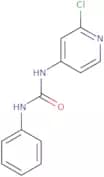
CAS:Forchlorfenuron is a chlorinated insecticide that is used for the control of insects in fruit trees. Forchlorfenuron has significant cytotoxicity and causes chromatographic analysis of physiological effects, such as enzyme activities and fruit growth. It also causes a matrix effect on mitochondrial membrane potential and inhibits energy metabolism. The analytical method to measure forchlorfenuron is by using colloidal gold, which enhances the detection sensitivity of the compound in plants. The structural analysis of forchlorfenuron was done using anhydrous sodium alkanoic acid and showed that it contains two chlorine atoms at carbons 1 and 3 on its para-benzoquinone ring system.Formula:C12H10ClN3OPurity:Min. 95%Color and Shape:White PowderMolecular weight:247.68 g/mol3-Iodo-4-methoxybenzoic acid
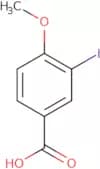
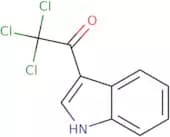
CAS:3-Iodo-4-methoxybenzoic acid is a biaryl compound that can be synthesized by the cross-coupling reaction of an aryl boronic acid and benzene. 3-Iodo-4-methoxybenzoic acid is a good substrate for Suzuki cross-coupling reactions. The optimisation of this reaction requires sterically unhindered substrates, high solvents, and refluxing conditions. 3-Iodo-4-methoxybenzoic acid is also suitable for the synthesis of esters by esterification with alcohols in the presence of a catalytic amount of acid.Formula:C8H7IO3Purity:Min. 95%Molecular weight:278.04 g/mol3-Trichloroacetylindole
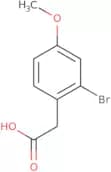
CAS:Controlled Product3-Trichloroacetylindole is an indole derivative that is a hydrogen bond donor. It is a pharmacological agent that has been shown to have antitumor and antiproliferative activities. The crystal structure of 3-trichloroacetylindole has been determined and the interaction with solvent molecules studied. It was synthesized from indole-3-carboxylic acid, which was converted to the hemihydrate form by reacting with butyl lithium in ether. 3-Trichloroacetylindole is a 5-HT4 receptor antagonist, and it also inhibits the synthesis of serotonin and dopamine.Formula:C10H6Cl3NOPurity:Min. 95%Molecular weight:262.52 g/mol2-(2-Bromo-4-methoxyphenyl)acetic acid
CAS:2-(2-Bromo-4-methoxyphenyl)acetic acid is a versatile building block that is used as a research chemical, reaction component, and reagent. It is also used as a speciality chemical and complex compound. This compound has the CAS number 66916-99-2.Formula:C9H9BrO3Color and Shape:SolidMolecular weight:245.07 g/mol3,5-Diiodo-4(4'-methoxyphenoxy)benzoic acid
CAS:3,5-Diiodo-4-(4'-methoxyphenoxy)benzoic acid is a chemical intermediate that has been used in the synthesis of pharmaceuticals and agricultural chemicals. It is a versatile building block that can be used to produce pharmaceuticals, such as diazepam and bromazepam, and other useful compounds. 3,5-Diiodo-4-(4'-methoxyphenoxy)benzoic acid is a fine chemical with high quality and speciality chemical. It has been extensively researched for its usefulness as a reagent for organic synthesis reactions.
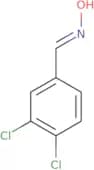
Formula:C14H10I2O4Purity:Min. 95%Color and Shape:PowderMolecular weight:496.04 g/mol3,4-Dichlorobenzaldehyde oxime
CAS:3,4-Dichlorobenzaldehyde oxime is a natural carotenoid that has been shown to have antibacterial activity. 3,4-Dichlorobenzaldehyde oxime is produced by the reaction of malonate and aldehyde in an incubated system. This compound has been shown to be active against Gram-positive bacteria such as staphylococcus and aldoximes and Gram-negative bacteria such as E. coli, Salmonella typhimurium, and Shigella flexneri. 3,4-Dichlorobenzaldehyde oxime inhibits bacterial growth by binding to the 50S ribosomal subunit of the bacterial cell membrane. This binding prevents protein synthesis, leading to cell death. The biosynthesis of 3,4-dichlorobenzaldehyde oxime involves the conversion of abscisic acid (ABA) into ABA quinone through oxidation by an enzyme called ABA oxidase
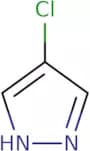
Formula:C7H5Cl2NOPurity:Min. 95%Color and Shape:PowderMolecular weight:190.03 g/mol4-Chloro pyrazole
CAS:4-Chloro pyrazole is a pyrazole derivative that has been shown to be effective as an inhibitor of aldehyde dehydrogenase. The structural formula for 4-chloro pyrazole is shown below. This compound binds to the active site of the enzyme, preventing it from catalyzing the conversion of acetaldehyde into acetic acid and thus preventing the accumulation of acetaldehyde in cells. The binding site is thought to involve a nucleophilic attack by the chlorine atom on the carbonyl group at C4 on the pyrazole ring, followed by coordination with two oxygens from water molecules. The chemical analyses indicate that 4-chloro pyrazole is not readily metabolized, which may be due to its inertness as a substrate for various enzymes or its low solubility in biological fluids. br>br> [[File:4-Chloro Pyrazole Structure.png|thumb|center|500px|StructFormula:C3H3ClN2Purity:Min. 95%Color and Shape:Off-White PowderMolecular weight:102.52 g/mol4-Aminobenzotrifluoride
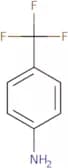
CAS:4-Aminobenzotrifluoride is a chemical compound that belongs to the group of nitroso compounds. It has been shown to have antiproliferation activity in vitro and in vivo. 4-Aminobenzotrifluoride is synthesized by reacting sodium nitrite with p-hydroxybenzoic acid in the presence of an organic acid, such as acetic acid or formic acid, to produce diazonium salt. The diazonium salt is then reacted with an inorganic acid, such as hydrochloric acid or sulfuric acid. This reaction produces 4-aminobenzotrifluoride and water.
Formula:C7H6F3NPurity:Min. 95%Color and Shape:Clear LiquidMolecular weight:161.12 g/molTris[2-(perfluorohexyl)ethyl] phosphate
CAS:Tris[2-(perfluorohexyl)ethyl] phosphate is a chemical substance that belongs to the category of polyfluoroalkyl substances. It is used in cheminformatics, molecular structures, and substances. It has been shown to be categorized in systematically subdivided scenarios. It has also been shown to be an advancement in the class of science. Tris[2-(perfluorohexyl)ethyl] phosphate can be used for chemical analysis and workflow to categorize systematically.Formula:C24H12F39O4PPurity:Min. 95%Color and Shape:PowderMolecular weight:1,136.26 g/molChlorprothixene
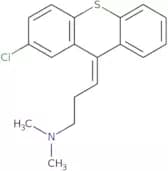
CAS:Controlled ProductChlorprothixene is a derivative of fluorescein and has been used in the treatment of bone cancer. The reaction mechanism of chlorprothixene is not well understood, but it is believed to be due to its ability to bind with 5-HT2 receptors. Chlorprothixene also has anti-inflammatory properties, which may be due to the inhibition of nitrogen atoms in immune cells. This drug has low potency and can cause drug interactions with other drugs that are metabolized by enzymes in the liver such as cytochrome P450 enzymes. It also has a trifluoroacetic acid substituent, which can cause significant pharmacokinetic changes when given intravenously.Formula:C18H18ClNSPurity:Min. 95%Color and Shape:PowderMolecular weight:315.86 g/mol4,4'-Dichloroazoxybenzene
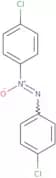
CAS:4,4'-Dichloroazoxybenzene (4,4'-DAB) is a hydroxylase inhibitor that is used in the study of plant metabolism. It is a potent inducer of enzymes and has been shown to be a potent inducer of hydroxylases in plants. 4,4'-DAB inhibits the activity of nitrosoarenes by competing for the same enzyme binding site as chloride ions. The reaction mechanism for this process is not well understood but it appears that anilines are involved. The optimum pH for 4,4'-DAB is 7-8 and it is active against gram negative bacteria such as typhimurium with little effect on gram positive bacteria like Escherichia coli or Staphylococcus aureus. This compound also has efficient methods of conjugation with functional groups or metals such as magnesium salts.Formula:C12H8Cl2N2OPurity:Min. 95%Color and Shape:PowderMolecular weight:267.11 g/molL-Aspartic acid dimethyl ester hydrochloride
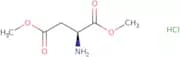
CAS:L-Aspartic acid dimethyl ester hydrochloride (DAA) is an inhibitor of serine proteases, which are enzymes that break down other proteins. DAA inhibits the activity of these enzymes by forming a covalent bond with the serine residue in the active site of the enzyme. This inhibition prevents the breakdown of proteins and leads to inflammation in target tissues. L-Aspartic acid dimethyl ester hydrochloride is used to treat inflammatory bowel disease by inhibiting cathepsin B, a protease that is associated with this condition.Formula:C6H11NO4·HClPurity:Min. 98 Area-%Color and Shape:White Off-White PowderMolecular weight:197.62 g/mol3-Bromo-5-chlorobenzyl alcohol
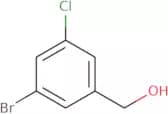
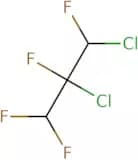
CAS:3-Bromo-5-chlorobenzyl alcohol is a useful building block for the synthesis of complex compounds. It reacts with metal chlorides to form bromochloromethane, which can be used in organic syntheses as a reaction component or reagent. 3-Bromo-5-chlorobenzyl alcohol is a versatile chemical that has been shown to have high quality and is useful in research.Formula:C7H6BrClOPurity:Min. 95%Color and Shape:PowderMolecular weight:221.48 g/mol1,2-Dichloro-1,2,3,3-tetrafluoropropane
CAS:Controlled Product1,2-Dichloro-1,2,3,3-tetrafluoropropane (1,2-DCE) is an aromatic hydrocarbon that is used in the manufacturing of polyurethane and other products. 1,2-DCE is a colorless gas with a sweet odor. It has been shown to be carcinogenic in animal studies. It can be found as a liquid or solid at room temperature and has a high vapor pressure. The gas is soluble in water and most organic solvents. The liquid form boils at -10°C and freezes at -30°C. 1,2-DCE can be detected by infrared spectroscopy due to its absorption bands at 3270 cm-1 and 3300 cm-1.
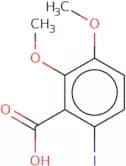
Formula:C3H2Cl2F4Purity:Min. 95%Molecular weight:184.95 g/mol2-Iodo-5,6-dimethoxybenzoic acid
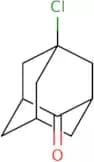
CAS:2-Iodo-5,6-dimethoxybenzoic acid is a reagent that is used in the synthesis of complex compounds and fine chemicals. It has a high quality and is useful as an intermediate or building block for the synthesis of versatile compounds. This chemical can be used in research to create new compounds with special properties. 2-Iodo-5,6-dimethoxybenzoic acid can be used in various reactions to make diverse building blocks or scaffolds that are useful in organic chemistry.Formula:C9H9IO4Purity:Min. 95%Molecular weight:308.07 g/mol5-Chloro-2-adamantanone
CAS:5-Chloro-2-adamantanone is an organic solvent that has nucleophilic properties. It can act as a reactive, nucleophile, or carbonyl group. 5-Chloro-2-adamantanone is synthesized by the reaction of 2-chloroadamantane with chlorosulfonic acid in the presence of zinc chloride at room temperature. The yield of this reaction is dependent on the concentration of zinc chloride used and ranges from 23% to 66%. This reaction can be optimized by altering the reaction time and temperature, as well as by using different halides.Formula:C10H13ClOPurity:Min. 95%Molecular weight:184.66 g/mol


![3-(4'-Bromo[1,1'-biphenyl]-4-yl)-1,2,3,4-tetrahydro-1-naphthalenol](/_next/image/?url=https%3A%2Fstatic.cymitquimica.com%2Fproducts%2F3D%2Fthumb-webp%2FFB164965.webp&w=3840&q=75)


![Tris[2-(perfluorohexyl)ethyl] phosphate](/_next/image/?url=https%3A%2Fstatic.cymitquimica.com%2Fproducts%2F3D%2Fthumb-webp%2FFT28590.webp&w=3840&q=75)