Organic Halides
Subcategories of "Organic Halides"
Found 20442 products of "Organic Halides"
Methyl 5-(2,2-Dibromoacetyl)-2-hydroxybenzoate
Controlled ProductApplications Methyl 5-(2,2-Dibromoacetyl)-2-hydroxybenzoate is a by-product in the synthesis of Labetalol-1-carboxylic Acid (L096510), an impurity of the α-and β-adrenergic, Labetalol (L096500).
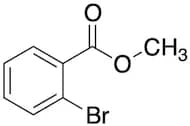
Formula:C10H8Br2O4Color and Shape:NeatMolecular weight:351.976Methyl 2-bromobenzoate
CAS:Controlled ProductApplications Methyl 2-bromobenzoate
Formula:C8H7BrO2Color and Shape:NeatMolecular weight:215.0442-(4-Chlorophenyl)-1-phenylethanone
CAS:Controlled ProductApplications 2-(4-Chlorophenyl)-1-phenylethanone is an intermediate in the synthesis of pyrrobutamine which is antihistaminic. Also used as a reagent on the synthesis of 2,3-diaryl-6,7-dihydro-5H-1,4-diazepines which display antileukemic annd antiplatelet properties.
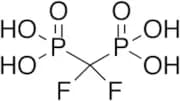
References Casy, A.F., et al.: J. Pharm. Pharmacol., 22, 270 (1970); Ramajayam, R., et al.: Eur, J. Med. Chem., 43, 2004 (2008);Formula:C14H11ClOColor and Shape:NeatMolecular weight:230.69Difluoromethylenediphosphonic Acid
CAS:Controlled ProductStability Hygroscopic
Applications A phosphonic acid derivative for development of biologically active compounds.
Not a dangerous good if item is equal to or less than 1g/ml and there is less than 100g/ml in the package
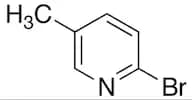
References Ma, Q.F., et al.: Biochemistry, 29, 1412 (1990), Soti, C., et al.: Eur. J. Biochem., 270, 2421 (2003), Barabas, O., et al.: J. Biol. Chem., 279, 42907 (2004),Formula:CH4F2O6P2Color and Shape:NeatMolecular weight:211.982-Bromo-5-picoline
CAS:Controlled ProductApplications Used for preparation of [[(triazolylmethyl)pyridyl]phenyl]tetrazoles and related compounds as cardiovascular agents.
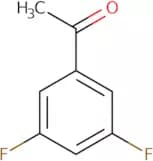
References Behforouz, M., et al.: J. Med. Chem., 46, 5773 (2003), Behforouz, M., et al.: Bioorg. Med. Chem., 15, 495 (2007),Formula:C6H6BrNColor and Shape:NeatMolecular weight:172.023',5'-Difluoroacetophenone
CAS:3',5'-Difluoroacetophenone is a synthetic compound that belongs to the tetradentate class of ligands. It is used as a fluorescent probe for metal ions and has been shown to have thermodynamic, systematic, and biomolecular enhancement properties. 3',5'-Difluoroacetophenone has also been used as a fluorescent probe in fluorescence resonance energy transfer (FRET) experiments. 3',5'-Difluoroacetophenone binds to metal cations, such as copper(II) ions. When this compound is protonated, it emits a strong fluorescence signal that can be detected by fluorophore-acceptor probes. This chemical can be orally taken and excreted in urine after metabolism by the liver and kidneys.
Formula:C8H6F2OPurity:Min. 95%Color and Shape:PowderMolecular weight:156.13 g/mol3-Fluoro-4-(4-morpholinyl) benzenamine
CAS:3-Fluoro-4-(4-morpholinyl) benzenamine is an antibiotic drug that belongs to the group of nitro compounds. It is active against bacteria and fungi, but not against viruses. It has been shown to inhibit bacterial growth by binding to the gyrase enzyme, which is essential for DNA replication. 3-Fluoro-4-(4-morpholinyl) benzenamine also inhibits protein synthesis by topoisomerase inhibition and has been shown to be effective against a wide range of bacteria including Pseudomonas aeruginosa, Escherichia coli, Enterobacter cloacae, Klebsiella pneumoniae, Proteus mirabilis, Serratia marcescens, and Staphylococcus aureus. 3-Fluoro-4-(4-morpholinyl) benzenamine has low toxicity in humans because it reacts with nitric oxide (NO), producing harmless fluoroacetate
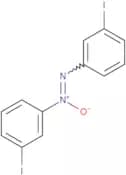
Formula:C10H13FN2OPurity:Min. 95%Color and Shape:PowderMolecular weight:196.22 g/mol3,3'-Diiodoazoxybenzene
CAS:Please enquire for more information about 3,3'-Diiodoazoxybenzene including the price, delivery time and more detailed product information at the technical inquiry form on this pageFormula:C12H8I2N2OPurity:Min. 95%Molecular weight:450.01 g/mol4,6-Dichloro-5-fluoropyrimidine
CAS:4,6-Dichloro-5-fluoropyrimidine is a diluent that is used for the isolation of alkali metal chlorides and formamidine acetate. It reacts with phosphorus oxychloride and formamide to produce dichloroform, which can be used as a reactant in the synthesis of 4,6-dichloro-5-fluoropyrimidine. This compound can also be synthesized from chlorinating ethyl alcohol or methyl alcohol in the presence of an alkoxide. 4,6-Dichloro-5-fluoropyrimidine has been shown to be stable in an environment with high levels of chlorine (i.e., bleach).
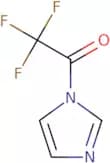
Formula:C4HCl2FN2Purity:Min. 95%Color and Shape:Colourless LiquidMolecular weight:166.97 g/mol1-(Trifluoroacetyl)imidazole
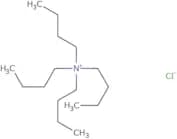
CAS:1-(Trifluoroacetyl)imidazole is a fatty acid that can be found in the chemical ionization of a sample. It is used as an analytical reagent to prepare chromatographic samples for analysis. 1-(Trifluoroacetyl)imidazole has been shown to have biological properties, such as binding to α2-adrenergic receptors and inhibiting the synthesis of retronecine. The concentration and time course of 1-(Trifluoroacetyl)imidazole in plasma and urine has been studied using an analytical method.Formula:C5H3F3N2OPurity:Min. 95%Color and Shape:PowderMolecular weight:164.09 g/molTetra-n-butylammonium chloride anhydrous
CAS:Tetra-n-butylammonium chloride anhydrous (TBACl) is an inorganic acid that is a colorless solid. It is soluble in water and soluble in organic solvents. TBACl reacts with hydrogen fluoride to form a colorless solution of tetrabutylammonium hydrogen fluoride (TBHF). The reaction proceeds by the following equation:Formula:C16H36NClPurity:Min. 95%Color and Shape:White PowderMolecular weight:277.92 g/mol4-Fluoro-L-histidine
CAS:4-Fluoro-L-histidine is a fluorinated analog of L-histidine that functions as an inhibitor of protein synthesis by the virus. 4-Fluoro-L-histidine was found to be more potent than L-histidine in inhibiting murine sarcoma virus (MSV) replication and cytopathogenicity in vitro. This molecule has been shown to be a pentadecapeptide, which is comprised of five amino acids. The conformational properties of 4FLH are similar to those of histidine, and it can act as a substrate for enzymes involved in protein synthesis. 4FLH is also available with a deuterium isotope effect, which may affect its biological activity.Purity:Min. 95%1-(3-Fluoro-4-methoxyphenyl)-2-nitropropene
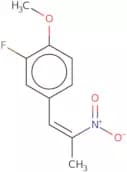
CAS:1-(3-Fluoro-4-methoxyphenyl)-2-nitropropene is a chemical compound with the molecular formula CHNO. It is a high quality reagent that is useful for preparing complex compounds, scaffolds and building blocks for use in research and development. 1-(3-Fluoro-4-methoxyphenyl)-2-nitropropene is a fine chemical that can be used as a versatile building block in reactions.Formula:C10H10FNO3Purity:Min. 95%Molecular weight:211.19 g/molBromo-PEG3-acid
CAS:Bromo-PEG3-acid is a PEG compound with two different functional groups (also known as heterobifunctional). Unlike homobifunctional PEG compounds (same functional group on both ends), this type of compounds are more versatile as have two different anchor points. Bromo-PEG3-acid is used as a linker and spacer to add a PEG moiety, via pegylation (a bioconjugation technique) to proteins, peptides, oligonucleotides, small molecules and nanoparticles.Formula:C9H17BrO5Purity:Min. 95%Color and Shape:Colorless PowderMolecular weight:285.13 g/mol5,6,12,13-Tetrachloroanthra[2,1,9-def:6,5,10-d'e'f']diisochromene-1,3,8,10-tetraone
CAS:5,6,12,13-Tetrachloroanthra[2,1,9-def:6,5,10-d'e'f']diisochromene-1,3,8,10-tetraone is a polyester that is chemically related to the anthracenes. It can be used as a precursor for the synthesis of other polymers. This compound has been shown to induce apoptosis in cancer cells and can be used as an anticancer agent. 5,6,12,13-Tetrachloroanthra[2,1,9-def:6,5,10-d'e'f']diisochromene-1,3,8,10-tetraone has also been shown to have a fluorescence property that can be analyzed using an electron spin resonance spectroscopy technique.
Formula:C24H4Cl4O6Purity:Min. 95%Color and Shape:Red To Orange SolidMolecular weight:530.1 g/mol1-Methylazetidin-3-amine dihydrochloride
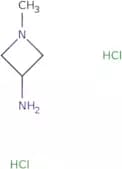
CAS:1-Methylazetidin-3-amine dihydrochloride is a synthetic chemical compound that is used as a reagent, high quality, complex intermediate, and fine chemical. It has been shown to be useful in the synthesis of various compounds and has been reported as a useful scaffold for organic synthesis. This compound also exhibits versatile building block properties due to its ability to react with various functional groups. 1-Methylazetidin-3-amine dihydrochloride has been found to be a useful reaction component in the production of pharmaceuticals, pesticides, and other products.Formula:C4H12Cl2N2Purity:Min. 95%Color and Shape:White PowderMolecular weight:159.06 g/mol2'-Bromo-4'-fluoroacetanilide
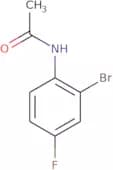
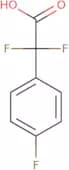
CAS:2'-Bromo-4'-fluoroacetanilide is a synthetic derivative of acetanilide that is used in the treatment of diabetes mellitus. It has been shown to have antidiabetic properties as well as to inhibit the formation of nitrosamines, which are carcinogenic compounds. The synthesis of 2'-bromo-4'-fluoroacetanilide involves the addition of bromine and sodium hydrogen to acetylated acetanilide. This reaction occurs in a reaction vessel at an elevated temperature, with the solvent being an organic solvent. The final product is isolated by distillation and purified by recrystallization or column chromatography. Molecular docking analysis has shown that 2'-bromo-4'-fluoroacetanilide binds to ATP synthase, which is involved in gluconeogenesis and glycolysis, leading to its ability to inhibit glucose production in cells.Formula:C8H7BrFNOPurity:Min. 95%Molecular weight:232.05 g/mol2,2-Difluoro-2-(4-fluorophenyl)acetic acid
CAS:2,2-Difluoro-2-(4-fluorophenyl)acetic acid is a versatile building block that can be used as a reagent in the synthesis of complex compounds. This chemical is also an intermediate in the synthesis of pharmaceuticals and agrochemicals. It can be used as a speciality chemical for research purposes. The compound has been shown to have high quality and is useful as a scaffold for the synthesis of other compounds.Formula:C8H5F3O2Purity:Min. 95%Color and Shape:White To Off-White SolidMolecular weight:190.12 g/mol[(1,2-Dimethyl-1H-benzimidazol-5-yl)methyl]amine dihydrochloride
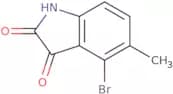
CAS:[(1,2-Dimethyl-1H-benzimidazol-5-yl)methyl]amine dihydrochloride is a reagent that is used as a reaction component in the synthesis of organic and inorganic compounds. It is used as a high quality research chemical for use in the production of fine chemicals and pharmaceuticals. This compound has many uses as a versatile building block, useful intermediate, or useful building block in the synthesis of complex compounds. It can also be used to make various speciality chemicals. [(1,2-Dimethyl-1H-benzimidazol-5-yl)methyl]amine dihydrochloride is stable at room temperature and can be stored under ambient conditions indefinitely.Formula:C10H13N3·2HClPurity:Min. 95%Color and Shape:White PowderMolecular weight:248.15 g/mol4-Bromo-5-methyl-1H-indole-2,3-dione
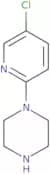
CAS:4-Bromo-5-methyl-1H-indole-2,3-dione is a synthetic molecule that has been shown to have neuroprotective effects. It inhibits the production of proinflammatory cytokines, such as tnf-α and il-6, by binding to survivin. 4Bromo-5 methyl 1Hindole 2,3 dione also binds to the viral capsid protein and blocks virus infection. This compound has been shown to inhibit viral replication in vitro as well as provide protection against alphavirus infection in mice.Formula:C9H6BrNO2Purity:Min. 95%Molecular weight:240.05 g/mol1-(5-Chloropyridin-2-yl)piperazine
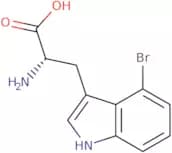
CAS:1-(5-Chloropyridin-2-yl)piperazine is a chemical compound that binds to the tropane receptor. It has been shown to have affinity for the ligands of protein kinase C, and as such may be useful in treating tumors. 1-(5-Chloropyridin-2-yl)piperazine is an analog of homopiperazine and piperazine and is related to the oxime class of compounds. It has not been shown to have any affinity for the other types of receptors, including dopamine, serotonin, acetylcholine, or histamine receptors.Formula:C9H12ClN3Purity:Min. 95%Color and Shape:White/Off-White SolidMolecular weight:197.66 g/mol4-Bromo-L-tryptophan
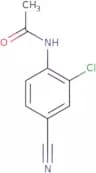
CAS:4-Bromo-L-tryptophan is an amino acid that is used in the synthesis of biomimetic molecules. It is synthesized by allylation with bromine and then chromatographically purified. 4-Bromo-L-tryptophan can also be used to study the biosynthesis of tryptophan. 4-Bromo-L-tryptophan has a molecular weight of 204.2 daltons and a pKa of 5.72, which makes it acidic at physiological pH values. The compound spontaneously forms anhydride with hydroxytryptophan, which stabilizes it and prevents hydrolysis reactions. The optimum temperature for enzymatic activity is 160 degrees Celsius, and kinetic constants have been determined at this temperature as well as at 100 degrees Celsius. Catalytic asymmetric synthesis has also been accomplished using 4-bromo L tryptophan as a substrate.Formula:C11H11BrN2O2Purity:Min. 95%Color and Shape:Slightly Yellow PowderMolecular weight:283.12 g/molN-(4-Cyano-2-chlorophenyl)acetamide
CAS:N-(4-Cyano-2-chlorophenyl)acetamide is a versatile building block that is used in the synthesis of complex compounds. N-(4-Cyano-2-chlorophenyl)acetamide has been shown to be a useful intermediate in the synthesis of important compounds such as 4-aminoantipyrine, 4,5-dichloroanthranilic acid and 2,6-dichloropurine. This chemical has also been found to be an effective reagent for the preparation of other chemicals.Formula:C9H7ClN2OPurity:Min. 95%Molecular weight:194.62 g/mol3,6-Difluoro-2-hydroxybenzoic acid methyl ester
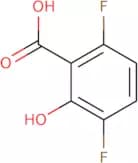
CAS:3,6-Difluoro-2-hydroxybenzoic acid methyl ester is a combination of two substances that are used as deodorants and antiperspirants. They work by blocking the pores in the skin, which prevents perspiration and reduces body odor. 3,6-Difluoro-2-hydroxybenzoic acid methyl ester is not an anti-inflammatory drug.Formula:C7H4F2O3Purity:Min. 95%Molecular weight:174.1 g/mol2-Iodo-N-methyl-N-p-tolylbenzamide
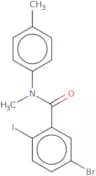
CAS:2-Iodo-N-methyl-N-p-tolylbenzamide is a fine chemical that has the CAS No. 1387529-49-8 and is a versatile building block with a wide range of applications, including research chemicals, reaction components and speciality chemicals. 2-Iodo-N-methyl-N-p-tolylbenzamide is soluble in organic solvents such as ethers, chloroform and benzene, while insoluble in water. It has been shown to be a useful intermediate for the synthesis of complex compounds and can be used as a reagent to prepare other compounds. 2Iodo-Nmethyl--Np--tolylbenzamide has been shown to have high quality and is an excellent building block for synthesizing pharmaceuticals.
Formula:C15H13BrINOPurity:Min. 95%Molecular weight:430.08 g/mol3-Methylazetidine hydrochloride
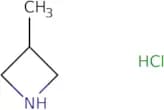
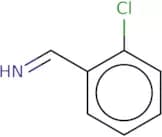
CAS:3-Methylazetidine hydrochloride is a versatile building block that can be used as a reagent or speciality chemical. It is a useful intermediate in the synthesis of complex compounds and research chemicals. 3-Methylazetidine hydrochloride is also an important reaction component for the synthesis of new, high quality, useful scaffolds.Formula:C4H9N·HClPurity:Min. 95%Color and Shape:Clear colourless syrup/liquid.Molecular weight:107.58 g/mol2-(Chlorophenyl)methanimine
CAS:2-(Chlorophenyl)methanimine is a fine chemical with CAS No. 91589-24-1 that is used in the synthesis of other research chemicals and speciality chemicals. This compound has a high quality, complex structure, and can be used as an intermediate or scaffold for a variety of reactions. 2-(Chlorophenyl)methanimine is also versatile, as it can be used as a building block or reagent in many different reactions.Formula:C7H6ClNPurity:Min. 95%Color and Shape:PowderMolecular weight:139.58 g/mol2-Chloro-4-hydroxypyrimidine
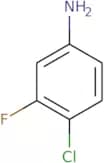
CAS:2-Chloro-4-hydroxypyrimidine is a reactive heterocycle that belongs to the group of quinazolines. It can be synthesized by reacting pyrimidine with thiophosgene and thiol in an analogous reaction, or through the substitution of amino acids with isothiocyanate. Analogues of this compound exist that have been shown to be chemoselective for the replacement of 2-chloro-4-hydroxypyrimidine residues in proteins.Formula:C4H3ClN2OPurity:Min. 95%Color and Shape:White PowderMolecular weight:130.53 g/mol4-Chloro-3-fluoroaniline
CAS:4-Chloro-3-fluoroaniline is a synthetic compound with a molecular formula of C6H4ClFNO. It is an epoxide hydrolase inhibitor and has been shown to produce a frequency shift in the infrared spectrum. This compound also has an additive reaction yield and produces hydrogen fluoride when reacted with hydrochloric acid. 4-Chloro-3-fluoroaniline has two isomers, one that is fluorescent and the other that is not. The reaction product of the two isomers can be determined by mass spectrometry analysis. The dipole moment of this compound can be detected by fluorescence spectroscopy.Formula:C6H5ClFNPurity:Min. 95%Color and Shape:PowderMolecular weight:145.56 g/mol2-[(4-Chlorophenyl)-2-pyridinylmethoxy]-N,N-dimethylethanamine maleate salt
CAS:Controlled Product2-[(4-Chlorophenyl)-2-pyridinylmethoxy]-N,N-dimethylethanamine maleate salt (DCLM) is a controlled-release preparation of an antihistamine that is used for the relief of allergic symptoms. It is a prodrug that is hydrolyzed to 2-[(4-chlorophenyl)-2-pyridinylmethoxy]ethanol (DCPEM) in vivo. DCLM has been shown to be effective against viruses and has been found to have receptor activity in human serum. The drug can be administered either orally or by injection. DCLM has also been shown to suppress allergic symptoms in vitro with LC-MS/MS analysis.
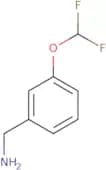
Formula:C20H23ClN2O5Purity:Min. 95%Color and Shape:White To Off-White SolidMolecular weight:406.86 g/mol3-(Difluoromethoxy)benzyl amine
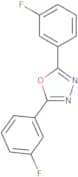
CAS:3-(Difluoromethoxy)benzyl amine is a high-quality reagent that is used as an intermediate in the synthesis of complex compounds. 3-(Difluoromethoxy)benzyl amine is also a useful building block for the synthesis of speciality chemicals and research chemicals. This compound can be used as a versatile building block, which can be used to synthesize different functional groups. 3-(Difluoromethoxy)benzyl amine is soluble in many organic solvents and has a boiling point of 193 °C.Formula:C8H9F2NOPurity:Min. 95%Molecular weight:173.16 g/mol2,5-Di-(3-fluorophenyl)-1,3,4-oxadiazole
CAS:Please enquire for more information about 2,5-Di-(3-fluorophenyl)-1,3,4-oxadiazole including the price, delivery time and more detailed product information at the technical inquiry form on this page
Formula:C14H8F2N2OPurity:Min. 95%Color and Shape:PowderMolecular weight:258.22 g/molα-Chloro-4-fluorobenzaldehyde oxime
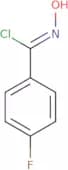
CAS:Alpha-Chloro-4-fluorobenzaldehyde oxime is a selenium compound that can be stabilized with heat resistance and structuring. It is used as an additive in the plating of alloys, thermoplastics, and rubber products. Alpha-Chloro-4-fluorobenzaldehyde oxime has been shown to have anti-oxidant effects, which may be due to its ability to stabilize free radicals.Formula:C7H5ClFNOPurity:Min. 95%Molecular weight:173.57 g/mol5,7-Dichloro-1H-imidazo[4,5-b]pyridine
CAS:5,7-Dichloro-1H-imidazo[4,5-b]pyridine is a synthetic compound that has been shown to inhibit the replication of herpes simplex virus in cell culture. It is active against a broad range of viruses including HIV and influenza A. The antiviral potency of 5,7-dichloro-1H-imidazo[4,5-b]pyridine against herpes simplex virus may be due to its ability to act as an agonist on adenosine receptor subtypes such as A2aR. This drug also has immunosuppressive properties and can be used for the treatment of immunodeficiency disorders.
Formula:C6H3Cl2N3Purity:Min. 95%Color and Shape:PowderMolecular weight:188.01 g/mol2-Bromo-5-fluorobenzyl alcohol
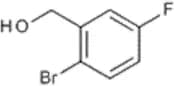
CAS:2-Bromo-5-fluorobenzyl alcohol is a synthetic organoboron compound that can be used in the synthesis of other compounds. It has been shown to have a thermal expansion coefficient of 0.038 x 10^-6 K, which is an intermediate value for organic materials. The two polymorphic forms are monoclinic (space group P2/c) and hexagonal (P63). When 2-bromo-5-fluorobenzyl alcohol is irradiated with microwaves and magnetic fields, it undergoes anisotropic expansion, which suggests that intermolecular interactions are important in this phenomenon. This material has been shown to exhibit antifungal properties.
Formula:C7H6BrFOPurity:Min. 95%Color and Shape:PowderMolecular weight:205.02 g/molDL-alpha-Methylhistidine dihydrochloride
CAS:DL-alpha-Methylhistidine dihydrochloride is a reagent that has been used as a complex building block. It is an intermediate in the preparation of other compounds and is also used as a speciality chemical. DL-alpha-Methylhistidine dihydrochloride can be used to synthesize a variety of useful compounds, including pharmaceuticals, agrochemicals, and research chemicals. DL-alpha-Methylhistidine dihydrochloride can also be used as a versatile building block for the synthesis of other fine chemicals.
Formula:C7H11N3O2·2HClPurity:Min. 95%Color and Shape:White PowderMolecular weight:242.1 g/mol1-(4-Bromophenyl)piperazine
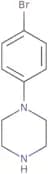
CAS:Controlled Product1-(4-Bromophenyl)piperazine is a chemical that is used in the synthesis of pharmaceuticals, such as antidepressants. It has been shown to inhibit monoamine neurotransmitter reuptake, including serotonin and dopamine. It also has an inhibitory effect on 5-hydroxytryptamine (5HT) release from nerve terminals and its binding to the 5HT7 receptor. 1-(4-Bromophenyl)piperazine can be used in chromatographic methods for validation of impurities, potential impurities, and other substances.
Formula:C10H13BrN2Purity:Min. 95 Area-%Color and Shape:PowderMolecular weight:241.13 g/mol3-(3-Fluoro-4-methoxybenzoyl)propionic acid
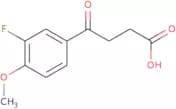
CAS:3-(3-Fluoro-4-methoxybenzoyl)propionic acid is a versatile building block that is used in the synthesis of many organic compounds. 3-(3-Fluoro-4-methoxybenzoyl)propionic acid has been used as a reagent in the synthesis of pharmaceuticals and other chemicals. 3-(3-Fluoro-4-methoxybenzoyl)propionic acid can be used to produce high quality research chemicals, speciality chemicals, and fine chemicals. This compound is also used to produce complex compounds and useful intermediates. 3-(3-Fluoro-4-methoxybenzoyl)propionic acid is available through chemical suppliers such as Sigma Aldrich or Acros Organics.Formula:C11H11FO4Purity:Min. 95%Molecular weight:226.2 g/molTetradecyltrimethylammonium chloride
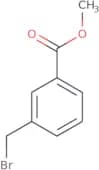
CAS:Tetradecyltrimethylammonium chloride (TTAC) is a hydrophobic fluorescent probe that has been used to investigate the properties of lipid bilayers and micelles. TTAC is fluorescent in aqueous solution and it can be used as a molecular-weight marker for organic solvents. The fluorescence lifetime of TTAC is dependent on the solvent conditions and the presence of counterions, while its fluorescence intensity depends on the concentration of TTAC in solution. The hydrophobic nature of TTAC causes it to be solubilized by micelles, which are spherical aggregates formed from amphiphilic molecules. This property makes TTAC ideal for studying micelles with surface properties and steady-state fluorescence.Formula:C17H38N·ClColor and Shape:White PowderMolecular weight:291.94 g/molMethyl 3-(bromomethyl)benzoate
CAS:Methyl 3-(bromomethyl)benzoate is a hydroxamic acid that has been shown to have potent inhibitory activity against DPP-4, an enzyme that regulates the production of the incretin hormones, GLP-1 and GIP. The compound was also found to have a strong ability to form coordination complexes with palladium and metal ions. Methyl 3-(bromomethyl)benzoate is structurally similar to other hydroxamic acids such as Covid-19 pandemic, which is a drug used for the treatment of HIV infections.
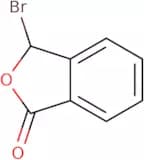
Formula:C9H9BrO2Purity:Min. 95%Color and Shape:PowderMolecular weight:229.07 g/mol3-Bromophthalide
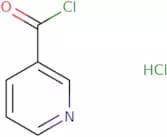
CAS:3-Bromophthalide is a potent antibacterial agent that blocks the synthesis of fatty acids, leading to bacterial cell death. It can be used to treat metabolic disorders and heart disease. 3-Bromophthalide has an antibacterial action against many Gram-positive bacteria, including methicillin-resistant Staphylococcus aureus (MRSA) and Clostridium perfringens, but not against acid-fast bacteria such as Mycobacterium tuberculosis or Mycobacterium avium complex. The mechanism of antibacterial activity is due to its ability to inhibit the synthesis of fatty acids by blocking enzymes in the fatty acid biosynthetic pathway. 3-Bromophthalide also has antiinflammatory effects, which may be due to its ability to inhibit prostaglandin synthesis.Formula:C8H5BrO2Purity:Min. 95%Molecular weight:213.03 g/molNicotinoyl chloride hydrochloride
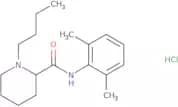
CAS:Nicotinoyl chloride hydrochloride is a coordination complex with a hydroxyl group. It is an antimicrobial agent that inhibits the growth of bacteria by binding to the adenosine A3 receptor and inhibiting adenylate cyclase activity. Nicotinoyl chloride hydrochloride has been shown to inhibit the proliferation of muscle cells in vitro and may be used as an anti-inflammatory agent in pharmaceutical preparations. This compound also has proton transport properties, which are related to its amide group. The nicotinic acid moiety of nicotinoyl chloride hydrochloride is metabolized by fatty acid synthase, which produces fatty acids that can be used as a source of energy by muscle cells. Nicotinoyl chloride hydrochloride also has growth factor activity and can modulate brain functions such as memory and learning.Formula:C6H5Cl2NOPurity:Min. 95%Color and Shape:PowderMolecular weight:178.02 g/molBupivacaine hydrochloride
CAS:Sodium channel blocker, targets channel intracellular domainFormula:C18H28N2O·HClPurity:Min. 98 Area-%Color and Shape:White PowderMolecular weight:324.89 g/mol2-[[(2,4-Difluorophenyl)-2-oxiranyl]methyl]-1H-1,2,4-triazole methanesulfonate
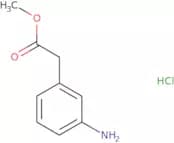
CAS:2-[[(2,4-Difluorophenyl)-2-oxiranyl]methyl]-1H-1,2,4-triazole methanesulfonate (CAS No. 86386-77-8) is a fine chemical that is used as a versatile building block in organic synthesis and has been shown to be a useful intermediate in the preparation of other compounds. This compound is also an important reagent for research purposes. 2-[(2,4-Difluorophenyl)-2-oxiranyl]methyl]-1H-1,2,4-triazole methanesulfonate can be used as an effective reaction component in the synthesis of complex compounds with high purity and quality.Formula:C11H9F2N3O•CH4O3SPurity:Min. 95%Color and Shape:White PowderMolecular weight:333.31 g/molMethyl 3-aminophenylacetate hydrochloride
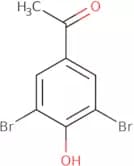
CAS:Methyl 3-aminophenylacetate hydrochloride is a versatile building block that can be used as a reagent for the synthesis of complex compounds. It has been widely used in the production of specialty chemicals, research chemicals and other building blocks. Methyl 3-aminophenylacetate hydrochloride is also an important intermediate in the production of speciality chemicals and pharmaceuticals. This chemical is a high quality chemical that can be used as a reaction component or scaffold for the synthesis of organic compounds.Formula:C9H12ClNO2Purity:Min. 95%Molecular weight:201.65 g/mol3',5'-Dibromo-4'-hydroxyacetophenone
CAS:3',5'-Dibromo-4'-hydroxyacetophenone is a chemical compound that belongs to the group of methides. It has been shown to have anticancer activity and can inhibit the growth of cancer cells in culture. 3',5'-Dibromo-4'-hydroxyacetophenone is synthesized by an aerobic oxidation reaction with a biomimetic oxidant, such as hydrogen peroxide, potassium permanganate, or sodium perborate. The yields from this reaction are relatively low, with only about 10% of the starting material being converted to product. The use of a catalyst such as iron(III) chloride may increase the yield. 3',5'-Dibromo-4'-hydroxyacetophenone also inhibits cancer cell lines but not normal cells.Formula:C8H6Br2O2Purity:Min. 95%Molecular weight:293.94 g/molTris(2-methoxyphenyl)bismuth dichloride
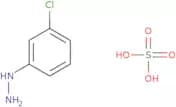
CAS:Tris(2-methoxyphenyl)bismuth dichloride is a coordination compound with the chemical formula BiCl(OMeCH). It crystallizes in the triclinic crystal system and its molecular structure is trigonal. Tris(2-methoxyphenyl)bismuth dichloride has been characterized by X-ray and infrared spectroscopy, as well as by analysis of the axial, apical, and trigonal coordinates. The compound has been shown to form perchlorate and diperchlorate salts. The presence of bismuth atoms in this molecule produces a bright yellow color.Formula:C21H21BiCl2O3Purity:Min. 95%Color and Shape:Off-White PowderMolecular weight:601.28 g/mol3-Chlorophenylhydrazine sulphate
CAS:3-Chlorophenylhydrazine sulphate is a chemical compound that is made by the reaction of 3-chlorophenol and hydrazine. It has been shown to be stable when mixed with other compounds, such as acetone. 3-Chlorophenylhydrazine sulphate has a reaction time of one hour when it is reacted with sodium hydrogen sulfate and zinc powder in a liquid chromatography column. The final product is detected using chromatography detection, which can detect the presence of sulfates. This chemical compound can be used to make other chemicals, such as thiosulfate or hydrochloric acid.
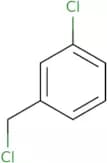
Formula:C12H14Cl2N4•H2O4SPurity:Min. 95%Color and Shape:PowderMolecular weight:383.25 g/mol3-Chlorobenzyl chloride
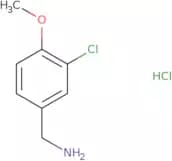
CAS:3-Chlorobenzyl chloride is an aryl halide that binds to the p. aeruginosa group in the cell membrane and inhibits bacterial growth by inhibiting the synthesis of essential cell components such as proteins, nucleic acids, and lipids. 3-Chlorobenzyl chloride binds to inhibitory molecules on the p. aeruginosa cell surface by covalent bonds or ionic interactions, which prevents these molecules from interacting with other cells. This inhibits the production of functional groups such as chloride ions and cross-coupling reactions. 3-Chlorobenzyl chloride has been shown to have chemical properties that prevent it from being metabolized by microorganisms, which may be due to its resistance to hydrolysis or oxidative metabolism.Formula:C7H6Cl2Purity:Min. 95%Color and Shape:Colorless Clear LiquidMolecular weight:161.03 g/mol3-Chloro-4-methoxybenzylamine hydrochloride
CAS:3-Chloro-4-methoxybenzylamine hydrochloride is a quinoline derivative that inhibits the activity of phosphodiesterase 5, an enzyme that breaks down cGMP in the brain. This drug has been shown to increase levels of cGMP and decrease levels of low energy (i.e., low ATP) in synaptosomes. 3-Chloro-4-methoxybenzylamine hydrochloride may be useful for the treatment of Alzheimer's disease, as it has been shown to improve cognitive function and memory in animal models. The mechanism of action is not fully understood but may involve inhibition of cholinergic neurotransmission or activation of nitric oxide synthase.Formula:C8H10ClNO•HClPurity:Min. 95%Color and Shape:PowderMolecular weight:208.08 g/mol







![5,6,12,13-Tetrachloroanthra[2,1,9-def:6,5,10-d'e'f']diisochromene-1,3,8,10-tetraone](/_next/image/?url=https%3A%2Fstatic.cymitquimica.com%2Fproducts%2F3D%2Fthumb-webp%2FFT140318.webp&w=3840&q=75)
![[(1,2-Dimethyl-1H-benzimidazol-5-yl)methyl]amine dihydrochloride](/_next/image/?url=https%3A%2Fstatic.cymitquimica.com%2Fproducts%2F3D%2Fthumb-webp%2FFD135142.webp&w=3840&q=75)

![2-[(4-Chlorophenyl)-2-pyridinylmethoxy]-N,N-dimethylethanamine maleate salt](/_next/image/?url=https%3A%2Fstatic.cymitquimica.com%2Fproducts%2F3D%2Fthumb-webp%2FFC19699.webp&w=3840&q=75)
![5,7-Dichloro-1H-imidazo[4,5-b]pyridine](/_next/image/?url=https%3A%2Fstatic.cymitquimica.com%2Fproducts%2F3D%2Fthumb-webp%2FFD139433.webp&w=3840&q=75)

![2-[[(2,4-Difluorophenyl)-2-oxiranyl]methyl]-1H-1,2,4-triazole methanesulfonate](/_next/image/?url=https%3A%2Fstatic.cymitquimica.com%2Fproducts%2F3D%2Fthumb-webp%2FFD104245.webp&w=3840&q=75)