Organic Halides
Subcategories of "Organic Halides"
Found 20443 products of "Organic Halides"
2-Fluoro-3-nitrotoluene
CAS:2-Fluoro-3-nitrotoluene is a synthetic compound that is used as a drug substance to produce other drugs. It has been shown to inhibit cardiac contractility and can be used in the treatment of cardiogenic shock. This drug also has a low degree of toxicity and can be administered in an outpatient setting. 2-Fluoro-3-nitrotoluene is not symmetrical, which means it has two different shapes or configurations. One of these configurations is more stable than the other one. 2-Fluoro-3-nitrotoluene has two possible isomers that are mirror images of each other, called enantiomers. These two isomers have opposite effects on cardiac contractility and the effect depends on the type of heart disease being treated.Formula:C7H6FNO2Purity:Min. 95%Color and Shape:Yellow Clear LiquidMolecular weight:155.13 g/mol4-Chloro-3-pyridinesulfonamide
CAS:4-Chloro-3-pyridinesulfonamide is an antibacterial sulfonamide that inhibits the enzyme carbonic anhydrase. It has been shown to inhibit the growth of cancer cells in vitro and in vivo. The anticancer effect may be due to its ability to block the growth of cancer cells by interfering with DNA synthesis and inducing apoptosis, which causes cell death. 4-Chloro-3-pyridinesulfonamide also inhibits tuberculosis and tuberculostatic activity may be due to its inhibition of mycobacterium tuberculosis ribosomes. 4-Chloro-3-pyridinesulfonamide binds to the active site of bacterial anhydrase as well as human carbonic anhydrase II, blocking the conversion of CO2 into bicarbonate ions, which leads to a decrease in pH. This drug also binds to DNA and RNA, inhibiting DNA synthesis and RNA synthesis respectively, leading to cellFormula:C5H5ClN2O2SPurity:Min. 95%Color and Shape:SolidMolecular weight:192.62 g/mol3-Chloro-5-(trifluoromethyl)pyridine-2-carboxylic acid
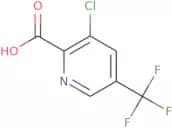
CAS:The compound 3-Chloro-5-(trifluoromethyl)pyridine-2-carboxylic acid is a synthetic intermediate that has been used in the synthesis of amides with high analytical quality. It is also an important reagent for the synthesis of many pharmaceuticals and agrochemicals. In addition, 3-chloro-5-(trifluoromethyl)pyridine-2-carboxylic acid has been shown to have dose dependent phytotoxic effects and causes plant growth inhibition.Formula:C7H3ClF3NO2Purity:Min. 95%Color and Shape:White PowderMolecular weight:225.55 g/mol2-Bromoindene
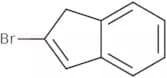
CAS:2-Bromoindene is a fluxional molecule that can adopt different conformations. 2-Bromoindene has a high fluxionality, which is the degree to which it undergoes tautomeric or structural change. This property can be attributed to the presence of functional groups such as hydroxyl and carboxyl groups on its structure. 2-Bromoindene has been shown to react with zirconium dichloride in the presence of a base such as potassium carbonate to form a cross-coupling product with ferrocene. It also reacts with stilbene derivatives in the presence of an electron acceptor such as ferric chloride, forming an aryl boronic acid. 2-Bromoindene is soluble in organic solvents, making it easy to extract for analysis by gas chromatography (GC). The compound can also be analyzed by infrared spectroscopy (IR), nuclear magnetic resonance spect
Formula:C9H7BrPurity:Min. 95%Color and Shape:PowderMolecular weight:195.06 g/mol2-Bromo-5-fluorobenzyl alcohol
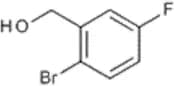
CAS:2-Bromo-5-fluorobenzyl alcohol is a synthetic organoboron compound that can be used in the synthesis of other compounds. It has been shown to have a thermal expansion coefficient of 0.038 x 10^-6 K, which is an intermediate value for organic materials. The two polymorphic forms are monoclinic (space group P2/c) and hexagonal (P63). When 2-bromo-5-fluorobenzyl alcohol is irradiated with microwaves and magnetic fields, it undergoes anisotropic expansion, which suggests that intermolecular interactions are important in this phenomenon. This material has been shown to exhibit antifungal properties.
Formula:C7H6BrFOPurity:Min. 95%Color and Shape:PowderMolecular weight:205.02 g/mol3-Chlorophenylhydrazine hydrochloride
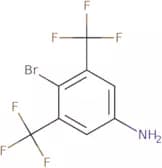
CAS:3-Chlorophenylhydrazine hydrochloride is a pyrazole that has been shown to have potent antibacterial activity. It is used in the treatment of inflammatory diseases and has been shown to be effective against Helicobacter pylori, which causes gastritis, peptic ulcers, and stomach cancer. 3-Chlorophenylhydrazine hydrochloride is an acidic compound with a molecular weight of 192.2 g/mol. It contains a pyrazole ring that is eluted with hydrochloric acid and reacts with gyrase enzymes in bacteria, inhibiting DNA synthesis. 3-Chlorophenylhydrazine hydrochloride also has anti-inflammatory properties due to its ability to inhibit prostaglandin synthesis.Formula:C6H7ClN2•HClPurity:Min. 95%Color and Shape:PowderMolecular weight:179.05 g/mol4-Bromo-3,5-bis(trifluoromethyl)aniline
CAS:4-Bromo-3,5-bis(trifluoromethyl)aniline is a chemical compound that belongs to the group of brominated compounds. It has high adsorption capacity for potassium and can be used as an adsorbent for gasification. 4-Bromo-3,5-bis(trifluoromethyl)aniline has been activated by carbons and catalysed with potassium to form an ionic complex with the carboxylic acid site on the surface of activated carbon. This process is used for purifying water or air from pollutants.
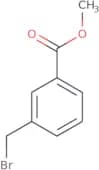
Formula:C8H4BrF6NPurity:Min. 95%Color and Shape:PowderMolecular weight:308.02 g/molMethyl 3-(bromomethyl)benzoate
CAS:Methyl 3-(bromomethyl)benzoate is a hydroxamic acid that has been shown to have potent inhibitory activity against DPP-4, an enzyme that regulates the production of the incretin hormones, GLP-1 and GIP. The compound was also found to have a strong ability to form coordination complexes with palladium and metal ions. Methyl 3-(bromomethyl)benzoate is structurally similar to other hydroxamic acids such as Covid-19 pandemic, which is a drug used for the treatment of HIV infections.
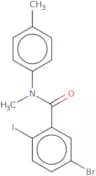
Formula:C9H9BrO2Purity:Min. 95%Color and Shape:PowderMolecular weight:229.07 g/mol2-Iodo-N-methyl-N-p-tolylbenzamide
CAS:2-Iodo-N-methyl-N-p-tolylbenzamide is a fine chemical that has the CAS No. 1387529-49-8 and is a versatile building block with a wide range of applications, including research chemicals, reaction components and speciality chemicals. 2-Iodo-N-methyl-N-p-tolylbenzamide is soluble in organic solvents such as ethers, chloroform and benzene, while insoluble in water. It has been shown to be a useful intermediate for the synthesis of complex compounds and can be used as a reagent to prepare other compounds. 2Iodo-Nmethyl--Np--tolylbenzamide has been shown to have high quality and is an excellent building block for synthesizing pharmaceuticals.
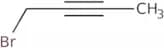
Formula:C15H13BrINOPurity:Min. 95%Molecular weight:430.08 g/mol1-Bromo-2-butyne
CAS:Intermediate in the synthesis of linagliptin
Formula:C4H5BrPurity:Min. 95%Color and Shape:Colorless Clear LiquidMolecular weight:132.99 g/molBromo-PEG3-acid
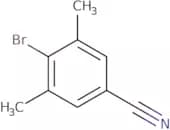
CAS:Bromo-PEG3-acid is a PEG compound with two different functional groups (also known as heterobifunctional). Unlike homobifunctional PEG compounds (same functional group on both ends), this type of compounds are more versatile as have two different anchor points. Bromo-PEG3-acid is used as a linker and spacer to add a PEG moiety, via pegylation (a bioconjugation technique) to proteins, peptides, oligonucleotides, small molecules and nanoparticles.Formula:C9H17BrO5Purity:Min. 95%Color and Shape:Colorless PowderMolecular weight:285.13 g/mol4-Bromo-3,5-dimethylbenzonitrile
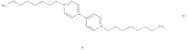
CAS:4-Bromo-3,5-dimethylbenzonitrile is a high quality reagent that has been used as an intermediate in the synthesis of complex compounds. This compound has been shown to be useful in the synthesis of fine chemicals and research chemicals. 4-Bromo-3,5-dimethylbenzonitrile is also a versatile building block for use in reactions for the production of speciality chemicals. The CAS number for this compound is 75344-77-3.Formula:C9H8BrNPurity:Min. 95%Color and Shape:PowderMolecular weight:210.07 g/mol1,1'-Di-n-octyl-4,4'-bipyridinium Dibromide
CAS:1,1'-Di-n-octyl-4,4'-bipyridinium Dibromide is a bifunctional organometallic compound. It is used as a catalyst in the reduction of nitro groups or other electron-deficient centers and in the transfer process with azides. This chemical has shown selectivity for aliphatic substrates over aromatic ones. The catalytic activity of 1,1'-Di-n-octyl-4,4'-bipyridinium Dibromide can be enhanced by replacing the hydrogen atom on the nitrogen atom with an alkene group. 1,1'-Di-n-octyl-4,4'-bipyridinium Dibromide is also a radical cation that can be reduced by electron donors to form radicals.Formula:C26H42Br2N2Purity:Min. 95%Color and Shape:Slightly Yellow PowderMolecular weight:542.43 g/mol2-[[(2,4-Difluorophenyl)-2-oxiranyl]methyl]-1H-1,2,4-triazole methanesulfonate
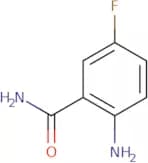
CAS:2-[[(2,4-Difluorophenyl)-2-oxiranyl]methyl]-1H-1,2,4-triazole methanesulfonate (CAS No. 86386-77-8) is a fine chemical that is used as a versatile building block in organic synthesis and has been shown to be a useful intermediate in the preparation of other compounds. This compound is also an important reagent for research purposes. 2-[(2,4-Difluorophenyl)-2-oxiranyl]methyl]-1H-1,2,4-triazole methanesulfonate can be used as an effective reaction component in the synthesis of complex compounds with high purity and quality.Formula:C11H9F2N3O•CH4O3SPurity:Min. 95%Color and Shape:White PowderMolecular weight:333.31 g/mol2-Amino-5-fluorobenzamide
CAS:2-Amino-5-fluorobenzamide (2AFB) is a compound that has been shown to have neurotoxic properties. 2AFB is a ring-opening agent, which means it can open the six-membered ring of aromatic compounds such as benzene or pyridine. 2AFB also has affinity for metal ions and therefore can be used in magnetic separations. The reaction system of 2AFB includes an enzyme, pentylenetetrazole (PTZ), that catalyzes the reaction between 2AFB and its substrate, 4-nitrophenol (4NP). This reaction produces free radicals that react with oxygen to produce peroxides. These peroxides are then detected by a chemiluminescence assay. In this way, the amount of 2AFB and 4NP can be measured quantitatively.
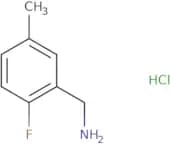
2AFB also has antioxidant properties, which may be due to its ability to scavenge free radicals fromFormula:C7H7FN2OPurity:Min. 95%Color and Shape:PowderMolecular weight:154.14 g/mol2-Fluoro-5-methylbenzylamine hydrochloride
CAS:2-Fluoro-5-methylbenzylamine hydrochloride is a reagent that is used as a starting material in the synthesis of fine chemicals, research chemicals, and speciality chemicals. It reacts with a variety of compounds to form complex compounds. 2-Fluoro-5-methylbenzylamine hydrochloride has a high quality and is a versatile building block for making other chemical products. The compound also has an interesting reactivity with various substrates. 2-Fluoro-5-methylbenzylamine hydrochloride can be used as an intermediate in the synthesis of pharmaceuticals, herbicides, insecticides, and dyes. The CAS number for this compound is 1214341-09-9.Formula:C8H11ClFNPurity:Min. 95%Molecular weight:175.63 g/mol2-Chloro-6-methylaniline
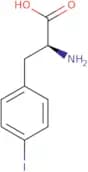
CAS:2-Chloro-6-methylaniline is a molecule that has been used for wastewater treatment and process optimization. It is synthesized from the reaction of amines with trifluoroacetic acid. 2-Chloro-6-methylaniline was found to stimulate the growth of human population in a study conducted at the University of Texas. This molecule has been shown to inhibit the proliferation of t-cells by binding to their surface receptors. 2-Chloro-6-methylaniline has also been shown to be effective in inhibiting dasatinib, which is an anti-cancer drug. 2CMA binds to dasatinib and inhibits its activity by competing with it for binding sites on the protein target. The structure of 2CMA is characterized by proton NMR spectroscopic data and liquid chromatography methods.Formula:C7H8ClNPurity:Min. 95%Color and Shape:Colourless To Purple To Brown LiquidMolecular weight:141.6 g/mol4-Iodo-L-phenylalanine
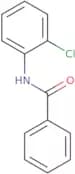
CAS:4-Iodo-L-phenylalanine is an unlabeled amino acid that has been shown to inhibit the protein synthesis of cancer cells. It binds to the thrombin receptor and inhibits the activation of proteases, thereby inhibiting cancer cell growth. 4-Iodo-L-phenylalanine also inhibits translation by binding to the ribosome during the translation process and binding to the hydroxyl group on a mRNA molecule during transcription. This inhibition leads to a decrease in protein synthesis and cell proliferation.Formula:C9H10INO2Purity:Min. 95%Color and Shape:White Off-White PowderMolecular weight:291.09 g/molN-(2-Chlorophenyl)benzamide
CAS:N-(2-Chlorophenyl)benzamide is a phenanthridone that reacts with chlorides in the presence of anilines to form singlet carbonyls. The photocyclization of these carbonyls yields an electron-deficient product that can be converted to a reactive electrophile by the addition of chlorine. This electrophilic species reacts with electron-rich aromatic compounds, such as phenols and benzene, to produce substitution products. The reaction rate for this process is dependent on the isotope effect, which is the change in reactivity due to changes in the mass number of atoms. The use of deuterium chloride instead of hydrogen chloride provides a kinetic isotope effect, which enhances the reaction rate.
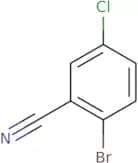
Formula:C13H10ClNOPurity:Min. 95%Molecular weight:231.68 g/mol2-Bromo-5-chlorobenzonitrile
CAS:2-Bromo-5-chlorobenzonitrile (2BC) is a synthetic drug that has been used in the treatment of neuropsychiatric disorders. It is a glutamate receptor subtype agonist, which activates the metabotropic glutamate receptor. 2BC binds to the pyridinium site of the mGluR5 subtype, inhibiting glutamate binding and preventing activation of ion channels. The benzothiazole moiety has been found to be essential for this activity. 2BC also has antiviral properties and can inhibit HIV replication in vitro.
2BC is currently being explored as a potential therapeutic agent for schizophrenia and other neuropsychiatric disorders that involve glutamatergic dysfunction such as depression, bipolar disorder, and anxiety disorder.br>br>
br>br>
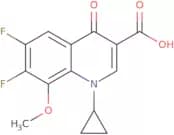
Potential side effects include sedation, dizziness, blurred vision, headache, drowsiness, fatigue, nausea/vomiting and increased appetite.Formula:C7H3BrClNPurity:Min. 95%Color and Shape:PowderMolecular weight:216.46 g/mol1-Cyclopropyl-6,7-difluoro-1,4-dihydro-8-methoxy-4-oxo-3-quinolinecarboxylic acid
CAS:Moxifloxacin is an analog of the antibiotic quinolone. It is a prodrug that is hydrolyzed in vivo to its active form, moxifloxacin. Moxifloxacin has been shown to be effective against a variety of bacteria, including methicillin-resistant Staphylococcus aureus (MRSA), Mycobacterium tuberculosis and Mycobacterium avium complex. The reaction yield for the synthesis of moxifloxacin is very high, with an industrial production capacity in excess of 500 tons per year. Impurities are not usually found in the final product due to the use of methyl alcohol as a solvent during the reaction process. The drug has discoloring properties and deuterium atoms are often substituted for hydrogen atoms on the molecule to make it more stable. Deuterium atoms can be easily identified by mass spectrometry analysis. MoxifloxacFormula:C14H11F2NO4Purity:Min. 95%Color and Shape:PowderMolecular weight:295.24 g/mol3-Isopropoxybenzoyl chloride
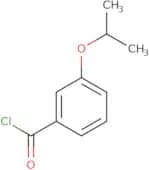
CAS:3-Isopropoxybenzoyl chloride is an organic compound that is used as a reactant, reagent, or building block in organic chemistry. 3-Isopropoxybenzoyl chloride is a versatile building block with a wide range of chemical properties. It has been shown to be useful as an intermediate and building block in the synthesis of complex compounds. 3-Isopropoxybenzoyl chloride can be used for research purposes and as a speciality chemical. This compound has been assigned the CAS number 214847-64-0.Formula:C10H11ClO2Purity:Min. 95%Color and Shape:PowderMolecular weight:198.65 g/mol7-Bromo-2-chlorothieno[3,2-d]pyrimidine
CAS:7-Bromo-2-chlorothieno[3,2-d]pyrimidine is a high quality, reagent grade compound that is used as an intermediate in the synthesis of other complex compounds. It is also a useful scaffold for the synthesis of speciality chemicals and research chemicals. This compound can be used as a versatile building block for the synthesis of many different compounds.Formula:C6H2BrClN2SPurity:Min. 95%Color and Shape:Off-White To Yellow SolidMolecular weight:249.52 g/mol5-Chloro-2-methoxybenzaldehyde
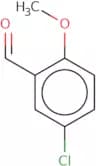
CAS:5-Chloro-2-methoxybenzaldehyde is a potent inhibitor of the bacterial enzyme acetylcholinesterase. It has been shown to have an interaction with biomolecules, such as chalcones, and can be used in the manufacture of antibacterial agents. 5-Chloro-2-methoxybenzaldehyde has been found to have potent inhibitory activity against organocatalytic aldehydes and atypical aldehydes and can be used as an active ingredient in the synthesis of novel compounds with antibacterial activity.Formula:C8H7ClO2Purity:Min. 95%Color and Shape:PowderMolecular weight:170.59 g/mol1-Ethynyl-2,3,4,5,6-pentafluorobenzene
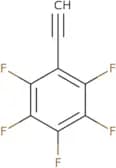
CAS:1-Ethynyl-2,3,4,5,6-pentafluorobenzene is an organofluorine compound that has been the subject of research. The compound has been shown to react with nucleophiles at the 1- and 2-positions in a nucleophilic substitution reaction. It is also used as a solvent for reactions involving amines and alcohols.
Formula:C8HF5Purity:Min. 98 Area-%Color and Shape:PowderMolecular weight:192.09 g/molBupivacaine hydrochloride
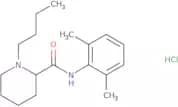
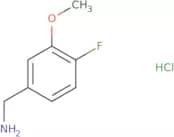
CAS:Sodium channel blocker, targets channel intracellular domainFormula:C18H28N2O·HClPurity:Min. 98 Area-%Color and Shape:White PowderMolecular weight:324.89 g/mol4-Fluoro-3-methoxybenzylamine hydrochloride
CAS:4-Fluoro-3-methoxybenzylamine hydrochloride is a fine chemical that can be used as a building block in research, as a reagent in the synthesis of complex compounds, and as a versatile scaffold for the synthesis of natural products. This compound is an intermediate for the production of other pharmaceuticals and has been shown to be useful in the production of various drugs. It is also used as a reactant in organic chemistry reactions due to its high quality. 4-Fluoro-3-methoxybenzylamine hydrochloride has CAS No. 869296-41-3 and can be found on the Chemical Abstract Service (CAS) database.Formula:C8H11ClFNOPurity:Min. 95%Molecular weight:191.63 g/mol5,7-Dichloro-1H-imidazo[4,5-b]pyridine
CAS:5,7-Dichloro-1H-imidazo[4,5-b]pyridine is a synthetic compound that has been shown to inhibit the replication of herpes simplex virus in cell culture. It is active against a broad range of viruses including HIV and influenza A. The antiviral potency of 5,7-dichloro-1H-imidazo[4,5-b]pyridine against herpes simplex virus may be due to its ability to act as an agonist on adenosine receptor subtypes such as A2aR. This drug also has immunosuppressive properties and can be used for the treatment of immunodeficiency disorders.
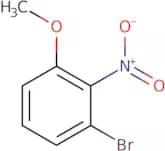
Formula:C6H3Cl2N3Purity:Min. 95%Color and Shape:PowderMolecular weight:188.01 g/mol3-Bromo-2-nitroanisole
CAS:3-Bromo-2-nitroanisole is a potassium channel blocker that has neuroprotective effects. It can be used for the treatment of glaucoma and hypertension. 3-Bromo-2-nitroanisole can inhibit the activity of potassium channels and act as a neuroprotective agent. The drug has been shown to have neuroprotective effects in animal models, with evidence of efficacy in humans. The drug also inhibits the production of nitric oxide, which may contribute to its neuroprotective effect.
Formula:C7H6BrNO3Purity:Min. 95%Color and Shape:Off-White PowderMolecular weight:232.03 g/mol1-(3-Chlorophenyl)piperazine HCl
CAS:Controlled Product1-(3-Chlorophenyl)piperazine HCl is a drug that belongs to the group of pharmacological agents. It is used as an antidepressant and antipsychotic, and has been shown to decrease serotonin levels in the brain. 1-(3-Chlorophenyl)piperazine HCl is a potent 5-HT2C receptor agonist that inhibits ovarian activity in vitro. The compound has also been shown to be effective against trazodone and 5-HT2 receptors in vitro.Formula:C10H14Cl2N2Purity:Min. 95 Area-%Color and Shape:White PowderMolecular weight:233.14 g/mol1-(4-Bromophenyl)piperazine
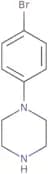
CAS:Controlled Product1-(4-Bromophenyl)piperazine is a chemical that is used in the synthesis of pharmaceuticals, such as antidepressants. It has been shown to inhibit monoamine neurotransmitter reuptake, including serotonin and dopamine. It also has an inhibitory effect on 5-hydroxytryptamine (5HT) release from nerve terminals and its binding to the 5HT7 receptor. 1-(4-Bromophenyl)piperazine can be used in chromatographic methods for validation of impurities, potential impurities, and other substances.
Formula:C10H13BrN2Purity:Min. 95 Area-%Color and Shape:PowderMolecular weight:241.13 g/molN-Phenyl-2,4,6-triphenyl pyridinium tetrafluoroborate
CAS:N-Phenyl-2,4,6-triphenyl pyridinium tetrafluoroborate is a crystalline material that is insoluble in water and organic solvents. It can be used as a monomer in the synthesis of polymers and for immobilization of enzymes. N-Phenyl-2,4,6-triphenyl pyridinium tetrafluoroborate can be used to reprocess technetium and has been shown to diffract x-rays with high resolution. This compound is also fluorescent with a long wavelength (620 nm) and can be used as a radioactive tracer.
Formula:C29H22N·BF4Purity:Min. 95%Molecular weight:471.3 g/mol2-[4-(Trifluoromethyl)Phenoxy]Benzoic Acid
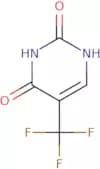
CAS:2-[4-(Trifluoromethyl)phenoxy]benzoic acid is a research chemical that is used as a building block in organic synthesis. This compound can be used to synthesize other compounds and to create new reactions. 2-[4-(Trifluoromethyl)phenoxy]benzoic acid is a versatile building block for complex molecules and can be used as an intermediate or scaffold for the formation of other compounds. The high quality of this compound makes it useful for research purposes and its CAS number makes it easy to identify.Formula:C14H9F3O3Purity:Min. 95%Color and Shape:PowderMolecular weight:282.21 g/mol5-Trifluorothymine
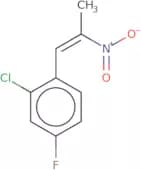
CAS:Intermediate in the synthesis of tipiracil + trifluridineFormula:C5H3F3N2O2Purity:Min. 95%Color and Shape:PowderMolecular weight:180.08 g/mol1-(2-Chloro-4-fluorophenyl)-2-nitropropene
CAS:1-(2-Chloro-4-fluorophenyl)-2-nitropropene is a versatile building block that can be used to produce a variety of compounds with various properties. It is a high quality, reagent grade chemical that is useful for research and development purposes. This compound has been shown to be an effective intermediate in the synthesis of complex compounds, such as pharmaceuticals and pesticides.
Formula:C9H7ClFNO2Purity:Min. 95%Molecular weight:215.61 g/molMethyl 3,5-dibromo-2-methoxybenzoate
CAS:Methyl 3,5-dibromo-2-methoxybenzoate is a fine chemical that is useful as a scaffold for the preparation of a variety of compounds. It is also used as an intermediate in the synthesis of pharmaceuticals and research chemicals. Methyl 3,5-dibromo-2-methoxybenzoate can be used as a reaction component to generate complex compounds with high purity and quality. This compound has been classified as a speciality chemical and may be reclassified due to its usefulness in research.
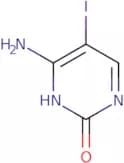
Formula:C9H8Br2O3Purity:Min. 95%Molecular weight:323.97 g/mol5-Iodocytosine
CAS:5-Iodocytosine (5-IC) is an analog of cytosine that can be used as a precursor for the synthesis of thymine. 5-IC has been shown to cross-couple with DNA, which may contribute to its antiviral potency. 5-IC is also a potent inhibitor of dna replication and herpes simplex virus. The biochemical properties of 5-IC have been extensively studied, including its ability to react with hydrochloric acid to form the corresponding tautomers. The hydrolysis rate increases at higher pH values and decreases at lower pH values. Bioconjugate chemistry has been applied to synthesize a bioconjugated prodrug of 5-IC for cancer treatment.
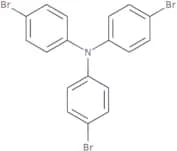
Formula:C4H4IN3OPurity:Min. 95%Color and Shape:PowderMolecular weight:237 g/molTris(4-bromophenyl)amine
CAS:Tris(4-bromophenyl)amine is a chemical compound that is used as an intermediate in the synthesis of other compounds. It has been studied for its electrochemical properties, which include its stability and ability to react with ethyl diazoacetate. The reaction mechanism of tris(4-bromophenyl)amine has been studied using electrochemical techniques, including kinetic and spectroscopic studies. Tris(4-bromophenyl)amine reacts with acid to produce nitrite ions and bromine water, which can then react with ethyl diazoacetate to produce aryl diazonium salts such as 3-nitrophenol. This process can be repeated multiple times to form aryl diazonium salts such as 6-nitrophenol or 5-nitrophenol. The electron reduction potential of tris(4-bromophenyl)amine is low enough that it can be easily oxid
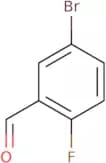
Formula:C18H12Br3NPurity:Min. 95%Color and Shape:PowderMolecular weight:482.01 g/mol5-Bromo-2-fluorobenzaldehyde
CAS:Intermediate in the synthesis of ipragliflozin
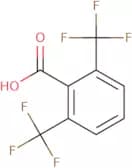
Formula:C7H4BrFOPurity:Min. 95%Color and Shape:PowderMolecular weight:203.01 g/mol2,6-Bistrifluoromethyl benzoic acid
CAS:2,6-Bistrifluoromethyl benzoic acid is a chiral compound that can be detected in urine samples at high concentrations. The compound can be detected by high-performance liquid chromatography (HPLC) after being derivatized with methyl ester. It has been shown to have a dihedral angle of about 180° and an enantiomeric purity of 99%. The efficient method for the synthesis of 2,6-Bistrifluoromethyl benzoic acid is also described. This method involves the use of a template molecule, which is prepared from 1-phenylethyl alcohol and 4-bromobutyraldehyde. The reaction proceeds smoothly using a solvent such as benzene or toluene in the presence of sodium borohydride. After purification, 2,6-Bistrifluoromethyl benzoic acid is obtained in excellent yield and enantiomerically pureFormula:C9H4F6O2Purity:Min. 95%Color and Shape:White To Light (Or Pale) Yellow SolidMolecular weight:258.12 g/mol[2-(3-Methyl-1,2,4-oxadiazol-5-yl)ethyl]amine hydrochloride
CAS:2-(3-Methyl-1,2,4-oxadiazol-5-yl)ethyl]amine hydrochloride is a high quality chemical reagent that can be used as a complex intermediate in organic synthesis. It is also a useful scaffold for the synthesis of other complex compounds. 2-(3-Methyl-1,2,4-oxadiazol-5-yl)ethyl]amine hydrochloride is an excellent building block for the synthesis of various fine chemicals and research chemicals. This compound has many uses as a versatile building block in chemical reactions due to its reactivity.
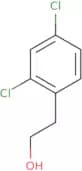
Formula:C5H9N3O·HClPurity:Min. 95%Color and Shape:White PowderMolecular weight:163.61 g/mol2-(2,4-Dichlorophenyl)ethanol
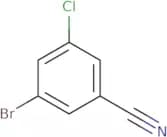
CAS:2-(2,4-Dichlorophenyl)ethanol is an organic compound that can be synthesized by reacting 2,4-dichlorobenzoic acid with trifluoroacetic acid in the presence of a base. The reaction scheme is:Formula:C8H8Cl2OPurity:Min. 95%Molecular weight:191.05 g/mol3-Bromo-5-chlorobenzonitrile
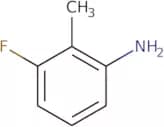
CAS:3-Bromo-5-chlorobenzonitrile is a reactive compound that is used in the preparation of sulfur. It is an electrophile and reacts with thiols to form disulfides. 3-Bromo-5-chlorobenzonitrile can also form a complex with elemental sulfur, which can be used for the preparation of sodium sulfide. Sodium sulfide can be prepared by converting 3-bromo-5-chlorobenzonitrile into a sodium salt with sodium hydroxide, followed by hydrolysis to produce hydrogen sulfide and sodium chloride. The reaction of 3-bromo-5-chlorobenzonitrile with xanthate leads to the formation of carbon disulphide.Formula:C7H3BrClNPurity:Min. 95%Color and Shape:PowderMolecular weight:216.46 g/mol3-Fluoro-2-methylaniline
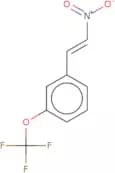
CAS:3-Fluoro-2-methylaniline is a reactive, electron-deficient compound that can react with cytochromes. It has been shown to bind to the microsomal preparations of rat liver and inhibit the interaction of 3-fluoro-2-methylaniline with cytochrome P450 system by stereoselective interactions. The molecular modelling studies revealed that this drug inhibits the reaction intermediate between cocrystallized benzoate and 3-fluoro-2-methylaniline.Formula:C7H8FNPurity:Min. 95%Color and Shape:Yellow To Dark Red LiquidMolecular weight:125.14 g/mol1-(3-(Trifluoromethoxy)phenyl)-2-nitroethene
CAS:1-(3-Trifluoromethoxy)phenyl)-2-nitroethene is a fluorinated aromatic compound that can be used as a building block for synthesis of pharmaceuticals, research chemicals, and other specialty chemicals. It is an intermediate that can be used in the production of other compounds. This compound may be used in pharmaceuticals to treat bacterial infections and inflammatory diseases. 1-(3-Trifluoromethoxy)phenyl)-2-nitroethene may also be utilized as a reaction component for synthesizing other organic compounds. It is soluble in solvents such as benzene, ether, chloroform, and acetone.Formula:C9H6F3NO3Purity:Min. 95%Molecular weight:233.14 g/mol3-(5-Iodo-4-hydroxy-3-methoxy)cinnamic acid
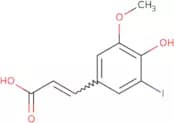
CAS:3-(5-Iodo-4-hydroxy-3-methoxy)cinnamic acid is a chemical compound that can be used as a starting material for synthesis of complex compounds. It is a white solid with a melting point of about 100°C, and it is soluble in water. This product is an excellent reagent for the synthesis of new chemicals, and it has been widely used as a reaction component in organic syntheses. 3-(5-Iodo-4-hydroxy-3-methoxy)cinnamic acid also has antibacterial properties.Formula:C10H9IO4Purity:Min. 95%Molecular weight:320.08 g/mol4-Bromo-1-hydroxyanthraquinone-2-carboxylic acid
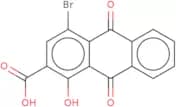
CAS:4-Bromo-1-hydroxyanthraquinone-2-carboxylic acid is a monocarboxylic acid that is used in analytical chemistry to optimize the process efficiency. It can be used as an extraction solvent, and its kinetics can be modeled using quadratic equations to optimize the recovery of analytes. 4-Bromo-1-hydroxyanthraquinone-2-carboxylic acid has also been shown to be useful for surface methodology, where it improves the dispersive power of carboxy groups on a surface.Formula:C15H7BrO5Purity:Min. 95%Molecular weight:347.12 g/mol4-Fluorobenzhydrol
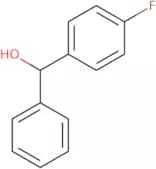
CAS:4-Fluorobenzhydrol is a chiral aromatic ketone that has been used in catalytic transfer hydrogenation. The functional theory of 4-fluorobenzhydrol has been rationalized and its catalytic properties have been investigated in detail. 4-Fluorobenzhydrol is a functional group with a catalytic effect and it can be used to catalyze the transfer hydrogenation of aldehydes. 4-Fluorobenzhydrol was synthesized by the reaction of benzene with ethyl chloroformate, followed by hydrolysis of the ester and reduction of the resulting acid chloride. This product has been shown to give high yields from these reactions.Formula:C13H11FOPurity:Min. 95%Color and Shape:PowderMolecular weight:202.22 g/molN-Benzyl-N-methyl-L-methionine methyl ester hydrochloride
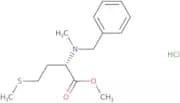
CAS:N-Benzyl-N-methyl-L-methionine methyl ester hydrochloride is a chemical substance that has been used as a reaction component in organic synthesis. It has also been used as a reagent for the quantitative determination of N,N'-dimethylbenzidine by measuring its absorption at 450 nm. It is soluble in water and ethanol and is stable up to 100 °C. The CAS Registry Number for this compound is 1272754-99-0.Formula:C14H21NO2S·HClPurity:Min. 95%Color and Shape:PowderMolecular weight:303.85 g/mol5-Amino-2,4,6,-triiodoisophthaloyl dichloride
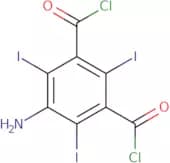
CAS:5-Amino-2,4,6,-triiodoisophthaloyl dichloride is a triiodinated compound that has been shown to bind to the receptor for asialoglycoprotein. It is used in the diagnosis of liver and kidney diseases. 5-Amino-2,4,6,-triiodoisophthaloyl dichloride is taken up by tissues and organs and causes damage to these tissues. The chloride ion binds to the molecule, making it more water soluble. The lactobionic acid residue is then cleaved off by an enzyme in the cell called beta-galactosidase. This leaves a molecule containing iodine which can be detected with a diagnostic technique such as X-ray crystallography or nuclear magnetic resonance spectroscopy.Formula:C8H2Cl2I3NO2Purity:Min. 95%Color and Shape:Slightly Yellow PowderMolecular weight:595.73 g/mol




![2-[[(2,4-Difluorophenyl)-2-oxiranyl]methyl]-1H-1,2,4-triazole methanesulfonate](/_next/image/?url=https%3A%2Fstatic.cymitquimica.com%2Fproducts%2F3D%2Fthumb-webp%2FFD104245.webp&w=3840&q=75)

![7-Bromo-2-chlorothieno[3,2-d]pyrimidine](/_next/image/?url=https%3A%2Fstatic.cymitquimica.com%2Fproducts%2F3D%2Fthumb-webp%2FFB156457.webp&w=3840&q=75)
![5,7-Dichloro-1H-imidazo[4,5-b]pyridine](/_next/image/?url=https%3A%2Fstatic.cymitquimica.com%2Fproducts%2F3D%2Fthumb-webp%2FFD139433.webp&w=3840&q=75)


![2-[4-(Trifluoromethyl)Phenoxy]Benzoic Acid](/_next/image/?url=https%3A%2Fstatic.cymitquimica.com%2Fproducts%2F3D%2Fthumb-webp%2FFT53144.webp&w=3840&q=75)

![[2-(3-Methyl-1,2,4-oxadiazol-5-yl)ethyl]amine hydrochloride](/_next/image/?url=https%3A%2Fstatic.cymitquimica.com%2Fproducts%2F3D%2Fthumb-webp%2FFM120047.webp&w=3840&q=75)