Organic Halides
Subcategories of "Organic Halides"
Found 20442 products of "Organic Halides"
Tetra-n-butylphosphonium bromide
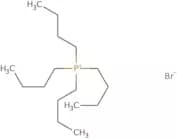
CAS:Tetra-n-butylphosphonium bromide is an ionic glycol ester with a tetra-n-butyl group. It reacts with trifluoroacetic acid to produce the corresponding acid complex of phosphonic acid, which is soluble in water. The reaction mechanism is as follows: RCOOH + P(OR)3 → RCOO− + OP(OR)2 + H+ The activity index for this compound has been found to be high. This means that the molecule is more likely to react than others. Tetra-n-butylphosphonium bromide has also been shown to have biological properties such as being able to inhibit the growth of bacteria and fungi.Formula:C16H36BrPPurity:Min. 95%Color and Shape:PowderMolecular weight:339.33 g/molDichlorodiisopropylsilane
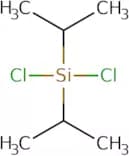
CAS:Dichlorodiisopropylsilane is a cycloaddition process, which is the addition of two molecules to create a new ring. It reacts with an unsaturated organic compound, such as an alkene or alkyne, to produce a reactive functional group. Dichlorodiisopropylsilane has been used in chemistry as a cross-linking agent for proteins and as a solid catalyst. The chemical stability of dichlorodiisopropylsilane makes it useful in the synthesis of model proteins. This compound also has low bioavailability due to its high reactivity with hydrochloric acid found in the stomach.
Formula:C6H14Cl2SiPurity:Min. 95%Color and Shape:Clear LiquidMolecular weight:185.17 g/molOctafluoroadipoyl difluoride
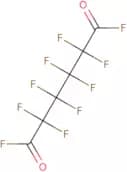
CAS:Octafluoroadipoyl difluoride is an aliphatic hydrocarbon that is a surfactant and can be used as a coagulant. It contains the functional groups of chloride, aromatic acid, and triazine. Octafluoroadipoyl difluoride has been shown to have coagulation properties in addition to being a fluorinated compound with semipermeable membranes.Formula:C6F10O2Purity:Min. 95%Color and Shape:Clear LiquidMolecular weight:294.05 g/mol4-Bromo-3,5-dichlorobenzotrifluoride
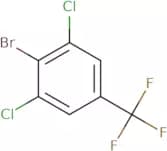
CAS:4-Bromo-3,5-dichlorobenzotrifluoride is a molecule that has been used in wastewater treatment. It is also known as BDCTF, which stands for 4-bromo-3,5-dichlorobenzotrifluoride. The molecule can be synthesized by reacting benzonitrile and an azide. BDCTF reacts with the amine group of proteins to form an amide bond, so it can be used to modify protein or peptides for various purposes. This reaction is catalyzed by a nucleophilic agent such as hydroxide ion or cyanide ion. The crystal structure of BDCTF has been determined using X-ray crystallography methods.Formula:C7H2BrCl2F3Purity:Min. 95%Molecular weight:293.9 g/molN,N-Diisopropylcarbamoyl chloride
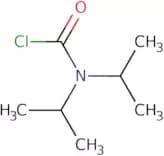
CAS:N,N-Diisopropylcarbamoyl chloride is a potent antagonist that has been shown to inhibit the thrombin receptor. This drug may be used in the treatment of retinopathies and other conditions that are caused by matrix effects. N,N-Diisopropylcarbamoyl chloride has also been shown to have antidiabetic properties, which may be due to its ability to stabilize glucose levels. It has also been found to be an effective cancer treatment when combined with other drugs during chemotherapy. The carbonyl group in this molecule reacts with amide groups on proteins in a way that inhibits their activity, leading to cancer cell death. N,N-Diisopropylcarbamoyl chloride can be synthesized using asymmetric synthesis and a polymeric matrix.Formula:C7H14ClNOPurity:Min. 95%Color and Shape:PowderMolecular weight:163.64 g/mol(Methoxymethyl) triphenylphosphonium chloride
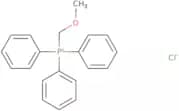
CAS:Methoxymethyl triphenylphosphonium chloride (MMTPC) is a chemical compound that has been used in vitro as an inhibitor of microbial growth. MMTPC has been shown to be effective against a number of bacterial strains, including methicillin-resistant Staphylococcus aureus and Mycobacterium tuberculosis. This agent inhibits the synthesis of proteins and nucleic acids, which may lead to cell death by inhibiting protein synthesis or by preventing DNA synthesis. MMTPC has been shown to be effective for the treatment of congestive heart failure, coronary heart disease, and autoimmune diseases. It also binds to receptors on cells that are involved in the inflammatory response, such as cytokines and leukocytes.Formula:C20H20ClOPPurity:Min. 95%Color and Shape:White PowderMolecular weight:342.8 g/molBis(2,2,2-trifluoroacetato-kO)di-mercury fluorescein
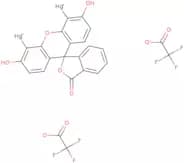
CAS:Controlled ProductPlease enquire for more information about Bis(2,2,2-trifluoroacetato-kO)di-mercury fluorescein including the price, delivery time and more detailed product information at the technical inquiry form on this pageFormula:C24H10F6Hg2O9Purity:Min. 95%Molecular weight:957.5 g/mol3-Chlorothiophene-2-carbonylchloride
CAS:3-Chlorothiophene-2-carbonylchloride (3C2CC) is a heterobicyclic compound that is a ligand for the amine receptor. It is also used as an intermediate in the synthesis of other heterocycles. 3C2CC has been shown to interact with amines to form a nitrene, which can be detected by luminescence or x-ray diffraction techniques. 3C2CC interacts with chloride ions to form a crystal that has a different x-ray diffraction pattern from the one obtained from chloride alone. The crystal structure of this complex was determined using x-ray crystallography.Formula:C5H2Cl2OSPurity:Min. 95%Color and Shape:PowderMolecular weight:181.04 g/molBenzotrichloride
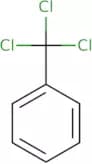
CAS:Controlled ProductBenzotrichloride is a catalyst that reacts with sodium carbonate and benzoyl chloride to form a polymer. The reaction solution is heated for one hour at 60°C, followed by the addition of water vapor and particle. The polymerization process has been shown to proceed through an acid-base reaction mechanism, in which hydrogen fluoride is the acid and benzotrichloride is the base. This polymer can be used as an antimicrobial agent that inhibits bacterial growth by disrupting cell membranes.Formula:C7H5Cl3Purity:Min. 95%Molecular weight:195.47 g/molHexachlorodimethyl sulfone
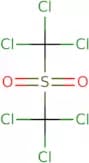
CAS:Hexachlorodimethyl sulfone (HCDS) is an industrial chemical that is used in the production of polymers, resins, and dyes. It is also used for the decontamination of radiation-contaminated water, soil, and air. HCDS has been shown to be a potent inhibitor of cationic polymerization reactions such as those used to make paints and varnishes. This property makes it useful in the development of paint strippers. Hexachlorodimethyl sulfone has a high resistance to acidity and is stable at high temperatures. This chemical can cause necrosis factor-mediated chronic arthritis in animals following intraperitoneal administration.
Formula:C2Cl6O2SPurity:Min. 95%Molecular weight:300.8 g/molBis(perfluorohexyl)phosphinic acid sodium salt
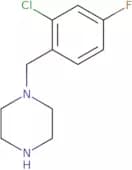
CAS:Please enquire for more information about Bis(perfluorohexyl)phosphinic acid sodium salt including the price, delivery time and more detailed product information at the technical inquiry form on this pageFormula:C12F26NaO2PPurity:Min. 95%Molecular weight:724.05 g/mol1-(2-Chloro-4-fluorobenzyl)piperazine
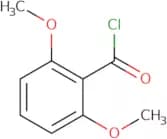
CAS:Controlled ProductPlease enquire for more information about 1-(2-Chloro-4-fluorobenzyl)piperazine including the price, delivery time and more detailed product information at the technical inquiry form on this pageFormula:C11H14ClFN2Purity:Min. 95%Molecular weight:228.69 g/mol2,6-Dimethoxybenzoyl Chloride
CAS:2,6-Dimethoxybenzoyl chloride is a halide that is used in the synthesis of other compounds. It can be synthesized by the reaction of methoxy groups with demethylation and regiospecific chlorination. This compound has been used to synthesize other substances, such as 2-chloro-2′,6′-diethoxybenzophenone. 2,6-Dimethoxybenzoyl chloride also has enzymatic activity that can be catalyzed by chromatographic science. The chloride ion is the most common anion found in living cells and it is involved in a variety of reactions. Dimethoxybenzamido and tribromide are two types of organic compounds that contain chlorine.
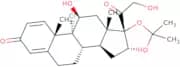
Formula:C9H9ClO3Purity:Min. 95%Molecular weight:200.62 g/mol9-Chloro triamcinolone acetonide
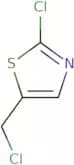
CAS:Please enquire for more information about 9-Chloro triamcinolone acetonide including the price, delivery time and more detailed product information at the technical inquiry form on this pageFormula:C24H31ClO6Purity:Min. 95%Molecular weight:450.95 g/mol2-Chloro-5-chloromethylthiazole
CAS:2-Chloro-5-chloromethylthiazole is an aliphatic hydrocarbon that has been used to chlorinate a variety of organic compounds. It reacts with hydrochloric acid and chlorine at low energy, producing chloride in the process. This chemical can be synthesized by reacting n-dimethyl formamide with hydrogen chloride. 2-Chloro-5-chloromethylthiazole can also be used as a crosslinking agent to react with the amine groups on proteins.Purity:Min. 95%5-Bromo-1-methyl-1H-indole-3-carboxylic acid
CAS:Controlled ProductPlease enquire for more information about 5-Bromo-1-methyl-1H-indole-3-carboxylic acid including the price, delivery time and more detailed product information at the technical inquiry form on this pageFormula:C10H8BrNO2Purity:Min. 95%Molecular weight:254.08 g/molChloroacetic Acid-13C2
CAS:Please enquire for more information about Chloroacetic Acid-13C2 including the price, delivery time and more detailed product information at the technical inquiry form on this pagePurity:Min. 95%Diethyl 2-(chloromethylene)malonate
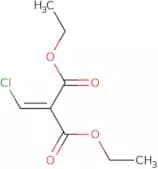
CAS:Please enquire for more information about Diethyl 2-(chloromethylene)malonate including the price, delivery time and more detailed product information at the technical inquiry form on this pagePurity:Min. 95%2-Methyl-4-chlorophenoxyacetic acid
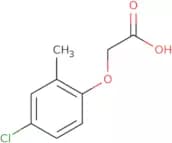
CAS:2-Methyl-4-chlorophenoxyacetic acid is a sodium salt of 2-methyl-4-chlorophenoxyacetic acid. It is a herbicide that inhibits photosynthesis by disrupting the electron transport chain in chloroplasts. The hydroxyl group on the phenoxy ring is responsible for its herbicidal activity. 2-Methyl-4-chlorophenoxyacetic acid has been shown to cause significant cell death in tissue culture, which may be due to its ability to inhibit enzymes such as acetylcholinesterase, phosphodiesterase, and carboxypeptidase A2. This chemical also has carcinogenic potential, but no toxicological studies have been conducted in humans or animals.Formula:C9H9ClO3Purity:Min. 95%Molecular weight:200.62 g/molWAY 316606
CAS:WAY 316606 is a potent, orally administered small molecule that inhibits the Wnt signaling pathway by blocking the action of β-catenin. It has been shown to have potential for treating eye disorders, including age-related macular degeneration. This drug also has potential for treatment of cell and nervous system diseases such as Alzheimer's disease and Huntington's disease. WAY 316606 inhibits the transcriptional activity of the β-catenin/Tcf4 complex by binding to it and preventing its translocation into the nucleus. In addition, WAY 316606 prevents downstream activation of genes regulated by β-catenin signaling, including c-myc and cyclin D1. This drug also blocks growth factor receptor tyrosine kinases and monoclonal antibodies that activate these receptors.
Formula:C18H19F3N2O4S2Purity:Min. 95%Molecular weight:448.48 g/mol[1,4-Bis(diphenylphosphino)butane]palladium(II) Dichloride
CAS:Controlled Product[1,4-Bis(diphenylphosphino)butane]palladium(II) dichloride (PdCl2(DPPB)) is a covalent catalyst that is used in the cross-coupling of styrene with chlorides. It has been shown to be a very effective catalyst for this reaction and yields high yields. The use of this catalyst allows for the quantification of the phosphine ligand that is used in the reaction. [1,4-Bis(diphenylphosphino)butane]palladium(II) dichloride has also been shown to be an efficient catalyst for other reactions, such as solvents and diphosphine ligands.Formula:C28H28Cl2P2PdPurity:Min. 95%Molecular weight:603.79 g/molDichloro[1,3-Bis(2,6-diisopropylphenyl)imidazolyl-2-idene](3-chloropyridyl)palladium(IV)
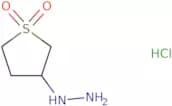
CAS:Controlled ProductDichloro[1,3-Bis(2,6-diisopropylphenyl)imidazolyl-2-idene](3-chloropyridyl)palladium(IV) is an insoluble molecule with a beige color. The molecule belongs to the class of palladium catalyzed cross coupling reactions. It can react with various halides and has been shown to have functionalities, skeleton and reactive groups. This compound is used in synthetic organic chemistry in order to generate sequences with chloride and pentane.Formula:C32H40Cl3N3PdPurity:Min. 95%Color and Shape:PowderMolecular weight:679.46 g/mol(1,1-Dioxidotetrahydro-3-thienyl)hydrazine hydrochloride
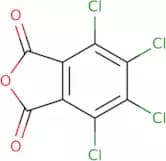
CAS:Please enquire for more information about (1,1-Dioxidotetrahydro-3-thienyl)hydrazine hydrochloride including the price, delivery time and more detailed product information at the technical inquiry form on this pageFormula:C4H10N2O2SPurity:Min. 95%Molecular weight:150.2 g/molTetrachlorophthalic anhydride
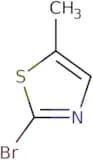
CAS:Controlled ProductTetrachlorophthalic anhydride (TCPA) is a reactive chemical that has been shown to have anti-inflammatory activity. TCPA has been found to inhibit the release of histamine from mast cells in humans, and it inhibits the production of pro-inflammatory cytokines such as tumor necrosis factor alpha (TNF-α). TCPA has also been shown to have a toxic effect on human lymphocyte transformation, which may be due to its ability to induce apoptosis. The toxicity of TCPA was studied in rats and mice, where it was found that TCPA did not cause any significant changes in clinical pathology or hydroxyl group levels.Formula:C8Cl4O3Purity:Min. 97.5 Area-%Color and Shape:White/Off-White SolidMolecular weight:285.89 g/mol2-Bromo-5-methyl-1,3-thiazole
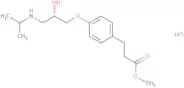
CAS:2-Bromo-5-methyl-1,3-thiazole (2BMT) is a heterocyclic compound that is used as a chemical intermediate for the synthesis of drugs and other organic compounds. 2BMT is synthesized by a two step process from 2-methylbenzothiazole. This compound has been shown to inhibit the enzyme acetylcholinesterase, which produces acetylcholine at nerve endings and in the brain. The monoclonal antibody binding affinity of 2BMT has also been shown to be greater than that of neonicotinoid pesticides.Formula:C4H4BrNSPurity:Min. 95%Molecular weight:178.05 g/mol(S)-Esmolol hydrochloride
CAS:Controlled Product(S)-Esmolol hydrochloride is an optical isomer of esmolol that is used to treat cardiac arrhythmias. It has a low affinity for beta-adrenergic receptors and has been shown to have a profile of antiarrhythmic effects. The drug also has the ability to block potassium channels, which may be due to its structural similarity to propanolol. (S)-Esmolol hydrochloride can be synthesized from the reaction of ethyl chloroformate with potassium phosphate in alkaline conditions. This optical isomer of esmolol is used as a probe for determining the stereochemistry of other compounds.Formula:C16H25NO4•HClPurity:Min. 95%Molecular weight:331.83 g/mol2-Chloro-4-(tributylstannyl)thiazole
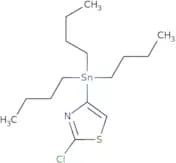
CAS:Controlled ProductPlease enquire for more information about 2-Chloro-4-(tributylstannyl)thiazole including the price, delivery time and more detailed product information at the technical inquiry form on this pagePurity:Min. 95%Terephthaloyl chloride
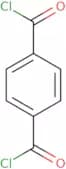
CAS:Terephthalaldehyde chloride is a water-insoluble, white solid that is soluble in organic solvents. It forms a protective layer on metal surfaces and plastics, preventing corrosion and microbial growth. Terephthalaldehyde chloride has been shown to be effective against Escherichia coli, Klebsiella pneumoniae, Bacillus subtilis, Pseudomonas aeruginosa, Staphylococcus aureus, and Salmonella enterica. Terephthalaldehyde chloride's antimicrobial activity is attributed to its acid complex with phosphorus pentoxide and electrochemical impedance spectroscopy data indicate that it reacts with the anionic sites of bacterial cell walls. Terephthalaldehyde chloride does not react with human serum proteins or ester linkages; however, it has toxic effects on mice at high doses.
Formula:C8H4Cl2O2Purity:Min. 95%Color and Shape:PowderMolecular weight:203.02 g/molTrifluoroacetaldehyde methyl hemiacetal
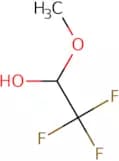
CAS:Trifluoroacetaldehyde methyl hemiacetal is a chemical compound that inhibits protein synthesis by binding to the ribosomal RNA in microsomes isolated from rat liver. Trifluoroacetaldehyde methyl hemiacetal has been shown to be a bifunctional inhibitor of progesterone receptor, which is an important component of the cell membrane and has been implicated in cancer and bone resorption. Trifluoroacetaldehyde methyl hemiacetal is also effective at inhibiting desflurane-induced anesthesia in rats.Formula:C3H5F3O2Purity:Min. 95%Color and Shape:Clear LiquidMolecular weight:130.07 g/mol2-Amino-6-chloropyrazine
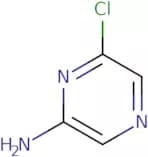
CAS:2-Amino-6-chloropyrazine (2ACP) is an inhibitor that binds to the active site on human protein kinase C (PKC). It has been shown to inhibit PKC by hydrogen bonding with the hydroxide ion, which blocks its catalytic activity. 2ACP has been studied for its potential use in treating cancer and for inhibiting amine oxidases, which are enzymes associated with inflammation and chronic obstructive pulmonary disease. The inhibition of these enzymes may help to reduce stenosis in the lungs or other organs. 2ACP also has been shown to have antimycobacterial activity against Mycobacterium tuberculosis, M. avium complex, and M. leprae by inhibiting DNA synthesis and RNA synthesis. 2ACP inhibits the kinase receptor on the cell membrane that phosphorylates a water molecule into a chlorine atom, which then reacts with hydrogen peroxide to form free radicals that can kill bacteria
Formula:C4H4ClN3Purity:Min. 95%Molecular weight:129.55 g/mol1,1,2,2,3,3,3-Heptafluoro-n,n-bis(1,1,2,2,3,3,3-heptafluoropropyl)-1-propanamine
CAS:Controlled Product1,1,2,2,3,3,3-Heptafluoro-n,n-bis(1,1,2,2,3,3-heptafluoropropyl)-1-propanamine (HFIP) is a fluorinated compound that is used as a solvent for hydrogen fluoride and water vapor. HFIP has been shown to be toxic to the liver cells of rats. It also causes lesions in the liver of the isolated heart. The monoclonal antibody against HFIP has been shown to reduce the transport properties of this solvent to tissues and reduce light emission from this compound. HFIP is not chemically reactive with other chemicals at room temperature and has excellent chemical stability in light exposure.Formula:C9F21NPurity:Min. 90 Area-%Color and Shape:Colorless PowderMolecular weight:521.07 g/mol2-Bromo-5-methylbenzoic acid
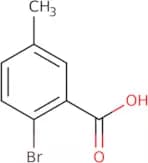
CAS:2-Bromo-5-methylbenzoic acid is an organic compound that can be synthesized in the laboratory. It is used as a starting material for synthesis of various quinazolinones, which are ionic liquid catalysts. 2-Bromo-5-methylbenzoic acid has also been shown to inhibit ethylene production from glycols and to act as a potential catalyst for the conversion of trifluoromethane into ionic liquids. The synthesis of 2-bromo-5-methylbenzoic acid is not well documented, but it can be made by reacting methyl bromide with benzaldehyde or acetone in the presence of sodium hydroxide or potassium hydroxide. This reaction produces bromobenzene, which reacts with phosphorus pentachloride to produce 2-bromo-5-methylbenzoic acid.
Formula:C8H7BrO2Purity:Min. 95%Color and Shape:PowderMolecular weight:215.04 g/molOlodaterol hydrochloride
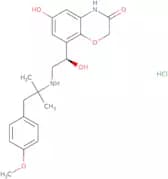
CAS:Controlled ProductOlodaterol hydrochloride is a long-acting β2-agonist (LABA) used to treat asthma. It is a prodrug that is hydrolyzed in vivo to olodaterol, its active form. Olodaterol hydrochloride binds to the β2 receptor and activates adenylyl cyclase, resulting in increased levels of cAMP. This drug has been shown to have statistically significant improvement in lung function and bronchial responsiveness in vivo models. The most common adverse effects include headache, dizziness, and cough. Olodaterol hydrochloride has been shown to be effective for short-term treatment of asthma but does not show long-term efficacy or reduced need for pharmacological treatments.Formula:C21H26N2O5·HClPurity:Min. 95%Color and Shape:PowderMolecular weight:422.9 g/molMagnesium perchlorate
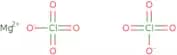
CAS:Magnesium perchlorate is a magnesium salt of perchloric acid. It is a metal chelate that has been reported to be used for detecting water vapor in the atmosphere, and as an electrolyte in electrochemical impedance spectroscopy. Magnesium perchlorate has also been used as a catalyst in chemical reactions. It has a redox potential of -2.8 V and can be used as an oxidizing agent at lower temperatures. In addition, it is sensitive to hydrogen bonding with amines, which can be used for detection purposes.Formula:Cl2MgO8Purity:Min. 95%Molecular weight:223.21 g/mol(R)-(-)-Bromo dragonfly hydrochloride
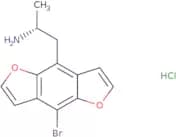
CAS:Controlled ProductPlease enquire for more information about (R)-(-)-Bromo dragonfly hydrochloride including the price, delivery time and more detailed product information at the technical inquiry form on this page
Formula:C13H13BrClNO2Purity:Min. 95%Molecular weight:330.6 g/mol2-Fluoroestradiol
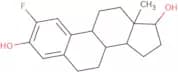
CAS:Controlled Product2-Fluoroestradiol is a synthetic form of 17β-estradiol that has been shown to inhibit the growth of tumor cells in an experimental model. 2-Fluoroestradiol binds to the estrogen receptor and inhibits the production of proteins needed for cell division, thus causing cancer. This drug has also been shown to inhibit lipoprotein lipase activity in rat liver microsomes, which may be due to its ability to induce chemical reactions. In addition, 2-fluoroestradiol inhibits lipid synthesis in fat cells and decreases lipogenesis in granulosa cells from ovaries. The inhibition of triglyceride synthesis by 2-fluoroestradiol is probably due to its ability to inhibit enzyme induction and increase the expression of mRNA for protein synthesis.Formula:C18H23FO2Purity:Min. 95%Molecular weight:290.37 g/mol1-(4-Chlorophenyl)-1,5-dihydro-4-(4-morpholinyl)-2H-imidazol-2-one
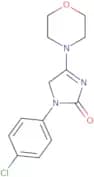
CAS:1-(4-Chlorophenyl)-1,5-dihydro-4-(4-morpholinyl)-2H-imidazol-2-one is a fatty acid. It has been shown to have clinical relevance in the treatment of epilepsy. The effective dose for this drug is unknown, but it is believed to be between 100 and 200mg per day. Benzalkonium chloride, which is used as a preservative in food products, may interfere with the absorption of 1-(4-chlorophenyl)-1,5-dihydro-4-(4-morpholinyl)-2H-imidazol-2-one. This drug should not be used by pregnant women or children. Long term efficacy studies are unavailable for this drug. Controlled release preparations are available for this medication that can help improve compliance with dosing requirements. Benzodiazepine binding sites are found in the central nervous system and benzodiazepines may bind toFormula:C13H14ClN3O2Purity:Min. 95%Molecular weight:279.72 g/mol2-(4-fluorophenyl)-n-methylethanamine
CAS:Controlled ProductPlease enquire for more information about 2-(4-fluorophenyl)-n-methylethanamine including the price, delivery time and more detailed product information at the technical inquiry form on this page
Formula:C9H12FNPurity:Min. 95%Molecular weight:153.2 g/mol1-(2-Bromophenyl)piperazine
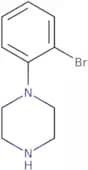
CAS:Controlled Product1-(2-Bromophenyl)piperazine is a drug that inhibits the activity of dehydrogenase, an enzyme that catalyzes the oxidation of NADH to NAD. It has been shown to inhibit other enzymes as well, such as those involved in the synthesis of amino acids and nucleic acids. 1-(2-Bromophenyl)piperazine has shown potential as a therapeutic agent for Parkinson's disease. This drug is being tested in clinical trials for its efficacy in treating a variety of diseases, including metabolic and cardiovascular disorders, hepatobiliary diseases, and neurodegenerative diseases.Formula:C10H13BrN2Purity:Min. 95%Molecular weight:241.13 g/mol1,1'-Dimethyl-4,4'-bipyridinium dichloride hydrate
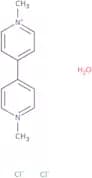
CAS:1,1'-Dimethyl-4,4'-bipyridinium dichloride hydrate is a bipyridine with a divalent chloride. It has been shown to have synergic effects in the presence of dextran sulfate and paraquat. This compound has good photochemical properties, which are used for wastewater treatment and surface methodology. 1,1'-Dimethyl-4,4'-bipyridinium dichloride hydrate also has toxicological studies that show it does not cause any cellular toxicity or mitochondrial membrane potential changes. It also reduces potassium dichromate toxicity in glomerular filtration rate studies. This compound can be used as an analytical method for other bipyridines.Formula:C12H14Cl2N2•(H2O)xPurity:Min. 95%Color and Shape:PowderMolecular weight:257.16 g/mol3-(6-Chloro-1-isopropyl-1H-benzimidazol-2-yl)propanoic acid
CAS:Controlled ProductPlease enquire for more information about 3-(6-Chloro-1-isopropyl-1H-benzimidazol-2-yl)propanoic acid including the price, delivery time and more detailed product information at the technical inquiry form on this pageFormula:C13H15ClN2O2Purity:Min. 95%Molecular weight:266.72 g/molo-Toluoyl chloride
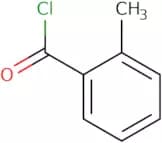
CAS:o-Toluoyl chloride is an antidiabetic agent that inhibits the production of glucose by inhibiting the enzyme glucosidase. It also prevents the absorption of glucose in the small intestine and blocks pancreatic alpha-amylase, which is an enzyme that breaks down starch into maltose. The chemical reaction mechanism for o-toluoyl chloride is a substitution reaction with a hydroxyl group and a benzoate, forming a cation channel. This leads to an increase in the intracellular concentration of cations, which can contribute to inflammatory bowel disease. The biological studies have shown that light emission is generated when o-toluoyl chloride reacts with 2-methyl-4-nitrobenzoic acid. This process has been used as a method for detecting this compound.Formula:C8H7ClOPurity:Min. 95%Color and Shape:Clear LiquidMolecular weight:154.59 g/mol4-(Bromomethyl)benzeneboronic acid pinacol ester
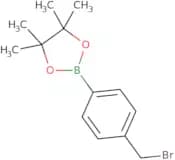
CAS:4-(Bromomethyl)benzeneboronic acid pinacol ester (BBBA) is a hypochlorous acid derivative with a structural formula of C6H5BrOCH2. It is used as a fluorophore and has been shown to have anticancer activity. 4-Bromomethylbenzeneboronic acid pinacol ester reacts with hydrophobic molecules in the cell membrane, leading to disruption of the membrane and ultimately cell death. This compound can be used as an active oxygen source in biological assays, such as functional assays, because it generates reactive oxygen species and can act as a fluorescence probe for detection of biological samples.Formula:C13H18BBrO2Purity:Min. 95 Area-%Color and Shape:White PowderMolecular weight:297 g/mol5-Bromo-2-chlorobenzonitrile
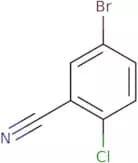
CAS:5-Bromo-2-chlorobenzonitrile is a versatile building block that has been used in the synthesis of many other chemicals. It is an important intermediate for the production of fine chemicals and pharmaceuticals. This chemical can be used as a reagent or a complex compound, making it useful in research and development. 5-Bromo-2-chlorobenzonitrile has also been shown to be an effective catalyst for cyclization reactions.Formula:C7H3BrClNPurity:Min. 95%Color and Shape:PowderMolecular weight:216.46 g/mol2-(N-Butylperfluorooctanesulfonamido)ethyl acrylate
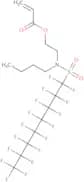
CAS:Controlled ProductPlease enquire for more information about 2-(N-Butylperfluorooctanesulfonamido)ethyl acrylate including the price, delivery time and more detailed product information at the technical inquiry form on this pageFormula:C17H16F17NO4SPurity:Min. 95%Color and Shape:Clear LiquidMolecular weight:653.35 g/mol1-(3-Chloropropyl)theobromine
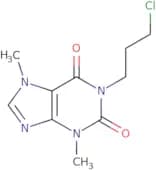
CAS:Controlled Product1-(3-Chloropropyl)theobromine is the reaction product of acetylacetone with carbonate and water. It is a high-yielding remedy for cerebral thrombosis and other alkali burns. The chemical formula for 1-(3-chloropropyl)theobromine is C10H14ClO2. It is soluble in water, which makes it an excellent antidote for alkali burns. Acetylacetone reacts with carbonate to produce the alkanol, which then reacts with water to form 1-(3-chloropropyl)theobromine. This chemical has been found to be an effective treatment for cerebral thrombosis and other alkali burns due to its ability to react with both water and blood clots.
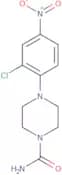
Formula:C10H13ClN4O2Purity:Min. 95%Molecular weight:256.69 g/mol4-(2-Chloro-4-nitrophenyl)piperazine-1-carboxamide
CAS:Please enquire for more information about 4-(2-Chloro-4-nitrophenyl)piperazine-1-carboxamide including the price, delivery time and more detailed product information at the technical inquiry form on this pageFormula:C11H13ClN4O3Purity:Min. 95%Molecular weight:284.7 g/mol3-Amino-5-bromopyridine
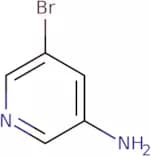
CAS:3-Amino-5-bromopyridine (3ABP) is a linker for the synthesis of cisplatin. It has been shown to have strong bactericidal activity against Escherichia coli and Staphylococcus aureus. 3ABP is cytotoxic to both renal proximal tubule cells and ring-opening cells, which are found in the kidney. It is also an inhibitor of nicotinic acetylcholine receptors (nAChRs), which are proteins that control nerve cell communication. 3ABP's pharmacokinetic properties make it suitable as a linker for cisplatin, as it has good oral bioavailability, low systemic toxicity, and high tissue selectivity.
Formula:C5H5BrN2Purity:Min. 98 Area-%Molecular weight:173.01 g/molBis(2,2,2-Trifluoroethyl)amine
CAS:Bis(2,2,2-trifluoroethyl)amine is a colorless liquid that is soluble in water. It has a molecular weight of 122.11 and a boiling point of 217°C. Bis(2,2,2-trifluoroethyl)amine reacts with tetramethylammonium to form a dimer. The reaction is reversible and the bis(2,2,2-trifluoroethyl)amine can be regenerated by the addition of fluoride or an acid such as hydrochloric acid or sulfuric acid. Bis(2,2,2-trifluoroethyl)amine has an anion that can accept a proton from another molecule. This anion is also known as the bisulfite ion which reacts with hydrogen peroxide to form bisulfate and water.Formula:C4H5F6NPurity:Min. 95%Color and Shape:PowderMolecular weight:181.08 g/mol4-(4-Fluorophenyl)cyclohexanone
CAS:Please enquire for more information about 4-(4-Fluorophenyl)cyclohexanone including the price, delivery time and more detailed product information at the technical inquiry form on this pageFormula:C12H13FOPurity:Min. 95%Molecular weight:192.23 g/mol






![[1,4-Bis(diphenylphosphino)butane]palladium(II) Dichloride](/_next/image/?url=https%3A%2Fstatic.cymitquimica.com%2Fproducts%2F3D%2Fthumb-webp%2FFB60968.webp&w=3840&q=75)
palladium(IV)](/_next/image/?url=https%3A%2Fstatic.cymitquimica.com%2Fproducts%2F3D%2Fthumb-webp%2FFB157435.webp&w=3840&q=75)