Organic Halides
Subcategories of "Organic Halides"
Found 20442 products of "Organic Halides"
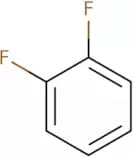
1,2-Difluorobenzene
CAS:1,2-Difluorobenzene is an aromatic compound that is a member of the class of molecules called phenols. The 1,2-difluorobenzene molecule consists of two phenyl groups linked to a fluorine atom. The 1,2-difluorobenzene molecule has been shown to react with trifluoroacetic acid and chiral derivatives to form 1,1′-difluoroethane and 2,3-dichloro-1,4-benzenediol, respectively. It also reacts in a one-step reaction with p450 enzymes to form covid 19 pandemic and other related compounds. 1,2-Difluorobenzene also undergoes electrochemical studies. It absorbs ultraviolet light at wavelengths between 200 nm and 300 nm and produces an electric current when exposed to uv light. The 1,2-difluorobenzene molecule hasFormula:C6H4F2Purity:Min. 95%Molecular weight:114.09 g/mol(E)-Deschlorophenyl fluoxastrobin
CAS:(E)-Deschlorophenyl fluoxastrobin is a synthetic fungicide, which is derived from the strobilurin class of compounds, originally sourced from natural fungal metabolites. It functions by inhibiting mitochondrial respiration in fungal cells through disruption of the cytochrome bc1 complex, specifically at the Qo site. This mode of action effectively curtails the energy supply of the pathogen, leading to its death, and is integral in managing resistance issues known to occur with other fungicide groups.
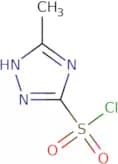
Formula:C15H13FN4O5Purity:Min. 95%Molecular weight:348.29 g/mol5-Methyl-4H-1,2,4-triazole-3-sulfonyl chloride
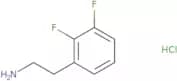
CAS:Please enquire for more information about 5-Methyl-4H-1,2,4-triazole-3-sulfonyl chloride including the price, delivery time and more detailed product information at the technical inquiry form on this pageFormula:C3H4ClN3O2SPurity:Min. 95%Color and Shape:White PowderMolecular weight:181.6 g/mol2-(2,3-Difluorophenyl)ethan-1-amine hydrochloride
CAS:Controlled ProductPlease enquire for more information about 2-(2,3-Difluorophenyl)ethan-1-amine hydrochloride including the price, delivery time and more detailed product information at the technical inquiry form on this pageFormula:C8H10ClF2NPurity:Min. 95%Molecular weight:193.62 g/molTifluadom hydrochloride
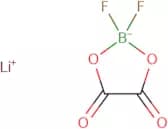
CAS:Controlled ProductTifluadom hydrochloride is an analogue of the drug adomol. It is a conformationally restricted derivative of 2-methyl-5,6-dihydro-2H-1,3,4-thiadiazin-4(5H)-one 1,1-dioxide that acts as a competitive inhibitor of acetylcholine esterase (AChE). The seven membered ring in this molecule has two conformations: one with the ketone on the left side and one with the methyl ketone on the left side. In its keto form, tifluadom hydrochloride is more potent than adomol because it binds to AChE more tightly. Tifluadom hydrochloride is also more soluble and less toxic than adomol.Formula:C22H21ClFN3OSPurity:Min. 95%Molecular weight:429.94 g/molLithium difluoro(oxalato)borate
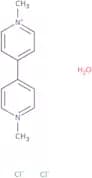
CAS:Lithium difluoro(oxalato)borate is an electron-microscopic corrosion inhibitor that belongs to the class of ester compounds. It is a solid compound that has been shown to be efficacious against oxidation products. The efficiency of this compound is dependent on the concentration and purity of lithium difluoro(oxalato)borate and the type of metal, such as steel or aluminum. Lithium difluoro(oxalato)borate can be used in rechargeable batteries, due to its transport properties, high salt tolerance, and low self-discharge rate. This compound has been shown to have functional groups that are capable of interacting with hydrogen fluoride in an organic solution.Formula:C2BF2O4•LiPurity:Min. 95%Molecular weight:143.77 g/mol1,1'-Dimethyl-4,4'-bipyridinium dichloride hydrate
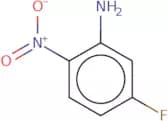
CAS:1,1'-Dimethyl-4,4'-bipyridinium dichloride hydrate is a bipyridine with a divalent chloride. It has been shown to have synergic effects in the presence of dextran sulfate and paraquat. This compound has good photochemical properties, which are used for wastewater treatment and surface methodology. 1,1'-Dimethyl-4,4'-bipyridinium dichloride hydrate also has toxicological studies that show it does not cause any cellular toxicity or mitochondrial membrane potential changes. It also reduces potassium dichromate toxicity in glomerular filtration rate studies. This compound can be used as an analytical method for other bipyridines.Formula:C12H14Cl2N2•(H2O)xPurity:Min. 95%Color and Shape:PowderMolecular weight:257.16 g/mol5-Fluoro-2-nitroaniline
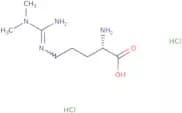
CAS:5-Fluoro-2-nitroaniline is a sulfonated compound that acts as a growth factor. It has been shown to be effective in the treatment of cancer, especially in the epidermal growth factor receptor (EGFR) signaling pathway. 5-Fluoro-2-nitroaniline has also been shown to have antithrombotic properties and may be beneficial for cardiovascular diseases. This compound is an inhibitor of the human serum albumin binding site on EGFR and inhibits the activation of EGFR by its ligand, epidermal growth factor. The sulfonation reaction increases the polarity of the molecule, which has been attributed to increased activity against cancer cells.Formula:C6H5FN2O2Purity:Min. 95%Color and Shape:PowderMolecular weight:156.11 g/molNG,NG'-Dimethyl-L-arginine dihydrochloride
CAS:NG,NG'-Dimethyl-L-arginine dihydrochloride is a substrate for nitrite reductase and is used to diagnose kidney disease. It has been shown in vitro to inhibit the activity of steroidogenic enzymes in the zona fasciculata of the adrenal gland. NG,NG'-Dimethyl-L-arginine dihydrochloride is also used as a diagnostic agent in pediatric patients with hypogonadotropic hypogonadism and during inhalation therapy in adults with asthma. NG,NG'-Dimethyl-L-arginine dihydrochloride has been shown to reduce inflammatory diseases such as rheumatoid arthritis and Crohn's disease by inhibiting arginine methylation. The drug also reduces age-related changes in steroidogenesis and blood pressure.Formula:C8H18N4O2·2HClPurity:Min. 95%Color and Shape:PowderMolecular weight:275.18 g/mol12-Amino-1-dodecanoic acid methyl ester hydrochloride salt
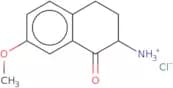
CAS:12-Amino-1-dodecanoic acid methyl ester hydrochloride salt (12ADM) has been shown to have immunomodulatory properties. It has a nanomolar range of activity, which is the optimal for an immunosuppressant. 12ADM inhibits the transcriptional activity of human immunodeficiency virus type 1 (HIV-1) and HIV-2, as well as other retroviruses, through interactions with specific RNA sequences in the viral genome. The amide group in this compound is essential for its antiviral activity, and it also interacts with betulinic acid to enhance its cytotoxicity.Formula:C13H28ClNO2Purity:Min. 95%Color and Shape:PowderMolecular weight:265.82 g/mol2-Amino-3,4-dihydro-7-methoxy-2H-1-naphthalenone, hydrochloride
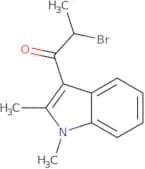
CAS:Controlled ProductPlease enquire for more information about 2-Amino-3,4-dihydro-7-methoxy-2H-1-naphthalenone, hydrochloride including the price, delivery time and more detailed product information at the technical inquiry form on this pageFormula:C11H14ClNO2Purity:Min. 95%Molecular weight:227.69 g/mol2-Bromo-1-(1,2-dimethyl-1H-indol-3-yl)propan-1-one
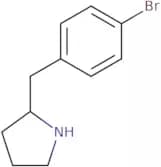
CAS:Controlled ProductPlease enquire for more information about 2-Bromo-1-(1,2-dimethyl-1H-indol-3-yl)propan-1-one including the price, delivery time and more detailed product information at the technical inquiry form on this pageFormula:C13H14BrNOPurity:Min. 95%Molecular weight:280.16 g/mol2-(4-Bromo-benzyl)-pyrrolidine
CAS:Controlled ProductPlease enquire for more information about 2-(4-Bromo-benzyl)-pyrrolidine including the price, delivery time and more detailed product information at the technical inquiry form on this pageFormula:C11H14BrNPurity:Min. 95%Molecular weight:240.14 g/mol4-(Trifluoromethoxy)phenylboronic Acid (contains varying amounts of Anhydride)
CAS:4-(Trifluoromethoxy)phenylboronic acid is a boron-containing compound that has been shown to be a potent inhibitor of the histone deacetylase (HDAC) enzyme. It also has surfactant properties and can be used as a photochemical reagent. 4-(Trifluoromethoxy)phenylboronic acid is orally bioavailable and may have therapeutic potential for neurodegenerative diseases, such as Alzheimer's disease, Parkinson's disease, and Huntington's disease. It also has the ability to inhibit cancer cell growth by inhibiting HDAC activity. This drug has been found to cross-couple with organosilicon compounds in order to form new compounds with potent inhibitory activity against HDAC enzymes.
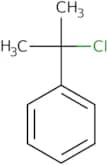
Formula:C7H6BF3O3Purity:Min. 95%Molecular weight:205.93 g/mola,a-Dimethylbenzyl chloride
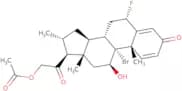
CAS:Dimethylbenzyl chloride is an aromatic hydrocarbon that is used as a precursor to other chemicals and pharmaceuticals. This compound is synthesized by the chlorination of benzene in the presence of a catalyst, such as aluminum chloride or phosphorus pentachloride. The reaction proceeds via a chain reaction mechanism, with the addition of hydrogen chloride as a reactant. The activation energy for this process is around 35 kcal/mol. Dimethylbenzyl chloride can be reacted with polymeric compounds to create telechelic polymers. These polymers are often used in applications where moisture sensitivity is not an issue, such as paints and varnishes.Formula:C9H11ClPurity:Min. 97 Area-%Molecular weight:154.64 g/mol(6a,11b,16a)-21-(Acetyloxy)-9-bromo-6-fluoro-11-hydroxy-16-methyl-pregna-1,4-diene-3,20-dione
CAS:Controlled ProductPlease enquire for more information about (6a,11b,16a)-21-(Acetyloxy)-9-bromo-6-fluoro-11-hydroxy-16-methyl-pregna-1,4-diene-3,20-dione including the price, delivery time and more detailed product information at the technical inquiry form on this pageFormula:C24H30BrFO5Purity:Min. 95%Molecular weight:497.39 g/mol6a-Bromo androstenedione
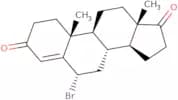
CAS:Controlled Product6a-Bromo androstenedione is a nonsteroidal, non-aromatizable, competitive inhibitor of aromatase. It binds to the active site of the enzyme and blocks the conversion of testosterone to estradiol. 6a-Bromo androstenedione has been shown to inhibit aromatase activity in vitro at an IC50 of about 5 nM. The affinity for the enzyme is about 10 times higher than that for aminoglutethimide, which is another competitive inhibitor of aromatase. 6a-Bromo androstenedione has also been shown to have inhibitory activity against estrogen synthetase in rats.Formula:C19H25BrO2Purity:Min. 95%Molecular weight:365.3 g/mol6-Chloro-benzofuran-3-one
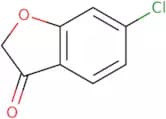
CAS:6-Chloro-benzofuran-3-one is an organic compound that is used in the synthesis of other chemical compounds. It is a useful scaffold for the construction of complex molecules and may be used as a reagent or reaction component in organic chemistry. This product has CAS number 3260-78-4, and is also known as 6-chlorobenzofuranone.Formula:C8H5ClO2Purity:Min. 98%Color and Shape:PowderMolecular weight:168.58 g/mol4-Trifluoromethylbenzene sulfonyl chloride
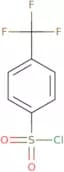
CAS:4-Trifluoromethylbenzene sulfonyl chloride (TFB) is a functional group that is used as a ligand in some chemical reactions. TFB has been shown to be fluorescent, and can be used as a cancer cell marker. It also inhibits the growth of cancer cells by binding to their surface and inhibiting protein synthesis. 4-Trifluoromethylbenzene sulfonyl chloride can be synthesized by reacting ethylene with salicylic acid, followed by the reaction of the resulting ester with chloroform. This process yields TFB and chloride ions, which are then neutralized with sodium hydroxide to yield TFB sulfonate salt.Formula:C7H4ClF3O2SPurity:Min. 95%Color and Shape:Colourless Or White To Light (Or Pale) Yellow To Brown SolidMolecular weight:244.62 g/mol4-Bromoisoquinoline
CAS:4-Bromoisoquinoline is an aryl halide that can be used in the cross-coupling reaction with other aryl halides. It has been shown to have anticancer activity and to inhibit the growth of tumour cell lines in vitro. This compound is also efficient for inhibiting leukemia cells. 4-Bromoisoquinoline has been shown to have an inhibitory effect on cancer cells through the inhibition of DNA synthesis and RNA transcription, as well as by inducing apoptosis. The mechanism of action may be due to its ability to bind to aromatic hydrocarbons and halides, which leads to thermodynamic changes and vibrational energy transfer.Formula:C9H6BrNPurity:Min. 95%Molecular weight:208.05 g/mol2-Chloro-4-fluoropyridine-5-boronic acid, pinacol ester
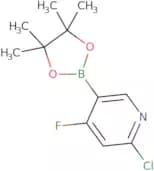
CAS:Please enquire for more information about 2-Chloro-4-fluoropyridine-5-boronic acid, pinacol ester including the price, delivery time and more detailed product information at the technical inquiry form on this pageFormula:C11H14BClFNO2Purity:Min. 95%Molecular weight:257.5 g/mol[1,2-Bis(diphenylphosphino)ethane]dichloropalladium(II)
CAS:Controlled Product[1,2-Bis(diphenylphosphino)ethane]dichloropalladium(II) is a chemical compound that is insoluble in water and soluble in organic solvents. It is a reagent used to prepare other compounds. The synthesis of this compound involves the reaction of chloroform with dichloro[1,2-bis(diphenylphosphino)ethane]palladium (II). The resulting compound has a yellow color due to its ligands, which are amines or halides. This compound can be recrystallized from toluene or ether for use in preparative work. [1,2-Bis(diphenylphosphino)ethane]dichloropalladium(II) has been used as an analytical reagent for the determination of chloride and ligand content in some organic solvents.Formula:C26H24Cl2P2PdPurity:Min. 95%Molecular weight:575.74 g/molPentafluorobenzenethiol
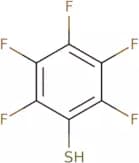
CAS:Pentafluorobenzenethiol is an organosulfur compound that is synthesized by the nucleophilic attack of deuterium on a hydrogenated aliphatic hydrocarbon. It is a colorless liquid with a characteristic low boiling point and high volatility. Pentafluorobenzenethiol has been shown to react with chelate rings and to form irreversible oxidation products. This chemical has analytical applications in the determination of potassium, sodium, and lithium in water samples; it also has semiconductor properties. The diameter of pentafluorobenzenethiol is 6.2 Å, which makes it a low energy aromatic hydrocarbon that can be easily transported through porous media.Formula:C6HF5SPurity:Min. 95%Color and Shape:Colorless Clear LiquidMolecular weight:200.13 g/mol2-Bromo-6-chloropyridine
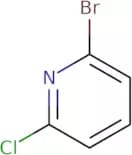
CAS:2-Bromo-6-chloropyridine is a synthetic, nucleophilic bidentate ligand that is used in the synthesis of vismodegib. It inhibits the growth of cancer cells by inhibiting a pathway that regulates cell division and differentiation. 2-Bromo-6-chloropyridine can be used as a cross-coupling agent for the synthesis of other chemicals. This chemical has pharmacokinetic properties and pharmacokinetic properties and can inhibit chloride channels, which may have an inhibitory effect on cancer cells. 2-Bromo-6-chloropyridine is also an effective inhibitor of nucleophilic substitutions, which are involved in many biological processes, such as DNA replication and protein synthesis.Formula:C5H3BrClNPurity:Min. 95%Molecular weight:192.44 g/mol5-Chloro bupropion fumarate
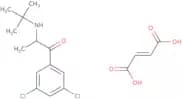
CAS:Controlled ProductPlease enquire for more information about 5-Chloro bupropion fumarate including the price, delivery time and more detailed product information at the technical inquiry form on this pageFormula:C17H21Cl2NO5Purity:Min. 95%Molecular weight:390.26 g/mol4-(Bromomethyl)benzeneboronic acid pinacol ester
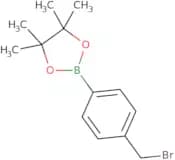
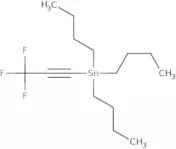
CAS:4-(Bromomethyl)benzeneboronic acid pinacol ester (BBBA) is a hypochlorous acid derivative with a structural formula of C6H5BrOCH2. It is used as a fluorophore and has been shown to have anticancer activity. 4-Bromomethylbenzeneboronic acid pinacol ester reacts with hydrophobic molecules in the cell membrane, leading to disruption of the membrane and ultimately cell death. This compound can be used as an active oxygen source in biological assays, such as functional assays, because it generates reactive oxygen species and can act as a fluorescence probe for detection of biological samples.Formula:C13H18BBrO2Purity:Min. 95 Area-%Color and Shape:White PowderMolecular weight:297 g/mol1-Tributylstannyl-3,3,3-trifluoro-1-propyne
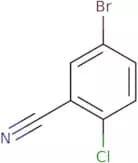
CAS:Controlled Product1-Tributylstannyl-3,3,3-trifluoro-1-propyne is an organic solvent that can be used as a reagent in the trifluoromethylation of hexane and diazomethane. It has been shown to be regioselective in the 1,3-dipolar cycloaddition of acetonitrile and oxide. It also reacts efficiently with aryl groups to produce yields.Formula:C15H27F3SnPurity:Min. 95%Molecular weight:383.08 g/mol5-Bromo-2-chlorobenzonitrile
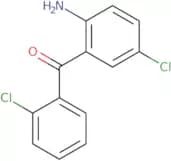
CAS:5-Bromo-2-chlorobenzonitrile is a versatile building block that has been used in the synthesis of many other chemicals. It is an important intermediate for the production of fine chemicals and pharmaceuticals. This chemical can be used as a reagent or a complex compound, making it useful in research and development. 5-Bromo-2-chlorobenzonitrile has also been shown to be an effective catalyst for cyclization reactions.Formula:C7H3BrClNPurity:Min. 95%Color and Shape:PowderMolecular weight:216.46 g/mol2-Amino-2',5-dichlorobenzophenone
CAS:2-Amino-2',5-dichlorobenzophenone (2,5-DCP) is a molecule with a chromatographic retention time of 23.8 minutes. 2,5-DCP has been detected in human urine samples using the chemical ionization technique as well as the Nova-Pak C18 column and an acetic acid/methanol mobile phase. This compound has been used as a standard for the detection of benzodiazepine drugs such as diazepam and flunitrazepam in urine samples by gas chromatography. 2,5-DCP has also been used in analytical toxicology to detect lormetazepam and lorazepam metabolites in human urine samples.
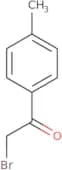
Formula:C13H9Cl2NOPurity:Min. 95%Color and Shape:Off-White PowderMolecular weight:266.12 g/mol2-Bromo-4-methylacetaphenone
CAS:2-Bromo-4-methylacetophenone is a synthetic compound that inhibits bacterial growth through acetylation of the aromatic ring. It is used in the synthesis of imidazolidinones, which are a class of antibacterial drugs. 2-Bromo-4-methylacetophenone has shown inhibitory activity against MCF-7 breast carcinoma cells and mononuclear cells. It also has been synthesized from phenacyl bromide and potassium carbonate in anhydrous conditions. The crystal system for 2-bromo-4-methylacetophenone is tetragonal with space group P42/mnm.Formula:C9H9BrOPurity:Min. 95%Molecular weight:213.07 g/mol1-(4-Fluorophenyl)piperazine free base
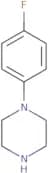
CAS:Controlled ProductPlease enquire for more information about 1-(4-Fluorophenyl)piperazine free base including the price, delivery time and more detailed product information at the technical inquiry form on this pagePurity:Min. 95%(4-Bromobenzyl)methylamine hydrochloride
CAS:Controlled Product(4-Bromobenzyl)methylamine hydrochloride is a reagent that is used for the analysis of carboxylic acids. It has been used in a number of studies to analyze cellular metabolism and energy metabolism. This reagent has also been used to study the functional groups of organic acids, as well as their reactivity. (4-Bromobenzyl)methylamine hydrochloride can be used in liquid chromatography or electrospray ionization methods to analyze samples using mass spectrometry.Formula:C8H10BrNPurity:Min. 95%Molecular weight:200.08 g/mol1-(3-Chloropropyl)theobromine
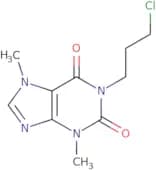
CAS:Controlled Product1-(3-Chloropropyl)theobromine is the reaction product of acetylacetone with carbonate and water. It is a high-yielding remedy for cerebral thrombosis and other alkali burns. The chemical formula for 1-(3-chloropropyl)theobromine is C10H14ClO2. It is soluble in water, which makes it an excellent antidote for alkali burns. Acetylacetone reacts with carbonate to produce the alkanol, which then reacts with water to form 1-(3-chloropropyl)theobromine. This chemical has been found to be an effective treatment for cerebral thrombosis and other alkali burns due to its ability to react with both water and blood clots.
Formula:C10H13ClN4O2Purity:Min. 95%Molecular weight:256.69 g/mol3-Fluoro-4-nitrophenol
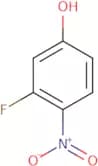
CAS:3-Fluoro-4-nitrophenol is an organic solvent that is used in the synthesis of a number of organic and inorganic compounds, including diazonium salts. 3-Fluoro-4-nitrophenol can be reacted with organometallic reagents to form tetraphenylmethane derivatives. It has been shown to have potential use as a precursor for the synthesis of a number of pharmaceuticals, such as regorafenib, which is an antiangiogenic drug. 3-Fluoro-4-nitrophenol reacts with chloride ions to form coelomic acid (3-fluoroaniline) and other organic acids. Reaction with magnesium and aluminium produces silicon nitride.Formula:C6H4FNO3Purity:Min. 95%Molecular weight:157.1 g/mol2,4-Difluoro-5-nitrobenzonitrile
CAS:2,4-Difluoro-5-nitrobenzonitrile is a chemical that has been found to have affinity for the central nervous system. It inhibits the reuptake of monoamines such as dopamine and serotonin. This chemical has been shown to be endogenously produced in humans and animals. 2,4-Difluoro-5-nitrobenzonitrile also inhibits the uptake of amines by blocking the activity of their respective transporters. The compound is an isomeric mixture of two possible structures, which differ in their position on the benzene ring. The first form is characterized by a low affinity for neurotransmitter receptors and therefore has low inhibitory properties on monoamine uptake. The second form has greater affinity for neurotransmitter receptors and therefore has greater inhibitory properties on monoamine uptake, although at higher concentrations it may lead to adverse effects on muscle tissue.
Formula:C7H2F2N2O2Purity:Min. 95%Color and Shape:PowderMolecular weight:184.1 g/mol1-Bromo-4-cyclohex-1-en-1-ylbenzene
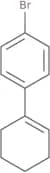
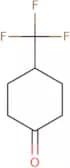
CAS:Please enquire for more information about 1-Bromo-4-cyclohex-1-en-1-ylbenzene including the price, delivery time and more detailed product information at the technical inquiry form on this pageFormula:C12H13BrPurity:Min. 95%Molecular weight:237.14 g/mol4-(Trifluoromethyl)cyclohexanone
CAS:4-(Trifluoromethyl)cyclohexanone is a reagent that is used in the synthesis of cyclohexanones, which are used to produce diazo compounds. In this process, the 4-trifluoromethyl group reacts with an aldehyde to form a cyclic intermediate, which then reacts with nitroethane to give the desired product. This compound has been shown experimentally to have a diastereoselection of about 75% for the formation of one stereoisomer over another.Formula:C7H9F3OPurity:Min. 95%Molecular weight:166.14 g/molMethscopolamine bromide
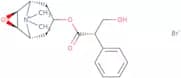
CAS:Methscopolamine bromide is a leukotriene receptor antagonist that is used to treat various conditions including bowel diseases and autoimmune diseases. Methscopolamine bromide binds to muscarinic receptors and blocks the action of acetylcholine, which mediates inflammation. Methscopolamine bromide can also be used to treat congestive heart failure. This drug has significant interactions with other medications, including thermal expansion, fatty acid metabolism, or symptoms of bowel disease. The drug should not be taken by patients who have had a stroke or who have asthma. It is contraindicated in patients who are pregnant or breastfeeding.Formula:C18H24BrNO4Purity:Min. 95%Color and Shape:White PowderMolecular weight:398.29 g/mol3-Amino-5-bromopyridine
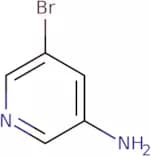
CAS:3-Amino-5-bromopyridine (3ABP) is a linker for the synthesis of cisplatin. It has been shown to have strong bactericidal activity against Escherichia coli and Staphylococcus aureus. 3ABP is cytotoxic to both renal proximal tubule cells and ring-opening cells, which are found in the kidney. It is also an inhibitor of nicotinic acetylcholine receptors (nAChRs), which are proteins that control nerve cell communication. 3ABP's pharmacokinetic properties make it suitable as a linker for cisplatin, as it has good oral bioavailability, low systemic toxicity, and high tissue selectivity.
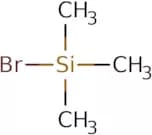
Formula:C5H5BrN2Purity:Min. 98 Area-%Molecular weight:173.01 g/molBromotrimethylsilane
CAS:Bromotrimethylsilane is an inhibitor of the enzyme hydroxyl methyl transferases. It binds to the penicillin-binding protein and inhibits the activity of this enzyme, which is involved in the synthesis of bacterial cell walls. Bromotrimethylsilane has been shown to be active against murine sarcoma virus and other viruses as well as bacterial growth. This compound has also been shown to inhibit the growth of several types of cancer cells, including leukemia cells from mice.Formula:C3H9BrSiPurity:Min. 95%Color and Shape:Colorless Clear LiquidMolecular weight:153.09 g/molCyclohexamine hydrochloride
CAS:Controlled ProductCyclohexamine hydrochloride is a potent non-selective muscarinic antagonist that has been used as an anesthetic for rodents for the past three decades. It binds to the muscarinic acetylcholine receptors and blocks the effects of acetylcholine, which are involved in regulating heart rate, blood pressure, and other cardiovascular functions. It is also used to treat Alzheimer's disease by blocking acetylcholine from binding to its receptor. Cyclohexamine hydrochloride can cause psychotic symptoms such as hallucinations and delusions when taken in high doses. It may also be toxic to the cerebral cortex when administered at high doses.Formula:C14H22ClNPurity:Min. 95%Molecular weight:239.78 g/mol5-Bromo-3-[2-(1-pyrrolidinyl)ethyl]-1H-indole
CAS:Controlled ProductPlease enquire for more information about 5-Bromo-3-[2-(1-pyrrolidinyl)ethyl]-1H-indole including the price, delivery time and more detailed product information at the technical inquiry form on this pageFormula:C14H17BrN2Purity:Min. 95%Molecular weight:293.2 g/mol9-Chloro triamcinolone acetonide
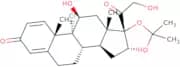
CAS:Please enquire for more information about 9-Chloro triamcinolone acetonide including the price, delivery time and more detailed product information at the technical inquiry form on this pageFormula:C24H31ClO6Purity:Min. 95%Molecular weight:450.95 g/molEthyl 2-[bis(2,2,2-trifluoroethyl)phosphono]propionate
CAS:Please enquire for more information about Ethyl 2-[bis(2,2,2-trifluoroethyl)phosphono]propionate including the price, delivery time and more detailed product information at the technical inquiry form on this page
Formula:C9H13F6O5PPurity:Min. 95%Molecular weight:346.16 g/mol[(1-Ethyl-1H-benzimidazol-2-yl)methyl]amine dihydrochloride
CAS:Controlled ProductPlease enquire for more information about [(1-Ethyl-1H-benzimidazol-2-yl)methyl]amine dihydrochloride including the price, delivery time and more detailed product information at the technical inquiry form on this pageFormula:C10H13N3Purity:Min. 95%Molecular weight:175.23 g/molNoscapine hydrochloride hydrate
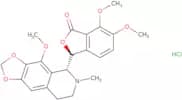
CAS:Noscapine is a drug used to treat bowel disease and as an antitussive. It is classified as a narcotic, but has no addictive properties. Noscapine inhibits the activity of nuclear dna polymerase, which prevents transcription of DNA into RNA. Its rate constant for hydrogen bonding interactions with DNA is 6 orders of magnitude slower than that of other drugs that inhibit this enzyme. Noscapine also inhibits the activity of protein kinases, which are enzymes that transfer a phosphate group from ATP to other proteins. Noscapine has been shown to bind to folate receptors on cells in culture, leading to an increase in chemiluminescence. This drug has also been shown to have anti-cancer effects on some cell lines in vitro by inhibiting the Bcl-2 protein.Formula:C22H24ClNO7·xH2OPurity:Min. 98 Area-%Color and Shape:White Off-White PowderMolecular weight:449.88 g/mol3-(Difluoromethoxy)benzaldehyde
CAS:Please enquire for more information about 3-(Difluoromethoxy)benzaldehyde including the price, delivery time and more detailed product information at the technical inquiry form on this pageFormula:C8H6F2O2Purity:Min. 95%Molecular weight:172.13 g/mol(3-Chlorophenyl)acetyl chloride
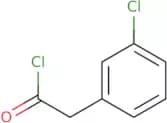
CAS:3-Chlorophenylacetic acid is a formamide that can be used in the synthesis of amines and phosphoinositides. It is also an intermediate in the preparation of dimethylformamide. 3-Chlorophenylacetic acid has been shown to cause cell dysfunction at high doses, but not at lower concentrations. The biological properties of this compound are similar to those of other formamidines and amines. 3-Chlorophenylacetic acid has been shown to catalyze the conversion of benzoic acid into benzoate, which is used as a preservative in foods, drugs, and cosmetics. This compound also inhibits the formation of heterocyclic amines during cooking by reacting with amino compounds, such as creatinine or ammonia.Formula:C8H6Cl2OPurity:Min. 95%Color and Shape:Clear LiquidMolecular weight:189.04 g/mol2-Chloro-5-iodophenol
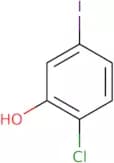
CAS:Please enquire for more information about 2-Chloro-5-iodophenol including the price, delivery time and more detailed product information at the technical inquiry form on this page
Formula:C6H4ClIOPurity:Min. 95%Molecular weight:254.45 g/mol5-Chloropyridine-2-boronicacid
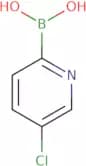
CAS:Please enquire for more information about 5-Chloropyridine-2-boronicacid including the price, delivery time and more detailed product information at the technical inquiry form on this pageFormula:C5H5BClNO2Purity:Min. 95%Molecular weight:157.36 g/mol






![[1,2-Bis(diphenylphosphino)ethane]dichloropalladium(II)](/_next/image/?url=https%3A%2Fstatic.cymitquimica.com%2Fproducts%2F3D%2Fthumb-webp%2FFB54999.webp&w=3840&q=75)



![5-Bromo-3-[2-(1-pyrrolidinyl)ethyl]-1H-indole](/_next/image/?url=https%3A%2Fstatic.cymitquimica.com%2Fproducts%2F3D%2Fthumb-webp%2FFB154288.webp&w=3840&q=75)
![Ethyl 2-[bis(2,2,2-trifluoroethyl)phosphono]propionate](/_next/image/?url=https%3A%2Fstatic.cymitquimica.com%2Fproducts%2F3D%2Fthumb-webp%2FFE22959.webp&w=3840&q=75)
![[(1-Ethyl-1H-benzimidazol-2-yl)methyl]amine dihydrochloride](/_next/image/?url=https%3A%2Fstatic.cymitquimica.com%2Fproducts%2F3D%2Fthumb-webp%2FFE126425.webp&w=3840&q=75)