Organic Halides
Subcategories of "Organic Halides"
Found 20442 products of "Organic Halides"
4-fluoro-1-methyl-1,4-diazoniabicyclo[2.2.2]octane
CAS:4-fluoro-1-methyl-1,4-diazoniabicyclo[2.2.2]octane (ditetrafluor) is a fluorine containing compound that can be used to treat cancer cells. It is a chiral molecule with four stereoisomers, two of which are active against cancer cells and the other two are inactive. Ditetrafluor has been shown to have antiviral activity against influenza A virus by inhibiting viral replication, but it does not have any effect on the common cold virus. This drug is also able to inhibit syncytia formation in cultured cells and has been shown to be effective in treating malaria caused by Plasmodium falciparum.Formula:C7H15B2F9N2Purity:Min. 95%Molecular weight:319.82 g/molRuthenium(III) chloride
CAS:Ruthenium(III) chloride is a compound of ruthenium and chlorine that is used in the preparation of pharmaceuticals. Ruthenium(III) chloride reacts with potassium dichromate to form stable complexes, as well as being oxidized by picolinic acid or other oxidizing agents to form stable complexes. It has been shown to be an effective catalyst for organic synthesis reactions and biological studies have shown it can inhibit the growth of bacteria such as Mycobacterium tuberculosis by inhibiting the synthesis of proteins necessary for cell division. Ruthenium(III) chloride also forms complexes with amines and nitrogen atoms, which may be due to its ability to bind with these groups.Formula:RuCl3Purity:Min. 95%Color and Shape:Black SolidMolecular weight:207.43 g/mol(2,4-Dichlorophenyl)acetone
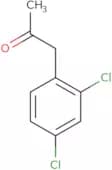
CAS:(2,4-Dichlorophenyl)acetone is a substance that can be found in lichens. The natural occurrence of this substance has been shown by the use of chromatography technique on plates. (2,4-Dichlorophenyl)acetone is also used as a screening agent for lichens.Formula:C9H8Cl2OPurity:Min. 95%Color and Shape:Off-White PowderMolecular weight:203.06 g/mol4-[(4-Chlorophenyl)phenylmethyl]-1-piperazineethanol dihydrochloride
CAS:4-[(4-Chlorophenyl)phenylmethyl]-1-piperazineethanol dihydrochloride is a cholinergic drug that is used to treat allergic rhinitis in children and adults. It has been shown to be well tolerated in pediatric patients and geriatric patients, as well as being an innovative, labile, and biopharmaceutical compound. 4-[(4-Chlorophenyl)phenylmethyl]-1-piperazineethanol dihydrochloride is not metabolized by the liver and does not have significant side effects. It has a low potential for abuse because of its low solubility in water. It is an antihistamine that blocks the action of histamine at H1 receptors on smooth muscle cells in the nose, which helps reduce nasal congestion and sneezing.Formula:C19H23ClN2O·2HClPurity:Min. 95%Molecular weight:403.77 g/mol4-Bromocrotonic acid - min 98%
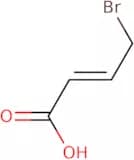
CAS:4-Bromocrotonic acid is a 3-mercaptopropionic acid (3-MPA) derivative. It inhibits the enzyme carnitine acyltransferase, which is involved in the uptake of fatty acids into mitochondria and their subsequent β-oxidation. This leads to an accumulation of fatty acids in the cytosol, which can inhibit insulin-stimulated glucose uptake and protein synthesis. 4-Bromocrotonic acid also inhibits glut1, an amp-activated protein kinase enzyme that plays a key role in cellular metabolism, leading to irreversible inhibition. 4-Bromocrotonic acid is used for analytical purposes as it is a good substrate for mitochondrial enzymes.Formula:C4H5BrO2Purity:Min. 98 Area-%Color and Shape:White PowderMolecular weight:164.99 g/molCesium bromide
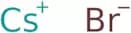
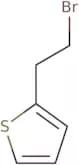
CAS:Cesium bromide is a chemical compound that has a high melting point. It is used as an ionic liquid and as a salt in analytical chemistry. Cesium bromide can be used to measure the thermal expansion of materials or to measure the hydrogen bond strength between two molecules. Cesium bromide is also used in membrane systems for water purification, and it can be used for radiation treatment of cancer cells. Cesium bromide can be found in wastewater treatment plants where it helps to remove halides and other contaminants from water vapor, providing kinetic energy to do so. Cesium bromide is also used as an analytical method for measuring hydrochloric acid, uv absorption, or chelate rings.Formula:CsBrPurity:Min. 95%Molecular weight:212.81 g/mol2,2-(Bromoethyl)thiophene
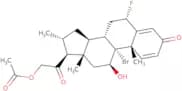
CAS:Oripavine is a naturally occurring alkaloid that can be synthesized from 2,2-bromoethane and potassium carbonate. It has been used for the treatment of Parkinson's disease. Oripavine is an intermediate in the synthesis of rotigotine, a dopamine agonist used to treat Parkinson's disease. The reaction mechanism involves the addition of bromine to 2,2-bromoethane followed by hydrochloric acid treatment to form oripavine. The reaction proceeds with the formation of hydrogen chloride and potassium bromide. The product can then be reacted with a Grignard reagent or allyl group to produce rotigotine.Formula:C6H7BrSPurity:Min. 95%Molecular weight:191.09 g/mol(6a,11b,16a)-21-(Acetyloxy)-9-bromo-6-fluoro-11-hydroxy-16-methyl-pregna-1,4-diene-3,20-dione
CAS:Controlled ProductPlease enquire for more information about (6a,11b,16a)-21-(Acetyloxy)-9-bromo-6-fluoro-11-hydroxy-16-methyl-pregna-1,4-diene-3,20-dione including the price, delivery time and more detailed product information at the technical inquiry form on this pageFormula:C24H30BrFO5Purity:Min. 95%Molecular weight:497.39 g/molDichloro(methyl)octadecylsilane
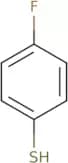
CAS:Dichloro(methyl)octadecylsilane is a liquid that is used to coat the inside of tubes in chromatographic columns. The coating ensures that the stationary phase (the material on which the analyte travels) remains stationary and is not carried away with the mobile phase. It has been shown to be effective at removing hydrogen chloride from water and can be used as a fabricating agent for coatings. Dichloro(methyl)octadecylsilane is used in analytical chemistry, where it has been shown to have a number of uses including being able to remove hydroxy groups from molecules and electron microscopy, where it can be used as a coating for nonpolar solvents.Purity:Min. 95%4-Fluorothiophenol
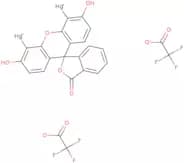
CAS:4-Fluorothiophenol is a reactive chemical that can be used as a monomer for the synthesis of polymers. It has been shown to polymerize with acrylonitrile and methacrylate in the presence of an initiator to form polyacrylonitrile and polymethacrylate, respectively. 4-Fluorothiophenol reacts with unsaturated fatty acids to form thiolates, which are useful intermediates in organic synthesis. 4-Fluorothiophenol also reacts with sulfur transfer agents such as thiourea or mercaptoethanol, leading to S-sulfides that are useful intermediates in organic synthesis. These reactions can be followed by kinetic energy spectroscopy (photoelectron) and nuclear magnetic resonance spectroscopy (NMR). 4-Fluorothiophenol has been shown to undergo intramolecular hydrogen transfer reactions with second order rate constants ranging fromFormula:C6H5FSPurity:Min. 95%Molecular weight:128.17 g/molBis(2,2,2-trifluoroacetato-kO)di-mercury fluorescein
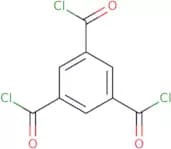
CAS:Controlled ProductPlease enquire for more information about Bis(2,2,2-trifluoroacetato-kO)di-mercury fluorescein including the price, delivery time and more detailed product information at the technical inquiry form on this pageFormula:C24H10F6Hg2O9Purity:Min. 95%Molecular weight:957.5 g/molTrimesoyl chloride
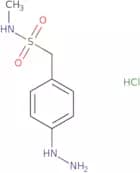
CAS:Trimesoyl chloride is a chitosan quaternary ammonium compound. It has been shown to be effective in the treatment of wastewater and for use in water purification. Trimesoyl chloride has antioxidative properties that are useful in wastewater treatment because it can break down organic compounds, such as chlorinated hydrocarbons, that are present. It also has chemical stability under high salt or acid conditions and is able to transport ionic species across membranes. Trimesoyl chloride is not soluble in water due to its amide group, but it has high water permeability. The compound is neutral at pH 7 and has constant pressure properties, which makes it suitable for use with multi-walled carbon membranes.Formula:C9H3Cl3O3Purity:Min. 95%Molecular weight:265.48 g/mol4-Hydrazino-N-methyl benzene methanesulfonamide, hydrochloride (1:1)
CAS:Please enquire for more information about 4-Hydrazino-N-methyl benzene methanesulfonamide, hydrochloride (1:1) including the price, delivery time and more detailed product information at the technical inquiry form on this pageFormula:C8H14ClN3O2SPurity:Min. 95%Molecular weight:251.73 g/molStannous chloride anhydrous
CAS:Stannous chloride anhydrous is a particle with a particle size of 3-6 microns and a melting point of 8°C. It has been shown in toxicity studies to be non-toxic to rats and rabbits when administered orally. Stannous chloride anhydrous is a coordination compound that contains stannous ion, which is coordinated by four sulfur atoms and two nitrogen atoms. The molecule can also have different geometries depending on the solvent used; for example, in trifluoroacetic acid, it adopts a trigonal bipyramidal geometry. Stannous chloride anhydrous has been shown to inhibit enzymes such as pepsin, chymotrypsin, and trypsin. This inhibition may be due to its ability to bind covalently with these enzymes.Formula:Cl2SnPurity:Min. 95%Color and Shape:PowderMolecular weight:189.62 g/mol4-Fluoro methamphetamine hydrochloride
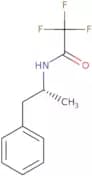
CAS:Controlled Product4-Fluoro methamphetamine hydrochloride is a psychoactive substance that can be detected by the use of a gas chromatograph. It is a formic acid derivative of methamphetamine, which is found in methanolic solution. The drug is used as an illicit recreational drug and can be used to treat ADHD and narcolepsy. 4-Fluoro methamphetamine hydrochloride is also used as a research chemical. The detection of this substance in urine samples can be done by the use of chromatography, with confirmation by mass spectrometry or gas chromatography-mass spectrometry.Formula:C10H15ClFNPurity:Min. 95%Molecular weight:203.68 g/molN-Trifluoroacetyl (R)-amphetamine
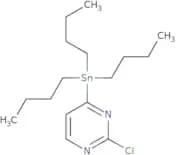
CAS:Controlled ProductPlease enquire for more information about N-Trifluoroacetyl (R)-amphetamine including the price, delivery time and more detailed product information at the technical inquiry form on this pageFormula:C11H12F3NOPurity:Min. 95%Molecular weight:231.21 g/mol2-Chloro-4-(tributylstannyl)pyrimidine
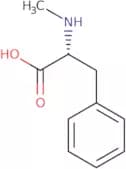
CAS:Controlled Product2-Chloro-4-(tributylstannyl)pyrimidine is a potent inhibitor of activin, an important regulator of bone morphogenetic protein. This drug has been shown to inhibit the production of phosphatase and morphogenetic protein in mouse fibroblasts, as well as inhibiting the growth of cells from patients with fibrodysplasia. 2-Chloro-4-(tributylstannyl)pyrimidine also inhibits metabolic stability and enzyme inhibitory activities.Formula:C16H29ClN2SnPurity:Min. 95%Molecular weight:403.58 g/molN-alpha-Methyl-D-phenylalanine hydrochloride
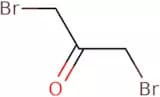
CAS:N-alpha-Methyl-D-phenylalanine hydrochloride is a synthetic pentapeptide that has been shown to be effective against cyclic diseases. It is a naturally occurring amino acid and an important component of the human body. N-alpha-Methyl-D-phenylalanine hydrochloride has been used in research for the treatment of autoimmune diseases, such as inflammatory bowel disease. This drug is also known to have tumor necrosis factor alpha (TNFα) inhibitory activity.Formula:C10H13NO2·HClPurity:Min. 95%Molecular weight:215.68 g/mol1,3-Dibromoacetone
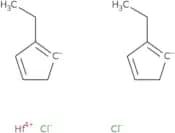
CAS:1,3-Dibromoacetone (1,3-DB) is a chemical compound that is used in analytical chemistry to separate peptides and proteins by hydrophilic interaction chromatography. 1,3-DB reacts with the cysteine residues in the protein to form a disulfide bond. The complex formed can be detected using a fluorescent dye such as fluorescein. This compound has been used to characterize the urine samples of patients with α subunit amyloidosis who have increased levels of adenine nucleotides. It has also been used for detection sensitivity testing for the histidine residues on the enzyme synthetase and subunits of streptavidin.Formula:C3H4Br2OPurity:Min. 95%Color and Shape:Clear LiquidMolecular weight:215.87 g/molBis(ethylcyclopentadienyl)hafniumdichloride
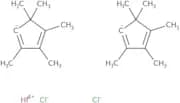
CAS:Controlled ProductPlease enquire for more information about Bis(ethylcyclopentadienyl)hafniumdichloride including the price, delivery time and more detailed product information at the technical inquiry form on this pageFormula:C14H18Cl2HfPurity:Min. 95%Molecular weight:435.69 g/molBis(pentamethylcyclopentadienyl)hafniumdichloride
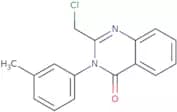
CAS:Controlled ProductBis(pentamethylcyclopentadienyl)hafniumdichloride (BPMC-HfCl2) is an enantioselective catalyst that is used in organic synthesis. The catalyst converts unsaturated alkyl groups, halogen compounds and quinoline derivatives to their corresponding β-amino acid analogs. BPMC-HfCl2 can also be used to synthesize glycol ethers from ethyl alcohol and ethylene glycol. The catalyst has been shown to be stable in the presence of a cationic surfactant and β-amino acid, which are common substrates for the reaction.Formula:C20H30Cl2HfPurity:Min. 95%Molecular weight:519.85 g/mol2-(Chloromethyl)-3-(3-methylphenyl)quinazolin-4(3H)-one
CAS:Controlled ProductPlease enquire for more information about 2-(Chloromethyl)-3-(3-methylphenyl)quinazolin-4(3H)-one including the price, delivery time and more detailed product information at the technical inquiry form on this pageFormula:C16H13ClN2OPurity:Min. 95%Molecular weight:284.74 g/mol2-Amino-5-chloropyridine
CAS:2-Amino-5-chloropyridine is an organic compound that is a metabolite of nicotinic acid. 2-Amino-5-chloropyridine has been detected in urine samples and can be extracted from urine with hydrochloric acid. It can also be prepared by the reaction of picolinic acid and malonic acid, which are both found in the human body. The compound has been shown to have pharmacokinetic properties, including a half life of approximately 1 hour and a volume of distribution of 0.3 L/kg. 2-Amino-5-chloropyridine has also been shown to have structural analysis and binding properties with hydrogen bonding interactions. The structure was determined by X-ray crystal structures, which revealed the presence of a reactive group p2 and the absence of any other reactive groups. 2-Amino-5-chloropyridine is used as an analytical method for fluorescence detection in combination
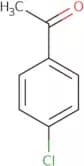
Purity:Min. 95%Color and Shape:White To Off-White SolidMolecular weight:128.56 g/mol4'-Chloroacetophenone
CAS:4'-Chloroacetophenone is a chemical substance that is used in the synthesis of other substances. It has been shown to be an effective tool for cell-specific reactions, such as methyl ketones and benzaldehyde. 4'-Chloroacetophenone reacts with hydrochloric acid and palladium complexes to produce electron reduction, which leads to the activation of methyl ketones. This reaction provides a method for synthesizing molecules with a carbonyl group. The isolated yield of this reaction is dependent on the reaction solution temperature and concentration. The mechanism of this reaction appears to be Suzuki coupling reaction.Formula:C8H7ClOPurity:Min. 95%Color and Shape:Clear Colourless To Pale Yellow LiquidMolecular weight:154.59 g/mol3-(Bromomethyl)-1-methyl-1H-indazole
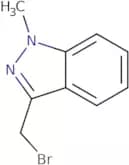
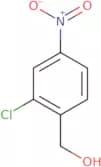
CAS:Controlled ProductPlease enquire for more information about 3-(Bromomethyl)-1-methyl-1H-indazole including the price, delivery time and more detailed product information at the technical inquiry form on this pageFormula:C9H9BrN2Purity:Min. 95%Molecular weight:225.09 g/mol(2-Chloro-4-nitrophenyl)methanol
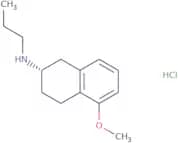
CAS:Please enquire for more information about (2-Chloro-4-nitrophenyl)methanol including the price, delivery time and more detailed product information at the technical inquiry form on this pageFormula:C7H6ClNO3Purity:Min. 95%Color and Shape:PowderMolecular weight:187.58 g/mol(S)-1,2,3,4-Tetrahydro-5-methoxy-N-propyl-2-naphthalenamine hydrochloride
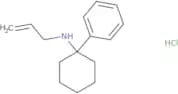
CAS:Controlled ProductPlease enquire for more information about (S)-1,2,3,4-Tetrahydro-5-methoxy-N-propyl-2-naphthalenamine hydrochloride including the price, delivery time and more detailed product information at the technical inquiry form on this pageFormula:C14H22ClNOPurity:Min. 95%Molecular weight:255.78 g/molN-Allyl-1-phenylcyclohexanamine hydrochloride
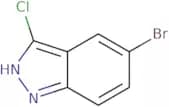
CAS:Controlled ProductPlease enquire for more information about N-Allyl-1-phenylcyclohexanamine hydrochloride including the price, delivery time and more detailed product information at the technical inquiry form on this pageFormula:C15H21NPurity:Min. 95%Molecular weight:215.33 g/mol5-Bromo-3-chloro-1H-indazole
CAS:Please enquire for more information about 5-Bromo-3-chloro-1H-indazole including the price, delivery time and more detailed product information at the technical inquiry form on this pageFormula:C7H4BrClN2Purity:Min. 95%Molecular weight:231.48 g/molN-(1H-Indol-4-ylmethyl)-N-[2-(4-methoxyphenyl)ethyl]amine hydrochloride
CAS:Controlled ProductPlease enquire for more information about N-(1H-Indol-4-ylmethyl)-N-[2-(4-methoxyphenyl)ethyl]amine hydrochloride including the price, delivery time and more detailed product information at the technical inquiry form on this pageFormula:C18H20N2OPurity:Min. 95%Molecular weight:280.36 g/mol2-Fluoropyrazine
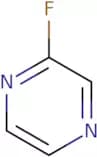
CAS:2-Fluoropyrazine is a heterocyclic compound that has been shown to be an efficient catalyst for the palladium-catalyzed cross-coupling reaction. It reacts with nucleophiles such as hydroxy group, chlorine atom, and hydroxyl group. The 2-fluoropyrazine catalyzes the formation of a carbon-nitrogen bond in a nucleophilic attack on an oxadiazole ring. 2-Fluoropyrazine has been found to inhibit the growth of cancer cells and infectious diseases by inhibiting the synthesis of RNA and protein. It also inhibits the replication of viruses by binding to their RNA polymerase.Formula:C4H3FN2Purity:Min. 95%Molecular weight:98.08 g/mol2-Bromofuran
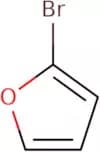
CAS:2-Bromofuran is a metal carbonyl and a pyrazole ring. It has been shown to bind to the CB2 receptor and may have some activity on the nervous system. 2-Bromofuran has been shown to be effective in treating chronic kidney disease and polycystic ovarian syndrome with acetylcholine. The electrochemical data for this molecule has shown that it can form hydrogen bonds when combined with cholinergic molecules.Formula:C4H3BrOPurity:Min. 95%Molecular weight:146.97 g/mol2,3-Difluoroaniline
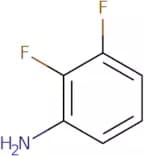
CAS:2,3-Difluoroaniline is an organic chemical compound with the formula CHF2NH. It has a molecular weight of 138.24 and a melting point of -70°C. 2,3-Difluoroaniline is soluble in water, but it will react with hydrochloric acid to produce hydrogen fluoride and chloride ions. This compound is used as an optical reagent for pH measurements and ion-exchange chromatography. 2,3-Difluoroaniline has been shown to have antimicrobial activity against bacterial strains such as Escherichia coli, Enterobacter aerogenes, Pseudomonas aeruginosa, Klebsiella pneumoniae, Proteus vulgaris, Salmonella enterica serovar Typhimurium, Staphylococcus aureus (MRSA), Streptococcus pyogenes (Group A Streptococcus), and Vibrio chFormula:C6H5F2NPurity:Min. 95%Molecular weight:129.11 g/mol4-(Methylthio)benzylchloride
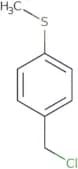
CAS:4-(Methylthio)benzylchloride is a molecule that belongs to the group of dendrons. It is a synthetic molecule with an acid chloride functional group. This compound has been synthesized by decarboxylation of 4-methylthiobenzaldehyde and then chlorination of the resulting alcohol. The microextraction technique was used to extract 4-(methylthio)benzylchloride from acidic solutions. In this technique, a small amount of solvent is absorbed on a solid phase and then eluted into another solvent in a laboratory instrument called the headspace. The headspace technique is used to extract 4-(methylthio)benzylchloride from acidic solutions because it has better sensitivity and selectivity than liquid-liquid extraction. The fluorescence properties of 4-(methylthio)benzylchloride allow it to be detected using luminescence spectroscopy at wavelengths between 400 nm and 700 nm, which makes it useful asFormula:C8H9ClSPurity:Min. 95%Molecular weight:172.68 g/mol2-Bromo-4'-nitroacetophenone
CAS:2-Bromo-4'-nitroacetophenone is a chemical compound that has been shown to be active in enzyme inhibition experiments. It has been found to inhibit the activity of histidine decarboxylase, which catalyzes the conversion of histidine to histamine, and uv absorption. 2-Bromo-4'-nitroacetophenone binds to the active site of P450 enzymes, inhibiting their catalytic activity. This compound also inhibits fatty acid oxidation by binding to fatty acid hydroxylase and hydrogen bonds with tyrosine residues in proteins. 2-Bromo-4'-nitroacetophenone is structurally similar to 2-bromoacetophenone, which has been shown to have antihistaminic properties.Formula:C8H6BrNO3Purity:Min. 95%Color and Shape:PowderMolecular weight:244.04 g/mol1-(3-Chlorophenyl)-1,2-propanedione
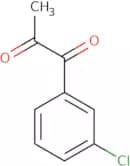
CAS:1-(3-Chlorophenyl)-1,2-propanedione is a chiral compound that can be used as an intermediate in the synthesis of bupropion. The purity of 1-(3-Chlorophenyl)-1,2-propanedione is determined by measuring the absorbance at a wavelength of 290 nm. The purity is also validated via gas chromatography with a chiral column and monitored using spectroscopy. It should be noted that the compound has been shown to have pharmacopoeia activity and can be measured at a concentration of 0.02 mg/L in acetonitrile.
Formula:C9H7ClO2Purity:Min. 95%Molecular weight:182.6 g/molBoc-L-aspartic acid a-9-fluorenylmethyl ester
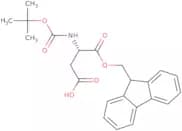
CAS:Boc-L-aspartic acid a-9-fluorenylmethyl ester is a synthetic compound that mimics the structure of acetylcholine. It has been shown to be an efficient method for generating pseudopeptides and cyclic peptides. This compound may be used as a surrogate for acetylcholine in virus research, since it can bind to the same receptor. Boc-L-aspartic acid a-9-fluorenylmethyl ester has also been used to generate monoclonal antibodies that are neutralizing against foot-and-mouth disease viruses.Formula:C23H25NO6Purity:Min. 97 Area-%Molecular weight:411.45 g/molrac-cis-2,3-dichloro sertraline hydrochloride
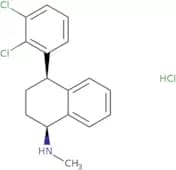
CAS:Please enquire for more information about rac-cis-2,3-dichloro sertraline hydrochloride including the price, delivery time and more detailed product information at the technical inquiry form on this pageFormula:C17H18Cl3NPurity:Min. 95%Molecular weight:342.69 g/mol3-Nitrobenzylchloride
CAS:3-Nitrobenzylchloride is a chemical compound that has an x-ray crystal structure. This molecule was synthesized by reacting 3-nitrobenzyl alcohol with thionyl chloride in the presence of sodium hydroxide and water. The reaction product was then purified by recrystallization from hexane to obtain the desired compound, which had an analytical purity of 98%. 3-Nitrobenzylchloride is a model system for studying nucleophilic attack, intramolecular hydrogen bonding, and halogen compounds. It can also be used to study radical coupling reactions of nitroalkanes, halides, and amines. 3-Nitrobenzylchloride can be used in analytical chemistry as a reagent for quality control tests on naphthalene and amines.
Formula:C7H6ClNO2Purity:Min. 95%Molecular weight:171.58 g/mol4-Chloro-2-methylbenzenesulfonyl chloride
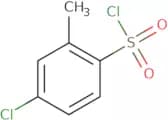
CAS:Please enquire for more information about 4-Chloro-2-methylbenzenesulfonyl chloride including the price, delivery time and more detailed product information at the technical inquiry form on this page
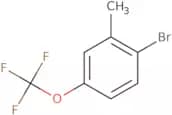
Formula:C7H6Cl2O2SPurity:Min. 95%Molecular weight:225.09 g/mol2-Methyl-4-(trifluoromethoxy)bromobenzene
CAS:Please enquire for more information about 2-Methyl-4-(trifluoromethoxy)bromobenzene including the price, delivery time and more detailed product information at the technical inquiry form on this pageFormula:C8H6BrF3OPurity:Min. 95%Color and Shape:Clear LiquidMolecular weight:255.03 g/molDiethyl Chlorothiophosphate
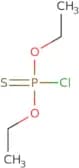
CAS:Diethyl chlorothiophosphate is a chlorinating agent that reacts with sodium carbonate to form diethyl phosphorochloridate. It is used as an analytical reagent and in the production of monoclonal antibodies. It has been shown to effectively inhibit protein synthesis in bacteria by reacting with amino groups, which are essential for protein formation. Diethyl chlorothiophosphate is also able to induce antibody responses in mice. This drug may be toxic if inhaled or ingested and may cause skin irritation.Formula:C4H10ClO2PSPurity:Min. 95%Molecular weight:188.61 g/molDechlorane A
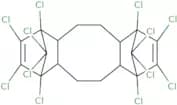
CAS:Dechlorane A is a polymeric matrix that binds to calcium ions and alters the energy metabolism of cells. It has been shown to have physiological effects in rats, such as axonal growth and transcriptomic analysis. Dechlorane A is not absorbed by the human body and has shown low bioavailability. It is used in wastewater treatment plants to remove diphenyl ethers from water, which are toxic to aquatic life.Formula:C18H12Cl12Purity:Min. 95%Color and Shape:PowderMolecular weight:653.72 g/molPiperazine-2-carboxylic acid methyl esterdihydrochloride
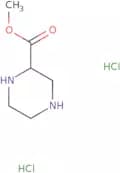
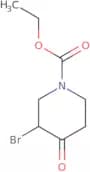
CAS:Piperazine-2-carboxylic acid methyl ester (PPCM) is a chemical compound that is used as an intermediate in the production of ethylenediamine and piperazine-2-carboxylic acid dihydrochloride. It is a white crystalline solid that can be synthesized by reacting ethylene diamine with piperazine-2-carboxylic acid. PPCM has been shown to inhibit the growth of bacteria, yeast, and fungi by inhibiting protein synthesis. This chemical also inhibits the production of proteins essential for respiration and cell wall formation.Formula:C6H14Cl2N2O2Purity:Min. 95%Molecular weight:217.09 g/mol3-Bromo-4-oxo-piperidine-1-carboxylic acid ethyl ester
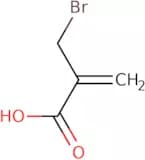
CAS:3-Bromo-4-oxo-piperidine-1-carboxylic acid ethyl ester is a monoclinic crystal of the salt of 3-bromo-4-oxo-piperidine and 1,2-ethanediol. It is used as an intermediate in the synthesis of cisapride, a medication that regulates gastrointestinal motility. 3BOCEP has been shown to hydrolyze in the stomach with a rate constant of 2 x 10 M s. The bromination product is cisapride, which has been shown to regulate gastrointestinal motility by stimulating GI smooth muscle contractions.Formula:C8H12BrNO3Purity:Min. 95%Molecular weight:250.09 g/mol2-(Bromomethyl)acrylic acid
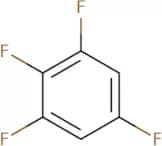
CAS:2-(Bromomethyl)acrylic acid is a monomer that has been synthesized from bromoacetic acid and acrylic acid. It is an efficient method for the synthesis of 2-bromoethyl acrylate, which can be used as a precursor for polyurethanes and other polymers. The 2-bromoethyl acrylate can be obtained through allylation with ethylene glycol, followed by hydrolysis to produce acrylic acid. This monomer reacts with free hydroxyl groups to form esters and ethers. It also reacts with nitrogen atoms to form amides or nitriles. Cell culture studies have shown that this compound has no toxic effects on human erythrocytes or hepatocytes.Formula:C4H5BrO2Purity:Min. 95%Color and Shape:PowderMolecular weight:164.99 g/mol1,2,3,5-Tetrafluorobenzene
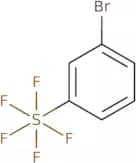
CAS:1,2,3,5-Tetrafluorobenzene is a chemical compound that belongs to the group of aromatic hydrocarbons. It has been shown to have antiinflammatory activity in vitro. 1,2,3,5-Tetrafluorobenzene is a metastable form of hydrogen fluoride and can be used as an intermediate in the synthesis of other fluorine-containing compounds. The molecule has a dipole moment and reacts with hydrogen ions to form hydrogen bonds. It also has high chemical stability and does not react with oxygen or nitrogen at room temperature.Formula:C6H2F4Purity:Min. 95%Color and Shape:Clear LiquidMolecular weight:150.07 g/mol1-Bromo-3-(Pentafluorosulfanyl)Benzene
CAS:1-Bromo-3-(pentafluorosulfanyl)benzene is a molecule that can be used in the synthesis of biologically active compounds. It has been shown to have anti-inflammatory properties, which may be due to its ability to modulate the activity of 5-hydroxytryptamine (5-HT). The functionalities of 1-bromo-3-(pentafluorosulfanyl)benzene include cross-coupling (i.e., chemical reactions that join two or more substances together), protonation, and ligand binding. This molecule has been synthesized from 2,4,6-trifluorobenzonitrile and bromine. The isomers for this molecule are cis and trans, with the cis isomer being more active than the trans isomer. Techniques such as molecular modeling have also been used to study 1-bromo-3-(pentafluorosulfanyl)benFormula:C6H4BrF5SPurity:Min. 95%Molecular weight:283.06 g/mol4-Iodotoluenedifluoride
CAS:4-Iodotoluenedifluoride is a molecule that can be produced by the Friedel-Crafts reaction of iodotoluene with sulfoxides. It has been shown to be a bioactive molecule and an efficient method for the stereoselective synthesis of sulfoxides. 4-Iodotoluenedifluoride is also used in the synthesis of phenoxy compounds, which have been shown to have anti-inflammatory properties. The phenoxy group can be replaced with fluorine, which increases the lipophilicity of these molecules and makes them useful for lipid lowering drugs. These molecules are also capable of inhibiting cholesterol biosynthesis and increasing density lipoprotein (HDL).Formula:C7H7F2IPurity:Min. 95%Molecular weight:256.03 g/molL-Alanine amide hydrobromide
CAS:L-Alanine amide hydrobromide is a carboxylic acid that can be used as an antibacterial agent. It reacts with the amino group of l-tyrosine and alkylsulfonyl groups to form an amide. L-Alanine amide hydrobromide has been shown to inhibit bacterial growth in vitro, and it also has anti-inflammatory properties. The antibacterial activity of L-alanine amide hydrobromide is activated by reaction time, which may be due to its ability to react with the basic proteins found in bacteria. This drug also interacts with vinyl alcohol, which may be important for its immobilized application.
Formula:C3H8N2O·HBrPurity:Min. 95%Molecular weight:169.02 g/mol
![4-fluoro-1-methyl-1,4-diazoniabicyclo[2.2.2]octane](/_next/image/?url=https%3A%2Fstatic.cymitquimica.com%2Fproducts%2F3D%2Fthumb-webp%2FFF106220.webp&w=3840&q=75)

![4-[(4-Chlorophenyl)phenylmethyl]-1-piperazineethanol dihydrochloride](/_next/image/?url=https%3A%2Fstatic.cymitquimica.com%2Fproducts%2F3D%2Fthumb-webp%2FFC53582.webp&w=3840&q=75)




![N-(1H-Indol-4-ylmethyl)-N-[2-(4-methoxyphenyl)ethyl]amine hydrochloride](/_next/image/?url=https%3A%2Fstatic.cymitquimica.com%2Fproducts%2F3D%2Fthumb-webp%2FFI116235.webp&w=3840&q=75)