Organic Halides
Subcategories of "Organic Halides"
Found 20442 products of "Organic Halides"
N-Methyl-N-[(1-methyl-1H-benzimidazol-2-yl)methyl]amine hydrochloride
CAS:Controlled ProductPlease enquire for more information about N-Methyl-N-[(1-methyl-1H-benzimidazol-2-yl)methyl]amine hydrochloride including the price, delivery time and more detailed product information at the technical inquiry form on this pageFormula:C10H13N3Purity:Min. 95%Molecular weight:175.23 g/mol4-Methyl-2-hexanamine hydrochloride
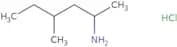
CAS:Controlled Product4-Methyl-2-hexanamine hydrochloride is a synthetic amide that is used as a solvent in laboratories. It is a psychoactive substance and has been found to be an inhibitor of serotonin uptake, which may be related to its ability to inhibit the function of the serotonin transporter. The amount of 4-methyl-2-hexanamine hydrochloride absorbed by the body varies depending on how it is taken. When taken orally, 4-methyl-2-hexanamine hydrochloride enters through the digestive tract and reaches high levels in the blood stream. When taken intravenously, it enters the bloodstream directly and can reach higher concentrations in the blood. When inhaled, 4-methyl-2-hexanamine hydrochloride can enter into the lungs at high concentrations and then is absorbed into the bloodstream. 4-Methyl-2-hexanamine hydrochloride also degrades quickly in natural environments due to its biodegradable properties.Formula:C7H18ClNPurity:Min. 95%Color and Shape:PowderMolecular weight:151.68 g/mol2,2-Dimethyl-6,6,7,7,8,8,8-heptafluoro-3,5-octanedione
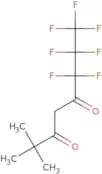
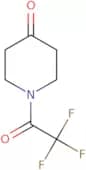
CAS:2,2-Dimethyl-6,6,7,7,8,8,8-heptafluoro-3,5-octanedione is a bidentate ligand for metal ions. It has been shown to be effective in the synthesis of nanocrystals and the activation energy for the reaction has been determined to be 70.4 kJ/mol. 2DMMHFO can be used as a precursor for the growth of silicon films by chemical vapor deposition and other techniques. The molecule has also been shown to bind with metal ions such as Cu(II) and Fe(III), which may be due to its ability to chelate these metals. 2DMMHFO has been used as an efficient catalyst in asymmetric epoxidation reactions with high enantioselectivity.Formula:C10H11F7O2Purity:Min. 95%Molecular weight:296.18 g/mol1-(Trifluoroacetyl)-4-piperidinone
CAS:Controlled ProductPlease enquire for more information about 1-(Trifluoroacetyl)-4-piperidinone including the price, delivery time and more detailed product information at the technical inquiry form on this page
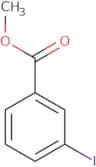
Formula:C7H8F3NO2Purity:Min. 95%Molecular weight:195.14 g/mol3-Iodobenzoic acid methyl ester
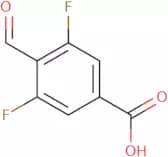
CAS:3-Iodobenzoic acid methyl ester is a synthetic selenium compound that is used in the synthesis of fatty acids. It is also used as a radionuclide in the diagnosis of cancer and other diseases. 3-Iodobenzoic acid methyl ester can be taken orally or injected, but it should not be taken by pregnant women or those who are allergic to iodine. This product has been shown to have anti-cancer properties when given orally, although there are some potential side effects associated with usage. These side effects include nausea, vomiting, diarrhea, and an increase in urine production. 3-Iodobenzoic acid methyl ester is metabolized into toxic products such as biphenyl, which may cause an escalation of symptoms. The structural formula for this product is C8H7INOS2O2.Formula:C8H7IO2Purity:Min. 95%Color and Shape:PowderMolecular weight:262.04 g/mol3,5-difluoro-4-formylbenzoic Acid
CAS:3,5-Difluoro-4-formylbenzoic acid is a sulfamic acid derivative that is used as a catalyst in the synthesis of aldehydes. The catalytic activity of 3,5-difluoro-4-formylbenzoic acid is due to its ability to be oxidized by air and light to give an active form. It also has other uses in the synthesis of dihydropyrans and regioselectivity studies.Formula:C8H4F2O3Purity:Min. 95%Molecular weight:186.11 g/molMethyl 1-aminocyclohexanecarboxylate hydrochloride
CAS:Please enquire for more information about Methyl 1-aminocyclohexanecarboxylate hydrochloride including the price, delivery time and more detailed product information at the technical inquiry form on this pageFormula:C8H15NO2Purity:Min. 95%Molecular weight:157.21 g/molManganese dichloride
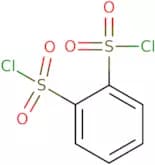
CAS:Manganese dichloride is a chemical compound that is used as an oxidation catalyst. It has been shown to have the ability to remove nitrogen from wastewater and to be used for the treatment of sodium carbonate in water. Manganese dichloride can also be used as a catalyst for the removal of volatile organic compounds from air or water. Manganese dichloride is also used in x-ray diffraction data, where it was found that this compound has a high crystallinity with α subunit and nitrogen atoms. This substance is not toxic to brain functions and does not react with water, which makes it suitable for use in wastewater treatment plants. Manganese dichloride has also been shown to have an anti-cancer effect on brain tumours and can inhibit epidermal growth factor (EGF).Formula:MnCl2Purity:Min. 95%Color and Shape:PowderMolecular weight:125.84 g/mol1,2-Benzenedisulfonyl Dichloride
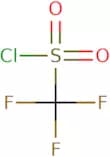
CAS:1,2-Benzenedisulfonyl Dichloride is a sulfonamide that has shown to be an effective antagonist of glutamate receptors (N-methyl-D-aspartate) in the central nervous system. The drug binds to the receptor and prevents the binding of glutamate, which is needed for its activation. It also inhibits the production of inflammatory cytokines such as IL-1β, IL-6, and TNFα by blocking proton influx into the cells. 1,2-Benzenedisulfonyl Dichloride has been found to be effective in treating inflammation in animals and humans. It has a short half life in plasma and liver, making it suitable for use with other drugs.Formula:C6H4Cl2O4S2Purity:Min. 95%Color and Shape:PowderMolecular weight:275.13 g/molTrifluoromethanesulfonyl chloride
CAS:Trifluoromethanesulfonyl chloride is a reactive chemical that reacts with nucleophilic groups in biological molecules. It is used for the treatment of infectious diseases and metabolic disorders. Trifluoromethanesulfonyl chloride has been shown to have receptor activity against various microorganisms, including resistant strains. Structural analysis has shown that the active form of trifluoromethanesulfonyl chloride binds to malonic acid and other coumarin derivatives. This binding prevents the formation of hydrogen bonds, which would otherwise stabilize the molecule, leading to its degradation. Trifluoromethanesulfonyl chloride also reacts with magnesium salt to produce trifluoroacetic acid, which is an organic solvent that can be used as a reaction medium or a reagent in organic synthesis.
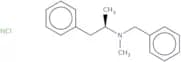
Formula:CClF3O2SPurity:Min. 95%Molecular weight:168.52 g/mol(R)-Benzphetamine hydrochloride
CAS:Controlled ProductPlease enquire for more information about (R)-Benzphetamine hydrochloride including the price, delivery time and more detailed product information at the technical inquiry form on this page
Formula:C17H22ClNPurity:Min. 95%Molecular weight:275.82 g/molgamma-Butyrobetaine hydrochloride
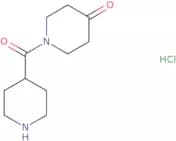
CAS:Gamma-butyrobetaine hydrochloride (GBB) is a metabolite of gamma-butyrobetaine, which is found in the human body. GBB is synthesized from lysine and methionine through an enzymatic pathway that starts with the conversion of lysine to homocysteine. GBB is then converted to gamma-butyrobetaine by methylating the hydroxyl group on its terminal carbon. GBB can be found in urine samples as well as in carnitine and fatty acid metabolism. It has been shown to have an inhibitory effect on creatine kinase and can be used to diagnose metabolic disorders such as carnitine deficiency or prognosis following a heart attack.Formula:C7H16ClNO2Purity:Min. 95%Color and Shape:PowderMolecular weight:181.66 g/mol1-(Piperidine-4-carbonyl)piperidin-4-one hydrochloride
CAS:Controlled ProductPlease enquire for more information about 1-(Piperidine-4-carbonyl)piperidin-4-one hydrochloride including the price, delivery time and more detailed product information at the technical inquiry form on this page
Formula:C11H19ClN2O2Purity:Min. 95%Molecular weight:246.73 g/mol3-Nitrobenzyl bromide
CAS:3-Nitrobenzyl bromide (3NB) is a lectin that binds to the carbohydrate moieties of glycoproteins. It has been shown to inhibit protease activity and be an inhibitor of nitro group formation by reacting with sodium carbonate. 3NB has also been used in sample preparation for monoclonal antibody production. 3-Nitrobenzyl bromide can be used as a probe for hydrogen bonds, which may be due to its ability to form an intermolecular hydrogen bond with other molecules. 3NB inhibits fatty acid synthesis and cardiac contractile function, which is likely due to its inhibitory properties on hydrogen bonding.
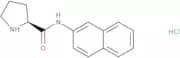
Formula:C7H6BrNO2Purity:Min. 95%Color and Shape:Off-White PowderMolecular weight:216.03 g/molL-Proline-beta-naphthylamide hydrochloride
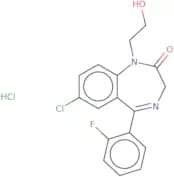
CAS:L-proline analogueFormula:C15H16N2O·HClPurity:Min. 95%Molecular weight:276.76 g/molN1-(2-Hydroxyethyl) flurazepam hydrochloride
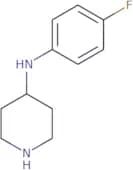
CAS:Controlled ProductPlease enquire for more information about N1-(2-Hydroxyethyl) flurazepam hydrochloride including the price, delivery time and more detailed product information at the technical inquiry form on this pageFormula:C17H15Cl2FN2O2Purity:Min. 95%Molecular weight:369.22 g/molN-(4-Fluorophenyl)piperidin-4-amine
CAS:Controlled ProductFentanyl is a synthetic opioid that is similar to morphine. It has been used in human studies for its analgesic effects. Fentanyl has been shown to have a high potential for abuse and can cause life-threatening respiratory depression. It can be administered orally, intravenously, or by inhalation. The drug is metabolized by the liver into several inactive metabolites. Fentanyl is an analog of the natural opioid peptide endorphin and binds to δ-opioid receptors in the central nervous system, which are involved in the regulation of pain. This drug also has antinociceptive properties at low doses and δ-opioid agonist activity at higher doses.
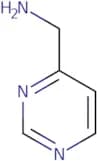
Formula:C11H15FN2Purity:Min. 95%Molecular weight:194.25 g/mol(Pyrimidin-4-ylmethyl)amine dihydrochloride
CAS:Pyrimidin-4-ylmethyl)amine dihydrochloride is a drug that belongs to the class of drugs known as kinase inhibitors. Pyrimidin-4-ylmethyl)amine dihydrochloride inhibits the kinase activity of Jak3, which is involved in regulating inflammation and immune response. This inhibitor has been shown to be effective against chronic inflammatory diseases such as asthma, psoriasis, and rheumatoid arthritis. Pyrimidin-4-ylmethyl)amine dihydrochloride has an affinity for ATP binding sites and can be used to regulate kinase activity by competing with ATP for these binding sites.
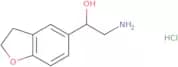
Formula:C5H7N3Purity:Min. 95%Molecular weight:109.13 g/mol2-Amino-1-(2,3-dihydro-benzofuran-5-yl)-ethanolHydrochloride
CAS:Controlled ProductPlease enquire for more information about 2-Amino-1-(2,3-dihydro-benzofuran-5-yl)-ethanolHydrochloride including the price, delivery time and more detailed product information at the technical inquiry form on this pageFormula:C10H14ClNO2Purity:Min. 95%Molecular weight:215.68 g/molPhenylpropylmethylamine hydrochloride
CAS:Controlled ProductPhenylpropylmethylamine hydrochloride is a chemical compound with the molecular formula CHClN. It is soluble in water and organic solvents. Phenylpropylmethylamine hydrochloride can be prepared by reacting chloropropane with hydrogen chloride, or by reacting phenylpropanolamine with hydrochloric acid in the presence of dodecyl mercaptan and sodium hydroxide solution. The impurities present in this product include chloropropane, chloride gas, and hydroxide ions. The reactions involved are exothermic reactions that require cooling to prevent overheating. Impurities may also form if this product is not reacted under an inert atmosphere of nitrogen gas. The following are some common uses for Phenylpropylmethylamine hydrochloride: -as a solvent in the production of certain types of plastics -in the manufacture of dyes, drugs, rubber products, and soaps -in researchFormula:C10H16ClNPurity:Min. 95%Color and Shape:PowderMolecular weight:185.69 g/molLithium difluoro(oxalato)borate
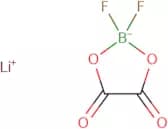
CAS:Lithium difluoro(oxalato)borate is an electron-microscopic corrosion inhibitor that belongs to the class of ester compounds. It is a solid compound that has been shown to be efficacious against oxidation products. The efficiency of this compound is dependent on the concentration and purity of lithium difluoro(oxalato)borate and the type of metal, such as steel or aluminum. Lithium difluoro(oxalato)borate can be used in rechargeable batteries, due to its transport properties, high salt tolerance, and low self-discharge rate. This compound has been shown to have functional groups that are capable of interacting with hydrogen fluoride in an organic solution.Formula:C2BF2O4•LiPurity:Min. 95%Molecular weight:143.77 g/mol2-Amino-4-chloro-3-nitropyridine
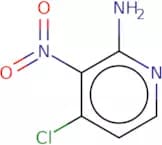
CAS:2-Amino-4-chloro-3-nitropyridine is a potent inhibitory molecule that inhibits the activity of the enzyme acetylcholinesterase. It has been used in the treatment of chronic pain, and has been shown to be effective for inhibiting malonate esters and amino acid esters. This drug is an ethyl ester that can be synthesized from chlorobenzene and malonic acid by chlorinating it with chlorine gas. 2-Amino-4-chloro-3-nitropyridine has also been shown to have a high affinity for malonic acid diethyl esters.Formula:C5H4ClN3O2Purity:Min. 98 Area-%Color and Shape:PowderMolecular weight:173.56 g/molDimethylaminoacetic acid hydrazide dihydrochloride
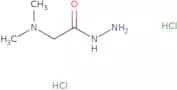
CAS:Please enquire for more information about Dimethylaminoacetic acid hydrazide dihydrochloride including the price, delivery time and more detailed product information at the technical inquiry form on this pagePurity:Min. 95%n-Butyl bromide
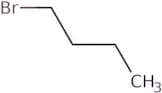
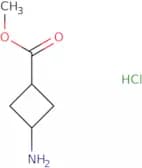
CAS:n-Butyl bromide (n-BuBr) is a chemical that has been used in the laboratory for analytical purposes. It is also used as a solvent for sodium salts, nitrogen atoms, and other chemicals. n-Butyl bromide has been shown to cause bowel disease with hyoscine, glycol ethers, and antibodies. This effect may be due to the intramolecular hydrogen transfer reaction between the carboxylic acid group of butyl bromide and carboxylate groups in proteins. The clinical relevance of this interaction is not yet known. n-Butyl bromide also has inflammatory effects on the bowel that have been seen in animal models of inflammatory bowel disease.Formula:C4H9BrPurity:Min. 95%Color and Shape:Clear Colourless To Pale Yellow LiquidMolecular weight:137.02 g/mol(1S,3S)-Methyl 3-aminocyclobutane carboxylate hydrochloride
CAS:Please enquire for more information about (1S,3S)-Methyl 3-aminocyclobutane carboxylate hydrochloride including the price, delivery time and more detailed product information at the technical inquiry form on this page
Formula:C6H12ClNO2Purity:Min. 95%Molecular weight:165.62 g/molHydroxyzine dihydrochloride
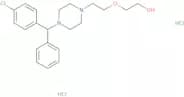
CAS:Controlled ProductHydroxyzine is an antihistamine drug that produces its therapeutic effects by blocking the action of histamine - a chemical involved in allergic reactions. This medication also has a sedative effect and can be used to treat anxiety disorders. Hydroxyzine has been shown to block the physiological effects of adrenaline, which may lead to its use as a treatment for allergies. It has also been shown to inhibit skin tests in humans when administered at a dose of 25-50mg/kg. Hydroxyzine pamoate is an ester prodrug of hydroxyzine with improved absorption and distribution after oral administration. The most common symptoms associated with this drug are itching, hives, and swelling. Idiopathic urticaria is a type of urticaria (hives) that is not caused by an allergy or another underlying medical condition.Formula:C21H29Cl3N2O2Purity:Min. 95%Molecular weight:447.83 g/molBenzo[k]fluoranthene
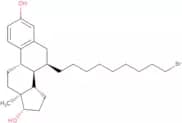
CAS:Controlled ProductBenzo[k]fluoranthene is a polycyclic aromatic hydrocarbon that is used as an optical sensor for transcriptional regulation. It has been shown to activate the transcription factor NF-κB, which induces expression of inflammatory genes in cells. Benzo[k]fluoranthene can be used to measure changes in gene expression and protein levels. The antibody response to benzo[k]fluoranthene was studied using a kinetic data analysis method. Benzo[k]fluoranthene has also been shown to induce genotoxic effects in liver cells and human hepatoma cell line HepG2. This compound also causes light emission when it is excited with light, which can be measured with synchronous fluorescence.Formula:C20H12Purity:Min. 95%Color and Shape:SolidMolecular weight:252.31 g/mol(7a,17beta)-7-(9-Bromononyl)estra-1,3,5(10)-triene-3,17-diol
CAS:Controlled ProductPlease enquire for more information about (7a,17beta)-7-(9-Bromononyl)estra-1,3,5(10)-triene-3,17-diol including the price, delivery time and more detailed product information at the technical inquiry form on this page
Formula:C27H41BrO2Purity:Min. 95%Molecular weight:477.52 g/mol4-Bromo-1-butanol
CAS:4-Bromo-1-butanol is a synthetic fatty acid used as a reagent in the synthesis of glycyrrhetinic acid. It is a colorless liquid with a strong odor. This substance has impurities that are not specified. It reacts with n-hexane and thionyl chloride to form bromobutanoic acid, which can be used as an intermediate in the production of other substances. 4-Bromo-1-butanol is also used in the synthesis of polyvinyl pyrrolidone, which is an organic polymer that is soluble in water and polar solvents such as alcohols and acetone. The molecular weight of this compound ranges from 300 to 3,000 g/mol, with a melting point below 100 °C. Formamide is another substance that can be synthesized using 4-bromo-1 butanol. Formamide is a colorless liquid with a pungent odor and it hasFormula:C4H9BrOPurity:80%MinColor and Shape:Colorless Clear LiquidMolecular weight:153.02 g/molPerfluorooctanesulphonyl Chloride
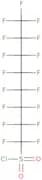
CAS:Controlled ProductPerfluorooctanesulphonyl Chloride (PFOS) is a chemical that belongs to the class of perfluoroalkyl substances. It is used in the synthesis of tetraethylammonium, peroxide, yields, telomeric, phosphine, cyclic ketone, phosphonium salt, chlorides and olefinic compounds. PFOS also has a number of commercial applications such as in fire-fighting foams and in the manufacture of fluoropolymers. PFOS is harmful to human health when it enters the body because it accumulates in the blood and remains there for years. It may cause low birth weight in newborns and thyroid hormone disruption. It can also cause liver damage in laboratory animals.
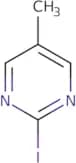
Formula:C8ClF17O2SPurity:Min. 95%Molecular weight:518.58 g/mol2-Iodo-5-methylpyrimidine
CAS:Please enquire for more information about 2-Iodo-5-methylpyrimidine including the price, delivery time and more detailed product information at the technical inquiry form on this pageFormula:C5H5IN2Purity:Min. 95%Molecular weight:220.01 g/molHeptadecafluorooctanesulfonic acid potassium
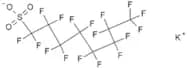
CAS:Please enquire for more information about Heptadecafluorooctanesulfonic acid potassium including the price, delivery time and more detailed product information at the technical inquiry form on this page
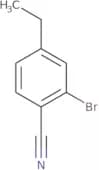
Formula:C8HF17O3S•KPurity:Min. 95%Color and Shape:PowderMolecular weight:539.23 g/mol2-Bromo-4-ethylbenzonitrile
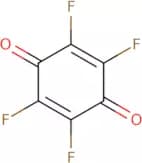
CAS:Please enquire for more information about 2-Bromo-4-ethylbenzonitrile including the price, delivery time and more detailed product information at the technical inquiry form on this pageFormula:C9H8BrNPurity:Min. 95%Molecular weight:210.07 g/molTetrafluoro-1,4-benzoquinone
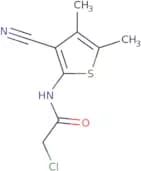
CAS:Tetrafluoro-1,4-benzoquinone is a second-order rate constant in the reaction of oxygen nucleophiles. It is a nonpolar solvent that can be used to oxidize hydrogen fluoride and trifluoromethanesulfonic acid. Tetrafluoro-1,4-benzoquinone is also an electron donor for fluorine atoms and has a redox potential of 1.72 V. Tetrafluoro-1,4-benzoquinone has been shown to have fluorescence properties and light emission in the ultraviolet range. It also reacts with hydroxyl groups to form tetrafluoroethylene oxide and carbonyl groups to form tetrafluoroethylene ketones. The binding constants for these reactions are 1.8 x 10 M -2 s and 6 x 10 M -2 s respectively. Tetrafluoro-1,4-benzoquinone has been shown to react with anilFormula:C6F4O2Purity:(19F-Nmr) Min. 95 Area-%Color and Shape:PowderMolecular weight:180.06 g/mol2-Chloro-N-(3-cyano-4,5-dimethylthien-2-yl)acetamide
CAS:Please enquire for more information about 2-Chloro-N-(3-cyano-4,5-dimethylthien-2-yl)acetamide including the price, delivery time and more detailed product information at the technical inquiry form on this page
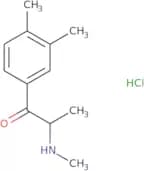
Formula:C9H9ClN2OSPurity:Min. 95%Molecular weight:228.7 g/molrac-3,4-dimethyl methcathinone hydrochloride
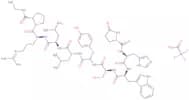
CAS:Controlled ProductPlease enquire for more information about rac-3,4-dimethyl methcathinone hydrochloride including the price, delivery time and more detailed product information at the technical inquiry form on this pageFormula:C12H18ClNOPurity:Min. 95%Color and Shape:PowderMolecular weight:227.73 g/mol(Des-Gly10,D-Leu6,D-Leu7,Pro-NHEt 9)-LHRH trifluoroacetate salt
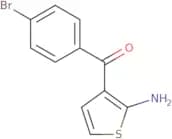
CAS:Please enquire for more information about (Des-Gly10,D-Leu6,D-Leu7,Pro-NHEt 9)-LHRH trifluoroacetate salt including the price, delivery time and more detailed product information at the technical inquiry form on this pageFormula:C59H84N16O12Purity:Min. 95%Molecular weight:1,209.4 g/mol(2-Aminothiophen-3-yl)(4-bromophenyl)methanone
CAS:2-Aminothiophen-3-yl)(4-bromophenyl)methanone is a new compound that is being developed as a potential antiviral agent. Covid-19, the trade name for 2-aminothiophen-3-yl)(4-bromophenyl)methanone, prevents the replication of viruses by binding to their nucleic acids and blocking their ability to produce proteins. Covid-19 has been shown to be effective against both influenza A and B viruses in cellular and animal models. The antiviral activity of Covid-19 is due to its ability to bind to viral nucleic acid, preventing the production of proteins vital for viral replication. This compound has also been shown to have anti-inflammatory properties, which may be due to its ability to inhibit the production of amyloid plaques in mice with Alzheimer's disease.
Formula:C11H8BrNOSPurity:Min. 95%Molecular weight:282.16 g/molDiphenyleneiodonium sulfate
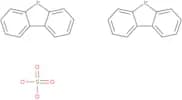
CAS:Diphenyleneiodonium sulfate is a dinucleotide phosphate that has been shown to activate epidermal growth factor (EGF) in vivo. The activated EGF stimulates the synthesis of lipids and proteins, which are needed for cell division. Diphenyleneiodonium sulfate also has an effect on cellular metabolism by inhibiting oxidative phosphorylation and increasing the production of reactive oxygen species. The drug binds to DNA and alters its structure, leading to cell death. Diphenyleneiodonium sulfate has been shown to bind to DNA with high affinity, but does not inhibit protein synthesis or change the expression of genes.
Formula:C12H8ISO4Purity:Min. 95%Molecular weight:327.13 g/molDichlorotriphenylphosphorane
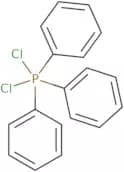
CAS:Dichlorotriphenylphosphorane is a chemical compound that has been used as an alternative to chloroform in the preparation of fatty acids. It is also used in the preparation of 2-pentenoic acid, which is an anti-inflammatory compound. The chemical stability of dichlorotriphenylphosphorane has been found to be comparable to that of amide compounds. It has also been shown to have mild anti-inflammatory properties and can be used as a potential therapeutic agent for autoimmune diseases such as multiple sclerosis, rheumatoid arthritis, and type 1 diabetes mellitus. Dichlorotriphenylphosphorane is also commonly used in the chemiluminescence method.
Formula:C18H15Cl2PPurity:Min. 95%Color and Shape:PowderMolecular weight:333.19 g/molSulfamoyl chloride
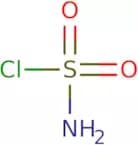
CAS:Sulfamoyl chloride is a reactive chemical that can be used in the synthesis of sulfonamides. It is often used as an intermediate in the synthesis of antibiotics and sulfonamides. Sulfamoyl chloride is also a potent antimicrobial agent that has been shown to have antiviral and anticancer activities, as well as being an irreversible inhibitor of the enzyme DNA gyrase. Sulfamoyl chloride is a reversible inhibitor of the enzyme topoisomerase II and has been shown to have anti-inflammatory properties. This chemical binds to dna duplexes through covalent bonds, preventing replication and transcription, which leads to cell death by inhibiting protein synthesis.Formula:ClH2NO2SPurity:Min. 95%Color and Shape:PowderMolecular weight:115.54 g/mol1-[(2-Chlorophenyl)-N-(methylimino)methyl]cyclopentanol hydrochloride
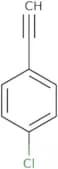
CAS:Controlled ProductPlease enquire for more information about 1-[(2-Chlorophenyl)-N-(methylimino)methyl]cyclopentanol hydrochloride including the price, delivery time and more detailed product information at the technical inquiry form on this pageFormula:C13H16ClNO•HClPurity:Min. 95%Molecular weight:274.19 g/mol4-Chlorophenylacetylene
CAS:4-Chlorophenylacetylene is a compound that is created by the reaction of chloroform and acetylene. The reaction yield can be increased by using a catalytic amount of silicon, which increases the rate of hydration. Terminal alkynes react with 4-chlorophenylacetylene to form polymers, which are insoluble in most solvents. 4-Chlorophenylacetylene has been shown to have inhibitory activity against the growth of bacteria and fungi when tested in model species such as Escherichia coli and Saccharomyces cerevisiae.Formula:C8H5ClPurity:Min. 95%Color and Shape:PowderMolecular weight:136.58 g/mol3-fluoro-5-(trifluoromethyl)benzonitrile
CAS:Please enquire for more information about 3-fluoro-5-(trifluoromethyl)benzonitrile including the price, delivery time and more detailed product information at the technical inquiry form on this page
Formula:C8H3F4NPurity:Min. 95%Molecular weight:189.11 g/mol4,4''-Dibromo-p-terphenyl
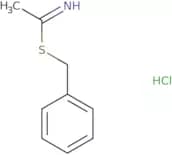
CAS:4,4''-Dibromo-p-terphenyl is a polycyclic aromatic hydrocarbon that has been synthesized as a nanomaterial. This material has been studied by XPS and microscopy as well as by kinetic experiments. The energetics of the reaction have been studied using photoelectron spectroscopy. 4,4''-Dibromo-p-terphenyl dehalogenates organometallic compounds at a rate that can be calculated using rate equations. The mechanistic study of the reaction was done through synthesizing 4,4''-Dibromo-p-terphenyl.Purity:Min. 95%S-Benzylthioacetimidate, hydrochloride
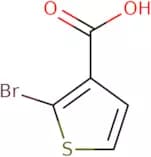
CAS:S-Benzylthioacetimidate, hydrochloride is a synthetic pyrazine compound that is used as an immunogen to produce antibodies against the influenza virus. It is also used in the synthesis of carboxy n-oxide and nitro derivatives. S-Benzylthioacetimidate, hydrochloride has been shown to have psychotropic effects in animals and humans by altering dopamine metabolism in the brain. This drug can cause psychosis, ganglia damage and may lead to Parkinson's disease.Formula:C9H11NS•HClPurity:Min. 95%Molecular weight:201.72 g/mol2-Bromo-3-thiophenecarboxylic acid
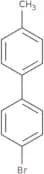
CAS:2-Bromo-3-thiophenecarboxylic acid (BTPC) is a synthetic drug that is used as an analog of sildenafil, which is a PDE5 inhibitor. BTPC has been shown to be a more potent and selective inhibitor of cGMP hydrolysis than sildenafil. It has also been shown to be capable of inhibiting the growth of human lung cancer cells in vitro. BTPC has not yet been tested in vivo, but may offer advantages over other PDE5 inhibitors due to its increased potency and selectivity.Formula:C5H3BrO2SPurity:Min. 97 Area-%Color and Shape:PowderMolecular weight:207.05 g/mol4-Bromo-4'-methylbiphenyl
CAS:4-Bromo-4'-methylbiphenyl is a nematic liquid crystal that has two conformations: the extended and the collapsed. These conformations are determined by the balance between homologous and heterologous interactions. The transition temperature of 4-Bromo-4'-methylbiphenyl is affected by its alkyl chain length, which determines how many hydrogen bonds are available for cooperative ordering of the molecules. The isotropic phase has a higher transition temperature than the nematic phase.
Formula:C13H11BrPurity:Min. 95%Molecular weight:247.13 g/molDechlorane 603
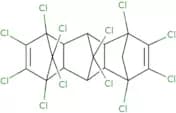
CAS:Dechlorane 603 is a polychlorinated biphenyl (PCB) that has chlorine atoms in the 2, 3, and 4 positions. It is produced as an unintentional byproduct of the production of polychlorinated biphenyls (PCBs). The analytical method for Dechlorane 603 is gel permeation chromatography. It can be found in human populations with higher levels in infants than adults. Levels have been shown to be lower in those who eat more fish or who have a high fat diet. Dechlorane 603 levels are higher in pregnant women than non-pregnant women. Animal experiments have shown that it can impair development of the brain and reproductive organs.
Formula:C17H8Cl12Purity:Min. 95%Color and Shape:PowderMolecular weight:637.68 g/molBis (1,5-Cyclooctadiene) rhodium(I)tetrafluoroborate
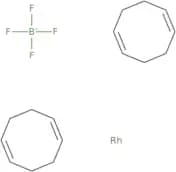
CAS:Bis (1,5-Cyclooctadiene) rhodium(I)tetrafluoroborate (BODIPY) is a catalyst that enhances the rate of hydrosilylation reactions. This catalyst has been shown to be effective in the synthesis of aryl chlorides from amines and aldehydes with high enantioselectivity. BODIPY is also immobilized on silica gel to create an active catalyst for asymmetric synthesis. The immobilization process on silica gel is done by reacting BODIPY with ammonium formate and amines. The resulting catalyst can be used for the synthesis of functionalized organic compounds, such as pyrrolidines, tetrahydrofurans, and thiophenes.Formula:C16H24BF4RhPurity:Min. 95%Molecular weight:406.07 g/mol
![N-Methyl-N-[(1-methyl-1H-benzimidazol-2-yl)methyl]amine hydrochloride](/_next/image/?url=https%3A%2Fstatic.cymitquimica.com%2Fproducts%2F3D%2Fthumb-webp%2FFM117084.webp&w=3840&q=75)






![Benzo[k]fluoranthene](/_next/image/?url=https%3A%2Fstatic.cymitquimica.com%2Fproducts%2F3D%2Fthumb-webp%2FFB157375.webp&w=3840&q=75)

![1-[(2-Chlorophenyl)-N-(methylimino)methyl]cyclopentanol hydrochloride](/_next/image/?url=https%3A%2Fstatic.cymitquimica.com%2Fproducts%2F3D%2Fthumb-webp%2FFC146990.webp&w=3840&q=75)