Organic Halides
Subcategories of "Organic Halides"
Found 20442 products of "Organic Halides"
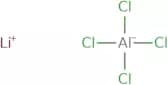
Lithium tetrachloroaluminate
CAS:Lithium tetrachloroaluminate is a compound that consists of lithium, copper, and aluminum. It has an average particle diameter of about 1 micrometer. Lithium tetrachloroaluminate can be used as a catalyst for the reduction of inorganic and organic solutes. This compound is soluble in water and organic solvents, which may be due to its ionic nature. Lithium tetrachloroaluminate can be used as a rechargeable battery electrode material because it has a high capacity for storing lithium ions. The reaction with chloride ions produces chlorine gas, which is corrosive and toxic under certain conditions.
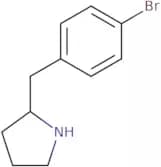
Formula:LiAlCl4Purity:(%) Min. 98%Color and Shape:White PowderMolecular weight:175.73 g/mol2-(4-Bromo-benzyl)-pyrrolidine
CAS:Controlled ProductPlease enquire for more information about 2-(4-Bromo-benzyl)-pyrrolidine including the price, delivery time and more detailed product information at the technical inquiry form on this pageFormula:C11H14BrNPurity:Min. 95%Molecular weight:240.14 g/mol4-Bromo-1-butyne
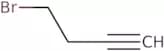
CAS:4-Bromo-1-butyne is an organic chemical compound that is used as a precursor in the synthesis of pharmaceuticals and agrochemicals. 4-Bromo-1-butyne has been shown to inhibit the growth of T-cell leukemia cells, murine leukemia cells, tuberculosis, and colorectal adenocarcinoma. In addition, 4-Bromo-1-butyne has been shown to be active against bacteria when conjugated with a variety of functional groups such as sulfonamides or amines. The synthetic route for this compound starts from styrene and bromination using NBS followed by 1,4-addition of butyne to the bromide. This process produces a mixture of cis and trans isomers which are separated by chromatography on silica gel.Formula:C4H5BrPurity:Min. 95%Color and Shape:Clear LiquidMolecular weight:132.99 g/mol4-Fluoro-2-nitroaniline
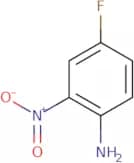
CAS:4-Fluoro-2-nitroaniline is an amide that is a l1210 murine carcinogen. It is also an analytical reagent for the detection of nitrogen atoms in amines and thione compounds. 4-Fluoro-2-nitroaniline has been shown to be effective against cervical cancer, but not cancerous cells, which may be due to its ability to inhibit fatty acid synthesis. The carbon disulphide reacts with the nitro group of 4-fluoro-2-nitroaniline, resulting in the formation of a thione compound.Formula:C6H5FN2O2Purity:Min. 95%Color and Shape:Orange PowderMolecular weight:156.11 g/mol5-Bromo-1-ethyl-1H-1,2,4-triazole
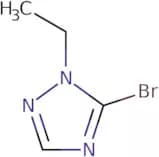
CAS:Please enquire for more information about 5-Bromo-1-ethyl-1H-1,2,4-triazole including the price, delivery time and more detailed product information at the technical inquiry form on this pageFormula:C4H6BrN3Purity:Min. 95%Molecular weight:176.01 g/molChlorodimethyl(3,3,4,4,5,5,6,6,7,7,8,8,8-Tridecafluorooctyl)-Silane
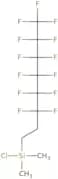
CAS:Chlorodimethyl(3,3,4,4,5,5,6,6,7,7,8,8,8-Tridecafluorooctyl)-Silane is an organic solvent that can be used as a component in the synthesis of synaptic membranes. It has been shown to inhibit spontaneous activity in rat brain slices and exhibits high hydrophobicity. Chlorodimethyl(3,3,4,4,5,5,6,6) - Silane has been used for the patch-clamp technique on human erythrocytes and the immunostaining of proteins. This compound is also useful for the optimization of organic reactions and asymmetric synthesis.Formula:C10H10ClF13SiPurity:Min. 95%Molecular weight:440.7 g/mol[2-(1-Isopropyl-1H-benzimidazol-2-yl)ethyl]amine dihydrochloride
CAS:Controlled ProductPlease enquire for more information about [2-(1-Isopropyl-1H-benzimidazol-2-yl)ethyl]amine dihydrochloride including the price, delivery time and more detailed product information at the technical inquiry form on this pageFormula:C12H17N3Purity:Min. 95%Molecular weight:203.28 g/mol2-Bromobenzo[d]thiazol-6-ol
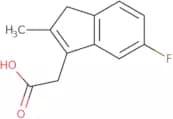
CAS:2-Bromobenzo[d]thiazol-6-ol is a diagnostic agent that is used in positron emission tomography (PET) scans to detect Alzheimer's disease. 2-Bromobenzo[d]thiazol-6-ol binds to amyloid plaques and deposits of beta amyloid peptide, the hallmark of Alzheimer's disease. It can be synthesized by cross coupling nitro compounds with aminoacids or by alkylation of nitro compounds with alkenes. Other methods for its synthesis include the microwave irradiation of bromobenzene and thiourea in a nitric acid medium. This compound undergoes metabolism via cytochrome P450 enzymes to form benzo[d]thiazole-2,6(3H)-diol, which is then oxidized by NADPH to form benzo[e]thiazole-2,6(3H)-quinone.Formula:C7H4BrNOSPurity:Min. 95%Molecular weight:230.08 g/mol(5-Fluoro-2-methyl-1H-inden-3-yl)acetic acid
CAS:(5-Fluoro-2-methyl-1H-inden-3-yl)acetic acid (FMIAA) is a phase transfer catalyst that catalyses the condensation of alkyl esters. It can be used in the condensation of aromatic and aliphatic aldehydes in liquid phase with potassium as a reagent and organic solvent. The FMIAA is then removed by dehydrating the product, leaving it in solid form. FMIAA has been shown to be effective for the synthesis of a wide range of compounds, including pharmaceuticals such as cyclopentanone, aminomethylpiperidine, and 4-aminoquinoline.Formula:C12H11FO2Purity:Min. 95%Molecular weight:206.21 g/mol4-(2,4-Difluorobenzoyl)piperidine hydrochloride
CAS:Iloperidone is a white to off-white crystalline powder that is soluble in water and alcohol. It is used as an antipsychotic drug and belongs to the class of benzamides. Iloperidone has been shown to be effective for schizophrenia, bipolar disorder, and major depressive disorder. The chemical name for iloperidone hydrochloride is 4-(2,4-Difluorobenzoyl)piperidine hydrochloride. This drug also has a high affinity for serotonin 5-HT2A receptors in the brain, which may contribute to its therapeutic effects.
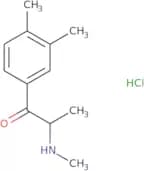
Formula:C12H14ClF2NOPurity:Min. 95%Color and Shape:PowderMolecular weight:261.7 g/molrac-3,4-dimethyl methcathinone hydrochloride
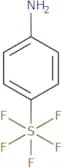
CAS:Controlled ProductPlease enquire for more information about rac-3,4-dimethyl methcathinone hydrochloride including the price, delivery time and more detailed product information at the technical inquiry form on this pageFormula:C12H18ClNOPurity:Min. 95%Color and Shape:PowderMolecular weight:227.73 g/mol(Oc-6-21)-(4-Aminophenyl)Pentafluoro-Sulfur
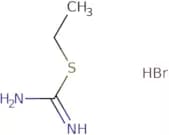
CAS:(Oc-6-21)-(4-Aminophenyl)Pentafluoro-Sulfur is a synthetic chemical that has the molecular formula of CF5SO2NH. It is a five membered heterocycle with an affinity for chloride ions. The compound was synthesized using phenacyl chloride and chlorosulfonyl fluoride in a one step synthesis. This chemical has shown to be an analog of serotonin with hydrogen bonding capabilities. (Oc-6-21)-(4-Aminophenyl)Pentafluoro-Sulfur can act as both a sensor and an electroneutral chlorine ionophore.Formula:C6H6F5NSPurity:Min. 95%Molecular weight:219.18 g/molS-Ethylisothio urea, hydrobromide
CAS:S-Ethylisothio urea, hydrobromide is a nitric oxide (NO) synthase inhibitor that prevents the conversion of arginine to NO. It has been shown to inhibit protein synthesis in cells, which may be due to its ability to inhibit guanylate cyclase and intracellular calcium concentrations. S-Ethylisothio urea, hydrobromide has been used in experimental models as an anti-inflammatory drug for the treatment of autoimmune diseases like rheumatoid arthritis. This compound also blocks the production of NO by inhibiting the oxygen transport system in the lungs, which is required for redox potential. S-Ethylisothio urea, hydrobromide is a cyclase inhibitor that prevents the conversion of dehydroascorbic acid to ascorbic acid. It can be used as an antioxidant by scavenging reactive oxygen species and preventing oxidative damage.Formula:C3H9BrN2SPurity:Min. 95%Molecular weight:185.09 g/moltert-Butyl 4-(2-bromophenyl)piperazine-1-carboxylate
CAS:Controlled ProductPlease enquire for more information about tert-Butyl 4-(2-bromophenyl)piperazine-1-carboxylate including the price, delivery time and more detailed product information at the technical inquiry form on this pagePurity:Min. 95%Dibromomethane
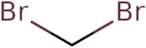
CAS:Dibromomethane is a reactive gas that can be found in the atmosphere, oceans, and soil. It is an important component of the redox cycle and can be used to study the upwelling process in marine environments. Dibromomethane reacts with malonic acid to form methylene malonic acid, which has been shown to have a positive effect on photosynthetic activity. It also reacts with sodium carbonate to produce bromous acid, which is used as a reagent in organic synthesis reactions. The compound class of dibromomethane has been shown to have a variety of effects on other organic compounds such as styryl dye and transfer reactions.
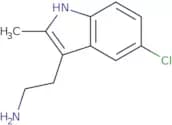
Formula:CH2Br2Purity:Min. 95%Molecular weight:173.83 g/mol2-(5-chloro-2-methyl-1H-indol-3-yl)ethanamine
CAS:Controlled ProductPlease enquire for more information about 2-(5-chloro-2-methyl-1H-indol-3-yl)ethanamine including the price, delivery time and more detailed product information at the technical inquiry form on this pageFormula:C11H13ClN2Purity:Min. 95%Molecular weight:208.69 g/molButropium bromide
CAS:Butropium bromide is a biocompatible polymer that is used as an occlusive dressing for wounds. It is made of polyethylene and silicone elastomer, which are both highly resistant to water vapor and reactive chemicals. Butropium bromide has been shown to have high resistance against radiation, allergic reactions, and leukocyte antigen. The particle size of butropium bromide ranges from 0.3-0.5 microns in diameter; the material is soft and flexible with an elastic recoil.Formula:C28H38BrNO4Purity:Min. 95%Molecular weight:532.51 g/molN-Acetyl-S-(1,2-dichloroethenyl)-L-cysteine
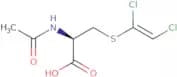
CAS:N-Acetyl-S-(1,2-dichloroethenyl)-L-cysteine is a reactive compound that is formed from the metabolism of acetaminophen. It has been shown to cause oxidative injury in the mitochondria of proximal tubule cells. N-Acetyl-S-(1,2-dichloroethenyl)-L-cysteine disrupts mitochondrial membrane potential and causes ATP depletion. It also causes mitochondrial dysfunction by inhibiting respiratory chain activity and lowering cytosolic calcium levels. N-Acetyl-S-(1,2-dichloroethenyl)-L-cysteine has been shown to be toxic in animals and humans. The main analytical method used to detect this compound is the tetrazolium dye assay.Formula:C7H9Cl2NO3SPurity:Min. 95%Molecular weight:258.12 g/molBis(pyridine)iodonium tetrafluoroborate
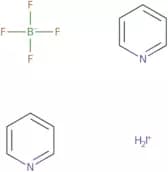
CAS:Bis(pyridine)iodonium tetrafluoroborate is a reagent that can be used to iodinate organic compounds. It is prepared by the reaction of pyridine with iodine and bromine in tetrafluoroboric acid. Bis(pyridine)iodonium tetrafluoroborate is an active compound that can be used for amino acid analysis, optical properties, and functional groups. This compound also can be used for magnetic resonance analysis, palladium-catalyzed coupling, and synthetic reactions. Bis(pyridine)iodonium tetrafluoroborate has been found to have radiation transport properties and a strong reactivity towards acids.
Formula:C10H10BF4IN2Purity:Min. 95%Molecular weight:371.91 g/molBis(2,2,2-Trifluoroethyl)amine
CAS:Bis(2,2,2-trifluoroethyl)amine is a colorless liquid that is soluble in water. It has a molecular weight of 122.11 and a boiling point of 217°C. Bis(2,2,2-trifluoroethyl)amine reacts with tetramethylammonium to form a dimer. The reaction is reversible and the bis(2,2,2-trifluoroethyl)amine can be regenerated by the addition of fluoride or an acid such as hydrochloric acid or sulfuric acid. Bis(2,2,2-trifluoroethyl)amine has an anion that can accept a proton from another molecule. This anion is also known as the bisulfite ion which reacts with hydrogen peroxide to form bisulfate and water.Formula:C4H5F6NPurity:Min. 95%Color and Shape:PowderMolecular weight:181.08 g/mol[3-(1-Piperidin-1-ylcyclohexyl)phenyl]amine hydrochloride
CAS:Controlled Product3-(1-Piperidin-1-ylcyclohexyl)phenyl]amine hydrochloride is a ligand that binds to the acetylcholine receptor. 3-(1-Piperidin-1-ylcyclohexyl)phenyl]amine hydrochloride is an active analogue and has a high binding affinity for the cholinergic receptor. It has been shown to have a kinetic effect on the excitatory system, enhancing excitatory effects of acetylcholine without affecting inhibitory effects. 3-(1-Piperidin-1-ylcyclohexyl)phenyl]amine hydrochloride also has an antagonistic effect on modifiers of acetylcholine activity such as amantadine, but enhances the effects of other drugs, such as clonidine.
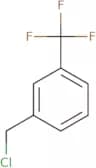
Formula:C17H26N2Purity:Min. 95%Molecular weight:258.4 g/mol3-(Trifluoromethyl)benzyl chloride
CAS:3-(Trifluoromethyl)benzyl chloride is a chloromethylating agent that reacts with magnesium to form a magnesium chloride solution. 3-(Trifluoromethyl)benzyl chloride is also used in the synthesis of pharmaceuticals, pesticides, and dyes. The reaction produces small amounts of chlorinated byproducts such as chloride, which can be found in wastewater. This chemical has been shown to have adverse effects on the environment through its release into waterways or the atmosphere.
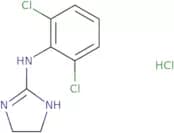
Formula:C8H6ClF3Purity:Min. 95%Color and Shape:Clear LiquidMolecular weight:194.58 g/molClonidine hydrochloride
CAS:Clonidine hydrochloride is a drug used in the treatment of hypertension and other cardiac diseases. It belongs to the class of drugs called centrally acting alpha-2 adrenergic agonists. Clonidine hydrochloride is also used for its antihypertensive effects in patients with neurogenic orthostatic hypotension, diabetic neuropathy, and glomerular filtration rate. The long-term efficacy and safety profile of clonidine hydrochloride has been established in clinical trials that have shown it to be effective in reducing symptoms of chronic pain and opioid withdrawal, as well as improving quality of life. Clonidine hydrochloride may be administered orally or transdermally. Clonidine binds to both alpha-1 and alpha-2 adrenergic receptors, which are responsible for vasoconstriction, inhibition of renin secretion from the kidneys, decreased sympathetic nerve activity, and increased parasympathetic nerve activity. This drug also has a protective effect on bone cancer cells
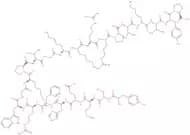
Formula:C9H9Cl2N3•HClPurity:Min. 95%Color and Shape:PowderMolecular weight:266.55 g/molACTH (2-24) (human, bovine, rat) trifluoroacetate salt
CAS:Please enquire for more information about ACTH (2-24) (human, bovine, rat) trifluoroacetate salt including the price, delivery time and more detailed product information at the technical inquiry form on this page
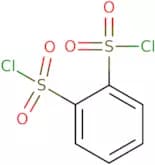
Formula:C133H205N39O29SPurity:Min. 95%Molecular weight:2,846.36 g/mol1,2-Benzenedisulfonyl Dichloride
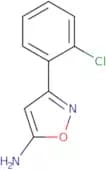
CAS:1,2-Benzenedisulfonyl Dichloride is a sulfonamide that has shown to be an effective antagonist of glutamate receptors (N-methyl-D-aspartate) in the central nervous system. The drug binds to the receptor and prevents the binding of glutamate, which is needed for its activation. It also inhibits the production of inflammatory cytokines such as IL-1β, IL-6, and TNFα by blocking proton influx into the cells. 1,2-Benzenedisulfonyl Dichloride has been found to be effective in treating inflammation in animals and humans. It has a short half life in plasma and liver, making it suitable for use with other drugs.Formula:C6H4Cl2O4S2Purity:Min. 95%Color and Shape:PowderMolecular weight:275.13 g/mol3-(2-Chlorophenyl)-1,2-oxazol-5-amine
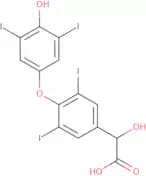
CAS:Please enquire for more information about 3-(2-Chlorophenyl)-1,2-oxazol-5-amine including the price, delivery time and more detailed product information at the technical inquiry form on this pageFormula:C9H7ClN2OPurity:Min. 95%Molecular weight:194.62 g/mol3,5,3',5' -Tetraiodo thyromandelic acid
CAS:Please enquire for more information about 3,5,3',5' -Tetraiodo thyromandelic acid including the price, delivery time and more detailed product information at the technical inquiry form on this page
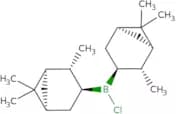
Formula:C14H8I4O5Purity:Min. 95%Color and Shape:PowderMolecular weight:763.83 g/mol(+)-B-Chlorodiisopinocampheylborane - 60-65% in Hexane
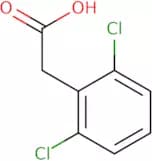
CAS:(+)-B-Chlorodiisopinocampheylborane is a chiral organoboron reagent that can be used for the enantioselective synthesis of amines. It is prepared from the reaction of chlorodiphenyl borane with (+)-diaminobenzene in hexane. The product can be purified by column chromatography or recrystallization. (+)-B-Chlorodiisopinocampheylborane can also be used in the synthesis of other compounds, such as pyrroles and pantolactones. It is an excellent catalyst for the dehydration of primary amines to give unsymmetrical ketones. This reagent has been shown to be effective in asymmetric hydrogenation reactions, such as the reduction of chiral secondary alcohols, and is also capable of catalyzing aldol reactions.Formula:C20H34BClPurity:Min. 95%Color and Shape:Clear LiquidMolecular weight:320.75 g/mol2,6-Dichlorophenylacetic acid
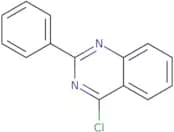
CAS:2,6-Dichlorophenylacetic acid is an inhibitor of the enzyme acetylcholinesterase. It has been shown to be effective in a number of functional assays and is efficient at inhibiting the uptake of 2,6-dichlorobenzoic acid in cells. The inhibition of this enzyme by 2,6-dichlorophenylacetic acid may be due to its protonation and binding to the active site. This binding prevents the release of the acetylcholine molecule that has been bound to the enzyme's active site. This results in increased levels of acetylcholine in the synaptic cleft, leading to an increase in neurotransmitter activity, which can have a variety of effects on neuronal function. 2,6-Dichlorophenylacetic acid also inhibits cell proliferation and induces apoptosis (programmed cell death) in Caco-2 cells by inhibiting protein synthesis.Formula:C8H6Cl2O2Purity:Min. 95%Color and Shape:White Off-White PowderMolecular weight:205.04 g/mol4-Chloro-2-phenylquinazoline
CAS:4-Chloro-2-phenylquinazoline is a ligand that inhibits the growth of bacteria by binding to their DNA. It has a molecular weight of 242.6 g/mol, and can be synthesized in two steps from 2-phenylaniline and o-chloroacetophenone. The pharmacokinetic properties of this compound have been studied using magnetic nanoparticles. 4-Chloro-2-phenylquinazoline has been shown to inhibit cancer cells and also has anti-inflammatory properties, which may be due to its ability to inhibit prostaglandin synthesis. This ligand binds to the nitrogen nucleophiles on the bacterial cell wall (e.g., trichophyton mentagrophytes) and prevents them from reacting with chlorine atoms in the environment, thus inhibiting bacterial growth.Formula:C14H9ClN2Purity:Min. 95%Color and Shape:White PowderMolecular weight:240.69 g/mol2-Fluoropyrazine
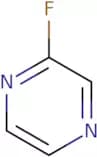
CAS:2-Fluoropyrazine is a heterocyclic compound that has been shown to be an efficient catalyst for the palladium-catalyzed cross-coupling reaction. It reacts with nucleophiles such as hydroxy group, chlorine atom, and hydroxyl group. The 2-fluoropyrazine catalyzes the formation of a carbon-nitrogen bond in a nucleophilic attack on an oxadiazole ring. 2-Fluoropyrazine has been found to inhibit the growth of cancer cells and infectious diseases by inhibiting the synthesis of RNA and protein. It also inhibits the replication of viruses by binding to their RNA polymerase.Formula:C4H3FN2Purity:Min. 95%Molecular weight:98.08 g/mol3,5-Dibromo-6-methylpyrazin-2-amine
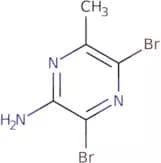
CAS:Please enquire for more information about 3,5-Dibromo-6-methylpyrazin-2-amine including the price, delivery time and more detailed product information at the technical inquiry form on this pageFormula:C5H5Br2N3Purity:Min. 95%Molecular weight:266.92 g/molHeptafluorobutyric anhydride
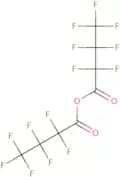
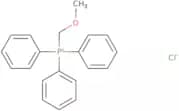
CAS:Heptafluorobutyric anhydride (HFBA) is a chemical compound that can be used as a reagent in analytical methods. It is used to prepare derivatives of amines, such as ethyl heptafluorobutyric acid, which are used in plant physiology studies. HFBA has been found to be useful for the detection of gamma-aminobutyric acid (GABA) and amines in wastewater samples by plasma mass spectrometry. The derivative of the molecule, 3-heptafluoropropionic acid, can be used as an antimicrobial agent against bacteria and fungi. The hydroxyl group on the molecule allows it to penetrate fatty acids and water molecules with high permeability. HFBA is also used as a reagent for preparing monoclonal antibodies by conjugating it with bovine serum albumin.Formula:C8F14O3Color and Shape:Clear LiquidMolecular weight:410.06 g/mol(Methoxymethyl) triphenylphosphonium chloride
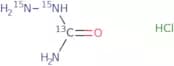
CAS:Methoxymethyl triphenylphosphonium chloride (MMTPC) is a chemical compound that has been used in vitro as an inhibitor of microbial growth. MMTPC has been shown to be effective against a number of bacterial strains, including methicillin-resistant Staphylococcus aureus and Mycobacterium tuberculosis. This agent inhibits the synthesis of proteins and nucleic acids, which may lead to cell death by inhibiting protein synthesis or by preventing DNA synthesis. MMTPC has been shown to be effective for the treatment of congestive heart failure, coronary heart disease, and autoimmune diseases. It also binds to receptors on cells that are involved in the inflammatory response, such as cytokines and leukocytes.Formula:C20H20ClOPPurity:Min. 95%Color and Shape:White PowderMolecular weight:342.8 g/molSemicarbazide-13C,15N2 Hydrochloride
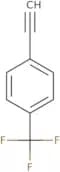
CAS:Please enquire for more information about Semicarbazide-13C,15N2 Hydrochloride including the price, delivery time and more detailed product information at the technical inquiry form on this pageFormula:CH5NN2O·HClPurity:Min. 95%Molecular weight:114.56 g/mol4-(Trifluoromethyl)phenylacetylene
CAS:4-(Trifluoromethyl)phenylacetylene is a functional group that has been synthesized by reacting an azide with a terminal alkynes. 4-(Trifluoromethyl)phenylacetylene can be used as a ligand in biomolecular syntheses and has shown fluorescence properties. It has been used to study the reactivity of metal complexes, such as copper and mercury, with other ligands. The crystal x-ray diffraction of 4-(trifluoromethyl)phenylacetylene shows that it is an unsymmetrical molecule. This functional group is not commercially available but can be recycled.Formula:C9H5F3Purity:Min. 95%Color and Shape:Clear LiquidMolecular weight:170.13 g/mol5-chloro-1-phenyl-1h-1,2,3,4-tetraazole
CAS:5-Chloro-1-phenyl-1H-1,2,3,4-tetrazole (5CAT) is a dihedral molecule that contains phenyl groups and p-hydroxybenzoic acid. The argon (Ar) functionalities are activated by reaction with hydroxyl group to form the cross-coupling reaction between 5CAT and chloride (Cl). 5CAT has been shown to be a good substrate for 2D Nuclear Magnetic Resonance (NMR), as it has a protonated hydroxyl group. This functional group is also present on the chloro group of the 5CAT molecule. The vibrational analysis from the protonated hydroxyl group can be observed in the spectrum of 5CAT.
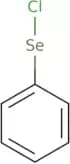
Formula:C7H5N4ClPurity:Min. 95%Molecular weight:180.59 g/molPhenylselenenyl chloride
CAS:Phenylselenenyl chloride is an organoselenium compound with the chemical formula CHSeCl. It has been shown to have a low redox potential, which makes it a good candidate for use in organic synthesis. Phenylselenenyl chloride is used as a catalyst in palladium-catalyzed coupling reactions and has been shown to be effective in the synthesis of epoxy hydroxy compounds. The x-ray crystal structures of phenylselenenyl chloride have been determined, revealing that the molecule contains steric interactions between the chloride and hydroxyl groups. This discovery explains why phenylselenenyl chloride is so selective for these two groups and may lead to improved synthetic methods for this molecule.
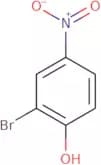
Formula:C6H5ClSePurity:Min. 95%Color and Shape:PowderMolecular weight:191.52 g/mol2-Bromo-4-nitrophenol
CAS:2-Bromo-4-nitrophenol is a byproduct of the reaction between hydrogen peroxide and sodium bromate. It can be detected in the presence of hydrochloric acid, which reacts with 2-bromo-4-nitrophenol to form an orange color that can be detected spectrophotometrically. 2-Bromo-4-nitrophenol has been shown to inhibit the growth of various strains of bacteria, including Escherichia coli, Bacillus subtilis, and Pseudomonas aeruginosa. This compound binds to flavin adenine dinucleotide (FAD) as well as other nucleophilic cofactors such as thioredoxin reductase. The binding affinity is increased when carbon sources are present. This property makes it a useful inhibitor for catalytic reduction reactions in biotechnology and synthetic chemistry applications.br>br> 2B4NP is a byFormula:C6H4BrNO3Purity:Min. 95%Color and Shape:PowderMolecular weight:218 g/molTrichlorooctadecylsilane
CAS:Trichlorooctadecylsilane is a model system that consists of a monolayer of octadecyltrichlorosilane particles. The dispersive solid-phase extraction technique can be used to extract analytes from the surface of this particle. This technique involves removing the solvent from a sample by passing it through an adsorbent. The hydrophobic effect, which is the phenomenon that a nonpolar substance is dissolved in a nonpolar solvent, will cause analytes to bind to the hydrophobic surface of octadecyltrichlorosilane particles because they are hydrophobic.
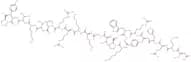
Purity:Min. 95%Acetyl-ACTH (3-24) (human, bovine, rat) trifluoroacetate salt
CAS:Please enquire for more information about Acetyl-ACTH (3-24) (human, bovine, rat) trifluoroacetate salt including the price, delivery time and more detailed product information at the technical inquiry form on this page
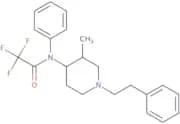
Formula:C126H198N38O28SPurity:Min. 95%Molecular weight:2,725.23 g/molrac-cis despropionyl mefentanyl N-trifluoroacetate
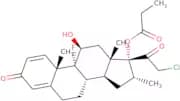
CAS:Controlled ProductPlease enquire for more information about rac-cis despropionyl mefentanyl N-trifluoroacetate including the price, delivery time and more detailed product information at the technical inquiry form on this pageFormula:C22H25F3N2OPurity:Min. 95%Molecular weight:390.44 g/molClobetasol Propionate - Impurity C
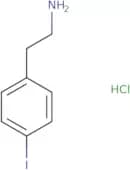
CAS:Controlled Product21-Chloro-9-fluoro-11beta,17-dihydroxy-16alpha-methylpregna-1,4-diene-3,20-dione 17-propionate is an ester of ketoconazole and the propionic acid. It is used as a pharmaceutical formulation and has been shown to be stable in an HPLC method. This compound also has an optical isomer that was validated by a stability test. This product has been shown to have antiinflammatory properties and may be used as a topical treatment for skin disorders such as clobetasol propionate.Formula:C25H32ClFO5Purity:Min. 95%Molecular weight:466.97 g/mol4-Iodo-benzeneethanamine HCl (1:1)
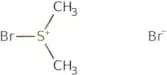
CAS:Controlled ProductPlease enquire for more information about 4-Iodo-benzeneethanamine HCl (1:1) including the price, delivery time and more detailed product information at the technical inquiry form on this pageFormula:C8H11ClINPurity:Min. 95%Molecular weight:283.54 g/molBromodimethylsulfonium bromide
CAS:Bromodimethylsulfonium bromide is a chemical that has been used as a diagnostic agent in the diagnosis of leukemia. It is also used for the treatment of cancer, although it has shown to be ineffective against some resistant mutants. Bromodimethylsulfonium bromide is an unsymmetrical ion with one proton and one bromine atom. It reacts with amines to form an alkylammonium cation, which in turn reacts with nucleophiles such as water or alcohols to form a glycosidic bond. This reaction is responsible for the tissue culture growth inhibition seen in cells treated with this compound. Bromodimethylsulfonium bromide also inhibits fatty acid synthesis by preventing the enzyme acyl-CoA synthase from functioning properly, which leads to decreased levels of cellular energy production. Bromodimethylsulfonium bromide's fluorescence properties can be observed in tissue culture
Formula:C2H6Br2SPurity:Min. 95%Molecular weight:221.94 g/mol4-Chloro-2-Fluorophenyl Isocyanate
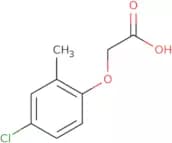
CAS:Please enquire for more information about 4-Chloro-2-Fluorophenyl Isocyanate including the price, delivery time and more detailed product information at the technical inquiry form on this pageFormula:C7H3ClFNOPurity:Min. 95%Molecular weight:171.56 g/mol2-Methyl-4-chlorophenoxyacetic acid
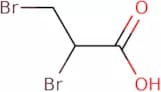
CAS:2-Methyl-4-chlorophenoxyacetic acid is a sodium salt of 2-methyl-4-chlorophenoxyacetic acid. It is a herbicide that inhibits photosynthesis by disrupting the electron transport chain in chloroplasts. The hydroxyl group on the phenoxy ring is responsible for its herbicidal activity. 2-Methyl-4-chlorophenoxyacetic acid has been shown to cause significant cell death in tissue culture, which may be due to its ability to inhibit enzymes such as acetylcholinesterase, phosphodiesterase, and carboxypeptidase A2. This chemical also has carcinogenic potential, but no toxicological studies have been conducted in humans or animals.Formula:C9H9ClO3Purity:Min. 95%Molecular weight:200.62 g/mol2,3-Dibromopropanoic acid
CAS:2,3-Dibromopropanoic acid is a carcinogenic chemical that has been shown to cause liver tumors in rats. It is a nucleophile that reacts with amide groups to form an amide bond. The analytical method for 2,3-dibromopropanoic acid is gas chromatography with flame ionization detection. Its structural formula is CHBrCHBrCOH. It has a carbonyl group and acidic properties, as well as a chloride ion present on the molecule. 2,3-Dibromopropanoic acid is an anxiolytic drug that has been shown to have health effects such as drowsiness and headache.
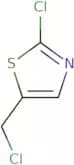
Formula:C3H4Br2O2Purity:Min. 95%Color and Shape:PowderMolecular weight:231.87 g/mol2-Chloro-5-chloromethylthiazole
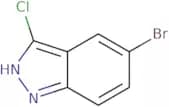
CAS:2-Chloro-5-chloromethylthiazole is an aliphatic hydrocarbon that has been used to chlorinate a variety of organic compounds. It reacts with hydrochloric acid and chlorine at low energy, producing chloride in the process. This chemical can be synthesized by reacting n-dimethyl formamide with hydrogen chloride. 2-Chloro-5-chloromethylthiazole can also be used as a crosslinking agent to react with the amine groups on proteins.Purity:Min. 95%5-Bromo-3-chloro-1H-indazole
CAS:Please enquire for more information about 5-Bromo-3-chloro-1H-indazole including the price, delivery time and more detailed product information at the technical inquiry form on this pageFormula:C7H4BrClN2Purity:Min. 95%Molecular weight:231.48 g/mol

![[2-(1-Isopropyl-1H-benzimidazol-2-yl)ethyl]amine dihydrochloride](/_next/image/?url=https%3A%2Fstatic.cymitquimica.com%2Fproducts%2F3D%2Fthumb-webp%2FFI126434.webp&w=3840&q=75)
![2-Bromobenzo[d]thiazol-6-ol](/_next/image/?url=https%3A%2Fstatic.cymitquimica.com%2Fproducts%2F3D%2Fthumb-webp%2FFB144121.webp&w=3840&q=75)




![[3-(1-Piperidin-1-ylcyclohexyl)phenyl]amine hydrochloride](/_next/image/?url=https%3A%2Fstatic.cymitquimica.com%2Fproducts%2F3D%2Fthumb-webp%2FFP120158.webp&w=3840&q=75)