Organic Halides
In this category, you can find organic molecules containing one or more halogen atoms in their structure. These organic halides include brominated, iodinated, chlorinated, and cyclic halide compounds. Organic halides are widely used in organic synthesis, pharmaceuticals, agrochemicals, and materials science due to their reactivity and ability to undergo a variety of chemical transformations. At CymitQuimica, we offer a comprehensive selection of high-quality organic halides to support your research and industrial applications, ensuring reliable and effective performance in your synthetic and analytical projects.
Subcategories of "Organic Halides"
Found 20440 products of "Organic Halides"
Sort by
Purity (%)
0
100
|
0
|
50
|
90
|
95
|
100
D-2,4-Dichlorophenylalanine
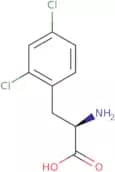
CAS:Please enquire for more information about D-2,4-Dichlorophenylalanine including the price, delivery time and more detailed product information at the technical inquiry form on this pageFormula:C9H9NO2Cl2Purity:95%NmrMolecular weight:234.08 g/mol3-Desmethoxy-3-bromo Trimethoprim
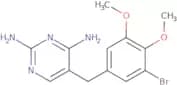
CAS:<p>Please enquire for more information about 3-Desmethoxy-3-bromo Trimethoprim including the price, delivery time and more detailed product information at the technical inquiry form on this page</p>Formula:C13H15BrN4O2Purity:Min. 95%Molecular weight:339.19 g/molArachidonoyl chloride
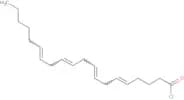
CAS:<p>Arachidonoyl chloride is a chemical compound that belongs to the group of amides. It is used in biological studies for receptor binding and enzyme activities. Arachidonoyl chloride has been shown to inhibit insulin sensitivity by inhibiting the phosphorylation of tyrosine residues on insulin receptors, which are necessary for glucose transport into cells. The acyl chain of arachidonoyl chloride has a polyunsaturated fatty acid structure with two double bonds, which is important for its activity on the 2-arachidonoylglycerol (2-AG) pathway. The activation energy of arachidonoyl chloride is not yet known.</p>Formula:C20H31ClOPurity:Min. 95%Molecular weight:322.91 g/molTrimethylchlorosilane
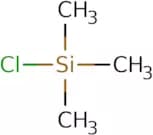
CAS:<p>Trimethylchlorosilane is a model system for the study of chloride ion transport across lipid membranes. It has been shown that this molecule can form a disulfide bond with glutathione and may have synergistic effects with other drugs, such as metronidazole, to treat bowel disease. Trimethylchlorosilane can also be used in analytical methods for measuring chloride ions in wastewater and other samples. The x-ray crystal structures of trimethylchlorosilane anhydrous sodium salt have been determined at room temperature. The hydrogen fluoride molecule binds to the pyrazole ring and the chlorine atom forms a covalent bond with the hydroxyl group on one of the water molecules. The reaction solution is heated to produce trimethylchlorosilane, which is then cooled to room temperature again, during which time it crystallizes out of solution.</p>Formula:C3H9ClSiPurity:Min. 95%Color and Shape:Clear LiquidMolecular weight:108.64 g/mol2-Bromo-2',4'-dichloroacetophenone
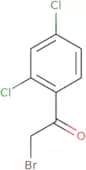
CAS:2-Bromo-2',4'-dichloroacetophenone (2BDCA) is a drug that belongs to the class of active substances. 2BDCA has potent inhibitory activity against erythrocytes and is used in the treatment of leukaemia. 2BDCA is also an optical probe, which can be used to detect phosphate groups and dihedral angles in biological systems. It can be used as a fluorescent probe for biological systems, such as cells or proteins, and has been shown to be effective on red blood cells. 2BDCA binds to these molecules by hydrogen bonding and exhibits optical properties through fluorescence resonance energy transfer.Formula:C8H5BrCl2OPurity:Min. 95%Color and Shape:Clear LiquidMolecular weight:267.93 g/molCyclopropylacetyl chloride
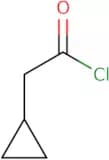
CAS:Cyclopropylacetyl chloride is a reactive chemical that is used in the synthesis of pharmaceuticals and agrochemicals. Cyclopropylacetyl chloride binds to glutamate receptors, which are associated with a variety of neurological disorders, including cancer and inflammatory bowel disease. It also inhibits the cb2 receptor, which has been shown to be involved in inflammatory bowel disease. Cyclopropylacetyl chloride has been shown to cause insulin resistance and amide formation, which can lead to diabetes-induced neuropathy. In addition, carbonyl groups have been shown to induce bowel diseases such as ulcerative colitis and Crohn's disease.Formula:C5H7ClOPurity:Min. 95%Molecular weight:118.56 g/molEthyl 1-benzyl-3-(4-bromophenyl)-1H-pyrazole-5-carboxylate
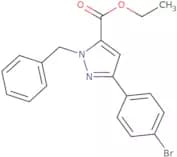
CAS:Controlled Product<p>Please enquire for more information about Ethyl 1-benzyl-3-(4-bromophenyl)-1H-pyrazole-5-carboxylate including the price, delivery time and more detailed product information at the technical inquiry form on this page</p>Formula:C19H17BrN2O2Purity:Min. 95%Molecular weight:385.25 g/mol3-Bromo-2-nitrophenol
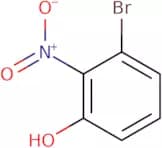
CAS:3-Bromo-2-nitrophenol (3-BNP) is a brominating agent that can be used in the synthesis of a variety of compounds. It is prepared by the refluxing of 3-bromo-2-nitrobenzene with lithium chloride, followed by treatment with trifluoromethanesulfonic anhydride to yield 3-bromo-2-(trifluoromethyl)phenoxyacetic acid. The product can also be obtained from 2,4,6-trinitrophenol and NBS. 3-BNP has shown chemoselectivity for chlorides relative to iodides or fluorides. The yields are higher when it is used in coupling reactions and permutations with lithium or magnesium.Formula:C6H4BrNO3Purity:Min. 95%Molecular weight:218 g/mol3-(Trifluoromethyl)benzaldehyde
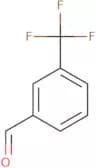
CAS:<p>3-(Trifluoromethyl)benzaldehyde is an organic compound that has the chemical formula C8H7FO. It is a trifunctional molecule with three phenolic hydroxyl groups, which makes it a good candidate for drug design. 3-(Trifluoromethyl)benzaldehyde can be synthesized by reacting an imine with a chiral acid chloride in the presence of a base and a catalytic amount of DMAP. The reaction yield is low, but this synthetic method is efficient. 3-(Trifluoromethyl)benzaldehyde has been shown to inhibit the growth of Mycobacterium avium, but not Mycobacterium tuberculosis or other bacteria such as Listeria monocytogenes and Escherichia coli. This might be due to its ability to inhibit protein synthesis by binding to ribosomes. This compound also possesses anti-inflammatory properties and inhibits leukemia Hl-</p>Formula:C8H5F3OPurity:Min. 95%Color and Shape:Clear LiquidMolecular weight:174.12 g/mol2-(1,3-Dioxolan-2-yl)ethyltriphenylphosphonium Bromide
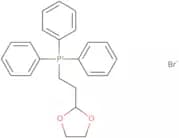
CAS:Please enquire for more information about 2-(1,3-Dioxolan-2-yl)ethyltriphenylphosphonium Bromide including the price, delivery time and more detailed product information at the technical inquiry form on this pageFormula:C23H24BrO2PPurity:Min. 95%Molecular weight:443.31 g/molPalmitoyl chloride
CAS:Palmitoyl chloride is a chemical compound that has the chemical formula CH3(CH2)16COCl. It is an ester of palmitic acid and chloroform. Palmitoyl chloride has a phase transition temperature of 39°C, giving it high resistance to heat. It can be used as a model system for studying the interactions between hydroxyl groups and chloride ions in water. This compound also has high water permeability and water vapor permeability, making it useful in the treatment of infectious diseases such as malaria. Palmitoyl chloride can be synthesized by reacting sodium carbonate with trifluoroacetic acid, which generates sodium trifluoroacetate. The sodium trifluoroacetate can react with 4-chlorobutyl alcohol to form 4-chlorobutylchloroformate, which reacts with palmitic acid to form palmitoyl chloride.Formula:C16H31ClOPurity:Min. 95%Molecular weight:274.87 g/molPoly(2-hydroxypropyldimethylammonium chloride)
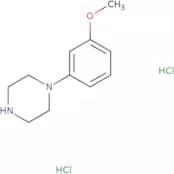
CAS:Controlled ProductPoly(2-Hydroxypropyl Dimethylammonium Chloride) is a polymer that has been shown to inhibit the growth of bacteria by forming stable complexes with chloride ions. Its application include water treatment.Formula:(C5H12ClNO)nPurity:Min. 95%Color and Shape:Clear Liquid1-(3-Methoxyphenyl)piperazine dihydrochloride
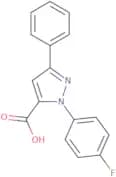
CAS:Controlled ProductPlease enquire for more information about 1-(3-Methoxyphenyl)piperazine dihydrochloride including the price, delivery time and more detailed product information at the technical inquiry form on this pageFormula:C11H18Cl2N2OPurity:Min. 95%Color and Shape:PowderMolecular weight:265.18 g/mol1-(4-Fluorophenyl)-3-phenyl-1H-pyrazole-5-carboxylic acid
CAS:Controlled Product<p>Please enquire for more information about 1-(4-Fluorophenyl)-3-phenyl-1H-pyrazole-5-carboxylic acid including the price, delivery time and more detailed product information at the technical inquiry form on this page</p>Formula:C16H11FN2O2Purity:Min. 95%Color and Shape:PowderMolecular weight:282.27 g/mol1,1,2,2,3,3,3-Heptafluoro-n,n-bis(1,1,2,2,3,3,3-heptafluoropropyl)-1-propanamine
CAS:Controlled Product1,1,2,2,3,3,3-Heptafluoro-n,n-bis(1,1,2,2,3,3-heptafluoropropyl)-1-propanamine (HFIP) is a fluorinated compound that is used as a solvent for hydrogen fluoride and water vapor. HFIP has been shown to be toxic to the liver cells of rats. It also causes lesions in the liver of the isolated heart. The monoclonal antibody against HFIP has been shown to reduce the transport properties of this solvent to tissues and reduce light emission from this compound. HFIP is not chemically reactive with other chemicals at room temperature and has excellent chemical stability in light exposure.Formula:C9F21NPurity:Min. 90 Area-%Color and Shape:Colorless PowderMolecular weight:521.07 g/mol2-Bromo-1-cyclohexylethanone
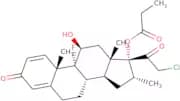
CAS:<p>2-Bromo-1-cyclohexylethanone is an organic compound with a cyclohexane ring and two bromine atoms. It has been shown to be an inhibitor of the immunoproteasome, which is a protein complex that degrades proteins in the cell. This inhibition results in increased concentrations of hydrogen peroxide, which has antioxidant properties. 2-Bromo-1-cyclohexylethanone also has radical scavenging activity, which prevents the oxidation of other molecules by reactive oxygen species. This compound has shown medicinal values for autoimmune diseases, inflammatory diseases, and allergies. The flavonoids contained in 2-bromo-1-cyclohexylethanone are responsible for its antiallergic effects and its ability to inhibit histamine release from mast cells. 2-Bromo-1-cyclohexylethanone is stereoselective in inhibiting the immunoproteasome as it binds to only</p>Formula:C8H13BrOPurity:Min. 95%Molecular weight:205.09 g/molClobetasol Propionate - Impurity C
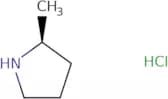
CAS:Controlled Product21-Chloro-9-fluoro-11beta,17-dihydroxy-16alpha-methylpregna-1,4-diene-3,20-dione 17-propionate is an ester of ketoconazole and the propionic acid. It is used as a pharmaceutical formulation and has been shown to be stable in an HPLC method. This compound also has an optical isomer that was validated by a stability test. This product has been shown to have antiinflammatory properties and may be used as a topical treatment for skin disorders such as clobetasol propionate.Formula:C25H32ClFO5Purity:Min. 95%Molecular weight:466.97 g/mol(S)-2-Methylpyrrolidine hydrochloride
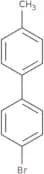
CAS:Please enquire for more information about (S)-2-Methylpyrrolidine hydrochloride including the price, delivery time and more detailed product information at the technical inquiry form on this pageFormula:C5H12ClNPurity:Min. 95%Molecular weight:121.61 g/mol4-Bromo-4'-methylbiphenyl
CAS:<p>4-Bromo-4'-methylbiphenyl is a nematic liquid crystal that has two conformations: the extended and the collapsed. These conformations are determined by the balance between homologous and heterologous interactions. The transition temperature of 4-Bromo-4'-methylbiphenyl is affected by its alkyl chain length, which determines how many hydrogen bonds are available for cooperative ordering of the molecules. The isotropic phase has a higher transition temperature than the nematic phase.</p>Formula:C13H11BrPurity:Min. 95%Molecular weight:247.13 g/molSodium chlorite
CAS:<p>Sodium chlorite is a disinfectant that is used to reduce the number of bacteria in the air, water, and surfaces. It is acidic and has been shown to be effective against infectious diseases such as tuberculosis, cholera, and malaria. Sodium chlorite can be produced through the oxidation of sodium chloride by chlorite ion at high temperatures. The optimum concentration for sodium chlorite is 10-15%. This agent can also be used as an analytical method for determining the presence of organic compounds that are difficult to measure by other methods. Laser ablation coupled with mass spectrometry is one example of this technique. Sodium chlorite can also be used to treat wastewater and inhibits oxidative injury in cells.</p>Formula:NaClO2Purity:Min. 95%Color and Shape:White To Yellow SolidMolecular weight:90.44 g/mol1-[(4-Chlorophenyl)phenylmethyl]piperazine
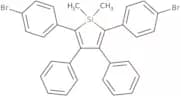
CAS:Controlled Product<p>1-[(4-Chlorophenyl)phenylmethyl]piperazine is an analytical reagent that is used in the determination of meclozine, a drug used for the treatment of nausea and vomiting. 1-[(4-Chlorophenyl)phenylmethyl]piperazine is a nucleophile, which means that it can donate electrons to other molecules. It can be used as a catalyst to increase the rate of chemical reactions. 1-[(4-Chlorophenyl)phenylmethyl]piperazine may also be used in wastewater treatment because it has been shown to have phospholipidosis inhibiting properties. The levorotatory form (1R-enantiomer) of this compound has been shown to inhibit protein synthesis in vitro and is an amine oxidase inhibitor that binds to proteins with nitrogen atoms. This nucleophilic compound may also be converted into an n-oxide or dinucleotide phosphate by hydrochloric acid and</p>Formula:C17H19ClN2Purity:Min. 95%Molecular weight:286.8 g/mol2,5-Bis(4-bromophenyl)-1,1-dimethyl-3,4-diphenylsilole
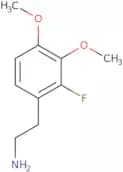
CAS:Please enquire for more information about 2,5-Bis(4-bromophenyl)-1,1-dimethyl-3,4-diphenylsilole including the price, delivery time and more detailed product information at the technical inquiry form on this pageFormula:C30H24Br2SiPurity:Min. 95%Molecular weight:572.41 g/mol2-(2-Fluoro-3,4-dimethoxyphenyl)ethanamine
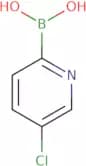
CAS:Controlled Product<p>Please enquire for more information about 2-(2-Fluoro-3,4-dimethoxyphenyl)ethanamine including the price, delivery time and more detailed product information at the technical inquiry form on this page</p>Formula:C10H14FNO2Purity:Min. 95%Molecular weight:199.22 g/mol5-Chloropyridine-2-boronicacid
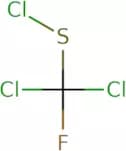
CAS:Please enquire for more information about 5-Chloropyridine-2-boronicacid including the price, delivery time and more detailed product information at the technical inquiry form on this pageFormula:C5H5BClNO2Purity:Min. 95%Molecular weight:157.36 g/mol1,1-Dichloro-1-fluoro-methanesulfenylchloride
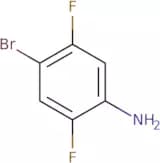
CAS:1,1-Dichloro-1-fluoro-methanesulfenylchloride is a hazardous chemical that belongs to the group of chlorine compounds. It has been used as an antibacterial agent in the past and has been shown to be effective against nematodes, helminths, and some microorganisms. It is also used as a solvent in the production of dyes and perfumes. 1,1-Dichloro-1-fluoro-methanesulfenylchloride is not active against bacteria that are resistant to sulfonic acids or amines.Formula:CCl3FSPurity:Min. 95%Color and Shape:Clear LiquidMolecular weight:169.43 g/mol4-Bromo-2,5-difluoroaniline
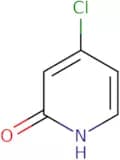
CAS:A useful building block for organic synthesis.Formula:C6H4BrF2NPurity:Min. 95%Molecular weight:208 g/mol4-Chloro-2-hydroxypyridine
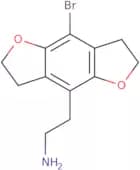
CAS:<p>4-Chloro-2-hydroxypyridine is a chemical substance that has been shown to inhibit the replication of viruses in cell culture. It has demonstrated antiobesity effects in animal studies, but its mechanism is not well understood. This substance may be a thioxanthone derivative, which are heterocyclic compounds containing oxygen and sulfur. 4-Chloro-2-hydroxypyridine can crosslink DNA and form adducts with deoxyribose sugars. It also has affinity for sequences containing pyridones and imidazopyridines.</p>Formula:C5H4ClNOPurity:Min. 95%Molecular weight:129.54 g/molDesmethyl-8-bromo dragonfly hydrochloride
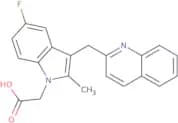
CAS:Controlled ProductDesmethyl-8-bromo dragonfly hydrochloride is a recreational drug that is a benzofuran derivative. It acts as a serotonin receptor agonist, with high potency for 5HT1A receptors and with an affinity for histamine H1 receptors. Desmethyl-8-bromo dragonfly hydrochloride has been shown to be addictive in humans, and the behavioral effects of this drug include increased motor activity and decreased anxiety.Formula:C12H15BrClNO2Purity:Min. 95%Molecular weight:320.61 g/molTimapiprant
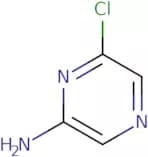
CAS:Controlled ProductTimapiprant is an amide that acts as a selective inhibitor of the prostanoid receptor CRTH2, which is involved in regulating the inflammatory response. Timapiprant inhibits skin eosinophilia, which is associated with inflammatory skin diseases such as atopic dermatitis and psoriasis. It has been shown to be safe in clinical trials and has a good safety profile. The drug's mechanism of action may be due to its ability to inhibit the production of IL-4 and IL-13 by Th2 cells and its ability to inhibit lung function. Timapiprant has shown efficacy in treating allergic rhinitis, asthma, chronic obstructive pulmonary disease, erythema multiforme, pyoderma gangrenosum, and other types of inflammatory skin diseases.Formula:C21H17FN2O2Purity:Min. 95%Molecular weight:348.37 g/mol2-Amino-6-chloropyrazine
CAS:<p>2-Amino-6-chloropyrazine (2ACP) is an inhibitor that binds to the active site on human protein kinase C (PKC). It has been shown to inhibit PKC by hydrogen bonding with the hydroxide ion, which blocks its catalytic activity. 2ACP has been studied for its potential use in treating cancer and for inhibiting amine oxidases, which are enzymes associated with inflammation and chronic obstructive pulmonary disease. The inhibition of these enzymes may help to reduce stenosis in the lungs or other organs. 2ACP also has been shown to have antimycobacterial activity against Mycobacterium tuberculosis, M. avium complex, and M. leprae by inhibiting DNA synthesis and RNA synthesis. 2ACP inhibits the kinase receptor on the cell membrane that phosphorylates a water molecule into a chlorine atom, which then reacts with hydrogen peroxide to form free radicals that can kill bacteria</p>Formula:C4H4ClN3Purity:Min. 95%Molecular weight:129.55 g/molN-[3-Fluoro-4-[(methylamino)carbonyl]phenyl]-2-methylalanine
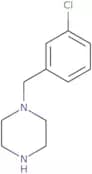
CAS:Please enquire for more information about N-[3-Fluoro-4-[(methylamino)carbonyl]phenyl]-2-methylalanine including the price, delivery time and more detailed product information at the technical inquiry form on this pageFormula:C12H15FN2O3Purity:Min. 95%Molecular weight:254.26 g/mol1-(3-Chlorobenzyl)piperazine
CAS:Controlled Product1-(3-Chlorobenzyl)piperazine (1CBPZ) is a selective and reversible inhibitor of ns3 protease, which plays an important role in plant resistance. 1CBPZ was found to be effective in controlling the growth of certain bacteria. It also has been shown to be useful for the prevention of liver lesions caused by casein in rats. 1CBPZ has optical properties that are sensitive to boron nitride and can be used as a control analysis for experiments involving this material. This chemical has been shown to inhibit the reaction mechanism of ns3 protease and is being used as an experimental model for studying this enzyme. The detection time for 1CBPZ is 3 hours, which makes it more energy efficient than other compounds.Formula:C11H15ClN2Purity:Min. 95%Molecular weight:210.7 g/mol8-Chloro-6-(2-fluorophenyl)-1-methyl-4H-imidazo[1,5-a][1,4]benzodiazepine 2,5-dioxidemidazolam 2,5-dioxide
CAS:Controlled ProductPlease enquire for more information about 8-Chloro-6-(2-fluorophenyl)-1-methyl-4H-imidazo[1,5-a][1,4]benzodiazepine 2,5-dioxidemidazolam 2,5-dioxide including the price, delivery time and more detailed product information at the technical inquiry form on this pageFormula:C18H13ClFN3O2Purity:Min. 95%Molecular weight:357.77 g/molrac 2-palmitoyl-3-chloropropanediol
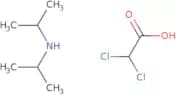
CAS:<p>Please enquire for more information about rac 2-palmitoyl-3-chloropropanediol including the price, delivery time and more detailed product information at the technical inquiry form on this page</p>Formula:C19H37ClO3Purity:Min. 95%Molecular weight:348.95 g/molDiisopropylammonium dichloroacetate
CAS:Controlled Product<p>Diisopropylammonium dichloroacetate (DADCA) is a chemical that inhibits the metabolism of glucose. It has been shown to have a hypoglycemic effect in rats and is being investigated as a treatment for metabolic disorders such as diabetes and obesity. DADCA has also been shown to reduce liver lesions in animals with chronic viral hepatitis, and has been found to be effective in reducing tumor growth in mice. This drug can also be used to treat bowel disease by reducing the amount of ammonia released by bacteria. DADCA may also have physiological effects on humans, including an increase in blood pressure and fever, although these effects have not yet been studied.</p>Purity:Min. 95%Noscapine hydrochloride hydrate
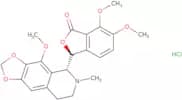
CAS:Noscapine is a drug used to treat bowel disease and as an antitussive. It is classified as a narcotic, but has no addictive properties. Noscapine inhibits the activity of nuclear dna polymerase, which prevents transcription of DNA into RNA. Its rate constant for hydrogen bonding interactions with DNA is 6 orders of magnitude slower than that of other drugs that inhibit this enzyme. Noscapine also inhibits the activity of protein kinases, which are enzymes that transfer a phosphate group from ATP to other proteins. Noscapine has been shown to bind to folate receptors on cells in culture, leading to an increase in chemiluminescence. This drug has also been shown to have anti-cancer effects on some cell lines in vitro by inhibiting the Bcl-2 protein.Formula:C22H24ClNO7·xH2OPurity:Min. 98 Area-%Color and Shape:White Off-White PowderMolecular weight:449.88 g/molTetrabutylammonium difluorotriphenylsilicate
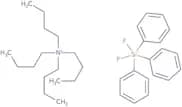
CAS:<p>Tetrabutylammonium difluorotriphenylsilicate is a model system for studying the mechanism of nucleophilic substitution at an unsymmetrical carbon center. It is used in analytical chemistry to prepare samples for analysis. Tetrabutylammonium difluorotriphenylsilicate has been shown to be an effective and selective reagent for the synthesis of picolinic acid, which can be used as a precursor for the synthesis of nicotinamide riboside, a vitamin B3 derivative. The reaction proceeds via an SN2 mechanism, where hydrogen fluoride (HF) acts as a nucleophile that attacks the electrophilic carbon center of allyl chloride (CH2=CH-CH2Cl) to form an intermediate with two alkyl groups on opposite sides. The reaction product is then hydrolyzed to release tetrabutylammonium chloride (tBuNH4Cl).</p>Formula:C34H51F2NSiPurity:Min. 95%Color and Shape:White PowderMolecular weight:539.86 g/molTrioctyltin chloride
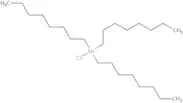
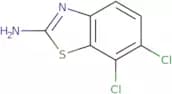
CAS:<p>Trioctyltin chloride is a polymer that is synthesized by the reaction of two equivalents of tributyltin chloride with fatty acids. Trioctyltin chloride is reactive and can be extracted from a variety of sources using a variety of solvents. It has been used to extract chloride ions from mesenchymal stromal cells, which are cells that are involved in tissue repair. The trioctyltin chloride polymer can be used as an analytical method for 3β-hydroxysteroid dehydrogenase, which catalyzes the conversion of 3β-hydroxysteroids into 3-keto steroids. This reaction is reversible and it produces hydrogen ions as a product. The hydrogen ions cause the polymer to undergo ring-opening reactions, leading to the formation of polymeric matrixes on solid surfaces. These matrices have been used in membrane systems as well as in microextraction experiments for solid phase extraction with gas chromatography (SPE).</p>Formula:C24H51ClSnPurity:Min. 95%Molecular weight:493.82 g/mol2-Amino-5,6-dichlorobenzothiazole
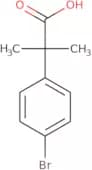
CAS:<p>2-Amino-5,6-dichlorobenzothiazole is an aminobenzothiazole derivative that has been shown to have antibacterial activity. It is a hydrophobic molecule with a skeleton consisting of alternating amines and carboxylic acids. 2-Amino-5,6-dichlorobenzothiazole binds to the fatty acid ester component of bacterial cell walls by hydrogen bonding or ionic interactions, disrupting the integrity of the cell wall and inhibiting the growth of bacteria. 2-Amino-5,6-dichlorobenzothiazole can be used to decolorize dyes and textiles that have been stained by oily materials. It is also used as a surfactant in personal care products such as shampoos and conditioners.</p>Formula:C7H4Cl2N2SPurity:Min. 95%Molecular weight:219.09 g/mol2-(4-Bromophenyl)-2,2'-dimethylacetic acid
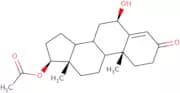
CAS:2-Bromo-2-(4-bromophenyl)-2,2'-dimethylacetic acid (2bpd) is the sodium salt of 2-(4-bromophenyl)-2,2'-dimethylacetic acid. It is a metabolite of terfenadine and thionyl chloride. 2bpd has been shown to be an inhibitor of the histamine H1 receptor. This drug is also a brominated derivative of 2-amino-2-methyl-1-propanol, which has been shown to be an inhibitor of the histamine H1 receptor.Formula:C10H11BrO2Purity:Min. 95%Molecular weight:243.1 g/mol17b-Acetoxy 6b-hydroxy Trichloropyridyltentagel
Controlled ProductPlease enquire for more information about 17b-Acetoxy 6b-hydroxy Trichloropyridyltentagel including the price, delivery time and more detailed product information at the technical inquiry form on this pagePurity:Min. 95%Mono[2-(perfluorooctyl)ethyl] phosphate
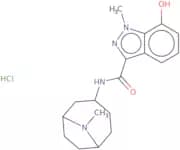
CAS:Controlled Product<p>Please enquire for more information about Mono[2-(perfluorooctyl)ethyl] phosphate including the price, delivery time and more detailed product information at the technical inquiry form on this page</p>Formula:C10H6F17O4PPurity:Min. 95%Color and Shape:PowderMolecular weight:544.1 g/mol7-Hydroxy granisetron hydrochloride
CAS:Controlled ProductPlease enquire for more information about 7-Hydroxy granisetron hydrochloride including the price, delivery time and more detailed product information at the technical inquiry form on this pageFormula:C18H25ClN4O2Purity:Min. 95%Molecular weight:364.87 g/mol(+)-(8,8-Dichlorocamphorylsulfonyl)oxaziridine
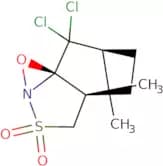
CAS:<p>Please enquire for more information about (+)-(8,8-Dichlorocamphorylsulfonyl)oxaziridine including the price, delivery time and more detailed product information at the technical inquiry form on this page</p>Formula:C10H13Cl2NO3SPurity:Min. 95%Molecular weight:298.19 g/mol5-Chlorothiophene-2-carbonyl chloride
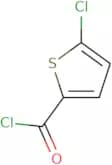
CAS:Intermediate in the synthesis of rivaroxabanFormula:C5H2Cl2OSPurity:Min. 95%Color and Shape:Clear LiquidMolecular weight:181.04 g/mol2,5-Bis(2,2,2-trifluoroethoxy)benzoic acid
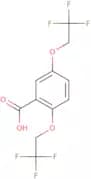
CAS:Please enquire for more information about 2,5-Bis(2,2,2-trifluoroethoxy)benzoic acid including the price, delivery time and more detailed product information at the technical inquiry form on this pageFormula:C11H8F6O4Purity:Min. 95%Color and Shape:PowderMolecular weight:318.17 g/mol(R)-(-)-1-[(4-Chlorophenyl)phenylmethyl]piperazine
CAS:Controlled Product(R)-(-)-1-[(4-Chlorophenyl)phenylmethyl]piperazine is a chemical compound that belongs to the group of c1-4 alkyl, high yield. It has a chemical formula of C12H17ClN2O and an organic base. This compound is hydrolyzed in vivo to levocetirizine, its active form. (R)-(-)-1-[(4-Chlorophenyl)phenylmethyl]piperazine is an antihistamine that binds to H1 receptors in the central nervous system, which results in decreased production of histamine and other proinflammatory substances. It also has optical activity, with (+) being the active form.Formula:C17H19ClN2Purity:Min. 95%Molecular weight:286.8 g/molFluorescein-sp-biotin
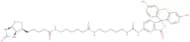
CAS:Fluorescein-sp-biotin is a biotinylated derivative of fluorescein. The conjugate is used to measure the amount of free d-biotin in samples. Fluorescein-sp-biotin binds to streptavidin, which has a high affinity for biotin, and then emits light at an excitation wavelength of 488 nm when excited with a laser. The intensity of the emitted light is proportional to the concentration of free d-biotin in the sample. The following product descriptions have been generated from this information: Rifapentine Rifapentine is an anti-tuberculosis drug that belongs to the class of rifamycins. It is the most active of the rifamycins for the treatment of tuberculosis. Rifapentine inhibits bacterial growth by binding to DNA-dependent RNA polymerase, thereby preventing transcription and replication.Formula:C42H50N6O8S2Purity:Min. 95%Molecular weight:831.01 g/mol5-Bromo-2,3-dimethoxypyrazine
CAS:Please enquire for more information about 5-Bromo-2,3-dimethoxypyrazine including the price, delivery time and more detailed product information at the technical inquiry form on this pageFormula:C6H7BrN2O2Purity:Min. 95%Molecular weight:219.04 g/mol4-Chloro-3,5-difluorobenzoic acid
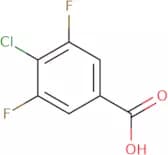
CAS:<p>Please enquire for more information about 4-Chloro-3,5-difluorobenzoic acid including the price, delivery time and more detailed product information at the technical inquiry form on this page</p>Formula:C7H3ClF2O2Purity:Min. 95%Molecular weight:192.55 g/mol





![1-[(4-Chlorophenyl)phenylmethyl]piperazine](/_next/image/?url=https%3A%2Fstatic.cymitquimica.com%2Fproducts%2F3D%2Fthumb-webp%2FFC20350.webp&w=3840&q=75)
![N-[3-Fluoro-4-[(methylamino)carbonyl]phenyl]-2-methylalanine](/_next/image/?url=https%3A%2Fstatic.cymitquimica.com%2Fproducts%2F3D%2Fthumb-webp%2FFF99416.webp&w=3840&q=75)
![8-Chloro-6-(2-fluorophenyl)-1-methyl-4H-imidazo[1,5-a][1,4]benzodiazepine 2,5-dioxidemidazolam 2,5…](/_next/image/?url=https%3A%2Fstatic.cymitquimica.com%2Fproducts%2F3D%2Fthumb-webp%2FFC20137.webp&w=3840&q=75)

![Mono[2-(perfluorooctyl)ethyl] phosphate](/_next/image/?url=https%3A%2Fstatic.cymitquimica.com%2Fproducts%2F3D%2Fthumb-webp%2FFM26053.webp&w=3840&q=75)
![(R)-(-)-1-[(4-Chlorophenyl)phenylmethyl]piperazine](/_next/image/?url=https%3A%2Fstatic.cymitquimica.com%2Fproducts%2F3D%2Fthumb-webp%2FFC53712.webp&w=3840&q=75)