


Organic Halides
In this category, you can find organic molecules containing one or more halogen atoms in their structure. These organic halides include brominated, iodinated, chlorinated, and cyclic halide compounds. Organic halides are widely used in organic synthesis, pharmaceuticals, agrochemicals, and materials science due to their reactivity and ability to undergo a variety of chemical transformations. At CymitQuimica, we offer a comprehensive selection of high-quality organic halides to support your research and industrial applications, ensuring reliable and effective performance in your synthetic and analytical projects.
Subcategories of "Organic Halides"
Found 20440 products of "Organic Halides"
Sort by
Purity (%)
0
100
|
0
|
50
|
90
|
95
|
100
Dichloro(methyl)octadecylsilane
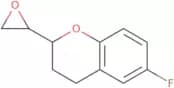
CAS:Dichloro(methyl)octadecylsilane is a liquid that is used to coat the inside of tubes in chromatographic columns. The coating ensures that the stationary phase (the material on which the analyte travels) remains stationary and is not carried away with the mobile phase. It has been shown to be effective at removing hydrogen chloride from water and can be used as a fabricating agent for coatings. Dichloro(methyl)octadecylsilane is used in analytical chemistry, where it has been shown to have a number of uses including being able to remove hydroxy groups from molecules and electron microscopy, where it can be used as a coating for nonpolar solvents.Purity:Min. 95%6-Fluoro-3,4-dihydro-2-oxiranyl-2H-1-benzopyran
CAS:<p>Fluorinated benzopyran. Nebivolol precursor.</p>Formula:C11H11FO2Purity:Min. 95%Color and Shape:PowderMolecular weight:194.2 g/mol2-Chloromalonaldehyde
CAS:2-Chloromalonaldehyde is a reactive chemical that can be used as a pharmaceutical intermediate. It has been shown to have anti-inflammatory properties and is often used in pharmaceutical preparations. 2-Chloromalonaldehyde has shown an ability to bind with integrin receptors and inhibit the production of pro-inflammatory molecules, such as prostaglandins. This compound has also been shown to have a photoelectron spectrum that includes an intramolecular hydrogen bond, which contributes to its biological activity.Formula:C3H3ClO2Purity:(%) Min. 90%Color and Shape:PowderMolecular weight:106.51 g/molAlfentanil hydrochloride
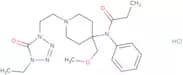
CAS:Controlled Product<p>Alfentanil is an opioid analgesic that is used for the treatment of severe or acute pain. It is a potent synthetic analog of fentanyl, which is an opioid analgesic that is used for the treatment of short-term (acute) and long-term (chronic) pain. Alfentanil has been shown to have a high affinity for α1-acid glycoprotein, which has been associated with drug interactions and blood sampling. Alfentanil also has chemical stability in experimental models and does not interact with nonsteroidal anti-inflammatory drugs. This drug may have a matrix effect on the concentration of cortisol in the blood.</p>Formula:C21H33ClN6O3Purity:Min. 95%Molecular weight:452.98 g/mol[(6-Chloro-1-isopropyl-1H-benzimidazol-2-yl)methyl]amine dihydrochloride
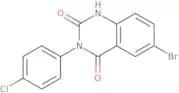
CAS:Controlled ProductPlease enquire for more information about [(6-Chloro-1-isopropyl-1H-benzimidazol-2-yl)methyl]amine dihydrochloride including the price, delivery time and more detailed product information at the technical inquiry form on this pageFormula:C11H14ClN3Purity:Min. 95%Molecular weight:223.7 g/mol6-Bromo-3-(4-chlorophenyl)quinazoline-2,4(1H,3H)-dione
CAS:Controlled Product<p>Please enquire for more information about 6-Bromo-3-(4-chlorophenyl)quinazoline-2,4(1H,3H)-dione including the price, delivery time and more detailed product information at the technical inquiry form on this page</p>Formula:C14H8BrClN2O2Purity:Min. 95%Molecular weight:351.58 g/mol4-Amino-3-bromo-1-(tert-butyl)-1H-pyrazolo[3,4-d]pyrimidine
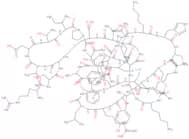
CAS:<p>4-Amino-3-bromo-1-(tert-butyl)-1H-pyrazolo[3,4-d]pyrimidine is a drug that inhibits the growth of tumour cells by binding to and inhibiting kinases. It has been shown to have a significant inhibitory effect on lung cancer cells and pyridazine derivatives in vitro. 4-Amino-3-bromo-1-(tert-butyl)-1H-pyrazolo[3,4-d]pyrimidine has been shown to be effective against lung cancer cells in vivo. This drug may be useful for the treatment of cancer.</p>Formula:C9H12BrN5Purity:Min. 95%Molecular weight:270.13 g/molStichodactyla helianthus Neurotoxin (ShK) trifluoroacetate salt
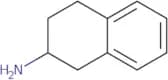
CAS:ShK is an amide toxin that is found in the skin of the tropical marine organism Stichodactyla helianthus. It has been shown to have antimicrobial activity against E. coli and other bacteria, as well as a protective effect on inflammatory bowel disease. ShK has been shown to act by inhibiting protein synthesis, which may be due to its ability to bind to signal peptides and change their conformation.Formula:C169H274N54O48S7Purity:Min. 95%Molecular weight:4,054.78 g/mol1,2,3,4-Tetrahydronaphthalen-2-amine hydrobromide
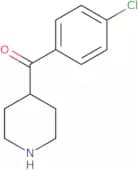
CAS:Controlled Product<p>1,2,3,4-Tetrahydronaphthalen-2-amine hydrobromide (THNA) is an amine that inhibits the enzyme tyrosine hydroxylase. This inhibition leads to a decrease in the synthesis of dopamine and norepinephrine. THNA has been shown to have inhibitory properties on locomotor activity, acid complex formation, and aminotransferases. It also exhibits receptor binding and agonist binding site activity. One study found that THNA had no effect on rat striatal tissue. The drug has been shown to be effective in metabolic disorders such as obesity.</p>Formula:C10H13NPurity:Min. 95%Molecular weight:147.22 g/mol4-(4-Chlorobenzoyl)piperidine
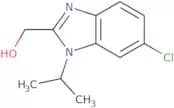
CAS:Please enquire for more information about 4-(4-Chlorobenzoyl)piperidine including the price, delivery time and more detailed product information at the technical inquiry form on this pagePurity:Min. 95%(6-Chloro-1-isopropyl-1H-benzimidazol-2-yl)methanol
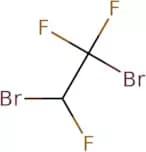
CAS:Controlled Product<p>Please enquire for more information about (6-Chloro-1-isopropyl-1H-benzimidazol-2-yl)methanol including the price, delivery time and more detailed product information at the technical inquiry form on this page</p>Formula:C11H13ClN2OPurity:Min. 95%Molecular weight:224.69 g/mol1,2-Dibromo-1,1,2-trifluoroethane
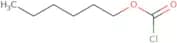
CAS:Controlled Product<p>1,2-Dibromo-1,1,2-trifluoroethane (DBTF) is a catalyst that is used to transfer ethane to hydrogen fluoride. It is activated by hydrogen fluoride and reacts with ethane in the presence of a liquid phase. It can also be used for hydrogenation reactions. 1,2-Dibromo-1,1,2-trifluoroethane has been shown to be an effective catalyst for the transfer reaction between ethane and hydrogen fluoride. The rate of this reaction is dependent on the population of DBTF and the amount of n-dimethyl formamide (DMF). This catalyst does not require high energy input or zinc powder for activation.</p>Formula:C2HBr2F3Purity:Min. 95%Color and Shape:Clear LiquidMolecular weight:241.83 g/molHexyl carbonochloridate
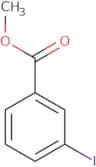
CAS:Hexyl carbonochloridate is a chemical that has been used as a detergent additive. It is also an antimicrobial agent, which has been shown to inactivate enzymes in human serum. Hexyl carbonochloridate is active against hepatitis and other infectious diseases. This compound is also known to be an agonist of toll-like receptor 4 (TLR4), which is a protein that recognizes lipopolysaccharides from gram-negative bacteria. Hexyl carbonochloridate has been shown to have anti-inflammatory properties, possibly due to its hydroxyl group. The analytical method for this compound utilizes gas chromatography with flame ionization detection (GC-FID).Formula:C7H13ClO2Purity:Min. 95%Molecular weight:164.63 g/mol3-Iodobenzoic acid methyl ester
CAS:3-Iodobenzoic acid methyl ester is a synthetic selenium compound that is used in the synthesis of fatty acids. It is also used as a radionuclide in the diagnosis of cancer and other diseases. 3-Iodobenzoic acid methyl ester can be taken orally or injected, but it should not be taken by pregnant women or those who are allergic to iodine. This product has been shown to have anti-cancer properties when given orally, although there are some potential side effects associated with usage. These side effects include nausea, vomiting, diarrhea, and an increase in urine production. 3-Iodobenzoic acid methyl ester is metabolized into toxic products such as biphenyl, which may cause an escalation of symptoms. The structural formula for this product is C8H7INOS2O2.Formula:C8H7IO2Purity:Min. 95%Color and Shape:PowderMolecular weight:262.04 g/mol3-Methoxy methamphetamine hydrochloride
CAS:Controlled ProductPlease enquire for more information about 3-Methoxy methamphetamine hydrochloride including the price, delivery time and more detailed product information at the technical inquiry form on this pageFormula:C11H18ClNOPurity:Min. 95%Molecular weight:215.72 g/mol[4-[2-(Diethylamino)ethoxy]-3-iodophenyl][2-(1-hydroxybutyl)-3-benzofuranyl]-methanone
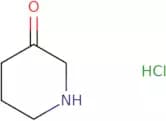
CAS:Controlled ProductPlease enquire for more information about [4-[2-(Diethylamino)ethoxy]-3-iodophenyl][2-(1-hydroxybutyl)-3-benzofuranyl]-methanone including the price, delivery time and more detailed product information at the technical inquiry form on this pageFormula:C25H30INO4Purity:Min. 95%Molecular weight:535.41 g/molPiperidin-3-one hydrochloride
CAS:<p>Piperidin-3-one hydrochloride is an organic solvent that belongs to the group of benzyl compounds. It is a reagent for the synthesis of sulfides, which are used in the production of dyes, pharmaceuticals, and other products. Piperidin-3-one hydrochloride can be used as a constant in calculating the shift of tetrafluoroborate ions. This compound has been shown to be assembled into planar structures with six atoms per side. The resonance frequencies of this compound depend on the solvents and its aliphatic nature. Piperidin-3-one hydrochloride can be used to generate dimethyl sulfide by reacting with methanol or methyl chloride.</p>Formula:C5H10NOClPurity:Min. 95%Color and Shape:White PowderMolecular weight:135.59 g/mol4-Bromophenylethylamine HCl
CAS:Controlled Product<p>Please enquire for more information about 4-Bromophenylethylamine HCl including the price, delivery time and more detailed product information at the technical inquiry form on this page</p>Formula:C8H10Br·HClPurity:Min. 95%Molecular weight:222.53 g/mol4-Bromo-2-phenylthiazole
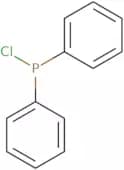
CAS:<p>4-Bromo-2-phenylthiazole is a reactive arylating agent that has been used in the Suzuki reaction to form biaryl compounds. It is also used in the synthesis of heterocycles and alkene cross-coupling reactions. The 4-bromo group can be replaced by other halides, such as chlorides, bromides, or iodides. The substituents on the phenyl ring can be varied to yield different products. Reactive groups are an important factor in optimizing yields and preventing side reactions. This molecule is a useful starting point for the synthesis of complex molecules with functional groups.</p>Formula:C9H6BrNSPurity:Min. 95%Molecular weight:240.12 g/molChlorodiphenylphosphine
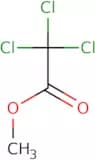
CAS:<p>Chlorodiphenylphosphine is an organophosphorus compound that can form stable complexes with fatty acids. It reacts with hydroxyl groups to form stable complexes, which are soluble in organic solvents and can be used as ligands for metal ions. Chlorodiphenylphosphine has been shown to react with copper chloride in aqueous solution at room temperature to form copper chlorodiphenylphosphine, which is soluble in water or ethanol. Several chelate ligands were synthesized using this method, including dimethyl fumarate and halides. The structures of these compounds were analyzed by x-ray diffraction data.</p>Formula:C12H10PClPurity:Min. 95%Color and Shape:Colorless Clear LiquidMolecular weight:220.63 g/molMethyl trichloroacetate
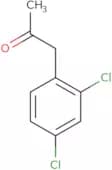
CAS:<p>Methyl trichloroacetate (MTCA) is a reactive chemical that is used as an intermediate in the synthesis of various organic compounds. It has been shown to react with nucleophiles, such as hydroxyl groups, to form a copper complex. MTCA has also been found to produce light emission when exposed to air and aryl halides. The synthesis of MTCA involves treating 1-chloro-2-propanol with hydrogen fluoride in the presence of an acid catalyst. The chemical can be detected by gas chromatography or liquid chromatography, but it is not readily available on the market.</p>Formula:C3H3Cl3O2Purity:Min. 95%Molecular weight:177.41 g/mol(2,4-Dichlorophenyl)acetone
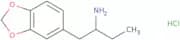
CAS:(2,4-Dichlorophenyl)acetone is a substance that can be found in lichens. The natural occurrence of this substance has been shown by the use of chromatography technique on plates. (2,4-Dichlorophenyl)acetone is also used as a screening agent for lichens.Formula:C9H8Cl2OPurity:Min. 95%Color and Shape:Off-White PowderMolecular weight:203.06 g/molrac benzodioxole-5-butanamine hydrochloride
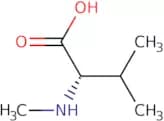
CAS:Controlled ProductRacemic benzodioxole-5-butanamine hydrochloride (RAC) is a pharmacologic agent that has been shown to bind to dopamine receptors, thereby activating them. It has been shown to be an effective treatment for depression and other mental illnesses. Racemic benzodioxole-5-butanamine hydrochloride is also used in analytical toxicology as a chromatographic standard. This compound has been synthesized using the asymmetric synthesis of primary amines. RAC is also an enantiomer and can exist in two forms: (+)-RAC and (-)-RAC, which are mirror images of each other. The (+) form of racemic benzodioxole-5-butanamine hydrochloride is the more active form, with greater binding affinity for dopamine receptors than the (-) form.Formula:C11H16ClNO2Purity:Min. 95%Molecular weight:229.7 g/molN-Methyl-L-valine hydrochloride
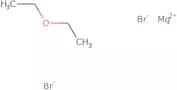
CAS:N-Methyl-L-valine hydrochloride is a synthetic molecule that binds to the CB2 receptor. It has been shown to have anti-inflammatory effects in mice by reducing the production of inflammatory mediators such as prostaglandins and cytokines. N-Methyl-L-valine hydrochloride has also been shown to reduce inflammation in several mouse models of autoimmune diseases, such as type 1 diabetes, multiple sclerosis, and rheumatoid arthritis. This drug was found to be effective in animal models for these diseases by inhibiting inflammatory mediator release from immune cells.Formula:C6H13NO2·HClPurity:Min. 95%Color and Shape:PowderMolecular weight:167.63 g/molMagnesium bromide diethyl etherate
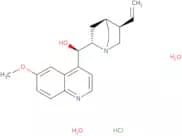
CAS:Controlled ProductMagnesium bromide diethyl etherate is a magnesium salt of diethyl etherate, which is used in the preparation of caproic acid. It has been shown to be an efficient method for the synthesis of acyl halides through the reaction of aromatic hydrocarbons and chloride. The product has high melting point and is a cyclohexane ring. Magnesium bromide diethyl etherate can also be used for muscle cell proliferation and acrylate encapsulation. This product's reaction products are primary alcohols, which are useful in the production of polyurethane, polyesters, and polyamides.Formula:Br2Mg·C4H10OPurity:Min. 95%Molecular weight:258.23 g/molQuinine hydrochloride dihydrate
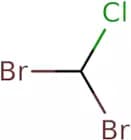
CAS:<p>Quinine hydrochloride dihydrate is a natural compound that has been used for centuries as a treatment for malaria. It is an effective anti-malarial agent and is also used to treat nocturnal leg cramps, although it has a low potency. Quinine hydrochloride dihydrate is active against the parasite Plasmodium falciparum in vitro. It binds to hemozoin, which is the pigment that the malaria parasites produce during digestion of hemoglobin from red blood cells. This binding inhibits the growth of the parasite and causes cell death by inhibiting protein synthesis. Quinine hydrochloride dihydrate has been shown to be genotoxic in vivo, but not in vitro. The genotoxic effects may be due to its ability to create reactive oxygen species (ROS) through photochemical reactions with light exposure and other chemical reactions, such as thermal expansion or matrix effects.</p>Formula:C20H24N2O2·HCl·2H2OColor and Shape:PowderMolecular weight:396.91 g/molDibromochloromethane (stabilized with ethanol)
CAS:<p>Dibromochloromethane (DBCM) is a chemical that is used as a solvent and cleaning agent. It was found to be genotoxic, with the potential to cause cancer in humans. DBCM causes cardiac effects in animals, including arrhythmias and an increase in heart rate. DBCM is not volatile and has a low vapor pressure, which makes it hazardous if inhaled or ingested. DBCM can also cause renal toxicity and liver injury in rats. Dibromochloromethane has been shown to have a toxic effect on the heart, lungs, kidneys and liver when administered at high doses in animals. It has been shown to damage DNA by causing mutations or cross-linking with DNA strands.</p>Formula:CHBr2ClPurity:Min. 95%Molecular weight:208.28 g/molImidazo[1,2-a]pyridin-8-ylamine dihydrochloride
CAS:<p>Imidazo[1,2-a]pyridin-8-ylamine dihydrochloride is an arylation agent that reacts with nucleophiles to form an amide linkage. Imidazo[1,2-a]pyridin-8-ylamine dihydrochloride is used in the synthesis of carboxylic acid derivatives and other biomolecules. It can be used for selective functionalization of unsymmetrical carboxylic acids.</p>Formula:C7H7N3·2HClPurity:Min. 95%Molecular weight:206.07 g/mol1-Azaspiro[4.4]nonane hydrochloride
CAS:1-Azaspiro[4.4]nonane hydrochloride is a versatile building block that is also used in research, as a reagent, and as a speciality chemical. It has been shown to be an excellent building block for complex compounds, with wide applications in the pharmaceutical industry. 1-Azaspiro[4.4]nonane hydrochloride has a CAS No. of 1417567-64-6 and can be found under the trade name Azapropynalene Hydrochloride (AP). It is soluble in water, alcohols, ethers and acetone but insoluble in most other solvents. 1-Azaspiro[4.4]nonane hydrochloride has been shown to have high quality and stability when stored under appropriate conditions; it is also resistant to degradation by light or air.Formula:C8H15N•HClPurity:Min. 95%Color and Shape:PowderMolecular weight:161.67 g/mol(1S,2R)-2-Aminocyclohexanol hydrochloride
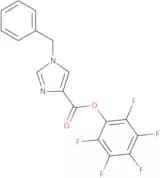
CAS:<p>Please enquire for more information about (1S,2R)-2-Aminocyclohexanol hydrochloride including the price, delivery time and more detailed product information at the technical inquiry form on this page</p>Formula:C6H14ClNOPurity:Min. 95%Molecular weight:151.63 g/molPerfluorophenyl 1-Benzyl-1H-Imidazole-4-Carboxylate
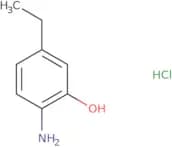
CAS:Controlled Product<p>Please enquire for more information about Perfluorophenyl 1-Benzyl-1H-Imidazole-4-Carboxylate including the price, delivery time and more detailed product information at the technical inquiry form on this page</p>Formula:C17H9F5N2O2Purity:Min. 95%Molecular weight:368.26 g/mol2-Amino-5-ethylphenol hydrochloride
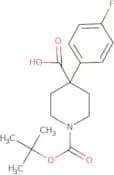
CAS:Please enquire for more information about 2-Amino-5-ethylphenol hydrochloride including the price, delivery time and more detailed product information at the technical inquiry form on this pageFormula:C8H12ClNOPurity:Min. 95%Molecular weight:173.64 g/molBoc-4-(4-fluorophenyl)-piperidine-4-carboxylic acid
CAS:<p>Please enquire for more information about Boc-4-(4-fluorophenyl)-piperidine-4-carboxylic acid including the price, delivery time and more detailed product information at the technical inquiry form on this page</p>Formula:C17H22FNO4Purity:Min. 95%Molecular weight:323.36 g/molS-[2-(Dimethylamino)ethyl]isothiourea Dihydrochloride
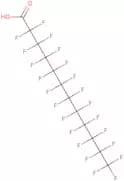
CAS:Controlled Product<p>S-[2-(Dimethylamino)ethyl]isothiourea Dihydrochloride is an inhibitor of tyrosinase, an enzyme that catalyzes the oxidation of tyrosine to dopa and dopaquinone. It binds to the active site of the enzyme and blocks its activity. S-[2-(Dimethylamino)ethyl]isothiourea Dihydrochloride has been shown to inhibit tyrosinase in animal experiments and in vitro studies, with a concentration-response curve that can be described by a Michaelis-Menten kinetic model. The inhibition of tyrosinase activity may be due to steric hindrance by the thiourea group or a covalent binding to amino acid residues on the protein surface. S-[2-(Dimethylamino)ethyl]isothiourea Dihydrochloride is also known as monomethyl auristatin E (MMAE</p>Formula:C5H13N3S·2HClPurity:Min. 95%Molecular weight:220.16 g/molTricosafluorododecanoic Acid
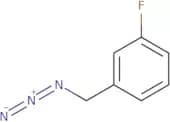
CAS:Tricosafluorododecanoic Acid (TCDA) is a potent cytotoxic agent that has been shown to be effective in killing cancer cells. TCDA is a strong inducer of apoptosis and necrosis, which are processes that cause the death of cells. TCDA also induces cell cycle arrest by binding to mitochondrial membranes and inhibiting the flow of ions across the membrane, leading to a loss of mitochondrial membrane potential. This leads to an accumulation of intracellular calcium and activates signal pathways that activate the cell's death program. TCDA has been shown to have significant cytotoxicity against human breast cancer cells, with little toxicity against healthy human erythrocytes. TCDA is not active against bacteria or fungi, but it is highly toxic to certain protozoans such as Plasmodium falciparum. TCDA can be used as an effective treatment for cancer in combination with radiation therapy because it enhances the therapeutic effects of radiation on tumFormula:C12HF23O2Purity:Min. 95%Molecular weight:614.1 g/mol1-(Azidomethyl)-3-fluorobenzene
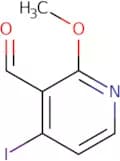
CAS:<p>1-(Azidomethyl)-3-fluorobenzene is a cycloaddition product that, when optimized, has a high efficiency for the synthesis of phosphine containing target compounds. The cycloaddition reaction is carried out in an organic solvent at room temperature with or without the addition of an external base. The reaction time can be varied from 10 minutes to 2 hours. The substituent on the azide and alkyne can be varied to produce different products. 1-(Azidomethyl)-3-fluorobenzene is catalyzed by copper(II) acetate and zinc chloride or copper(II) oxide and zinc chloride to form the desired phosphines.</p>Formula:C7H6FN3Purity:Min. 95%Molecular weight:151.14 g/mol4-Iodo-2-methoxypyridine-3-carboxaldehyde
CAS:4-Iodo-2-methoxypyridine-3-carboxaldehyde is a disubstituted compound that has insulin-like properties. It inhibits the activity of the insulin receptor, which may contribute to its insulin-like growth factor effects. This inhibitor also targets the protein kinase, which is responsible for the response of cells to insulin. 4-Iodo-2-methoxypyridine 3 carboxaldehyde has been shown to inhibit IGF1R and malonate ion, and it may have potential as an oral treatment for diabetes.Formula:C7H6INO2Purity:Min. 95%Molecular weight:263.03 g/mol1-Benzyl-2-(chloromethyl)-1H-imidazole hydrochloride
CAS:Controlled ProductPlease enquire for more information about 1-Benzyl-2-(chloromethyl)-1H-imidazole hydrochloride including the price, delivery time and more detailed product information at the technical inquiry form on this pageFormula:C11H11ClN2Purity:Min. 95%Molecular weight:206.67 g/mol3-Bromo-2,4-dimethylthiophene
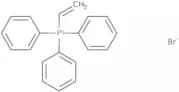
CAS:<p>3-Bromo-2,4-dimethylthiophene is a reactive chemical that can reversibly change its color in the presence of uv light. The isomers of 3-bromo-2,4-dimethylthiophene are easily separated by uv irradiation and are characterized by their different spectral properties. This compound fluoresces with a maximum at 370 nm under a uv light source and has an absorption maximum at 360 nm. The photochromic properties of 3-bromo-2,4-dimethylthiophene are related to changes in the crystalline phase and light source. 3-Bromo-2,4-dimethylthiophene is used as a photochromic agent for uv radiation protection in glasses and contact lenses.</p>Formula:C6H7BrSPurity:Min. 95%Molecular weight:191.09 g/molTriphenylvinylphosphonium Bromide
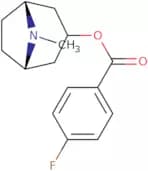
CAS:Triphenylvinylphosphonium bromide is a model system that is used to study the reaction mechanism of hydroxyl group and hydrogen fluoride. It can be used to synthesize heterocycles such as quinolines. Triphenylvinylphosphonium bromide is also used in the synthesis of sodium salts, which are commonly used in the laboratory. This compound has been shown to have an effect on protein synthesis and crystalline cellulose, which is a carbohydrate polymer that can be hydrolyzed by enzymes. Triphenylvinylphosphonium bromide reacts with carbonyl groups and metal hydroxides, leading to biochemical properties such as carboxy groups and dimethyl fumarate. Triphenylvinylphosphonium bromide also inhibits non-nucleoside inhibitors, specifically 2',3'-dideoxyinosine (ddI).Formula:C20H18BrPPurity:Min. 95%Molecular weight:369.23 g/mol4-Fluorotropacocaine
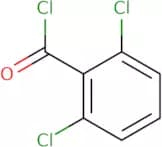
CAS:Controlled Product<p>4-Fluorotropacocaine is a synthetic, serotonergic compound that has been shown to have similar effects in the brain as diazepam. 4-Fluorotropacocaine has been postulated to be a supplement and is thought to have neuroprotective properties. It binds to serotonin receptors and inhibits the reuptake of serotonin by neurons. This inhibition causes an increase in the level of serotonin in the synaptic cleft, which can lead to symptoms such as nausea, vomiting, and headache. 4-Fluorotropacocaine may also inhibit dopamine reuptake leading to symptoms such as hallucinations, delusions, and confusion. Structural analogs of 4-fluorotropacocaine are often used in research studies because they can be synthesized with various substitutions on the benzene ring.</p>Formula:C15H18FNO2Purity:Min. 95%Molecular weight:263.31 g/mol2,6-Dichlorobenzoyl chloride
CAS:<p>2,6-Dichlorobenzoyl chloride is an inhibitor of the hepatitis virus. It is a nucleophilic compound that undergoes a phase transition from liquid to solid at around -8°C. This chemical has been shown to inhibit the infectious disease caused by hepatitis virus in cell culture and to be effective against other virus such as influenza A2 and herpes simplex type 1. 2,6-Dichlorobenzoyl chloride has also been shown to have an inhibitory effect on fatty acid synthesis by acting as a competitive inhibitor of acyl coenzyme A synthetase. This inhibition causes an accumulation of acetyl-CoA and malonyl-CoA in the cell, which leads to decreased production of lipids. 2,6-Dichlorobenzoyl chloride also possesses irritancy properties, which may be due to its ability to activate sensory nerves in human skin cells.</p>Formula:C7H3Cl3OPurity:Min. 99.0%Color and Shape:Clear LiquidMolecular weight:209.46 g/mol1-(Chloroacetyl)-4-(2-fluorophenyl)piperazine
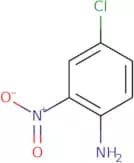
CAS:Controlled Product<p>Please enquire for more information about 1-(Chloroacetyl)-4-(2-fluorophenyl)piperazine including the price, delivery time and more detailed product information at the technical inquiry form on this page</p>Formula:C12H14ClFN2OPurity:Min. 95%Molecular weight:256.7 g/mol4-Chloro-2-nitroaniline
CAS:<p>4-Chloro-2-nitroaniline (4CNA) is a chemical that is used for wastewater treatment. 4CNA reacts with phosphorus pentachloride or phosphorus pentoxide to form phosphoric acid, which can be used as a pH buffer in water treatment applications. It is also used as an antidepressant treatment in pharmaceutical dosage and has been shown to have signal properties. 4CNA is also used in the production of monoclonal antibodies, n-dimethyl formamide and intracranial haemorrhage treatments. It can be produced by reacting hydrochloric acid with membrane systems at low energy.</p>Formula:C6H5ClN2O2Purity:Min. 95%Molecular weight:172.57 g/molLauroylcholine chloride hydrate
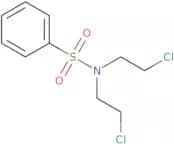
CAS:Lauroylcholine chloride hydrate is a chemical compound that has been shown to have antimicrobial activity. It has been shown to react with exogenous acceptors such as pluronic F127, benzalkonium chloride, and inorganic acid. The reaction mechanism of Lauroylcholine chloride hydrate is not well understood, but it is thought to be due to the presence of a hydroxyl group and a carbonyl group on the molecule. Lauroylcholine chloride hydrate is a non-polymeric cationic surfactant with molecular weight similar to heparin's. This chemical compound may be used as an additive in personal care products or pharmaceuticals.Formula:C17H36ClNO2Purity:Min. 95%Color and Shape:White PowderMolecular weight:321.93 g/molN,N-bis(2-Chloroethyl) benzenesulfonamide
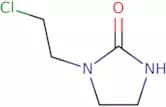
CAS:<p>Please enquire for more information about N,N-bis(2-Chloroethyl) benzenesulfonamide including the price, delivery time and more detailed product information at the technical inquiry form on this page</p>Formula:C10H13Cl2NO2SPurity:Min. 95 Area-%Molecular weight:282.19 g/mol1-(2-Chloroethyl)-2-imidazolidinone
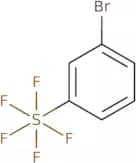
CAS:<p>1-(2-Chloroethyl)-2-imidazolidinone is a dopamine receptor agonist that is used as a reagent in the synthesis of other drugs. This compound has been shown to have affinity for 5-HT1A and 5-HT2C receptors, and has been used in vivo studies to assess its effect on serotonin levels. It also binds with high affinity to adrenergic receptors, including the D3 receptor. 1-(2-Chloroethyl)-2-imidazolidinone may be useful as a ligand for studying dopamine D3 receptors.</p>Formula:C5H9ClN2OPurity:Min. 95%Molecular weight:148.59 g/mol1-Bromo-3-(Pentafluorosulfanyl)Benzene
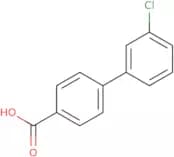
CAS:1-Bromo-3-(pentafluorosulfanyl)benzene is a molecule that can be used in the synthesis of biologically active compounds. It has been shown to have anti-inflammatory properties, which may be due to its ability to modulate the activity of 5-hydroxytryptamine (5-HT). The functionalities of 1-bromo-3-(pentafluorosulfanyl)benzene include cross-coupling (i.e., chemical reactions that join two or more substances together), protonation, and ligand binding. This molecule has been synthesized from 2,4,6-trifluorobenzonitrile and bromine. The isomers for this molecule are cis and trans, with the cis isomer being more active than the trans isomer. Techniques such as molecular modeling have also been used to study 1-bromo-3-(pentafluorosulfanyl)benFormula:C6H4BrF5SPurity:Min. 95%Molecular weight:283.06 g/mol3'-Chloro-biphenyl-4-carboxylic acid
CAS:<p>Please enquire for more information about 3'-Chloro-biphenyl-4-carboxylic acid including the price, delivery time and more detailed product information at the technical inquiry form on this page</p>Purity:Min. 95%Bis[2-(perfluorohexyl)ethyl]phosphate
CAS:Bis[2-(perfluorohexyl)ethyl] Phosphate is a perfluorinated, fluorinated chemical that is used in wastewater treatment. It is also found in human serum and organisms, as well as in the drinking water of some communities. Bis[2-(perfluorohexyl)ethyl] Phosphate has been detected in the maternal serum and urine of women who are pregnant or breast-feeding. It may be associated with adverse effects on neurodevelopmental outcomes in children. Bis[2-(perfluorohexyl)ethyl] Phosphate can be removed from drinking water by using an ultrasonic extraction system. This method uses sound waves to extract the chemical from water and other liquids and is effective at removing small amounts (less than 10 parts per billion). The analytical method for this compound is low detection, which means that it can only detect concentrations of up to 0.1 part per billion (ppb). However, this methodFormula:C16H9F26O4PPurity:Min. 95%Color and Shape:PowderMolecular weight:790.17 g/mol



![[(6-Chloro-1-isopropyl-1H-benzimidazol-2-yl)methyl]amine dihydrochloride](/_next/image/?url=https%3A%2Fstatic.cymitquimica.com%2Fproducts%2F3D%2Fthumb-webp%2FFC135800.webp&w=3840&q=75)
![4-Amino-3-bromo-1-(tert-butyl)-1H-pyrazolo[3,4-d]pyrimidine](/_next/image/?url=https%3A%2Fstatic.cymitquimica.com%2Fproducts%2F3D%2Fthumb-webp%2FFA168683.webp&w=3840&q=75)

![[4-[2-(Diethylamino)ethoxy]-3-iodophenyl][2-(1-hydroxybutyl)-3-benzofuranyl]-methanone](/_next/image/?url=https%3A%2Fstatic.cymitquimica.com%2Fproducts%2F3D%2Fthumb-webp%2FFD150040.webp&w=3840&q=75)


![Imidazo[1,2-a]pyridin-8-ylamine dihydrochloride](/_next/image/?url=https%3A%2Fstatic.cymitquimica.com%2Fproducts%2F3D%2Fthumb-webp%2FFI51744.webp&w=3840&q=75)
![1-Azaspiro[4.4]nonane hydrochloride](/_next/image/?url=https%3A%2Fstatic.cymitquimica.com%2Fproducts%2F3D%2Fthumb-webp%2FFA130012.webp&w=3840&q=75)

![S-[2-(Dimethylamino)ethyl]isothiourea Dihydrochloride](/_next/image/?url=https%3A%2Fstatic.cymitquimica.com%2Fproducts%2F3D%2Fthumb-webp%2FFD61318.webp&w=3840&q=75)




![Bis[2-(perfluorohexyl)ethyl]phosphate](/_next/image/?url=https%3A%2Fstatic.cymitquimica.com%2Fproducts%2F3D%2Fthumb-webp%2FFB84246.webp&w=3840&q=75)