Organic Halides
In this category, you can find organic molecules containing one or more halogen atoms in their structure. These organic halides include brominated, iodinated, chlorinated, and cyclic halide compounds. Organic halides are widely used in organic synthesis, pharmaceuticals, agrochemicals, and materials science due to their reactivity and ability to undergo a variety of chemical transformations. At CymitQuimica, we offer a comprehensive selection of high-quality organic halides to support your research and industrial applications, ensuring reliable and effective performance in your synthetic and analytical projects.
Subcategories of "Organic Halides"
Found 20440 products of "Organic Halides"
Sort by
Purity (%)
0
100
|
0
|
50
|
90
|
95
|
100
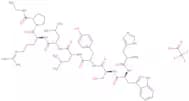
(Des-Pyr 1,Des-Gly10,D-Leu6,Pro-NHEt 9)-LHRH trifluoroacetate salt
CAS:<p>Please enquire for more information about (Des-Pyr 1,Des-Gly10,D-Leu6,Pro-NHEt 9)-LHRH trifluoroacetate salt including the price, delivery time and more detailed product information at the technical inquiry form on this page</p>Formula:C54H79N15O10Purity:Min. 95%Molecular weight:1,098.3 g/mol(Ala1·3·11·15)-Endothelin-1 trifluoroacetate salt
CAS:<p>(Ala1·3·11·15)-Endothelin-1 trifluoroacetate salt H-Ala-Ser-Ala-Ser-Ser-Leu-Met-Asp-Lys-Glu-Ala-Val-Tyr-Phe-Ala-His-Leu) is a phorbol ester, which is an analog of endothelin. It has been shown to inhibit the production of proinflammatory cytokines and chemokines in vitro and in vivo. This compound also inhibits the migration and proliferation of vascular endothelial cells, which may be due to its ability to suppress Ca2+ concentration. (Ala1·3·11·15)-Endothelin -1 trifluoroacetate salt H-) can also be used as a fluorescent marker for immunohistochemical studies on tissues such as vessels and gastrointestinal tissues. The localization of this drug can be observed by microscopy techniques such as</p>Formula:C109H163N25O32SPurity:Min. 95%Molecular weight:2,367.68 g/mol(Des-Asp187,Met186)-Melanocyte Protein PMEL 17 (185-193) (human, bovine, mouse) trifluoroacetate salt
CAS:<p>Please enquire for more information about (Des-Asp187,Met186)-Melanocyte Protein PMEL 17 (185-193) (human, bovine, mouse) trifluoroacetate salt including the price, delivery time and more detailed product information at the technical inquiry form on this page</p>Formula:C43H69N9O11SPurity:Min. 95%Molecular weight:920.13 g/molZ-Arg-AMC hydrochloride salt
CAS:<p>Z-Arg-AMC hydrochloride salt is a proteolytic agent that inhibits serine proteases. It can be used to study the biological function of proteases and as a tool in the kinetic analysis of protease activity. Z-Arg-AMC hydrochloride salt has been shown to inhibit trypsin, chymotrypsin, and elastase enzymes at nanomolar concentrations. This compound also inhibits human pathogens such as enterovirus 71 and herpes simplex virus type 1, which are associated with severe disease symptoms. The structural analysis of Z-Arg-AMC hydrochloride salt has shown it to be a racemic mixture of L-Arginine and D-Arginine with an average molecular weight of 313.5 Da.</p>Formula:C24H27N5O5Purity:Min. 95%Molecular weight:465.5 g/mol1-Bromo-4-chlorobutane
CAS:<p>1-Bromo-4-chlorobutane, also known as 4-bromo-1-chlorobutane, is a chemical compound with the molecular formula C6H5BrCl. It is a member of the group p2 of the periodic table and has been shown to be carcinogenic in animal studies. The compound is also used as an intermediate in the synthesis of other chemicals such as p-hydroxybenzoic acid. 1-Bromo-4-chlorobutane is used for treating infectious diseases such as malaria by interfering with purine metabolism. It can be administered orally or intravenously and has low bioavailability due to its rapid hydrolysis in the gastrointestinal tract.</p>Formula:C4H8BrClPurity:Min. 95%Molecular weight:171.46 g/molZ-Asp(OMe)-Gln-Met-DL-Asp(OMe)-fluoromethylketone
CAS:<p>Z-Asp(OMe)-Gln-Met-DL-Asp(OMe)-fluoromethylketone is a mitochondria-targeting compound that has been shown to have neuroprotective and anti-inflammatory properties. It binds to the ATP synthase in the mitochondrial membrane, inhibiting ATP production and causing cell death by apoptosis. ZAFMK also inhibits kinases such as protein kinase 3β (PK3β) and caspase 9, which are involved in inflammation and apoptosis. ZAFMK has been shown to be effective against various diseases such as multiple sclerosis, Alzheimer's disease, Parkinson's disease, amyotrophic lateral sclerosis, Huntington's disease, and stroke.</p>Formula:C29H40FN5O11SPurity:Min. 95%Molecular weight:685.72 g/molDipivefrin hydrochloride
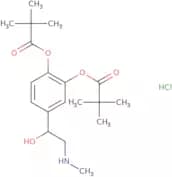
CAS:<p>Dipivefrin hydrochloride is a drug that belongs to the class of prostaglandin analogues. It is used as a topical ophthalmic solution for the treatment of glaucoma and other intraocular disorders. Dipivefrin hydrochloride is not active against microbial infection or choroidal neovascularization, but has been shown to be effective in the pharmacological treatment of metabolic disorders. This drug interacts with the prostaglandin receptors in the eye, which can lead to increased production of cyclic GMP (cGMP), a second messenger that causes relaxation of smooth muscles in blood vessels and leads to decreased intraocular pressure. Dipivefrin hydrochloride also has antimicrobial properties due to its ability to inhibit bacterial growth through binding with microbial cell membranes, thereby inhibiting protein synthesis.</p>Formula:C19H30ClNO5Purity:Min. 95%Molecular weight:387.9 g/mol(d(CH2)51,Tyr(Me)2,Arg8)-Vasopressin trifluoroacetate salt
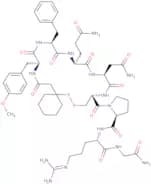
CAS:<p>The monoclonal antibody (mAb) is a recombinant protein that binds to the extracellular region of the vasopressin receptor. It is used in pharmacological research to study the physiological function and pharmacological effects of vasopressin. The mAb has been shown to be minimally toxic, with an LD50 value of greater than 10 mg/kg in mice. It has also been shown to inhibit viruses and inhibit drug-sensitive enzymes. This antibody can be used as a diagnostic tool for congestive heart disease, as well as in experimental models for studying the minimal toxicity and tumor treatment properties of various drugs.</p>Formula:C52H74N14O12S2Purity:Min. 95%Molecular weight:1,151.36 g/molSuc-Ala-Phe-Lys-AMC trifluoroacetate salt
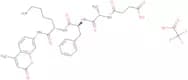
CAS:<p>Please enquire for more information about Suc-Ala-Phe-Lys-AMC trifluoroacetate salt including the price, delivery time and more detailed product information at the technical inquiry form on this page</p>Formula:C32H39N5O8·C2HF3O2Purity:Min. 95%Molecular weight:735.7 g/molMeOSuc-Ala-Ala-Pro-Val-chloromethylketone
CAS:<p>MeOSuc-Ala-Ala-Pro-Val-chloromethylketone is a serine protease inhibitor that has been shown to be effective against influenza virus and HIV. It was found to be active against a number of serine proteases, such as trypsin, chymotrypsin, and elastase. MeOSuc-Ala-Ala-Pro-Val-chloromethylketone also has chemotactic activity in thp1 cells and lung fibroblasts. It is activated by the addition of water and has been shown to inhibit the growth of soybean trypsin. However, it does not have any effect on human trypsin.</p>Formula:C22H35ClN4O7Purity:Min. 95%Molecular weight:502.99 g/molBNP-26 (porcine) trifluoroacetate salt
CAS:<p>Please enquire for more information about BNP-26 (porcine) trifluoroacetate salt including the price, delivery time and more detailed product information at the technical inquiry form on this page</p>Formula:C120H198N42O36S2Purity:Min. 95%Molecular weight:2,869.25 g/molTAT 2-4 trifluoroacetate salt
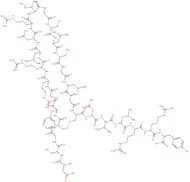
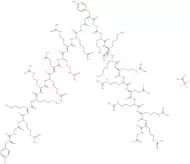
CAS:<p>Trifluoroacetate salt</p>Formula:C132H240N66O29Purity:Min. 95%Molecular weight:3,215.75 g/molGastric Inhibitory Polypeptide (6-30) amide (human) trifluoroacetate salt
CAS:<p>Please enquire for more information about Gastric Inhibitory Polypeptide (6-30) amide (human) trifluoroacetate salt including the price, delivery time and more detailed product information at the technical inquiry form on this page</p>Formula:C139H209N35O38SPurity:Min. 95%Molecular weight:3,010.43 g/molOctreotide trifluoroacetate salt (Dimer, Antiparallel) (
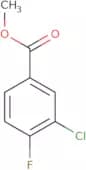
<p>Please enquire for more information about Octreotide trifluoroacetate salt (Dimer, Antiparallel) ( including the price, delivery time and more detailed product information at the technical inquiry form on this page</p>Formula:C98H132N20O20S4Purity:Min. 95%Molecular weight:2,038.48 g/molMethyl 3-chloro-4-fluorobenzoate
CAS:<p>Methyl 3-chloro-4-fluorobenzoate is a white crystalline solid with a melting point of 61°C. It is soluble in ethyl acetate, ether, and chloroform. Methyl 3-chloro-4-fluorobenzoate is used as a reagent in the synthesis of polymers, pharmaceuticals, and pesticides. It has been shown to be useful as a building block for the synthesis of complex compounds such as heterocycles and polymers. Methyl 3-chloro-4-fluorobenzoate is also used as an intermediate in the production of other chemicals such as pharmaceuticals, catalysts, and herbicides.</p>Formula:C8H6ClFO2Purity:Min. 95%Molecular weight:188.58 g/molFibrinopeptide A (human) trifluoroacetate salt
CAS:<p>Fibrinopeptide A is a peptide that is released from the fibrinolysis of fibrinogen. It can be used as a blood marker for the diagnosis of bowel disease and primary pulmonary hypertension, but not for other diseases such as infectious diseases. Fibrinopeptide A has been shown to be an effective model system for studying thrombin-mediated fibrin polymerization in vitro. This drug also can be used as a tool for investigating the disulfide bond in fibrinogen.</p>Formula:C63H97N19O26Purity:Min. 95%Molecular weight:1,536.56 g/molDefensin HNP-2 (human) trifluoroacetate salt
CAS:<p>Defensin HNP-2 is a peptide that has been shown to bind to cancer cells, metabolic disorders, and endometriosis. It also has pharmaceutical preparations for treating microbial infection and other diseases. Defensin HNP-2 is a broad-spectrum antimicrobial peptide and it binds to bacterial membranes in the cell cytoplasm. Defensin HNP-2 may be used as diagnostic agents or in the treatment of microbial infections. This antimicrobial peptide is stable when complexed with calcium ions and can be used against s. aureus strains that are resistant to antibiotics such as ciprofloxacin.</p>Formula:C147H217N43O37S6Purity:Min. 95%Molecular weight:3,370.96 g/molDermcidin-1L (human) trifluoroacetate salt
CAS:<p>Please enquire for more information about Dermcidin-1L (human) trifluoroacetate salt including the price, delivery time and more detailed product information at the technical inquiry form on this page</p>Formula:C210H359N57O71Purity:Min. 95%Molecular weight:4,818.44 g/mol2-Amino-4-fluorobenzaldehyde
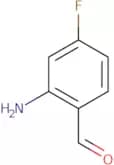
CAS:<p>2-Amino-4-fluorobenzaldehyde is a plant growth regulator that has been shown to be effective at increasing the yield of flowers and fruit crops. It is used as an intermediate in the synthesis of agrochemicals, such as 2-aminobenzaldehyde and anthranilic acid. The biosynthesis of 2-amino-4-fluorobenzaldehyde starts from methanol and intermediates such as anthranilic acid, aminoaldehydes, or alcohols. It can also be produced by oxidative coupling of 2-aminobenzaldehyde with phenylacetone in the presence of sodium hydroxide. 2-Amino-4-fluorobenzaldehyde has been shown to be more efficient than other plant growth regulators such as robinia or aminocyclopentane carboxylic acid (ACC).</p>Formula:C7H6FNOPurity:Min. 95%Color and Shape:SolidMolecular weight:139.13 g/mol3-(3'-Trifluoromethylphenyl)propanol
CAS:<p>3-(3'-Trifluoromethylphenyl)propanol is a trifluoroacetic acid derivative that is used in acylation reactions to form esters. It can be obtained by the reaction of aluminium chloride, isopropyl alcohol, and phosphine with 3-trifluoromethylaniline. Impurities may include chloride and zirconium. The trifluoromethyl group on this molecule can react with the carbonyl group of an organic acid to form a trifluoroacetate ester.</p>Purity:Min. 95%Methyl 2-bromo-2-(4-chlorophenyl)acetate
CAS:<p>2'-Bromo-4'-chlorophenylacetic acid methyl ester is a versatile building block for the preparation of complex compounds. It is a useful intermediate with speciality chemical properties and can be used to synthesize important reagents, such as 2-Aminobenzonitrile (CAS No. 2601-72-7) and many other fine chemicals. It has been widely used in the synthesis of pharmaceuticals, agrochemicals, and organic intermediates. 2'-Bromo-4'-chlorophenylacetic acid methyl ester is highly soluble in solvents such as DMSO and DMF and can be stored at -20°C for up to one year without changing its chemical properties.</p>Formula:C9H8BrClO2Purity:Min. 95%Color and Shape:PowderMolecular weight:263.52 g/mol4-Bromo-3,5-dimethylbenzyl alcohol
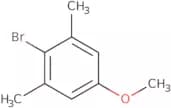
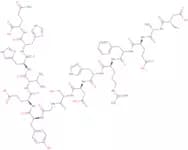
CAS:<p>4-Bromo-3,5-dimethylbenzyl alcohol is a potent anticancer agent that is synthesized from bromoarenes. It has been shown to be effective against cancer cells in the presence of activated carbon, aluminum chloride, and organotellurium. 4-Bromo-3,5-dimethylbenzyl alcohol reacts with peptide hormones and other hormones at the cellular level by inhibiting DNA synthesis. This inhibition prevents the production of proteins that are vital for cell division. The reaction rate is rapid in solvents such as acetonitrile.>>END>></p>Formula:C9H11BrOPurity:Min. 95%Color and Shape:PowderMolecular weight:215.09 g/molAmyloid beta-Protein (1-15) trifluoroacetate salt
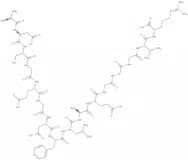
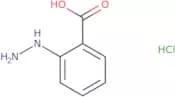
CAS:<p>Amyloid beta-protein (1-15) is a peptide fragment of the amyloid protein that is associated with Alzheimer's disease. Amyloid beta-Protein (1-15) activates the transcription of a number of genes, including those that encode neurotrophic factors and growth factors. It has been shown to have neurotrophic properties and to increase the survival rate of neurons in vitro. It also protects against neuronal death induced by oxidative stress and high concentrations of glutamate. The structure of amyloid beta-protein (1-15) has been elucidated using molecular modeling techniques and X-ray crystallography. The trifluoroacetate salt form is stable at physiological pH levels and shows good solubility in water, making it an attractive therapeutic drug candidate.</p>Formula:C78H107N25O27Purity:Min. 95%Molecular weight:1,826.84 g/mol2-Hydrazinobenzoic acid hydrochloride - technical grade
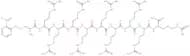
CAS:2-Hydrazinobenzoic acid hydrochloride is a synthetic compound that can be used as a ligand or substrate for the polymerase. It has been shown to interact with the NS5B polymerase, which is involved in viral replication and drug resistance. 2-Hydrazinobenzoic acid hydrochloride also produces reduction products and luminescence when combined with chloride. The luminescence is thought to be due to an interaction with the nucleophilic carbonyl group of 2-hydrazinobenzoic acid hydrochloride and a nucleophilic attack on the carbonyl oxygen atom by chloride ions. This reaction produces blue light at around 470 nm.Formula:C7H8N2O2·xHClPurity:(%) Min. 60%Color and Shape:PowderMolecular weight:188.61 g/molH-Cys(NPys)-Arg-Arg-Arg-Arg-Arg-Arg-Arg-Arg-Arg-NH2 trifluoroacetate salt
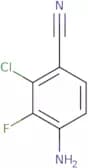
CAS:<p>Please enquire for more information about H-Cys(NPys)-Arg-Arg-Arg-Arg-Arg-Arg-Arg-Arg-Arg-NH2 trifluoroacetate salt including the price, delivery time and more detailed product information at the technical inquiry form on this page</p>Formula:C62H118N40O12S2Purity:Min. 95%Molecular weight:1,679.99 g/mol4-Amino-2-chloro-3-fluorobenzonitrile
CAS:<p>Please enquire for more information about 4-Amino-2-chloro-3-fluorobenzonitrile including the price, delivery time and more detailed product information at the technical inquiry form on this page</p>Formula:C7H4ClFN2Purity:Min. 95%Molecular weight:170.57 g/mol(Pyr 1)-Opiorphin trifluoroacetate salt
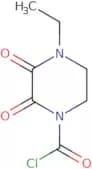
CAS:<p>Please enquire for more information about (Pyr 1)-Opiorphin trifluoroacetate salt including the price, delivery time and more detailed product information at the technical inquiry form on this page</p>Formula:C29H45N11O8Purity:Min. 95%Molecular weight:675.74 g/molc4-Ethyl-2,3-dioxo-piperazine carbonyl chloride
CAS:<p>c4-Ethyl-2,3-dioxo-piperazine carbonyl chloride is a chloroformate that is used in the synthesis of carbamates. It is used in the production of triphosgene, which is an intermediate for the production of herbicides and pesticides. The impurities found in this substance are n-hexane, flow rate, chloride, chloroformate and solvents. This product can be synthesized by reacting c4-ethyl-2,3-dioxopiperazine with carbon tetrachloride. The reaction time required to produce this product is 2 hours at a temperature between 100°C and 150°C. The optimum pH range for the reaction is 8 - 10.</p>Formula:C7H9ClN2O3Purity:Min. 95%Color and Shape:PowderMolecular weight:204.61 g/molH-Asp(OtBu)-2-chlorotrityl resin (200-400 mesh) (Low Substitution)
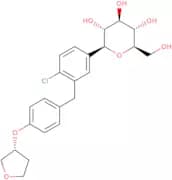
<p>Please enquire for more information about H-Asp(OtBu)-2-chlorotrityl resin (200-400 mesh) (Low Substitution) including the price, delivery time and more detailed product information at the technical inquiry form on this page</p>Purity:Min. 95%3’’’-Epi-Empagliflozin
CAS:Please enquire for more information about 3’’’-Epi-Empagliflozin including the price, delivery time and more detailed product information at the technical inquiry form on this pageFormula:C23H27ClO7Purity:95% MinColor and Shape:PowderMolecular weight:450.91 g/molOsteostatin (human) trifluoroacetate salt
CAS:<p>Osteostatin is a recombinant human protein that inhibits bone growth by binding to and neutralizing the effect of forskolin. Osteostatin also has an inhibitory effect on cancer cells, as it inhibits mitochondrial pathways and prevents the activation of factor receptors. Osteostatin blocks the synthesis of cAMP, which is necessary for cell proliferation in cancer cells. The inhibition of cAMP levels leads to a decrease in the production of proteins that stimulate bone growth, such as runx2.</p>Formula:C142H228N42O58Purity:Min. 95%Molecular weight:3,451.58 g/molNeuronostatin-13 (human, canine, porcine) trifluoroacetate salt
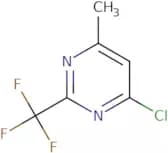
CAS:Please enquire for more information about Neuronostatin-13 (human, canine, porcine) trifluoroacetate salt including the price, delivery time and more detailed product information at the technical inquiry form on this pageFormula:C64H110N20O16Purity:Min. 95%Molecular weight:1,415.68 g/mol4-Chloro-6-methyl-2-trifluoromethylpyrimidine
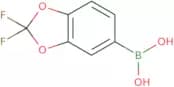
CAS:<p>Please enquire for more information about 4-Chloro-6-methyl-2-trifluoromethylpyrimidine including the price, delivery time and more detailed product information at the technical inquiry form on this page</p>Formula:C6H4ClF3N2Purity:Min. 95%Molecular weight:196.56 g/mol2,2-Difluoro-1,3-Benzodioxol-5-Ylboronic Acid
CAS:<p>Please enquire for more information about 2,2-Difluoro-1,3-Benzodioxol-5-Ylboronic Acid including the price, delivery time and more detailed product information at the technical inquiry form on this page</p>Formula:C7H5BF2O4Purity:Min. 95%Molecular weight:201.92 g/molHepcidin-1 (mouse) trifluoroacetate salt
CAS:<p>Please enquire for more information about Hepcidin-1 (mouse) trifluoroacetate salt including the price, delivery time and more detailed product information at the technical inquiry form on this page</p>Formula:C111H169N31O35S8Purity:Min. 95%Molecular weight:2,754.25 g/molPhenylacetyl-(D-Arg2·28,p-chloro-Phe6, Homoarg 9·29,Tyr(Me)10, Abu 15, Nle 27)-GRF (1-29) amide (human)
CAS:<p>Please enquire for more information about Phenylacetyl-(D-Arg2·28,p-chloro-Phe6, Homoarg 9·29,Tyr(Me)10, Abu 15, Nle 27)-GRF (1-29) amide (human) including the price, delivery time and more detailed product information at the technical inquiry form on this page</p>Formula:C172H284ClN53O41Purity:Min. 95%Molecular weight:3,785.88 g/molScandium(III)chloride hexahydrate
CAS:<p>Scandium(III)chloride is an inorganic chemical that is soluble in water and has a high affinity for urine. Scandium(III)chloride is used to measure the uptake of lanthanum, inorganic metals, and organic acids in urine samples. It can also be used to measure the chloride content of urine. Scandium(III)chloride reacts with acids or alkene compounds to form an ionic compound that can be determined by spectrophotometry. The reaction rate depends on the glomerular filtration rate (GFR).</p>Formula:Cl3ScPurity:Min. 95%Molecular weight:151.31 g/mol5-Fluoro-2-hydrazinopyridine
CAS:<p>Please enquire for more information about 5-Fluoro-2-hydrazinopyridine including the price, delivery time and more detailed product information at the technical inquiry form on this page</p>Formula:C5H6FN3Purity:Min. 95%Molecular weight:127.12 g/mol1,1-Dibromo-2,2-bis(chloromethyl)cyclopropane
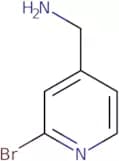
CAS:<p>1,1-Dibromo-2,2-bis(chloromethyl)cyclopropane is a synthetic chemical that can be used to synthesize lactams. It is a member of the class of enolates and has two isomers: sulfoxide and sulfone. The synthesis process begins with an amination reaction between 1,1-dibromo-2,2-bis(chloromethyl)cyclopropane and an amine in the presence of magnesium chloride. This reaction produces a sulfide intermediate that reacts with an aldehyde or ketone to form the desired lactam. The reaction time varies depending on the reactivity of the reactants, but it typically takes less than one hour at room temperature. Magnesium metal is needed as a catalyst for this reaction because it will not take place without it. 1,1-Dibromo-2,2-bis(chloromethyl)cyclopropane also reacts easily</p>Formula:C5H6Br2Cl2Purity:Min. 95%Molecular weight:296.81 g/mol(2-Bromopyridin-4-yl)methanamine
CAS:<p>Please enquire for more information about (2-Bromopyridin-4-yl)methanamine including the price, delivery time and more detailed product information at the technical inquiry form on this page</p>Purity:Min. 95%Biotinyl-Atrial Natriuretic Factor (1-28) (human) trifluoroacetate salt
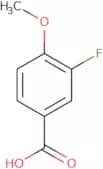
CAS:<p>Please enquire for more information about Biotinyl-Atrial Natriuretic Factor (1-28) (human) trifluoroacetate salt including the price, delivery time and more detailed product information at the technical inquiry form on this page</p>Formula:C137H217N47O41S4Purity:Min. 95%Molecular weight:3,306.75 g/mol3-Fluoro-4-methoxybenzoic acid
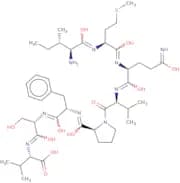
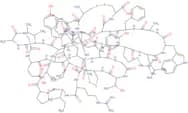
CAS:<p>3-Fluoro-4-methoxybenzoic acid is a dipolar molecule with a fluorine atom. It has been synthesized experimentally and the yields are determined by the experimental conditions. 3-Fluoro-4-methoxybenzoic acid has two isomers, which can be differentiated by their resonances. The molecule also has an asymmetric C3(CF)2Cl group in the middle of its structure that can rotate freely.</p>Formula:C8H7FO3Purity:Min. 95%Color and Shape:PowderMolecular weight:170.14 g/molent-[Amyloid b-Protein (20-16)]-b-Ala-D-Lys(ent-[Amyloid b-Protein (16-20)]) trifluoroacetate salt
CAS:<p>Please enquire for more information about ent-[Amyloid b-Protein (20-16)]-b-Ala-D-Lys(ent-[Amyloid b-Protein (16-20)]) trifluoroacetate salt including the price, delivery time and more detailed product information at the technical inquiry form on this page</p>Formula:C79H119N15O13Purity:Min. 95%Molecular weight:1,486.88 g/mol(Tyr(Me)21)-Neuropeptide Y (human, rat) trifluoroacetate salt
CAS:Please enquire for more information about (Tyr(Me)21)-Neuropeptide Y (human, rat) trifluoroacetate salt including the price, delivery time and more detailed product information at the technical inquiry form on this pageFormula:C190H287N55O57SPurity:Min. 95%Molecular weight:4,285.71 g/mol(R)-methyl pyrrolidine-3-carboxylate hydrochloride
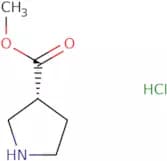
CAS:<p>Please enquire for more information about (R)-methyl pyrrolidine-3-carboxylate hydrochloride including the price, delivery time and more detailed product information at the technical inquiry form on this page</p>Purity:Min. 95%Neuropeptide W-30 (human) trifluoroacetate salt
CAS:<p>Please enquire for more information about Neuropeptide W-30 (human) trifluoroacetate salt including the price, delivery time and more detailed product information at the technical inquiry form on this page</p>Formula:C165H249N49O37SPurity:Min. 95%Molecular weight:3,543.12 g/mol1,4,5,8-Tetrachloroanthraquinone
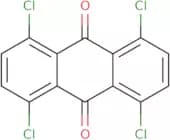
CAS:<p>1,4,5,8-Tetrachloroanthraquinone is a chlorinated aromatic compound that has been shown to have anticancer activity in vitro. This compound is an effective inhibitor of the production of reactive oxygen species from nitric oxide and hydrogen peroxide. It also inhibits the growth of cancer cells by binding to their cell membranes. 1,4,5,8-Tetrachloroanthraquinone binds to the carboxylate and functional groups on the surface of cancer cells and changes the conformation of their cell membrane proteins. The structural analysis revealed that this compound contains cycloalkyl groups with chlorine substituents on each ring. Immobilized 1,4,5,8-tetrachloroanthraquinone has been shown to be an effective agent against denitrification in soil samples containing nitrate.</p>Formula:C14H4Cl4O2Purity:Min. 95%Color and Shape:SolidMolecular weight:345.99 g/molAngiotensin (1-12) (mouse, rat) trifluoroacetate salt
CAS:<p>Please enquire for more information about Angiotensin (1-12) (mouse, rat) trifluoroacetate salt including the price, delivery time and more detailed product information at the technical inquiry form on this page</p>Formula:C77H109N19O17Purity:Min. 95%Molecular weight:1,572.81 g/molTIMP-2 (145-168) (human, bovine) trifluoroacetate salt
<p>Please enquire for more information about TIMP-2 (145-168) (human, bovine) trifluoroacetate salt including the price, delivery time and more detailed product information at the technical inquiry form on this page</p>Formula:C131H189N33O35S3Purity:Min. 95%Molecular weight:2,882.3 g/mol(Glu9)-Exenatide (2-39) trifluoroacetate salt
CAS:<p>Please enquire for more information about (Glu9)-Exenatide (2-39) trifluoroacetate salt including the price, delivery time and more detailed product information at the technical inquiry form on this page</p>Formula:C179H277N47O59SPurity:Min. 95%Molecular weight:4,063.46 g/mol












![ent-[Amyloid b-Protein (20-16)]-b-Ala-D-Lys(ent-[Amyloid b-Protein (16-20)]) trifluoroacetate salt](/_next/image/?url=https%3A%2Fstatic.cymitquimica.com%2Fproducts%2F3D%2Fthumb-webp%2FFE109711.webp&w=3840&q=75)