Organic Halides
Subcategories of "Organic Halides"
Found 20442 products of "Organic Halides"
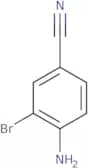
4-Amino-3-bromobenzonitrile
CAS:4-Amino-3-bromobenzonitrile is a chemical compound that is synthesized by the reaction of 4-amino-2-bromobenzonitrile and NaBH4. It can be used as a ligand for copper, nickel, and cobalt ions. The crystalline form of 4-amino-3-bromobenzonitrile has been studied using x-ray diffraction and ultraviolet irradiation. The absorption spectra of the compound are in agreement with its nature as an azobenzene derivative.
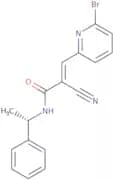
Formula:C7H5BrN2Purity:Min. 95%Color and Shape:PowderMolecular weight:197.03 g/mol(S,E)-3-(6-Bromopyridin-2-yl)-2-cyano-N-(1-phenylethyl)acrylamide
CAS:(S,E)-3-(6-Bromopyridin-2-yl)-2-cyano-N-(1-phenylethyl)acrylamide (MBI-23) is a potential antineoplastic agent that has been shown to induce regression of bladder cancer in mice. MBI-23 induces apoptosis by inhibiting the proliferation of cancer cells and inducing differentiation of cancer stem cells. It is also shown to inhibit tumor growth and progression in glioma and prostate cancer models. MBI-23 binds to the KDR receptor subtype, which is activated by organic acids and inhibited by inorganic compounds. This binding leads to constitutive activation of the KDR receptor, thereby inducing apoptosis. The tautomers and stereoisomers of MBI-23 have not been fully elucidated yet.Formula:C17H14ON3BrPurity:Min. 98 Area-%Color and Shape:White PowderMolecular weight:356.22 g/molRef: 3D-FB34118
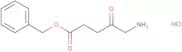
Discontinued product5-Amino-4-oxopentanoic acid benzyl ester hydrochloride
CAS:Please enquire for more information about 5-Amino-4-oxopentanoic acid benzyl ester hydrochloride including the price, delivery time and more detailed product information at the technical inquiry form on this page
Formula:C12H15NO3·HClPurity:Min. 97%Color and Shape:PowderMolecular weight:257.71 g/molRef: 3D-FA52258
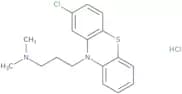
Discontinued productChlorpromazine hydrochloride
CAS:Controlled ProductChlorpromazine hydrochloride is an amphiphilic drug, derivative of phenothiazine, that blocks post-synaptic dopaminergic receptors (D1-D4) in mesolimbic area (antipsychotic effects). It is an antagonist at histamine (H1), serotonin (5HT1 and 5-HT2) and alpha-1, alpha 2 adrenergic receptors and possess antimuscarinic properties. Chlorpromazine hydrochloride salt is used in the treatment of: agitation and aggression in bipolar disorder and schizophrenia, in behaviour problems and hyperactivity in children, and for the treatment of chronic hiccups. Also, it helps in: tetanus therapy and intermittent porphyria, the treatment of severe migraines, and helps control nausea and vomiting. Chlorpromazine performs clathrin- mediated endocytosis at non-toxic concentrations and it can be used as a potential broad-spectrum inhibitor of viruses.
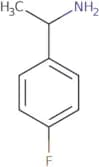
Formula:C17H20Cl2N2SPurity:Min. 95%Color and Shape:White PowderMolecular weight:355.33 g/mol4-Fluoro-α-methylbenzylamine
CAS:4-Fluoro-a-methylbenzylamine is a chiral, protonated, and enthalpic compound. It can be synthesized by reacting anilines with 4-fluorobenzaldehyde in the presence of a base such as sodium ethoxide. The flavonoids from the plant Hedera helix have been shown to inhibit this enzyme.
4-Fluoro-a-methylbenzylamine has been found to be a potent inhibitor of imidazole amidohydrolase, an enzyme involved in the metabolism of histamine and other biologically active amines. This inhibition prevents the conversion of histamine to imidazole and therefore may help prevent allergic reactions such as asthma.Formula:C8H10FNPurity:Min. 95%Molecular weight:139.17 g/molRef: 3D-FF35005
Discontinued productIralukast Na
CAS:Iralukast Na is a leukotriene receptor antagonist that prevents bronchoconstrictor response. It binds to the cystic fibrosis transmembrane conductance regulator (CFTR) and blocks the binding of leukotrienes, which are potent bronchoconstrictors. Iralukast Na also blocks the activity of inflammatory cells and reduces bowel inflammation. Iralukast Na has been shown to be effective in treating asthma, inflammatory bowel disease, and other autoimmune diseases.
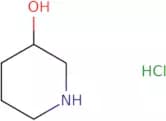
Formula:C38H36F3NaO8SPurity:Min. 95%Molecular weight:732.198073-Hydroxypiperidine hydrochloride
CAS:3-Hydroxypiperidine hydrochloride is a synthetic compound that inhibits the enzyme acetylcholinesterase, which breaks down the neurotransmitter acetylcholine. The specificity of this inhibitor has been shown to be high in human urine samples. 3-Hydroxypiperidine hydrochloride can be used as a tethering agent in exploratory assays. This drug also has an effect on chemokine production and citric acid levels in the urine.
Formula:C5H11NO•HClPurity:Min. 95%Color and Shape:PowderMolecular weight:137.61 g/molRef: 3D-FH29361
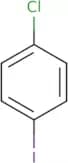
Discontinued product1-Chloro-4-iodobenzene
CAS:1-Chloro-4-iodobenzene is a crystalline compound that can be used in the synthesis of palladium complexes. It reacts with amines to form aryl halides, which are useful intermediates for the synthesis of a variety of organic compounds. The reaction mechanism for 1-chloro-4-iodobenzene and amines is an electrophilic substitution reaction, which involves a nucleophilic attack by the amine on the carbon atom adjacent to the halogen atom. Halides are introduced as reagents in this reaction because they are nucleophiles. The reaction is thermodynamically favorable and efficient because 1-chloro-4-iodobenzene has a high concentration of iodine atoms, which react with the amine to form an intermediate diazonium salt. This salt then reacts with trifluoroacetic acid to produce the desired product and hydrogen iodide.
Formula:C6H4ClIPurity:Min. 98 Area-%Color and Shape:PowderMolecular weight:238.45 g/molRef: 3D-FC139338
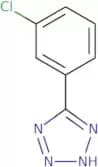
Discontinued product5-(3-Chlorophenyl)-2H-tetrazole
CAS:The synthesis of 5-(3-chlorophenyl)-2H-tetrazole, a new heterocyclic compound, was accomplished in an efficient and simple way by condensation of piperazine with amines using acidic catalysis. This reaction is catalyzed by the use of nonmetal halides as additives and can be performed in organic solvents. The synthesis of 5-(3-chlorophenyl)-2H-tetrazole has been shown to be possible with various azides and halides. Furthermore, this compound has been found to contain functional groups such as nitro, nitrile, carboxylic acid, phenolic hydroxyl group, and amino.
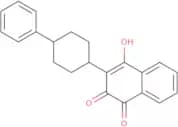
Formula:C7H5ClN4Purity:Min. 95%Color and Shape:PowderMolecular weight:180.59 g/molDeschloro atovaquone
CAS:Deschloro atovaquone is a drug that is used to treat HIV. It is an antiretroviral drug with pharmacokinetic properties that are similar to those of chloroquine, which inhibits the growth of the virus by interfering with DNA synthesis. Deschloro atovaquone has been shown to decrease the plasma concentrations of HIV in patients and has been found to be useful in treating encephalitis caused by Toxoplasma gondii and other viruses. It has also been shown to be effective against patients with immunodeficiency diseases.
Formula:C22H20O3Purity:Min. 95%Color and Shape:Off-White To Yellow SolidMolecular weight:332.39 g/molRef: 3D-FD21153
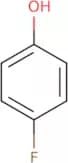
Discontinued product4-Fluorophenol
CAS:4-Fluorophenol is the organic compound with the formula CHFOH. It is a phenolic compound and has been used in the manufacture of other chemicals such as trifluoroacetic acid, sodium carbonate and creatinine sulfate. The hydroxyl group of 4-Fluorophenol is capable of donating a proton to hydrogen fluoride to form the intramolecular hydrogen bond, which is an important factor in its chemical reactivity. This reaction mechanism can be seen using electrochemical impedance spectroscopy on bacterial strains.
4-Fluorophenol has been shown to be effective for wastewater treatment due to its ability to react with oxygen nucleophiles such as creatinine sulfate and p-hydroxybenzoic acid.Formula:C6H5FOPurity:Min. 95%Color and Shape:White PowderMolecular weight:112.1 g/molRef: 3D-FF31943
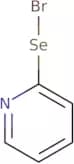
Discontinued product2-Pyridine selenyl bromide
CAS:2-Pyridine selenyl bromide is a co-precursor for the synthesis of 2-selenides. It can be prepared by reacting 2-pyridinesulfonyl chloride with sodium periodate in acetonitrile. This compound can then be converted to a 2-selenide by treatment with methanol and periodic acid. The analytical and preparative methods are shown below:
Analytical: Dissolve the sample in dichloromethane, add triethylamine, and extract into diethyl ether. Add a small amount of potassium bromide to the organic layer and evaporate to dryness under vacuum. Recrystallize from acetonitrile.
Methanolysis: Dissolve the sample in methanol, add a catalytic amount of hydrochloric acid, and heat at reflux for 12 hours. Cool the solution, filter off any insoluble material, evaporate to drynessFormula:C5H4BrNSePurity:Min. 95%Molecular weight:236.96 g/molRef: 3D-FP11022
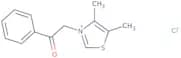
Discontinued product4,5-Dimethyl-3-(2-oxo-2-phenylethyl)thiazol-3-ium chloride
CAS:4,5-Dimethyl-3-(2-oxo-2-phenylethyl)thiazol-3-ium chloride (CGP42112A) is a cytosolic calcium antagonist and a biocompatible polymer that has been shown to be effective in the treatment of diabetes. The drug binds to the endothelin A receptor, which causes the release of intracellular calcium ions from the endoplasmic reticulum. CGP42112A has been shown to demonstrate side effects profiles that are similar to those seen with other pharmacological agents, such as mitochondrial functions and glycation. It also inhibits growth factor β1, which is involved in cell proliferation and differentiation. CGP42112A has been shown to be effective in combination therapy for patients with diabetic nephropathy, tubulointerstitial injury, and neuronal death.Formula:C13H14ClNOSPurity:Min. 95%Color and Shape:SolidMolecular weight:267.78 g/molRef: 3D-FD140267
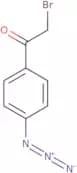
Discontinued productp-Azidophenacyl bromide
CAS:p-Azidophenacyl bromide is an enzyme form that catalyzes the hydrolysis of azides, such as nitrobenzene. It is chemically stable and can be used in human serum. The enzyme form has been shown to hydrolyze DNA with high specificity and low background. p-Azidophenacyl bromide also has antiviral properties against herpes simplex virus because it inhibits the synthesis of viral DNA. This enzyme form also binds to benzyl groups on the surface of cell membranes, which are part of a ternary complex formation with lysine residues and hydroxyl groups. p-Azidophenacyl bromide is present in mitochondria and cytochrome plasma mass spectrometry has shown that it is a mitochondrial cytochrome.
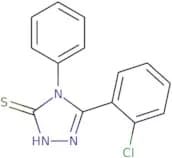
Formula:C8H6BrN3OPurity:Min. 95%Color and Shape:PowderMolecular weight:240.06 g/mol3-(2-chlorophenyl)-4-phenyl-1,2,4-triazoline-5-thione
CAS:Please enquire for more information about 3-(2-chlorophenyl)-4-phenyl-1,2,4-triazoline-5-thione including the price, delivery time and more detailed product information at the technical inquiry form on this pagePurity:Min. 95%Ref: 3D-FC169104
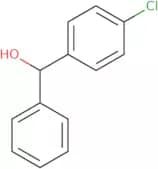
Discontinued product4-Chlorodiphenylcarbinol
CAS:The asymmetric synthesis of 4-chlorodiphenylcarbinol is an efficient method that uses a simple, inexpensive, and environmentally friendly reagent. The reaction proceeds in the presence of hydrochloric acid and sodium hydroxide solution. The reaction mechanism is the same as for the preparation of other chiral alcohols. The stereoselective preparation method is based on the use of glycol esters or trifluoroacetic acid to produce enantiomerically pure 4-chlorodiphenylcarbinol, which can be used as a precursor for pharmaceuticals, pesticides, and dyes.
Formula:C13H11ClOPurity:Min. 95%Color and Shape:PowderMolecular weight:218.68 g/mol(R)-Apomorphine hydrochloride hemihydrate
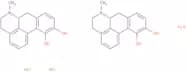
CAS:Apomorphine hydrochloride is the salt form of apomorphine, a morphine derivative D2 dopamine agonist. The high selectivity for D2, D3, D4 and D5 receptors makes apomorphine hydrochloride a possible drug candidate and it is in clinical trials for diagnosis and treatment of Parkinsons disease. Moreover, apomorphine and apomorphine hydrochloride have been investigated in diverse studies for treating movement disorders.
Formula:C17H17NO2•HCl•(H2O)0Purity:Min. 95%Color and Shape:White PowderMolecular weight:312.79 g/mol1,1,1,2,3-Pentachloro-2-fluoropropane
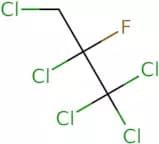
CAS:Controlled Product1,1,1,2,3-Pentachloro-2-fluoropropane is a chlorofluorocarbon (CFC) that is a colorless gas with a sweet odor. It is used as an industrial solvent for degreasing metal parts and dissolves fats and oils. 1,1,1,2,3-Pentachloro-2-fluoropropane also has the ability to solubilize inorganic salts such as calcium fluoride. This chemical has been shown to be toxic to humans when inhaled or ingested. When this chemical is released into the environment it reacts with hydrogen fluoride to form products such as hydrochloric acid and hydrogen fluoride.
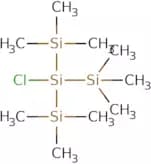
Formula:C3H2Cl5FPurity:Min. 95%Molecular weight:234.31 g/molChlorotris(trimethylsilyl)silane
CAS:Chlorotris(trimethylsilyl)silane is a chlorosilane with a trifluoromethyl group and one other organic group. It can be prepared by thermal decomposition of chlorotrimethylsilane. Chlorotris(trimethylsilyl)silane has been used in the synthesis of branched-chain alkanes and cycloalkanes, as well as in the preparation of molecular fragments for use in organometallic syntheses. This molecule absorbs ultraviolet light strongly at 254 nm, making it useful for measurements of UV absorption spectra.
Formula:C9H27ClSi4Purity:Min. 95 Area-%Color and Shape:White PowderMolecular weight:283.11 g/molRef: 3D-FC61091
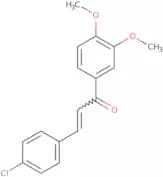
Discontinued product4-Chloro-3',4'-dimethoxychalcone
CAS:Please enquire for more information about 4-Chloro-3',4'-dimethoxychalcone including the price, delivery time and more detailed product information at the technical inquiry form on this page
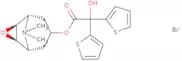
Purity:Min. 95%Tiotropium bromide
CAS:Muscarinic antagonist; bronchodilator
Formula:C19H22BrNO4S2Purity:Min. 95%Color and Shape:PowderMolecular weight:472.42 g/molRef: 3D-FT28288
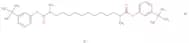
Discontinued productDemecarium bromide
CAS:Demecarium bromide is a diagnostic drug that can be used to identify the presence of cancer cells. It reacts with sodium citrate and water vapor to produce a red color in tissue culture. The demecarium bromide test is a simple, inexpensive, and highly specific screening method for cancer. Demecarium bromide has been shown to be effective in the treatment of glaucoma and as an antiglaucoma agent. It has also been used in the treatment of insulin resistance, although its clinical relevance is not known. Demecarium bromide may also have potential use in degenerative diseases such as Parkinson's disease or Alzheimer's disease.
Formula:C32H52N4O4·2BrPurity:Min. 95%Color and Shape:PowderMolecular weight:716.59 g/molRef: 3D-FD38039
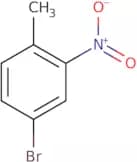
Discontinued product4-Bromo-2-nitrotoluene
CAS:4-Bromo-2-nitrotoluene is a solvent with an orange color. It has been shown to have antimycobacterial activity and insecticidal activities, as well as being a potent anticancer agent. This compound is often used in the synthesis of β-carboline alkaloids and can be debrominated to form bromobenzene, which is used in the synthesis of phenolic compounds. 4-Bromo-2-nitrotoluene also inhibits the growth of human breast cancer cells.
Formula:C7H6BrNO2Purity:Min. 95%Color and Shape:PowderMolecular weight:216.03 g/molRef: 3D-FB02085
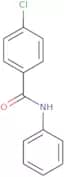
Discontinued product4-Chlorobenzanilide
CAS:4-Chlorobenzanilide is an efficient method for the synthesis of aryl chlorides. 4-Chlorobenzanilide is used as an antibacterial agent in the treatment of intestinal infections, and has been shown to have a suppressive effect on cancer. 4-Chlorobenzanilide inhibits bacterial growth by binding to DNA-dependent RNA polymerase, thereby preventing transcription and replication. It also has an antibacterial activity that is mediated by the desulfurisation of sulfhydryl groups present in amides.
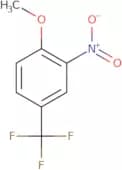
Formula:C13H10ClNOPurity:Min. 95%Color and Shape:SolidMolecular weight:231.68 g/mol4-Methoxy-3-nitrobenzotrifluoride
CAS:4-Methoxy-3-nitrobenzotrifluoride is a chemical that belongs to the group of reactants. It is used as a reagent, building block, or intermediate in organic synthesis. 4-Methoxy-3-nitrobenzotrifluoride has been shown to be an effective scaffold for the preparation of complex compounds with versatile building blocks and useful intermediates. It can also be used as a fine chemical with speciality chemical properties.
Formula:C8H6F3NO3Purity:Min. 95%Color and Shape:PowderMolecular weight:221.13 g/molRef: 3D-FM69984
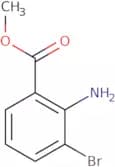
Discontinued productMethyl 2-amino-3-bromobenzoate
CAS:Methyl 2-amino-3-bromobenzoate is a high quality, versatile building block that is used as a reagent and intermediate in the synthesis of biologically active compounds. Methyl 2-amino-3-bromobenzoate is a complex compound that has proven useful as an intermediate in the synthesis of various fine chemicals, such as speciality chemicals. The compound also serves as a useful scaffold for the preparation of other compounds, such as research chemicals. Methyl 2-amino-3-bromobenzoate can be used in reactions with other reagents to form new compounds. It is also used to make important reaction components, such as CAS No. 104670-74-8.
Formula:C8H8BrNO2Purity:Min. 95%Color and Shape:PowderMolecular weight:230.06 g/molRef: 3D-FM33251
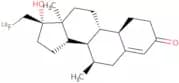
Discontinued product20-Fluoromibolerone
CAS:Controlled Product20-Fluoromibolerone is a fluorinated analogue of the natural hormone mibolerone. It has been shown to have affinity for prostate tissue and to be selective for cancer cells in vivo, when injected into rats. The uptake of 20-fluoromibolerone into tissues is very high, with preferential accumulation in the liver, kidney and prostate. This drug is metabolized by sulfation and excreted in the urine as sulfate and positron. 20-Fluoromibolerone also has been shown to have a strong affinity for bone, which may be due to its ability to accumulate in bone tissue.
Formula:C20H29FO2Purity:Min. 95%Molecular weight:320.44 g/mol3-Piperazin-1-yl-benzo[d]isothiazole hydrochloride
CAS:3-Piperazin-1-yl-benzo[d]isothiazole hydrochloride is an atypical antipsychotic that belongs to the group of inorganic compounds. It has been shown to have a high affinity for acidic surfaces and can be used in industrial applications such as the removal of metal ions from water by filtration. 3-Piperazin-1-yl-benzo[d]isothiazole hydrochloride is synthesized by reacting an inorganic base with a piperazine compound, followed by hydrolysis of the piperazine ring using acid. Impurities are often found during synthesis, which may contain traces of other compounds such as pyridine or methylamine.Formula:C11H13N3SPurity:Min. 95%Color and Shape:PowderMolecular weight:219.31 g/molRef: 3D-FP50755
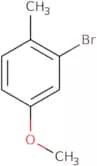
Discontinued product3-Bromo-4-methylanisole
CAS:3-Bromo-4-methylanisole is a natural product that has been shown to selectively activate the transcription factor, proliferator activated receptor γ (PPARγ), which plays a central role in cell differentiation and lipid metabolism. 3-Bromo-4-methylanisole is a competitive inhibitor of the catalytic site of PPARγ and also inhibits the activity of other transcriptional factors. This compound has been shown to stimulate the production of peroxisomes, which are organelles involved in lipid metabolism. 3-Bromo-4-methylanisole can be synthesized from toluene by a two step process involving electrolysis followed by chlorination. It can also be prepared from magnolol, a natural product isolated from Magnolia officinalis, by oxidation with potassium dichromate and sodium bisulfite.
Formula:C8H9BrOPurity:Min. 95%Color and Shape:PowderMolecular weight:201.06 g/molRef: 3D-FB10592
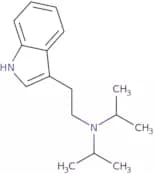
Discontinued product3-(2-Diisopropylaminoethyl)indole hydrochloride
CAS:Controlled Product3-(2-Diisopropylaminoethyl)indole hydrochloride is an inhibitor of the enzyme monoamine oxidase (MAO). MAO is responsible for the degradation of monoamines such as serotonin, dopamine, and norepinephrine. 3-(2-Diisopropylaminoethyl)indole hydrochloride inhibits these enzymes in order to increase the levels of these neurotransmitters in the brain. These effects are observed with a sectional study on the host plant species. 3-(2-Diisopropylaminoethyl)indole hydrochloride has been shown to have low potency for inhibiting 5-HT1A and 5-HT2A receptors in rat studies, but it is not active against 5-HT2C receptors. This drug was used to measure urinary serotonin and dopamine levels in human urine samples.
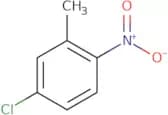
Formula:C16H25ClN2Purity:Min. 95%Molecular weight:280.84 g/mol5-Chloro-2-nitrotoluene
CAS:5-Chloro-2-nitrotoluene is an anti-cancer drug that has been shown to be effective against a variety of cancer cell lines, including carcinoma and pancreatic cancer cell lines. 5-Chloro-2-nitrotoluene inhibits the growth of cancer cells by binding to sulfhydryl groups in cellular membranes, which prevents the release of essential building blocks for the synthesis of proteins, nucleic acids, and lipids. This compound also inhibits the activity of enzymes that are involved in the synthesis of these compounds. It has been shown to have chemopreventive effects in animal studies.
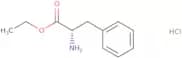
Formula:C7H6ClNO2Purity:Min. 95%Molecular weight:171.58 g/molL-Phenylalanine ethyl ester hydrochloride
CAS:L-Phenylalanine ethyl ester hydrochloride is a chemical compound that is the ethyl ester of L-phenylalanine. It has been shown to have anticancer activity in vitro, and has been studied as a potential treatment for leukemia. The anticancer effects of L-phenylalanine ethyl ester hydrochloride are thought to be due to its ability to disrupt the DNA replication machinery by attacking amines and other nucleophilic groups. L-Phenylalanine ethyl ester hydrochloride was found to induce apoptosis in human hepatoma cells through the generation of reactive oxygen species and activation of caspases. This compound also has an absorption peak at 260 nm, which makes it suitable for use as a UV light absorber.
Formula:C11H15NO2·HClPurity:Min. 95%Color and Shape:White PowderMolecular weight:229.7 g/mol2-Amino-4-(2,4-dichlorophenyl)-5-methylthiophene-3-carbonitrile
CAS:The frequency range of 2-Amino-4-(2,4-dichlorophenyl)-5-methylthiophene-3-carbonitrile is between 0.1 and 1.0 GHz. The channel is between 1 and 10 MHz. The algorithm used for this frequency is the Gaussian algorithm. This frequency has been shown to have a frequency range of 0.1 to 1.0 GHz with a channel of 1 to 10 MHz and an algorithm of the Gaussian algorithm.
Formula:C12H8Cl2N2SPurity:Min. 95%Color and Shape:Brown PowderMolecular weight:283.18 g/molRef: 3D-FA113257
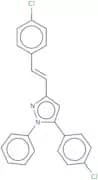
Discontinued product1-Phenyl-3-(4-chlorostyrene)pyrazole
CAS:1-Phenyl-3-(4-chlorostyrene)pyrazole is a high quality reagent that can be used as an intermediate in the production of complex compounds. It is also used as a building block in the synthesis of speciality chemicals, research chemicals, and versatile building blocks. 1-Phenyl-3-(4-chlorostyrene)pyrazole has been shown to be useful as a reaction component in the synthesis of fine chemicals and useful scaffolds.
Formula:C23H16Cl2N2Purity:Min. 95%Molecular weight:391.29 g/molRef: 3D-FP66012
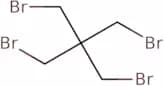
Discontinued productTetrakis(bromomethyl)methane - 94%
CAS:Tetrakis(bromomethyl)methane is a chemical compound that contains an aromatic hydrocarbon and a hydroxyl group. It can be synthesized by reacting an aliphatic hydrocarbon with bromine in the presence of a base such as sodium carbonate. The reaction solution is acidic and can be neutralized with a base, such as sodium carbonate. Tetrakis(bromomethyl)methane has been used to crosslink polymers, such as polystyrene, for use in cell culture experiments. FT-IR spectroscopy has shown that this compound contains both nitrogen atoms and aliphatic hydrocarbons.
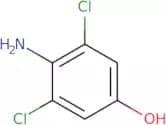
Formula:C5H8Br4Purity:(%) Min. 94%Color and Shape:Clear LiquidMolecular weight:387.73 g/mol4-Amino-3,5-dichlorophenol
CAS:4-Amino-3,5-dichlorophenol is a decoupling agent that has been shown to have acute toxicities in cultures. It is also used as a regulatory control for the analysis of hydroxyl groups and for broad-spectrum antimicrobial agents. 4-Amino-3,5-dichlorophenol reacts with hydrochloric acid to form chlorohydrin, which can be detected by an electrochemical detector. This reaction mechanism has been proposed as the basis for the use of this chemical as a decoupling agent in analytical chemistry. Its use as an antimicrobial agent is based on its ability to inhibit bacterial growth by reacting with thiol groups in enzymes or proteins and blocking their activity.
Formula:C6H5Cl2NOPurity:Min. 95%Color and Shape:PowderMolecular weight:178.02 g/molRef: 3D-FA58353
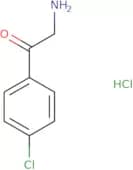
Discontinued product2-Amino-4'-chloroacetophenone hydrochloride
CAS:Controlled Product2-Amino-4'-chloroacetophenone hydrochloride is a cytotoxic compound that inhibits the polymerization of tubulin. It has been shown to have cytotoxic effects and inhibit the growth of cancer cells in vitro at low micromolar concentrations. 2-Amino-4'-chloroacetophenone hydrochloride is a member of the cytotoxic class of compounds and can be used to slow or stop cell division by inhibiting the production of proteins vital for cell division, such as tubulin. This effect is due to its ability to bind to the beta subunit of tubulin, which disrupts its structure and prevents polymerization from occurring.
Formula:C8H8ClNO•HClPurity:Min. 95%Color and Shape:PowderMolecular weight:206.07 g/molRef: 3D-FA55395
Discontinued product2-Anilino-6-dibutylamino-3-methylfluoran
CAS:2-Anilino-6-dibutylamino-3-methylfluoran is a switchable fluorescent dye that has been used to detect and measure biochemically active substances in living cells. The dye is introduced into the cell, where it binds to specific proteins or nucleic acids, causing a change in fluorescence. This change can then be detected using a microscope with an ultraviolet light source. 2-Anilino-6-dibutylamino-3-methylfluoran has also been used to detect bacteria in wastewater samples. An experiment was conducted to determine the effects of temperature on the reaction time of 2AADMF and metal ion concentration. Increasing the temperature resulted in an increase in reaction time, while increasing the concentration of metal ions had no effect on reaction time. 2AADMF also reacts differently depending on whether it is inside microcapsules or not. Microcapsules with 2AADMF reacted faster than those without it when
Formula:C35H36N2O3Purity:Min. 95%Color and Shape:White PowderMolecular weight:532.67 g/molRef: 3D-FA161411
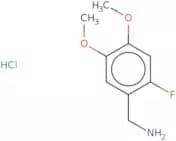
Discontinued product4,5-Dimethoxy-2-fluorobenzylamine hydrochloride
CAS:4,5-Dimethoxy-2-fluorobenzylamine hydrochloride is a fine chemical that is the building block for a variety of other compounds. It has been used as an intermediate in organic synthesis and as a research chemical. 4,5-Dimethoxy-2-fluorobenzylamine hydrochloride has also been used as a reaction component in the preparation of complex compounds with interesting physical and chemical properties. This compound is also used as a reagent in the production of high quality products.Formula:C9H12FNO2·HClPurity:Min. 95%Molecular weight:221.66 g/molYtterbium(III) trifluoromethanesulfonate
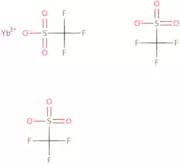
CAS:Ytterbium (III) trifluoromethanesulfonate is a cationic polymerization catalyst that is used for the allylation and methyl ketones, amines, receptor activity, kinetic and epoxides reactions. It is also used as a reagent in structural analysis of polymers. Ytterbium (III) trifluoromethanesulfonate can be synthesized by reacting ytterbium oxide with hydrogen fluoride and chloroform in methanol. The resulting product is purified by sublimation under vacuum. Ytterbium (III) trifluoromethanesulfonate is soluble in organic solvents such as benzene, toluene, ethers and acetone. This compound has been shown to inhibit the growth of cells in culture by acting on surface receptors that are involved in cell proliferation and migration. Ytterbium (III) trifluorFormula:C3F9O9S3YbPurity:Min. 95%Color and Shape:White/Off-White SolidMolecular weight:620.26 g/molRef: 3D-FY57481
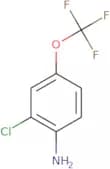
Discontinued product2-Chloro-4-(trifluoromethoxy)aniline
CAS:2-Chloro-4-(trifluoromethoxy)aniline is a chemical reagent that is used in organic synthesis. It has a variety of uses including as a building block for complex compounds, an intermediate for the synthesis of other chemicals, and a reagent for the production of pharmaceuticals. 2-Chloro-4-(trifluoromethoxy)aniline is also useful in research to study the mechanism of certain reactions. The high quality and versatility of this compound make it a speciality chemical with many applications.
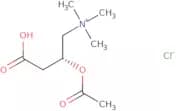
Formula:C7H5ClF3NOMolecular weight:211.57 g/molAcetyl L-carnitine chloride
CAS:Acetyl L-carnitine chloride (ALCAR) is a carnitine molecule that is used as a dietary supplement. It can be converted to acetyl coenzyme A, which provides energy for the cells and helps with the production of neurotransmitters. ALCAR has been shown to reduce neuronal death in an animal model of oxidative injury. It also increases levels of glutathione and prevents lipid peroxidation. Acetyl L-carnitine chloride is a cell permeable reagent that can be used to measure GSH-px activities in biological samples. This compound has been shown to inhibit the activity of cell nuclei and mitochondrial enzymes, such as succinate dehydrogenase, citrate synthase, and malate dehydrogenase.
Formula:C9H18ClNO4Purity:Min. 95%Color and Shape:White PowderMolecular weight:239.7 g/molRef: 3D-FA31584
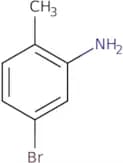
Discontinued product5-Bromo-2-methylaniline
CAS:5-Bromo-2-methylaniline (5BMA) is a nonsteroidal, insecticidal compound. It is an alkylating agent that reacts with nucleophilic sites such as DNA and proteins to form covalent bonds. 5BMA has been shown to act as a surfactant in the synthesis of carbinols. It can also be used as an additive or a coupling reagent for the synthesis of other compounds. The bromine atom in 5BMA is electron-rich and has high affinity for electrophiles, which makes it useful for reactions involving nucleophiles such as DNA, proteins, or phosphines. The functional groups on 5BMA are fluorine and two methoxy groups. It can bind to DNA by forming hydrogen bonds with the phosphate backbone. Hybridization occurs when 5BMA binds to its complementary strand of DNA; this process prevents transcription and replication of genetic material.
Formula:C7H8BrNPurity:Min. 95%Molecular weight:186.05 g/molRef: 3D-FB05935
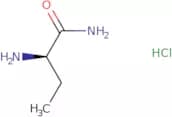
Discontinued product(R)-2-Aminobutanamide hydrochloride
CAS:(R)-2-Aminobutanamide hydrochloride is a compound that contains chloride gas. This compound is an alkylating agent, which means it can form new carbon-nitrogen bonds by adding to the electrophilic center of a molecule. This process is used industrially to produce butyronitrile, which is a precursor for nylon and other plastics. The introduction of (R)-2-aminobutanamide hydrochloride into industrial processes has decreased the use of l-tartaric acid, diluent, and hydrogen chloride. The impurities in this compound are typically quantified using gas chromatography with flame ionization detection.
(R)-2-Aminobutanamide hydrochloride is an acidic compound that dissociates in water to release hydrogen chloride. It has two chiral forms:
The enantiomers have different chemical properties due to their different configurations around the central carbon atom. In the case of (Formula:C4H10N2O·HClPurity:Min. 95%Color and Shape:White PowderMolecular weight:138.6 g/molRef: 3D-FA61376
Discontinued product(1R,4R)-tert-Butyl 2,5-diazabicyclo[2.2.1]heptane-2-carboxylate hydrochloride
CAS:Tert-Butyl 2,5-diazabicyclo[2.2.1]heptane-2-carboxylate hydrochloride (TBDAHC) is a fine chemical that is an intermediate for the synthesis of other compounds. TBDAHC is a versatile building block that can be used in research chemicals, reaction components, and specialty chemicals. It is also a useful scaffold for making complex compounds and useful building blocks. The compound has high quality and can be used as a reagent in organic chemistry.
Formula:C10H18N2O2·HClPurity:Min. 95%Color and Shape:White PowderMolecular weight:234.72 g/molRef: 3D-FB15223
Discontinued product[2-(3-Methyl-1,2,4-oxadiazol-5-yl)ethyl]amine hydrochloride
CAS:2-(3-Methyl-1,2,4-oxadiazol-5-yl)ethyl]amine hydrochloride is a high quality chemical reagent that can be used as a complex intermediate in organic synthesis. It is also a useful scaffold for the synthesis of other complex compounds. 2-(3-Methyl-1,2,4-oxadiazol-5-yl)ethyl]amine hydrochloride is an excellent building block for the synthesis of various fine chemicals and research chemicals. This compound has many uses as a versatile building block in chemical reactions due to its reactivity.
Formula:C5H9N3O·HClPurity:Min. 95%Color and Shape:White PowderMolecular weight:163.61 g/molRef: 3D-FM120047
Discontinued productMethyl 3,5-dibromo-2-methoxybenzoate
CAS:Methyl 3,5-dibromo-2-methoxybenzoate is a fine chemical that is useful as a scaffold for the preparation of a variety of compounds. It is also used as an intermediate in the synthesis of pharmaceuticals and research chemicals. Methyl 3,5-dibromo-2-methoxybenzoate can be used as a reaction component to generate complex compounds with high purity and quality. This compound has been classified as a speciality chemical and may be reclassified due to its usefulness in research.
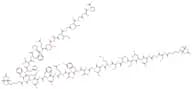
Formula:C9H8Br2O3Purity:Min. 95%Molecular weight:323.97 g/molBiotinyl-(Cys1,Lys(biotinyl)18)-Calcitonin (human) trifluoroacetate salt
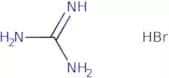
CAS:Please enquire for more information about Biotinyl-(Cys1,Lys(biotinyl)18)-Calcitonin (human) trifluoroacetate salt including the price, delivery time and more detailed product information at the technical inquiry form on this pageFormula:C171H254N44O49S5Purity:Min. 95%Molecular weight:3,870.44 g/molGuanidine hydrobromide
CAS:Guanidine hydrobromide is a chemical compound that is used in wastewater treatment. It has been shown to interact with human serum and form hydrogen bonding interactions. Guanidine hydrobromide has also been shown to react with metal hydroxides to form guanidinium ions. The guanidinium ions have been shown to be able to bind to the mucin gene, which is an important gene for epithelial cells. This binding can lead to cell death and toxicity in humans. Guanidine hydrobromide has also been shown to react with nitrate and produce toxic products such as cyanogen bromide. The reaction mechanism of guanidine hydrobromide is currently being studied by titration calorimetry, a technique that measures heat released during chemical reactions by observing changes in temperature.
Formula:CH6BrN3Purity:Min. 95%Color and Shape:White PowderMolecular weight:139.98 g/molRef: 3D-FG23708
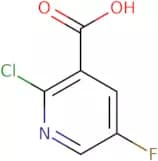
Discontinued product2-Chloro-5-fluoropyridine-3-carboxylic acid
CAS:2-Chloro-5-fluoropyridine-3-carboxylic acid is an intermediate in the synthesis of fluorine compounds used in the industrial process. It can be synthesized by chlorinating 5-fluoropyridine with chlorine gas and a catalyst such as platinum, or by hydrogenating 2-chloro-5-pyridinecarboxylic acid. This chemical is used to manufacture other chemicals such as ethylene oxide, tetrafluoroethylene, and hexafluoroethane.
Formula:C6H3ClFNO2Purity:Min. 95%Molecular weight:175.54 g/molRef: 3D-FC57301
Discontinued product


![3-Piperazin-1-yl-benzo[d]isothiazole hydrochloride](/_next/image/?url=https%3A%2Fstatic.cymitquimica.com%2Fproducts%2F3D%2Fthumb-webp%2FFP50755.webp&w=3840&q=75)


![(1R,4R)-tert-Butyl 2,5-diazabicyclo[2.2.1]heptane-2-carboxylate hydrochloride](/_next/image/?url=https%3A%2Fstatic.cymitquimica.com%2Fproducts%2F3D%2Fthumb-webp%2FFB15223.webp&w=3840&q=75)
![[2-(3-Methyl-1,2,4-oxadiazol-5-yl)ethyl]amine hydrochloride](/_next/image/?url=https%3A%2Fstatic.cymitquimica.com%2Fproducts%2F3D%2Fthumb-webp%2FFM120047.webp&w=3840&q=75)