Organic Halides
Subcategories of "Organic Halides"
Found 20442 products of "Organic Halides"
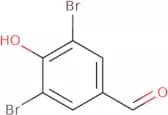
3,5-Dibromo-4-hydroxybenzaldehyde
CAS:3,5-Dibromo-4-hydroxybenzaldehyde is an aldehyde that is used as a precursor to other organic compounds. It can be produced using the efficient method of reacting 3,5-dibromo-4-hydroxybenzoic acid with sodium borohydride in methanol. The molecule has three hydroxymethyl groups and two functional groups. 3,5-Dibromo-4-hydroxybenzaldehyde is soluble in water and organic solvents such as ethanol and acetone. This compound has shown antibacterial activity against some strains of bacteria, including group P2 bacteria. The reaction yield for the synthesis of this compound is approximately 93%. The inhibitory activities of 3,5-dibromo-4-hydroxybenzaldehyde have been demonstrated against both Gram positive and Gram negative bacteria.
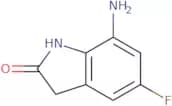
Formula:C7H4Br2O2Purity:Min. 95%Color and Shape:PowderMolecular weight:279.91 g/mol7-Amino-5-fluoro-1,3-dihydroindol-2-one
CAS:7-Amino-5-fluoro-1,3-dihydroindol-2-one is a compound that can be used as a research chemical. It has been shown to react with various other compounds in the laboratory and may have potential uses as a versatile building block or useful intermediate. 7-Amino-5-fluoro-1,3-dihydroindol-2-one is also known for its high quality and speciality chemical status.
Formula:C8H7FN2OPurity:Min. 95%Color and Shape:PowderMolecular weight:166.15 g/molRef: 3D-FA104789
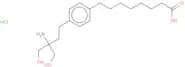
Discontinued productFTY720 octanoic acid hydrochloride
CAS:Please enquire for more information about FTY720 octanoic acid hydrochloride including the price, delivery time and more detailed product information at the technical inquiry form on this page
Formula:C19H31NO4•HClPurity:Min. 95%Molecular weight:373.92 g/molRef: 3D-FF23613
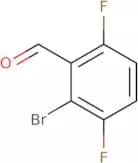
Discontinued product2-Bromo-3,6-difluorobenzaldehyde
CAS:2-Bromo-3,6-difluorobenzaldehyde is a versatile building block that is used in the synthesis of many complex compounds. It has been shown to be a useful intermediate and reaction component in organic synthesis. 2-Bromo-3,6-difluorobenzaldehyde can be used as a reagent or speciality chemical for research purposes. This compound has high quality and is a useful scaffold for the preparation of fine chemicals.
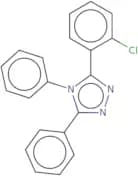
Formula:C7H3BrF2OPurity:Min. 95%Color and Shape:Off-White PowderMolecular weight:221 g/mol5-(2-Chlorophenyl)-1,2-diphenyl-1,3,4-triazole
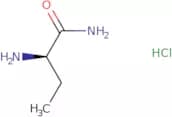
CAS:5-(2-Chlorophenyl)-1,2-diphenyl-1,3,4-triazole is a research chemical that can be used as a building block for the synthesis of more complex molecules. This compound has been shown to have a high yield and is useful for the synthesis of various reaction components including pharmaceuticals and pesticides. It also has an excellent quality and is available in bulk quantities.Formula:C20H14ClN3Purity:Min. 95%Molecular weight:331.8 g/mol(R)-2-Aminobutanamide hydrochloride
CAS:(R)-2-Aminobutanamide hydrochloride is a compound that contains chloride gas. This compound is an alkylating agent, which means it can form new carbon-nitrogen bonds by adding to the electrophilic center of a molecule. This process is used industrially to produce butyronitrile, which is a precursor for nylon and other plastics. The introduction of (R)-2-aminobutanamide hydrochloride into industrial processes has decreased the use of l-tartaric acid, diluent, and hydrogen chloride. The impurities in this compound are typically quantified using gas chromatography with flame ionization detection.
(R)-2-Aminobutanamide hydrochloride is an acidic compound that dissociates in water to release hydrogen chloride. It has two chiral forms:
The enantiomers have different chemical properties due to their different configurations around the central carbon atom. In the case of (Formula:C4H10N2O·HClPurity:Min. 95%Color and Shape:White PowderMolecular weight:138.6 g/molRef: 3D-FA61376
Discontinued product3-Piperazin-1-yl-benzo[d]isothiazole hydrochloride
CAS:3-Piperazin-1-yl-benzo[d]isothiazole hydrochloride is an atypical antipsychotic that belongs to the group of inorganic compounds. It has been shown to have a high affinity for acidic surfaces and can be used in industrial applications such as the removal of metal ions from water by filtration. 3-Piperazin-1-yl-benzo[d]isothiazole hydrochloride is synthesized by reacting an inorganic base with a piperazine compound, followed by hydrolysis of the piperazine ring using acid. Impurities are often found during synthesis, which may contain traces of other compounds such as pyridine or methylamine.Formula:C11H13N3SPurity:Min. 95%Color and Shape:PowderMolecular weight:219.31 g/molRef: 3D-FP50755
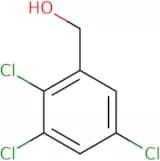
Discontinued product2,3,5-Trichlorobenzyl alcohol
CAS:2,3,5-Trichlorobenzyl alcohol is a chemical compound with the chemical formula CHClBrO. It is a colorless liquid that has a sweet odor and can be used as a research chemical or as a reagent. 2,3,5-Trichlorobenzyl alcohol is also used as an intermediate in organic synthesis and as a building block for complex compounds. The CAS number of this chemical is 4681-17-8.
Formula:C7H5Cl3OPurity:Min. 95%Molecular weight:211.47 g/molRef: 3D-FT66189
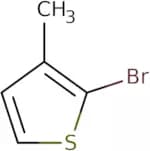
Discontinued product2-Bromo-3-methylthiophene
CAS:2-Bromo-3-methylthiophene (2BMT) is an organic chemical compound that has been used for the Suzuki coupling reaction. It can be prepared by reacting 2-bromo-3-methylthiophene with potassium hydroxide in a hydroxide solution. 2BMT has shown to inhibit the activity of tiagabine hydrochloride, which is a drug that regulates GABA neurotransmission. 2BMT is also used as an intermediate in the synthesis of carbonyl group compounds and halides. The structure and physical properties of 2BMT have been studied in detail by x-ray crystallography and nmr spectroscopy.
Formula:C5H5BrSPurity:Min. 95%Color and Shape:Clear LiquidMolecular weight:177.06 g/molRef: 3D-FB03109
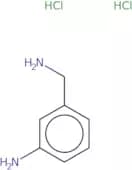
Discontinued product3-Aminobenzylamine dihydrochloride
CAS:3-Aminobenzylamine dihydrochloride is a chemical building block that is useful for the synthesis of complex compounds. 3-Aminobenzylamine dihydrochloride is an aminobenzamide and has been used as a reagent or reaction component in laboratory research. This chemical is a versatile building block that can be used to synthesize a variety of compounds. 3-Aminobenzylamine dihydrochloride has been shown to be effective in the synthesis of 1,2,4-triazole derivatives, which are useful as pharmaceuticals or herbicides. 3-Aminobenzylamine dihydrochloride is also useful for the preparation of other fine chemicals and speciality chemicals.
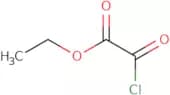
Formula:C7H10N2·2ClHPurity:Min. 95%Color and Shape:SolidMolecular weight:195.09 g/molEthyl oxalyl monochloride
CAS:Ethyl oxalyl monochloride is an ester that has been used to treat tumors. This drug is a prodrug that is hydrolyzed in vivo to form ethyl chloroformate and oxalic acid. Ethyl oxalyl monochloride inhibits the activity of receptors for acetylcholine, histamine, and serotonin. It also inhibits the production of nitric oxide, which causes vasodilation and hypotension. Ethyl oxalyl monochloride may be useful in treating bowel disease by inhibiting the production of prostaglandins.
br>br>
Ethyl oxalyl monochloride has shown efficacy against autoimmune diseases such as rheumatoid arthritis and multiple sclerosis, but it can also cause eye disorders or hiv infection when used at higher concentrations.br>br>
Ethyl oxalyl monochloride binds with lipids in mitochondrial membranes, leading to a decrease in mitochondrial membrane potentialFormula:C4H5ClO3Purity:Min. 95%Color and Shape:Colorless Clear LiquidMolecular weight:136.53 g/molRef: 3D-FE32414
Discontinued product2-Amino-4-(2,4-dichlorophenyl)-5-methylthiophene-3-carbonitrile
CAS:The frequency range of 2-Amino-4-(2,4-dichlorophenyl)-5-methylthiophene-3-carbonitrile is between 0.1 and 1.0 GHz. The channel is between 1 and 10 MHz. The algorithm used for this frequency is the Gaussian algorithm. This frequency has been shown to have a frequency range of 0.1 to 1.0 GHz with a channel of 1 to 10 MHz and an algorithm of the Gaussian algorithm.
Formula:C12H8Cl2N2SPurity:Min. 95%Color and Shape:Brown PowderMolecular weight:283.18 g/molRef: 3D-FA113257
Discontinued productBiotinyl-(Cys1,Lys(biotinyl)18)-Calcitonin (human) trifluoroacetate salt
CAS:Please enquire for more information about Biotinyl-(Cys1,Lys(biotinyl)18)-Calcitonin (human) trifluoroacetate salt including the price, delivery time and more detailed product information at the technical inquiry form on this pageFormula:C171H254N44O49S5Purity:Min. 95%Molecular weight:3,870.44 g/mol2-Chloro-5-(4-chloro-5-difluoromethoxy-1-methylpyrazol-3-yl)-4-fluorophenoxyacetic acid monohydrate
CAS:2-Chloro-5-(4-chloro-5-difluoromethoxy-1-methylpyrazol-3-yl)-4-fluorophenoxyacetic acid monohydrate (2,4,5P) is a phenoxy herbicide that has been shown to be an effective broadleaf and grass weed control agent. 2,4,5P is a granule formulation that can be applied by helicopter or ground equipment. It has synergistic effects with glyphosate when applied together to soybean plants and can be used in combination with other herbicides for more effective weed control.
Formula:C13H9Cl2F3N2O·H2OPurity:Min. 95%Color and Shape:White PowderMolecular weight:355.14 g/molRef: 3D-FC156954
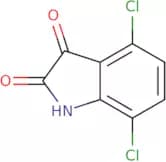
Discontinued product4,7-Dichloroisatin
CAS:4,7-Dichloroisatin is an organic compound that is synthesized by ring-opening of oxindole. It is a bifunctional molecule that can be used for the synthesis of other organic compounds. 4,7-Dichloroisatin has been found to be an efficient method for the synthesis of thiazolidinedione derivatives and can be used as a control experiment for this type of reaction. The mechanism for the reaction includes nitroaldol addition to the C=O group, followed by nucleophilic attack on the carbonyl group to form a tetrahedral intermediate. The intermediate then collapses to form a new C=N bond and release acetonitrile.
Formula:C8H3Cl2NO2Purity:Min. 95%Color and Shape:SolidMolecular weight:216.02 g/molRef: 3D-FD60763
Discontinued productMethyl 3,5-dibromo-2-methoxybenzoate
CAS:Methyl 3,5-dibromo-2-methoxybenzoate is a fine chemical that is useful as a scaffold for the preparation of a variety of compounds. It is also used as an intermediate in the synthesis of pharmaceuticals and research chemicals. Methyl 3,5-dibromo-2-methoxybenzoate can be used as a reaction component to generate complex compounds with high purity and quality. This compound has been classified as a speciality chemical and may be reclassified due to its usefulness in research.
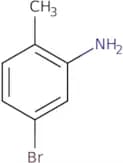
Formula:C9H8Br2O3Purity:Min. 95%Molecular weight:323.97 g/mol5-Bromo-2-methylaniline
CAS:5-Bromo-2-methylaniline (5BMA) is a nonsteroidal, insecticidal compound. It is an alkylating agent that reacts with nucleophilic sites such as DNA and proteins to form covalent bonds. 5BMA has been shown to act as a surfactant in the synthesis of carbinols. It can also be used as an additive or a coupling reagent for the synthesis of other compounds. The bromine atom in 5BMA is electron-rich and has high affinity for electrophiles, which makes it useful for reactions involving nucleophiles such as DNA, proteins, or phosphines. The functional groups on 5BMA are fluorine and two methoxy groups. It can bind to DNA by forming hydrogen bonds with the phosphate backbone. Hybridization occurs when 5BMA binds to its complementary strand of DNA; this process prevents transcription and replication of genetic material.
Formula:C7H8BrNPurity:Min. 95%Molecular weight:186.05 g/molRef: 3D-FB05935
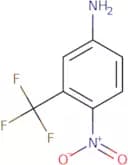
Discontinued product4-Nitro-3-(trifluoromethyl)aniline (FLU-1)
CAS:4-Nitro-3-(trifluoromethyl)aniline (FLU-1) is a molecule that has been shown to be carcinogenic in both animals and humans. This compound has an activation energy of 4.2 kcal/mol, which is a measure of the amount of energy required for a reaction to occur. FLU-1 is stable in n-dimethylformamide and reacts with acetic acid to form an ester, which can be hydrolyzed to form 4-nitro-3-(trifluoromethyl)acetic acid. FLU-1 also reacts with ammonia and boron nitride to form 4-(aminocarbonyl)-3-(trifluoromethyl)aniline. The physical properties of this compound are dependent on the solvents used in the reaction. For example, its nmr spectra are different in chloroform than they are in acetone or
Formula:C7H5F3N2O2Purity:Min. 98 Area-%Color and Shape:PowderMolecular weight:206.12 g/molRef: 3D-FN26253
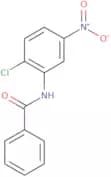
Discontinued productN-(2-Chloro-5-Nitrophenyl)Benzamide
CAS:Please enquire for more information about N-(2-Chloro-5-Nitrophenyl)Benzamide including the price, delivery time and more detailed product information at the technical inquiry form on this page
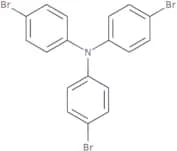
Formula:C13H9ClN2O3Purity:Min. 95%Color and Shape:PowderMolecular weight:276.67 g/molTris(4-bromophenyl)amine
CAS:Tris(4-bromophenyl)amine is a chemical compound that is used as an intermediate in the synthesis of other compounds. It has been studied for its electrochemical properties, which include its stability and ability to react with ethyl diazoacetate. The reaction mechanism of tris(4-bromophenyl)amine has been studied using electrochemical techniques, including kinetic and spectroscopic studies. Tris(4-bromophenyl)amine reacts with acid to produce nitrite ions and bromine water, which can then react with ethyl diazoacetate to produce aryl diazonium salts such as 3-nitrophenol. This process can be repeated multiple times to form aryl diazonium salts such as 6-nitrophenol or 5-nitrophenol. The electron reduction potential of tris(4-bromophenyl)amine is low enough that it can be easily oxid
Formula:C18H12Br3NPurity:Min. 95%Color and Shape:PowderMolecular weight:482.01 g/molRef: 3D-FT62286
Discontinued product6-Iodoisatin
CAS:6-Iodoisatin is a potential anticancer agent that has been shown to inhibit the growth of murine melanoma cells in vitro. The mechanism of action is not yet fully understood, but it seems that 6-iodoisatin may inhibit the synthesis of melanin and its cross-coupling reaction. This compound also exhibits affinity for tumour cells and can be radiolabeled with a radionuclide such as iodine-131 (I) or iodine-123 (I). 6-Iodoisatin has been shown to have a high biodistribution profile in mice. It accumulates in melanoma tumours at an amount that is ten times higher than that observed in other tissues.
Formula:C8H4INO2Purity:Min. 95%Color and Shape:Orange PowderMolecular weight:273.03 g/molRef: 3D-FI66944
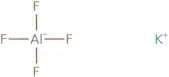
Discontinued productPotassium fluoroaluminate
CAS:Potassium fluoroaluminate (KAlF) is a reactive chemical compound that is used as a reducing agent in metallurgical processes. KAlF is not an aluminothermic reaction product, but it can be produced as a by-product of the reaction between aluminum and hydrogen fluoride. It is produced when potassium reacts with hydrogen fluoride in the presence of sodium carbonate or boron nitride. KAlF does not produce stable complexes with zinc or magnesium, but it does stabilize zirconium oxide to some extent. The human serum contains antibodies against KAlF particles, which may cause allergic reactions following inhalation or skin contact.
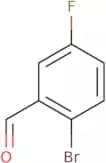
Formula:AlF4•KColor and Shape:PowderMolecular weight:142.07 g/mol2-Bromo-5-fluorobenzaldehyde
CAS:2-Bromo-5-fluorobenzaldehyde is a chemical compound that has been shown to inhibit the activity of ns3 protease, an enzyme responsible for the cleavage of peptides in HIV. 2-Bromo-5-fluorobenzaldehyde binds to the active site of ns3 protease and prevents it from carrying out its function. This drug has also been shown to bind to the active site of ns5b polymerase and inhibit its activity, which is necessary for viral DNA synthesis. 2-Bromo-5-fluorobenzaldehyde has been used as a fungicide and has shown high potency against Candida albicans, Cryptococcus neoformans, Saccharomyces cerevisiae, and Aspergillus fumigatus.
Formula:C7H4BrFOPurity:Min. 95%Color and Shape:PowderMolecular weight:203.01 g/molRef: 3D-FB63995
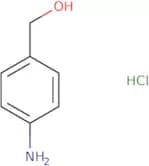
Discontinued product4-Aminobenzyl alcohol hydrochloride
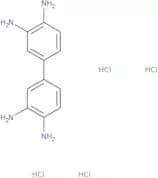
CAS:4-Aminobenzyl alcohol hydrochloride is a fine chemical that is used as a building block for research chemicals, reagents, and specialty chemicals. It can be used as a versatile building block in the synthesis of many complex compounds. 4-Aminobenzyl alcohol hydrochloride is also an intermediate for the synthesis of pharmaceuticals and other useful compounds. CAS No. 170926-25-7Formula:C7H10ClNOPurity:Min. 95%Color and Shape:PowderMolecular weight:159.61 g/mol3,3'-Diaminobenzidine tetrahydrochloride
CAS:3,3'-Diaminobenzidine tetrahydrochloride or DAB hydrochloride is the hydrochloride salt of biphenyl tetra-aniline. DAB hydrochloride is a water-soluble formulation of DAB and is used in immunohistochemical staining of nucleic acids and proteins. DAB hydrochloride is used in Alzheimer's disease research, Aβ protein amyloid plaques are targeted by a primary antibody, and subsequently by a secondary antibody, which is conjugated with a peroxidase enzyme. This will bind DAB as a substrate and oxidize causing a colour change. 3,3’-Diaminobenzidine tetrahydrochloride is also available as the tetrahydrochloride hydrate and as the free base.
Formula:C12H14N4•4HClPurity:Min. 95%Color and Shape:Off-White PowderMolecular weight:360.12 g/molRef: 3D-FD11034
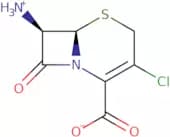
Discontinued product7-Amino-3-chloro cephalosporanic acid
CAS:7-Amino-3-chloro cephalosporanic acid is a molecule that can be used to synthesize the drug cefaclor. It is a synthetic compound that has been shown to have anticancer activity and antibacterial activity. This molecule is an ester hydrochloride and has a bulk density of 1.2 g/cm³. 7-Amino-3-chloro cephalosporanic acid is activated by hydrochloric acid in the presence of an organic solvent, such as ethyl acetate, at room temperature. The molecule is also bioactive and its expression can be induced by adding an activator, such as sodium butyrate or benzyl alcohol, to the medium.br>br>
7-Amino-3-chloro cephalosporanic acid exhibits antibacterial activity against Gram positive bacteria, such as Bacillus subtilis and Staphylococcus epidermidFormula:C7H7ClN2O3SPurity:Min. 95%Color and Shape:PowderMolecular weight:234.66 g/molRef: 3D-FA34171
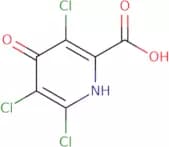
Discontinued product3,5,6-Trichloro-4-hydroxy-2-picolinic acid
CAS:3,5,6-Trichloro-4-hydroxy-2-picolinic acid is a high quality reagent that is used as a building block for the synthesis of complex compounds with potential pharmaceutical applications. It can be used as an intermediate in the production of fine chemicals and speciality chemicals. This compound is also useful for research purposes and as a versatile building block for reactions.
Formula:C6H2Cl3NO3Purity:Min. 95%Color and Shape:White to off-white solid.Molecular weight:242.44 g/mol4-Chloro-5-ethylisatin
CAS:4-Chloro-5-ethylisatin is a fine chemical that can be used as a versatile building block in the synthesis of complex compounds. It has been shown to be a useful intermediate and reaction component for the preparation of high quality reagents. 4-Chloro-5-ethylisatin is commercially available from Sigma Aldrich, catalog number 1379340-45-0.
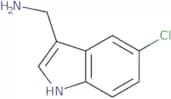
Formula:C10H8ClNO2Purity:Min. 95%Molecular weight:209.63 g/mol(5-Chloro-1H-indol-3-yl)methanamine
CAS:5-Chloro-1H-indol-3-ylamine (5CI) is a chemical that has been shown to have antitubercular and antifungal properties. It is a potent inhibitor of mycobacterium tuberculosis, inhibiting the growth of mycobacterium tuberculosis at concentrations as low as 10 micrograms per milliliter. 5CI also has antibacterial activity against various strains of bacteria and antimicrobial activity against various strains of fungi. 5CI was shown to be more active than isoniazid in inhibiting the growth of Mycobacterium tuberculosis.
Formula:C9H9ClN2Purity:Min. 95%Color and Shape:Off-White PowderMolecular weight:180.63 g/molRef: 3D-FC154360
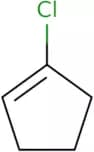
Discontinued product1-Chloro-1-cyclopentene
CAS:1-Chloro-1-cyclopentene is a chlorine atom that belongs to the group of halides. It can be prepared by reacting 1,1-dichloroethane with n-butyl lithium and potassium t-butoxide in amide solvent at low temperature. The reaction product of 1-chloro-1-cyclopentene is a nucleophilic reagent for the formation of esters or amides. Chlorine atoms are also used as catalysts for many reactions involving organic compounds. They are able to react with electron rich molecules such as alkenes, alkynes, and even aromatic rings. This reaction proceeds via addition of the chlorine atom to one of the bonds on the molecule, followed by nucleophilic attack on the other bond. The chlorination process is reversible, which makes it possible to use the same molecule for both steps in an overall chemical process.
Formula:C5H7ClPurity:Min. 95%Color and Shape:Clear LiquidMolecular weight:102.56 g/molRef: 3D-FC152367
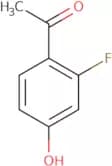
Discontinued product2'-Fluoro-4'-hydroxyacetophenone
CAS:2'-Fluoro-4'-hydroxyacetophenone is a glycosylated molecule that is used in phase transfer catalysis. It is a glycoside that can undergo the glycosylation reaction and can be used as a phase transfer reagent. 2'-Fluoro-4'-hydroxyacetophenone has been studied for its potential use in the synthesis of xylosides and selenadiazoles. In addition, it has shown anti-inflammatory properties, which may be due to its inhibition of prostaglandin synthesis.
Formula:C8H7FO2Purity:Min. 95%Molecular weight:154.14 g/molRef: 3D-FF64528
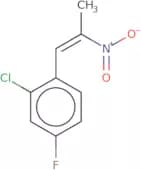
Discontinued product1-(2-Chloro-4-fluorophenyl)-2-nitropropene
CAS:1-(2-Chloro-4-fluorophenyl)-2-nitropropene is a versatile building block that can be used to produce a variety of compounds with various properties. It is a high quality, reagent grade chemical that is useful for research and development purposes. This compound has been shown to be an effective intermediate in the synthesis of complex compounds, such as pharmaceuticals and pesticides.
Formula:C9H7ClFNO2Purity:Min. 95%Molecular weight:215.61 g/molRef: 3D-FC65821
Discontinued productGlycine t-butyl ester hydrochloride
CAS:Glycine t-butyl ester hydrochloride is a glycine prodrug that is converted to the neurotransmitter, cinchonidine, by carboxylesterase. It has been shown to be effective in resistant cancer cells and has good bioavailability in humans. Glycine t-butyl ester hydrochloride is synthesized from glycine and butyric acid with sodium carbonate as a catalyst and then reacted with anhydrous hydrogen chloride to form the final product. This synthesis requires an asymmetric reaction solution, which can be achieved by using a chiral reactant such as potassium carbonate or magnesium chloride. The dehydration of the ester group can be performed by heating in vacuum at 120°C for 2 hours.
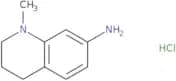
Formula:C6H14ClNO2Purity:Min. 95%Color and Shape:White PowderMolecular weight:167.63 g/mol1-Methyl-1,2,3,4-tetrahydroquinolin-7-amine hydrochloride
CAS:1-Methyl-1,2,3,4-tetrahydroquinolin-7-amine hydrochloride (MQ) is a fluorescent probe that has been used to study the photostability of cisplatin in real time. MQ was synthesized by reacting 3-(2'-bromoacetyl)-7-methoxy-1,2,3,4-tetrahydroquinolin with 7-aminoquinaldine. The emission spectrum of MQ peaks at 615 nm and has an extinction coefficient at 615 nm of 12.5 mM/cm. This probe has been shown to be photostable for long periods of time and can be used to visualize DNA polymerase activity in living cells.Formula:C10H15ClN2Purity:Min. 95%Color and Shape:Off-White PowderMolecular weight:198.69 g/molRef: 3D-FM117303
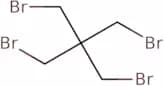
Discontinued productTetrakis(bromomethyl)methane - 94%
CAS:Tetrakis(bromomethyl)methane is a chemical compound that contains an aromatic hydrocarbon and a hydroxyl group. It can be synthesized by reacting an aliphatic hydrocarbon with bromine in the presence of a base such as sodium carbonate. The reaction solution is acidic and can be neutralized with a base, such as sodium carbonate. Tetrakis(bromomethyl)methane has been used to crosslink polymers, such as polystyrene, for use in cell culture experiments. FT-IR spectroscopy has shown that this compound contains both nitrogen atoms and aliphatic hydrocarbons.
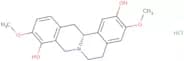
Formula:C5H8Br4Purity:(%) Min. 94%Color and Shape:Clear LiquidMolecular weight:387.73 g/molScoulerin hydrochloride
CAS:Scoulerin hydrochloride is a fine chemical that is a versatile building block for the synthesis of complex compounds. Scoulerin hydrochloride has CAS number 20180-95-4 and can be used as a research chemical, reagent, or speciality chemical. Scoulerin hydrochloride has been shown to be useful in the synthesis of high quality and useful intermediate products. This compound also serves as an important reaction component for the synthesis of useful scaffolds.
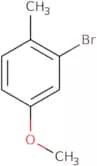
Formula:C19H21NO4·HClPurity:Min. 95%Molecular weight:363.84 g/mol3-Bromo-4-methylanisole
CAS:3-Bromo-4-methylanisole is a natural product that has been shown to selectively activate the transcription factor, proliferator activated receptor γ (PPARγ), which plays a central role in cell differentiation and lipid metabolism. 3-Bromo-4-methylanisole is a competitive inhibitor of the catalytic site of PPARγ and also inhibits the activity of other transcriptional factors. This compound has been shown to stimulate the production of peroxisomes, which are organelles involved in lipid metabolism. 3-Bromo-4-methylanisole can be synthesized from toluene by a two step process involving electrolysis followed by chlorination. It can also be prepared from magnolol, a natural product isolated from Magnolia officinalis, by oxidation with potassium dichromate and sodium bisulfite.
Formula:C8H9BrOPurity:Min. 95%Color and Shape:PowderMolecular weight:201.06 g/molRef: 3D-FB10592
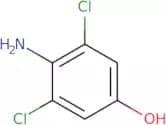
Discontinued product4-Amino-3,5-dichlorophenol
CAS:4-Amino-3,5-dichlorophenol is a decoupling agent that has been shown to have acute toxicities in cultures. It is also used as a regulatory control for the analysis of hydroxyl groups and for broad-spectrum antimicrobial agents. 4-Amino-3,5-dichlorophenol reacts with hydrochloric acid to form chlorohydrin, which can be detected by an electrochemical detector. This reaction mechanism has been proposed as the basis for the use of this chemical as a decoupling agent in analytical chemistry. Its use as an antimicrobial agent is based on its ability to inhibit bacterial growth by reacting with thiol groups in enzymes or proteins and blocking their activity.
Formula:C6H5Cl2NOPurity:Min. 95%Color and Shape:PowderMolecular weight:178.02 g/molRef: 3D-FA58353
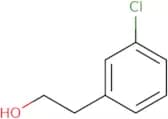
Discontinued product2-(3-Chlorophenyl)ethanol
CAS:2-(3-Chlorophenyl)ethanol (CLPE) is an agonist of the beta-adrenergic receptor. It is used in the treatment of asthma and other pulmonary diseases. CLPE binds to the beta-adrenergic receptor, which increases airway opening by relaxing bronchial smooth muscle. The drug also has a backup effect on the alpha-adrenergic receptors in the lungs, which helps to overcome any adverse effects caused by beta-blockers. CLPE has been shown to be effective in treating asthma attacks that are resistant to inhaled corticosteroids and long-acting β2-agonists. It may be used as an alternative treatment for patients who cannot tolerate or have not responded well to first line treatments such as long acting β2 agonists or inhaled corticosteroids.
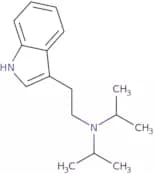
Formula:C8H9ClOPurity:Min. 95%Color and Shape:Clear LiquidMolecular weight:156.61 g/mol3-(2-Diisopropylaminoethyl)indole hydrochloride
CAS:Controlled Product3-(2-Diisopropylaminoethyl)indole hydrochloride is an inhibitor of the enzyme monoamine oxidase (MAO). MAO is responsible for the degradation of monoamines such as serotonin, dopamine, and norepinephrine. 3-(2-Diisopropylaminoethyl)indole hydrochloride inhibits these enzymes in order to increase the levels of these neurotransmitters in the brain. These effects are observed with a sectional study on the host plant species. 3-(2-Diisopropylaminoethyl)indole hydrochloride has been shown to have low potency for inhibiting 5-HT1A and 5-HT2A receptors in rat studies, but it is not active against 5-HT2C receptors. This drug was used to measure urinary serotonin and dopamine levels in human urine samples.
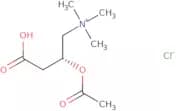
Formula:C16H25ClN2Purity:Min. 95%Molecular weight:280.84 g/molAcetyl L-carnitine chloride
CAS:Acetyl L-carnitine chloride (ALCAR) is a carnitine molecule that is used as a dietary supplement. It can be converted to acetyl coenzyme A, which provides energy for the cells and helps with the production of neurotransmitters. ALCAR has been shown to reduce neuronal death in an animal model of oxidative injury. It also increases levels of glutathione and prevents lipid peroxidation. Acetyl L-carnitine chloride is a cell permeable reagent that can be used to measure GSH-px activities in biological samples. This compound has been shown to inhibit the activity of cell nuclei and mitochondrial enzymes, such as succinate dehydrogenase, citrate synthase, and malate dehydrogenase.
Formula:C9H18ClNO4Purity:Min. 95%Color and Shape:White PowderMolecular weight:239.7 g/molRef: 3D-FA31584
Discontinued product4-Fluoro-3-methoxybenzonitrile
CAS:4-Fluoro-3-methoxybenzonitrile (4FM) is an orally active dihydrobenzofuran derivative that has been optimized for oral bioavailability. The drug is a potent inhibitor of efflux and can be used to lower the oral bioavailability of drugs that are substrates for efflux. 4FM also inhibits heterocycle metabolism, which can be used as a strategy to evolve drugs with improved physicochemical properties. 4FM has shown preclinical efficacy in lowering heterocycle levels, including lowering of methadone levels in humans. The drug is a competitive inhibitor of the enzyme P450 2D6, which is responsible for the metabolism of many drugs. This inhibition may have adverse effects on these drugs and should be monitored closely during treatment with 4FM.
Formula:C8H6FNOPurity:Min. 95%Color and Shape:PowderMolecular weight:151.14 g/mol4-(Trifluoromethylthio)benzoic acid
CAS:4-(Trifluoromethylthio)benzoic acid is a versatile building block, useful intermediate, and reagent for research and development. 4-(Trifluoromethylthio)benzoic acid has been shown to be a high quality chemical with high purity. The CAS number for 4-(Trifluoromethylthio)benzoic acid is 330-17-6.
Formula:C8H5F3O2SPurity:Min. 98 Area-%Color and Shape:PowderMolecular weight:222.19 g/molRef: 3D-FT38830
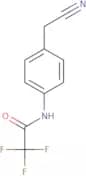
Discontinued productN-(4-(nitrilomethyl)phenyl)-2,2,2-trifluoroethanamide
CAS:Please enquire for more information about N-(4-(nitrilomethyl)phenyl)-2,2,2-trifluoroethanamide including the price, delivery time and more detailed product information at the technical inquiry form on this page
Formula:C10H7F3N2OPurity:Min. 95%Color and Shape:PowderMolecular weight:228.17 g/molRef: 3D-FN169117
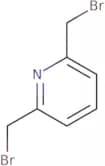
Discontinued product2,6-Bis(bromomethyl)pyridine
CAS:2,6-Bis(bromomethyl)pyridine (BMP) is a pyridine derivative that is used as a catalyst in organic synthesis. It has been shown to be an effective catalyst for the conversion of picolinic acid to xanthopterin in the presence of sodium. The reactivity of BMP can be attributed to its functionalities and the metal ion that it contains. The reaction mechanism has been studied by computer modelling and molecular modelling techniques. The catalytic rate is determined by intramolecular hydrogen transfer.
Formula:C7H7Br2NPurity:Min. 95%Molecular weight:264.95 g/molRef: 3D-FB74901
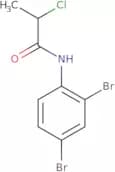
Discontinued productN-(2,4-Dibromophenyl)-2-chloropropanamide
CAS:Please enquire for more information about N-(2,4-Dibromophenyl)-2-chloropropanamide including the price, delivery time and more detailed product information at the technical inquiry form on this page
Purity:Min. 95%Ref: 3D-FD169162
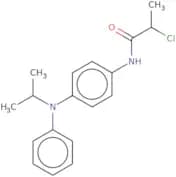
Discontinued product2-Chloro-N-(4-((isopropyl)phenylamino)phenyl)propanamide
Please enquire for more information about 2-Chloro-N-(4-((isopropyl)phenylamino)phenyl)propanamide including the price, delivery time and more detailed product information at the technical inquiry form on this page
Purity:Min. 95%Ref: 3D-FC169929
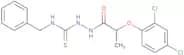
Discontinued product1-(2-(2,4-Dichlorophenoxy)propionyl)-4-benzylthiosemicarbazide
CAS:Please enquire for more information about 1-(2-(2,4-Dichlorophenoxy)propionyl)-4-benzylthiosemicarbazide including the price, delivery time and more detailed product information at the technical inquiry form on this page
Formula:C17H17Cl2N3O2SPurity:Min. 95%Color and Shape:PowderMolecular weight:398.31 g/molRef: 3D-FD168898
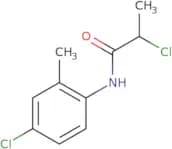
Discontinued productN-(4-Chloro-2-methylphenyl)-2-chloropropanamide
CAS:Please enquire for more information about N-(4-Chloro-2-methylphenyl)-2-chloropropanamide including the price, delivery time and more detailed product information at the technical inquiry form on this page
Purity:Min. 95%Ref: 3D-FC169985
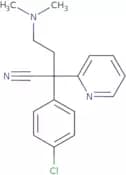
Discontinued productChlorphenamine EP Impurity D maleate salt
CAS:Chlorpheniramine nitrile is the nitrile derivative of chlorpheniramine. The decyanation reaction was carried out with potassium hydroxide and chlorpheniramine, then the resulting potassium nitriles were hydrolyzed using acid to yield the desired product. Chlorpheniramine nitrile has a potent anti-histaminic effect that is used for the treatment of allergies or anaphylaxis.
Formula:C17H18ClN3Purity:Min. 95%Molecular weight:299.8 g/mol

![3-Piperazin-1-yl-benzo[d]isothiazole hydrochloride](/_next/image/?url=https%3A%2Fstatic.cymitquimica.com%2Fproducts%2F3D%2Fthumb-webp%2FFP50755.webp&w=3840&q=75)