Organic Halides
In this category, you can find organic molecules containing one or more halogen atoms in their structure. These organic halides include brominated, iodinated, chlorinated, and cyclic halide compounds. Organic halides are widely used in organic synthesis, pharmaceuticals, agrochemicals, and materials science due to their reactivity and ability to undergo a variety of chemical transformations. At CymitQuimica, we offer a comprehensive selection of high-quality organic halides to support your research and industrial applications, ensuring reliable and effective performance in your synthetic and analytical projects.
Subcategories of "Organic Halides"
Found 20437 products of "Organic Halides"
Sort by
Purity (%)
0
100
|
0
|
50
|
90
|
95
|
100
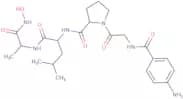
4-Abz-Gly-Pro-D-Leu-D-Ala-NHOH trifluoroacetate salt
CAS:<p>4-Abz-Gly-Pro-D-Leu-D-Ala-NHOH trifluoroacetate salt is a synthetic, hydroxamic acid that inhibits the activity of collagenase, gelatinase and stromelysin. It also has inhibitory activities against metalloproteinases, such as matrix metalloproteinases and serine proteinases. 4-Abz-Gly-Pro-D-Leu-D-Ala-NHOH trifluoroacetate salt has been shown to inhibit the production of proinflammatory cytokines in human skin fibroblasts. This agent also induces the production of granulocytes in vitro.</p>Formula:C23H34N6O6Purity:Min. 95%Molecular weight:490.55 g/molEuropium tris[3-(heptafluoropropylhydroxymethylene)-(+)-camphorate]
CAS:<p>Europium Tris[3-(Heptafluoropropylhydroxymethylene)-(+)-Camphorate] is a chiral compound that can be used as a catalyst for the asymmetric synthesis of spiroketals. The catalyst is immobilized on a monolayer and has been shown to work with nitrogen nucleophiles such as ammonia and amines. It also shows catalytic activity in hydrosilylation reactions, which are used in the production of polymers. Europium Tris[3-(Heptafluoropropylhydroxymethylene)-(+)-Camphorate] is soluble in organic solvents such as ethyl diazoacetate, styrene, and tetrahydrofuran.</p>Formula:C42H42EuF21O6Purity:Min. 95%Molecular weight:1,193.71 g/mol(R)-2-Methylmorpholine hydrochloride
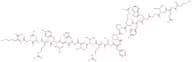
CAS:<p>Please enquire for more information about (R)-2-Methylmorpholine hydrochloride including the price, delivery time and more detailed product information at the technical inquiry form on this page</p>Formula:C5H12ClNOPurity:Min. 95%Molecular weight:137.61 g/mol(Lys15,Arg16,Leu27)-VIP (1-7)-GRF (8-27) trifluoroacetate salt
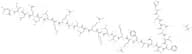
CAS:<p>Please enquire for more information about (Lys15,Arg16,Leu27)-VIP (1-7)-GRF (8-27) trifluoroacetate salt including the price, delivery time and more detailed product information at the technical inquiry form on this page</p>Formula:C142H240N44O38Purity:Min. 95%Molecular weight:3,171.7 g/molAlarin (rat) trifluoroacetate salt
CAS:<p>Please enquire for more information about Alarin (rat) trifluoroacetate salt including the price, delivery time and more detailed product information at the technical inquiry form on this page</p>Formula:C119H199N45O35Purity:Min. 95%Molecular weight:2,820.14 g/molDiphenyliodonium chloride
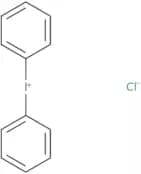
CAS:<p>Diphenyliodonium chloride is a synthetic chemical that binds to DNA and inhibits the synthesis of proteins. It also has been shown to inhibit the growth of Gram-positive bacteria, including Methicillin-resistant Staphylococcus aureus (MRSA) and Streptococcus pneumoniae, but not Gram-negative bacteria such as Escherichia coli or Pseudomonas aeruginosa. Diphenyliodonium chloride is used in a variety of ways, including as an antimicrobial agent for the prevention of microbial contamination in pharmaceuticals and cosmetics.</p>Formula:C12H10ClIPurity:Min. 95%Color and Shape:White PowderMolecular weight:316.56 g/mol3-(Difluoromethoxy)nitrobenzene
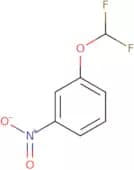
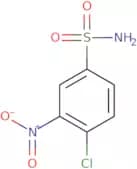
CAS:<p>Please enquire for more information about 3-(Difluoromethoxy)nitrobenzene including the price, delivery time and more detailed product information at the technical inquiry form on this page</p>Formula:C7H5F2NO3Purity:Min. 95%Molecular weight:189.12 g/mol4-Chloro-3-nitrobenzenesulfonamide
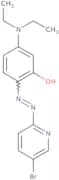
CAS:<p>4-Chloro-3-nitrobenzenesulfonamide is a fluorogenic probe that can be used in the diagnosis of cancer. It inhibits the activity of MCL-1, which is an antiapoptotic protein. The skeleton of 4-Chloro-3-nitrobenzenesulfonamide has been shown to have carbonic and fluorescence properties. This chemical compound is also metabolized by azobenzene to form a fluorescent derivative that can be used for optical imaging in vivo.</p>Formula:C6H5ClN2O4SPurity:Min. 95%Molecular weight:236.63 g/mol2-(5-Bromo-2-pyridylazo)-5-(diethylamino)phenol
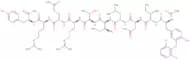
CAS:<p>2-(5-Bromo-2-pyridylazo)-5-(diethylamino)phenol is a chemical that is used for the detection of hydrochloric acid in water vapor. It reacts with zirconium oxide, which generates a red fluorescing complex. The reaction can be detected by using a fluorescence spectrometer with a test sample. 2-(5-Bromo-2-pyridylazo)-5-(diethylamino)phenol is also used to detect the presence of nitrogen atoms and sodium citrate in samples by reacting with them. This chemical reacts with an acid complex to form stable complexes. The analytical method is based on measuring the redox potential of this reaction. The flow system of this technique allows for dehydration of dehydroascorbic acid (DHA).</p>Formula:C15H17BrN4OPurity:Min. 95%Color and Shape:PowderMolecular weight:349.23 g/molα-Helical CRF (12-41) trifluoroacetate salt
CAS:<p>Please enquire for more information about Alpha-Helical CRF (12-41) trifluoroacetate salt including the price, delivery time and more detailed product information at the technical inquiry form on this page</p>Formula:C152H251N43O47S2Purity:Min. 95%Molecular weight:3,497.01 g/molH-Ala-2-chlorotrityl resin (200-400 mesh) (Low Substitution)
<p>Please enquire for more information about H-Ala-2-chlorotrityl resin (200-400 mesh) (Low Substitution) including the price, delivery time and more detailed product information at the technical inquiry form on this page</p>Purity:Min. 95%Nociceptin trifluoroacetate salt
CAS:<p>Nociceptin trifluoroacetate salt is an opioid with low potency that is used in the treatment of pain. It has been shown to bind to the protein and inhibit protease, which has been proposed as a possible mechanism for its analgesic effects. Nociceptin trifluoroacetate salt may also have indirect effects on brain functions by regulating levels of nociceptin, a neuropeptide that interacts with nociceptive neurons in the brain. This drug has been shown to have nootropic effects in mice, including increased locomotor activity and improved memory retention. Nociceptin trifluoroacetate salt inhibits kappa-opioid receptors and is therefore used as a pharmacological tool for research into opioid receptor function.</p>Formula:C79H129N27O22Purity:Min. 95%Molecular weight:1,809.04 g/mol1,3-Bis[4-chloro-3-(trifluoromethyl)phenyl]urea
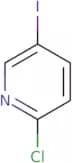
CAS:<p>Covid-19 is a drug repositioning agent that has been shown to be effective against a number of microorganisms, including influenza A virus (H1N1) and the pandemic strain. Covid-19 is an efficient antimicrobial agent with activity against both Gram-positive and Gram-negative bacteria, as well as fungi. Covid-19 has also been shown to have antiviral properties against the human rhinovirus type 2 (HRV2). Covid-19 can be used for wastewater treatment because it can eliminate a broad spectrum of microorganisms. It also has anti-inflammatory properties, which may make it useful in animal health applications. Covid-19 could also be used in ecological systems because it is not toxic to plants or animals. Covid-19 is synthetically produced and can bind to antibodies that are specific to certain viruses or bacteria. Covid-19 has no known toxicity in mammals.</p>Formula:C15H8Cl2F6N2OPurity:Min. 95%Molecular weight:417.13 g/mol2-Chloro-5-iodopyridine
CAS:<p>2-Chloro-5-iodopyridine is a synthetic compound that binds to nicotinic acetylcholine receptors, and is an agonist of these receptors. It has been shown to bind selectively to the alpha4beta2 subtype of these receptors. 2-Chloro-5-iodopyridine binds to the receptor by means of hydrogen bonding and chelation, which results in the activation of the receptor. This process leads to increased levels of catecholamines and other neurotransmitters, which causes changes in the heart rate and blood pressure. 2-Chloro-5-iodopyridine is a halogenated organic molecule that can be synthesized from sodium trifluoroacetate in two steps: first with chlorination followed by iodination. The synthesis can be carried out using copper (II) chloride as a catalyst or copper (I) iodide as an oxidant, followed by reduction with sodium borohydride.</p>Formula:C5H3ClINPurity:Min. 95%Color and Shape:White PowderMolecular weight:239.44 g/mol2-Chloro-3-methoxybenzaldehyde
CAS:<p>Please enquire for more information about 2-Chloro-3-methoxybenzaldehyde including the price, delivery time and more detailed product information at the technical inquiry form on this page</p>Formula:C8H7ClO2Purity:Min. 95%Molecular weight:170.59 g/molMyelin Oligodendrocyte Glycoprotein (35-55) (human) trifluoroacetate salt
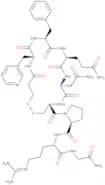
CAS:<p>Please enquire for more information about Myelin Oligodendrocyte Glycoprotein (35-55) (human) trifluoroacetate salt including the price, delivery time and more detailed product information at the technical inquiry form on this page</p>Formula:C120H179N35O28SPurity:Min. 95%Molecular weight:2,591.99 g/mol(Deamino-Cys1,b-(3-pyridyl)-D-Ala2,Arg8)-Vasopressin trifluoroacetate salt
CAS:<p>DDAVP is an analogue of vasopressin, which belongs to the class of inositol phosphates. It is a potent agonist for the V1 receptor and has a higher affinity for this receptor than vasopressin. DDAVP also has antagonist properties at the V2 receptor. The biological activity of DDAVP is mediated by its ability to increase phospholipase A2 activity and cause the release of arachidonic acid from membrane phospholipids. This activation causes an increase in prostaglandin synthesis, leading to increased vascular permeability and hypotension. DDAVP may also have antidiuretic effects due to its antagonism of oxytocin receptors.</p>Formula:C45H63N15O11S2Purity:Min. 95%Molecular weight:1,054.21 g/molH-Pro-2-chlorotrityl resin (200-400 mesh) (Low Substitution)
<p>Please enquire for more information about H-Pro-2-chlorotrityl resin (200-400 mesh) (Low Substitution) including the price, delivery time and more detailed product information at the technical inquiry form on this page</p>Purity:Min. 95%1-Chlorobenzotriazole
CAS:<p>1-Chlorobenzotriazole is a nucleophilic reagent that can be used in analytical chemistry, such as the determination of propranolol hydrochloride. It reacts with phospholipid membranes by transferring a chlorine atom to the hydroxyl group on the lipid molecule. The reaction mechanism is not well understood, but it has been shown that the deuterium isotope effect is not involved in this reaction. 1-Chlorobenzotriazole is unsymmetrical and can react with both acidic and alkaline solutions. Hydrochloric acid is often used to activate this compound, which will then react with an amine group to form an iminium ion. Kinetics data for this compound show that activation energies are required for reactions involving nucleophiles, such as ketones, alcohols, or amines.</p>Formula:C6H4ClN3Purity:Min. 95%Molecular weight:153.57 g/molAmyloid β-Protein (1-40) trifluoroacetate salt
CAS:<p>Amyloid beta-protein (Aβ) is a protein that is involved in the metabolic processes that are thought to be associated with Alzheimer's disease. Aβ is a peptide of 39-43 residues and is found in amyloid plaques, which are aggregates of Aβ. The amino acid sequence of human Aβ has been determined by sequencing the cDNA and gene for this protein. The structure of the protein has been studied using molecular modeling, kinetic data, and predictive biomarker studies. Cleavage products have been identified from the protein, including beta-amyloid peptide (1-40), which can be used as a diagnostic marker for Alzheimer's disease. Structural analysis has also shown lysine residues that may serve as pharmaceutical targets for therapeutic intervention.</p>Formula:C194H295N53O58SPurity:Min. 95%Molecular weight:4,329.81 g/molPYX-1 trifluoroacetate salt
CAS:<p>Please enquire for more information about PYX-1 trifluoroacetate salt including the price, delivery time and more detailed product information at the technical inquiry form on this page</p>Formula:C70H105Cl2N19O16Purity:Min. 95%Molecular weight:1,539.61 g/molAmyloid β-Protein (25-35) amide trifluoroacetate salt
CAS:<p>Please enquire for more information about Amyloid beta-Protein (25-35) amide trifluoroacetate salt including the price, delivery time and more detailed product information at the technical inquiry form on this page</p>Formula:C45H82N14O13SPurity:Min. 95%Molecular weight:1,059.29 g/mol3-Fluorophenyl boronic acid
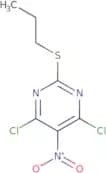
CAS:<p>Please enquire for more information about 3-Fluorophenyl boronic acid including the price, delivery time and more detailed product information at the technical inquiry form on this page</p>Formula:C6H6BFO2Purity:Min. 95%Color and Shape:PowderMolecular weight:139.92 g/mol4,6-Dichloro-5-nitro-2-propylthiopyrimidine
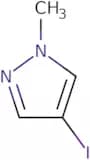
CAS:<p>Intermediate in the synthesis of ticagrelor</p>Formula:C7H7Cl2N3O2SPurity:Min. 95%Molecular weight:268.12 g/mol4-Iodo-1-methylpyrazole
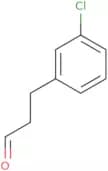
CAS:<p>4-Iodo-1-methylpyrazole is a reductive agent that is used in organic synthesis. It can be used as a reducing agent for the conversion of aldehydes and ketones to alcohols. 4-Iodo-1-methylpyrazole can be crystallized from diethyl etherate and blood. The product yield from this reaction is high, but it requires an oxidant such as trifluoride or plavix to react with the diacetates. 4-Iodo-1-methylpyrazole can also be synthesized by reacting allylsilanes with iodine gas in the presence of a base. This synthesis method produces 4-iodo-1-methylpyrazole in good yield and with little difficulty.</p>Formula:C4H5IN2Purity:Min. 95%Color and Shape:White To Light (Or Pale) Yellow To Tan SolidMolecular weight:208 g/mol3-(3-Chlorophenyl)propionaldehyde
CAS:<p>Please enquire for more information about 3-(3-Chlorophenyl)propionaldehyde including the price, delivery time and more detailed product information at the technical inquiry form on this page</p>Formula:C9H9ClOPurity:Min. 95%Molecular weight:168.62 g/mol(Des-Pyr 1,Des-Gly10,D-Leu6,Pro-NHEt 9)-LHRH trifluoroacetate salt
CAS:<p>Please enquire for more information about (Des-Pyr 1,Des-Gly10,D-Leu6,Pro-NHEt 9)-LHRH trifluoroacetate salt including the price, delivery time and more detailed product information at the technical inquiry form on this page</p>Formula:C54H79N15O10Purity:Min. 95%Molecular weight:1,098.3 g/mol(Des-Gly10,D-Pyr 1,D-Leu6,Pro-NHEt 9)-LHRH trifluoroacetate salt
<p>Please enquire for more information about (Des-Gly10,D-Pyr 1,D-Leu6,Pro-NHEt 9)-LHRH trifluoroacetate salt including the price, delivery time and more detailed product information at the technical inquiry form on this page</p>Formula:C59H84N16O12Purity:Min. 95%Molecular weight:1,209.4 g/mol(Gly21)-Amyloid b-Protein (1-40) trifluoroacetate salt
CAS:<p>Please enquire for more information about (Gly21)-Amyloid b-Protein (1-40) trifluoroacetate salt including the price, delivery time and more detailed product information at the technical inquiry form on this page</p>Formula:C193H293N53O58SPurity:Min. 95%Molecular weight:4,315.78 g/molKemptamide trifluoroacetate salt
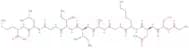
CAS:<p>Kemptamide is a peptide that has been shown to have cytotoxic and anti-proliferative effects on renal cancer cells. It is a synthetic analogue of an endogenous peptide, Lys-Lys-Arg-Pro-Gln-Arg-Ala-Thr-Ser-Asn-Val-Phe, that is found in porcine kidney. Kemptamide’s cytotoxic activity may be due to its ability to inhibit the activity of phosphatases. Kemptamide also has regulatory properties and can modulate the expression of genes that are involved in cell growth and apoptosis. This peptide has been shown to be reactive with kidney cells, which may lead to its therapeutic effect on renal cancer.</p>Formula:C65H112N24O18Purity:Min. 95%Molecular weight:1,517.74 g/molBNP-26 (porcine) trifluoroacetate salt
CAS:<p>Please enquire for more information about BNP-26 (porcine) trifluoroacetate salt including the price, delivery time and more detailed product information at the technical inquiry form on this page</p>Formula:C120H198N42O36S2Purity:Min. 95%Molecular weight:2,869.25 g/mol3-(3'-Trifluoromethylphenyl)propanol
CAS:<p>3-(3'-Trifluoromethylphenyl)propanol is a trifluoroacetic acid derivative that is used in acylation reactions to form esters. It can be obtained by the reaction of aluminium chloride, isopropyl alcohol, and phosphine with 3-trifluoromethylaniline. Impurities may include chloride and zirconium. The trifluoromethyl group on this molecule can react with the carbonyl group of an organic acid to form a trifluoroacetate ester.</p>Purity:Min. 95%H-Asp(OtBu)-2-chlorotrityl resin (200-400 mesh) (Low Substitution)
<p>Please enquire for more information about H-Asp(OtBu)-2-chlorotrityl resin (200-400 mesh) (Low Substitution) including the price, delivery time and more detailed product information at the technical inquiry form on this page</p>Purity:Min. 95%Chloramine T trihydrate
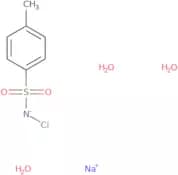
CAS:<p>Chloramine T trihydrate is a water-soluble and biodegradable chemical that is used in wastewater treatment. It reacts with chloramines to produce chloramine, which has a higher disinfectant potential than chlorine. Chloramine T trihydrate also has antimicrobial properties and can be used to control microbial growth in biological samples. In addition, it can inhibit the activity of certain enzymes, such as aziridination, which is involved in the production of nitrosamines and nitric oxide. The matrix effect for chloramine-t may be different from other antimicrobial agents because it does not have a high affinity for proteins. It was found that benzalkonium chloride had an inhibitory effect on chloramine-t activity.<br>MECHANISM OF ACTION: Chloramine T trihydrate is an oxidizing agent that reacts with organic matter to form chloramines and other oxidized products. When these reactions occur in the presence of water or organic material,</p>Formula:C7H7ClNNaO2S•(H2O)3Purity:Min. 98 Area-%Color and Shape:PowderMolecular weight:282.7 g/mol2-[(5-Bromo-2-methylphenyl)methyl]-5-(4-fluorophenyl)thiophe
CAS:<p>Intermediate in the synthesis of canagliflozin</p>Formula:C18H14BrFSPurity:Min. 95%Molecular weight:361.27 g/molNeuropeptide W-30 (human) trifluoroacetate salt
CAS:<p>Please enquire for more information about Neuropeptide W-30 (human) trifluoroacetate salt including the price, delivery time and more detailed product information at the technical inquiry form on this page</p>Formula:C165H249N49O37SPurity:Min. 95%Molecular weight:3,543.12 g/mol1,4,5,8-Tetrachloroanthraquinone
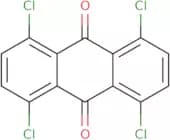
CAS:<p>1,4,5,8-Tetrachloroanthraquinone is a chlorinated aromatic compound that has been shown to have anticancer activity in vitro. This compound is an effective inhibitor of the production of reactive oxygen species from nitric oxide and hydrogen peroxide. It also inhibits the growth of cancer cells by binding to their cell membranes. 1,4,5,8-Tetrachloroanthraquinone binds to the carboxylate and functional groups on the surface of cancer cells and changes the conformation of their cell membrane proteins. The structural analysis revealed that this compound contains cycloalkyl groups with chlorine substituents on each ring. Immobilized 1,4,5,8-tetrachloroanthraquinone has been shown to be an effective agent against denitrification in soil samples containing nitrate.</p>Formula:C14H4Cl4O2Purity:Min. 95%Color and Shape:SolidMolecular weight:345.99 g/molN-Me-Abz-Amyloid β/A4 Protein Precursor770 (708-715)-Lys(Dnp)-D-Arg-D-Arg-D-Arg amide trifluoroacetate salt
CAS:<p>Please enquire for more information about N-Me-Abz-Amyloid beta/A4 Protein Precursor770 (708-715)-Lys(Dnp)-D-Arg-D-Arg-D-Arg amide trifluoroacetate salt including the price, delivery time and more detailed product information at the technical inquiry form on this page</p>Formula:C70H116N26O18Purity:Min. 95%Molecular weight:1,609.83 g/mol4-Fluoro-3-methylnitrobenzene
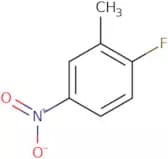
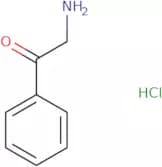
CAS:<p>4-Fluoro-3-methylnitrobenzene is a carbazole that is used as a pesticide. It has been shown to be effective against typhimurium and other bacteria. The mechanism of action of this compound may involve nitrenium ion formation, which is an intermediate in the reaction of ammonium nitrate with calcium carbonate. 4-Fluoro-3-methylnitrobenzene has two isomers: 4-fluoro-3-methylnitrobenzoic acid and 4-fluoronitrobenzoic acid, but only the former reacts with ammonium nitrate. The reaction time for this compound to form carcinogenic nitrosamines can vary from about one day to several months. Chemical shift data for this compound reveal its radical mechanism, which explains its low efficiency. This compound also has optical properties that can cause fluorescence or phosphorescence when exposed to ultraviolet light or laser beams, respectively.</p>Formula:C7H6FNO2Purity:Min. 95%Molecular weight:155.13 g/mol2-Aminoacetophenone hydrochloride
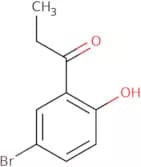
CAS:Controlled Product<p>2-Aminoacetophenone hydrochloride is a chemical compound that is used in analytical chemistry as a reagent for the determination of protein and amino acid concentrations. This reagent can be prepared in various forms, depending on the type of analysis being performed. 2-Aminoacetophenone hydrochloride is used to determine the concentration of free amino acids in a sample by binding to it. It can also be used for determining the concentration of bound amino acids by reacting with them with hydrochloric acid. 2-Aminoacetophenone hydrochloride is an excellent substrate for matrix effect, which may cause errors in measurement due to interference from other substances present in the sample. The use of light exposure reduces this problem by removing interfering substances from the sample.</p>Formula:C8H9NO·HClPurity:Min. 95%Color and Shape:PowderMolecular weight:171.62 g/mol5'-Bromo-2'-hydroxypropiophenone
CAS:<p>5'-Bromo-2'-hydroxypropiophenone is a synthetic compound that inhibits the dimerization of survivin, which is a protein involved in cancer pathways. This compound has been shown to inhibit the growth of cells in culture and can be used as an inhibitor for assays. 5'-Bromo-2'-hydroxypropiophenone has also been shown to integrate into DNA, which may lead to chromosomal rearrangements and mutations. It also binds with high affinity to the family of modifications borealin, which are implicated in cellular processes such as cell differentiation and proliferation.</p>Formula:C9H9BrO2Purity:Min. 95%Color and Shape:SolidMolecular weight:229.07 g/mol(Glu9)-Exenatide (2-39) trifluoroacetate salt
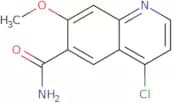
CAS:<p>Please enquire for more information about (Glu9)-Exenatide (2-39) trifluoroacetate salt including the price, delivery time and more detailed product information at the technical inquiry form on this page</p>Formula:C179H277N47O59SPurity:Min. 95%Molecular weight:4,063.46 g/mol4-Chloro-7-methoxyquinoline-6-carboxamide
CAS:<p>Intermediate in the synthesis of lenvatinib</p>Formula:C11H9ClN2O2Purity:Min. 95%Molecular weight:236.65 g/molPeptide YY (3-36) trifluoroacetate salt
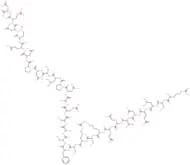
CAS:<p>Peptide YY (PYY) is a 36-amino acid peptide. It is cleaved from the larger protein, pancreatic polypeptide, by the enzyme dipeptidyl peptidase IV and circulates in plasma as PYY(3-36). The postprandial plasma levels of PYY are dose-dependent and increase with increasing doses of injected PYY. This response reflects the physiological effects of this hormone. A linear regression analysis revealed that PYY(3-36) has a significant effect on body weight loss and body mass index in humans. The effective dose for weight loss is yet to be determined, but it may be higher than 10 μg/kg/day.</p>Formula:C176H272N52O54Purity:Min. 95%Molecular weight:3,980.36 g/molPAR-2 (1-6) amide (human) (scrambled) trifluoroacetate salt
CAS:<p>Please enquire for more information about PAR-2 (1-6) amide (human) (scrambled) trifluoroacetate salt including the price, delivery time and more detailed product information at the technical inquiry form on this page</p>Formula:C28H54N8O7Purity:Min. 95%Molecular weight:614.78 g/molCys-Gly-Lys-Lys-Gly-Amyloid b-Protein (36-42) trifluoroacetate salt
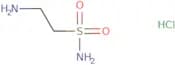
CAS:<p>Please enquire for more information about Cys-Gly-Lys-Lys-Gly-Amyloid b-Protein (36-42) trifluoroacetate salt including the price, delivery time and more detailed product information at the technical inquiry form on this page</p>Formula:C47H86N14O13SPurity:Min. 95%Molecular weight:1,087.34 g/mol2-Aminoethanesulphonamide monohydrochloride
CAS:<p>2-Aminoethanesulphonamide monohydrochloride is a perovskite with a hexagonal shape. It has been shown to interact with the pharmacophore of the enzyme cytochrome P450, and it has been optimized for the reaction by altering its structure. This product is soluble in gaseous form, but can also be used as a solid. 2-Aminoethanesulphonamide monohydrochloride has an absorption maximum at 325 nm and emits fluorescence at 420 nm. It is used in devices that detect ionizing radiation.</p>Formula:C2H8N2O2S•HClPurity:Min. 95%Color and Shape:PowderMolecular weight:160.62 g/mol2-Fluoropyridine-5-carboxaldehyde
CAS:<p>2-Fluoropyridine-5-carboxaldehyde is a reactive chemical that can be used as an acceptor in organic synthesis. It has been shown to have antibacterial properties, and is also a synthon for the production of prosthetic groups. 2-Fluoropyridine-5-carboxaldehyde reacts with dopamine to form diphenyl ethers, which are used as labels for immunoassays. This chemical can be catalysed and has been shown to be resistant to catalysis. 2-Fluoropyridine-5-carboxaldehyde can also be used in the synthesis of cycloalkanes.</p>Formula:C6H4FNOPurity:Min. 95%Molecular weight:125.1 g/molGRPP (human) trifluoroacetate salt
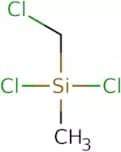
CAS:<p>Please enquire for more information about GRPP (human) trifluoroacetate salt including the price, delivery time and more detailed product information at the technical inquiry form on this page</p>Formula:C136H215N41O58SPurity:Min. 95%Molecular weight:3,384.47 g/molChloromethyl(dichloro)methylsilane
CAS:<p>Chloromethyl(dichloro)methylsilane is a diphenyl ether that can be generated by the reaction of chloromethylchlorosilane with sodium in liquid ammonia. Chloromethyl(dichloro)methylsilane is used to prepare Grignard reagents and coatings. It reacts with benzyl groups in the presence of base to form phenyldichlorosilanes, which are used as thermally stable coatings. Chloromethyl(dichloro)methylsilane has been shown to undergo bond cleavage under thermal conditions, forming a molecule with a hydroxyl group and chloride functional group. Gel permeation chromatography has revealed that this substance contains no reactive functional groups other than the chloromethoxy group.</p>Formula:C2H5Cl3SiPurity:Min. 95%Color and Shape:Clear LiquidMolecular weight:163.5 g/mol

![Europium tris[3-(heptafluoropropylhydroxymethylene)-(+)-camphorate]](/_next/image/?url=https%3A%2Fstatic.cymitquimica.com%2Fproducts%2F3D%2Fthumb-webp%2FFE98265.webp&w=3840&q=75)



![1,3-Bis[4-chloro-3-(trifluoromethyl)phenyl]urea](/_next/image/?url=https%3A%2Fstatic.cymitquimica.com%2Fproducts%2F3D%2Fthumb-webp%2FFB90218.webp&w=3840&q=75)





![2-[(5-Bromo-2-methylphenyl)methyl]-5-(4-fluorophenyl)thiophe](/_next/image/?url=https%3A%2Fstatic.cymitquimica.com%2Fproducts%2F3D%2Fthumb-webp%2FFB97141.webp&w=3840&q=75)