Organic Halides
Subcategories of "Organic Halides"
Found 20442 products of "Organic Halides"
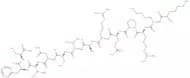
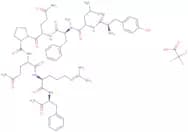
Kemptamide trifluoroacetate salt
CAS:Kemptamide is a peptide that has been shown to have cytotoxic and anti-proliferative effects on renal cancer cells. It is a synthetic analogue of an endogenous peptide, Lys-Lys-Arg-Pro-Gln-Arg-Ala-Thr-Ser-Asn-Val-Phe, that is found in porcine kidney. Kemptamide’s cytotoxic activity may be due to its ability to inhibit the activity of phosphatases. Kemptamide also has regulatory properties and can modulate the expression of genes that are involved in cell growth and apoptosis. This peptide has been shown to be reactive with kidney cells, which may lead to its therapeutic effect on renal cancer.
Formula:C65H112N24O18Purity:Min. 95%Molecular weight:1,517.74 g/molRef: 3D-FK110967
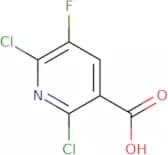
Discontinued product2,6-Dichloro-5-fluoronicotinic acid
CAS:2,6-Dichloro-5-fluoronicotinic acid (2,6-DCFNA) is a chlorinating agent that is activated in acidic solutions. It is used to produce the disinfectant peracetic acid and in the industrial process of producing phenol. 2,6-DCFNA reacts with chloride to form hypochlorous acid (HOCl), which causes inflammation in cells by activating inflammatory cells such as neutrophils and macrophages. 2,6-DCFNA also inhibits tyrosine kinase activity, which may contribute to its anti-inflammatory properties. The toxic effects of 2,6-DCFNA have been studied on hematopoietic cells in vitro. Studies show that this compound can cause apoptosis or death of these cells and may be useful for the treatment of inflammatory diseases such as rheumatoid arthritis. 2,6-DCFNA has also been shown to inhibit tumor growth when
Formula:C6H2Cl2FNO2Purity:Min. 95%Color and Shape:PowderMolecular weight:209.99 g/molRef: 3D-FD70870
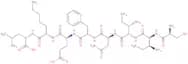
Discontinued productOvalbumin (257-264) (chicken) trifluoroacetate salt
CAS:Please enquire for more information about Ovalbumin (257-264) (chicken) trifluoroacetate salt including the price, delivery time and more detailed product information at the technical inquiry form on this page
Formula:C45H74N10O13·C2HF3O2Purity:Min. 95%Molecular weight:1,077.15 g/molRef: 3D-FO109383
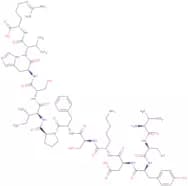
Discontinued productAmyloid beta-Protein (1-40) (scrambled) trifluoroacetate salt
CAS:Please enquire for more information about Amyloid beta-Protein (1-40) (scrambled) trifluoroacetate salt including the price, delivery time and more detailed product information at the technical inquiry form on this pageFormula:C194H295N53O58SPurity:Min. 95%Molecular weight:4,329.81 g/molRef: 3D-FA110091
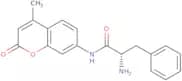
Discontinued productH-Phe-AMC trifluoroacetate salt
CAS:H-Phe-AMC Trifluoroacetate salt is a synthetic, protease inhibitor that inhibits the activity of serine and cysteine proteases. It binds to the active site of these enzymes and blocks their function. H-Phe-AMC trifluoroacetate salt has been used in food chemistry to hydrolyze proteins, and can be used to measure enzyme activities. This product also has been shown to have biological functions such as the inhibition of molting, physiological function, and the prevention of carcinogenesis.
Formula:C19H18N2O3Purity:Min. 95%Molecular weight:322.36 g/molRef: 3D-FP110514
Discontinued product2-Amino-6-chloropyrimidin-4(3h)-one
CAS:2-Amino-6-chloropyrimidin-4(3H)-one (ACPP) is a betaine that has been shown to exhibit potent activity against clinical isolates of methicillin-resistant Staphylococcus aureus (MRSA). It is a mesomeric molecule, which means that it can exist as two different tautomers. The frequency of the absorption bands in the FTIR spectra for ACPP are characteristic of the carbenes and ethanolamine tautomers. The presence of these tautomers may be due to stabilization from the nucleophilic character of the nitrogen atom in betaines. Betaines are also able to form polymersized chains by reacting with themselves or other molecules, such as ethanolamine.
Formula:C4H4ClN3OPurity:Min. 95%Color and Shape:PowderMolecular weight:145.55 g/molRef: 3D-FA35262
Discontinued productH-Cys(Acm)-2-chlorotrityl resin (200-400 mesh)
Please enquire for more information about H-Cys(Acm)-2-chlorotrityl resin (200-400 mesh) including the price, delivery time and more detailed product information at the technical inquiry form on this page
Purity:Min. 95%Ref: 3D-FC111701
Discontinued productGAP 26 trifluoroacetate salt
CAS:13-mer connexin mimetic peptide, composed of residue numbers 63-75 of the first extracellular loop of connexin 43 (gap junction blocker), containing the SHVR amino acid motif.Formula:C70H107N19O19SPurity:Min. 95%Molecular weight:1,550.78 g/molRef: 3D-FG110169
Discontinued productAF-16 trifluoroacetate salt
CAS:AF-16 trifluoroacetate salt is a synthetic peptide, which is derived from chemical synthesis with tailored modifications to enhance its stability and efficacy. This compound acts by specifically binding to target receptors or proteins, facilitating the study of biochemical pathways and mechanisms at the molecular level. It is particularly used in biological and biochemical research settings to probe cellular processes, offering insights into protein interactions and signaling pathways.Formula:C71H119N25O25SPurity:Min. 95%Molecular weight:1,754.92 g/molAcetyl-ACTH (7-24) (human, bovine, rat) trifluoroacetate salt
CAS:Please enquire for more information about Acetyl-ACTH (7-24) (human, bovine, rat) trifluoroacetate salt including the price, delivery time and more detailed product information at the technical inquiry form on this page
Formula:C107H170N32O21Purity:Min. 95%Molecular weight:2,240.7 g/molRef: 3D-FA109964
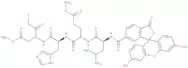
Discontinued productFluorescein-6-carbonyl-Leu-Glu(OMe)-His-DL-Asp(OMe)-fluoromethylketone
CAS:Please enquire for more information about Fluorescein-6-carbonyl-Leu-Glu(OMe)-His-DL-Asp(OMe)-fluoromethylketone including the price, delivery time and more detailed product information at the technical inquiry form on this page
Formula:C45H47FN6O14Purity:Min. 95%Molecular weight:914.89 g/molH-Tyr-Ile-Gly-Ser-Arg-OH trifluoroacetate salt
CAS:The H-Tyr-Ile-Gly-Ser-Arg-OH trifluoroacetate salt is a synthetic peptide that has been shown to promote neuronal growth and axonal regeneration. This compound has been synthesized using a biocompatible polymer, collagen gel, and neurotrophic factors. The peptide is also able to stimulate the synthesis of collagen in mesenchymal cells cultured in tissue culture. The peptide can be used for treatment of subcutaneous tumors and neural injury.
Formula:C26H42N8O8Purity:Min. 95%Molecular weight:594.66 g/molRef: 3D-FT109978
Discontinued product(D-Tyr1,N-Me-Phe3)-Neuropeptide FF trifluoroacetate salt
CAS:Please enquire for more information about (D-Tyr1,N-Me-Phe3)-Neuropeptide FF trifluoroacetate salt including the price, delivery time and more detailed product information at the technical inquiry form on this pageFormula:C55H78N14O11Purity:Min. 95%Molecular weight:1,111.3 g/molRef: 3D-FT109351
Discontinued productDynorphin A (1-13) amide trifluoroacetate salt
CAS:Please enquire for more information about Dynorphin A (1-13) amide trifluoroacetate salt including the price, delivery time and more detailed product information at the technical inquiry form on this page
Formula:C75H127N25O14Purity:Min. 95%Molecular weight:1,602.97 g/molRef: 3D-FD110159
Discontinued productVIP (3-28) (human, mouse, rat) trifluoroacetate salt
CAS:Please enquire for more information about VIP (3-28) (human, mouse, rat) trifluoroacetate salt including the price, delivery time and more detailed product information at the technical inquiry form on this pageFormula:C138H226N40O39SPurity:Min. 95%Molecular weight:3,101.58 g/molRef: 3D-FV109877
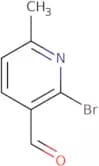
Discontinued product2-Bromo-6-methylpyridine-3-carboxaldehyde
CAS:2-Bromo-6-methylpyridine-3-carboxaldehyde (BMPCA) is a pharmacological agent that belongs to the group of antagonists. It has been shown to be a potent antagonist at the NMDA receptor and may be used for treating neuropathic pain. BMPCA also has been shown to have competitive inhibition at the naphthyridine receptor, which may allow it to act as an antagonist or an agonist depending on its binding site. The regioisomeric analogs of BMPCA are 2-(2,5-dichloropyridyl)-6-methylpyridine-3-carboxaldehyde and 2-(2,5-dimethylpyridyl)-6-methylpyridine-3-carboxaldehyde. These analogs have been shown to inhibit the growth of tumor cells in vitro and in vivo.
Formula:C7H6BrNOPurity:Min. 95%Molecular weight:200.03 g/mol1-Bromo-4-chlorobutane
CAS:1-Bromo-4-chlorobutane, also known as 4-bromo-1-chlorobutane, is a chemical compound with the molecular formula C6H5BrCl. It is a member of the group p2 of the periodic table and has been shown to be carcinogenic in animal studies. The compound is also used as an intermediate in the synthesis of other chemicals such as p-hydroxybenzoic acid. 1-Bromo-4-chlorobutane is used for treating infectious diseases such as malaria by interfering with purine metabolism. It can be administered orally or intravenously and has low bioavailability due to its rapid hydrolysis in the gastrointestinal tract.
Formula:C4H8BrClPurity:Min. 95%Molecular weight:171.46 g/molRef: 3D-FB00908
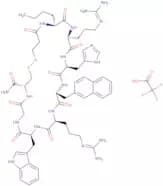
Discontinued product(Deamino-Cys3, Nle 4,Arg5,D-2-Nal 7,Cys11)-a-MSH (3-11) amide trifluoroacetate salt
CAS:Please enquire for more information about (Deamino-Cys3, Nle 4,Arg5,D-2-Nal 7,Cys11)-a-MSH (3-11) amide trifluoroacetate salt including the price, delivery time and more detailed product information at the technical inquiry form on this pageFormula:C56H76N18O9S2Purity:Min. 95%Molecular weight:1,209.45 g/molRef: 3D-FD109415
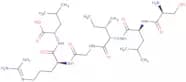
Discontinued productPAR-2 (1-6) (mouse, rat) trifluoroacetate salt
CAS:Please enquire for more information about PAR-2 (1-6) (mouse, rat) trifluoroacetate salt including the price, delivery time and more detailed product information at the technical inquiry form on this page
Formula:C29H55N9O8Purity:Min. 95%Molecular weight:657.8 g/molRef: 3D-FP109045
Discontinued productH-Ala-2-chlorotrityl resin (200-400 mesh) (Low Substitution)
Please enquire for more information about H-Ala-2-chlorotrityl resin (200-400 mesh) (Low Substitution) including the price, delivery time and more detailed product information at the technical inquiry form on this page
Purity:Min. 95%Ref: 3D-FA111781
Discontinued productPeptide YY (13-36) (canine, mouse, porcine, rat) trifluoroacetate salt
CAS:Please enquire for more information about Peptide YY (13-36) (canine, mouse, porcine, rat) trifluoroacetate salt including the price, delivery time and more detailed product information at the technical inquiry form on this pageFormula:C135H209N41O38Purity:Min. 95%Molecular weight:3,014.36 g/molRef: 3D-FP110395
Discontinued productBiotinyl-Amylin (mouse, rat) trifluoroacetate salt
CAS:Please enquire for more information about Biotinyl-Amylin (mouse, rat) trifluoroacetate salt including the price, delivery time and more detailed product information at the technical inquiry form on this pageFormula:C177H286N54O55S3Purity:Min. 95%Molecular weight:4,146.69 g/molRef: 3D-FB110085
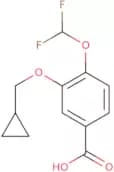
Discontinued product3-Cyclopropylmethoxy-4-difluoromethoxy-benzoic acid
CAS:3-Cyclopropylmethoxy-4-difluoromethoxy-benzoic acid is an industrial chemical that is used as a binding agent in the production of dyes, rubber, and pharmaceuticals. The compound is produced by the acylation of 3-chloromethoxybenzoic acid with cyclopropylmethanol. This reaction requires an inorganic base such as potassium carbonate or sodium bicarbonate to activate the chloride. 3-Cyclopropylmethoxy-4-difluoromethoxybenzoic acid can be used as a reactive alkylating agent for the production of amides and other organic compounds, which increases its versatility.
Formula:C12H12O4F2Purity:Min. 95%Color and Shape:White/Off-White SolidMolecular weight:258.22 g/molDesmethyl sibutramine hydrochloride salt
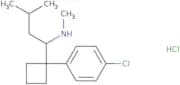
CAS:Desmethyl sibutramine hydrochloride salt is a pharmaceutical preparation that has been used in the treatment of depression and chronic pain. It is a synthetic drug that increases the level of dopamine in the brain by inhibiting its reuptake. In addition, it has been shown to be effective in the treatment of hyperactivity, diabetic neuropathy, and other amines. Desmethyl sibutramine hydrochloride salt also has an antidepressant effect by decreasing serotonin reuptake.
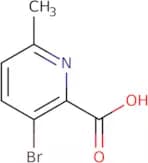
Formula:C16H25Cl2NPurity:Min. 95 Area-%Color and Shape:White PowderMolecular weight:302.28 g/mol3-Bromo-6-methylpicolinic acid
CAS:Please enquire for more information about 3-Bromo-6-methylpicolinic acid including the price, delivery time and more detailed product information at the technical inquiry form on this page
Formula:C7H6BrNO2Purity:Min. 95%Molecular weight:252.49 g/molRef: 3D-FB46394
Discontinued product1-Acetyl-3-fluorobenzene
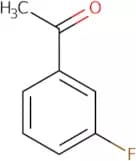
CAS:1-Acetyl-3-fluorobenzene is a fluorinated aldehyde that reacts with tetrazolium chloride to form a red, insoluble precipitate. This reaction can be used as an indicator of the presence of colon cancer. The optimal reaction conditions are at pH 7 and a temperature between 60 and 70 °C. 1-Acetyl-3-fluorobenzene has shown significant cytotoxic activity against colon cancer cells in vitro and in vivo.
Formula:C8H7FOPurity:Min. 95%Color and Shape:Colorless Clear LiquidMolecular weight:138.14 g/molRef: 3D-FA54804
Discontinued product6-Bromo-pyrazolo[1,5-a]pyrimidine
CAS:6-Bromo-pyrazolo[1,5-a]pyrimidine is a bone morphogenetic protein (BMP) inhibitor. It has been shown to be a potent inhibitor of the tyrosine kinase activity of BMP receptors and may be useful for the development of new strategies for the treatment of osteoporosis. 6-Bromo-pyrazolo[1,5-a]pyrimidine is also an effective inhibitor of the proliferation and survival of cancer cells. It inhibits cell growth by interfering with cellular signaling pathways that regulate these processes. 6-Bromo-pyrazolo[1,5-a]pyrimidine was also found to inhibit the production of bone morphogenetic protein 2 (BMP2) in mouse calvaria cells without affecting other bone metabolism markers such as alkaline phosphatase or osteocalcin.
Formula:C6H4BrN3Purity:Min. 95%Color and Shape:PowderMolecular weight:198.02 g/molAmyloid beta-Protein (1-11) trifluoroacetate salt
CAS:Please enquire for more information about Amyloid beta-Protein (1-11) trifluoroacetate salt including the price, delivery time and more detailed product information at the technical inquiry form on this page
Formula:C56H76N16O22Purity:Min. 95%Molecular weight:1,325.3 g/molRef: 3D-FA108822
Discontinued product(Cys47)-HIV-1 tat Protein (47-57) trifluoroacetate salt
CAS:Please enquire for more information about (Cys47)-HIV-1 tat Protein (47-57) trifluoroacetate salt including the price, delivery time and more detailed product information at the technical inquiry form on this page
Formula:C58H114N32O13SPurity:Min. 95%Molecular weight:1,499.8 g/molRef: 3D-FC110136
Discontinued productTetraethylammonium tetrafluoroborate
CAS:Tetraethylammonium tetrafluoroborate is a diamagnetic chemical species that reacts with water, forming the hydrated salt tetraethylammonium hydroxide. Tetraethylammonium tetrafluoroborate has a high resistance to oxidation and reduction reactions. It can be used as an electrolyte in electrochemistry and as a thermal expansion agent in plastics. The potentials of this substance are around +1 V, which makes it useful for electrochemical impedance spectroscopy. Tetraethylammonium tetrafluoroborate is activated by organic solvents, but not by water vapor.
Formula:C8H20N·BF4Color and Shape:White Off-White PowderMolecular weight:217.06 g/molTrichloroethanol
CAS:Trichloroethanol is an alkanoic acid that is used as a solvent and a laboratory reagent. It is also a potential bioactive compound. Trichloroethanol has been shown to have neurotoxic effects in rats, causing histological changes in the trigeminal nerve, which may be due to its inhibition of mitochondrial energy metabolism. Trichloroethanol has been shown to inhibit the activity of matrix metalloproteinase-9 (MMP-9) in human serum and the α1 subunit of Toll-like receptor (TLR) 4 in human monocytes. This compound has also been shown to be toxic to rat liver microsomes at high concentrations.
Formula:C2H3Cl3OPurity:Min. 98.5%Color and Shape:Clear LiquidMolecular weight:149.4 g/mol6-Bromoisoquinoline
CAS:6-Bromoisoquinoline is a tetradentate ligand that can be used as a molecular model to study the binding of metal ions and organic molecules. 6-Bromoisoquinoline has been shown to bind covalently and noncovalently with phosphate groups on the surface of Caco-2 cells and to induce surface-enhanced Raman spectroscopy. This ligand has a high nucleophilicity and reacts readily with chloride, which is an acidic functional group. The reaction products are hydrochloric acid, trifluoroacetic acid, or both. 6-Bromoisoquinoline can also act as an allosteric modulator in some enzymes, such as phosphofructokinase in glycolysis.
Formula:C9H6BrNPurity:Min. 95%Molecular weight:208.05 g/molRef: 3D-FB11908
Discontinued product2-Amino-6-(trifluoromethyl)benzothiazole
CAS:2-Amino-6-(trifluoromethyl)benzothiazole is a new, optimised insecticide with alkylthio, halogen and alkoxy groups. It is highly toxic to insects and has been shown to be active against various species of Lepidoptera, Coleoptera and Diptera. 2-Amino-6-(trifluoromethyl)benzothiazole is also a broad spectrum contact insecticide that exhibits systemic properties. This insecticide can be used on plants, crops, livestock and pets.Formula:C8H5F3N2SPurity:Min. 95%Molecular weight:218.2 g/molRef: 3D-FA53923
Discontinued productAmmonium Undecafluorohexanoate
CAS:Undecafluorohexanoic acid is a perfluoroalkyl carboxylic acid that has been shown to disrupt steroidogenesis in vitro. It may be able to inhibit the transport of cholesterol, fats, and other lipids in cells, which causes disruption in steroidogenesis. This compound also has anti-cancer properties due to its ability to induce apoptosis and arrest cancer cell proliferation. Undecafluorohexanoic acid may also have developmental effects on animals because it can bind to estrogen receptors and disrupt the normal process of estrogen-mediated signaling pathways.
Formula:C6H4F11NO2Purity:Min. 95%Molecular weight:331.08 g/molRef: 3D-FA79593
Discontinued productAngiotensin A (1-7) trifluoroacetate
CAS:Endogenous heptapetide which causes vasodilation and has anti-hypertensive properties.
Formula:C40H62N12O9•(C2HF3O2)xPurity:Min. 95%Color and Shape:PowderMolecular weight:855 g/molTrityl chloride resin
CAS:Trityl chloride resin is a chemical compound that is used as a model system for the study of trifluoroacetic acid and its reactions. Trityl chloride resin is insoluble in water and has been used as a reaction solution for transfer reactions. It has been shown to be an effective ligand for many types of receptors, with binding constants ranging from 10 M-1 to 10 M-10. Trityl chloride resin can also be chiral, which means that it may exist in two forms that are mirror images of each other. The physiological effects of this compound are not well understood, but it has been shown to have an effect on coordination geometry.
Color and Shape:PowderRef: 3D-FT29918
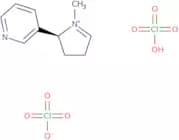
Discontinued productS-(-)-Nicotine-delta1’-(5’)-iminium diperchlorate salt
CAS:Please enquire for more information about S-(-)-Nicotine-delta1’-(5’)-iminium diperchlorate salt including the price, delivery time and more detailed product information at the technical inquiry form on this page
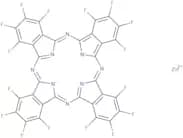
Formula:C10H14Cl2N2O8Purity:Min. 95%Molecular weight:361.13 g/molZinc 1,2,3,4,8,9,10,11,15,16,17,18,22,23,24,25-hexadecafluoro-29H,31H-phthalocyanine
CAS:Please enquire for more information about Zinc 1,2,3,4,8,9,10,11,15,16,17,18,22,23,24,25-hexadecafluoro-29H,31H-phthalocyanine including the price, delivery time and more detailed product information at the technical inquiry form on this pageFormula:C32F16N8ZnPurity:Min. 95%Molecular weight:865.75 g/mol2,3,5-Trichlorobenzaldehyde
CAS:2,3,5-Trichlorobenzaldehyde is a chemical compound that has been shown to have anticancer and apoptotic effects. It inhibits the growth of bacteria by chelating iron ions and inhibiting bacterial dna synthesis. 2,3,5-Trichlorobenzaldehyde has also been shown to inhibit the growth of cancer cells in culture in an experimental study. This chemical has been used as a substrate for nmr spectroscopy to study its functional groups and radical scavenging activities. 2,3,5-Trichlorobenzaldehyde can be synthesized from phenacyl chloride and benzaldehyde in the presence of hydrogen chloride gas. The carbonyl group in 2,3,5-trichlorobenzaldehyde may cause metabolic disorders such as diabetes mellitus or hyperglycemia.
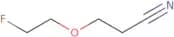
Formula:C7H3Cl3OPurity:Min. 95%Color and Shape:PowderMolecular weight:209.46 g/mol3-(2-Fluoroethoxy)Propanenitrile
CAS:3-(2-Fluoroethoxy)Propanenitrile is a chemical with toxic properties. It is classified as a fluoroacetic acid and has been used in the production of other chemicals. Fluoroacetic acid is toxic to humans, showing signs of skin irritation, respiratory tract irritation, and kidney damage. 3-(2-Fluoroethoxy)Propanenitrile is not found naturally and has been sponsored by many companies.
Formula:C5H8FNOPurity:Min. 95%Molecular weight:117.12 g/molRef: 3D-FF80270
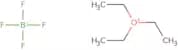
Discontinued productTriethyloxonium tetrafluoroborate
CAS:Triethyloxonium tetrafluoroborate is an antimicrobial agent that inhibits the transfer of electrons from one molecule to another. It has been shown to be effective against methicillin-resistant Staphylococcus aureus and Mycobacterium tuberculosis. Triethyloxonium tetrafluoroborate binds to the bacterial enzyme, Jak1, which is involved in the formation of cytokines and interleukins. This binding inhibits the production of these molecules, leading to cell death by apoptosis. The use of triethyloxonium tetrafluoroborate as a research tool has facilitated its discovery as a potential anti-inflammatory drug for autoimmune diseases such as type 1 diabetes mellitus and rheumatoid arthritis. Triethyloxonium tetrafluoroborate can be used to inhibit amide synthesis, which may have applications in the study of carbohydrate chemistry and nitrogen atoms in biological systems. This compound has also been used
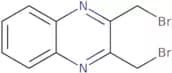
Formula:C6H15BF4OPurity:Min. 95%Color and Shape:PowderMolecular weight:189.99 g/mol2,3-Bis(bromomethyl)quinoxaline
CAS:2,3-Bis(bromomethyl)quinoxaline is a nitrogenous heterocyclic compound that has a coordination geometry of square planar. It has been used as an inhibitor for the protein p21 and the nucleophile in palladium complexes. 2,3-Bis(bromomethyl)quinoxaline is also a model system for studying reaction mechanisms and chemical structures. The electron density map of the compound was obtained by X-ray crystal structure analysis. The reaction mechanism of this molecule is proposed to be through a chelate ring cross-coupling process.
Formula:C10H8Br2N2Purity:Min. 95%Color and Shape:Brown PowderMolecular weight:315.99 g/molRef: 3D-FB04248
Discontinued product









![6-Bromo-pyrazolo[1,5-a]pyrimidine](/_next/image/?url=https%3A%2Fstatic.cymitquimica.com%2Fproducts%2F3D%2Fthumb-webp%2FFB140359.webp&w=3840&q=75)