Biochemicals and Reagents
Subcategories of "Biochemicals and Reagents"
- Biomolecules(98,560 products)
- By Biological Target(101,036 products)
- By Pharmacological Effects(6,953 products)
- Cryopreservatives(21 products)
- Desinfectants and Related Compounds(28 products)
- Hormones(531 products)
- Plant Biology(6,903 products)
- Secondary Metabolites(14,369 products)
Found 130609 products of "Biochemicals and Reagents"
Fosfestrol sodium
CAS:Fosfestrol is a peptide that can be used to study the interactions between proteins. This product does not require any special storage conditions and is shipped in high purity. It can also be used as a research tool for studying protein-protein interactions, as well as an activator or ligand for receptors. Fosfestrol sodium is an inhibitor of ion channels and antibodies.
Formula:C18H18Na4O8P2Purity:Min. 95%Molecular weight:516.2 g/molRef: 3D-EAA71975
Discontinued productSaikogenin D
CAS:Controlled ProductSaikogenin D is a natural compound that belongs to the class of saponins. It has been shown to have hemolytic activity, significant cytotoxicity against cancer cells, and enhancement of curcuma aromatica. Saikogenin D also has anti-inflammatory properties and can be used as an alternative treatment for inflammatory diseases such as arthritis. It has been shown to inhibit protein synthesis in chinese herb cells and may have growth factor activities.
Formula:C30H48O4Purity:Min. 95%Molecular weight:472.7 g/molRef: 3D-FAA57316
Discontinued productNDB
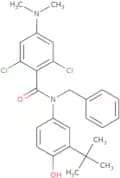
CAS:NDB is a matrix effect drug that has been shown to inhibit the metabolism of plants. NDB binds to the mitochondrial matrix and blocks electron transport, leading to an accumulation of reactive oxygen species (ROS) and increased oxidative stress. NDB also inhibits mitochondrial functions in adipose tissue and induces metabolic disorders. This drug has been shown to have antimicrobial properties against Gram-positive bacteria and fungi, but not Gram-negative bacteria. It is also effective against methicillin-resistant Staphylococcus aureus (MRSA).
Formula:C26H28Cl2N2O2Purity:Min. 95%Molecular weight:471.42 g/molRef: 3D-KRC15308
Discontinued productHBT1
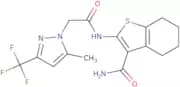
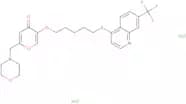
CAS:HBT1 is a novel drug that has been shown to be active against several human immunodeficiency viruses. HBT1 inhibits the replication of HIV-1 and HIV-2 by targeting a specific protein, CD4, which is found on the surface of T cells. HBT1 binds to CD4 and prevents it from binding with gp120, thereby blocking the fusion of the CD4 receptor with gp120. HBT1 also inhibits viral infection by inhibiting reverse transcription and DNA synthesis. The enzyme activity of HBT1 has been demonstrated in maternal serum and uptake assays using human lymphocytes. The potency of HBT1 varies depending on the type of virus it targets, but is typically low.
Formula:C16H17F3N4O2SPurity:Min. 95%Molecular weight:386.4 g/molRef: 3D-PUA40802
Discontinued productCCG 1423
CAS:Inhibitor of RhoA transcriptional signaling
Formula:C18H13ClF6N2O3Purity:Min. 95%Molecular weight:454.75 g/molBentamapimod
CAS:Bentamapimod is a human protein that is secreted in the women's human feces. It is specific for endometriosis, which is an inflammatory disease of the endometrium, and has been shown to be effective against this condition. Bentamapimod works by binding to a receptor on the surface of cells that promotes c-jun phosphorylation, leading to changes in gene expression. It has also been shown to have anticancer effects and metabolic benefits, including antimicrobial resistance and synaptic dysfunction.
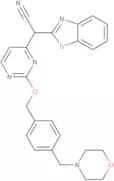
Formula:C25H23N5O2SPurity:Min. 95%Molecular weight:457.5 g/molRef: 3D-IJD82986
Discontinued productMTIC-d3
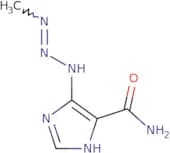
CAS:Please enquire for more information about MTIC-d3 including the price, delivery time and more detailed product information at the technical inquiry form on this page
Formula:C5H8N6OPurity:Min. 95%Molecular weight:171.18 g/molRef: 3D-KXB24269
Discontinued productCPI-455 HCl
CAS:CPI-455 HCl is a potent, selective bromodomain inhibitor, which is a synthetic chemical compound designed to modulate epigenetic targets. Its source is a laboratory-synthesized small molecule developed to specifically inhibit the activity of bromodomains, which are protein domains that recognize acetylated lysine residues. The mode of action involves competitively binding to bromodomains, thereby preventing the interaction between these domains and acetylated histones. This inhibition disrupts the transcriptional activity of bromodomain-containing proteins and can alter gene expression patterns.
Formula:C16H15ClN4OPurity:Min. 95%Molecular weight:314.77 g/molRef: 3D-VID43228
Discontinued productVU6001221
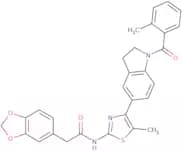
CAS:VU6001221 is a drug that has been shown to improve cognitive function in animal models. The mechanism of action of VU6001221 is not fully understood but it may be due to its effects on acetylcholine and cholinergic neurotransmission. VU6001221 binds to the acetylcholine receptor, which is located on the surface of neurons and facilitates synaptic transmission by binding with acetylcholine. It also blocks the uptake of acetylcholine by interfering with hydrogen bonds between the extracellular domain of the receptor and its corresponding cholinergic ligand. This inhibition results in increased levels of acetylcholine within the synaptic cleft, leading to improved cognition.
Formula:C29H25N3O4SPurity:Min. 95%Molecular weight:511.6 g/molRef: 3D-CFD49517
Discontinued product4-(Dibromomethyl)-[1,1-biphenyl]-2-carboxylic acid
CAS:Please enquire for more information about 4-(Dibromomethyl)-[1,1-biphenyl]-2-carboxylic acid including the price, delivery time and more detailed product information at the technical inquiry form on this page
Formula:C14H10Br2O2Purity:Min. 95%Molecular weight:370.03 g/molRef: 3D-XWC89462
Discontinued productKIAA0182 Blocking Peptide
A synthetic peptide for use as a blocking control in assays to test for specificity of KIAA0182 antibody, catalog no. 70R-4413
Purity:Min. 95%EHT 1864
CAS:Inhibitor of small GTPases of Rac family
Formula:C25H27F3N2O4S•(HCl)2Purity:Min. 95%Molecular weight:581.48 g/molGADD45A antibody
GADD45A antibody was raised in rabbit using the C terminal of GADD45A as the immunogen
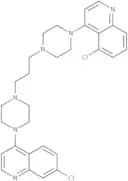
5-Chloro 7-deschloropiperaquine
CAS:Please enquire for more information about 5-Chloro 7-deschloropiperaquine including the price, delivery time and more detailed product information at the technical inquiry form on this page
Formula:C29H32Cl2N6Purity:Min. 95%Molecular weight:535.5 g/molRef: 3D-TLB87909
Discontinued productLUF 5834
CAS:LUF 5834 is a novel adenosine A1 receptor agonist that has been shown to have significant efficacy in vivo against inflammatory diseases. It was found to be a potent and selective agonist of the A1 receptor in vitro. LUF 5834 also had an allosteric modulating effect on the adenosine A3 receptor, which is involved in immune and inflammatory responses. LUF 5834 binds to both the adenosine A1 receptor and the A3 receptor with high affinity and selectivity, but does not bind to any other adenosine receptors at concentrations up to 10 μM. The binding site for LUF 5834 on the A1 receptor was determined by molecular modeling studies as well as binding experiments. These results suggest that LUF 5834 can be used for treating inflammatory diseases or other disorders involving inflammation.
Formula:C17H12N6OSPurity:Min. 95%Molecular weight:348.38 g/molRef: 3D-INA96291
Discontinued productAKR1C1 antibody
AKR1C1 antibody was raised in mouse using recombinant human AKR1C1 (1-323aa) purified from E. coli as the immunogen.
AZD1940
CAS:AZD1940 is a peptide that has been shown to activate a receptor and induce calcium influx in cells. It is not known whether AZD1940 binds to the receptor or if it acts through an allosteric mechanism. This inhibitor of ion channels inhibits protein interactions and prevents the formation of complexes with ligands and receptors.
AZD1940 has been shown to be a potent inhibitor of the human ether-a-go-go related gene (hERG) K+ channel, which is responsible for controlling cardiac repolarization. The inhibition of this channel by AZD1940 leads to prolongation of the QT interval on an electrocardiogram.Formula:C20H29F2N3O2SPurity:Min. 95%Molecular weight:413.5 g/molRef: 3D-GKB41329
Discontinued product(+)-BAY-1251152
CAS:(+)-BAY-1251152 is a small molecule drug that has been shown to inhibit the growth of malignant brain tumors. It binds to microenvironmental niches in the brain, which may be responsible for the resistance of these cells to conventional treatments. The mechanism of action of (+)-BAY-1251152 is thought to be due to its epigenetic effects, which can lead to changes in gene expression. This drug has been shown to reduce the size of malignant brain tumors and increase survival rates in mice with malignant brain cancer. (+)-BAY-1251152 is also being evaluated as a potential treatment for other cancers such as lung cancer, breast cancer, and ovarian cancer.
Formula:C19H18F2N4O2SPurity:Min. 95%Molecular weight:404.43 g/molRef: 3D-KPC35856
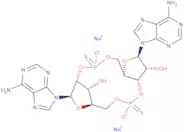
Discontinued productML RR-S2 CDA disodium
CAS:Activator/ stimulator of interferon genes (STING)
Formula:C20H22N10Na2O10P2S2Purity:Min. 95%Color and Shape:White/Off-White SolidMolecular weight:734.51 g/molRef: 3D-BM176133
Discontinued productPS-1145
CAS:PS-1145 is a chemical inhibitor that belongs to the class of small molecule inhibitors. PS-1145 binds to the IL2 receptor and blocks the activation of BCL-2 protein, leading to cell death by inhibiting the production of proteins vital for cell division. It also inhibits inhibitory proteins such as IκBα and NEMO, which are important for NF-κB signaling. PS-1145 induces oxidative injury and caspase-independent cell death in cells by binding to DNA at response elements, thereby inhibiting transcriptional activity.
Formula:C17H11ClN4OPurity:Min. 95%Molecular weight:322.75 g/molRef: 3D-GSA89865
Discontinued productMGC33407 Blocking Peptide
A synthetic peptide for use as a blocking control in assays to test for specificity of MGC33407 antibody, catalog no. 70R-4401
Purity:Min. 95%Nitracrine
CAS:Nitracrine is a nitro-nitrosourea derivative that inhibits DNA synthesis in cells by binding to the dna template as a mononucleotide. It has been shown to have potent cytotoxic effects on solid tumour cells and is considered a promising anticancer agent. Nitracrine also inhibits cell division by inhibiting RNA synthesis, DNA synthesis, and protein synthesis. It has been found to be more effective than other nitrosoureas such as 5-fluorouracil or methotrexate at inhibiting RNA synthesis. Nitracrine has also been shown to induce apoptosis in certain cancerous cells. The optimum concentration of nitracrine appears to be between 10 µM and 100 µM when used with K562 cells.
Formula:C18H20N4O2Purity:Min. 95%Molecular weight:324.4 g/molRef: 3D-EAA53339
Discontinued productSphingosine-1-phosphate-d7
CAS:Controlled ProductSphingosine-1-phosphate (S1P) is a bioactive lipid that is synthesized from sphingosine by the enzyme sphingosine kinase. This molecule is involved in many cellular processes, including cell proliferation and differentiation. The S1P D7 isotopologue is an isotopically enriched form of S1P that can be used for quantitative analysis of S1P metabolism. Sphingosine-1-phosphate D7 has been shown to induce neuroinflammation via upregulation of IL-6, TNFα and IL-8 expression in microglia cells. It also alters the expression of genes related to neuronal function and development, such as transcriptase polymerase chain reaction (PCR), neuron, and acute lung. Sphingosine-1-phosphate D7 also induces mitochondrial dysfunction and oxidative stress in fibroblast cells.
Formula:C18H31D7NO5PPurity:Min. 95%Molecular weight:386.51 g/molRef: 3D-KQD67015
Discontinued productLY 266097 Hydrochloride
CAS:LY 266097 Hydrochloride is a selective 5-HT2A receptor antagonist, which is a synthetic compound primarily used in neuroscience research. This compound is derived from laboratory synthesis, designed to interact specifically with serotonin receptors located in the central nervous system.
Formula:C21H23ClN2O2•HClPurity:Min. 95%Molecular weight:370.87 g/molRef: 3D-XGA89539
Discontinued product2-Butyl-4,5-dihydro-4-oxo-3-((2'-(1H-tetrazol-5-yl)-4-biphenylyl)methyl)-3H-imidazo(4,5-C)pyridine-5-(N,N-dimethylacetamide)
CAS:2-Butyl-4,5-dihydro-4-oxo-3-((2'-(1H-tetrazol-5-yl)-4biphenylyl)methyl)-3Himidazo(4,5-C)pyridine (BBTTP) is a research tool to study the function of ion channels and receptors. It binds to the receptor site on the cell membrane and activates it. BBTTP can also be used as a ligand to identify other ligands that bind to the same receptor site. This compound has been shown to inhibit protein interactions in cells, which may lead to new treatments for diseases such as Alzheimer's disease or cancer.
Formula:C28H31ClN8O2Purity:Min. 95%Molecular weight:547 g/molRef: 3D-MHA68379
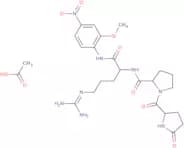
Discontinued productPglu-Pro-Arg-mna monoacetate
CAS:Controlled ProductPglu-Pro-Arg-mna monoacetate is a synthetic peptide inhibitor, which is typically derived from biochemical synthesis processes involving solid-phase peptide synthesis. Its primary mode of action is the competitive inhibition of certain enzyme activities, commonly within the realm of proteolytic enzymes. By mimicking substrate structures, it effectively binds to the enzyme's active site, thereby preventing the actual substrate from interacting and consequently inhibiting the enzyme's activity.
Formula:C25H36N8O9Purity:Min. 95%Molecular weight:592.6 g/molRef: 3D-VHD00926
Discontinued productNS1652
CAS:NS1652 is a new drug that has been shown to have high potential for interactions with other drugs. It is a cationic amino acid that binds to the red cell membrane and alters transport properties of the cell. NS1652 has been shown to inhibit uptake of the amino acid L-lysine by cells. It also inhibits transfection experiments in vitro, which may be due to its ability to interfere with cellular physiology.
NS1652 is a high-resistance, non-selective cation channel blocker that has been shown to have chemical structures similar to those found in common drugs such as ibuprofen, naproxen, indomethacin, and diclofenac. These similarities suggest that it could cause adverse effects when taken with these medications because there would be an increased risk of interaction between the two drugs.Formula:C15H11F3N2O3Purity:Min. 95%Molecular weight:324.25 g/molRef: 3D-BAA56681
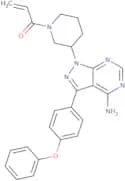
Discontinued productIbrutinib d5
CAS:Ibrutinib d5 is a potent and selective inhibitor of Bruton's tyrosine kinase (BTK). BTK is a non-receptor protein tyrosine kinase that plays an important role in the B-cell receptor signaling pathway. Ibrutinib d5 binds to BTK, and blocks its ATP binding site, preventing it from phosphorylating other proteins. This inhibition reduces the phosphorylation of key downstream effectors, such as ZAP-70, which is involved in B-cell proliferation and activation. Ibrutinib d5 also inhibits activation of PI3K/Akt signaling pathways and suppresses cytokine production.
Formula:C25H24N6O2Purity:Min. 95%Molecular weight:445.5 g/molRef: 3D-DMC97717
Discontinued productC330003B14RIK Blocking Peptide
A synthetic peptide for use as a blocking control in assays to test for specificity of C330003B14RIK antibody, catalog no. 20R-1169
Purity:Min. 95%Acetic acid-13C2, d3
CAS:Controlled ProductPlease enquire for more information about Acetic acid-13C2, d3 including the price, delivery time and more detailed product information at the technical inquiry form on this page
Formula:C2H4O2Purity:Min. 95%Ref: 3D-HEA74570
Discontinued productMavorixafor trihydrochloride
CAS:Mavorixafor is an antagonist that binds to the chemokine receptor CXCR4. It is used as a research tool for studying CXCR4-mediated signaling and protein interactions. Mavorixafor also has pharmacological activity, which may be due to its ability to activate G protein-coupled receptors and ion channels. Mavorixafor trihydrochloride is a highly purified drug that is soluble in water. It has a molecular weight of 576.8 Da and the chemical formula CHClNOS. CAS No: 2309699-17-8
Formula:C21H30Cl3N5Purity:Min. 95%Molecular weight:458.9 g/molRef: 3D-JSD69917
Discontinued productPF-06679142
CAS:PF-06679142 is a research tool that is used for the study of receptor and ion channel interactions. It is an activator of the nicotinic acetylcholine receptor (nAChR) and has been shown to block ligand binding to the nAChR. PF-06679142 also binds to cell-surface receptors, such as the human epidermal growth factor receptor 2 (HER2), and may be useful in targeting cancer cells. This compound has been shown to inhibit protein synthesis by inhibiting peptide bond formation through competitive inhibition of aminopeptidase N. PF-06679142 belongs to a group of peptides called "N"-substituted glycine analogues, which are used as pharmacological tools for studying protein interactions.
Formula:C20H17F2NO3Purity:Min. 95%Molecular weight:357.3 g/molRef: 3D-SIC05966
Discontinued productEPB41 Blocking Peptide
A synthetic peptide for use as a blocking control in assays to test for specificity of EPB41 antibody, catalog no. 70R-3846
Purity:Min. 95%threo-ICI 118551 hydrochloride
CAS:Threo-ICI 118551 hydrochloride is a potent and selective antagonist of the alpha1A adrenergic receptor, which is involved in the regulation of cardiac function. The drug is used to treat conditions such as hyperhomocysteinemia and heart disease that are characterized by increased levels of this amino acid. Threo-ICI 118551 hydrochloride has been shown to inhibit the release of calcium from the reticulum, which leads to decreased contractile function of the myocardium. In vivo studies have shown that threo-ICI 118551 hydrochloride can improve cardiac function in patients with chronic congestive heart failure.
Formula:C17H28ClNO2Purity:Min. 95%Molecular weight:313.86 g/molCHO NUCB2 ELISA Kit
Please enquire for more information about CHO NUCB2 ELISA Kit including the price, delivery time and more detailed product information at the technical inquiry form on this page
Purity:Min. 95%KO 143
CAS:KO 143 is a methyltransferase inhibitor that blocks the activity of p-glycoprotein. It has been shown to inhibit the activity of ABCG2 in vitro and is used for the treatment of cancer. KO 143 also inhibits protein kinase B (Akt), which is found in high levels in many types of cancer cells. KO 143 can be used synergistically with natural compounds, such as curcuminoids, to inhibit the growth of cancer cells.
Formula:C26H35N3O5Purity:Min. 95%Molecular weight:469.57 g/molRef: 3D-LTA05493
Discontinued productBAY-899
CAS:BAY-899 is a peptide that has been shown to activate the immune system. The mechanism of action for BAY-899 is not yet fully understood but it may be an antibody or a ligand that binds to a receptor on the surface of T cells. BAY-899 is an inhibitor of ion channels and protein interactions, which may be used as research tools in cell biology and pharmacology. BAY-899 has been shown to have a high purity level, with less than 1% impurities and >95% pure as determined by HPLC analysis. The CAS number for BAY-899 is 2471967-92-5.br>br>
Bayer HealthCare Pharmaceuticals Inc.Formula:C25H19F2N5O2Purity:Min. 95%Molecular weight:459.4 g/molRef: 3D-WYD96792
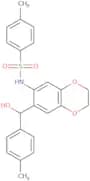
Discontinued product5-[(1,1-Dioxo-1,4-thiazinan-4-yl)methyl]-N-(1-methylsulfonylpiperidin-4-yl)-2-phenyl-1H-indol-7-ae
CAS:5-[(1,1-Dioxo-1,4-thiazinan-4-yl)methyl]-N-(1-methylsulfonylpiperidin-4-yl)-2-phenyl-1Hindol-7a(2H)-one is a potent and selective inhibitor of voltage gated sodium channels. It has been shown to inhibit the activity of recombinant human Na v 1.4 channels in a reversible fashion with an IC 50 value of 0.14 μM.
Formula:C25H32N4O4S2Purity:Min. 95%Molecular weight:516.7 g/molRef: 3D-VUB33338
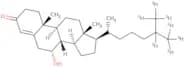
Discontinued product7α-Hydroxycholestenone-d7
CAS:Controlled Product7α-Hydroxycholestenone-d7 is a cholesterol metabolite that is formed in the liver. It is an intermediate in the synthesis of bile acids and is excreted into the intestine as well as into serum. 7α-Hydroxycholestenone-d7 can be detected with a serum concentration assay. This compound has been shown to be effective against cardiovascular disorders and may also have a role in treating infantile cholestasis.
Formula:C27H37D7O2Purity:Min. 95%Molecular weight:407.68 g/molRef: 3D-KQD66917
Discontinued productPdk4-in-1 hydrochloride
CAS:Pdk4-in-1 hydrochloride is a peptide that has been shown to activate the erythropoietin receptor. It is an inhibitor of protein interactions and can be used as a research tool for studying the effects of peptides on ion channels, cell biology, and pharmacology. Pdk4-in-1 hydrochloride has also been shown to inhibit the activity of various receptors, including the erythropoietin receptor (EPOR) and lysophosphatidic acid receptors. This peptide can be used as a ligand to investigate the interactions between proteins in cells.
Formula:C22H20ClN3O2Purity:Min. 95%Molecular weight:393.9 g/molRef: 3D-KSD26211
Discontinued productONC-201 dihydrochloride
CAS:ONC-201 is a synthetic peptide that activates the TRPV1 receptor. It is used as a research tool and in pharmacology to study protein interactions, especially those involving ion channels. ONC-201 is also an inhibitor of the growth of cancer cells, which may be due to its ability to inhibit the production of reactive oxygen species.
TRPV1 receptors are found on sensory neurons, where they serve as one of the primary pain receptors. Activation of this receptor by capsaicin or other irritants causes a burning sensation and can even lead to cell death. The TRPV1 channel also plays an important role in the regulation of body temperature, inflammation, and immunity.Formula:C24H28Cl2N4OPurity:Min. 95%Molecular weight:459.4 g/molRef: 3D-NQC17882
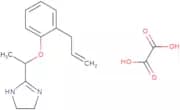
Discontinued productAllyphenyline oxalate
CAS:Allyphenyline oxalate is a ligand that binds to the nicotinic acetylcholine receptor, which is one of the main subtypes of acetylcholine receptors. It can be used as an activator or inhibitor of ion channels, and has been shown to bind to the alpha-2 adrenergic receptor. Allyphenyline oxalate has also been shown to inhibit cell proliferation in human breast cancer cells by binding to the beta-adrenergic receptor and activating protein kinases. The purity of this product is high and it is a research tool for life science and cell biology research.
Formula:C16H20N2O5Purity:Min. 95%Molecular weight:320.34 g/molRef: 3D-STB98408
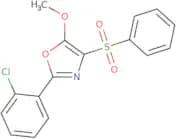
Discontinued product2-(2-Chlorophenyl)-5-methoxy-4-(phenylsulfonyl)oxazole
CAS:Please enquire for more information about 2-(2-Chlorophenyl)-5-methoxy-4-(phenylsulfonyl)oxazole including the price, delivery time and more detailed product information at the technical inquiry form on this page
Formula:C16H12ClNO4SPurity:Min. 95%Molecular weight:349.8 g/molRef: 3D-XLD94970
Discontinued productNbr1 Blocking Peptide
A synthetic peptide for use as a blocking control in assays to test for specificity of Nbr1 antibody, catalog no. 70R-9239
Purity:Min. 95%TPR Blocking Peptide
A synthetic peptide for use as a blocking control in assays to test for specificity of TPR antibody, catalog no. 70R-10241
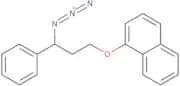
Purity:Min. 95%1-(3-Azido-3-phenylpropoxy)naphthalene
CAS:Please enquire for more information about 1-(3-Azido-3-phenylpropoxy)naphthalene including the price, delivery time and more detailed product information at the technical inquiry form on this page
Formula:C19H17N3OPurity:Min. 95%Molecular weight:303.4 g/molRef: 3D-BWC07189
Discontinued product18:0(2S-OH) ceramide
CAS:18:0(2S-OH) ceramide is a synthetic, water-soluble, and non-toxic inhibitor of the anion channels. It is a potent activator of the neuronal nicotinic receptor and is used in pharmacology and cell biology research as a ligand for detecting protein interactions. 18:0(2S-OH) ceramide has been shown to inhibit the ion channels that are activated by voltage or calcium ions. This inhibition can be reversed by increasing membrane potentials or blocking calcium channels. 18:0(2S-OH) ceramide also binds to the receptor sites of proteins such as peptides, antibodies, and other ligands.
18:0(2S-OH)ceramide does not have any adverse effects on human health and is not toxic at high doses.Formula:C36H71NO4Purity:Min. 95%Molecular weight:581.95 g/molRef: 3D-JBA83904
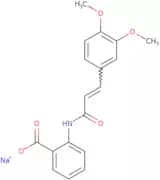
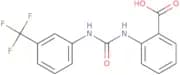
Discontinued productTranilast sodium
CAS:Tranilast sodium is an ophthalmic medicine that is used to treat sensitivity and inflammation of the cornea. It belongs to the class of anti-inflammatory drugs. Tranilast sodium is a non-steroidal anti-inflammatory drug, which works by blocking the release of certain substances in cells that are responsible for causing pain and inflammation. This medication has been shown to be effective in treating squamous cell carcinoma of the eye. Tranilast sodium has also been shown to reduce corneal epithelium disease process and metaplasia, and improve corneal sensitivity parameters.
Formula:C18H16NNaO5Purity:Min. 95%Molecular weight:349.3 g/molRef: 3D-EEA93156
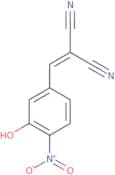
Discontinued productAG 126
CAS:AG 126 is a nanoparticulate composition with the ability to inhibit LPS-induced inflammatory response in vitro. In vivo, AG 126 reduces the severity of eye disorders and bowel disease, as well as an infectious disease caused by BCR-ABL kinase. This drug also has a positive effect on pluripotent cells, which have been shown to be useful for regenerative medicine. AG 126 has been shown to inhibit the activity of toll-like receptor 4 (TLR4), which is a membrane protein that responds to bacterial and viral components. The kinetic energy of AG 126 particles can trigger apoptosis in infected cells through mitochondrial membrane potential collapse and induction of reactive oxygen species.
Formula:C10H5N3O3Purity:Min. 95%Molecular weight:215.17 g/molRef: 3D-TEA40962
Discontinued productTmem184b Blocking Peptide
A synthetic peptide for use as a blocking control in assays to test for specificity of Tmem184b antibody, catalog no. 70R-8663
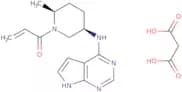
Purity:Min. 95%PF 06651600 malonate
CAS:Inhibitor of Janus kinase JAK3
Formula:C15H19N5O·C3H4O4Purity:Min. 95%Molecular weight:389.41 g/molEmicoron
CAS:Emicoron is a peptide that activates the T-cell receptor. It is used as a research tool in cell biology and pharmacology. Emicoron has been shown to bind to the T-cell receptor through its N-terminal domain and activate it, thereby increasing the proliferation of T cells. Emicoron also binds to an unknown receptor, which may be found on the surface of tumor cells.
Formula:C52H58N6O4Purity:Min. 95%Molecular weight:831.1 g/molRef: 3D-XGC42323
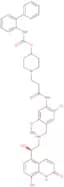
Discontinued productBatefenterol
CAS:Batefenterol is a pharmaceutical dosage form that is intended to be administered by oral, intravenous, or intramuscular injection. It has been shown to have pharmacodynamic effects on the cardiovascular system. Batefenterol binds to the beta-adrenergic receptor and inhibits the release of catecholamines from the adrenal gland, leading to a decrease in heart rate and blood pressure. The drug also has been shown to increase urine flow and urine volume in patients with benign prostatic hyperplasia. This drug has been shown to be safe for use in vivo models and toxicity studies. Batefenterol is not expected to cause any adverse effects on the central nervous system or liver function tests.
Formula:C40H42ClN5O7Purity:Min. 95%Molecular weight:740.24 g/molRef: 3D-TEB46165
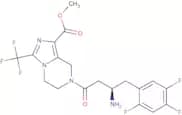
Discontinued productRetagliptin
CAS:Retagliptin is a dpp-iv inhibitor, which lowers blood glucose levels by stimulating the release of insulin from the pancreas. It is used to diagnose patients with ventricular dysfunction and cardiac arrhythmia. Retagliptin has been shown to be effective in diabetics with heart disease and healthy Chinese patients, although it is not approved for use in India. Retagliptin can be taken orally or intravenously. It does not have any significant side effects and can be used for long periods of time without any need for dosage adjustments. Retagliptin also has a small-molecule drug structure that makes it suitable for use as a diagnostic agent in analytical methods such as mass spectrometry and nuclear magnetic resonance spectroscopy.
Purity:Min. 95%Ref: 3D-FR57620
Discontinued productDigitoxose 1,3,4-triacetate
CAS:Digitoxose 1,3,4-triacetate is a ligand that binds to the nicotinic acetylcholine receptor, activating it. It is used as a research tool to study the ion channels and protein interactions in cell biology. The binding of digitoxose 1,3,4-triacetate to the ligand-binding domain of the nicotinic acetylcholine receptor activates the receptor by inducing conformational changes in its transmembrane region. This activation leads to an increase in intracellular calcium levels and neurotransmitter release.
Formula:C12H18O7Purity:Min. 95%Molecular weight:274.27 g/molRef: 3D-IEA94262
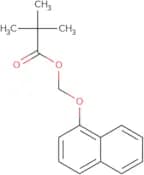
Discontinued product2,2-Dimethyl-propanoic acid (1-naphthalenyloxy)methyl ester
CAS:2,2-Dimethyl-propanoic acid (1-naphthalenyloxy)methyl ester is a peptide that can be used as an activator or inhibitor of ion channels and ligands. The chemical structure of this molecule is similar to that of the endogenous neuropeptides somatostatin and vasoactive intestinal peptide. This peptide has been shown to inhibit the interaction between proteins and receptors, which may be due to its ability to bind with high affinity to a wide variety of ion channels. It also inhibits protein synthesis by binding to ribosomes.br> br> br>Formula:C16H18O3Purity:Min. 95%Molecular weight:258.31 g/molRef: 3D-LUD52947
Discontinued productUCL 2077
CAS:UCL 2077 is a small-molecule drug that has been shown to inhibit the production of cytosolic calcium in cancer cells. It also has antineoplastic properties, which may be due to its ability to inhibit the proliferation of cancer cells. UCL 2077 binds to the calcium binding site on the hippocalcin protein, which regulates intracellular calcium levels. This interaction inhibits the function of this protein and inhibits cell growth by reducing intracellular calcium levels.
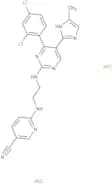
Formula:C25H22N2Purity:Min. 95%Molecular weight:350.46 g/molCHIR 99021 dihydrochloride
CAS:Please enquire for more information about CHIR 99021 dihydrochloride including the price, delivery time and more detailed product information at the technical inquiry form on this page
Formula:C22H20Cl4N8Purity:Min. 95%Molecular weight:538.3 g/molRef: 3D-JJD41484
Discontinued productMindodilol
CAS:Controlled ProductMindodilol is a research tool that is used in the study of ion channels, receptor-ligand interactions, and cell biology. This compound binds to ion channels, which are responsible for the transmission of ions across the cell membrane, and modulates their activity. Mindodilol also interacts with various receptors and cells during the course of its biological function. It has been shown to inhibit binding of antibodies to proteins as well as peptides.
Formula:C23H28N2O3Purity:Min. 95%Molecular weight:380.50 g/molRef: 3D-VCA26053
Discontinued productNSC 668036
CAS:NSC 668036 is a natural compound with antitumor properties. It has been shown to inhibit the growth of tumor cells by altering cell signaling pathways. NSC 668036 blocks the signal transduction pathway of epidermal growth factor (EGF) and interferes with the activation of the downstream protein kinase, which inhibits the phosphorylation and inactivation of glycogen synthase kinase-3β (GSK-3β). This leads to a decrease in intracellular calcium levels, which has been shown to be associated with chemoresistance. In vitro studies have confirmed that NSC 668036 suppresses proliferation of colorectal cancer cells and inhibits metastasis as well as increased ATP levels.
Formula:C21H36N2O9Purity:Min. 95%Molecular weight:460.52 g/molRef: 3D-UFA67863
Discontinued productFIDAS-3
CAS:FIDAS-3 is an anticancer drug that has been developed as a kinase inhibitor analog of artesunate. It has been shown to be effective in inducing apoptosis in human cancer cells. FIDAS-3 targets kinases that are involved in cell proliferation and survival, leading to the inhibition of tumor growth. This drug has been tested on Chinese hamster ovary cells and human lung cancer cells, showing potent antitumor activity. FIDAS-3 can be detected in urine after administration, making it a promising candidate for clinical trials. The combination of FIDAS-3 with chloroquine has also been shown to increase its anticancer effects by inhibiting autophagy. Overall, FIDAS-3 is a promising new drug for the treatment of cancer that shows great potential for further development.
Formula:C16H15F2NPurity:Min. 95%Molecular weight:259.29 g/molRef: 3D-RAC68401
Discontinued productABCF2 Blocking Peptide
A synthetic peptide for use as a blocking control in assays to test for specificity of ABCF2 antibody, catalog no. 70R-5703
Purity:Min. 95%MI-1
CAS:MI-1 is a DNA polymerase that is derived from the mitochondria of Saccharomyces cerevisiae. It has been shown to have significant interactions with a number of drugs and other compounds, including those involved in energy metabolism, insect resistance, and cardiovascular health. MI-1 has been shown to be stable in complex with nucleotides, which may be due to its ability to form stable complexes with dNTPs. MI-1 is also involved in the replication of mitochondrial DNA and myocardial infarct size reduction.
Formula:C19H25N5S2Purity:Min. 95%Molecular weight:387.6 g/molRef: 3D-ISA31107
Discontinued productTilapertin
CAS:Tilapertin is a drug that has been shown to be effective in reducing inflammation and sensitivity by inhibiting the production of TNF-α. It belongs to a class of drugs called DPP-4 inhibitors, which are used to treat type 2 diabetes. Tilapertin increases insulin sensitivity and may also reduce the risk of developing type 2 diabetes. The drug's anti-inflammatory effects have been demonstrated in vitro and in vivo, with an effect on human erythrocytes. This drug inhibits TNF-α production through its inhibition of the enzyme dipeptidyl peptidase 4 (DPP-4) that is required for the activation of proinflammatory cytokines such as IL-1β and IL-6. It also prevents the binding of proinflammatory cytokines to their receptors, preventing inflammation.
Formula:C20H21F3N2O2Purity:Min. 95%Molecular weight:378.4 g/molHmx3 Blocking Peptide
A synthetic peptide for use as a blocking control in assays to test for specificity of Hmx3 antibody, catalog no. 70R-8774
Purity:Min. 95%Atorvastatin-d5 lactone
CAS:Atorvastatin-d5 lactone is an outpatient medication that belongs to the group of statins. It is a prodrug that is hydrolyzed in vivo to atorvastatin, its active form. Atorvastatin-d5 lactone has been shown to inhibit the production of creatine kinase (CK) in wild-type mice and knockout mice with a defective uptake of creatine. This drug also inhibits the uptake of creatine by muscle cells and reduces CK levels in serum. The clinical studies have demonstrated that this drug can be used for diagnosis and management of patients with hypercholesterolemia or other lipid disorders.
Formula:C33H33FN2O4Purity:Min. 95%Molecular weight:545.7 g/molRef: 3D-SYB74986
Discontinued productMouse VEGF ELISA kit
ELISA kit for the detection of Human VEGF in the research laboratory
Purity:Min. 95%LGICZ1 Blocking Peptide
A synthetic peptide for use as a blocking control in assays to test for specificity of LGICZ1 antibody, catalog no. 70R-5201
Purity:Min. 95%C1ORF190 Blocking Peptide
A synthetic peptide for use as a blocking control in assays to test for specificity of C1orf190 antibody, catalog no. 70R-4302
Purity:Min. 95%SAR-020106
CAS:SAR-020106 is a small molecule inhibitor that binds to the cell factor, preventing it from binding to its target on cells. SAR-020106 has been shown to inhibit the growth of solid tumours in vitro and in vivo. The mechanism of action is not known, but may be due to inhibition of thymidylate synthesis or induction of apoptosis. SAR-020106 has minimal toxicity and a low potential for drug resistance, which makes it an attractive candidate for cancer therapy. It also appears to be a potential biomarker for anti-cancer drug discovery programs.
SAR-020106 exhibits pharmacokinetic properties that are suitable for oral administration.Formula:C19H19ClN6OPurity:Min. 95%Molecular weight:382.85 g/molRef: 3D-JXB84357
Discontinued productPKG drug G1
CAS:PKG drug G1 is a synthetic small-molecule inhibitor, which is a laboratory-engineered compound designed to interfere with the signaling pathways involved in cell cycle regulation. It is specifically sourced through chemical synthesis, allowing for precise modifications to enhance its stability and efficacy in cellular systems. The mode of action of PKG drug G1 involves selectively targeting and inhibiting certain protein kinases that play a crucial role in the progression of the cell cycle, particularly the G1 phase. By inhibiting these kinases, the drug effectively halts cell division, making it a potential candidate for research in cancer treatment.
Formula:C13H11N3OSPurity:Min. 95%Molecular weight:257.31 g/molRef: 3D-ZPA70378
Discontinued productBMS 536924
CAS:BMS 536924 is a novel small molecule that is an ATP-binding cassette transporter (ABC) inhibitor. It has been shown to inhibit the ABCB1, ABCC1 and ABCG2 transporters in vitro. BMS 536924 has also been shown to increase cytosolic calcium levels in prostate cancer cells. This drug was found to induce apoptosis in insulin-stimulated glucose-6-phosphatase (IGP)-deficient mouse fibroblasts, which may be due to its ability to inhibit IGF-I production.
Formula:C25H26ClN5O3Purity:Min. 95%Molecular weight:479.96 g/molRef: 3D-TTA74043
Discontinued product(Carbethoxymethylene)triphenylphosphorane-13C2
CAS:(Carbethoxymethylene)triphenylphosphorane-13C2 is a ligand that binds to ion channels. The chemical structure of the ligand is (Carbethoxymethylene)triphenylphosphorane-13C2. It has a molecular weight of 356.85 and a CAS number of 90830-64-1. This product is available for purchase as a research tool for use in Cell Biology, Antibodies, and Protein interactions.Formula:C2013C2H21O2PPurity:Min. 95%Molecular weight:350.36 g/molRef: 3D-QDA83064
Discontinued productAlmorexant hydrochloride
CAS:Antagonist of orexin receptors OX1 and OX2
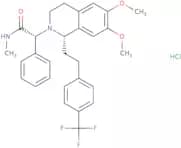
Formula:C29H31F3N2O3·HClPurity:Min. 95%Molecular weight:549.02 g/molOb 24 hydrochloride
CAS:Ob 24 is an ion channel activator that is a potent and selective inhibitor of the TRPV1 receptor. Ob 24 has been shown to inhibit the activity of TRPV1 receptors in rat sensory neurons, both in vitro and in vivo. Ob 24 can be used as a research tool to study TRPV1 receptor-mediated events, such as pain sensation and inflammation. It has also been used as a pharmacological tool for the investigation of protein interactions with TRPV1 receptors.
TRPV1 receptors are known to play an important role in various physiological processes, including pain sensation, inflammation, and cell proliferation. Ob 24 can also be used to activate cells that express TRPV1 receptors. This compound may have applications in cancer therapy by activating tumor cells that express TRPV1 receptors.Formula:C15H18BrClN2O2Purity:Min. 95%Molecular weight:373.67 g/molRef: 3D-PMB82512
Discontinued productRMI1 Blocking Peptide
A synthetic peptide for use as a blocking control in assays to test for specificity of RMI1 antibody, catalog no. 70R-5555
Purity:Min. 95%APY0201
CAS:APY0201 is a biological product that is used to treat autoimmune diseases. It is a cell-based therapy that has been shown to have cytotoxic effects on target tissues, including cancerous tissues and virus-infected cells. The product is administered orally and its effective dose is dependent on the localisation of the cells in the body and their sensitivity to APY0201. APY0201 has been shown to be effective against eye disorders such as uveitis, optic neuritis, and glaucoma. This drug can be applied at nanomolar concentrations for localized delivery of therapeutics for these conditions.
Formula:C23H23N7OPurity:Min. 95%Molecular weight:413.48 g/molRef: 3D-BA177440
Discontinued productCWHM-12
CAS:CWHM-12 is a molecule that inhibits the production of epidermal growth factor, which is an inflammatory molecule in the body. It has been shown to have beneficial effects on bowel disease, rotator, hepatic steatosis, autoimmune diseases, kidney fibrosis and cardiac diseases. CWHM-12 also binds to integrin receptors on liver cells and blocks the activation of these cells by inflammatory molecules. This drug has been shown to be effective against collagenase activity in vitro and in vivo models.
Formula:C26H32BrN5O6Purity:Min. 95%Molecular weight:590.47 g/molRef: 3D-PMC28655
Discontinued productCP 141938
CAS:Neurokinin-1 (NK-1) receptor antagonist
Formula:C21H29N3O3SPurity:Min. 95%Molecular weight:403.54 g/molKL1333
CAS:KL1333 is a research tool that can be used to study the function of ion channels and receptors. KL1333 is a peptide that can bind to the receptor and activate it, or inhibit its function. KL1333 has been shown to block the activation of voltage-sensitive sodium channels by extracellular potassium ions in rat hippocampal neurons. It also inhibits ligand-gated ion channels, including nicotinic acetylcholine receptors and serotonin 5-HT3 receptors. KL1333 is highly pure, with no detectable impurities.
Formula:C14H12N2O2Purity:Min. 95%Molecular weight:240.26 g/molRef: 3D-AXC40530
Discontinued productAcrizanib (LHA510)
CAS:Acrizanib is a tyrosine kinase inhibitor that has been shown to reduce the growth of new blood vessels in the eye. Acrizanib inhibits the production of angiogenic growth factors by inhibiting the activity of the VEGF receptor and blocking the binding of VEGF to its receptor. Acrizanib has also been shown to inhibit the activity of other tyrosine kinases, including fibroblast growth factor receptors 1 and 2 (FGFR1 and FGFR2). Acrizanib is administered as an intravitreal injection, which reduces or prevents neovascularization in ocular tissues.
Formula:C20H18F3N7O2Purity:Min. 95%Molecular weight:445.4 g/molRef: 3D-EZB45399
Discontinued productPF 429242
CAS:Site 1 protease (S1P) inhibitor
Formula:C25H35N3O2Purity:Min. 95%Molecular weight:409.56 g/molT807
CAS:T807 is a positron emission tomography (PET) tracer that can be used to assess the uptake of T807 in the brain. The structural analysis of T807 has been shown to have binding affinity for neuronal death, and clinical use has demonstrated that T807 can enter the central nervous system. A study in Sprague-Dawley rats has shown that T807 is able to induce symptoms similar to those seen in patients with Parkinson's disease, including degeneration of neurons in the occipital cortex. The effective dose for T807 is unknown; however, it is believed to be more efficient than other PET tracers currently available.
Formula:C16H10FN3Purity:Min. 95%Molecular weight:263.27 g/molRef: 3D-QGC37956
Discontinued productTP0463518
CAS:TP0463518 is a potent, selective inhibitor of the 11β-hydroxylase enzyme that blocks the synthesis of cortisol. This agent stabilizes the kidney cortex and protects against chronic kidney disease in a dose-dependent manner. TP0463518 has been shown to increase erythropoiesis and reduce hemoglobinuria in nephrectomized rats, as well as inhibiting renal injury caused by ischemia/reperfusion in a rat model.
TP0463518 can be used to treat patients with chronic kidney disease, such as those with polycystic kidney disease or acute renal failure. It also has potential applications for patients undergoing hemodialysis or on peritoneal dialysis.Formula:C20H18ClN3O6Purity:Min. 95%Molecular weight:431.83 g/molRef: 3D-IMC02137
Discontinued productBMS-582949 hydrochloride
CAS:BMS-582949 hydrochloride is a small molecule that induces apoptotic cell death. It has been shown to induce death in tissues, as well as in vivo subcutaneous xenografts of human retinoblastoma cells. BMS-582949 hydrochloride has also been shown to inhibit the activity of plk1 and induce apoptosis in cancer cells. BMS-582949 hydrochloride is a multilayer agent that inhibits the growth of cancer cells by inhibiting cellular processes such as protein synthesis and transcriptional regulation. This drug has been shown to have minimal side effects on healthy tissues and organs.
Formula:C22H27ClN6O2Purity:Min. 95%Molecular weight:442.94 g/molRef: 3D-MLB80616
Discontinued productIRL-2500
CAS:IRL-2500 is a pharmacological agent that binds to the 2-aminoethoxydiphenyl borate (2-APB) site of the receptor for Nerve Growth Factor (NGF). This binding prevents the release of NGF and blocks its effects on neuronal death. IRL-2500 has been shown to have neurotrophic activity in humans, as it stimulates the production of brain-derived neurotrophic factor, which is important for neuronal survival. It also has pressor properties, which may be due to its ability to stimulate production of endothelin and nitric oxide. IRL-2500 has been used in the treatment of congestive heart failure and subarachnoid hemorrhage.
Formula:C36H35N3O4Purity:Min. 95%Molecular weight:573.69 g/molRef: 3D-UGA54527
Discontinued productZNF440 Blocking Peptide
A synthetic peptide for use as a blocking control in assays to test for specificity of ZNF440 antibody, catalog no. 70R-8127
Purity:Min. 95%UBLCP1 Blocking Peptide
A synthetic peptide for use as a blocking control in assays to test for specificity of UBLCP1 antibody, catalog no. 70R-3747
Purity:Min. 95%SNAP25 antibody
The SNAP25 antibody is a polyclonal antibody that specifically targets the protein kinase SNAP25. It is commonly used in life sciences research to study the function and regulation of this important protein. This antibody has been extensively tested and validated for various applications, including immunofluorescence, immunohistochemistry, and western blotting.
Guangxitoxin 1E trifluoroacetate
CAS:Please enquire for more information about Guangxitoxin 1E trifluoroacetate including the price, delivery time and more detailed product information at the technical inquiry form on this page
Formula:C178H248N44O45S7•C2HF3O2Purity:Min. 95%Molecular weight:4,062.62 g/molInterferon gamma antibody
The Interferon gamma antibody is a monoclonal antibody that targets interferon gamma, a growth factor involved in immune response regulation. This antibody is widely used in Life Sciences research to study the functions and effects of interferon gamma. It can be used for various applications such as immunohistochemistry, flow cytometry, and enzyme-linked immunosorbent assays (ELISA). The Interferon gamma antibody specifically binds to interferon gamma and can be used to detect its presence in biological samples. It has high specificity and sensitivity, making it an essential tool for researchers studying the role of interferon gamma in various biological processes.
CER5-2′S(d9)
CAS:Controlled ProductCER5-2′S(d9) is a peptide that inhibits the activity of protein kinases and is a research tool for studying protein interactions. CER5-2′S(d9) binds to the ATP binding site of the enzyme, preventing it from activating other enzymes. It is also an activator for some enzymes and a ligand for receptors. CER5-2′S(d9) can be used to study ion channels and antibodies in high purity.
Formula:C34H58D9NO4Purity:Min. 95%Molecular weight:562.96 g/molRef: 3D-KQD67030
Discontinued productLOX-IN-3
CAS:LOX-IN-3 is a peptide inhibitor that specifically binds to the LoxP sequence in DNA. It has been shown to inhibit protein interactions, activator and ligand binding, and receptor binding. This peptide is used as a research tool for studying ion channels and antibody production. LOX-IN-3 is highly pure with no detectable contaminants.
Formula:C13H13FN2O2SPurity:Min. 95%Molecular weight:280.32 g/molRef: 3D-JWD96383
Discontinued productPF-06427878
CAS:PF-06427878 is a small molecule that activates AMP-activated protein kinase (AMPK), which plays important roles in regulating cellular energy metabolism. It has been shown to have clinical efficacy in reducing body mass index and triglycerides, and to be safe for use in patients with cirrhosis. PF-06427878 also activates the fatty acid oxidation pathway, resulting in decreased body fat content and improved insulin sensitivity. Further studies are required to determine the effects of this drug on other metabolic pathways.
Formula:C26H28N4O5Purity:Min. 95%Molecular weight:476.52 g/molRef: 3D-JXC06423
Discontinued product



![4-(Dibromomethyl)-[1,1-biphenyl]-2-carboxylic acid](/_next/image/?url=https%3A%2Fstatic.cymitquimica.com%2Fproducts%2F3D%2Fthumb-webp%2FXWC89462.webp&w=3840&q=75)






![5-[(1,1-Dioxo-1,4-thiazinan-4-yl)methyl]-N-(1-methylsulfonylpiperidin-4-yl)-2-phenyl-1H-indol-7-ae](/_next/image/?url=https%3A%2Fstatic.cymitquimica.com%2Fproducts%2F3D%2Fthumb-webp%2FVUB33338.webp&w=3840&q=75)