Biochemicals and Reagents
Biochemicals and reagents are fundamental substances for research and development in fields such as biotechnology, molecular biology, pharmacology, and medicine. These products are essential for a variety of applications, including compound synthesis, biological sample analysis, metabolic process research, and drug production. At CymitQuimica, we offer a wide selection of high-quality, high-purity biochemicals and reagents suitable for various scientific and industrial needs. Our catalog includes enzymes, antibodies, nucleic acids, amino acids, and many other products, all designed to support researchers and professionals in their research and development projects, ensuring reliable and reproducible results.
Subcategories of "Biochemicals and Reagents"
- Biomolecules(99,117 products)
- By Biological Target(99,161 products)
- By Pharmacological Effects(6,787 products)
- Cryopreservatives(21 products)
- Desinfectants and Related Compounds(28 products)
- Hormones(346 products)
- Plant Biology(6,705 products)
- Secondary Metabolites(14,220 products)
Found 130581 products of "Biochemicals and Reagents"
Sort by
Purity (%)
0
100
|
0
|
50
|
90
|
95
|
100
TGSH
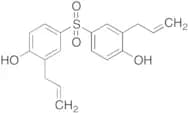
CAS:Controlled Product<p>Applications TGSH has been used in the preparation of microcapsules for light-thermal sensitive imaging system.<br>References Li, X., et. al.: J. Imaging Sci. Techn., 51, 122 (2007)<br></p>Formula:C18H18O4SColor and Shape:Off-WhiteMolecular weight:330.40Repaglinide-ethyl-d5
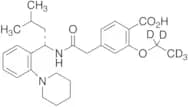
CAS:Controlled Product<p>Applications Deuterated Repaglinide, a non-sulfonylurea oral hypoglycemic agent which is used as an antidiabetic.<br>References Wolffenbuttel, B.H.R., et al.: Eur. J. Clin. Pharmacol., 45, 113 (1993), Ampudia-Blasco, F.J., et al.: Diabetologia, 37, 703 (1994),<br></p>Formula:C272H5H31N2O4Color and Shape:White SolidMolecular weight:457.62L-Glutamic acid dibenzyl ester 4-toluenesulfonate
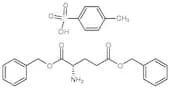
CAS:Controlled Product<p>Applications L-Glutamic acid dibenzyl ester 4-toluenesulfonate<br></p>Formula:C26H29NO7SColor and Shape:NeatMolecular weight:499.58Basic Blue 26
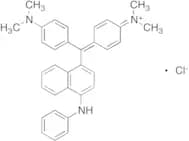
CAS:<p>Stability Hygroscopic, Light Sensitive<br>Applications Basic Blue 26 is a basic dye used in a variety of applications and industries, including the cosmetic industry where it is found in temporary hair dyes. Basic Blue 26 adsorbs well to activated carbon surfaces.<br>References Williams, T. N.; et al.: ACS Sustainable Chem. Eng., 6, 2344 (2018); Vieira de Souza, T. N.; et al.: Appl. Surf. Sci., 448, 662 (2018).<br></p>Formula:C33H32N3·ClColor and Shape:Blue SolidMolecular weight:506.08Biocytin
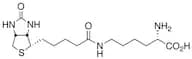
CAS:<p>Applications Useful for the synthesis of Biocytin containing peptides to study the mechanism of reactions catalyzed by biotin - containing enzymes.<br>References Bodanszky, M., and Fagan, D.T.: J. Am. Chem. Soc., 99, 235 (1977)<br></p>Formula:C16H28N4O4SColor and Shape:White To Off-WhiteMolecular weight:372.48Miltefosine
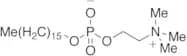
CAS:Controlled Product<p>Applications A phospholipid drug with antineoplastic and antiprotozoal/antifungal properties, also acts as an Akt inhibitor, and under investigation as a potential therapy against HIV infection.<br> Not a dangerous good if item is equal to or less than 1g/ml and there is less than 100g/ml in the package<br>References Chugh, P., et al al.: Retrovirology, 5, 11 (2008), Dorio, T., et al.: Antimicrob. Agents Chemother., 52, 2855 (2008),<br></p>Formula:C21H46NO4PColor and Shape:NeatMolecular weight:407.5712-Hydroxystearic Acid
CAS:Controlled Product<p>Applications 12-Hydroxystearic Acid is used in edible vegetable oils and organogels.<br>References Rogers, M. et al.: Soft. Matt., 4, 1483 (2008); Hughes, N. et al.: Trends. Food. Sci. Tech., 20, 470 (2009);<br></p>Formula:C18H36O3Color and Shape:White To BeigeMolecular weight:300.48Hydrogenated Soya Phosphatidylcholine
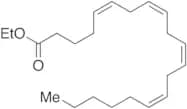
CAS:Controlled ProductFormula:C73H103N17O26Color and Shape:NeatMolecular weight:NAEthyl Arachidonate
CAS:Controlled Product<p>Applications Arachidonic acid (AA) is an unsaturated omega-6 fatty acid constituent of the phospholipids of cell membranes. Phospholipase A2 releases AA from the membrane phospholipids in response to inflammation.<br>References Peterson, J., et al.: J. Pediatr., 152, 788 (2008), Pichini, S., et al.: J. Pharm. Biomed. Anal., 48, 927 (2008),<br></p>Formula:C22H36O2Color and Shape:NeatMolecular weight:332.52o-Aminoazotoluene
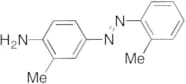
CAS:Controlled Product<p>Stability Light Sensitive<br>Applications The metabolites of o-Aminoazotoluene has been shown to be strongly mutagenic but the mutagenesis is inhibited by 7,8-benzoflavone. Dyes and metabolites, Environmental Testing<br> Not a dangerous good if item is equal to or less than 1g/ml and there is less than 100g/ml in the package<br>References Degawa, M., Kanazawa, C., Hashimoto, Y.: Carcinogenesis, 3, 1113 (1982)<br></p>Formula:C14H15N3Color and Shape:Dark YellowMolecular weight:225.29sn-Glycero-3-phosphocholine-d9
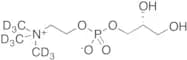
CAS:Controlled Product<p>Stability Hygroscopic<br>Applications sn-Glycero-3-phosphocholine-d9 is an isotope labelled analog of sn-Glycero-3-phosphocholine (G598700); a phospholipid and precursor in choline biosynthesis. sn-Glycero-3-phosphocholine is an intermediate in the catabolic pathway of phosphatidylcholine and is used as an nootropic.<br>References Schmidt, G., et al.: J. Biol. Chem., 161, 523 (1945); Frattola, L., et al.: Curr. Ther. Res., 49, 683 (1991); Olson, D., et al.: Science, 270, 1967 (1995)<br></p>Formula:C8H11D9NO6PColor and Shape:Colourless To Light YellowMolecular weight:266.28Fast Green FCF (Technical Grade)
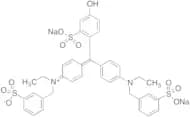
CAS:Controlled Product<p>Applications Fast Green FCF is a widely utilized tissue and protein stain used in IEF & SDS-PAGE, fluoresces near IR. Dyes and metabolites, Environmental Testing<br></p>Formula:C37H34N2O10S3·2NaColor and Shape:NeatMolecular weight:808.85Pentostatin
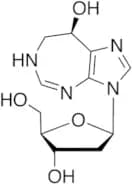
CAS:Controlled Product<p>Applications An adenosine deaminase inhibitor used as an anti-cancer therapeutic drug. Shown to be effective in the treatment of hairy cell leukemia as well as having use in the treatment of other types of cancer such as chronic lymphocytic leukemia.<br> Not a dangerous good if item is equal to or less than 1g/ml and there is less than 100g/ml in the package<br>References Rogler-Brown, T. et al.: Biochem. Pharmacol., 28, 201 (1979); Johnston, J.B. et al.: J. Natl. Canvcer Inst., 80, 765 (1988); Fortune, A.F. et al.: Leuk. and Lymph., 51, 839 (2010); Robak, T. et al.: Drugs, 69, 2415 (2009);<br></p>Formula:C11H16N4O4Color and Shape:White To Off-WhiteMolecular weight:268.273’-Deoxyguanosine (>90%)
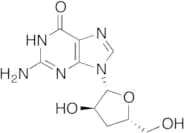
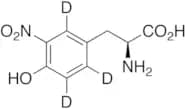
CAS:Controlled Product<p>Applications 3’-Deoxyguanosine is a derivative of guanosine, a ligand which may be complexe with enzymes such as purine nucleoside phosphorylase and receptors. Potential anti-amoebic agent.<br>References Gaubert, G. et al.: Biochimie., 81, 1041 (1999);<br></p>Formula:C10H13N5O4Purity:>90%Color and Shape:NeatMolecular weight:267.243-Nitro-L-tyrosine-d3
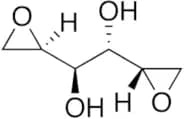
CAS:Controlled Product<p>Applications A labelled marker for peroxynitrite. Oxidant and cytotoxic agent.<br>References Sekiguchi, M., et al.: Brain Res., 978, 228 (2003), van den Tweel, E., et al.: J. Neurobiol., 167, 64 (2005), Shirakura, T., et al.: Biol. Pharm. Bull., 28, 1658 (2005),<br></p>Formula:C9D3H7N2O5Color and Shape:NeatMolecular weight:229.2Dulcitol Diepoxide
CAS:Controlled Product<p>Applications Dulcitol Diepoxide is a cytostatic drug. Dulcitol Diepoxide can be used for treatment of leukemia, lung cancer, multiple myeloma, and nasopharyngeal carcinoma.<br> Not a dangerous good if item is equal to or less than 1g/ml and there is less than 100g/ml in the package<br>References Ren, S., et al.: J. Drug Target, 4, 103 (1996), Ren, S., et al.: Prog. Drug Res., 54, 1 (2000), Brustle, M., et al.: J. Med. Chem., 45, 3345 (2002), McGuire, J., et al.: Curr. Pharm. Design, 9, 2593 (2003),<br></p>Formula:C6H10O4Color and Shape:NeatMolecular weight:146.144-[2-[(3-Ethyl-4-methyl-2-oxo-3-pyrrolin-1-yl)carboxamido]ethyl]benzenesulfonamide
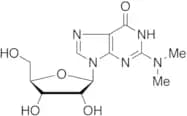
CAS:<p>Impurity Glimepiride EP Impurity B/ USP Glimepiride Related Compound B<br>Applications 4-[2-[(3-Ethyl-4-methyl-2-oxo-3-pyrrolin-1-yl)carboxamido]ethyl]benzenesulfonamide (Glimepiride EP Impurity B) is an intermediate for the preparation of Glimepiride.<br></p>Formula:C16H21N3O4SColor and Shape:Off-WhiteMolecular weight:351.422-(Dimethylamino)guanosine
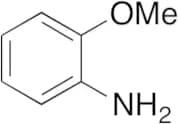
CAS:Controlled Product<p>Applications 2-(Dimethylamino)guanosine (cas# 2140-67-2) is a compound useful in organic synthesis.<br></p>Formula:C12H17N5O5Color and Shape:NeatMolecular weight:311.29o-Anisidine
CAS:Controlled Product<p>Applications o-Anisidine, is a highly toxic environmental pollutant and digestive system carcinogen. It is also a toxin that has been identified to be present in cigarettes.Environmental toxin on US EPA Toxic Release Inventory list (TRI) list.<br> Not a dangerous good if item is equal to or less than 1g/ml and there is less than 100g/ml in the package<br>References Coggins, C.R.E. et al.: Inhal. Toxicol., 23, 41 (2011); Dracinska, H. et al.: Neuroendorinol. Lett., 27, 9 (2006); Naiman, K. et al.: Neuroendocrinol. Lett., 31, 36 (2010);<br></p>Formula:C7H9NOColor and Shape:Dark Red To Dark BrownMolecular weight:123.15Cashmeran
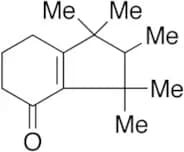
CAS:Controlled Product<p>Applications A synthetic musk fragrance compound (polycyclic musk) used in personal care products, and can be found in the environment and the human body.<br>References Mori, T. et al.: Env. Sci., 14, 195 (2007); Int. J. Hygiene Env. Health, 123, 124 (2010); Yamauchi, R. et al.: Aquatic Toxic., 90, 261 (2008);<br></p>Formula:C14H22OColor and Shape:Off White Solid With A Low Melting PointMolecular weight:206.32Bis[2,5-Dimethoxy-4-(p-nitrophenylazo)benzenediazonium] Chlorozincate
CAS:<p>Applications Bis[2,5-Dimethoxy-4-(p-nitrophenylazo)benzenediazonium] Chlorozincate can be used for test kits to detect and identify narcotics. It has also been assessed for its suitability as oxygen reduction electrocatalysts and sonoelectrocatalysts.<br>References Callahan, M.D., et.al., U.S., 13,(2017); Sljukic, B., et.al., Electroanalysis, 17,1025-1034,(2005);<br></p>Formula:C14H12N5O4Cl4ZnColor and Shape:NeatMolecular weight:835.77Clomazone
CAS:<p>Applications Clomazone is used in herbicidal combinations.<br> Not a dangerous good if item is equal to or less than 1g/ml and there is less than 100g/ml in the package<br>References Zagar, C., et al.: PCT Int. Appl. 53pp. (2020)<br></p>Formula:C12H14ClNO2Color and Shape:NeatMolecular weight:239.70N-Acetyl-D-mannosamine
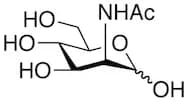
CAS:Controlled Product<p>Stability Hygroscopic<br>Applications A derivative of D-Mannosamine (M167000).<br>References Pukanud, P. et al.: Drug Delivery, 16, 289 (2009);<br></p>Formula:C8H15NO6Color and Shape:NeatMolecular weight:221.215-Aminolevulinic Acid Methyl Ester Hydrochloride
CAS:Controlled Product<p>Applications 5-Aminolevulinic Acid Methyl Ester Hydrochloride, is the methyl ester of Aminolevulinic Acid (ALA) (A611780), which has been shown to have higher lipophilicity, and to be highly efficient at inducing protoporphyrin IX (PpIX) production in cell culture.<br>References Morrow, D. I. J., et al.: J. Pharmac. Sci., 99, 3486 (2010); Peng, Q., et al.: Cancer, 79, 2282 (1997);<br></p>Formula:C6H11NO3·HClColor and Shape:NeatMolecular weight:181.622-Chloro-5-nitro-N-4-pyridinylbenzamide
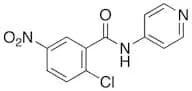
CAS:Controlled Product<p>Applications A cell-permeable chloro-nitro-benzamido compound that acts as a potent, specific, irreversible, and high-affinity antagonist of PPARγ with a Ki of 1 nM. Displays >800-fold greater selectivity for PPARγ over PPARα and PPARδ (Ki = 0.85 µM and 1.8 µM, respectively). Blocks hormone- and agonist-induced adipogenesis in 3T3-L1 cells. It suppresses interactions between PPARγ and coactivator-derived peptides, while promotes the recruitment of corepressor-derived peptides. Shown to modulate the interaction of PPARγ2 with the cofactor proteins through covalent binding to Cys313 in its ligand-binding domain.<br>References Lee, G., et al: J. Biol. Chem., 277, 19649 (2003), Schaefer, K.L., et al: Cancer Res., 65, 2251 (2005), Masuda, T., et al.: Clin. Cancer Res., 11, 4012 (2005), Raikwar, H.P., et al.: J. Neuroimmunol., 167, 99 (2005)<br></p>Formula:C12H8ClN3O3Color and Shape:NeatMolecular weight:277.66Tylosin 3-Acetate
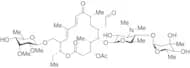
CAS:Controlled Product<p>Applications A new acyl derivative of Tylosin (T947650) produced by microbial transformation.<br>References Okamoto, R., et al.: J. Antibiotics, 33, 1300 (1980),<br></p>Formula:C48H79NO18Color and Shape:WhiteMolecular weight:958.144’-Bromomethyl-2-cyanobiphenyl
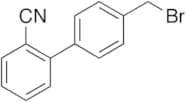
CAS:Controlled Product<p>Impurity Irbesartan Bromo Nitrile Impurity<br>Applications Halogenated benzonitrile used in protein-binding studies of quinoxaline angiotensin II receptor antagonists.<br> Not a dangerous good if item is equal to or less than 1g/ml and there is less than 100g/ml in the package<br>References KIm, Y.S., et al.: Bioorg. Med. Chem., 3, 2667 (1993),<br></p>Formula:C14H10BrNColor and Shape:NeatMolecular weight:272.141,1,2,2,3,3,4,4,4-Nonafluoro-N-(2-hydroxyethyl)-N-methyl-1-butanesulfonamide
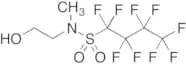
CAS:Formula:C7H8F9NO3SColor and Shape:NeatMolecular weight:357.19C.I.Solvent Orange 3
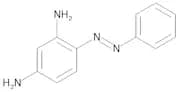
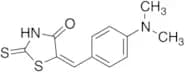
CAS:Controlled Product<p>Applications C.I.Solvent Orange 3 (CAS# 495-54-5) is a useful research chemical compound.<br></p>Formula:C12H12N4Color and Shape:OrangeMolecular weight:212.254-(Dimethylaminobenzylidene)rhodanine
CAS:Controlled Product<p>Applications 4-(Dimethylaminobenzylidene)rhodanine is a useful research chemical in analytical techniques such as electrochemistry that investigate adsorption and corrosion inhibition by metals.<br>References Solmaz, R. et al.: Corrosion. Sci., 79, 169 (2014);<br></p>Formula:C12H12N2OS2Color and Shape:NeatMolecular weight:264.3663-Oxo-5β-cholanoic Acid
CAS:Controlled Product<p>Applications 3-Oxo-5β-cholanoic Acid is a steroid compound with pharmacological activity. It is a bile acid. Also used in the preparation of lithocholic acid derivatives used as proteasome regulators.<br>References Iqbal, M. et al.: Steroids. 53, 413 (1989); Deyashiki, Y. et al.: Biochm. J., 282, 741 (1992);<br></p>Formula:C24H38O3Color and Shape:NeatMolecular weight:374.56Stearoyl L-a-Lysolecithin
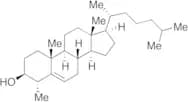
CAS:<p>Stability Hygroscopic, moisture sensitive<br>Applications Stearoyl L-α-Lysolecithin is an bioactive lysophosphatidylcholine derived compound found to be released by bronchial epithelial cells. Stearoyl L-α-Lysolecithin have also been utilized in the development of liposomes and michelles by drug transdermal delivery devices.<br>References Zhuge, Y., et al.: Allergy Asthma Immunol Res., 6, 66 (2014)<br></p>Formula:C26H54NO7PColor and Shape:NeatMolecular weight:523.684a-Methyl-cholesterol
CAS:<p>Applications 4α-Methyl-cholest-5-en-3β-ol is a derivative of Cholesterol (C432501), a major component of all biological membranes; ~25% of total brain lipid is Cholesterol. Cholesterol is the principal sterol of the higher animals. Cholesterol was found in all body tissues, especial in the brain, spinal cord, and in animal fats or oils. Cholesterol is the main constituent of gallstones.<br>References Rosin, Z., et al.: Physiol. Chem., 124, 282 (1923), Schoenheimer, et al.: J. Biol. Chem., 105, 355 (1934), Gemant, et al.: Life Sci., 1, 233 (1962), Johnson, K., et al.: 4, 457 (1964),<br></p>Formula:C28H48OColor and Shape:White To Off-WhiteMolecular weight:400.68D-Leucyl-L-Tyrosine
CAS:Controlled Product<p>Applications D-LEUCYL-L-TYROSINE (cas# 3303-29-5) is a useful research chemical.<br></p>Formula:C15H22N2O4Color and Shape:NeatMolecular weight:294.35Pig ADST(Androstenone) ELISA Kit
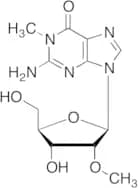
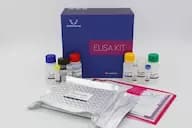
<p>This assay employs the competitive inhibition enzyme immunoassay technique. The microtiter plate provided in this kit has been pre-coated with Pig ADST. Standards or samples are added to the appropriate microtiter plate wells then with a biotin-conjugated antibody specific to Pig ADST. Next, Avidin conjugated to Horseradish Peroxidase (HRP) is added to each microplate well and incubated. After TMB substrate solution is added. The enzyme-substrate reaction is terminated by the addition of sulphuric acid solution and the color change is measured spectrophotometrically at a wavelength of 450nm ± 10nm. The concentration of Pig ADST in the samples is then determined by comparing the OD of the samples to the standard curve.</p>Color and Shape:Colourless Transparentliquid1,2’-O-Dimethylguanosine
CAS:Controlled ProductFormula:C12H17N5O5Color and Shape:White To BeigeMolecular weight:311.294Pig DPD(deoxypyridinoline) ELISA Kit
<p>The test principle applied in this kit is Sandwich enzyme immunoassay. The microtiter plate provided in this kit has been pre-coated with an antibody specific to Pig DPD. Standards or samples are added to the appropriate microtiter plate wells then with a biotin-conjugated antibody specific to Pig DPD. Next, Avidin conjugated to Horseradish Peroxidase (HRP) is added to each microplate well and incubated. After TMB substrate solution is added, only those wells that contain Pig DPD, biotin-conjugated antibody and enzyme-conjugated Avidin will exhibit a change in color. The enzyme-substrate reaction is terminated by the addition of sulphuric acid solution and the color change is measured spectrophotometrically at a wavelength of 450nm ± 10nm. The concentration of Pig DPD in the samples is then determined by comparing the OD of the samples to the standard curve.</p>Color and Shape:Colourless TransparentliquidThiodiglycolic Acid-d4
CAS:Controlled Product<p>Applications Thiodiglycolic Acid-d4 acts as a reagent for the synthesis of metabolites of S-carboxymethyl-L-cysteine and S-methyl-L-Cysteine and of some isotoically labelled (2H, 13C) analogs.<br>References Meese, C. O., et al.: Archiv der Pharmazie, 323, 957 (1990)<br></p>Formula:C4D4H2O4SColor and Shape:NeatMolecular weight:154.17Cytosine-5,6-d2
CAS:Controlled Product<p>Applications Cytosine-5,6-d2 (CAS# 106391-24-6) is a useful isotopically labeled research compound.<br></p>Formula:C42H2H3N3OColor and Shape:NeatMolecular weight:113.11Lithocholic Acid-d4
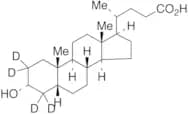
CAS:Controlled Product<p>Applications A labelled cholic acid derivative as TGR5 modulator. Found in ox bile, human bile, rabbit bile, and in ox and pig gallstones.<br>References Brindle, J., et al.: Nat. Med., 12, 1439 (2002), Lindon, J., et al.: Biomarkers, 9, 1 (2004), Holmes, E., et al.: Cell, 134, 714 (2008),<br></p>Formula:C242H4H36O3Color and Shape:Off-WhiteMolecular weight:380.6014,15-Epoxyeicosatrienoic Acid
CAS:Controlled Product<p>Applications Epoxyeicosatrienoic Acid (EET) has antihypertensive and anti-inflammatory properties and play a role in the maintenance of renal vascular function. N,N'-dicyclohexylurea (DCU) increased release of 14,15-EET when the cells were stimulated with a calcium ionophore.Also, it is derived from Arachidonic Acid >97% (A765000), which is an essential fatty acid and a precursor in the biosynthesis of prostaglandins, thromboxanes, and leukotrienes. Arachidonic Acid occurs in liver, brain, glandular organs, and depot fats of animals, in small amounts in human depot fats, and Arachidonic Acid is also a constituent of animal phosphatides.<br>References Zhao, X., et al.: J. Am. Soc. Nephrol., 15, 1244 (2004); Fang, X., et al.: J. Biol. Chem., 276, 14867 (2001); Kurosawa, T., et al.: J. Cell. Physiol., 219, 606 (2009); Mazalli, M., et al.: J. Agric. Food Chem., 57, 5028 (2009);<br></p>Formula:C20H32O3Color and Shape:NeatMolecular weight:320.466Rat PYD(pyridinoline) ELISA Kit
<p>The test principle applied in this kit is Sandwich enzyme immunoassay. The microtiter plate provided in this kit has been pre-coated with an antibody specific to Rat PYD. Standards or samples are added to the appropriate microtiter plate wells then with a biotin-conjugated antibody specific to Rat PYD. Next, Avidin conjugated to Horseradish Peroxidase (HRP) is added to each microplate well and incubated. After TMB substrate solution is added, only those wells that contain Rat PYD, biotin-conjugated antibody and enzyme-conjugated Avidin will exhibit a change in color. The enzyme-substrate reaction is terminated by the addition of sulphuric acid solution and the color change is measured spectrophotometrically at a wavelength of 450nm ± 10nm. The concentration of Rat PYD in the samples is then determined by comparing the OD of the samples to the standard curve.</p>Color and Shape:Colourless Transparentliquid1-Palmitoyl-rac-glycerol
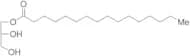
CAS:<p>Applications 1-Palmitoyl-rac-glycerol is a biomarker of metabolic responses to hepatotoxicants and carcinogens.<br>References Broadhurst, D., et al.: Metabolomics, 2, 171 (2006), Shi, J., et al.: Nat. Biotechnol., 25, 930 (2007),<br></p>Formula:C19H38O4Color and Shape:NeatMolecular weight:330.50Rhodamine 6G
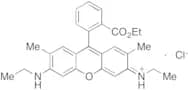
CAS:<p>Applications Rhodamine 6G is a fluorescent hydrophilic pH-sensitive dye that has been used on organosilicate nanoparticles as cell-preserving labels for photoacoustic signal generation. Dyes and metabolites, Environmental Testing<br> Not a dangerous good if item is equal to or less than 1g/ml and there is less than 100g/ml in the package<br>References O’Malley, S.M., et. al.: Chem. Phys. Lett., 615, 30 (2014); Silina, Y.E., et. al.: Analyst, 140, 771 (2015); Ramirez-Perez, F.I., et. al.: J. Biomed. Nanotech., 10, 3337 (2014)<br></p>Formula:C28H30N2O3·ClHColor and Shape:Dark RedMolecular weight:479.01m-nitro-(R,R)-threo-Chloramphenicol
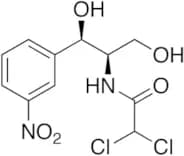
CAS:Controlled Product<p>Stability Hygroscopic<br>Applications The D-threo-stereoisomer of the m-nitro analog of (+/-)-Chloramphenicol.<br>References Cammarata, A., et al.: J. Med. Chem., 10, 525 (1967),<br></p>Formula:C11H12Cl2N2O5Color and Shape:NeatMolecular weight:323.131-Methyl-Inosine
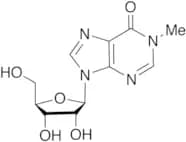
CAS:Controlled Product<p>Applications 1-Methyl-Inosine is a modified nucleoside which is present in higher concentrations in the urinary excretion of patients afflicted with breast cancer. It acts a a biomarker for diagnosis of the disease.<br>References Frickenschmidt, A. et al.: Biomark., 13, 435 (2008); Studzinska, S. et al.: J. Chrom. B. Tech. Biomed. Life Sci., 887, 93 (2012);<br></p>Formula:C11H14N4O5Color and Shape:NeatMolecular weight:282.25DAPT
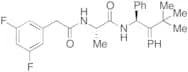
CAS:<p>Applications DAPT is a γ-secretase inhibitor which inhibits thegrowth of cancer cells and epethelial and mesenchymal transition (1,2).<br>References (1) Li, L. et al.: Oncol Lett. 7, 2160 (2014) (2) Wang, M. et al.: Int. J. Onc., 44, 1401 (2014)<br></p>Formula:C23H26F2N2O4Color and Shape:Off White SolidMolecular weight:432.46Kynurenic Acid-d5
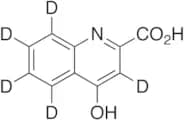
CAS:Controlled Product<p>Applications A labelled product of L-Tryptophan metabolism, possessing neruoactive activity having antiexcitotoxic and anticonvulsant properties.<br>References Wejksza, K., et al.: Pharmacol. Rep., 61, 751 (2009), Gohil, V., et al.: Nat. Biotechnol., 28, 249 (2010), Di Natale, B., et al.: Toxicol. Sci., 115, 89 (2010),<br></p>Formula:C102H5H2NO3Color and Shape:BeigeMolecular weight:194.20Mouse ADO(Adenosine) ELISA Kit
<p>The test principle applied in this kit is Sandwich enzyme immunoassay. The microtiter plate provided in this kit has been pre-coated with an antibody specific to Mouse ADO. Standards or samples are added to the appropriate microtiter plate wells then with a biotin-conjugated antibody specific to Mouse ADO. Next, Avidin conjugated to Horseradish Peroxidase (HRP) is added to each microplate well and incubated. After TMB substrate solution is added, only those wells that contain Mouse ADO, biotin-conjugated antibody and enzyme-conjugated Avidin will exhibit a change in color. The enzyme-substrate reaction is terminated by the addition of sulphuric acid solution and the color change is measured spectrophotometrically at a wavelength of 450nm ± 10nm. The concentration of Mouse ADO in the samples is then determined by comparing the OD of the samples to the standard curve.</p>Color and Shape:Colourless TransparentliquidN-Acetyl-S-benzyl-d5-L-cysteine
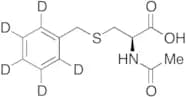
CAS:Controlled Product<p>Applications N-Acetyl-S-benzyl-d5-L-cysteine is deuterium labelled N-Acetyl-S-benzyl-L-cysteine, which is a metabolite of toluene.<br>References Gargas, M., et al.: Toxicol. Appl. Pharmacol., 98, 87 (1989), Commandeur, J., et al.: Pharmacol. Rev., 47(2), 271 (1995), Campo, P., et al.: Neurotoxicol. Teratol., 21, 427 (1999), Lohse, C., et al.: J. Agr. Food Chem., 48, 5913 (2000),<br></p>Formula:C12D5H10NO3SColor and Shape:NeatMolecular weight:258.35Indigo (Technical Grade)
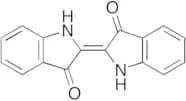
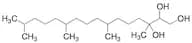
CAS:<p>Applications Indigo is a chemical compound used as a dye in industrial clothing and textile processes. Also used in the synthesis of organic semiconductors. Dyes and metabolites.<br>References He, B. et al.: J. Am. Chem. Soc., 136, 15093 (2014); Pitayatanakul, O. et al.: J. mat. Chem. C., Mat. Op. Elec. Dev., 9311 (2014);<br></p>Formula:C16H10N2O2Color and Shape:NeatMolecular weight:262.26Phytantriol
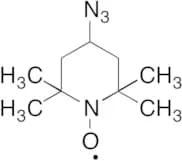
CAS:Controlled Product<p>Applications Phytantriol 74563-64-7 (cas# 74563-64-7) is a useful research chemical.<br></p>Formula:C20H42O3Color and Shape:NeatMolecular weight:330.554-Azido-2,2,6,6-tetramethyl-1-piperidinyloxy
CAS:Controlled Product<p>Applications An intermediate in the preparation of 4-Amino-2,2,6,6-tetra-methyl Piperidine-1-oxyl.<br>References Li, W., et al.: J. Pharm. Pharmacol., 58, 941 (2006),<br></p>Formula:C9H17N4OColor and Shape:Orange SolidMolecular weight:197.26Triglycol
CAS:Controlled Product<p>Applications Triglycol is used in a mixture with 2-amino-2-methyl-1-propanol in a CO2 absorption-regeneration process.<br>References Zheng, C., et. al.: Ind. Eng. Chem. Res., 51, 11236 (2012)<br></p>Formula:C6H14O4Color and Shape:ColourlessMolecular weight:150.17Human ADO(Adenosine) ELISA Kit
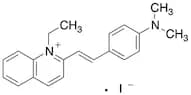
<p>The test principle applied in this kit is Sandwich enzyme immunoassay. The microtiter plate provided in this kit has been pre-coated with an antibody specific to Human ADO. Standards or samples are added to the appropriate microtiter plate wells then with a biotin-conjugated antibody specific to Human ADO. Next, Avidin conjugated to Horseradish Peroxidase (HRP) is added to each microplate well and incubated. After TMB substrate solution is added, only those wells that contain Human ADO, biotin-conjugated antibody and enzyme-conjugated Avidin will exhibit a change in color. The enzyme-substrate reaction is terminated by the addition of sulphuric acid solution and the color change is measured spectrophotometrically at a wavelength of 450nm ± 10nm. The concentration of Human ADO in the samples is then determined by comparing the OD of the samples to the standard curve.</p>Color and Shape:Colourless TransparentliquidQuinaldine Red
CAS:Controlled Product<p>Stability Light Sensitive<br>Applications Quinaldine Red is a cationic fluorescent probe. Dyes and metabolites.<br></p>Formula:C21H23N2·IColor and Shape:BlackMolecular weight:303.43 + (126.90)16β-Hydroxy Stanozolol
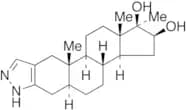
CAS:Controlled Product<p>Stability Hygroscopic<br>Applications It is one of the mono-hydroxylated metabolite of Stanozolol (S684500), an internal standard in doping analysis.<br>References Chung, B., et al.: J. Anal. Toxicol., 14, 91 (1990), Schanzer, W., et al.: J. Steroid Biochem., 36, 153 (1990), Phillis, B., et al.: Eur. J. Pharmacol., 398, 263 (2000)<br></p>Formula:C21H32N2O2Color and Shape:White To Off-WhiteMolecular weight:344.49Sudan Black
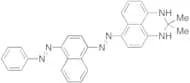
CAS:<p>Applications Sudan Black is a basic black dye that is used in staining triglycerides and lipids off some lipoproteins. Biological stain. Dyes and metabolites, Environmental Testing.<br>References Bronner, R., Stain Technology, 50, 1 (1975); Stiborova, M., et al.: Cancer Res., 62, 5678 (2002), Chen, H., et al.: Microbiology, 151, 1433 (2005), An, Y., et al.: Mutat. Res., 627, 164 (2007), Wang, S., et al.: J. Agric. Food Chem., 55, 3869 (2007),<br></p>Formula:C29H24N6Color and Shape:BlackMolecular weight:456.54Folcysteine
CAS:Controlled Product<p>Applications A cysteine derivative as potential antitumor agent. (A609645)A vitamin needed to synthesize DNA, conduct DNA repair and methylate DNA, it also acts as a cofactor in biological reactions involving folate. (F680300)<br>References Paul, B., et al.: J. Med. Chem., et al.: 19, 1002 (1976), Xu, L., et al.: Mol. Pharm., 7, 1311 (2010), Everette, J., et al.: J. Agric. Food Chem., 58, 8139 (2010), Alshatwi, A., et al.: Food, Chem., Toxicol., 48, 1881 (2010), McKay, D., et al.: Nut. J., 9 (2010),<br></p>Formula:C19H19N7O6·C6H9NO3SColor and Shape:YellowMolecular weight:616.1721-Deoxy Cortisone
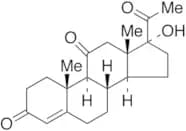
CAS:Controlled Product<p>Applications A Cortisone derivative, a glucocorticoid.<br>References Mickelson, K., et al.: Biochemistry, 20, 6211 (1981), Westphal, U., et al.: J. Steroid Biochem., 19, 1 (1983),<br></p>Formula:C21H28O4Color and Shape:NeatMolecular weight:344.44Cyclo(Leu-Gly)
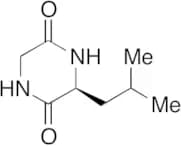
CAS:Controlled Product<p>Applications Cyclo(Leu-Gly) is an antimicrobial compound produced by Latobacillus plantarum.<br>References Niku-Paavola, M., et al.: J. Appl. Microbiol., 86, 29 (1999)<br></p>Formula:C8H14N2O2Color and Shape:Off-WhiteMolecular weight:170.21L-Homoarginine Hydrochloride
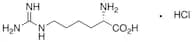
CAS:Controlled Product<p>Stability Moisture Sensitive<br>Applications An inhibitor of alkaline phosphatase isoenzymes. An analog of Homoarginine (H585000).<br>References Muth, W., et al.: J. Biol. Chem., 249, 7463 (1974), Hanukoglu, I., et al.: Eur. J. Biochem., 180, 479 (1989), Khaw, L., et al.: J. Bacteriol. 180, 809 (1998), Gallagher, D., et al.: J. Mol. Biol., 342, 119 (2004),<br></p>Formula:C7H16N4O2·ClHColor and Shape:NeatMolecular weight:224.69Disperse Red 1 (Technical Grade)
CAS:Controlled Product<p>Applications Disperse Red 1 is an azo disperse dye which is water insoluble. Disperse Red 1 can be used to dye polyester and acetate fibers. Dyes and metabolites, Environmental Testing.<br>References Sareek, J.: J. Soc. Dyers Colour., 78, 326 (1962); Iskender, M., et al.: Textile Res. J., 75, 462 (2005)<br></p>Formula:C16H18N4O3Color and Shape:NeatMolecular weight:314.34Piperacilloic Acid
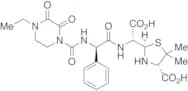
CAS:Controlled Product<p>Impurity Piperacillin EP Impurity B<br>Stability Hygroscopic, Temperature Sensitive<br>Applications Piperacilloic Acid (Piperacillin EP Impurity B) is a degradation product of Piperacillin (P479950), a new β-lactam antibiotic.<br>References Waxman, D.J., et al.: J. Biol. Chem., 255, 3964 (1980), Waley, S.G., et al.: Biochem. J., et al.: 205, 631 (1982),<br></p>Formula:C23H29N5O8SPurity:>80%Color and Shape:White To Light YellowMolecular weight:535.57Pantothenic Acid-13C3,15N Hemicalcium Salt
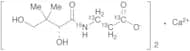
CAS:<p>Applications Labelled Pantothenic Acid. A member of the B complex vitamins; essential vitamin for the biosynthesis of coenzyme A in mammalian cells. Occurs ubiquitously in all animal and plant tissue. The richest common source is liver, but jelly of the queen bee contains 6 times as much as liver. Rice bran and molasses are other good sources.<br>References Gardner, P., et al.: Food Chem., 68, 471 (2000), Ou, B., et al.: J. Agric. Food Chem., 50, 2772 (2002), Bahorun, T., et al.: J. Sci. Food Agric., 84, 1553 (2004),<br></p>Formula:C3C6H1615NO5·CaColor and Shape:BeigeMolecular weight:484.47Ferroprotoporphyrin IX
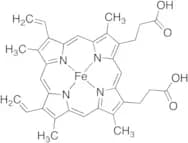
CAS:<p>Stability Light Sensitive<br>Applications Ferroprotoporphyrin IX is a metabolite formed during biosynthesis and is used to evaluate iron nutrition and metabolism. It is also an iron containing cofactor that is involved with a wide range of cellular functions including oxygen transport.<br>References Labbe, R.F., et. al.: Clin. Chem., 45, 146 (1999); Yuan, X., et al.: Proc. Natl. Acad. Sci. USA 113, E5144 (2016);<br></p>Formula:C34H32FeN4O42Color and Shape:NeatMolecular weight:616.49Coumarin 1
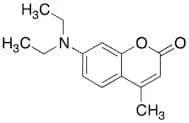
CAS:Controlled Product<p>Applications Coumarin 1, also 7-(Diethylamino)-4-methylcoumarin, is potentially useful as a laser dye.<br>References F.P. Schafer, Ed., Dye Lasers , Springer, Berlin, (1973)<br></p>Formula:C14H17NO2Color and Shape:NeatMolecular weight:231.29β-Alanine-13C3,15N
CAS:Controlled Product<p>Applications β-Alanine-13C3,15N is the isotope labeled analogue of β-Alanine (A637320), which is a naturally occurring beta amino acid. β-Alanine is formed in vivo by the degradation of Dihydro Uracil (D449990) and Carnosine. β-Alanine is also the rate-limiting precursor of Carnosine, as a result supplementation with β-Alanine increases the concentration of Carnosine in muscles.<br>References Derave, W. et al.: J. Appl. Physiol., 103, 1736 (2007); Xia, J.-F. et al.: J. Chrom. B Anal. Technol. Biomed. Life Sci., 977, 1930 (2009); Artioli, G.G. et al.: Med. Sci. Sports Exer.,42, 1162 (2010);<br></p>Formula:C3H715NO2Color and Shape:NeatMolecular weight:93.06N-[4-(-Carboxycyclohexylmethyl)]maleimide
CAS:Controlled Product<p>Applications A sulfhydryl crosslinking reagent.<br>References Casale, G., et al.: Chem. Res. Toxicol., 9, 1037 (1996), Misra, A., et al.: Bioorg. Med. Chem. Lett., 17, 3749 (2007),<br></p>Formula:C12H15NO4Color and Shape:NeatMolecular weight:237.25Lumogallion
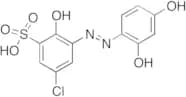
CAS:Controlled Product<p>Applications Lumogallion is a fluorimetric reagent for the detection of Aluminum, Gallium and other metals.<br>References A.M., Lukin, E.A., Bozshevolnov, Zh, Anal. Khim. 15, 43 (1960); R.A., Zweidinger, L. Barnett, C.G., Ditt, Anal. Chem. 45, 1563 (1973); T., Imasaka, K., Kina, Y., Goto, Anal. Chim. Acta. 129, 195 (1981); N., Ishibashi, K., Kina,, Anal. Lett., 5, 637 (1972); A.G., Howard, A.J., Coxhead, I.A., Potter, A.P., Watt, Analyst(London), 111, 1379 (1986); D.J., Hydes, P.S., Liss, ibid., 101, 922 (1976); G.R., Haugen, I.L., Steinmetz, T.B., Herschfeld, S.M., Klainer, Appl. Spectrose., 35, 568 (1981); I.P., Alimarin, S.B., Savvin, Talanta 13, 689 (1966); A., Sanz-Medel, M.M.F., Perez, M. de la Guardia, J.L., Carrion, Anal.Chem., 58, 2161 (1986)<br></p>Formula:C12H9ClN2O6SColor and Shape:NeatMolecular weight:344.73Nisin Z (~80%) Hydrochloride
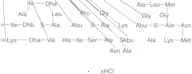
CAS:<p>Applications Nisin Z Hydrochloride is a peptide antibiotic synthesized by Lactococcus lactis. Nisin Z interacts with lipid II, a lipid component of cell wall, to form pores in the plasma membrane.<br>References Kuipers, O. P., et al.: J. Biol. Chem. 270, 27299 (1995); Breukink, E., et al.: Science 286, 2361 (1999); Breukink, E., et al.: Biochemistry 36, 6968 (1997)<br></p>Formula:C141H229N41O38S7·x(HCl)Color and Shape:NeatMolecular weight:3331.033646C6 Ceramide
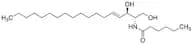
CAS:Controlled Product<p>Applications A biologically active, cell permeable, but nonphysiologic ceramide analog. It stimulates protein phosphatase 2A at concentrations as low as 10 nM and activiates MAP kinase. It induces apoptosis and inhibits glycoproptein traffic by the secretory pathway.<br>References Liu, Z., et al.: J. Neurochem., 106, 2463 (2008), Heakal, Y., et al.: Mol. Cancer Res., 7, 724 (2009), Chen-Quay, S., et al.: J. Pharm. Sci., 98, 606 (2009), Mahdy, A., et al.: Mol. Ther., 17, 430 (2009),<br></p>Formula:C24H47NO3Color and Shape:White To Off-WhiteMolecular weight:397.634-Nitrophenyl 2-(Acetamido)-2-deoxy-3-O-β-D-galactopyranosyl-α-D-galactopyranoside
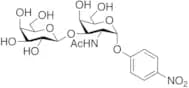
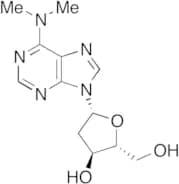
CAS:Controlled Product<p>Applications Acetylgalactosaminidase sequence substrate Clostridium Bifidobacterium. A fluorescent substrate for α2,3-(O)-Sialyltransferase<br>References Medina, M. et al.: Cancer Res. 59,1061-1070, (1999)<br></p>Formula:C20H28N2O13Color and Shape:NeatMolecular weight:504.44N6-Dimethyldeoxyadenosine
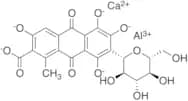
CAS:Controlled ProductFormula:C12H17N5O3Color and Shape:NeatMolecular weight:279.295Carmine (C.I. 75470) (Technical Grade)
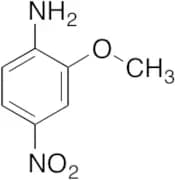
CAS:Controlled Product<p>Applications Carmine (C.I. 75470) (CAS# 1390-65-4) is an insect-based food dye. Carmine has excellent heat and light stability, but is a known human allergen. Dyes and metabolites.<br>References Dufosse, L., et al.: Journal of Food Composition and Analysis, 69, 156 (2018); Mueller-Maatsch, J.; et al.: Woodhead Publishing Series in Food Science, Technology and Nutrition, 295, 385 (2016)<br></p>Formula:C22H15AlCaO13Color and Shape:NeatMolecular weight:554.412-Methoxy-4-nitroaniline
CAS:<p>Applications 2-Methoxy-4-nitroaniline is a derivative of 4-Nitroaniline (N491770), which is used in the synthesis of photorefractive polymers, as novel chromophores in analytical study. As well, due to the absorption spectrum associated with 4-Nitroaniline, it is used to determine catechol derivatives in syntheses.<br>References Nagaraja, P. et al.: J. Pharm. Biomed. Anal., 25, 417 (2001);<br></p>Formula:C7H8N2O3Color and Shape:YellowMolecular weight:168.15Nα-Acetyl-L-ornithine
CAS:Controlled ProductFormula:C7H14N2O3Color and Shape:Off-WhiteMolecular weight:174.24-Methylumbelliferyl 6-Sulfo-2-acetamido-2-deoxy-α-D-glucopyranoside Sodium Salt (>90%)
CAS:Controlled Product<p>Applications 4-Methylumbelliferyl 6-Sulfo-2-acetamido-2-deoxy-α-D-glucopyranoside Sodium Salt is an analogue of 4-Methylumbelliferyl 6-Sulfo-2-acetamido-2-deoxy-α-D-glucopyranoside Potassium Salt (M334950) which is shown to be a substrate for the lysosomal N-acetylglucosamine-6-sulphate sulphatase.<br>References He, W., et al.: J. inher. Metab. Dis., 16, 935 (1993)<br></p>Formula:C18H20NO11S·NaPurity:>90%Color and Shape:NeatMolecular weight:481.41Human DPD(deoxypyridinoline) ELISA Kit
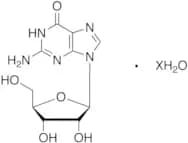
<p>The test principle applied in this kit is Sandwich enzyme immunoassay. The microtiter plate provided in this kit has been pre-coated with an antibody specific to Human DPD. Standards or samples are added to the appropriate microtiter plate wells then with a biotin-conjugated antibody specific to Human DPD. Next, Avidin conjugated to Horseradish Peroxidase (HRP) is added to each microplate well and incubated. After TMB substrate solution is added, only those wells that contain Human DPD, biotin-conjugated antibody and enzyme-conjugated Avidin will exhibit a change in color. The enzyme-substrate reaction is terminated by the addition of sulphuric acid solution and the color change is measured spectrophotometrically at a wavelength of 450nm ± 10nm. The concentration of Human DPD in the samples is then determined by comparing the OD of the samples to the standard curve.</p>Color and Shape:Colourless TransparentliquidGuanosine Hydrate
CAS:Controlled Product<p>Applications A constituent of nucleic acids.<br> Not a dangerous good if item is equal to or less than 1g/ml and there is less than 100g/ml in the package<br>References Miles, et al.: Science, 142, 1458 (1963), Bugg, et al.: Biochem. Biophys. Res. Commun., 3, 436 (1968),<br></p>Formula:C10H13N5O5·xH2OColor and Shape:NeatMolecular weight:283.24Nile Red
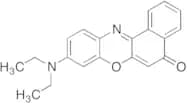
CAS:Controlled Product<p>Stability Light Sensitive<br>Applications Nile Red is a photostable, lipophilic stain with bright red fluorescence. Dyes and metabolites.<br></p>Formula:C20H18N2O2Color and Shape:NeatMolecular weight:318.372-Butyl-5,5-dimethyl-1,3-dioxane
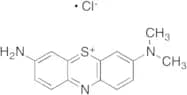
CAS:Controlled ProductFormula:C10H20O2Color and Shape:NeatMolecular weight:172.265Azure A (Technical Grade)
CAS:Controlled Product<p>Applications Azure A is an important nuclear staining component of polychrome methylene blue. Dyes and metabolites.<br></p>Formula:C14H14N3S·ClColor and Shape:NeatMolecular weight:256.35+(35.45)Cytidine 5'-Monophosphate
CAS:<p>Applications A constituent of nucleic acids. It was isolated from yeast nucleic acid.<br>References Parrou, J., et al.: Anal. Biochem., 248, 186 (1997), Phipps, A., et al.: Xenobiotica, 28, 527 (1998), Mohler, R., et al.: Anal. Chem., 78, 2700 (2006),<br></p>Formula:C9H14N3O8PColor and Shape:White CrystallineMolecular weight:323.20Adenosine 5’-Monophosphoramidate Sodium Salt
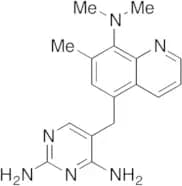
CAS:Controlled Product<p>Stability Hygroscopic<br>Applications Used in the characterization and elucidation of coordination requirements of adenine nucleotides complexes with Fe(II) ions.<br>References Richter, Y., et al.: Nucleos. Nucleot. Nucleic Acids, 22, 1757 (2003),<br></p>Formula:C10H14N6O6P·NaColor and Shape:NeatMolecular weight:368.22Baquiloprim
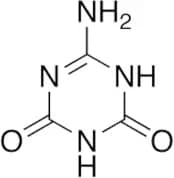
CAS:<p>Stability Hygroscopic<br>Applications Baquiloprim is an amiopyrimidine antibacterial synergist with high activity and slow elimination. Baquiloprim has a better half-life than trimethoprim.<br>References Zhi-hui, H., et al.: Anhui Nongye Kexue, 41, 2503 (2013)<br></p>Formula:C17H20N6Color and Shape:Light YellowMolecular weight:308.38Ammelide
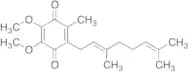
CAS:<p>Applications Ammelide, is a metabolite of Melamine (1) (M208700), which acts as a non-protein nitrogen food additive (2). Also present in pet foods as well (3).Drinking water contaminant candidate list 3 (CCL 3) compound as per United States Environmental Protection Agency (EPA). Environmental contaminants; Food contaminants.<br>References 1. Mast R. et al.: Food Chem Toxicol. 1983 Dec;21(6):807-10. 2. Ehling S. et al.: Food Addit. Contam. 2007 Dec;24(12):1319-25. 3. Vail T. et al.: J Anal Toxicol. 2007 Jul-Aug;31(6):304-12.<br></p>Formula:C3H4N4O2Color and Shape:ColourlessMolecular weight:128.09Coenzyme Q2
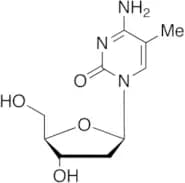
CAS:Controlled Product<p>Applications Coenzyme Q2 is a redox carrier in the mitochondrial respiratory chain in eukaryotic cells. It has been used to investigate interaction of coenzyme Q with phosphatidylethanolamine membranes.<br>References Do, T., et al.: J. Biol Chem. 276, 18161 (2001); Gomez-Fernandez, J. C., et al.: Eur. J. Biochem. 259, 739 (1999);<br></p>Formula:C19H26O4Color and Shape:NeatMolecular weight:318.4075-Methyl-2’-deoxy Cytidine
CAS:<p>Applications A Cytidine (C998300) analog and also an isostere of Thymidine (T412000).<br>References Sabini, E., et al.: J. Med. Chem., 51, 4219 (2008), Sabini, E., et al.: J. Mol. Biol., 378, 607 (2008),<br></p>Formula:C10H15N3O4Color and Shape:NeatMolecular weight:241.24Hydroxynapthol Blue (Technical Grade)
CAS:Controlled Product<p>Applications Hydroxynapthol Blue is a pharmaceutical dye used in colorimetric analyses.<br>References Hamidi, S. et al.: Biosens. Bioelec., 72, 121 (2015);<br></p>Formula:C20H11N2O11S3·3NaColor and Shape:NeatMolecular weight:620.47L-Phenylalanine-13C6
CAS:Controlled Product<p>Applications Labelled analogue of L-Phenylalanine, an essential amino acid. L-Phenylalanine is biologically converted into L-tyrosine, another one of the DNA-encoded amino acids, which in turn is converted to L-DOPA and further converted into dopamine, norepinephrine, and epinephrine. L-Phenylalanine is produced for medical, feed, and nutritional applications such as in the preparation of Aspartame.<br>References Hollunger, G. et al.: Acta Pharmacol. Toxicol., 34, 391 (1974); Bagchi, S.P. et al.: Biochem. Pharmacol., 26, 900 (1977);<br></p>Formula:C313C6H11NO2Color and Shape:White To Off-WhiteMolecular weight:171.15Brilliant Green
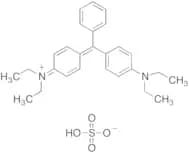
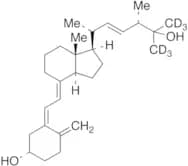
CAS:<p>Applications Brilliant Green is a stain used in bacteriological media. Dyes and metabolites, Environmental Testing<br></p>Formula:C27H33N2·HO4SColor and Shape:GreenMolecular weight:482.6325-Hydroxy Vitamin D2-d6
CAS:Controlled Product<p>Stability Light Sensitive, Temperature Sensitive, Toxic<br>Applications A labelled metabolite of Vitamin D2 (V676040).<br> Not a dangerous good if item is equal to or less than 1g/ml and there is less than 100g/ml in the package<br>References Barnes, P., et al.: J. Clin. Invest., 83, 1527 (1989), Holick, M., et al.: J. Cell Biochem., 88(2), 296 (2003), Maunsell, Z., et al.: Clin. Chem., 51, 1683 (2005),<br></p>Formula:C282H6H38O2Color and Shape:White To Off-WhiteMolecular weight:418.683,3'-Dichlorobenzidine Dihydrochloride
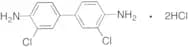
CAS:Controlled Product<p>Stability Hygroscopic<br>Applications 3,3'-Dichlorobenzidine Dihydrochloride, is structurally similar to Benzidine (B121000), and thus is considered a carcinogen. It can be used in the production of azo dyes. Dyes and metabolites, Environmental Testing<br> Not a dangerous good if item is equal to or less than 1g/ml and there is less than 100g/ml in the package<br>References Min, Zh., et al.: Chem. Res. Toxic., 26, 741 (2013); Rainer, F., et al.: Mutation Research, Fundamental and Molecular Mechanisms of Mutagenesis, 691, 27 (2010);<br></p>Formula:C12H10Cl2N2·2ClHColor and Shape:NeatMolecular weight:326.05Melamine Phosphate
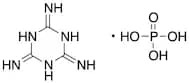
CAS:<p>Applications Melamine Phosphate (cas# 20208-95-1) is a useful research chemical.<br></p>Formula:C3H6N6·H3O4PColor and Shape:NeatMolecular weight:224.115



![4-[2-[(3-Ethyl-4-methyl-2-oxo-3-pyrrolin-1-yl)carboxamido]ethyl]benzenesulfonamide](/_next/image/?url=https%3A%2Fstatic.cymitquimica.com%2Fproducts%2FTR%2Fthumb-webp%2FE925045.webp&w=3840&q=75)
![Bis[2,5-Dimethoxy-4-(p-nitrophenylazo)benzenediazonium] Chlorozincate](/_next/image/?url=https%3A%2Fstatic.cymitquimica.com%2Fproducts%2FTR%2Fthumb-webp%2FD640711.webp&w=3840&q=75)










![2-Hydroxy-6-[2-(4-hydroxyphenyl)ethenyl]-benzoic Acid-13C5](/_next/image/?url=https%3A%2Fstatic.cymitquimica.com%2Fproducts%2FTR%2Fthumb-webp%2FH121132.webp&w=3840&q=75)


![N-[4-(-Carboxycyclohexylmethyl)]maleimide](/_next/image/?url=https%3A%2Fstatic.cymitquimica.com%2Fproducts%2FTR%2Fthumb-webp%2FC177860.webp&w=3840&q=75)