Biochemicals and Reagents
Subcategories of "Biochemicals and Reagents"
- Biomolecules(98,557 products)
- By Biological Target(101,015 products)
- By Pharmacological Effects(6,941 products)
- Cryopreservatives(21 products)
- Desinfectants and Related Compounds(28 products)
- Hormones(530 products)
- Plant Biology(6,903 products)
- Secondary Metabolites(14,371 products)
Found 130589 products of "Biochemicals and Reagents"
TG MS Calibrator-8 (25nmol)
TG MS Calibrator-8 is a high quality, quantitated heavy/light peptide calibrator for Mass Spectroscopy research. Thyroglobulin is a protein which is produced by the thyroid and is a precursor to thryoid hormones.Purity:Min. 95%1-[2-[1-(2-Amino-5-chloropyrimidin-4-yl)-2,3-dihydroindol-6-yl]ethynyl]cyclopentan-1-ol
CAS:1-[2-[1-(2-Amino-5-chloropyrimidin-4-yl)-2,3-dihydroindol-6-yl]ethynyl]cyclopentan-1-ol is a peptide that binds to the receptor site of ion channels. It has been shown to inhibit the activity of potassium ion channels and calcium ion channels. Ion channels are protein complexes that regulate the flow of ions across biological membranes, controlling the electrical excitability and muscle contractions of cells. 1-[2-[1-(2-Amino-5-chloropyrimidin-4-yl)-2,3-dihydroindol-6-yl]ethynyl]cyclopentan -1 -ol is a ligand for these ion channels, which is an inhibitor of their activity.Formula:C19H19ClN4OPurity:Min. 95%Molecular weight:354.8 g/molNDST3 antibody
NDST3 antibody was raised using a synthetic peptide corresponding to a region with amino acids PGTDWTVFQINHSAYQPVIFAKVKTPENLSPSISKGAFYATIIHDLGLHDPurity:Min. 95%IMM-01
CAS:IMM-01 is a molecule that has been shown to stabilize actin filaments and prevent the disruption of cellular cytoskeletal structures. It has been shown to inhibit tumor growth in xenograft tumor models and to elicit an antibody response in mice when used as an immunization. IMM-01 is also able to induce cytotoxic T cells and natural killer cells, which may be due to its ability to stabilize actin filaments.
IMM-01 is currently being investigated for potential use in cancer therapy and industrial processes, such as the production of antibodies.Formula:C12H17N3O2SPurity:Min. 95%Molecular weight:267.35 g/molCI-992
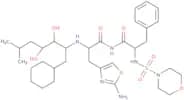
CAS:CI-992 is an analog of a Chinese medicinal compound that has been developed as an inhibitor of cancer cell growth. It induces apoptosis, or programmed cell death, in tumor cells by inhibiting the activity of protein kinases involved in the regulation of the cell cycle. CI-992 has shown promising results as an anticancer agent in preclinical studies, demonstrating potent activity against a range of human cancer cell lines. This compound is currently being evaluated for its potential use in the treatment of various types of cancer and may represent a promising new class of cancer inhibitors.Formula:C33H52N6O7S2Purity:Min. 95%Molecular weight:708.9 g/molGSTM2 Blocking Peptide
A synthetic peptide for use as a blocking control in assays to test for specificity of GSTM2 antibody, catalog no. 70R-2848
Purity:Min. 95%TEX264 antibody
TEX264 antibody was raised using the middle region of TEX264 corresponding to a region with amino acids GWDDGDTRSEHSYSESGASGSSFEELDLEGEGPLGESRLDPGTEPLGTTKPurity:Min. 95%Guanylmelamine-13C4
CAS:Please enquire for more information about Guanylmelamine-13C4 including the price, delivery time and more detailed product information at the technical inquiry form on this pageFormula:C4H8N8Purity:Min. 95%Molecular weight:172.13 g/molXiap, gst tagged human
CAS:Xiap is a research tool that has been tagged with GST. It is also an activator, ligand, and receptor of ion channels. Xiap has high purity and is available in CAS No. 219854-86-1. This product is pharmacological, peptide, and protein interactions. Xiap is used in Cell Biology, Antibody, Pharmacology, and Life Science research. It can be used as an inhibitor for Ion channels.Purity:Min. 95%KDM4D-IN-1
CAS:KDM4D-IN-1 is a chemical compound that acts as a selective inhibitor. It is derived synthetically to target the KDM4D enzyme, a member of the Jumonji family of histone demethylases. The mode of action involves the inhibition of the catalytic activity of KDM4D, which regulates the demethylation of lysine residues on histones, specifically demethylating H3K9me3/me2. This regulation plays a significant role in chromatin remodeling and gene expression.Formula:C11H7N5OPurity:Min. 95%Molecular weight:225.21 g/molP32/98
CAS:P32/98 is a synthetic analogue of human glucagon-like peptide-1 (GLP-1) that has been shown to have similar physiological effects. Using in vitro assays, P32/98 has been shown to be enzymatically inactivated by phosphatase and thus may not stimulate the same pathways as GLP-1. However, it has been shown to enhance insulin-stimulated glucose uptake in mouse models of type 2 diabetes and β-cell function in diabetic patients. P32/98 has also been shown to increase the number of insulin producing cells in the pancreas, which could lead to improved glycemic control.Formula:C22H40N4O6S2Purity:Min. 95%Molecular weight:520.7 g/molNUMB antibody
The NUMB antibody is a powerful tool in the field of life sciences. It belongs to the class of monoclonal antibodies and is specifically designed to neutralize the effects of tumor necrosis factor-alpha (TNF-α). This antibody has been extensively studied and proven to be effective in various research applications.TAS-115
CAS:TAS-115 is a monoclonal antibody that binds to the epidermal growth factor receptor (EGFR) and blocks the EGFR signalling pathway. It is used in the treatment of solid tumours, such as lung cancer. TAS-115 has been shown to inhibit Wnt signalling by interfering with the binding of kinase domain of EGFR to its substrate, which leads to inhibition of proliferation and induction of apoptosis in human osteosarcoma cells. In addition, TAS-115 was found to be a potential biomarker for colon cancer.Formula:C27H23FN4O4SPurity:Min. 95%Molecular weight:518.6 g/molHCN3 antibody
HCN3 antibody was raised using the middle region of HCN3 corresponding to a region with amino acids LQAAAVTSNVAIALTHQRGPLPLSPDSPATLLARSAWRSAGSPASPLVPV
Purity:Min. 95%Karyopherin Alpha 3 antibody
Karyopherin Alpha 3 antibody was raised using a synthetic peptide corresponding to a region with amino acids AENPSLENHRIKSFKNKGRDVETMRRHRNEVTVELRKNKRDEHLLKKRNVEIF4E antibody
The 6-Fluoro-3-indoxyl-beta-D-galactopyranoside is a powerful antituberculosis drug that falls under the class of rifamycins. Specifically designed to combat tuberculosis infection, this compound exhibits strong bactericidal activity. It works by binding to DNA-dependent RNA polymerase, effectively inhibiting bacterial growth and preventing transcription and replication. Through various metabolic transformations, such as hydrolysis by esterases or glucuronidases, oxidation by cytochrome P450 enzymes, reduction by glutathione reductase, or conjugation with glucuronic acid, the active form of this drug is metabolized. Additionally, it specifically targets markers expressed at high levels in Mycobacterium tuberculosis strains and inhibits cell growth in culture.
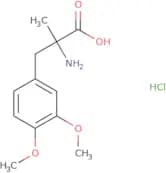
L-Alpha-methyl dopa dimethyl ether hydrochloride
CAS:L-Alpha-methyl dopa dimethyl ether hydrochloride is a medicinal compound that acts as an inhibitor of protein kinases in human cells. This compound has been shown to induce apoptosis, or programmed cell death, in various types of cancer cells, including leukemia and tumors. L-Alpha-methyl dopa dimethyl ether hydrochloride is a potent anticancer agent that inhibits the cell cycle and promotes tumor suppression. It has been used in Chinese medicine for its ability to inhibit the growth of cancer cells and has also been found in urine samples of patients with certain types of cancer. This compound shows promising potential as a therapeutic agent for the treatment of cancer.
Formula:C12H18ClNO4Purity:Min. 95%Molecular weight:275.73 g/molEVI2A antibody
EVI2A antibody was raised in rabbit using the C terminal of EVI2A as the immunogenPurity:Min. 95%XL888
CAS:XL888 is a selective and potent inhibitor of heat shock protein 90 (HSP90), which is a molecular chaperone involved in the proper folding, stability, and function of many client proteins, including those critical in cancer progression. Sourced from rigorous medicinal chemistry processes, XL888 is designed to bind to the ATP-binding site of HSP90, thereby inhibiting its chaperone activity. This inhibition leads to the degradation of client proteins that are essential for tumor growth and survival.
Formula:C29H37N5O3Purity:Min. 95%Molecular weight:503.64 g/molAT2 receptor agonist C21
CAS:C21 is a potent and selective agonist of the AT2 receptor. It has been shown to have significant anti-inflammatory effects in vitro on human monocytes, macrophages, and neutrophils. C21 also inhibits TNF-α production by these cells. The compound has been shown to have no adverse effects on the viability of red blood cells or granule neurons in vivo, as well as no effect on epidermal growth factor (EGF) levels in mice. C21 is an organometallic compound with a chemical structure that includes a molybdenum atom linked to two hydroxyl groups, giving it a redox potential between +1.5 and +2 volts.Formula:C23H29N3O4S2Purity:Min. 95%Molecular weight:475.6 g/molMouse Thymocyte antibody
Mouse thymocyte antibody was raised in rabbit using RBC-free Mouse thymocytes as the immunogen.Purity:Min. 95%ATF3 antibody
The 6-Fluoro-3-indoxyl-beta-D-galactopyranoside is a powerful antituberculosis drug that falls under the class of rifamycins. It is highly effective in treating tuberculosis infections and contains active compounds that exhibit bactericidal activity. This drug works by binding to DNA-dependent RNA polymerase, preventing transcription and replication, thus inhibiting bacterial growth. Its efficacy has been demonstrated through extensive research using a patch-clamp technique on human erythrocytes. The metabolic transformations of this drug include hydrolysis by esterases or glucuronidases, oxidation by cytochrome P450 enzymes, reduction by glutathione reductase, or conjugation with glucuronic acid. Moreover, it specifically targets markers expressed at high levels in Mycobacterium tuberculosis strains and effectively inhibits their growth in culture.Purity:Min. 95%NCX 1000
CAS:NCX 1000 is a guanylate cyclase activator that has been shown to be effective in the treatment of symptoms of overactive bladder. It is a soluble guanylate cyclase activator that increases the sensitivity of the receptor site, leading to increased intracellular levels of cGMP. NCX 1000 has been shown to be an effective treatment for overactive bladder and can be used in conjunction with other drugs such as gabapentin or noradrenaline. NCX 1000 also has numerous other effects including increasing reaction time and improving muscle function. The experimental model for this drug is detrusor muscle from rats treated with carbon tetrachloride or sodium channel modulators, which are known to cause bladder dysfunction.
Formula:C38H55NO10Purity:Min. 95%Molecular weight:685.8 g/molSA4503 dihydrochloride
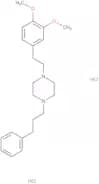
CAS:Controlled ProductSigma-1 (Ï1) receptor agonistFormula:C23H34Cl2N2O2Purity:Min. 95%Molecular weight:441.43 g/molChk2 antibody
The Chk2 antibody is a highly effective monoclonal antibody used in Life Sciences research. It specifically targets the Mertk protein, an important regulator of cellular processes such as interferon signaling and β-catenin pathway activation. This antibody has been extensively tested and validated for its high specificity and sensitivity in various applications, including Western blotting, immunofluorescence, and immunohistochemistry.N-[2-[2-[2-[4-[4-[[5-Chloro-4-(2-propan-2-ylsulfonylanilino)pyrimidin-2-yl]amino]-3-methoxyphenyl]piperazin-1-yl]ethoxy]ethoxy]ethyl ]-2-[[2-(2,6-dioxopiperidin-3-yl)-1,3-dioxoisoindol-4-yl]amino]acetamide
CAS:N-[2-[2-[2-[4-[4-[[5-Chloro-4-(2-propan-2-ylsulfonylanilino)pyrimidin-2-yl]amino]-3-methoxyphenyl]piperazin-1-yl]ethoxy]ethoxy]ethyl ] -2-[(2,6-dioxopiperidin-3-yl)-1,3 -dioxoisoindol]-4-(aminocarbonyl)amino]acetamide (NMDA) is a research tool that is used for the study of Ion channels and Ligand interactions. It is also used as an inhibitor to study Receptor interactions. This product is available in high purity and with a CAS number of 2229037-04-9.Formula:C45H53ClN10O10SPurity:Min. 95%Molecular weight:961.5 g/molACAA1 antibody
ACAA1 antibody was raised using a synthetic peptide corresponding to a region with amino acids ADVVVVHGRRTAICRAGRGGFKDTTPDELLSAVMTAVLKDVNLRPEQLGD
HP antibody
The HP antibody is a cytotoxic monoclonal antibody that acts as a growth factor inhibitor. It is designed to target specific receptors and block their activity, preventing the growth and proliferation of cells. The HP antibody has been shown to be effective in inhibiting the activity of tyrosine kinase inhibitors such as imatinib. It also has neutralizing properties against extracellular histones, which can contribute to inflammation and tissue damage. This antibody is widely used in the field of Life Sciences for research purposes, particularly in studies involving phosphatases and other signaling pathways. With its potent inhibitory effects and specificity, the HP antibody offers great potential for therapeutic applications in various disease conditions.Elafin, human
Elafin is a peptide that belongs to the family of activators. It is a member of the human elafin family that activates neutrophil elastase, which belongs to the group of serine proteases. Elafin has been shown to inhibit the activity of ion channels and receptor-ligand interactions in cell biology studies. Elafin also binds to antibodies and is an inhibitor for protein interactions. Elafin has been shown to be a caspase-3 substrate, but its role in apoptosis is not yet clear.Formula:C254H416N72O75S10Purity:Min. 95%Molecular weight:5,999.1 g/molSU 4942
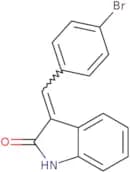
CAS:SU 4942 is an analog of the anilinoquinazoline class of compounds, which are tyrosine kinase inhibitors. SU 4942 binds to and inhibits the activity of protein tyrosine kinases in cells, preventing the transformation of growth factors into active forms that regulate cell proliferation and survival. SU 4942 has been shown to prevent atherosclerosis in animal models by decreasing the deposition of lipids in blood vessels. This drug also prevents cancer by inducing apoptosis and suppressing angiogenesis.Formula:C15H10BrNOPurity:Min. 95%Molecular weight:300.16 g/molCRTAP antibody
CRTAP antibody was raised using the N terminal of CRTAP corresponding to a region with amino acids RLFGGLLRRAHCLKRCKQGLPAFRQSQPSREVLADFQRREPYKFLQFAYFPurity:Min. 95%IL 21 Mouse
IL 21 Mouse is a recombinant protein that belongs to the IL-21 family and is used as a research tool in cell biology and pharmacology. It is an activator of IL-21 receptor, which plays an important role in the immune system. The protein has been shown to promote T-cell proliferation, differentiation, and cytokine production. It binds to the IL-21 receptor and activates it by inducing a conformational change in the receptor. This binding induces activation of signaling pathways such as phosphoinositide 3-kinase (PI3K) or extracellular signal-regulated kinases 1/2 (ERK1/2).
IL 21 Mouse can be used for studying protein interactions, peptides, and antibodies.Purity:Min. 95%CD90.2 antibody (PE)
CD90.2 antibody (PE) was raised in rat using CD90.2/`Thy-1.2 alloantigen as the immunogen.Purity:Min. 95%(S)-1-Aminoindane-d3
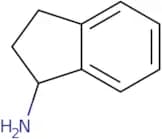
CAS:Controlled ProductPlease enquire for more information about (S)-1-Aminoindane-d3 including the price, delivery time and more detailed product information at the technical inquiry form on this page
Formula:C9H11NPurity:Min. 95%Molecular weight:136.21 g/molME3 antibody
ME3 antibody was raised using a synthetic peptide corresponding to a region with amino acids PGPARPVPLKKRGYDVTRNPHLNKGMAFTLEERLQLGIHGLIPPCFLSQD
SPARCL1 antibody
The 6-Fluoro-3-indoxyl-beta-D-galactopyranoside is a powerful antituberculosis drug that falls under the class of rifamycins. It is highly effective in treating tuberculosis infections, thanks to its bactericidal activity. This compound works by inhibiting bacterial growth through binding to DNA-dependent RNA polymerase, preventing transcription and replication. Its potency has been demonstrated through a patch-clamp technique on human erythrocytes. The active form of this drug undergoes various metabolic transformations, including hydrolysis by esterases or glucuronidases, oxidation by cytochrome P450 enzymes, reduction by glutathione reductase, or conjugation with glucuronic acid. Additionally, it specifically targets markers expressed in Mycobacterium tuberculosis strains and inhibits their cell growth in culture.
Fibrinogen antibody
The Fibrinogen antibody is a powerful growth factor that promotes endothelial growth. It has been found to have neutralizing effects on Helicobacter, as well as alpha-fetoprotein, anti-VEGF, erythropoietin, and fibrinogen. This antibody is particularly effective in treating conditions such as heparin-induced thrombocytopenia and natriuretic disorders. It works by inhibiting the action of calmodulin and other inhibitors, allowing for better regulation of blood clotting and platelet function. The Fibrinogen antibody is a monoclonal antibody that can be used in various medical applications, including electrode-based assays. With its diverse range of therapeutic properties, this antibody is an essential tool in modern medicine.CDDO-DhTFEA
CAS:CDDO-DhTFEA is a cell signaling inhibitor that has been shown to inhibit the activity of protein kinase C, protein kinase A, and phosphatidylinositol 3-kinase. CDDO-DhTFEA is a potent activator of the peroxisome proliferator-activated receptor gamma (PPARγ). It has also been shown to function as a ligand for the nuclear orphan receptor Nur77. CDDO-DhTFEA is an excellent research tool for the study of ion channels and antibodies because it can be used to block or activate these proteins. CDDO-DhTFEA has high purity and does not require any purification prior to use.Formula:C33H45F3N2O3Purity:Min. 95%Molecular weight:574.7 g/molVEGFR1 antibody
The VEGFR1 antibody is a monoclonal antibody that specifically targets the vascular endothelial growth factor receptor 1 (VEGFR1). It has been extensively studied and shown to have a high affinity for VEGFR1, making it an effective tool for research in the field of life sciences. This antibody can be used in various applications, including immunohistochemistry, flow cytometry, and western blotting.Sstr5 antagonist 1
CAS:Please enquire for more information about Sstr5 antagonist 1 including the price, delivery time and more detailed product information at the technical inquiry form on this pageFormula:C28H34FN3O5Purity:Min. 95%Molecular weight:511.6 g/molGoat anti Rabbit IgG (H + L) (Fab'2) (FITC)
Goat anti-rabbit IgG (H+L) (Fab'2) (FITC) was raised in goat using rabbit IgG whole molecule as the immunogen.Purity:Min. 95%CD62L antibody (FITC)
CD62L antibody (FITC) was raised in rat using C3H/eb cloned murine B lymphoma 39C-13 as the immunogen.Purity:Min. 95%LRRC8B antibody
LRRC8B antibody was raised using the N terminal of LRRC8B corresponding to a region with amino acids PSTSSRLEHFVAILHKCFDSPWTTRALSETVAEQSVRPLKLSKSKILLSS
Purity:Min. 95%18-Deoxyherboxidiene
CAS:18-Deoxyherboxidiene is a potent inhibitor of kinases, making it an effective anticancer agent. It works by inhibiting the activity of certain proteins that are involved in cancer cell growth and proliferation. This compound has been found to induce apoptosis in cancer cells, leading to their death. 18-Deoxyherboxidiene is a medicinal analog of Herboxidiene, which was originally isolated from a Chinese soil sample. It has shown promising results in preclinical studies as a potential treatment for various types of cancer. In addition, this compound has been detected in human urine samples, indicating its potential for use as a diagnostic tool for cancer detection and monitoring. Its unique properties make it a valuable tool for further research into the development of new cancer treatments.
Formula:C25H42O5Purity:Min. 95%Molecular weight:422.6 g/molCD31 antibody (PE-CY7)
CD31 antibody (PE-CY7) was raised in Rat using mouse leukocyte cell line 32D as the immunogen.Purity:Min. 95%TRIM14 antibody
The TRIM14 antibody is a highly effective antiviral agent that belongs to the class of monoclonal antibodies. It acts as an inhibitor of protein kinase and growth factor signaling pathways, preventing viral replication and spread. This antibody also has metal-binding properties, which contribute to its neutralizing activity against viruses. In addition, it enhances the activity of phosphatases and interferon, further boosting the immune response against viral infections. The TRIM14 antibody is available in both monoclonal and polyclonal forms, offering a wide range of options for researchers in the field of Life Sciences. Its high specificity ensures minimal cross-reactivity with other proteins, making it a valuable tool for studying virus-host interactions. With its ability to induce lysis of infected cells and neutralize viruses in human serum, this antibody holds great promise in the development of antiviral therapies.
TC-C 14G
CAS:TC-C 14G is a research tool that can be used to activate cells by binding to the receptor. TC-C 14G has been shown to bind to ion channels, which can inhibit their function. It may also be used as a ligand or an antibody in cell biology and pharmacology research.Formula:C24H17Cl2F2NO4Purity:Min. 95%Molecular weight:492.3 g/molGoat anti Human IgG (biotin)
This antibody reacts with heavy chains on human IgG (gamma chain).Purity:Min. 95%SP-8008
CAS:SP-8008 is a monoclonal antibody that inhibits platelet activation. This drug is an antiplatelet agent that prevents the aggregation of platelets and, therefore, reduces the risk of thrombosis. SP-8008 also has an inhibitory effect on collagen-induced platelet activation and does not show any significant side effects in clinical trials. The safety profile for SP-8008 has been demonstrated in a number of animal studies and human clinical trials with no adverse effects on blood coagulation or bleeding time. The molecular modelling study conducted by recombinant murine collagen showed that SP-8008 binds to collagen at a site different from where other antiplatelets such as tirofiban bind. This suggests that SP-8008 may be more effective than tirofiban in preventing vessel occlusion.Formula:C21H22N4Purity:Min. 95%Molecular weight:330.4 g/molRanitidine-d6
CAS:Ranitidine is a drug that belongs to the class of histamine-2 receptor antagonists. It has been shown to inhibit the transport of synthetic cathinones, such as methylone, in wastewater samples. Ranitidine is also used to study the potential use of this drug in the treatment of carcinogenesis. Ranitidine-d6 is a radioactive form of ranitidine and can be used for research purposes. This drug is used for the diagnosis and imaging of tumors and other body organs by utilizing positron emission tomography (PET) scans.Formula:C13H22N4O3SPurity:Min. 95%Molecular weight:320.44 g/molAChE antibody
AChE antibody was raised using a synthetic peptide corresponding to a region with amino acids VGVVKDEGSYFLVYGAPGFSKDNESLISRAEFLAGVRVGVPQVSDLAAEAPurity:Min. 95%Annexin 1 antibody
The Annexin 1 antibody is a highly specialized monoclonal antibody that targets Annexin 1, a protein involved in various cellular processes. This antibody is widely used in Life Sciences research to study the function and regulation of Annexin 1. It has been shown to have significant applications in the fields of histidine, hepatocyte growth factor, autoantibodies, fatty acid metabolism, and steroid synthesis. Additionally, this antibody has been proven effective in detecting Annexin 1 in various tissues and cell types. Its high specificity and sensitivity make it an invaluable tool for researchers studying natriuretic factors, glycosylation patterns, and other related areas of research. With its exceptional performance and reliability, the Annexin 1 antibody is a must-have for any laboratory conducting cutting-edge research in the field of Life Sciences.GDC 0084
CAS:PI3K and mTOR enzyme inhibitor; anti-cancer agent
Formula:C18H22N8O2Purity:Min. 95%Molecular weight:382.42 g/molPhosphothreonine-Pro antibody
Phosphothreonine-Pro antibody was raised in rabbit using KLH-phosphothreonine-proline amine (pT-P-NH2) peptide conjugate as the immunogen.Purity:Min. 95%Sitoindoside I
CAS:Sitoindoside I is a naturally occurring glycoside, which is isolated from the plant Withania somnifera, commonly known as Ashwagandha. It functions as a bioactive compound with adaptogenic properties, which means it helps the body resist the physiological impacts of stress. The chemical structure of Sitoindoside I contributes to its ability to modulate various neurochemical pathways, which is critical in the regulation of stress responses.Formula:C51H90O7Purity:Min. 95%Molecular weight:815.3 g/molM1001
CAS:M1001 is a biochemical reagent, which is synthesized through advanced organic chemistry techniques, with a specific mode of action that targets nucleic acid structures. It functions as an intercalating agent, inserting itself between base pairs in DNA strands. This interaction alters DNA topology, making M1001 invaluable for research applications that involve DNA replication, transcription, and repair studies.
Formula:C17H17N3O2SPurity:Min. 95%Molecular weight:327.4 g/molSHIP 2a
CAS:SHIP 2a is an activating device. It is a water surface growth rate vessel that has been designed to provide vessels with elements, cavities and connecting vessels. The cavity of the vessel is positioned so that it can be screened for diameter and liquified by monitoring injected fluid. SHIP 2a can be used for screening and monitoring the growth rate of cells in culture.Formula:C7H8N2O2SPurity:Min. 95%Molecular weight:184.22 g/molDT204
CAS:DT204 is a fluoroquinolone antibiotic that has been shown to have stem cell-like properties. DT204 targets the bacterial efflux pump, leading to an accumulation of intracellular DT204, which then inhibits the polymerase chain reaction (PCR) activity and genetic material synthesis in bacteria. The use of DT204 has been shown to be effective against multidrug-resistant typhimurium and transducing sequences in high-risk disease. This drug has also been shown to have antitumor activity through inhibition of HER2+ breast cancer cells.Formula:C19H13BrClNO5SPurity:Min. 95%Molecular weight:482.7 g/molGemilukast
CAS:Gemilukast is a leukotriene receptor antagonist that inhibits the action of leukotrienes and has been shown to be effective in treating chronic cough. It also has anti-inflammatory properties, which may be due to its inhibition of prostaglandin synthesis. Gemilukast is used in the treatment of age-related macular degeneration (AMD) and respiratory diseases, including chronic obstructive pulmonary disease (COPD). The drug is administered orally and is well tolerated by patients. Gemilukast's effects are related to its ability to inhibit compounds involved in inflammation, such as neurokinin-1, which causes bronchoconstriction and airway narrowing.Formula:C36H37F2NO5Purity:Min. 95%Molecular weight:601.7 g/molGW 803430
CAS:GW 803430 is a selective 5-HT2C receptor antagonist that has been shown to have an anti-obesity effect. It has also been found to be efficacious in animal models of chronic alcohol consumption, which may be due to its ability to inhibit the serotonergic system and increase locomotor activity. GW 803430 inhibits the binding of serotonin and dopamine receptors in rats, making it an excellent candidate for pharmacological treatment.
Formula:C25H24ClN3O3SPurity:Min. 95%Molecular weight:481.99 g/molCDC801
CAS:CDC801 is a peptide that binds to the extracellular domain of the CXCR4 receptor. CDC801 is an activator of the receptor, which leads to increased calcium ion influx into cells. This peptide also inhibits G protein-coupled receptors (GPCRs) by binding to their extracellular domains and blocking their ability to bind with ligands. The antibody against CDC801 may be used as a research tool in cell biology and pharmacology.Formula:C23H24N2O5Purity:Min. 95%Molecular weight:408.4 g/molGSK2033
CAS:GSK2033 is a chemical compound that acts as a liver X receptor (LXR) antagonist, primarily sourced from synthetic origins. It functions by binding to the LXR, which is a nuclear receptor involved in regulating the expression of genes controlling lipid metabolism and cholesterol homeostasis. By inhibiting the activation of LXR, GSK2033 decreases lipid and cholesterol synthesis pathways, thereby modulating lipid levels within cells.
Formula:C29H28F3NO5S2Purity:Min. 95%Molecular weight:591.66 g/molCD49b antibody (PE)
CD49b antibody (PE) was raised in rat using RIL-2-propagated NK1.1+ cells from C57BL/6 mice as the immunogen.Purity:Min. 95%BPD 9066
CAS:BPD 9066 is a small-molecule inhibitor of the DNA methyltransferase enzyme, which is involved in gene expression profiles. BPD 9066 has been shown to have anti-cancer effects in mice with alveolar cell carcinoma. This drug also has an effect on muscle cells by preventing them from converting carbon sources into energy, which may be due to its ability to inhibit the activity of xylan synthase. BPD 9066 also inhibits the growth and proliferation of human papillomavirus (HPV), but does not affect the virus's infectivity.
Formula:C20H24N6Purity:Min. 95%Molecular weight:348.45 g/molNP1 antibody
NP1 antibody was raised in goat using highly pure recombinant human NP-1 as the immunogen.
Purity:Min. 95%WDFY3 antibody
The WDFY3 antibody is a highly valuable product in the field of Life Sciences. It is a Polyclonal Antibody that plays a crucial role as a biomarker composition. This antibody specifically targets cation channels and interleukins, making it an essential tool for researchers studying these areas.
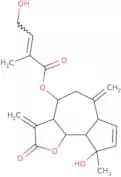
Eupalinilide B
CAS:Eupalinilide B is a plant extract that has been used in traditional Chinese medicine for the treatment of gastrointestinal inflammation. It has potent cytotoxic effects against tumor cell lines and inhibits the growth of certain bacteria. Eupalinilide B also exhibits anti-inflammatory properties, which may be due to its ability to inhibit prostaglandin synthesis. This compound is found in plants from the genus Eupatorium, and it has been shown to neutralize free radicals. The chemical structure of eupalinilide B can be determined using nuclear magnetic resonance spectroscopy (NMR). The NMR spectrum shows peaks at 2.1 ppm, 3.5 ppm, 4.8 ppm, and 5.6 ppm corresponding to lactones A-D respectively. Structures have been assigned as follows: A=2-hydroxy-3-(3'-methylbutyl)lactone; B=2-hydroxy-3-(4'-methylbutyl)lactFormula:C20H24O6Purity:Min. 95%Molecular weight:360.4 g/molCD80 antibody (Allophycocyanin)
CD80 antibody (Allophycocyanin) was raised in rat using CD80/B7-1 as the immunogen.Purity:Min. 95%Nestin antibody
The Nestin antibody is a highly specific monoclonal antibody that targets Nestin, a protein involved in endothelial growth and development. This antibody has been extensively studied in the field of Life Sciences and has shown great potential for various applications. It can be used to detect Nestin expression in different cell types, including adipose tissue, and has been used in research related to glucagon, epidermal growth factor, and colony-stimulating factors. Additionally, this antibody has been shown to inhibit phosphatase activity and caspase-9 activation, suggesting its involvement in cell survival pathways. With its high specificity and versatility, the Nestin antibody is an essential tool for researchers studying cellular processes and diseases involving Nestin expression.SAH-EZH2
CAS:SAH-EZH2 is a small molecule that functions as a pharmacologic and natural compound. It is a lysine methyltransferase inhibitor, which blocks the methylation of histone proteins. SAH-EZH2 has been shown to be effective in vivo against autoimmune diseases and cancer. SAH-EZH2 also inhibits DNA replication and transcription, which may be due to its ability to suppress different genes via epigenetic regulation. SAH-EZH2 also binds to subunits of the DNA methyltransferases, preventing it from binding with other molecules. The result is that SAH-EZH2 disrupts the production of new proteins, leading to cell death by inhibiting protein synthesis.Formula:C155H256N48O40Purity:Min. 95%Molecular weight:3,432 g/molRitipenem
CAS:Ritipenem is a cationic peptide antibiotic with an antimicrobial spectrum similar to that of the penem group. It binds to the cytoplasmic membrane of Gram-negative bacteria, forming ion channels and leading to an increase in membrane permeability and cell death. Ritipenem has been shown to inhibit protein interactions, ligand binding and receptor activation by other agonists, as well as having affinity for a wide range of peptides. The purity of this compound is high, with no detectable traces of contaminants such as endotoxins or proteases. Ritipenem also has been shown to have antibacterial activity against Mycobacterium tuberculosis and other mycobacteria.
Formula:C10H12N2O6SPurity:Min. 95%Molecular weight:288.28 g/molRBBP9 antibody
The RBBP9 antibody is a highly specialized monoclonal antibody used in the field of Life Sciences. It is designed to specifically target and neutralize the effects of RBBP9 protein. This antibody has been extensively studied and proven to be effective in various research applications.UGCG antibody
UGCG antibody was raised using the N terminal of UGCG corresponding to a region with amino acids LHLNKKATDKQPYSKLPGVSLLKPLKGVDPNLINNLETFFELDYPKYEVLPurity:Min. 95%


![1-[2-[1-(2-Amino-5-chloropyrimidin-4-yl)-2,3-dihydroindol-6-yl]ethynyl]cyclopentan-1-ol](/_next/image/?url=https%3A%2Fstatic.cymitquimica.com%2Fproducts%2F3D%2Fthumb-webp%2FCYB76192.webp&w=3840&q=75)












![N-[2-[2-[2-[4-[4-[[5-Chloro-4-(2-propan-2-ylsulfonylanilino)pyrimidin-2-yl]amino]-3-methoxyphenyl]…](/_next/image/?url=https%3A%2Fstatic.cymitquimica.com%2Fproducts%2F3D%2Fthumb-webp%2FEPD03704.webp&w=3840&q=75)