Biochemicals and Reagents
Biochemicals and reagents are fundamental substances for research and development in fields such as biotechnology, molecular biology, pharmacology, and medicine. These products are essential for a variety of applications, including compound synthesis, biological sample analysis, metabolic process research, and drug production. At CymitQuimica, we offer a wide selection of high-quality, high-purity biochemicals and reagents suitable for various scientific and industrial needs. Our catalog includes enzymes, antibodies, nucleic acids, amino acids, and many other products, all designed to support researchers and professionals in their research and development projects, ensuring reliable and reproducible results.
Subcategories of "Biochemicals and Reagents"
- Biomolecules(99,185 products)
- By Biological Target(99,150 products)
- By Pharmacological Effects(6,789 products)
- Cryopreservatives(21 products)
- Desinfectants and Related Compounds(28 products)
- Hormones(346 products)
- Plant Biology(6,764 products)
- Secondary Metabolites(14,307 products)
Found 130581 products of "Biochemicals and Reagents"
Sort by
Purity (%)
0
100
|
0
|
50
|
90
|
95
|
100
Mutant EGFR inhibitor
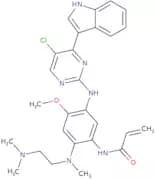
CAS:<p>Mutant EGFR inhibitor is a targeted therapeutic agent, which is a pharmaceutical compound originating from advanced drug discovery platforms. Its mode of action involves the selective inhibition of epidermal growth factor receptor (EGFR) proteins that carry specific mutations, such as L858R or exon 19 deletions, often implicated in tumorigenesis. By binding to the ATP-binding site of the mutant EGFR, this inhibitor prevents the phosphorylation cascade necessary for downstream signaling, effectively blocking pathways involved in cell proliferation and survival.</p>Formula:C27H30ClN7O2Purity:Min. 95%Molecular weight:520.03 g/molKRT19 antibody
<p>The KRT19 antibody is a highly specialized product used in the field of Life Sciences. It is an activated antibody that specifically targets and binds to the KRT19 protein. This protein is commonly associated with various diseases, including Helicobacter infections.</p>TAK 778
CAS:<p>TAK 778 is an orally bioavailable small molecule that has been shown to inhibit the activity of phosphatase and act as a cavity-forming agent. TAK 778 has been shown to increase bone growth in vivo and enhance bone repair in vitro. This drug also stimulates the proliferation of human osteoblasts when used in vitro, which is likely due to its ability to inhibit the activity of phosphatase. TAK 778 is capable of inducing insulin-like growth factor-I (IGF-I) production by cultured hepatocytes, which may be due to its inhibition of phosphatase.</p>Formula:C24H28NO7PSPurity:Min. 95%Molecular weight:505.5 g/mol2-(2,2-Diphenylacetyl)-6-methoxy-5-phenylmethoxy-3,4-dihydro-1H-isoquinoline-3-carboxylic acid
CAS:<p>2-(2,2-Diphenylacetyl)-6-methoxy-5-phenylmethoxy-3,4-dihydro-1H-isoquinoline-3-carboxylic acid (AMG 827) is a potent angiotensin system inhibitor that is chemically related to losartan. AMG 827 has been shown to inhibit the proliferation of lung cells and target cells in vitro. It has been shown to be effective against viruses such as herpes simplex virus type 1 and 2. The enzyme inhibitors are active against nonselective kinases including protein kinase C, cyclooxygenase, and phospholipases. These agents have also been shown to have immunosuppressive properties. AMG 827 also inhibits cell growth in a line of human lung cancer cells (A549). Clinical trials are currently underway for the treatment of emphysema with this drug.</p>Formula:C32H29NO5Purity:Min. 95%Molecular weight:507.6 g/molXL041
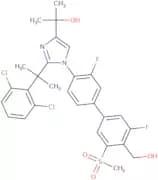
CAS:<p>XL041 is a molecule that inhibits coronaviral infection. It binds to the coronaviral protein and prevents it from entering cells, thus inhibiting the virus.</p>Formula:C29H28Cl2F2N2O4SPurity:Min. 95%Molecular weight:609.5 g/molMK 8617
CAS:<p>Hypoxia inducible prolyl hydroxylase 1-3 (HIF PHD 1-3) inhibitor</p>Formula:C24H21N5O4Purity:Min. 95%Molecular weight:443.45 g/molN,N'-[9[[4-(Dimethylamino)phenyl]amino]-3,6-acridinediyl]bis-1-pyrrolidinepropanamide trihydrochloride
CAS:<p>Please enquire for more information about N,N'-[9[[4-(Dimethylamino)phenyl]amino]-3,6-acridinediyl]bis-1-pyrrolidinepropanamide trihydrochloride including the price, delivery time and more detailed product information at the technical inquiry form on this page</p>Formula:C35H46Cl3N7O2Purity:Min. 95%Molecular weight:703.1 g/molInfluenza B antibody
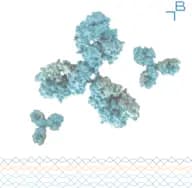
<p>Influenza B antibody is a neutralizing monoclonal antibody that specifically targets the influenza B virus. It works by binding to the hemagglutinin protein on the surface of the virus, preventing it from infecting host cells. This antibody has been shown to be effective in inhibiting viral replication and reducing the severity of symptoms associated with influenza B infection.</p>MYCi361
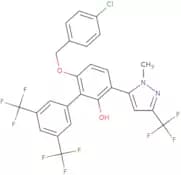
CAS:<p>MYCi361 is an antibody-drug conjugate that targets the histone deacetylase. MYCi361 has been shown to be effective in treating leukocyte antigen (HLA)-expressing tumours, such as melanoma, colorectal cancer, and breast cancer that overexpress the HER2 receptor. MYCi361 blocks the biological activity of histone deacetylase by binding to it, which results in reduced expression of HLA proteins. This leads to tumor regression and prolonged survival in animal models.</p>Formula:C26H16ClF9N2O2Purity:Min. 95%Molecular weight:594.9 g/molTenascin C antibody
<p>The Tenascin C antibody is a highly specialized product used in the field of Life Sciences. It is an activated glycoprotein that acts as a growth factor and plays a crucial role in various cellular processes. This antibody is widely used in immunoassays, particularly in the detection and quantification of Tenascin C levels.</p>Chlamydia trachomatis antibody
<p>Chlamydia trachomatis antibody was raised in goat using purified MOMP from strain L2 as the immunogen.</p>Purity:Min. 95%Hexasulphan
CAS:<p>Hexasulphan linker contains mesyloxy groups that can react with nucleophiles. Cleavage occurs under reducing conditions for controlled payload release.</p>Formula:C8H18O6S2Purity:Min. 95%Molecular weight:274.4 g/molRPS6KA4 antibody
<p>RPS6KA4 antibody was raised in mouse using recombinant Human Ribosomal Protein S6 Kinase, 90Kda, Polypeptide 4 (Rps6Ka4)</p>ETS1 antibody
<p>ETS1 antibody is a growth factor that targets tyrosine residues on proteins. It can be used in combination with other antibodies, such as trastuzumab (anti-HER2 antibody), to inhibit the growth of cancer cells. ETS1 antibody binds to the epidermal growth factor receptor and prevents the activation of downstream signaling pathways that promote cell proliferation. This monoclonal antibody specifically recognizes the amino and carbonyl groups on ETS1 protein, allowing for highly specific binding. ETS1 antibody is commonly used in Life Sciences research, particularly in studies involving antibodies and their interactions with various proteins. It has also been shown to have potential therapeutic applications, such as targeting lipoprotein lipase or CD33 on mesenchymal stem cells.</p>Dezapelisib
CAS:<p>Dezapelisib is a potent, selective small molecule activator of the human epidermal growth factor receptor 2 (HER2) receptor. It is an antibody-like small molecule that binds to the extracellular domain of the HER2 receptor and activates its signaling pathway. Dezapelisib has been shown to inhibit tumor growth in several different xenograft models, including mouse models of breast cancer and ovarian cancer, as well as in a mouse model of lung cancer. In preclinical studies, dezapelisib has also demonstrated activity against other tumor types including colon cancer and pancreatic cancer. As such, dezapelisib may be useful for treating patients with cancers that have HER2 overexpression or amplification.</p>Formula:C20H16FN7OSPurity:Min. 95%Molecular weight:421.5 g/molTAGLN antibody
<p>The TAGLN antibody is a monoclonal antibody that acts as an anti-connexin agent. It targets connexin proteins involved in endothelial growth and adipose tissue development. This antibody has been extensively studied in the field of Life Sciences and has shown promising results in various research areas. It has been used to study the role of connexins in angiogenesis, immune response, and cell signaling pathways. The TAGLN antibody is cytotoxic and has been shown to neutralize certain chemokines and growth factors. It is commonly used in experiments involving human serum and has also been utilized to detect alpha-fetoprotein levels. With its specificity and effectiveness, the TAGLN antibody is a valuable tool for researchers in understanding cellular processes and developing therapeutic interventions.</p>N-Hydroxy-4-{5-[4-(5-isopropyl-2-methyl-1,3-thiazol-4-yl)phenoxy]pentoxy}benzamidine
CAS:<p>N-Hydroxy-4-[5-(4-isopropyl-2-methyl-1,3-thiazol-4-yl)phenoxy]pentoxybenzamidine is a substance that has been shown to have an inhibitory effect on the production of proinflammatory cytokines and chemokines in vitro. It has been studied as a potential treatment for inflammatory diseases, such as rheumatoid arthritis. N-Hydroxy-4-[5-(4-isopropyl-2-methyl-1,3-thiazol-4--yl)phenoxy]pentoxybenzamidine is also known as alendronic acid and is used to treat osteoporosis. It can be administered orally or perorally and is often given in combination with alendronic acid or other drugs.</p>Formula:C25H31N3O3SPurity:Min. 95%Molecular weight:453.6 g/molSyntaxin 1A antibody
<p>The Syntaxin 1A antibody is a highly specialized monoclonal antibody used in Life Sciences research. It is designed to specifically target and bind to Syntaxin 1A, a protein involved in vesicle fusion and neurotransmitter release. This antibody is commonly used in various assays to study the activation and localization of Syntaxin 1A in different cellular contexts.</p>Purity:Min. 95%Kurtoxin
Kurtoxin is a synthetic scorpion toxin sourced from the scorpion, Parabuthus transvaalicus and can be applied as a T-type Ca2+ channel blocker. This product has disulfide bonds between Cys12-Cys61Cys16-Cys37, Cys23-Cys44, and Cys27-Cys46 and is available as a 0.1mg vial.Formula:C324H478N94O90S8Purity:Min. 95%Molecular weight:7,386.4 g/molTBX1 antibody
<p>The TBX1 antibody is a highly specialized antibody that plays a crucial role in the field of Life Sciences. It specifically targets and binds to a cell antigen found on functional endothelial cells. This antibody is produced by hybridoma cells and has been extensively studied for its ability to inhibit the growth factor responsible for the development of pluripotent stem cells.</p>IFN g Rat
<p>IFN-g rat is a peptide that has been used as an activator of immune cells. It binds to the interferon gamma receptor, and promotes the proliferation of T helper cells and B cells, as well as the production of cytokines. IFN-g rat is also used in research to study protein interactions and ligand-receptor binding. IFN-g rat is a recombinant human protein that has been shown to have no detectable levels of pyrogens or endotoxins.<br>IFN-g Rat is available in bulk quantities from Life Science Research Tools, Inc.</p>Purity:Min. 95%Low-Density Lipoprotein Human
<p>Low-density lipoprotein (LDL) is a type of lipoprotein that contains a high proportion of cholesterol and triglycerides. It is called "low-density lipoprotein" because it has less protein and more fat than "high-density lipoproteins", which are the other major group of lipoproteins. LDL is the main carrier of cholesterol in the blood, and carries about 25% of all the body's cholesterol. The LDL receptor is the cellular receptor for LDL, which is located on the surface of liver cells. The binding site for LDL on its receptor is called LDL Receptor Related Protein 1 or LRP1. LRP1 binds to apolipoprotein E on LDL particles and facilitates their uptake into cells by endocytosis.</p>Purity:Min. 95%Cystatin C Light Tryptic Peptide Standard (4nmol)
<p>Cystatin C Light Tryptic Peptide Standard for use in protein identification and quantitation studies. Cystatin C is a non-glycosylated, basic protein which can be used as a biomarker to determine kidney function.</p>Purity:Min. 95%KGF Human
<p>KGF Human is a peptide that belongs to the group of activators. It is a heparin-binding growth factor that belongs to the TGF-β family. KGF Human stimulates cell proliferation, differentiation, and survival in vitro. The binding of KGF Human to its receptor inhibits the activity of ion channels and ligand-gated ion channels, which are involved in the transmission of nerve impulses. KGF Human has been shown to have anti-inflammatory effects in vivo. This peptide can activate erythropoietin production from cultured human erythroleukemia cells and stimulate osteoblast differentiation from human bone marrow stromal cells.</p>Purity:Min. 95%[Sar1,Val5,Ala8]-Angiotensin II
<p>Angiotensin II is a peptide hormone that has been found in all vertebrates. Angiotensin II acts as an agonist, binding to receptors and inducing the activation of adenylyl cyclase, which leads to an increase in intracellular cAMP. Angiotensin II also binds to AT1 receptors, leading to vasoconstriction, increased blood pressure and stimulation of the sympathetic nervous system. This peptide has been shown to be a potent antagonist for bradykinin-induced contractions in rat ileum and guinea pig ileum. It is thought that this peptide may have anti-inflammatory actions due to its ability to inhibit the production of inflammatory mediators such as prostaglandins and leukotrienes by inhibiting phospholipase A2 activity.</p>Formula:C42H65N13O10•CH3COOH•4H2OPurity:Min. 95%Molecular weight:1,044.16 g/molDIRAS1 antibody
<p>DIRAS1 antibody was raised using the N terminal of DIRAS1 corresponding to a region with amino acids PEQSNDYRVVVFGAGGVGKSSLVLRFVKGTFRDTYIPTIEDTYRQVISCD</p>Purity:Min. 95%AQP5 antibody
<p>The AQP5 antibody is a highly effective medicament in the form of a monoclonal antibody. It is specifically designed to neutralize the harmful effects of certain substances in the body. This powerful antibody has been extensively tested and proven to be highly effective in various scientific studies.</p>Purity:Min. 95%Serum amyloid A Light Tryptic Peptide Standard (4nmol)
<p>Serum Amyloid A Light Tryptic Peptide Standard can be use in protein identification and quantitation studies and level of serum amyloid A are present at a blood concentration of below 3 mg/L in healthy individual. However elevated levels of this protein are found in inflammatory rheumatic diseases, hence making serum amyloid A an excellent biomarker for these types of diseases.</p>Purity:Min. 95%CCR2 antibody
<p>CCR2 antibody was raised using a synthetic peptide corresponding to a region with amino acids LIMVICYSGILKTLLRCRNEKKRHRAVRVIFTIMIVYFLFWTPYNIVILL</p>Purity:Min. 95%Anti CRF (24-41), humanSerum
<p>Anti CRF (24-41) is an activator of the CRF receptor, which is a G protein-coupled receptor. This antibody binds to a specific region of the human CRF1 receptor and can be used as a research tool to investigate the function of the CRF receptor. Anti CRF (24-41) can also be used to inhibit cell proliferation and induce apoptosis in cancer cells. It is also used to study protein interactions with fluorescence resonance energy transfer (FRET). This antibody has been shown to inhibit voltage-gated K+ channels in neuronal cells. Anti CRF (24-41) is purified from human serum and can be used for applications such as pharmacology, peptide synthesis, or life science research.</p>Purity:Min. 95%BRUNOL5 antibody
<p>BRUNOL5 antibody was raised using the middle region of BRUNOL5 corresponding to a region with amino acids GVVPFPGGHPALETVYANGLVPYPAQSPTVAETLHPAFSGVQQYTAMYPT</p>A 844606
CAS:<p>A 844606 is a flavanones drug which has been shown to inhibit the proliferation of human tumor cells. It also induces tumor cell apoptosis and inhibits tumor growth in mice. A 844606 has been shown to bind to nicotinic acetylcholine receptors, and as such is an agonist for these receptors. It is a subtype-selective antagonist of nicotinic acetylcholine receptor subtypes α3β4 and α7, but not for α3β2. A 844606 has also been shown to have antitussive properties, indicating that it may be useful in the treatment of chronic obstructive pulmonary disease.</p>Formula:C20H20N2O2Purity:Min. 95%Molecular weight:320.4 g/molSITPEC antibody
<p>SITPEC antibody was raised in rabbit using the middle region of SITPEC as the immunogen</p>Purity:Min. 95%Anti IL-1B (Rat) Monoclonal Antibody
<p>Anti IL-1B (Rat) Monoclonal Antibody is a recombinant monoclonal antibody that blocks the activity of IL-1β. This antibody binds to the receptor and inhibits the signal transduction process. Anti IL-1B (Rat) Monoclonal Antibody has been shown to be an inhibitor of erythrocyte aggregation in vitro and in vivo, as well as an inhibitor of neutrophil degranulation. This antibody also has a high purity level.</p>Purity:Min. 95%PSENEN antibody
<p>PSENEN antibody was raised in rabbit using the C terminal of PSENEN as the immunogen</p>Purity:Min. 95%Phen-DC3
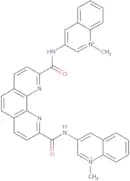
CAS:<p>Phen-DC3 is a fluorescent derivative that belongs to the class of pyridostatin analogues. It is a small molecule with an anti-cancer effect and can be used as a model system for studying cellular processes such as DNA replication, transcription, and translation. Phen-DC3 binds to nuclear dna and prevents the formation of dna duplexes by binding to the minor groove of the double helix. This binding leads to inhibition of RNA synthesis and DNA replication. The compound also inhibits protein synthesis by inhibiting ribosomes. Phen-DC3 has been shown to have polymorphic activity against cancer cells in vitro, which may be due to its ability to inhibit rna replication in cancer cells.</p>Formula:C34H26N6O2Purity:Min. 95%Molecular weight:550.6 g/molCOPB1 antibody
<p>COPB1 antibody was raised using the middle region of COPB1 corresponding to a region with amino acids QLALDLVSSRNVEELVIVLKKEVIKTNNVSEHEDTDKYRQLLVRTLHSCS</p>AAL toxin TD1
CAS:<p>Alternaria alternata is a fungus that produces the toxin TD1, which is a potent cytotoxin. This toxin inhibits protein synthesis in mammalian cells by binding to ribosomes and inhibiting protein synthesis.</p>Formula:C27H49NO10Purity:Min. 95%Molecular weight:547.7 g/molHDAC8-IN-1
CAS:<p>HDAC8-IN-1 is a small molecule inhibitor of class I histone deacetylases (HDACs). It is a potent inhibitor of HDAC8, the most abundant HDAC in the human genome. In vitro studies have shown that HDAC8-IN-1 inhibits self-renewal and differentiation of cancer stem cells. In vivo, HDAC8-IN-1 treatment inhibited tumor growth in mouse models of leukemia and breast cancer. The pharmacological inhibition of HDAC8 with HDAC8-IN-1 has been shown to inhibit expression of genes involved in cell cycle regulation, angiogenesis, metastasis, and immune suppression.</p>Formula:C22H19NO3Purity:Min. 95%Molecular weight:345.39 g/molKr-62436 hydrate
CAS:<p>Kr-62436 hydrate is a potent and selective agonist of the glucagon-like peptide-1 (GLP-1) receptor. It has been shown to be biologically active in humans and other animal models. Kr-62436 hydrate has been shown to stimulate glucose uptake and increase insulin secretion in fat tissue, as well as inhibit food intake via activation of the GLP-1 receptor. Kr-62436 hydrate also enhances the release of human GLP-1 from pancreatic β cells.</p>Formula:C14H15N7OPurity:Min. 95%Molecular weight:297.32 g/molSHC3 antibody
<p>SHC3 antibody was raised using a synthetic peptide corresponding to a region with amino acids RLKPRPHAPDTAQFAGKEQTYYQGRHLGDTFGEDWQQTPLRQGSSDIYST</p>BRAF antibody
<p>The BRAF antibody is a highly specialized monoclonal antibody used in the field of Life Sciences. It has been extensively studied for its neutralizing effects on various growth factors, such as TGF-beta and EGF-like proteins. This monoclonal antibody has shown promising results in inhibiting the growth and proliferation of cancer cells. It has been found to be effective in combination with other therapies like doxorubicin, collagen, trastuzumab, and sorafenib.</p>ICI-118551 Hydrochloride
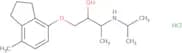
CAS:<p>ICI-118551 Hydrochloride is a drug that binds to the β-adrenergic receptor, which may be an important therapeutic target for the treatment of depression. ICI-118551 Hydrochloride has been shown to have positive effects in vivo in animal studies, and also stabilizes cancer cells. ICI-118551 Hydrochloride is a potent agonist at β-adrenergic receptors with a high affinity for these receptors. It has been found to be efficacious in assays measuring receptor binding and activity, and it also binds selectively to β-adrenergic receptors.<br>ICI-118551 Hydrochloride is not active against primary tumours, but it does show anti-cancer effects. This drug stabilizes cancer cells by inhibiting the activation of G proteins downstream of the β adrenoceptor.</p>Formula:C17H27NO2·HClPurity:Min. 95%Molecular weight:313.86 g/molH-TSALLAGTITSGWTF-OH
<p>Peptide H-TSALLAGTITSGWTF-OH is a Research Peptide with significant interest within the field academic and medical research. This peptide is available for purchase at Cymit Quimica in multiple sizes and with a specification of your choice.</p>Formula:C70H106N16O21Molecular weight:1,525.7 g/molAc-YVAD-pNA
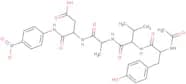
CAS:<p>Ac-YVAD-pNA is a synthetic tetrapeptide inhibitor, which is primarily derived from specific peptide sequences designed to selectively inhibit cysteine protease activity. It acts by mimicking the natural substrates of the enzyme caspase-1 and competitively inhibiting its activity. The acetylated N-terminus (Ac-) and para-nitroanilide (pNA) group at the C-terminus facilitate the penetration across cell membranes and spectrophotometric measurement, respectively.Ac-YVAD-pNA is extensively utilized in biochemical research to investigate the role of caspase-1, which is a key player in inflammatory processes and apoptosis. By inhibiting caspase-1, researchers can study its involvement in the maturation of pro-inflammatory cytokines such as IL-1β and IL-18. The use of this inhibitor is crucial in elucidating the mechanisms of pyroptosis, a form of programmed cell death associated with inflammation. This tool aids in dissecting the pathways implicated in various diseases, including autoimmune disorders, neurodegenerative diseases, and infections, providing insights into potential therapeutic targets.</p>Formula:C29H36N6O10Molecular weight:628.63 g/molEletriptan-d5
CAS:Controlled Product<p>Eletriptan-d5 is a monoclonal antibody that binds to the CGRP receptor and blocks the activation of the receptor. Eletriptan-d5 is used as a research tool for studying peptides, pharmacology, and protein interactions. The antibody has been shown to inhibit the activation of ion channels in various cells, including human embryonic kidney cells. Eletriptan-d5 has also been shown to block the binding of ligands to certain receptors, such as the CGRP receptor.</p>Formula:C22H21D5N2O2SPurity:Min. 95%Molecular weight:387.55 g/molN-[3-(1H-Imidazol-5-ylmethyl)phenyl]ethanesulfonamide
CAS:<p>N-[3-(1H-Imidazol-5-ylmethyl)phenyl]ethanesulfonamide is a ligand that binds to and activates the ion channel TRPV2. This compound is used in research as a tool for studying the function of ion channels. It has been shown to bind to and activate TRPV2 which is found in many cells, including human colon cancer cells. N-[3-(1H-Imidazol-5-ylmethyl)phenyl]ethanesulfonamide also binds to the receptor CXCR4 and inhibits cell proliferation, which may be due to its inhibition of protein synthesis. This active form is an agonist of the vasopressin V2 receptor and has been shown to inhibit the production of inflammatory cytokines such as IL-1β, IL-6, and TNFα.</p>Formula:C12H15N3O2SPurity:Min. 95%Molecular weight:265.33 g/molRilmazafone
CAS:<p>Rilmazafone is a peptide that belongs to the class of activators. It has been shown to stimulate antibody production in research animals and may be used as a research tool for studying the function of ion channels and protein interactions. Rilmazafone has also been found to inhibit the activity of receptors, ligands, and ion channels.</p>Formula:C21H20Cl2N6O3Purity:Min. 95%Molecular weight:475.3 g/molCathelicidin Antimicrobial Peptide, human, recombinant
<p>Cathelicidin antimicrobial peptide, human, recombinant is a recombinant peptide that has been artificially synthesized. This peptide functions as an antimicrobial to inhibit the growth of bacteria by binding to cellular membranes and disrupting their integrity. Cathelicidin antimicrobial peptide, human, recombinant is expressed in extracellular fluids and functions as chemotaxis and n-terminal signal peptides. The molecular mass of cathelicidin antimicrobial peptide, human, recombinant is 17 kDa. It is active against Escherichia coli, but not against other organisms such as yeast or protozoa. Cathelicidin antimicrobial peptide, human, recombinant also has an inflammatory response in the body (e.g., fever).</p>Purity:Min. 95%TGR5 Receptor Agonist
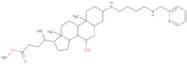
CAS:<p>TGR5 Receptor Agonist is a synthetic compound designed to activate the G protein-coupled bile acid receptor 1, commonly known as TGR5. This receptor is largely expressed in various tissues, including liver, brown adipose tissue, and the gastrointestinal tract. TGR5 agonists are derived through chemical synthesis, enabling precise modulation of biological pathways. The mechanism of action involves activation of the TGR5 receptor, which leads to downstream signaling cascades that enhance energy expenditure, improve insulin sensitivity, and exert anti-inflammatory effects.</p>Formula:C18H14Cl2N2O2Purity:Min. 95%Molecular weight:361.22 g/molUST antibody
<p>UST antibody was raised using the C terminal of UST corresponding to a region with amino acids YFKGVLSIYKDPEHRKLGNMTVTVKKTVPSPEAVQILYQRMRYEYEFYHY</p>PD 176252
CAS:<p>PD 176252 is a cytosolic calcium ionophore that has been shown to enhance the cytotoxicity of cisplatin in cancer cells. It binds to cyclic adenosine monophosphate (cAMP) and increases intracellular calcium concentrations by opening the channels of R-type voltage dependent calcium channels. PD 176252 also inhibits epidermal growth factor receptor tyrosine kinase activity, which may contribute its anti-cancer effects. The molecular modeling study showed that PD 176252 binds to the peptide binding site on metalloproteases by hydrogen bonding with the backbone amide group of Asp residues, which are often found in this region. This drug does not inhibit proteolysis, but blocks the catalytic domain of metalloproteases from binding to substrates.</p>Formula:C32H36N6O5Purity:Min. 95%Molecular weight:584.67 g/mol2-(2-((5-(Thiophen-2-yl)isoxazol-3-yl)methoxy)acetamido)-4,5,6,7-tetrahydrobenzo[b]thiophene-3-carboxamide
CAS:<p>2-(2-((5-(Thiophen-2-yl)isoxazol-3-yl)methoxy)acetamido)-4,5,6,7-tetrahydrobenzo[b]thiophene-3-carboxamide is a potent and selective inhibitor of the voltage-gated sodium channels which are involved in the generation and propagation of action potentials in excitable cells. It inhibits the activity of these channels by binding to the extracellular domain of their alpha subunit. The affinity of 2-(2-((5-(Thiophen-2-yl)isoxazol-3-yl)methoxy)acetamido)-4,5,6,7-tetrahydrobenzo[b]thiophene 3 carboxamide for its target is about 100 times greater than for other ion channels such as potassium channels. This compound has been shown to be effective against chronic pain</p>Formula:C19H19N3O4S2Purity:Min. 95%Molecular weight:417.5 g/mol(E)-4,5-Dihydro-6-(2-(4-pyridinyl)ethenyl)-3(2H)-pyridazinone
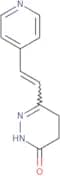
CAS:<p>(E)-4,5-Dihydro-6-(2-(4-pyridinyl)ethenyl)-3(2H)-pyridazinone is a neurohormonal that is used to treat systemic hypertension. It binds to the enzymes in the sympathetic nervous system and blocks the production of norepinephrine and epinephrine. This results in decreased blood pressure by reducing peripheral vascular resistance, slowing heart rate, and reducing cardiac output. (E)-4,5-Dihydro-6-(2-(4-pyridinyl)ethenyl)-3(2H)-pyridazinone is also known as a vasodilator due to its ability to relax vascular smooth muscle cells. The drug has been demonstrated effective at lowering blood pressure in animals with congestive heart failure.</p>Formula:C11H11N3OPurity:Min. 95%Molecular weight:201.22 g/molIRF3 antibody
<p>The IRF3 antibody is a highly effective tool used in Life Sciences and research applications. This monoclonal antibody specifically targets the interferon regulatory factor 3 (IRF3), a key player in the immune response pathway. By binding to IRF3, this antibody can neutralize its activity and prevent downstream signaling events.</p>Reovirus Type 3 protein (Mouse)
<p>Purified native Reovirus Type 3 protein (Mouse)</p>Purity:Min. 95%2-[(2S)-5,5-Dimethylmorpholin-2-yl]acetic acid
CAS:<p>2-[(2S)-5,5-Dimethylmorpholin-2-yl]acetic acid (DMCM) is a potent antagonist of the excitatory amino acid receptor. It is an enantiomer of baclofen and has been shown to have similar pharmacological properties to baclofen. 2-[(2S)-5,5-Dimethylmorpholin-2-yl]acetic acid reversibly blocks the NMDA receptor and has a maximal effect when administered at low doses. This agent also blocks the GABA receptor and increases dopamine release in the nucleus accumbens. 2-[(2S)-5,5-Dimethylmorpholin-2-yl]acetic acid is used for research purposes only.</p>Formula:C8H15NO3Purity:Min. 95%Molecular weight:173.21 g/molTFCP2 antibody
<p>The TFCP2 antibody is a polyclonal antibody that is widely used in life sciences research. It specifically targets the transcription factor CP2 (TFCP2) and is commonly used to study its role in various cellular processes. This antibody has been shown to effectively detect TFCP2 in different experimental settings, including Western blotting, immunohistochemistry, and immunofluorescence.</p>DPM-1001
CAS:<p>DPM-1001 is a bioactive synthetic compound, classified as a small molecule inhibitor, which is derived from targeted chemical synthesis and optimization processes. It functions through the inhibition of specific enzymatic pathways that are critical in cellular signaling cascades. The mode of action involves binding to the active site of the target enzyme, thereby preventing its normal substrate interaction and subsequent downstream signaling. This mechanism allows for the modulation of specific biochemical pathways, making it a powerful tool in cellular research.</p>Formula:C35H57N3O3Purity:Min. 95%Molecular weight:567.8 g/molECHDC2 antibody
<p>ECHDC2 antibody was raised using the middle region of ECHDC2 corresponding to a region with amino acids TQRLPRCLGVALAKELIFTGRRLSGTEAHVLGLVNHAVAQNEEGDAAYQR</p>Purity:Min. 95%Integrin α 8 antibody
<p>Integrin Alpha 8 antibody was raised using the N terminal of ITGA8 corresponding to a region with amino acids GEKQTEVAPASYDDSYLGYSVAAGEFTGDSQQELVAGIPRGAQNFGYVSI</p>Purity:Min. 95%FKBP1a /FKBP12 protein (His tag)
<p>1-108 amino acids: MGSSHHHHHH SSGLVPRGSH MGVQVETISP GDGRTFPKRG QTCVVHYTGM LEDGKKFDSS RDRNKPFKFM LGKQEVIRGW EEGVAQMSVG QRAKLTISPD YAYGATGHPG IIPPHATLVF DVELLKLE</p>Purity:Min. 95%Galosemide
CAS:<p>Galosemide is a drug that belongs to the class of organic acids. It is used in the treatment of congestive heart failure and hypertension. This drug binds to specific target proteins, which are present in the heart muscle cells, to lower blood pressure by preventing arrhythmia. The trifluoromethyl group on galosemide allows it to bind with high affinity and specificity to these target proteins. Galosemide also has been shown to affect cardiac metabolism by lowering levels of lipids (dyslipidemia) and reducing ventricular dysfunction due to its ability to decrease cardiac energy consumption. Galosemide may be administered orally or intravenously as a reconstituted solution. It can be diluted with water for injection or mixed with other diluents such as glucose, mannitol, dextrose, or sodium chloride for oral use.</p>Formula:C15H14F3N3O3SPurity:Min. 95%Molecular weight:373.4 g/molProrenin (314-337), human
<p>Prorenin is a peptide that is a member of the renin-angiotensin system. It is an activator of angiotensin converting enzyme that converts angiotensin I to angiotensin II, which has potent cardiovascular effects. Prorenin (314-337) is purified from human plasma by ion exchange chromatography and has a purity >98%. It can be used as a research tool or as an antibody for immunohistochemical staining. Prorenin (314-337) has been shown to inhibit the activity of several ion channels, including Ca2+ channels, Na+ channels, and K+ channels in rat brain cells.</p>Purity:Min. 95%NFT antibody
<p>NFT antibody was raised in rabbit using disaggregated paired helical filaments as the immunogen.</p>Purity:Min. 95%Troponin T antibody
<p>Troponin T antibody is a highly specialized antibody that specifically targets and activates troponin T, a protein involved in muscle contraction. This monoclonal antibody has been extensively studied and proven to be effective in various applications. It has been used to investigate the role of troponin T in different physiological processes, including the response to epinephrine and adeno-associated viral infection. Additionally, this antibody has shown promising results in research related to collagen synthesis, microvessel density, glycoprotein analysis, and metal-binding protein studies. Its high specificity and affinity make it a valuable tool for researchers in the field of life sciences. With its ability to target troponin T with precision, this monoclonal antibody opens up new possibilities for understanding the intricate mechanisms of muscle function and related diseases.</p>Chidamide
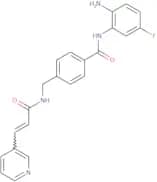
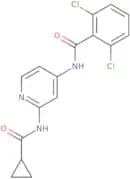
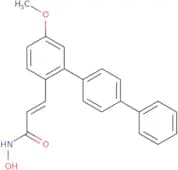
CAS:<p>Chidamide is an inhibitor of histone deacetylases (HDACs) that belongs to the drug therapy groups. It induces apoptosis by increasing the expression of Bcl-2 protein and decreasing the expression of Bax protein in squamous cell carcinoma cells. Chidamide also has a significant cytotoxicity, which is caused by its ability to inhibit HDACs and induce apoptosis. Combination therapy with nonsteroidal anti-inflammatory drugs and other drugs may have a synergistic effect on cancer treatment.</p>Formula:C22H19FN4O2Purity:Min. 95%Molecular weight:390.4 g/molDehydro indapamide-d3
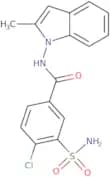
CAS:<p>Please enquire for more information about Dehydro indapamide-d3 including the price, delivery time and more detailed product information at the technical inquiry form on this page</p>Formula:C16H14ClN3O3SPurity:Min. 95%Molecular weight:366.8 g/molL-741626
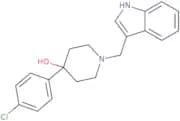
CAS:<p>L-741626 is a dopamine receptor agonist that binds to the D2 dopamine receptor. It has been shown to reduce levels of dopamine in the body, which may be due to its ability to inhibit fatty acid production. L-741626 may be useful for diagnosing neurologic disorders such as Parkinson's disease and depression. L-741626 also has a hypoglycemic effect and increases calcium levels in cells. The drug has been shown to have low toxicity in animal studies and has been used as an anti-cancer agent. In addition, L-741626 is able to decrease locomotor activity and pain responses in animal models.</p>Formula:C20H21ClN2OPurity:Min. 95%Molecular weight:340.85 g/molGDC046
CAS:<p>GDC046 is a triazole compound with inhibitory properties that acts as a tyrosine kinase inhibitor. It binds to the active site of the enzyme and prevents ATP from binding, inhibiting the enzyme's activity. GDC046 has shown efficacy in vitro against several cancer cell lines and has been found to be safe in vivo. GDC046 has also been found to be selective for the target enzyme, which minimizes off-target effects.</p>Formula:C16H13Cl2N3O2Purity:Min. 95%Molecular weight:350.2 g/molBestatin trifluoroacetate
CAS:<p>Bestatin trifluoroacetate is an aminopeptidase inhibitor, which is sourced from the fermentation products of the Streptomyces species. Its mode of action involves the competitive inhibition of aminopeptidases, specifically targeting enzymes like aminopeptidase B and leukotriene A4 hydrolase. This inhibitory action results in the modulation of peptide-related processes within the cell, affecting the degradation of peptides into amino acids.</p>Formula:C18H25F3N2O6Purity:Min. 95%Molecular weight:422.4 g/molCNP-53 (Porcine, Rat)
<p>CNP-53 is a peptide that is an inhibitor of protein interactions. It is a peptide sequence consisting of 53 amino acids and has been shown to inhibit the binding of human CNPase to its substrate, cyclic nucleotide monophosphate (cNMP). CNP-53 can also be used as a research tool to study the function of ion channels and receptors. This peptide has been shown to be highly purified and is produced in mammalian cells. It has a CAS number:</p>Formula:C251H414N82O70S3Purity:Min. 95%Molecular weight:5,796.7 g/molPneumadin (rat)
CAS:<p>Please enquire for more information about Pneumadin (rat) including the price, delivery time and more detailed product information at the technical inquiry form on this page</p>Formula:C47H74N12O15Molecular weight:1,047.18 g/molGS-704277
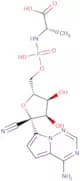
CAS:<p>GS-704277 is a small molecule antiviral drug that has been shown to inhibit the replication of influenza virus. GS-704277 is an orally bioavailable prodrug that undergoes metabolism in the liver to its active form, GS-742. This compound inhibits viral RNA synthesis by binding to the viral polymerase and inducing conformational changes in the enzyme that disrupt its ability to synthesize viral RNA. GS-704277 has been shown to have a low potential for human toxicity and is effective against a wide range of viruses.</p>Formula:C15H19N6O8PPurity:Min. 95%Molecular weight:442.32 g/molAnti IL-1β (Rat) Serum
<p>Anti IL-1beta (Rat) Serum is a peptide used as a research tool in immunology and cell biology. It is an inhibitor of the inflammatory cytokine IL-1β, and binds to its receptor with high affinity. This antibody can be used in pharmacological studies to investigate protein interactions. The use of this antibody has been shown to inhibit the activation of ion channels, which may lead to the treatment of diseases such as Alzheimer's disease and epilepsy.</p>BRaf antibody
<p>BRaf antibody is a high-quality polyclonal antibody that is widely used in life sciences research. It specifically targets BRaf, a protein involved in various cellular processes such as collagen synthesis and regulation of alpha-fetoprotein expression. This antibody is highly specific and has low cross-reactivity with other proteins, ensuring accurate and reliable results.</p>ADAM10 , human, recombinant
<p>ADAM10 is a protease that regulates the cell-surface expression of other proteins. ADAM10 cleaves the extracellular domain of membrane-bound proteins and releases them into the extracellular space. This protein has been shown to be important in the progression of Alzheimer's disease by regulating the processing of amyloid precursor protein (APP). ADAM10 is also expressed at the cell surface, where it may function as an enzyme responsible for cleaving glycerol from lipids. The human form of this protein has a molecular mass of 27 kDa and an extracellular domain with a length of 217 amino acids, with n-terminal sequence that starts at position 1. ADAM10 is soluble and consists of two domains: an N-terminal domain and a C-terminal domain.</p>Purity:Min. 95%Paxillin antibody
<p>The Paxillin antibody is a glycoprotein that belongs to the class of polyclonal antibodies. It is widely used in life sciences research for various applications. This antibody specifically targets TNF-α, a cytokine involved in inflammation and apoptosis. By binding to TNF-α, the Paxillin antibody can neutralize its activity and prevent downstream effects such as cell death. The Paxillin antibody has been extensively studied and has shown promising results in preclinical studies as a potential therapeutic agent for various diseases. It can be used in combination with other antibodies, such as adalimumab, to enhance its efficacy. Additionally, the Paxillin antibody has been used in diagnostic assays to detect the presence of TNF-α in patient samples. Its high specificity and sensitivity make it a valuable tool for researchers and clinicians alike.</p>Purity:Min. 95%


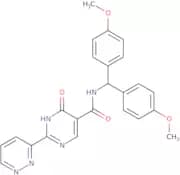
![N,N'-[9[[4-(Dimethylamino)phenyl]amino]-3,6-acridinediyl]bis-1-pyrrolidinepropanamide trihydrochlo…](/_next/image/?url=https%3A%2Fstatic.cymitquimica.com%2Fproducts%2F3D%2Fthumb-webp%2FCXB79888.webp&w=3840&q=75)


![N-Hydroxy-4-{5-[4-(5-isopropyl-2-methyl-1,3-thiazol-4-yl)phenoxy]pentoxy}benzamidine](/_next/image/?url=https%3A%2Fstatic.cymitquimica.com%2Fproducts%2F3D%2Fthumb-webp%2FRUA57761.webp&w=3840&q=75)



![[Sar1,Val5,Ala8]-Angiotensin II](/_next/image/?url=https%3A%2Fstatic.cymitquimica.com%2Fproducts%2F3D%2Fthumb-webp%2FPAN-4071.webp&w=3840&q=75)








![N-[3-(1H-Imidazol-5-ylmethyl)phenyl]ethanesulfonamide](/_next/image/?url=https%3A%2Fstatic.cymitquimica.com%2Fproducts%2F3D%2Fthumb-webp%2FIKA52674.webp&w=3840&q=75)

![2-(2-((5-(Thiophen-2-yl)isoxazol-3-yl)methoxy)acetamido)-4,5,6,7-tetrahydrobenzo[b]thiophene-3-car…](/_next/image/?url=https%3A%2Fstatic.cymitquimica.com%2Fproducts%2F3D%2Fthumb-webp%2FTKB07558.webp&w=3840&q=75)

![2-[(2S)-5,5-Dimethylmorpholin-2-yl]acetic acid](/_next/image/?url=https%3A%2Fstatic.cymitquimica.com%2Fproducts%2F3D%2Fthumb-webp%2FKGA41507.webp&w=3840&q=75)