Biochemicals and Reagents
Biochemicals and reagents are fundamental substances for research and development in fields such as biotechnology, molecular biology, pharmacology, and medicine. These products are essential for a variety of applications, including compound synthesis, biological sample analysis, metabolic process research, and drug production. At CymitQuimica, we offer a wide selection of high-quality, high-purity biochemicals and reagents suitable for various scientific and industrial needs. Our catalog includes enzymes, antibodies, nucleic acids, amino acids, and many other products, all designed to support researchers and professionals in their research and development projects, ensuring reliable and reproducible results.
Subcategories of "Biochemicals and Reagents"
- Biomolecules(99,118 products)
- By Biological Target(99,156 products)
- By Pharmacological Effects(6,788 products)
- Cryopreservatives(21 products)
- Desinfectants and Related Compounds(28 products)
- Hormones(346 products)
- Plant Biology(6,748 products)
- Secondary Metabolites(14,233 products)
Found 130579 products of "Biochemicals and Reagents"
Sort by
Purity (%)
0
100
|
0
|
50
|
90
|
95
|
100
IK1 inhibitor PA-6
CAS:<p>IK1 inhibitors have been shown to reduce the size of the atria in Sprague-Dawley rats. The effect is dose-dependent and reversible. This effect is caused by a reduction in the activation energy of the cardiac myocytes, which leads to a change in the kinetics of ion channels, as well as changes in intracellular calcium levels. IK1 inhibitors are polymers that contain an array of hydrophilic and hydrophobic segments. This polymer matrix has been shown to be effective for drug delivery to the heart, lungs, and other organs. IK1 inhibitor PA-6 has been shown to be effective for controlling water vapor transport from surfaces due to its high surface methodology and low viscosity properties.</p>Formula:C31H32N4O2Purity:Min. 95%Molecular weight:492.61 g/molAT2 receptor agonist C21
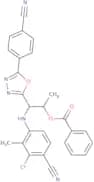
CAS:<p>C21 is a potent and selective agonist of the AT2 receptor. It has been shown to have significant anti-inflammatory effects in vitro on human monocytes, macrophages, and neutrophils. C21 also inhibits TNF-α production by these cells. The compound has been shown to have no adverse effects on the viability of red blood cells or granule neurons in vivo, as well as no effect on epidermal growth factor (EGF) levels in mice. C21 is an organometallic compound with a chemical structure that includes a molybdenum atom linked to two hydroxyl groups, giving it a redox potential between +1.5 and +2 volts.</p>Formula:C23H29N3O4S2Purity:Min. 95%Molecular weight:475.6 g/mol(1R,2S)-1-((3-Chloro-4-cyano-2-methylphenyl)amino)-1-(5-(4-cyanophenyl)-1,3,4-oxadiazol-2-yl)propan-2-yl benzoate
CAS:<p>Please enquire for more information about (1R,2S)-1-((3-Chloro-4-cyano-2-methylphenyl)amino)-1-(5-(4-cyanophenyl)-1,3,4-oxadiazol-2-yl)propan-2-yl benzoate including the price, delivery time and more detailed product information at the technical inquiry form on this page</p>Formula:C27H20ClN5O3Purity:Min. 95%Molecular weight:497.9 g/molSU 4942
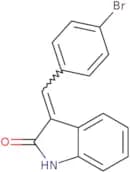
CAS:<p>SU 4942 is an analog of the anilinoquinazoline class of compounds, which are tyrosine kinase inhibitors. SU 4942 binds to and inhibits the activity of protein tyrosine kinases in cells, preventing the transformation of growth factors into active forms that regulate cell proliferation and survival. SU 4942 has been shown to prevent atherosclerosis in animal models by decreasing the deposition of lipids in blood vessels. This drug also prevents cancer by inducing apoptosis and suppressing angiogenesis.</p>Formula:C15H10BrNOPurity:Min. 95%Molecular weight:300.16 g/molD-Myo-inositol 1,4-bisphosphate
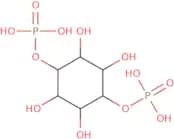
CAS:<p>D-Myo-inositol 1,4-bisphosphate is a medicinal compound that acts as an inhibitor of kinases. It has been shown to have potential therapeutic applications in cancer treatment due to its ability to inhibit tumor growth and induce apoptosis in cancer cells. D-Myo-inositol 1,4-bisphosphate is an analog of inositol phosphates found in human urine and Chinese medicinal herbs. It specifically targets protein kinases involved in the regulation of cell proliferation and survival, making it a promising candidate for anticancer therapy. Its inhibitory effects on kinase activity make it a valuable tool for studying the function of these enzymes in cellular processes.</p>Formula:C6H14O12P2Purity:Min. 95%Molecular weight:340.12 g/molNoggin Human
<p>Noggin is a protein that is involved in the regulation of neuronal growth and development. It acts as a morphogen, binding to a receptor on the surface of cells and initiating signaling cascades that lead to changes in gene expression. Noggin binds to Retinoid-X-receptor (RXR) and the Ligand-binding domain of Notch1. These interactions may be important for the regulation of CNS cells, such as neurons and glial cells. The protein has been shown to have a role in synaptic plasticity, axonal guidance, and synaptogenesis. Noggin has also been shown to be an inhibitor of cell proliferation and an activator of cell differentiation.</p>Purity:>95% By Sds-Page.Ro 08-2750
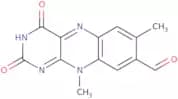
CAS:<p>Ro 08-2750 is a potent anti-tumor agent that inhibits the growth of cancer cells. It is structurally similar to a natural compound, largazole, which has been shown to inhibit prostate cancer cell proliferation. Ro 08-2750 may be useful for the treatment of prostate cancer and other cancers with glucocorticoid receptors. The drug also inhibits the production of proinflammatory prostaglandins and shows potent antitumor activity in both cell culture and animal models. Ro 08-2750 binds to the enzyme p-nitrophenyl phosphate (PNPP) and inhibits its activity, inhibiting DNA synthesis by blocking polymerase chain reaction (PCR). The binding affinity between Ro 08-2750 and PNPP is increased by cofactors such as ATP, making it more effective at inhibiting DNA synthesis.</p>Formula:C13H10N4O3Purity:Min. 95%Molecular weight:270.24 g/molLuteinizing Hormone (Intact) (> 98% pure)
<p>Purified native Human Luteinizing Hormone (Intact) (> 98% pure)</p>Purity:≥98% (By Sds - Page)H-CSSSIINFEKL-OH
<p>Modified H-2kb tetramer peptide for further modification (e.g. addition of N-term tag)</p>CD31 antibody (PE-CY7)
<p>CD31 antibody (PE-CY7) was raised in Rat using mouse leukocyte cell line 32D as the immunogen.</p>Purity:Min. 95%DT204
CAS:<p>DT204 is a fluoroquinolone antibiotic that has been shown to have stem cell-like properties. DT204 targets the bacterial efflux pump, leading to an accumulation of intracellular DT204, which then inhibits the polymerase chain reaction (PCR) activity and genetic material synthesis in bacteria. The use of DT204 has been shown to be effective against multidrug-resistant typhimurium and transducing sequences in high-risk disease. This drug has also been shown to have antitumor activity through inhibition of HER2+ breast cancer cells.</p>Formula:C19H13BrClNO5SPurity:Min. 95%Molecular weight:482.7 g/molGemilukast
CAS:<p>Gemilukast is a leukotriene receptor antagonist that inhibits the action of leukotrienes and has been shown to be effective in treating chronic cough. It also has anti-inflammatory properties, which may be due to its inhibition of prostaglandin synthesis. Gemilukast is used in the treatment of age-related macular degeneration (AMD) and respiratory diseases, including chronic obstructive pulmonary disease (COPD). The drug is administered orally and is well tolerated by patients. Gemilukast's effects are related to its ability to inhibit compounds involved in inflammation, such as neurokinin-1, which causes bronchoconstriction and airway narrowing.</p>Formula:C36H37F2NO5Purity:Min. 95%Molecular weight:601.7 g/molLY2812223
CAS:<p>LY2812223 is a drug that is currently in clinical development. It is a low-potency antagonist of the N-methyl-D-aspartate (NMDA) receptor and it has been shown to be effective in animal models of neurodevelopmental, psychotic, and other disorders. LY2812223 binds reversibly to the NMDA receptor and prevents the ion channel from opening. This drug has not been tested in humans, but it has been shown to have good absorption across the blood brain barrier and does not produce any neurotoxic effects. LY2812223 is being developed for the treatment of schizophrenia, bipolar disorder, major depressive disorder, autism spectrum disorders, and Alzheimer’s disease.<br>END>></p>Formula:C10H12N4O4SPurity:Min. 95%Molecular weight:284.29 g/molCD45RC antibody (PE)
<p>CD45RC antibody (PE) was raised in rat using an exon C-depentent epitope of the CD45 glycoprotein as the immunogen.</p>Purity:Min. 95%Ritipenem
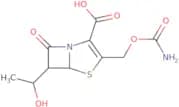
CAS:<p>Ritipenem is a cationic peptide antibiotic with an antimicrobial spectrum similar to that of the penem group. It binds to the cytoplasmic membrane of Gram-negative bacteria, forming ion channels and leading to an increase in membrane permeability and cell death. Ritipenem has been shown to inhibit protein interactions, ligand binding and receptor activation by other agonists, as well as having affinity for a wide range of peptides. The purity of this compound is high, with no detectable traces of contaminants such as endotoxins or proteases. Ritipenem also has been shown to have antibacterial activity against Mycobacterium tuberculosis and other mycobacteria.</p>Formula:C10H12N2O6SPurity:Min. 95%Molecular weight:288.28 g/molLXH254
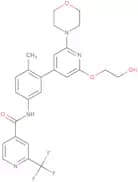
CAS:<p>Inhibitor of RAF kinase</p>Formula:C25H25F3N4O4Purity:Min. 95%Molecular weight:502.49 g/molAurora A inhibitor II
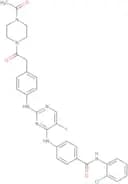
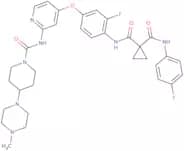
CAS:<p>Aurora A inhibitor II is a drug that inhibits the activity of Aurora A. It has been shown to inhibit tumor growth in cancer models, as well as to prevent the formation of new blood vessels (angiogenesis). Aurora A inhibitor II is being developed for the treatment of cancers, including colon carcinoma and melanoma. The drug has also been shown to inhibit bile acid transport, which may be responsible for its antitumor activity. This drug binds to regulatory proteins and growth factors, blocking their interactions with target molecules, which leads to inhibition of cell growth and proliferation. Aurora A inhibitor II has also been shown to bind to human colon carcinomas in vitro and in vivo.</p>Formula:C31H29ClFN7O3Purity:Min. 95%Molecular weight:602.1 g/molKN 93
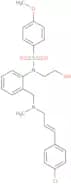
CAS:<p>Inhibitor of calcium/calmodulin-dependent protein kinase 2</p>Formula:C26H29ClN2O4SPurity:Min. 95%Molecular weight:501.04 g/molLDC 4297
CAS:<p>LDC 4297 is a potent antiviral agent that has been shown to be effective against viruses including HIV, HBV, CMV and HSV. The drug inhibits the transcription of viral genes by binding to the enzyme RNA polymerase II. LDC 4297 binds to kinases in the cytoplasmic region of cells, which prevents their ability to phosphorylate other proteins. This inhibition leads to a decreased production of proteins vital for viral replication and virus-induced cell death. LDC 4297 also has stem cell-like properties that may be due to its increased expression of regulatory genes like CDKN1A and CDK4.</p>Formula:C23H28N8OPurity:Min. 95%Molecular weight:432.52 g/molNGB 2904 hydrochloride
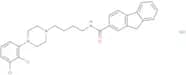
CAS:<p>NGB 2904 hydrochloride is a dopamine D2 receptor antagonist that is used to treat psychosis. It binds to the dopamine D2 receptor, blocking the binding of dopamine and preventing the activation of downstream pathways. NGB 2904 hydrochloride has been shown to have a low potential for interaction with other drugs and does not affect locomotor activity in rats. This drug has also been shown to be effective in treating psychosis in wild-type mice. In vitro assays have confirmed that NGB 2904 hydrochloride does not possess any affinity for other receptors, such as serotonin receptors, α-adrenergic receptors, or histamine H1 receptors.<br>NGB 2904 hydrochloride has been studied in a pharmacological treatment study where it was found that this drug increased locomotor activity and decreased symptoms of psychosis.</p>Formula:H29Cl2N3O·HClPurity:Min. 95%Molecular weight:530.92 g/molHO-1-in-1 hydrochloride
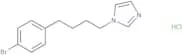
CAS:<p>Please enquire for more information about HO-1-in-1 hydrochloride including the price, delivery time and more detailed product information at the technical inquiry form on this page</p>Formula:C13H16BrClN2Purity:Min. 95%Molecular weight:315.63 g/molPCO371
CAS:<p>Ph. I for parathyroid hormone disorders</p>Formula:C29H32F3N5O6SPurity:Min. 95%Molecular weight:635.7 g/molGSK690
CAS:<p>GSK690 is a chemical compound that inhibits the transcriptional regulator, Dnmt3a. GSK690 has been shown to be effective in treating cancer by inhibiting DNA repair mechanisms. GSK690 has also been shown to synergistically interact with other chemical inhibitors and modifiers that target gene expression. This drug has been shown to demethylate lysine residues and stimulate mitochondrial biogenesis. In addition, this drug interacts synergistically with other drugs that affect mitochondrial function, such as rapamycin or metformin.</p>Formula:C24H23N3OPurity:Min. 95%Molecular weight:369.5 g/molG-P-R
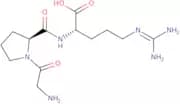
CAS:<p>Please enquire for more information about G-P-R including the price, delivery time and more detailed product information at the technical inquiry form on this page</p>Formula:C13H24N6O4Purity:Min. 95%Molecular weight:328.37 g/molBPAM-344
CAS:<p>BPAM-344 is a new class of agent that has been developed for the treatment of Alzheimer's disease. It has shown low toxicity and good pharmacokinetics in animal studies. BPAM-344 is an ionotropic glutamate receptor antagonist that prevents glutamate from binding to the receptor and activating it. This agent also has the ability to block or prevent the development of tolerance to low doses of x-ray radiation, which may be due to its ability to inhibit structural changes in DNA caused by radiation exposure. The structural analysis of this drug revealed a novel molecular scaffold that is different from other agents in its class. A fluorescence assay confirmed that BPAM-344 binds tightly with aluminum oxide, which may be used as a potential adjuvant for this drug.</p>Formula:C10H11FN2O2SPurity:Min. 95%Molecular weight:242.27 g/molH-Cys-Glu-OH
<p>Please enquire for more information about H-Cys-Glu-OH including the price, delivery time and more detailed product information at the technical inquiry form on this page</p>Purity:Min. 95%Diploceline
CAS:<p>Diploceline is a medicinal compound that acts as an inhibitor of kinases, which are enzymes involved in the regulation of cellular processes. It has been shown to induce apoptosis, or programmed cell death, in cancer cells. Diploceline is an analog of a protein found in human urine and has demonstrated potent anticancer activity in Chinese hamster ovary cells. This compound is a promising candidate for the development of new cancer treatments due to its ability to selectively target cancer cells while leaving healthy cells unharmed. Its unique mechanism of action as a kinase inhibitor makes it a valuable addition to the arsenal of anticancer drugs available today.</p>Formula:C22H29N2O3Purity:Min. 95%Molecular weight:369.5 g/molCD31 antibody (PE-CY7)
<p>CD31 antibody (PE) was raised in rat using murine leukocyte cell line 32D as the immunogen.</p>Purity:Min. 95%18:1-c4 Topfluor dG
CAS:<p>18:1-c4 Topfluor dG is a fluorinated analog of the lipid signaling molecule, dG. It is an inhibitor of protein interactions and has been shown to inhibit the activity of ion channels. 18:1-c4 Topfluor dG has also been used as a research tool in cell biology, biochemistry, and pharmacology. This product is sold at high purity and is a ligand for receptor binding studies.</p>Formula:C38H59BF2N2O5Purity:Min. 95%Molecular weight:672.69 g/molAT 101
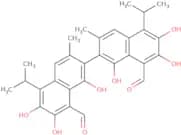
CAS:<p>AT-101 is a natural compound that belongs to the group of complex enzymes. It has been shown to have a number of physiological effects on plants, including inhibition of cotton fiber elongation and seed development. AT-101 also inhibits hyperproliferative disease in animals. The binding form of AT-101 is bound through hydrolysis to its target enzyme and does not depend on caspase activity for cell death. This makes it an attractive candidate for treating cancer cells that are resistant to apoptosis induced by caspases. AT-101 has been shown to inhibit energy metabolism in insects, which may be due to its ability to bind ATP synthase and prevent ATP production. This can lead to insect resistance against toxic compounds such as gossypol or other pharmacological agents.</p>Formula:C30H30O8Purity:Min. 95%Molecular weight:518.56 g/molRocastine
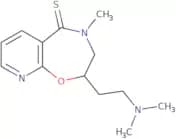
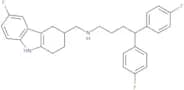
CAS:<p>Rocastine is a non-sedating antihistamine. It is an active ingredient in the form of a fatty acid ester that is used as an implant in the treatment of allergic disorders such as atopic dermatitis. Rocastine has been shown to inhibit adenosine receptors, which are responsible for mediating the generation of histamine from mast cells and basophils, thereby preventing allergy symptoms. Rocastine also inhibits cellular activation by suppressing the release of pro-inflammatory cytokines and chemokines, which leads to inhibition of inflammatory responses. The molecular modeling studies have shown that rocastine binds to the receptor site on histamine H1 receptors with high affinity and selectivity.</p>Formula:C13H19N3OSPurity:Min. 95%Molecular weight:265.38 g/molSMS1-IN-1
CAS:<p>SMS1-IN-1 is a peptide that can activate a type of ion channel called the voltage-gated sodium channel, which plays a key role in the transmission of nerve impulses. SMS1-IN-1 binds to a receptor on the surface of cells and prevents the flow of sodium ions into cells. This leads to an increase in potassium ion concentration outside the cell and an increase in calcium ion concentrations inside the cell, which causes nerve impulses to be transmitted more slowly.</p>Formula:C23H23BrN2O4SPurity:Min. 95%Molecular weight:503.4 g/molIWP 4
CAS:<p>Inhibitor of Wnt signalling; inhibitor of acyltransferase purcupine</p>Formula:C23H20N4O3S3Purity:Min. 95%Molecular weight:496.63 g/molAZD-26
CAS:<p>AZD-26 is a technique for assessing albumin levels in patients. Albumin is a protein that has many functions, including the transportation of peptides and ions and the maintenance of fluid balance. It also binds to pathogenic substances, such as bacteria or viruses, and prevents their spread throughout the body. Albumin levels can be inhibited by disease or injury, which results in decreased production of albumin or its release from the liver. AZD-26 is a device that measures albumin levels by binding to polypeptides in the domain of albumin binding and measuring changes in electrical current.</p>Formula:C22H21N3OPurity:Min. 95%Molecular weight:343.42 g/molAG 1406
CAS:<p>AG 1406 is a small molecule that modulates the expression of genes that are involved in nerve function. The protein-protein interactions of AG 1406 were examined using a microarray and cytoscape. This agent was found to interact with nuclear factor-kappa B, which is an inflammatory pathway that is activated by cytokines and stress. AG 1406 also interacts with metal surfaces, such as those present on glyphosate, to produce an inhibitory effect on the growth of plants.</p>Formula:C16H18N2OPurity:Min. 95%Molecular weight:254.33 g/molPhpad-dalphos
CAS:<p>Phpad-dalphos is an ancillary that can be used as a ligand in coordination chemistry. It has been optimized to yield the desired product with high efficiency. It is a chloride ligand, which is typically used in cross-coupling reactions, such as the palladium-catalyzed coupling of aryl chlorides and alkylamines. The use of this ligand can lead to a higher rate of reaction and improved yields. This ancillary has also been shown to have photocatalytic properties that can be used for chlorine generation from water and solar irradiation.</p>Formula:C28H30O3P2Purity:Min. 95%Molecular weight:476.48 g/molHemopressin (rat)
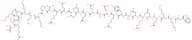
CAS:<p>Hemopressin is a synthetic, orally active, insulin-sensitizing agent. Hemopressin modulates the activity of the insulin receptor by binding to the carboxy terminal domain. This leads to increased insulin sensitivity and glucose uptake in peripheral tissues. Hemopressin has been shown to be effective against experimental models of autoimmune diseases, such as diabetes mellitus type 1 and multiple sclerosis. The drug significantly decreased blood pressure in healthy rats and had no effect on cancer cells or bacterial surface.</p>Formula:C53H77N13O12Purity:Min. 95%Molecular weight:1,088.3 g/molPDE10-IN-1
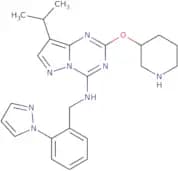
CAS:<p>PDE10-IN-1 is a peptide with the amino acid sequence of GGRDYGGLPPG. It is an activator of PDE10, which belongs to the family of phosphodiesterases. The inhibition of PDE10 in the brain has been shown to have antidepressant effects in mice and rats. This peptide has been shown to be a potent inhibitor of protein interactions, with IC50 values ranging from 1 μM to 10 μM for a number of proteins including TNF-α receptor (IC50 = 2 μM), CD4 receptor (IC50 = 1 μM), and CX3CR1 receptor (IC50 = 0.5 μM). In addition, PDE10-IN-1 has been shown to be a ligand for the dopamine D2 receptor and may function as an antagonist or agonist depending on its binding affinity.</p>Formula:C21H19N7Purity:Min. 95%Molecular weight:369.42 g/molCD152 antibody (PE)
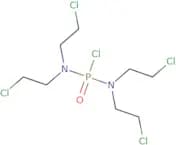
<p>CD152 antibody (FITC) was raised in hamster using murine CD152/CTLA-4 as the immunogen.</p>Purity:Min. 95%Tetrakis(2-chloroethyl)phosphorodiamidic chloride
CAS:<p>Tetrakis(2-chloroethyl)phosphorodiamidic chloride is an anticancer agent that targets kinases in human tumor cells. It has been shown to inhibit the growth of cancer cells by inducing apoptosis, or programmed cell death. This compound is a potent inhibitor of protein kinases and has been used as an analog for studying the activity of kinase inhibitors. Tetrakis(2-chloroethyl)phosphorodiamidic chloride has also been found in urine samples from patients undergoing chemotherapy with dapoxetine, suggesting its potential use as a biomarker for cancer treatment. Overall, this compound shows promise as a valuable tool in cancer research and therapy.</p>Formula:C8H16Cl5N2OPPurity:Min. 95%Molecular weight:364.5 g/molTc-G 24
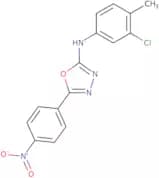
CAS:<p>Tc-G 24 is a small molecule that inhibits the enzyme phosphatase. It activates β-catenin and glutamate, which are proteins that regulate cell growth and survival. Tc-G 24 also inhibits pim-1 kinase, which is an enzyme that regulates the activation of phosphatases. Tc-G 24 has been shown to be neuroprotective in cerebral ischemia models by inhibiting reactive oxygen species (ROS) mediated damage. This drug has been shown to have anti-inflammatory properties, which may be due to its inhibition of proteasomal activity.</p>Formula:C15H11ClN4O3Purity:Min. 95%Molecular weight:330.72 g/molPLX 647 dihydrochloride
CAS:<p>PLX 647 is a high purity, synthetic peptide that can be used as a research tool to study protein interactions. It can be used to inhibit the activity of ion channels and receptor ligands. PLX 647 has been shown to inhibit the activity of ion channels such as NMDA receptors, GABA receptors, and angiotensin II AT1 receptors in rat hippocampal neurons. This drug also inhibits the binding of ligands to their corresponding receptors, such as acetylcholine at nicotinic acetylcholine receptors and serotonin at 5-HT2A serotonin receptors.</p>Formula:C21H19Cl2F3N4Purity:Min. 95%Molecular weight:455.3 g/molRKI-1447
CAS:<p>RKI-1447 is a potent inhibitor of ROCK1 and ROCK2, with IC50 of 14.5 nM and 6.2</p>Purity:Min. 95%Jte 607 dihydrochloride
CAS:<p>Jte 607 is a prodrug that is hydrolyzed in vivo to form the active drug, Jte 607 acid. This drug has shown cardioprotective effects in animal models by reducing the expression of proinflammatory cytokines and increasing the production of anti-inflammatory cytokines. It also inhibits tumor necrosis factor (TNF) and interleukin-1β (IL-1β), which are proinflammatory cytokines. The molecular mechanism of Jte 607 is not yet fully understood, but it may be due to its ability to induce apoptosis and inhibit DNA synthesis in tumor cells.</p>Formula:C22H29Cl4N3O3Purity:Min. 95%Molecular weight:525.3 g/mol16:0(2R-OH) ceramide
CAS:<p>Ceramide is a lipid molecule that is found in all cells of the body. The most common forms are sphingomyelin, which is found in cell membranes, and cerebrosides, which are found in the brain. Ceramide is important for many cellular processes such as maintaining cell shape, regulating ion channels and receptor activity, and controlling protein interactions. Ceramide can be used as a research tool to study these processes.</p>Formula:C34H67NO4Purity:Min. 95%Molecular weight:553.9 g/molR-10015
CAS:<p>Please enquire for more information about R-10015 including the price, delivery time and more detailed product information at the technical inquiry form on this page</p>Formula:C20H19ClN6O2Purity:Min. 95%Molecular weight:410.86 g/molCasein Kinase II Inhibitor VI, TMCB
CAS:<p>Casein Kinase II Inhibitor VI, TMCB is a drug that inhibits Casein Kinase II (CKII), which is an enzyme that regulates the production of proteins. It has been shown to inhibit the replication of RNA and synthesis of protein in human cells. This drug binds to the active site of CKII, preventing it from phosphorylating other proteins. TMCB has been shown to have an inhibitory effect on cancer cell growth and may be used as an alternative treatment for bone-related diseases such as osteoporosis. TMCB also inhibits herpes simplex virus, a virus responsible for causing cold sores. The inhibition of viral replication by TMCB may be due to its ability to bind acrylonitrile, a nucleophile that inhibits viral DNA polymerase activity. Autologous stem cells are able to form new bone when injected into areas where bone loss has occurred due to tumor necrosis or trauma. The use of this drug</p>Formula:C11H9Br4N3O2Purity:Min. 95%Molecular weight:534.82 g/mol(E)-2-Cyano-3-[5-(1-cyclohexyl-6-methyl-1,6-dihydro-1,3,5,6-tetraaza-aS-indacen-2-yl)-furan-2-yl]-N,N-dimethyl-acrylamide
CAS:<p>(E)-2-Cyano-3-[5-(1-cyclohexyl-6-methyl-1,6-dihydro-1,3,5,6-tetraaza-aS-indacen-2-yl)-furan-2-yl]-N,Ndimethylacrylamide is a molecule that is not yet classified. It has been found in the saccharomycetaceae family of fungi and is autonomously replicated. This molecule is a model organism that can be used to study replication of DNA. (E)-2Cyano 3-[5-(1cyclohexyl 6methyl 1 6dihydro 1 3 5 6 tetraazaasindacen 2 yl)furan 2 yl] N Ndimethyl acrylamide may also be used for replicating cassettes and sequences for organisms. This molecule has been shown to have an amino acid composition that is expressed</p>Formula:C25H26N6O2Purity:Min. 95%Molecular weight:442.5 g/molCD44 antibody (Allophycocyanin)
<p>CD44 antibody (Allophycocyanin) was raised in mouse using chicken CD44 as the immunogen.</p>Purity:Min. 95%CD79b antibody (PE)
<p>CD79b antibody (biotin) was raised in hamster using the beta chain of the murine B-cell receptor as the immunogen.</p>Purity:Min. 95%Histone Acetyltransferase 1, human, recombinant
<p>Histone acetyltransferase 1 (HAT1) is a protein that transfers an acetyl group to histones. It is mainly found in the nucleus and is involved in gene regulation. HAT1 interacts with many other proteins such as receptors, peptides, activators, and ion channels. The recombinant form of this enzyme has been shown to be a potent inhibitor of L-type calcium channels, which are important for the transmission of nerve impulses. This enzyme also inhibits glutamate receptors and can affect the activation of phospholipase C. HAT1 has also been shown to inhibit various types of cancers by suppressing tumor growth and invasion.</p>Purity:Min. 95%AZ505
CAS:<p>AZ505 is a small molecule that binds to the transcriptional activator of the leukemia inhibitory factor (LIF) gene and prevents its activation. AZ505 has been shown to have a potential use as a biomarker for infectious diseases, autoimmune diseases, or cancer. It also inhibits tumor growth in cervical cancer cells and has anti-inflammatory effects in hematopoietic cells. AZ505's mechanism of action is not well understood; it may be due to its ability to bind to peptide sequences on proteins or affect LIF signalling.</p>Formula:C29H38Cl2N4O4Purity:Min. 95%Molecular weight:577.54 g/molMS4
CAS:<p>MS4 is a protein that is encoded by the MS4 gene. It has been shown to have an important role in regulating meiosis and DNA recombination, as well as in the regulation of bacterial growth. In addition to its role in protein synthesis, MS4 is also involved in the production of the cell's energy through reactions with chlorogenic acids. The enzyme may play a role in preventing cancer progression by inhibiting cells from proliferating or dividing. This enzyme also has diagnostic uses for detecting bacterial infections such as tuberculosis or leprosy.</p>Formula:C28H33NO4S2Purity:Min. 95%Molecular weight:511.7 g/molSB 705498
CAS:<p>Antagonist of TRPV1 cation channel</p>Formula:C17H16BrF3N4OPurity:Min. 95%Molecular weight:429.23 g/molWWL229
CAS:<p>WWL229 is a synthetic, lipid-based molecule that has been shown to have immunomodulatory effects. It is a diacylglycerol that activates peroxisome proliferator-activated receptor alpha (PPARα) and PPARγ which leads to increased expression of genes involved in lipid metabolism. WWL229 has also been shown to induce thermogenesis in vivo assays and increase lipolysis in vitro. In addition, WWL229 has been shown to inhibit the differentiation of monocytic cells into macrophages in vitro. The lack of macrophage differentiation is thought to be due to the ability of WWL229 to inhibit the production of proinflammatory cytokines such as tumor necrosis factor-α (TNF-α).</p>Formula:C16H22N2O5Purity:Min. 95%Molecular weight:322.36 g/molMSC1094308
CAS:<p>MSC1094308 is a molecule that inhibits the replication of viral DNA. It has been shown to be active against a broad range of viruses, including HIV, poliovirus, herpes simplex virus type 1 and influenza A virus. MSC1094308 also exhibits anti-cancer and anti-inflammatory properties, which may be due to its ability to induce autophagy. The mechanism of action for this drug is not yet known.</p>Formula:C29H29F3N2Purity:Min. 95%Molecular weight:462.5 g/mol(6R)-6-Isopropyl-10-methoxy-9-(3-methoxypropoxy)-2-oxo-6,7-dihydrobenzo[A]quinolizine-3-carboxylic acid
CAS:<p>(6R)-6-Isopropyl-10-methoxy-9-(3-methoxypropoxy)-2-oxo-6,7-dihydrobenzo[A]quinolizine-3-carboxylic acid binds to the GABAA receptor. It inhibits the binding of GABA and benzodiazepines and thus prevents the opening of chloride channels. This results in an increase in the neuronal activity of these neurons. (6R)-6-Isopropyl-10-methoxy-9-(3-methoxypropoxy)-2-oxo - 6,7 - dihydrobenzo[A]quinolizine - 3 - carboxylic acid can be used as a research tool for studying protein interactions and activators as well as a ligand for receptors.</p>Formula:C22H27NO6Purity:Min. 95%Molecular weight:401.5 g/molDiabzi sting agonist-1
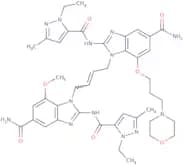
CAS:<p>Please enquire for more information about Diabzi sting agonist-1 including the price, delivery time and more detailed product information at the technical inquiry form on this page</p>Formula:C42H51N13O7Purity:Min. 95%Molecular weight:849.9 g/molCD154/CD40L muCD8 Fusion protein (biotin)
<p>Purified recombinant Human CD154/CD40L muCD8 Fusion protein (biotin)</p>Purity:Min. 95%P2Y14 antagonist prodrug 7J hydrochloride
CAS:<p>7J is a prodrug that is converted to 7-deacetylgolvatinib in vivo. It is a potent antitumor agent that belongs to the class of pharmaceutical drugs. 7J has been shown to have potent antitumor activity against various types of cancer cells, including breast, prostate, lung, and bladder cancer cells. The mechanism of action for 7J appears to be related to its ability to inhibit tumor cell proliferation and induce apoptosis. This drug also inhibits the growth of bacteria by binding to bacterial DNA gyrase and topoisomerase IV enzymes. The mechanism of action for this drug is similar to other kinase inhibitors such as golvatinib or imatinib.</p>Formula:C33H31F3N2O3·HClPurity:Min. 95%Molecular weight:597.07 g/molSimmitecan
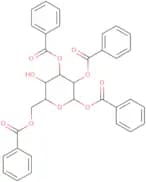
CAS:<p>Simmitecan is a peptide that is used as a research tool in the study of protein-protein interactions. It belongs to the group of ion channel ligands and receptor agonists. Simmitecan binds to Kv2.1 potassium channels, which are voltage-gated potassium channels that carry potassium ions into cells. This binding prevents potassium ions from entering the cell, leading to hyperpolarization. Simmitecan also has an inhibitory effect on L-type calcium channels and interacts with the beta subunit of GABA receptors, leading to an increase in GABA levels in the synapse.</p>Formula:C34H39ClN4O6Purity:Min. 95%Molecular weight:635.1 g/molD-Glucopyranose 1,2,3,6-tetrabenzoate
CAS:<p>Please enquire for more information about D-Glucopyranose 1,2,3,6-tetrabenzoate including the price, delivery time and more detailed product information at the technical inquiry form on this page</p>Formula:C34H28O10Purity:Min. 95%Molecular weight:596.6 g/molSDZ 220-581
CAS:<p>Please enquire for more information about SDZ 220-581 including the price, delivery time and more detailed product information at the technical inquiry form on this page</p>Formula:C16H17ClNO5PPurity:Min. 95%Molecular weight:369.74 g/molIHR-1
CAS:<p>IHR-1 is a peptide-based antihypertensive product, which is derived from a specific strain of yeast through fermentation processes. Its mode of action involves the inhibition of the angiotensin-converting enzyme (ACE), an important component of the renin-angiotensin system that regulates blood pressure. By inhibiting ACE, IHR-1 effectively reduces the conversion of angiotensin I to angiotensin II, thereby helping to lower blood pressure levels.</p>Formula:C20H12Cl4N2O2Purity:Min. 95%Molecular weight:454.1 g/molGSK LSD1 Dihydrochloride-d4
CAS:<p>GSK LSD1 Dihydrochloride-d4 is a chemical inhibitor that binds to the active site of the enzyme lactate dehydrogenase (LDH) and prevents its activity. LDH is an enzyme that converts pyruvate to lactate, which is then used as an energy source in cells. GSK LSD1 Dihydrochloride-d4 has been shown to inhibit the proliferation of Thp-1 cells induced by inflammatory bowel disease or all-trans retinoic acid, which are used for leukemic research. The LDH inhibition leads to decreased autophagy and cell death in vitro and in vivo. GSK LSD1 Dihydrochloride-d4 has also been shown to be less toxic than other chemical inhibitors when administered orally to leukemia mice.</p>Formula:C14H18D4Cl2N2Purity:Min. 95%Molecular weight:293.27 g/molCarboxyamidotriazole
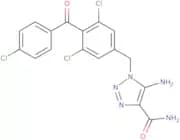
CAS:<p>Non-voltage dependent calcium channel; anti-tumour drug</p>Formula:C17H12Cl3N5O2Purity:Min. 95%Molecular weight:424.67 g/molIomazenil
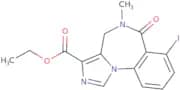
CAS:<p>Iomazenil is a benzodiazepine derivative that has been used as an antidote for benzodiazepine overdose. It binds to the GABA-A receptor and increases the rate of metabolism, which leads to increased blood flow to the brain. Iomazenil also has analytical applications in diagnosing hyperproliferative diseases such as cancer, by measuring the levels of metabolites in urine or blood samples. The drug can be used to measure metabolic rates and the activity index of caudate putamen cells. It also binds to receptors on mononuclear leukocytes and induces an increase in gamma-aminobutyric acid (GABA) production, which leads to cell death.</p>Formula:C15H14IN3O3Purity:Min. 95%Molecular weight:411.19 g/molSU9516
CAS:<p>SU9516 is a tyrosine kinase inhibitor that blocks the epidermal growth factor receptor (EGFR) signaling pathway. It has been shown to inhibit the proliferation of human colon cancer cells and the progression of bowel disease in mice. SU9516 also inhibits a number of other cancers, such as leukemia, breast cancer, and prostate cancer. In addition, it has been shown to have antiviral effects against HIV-1 and herpes simplex virus infections. The mechanism of action for this drug may be due to its ability to inhibit EGFR signaling by binding to the active site of the enzyme tyrosine kinase. SU9516 is also an inhibitor that prevents inflammatory bowel disease in mice by blocking epidermal growth factor receptor (EGFR) signaling pathways. This drug has also been shown to be an effective chemotherapeutic agent for cancer cells resistant to chemotherapy drugs.</p>Formula:C13H11N3O2Purity:Min. 95%Molecular weight:241.25 g/molIpomeamarone
CAS:<p>Ipomeamarone is a phytotoxin, which is a naturally occurring toxic compound found in certain plant species. This compound is derived from the sweet potato, Ipomoea batatas, where it is produced in response to fungal infection. Ipomeamarone operates by interfering with key metabolic pathways in plants, leading to the disruption of normal cellular functions, particularly in relation to energy production and biosynthesis.</p>Formula:C15H22O3Purity:Min. 95%Molecular weight:250.33 g/molTilivalline
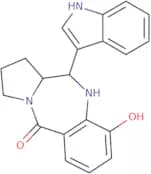
CAS:<p>Tilivalline is a compound that belongs to the class of 3-hydroxyanthranilic acid synthase inhibitors. It prevents the synthesis of 3-hydroxyanthranilic acid by binding to the enzyme and inhibiting its activity. The stereoselective inhibitory effect of tilivalline on bacterial cells has been demonstrated using mammalian cells in culture. Tilivalline also inhibits cellular respiration, resulting in inhibition of fatty acid synthesis and production of chloride ions, which can lead to cell death due to hypotonic shock. Tilivalline has shown chemical diversity, with a variety of hydroxy groups including one at the 3-position, which may confer additional activity against microbial pathogens.</p>Formula:C20H19N3O2Purity:Min. 95%Molecular weight:333.4 g/mol(±)-Naproxen-d3
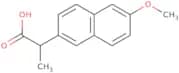
CAS:<p>Please enquire for more information about (±)-Naproxen-d3 including the price, delivery time and more detailed product information at the technical inquiry form on this page</p>Formula:C14H14O3Purity:Min. 95%Molecular weight:233.28 g/molRalmitaront
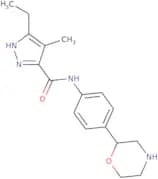
CAS:<p>Ralmitaront is a Chinese medicinal analog that has shown promising results in the treatment of tumors and cancer. It works by inducing apoptosis, or programmed cell death, in cancer cells. Ralmitaront is a kinase inhibitor that targets specific human kinases involved in cancer cell growth and proliferation. It has been shown to inhibit the activity of several proteins involved in tumor growth, including protein kinase C and tyrosine kinases. Ralmitaront has also been found in urine samples of cancer patients, suggesting that it may have potential as a non-invasive diagnostic tool for cancer detection. Overall, Ralmitaront shows great promise as an anticancer agent and warrants further research into its potential therapeutic applications.</p>Formula:C17H22N4O2Purity:Min. 95%Molecular weight:314.4 g/molEthyl palmitate-d31
CAS:<p>Please enquire for more information about Ethyl palmitate-d31 including the price, delivery time and more detailed product information at the technical inquiry form on this page</p>Formula:C18H36O2Purity:Min. 95%Molecular weight:315.7 g/molCD11a antibody (PE)
<p>CD11a antibody (FITC) was raised in mouse using human CD11a (LFA-1a) as the immunogen.</p>Purity:Min. 95%Azd1152 trifluoroacetic acid
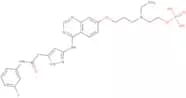
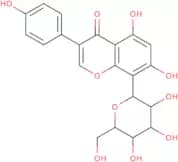
CAS:<p>Azd1152 trifluoroacetic acid is a heterocyclic compound that has been shown to have a potential therapeutic effect on skin cancer cells. It also inhibits the growth of solid tumours and inhibits the expression of stem cell factor, which may be due to its ability to bind with bromodomain. Azd1152 trifluoroacetic acid has been used in clinical studies for the treatment of hematologic disorders such as chronic myeloid leukemia (CML) and acute lymphoblastic leukemia (ALL). Azd1152 trifluoroacetic acid binds to histones H3 and H4 at their bromodomain, which may inhibit transcriptional activity by blocking the access of transcription factors. Azd1152 trifluoroacetic acid also inhibits the synthesis of DNA and RNA, which may contribute to its anti-cancer properties.</p>Formula:C26H31FN7O6PPurity:Min. 95%Molecular weight:587.5 g/molGenistein 8-C-glucoside
CAS:<p>Genistein 8-C-glucoside is a metabolite of genistein. It is formed by the linkage of an 8-carbon sugar molecule to genistein. Genistein 8-C-glucoside is found in plants and has been shown to have anti-cancer activity. It also has a number of other biological activities, including as an inhibitor of protein synthesis, DNA synthesis, and RNA synthesis.</p>Formula:C21H20O10Purity:Min. 95%Molecular weight:432.4 g/molValecobulin hydrochloride
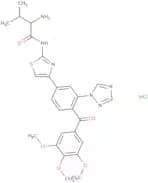
CAS:<p>Valecobulin hydrochloride is a substance that is used to disrupt the formation of malignant tumours. It can be used as an adjuvant treatment for cancer, or in the treatment of liver cancer. Valecobulin hydrochloride has been shown to inhibit the growth of malignant tumours by inhibiting the vessels that supply blood and nutrients to the tumour. It also has immune-modulating properties and can activate macrophages, which are white blood cells that engulf foreign substances. Valecobulin hydrochloride can be used in combination with other medicines such as chemotherapeutic drugs to treat cancer.</p>Formula:C26H29ClN6O5SPurity:Min. 95%Molecular weight:573.1 g/molSM 130686
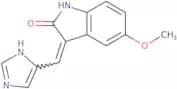
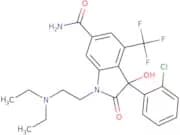
CAS:<p>SM 130686 is a selective acetylcholine esterase inhibitor. It was shown to be effective in inhibiting the growth of cancer cells in vitro, and has been evaluated in vivo for its ability to inhibit the growth of cancerous tumors. SM 130686 also inhibits the production of hormones such as testosterone, estradiol, and progesterone, which are important for reproduction. The drug has a low energy profile and is able to cross the blood-brain barrier. In addition, it is orally active and can be detected in human urine samples after oral administration. Oxindole derivatives were found to be potential metabolites of SM 130686 in humans. Mass spectrometric analysis revealed that SM 130686 undergoes oxidative metabolism by cytochrome P450 enzymes and glutathione reductase (GR). Studies using human urine samples demonstrated that oxindole derivatives were metabolized into forms that could not be confirmed as specific metabolites. Vivo studies have shown that metabolic pathways differ between species;</p>Formula:C22H23ClF3N3O3Purity:Min. 95%Molecular weight:469.9 g/molN-Desmethylbendamustine
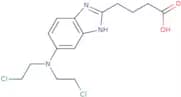
CAS:<p>N-Desmethylbendamustine is a drug that is used to treat chronic lymphocytic leukemia. It inhibits tumor growth by binding to DNA, inhibiting transcription and replication of cancer cells. N-Desmethylbendamustine has been shown to be effective against pediatric patients with chronic lymphocytic leukemia, but its efficacy in adults is not well-established. The elimination half-life of the drug is 3 hours and it is eliminated via hepatic metabolism. The drug also has a low risk for cross-resistance with other chemotherapeutic drugs.</p>Formula:C15H19Cl2N3O2Purity:Min. 95%Molecular weight:344.2 g/molOpc-14523 hydrochloride
CAS:<p>Opc-14523 hydrochloride is a research tool that is an activator of the Ligand, Receptor, Cell Biology, Antibody, Ion channels and other pharmacological or biological systems. It is a high purity compound with CAS No. 145969-31-9. Opc-14523 hydrochloride binds to the antibody and receptor sites on cells and stimulates ion channel activity in cells. This compound has been shown to inhibit protein interactions by binding to peptides and proteins. Opc-14523 hydrochloride can also be used as a pharmacological or biological inhibitor for the study of ligand/receptor interactions in cell biology applications.</p>Formula:C23H29Cl2N3O2Purity:Min. 95%Molecular weight:450.4 g/molCDK8-IN-2
CAS:<p>CDK8-IN-2 is a potent and selective CDK inhibitor. The compound has been shown to inhibit the growth of leukemia cells in vitro, and has been shown to be active against cancer cells in vivo. CDK8-IN-2 was found to inhibit protein synthesis by blocking the phosphorylation of p27, a protein that regulates cell proliferation. CDK8-IN-2 also showed an anti-leukemic activity and could be a potential drug target for treating cancer. Studies have shown that CDK8-IN-2 is well tolerated with no toxic effects observed in laboratory mice or rats.<br>CDK8-IN-2 was found to be safe and well tolerated in healthy human volunteers with no dose limiting toxicities observed at doses up to 150 mg/day.</p>Formula:C15H18Br2N4Purity:Min. 95%Molecular weight:414.14 g/mol(9Z,12Z)-Octadeca-9,12-dienamide
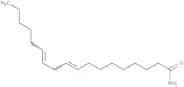
CAS:<p>(9Z,12Z)-Octadeca-9,12-dienamide is a lipid molecule that is structurally similar to linoleamide. It has been shown to inhibit cholesterol synthesis in vitro and in vivo by competitively inhibiting the enzyme cholesterol esterase. This inhibition leads to a decrease in intracellular levels of free cholesterol and an increase in intracellular levels of free fatty acids. (9Z,12Z)-Octadeca-9,12-dienamide also inhibits the uptake of low density lipoproteins by macrophages and reduces the development of atherosclerosis. This compound is insoluble at physiological pH and therefore cannot be administered orally. However, it can be delivered via injection or intravenously as a lipid particle complex with cyclodextrin.</p>Formula:C18H33NOPurity:Min. 95%Molecular weight:279.5 g/molH-YLEYRQVPV-OH
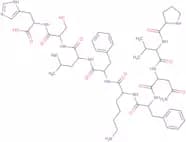
<p>MAGE-A protein:<br>MAGE-A p248V9, also kwon as multi-MAGE-A (YLEYRQVPV) is an epitope of Melanoma Antigen Gene expressed by tumors of different histological types and is a Cancer/Testis Antigens (CTA). Type of MAGE-A expressed in tumors cells varies according to the type of tumor. Targeting epitopes shared by all MAGE-A antigens would be interest in immunotherapy against a broad spectrum of cancers.<br>Applications of MAGE-A p248V9 (multi-MAGE-A) :<br>MAGE-A p248V9 is very useful because it could generate an HLA-A*02:01-restricted CTL response and shared by MAGE-A1,-A2,-A3,-A4,-A6,-A10 and -A12. MAGE-A p248V9 is used to stimulate specific cytotoxic T lymphocytes (CTL) in PBMCs and then to analyze CTL response especially the cytokine production by ELISPOT assay.</p>(R)-Crizotinib-d5
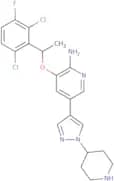
CAS:<p>(R)-Crizotinib-d5 is a sulfadiazine compound that is widely used in industrial and Life Sciences applications. It acts as a chemokine and fatty acid inhibitor, which makes it valuable for research purposes. (R)-Crizotinib-d5 has been shown to enhance biomass production in various organisms, including bacteria and yeast, by improving the utilization of carbon sources such as methanol, cellulose, xylose, and glutamate. Additionally, this compound has been found to promote the secretion of growth factors and increase the expression of important proteins like epidermal growth factor and acetyltransferase. Its unique properties make (R)-Crizotinib-d5 an essential tool for scientists working in the fields of biotechnology and bioengineering.</p>Formula:C21H22Cl2FN5OPurity:Min. 95%Molecular weight:455.4 g/molGrk2I
CAS:<p>Grk2I is a selective inhibitor, which is a synthetic compound designed to target G protein-coupled receptor kinase 2 (GRK2). This compound is developed through intricate chemical synthesis, enabling precise modulation of GRK2 activity. Its mode of action involves the competitive inhibition of GRK2, thereby preventing it from phosphorylating target receptors. This disruption of receptor phosphorylation subsequently alters downstream signaling pathways, which can be crucial in various physiological and pathological processes.</p>Formula:C153H256N50O41SPurity:Min. 95%Molecular weight:3,484 g/molBelinostat amide
CAS:<p>Belinostat amide is an inhibitor of the histone deacetylase HDAC6, which is a protein that regulates gene expression. Belinostat amide is a peptidomimetic that can be used as a research tool to investigate the role of HDAC6 in cellular processes such as DNA replication and protein synthesis. Belinostat amide binds to the receptor site of HDAC6 and inhibits its function by blocking the enzyme's catalytic activity. It has been shown to inhibit ion channels and antibody production, as well as activate some receptors.</p>Formula:C15H14N2O3SPurity:Min. 95%Molecular weight:302.40 g/molTaurolithocholic acid
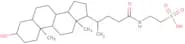
CAS:<p>Taurolithocholic acid is an analog of bile acid that has shown to have anticancer properties. It induces apoptosis in human tumor cells by inhibiting protein kinases, which are enzymes involved in cell signaling and regulation. Taurolithocholic acid has been found to inhibit the growth of cancer cells in vitro and in vivo, making it a potential candidate for cancer treatment. This compound has also been studied for its ability to inhibit cellulose synthesis and reduce urinary excretion of protein, suggesting possible therapeutic applications beyond cancer treatment. Overall, Taurolithocholic acid shows promising potential as a natural inhibitor of cancer cell growth and proliferation.</p>Formula:C26H45NO5SPurity:Min. 95%Molecular weight:483.7 g/mol1-Benzyl-5-methyloctahydropyrrolo[3,4-b]pyrrole
CAS:<p>1-Benzyl-5-methyloctahydropyrrolo[3,4-b]pyrrole is a ligand that binds to the nicotinic acetylcholine receptor. It is used in pharmacology and cell biology as a research tool for the study of ion channels, peptides and protein interactions. This ligand has been shown to act as an inhibitor of calcium ion influx into cells through voltage-gated calcium channels. 1-Benzyl-5-methyloctahydropyrrolo[3,4-b]pyrrole also inhibits the release of neurotransmitters from nerve cells by blocking the binding of acetylcholine to its receptors.</p>Formula:C14H20N2Purity:Min. 95%Molecular weight:216.32 g/molMelanin probe-1
CAS:<p>Melanin probe-1 is a specialized fluorescent probe, derived from chemical synthesis, designed for the selective detection and quantification of melanin. This innovative probe operates by specifically binding to melanin pigments, resulting in a measurable fluorescence signal that correlates with the concentration of melanin present. The mode of action involves the interaction of Melanin probe-1 with melanin's chemical structure, leading to its activation and subsequent emission of fluorescence, which can be detected and quantified using standard fluorescence microscopy or spectroscopy.</p>Formula:C12H18FN3OPurity:Min. 95%Molecular weight:239.29 g/molCAY10685
CAS:<p>CAY10685 is a peptide that has been shown to activate the protein receptor for angiotensin II. This receptor is found in many tissues, including brain, kidney, and heart. CAY10685 has also been shown to have an inhibitory effect on ion channels and ligand-gated ion channels. It may be used as a research tool or a pharmaceutical agent.</p>Formula:C17H16ClN3SPurity:Min. 95%Molecular weight:329.8 g/molAc9-25
CAS:<p>Ac9-25 is a peptide that contains nine amino acids. It has been shown to induce apoptosis in melanoma cells by binding to the cell membrane, which may be due to its ability to increase the permeability of the membrane and disrupt ion channels. Ac9-25 also induces endothelial apoptosis by activating signal transduction pathways and inducing the release of cytokines from cells. In addition, Ac9-25 has been shown to have an amplifying effect on enzymes such as protein kinases and phosphatases. Ac9-25 also induces fungal cell death in species such as Candida albicans, Saccharomyces cerevisiae, and Saccharomyces paradoxus. This peptide is rich in arginine residues, which are important for protein synthesis and sequences. Experimental research has indicated that Ac9-25 binds to sites on proteins that are not usually accessible by other chemical or physical methods.</p>Formula:C16H24N4O3Purity:Min. 95%Molecular weight:320.39 g/molMLT-747
CAS:<p>MLT-747 is a high-performance polymer composite, which is a synthetic material derived from advanced polymerization techniques involving specific monomers and additives. Its formulation is designed to provide exceptional mechanical properties and thermal stability through the integration of reinforcing agents and proprietary chemical modifications.</p>Formula:C20H21Cl2N7O3Purity:Min. 95%Molecular weight:478.3 g/molFibrinogen Light Tryptic Peptide Standard (4nmol)
<p>This product is a Fibrinogen Light Tryptic Peptide Standard for protein identification and quantitation. Fibrinogen is glycoprotein produced by the liver and is a precursor to fibrin which makes up blood clots.</p>Purity:Min. 95%PI 103 hydrochloride
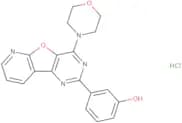
CAS:<p>PI 103 hydrochloride is a pharmacological compound, specifically a dual inhibitor, which is synthetically derived. It acts by inhibiting both the phosphoinositide 3-kinase (PI3K) and mammalian target of rapamycin (mTOR) pathways. This compound disrupts signaling pathways critical for cell growth and survival, making it a valuable tool in cancer research. By targeting these pathways, PI 103 hydrochloride is used to investigate cellular processes and mechanisms underlying tumor growth and proliferation. Researchers employ this compound to study the effects of pathway inhibition on cancer cells, potentially leading to the development of novel therapeutic strategies. This makes PI 103 hydrochloride a significant component in the exploration of targeted cancer therapies and advanced studies in cellular biology.</p>Formula:C19H16N4O3·HClPurity:Min. 95%Molecular weight:384.82 g/molCD11b antibody (PE)
<p>CD11b antibody (FITC) was raised in rat using peritoneal macrophages from C57 B1/6 x DBA/2 F1 hybrid mice as the immunogen.</p>Purity:Min. 95%CD45.1 antibody (PE)
<p>CD45.1 antibody (PE-CY7) was raised in mouse using CD45.1 as the immunogen.</p>Purity:Min. 95%EPZ020411
CAS:<p>EPZ020411 is a synthetic, small-molecule compound that inhibits the methylation of histones and their associated proteins. EPZ020411 has been shown to inhibit tumor growth in xenograft models. The most effective dose of EPZ020411 was found to be 10 μM for inhibiting protein methylation and decreasing mitochondrial membrane potential. EPZ020411 is a reactive molecule that may be used as a probe for studying the biological sample or cellular system in which it is incubated.</p>Formula:C25H38N4O3Purity:Min. 95%Molecular weight:442.59 g/molCD107b antibody
<p>CD107b antibody was raised in rat using glycoproteins purified from BALB/c mouse embryo 3T3 cell line as the immunogen.</p>Purity:Min. 95%TPN171
CAS:<p>TPN171 is a synthetic drug that has been shown to increase blood flow to the penis in humans. It is a prodrug of sildenafil, which is converted by cytochrome P450 in the liver to the active form. TPN171 has been found to be more potent than sildenafil and was able to inhibit platelet activation, suggesting it could have potential for use in cardiovascular diseases.</p>Formula:C24H35N5O3Purity:Min. 95%Molecular weight:441.6 g/molIC 87114
CAS:<p>Inhibitor of PI3K kinases</p>Formula:C22H19N7OPurity:Min. 95%Molecular weight:397.43 g/mol








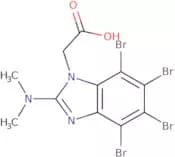
![(E)-2-Cyano-3-[5-(1-cyclohexyl-6-methyl-1,6-dihydro-1,3,5,6-tetraaza-aS-indacen-2-yl)-furan-2-yl]-…](/_next/image/?url=https%3A%2Fstatic.cymitquimica.com%2Fproducts%2F3D%2Fthumb-webp%2FBPD52164.webp&w=3840&q=75)


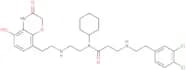
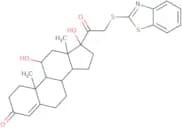
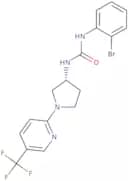
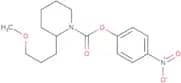
![(6R)-6-Isopropyl-10-methoxy-9-(3-methoxypropoxy)-2-oxo-6,7-dihydrobenzo[A]quinolizine-3-carboxylic…](/_next/image/?url=https%3A%2Fstatic.cymitquimica.com%2Fproducts%2F3D%2Fthumb-webp%2FXHD05718.webp&w=3840&q=75)




![1-Benzyl-5-methyloctahydropyrrolo[3,4-b]pyrrole](/_next/image/?url=https%3A%2Fstatic.cymitquimica.com%2Fproducts%2F3D%2Fthumb-webp%2FHFA41495.webp&w=3840&q=75)