Biochemicals and Reagents
Subcategories of "Biochemicals and Reagents"
- Biomolecules(98,559 products)
- By Biological Target(101,029 products)
- By Pharmacological Effects(6,952 products)
- Cryopreservatives(21 products)
- Desinfectants and Related Compounds(28 products)
- Hormones(531 products)
- Plant Biology(6,903 products)
- Secondary Metabolites(14,369 products)
Found 130609 products of "Biochemicals and Reagents"
Asapiprant
CAS:Asapiprant is a metabolic product of the drug asacol. It has been shown to have anti-inflammatory effects and has been used in studies to determine its efficacy in treating humans infected with covid-19 pandemic. Asapiprant has also been shown to be an effective diagnostic agent for detecting the presence of eicosanoids in nasal fluid. This compound has not yet been tested on animals or humans.
Formula:C24H27N3O7SPurity:Min. 95%Molecular weight:501.55 g/molRadequinil
CAS:Radequinil is a linker that can be used as a pharmaceutical formulation to bind drugs to muscle. It has been shown to have the capability of binding to benzodiazepine receptors and c1-6 alkyl groups, which are found in many drugs. Radequinil binds selectively to the diluent component in reconstituted formulations and has been shown to increase the solubility of insoluble drugs in vitro. The drug binding ability of Radequinil has been tested on cholinesterase inhibitors and shown to exhibit an inhibitory effect on their pathogenic mechanism. Radequinil also binds with high affinity to amyloid proteins, which may help prevent or treat Alzheimer's disease.Formula:C18H14N4O3Purity:Min. 95%Molecular weight:334.3 g/molLY 2119620
CAS:LY 2119620 is a functional assays that is a high-affinity allosteric modulator of the acetylcholine receptor. It has been shown to increase the current in functional assays and block acetylcholine-induced bronchoconstriction in guinea pigs. LY 2119620 also has been shown to have metabolic effects, such as lowering cholesterol and triglyceride levels, and inhibiting oxidation by acting as a catalyst at low energy. The compound class of LY 2119620 contains nitrogen atoms and is part of the group of allosteric binding drugs that work by binding to adenosine receptors. To date, LY 2119620 has yet to be tested on multi-walled carbon nanotubes but it is expected that it will bind well because of its similar structure.Formula:C19H24ClN5O3SPurity:Min. 95%Molecular weight:437.94 g/molWAY 316606 hydrochloride
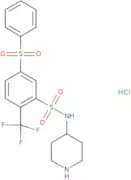
CAS:WAY 316606 hydrochloride is a substance that inhibits the tyrosine kinase of the Fms-like tyrosine kinase family. It is used as an inhibitor in research and development for substances with fms-like tyrosine kinase activity. WAY 316606 hydrochloride has been shown to be an effective inhibitor of human platelet aggregation and in vitro platelet function, as well as inhibiting the activity of human platelets in vivo. This drug has also been shown to inhibit fms-like tyrosine kinase, which is involved in regulating cell proliferation, differentiation, and survival.Formula:C18H20ClF3N2O4S2Purity:Min. 95%Molecular weight:484.9 g/mol6-[(3-Methoxyphenyl)methyl]-4-methyl-2-methylsulfinylthieno[3,4]pyrrolo[1,3-d]pyridazin-5-one
CAS:6-[(3-Methoxyphenyl)methyl]-4-methyl-2-methylsulfinylthieno[3,4]pyrrolo[1,3-d]pyridazin-5-one is a potent inhibitor of the voltage gated sodium channels. It blocks the function of ion channels and inhibits the action of the neurotransmitter acetylcholine on postsynaptic neuromuscular junctions. The IC50 value for this compound is 1 µM, making it one of the most potent inhibitors of voltage gated sodium channels currently known. 6-[(3-Methoxyphenyl)methyl]-4-methyl-2-methylsulfinylthieno[3,4]pyrrolo[1,3-d]pyridazin-5-one has been used as a research tool in cell biology and pharmacology to study protein interactions and peptides.Formula:C18H17N3O3S2Purity:Min. 95%Molecular weight:387.5 g/molBig Gastrin, human
CAS:Big Gastrin, is a hormone which exerts its effects through activating the G-protein coupled receptor CCK2R and plays a role in gastric acid secretion. Big Gastrin can be used in research applications such as pharmacology and cell biology. This product is also a potential growth factor in some cancer tumors, including prostate cancer. It is available as an ammonium salt and as a 0.1mg vial.Formula:C176H251N43O53SPurity:Min. 95%Molecular weight:3,849.2 g/mol2-((5-Chloropyridin-2-yl)amino)-N-(3,5-difluorophenethyl)acetamide
CAS:2-((5-Chloropyridin-2-yl)amino)-N-(3,5-difluorophenethyl)acetamide is a small molecule that inhibits the ion channels TRPM8 and TRPA1. It is an inhibitor of TRPM8 and has been shown to inhibit the activity of TRPA1 in vitro. It may be used as a research tool for studying protein interactions, receptor pharmacology, peptides, activator ligands, ion channels and ligand binding.
Formula:C15H14ClF2N3OPurity:Min. 95%Molecular weight:325.74 g/molAGN 193109
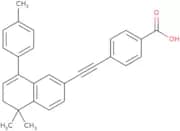
CAS:Pan-retinoic acid receptor (RAR) antagonistFormula:C28H24O2Purity:Min. 95%Molecular weight:392.49 g/molGly-Phe
Gly-Phe is a kinetic glycolytic inhibitor that has antiviral properties. It has been shown to be effective against a number of viruses, including the herpes simplex virus type 1 (HSV-1), influenza virus A/PR/8/34 (PR8), and human immunodeficiency virus type 1 (HIV-1). Gly-Phe inhibits viral growth by blocking the synthesis of nucleic acids in cells infected with these viruses. The antiviral activity of Gly-Phe was demonstrated in animal models and humans, where it acted as an effective treatment for HSV-1 infection. Gly-Phe also has anti-inflammatory properties, which may be due to its ability to inhibit bacterial enzymes in the intestinal tract.Formula:C11H14N2O3Purity:Min. 95%Molecular weight:222.24 g/molINCB 057643
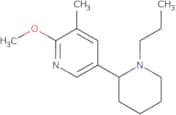
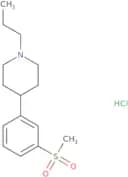
CAS:Inhibitor of BET bromodomainFormula:C20H21N3O5SPurity:Min. 95%Molecular weight:415.46 g/mol4-(3-(Methylsulfonyl)phenyl)-1-propylpiperidine
CAS:4-(3-(Methylsulfonyl)phenyl)-1-propylpiperidine is an analog that has shown promising results as an anticancer agent. It works by inhibiting protein kinases, which are enzymes involved in the growth and spread of tumors. This compound has been found to be effective against a variety of cancer cells, including those from human urine and Chinese medicinal plants. It induces apoptosis, or programmed cell death, in cancer cells by blocking the activity of specific kinases. This inhibitor shows great potential for the development of new cancer treatments.
Formula:C15H24ClNO2SPurity:Min. 95%Molecular weight:317.9 g/molZIP (Scrambled)
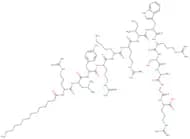
CAS:ZIP is a peptide that can be used as an inhibitor of protein interactions. ZIP has been found to bind to antibodies and can be used as a research tool in cell biology and pharmacology. ZIP is a high purity, non-toxic chemical compound with high stability. ZIP is an ion channel inhibitor with a CAS number of 908012-18-0. ZIP has shown to be an activator of the following receptors: muscarinic acetylcholine receptor, nicotinic acetylcholine receptor, GABA receptor, NMDA glutamate receptor, alpha 1A-adrenergic receptor, alpha 1B-adrenergic receptor, beta 2-adrenergic receptor, dopamine D2 receptor.Formula:C90H154N30O17Purity:Min. 95%Molecular weight:1,928.4 g/molSGI 1027 dihydrochloride
CAS:SGI 1027 is an enteric-coated, citric acid-resistant, sensor-activated tablet that contains a liquid crystal material that changes color in response to pressure. The tablet is energized by pressing on the sensor and utilizes a frequency of 120Hz. It is designed for recording and pressurization of the stomach and intestines in order to diagnose motility disorders. SGI 1027 has been shown to be effective against symbol-resistant bacteria, such as Clostridium difficile.
Formula:C19H21F4N5O3Purity:Min. 95%Molecular weight:443.4 g/molMatrix Metalloproteinase-1 , human, recombinant
Matrix Metalloproteinase-1 is a recombinant human protein that is used as a research tool to study the function of matrix metalloproteinases. It has been shown to bind to peptides and activate them, which may lead to new insights into their function. Matrix Metalloproteinase-1 also binds to ion channels and ligands, which may be useful for understanding the role of these molecules in diseases such as cancer.Purity:Min. 95%Indoramin Hydrochloride
CAS:Indoramin hydrochloride is a drug that inhibits the activity of adenylate cyclase. It has been shown to have anti-inflammatory effects and can be used for the treatment of bowel disease, cardiac disease, and congestive heart failure. Indoramin hydrochloride has also been shown to reduce blood pressure in animal studies and can be used as a pharmacological agent against cytosolic calcium ion influx. This drug is an inhibitor of the enzyme phosphodiesterase type 9 (PDE9).Formula:C22H26ClN3OPurity:Min. 95%Molecular weight:383.91 g/molAnti PACAP38, Human Serum
Anti PACAP38, humanSerum is a research tool that can be used to study the role of PACAP in various biological processes. The antibody is generated against human PACAP38 and has been shown to inhibit the activity of this peptide. The antibody also binds to the receptor for this peptide, which is a G protein-coupled receptor. This antibody can be used as an inhibitor of PACAP and its receptor in various cell types.Purity:Min. 95%[Nle8,18,Tyr34]-Parathyroid Hormone (Human, 3-34 amide)
Parathyroid hormone (PTH) is a peptide hormone that regulates the calcium and phosphate concentrations in the blood. It is produced by the parathyroid gland, located near the thyroid gland in the neck. PTH has three forms: amino-terminal proparathyroid hormone (PTH 1-34), amino-terminal parathyroid hormone fragment 34-84 (PTH 1-34 amide), and carboxy-terminal parathyroid hormone fragment 84-120 (PTH 1-84). The receptor for PTH is called the parathyroid hormone receptor (PTR). The binding of PTH to its receptor leads to activation of adenylate cyclase, which increases levels of intracellular cAMP.
Formula:C175H282N54O48Purity:Min. 95%Molecular weight:3,910.4 g/molTentaGel® Macrobead PHB Resin
TentaGel Macrobead PHB Resin is a polymer resin which is used for the synthesis of peptides. The resin can be used as a building block in peptide synthesis, as well as being mixed with other resins for use in other applications. TentaGel Macrobead PHB Resin is supplied in particles that are made up of polystyrene beads and hydroxypropyl-b-cyclodextrin (PHB) groups. The PHB groups are designed to bind to peptides during the synthesis process, while the polystyrene bead provide a support matrix. This product is primarily used by researchers who are interested in using it for the study of protein structure and function.Purity:Min. 95%Bz-Arg-OEt • HCl [BAEE]
Bz-Arg-OEt • HCl (BAEE) is a peptide substrate of trypsin. It is an enzyme that cleaves proteins by hydrolyzing the peptide bonds at the carboxyl termini of polypeptides. The Bz-Arg-OEt • HCl (BAEE) reacts with trypsin to form a complex that has a unique spectrum of absorption and emission maxima, which can be used to identify BAEE in solution.Formula:C15H22N4O3•HCIPurity:Min. 95%Molecular weight:342.82 g/molBoc-Gln-Gly-Arg-AMC
CAS:Boc-Gln-Gly-Arg-AMC is a cell permeable, fluorescent ligand that can activate or inhibit ion channels and receptors. It has been shown to act as an inhibitor of the nicotinic acetylcholine receptor (nAChR) in rat brain synaptosomes. Boc-Gln-Gly-Arg-AMC is used as a research tool in pharmacology, protein interactions, and cell biology. This compound binds to antibodies and can be used as a target for antibody production. Boc-Gln-Gly-Arg-AMC has high purity and is available at low cost.Formula:C28H40N8O8Purity:Min. 95%Molecular weight:616.67 g/molML 323
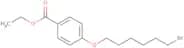
CAS:Inhibitor of USP1/UAF1 deubiquitinase complexFormula:C23H24N6Purity:Min. 95%Color and Shape:SolidMolecular weight:384.48 g/molEthyl p-(6-bromohexyloxy)benzoate
CAS:Please enquire for more information about Ethyl p-(6-bromohexyloxy)benzoate including the price, delivery time and more detailed product information at the technical inquiry form on this page
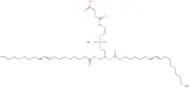
Formula:C15H21BrO3Purity:Min. 95%Molecular weight:329.23 g/mol1,2-Dioleoyl-sn-glycero-3-phosphoethanolamine-N-(succinyl) sodium
CAS:Please enquire for more information about 1,2-Dioleoyl-sn-glycero-3-phosphoethanolamine-N-(succinyl) sodium including the price, delivery time and more detailed product information at the technical inquiry form on this pageFormula:C45H81NNaO11PPurity:Min. 95%Molecular weight:866.1 g/molNGD 94-1
CAS:NGD 94-1 is a dopamine receptor agonist that is used in the treatment of schizophrenia. It is a potent and selective dopamine D2 receptor agonist that binds to the dopamine D2 receptor with high affinity (Ki = 0.6 nM). NGD 94-1 has been shown to have functional activity as a dopamine D2 receptor agonist in animal models, which may be due to its ability to increase levels of intracellular cyclic AMP and inhibit adenylyl cyclase activity in neuronal tissues. NGD 94-1 has also been found to be effective at reducing the symptoms of schizophrenia in clinical trials, with an effect size that is comparable to other antipsychotic drugs.Formula:C18H20N6Purity:Min. 95%Molecular weight:320.4 g/molDesacetylcolchicine d-tartrate
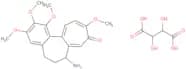
CAS:Desacetylcolchicine is a research tool used in the study of ion channels. It has been shown to be an activator of acetylcholine receptors, a ligand for nicotinic acetylcholine receptors, and a receptor for desacetylcolchicine. This compound has been shown to interact with cell biology by activating protein kinase C, phospholipase A2, and tyrosine kinase. Desacetylcolchicine also inhibits the activity of voltage-gated potassium channels, leading to an increase in excitability. Desacetylcolchicine is a high purity compound that is available as a white powder or crystalline solid.
Formula:C24H29NO11Purity:Min. 95%Molecular weight:507.5 g/molLidamidine
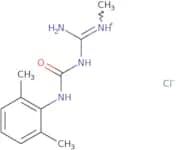
CAS:Lidamidine is a pharmaceutical drug that is used to treat chronic diarrhea. It is a prodrug that is converted to its active form, lidocaine, in the small intestine. Lidamidine has been shown to inhibit intestinal motility and reduce the secretion of water and electrolytes into the bowel lumen. Lidamidine can be used to diagnose and treat bowel disease. The drug has an analog, mexiletine, which also inhibits intestinal motility but has greater depressant effects on cardiac function than lidamidine.Formula:C11H17ClN4OPurity:Min. 95%Molecular weight:256.73 g/mol(2S)-1-(1-Oxo-2-propen-1-yl)-4-[5,6,7,8-tetrahydro-7-(3-hydroxy-1-naphthalenyl)-2-[[(2S)-1-methyl-2-pyrrolidinyl]methoxy]pyrido[3,4- d]pyrimidin-4-yl]-2-piperazineacetonitrile
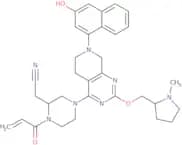
CAS:(2S)-1-(1-Oxo-2-propen-1,4-yl)-4-[5,6,7,8-tetrahydro-7-(3-hydroxy-1-naphthalenyl)-2-[(2S)-1-methylpyrrolidinium]methoxy]pyrido[3,4-d]pyrimidin-4-yl]-2-[(2S)-1-(N'-methylcarbamoyl)pyrrolidinium]acetonitrile (known as GTS 2422) is a potent and highly selective antagonist of the human 5HT receptor. It has been shown to inhibit the binding of serotonin to the 5HT receptor in rat brain synaptosomes with an IC50 value of 0.44 nM. GTS 2422 has also been shown to inhibit the binding of serotonin to the 5HT receptor in human platelets with anFormula:C32H37N7O3Purity:Min. 95%Molecular weight:567.7 g/molAR 420626
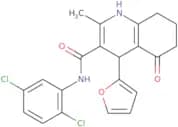
CAS:AR 420626 is an advanced molecular sieve catalyst, which is derived from a robust zeolitic framework with precise pore architecture. Its mode of action is centered on facilitating selective adsorption and catalysis by exploiting the molecular dimensions within its crystalline structure. This enables the catalyst to achieve enhanced specificity and efficiency in molecular transformations.
Formula:C21H18Cl2N2O3Purity:Min. 95%Molecular weight:417.29 g/molML RR-S2 CDA
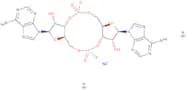
CAS:ML RR-S2 CDA is a synthetic, non-peptide agonist of the G protein coupled receptor, CXCR4. ML RR-S2 CDA binds to the receptor and stimulates it, initiating a number of cellular events. These include increased pro-inflammatory cytokines and chemokines that are released by tumor cells and activate immune cells in the microenvironment. The drug also has low bioavailability because it does not cross the blood brain barrier easily. It is currently being studied as a treatment for cancer and infectious diseases in clinical oncology trials.Formula:C20H24N10O10P2S2Purity:Min. 95%Molecular weight:690.55 g/mol[β-Mercapto-β,β-cyclopentamethylenepropionyl1, o-Et-Tyr2, Val4, Arg8]-vasopressin
CAS:Vasopressin is a peptide hormone that regulates water and electrolyte balance in the body. It is secreted by the posterior pituitary gland, where it acts on blood vessels to constrict them and raise blood pressure. Vasopressin also stimulates the release of sodium from the kidneys, which increases water retention in the body. This drug is used to treat certain types of cirrhosis, including those caused by alcoholism or viral infection. It is also used for other conditions such as congestive heart failure and high blood pressure. Vasopressin has potent antagonist effects on chloride channels, which are involved in regulating water permeability across membranes. These effects may be due to its ability to increase intracellular chloride concentrations and block chloride ion channel activity.Formula:C53H77N13O11S2Purity:Min. 95%Molecular weight:1,136.4 g/molAES-135
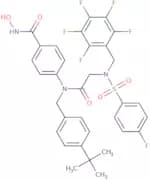
CAS:AES-135 is a hydroxamic acid that inhibits histone deacetylase (HDAC). It has been shown to be effective in treating cancer cells. AES-135 binds to HDACs and prevents them from removing acetyl groups from lysine residues on histones, which prevents the transcription of genes. This drug has been shown to inhibit the growth of pancreatic cancer cells in culture, but it is not known if this effect occurs in humans. A phase I clinical trial with AES-135 was conducted in patients with pancreatic cancer, but the results were inconclusive. Preclinical studies have shown that this drug can be used as a treatment for breast cancer, leukemia, and other cancers.Formula:C33H29F6N3O5SPurity:Min. 95%Molecular weight:693.7 g/molAMT Hydrochloride
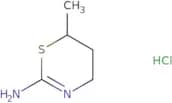
CAS:AMT Hydrochloride is a synthetic tryptamine compound, which is derived from chemical synthesis methods. It is an analogue of alpha-methyltryptamine (AMT), specifically the hydrochloride salt form, enhancing its stability and solubility for laboratory settings. The mode of action involves acting as a non-selective agonist at serotonin receptors, primarily targeting the 5-HT2C and 5-HT2A receptors. This interaction results in psychoactive effects through the modulation of neurotransmitter systems, impacting serotonin pathways.
Formula:C5H10N2S·HClPurity:Min. 95%Molecular weight:130.21 g/mol6-((3-Cyclobutyl-2,3,4,5-tetrahydro-1H-3-benzazepin-7-yl)oxy)-N-methyl-3-pyridinecarboxamide
CAS:6-((3-Cyclobutyl-2,3,4,5-tetrahydro-1H-3-benzazepin-7-yl)oxy)-N-methyl-3-pyridinecarboxamide is a research tool that can be used to study the function of ion channels. This compound has been shown to activate ligand receptors and bind to cell biology and antibody. 6-(3-(Cyclobutyl(2,3,4,5-tetrahydrobenzo[b]azepin-7(8H)yl)oxy)-Nmethylpyridinecarboxamide is an inhibitor of the protein interactions in cells. It can also be used as a pharmacology reagent for peptides and proteins. The CAS number for this compound is 945493-87-8.
Formula:C21H26ClN3O2Purity:Min. 95%Molecular weight:387.9 g/molSomatostatin 1-28
CAS:Somatostatin 1-28 is a synthetic peptide that is derived from the natural hormone somatostatin, which is primarily sourced from neuroendocrine cells in the hypothalamus, pancreas, and gastrointestinal tract. This peptide functions as a potent inhibitor of several physiological processes through its interaction with specific G-protein-coupled somatostatin receptors. These receptors are widely distributed across various tissues and organs, allowing somatostatin to modulate the release of several hormones and neurotransmitters.Formula:C137H207N41O39S3Purity:Min. 95%Molecular weight:3,148.6 g/molPSB 0739
CAS:PSB 0739 is a potent and selective adenosine receptor antagonist. It binds to the p2 receptor, which is a G-protein coupled receptor involved in cell signaling. PSB 0739 has been shown to inhibit contractility of bladder cells and granule cells, as well as inhibiting the release of noradrenaline from adrenergic nerve terminals. This compound also inhibits the activation of cardiac myocytes by increasing cytosolic calcium concentrations. PSB 0739 also blocks the clopidogrel-induced platelet aggregation in vitro and reduces platelet thrombus formation in vivo. PSB 0739 has been shown to block the binding of adenosine to A1 and A2A receptors, but does not bind to other adenosine receptors such as A3 or A4 receptors.
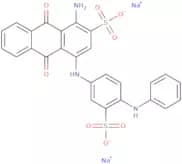
Formula:C26H17N3Na2O8S2Purity:Min. 95%Molecular weight:609.5 g/molβ-Ala-Lys(AMCA)
CAS:β-Ala-Lys(AMCA) is a peptide that can inhibit the interactions of proteins. β-Ala-Lys(AMCA) is an inhibitor of protein interactions and can be used as a research tool to study the interactions between proteins. β-Ala-Lys(AMCA) has been shown to activate certain receptors, such as the receptor for angiotensin II, and can be used to increase or decrease the activity of ligands. This drug also has a high purity level, which makes it suitable for use in life science research.Formula:C21H28N4O6Purity:Min. 95%Molecular weight:432.47 g/molAnti Preprogalanin (89-124) (Rat) Serum
Anti Preprogalanin (89-124) (Rat) Serum is a research tool that can be used to study the interactions of proteins with other proteins, peptides, and receptors. Anti Preprogalanin (89-124) (Rat) Serum has been shown to activate ion channels and ligand-gated ion channels. It also has an antibody against it, which can be used in immunoassays. This serum is purified from rat plasma and contains no preservatives.Purity:Min. 95%Streptavidin-NC Recombinant
Streptavidin-NC is a recombinant protein that is used in immunoassays. It binds to biotin and can be used as an alternative to the antigen-antibody reaction. Streptavidin-NC binds to the biotinylated antigen at the same time as it binds to the specific antibody, forming a sandwich complex. Streptavidin-NC has been shown to be more sensitive than antibodies in cardiac muscle and skeletal muscle immunoassays, with better specificity for cardiac troponin I and T than monoclonal antibodies. The molecular mass of this protein is about 50000 Da, which corresponds to a chain with about 500 amino acids.Purity:>93% By Sds-Page.[Pyr33]-Pancreastatin (Porcine, 33-49) Antiserum
Pancreastatin is a peptide that is an inhibitor of potassium channels. Pancreastatin binds to and blocks the opening of K+ channels, thereby inhibiting the propagation of action potentials. Pancreastatin is a potent inhibitor of voltage-gated K+ channels in pancreatic β-cells and inhibits insulin secretion. Pancreastatin has been shown to inhibit the activity of sodium channels in the central nervous system, which may have therapeutic benefits for patients with epilepsy or other seizure disorders. Pancreastatin also has inhibitory effects on norepinephrine release from sympathetic nerves and acetylcholine release from parasympathetic nerves, which may be beneficial for patients with Parkinson's disease or Alzheimer's disease.Purity:Min. 95%Gly-Gly-Tyr-Arg acetate dihydrate
Gly-Gly-Tyr-Arg acetate dihydrate is a tetrapeptide and a ligand for the enzyme papain. It binds to the active site of papain and inhibits its proteolytic activity. Gly-Gly-Tyr-Arg acetate dihydrate has been shown to be an inhibitor of trypsin and chymotrypsin, but not other proteases. It has also been shown to inhibit the polymerase chain reaction and RNA synthesis in vitro.Formula:C19H29N7O6•CH3COOH•2H2OPurity:Min. 95%Molecular weight:547.56 g/molCC-115
CAS:CC-115 is a small molecule that inhibits transcriptional regulation. It binds ATP-binding cassette transporters and blocks the export of fatty acids from the cell, which leads to increased levels of intracellular fatty acids and autophagy. CC-115 has shown efficacy in prostate cancer treatment, as well as squamous carcinoma. This drug has a potent inhibitory effect on gene expression and is currently undergoing clinical trials for use in high-risk disease.
Formula:C16H16N8OPurity:Min. 95%Molecular weight:336.35 g/molMicrofibrillar-associated Protein 2, human, recombinant
Microfibrillar-associated protein 2, human, recombinant is a research tool that is used as an activator and ligand for different receptors. It is also known to be a receptor for ion channels and plays an important role in cell biology. Microfibrillar-associated protein 2 has been shown to be involved in the regulation of many cellular processes such as signal transduction, gene transcription, cell adhesion and migration. This protein can also inhibit the activity of other proteins by binding them and preventing their interaction with other proteins or molecules. Microfibrillar-associated protein 2 is purified from E. coli cells and has a purity of >95%.Purity:Min. 95%Slap N-bn-3Me-pip reagent
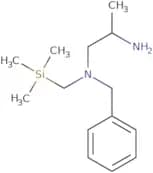
CAS:Slap N-bn-3Me-pip reagent is a high purity, potent inhibitor of the G protein-coupled receptor. It is used in research as a pharmacological tool to investigate protein interactions and has been shown to activate or inhibit ion channels. Slap N-bn-3Me-pip reagent is an antibody that recognizes the C terminal end of the alpha subunit of the G protein. It can be used for research purposes to study protein interactions and for antibody production.Formula:C14H26N2SiPurity:Min. 95%Molecular weight:250.46 g/mol2-Arachidonoyl-1-palmitoyl-sn-glycero-3-phosphocholine
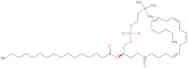
CAS:2-Arachidonoyl-1-palmitoyl-sn-glycero-3-phosphocholine is a phospholipid compound with a wide range of characteristics and applications. It has been found to have various effects on the body, including interactions with capsicum, electrolytes, and dopamine receptors. Additionally, it has shown potential in research related to Gaucher disease, chemokine signaling, glucosylceramide metabolism, and cancer studies.
Formula:C44H80NO8PPurity:Min. 95%Molecular weight:782.08 g/molSX-682
CAS:SX-682 is an orally bioavailable antagonist of the chemokine receptor CCR1, which is derived from advanced medicinal chemistry efforts targeting inflammatory pathways. Its mode of action involves selectively blocking the interaction between CCR1 and its ligands, thereby inhibiting the recruitment and activation of immune cells such as monocytes and macrophages. This action modulates inflammatory responses and has shown promise in dampening pathological inflammation.Formula:C19H14BF4N3O4SPurity:Min. 95%Molecular weight:467.2 g/molα-2,3-Sialyltransferase-in-1
CAS:α-2,3-Sialyltransferase-in-1 is a protein that belongs to the family of glycosyltransferases. It has been shown to have a high affinity for α-2,3-sialic acid and α-2,6-sialic acid in vitro. This activity may be due to its ability to catalyze the transfer of sialic acid from CMP-sialic acid to free sialic acid. The purified recombinant human protein has been shown to inhibit the binding of human IgG1 and IgM antibodies with high specificity and low affinity.Formula:C28H45NO6Purity:Min. 95%Molecular weight:491.66 g/molAtosiban
Atosiban is a drug that is used to prevent preterm labor in pregnant women. It works by inhibiting the release of oxytocin from the hypothalamus, which decreases contractions and relaxes the uterus. Atosiban has been shown to be effective in decreasing the incidence of preterm birth in women with bacterial vaginosis who are at high risk for preterm delivery (e.g., those with a history of preterm labor). Clinical trials have shown that it may also be useful as an adjunct therapy in treating women with unexplained infertility and recurrent pregnancy loss. The drug binds to receptors on cells, which inhibits the release of intracellular calcium, thus preventing contraction of uterine muscle cells. This effect can be reversed by administration of estradiol benzoate or other drugs that affect receptor activity. It is not known whether atosiban affects fetal development during pregnancy or if it causes any effects on the mother's heart rate or body mass index after childbirth.
Formula:C43H67N11O12S2Purity:Min. 95%Thyroglobulin VIF Light Tryptic Peptide Standard (4nmol)
This Thyroglobulin VIF Light Tryptic Peptide Standard is useful in protein identification and quantitation studies such as liquid chromatography-tandem mass spectrometry (LC-MS/MS). The use of tryptic peptides overcomes the challenges of quantifying serum thyroglobulin levels using immunoassays through removing the risk of interferences from Thyroglobulin antibodies. Thyroglobulin is a thyroid hormone production substrate and thus an important biomarker for differentiated thyroid cancer.
Purity:Min. 95%ATIII Heavy Tryptic Peptide Standard (4nmol)
Antithrombin III heavy tryptic peptide standard for protein identification and quantitation studies. Antithrombin III is a glycoprotein found in blood plasma and is involved in the regulation of the coagulation process.
Purity:Min. 95%GLP-2 (Mouse)-EIA Kit (1ea)
GLP-2 (Mouse)-EIA Kit is a kit for the quantitative measurement of GLP-2 in mouse serum. It consists of a standard, antibody and reagents to measure GLP-2 in mouse serum. The assay has been validated for use with sera from mice. For research use only. Not for diagnostic or therapeutic purposes.Purity:Min. 95%ANP (Human, 5-28)
CAS:ANP (human, 5-28) is a peptide that is used as a research tool for studying the function of ion channels. It is also an antibody that can be used to measure protein interactions. ANP (human, 5-28) has been shown to inhibit protein interactions with the receptor and ligand. This peptide has been shown to act as an activator at high concentrations and an inhibitor at low concentrations.Formula:C106H163N35O34S3Purity:Min. 95%Molecular weight:2,567.8 g/molIL 1 beta Human, HEK
IL-1 beta is a cytokine, which belongs to the IL-1 family of cytokines. It is a proinflammatory cytokine that induces fever and pain, and stimulates the immune system. IL-1 beta binds to the IL-1 receptor, which is a member of the class 1 cytokine receptor family. The binding activates phospholipase A2 and protein kinase C, which leads to an increase in prostaglandin production by cyclooxygenase 2. IL-1 beta also has been shown to inhibit ion channel activity and calcium uptake in cells.
Purity:Min. 95%E 52862 (S1RA)
CAS:E 52862 (S1RA) is a monoclonal antibody that targets the α2δ subunit of voltage-gated calcium channels. It blocks the binding of ATP and reduces neuronal excitability, providing antinociception without causing dependence or addiction. E 52862 has been shown to be an effective treatment for diabetic neuropathy in vivo models. The drug has also been shown to have a sub-effective dose, which may reduce its side effects. E 52862's receptor activity may be due to its ability to inhibit glutamate release and cyclin D2 expression, which are both involved in pain transmission.Formula:C20H23N3O2Purity:Min. 95%Molecular weight:337.42 g/molCAY10685
CAS:CAY10685 is a peptide that has been shown to activate the protein receptor for angiotensin II. This receptor is found in many tissues, including brain, kidney, and heart. CAY10685 has also been shown to have an inhibitory effect on ion channels and ligand-gated ion channels. It may be used as a research tool or a pharmaceutical agent.
Formula:C17H16ClN3SPurity:Min. 95%Molecular weight:329.8 g/molTaurolithocholic acid
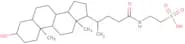
CAS:Taurolithocholic acid is an analog of bile acid that has shown to have anticancer properties. It induces apoptosis in human tumor cells by inhibiting protein kinases, which are enzymes involved in cell signaling and regulation. Taurolithocholic acid has been found to inhibit the growth of cancer cells in vitro and in vivo, making it a potential candidate for cancer treatment. This compound has also been studied for its ability to inhibit cellulose synthesis and reduce urinary excretion of protein, suggesting possible therapeutic applications beyond cancer treatment. Overall, Taurolithocholic acid shows promising potential as a natural inhibitor of cancer cell growth and proliferation.Formula:C26H45NO5SPurity:Min. 95%Molecular weight:483.7 g/molH-YLEYRQVPV-OH
MAGE-A protein: MAGE-A p248V9, also kwon as multi-MAGE-A (YLEYRQVPV) is an epitope of Melanoma Antigen Gene expressed by tumors of different histological types and is a Cancer/Testis Antigens (CTA). Type of MAGE-A expressed in tumors cells varies according to the type of tumor. Targeting epitopes shared by all MAGE-A antigens would be interest in immunotherapy against a broad spectrum of cancers. Applications of MAGE-A p248V9 (multi-MAGE-A) : MAGE-A p248V9 is very useful because it could generate an HLA-A*02:01-restricted CTL response and shared by MAGE-A1,-A2,-A3,-A4,-A6,-A10 and -A12. MAGE-A p248V9 is used to stimulate specific cytotoxic T lymphocytes (CTL) in PBMCs and then to analyze CTL response especially the cytokine production by ELISPOT assay.Opc-14523 hydrochloride
CAS:Opc-14523 hydrochloride is a research tool that is an activator of the Ligand, Receptor, Cell Biology, Antibody, Ion channels and other pharmacological or biological systems. It is a high purity compound with CAS No. 145969-31-9. Opc-14523 hydrochloride binds to the antibody and receptor sites on cells and stimulates ion channel activity in cells. This compound has been shown to inhibit protein interactions by binding to peptides and proteins. Opc-14523 hydrochloride can also be used as a pharmacological or biological inhibitor for the study of ligand/receptor interactions in cell biology applications.Formula:C23H29Cl2N3O2Purity:Min. 95%Molecular weight:450.4 g/molSM 130686
CAS:SM 130686 is a selective acetylcholine esterase inhibitor. It was shown to be effective in inhibiting the growth of cancer cells in vitro, and has been evaluated in vivo for its ability to inhibit the growth of cancerous tumors. SM 130686 also inhibits the production of hormones such as testosterone, estradiol, and progesterone, which are important for reproduction. The drug has a low energy profile and is able to cross the blood-brain barrier. In addition, it is orally active and can be detected in human urine samples after oral administration. Oxindole derivatives were found to be potential metabolites of SM 130686 in humans. Mass spectrometric analysis revealed that SM 130686 undergoes oxidative metabolism by cytochrome P450 enzymes and glutathione reductase (GR). Studies using human urine samples demonstrated that oxindole derivatives were metabolized into forms that could not be confirmed as specific metabolites. Vivo studies have shown that metabolic pathways differ between species;Formula:C22H23ClF3N3O3Purity:Min. 95%Molecular weight:469.9 g/molYC-1
CAS:YC-1 is an activator of soluble guanylate cyclase (sGC), derived from synthetic chemical sources, with a specific mode of action that inhibits the degradation of cyclic guanosine monophosphate (cGMP). By modulating the levels of cGMP, YC-1 affects various biological pathways associated with vasodilation, anti-platelet aggregation, and anti-inflammatory effects.Formula:C19H16N2O2Purity:Min. 95%Molecular weight:304.34 g/molRO 7185876
CAS:RO 7185876 is a high purity peptide that binds to the N-terminal domain of the human calcitonin receptor, which is a member of the G protein-coupled receptor family. It has been shown to activate this receptor and induce calcium release in cells. RO 7185876 is also a research tool for studying ligand/receptor interactions and ion channels. RO 7185876 is an inhibitor of protein interactions with the calcitonin receptor. It can be used to study calcitonin receptor-dependent signaling pathways and signal transduction cascades.Formula:C25H28F3N7Purity:Min. 95%Molecular weight:483.53 g/mol(6R)-6-Isopropyl-10-methoxy-9-(3-methoxypropoxy)-2-oxo-6,7-dihydrobenzo[A]quinolizine-3-carboxylic acid
CAS:(6R)-6-Isopropyl-10-methoxy-9-(3-methoxypropoxy)-2-oxo-6,7-dihydrobenzo[A]quinolizine-3-carboxylic acid binds to the GABAA receptor. It inhibits the binding of GABA and benzodiazepines and thus prevents the opening of chloride channels. This results in an increase in the neuronal activity of these neurons. (6R)-6-Isopropyl-10-methoxy-9-(3-methoxypropoxy)-2-oxo - 6,7 - dihydrobenzo[A]quinolizine - 3 - carboxylic acid can be used as a research tool for studying protein interactions and activators as well as a ligand for receptors.
Formula:C22H27NO6Purity:Min. 95%Molecular weight:401.5 g/molWWL229
CAS:WWL229 is a synthetic, lipid-based molecule that has been shown to have immunomodulatory effects. It is a diacylglycerol that activates peroxisome proliferator-activated receptor alpha (PPARα) and PPARγ which leads to increased expression of genes involved in lipid metabolism. WWL229 has also been shown to induce thermogenesis in vivo assays and increase lipolysis in vitro. In addition, WWL229 has been shown to inhibit the differentiation of monocytic cells into macrophages in vitro. The lack of macrophage differentiation is thought to be due to the ability of WWL229 to inhibit the production of proinflammatory cytokines such as tumor necrosis factor-α (TNF-α).Formula:C16H22N2O5Purity:Min. 95%Molecular weight:322.36 g/molMS4
CAS:MS4 is a protein that is encoded by the MS4 gene. It has been shown to have an important role in regulating meiosis and DNA recombination, as well as in the regulation of bacterial growth. In addition to its role in protein synthesis, MS4 is also involved in the production of the cell's energy through reactions with chlorogenic acids. The enzyme may play a role in preventing cancer progression by inhibiting cells from proliferating or dividing. This enzyme also has diagnostic uses for detecting bacterial infections such as tuberculosis or leprosy.Formula:C28H33NO4S2Purity:Min. 95%Molecular weight:511.7 g/mol(E)-2-Cyano-3-[5-(1-cyclohexyl-6-methyl-1,6-dihydro-1,3,5,6-tetraaza-aS-indacen-2-yl)-furan-2-yl]-N,N-dimethyl-acrylamide
CAS:(E)-2-Cyano-3-[5-(1-cyclohexyl-6-methyl-1,6-dihydro-1,3,5,6-tetraaza-aS-indacen-2-yl)-furan-2-yl]-N,Ndimethylacrylamide is a molecule that is not yet classified. It has been found in the saccharomycetaceae family of fungi and is autonomously replicated. This molecule is a model organism that can be used to study replication of DNA. (E)-2Cyano 3-[5-(1cyclohexyl 6methyl 1 6dihydro 1 3 5 6 tetraazaasindacen 2 yl)furan 2 yl] N Ndimethyl acrylamide may also be used for replicating cassettes and sequences for organisms. This molecule has been shown to have an amino acid composition that is expressedFormula:C25H26N6O2Purity:Min. 95%Molecular weight:442.5 g/molPf-05236216 hydrochloride
CAS:Pf-05236216 hydrochloride is a potent and selective inhibitor of the transient receptor potential vanilloid type 1 (TRPV1) ion channel. Pf-05236216 hydrochloride has been shown to inhibit TRPV1 activation by capsaicin, resiniferatoxin, and heat in vitro and in vivo. Pf-05236216 hydrochloride also inhibits acid-sensing ion channels (ASICs) at concentrations below those required for TRPV1 inhibition. Pf-05236216 hydrochloride has been used as a research tool to study the function of TRPV1 and ASICs, as well as in studies of cell biology and peptides.Formula:C18H16ClFN4OPurity:Min. 95%Molecular weight:358.8 g/molALB, GIG20, GIG42 MS Calibrator (25nmol)
The ALB, GIG20, GIG42 MS Calibrator (25nmol) is a Proteomics Tools product that has been designed to support the identification of biologically active peptides in proteomics. The ALB, GIG20, GIG42 MS Calibrator (25nmol) is a tryptic peptide derived from human serum albumin and can be used as a precursor for the identification of other tryptic peptides in proteomic samples. The New England Peptide Company offers this product at a competitive price and with high quality.
Purity:Min. 95%CM 1
CAS:CM 1 is a synthetic derivative of the natural compound apigenin. It inhibits the activity of matrix metalloproteinase-9 (MMP-9) and has been shown to suppress allergic symptoms in animal models. CM 1 has also been shown to be effective against some types of skin cancer, such as squamous carcinoma, when applied topically. CM 1 induces autophagy in vivo and has been shown to have biological properties that are similar to those of apigenin. This compound also promotes autophagy in cultured human cells by inhibiting mitochondrial membrane potential and increasing levels of reactive oxygen species (ROS).
Formula:C26H29NO5Purity:Min. 95%Molecular weight:435.5 g/molIGHG1 MS Calibrator-7 (25nmol)
IGHG1 MS Calibrator-7 is a 25nmol peptide that is derived from the C region of Ig gamma-1 chain. It is a tryptic peptide that corresponds to the sequence of IGHG1. The molecular weight of this peptide is 584.6Da and its theoretical pI is 9.26. This calibrator can be used in various proteomics applications, including proteomics tools such as TrypTides and Proteomics Tools from New England Peptide Company.Purity:Min. 95%JAK-IN-1
CAS:JAK-IN-1 is an antibody that inhibits the Janus Kinase 1 enzyme. It is a research tool used in cell biology and pharmacology. JAK-IN-1 binds to and blocks the activity of JAK-1, preventing the activation of various cytokines. The ligand of JAK-IN-1 is a peptide with a molecular weight of 10 kDa. The CAS number for this ligand is 1334673-53-8.Formula:C20H24N6O2Purity:Min. 95%Molecular weight:380.4 g/molEndosidin2
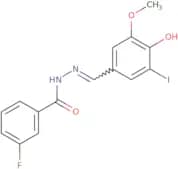
CAS:Endosidin2 is a protein that belongs to the endosome-associated sorting complex required for transport (ESCRT) family. It is localized in the endosomal compartment and is involved in exocytic trafficking, which is responsible for the release of molecules from the cell. Endosidin2 has been shown to play a role in cancer, autoimmune diseases, and inflammatory diseases. In cancer cells, it mediates tumorigenesis through activation of kinases that regulate the cell cycle and induce DNA damage. In autoimmune diseases such as Lupus erythematosus or multiple sclerosis, it regulates inflammation through modulation of cytotoxic T lymphocytes. Its function in inflammatory diseases are not well understood.Formula:C15H12FIN2O3Purity:Min. 95%Molecular weight:414.17 g/molBelinostat acid
CAS:Belinostat acid is an inorganic compound that has been clinically studied for its potential use in cancer treatment. Belinostat acid is a histone deacetylase inhibitor, which means it prevents the removal of acetyl groups from histones, resulting in gene activation and increased transcription. In vitro studies have shown that belinostat acid can be used to treat cancers by inducing homologous recombination repair and inhibiting cell proliferation. Clinical trials are currently underway to examine the safety and efficacy of this drug as a treatment for solid tumors. The terminal half-life of belinostat acid is about 1 hour, with metabolites being excreted primarily through urine.Formula:C15H13NO4SPurity:Min. 95%Molecular weight:303.3 g/mol21:0 Coenzyme A
CAS:Coenzyme A (CoA) is a cofactor that plays a key role in the biosynthesis of fatty acids and cholesterol. It has been shown to have anticancer activity, with the potential to be used as an anticancer therapy. CoA enhances the activation of anticancer agents, such as doxorubicin, by preventing their metabolism or excretion. The enhancement is achieved by uncoupling mitochondria and increasing the production of reactive oxygen species. This process results in a decrease in tumor size and increased survival rates for mice injected with glioblastoma cells.Formula:C42H85N10O17P3SPurity:Min. 95%Molecular weight:1,127.17 g/molResveratrol 3,4’-diacetate
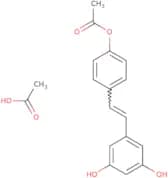
CAS:Controlled ProductResveratrol 3,4’-diacetate is a derivative of resveratrol that has been modified with acetate. This compound is an activator of the nuclear receptor PPAR-γ and has been shown to have anti-inflammatory and anticancer properties. It has high purity, which makes it suitable for use as a research tool or cell biology assay. Resveratrol 3,4’-diacetate is also used to study protein interactions and receptors in pharmacology research.Formula:C18H18O6Purity:Min. 95%Molecular weight:330.3 g/molDDR inhibitor
CAS:DDR inhibitors are a class of drugs that inhibit the DDR, or DNA damage response. These drugs are used for the treatment of cancer and are thought to work by inhibiting cellular regulatory pathways. Studies have shown that these inhibitors can damage cells and prevent them from repairing damage caused by radiation or other damaging agents. One such inhibitor is olaparib, which has been found to be effective in the treatment of prostate cancer and some types of cancer that are resistant to traditional chemotherapy. It also reduces telomere length, which is associated with aging and cancer. The discovery of DDR inhibitors has provided the opportunity to develop more specific treatments for various cancers.Formula:C23H20FN5O2Purity:Min. 95%Molecular weight:417.4 g/molMK-7246-d3
CAS:MK-7246-d3 is a pancreas-selective β-cell receptor agonist that has been shown to have efficacy in the treatment of type 1 diabetes. The compound is able to inhibit the release of histamine from eosinophilic cells, which may be due to its ability to bind to histamine H1 receptors and inhibit calcium influx. MK-7246-d3 has also been shown to decrease acid secretion and increase bicarbonate secretion. These effects on the pancreas may be due to its ability to act as a potent antagonist at the gastric histamine H2 receptor. MK-7246-d3 has not yet been tested in humans but has shown promising results in vitro and in vivo animal models. This drug is also being evaluated for use in other diseases, such as chronic obstructive pulmonary disease, asthma, and rhinosinusitis.
Formula:C21H18D3FN2O4SPurity:Min. 95%Molecular weight:419.48 g/molL-Asparaginase
L-asparaginase is a drug that inhibits the production of asparagine, which is an amino acid that is used in the synthesis of proteins. It has been shown to be effective against T-cell lymphomas, as well as other cancers such as leukemia and colorectal cancer. L-Asparaginase has been shown to inhibit mitochondrial functions in blood samples from patients with prostate cancer. This inhibition may lead to cell death. L-Asparaginase binds to the sephadex G-100 column in a similar manner to sodium citrate and prevents the formation of polymers when it combines with ATP. The enzyme can also be found in primary cells and liver cells, where it causes hypoglycemia by inhibiting glucose production. L-Asparaginase also inhibits dna synthesis by binding to DNA polymerases, preventing their attachment to nucleotide triphosphates (e.g., ATP).
Purity:Min. 95%AZD 6482 (S isomer)
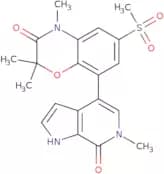
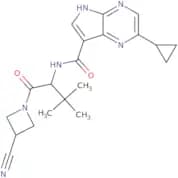
CAS:Inhibitor of PI3Kβ kinaseFormula:C22H24N4O4Purity:Min. 95%Molecular weight:408.45 g/molCytochrome P450 14a-demethylase inhibitor 1I
CAS:Cytochrome P450 14a-demethylase inhibitor 1I is a research tool used in the study of cell biology and pharmacology. The inhibition of cytochrome P450 14a-demethylase by this compound prevents the oxidative metabolism of drugs, including testosterone, progesterone, and cortisol. This inhibitor has been shown to be selective for cytochrome P450 14a-demethylase over other cytochrome P450 enzymes. Cytochrome P450 14a-demethylase inhibitor 1I binds to the active site of cytochrome P450 14a-demethylase, which is located on the outer mitochondrial membrane. It also binds to Ligand binding sites on Receptors and Peptides. Cytochrome P450 14a-demethylase inhibitor 1I can activate certain ion channels, such as TRPC6 channels, by increasing intracellular calcium levels. It also activates G protein-coupled receptors and inhibits protein interactionsFormula:C21H21BrF2N4OPurity:Min. 95%Molecular weight:463.3 g/molUrocortin 3 (Mouse, Rat)-EIA Kit (1ea)
Urocortin 3 (Mouse, Rat)-EIA Kit is a first-generation, solid-phase sandwich ELISA kit for the quantitative measurement of mouse and rat urocortin 3. The kit contains all the necessary reagents for performing the assay, including antibodies and standards. The Urocortin 3 (Mouse, Rat)-EIA Kit has been validated with mouse and rat samples and shown to be linear over a wide range of concentrations. The detection limit is 0.5 pg/ml in ELISA plates coated with 100 ng/ml of mouse or rat urocortin 3 antibody.Purity:Min. 95%PX-866-17OH
CAS:PX-866-17OH is a research tool that can be used as an activator or ligand. It has been shown to bind to the receptor with high affinity and specificity. PX-866-17OH also binds to cells, which may be due to its ability to inhibit ion channels. In addition, PX-866-17OH has been shown to inhibit the activity of enzymes involved in protein synthesis and cell growth.Formula:C29H37NO8Purity:Min. 95%Molecular weight:527.6 g/molIso-H7 dihydrochloride
CAS:Iso-H7 is a protein that belongs to the group of growth factors. It is an incompletely folded form of epidermal growth factor (EGF) that is able to bind to EGF receptors in cell membranes. Iso-H7 has been shown to have regulatory, pleiotropic, and cellular activities. It can be used as an antigen for the production of monoclonal antibodies, as well as for the development of drugs against viral infections and cancer. Iso-H7 stimulates cellular growth by activating phosphatase activity and inhibiting epidermal growth factor receptor phosphorylation in response to epidermal growth factor binding.Formula:C14H19Cl2N3O2SPurity:Min. 95%Molecular weight:364.29 g/molCC-671
CAS:CC-671 is a synthetic compound that has been shown to have potent anticancer activity. It has been shown to be localized in the bladder, as well as other tissues, and to inhibit cancer stem cell growth. CC-671 inhibits multidrug resistance by blocking the ABCG2 transporter, which is responsible for efflux of chemotherapeutic drugs from cells. CC-671 also inhibits splicing by sequestering the human protein SRPK2, which is an abcg2 substrate that regulates mRNA production and protein synthesis. This inhibition leads to a decrease in cancer cell proliferation and survival.Formula:C28H28N6O4Purity:Min. 95%Molecular weight:512.56 g/mol[Asu1,6,Arg8]-Vasopressin
CAS:Vasopressin is a peptide hormone that is synthesized from the amino acid arginine and stored in vesicles. It is released into the bloodstream by the hypothalamus, where it acts as an antidiuretic and also stimulates vasoconstriction and contraction of smooth muscle. Vasopressin has been shown to inhibit the binding of ligands to their receptors, which may be due to its ability to activate these receptors. This protein has been used as a research tool for studying receptor-ligand interactions, cell biology, and pharmacology. It can also be used as a reagent for Western blotting or immunohistochemistry.Formula:C48H68N14O12Purity:Min. 95%Molecular weight:1,033.2 g/molAndrographiside
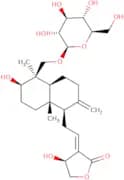
CAS:Andrographiside is a sesquiterpene lactone that is extracted from the plant Andrographis paniculata. It has been shown to have chemiluminescence activity and inhibition of drug transporter activity in vitro. This compound is not well-studied, but has been shown to have biological properties such as hepatoprotective effects in rats.Formula:C26H40O10Purity:Min. 95%Molecular weight:512.59 g/molMomelotinib mesylate
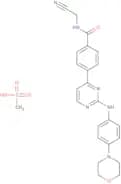
CAS:Momelotinib mesylate is a potent, selective inhibitor of PD-L1. It has been shown to inhibit the expression of PD-L1 in vitro and in vivo. Momelotinib mesylate binds to the B7-H1 protein found on cells that line blood vessels, which is a protein target for tumor cells. It also inhibits the proliferation of cancer cells and may lead to their death. Momelotinib mesylate has been approved by the FDA as a treatment method for patients with myelofibrosis who have had no success with other treatments. This drug is given orally and can be used together with other medications such as steroids or erythropoietin. It has been shown to reduce organ damage and improve quality of life in these patients.Formula:C24H26N6O5SPurity:Min. 95%Molecular weight:510.6 g/molObestatin (Mouse, Rat)-EIA Kit (1ea)
Obestatin is a neuropeptide that was first isolated from the mouse and rat hypothalamus. The Obestatin (Mouse, Rat)-EIA Kit is an in-house ELISA assay for the detection of mouse and rat obestatin. This kit can be used to detect obestatin in serum, plasma, or cell culture supernatant samples. It is a useful tool for studying the role of this peptide in various biological processes.
Purity:Min. 95%QL9
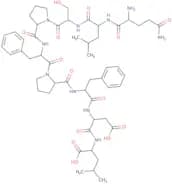
CAS:QL9 is a peptide that binds to light and has been shown to activate cells in the immune system. QL9 is a specific agonist for both CD4+ and CD8+ T cells and can be used as an adjuvant in a cell vaccine. The binding of this peptide to light activates T cells, which then produce cytokines such as IFN-γ, IL-2, and IL-12. It has been shown that QL9 can activate CD4+ T cells in the absence of antigen stimulation or antibody co-stimulation. This peptide also selectively binds to lipids, which are necessary for its function.
Formula:C52H74N10O14Purity:Min. 95%Molecular weight:1,063.21 g/molAC-93253 iodide
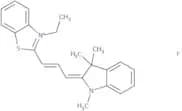
CAS:AC-93253 iodide is a drug that is being developed for the treatment of prostate cancer. The mechanism of action of AC-93253 iodide is still not known, but it has been shown to inhibit epidermal growth factor (EGF) receptor proliferation in prostate cancer cells and suppress the proliferation of other cancerous cells. Clinical studies have demonstrated that this drug has anti-leukemic activity, and it was shown to be effective against a wide variety of cancers in vitro. AC-93253 iodide inhibits transcriptional regulation by binding to the polymerase chain reaction (PCR) transcriptase during DNA replication. This inhibition prevents the extension of DNA chains and halts DNA synthesis.Formula:C23H25N2SIPurity:Min. 95%Molecular weight:488.43 g/molexo-IWR-1
CAS:Negative control for endo-IWR-1Formula:C25H19N3O3Purity:Min. 95%Molecular weight:409.44 g/molCDG
CAS:A glucose analog; can enter mammalian cells and be used as a glucose tracerFormula:C15H17NO7Purity:Min. 95%Molecular weight:323.3 g/molPNU 282987
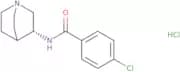
CAS:Agonist of ?7 nicotinic acetylcholine receptorFormula:C14H17ClN2O·HClPurity:Min. 95%Molecular weight:301.21 g/molTrifarotene
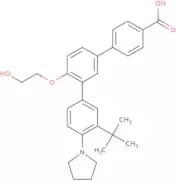
CAS:Retinoic acid receptor (RAR) agonistFormula:C29H33NO4Purity:Min. 95%Molecular weight:459.58 g/molFak ligand-linker conjugate 1
CAS:Fak ligand-linker conjugate 1 is a recombinant protein that contains the extracellular domain of the human Fak receptor. This antibody is useful for studying protein interactions, ion channels, and other cell biology and pharmacology research. It has a purity of >95% and a CAS number of 2307461-45-4. This antibody can be used as a research tool in life science.Formula:C25H28F3N5O6SPurity:Min. 95%Molecular weight:583.6 g/molCCT 241533
CAS:CCT 241533 is a Chinese herb that has been shown to have anti-cancer properties. It has been demonstrated to inhibit the growth of HL-60 cells and induce apoptosis in these cells. CCT 241533 also inhibits the proliferation of epidermal growth factor (EGF) and induces cell death in response to radiation. This drug also binds to toll-like receptors, which are proteins on the surface of cells that detect pathogens and initiate an immune response. CCT 241533 has been shown to inhibit polymerase chain reactions by competitive inhibition or by binding to DNA, preventing transcription or replication. CCT 241533 may be useful for the treatment of infectious diseases, such as tuberculosis, because it can bind to bacterial 16S ribosomal RNA and inhibit protein synthesis, leading to cell death by inhibiting the production of proteins vital for cell division.
CCT 241533 has been shown in animal studies to be effective against cervical cancer due to its ability to bindFormula:C23H27FN4O4Purity:Min. 95%Molecular weight:442.48 g/molTotal GLP-1-HS ELISA (1ea)
The Total GLP-1-HS ELISA (1ea) is a sandwich enzyme-linked immunosorbent assay that measures the concentration of active GLP-1 in human serum. The assay employs a monoclonal antibody specific to human GLP-1 and an enzyme conjugate, which is a radiolabeled anti-human GLP-1 antibody. The Total GLP-1-HS ELISA (1ea) has been validated for use with samples from both healthy subjects and subjects with type 2 diabetes mellitus.Purity:Min. 95%FGF 9 Human
FGF 9 is a protein that belongs to the FGF family. It is a ligand of FGFR3 and FGFR4, which are receptor tyrosine kinases. FGF 9 has been shown to have many biological activities, including the ability to activate other ligands such as EGF and PDGF. FGF 9 also has been shown to be able to stimulate the proliferation of cells, promote cell migration, and regulate ion channels. This protein may also be involved in angiogenesis by stimulating endothelial cell proliferation and migration.Purity:Min. 95%Tenovin-6
CAS:Tenovin-6 is a methyltransferase inhibitor that inhibits the BCR-ABL kinase. Tenovin-6 also has inhibitory properties on cell nuclei and autophagy, which are processes that regulate energy metabolism. Tenovin-6 has been shown to have transcriptional regulation and receptor activity in vitro. It has been shown to have inhibitory effects on cancer cells derived from human serum and other cell lines.Formula:C25H34N4O2SPurity:Min. 95%Molecular weight:454.63 g/molSSR-241586
CAS:SSR-241586 is a molecule that has been shown to produce laxative effects in rats. It is thought to act by inhibiting the reuptake of serotonin and norepinephrine, which are neurotransmitters in the brain. SSR-241586 has produced significant improvement in symptoms of depression and anxiety when administered orally.Formula:C32H42Cl2N4O3Purity:Min. 95%Molecular weight:601.6 g/mol

![6-[(3-Methoxyphenyl)methyl]-4-methyl-2-methylsulfinylthieno[3,4]pyrrolo[1,3-d]pyridazin-5-one](/_next/image/?url=https%3A%2Fstatic.cymitquimica.com%2Fproducts%2F3D%2Fthumb-webp%2FWYB18652.webp&w=3840&q=75)




![[Nle8,18,Tyr34]-Parathyroid Hormone (Human, 3-34 amide)](/_next/image/?url=https%3A%2Fstatic.cymitquimica.com%2Fproducts%2F3D%2Fthumb-webp%2FPTH-4181-V.webp&w=3840&q=75)

![Bz-Arg-OEt • HCl [BAEE]](/_next/image/?url=https%3A%2Fstatic.cymitquimica.com%2Fproducts%2F3D%2Fthumb-webp%2FSRE-3001.webp&w=3840&q=75)

![[β-Mercapto-β,β-cyclopentamethylenepropionyl1, o-Et-Tyr2, Val4, Arg8]-vasopressin](/_next/image/?url=https%3A%2Fstatic.cymitquimica.com%2Fproducts%2F3D%2Fthumb-webp%2FCDA45301.webp&w=3840&q=75)



![[Pyr33]-Pancreastatin (Porcine, 33-49) Antiserum](/_next/image/?url=https%3A%2Fstatic.cymitquimica.com%2Fproducts%2F3D%2Fthumb-webp%2FNPP-14186-V.webp&w=3840&q=75)







![(6R)-6-Isopropyl-10-methoxy-9-(3-methoxypropoxy)-2-oxo-6,7-dihydrobenzo[A]quinolizine-3-carboxylic…](/_next/image/?url=https%3A%2Fstatic.cymitquimica.com%2Fproducts%2F3D%2Fthumb-webp%2FXHD05718.webp&w=3840&q=75)
![(E)-2-Cyano-3-[5-(1-cyclohexyl-6-methyl-1,6-dihydro-1,3,5,6-tetraaza-aS-indacen-2-yl)-furan-2-yl]-…](/_next/image/?url=https%3A%2Fstatic.cymitquimica.com%2Fproducts%2F3D%2Fthumb-webp%2FBPD52164.webp&w=3840&q=75)





![[Asu1,6,Arg8]-Vasopressin](/_next/image/?url=https%3A%2Fstatic.cymitquimica.com%2Fproducts%2F3D%2Fthumb-webp%2FPVP-4026-V.webp&w=3840&q=75)