Biochemicals and Reagents
Biochemicals and reagents are fundamental substances for research and development in fields such as biotechnology, molecular biology, pharmacology, and medicine. These products are essential for a variety of applications, including compound synthesis, biological sample analysis, metabolic process research, and drug production. At CymitQuimica, we offer a wide selection of high-quality, high-purity biochemicals and reagents suitable for various scientific and industrial needs. Our catalog includes enzymes, antibodies, nucleic acids, amino acids, and many other products, all designed to support researchers and professionals in their research and development projects, ensuring reliable and reproducible results.
Subcategories of "Biochemicals and Reagents"
- Biomolecules(99,118 products)
- By Biological Target(99,156 products)
- By Pharmacological Effects(6,788 products)
- Cryopreservatives(21 products)
- Desinfectants and Related Compounds(28 products)
- Hormones(346 products)
- Plant Biology(6,748 products)
- Secondary Metabolites(14,233 products)
Found 130579 products of "Biochemicals and Reagents"
Sort by
Purity (%)
0
100
|
0
|
50
|
90
|
95
|
100
HA peptide
CAS:<p>Haptens are small-molecule drugs that bind to the toll-like receptor. Haptens can be used as a vaccine adjuvant and have been shown to be effective in the prevention of pandemic influenza. Haptens also inhibit viral replication by binding to surface glycoproteins, which prevents them from attaching to host cells. This process triggers the production of reactive oxygen species (ROS) and other inflammatory cytokines, which ultimately result in significant cytotoxicity. Haptens are capable of transferring immune responses from one animal to another, but this transfer is not always successful due to the basic protein structure of haptens.</p>Formula:C53H67N9O17Purity:Min. 95%Molecular weight:1,102.18 g/molTruncated flagellin 22 (flg22)
<p>Flagellin is the structural protein which forms the major portion of bacterial flagella filaments. The N- and C- terminals of flagellin are highly conserved regions, whereas the central core can vary greatly between bacterial species. Flagellin 22 (flg22) is the most conserved stretch of amino acids across bacterial species and is located towards the N-terminal of flagellin.Flg22 is a potent elicitor of plant immune responses and is recognised in plants by the membrane bound leucine-rich repeat-receptor kinase FLAGELLIN SENSITIVE 2 (FLS2). Flg22 induces defence gene expression to trigger both local and systemic immune responses and is thus widely used in plant defence studies.Truncated flagellin 22 (flg22-θ”2) represents amino acids 1-20 of flg22. It is a strong and selective agonist of tomato FLS2, with weak agonist activity towards Arabidopsis FLS2 even at high concentrations.</p>Molecular weight:2,087.1 g/molAdenovirus antibody
<p>Adenovirus antibody was raised in mouse using ADV as the immunogen.</p>Purity:>90% By Sds-PageDonkey anti Chicken IgY (H + L) (FITC)
<p>Donkey anti-chicken IgY (H + L) (FITC) was raised in donkey using chicken IgG (H & L) as the immunogen.</p>Phosphorylated Sakamototide
<p>Sakamototide is phosphorylated by members of the 5'-adenosine monophosphate-activated protein kinase (AMPK) family of kinases as is therefore ideal for use in kinase assays to test the activity of AMPK family members. The AMPK family includes- salt inducible kinases (SIKs), NUAK, sucrose non-fermenting (Snf1)-related kinase (SNRK), microtubule affinity regulating kinases (MARKs) and brain specific kinase/BR serine/threonine kinase (BRSK). The kinase activity of AMPK and AMPK-related kinases, is dependent on its phosphorylation at Thr175 by the upstream kinase LKB1 (also known as STK11).</p>Color and Shape:PowderMolecular weight:1,818.9 g/molα 1 Acid Glycoprotein antibody
<p>Alpha-1 acid glycoprotein antibody was raised in goat using human alpha-1 acid glycoprotein as the immunogen.</p>Purity:Min. 95%Ubiquitin K11 Heavy
<p>This sequence corresponds to the peptide bond between mammalian Lys11- (K11) linked Ub proteins- where (GG) corresponds to the C-terminus of the side chain appended Ub.Chains containing Lys11 (K11) Ub linkages are considered atypical. However they have been implicated in a range of cellular pathways. K11-Linked Ub, assembled via the ubiquitin ligase: anaphase-promoting complex/cyclosome (APC/C), regulate cell cycle progression via targeting proteins to the proteasome. K11 ubiquitin linkages are also involved in maintaining endoplasmic reticulum homeostasis and maintaining cellular protein homeostasis and have been discovered in protein aggregates found in neurodegenerative diseases, such as Alzheimer's disease and Huntington's disease.The C-terminal lysine residue of this peptide is isotopically labelled with carbon-13 (6) and nitrogen-15 (2), giving this peptide a mass increase of 8 compared to the unlabelled peptide.</p>Purity:Min. 95%Color and Shape:PowderMolecular weight:2,409.3 g/mol[D-Arg1,D-Phe5,D-Trp7,9,Leu11]-Substance P
CAS:<p>Substance P is a neuropeptide that belongs to the Feeding Regulatory Peptides family. It is synthesized in the hypothalamus and secreted by neurons in the spinal cord, brainstem, and gut. Substance P has been shown to regulate feeding behavior through its interaction with opioid receptors and the release of other neurotransmitters. The synthetic form of this peptide has been shown to reduce body fat in animal models and increased sensitivity to insulin in diabetic patients. This peptide also reduces camp levels in rats, which may be due to its ability to stimulate secretion of camp from pancreatic cells.</p>Formula:C79H109N19O12Purity:Min. 95%Molecular weight:1,516.87 g/molH-FPLTNAIK^-OH
<p>Peptide H-FPLTNAIK^-OH is a Research Peptide with significant interest within the field academic and medical research. This peptide is available for purchase at Cymit Quimica in multiple sizes and with a specification of your choice.</p>PSA antibody
<p>The PSA antibody is a monoclonal antibody that is used for the detection and measurement of prostate-specific antigen (PSA) in human serum. It specifically binds to PSA, which is a growth factor produced by the prostate gland. The PSA antibody can be used in various applications such as immunoassays and bioassays for ultrasensitive detection of PSA levels. It works by utilizing electrochemical impedance spectroscopy, where the antibody-coated electrode reacts with the PSA present in the sample, resulting in a measurable change in electrical properties. This highly reactive monoclonal antibody provides accurate and reliable results, making it an essential tool in prostate cancer screening and diagnosis. Additionally, it has potential applications in research related to collagen and epidermal growth factor. Trust the PSA antibody for precise and efficient detection of PSA levels, aiding in early detection and monitoring of prostate cancer.</p>Ac-Leu-Pro-Phe-Phe-Asp-NH2
CAS:<p>Ac-Leu-Pro-Phe-Phe-Asp-NH2 is a potential therapeutic for Alzheimer's disease. It has been shown to reduce the production of reactive oxygen species and inhibit the formation of amyloid beta oligomers. Ac-Leu-Pro-Phe-Phe-Asp-NH2 also reduces the frequency of protofibrils, which are aggregates that may play a role in Alzheimer's disease pathology. This peptide has been shown to have a protective effect on cell populations, which may lead to therapeutics that can delay or prevent Alzheimer's disease. Ac-Leu-Pro-Phe-Phe-Asp NH2 is an inhibitor of amyloid beta peptides and modulates their aggregation into protofibrils.</p>Formula:C35H46N6O8Purity:Min. 95%Molecular weight:678.89 g/molANA Positive Human Serum
<p>ANA Positive Human Serum is a life science tool for use in pharmaceutical and diagnostic applications. Please enquire for more information about ANA Positive Human Serum including the price, delivery time and more detailed product information at the technical inquiry form on this page.</p>PyClocK®
CAS:<p>PyClocK® is a monoclonal antibody that binds to the HIV-1 surface protein, gp120. It is used in diagnostic immunoassays for the detection of anti-HIV antibodies and in preparative high performance liquid chromatography (HPLC) of glycopeptides, which are cyclic peptides that are produced by bacteria. PyClocK® also has been shown to bind to vasoactive intestinal peptide and cyclic peptide receptors, which may be involved in autoimmune diseases or metabolic disorders. The conformational properties of this antibody have been determined using X-ray crystallography on the monoclonal antibody.</p>Formula:C18H27N6OF6ClP2Purity:Min. 98.0 Area-%Molecular weight:554.85 g/molHuman Serum Albumin
<p>Human Serum Albumin (HSA) is a glycoprotein that is abundantly found in human blood. It plays a crucial role in maintaining the osmotic pressure of blood and transporting various substances such as fatty acids, hormones, and drugs. HSA is widely used in immunoassays as a standard protein or as a carrier protein for monoclonal antibodies.</p>Purity:≥95% By Sds-PageBiotin-Nrf2 (69-84)
<p>Nuclear Factor Erythroid 2-Related Factor 2 (Nrf2) and its negative regulator Kelch-Like ECH-Associated Protein 1 (Keap1) provide vital protection in maintaining cellular redox. In parallel, Nrf2 also aids the resolution of inflammation and also tissue repair. In homeostatic conditions, the transcription factor Nrf2 is controlled in a cytoplasmic complex with Keap1 with ubiquitination and protein degradation. Nrf2 has been linked to numerous cancers due to mutations affecting the binding region of Nrf2 to Keap1, resulting in Nrf2 dissociating from the complex. Nrf2 constitutively accumulates in the nucleus and activation of prosurvival genes that promote cancer cell proliferation.The Neh2 region of Nrf2 interacts with Keap1, as shown by nuclear magnetic resonance spectroscopy. The 16 amino acid peptide (AFFAQLQLDEETGEFL) (69-84) flanks the conserved ETGE motif and can replicate the binding to keap1.Therapeutics targeting the Nrf2 signalling pathway and activation of Nrf2 is a keen area of research, with many cancers being linked to Nrf2, particularly pancreatic cancer. Additionally, activation of Nrf2 has become a possible target as a treatment for COVID. Nrf2 (69-84) replicating full-length Nrf2 binding has been helpful in all cases. This Nrf2 (69-84) contains a covalently bonded N-terminal Biotin tag that can be used for detection and purification. If you would prefer the simple peptide, Nrf2 (69-84), it is available from our catalogue.</p>Color and Shape:PowderMolecular weight:2,083 g/molH-NSLFEYQK^-OH
<p>Peptide H-NSLFEYQK^-OH is a Research Peptide with significant interest within the field academic and medical research. This peptide is available for purchase at Cymit Quimica in multiple sizes and with a specification of your choice.</p>H-AKFVAAWTLKAAA-OH
<p>Pan HLA DR-binding epitope (PADRE) is a universal peptide that activates CD4+ T cells which can be used as an agonist adjuvant.</p>HXB2 gag NO-39 /aa153 - 167
<p>Custom research peptide; min purity 95%. For different specs please use the Peptide Quote Tool</p>Molecular weight:1,733 g/molBoc-Leu-OH • 2O
CAS:<p>Boc-Leu-OH • 2O is a monomer for the synthesis of peptides. It is hydrophobic and can be used as a polymer matrix for the synthesis of polypeptides. Boc-Leu-OH • 2O is obtained from nature and can be prepared by hydrolysis of chloroformate ester or hydrogen chloride in dioxane.<br>Boc-Leu-OH • 2O has been shown to have chiral properties and can be detected using microscopy, dichroism, or amino acid analysis.</p>Formula:C11H21NO4•H2OPurity:Min. 95%Molecular weight:249.31 g/molH-Glu(OtBu)-2-ClTrt-Resin (100-200 mesh) 1% DVB
<p>This resin is a building block for peptide synthesis that can be used as a solid support in solid phase peptide synthesis. It has been used in the synthesis of a number of biologically active molecules. The resin is prepared by coupling an amine and thiol in the presence of triethylamine and 1-hydroxybenzotriazole. The resin contains 1% DVB, which serves as the protecting agent for the amino acid side chain during coupling reactions.</p>Purity:Min. 95%H-EPQVYTLPPSR^-OH
<p>Peptide H-EPQVYTLPPSR^-OH is a Research Peptide with significant interest within the field academic and medical research. This peptide is available for purchase at Cymit Quimica in multiple sizes and with a specification of your choice.</p>Troponin I antibody (Cardiac)
<p>Troponin I antibody (cardiac) was raised in mouse using human cardiac troponin I (N-Terminal) as the immunogen.</p>Purity:Min. 95%Boc-D-Glu(OBzl)-OH
CAS:<p>Boc-D-Glu(OBzl)-OH is a potent and selective activator of the D2 dopamine receptor. It binds to the D2 receptor with high affinity and specificity. Boc-D-Glu(OBzl)-OH will protect against D2 receptor desensitization and downregulation, which are common side effects that occur when the D2 receptor is overstimulated by other ligands. Boc-D-Glu(OBzl)-OH may also be useful as a pharmacological tool in studying the function of the D2 receptor in cell biology, cancer research, immunology, and neuropharmacology.</p>Formula:C17H23NO6Purity:Min. 95%Molecular weight:337.37 g/molAIP-II
<p>Auto-inducing peptide (AIP) is a cyclic thiolactone quorum sensing peptide from Staphylococcus aureus which is responsible for activating the agr response. AIP is released from the bacteria and its extracellular concentration is then sensed by a two-component system on the bacterial surface, AgrC and AgrA. AgrC is the membrane histidine kinase receptor and AgrA is a response regulator- upon binding of AIP, AgrC phosphorylates AgrA.AIP accumulates during growth activating an AgrC and AgrA cascade when it reaches a critical signal level. This cascade activates P2 and P3 promoters which autoactivate the agr system and upregulate RNAIII transcription. RNAIII regulates the expression of virulence factors including toxins, super-antigens, and exo-enzymes. Extensive research to identify AIP:AgrC inhibitors aims to find therapeutics against pathogens.AgrD is the precursor peptide of AIP, and AgrB is an integral membrane endopeptidase essential to biosynthesize AIP. This AIP system is conserved among many Gram-positive bacteria. S. aureus strains are categorized into four groups (I-IV) according to their AIP signal and cognate extracellular receptor, AgrC.AIP-II has the conserved thiolactone macrocycle of the AIP family. Asn-3, Leu-8, and Phe-9 have been shown to be critical for activation of the agr response while inhibition relies on Leu-8 and Phe-9. The reactive thiol ester bond is only necessary for activation of the agr response. Further work may provide further AIP:AgrC inhibitors.</p>Color and Shape:PowderMolecular weight:878.4 g/molAcid Red 357
CAS:<p>Acid Red 357 is a basic dye, which is used in the treatment of wastewater. It binds to the surface of particles and reacts with sodium carbonate to form a hydroxide precipitate. This reaction leads to removal of colorants from the water. Acid Red 357 is also reactive, nucleophilic, and has high values for both kinetic data and transfer mechanism.</p>Purity:Min. 95%CKMB antibody (azide free)
<p>CKMB antibody was raised in mouse using purified human CK-MB as the immunogen.</p>Purity:Min. 95%Boc-Phe-OH
CAS:<p>Boc-Phe-OH is a group P2, amide compound. It has been shown to exhibit anti-cancer activity and has been used in the synthesis of peptides. Boc-Phe-OH is an inhibitor of aminopeptidases and has been shown to inhibit the growth of herpes simplex virus. As a result, it is a useful tool for studying the biological function of these enzymes.</p>Formula:C14H19NO4Purity:Min. 95%Molecular weight:265.3 g/molHIV-1 Gag Protein p17 (76-84)
CAS:<p>The HIV-1 Gag Protein p17 (76-84) is a basic protein that is involved in the virus life cycle. This peptide is a HLA-A*21-restricted immunodominant CD8+ T cell epitope and can be used to study the interaction between the immune system and HIV. The HIV Gag Protein p17 (76-84) has been shown to bind to mesomeric and acridone, which are biologically active peptides. These peptides can also be found in Epitope, Biologically Active Peptides, Peptides & Biochemicals.</p>Formula:C44H72N11O15Purity:Min. 95%Molecular weight:981.12 g/molTAPI-0
CAS:<p>A hydroxamate-based inhibitor of collagenase, gelatinase, and TACE. TACE stands for Tumor Necrosis Factor-α Converting Enzyme. It is also known as ADAM17 (A Disintegrin and Metalloproteinase 17)</p>Formula:C24H32N4O5Purity:Min. 95%Molecular weight:456.54 g/molFmoc-His(Trt)-OH
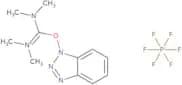
CAS:<p>Fmoc-His(Trt)-OH is a synthetic antimicrobial peptide that belongs to the class of acetylcholine. The peptide was found to inhibit the growth of a number of bacterial genera, including Pseudomonas, Acinetobacter and Burkholderia. The sequence of Fmoc-His(Trt)-OH is acetylated at the N-terminus and amidated at the C-terminus. This peptide has been found to have a broad spectrum of activity against drug resistant bacteria. It has also been shown to be active against mammalian cells in addition to bacterial cells, suggesting it may have therapeutic potential for humans as well as animals.</p>Formula:C40H33N3O4Purity:Min. 98.0 Area-%Molecular weight:619.73 g/molHBTU Reagent
CAS:<p>HBTU is a reagent that is used in the synthesis of peptides. It has been shown to have inhibitory properties and stable complexes with ester linkages. HBTU has been shown to have a negative effect on congestive heart disease, which may be due to its ability to bind to receptors and mimic the effects of peptide hormones. This compound is also used as a model system for mitochondrial membrane potential. HBTU binds covalently to the peptide hormone receptor, which slows down the rate of degradation and increases its resistance to proteases. HBTU can also be used as an immunosuppressant drug in animal models of autoimmune diseases by inhibiting T-cell proliferation and cytokine production.</p>Formula:C11H16N5OPF6Purity:Min. 95%Molecular weight:379.25 g/molKIAA0863 antibody
<p>KIAA0863 antibody was raised in mouse using recombinant Human Adnp Homeobox 2</p>OVA Peptide (257-264)
CAS:<p>SIINFEKL sequence.OVA Peptide (257-264) is a fragment of the OVA protein that stimulates an antibody response. It has been shown to activate various types of immune cells, such as T-cells, B-cells and macrophages.</p>Formula:C45H74N10O13Purity:Min. 95%Molecular weight:963.15 g/molPepstatin A (Synthetic)
CAS:<p>Pepstatin A is a natural product that has been synthesized for use as an inhibitor of proteolytic enzymes. It inhibits the activity of a wide range of proteases and is used in vitro to study the biochemical properties of these enzymes. Pepstatin A inhibits the activity of many important proteases, including those involved in infectious diseases, such as HIV and hepatitis C virus. Pepstatin A binds to the active site on serine proteases, blocking access by their substrates and thereby inhibiting enzyme activity. The binding site is highly conserved among different types of serine protease, with approximately 90% homology between trypsin and chymotrypsin. The inhibitory mechanism involves a specific interaction between pepstatin A's hydrophobic side chain and the catalytic triad residues His57, Asp102, and Ser195 in trypsin or His57, Asp102, and Ser188 in chymotrypsin.</p>Formula:C34H63N5O9Purity:Min. 95%Molecular weight:685.89 g/molHistone H3 (1-20)-[S]-Biotin
<p>Histone H3 (1-20)-[S]-Biotin is derived from Histone 3 (H3) which is one of the four core histones (H2A, H2B, H3 and H4) fundamental in compacting eukaryotic DNA into a structure known as the nucleosome. The nucleosome arises when 147 base pairs of DNA wrap around a H3-H4 tetramer and two H2A-H2B dimers, forming the histone octamer core. Both H4 and H3 are highly conserved and perform roles in binding to segments of DNA which enter and leave the nucleosome and in chromatin formation. Similar to the other core histone, H3 has a globular domain and a flexible N-terminal domain, 'histone tail' which can undergo modifications such as acetylation, methylation, phosphorylation and ubiquitination. Due to histones containing a large number of lysine and arginine residues they have a positive net charge which interacts in an electrostatic manner with the negatively charged phosphate groups in DNA. The transcriptional activation or silencing of the chromatin is controlled by ATP-dependent chromatin remodelling factors and histone modifying enzymes which target histone proteins. Both processes function to alter the positioning of the nucleosome, allowing the DNA it to be either available or inaccessible to the transcription machinery.Another modification process histones can undergo is biotinylation where the covalent attachment of a biotin molecule is catalysed by the enzyme Biotinidase. This cleaves biocytin to generate a biotinyl-thiester intermediate. The biotinyl can then be transferred onto the histone lysine ɛ-amino group which in this case it is covalently attached to Histone 3. Overall the biotinylation sites identified in histone 3 are: K4, K9 and K18. The presence of biotinylated histones have been detected in human cells such as lymphocytes and lymphomas.</p>Color and Shape:PowderMolecular weight:2,424.4 g/molH-VGGTGMFTVR^-OH
<p>Peptide H-VGGTGMFTVR^-OH is a Research Peptide with significant interest within the field academic and medical research. This peptide is available for purchase at Cymit Quimica in multiple sizes and with a specification of your choice.</p>H-GAYPLSIEPIGV^R-OH
<p>Peptide H-GAYPLSIEPIGV^R-OH is a Research Peptide with significant interest within the field academic and medical research. This peptide is available for purchase at Cymit Quimica in multiple sizes and with a specification of your choice.</p>LCBiot-VTSAPDTRPAPGSTAPPAHG-OH
<p>Peptide LCBiot-VTSAPDTRPAPGSTAPPAHG-OH is a Research Peptide with significant interest within the field academic and medical research. This peptide is available for purchase at Cymit Quimica in multiple sizes and with a specification of your choice.</p>Fmoc-Glu(OtBu)-OH•H2O
CAS:<p>Please enquire for more information about Fmoc-Glu(OtBu)-OH•H2O including the price, delivery time and more detailed product information at the technical inquiry form on this page</p>Formula:C24H27NO6•H2OPurity:Min. 98.0 Area-%Molecular weight:443.51 g/molGyy4137 sodium, dichloromethane-free
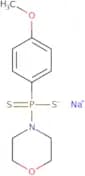
CAS:<p>GYY4137 sodium, dichloromethane-free, is a slow-releasing hydrogen sulfide (H₂S) donor used in research. It is synthesized as a stable compound to deliver controlled and sustained release of hydrogen sulfide, a critical signaling molecule, in biological systems. Its mode of action involves hydrolysis, gradually liberating H₂S, thus mimicking endogenous production more closely compared to fast-releasing sulfide salts.</p>Formula:C11H15NNaO2PS2Purity:Min. 95%Color and Shape:PowderMolecular weight:311.3 g/molSIVmac239 - 13
<p>Custom research peptide; min purity 95%. For different specs please use the Peptide Quote Tool</p>Molecular weight:1,661 g/molH-VLFGLGFAI^-OH
<p>Peptide H-VLFGLGFAI^-OH is a Research Peptide with significant interest within the field academic and medical research. This peptide is available for purchase at Cymit Quimica in multiple sizes and with a specification of your choice.</p>H-GPSVFPLAPSSR^-OH
<p>Peptide H-GPSVFPLAPSSR^-OH is a Research Peptide with significant interest within the field academic and medical research. This peptide is available for purchase at Cymit Quimica in multiple sizes and with a specification of your choice.</p>S-Acm-ß-Mercaptopropionic Acid
CAS:<p>S-Acm-ß-Mercaptopropionic Acid is a selective activator of the human K+ channel KCNQ2/KCNQ3. It is a potent inhibitor of the hERG potassium channel. S-Acm-ß-Mercaptopropionic Acid is a ligand that binds to and activates KCNQ2 and KCNQ3 channels in heart muscle cells. It has shown to be an antibody for the study of ion channels, as well as other receptors and cell biology. This molecule has been used as a research tool for studying protein interactions and pharmacology.</p>Formula:C6H11NO3SPurity:Min. 95%Molecular weight:177.22 g/molH-EVTVDTTLAGYHLPK^-OH
<p>Peptide H-EVTVDTTLAGYHLPK^-OH is a Research Peptide with significant interest within the field academic and medical research. This peptide is available for purchase at Cymit Quimica in multiple sizes and with a specification of your choice.</p>Aoa-HHHHH-OH
<p>Peptide Aoa-HHHHH-OH is a Research Peptide with significant interest within the field academic and medical research. This peptide is available for purchase at Cymit Quimica in multiple sizes and with a specification of your choice.</p>Cardiolipin IgM Positive Human Serum
<p>Cardiolipin IgM Positive Human Serum for diagnostics applications</p>Hepcidin (Mouse) (Bulk)
<p>Bulk product of the mouse Hepcidin peptide hormone, which displays both iron regulation properties and anti-microbial activity. The disulfide bonds within this product are undetermined and it is available as a Trifluoroacetate Salt. Hepcidin is crucial to iron homeostasis in that it binds to ferroportin and inhibits it post translationally from exporting iron. Additionally Hepcidin is also known as LEAP-1 (liver-expressed antimicrobial peptide) due to it limiting the amount of circulating iron that is available to pathogens when it is induced by inflammatory cytokines. However this reduction in circulating iron lowers the amount needed for erythropoiesis. Thus conditions such as anemia of chronic disease may occur. This product can be used for researching disorders where iron is dysregulated.</p>Formula:C111H169N31O35S8Purity:Min. 95%Molecular weight:2,754.2 g/molHeat shock protein (3-13)
<p>Custom research peptide; min purity 95%. For different specs please use the Peptide Quote Tool</p>Formula:C57H94N18O20Molecular weight:1,351.49 g/molH-AFDQIDNAPEEK^-OH
<p>Peptide H-AFDQIDNAPEEK^-OH is a Research Peptide with significant interest within the field academic and medical research. This peptide is available for purchase at Cymit Quimica in multiple sizes and with a specification of your choice.</p>Osteocalcin antibody
<p>The Osteocalcin Antibody is a highly effective family kinase inhibitor that is widely used in Life Sciences assays. This Monoclonal Antibody specifically targets collagen and has been extensively tested for its serine protease inhibitory activity. It is also known for its ability to neutralize antibodies, making it an essential tool in various research applications. The Osteocalcin Antibody has been proven to effectively bind to alpha-fetoprotein, providing accurate and reliable results in diagnostic tests. With its exceptional protein kinase inhibitory properties, this Antibody offers precise and reproducible data for researchers in the field of chemokine studies. Trust the Osteocalcin Antibody for exceptional performance and reliable results in your experiments.</p>H-CSCSSLMDKECVY^FCHLDIIW^-OH
<p>H-CSCSSLMDKECVYFCHLDIIW-OH is a custom research peptide; min purity 95%, TFA salt. For different specs please use the Peptide Quote Tool</p>Formula:C109H163N25O32S5Molecular weight:2,495.97 g/molGalanin Human
<p>Galanin is a neuropeptide synthesised and released by the brainstem locus coeruleus (LC). Galanin is expressed in most LC neurons in rodents and humans. Galanin has been shown to inhibit LC activity by hyperpolarising LC neurons, suppressing their spontaneous firing rate, and enhancing alpha2-adrenergic receptor-mediated negative feedback. Galanin is also a potent trophic and neuroprotective factor throughout the nervous system.Galanin is widely distributed from the central nervous system, peripheral regions and endocrine system. Galanin's overarching function is as an inhibitory, hyper-polarizing neuromodulator for classical neurotransmitters like acetylcholine and serotonin. Galanin interacts with 3 receptor subtypes GalR1-3 which are G protein-coupled receptors and are inserted into the plasma membrane. GalR1 is believed to activate a Gβγ pathway to regulate MAPK activation. GalR2 can also activate the MAPK pathway but unlike GalR1 there is detectable inositol phosphate production. GalR3 is associated with the Gα pathway, activation of the receptor leads to cellular influx of K+. Each receptor has been associated with neurological diseases such as GalR3 and epilepsy.Galanin protects against a variety of physiological insults in vitro, including excitotoxicity and β-amyloid toxicity. Changes in galanin have been widely studied in relation to Alzheimer's disease and galaninergic neurons have been shown to be spared in late-stage Alzheimer's relative to non-galaninergic neurones.</p>Molecular weight:3,157.41 g/molH-AASLDGFYNGR^-OH
<p>Peptide H-AASLDGFYNGR^-OH is a Research Peptide with significant interest within the field academic and medical research. This peptide is available for purchase at Cymit Quimica in multiple sizes and with a specification of your choice.</p>H-Phe-Ser-Leu-Leu-Arg-Tyr-NH2
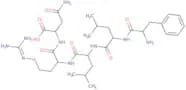
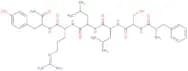
CAS:<p>This is a synthetic peptide that was originally isolated from human colon tissue. It has been shown to sensitize dorsal root ganglia neurons in vitro, producing a response to the neurotransmitter acetylcholine. This peptide also induces apoptosis in neuronal cells and increases the permeability of blood vessels in tissues by activating vasoactive intestinal peptide (VIP) receptors. The effects of this peptide were studied in humans with bowel disease or inflammatory bowel disease. It was found that it may be effective for treating these diseases as well as necrosis factor-mediated inflammation. This peptide is also known to activate IL-10, which is an anti-inflammatory cytokine.</p>Formula:C39H60N10O8Purity:Min. 95%Molecular weight:796.98 g/molAc-RFGRFLRKILRFLKK-NH2
<p>Peptide Ac-RFGRFLRKILRFLKK-NH2 is a Research Peptide with significant interest within the field academic and medical research. This peptide is available for purchase at Cymit Quimica in multiple sizes and with a specification of your choice.</p>H-FVTLVFR^-OH
<p>Peptide H-FVTLVFR^-OH is a Research Peptide with significant interest within the field academic and medical research. This peptide is available for purchase at Cymit Quimica in multiple sizes and with a specification of your choice.</p>H-YTPVGR^-OH
<p>Peptide H-YTPVGR^-OH is a Research Peptide with significant interest within the field academic and medical research. This peptide is available for purchase at Cymit Quimica in multiple sizes and with a specification of your choice.</p>CKMM antibody
<p>CKMM antibody was raised in goat using human skeletal muscle CK-MM isoenzyme as the immunogen.</p>Purity:Min. 95%Fmoc-Arg(Pbf)-OH
CAS:<p>Fmoc-Arg(Pbf)-OH is an amido-resin that is used in the industrial preparation of polyamides and as a reactive component for the synthesis of various peptide or protein drugs. The polymerisation reaction leads to the formation of a linear chain with a high molecular weight and low viscosity. Fmoc-Arg(Pbf)-OH has been used as an envisaged component for the synthesis of acetylcholine, messenger RNA, and nicotinic acetylcholine receptor. Trifluoroacetic acid is commonly used as a solvent in this process.</p>Formula:C34H40N4O7SPurity:Min. 98.0 Area-%Molecular weight:648.77 g/mol[Leu31, Pro34]-NPY (Porcine)
CAS:<p>NPY is a neuropeptide that belongs to the peptide family of neuropeptides. NPY is an activator of G-protein coupled receptors, and it regulates a variety of physiological functions, such as feeding behavior, energy expenditure and water balance. NPY is also involved in various diseases, such as diabetes mellitus, hypertension and cardiac hypertrophy. NPY (Porcine) can be used as a research tool for studying the biological function of NPY or for ligand-binding assays.</p>Formula:C190H286N54O56Purity:Min. 95%Molecular weight:4,222.6 g/molATP synthase subunit β Heavy
<p>ATP synthase subunit β Heavy is derived from the ATP Synthase (the adenosine triphosphate synthase enzymatic complex) and uses the proton-motive force produced by the electron transfer chain to synthesise ATP from ADP and inorganic phosphate. It functions in the inner mitochondrial membrane, prokaryotic members and chloroplasts.Structurally bacterial ATP synthase contains two multisubunit domains called F1 and F0. F1 which is responsible for the catalytic activity of the ATP synthase is made up of the 5 subunits α3, β3, γ, δ, ε and F0 contains a membrane bound sector which creates a proton channel. F1 and F0 are connected by a peripheral stalk and a central stalk which links proton translocation and catalysis. Eukaryotic ATP synthase is similar to that of bacteria in terms of topology, structure and subunit composition.The Valine residue at position 8 has been isotopically labelled with carbon-13 (5) and nitrogen-15 (1), giving this peptide a mass increase of 6 compared to the unlabelled peptide.</p>Purity:Min. 95%Molecular weight:1,327.7 g/molBoc-Cys(tBu)-OH
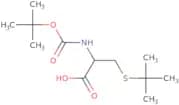
CAS:<p>Boc-Cys(tBu)-OH is a peptide that is an activator of ion channels. It is used as a research tool to study protein interactions, antibody binding, and cell biology. The peptide has been shown to act as an inhibitor of ion channels by binding to the extracellular domain of the receptor and inhibiting ligand binding. It has also been shown to activate potassium channels in mammalian cells.</p>Formula:C12H23NO4SPurity:Min. 95%Molecular weight:277.38 g/molH-FTLSVDR^-OH
<p>Peptide H-FTLSVDR^-OH is a Research Peptide with significant interest within the field academic and medical research. This peptide is available for purchase at Cymit Quimica in multiple sizes and with a specification of your choice.</p>Biot-SLYSSSPGGAYC-NH2
<p>Peptide Biot-SLYSSSPGGAYC-NH2 is a Research Peptide with significant interest within the field academic and medical research. This peptide is available for purchase at Cymit Quimica in multiple sizes and with a specification of your choice.</p>Galardinᵀᴹ
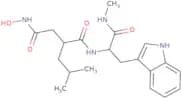
CAS:<p>Galardinâ„¢ is an experimental drug with inhibitory properties, which can be used as a potential drug target to treat various diseases. It inhibits the polymerase chain reaction by binding to the enzyme DNA polymerase and preventing its activity. Galardinâ„¢ also has been shown to have protective effects against oxidative injury in 3T3-L1 preadipocytes and protect cells from cell death by inhibiting toll-like receptor signaling pathways. In addition, it has antimicrobial activity against Candida glabrata and other bacterial strains, such as Staphylococcus aureus and Acinetobacter baumannii.</p>Formula:C20H28N4O4Purity:Min. 95%Molecular weight:388.47 g/mol[Des-Arg9]-Bradykinin Heavy
<p>[Des-Arg9]-Bradykinin Heavy-is a metabolite of des-Arg(9)kinin and its production is increased upon inflammation.-[Des-Arg9]-Bradykinin Heavy acts on the bradykinin B(1) receptor as a potent and highly selective receptor agonist.The bradykinin receptor B1Rs is a heterotrimeric G-protein coupled receptor which regulates migration of microglia and T cells. The expression of the B(1) receptor is induced in various inflammatory conditions, and may play an important role in modulating cardiovascular function.The phenylalanine-residue at position 5 of this peptide is isotopically labelled with Carbon-13 (9) and Nitrogen-15 (1).</p>Purity:Min. 95%Molecular weight:913.5 g/molAc-PTKKLMMWKETGGVEKLFSLPAQPLWNNRLLKLFTRCLTP-NH2
<p>Peptide Ac-PTKKLMMWKETGGVEKLFSLPAQPLWNNRLLKLFTRCLTP-NH2 is a Research Peptide with significant interest within the field academic and medical research. This peptide is available for purchase at Cymit Quimica in multiple sizes and with a specification of your choice.</p>Atorvastatin calcium
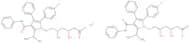
CAS:<p>HMG-CoA reductase inhibitor; anti-hypercholesterolemia agent</p>Formula:C66H68CaF2N4O10Purity:Min. 97 Area-%Color and Shape:White PowderMolecular weight:1,155.34 g/molH-VVSVLTVLHQDWLNGK^-OH
<p>Peptide H-VVSVLTVLHQDWLNGK^-OH is a Research Peptide with significant interest within the field academic and medical research. This peptide is available for purchase at Cymit Quimica in multiple sizes and with a specification of your choice.</p>H-VAPEEHPVLLTEAPLNPK^-OH
<p>Peptide H-VAPEEHPVLLTEAPLNPK^-OH is a Research Peptide with significant interest within the field academic and medical research. This peptide is available for purchase at Cymit Quimica in multiple sizes and with a specification of your choice.</p>H-EDHLFR^-OH
<p>Peptide H-EDHLFR^-OH is a Research Peptide with significant interest within the field academic and medical research. This peptide is available for purchase at Cymit Quimica in multiple sizes and with a specification of your choice.</p>H-LGVSCEVIDLR^-OH
<p>Peptide H-LGVSCEVIDLR^-OH is a Research Peptide with significant interest within the field academic and medical research. This peptide is available for purchase at Cymit Quimica in multiple sizes and with a specification of your choice.</p>Dystrophin (2765-2777)
<p>Forms of inherited muscular dystrophy such as Duchenne muscular dystrophy (DMD) and Becker muscular dystrophy (BMD) result from mutations targeting the dystrophin gene. These disorders are X-linked, progressive, and cause the gradual weakening of the muscles leading to respiratory failure and ultimately reduces the patient lifespan.In DMD, mutations lead to the production of premature stop codons and hence the truncated dystrophin protein product is vulnerable to nonsense mediated decay and degradation. Therefore, dystrophin production in muscle cells is reduced. On the other hand, nonsense mutations which also contribute to DMD, cause exon skipping in BMD and result in an internally truncated protein product which are partially functional. The symptoms of BMD are later onset compared with DMD which develop in patients between 2 to 7 years.Treatments of dystrophin disorders are in clinical trial including antisense oligonucleotide exon skipping and gene therapy. However, the efficacies of these treatments are not easily quantified. Currently levels of muscular dystrophin are quantified by western blot which can be unreliable. The peptide provided here, aligning residues dystrophin (2690-2700), has been tested via mass spectrometry to provide a more reliable method of validation of dystrophin levels. Further study with this dystrophin fragment could prove to be a vital step in the understanding and treatment of dystrophin disorders. Within our catalogue we also have other peptides tested for dystrophin quantification available plus the full-length dystrophin protein.</p>Molecular weight:1,401.7 g/molInfliximab Heavy chain (46-60)
<p>Infliximab is a biologic medicine used in the treatment of numerous autoimmune diseases including Crohn disease, rheumatoid arthritis, and ankylosing spondylitis. Infliximab binds with high affinity to tumour necrosis factor-α (TNF-α) blocking most of the cytokine effects, which includes mediating the inflammatory responses. Infliximab is a chimeric human-mouse IgG monoclonal antibody- the constant regions of the heavy and light chains are human-derived. The heavy chain peptide (46-60) has been identified as an antigen for antigen-specific T cell analysis. Numerous methods of immunological analysis can be applied to this peptide to hopefully provide further insight to these autoimmune conditions.</p>Molecular weight:1,689.9 g/molH-SLEDLQLTHNK^-OH
<p>Peptide H-SLEDLQLTHNK^-OH is a Research Peptide with significant interest within the field academic and medical research. This peptide is available for purchase at Cymit Quimica in multiple sizes and with a specification of your choice.</p>Lactacystin
CAS:<p>Lactacystin is a peptide that acts as an activator of ion channels. It binds to the receptor and activates the ligand-gated ion channel, which then opens the ion channel. This leads to increased influx of ions into the cell and an increase in intracellular calcium concentration. Lactacystin has been used as a research tool for studies on protein interactions, such as antibody-antigen interactions and receptor-ligand interactions. Lactacystin is also used for pharmacological purposes, such as for pain relief or for treatment of epilepsy.</p>Formula:C15H24N2O7SPurity:Min. 95%Molecular weight:376.43 g/molCystatin C antibody
<p>The Cystatin C antibody is a monoclonal antibody that exhibits cytotoxic properties. It specifically targets and binds to cystatin C, a low-molecular-weight protein that plays a role in inhibiting cysteine proteases. By neutralizing the activity of cystatin C, this antibody promotes the activation of cysteine proteases, which are involved in various cellular processes including apoptosis and cell proliferation.</p>TAFI antibody
<p>TAFI antibody is a monoclonal antibody that targets the colony-stimulating factor known as TAFI (thrombin-activatable fibrinolysis inhibitor). This antibody specifically binds to TAFI and neutralizes its activity. TAFI is an enzyme that plays a role in regulating blood clotting and fibrinolysis. By inhibiting TAFI, this antibody promotes fibrinolysis and prevents excessive blood clot formation.</p>proBNP antibody
<p>The proBNP antibody is a highly specific monoclonal antibody that targets proBNP, a precursor of the B-type natriuretic peptide. This antibody has cytotoxic effects on cells that overexpress proBNP, inhibiting their growth and proliferation. It also blocks the activity of growth factors such as collagen and TGF-beta, which are involved in cell signaling pathways. The proBNP antibody can be used in various applications in the life sciences field, including hybridization studies, immunohistochemistry, and flow cytometry. It is also being investigated as a potential therapeutic agent for multidrug-resistant bacteria due to its antibiotic properties. When used in combination with ethionamide, it has shown promising results in inhibiting bacterial growth. With its high affinity for the amino-terminal region of proBNP, this antibody offers great potential for research and diagnostic purposes in the field of cardiology and cardiovascular diseases.</p>H-HGAEIVYKSPVVSGDTSPRH-OH
<p>H-HGAEIVYKSPVVSGDTSPRH-OH is a custom peptide that can be synthesized rapidly by our peptide experts in under 2 weeks. H-HGAEIVYKSPVVSGDTSPRH-OH is provided at greater that >95% purity (HPLC) from Cymit Quimica for a variety of research applications. We also offer H-HGAEIVYKSPVVSGDTSPRH-OH in bulk quantities in addition to our standard pack sizes.Please enquire for more information about H-HGAEIVYKSPVVSGDTSPRH-OH at the technical inquiry form on this page</p>Purity:Min. 95%H-Phe-Leu-Leu-Arg-Asn-OH
CAS:<p>H-Phe-Leu-Leu-Arg-Asn-OH is a β-amino acid that has been shown to have antioxidant properties. It acts as a competitive inhibitor of the enzyme collagenase and has been shown to inhibit the development of atherosclerotic lesions in mice. The amide form of H-Phe-Leu-Leu-Arg-Asn has also been shown to have site specific activity on ventricular myocardium cells, which may be related to its ability to induce cytosolic calcium release. HPLR also has protease activity that can be inhibited by urea nitrogen and β amino acid. Basophilic leukemia cells produce HPLR at high levels and it is thought that this is due to an increased requirement for the production of collagen in these cells.<br>HPLR has been shown to activate thrombin receptors, which are found on the surface of platelets and endothelial cells. Activated thrombin</p>Formula:C31H51N9O7Purity:Min. 95%Molecular weight:661.81 g/molFibronectin Active Fragment (GRGDS)
CAS:<p>Fibronectin is an extracellular matrix protein that plays a critical role in cell adhesion, migration, and differentiation. Fibronectin subunits are composed of repeating units of three types of modules: type I, type II, and type III. The active fragment of fibronectin refers to a small peptide sequence within the type III modules of fibronectin that has been shown to have potent biological activity.<br>The fibronectin active fragment, also known as the cell-binding domain or RGD domain, is a short peptide sequence consisting of the amino acid sequence Arg-Gly-Asp (RGD). This peptide sequence interacts with cell surface receptors known as integrins, which are important for mediating cell adhesion, migration, and signaling.<br>The fibronectin active fragment has been extensively studied as a research tool to investigate the mechanisms of cell adhesion and migration. It has also been used in tissue engineering applications to promote cell attachment and proliferation on synthetic biomaterials.</p>Formula:C17H30N8O9CH3COOHH2OPurity:Min. 95%Molecular weight:490.47 g/molJzTx-V Peptide
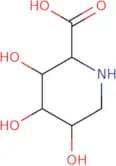
<p>A synthetic tarantula spider toxin sourced from the chinese earth tiger tarantula, Chilobrachys jingzhao. This product has the following disulfide bonds: Cys1-Cys4, Cys2-Cys5, Cys3-Cys6 and is available as a trifluoroacetate Salt.</p>Formula:C157H243N47O38S7Purity:Min. 95%Molecular weight:3,621.43 g/mol(2S,3R,4R,5S)-3,4,5-trihydroxypiperidine-2-carboxylic acid
CAS:<p>Inhibitor of human beta-glucuronidase and L-iduronidase. Manning, K.S.; et al., 1985 J. Chem. Soc. Chem. Commun. 127–129. <br>The subject of a granted patent EP2257286B1 for use in Treatment of Metabolic Syndrome showing control of blood sugar in rodent studies at low concentrations but without being a glucosidase inhibitor.</p>Formula:C6H11NO5Purity:Min. 95%Molecular weight:177.16 g/molRabbit anti Goat IgG
<p>Rabbit anti-goat IgG was raised in rabbit using goat IgG F(ab')2 fragment as the immunogen.</p>Purity:Min. 95%α-Factor
CAS:<p>The alpha factor pheromone arrests yeast in the G1 phase of their cell cycle, this allows the opposite mating type cells to synchronise. Alpha factor mating pheromone induces the expression of mating genes, changes in nuclear architecture, and polarizes growth toward the mating partner. STE2 encodes the alpha factor pheromone transmembrane G-protein coupled receptor (GPCR) found on mating-type-A cells in yeast. Alpha factor binds Ste2 and activates prototypic mitogen-activated protein kinase (MAPK) cascade. The dose of pheromone exposure differentially activates the MAPK Fus3 for alternate effects. A high dose of alpha factor leads to growth arrest and schmooing formation for mating, a lower dose causes elongated cell growth.</p>Formula:C82H114N20O17SPurity:Min. 95%Color and Shape:PowderMolecular weight:1,683.97 g/moldfTAT
<p>Cell-penetrating peptides (CPP) conjugated to biomolecular cargo can provide targeted molecular treatments. This could be revolutionary for numerous conditions such as cancer, muscular dystrophy and many more. CPP often use the endosomal system to enter the cell. Still, they vary in their ability to escape the endosome allowing the cargo to reach its intended area within the cell. Most CPP activity escaping the endosome is weak, and the method is unclear.Dimeric fluorescent TAT (dfTAT) is a CPP composed of 2 TAT peptides with an N-terminal fluorophore tetramethylrhodamine. When incubated with cells, it shows a cytosolic localisation. A simple co-incubation method of dfTAT with a cargo results in efficient endosomal leakage and release of the cargo to the cytosol. dfTAT has been shown to efficiently deliver a wide variety of cargos to the cell, including transcription factors, antibodies, and metal-organic framework (MOF) nanoparticles. One of the significant advantages of using dfTAT is that the co-incubation method of delivery allows dfTAT, and the cargo can be added as separate entities. This enables the controlled titration of material into cells through the modulation of cargo concentration independent of dfTAT.</p>Molecular weight:4,074.3 g/molFmoc-Ala-Gly-OH
CAS:<p>Fmoc-Ala-Gly-OH is a building block for peptide synthesis and Fmoc protected l-amino acid. It is an amino acid that belongs to the group of Fmoc protected l-amino acids. This amino acid can be used as a building block for peptide synthesis, which is a technique for the chemical synthesis of peptides. The general method involves the activation of carboxyl groups on one end of the growing peptide chain with an activating agent such as dicyclohexylcarbodiimide or diisopropylcarbodiimide. The activated carboxyl group reacts with an amine (or ammonia) to form an amide bond, linking the new molecule to the preceding one in the chain. This reaction produces a molecule with a free carboxyl group at one end, which can then repeat the process.</p>Formula:C20H20N2O5Purity:Min. 95%Molecular weight:368.39 g/molCNTF Receptor α antibody
<p>CNTF receptor alpha antibody was raised in goat using CNTF soluble receptor alpha as the immunogen.</p>Purity:Min. 95%




![[D-Arg1,D-Phe5,D-Trp7,9,Leu11]-Substance P](/_next/image/?url=https%3A%2Fstatic.cymitquimica.com%2Fproducts%2F3D%2Fthumb-webp%2FPGH-3652-PI.webp&w=3840&q=75)










![Histone H3 (1-20)-[S]-Biotin](/_next/image/?url=https%3A%2Fstatic.cymitquimica.com%2Fproducts%2F3D%2Fthumb-webp%2FCRB1000542.webp&w=3840&q=75)









![[Leu31, Pro34]-NPY (Porcine)](/_next/image/?url=https%3A%2Fstatic.cymitquimica.com%2Fproducts%2F3D%2Fthumb-webp%2FPNP-4314-S.webp&w=3840&q=75)
![[Des-Arg9]-Bradykinin Heavy](/_next/image/?url=https%3A%2Fstatic.cymitquimica.com%2Fproducts%2F3D%2Fthumb-webp%2FCRB1300683.webp&w=3840&q=75)