Biochemicals and Reagents
Subcategories of "Biochemicals and Reagents"
- Biomolecules(98,563 products)
- By Biological Target(101,024 products)
- By Pharmacological Effects(6,952 products)
- Cryopreservatives(21 products)
- Desinfectants and Related Compounds(28 products)
- Hormones(531 products)
- Plant Biology(6,903 products)
- Secondary Metabolites(14,369 products)
Found 130609 products of "Biochemicals and Reagents"
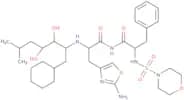
CI-992
CAS:CI-992 is an analog of a Chinese medicinal compound that has been developed as an inhibitor of cancer cell growth. It induces apoptosis, or programmed cell death, in tumor cells by inhibiting the activity of protein kinases involved in the regulation of the cell cycle. CI-992 has shown promising results as an anticancer agent in preclinical studies, demonstrating potent activity against a range of human cancer cell lines. This compound is currently being evaluated for its potential use in the treatment of various types of cancer and may represent a promising new class of cancer inhibitors.Formula:C33H52N6O7S2Purity:Min. 95%Molecular weight:708.9 g/molGSTM2 Blocking Peptide
A synthetic peptide for use as a blocking control in assays to test for specificity of GSTM2 antibody, catalog no. 70R-2848
Purity:Min. 95%TEX264 antibody
TEX264 antibody was raised using the middle region of TEX264 corresponding to a region with amino acids GWDDGDTRSEHSYSESGASGSSFEELDLEGEGPLGESRLDPGTEPLGTTKPurity:Min. 95%Guanylmelamine-13C4
CAS:Please enquire for more information about Guanylmelamine-13C4 including the price, delivery time and more detailed product information at the technical inquiry form on this pageFormula:C4H8N8Purity:Min. 95%Molecular weight:172.13 g/molXiap, gst tagged human
CAS:Xiap is a research tool that has been tagged with GST. It is also an activator, ligand, and receptor of ion channels. Xiap has high purity and is available in CAS No. 219854-86-1. This product is pharmacological, peptide, and protein interactions. Xiap is used in Cell Biology, Antibody, Pharmacology, and Life Science research. It can be used as an inhibitor for Ion channels.Purity:Min. 95%KDM4D-IN-1
CAS:KDM4D-IN-1 is a chemical compound that acts as a selective inhibitor. It is derived synthetically to target the KDM4D enzyme, a member of the Jumonji family of histone demethylases. The mode of action involves the inhibition of the catalytic activity of KDM4D, which regulates the demethylation of lysine residues on histones, specifically demethylating H3K9me3/me2. This regulation plays a significant role in chromatin remodeling and gene expression.Formula:C11H7N5OPurity:Min. 95%Molecular weight:225.21 g/molP32/98
CAS:P32/98 is a synthetic analogue of human glucagon-like peptide-1 (GLP-1) that has been shown to have similar physiological effects. Using in vitro assays, P32/98 has been shown to be enzymatically inactivated by phosphatase and thus may not stimulate the same pathways as GLP-1. However, it has been shown to enhance insulin-stimulated glucose uptake in mouse models of type 2 diabetes and β-cell function in diabetic patients. P32/98 has also been shown to increase the number of insulin producing cells in the pancreas, which could lead to improved glycemic control.Formula:C22H40N4O6S2Purity:Min. 95%Molecular weight:520.7 g/molNUMB antibody
The NUMB antibody is a powerful tool in the field of life sciences. It belongs to the class of monoclonal antibodies and is specifically designed to neutralize the effects of tumor necrosis factor-alpha (TNF-α). This antibody has been extensively studied and proven to be effective in various research applications.TAS-115
CAS:TAS-115 is a monoclonal antibody that binds to the epidermal growth factor receptor (EGFR) and blocks the EGFR signalling pathway. It is used in the treatment of solid tumours, such as lung cancer. TAS-115 has been shown to inhibit Wnt signalling by interfering with the binding of kinase domain of EGFR to its substrate, which leads to inhibition of proliferation and induction of apoptosis in human osteosarcoma cells. In addition, TAS-115 was found to be a potential biomarker for colon cancer.Formula:C27H23FN4O4SPurity:Min. 95%Molecular weight:518.6 g/molHCN3 antibody
HCN3 antibody was raised using the middle region of HCN3 corresponding to a region with amino acids LQAAAVTSNVAIALTHQRGPLPLSPDSPATLLARSAWRSAGSPASPLVPV
Purity:Min. 95%Karyopherin Alpha 3 antibody
Karyopherin Alpha 3 antibody was raised using a synthetic peptide corresponding to a region with amino acids AENPSLENHRIKSFKNKGRDVETMRRHRNEVTVELRKNKRDEHLLKKRNV2-Chloro-N4-(4-methoxybenzyl)pyridine-3,4-diamine
CAS:2-Chloro-N4-(4-methoxybenzyl)pyridine-3,4-diamine (CAS No. 881844-10-6) is an inhibitor of the receptor tyrosine kinase cMet and has been shown to inhibit the proliferation of tumor cells in culture. It inhibits the binding of ligand to cMet, which prevents activation of downstream signaling pathways that lead to cell proliferation.Formula:C13H14ClN3OPurity:Min. 95%Molecular weight:263.72 g/molEIF4E antibody
The 6-Fluoro-3-indoxyl-beta-D-galactopyranoside is a powerful antituberculosis drug that falls under the class of rifamycins. Specifically designed to combat tuberculosis infection, this compound exhibits strong bactericidal activity. It works by binding to DNA-dependent RNA polymerase, effectively inhibiting bacterial growth and preventing transcription and replication. Through various metabolic transformations, such as hydrolysis by esterases or glucuronidases, oxidation by cytochrome P450 enzymes, reduction by glutathione reductase, or conjugation with glucuronic acid, the active form of this drug is metabolized. Additionally, it specifically targets markers expressed at high levels in Mycobacterium tuberculosis strains and inhibits cell growth in culture.
EVI2A antibody
EVI2A antibody was raised in rabbit using the C terminal of EVI2A as the immunogenPurity:Min. 95%