Biochemicals and Reagents
Subcategories of "Biochemicals and Reagents"
- Biomolecules(98,556 products)
- By Biological Target(100,854 products)
- By Pharmacological Effects(6,941 products)
- Cryopreservatives(21 products)
- Desinfectants and Related Compounds(28 products)
- Hormones(528 products)
- Plant Biology(6,904 products)
- Secondary Metabolites(14,368 products)
Found 130538 products of "Biochemicals and Reagents"
mTOR Kinase Inhibitor II, WYE-354
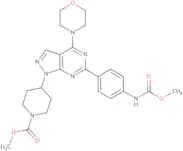
CAS:WYE-354 is a pyrimidine compound that inhibits mTOR kinase, the target of rapamycin. It has been shown to inhibit the production of pro-angiogenic factors and to be an immunosuppressant in vitro and in vivo. WYE-354 also reduces senescent cells, metabolic disorders, and prostate cancer cell growth. The drug increases autophagy levels and induces autophagy in vitro. This drug has not been tested on infectious diseases or autoimmune diseases as of yet.
Formula:C24H29N7O5Purity:Min. 95%Molecular weight:495.53 g/molGw 1929 hydrochloride
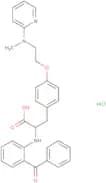
CAS:The gw 1929 hydrochloride is an activator of prophylaxis. The gw 1929 hydrochloride is used for the prophylactic, and/or therapeutic treatment of bacterial infections. It can be used in prophylactic applications for prevention of bacterial infection, or in therapeutic applications for treatment of a bacterial infection. The gw 1929 hydrochloride can be used to treat infections caused by bacteria such as Staphylococcus aureus, Streptococcus pneumoniae, Haemophilus influenzae, Escherichia coli, Mycoplasma pneumoniae, and Listeria monocytogenes.Formula:C30H30ClN3O4Purity:Min. 95%Molecular weight:532 g/mol(2Z)-2-(8-Methoxy-6-thiatricyclo[8.4.0.03,7]tetradeca-1(14),3(7),4,8,10,12-hexaen-2-ylidene)acetic acid
CAS:(2Z)-2-(8-Methoxy-6-thiatricyclo[8.4.0.03,7]tetradeca-1(14),3(7),4,8,10,12-hexaen-2-ylidene)acetic acid is a synthetic small molecule, designed as a specialized compound for targeting specific biochemical pathways. It is derived through precision chemical synthesis, ensuring high purity and efficacy. The compound acts by modulating certain receptor activities, altering signal transduction mechanisms at a cellular level. This modulation may influence various biological processes, making it a candidate for research in therapeutic applications.Formula:C16H12O3SPurity:Min. 95%Molecular weight:284.3 g/molSAR-260301
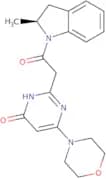
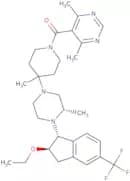
CAS:SAR-260301 is a small molecule that inhibits the activation of epidermal growth factor receptor (EGFR), which is a tyrosine kinase receptor. SAR-260301 prevents the phosphorylation of the EGFR, which blocks the downstream signaling pathways and inhibits tumor cell proliferation. SAR-260301 has been shown to be effective in cancer treatment by inhibiting tumor cell proliferation and stimulating apoptosis, as well as reducing oxidative injury. It also selectively inhibits EGFR over other kinases such as insulin receptor and platelet-derived growth factor receptor. SAR-260301 has not yet been tested on human subjects but has demonstrated promising results in animal models with skin cancer or cervical cancer.
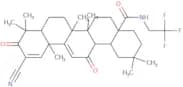
Formula:C19H22N4O3Purity:Min. 95%Molecular weight:354.4 g/mol2-Cyano-3,12-dioxo-N-(2,2,2-trifluoroethyl)-oleana-1,9(11)-dien-28-amide
CAS:2-Cyano-3,12-dioxo-N-(2,2,2-trifluoroethyl)-oleana-1,9(11)-dien-28-amide is a Chinese compound that has been found to be an effective inhibitor of kinases. Specifically, it has been shown to inhibit cyclin-dependent kinase (CDK) 4 and 6, which are important regulators of cell cycle progression. This compound also exhibits potent anticancer activity against a variety of human cancer cell lines. It induces apoptosis in tumor cells by inhibiting the activity of protein kinases that play a critical role in cell survival and proliferation. The analog of this compound has been found in urine samples from cancer patients and may serve as a potential biomarker for the diagnosis and monitoring of cancer progression. Overall, 2-Cyano-3,12-dioxo-N-(2,2,2-trifluoroethyl)-oleana-1,9(11)-dien-
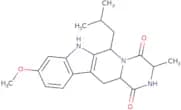
Formula:C33H43F3N2O3Purity:Min. 95%Molecular weight:572.7 g/molML753286
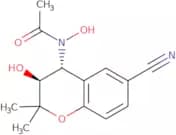
CAS:Please enquire for more information about ML753286 including the price, delivery time and more detailed product information at the technical inquiry form on this pageFormula:C20H25N3O3Purity:Min. 95%Molecular weight:355.4 g/molY-26763
CAS:Y-26763 is a drug that blocks ATP-sensitive potassium channels. It has been shown to decrease intracellular calcium concentrations in isolated smooth muscle cells and inhibit the release of acetylcholine from atropine-sensitive sites. In studies with dogs, Y-26763 has shown a potent antihypertensive effect and caused a dose-dependent decrease in blood pressure. Y-26763 is not active against dry weight or whole body weight changes, but it does have an effect on bladder function. The mechanism of action is unknown, but may be related to the inhibition of ATP sensitive potassium channels.Formula:C14H16N2O4Purity:Min. 95%Molecular weight:276.29 g/molRPH-2823
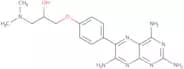
CAS:RPH-2823 is a cutting-edge biochemical reagent, meticulously synthesized through advanced organic chemistry processes. This compound is derived from a series of complex reactions involving proprietary modifications to enhance its stability and reactivity under physiological conditions. The intricate mode of action of RPH-2823 involves targeting specific biochemical pathways, allowing for precise interaction at the molecular level with target receptors or enzymes. It exhibits strong affinity and selectivity, making it a valuable tool in modulating biological activities. RPH-2823 finds extensive applications in biochemical research, particularly within cellular signaling and metabolic pathway studies. It serves as an indispensable resource for unraveling complex biological mechanisms, facilitating the identification and characterization of potential therapeutic targets. Scientists utilize RPH-2823 to gain insights into cellular processes, offering the potential for groundbreaking discoveries in pharmacology and biotechnology.
Formula:C17H22N8O2Purity:Min. 95%Molecular weight:370.41 g/molINCB9471
CAS:INCB9471 is a drug that inhibits the activity of human immunodeficiency virus (HIV) by binding to the viral reverse transcriptase enzyme. It has been shown to be active against HIV-1 and HIV-2, with low cytotoxicity for cells in vitro. INCB9471 can be used for the treatment of bone cancer or as a diagnostic agent for infectious diseases, such as tuberculosis or hepatitis B. The compound has not been tested in animals or humans for long-term toxicity, bowel disease, primary sclerosing cholangitis, or antiviral resistance. However, it has been shown to be efficacious in treating her2+ breast cancer and long-term efficacy (up to 3 years) in patients with chronic hepatitis C.
Purity:Min. 95%WAY 100635
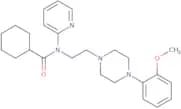
CAS:WAY 100635 is a selective 5-HT2 receptor antagonist with high affinity for the α-subunit of the 5-HT2 receptors. WAY 100635 blocks the activation of these receptors by serotonin and other agonists and has been shown to have no effect on dopamine release or binding at dopaminergic sites. This agent has been shown to have a significant effect on locomotor activity in rats, as well as on concentrations of serotonin in the hippocampus. WAY 100635 is also used as a model system for studying the effects of drugs that interact with 5-HT2 receptors. In this system, WAY 100635 binds selectively to 5-HT2A receptors and prevents their activation by serotonin, which results in an increase in extracellular levels of dopamine in the nucleus accumbens.Formula:C25H34N4O2Purity:Min. 95%Molecular weight:422.56 g/molPT 1
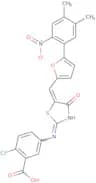
CAS:PT 1 is a carboxyl-functionalized chiral polythiophene that has been used in vitro to synthesize a biodegradable implant. This compound has shown potential for the treatment of cancers and inflammatory diseases due to its ability to bind insulin or hematopoietic cells. PT 1 can be synthesized through coordination chemistry, and its molecular structure features sequences with antigen binding properties. PT 1 has shown the ability to inhibit ketoconazole enantiomer and proinflammatory cytokines such as TNF-α, IL-6, and IL-1β.
PT 1 is an electronic interaction molecule that has been shown to have anti-cancer effects on various cancer cell lines, including hepatocellular carcinoma (HCC), human breast adenocarcinoma (MCF7), pancreatic ductal adenocarcinoma (PANC1), lung cancer (LNCaP), prostate cancer (PC3) and leukemia (HLFormula:C23H16ClN3O6SPurity:Min. 95%Molecular weight:497.91 g/mol18:1 Dansyl ps
CAS:18:1 Dansyl ps is a fluorescent lipid probe, which is a synthetic derivative of phosphatidylserine. It is labeled with a dansyl group, providing unique fluorescent properties. This product is sourced from synthetic lipid modification processes, allowing for precise incorporation of the fluorescent moiety into the lipid structure. The mode of action of 18:1 Dansyl ps involves its integration into lipid bilayers, where its fluorescent properties can be used to investigate membrane dynamics, interactions, and organization.Formula:C54H95N4O12PSPurity:Min. 95%Molecular weight:1,055.39 g/molDebio 0932
CAS:Debio 0932 is a peptide-based protein that has potent antitumor activity against solid tumors and has the potential to interact with tumor cells. This protein is a potent inhibitor of HSP90, which is an important cellular chaperone and regulator of cell growth. Debio 0932 has been shown to inhibit the proliferation of cancer cells in animal models and xenograft tumor growth in vitro. It is also able to induce an antitumor response in mice, leading to complete regression of established tumours. Debio 0932 has been shown to be active against all tested carcinoma cell lines, including those resistant to conventional chemotherapeutic agents such as doxorubicin.Formula:C22H30N6O2SPurity:Min. 95%Molecular weight:442.58 g/molElacestrant dihydrochloride
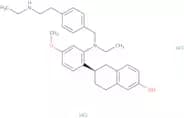
CAS:Controlled ProductElacestrant dihydrochloride is a potential drug for the treatment of breast cancer. This agent has been shown to inhibit the activity of CDK4/6, which are enzymes that regulate the cell cycle and prevent progression from G1 to S phase. Elacestrant dihydrochloride also causes apoptosis in tumor cells by binding to death receptors, causing them to trigger the release of proteins that activate apoptosis. The uptake of elacestrant dihydrochloride into tumor cells is increased by epidermal growth factor (EGF) and other receptor binding drugs. A study found that elacestrant dihydrochloride at a dose of 100 mg/kg was effective in reducing tumor growth in xenograft mice models when combined with palbociclib.
Formula:C30H40Cl2N2O2Purity:Min. 95%Molecular weight:531.56 g/mol14:0-12:0 NBD pa
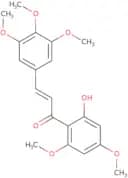
CAS:14:0-12:0 NBD PA is a fluorescent phospholipid analog, which is a synthetic lipid derived from phosphatidic acid. It features a nitrobenzoxadiazole (NBD) moiety covalently attached to the acyl chain, making it a powerful tool to study biomembrane properties and lipid-protein interactions. The mode of action involves its ability to integrate into lipid bilayers, where the NBD group provides a fluorescent signal when illuminated with specific wavelengths. This enables visualization and tracking of lipid dynamics in real-time.Formula:C35H62N5O11PPurity:Min. 95%Molecular weight:759.87 g/mol1-(2-Hydroxy-4,6-dimethoxyphenyl)-3-(3,4,5-trimethoxyphenyl)-2-propen-1-one
CAS:1-(2-Hydroxy-4,6-dimethoxyphenyl)-3-(3,4,5-trimethoxyphenyl)-2-propen-1-one is a peptide that is used as a research tool in cell biology and pharmacology. It can be used to inhibit the activity of ion channels and receptors. This product has high purity and is an activator of ligand binding.Formula:C20H22O7Purity:Min. 95%Molecular weight:374.38 g/molEsomeprazole magnesium hydrate
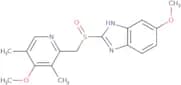
CAS:Esomeprazole magnesium hydrate is a proton pump inhibitor that inhibits the secretion of acid by the stomach. It is used for the treatment of gastroesophageal reflux disease and peptic ulcers. Esomeprazole magnesium hydrate belongs to a group of drugs called nonsteroidal anti-inflammatory drugs (NSAIDs). NSAIDs inhibit prostaglandin synthesis, which is required for pain and inflammation. The effects of this drug are dose-dependent. Esomeprazole magnesium hydrate has been shown to be toxic in animal studies, with effects on stomach, liver, kidneys, heart, lungs, and spleen. This drug has also been shown to interact with other medications such as omeprazole sodium and omeprazole.Formula:C17H19N3O3SPurity:Min. 95%Molecular weight:345.4 g/molRuncaciguat
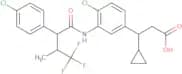
CAS:Runcaciguat is a compound that inhibits the mineralocorticoid receptor. Runcaciguat has been shown to improve symptoms of chronic kidney disease and reduces the incidence of cancer in patients with chronic kidney disease. This drug also inhibits the activity of serine proteases, which are enzymes that break down proteins. Runcaciguat has been shown to inhibit soluble guanylate cyclase, which is an enzyme that converts GTP into cGMP, causing a decrease in cGMP levels and subsequent relaxation of blood vessels. This can help increase renal blood flow in patients with metabolic disorders or endometriosis. Clinical studies have indicated that runcaciguat may be effective in treating cardiac diseases such as hypertension and congestive heart failure (CHF).Formula:C23H22Cl2F3NO3Purity:Min. 95%Molecular weight:488.3 g/molN-[2-(4-Aminophenoxy)ethyl]-4-bromo-N,N-dimethylbenzeneethanaminium bromide hydrobromide
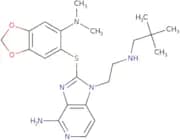
CAS:2-Aminoacridone is a fluorescent chemical that can be used to detect the presence of α1-acid glycoprotein in human serum. 2-Aminoacridone is used as an analytical tool for measuring the activity of enzymes that catalyze nucleic acid synthesis, such as polymerases and transcription factors. It is also used to measure the activity of enzymes involved in polysaccharide synthesis, such as glycosyltransferases and glucuronidases. This chemical reacts with basic fibroblast cells and macrophages, which are white blood cells that play a role in inflammation. 2-Aminoacridone is also effective at detecting the presence of acidic oligosaccharides in polymers. The fluorescence detector is used to measure the intensity of this reaction by measuring the emission spectrum. The enzyme substrates are added to provide energy for this reaction, while trifluoroacetic acid removes any water molecules that may interfereFormula:C18H24N2O·HBr·BrPurity:Min. 95%Molecular weight:525.12 g/molPpardelta agonist
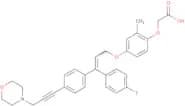
CAS:Ppardelta is a partial agonist of the peroxisome proliferator-activated receptor delta (PPARδ). Ppardelta has been shown to activate PPARδ and induce hypoglycemic effects in vitro. PPARδ is a nuclear receptor that belongs to the family of transcription factors that regulate energy metabolism, lipid and carbohydrate metabolism, and inflammation. Studies have shown that PPARδ plays an important role in regulating atherosclerotic lesion formation in vivo. Further studies show that ppardelta inhibits oxidative injury induced by hydrogen peroxide and prevents neuronal death induced by excitotoxicity. This drug also binds to DNA and has been shown to bind specifically to regions where it can inhibit gene expression.Formula:C31H30FNO5Purity:Min. 95%Molecular weight:515.6 g/mol

![(2Z)-2-(8-Methoxy-6-thiatricyclo[8.4.0.03,7]tetradeca-1(14),3(7),4,8,10,12-hexaen-2-ylidene)acetic…](/_next/image/?url=https%3A%2Fstatic.cymitquimica.com%2Fproducts%2F3D%2Fthumb-webp%2FYDA32039.webp&w=3840&q=75)


![N-[2-(4-Aminophenoxy)ethyl]-4-bromo-N,N-dimethylbenzeneethanaminium bromide hydrobromide](/_next/image/?url=https%3A%2Fstatic.cymitquimica.com%2Fproducts%2F3D%2Fthumb-webp%2FBZB98428.webp&w=3840&q=75)