Cellular and Molecular Biology
Cellular and molecular biology is a fundamental branch of science that studies the structure and function of cells at the molecular level. This field encompasses a wide range of research, including genetics, biochemistry, biotechnology, and medicine, providing essential knowledge for the development of medical treatments, gene therapies, and advancements in biotechnology. At CymitQuimica, we offer a broad selection of high-quality, high-purity products for research in cellular and molecular biology. Our catalog includes reagents, assay kits, antibodies, proteins, nucleic acids, and other specialized products that support researchers in their studies on cell structure and function, molecular signaling, gene expression, and many other critical aspects of biology. These resources are designed to facilitate scientific discoveries and practical applications in various areas of bioscience.
Subcategories of "Cellular and Molecular Biology"
- Cell Culture Reagents(1,276 products)
- Cryopreservatives(21 products)
- DNA and RNA Related Compounds(2,506 products)
- Dyes, Stains and Tinctures(3,001 products)
- Electrophoresis(298 products)
- Immunoassay Reagents(275 products)
- Nucleosides(3,569 products)
- Nucleotides(2,642 products)
Found 10734 products of "Cellular and Molecular Biology"
Sort by
Purity (%)
0
100
|
0
|
50
|
90
|
95
|
100
Dystrophin, DMD
<p>The Dystrophin protein, encoded by the dystrophin gene, is part of the dystrophin glycoprotein complex which connects the inner cytoskeleton to the extracellular matrix in muscle fibres. This allows the muscle cell plasma membrane to remain structurally stable.Forms of inherited muscular dystrophy such as Duchenne muscular dystrophy (DMD) and Becker muscular dystrophy (BMD) result from mutations targeting the dystrophin gene. These disorders are X-linked, progressive and cause the gradually weakening of the muscles leading to respiratory failure and ultimately reduces the patient lifespan.In DMD, mutations lead to the production of premature stop codons and hence the truncated dystrophin protein product is vulnerable to nonsense mediated decay and degradation. Therefore dystrophin production in muscle cells is reduced. On the other hand, nonsense mutations which also contribute to DMD, cause exon skipping in BMD and result in an internally truncated protein product which are partially functional. The symptoms of BMD are later onset compared with DMD which develop in patients between 2 to 7 years.</p>Molecular weight:1,515.8 g/molDystrophin (50-61)
<p>Forms of inherited muscular dystrophy such as Duchenne muscular dystrophy (DMD) and Becker muscular dystrophy (BMD) result from mutations targeting the dystrophin gene. These disorders are X-linked, progressive, and cause the gradual weakening of the muscles leading to respiratory failure and ultimately reduces the patient lifespan.In DMD, mutations lead to the production of premature stop codons and hence the truncated dystrophin protein product is vulnerable to nonsense mediated decay and degradation. Therefore, dystrophin production in muscle cells is reduced. On the other hand, nonsense mutations which also contribute to DMD, cause exon skipping in BMD and result in an internally truncated protein product which are partially functional. The symptoms of BMD are later onset compared with DMD which develop in patients between 2 to 7 years.Treatments of dystrophin disorders are in clinical trials including antisense oligonucleotide exon skipping and gene therapy. However, the efficacies of these treatments are not easily quantified. Currently levels of muscular dystrophin are quantified by western blot which can be unreliable. The peptide provided here, aligning residues dystrophin (50-61), has been used to try and create a quantifiable method that is reproducible. The method used was not successful, but dystrophin (50-61) remains a useful tool to create a potential quantification method for diagnosis and progress of dystrophin disorders as it was effectively detected by mass spectrometry and Western blot. Within our catalogue we also have other peptides tested for dystrophin quantification available plus the full-length dystrophin protein.</p>EHD1
<p>EHD1 is a member of the C-terminal EPS15-Homology Domain-containing (EHD) protein family and is involved in recycling cell surface receptors.</p>Molecular weight:1,367.7 g/molDystrophin (2690-2700)
<p>Forms of inherited muscular dystrophy such as Duchenne muscular dystrophy (DMD) and Becker muscular dystrophy (BMD) result from mutations targeting the dystrophin gene. These disorders are X-linked, progressive, and cause the gradual weakening of the muscles leading to respiratory failure and ultimately reduces the patient lifespan.In DMD, mutations lead to the production of premature stop codons and hence the truncated dystrophin protein product is vulnerable to nonsense mediated decay and degradation. Therefore, dystrophin production in muscle cells is reduced. On the other hand, nonsense mutations which also contribute to DMD, cause exon skipping in BMD and result in an internally truncated protein product which are partially functional. The symptoms of BMD are later onset compared with DMD which develop in patients between 2 to 7 years.Treatments of dystrophin disorders are in clinical trial including antisense oligonucleotide exon skipping and gene therapy. However, the efficacies of these treatments are not easily quantified. Currently levels of muscular dystrophin are quantified by western blot which can be unreliable. The peptide provided here, aligning residues dystrophin (2690-2700), has been tested via western blot, mass spectrometry, immunostaining and RT-PCR to try and provide the most robust method of validation of dystrophin levels possible. Further study with this dystrophin fragment could prove to be a vital step in the understanding and treatment of dystrophin disorders. Within our catalogue we also have other peptides tested for dystrophin quantification available plus the full-length dystrophin protein.</p>Dystrophin (396-405)
<p>Forms of inherited muscular dystrophy such as Duchenne muscular dystrophy (DMD) and Becker muscular dystrophy (BMD) result from mutations targeting the dystrophin gene. These disorders are X-linked, progressive, and cause the gradual weakening of the muscles leading to respiratory failure and ultimately reduces the patient lifespan.In DMD, mutations lead to the production of premature stop codons and hence the truncated dystrophin protein product is vulnerable to nonsense mediated decay and degradation. Therefore, dystrophin production in muscle cells is reduced. On the other hand, nonsense mutations which also contribute to DMD, cause exon skipping in BMD and result in an internally truncated protein product which are partially functional. The symptoms of BMD are later onset compared with DMD which develop in patients between 2 to 7 years.Treatments of dystrophin disorders are in clinical trials including antisense oligonucleotide exon skipping and gene therapy. However, the efficacies of these treatments are not easily quantified. Currently levels of muscular dystrophin are quantified by western blot which can be unreliable. The peptide provided here, aligning residues dystrophin (396-405), has been shown to provide absolute quantification of dystrophin levels from biopsies using parallel reaction monitoring. This will hopefully allow better management of dystrophin disorders with better quantifications tools based on dystrophin (396-405). Further study with this dystrophin fragment could prove to be a vital step in the understanding and treatment of dystrophin disorders. Within our catalogue we also have other peptides tested for dystrophin quantification available plus the full-length dystrophin protein.</p>Dystrophin (2765-2777)
<p>Forms of inherited muscular dystrophy such as Duchenne muscular dystrophy (DMD) and Becker muscular dystrophy (BMD) result from mutations targeting the dystrophin gene. These disorders are X-linked, progressive, and cause the gradual weakening of the muscles leading to respiratory failure and ultimately reduces the patient lifespan.In DMD, mutations lead to the production of premature stop codons and hence the truncated dystrophin protein product is vulnerable to nonsense mediated decay and degradation. Therefore, dystrophin production in muscle cells is reduced. On the other hand, nonsense mutations which also contribute to DMD, cause exon skipping in BMD and result in an internally truncated protein product which are partially functional. The symptoms of BMD are later onset compared with DMD which develop in patients between 2 to 7 years.Treatments of dystrophin disorders are in clinical trial including antisense oligonucleotide exon skipping and gene therapy. However, the efficacies of these treatments are not easily quantified. Currently levels of muscular dystrophin are quantified by western blot which can be unreliable. The peptide provided here, aligning residues dystrophin (2690-2700), has been tested via mass spectrometry to provide a more reliable method of validation of dystrophin levels. Further study with this dystrophin fragment could prove to be a vital step in the understanding and treatment of dystrophin disorders. Within our catalogue we also have other peptides tested for dystrophin quantification available plus the full-length dystrophin protein.</p>Molecular weight:1,401.7 g/molLubiprostone
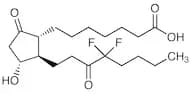
CAS:Formula:C20H32F2O5Purity:>97.0%(HPLC)Color and Shape:White to Light yellow powder to crystalMolecular weight:390.472,6-Di-O-methyl-β-cyclodextrin
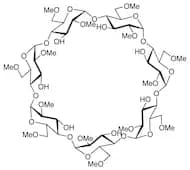
CAS:Formula:C56H98O35Purity:>95.0%(HPLC)Color and Shape:White to Light yellow powder to crystalMolecular weight:1,331.37Olaparib
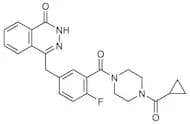
CAS:Formula:C24H23FN4O3Purity:>95.0%(HPLC)Color and Shape:White to Light yellow powder to crystalMolecular weight:434.47Astaxanthin
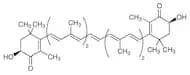
CAS:Formula:C40H52O4Purity:>95.0%(HPLC)Color and Shape:Red to Dark red to Dark purple powder to crystalMolecular weight:596.85Ruthenium(II) Nitrosyl Chloride
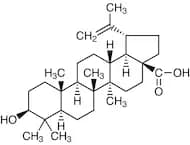
CAS:Formula:RuCl3NOPurity:>97.0%(T)Color and Shape:Yellow to Amber to Dark red powder to crystalMolecular weight:255.45Betulinic Acid
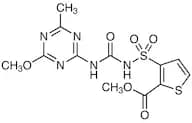
CAS:Formula:C30H48O3Purity:>97.0%(GC)(T)Color and Shape:White to Light yellow to Light orange powder to crystalMolecular weight:456.71Thifensulfuron-methyl
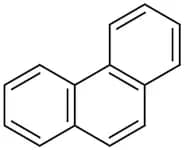
CAS:Formula:C12H13N5O6S2Purity:>97.0%(HPLC)Color and Shape:White to Almost white powder to crystalMolecular weight:387.39Phenanthrene
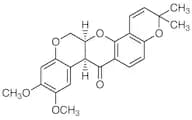
CAS:Formula:C14H10Purity:>97.0%(GC)Color and Shape:White to Light yellow to Light orange powder to crystalMolecular weight:178.23(-)-Deguelin
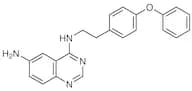
CAS:Formula:C23H22O6Purity:>95.0%(HPLC)Color and Shape:White to Yellow to Green powder to crystalMolecular weight:394.42QNZ
CAS:Formula:C22H20N4OPurity:>98.0%(HPLC)Color and Shape:White to Light yellow to Green powder to crystalMolecular weight:356.43Indocyanine Green
CAS:Formula:C43H47N2NaO6S2Color and Shape:Light yellow to Amber to Dark green powder to crystalMolecular weight:774.97